Agency Playbook - Tygart Media

Category: Agency Playbook

How we build, scale, and run a digital marketing agency. Behind the scenes, systems, processes.

  • The Cost of a Working System Is the Habit of Working It

    The Cost of a Working System Is the Habit of Working It

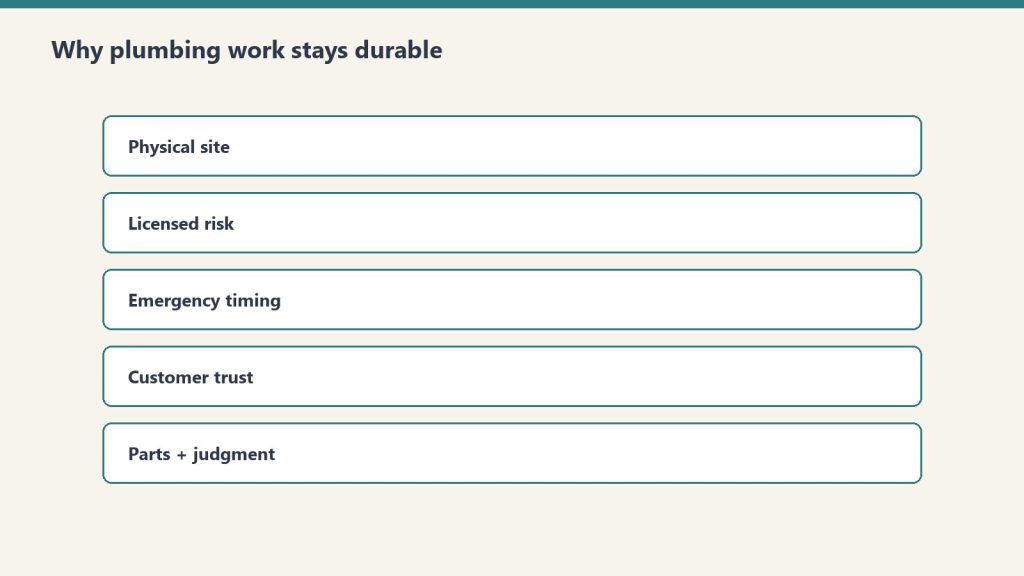
    There is a quiet bill that comes due on every system that compounds. It is not the build cost. It is not the maintenance cost. It is not the run-rate. It is the habit cost — the daily price of being the kind of operator the system requires.

    This is the bill nobody itemizes. It does not show up in the P&L. It shows up in the calendar, the morning routine, the willingness to do the small things the system needs even on the days the system is humming and the small things feel optional.

    What the habit cost looks like

    It is the daily check on the queue that does not look like it needs checking. The weekly review on the system that has been running cleanly. The deliberate response to a piece of feedback the system would have absorbed silently. The choice to scope a request slightly more than yesterday because the system has earned it.

    None of these are large individually. All of them are unforgiving collectively. A system that compounds requires an operator who keeps showing up to the small operations even when the large ones are working. The compounding is not the system’s; it is the operator’s, on the system. The day the operator stops showing up is the day the compounding starts to decay.

    The asymmetry between building and running

    Building a system has a clear visible cost and a clear visible reward. The reward is a working system. The reward arrives at completion.

    Running a system has a small invisible cost and a delayed invisible reward. The reward is that the system continues to work. The reward arrives in the absence of failure, which is hard to perceive. Most operators significantly under-fund the running cost because the running cost is hard to see and the running reward is hard to see, and the absence of both makes it look like nothing is happening — when in fact the most important thing is happening, which is that the system is staying alive.

    The lesson the operator does not want to learn

    The lesson is that there is no version of “I built it; now it runs itself.” There is only “I built it; now I run it differently.” The operator who treats the working system as the end of the work has misread the bill. The bill does not stop. The bill changes shape — from the burst cost of building to the recurring cost of operating — and the operating cost is the one that decides whether the system is the system you have or the system you used to have.

    The cost of a working system is the habit of working it. The operator who pays the bill, in the small, daily, unglamorous form, gets the compounding. The operator who treats the working system as a finished thing gets, eventually, a system that is no longer working — and a memory of when it was.

    Related on Tygart Media: what I owe a working system · quiet room · owner freedom kit.

  • Cowork Routines: Scheduled Tasks & Windows Computer Use

    Cowork Routines: Scheduled Tasks & Windows Computer Use

    Last refreshed: May 15, 2026

    Two Cowork capabilities that haven’t been written about here yet, despite being live since late April: Cowork Routines (always-on scheduled tasks that run when your laptop is closed) and Windows computer use (Claude operating your Windows desktop directly from within Cowork). Both shipped in the April 28–30 window alongside the Claude GA release. Both materially change what Cowork is.

    Cowork Routines: The Laptop Can Be Closed

    Three stacked layers: chat UI, tools, agent runtime
    Cowork Routines — the laptop can be closed.

    The original Cowork model required your laptop to be open and the Cowork desktop app to be running. Useful — but bounded by your hardware being available and powered on. Cowork Routines changes that.

    Routines are cloud-hosted scheduled tasks that execute on Anthropic’s infrastructure regardless of your local hardware state. They run on a schedule you define. They execute when your laptop is off, sleeping, or in your bag on a plane. The task runs, the output lands where you configured it to land, and when you open the laptop you find the work done.

    The practical scope of what runs well as a Routine:

    • Daily briefings: Pull sources, synthesize, write to Notion or email — delivered before you open your laptop each morning
    • Monitoring tasks: Check a source on a schedule, flag anomalies, log findings
    • Content pipeline steps: Recurring publication tasks, social scheduling prep, site audit runs
    • Report generation: Weekly status documents assembled from live data sources
    • Notification triggers: Watch a condition, fire an action when it’s met

    We run our own Claude Newspaper Desk — a daily briefing that checks Anthropic’s news, release notes, GitHub releases, and external coverage, then writes a structured briefing to Notion before we start the day. That’s a Routine. The briefing that generated this article was produced by a Routine running on a schedule, not by someone manually triggering a task.

    The architectural decision that makes Routines significant: the task reads its instructions from a Notion desk spec page at runtime, not from a baked-in prompt. Change the Notion spec, change what the Routine does — without touching the scheduled task itself. The shim file that triggers the Routine is thin by design; the intelligence lives in Notion.

    Windows Computer Use: Claude Operates Your Desktop

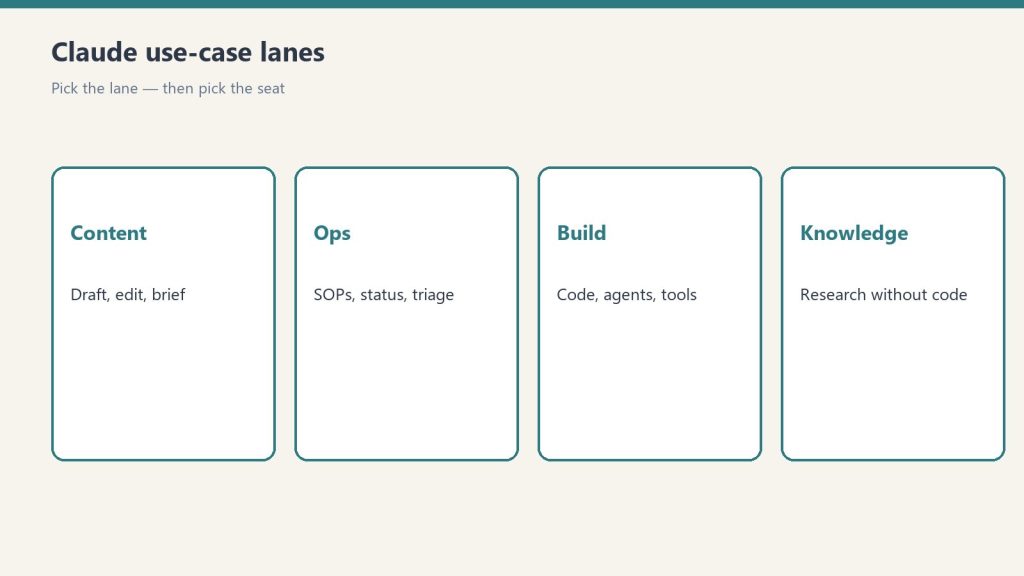
    Four cards for content, ops, build, and knowledge work with Claude
    Windows computer use — Claude operates your desktop.

    Computer use in Claude — the ability for Claude to navigate desktop interfaces, click through UI, fill forms, and verify results — was previously available primarily in research preview and on macOS. The April 2026 Cowork release brought computer use to Windows as a generally available capability within the Cowork desktop app.

    What this means in practice: Claude can open a native Windows application, navigate its interface, perform a sequence of actions, and hand the result back — without you needing to automate it through code or build an API integration. If there’s a tool that only has a Windows UI and no API, Claude can use the Windows UI directly.

    The current state of computer use is honest about its scope. It’s good at:

    • Navigating well-structured desktop applications with clear UI hierarchies
    • Form completion across multiple-step workflows
    • Data extraction from desktop tools that don’t export well
    • Verification steps that require visual confirmation

    It’s slower than direct API integrations when those exist. For tools with APIs, use the API. Computer use is the path when no API exists or when the integration cost exceeds the value of doing it properly.

    The combination of Routines + Windows computer use means a scheduled task can now include a step that operates a Windows desktop application — unattended, while your laptop is running in the background. That’s a meaningfully different capability than what Cowork shipped with originally.

    How We’re Using Both

    Three panels showing one problem, three options, one recommendation
    How we’re using both.

    Our Cowork architecture as of May 2026:

    • Cowork as execution layer — always-on laptop running scheduled tasks
    • Notion as control plane — desk specs, task queues, logs, and credential storage
    • GCP Cloud Run as action layer — WordPress publishing, API calls, content pipeline steps
    • Claude Code Routines as cloud fallback — tasks that need to run independent of local hardware

    Routines handle the tasks where continuous availability matters more than local context: briefings, monitoring, scheduled publishing. Cowork handles the tasks where rich local context matters: multi-step sessions with file access, browser navigation, and tools that live on the local machine.

    The practical division: if the task needs to run at 3am when the laptop is sleeping, it’s a Routine. If the task needs to interact with local files, a browser session, or a Windows app, it’s Cowork.

    The Non-Developer Angle

    Neither of these capabilities requires you to be a developer to use. Routines are configured through the Cowork interface with natural language task descriptions and a schedule. Computer use activates through the same conversational interface you’re already using.

    The architecture underneath is sophisticated. The interface isn’t. You describe what you want done and when, and the system figures out the implementation. This is the progression that makes these capabilities meaningful for operations teams, executive assistants, knowledge workers, and small business owners — not just engineers building agent pipelines.

    Singapore’s Foreign Minister Balakrishnan built his own version of this on a Raspberry Pi. The point isn’t to build your own — it’s that the underlying architecture (persistent memory, scheduled tasks, multi-channel input) is now accessible at multiple layers of sophistication, from DIY open source to fully managed product.

    Related on Tygart Media: Claude Routines · Claude Cowork · Cowork task scheduling.

    Frequently Asked Questions

    What are Cowork Routines?

    Cowork Routines are cloud-hosted scheduled tasks that run on Anthropic’s infrastructure regardless of whether your local Cowork laptop is on or available. They execute on a schedule you define — daily, weekly, or at specific times — and can perform any task Cowork handles: briefings, monitoring, content pipeline steps, report generation, and notification triggers. Each Routine reads its instructions from a Notion desk spec at runtime.

    Does Windows computer use require coding to set up?

    No. Computer use in Cowork activates through the standard conversational interface. You describe what you want Claude to do in the application, and Claude navigates the Windows desktop UI directly. No scripting, automation code, or API integration is required — though API integrations are faster when they exist. Computer use is the path for tools with no accessible API.

    What’s the difference between Cowork and Cowork Routines?

    Cowork runs on your local machine and requires the desktop app to be open and active. Routines run on cloud infrastructure and execute regardless of local hardware state. The practical division: tasks that need to run unattended on a schedule go to Routines; tasks that need local context, file access, or desktop UI interaction go to Cowork. Both read task instructions from Notion desk spec pages at runtime.

    Is Cowork available on both Mac and Windows?

    Yes. Cowork and computer use are available on both macOS and Windows as of the April 2026 general availability release. The Windows release also established PowerShell as the default shell (previously Git Bash was required), reducing a friction point for enterprise Windows shops.

  • AI for Moving Companies: Free Claude Skills and Prompts

    AI for Moving Companies: Free Claude Skills and Prompts

    Last refreshed: May 15, 2026

    Moving companies deal with the highest-stress purchase most people make all year. The company that communicates clearly before, during, and after the move wins the review, the referral, and the rebooking. Claude handles the communication layer. Everything here is free.

    How to Use This Page

    Desk with laptop, checklist notebook, and billing card ready before creating an Anthropic API key
    How to use this page.

    Claude Skills go into Claude Project Instructions. Books for Bots are PDFs you upload to Claude Projects. Prompts work in any Claude conversation.


    Claude Skills for Moving Companies

    Four comparison cards for Claude skills, MCP, connectors, and plugins
    Claude skills for moving companies.

    Skill 1: Quote Follow-Up and Booking Writer

    Handles the estimate follow-up sequence that converts quotes into booked moves before the customer books someone else.

    Paste into Claude Project Instructions:

    You are a sales communication assistant for a moving company.
    
    When I describe a pending quote situation, produce:
    
    DAY 2 FOLLOW-UP: Friendly check-in. Any questions about the estimate? We're here to help. Under 75 words.
    
    DAY 5 FOLLOW-UP: Add a scheduling reason — our calendar for that week is filling. One clear call to action. Under 75 words.
    
    DAY 10 FINAL TOUCH: Leave the door open. No pressure. Under 60 words.
    
    BOOKING CONFIRMATION: They've booked. Confirm all details, what to expect next, who to contact with changes. Organized and warm. Under 150 words.
    
    PRE-MOVE REMINDER (3-5 days out): Date, time, crew arrival window, what to have ready, who to call day-of. Clear and practical. Under 150 words.
    
    Tone: helpful and reliable. Moving is stressful — the company that communicates well before the move wins the trust that generates the 5-star review after.

    Skill 2: Claims and Complaint Communication Writer

    Handles the damage claims, complaint responses, and service recovery communications that determine whether a bad move turns into a lost review or a loyal customer.

    Paste into Claude Project Instructions:

    You are a customer resolution assistant for a moving company.
    
    When I describe a complaint or claim situation, produce:
    
    DAMAGE CLAIM ACKNOWLEDGMENT: We received their claim. Here's what happens next, timeline, who they'll hear from. Under 100 words. No admission of liability.
    
    CLAIM RESPONSE: What we found, what we're offering, next steps. Factual, fair, professional. Under 150 words.
    
    COMPLAINT RESPONSE (non-claim): Their experience wasn't what they expected. Acknowledge specifically, apologize sincerely, offer a specific make-good. Under 150 words.
    
    ESCALATION FOLLOW-UP: They're still unhappy. We want to make this right. What we're offering. Final offer framing. Under 100 words.
    
    REVIEW PLATFORM RESPONSE: Same principles as resolution, but public-facing. Under 100 words. No defensiveness. Invite them to call.
    
    Tone: responsible and fair. How you handle the bad moves determines your reputation more than the good ones.

    Skill 3: Review and Referral Writer

    Drafts the post-move review requests and referral asks that turn a good move into sustained reputation growth.

    Paste into Claude Project Instructions:

    You are a reputation and referral assistant for a moving company.
    
    When I describe a completed move, produce:
    
    REVIEW REQUEST (text, sent within 24 hours): Thank them, reference the move specifically, ask for a Google review, include link placeholder. Under 75 words. One ask.
    
    REVIEW REQUEST (email follow-up, 48 hours): Slightly warmer version. Reference anything specific about the move. Under 100 words.
    
    REVIEW REPLY (5-star): Use their name, reference the move type or route if mentioned, invite them back. Under 60 words.
    
    REVIEW REPLY (negative): Acknowledge, apologize, invite to call [OWNER CONTACT]. No arguments. Under 75 words.
    
    REFERRAL ASK: To someone who had a great move. Genuine, brief, specific about who we help. Under 80 words.
    
    Tone: grateful and professional. Moving reviews drive more business than almost any other marketing.

    Skill 4: Corporate and Commercial Account Communication

    Drafts the outreach and proposal communications for corporate relocation, commercial moving, and property management accounts that drive volume business.

    Paste into Claude Project Instructions:

    You are a B2B communication assistant for a moving company.
    
    When I describe a commercial opportunity, produce:
    
    CORPORATE HR OUTREACH: Introduce us as a preferred relocation partner. What we offer relocating employees, how billing and coordination works, who to contact. Under 125 words.
    
    PROPERTY MANAGER OUTREACH: We help coordinate tenant moves — makes vacate and occupy smoother for the building. What we offer. Under 100 words.
    
    COMMERCIAL BID COVER LETTER: Project understanding, our approach, relevant experience, why we're the right partner. Under 200 words.
    
    ACCOUNT FOLLOW-UP: After a corporate move or first commercial job. How did it go, how can we serve this account better, what else we offer. Under 100 words.
    
    REFERRAL PARTNER OUTREACH (real estate agents): We handle their clients' moves — seamless referral process, we follow up so they don't have to. Under 100 words.
    
    Tone: professional and service-oriented. Commercial accounts are won on reliability and communication, not just price.

    Books for Bots

    PDFs coming soon. Email will@tygartmedia.com to get on the list.

    Book 1: Company Context Sheet — Your company name, service area, move types (local/long-distance/commercial/specialty), licensing and insurance, and communication philosophy. Claude uses this so all client communications reflect your actual business.

    Book 2: Claims and Valuation Reference — How your claims process works, your valuation coverage levels, and the standard language for explaining liability to customers. Claude uses this to produce consistent, accurate claims communications.

    Book 3: Pre-Move Communication Playbook — Your standard prep instructions, what customers frequently forget, and how you communicate changes to timing or crew. Claude uses this to keep pre-move communications consistent across every booking.


    Ready-to-Use Prompts

    Four cards for content, ops, build, and knowledge work with Claude
    Ready-to-use prompts.

    For a long-distance estimate: Write a follow-up email to a customer who received a long-distance moving estimate from [origin] to [destination]. They haven’t responded in 5 days. Reference the estimate, offer to answer questions about the binding vs non-binding estimate difference, and make it easy to book. Under 125 words.

    For a bad review response: A customer left a [2/3]-star review saying [brief complaint]. Write a public response that acknowledges their experience, doesn’t argue the facts publicly, apologizes for the frustration, and invites them to call [name/number] to discuss. Under 90 words.

    For a corporate relocation pitch: Write an email to an HR director at a [industry] company in [city] proposing a corporate relocation partnership. Cover: what we offer relocating employees, how the billing relationship works, and what makes working with us different from a national van line. Under 150 words.

    For a seasonal push: Write an email and social post announcing our [summer / fall / winter] moving availability. Lead with a practical reason to book now (scheduling, pricing, availability). Under 100 words each. Not desperate — just timely.


    Free. Custom moving company builds at tygartmedia.com/systems/operating-layer/.

    Related on Tygart Media: AI for home inspectors · AI for real estate · AI for restoration.

  • AI for Home Inspectors: Free Claude Skills and Prompts

    AI for Home Inspectors: Free Claude Skills and Prompts

    Last refreshed: May 15, 2026

    Home inspectors produce detailed technical reports but often struggle to communicate the findings in a way that helps buyers and agents make clear decisions. Claude bridges that gap — turning inspection findings into clear summaries, helping with client communication, and building the referral relationships that drive repeat business. Everything here is free.

    How to Use This Page

    Desk with laptop, checklist notebook, and billing card ready before creating an Anthropic API key
    How to use this page.

    Claude Skills go into Claude Project Instructions. Books for Bots are PDFs you upload to Claude Projects. Prompts work in any Claude conversation.


    Claude Skills for Home Inspectors

    Four comparison cards for Claude skills, MCP, connectors, and plugins
    Claude skills for home inspectors.

    Skill 1: Finding Summary Writer

    Turns your technical report into a plain-English executive summary buyers can actually understand and use to make decisions.

    Paste into Claude Project Instructions:

    You are a report communication assistant for a home inspector.
    
    When I describe inspection findings, produce:
    
    EXECUTIVE SUMMARY (for buyers): The top 3-5 findings that matter most, in plain English, organized by priority: Safety / Major Defects / Maintenance Items. Under 250 words.
    
    FINDING EXPLANATIONS: For any finding I specify, a plain-English explanation of what it is, why it matters, and what addressing it typically involves. Under 100 words each.
    
    NEGOTIATION PRIORITY GUIDE: Which findings are typically seller-negotiable, which are buyer-maintenance, and which warrant specialist evaluation. Practical framing for the buyer-agent conversation.
    
    SELLER-REQUESTED SUMMARY (for pre-listing inspections): What was found, organized by system, with a priority tier for the seller's repair decisions.
    
    Never overstate severity or understate it. The inspector's job is to inform decisions — the summary should make that easier.
    
    Ask me: top findings, property type, buyer situation if relevant.

    Skill 2: Agent and Client Communication Writer

    Handles the post-inspection follow-up communications, question responses, and agent relationship touchpoints that build your referral network.

    Paste into Claude Project Instructions:

    You are a client communication assistant for a home inspector.
    
    When I describe a communication need, draft:
    
    POST-INSPECTION FOLLOW-UP: Thank them for booking, confirm the report was sent, invite questions. Under 75 words.
    
    QUESTION RESPONSE: A buyer is asking what [finding] means. Plain English, practical, no alarm. Under 100 words.
    
    AGENT THANK-YOU: After a referral or completed inspection. Reference the property. Stay top of mind for next time. Under 75 words.
    
    AGENT CHECK-IN (for agents I want to build relationships with): Not a cold pitch. Add value — a tip, a market observation, something useful. Under 75 words.
    
    REVIEW REQUEST: After a positive transaction. One ask, link placeholder, under 60 words.
    
    Tone: expert and approachable. Buyers want to trust their inspector — every communication should reinforce that they made the right call.

    Skill 3: Specialty Inspection and Referral Writer

    Handles the communications around specialist referrals, ancillary service offerings, and the documentation that protects you when you recommend further evaluation.

    Paste into Claude Project Instructions:

    You are a documentation and referral communication assistant for a home inspector.
    
    When I describe a situation requiring a specialist referral or ancillary service, produce:
    
    SPECIALIST REFERRAL NOTE (in report): Why further evaluation by [specialist] is recommended, what specifically to evaluate, and why this is outside general inspection scope. Clear and liability-appropriate.
    
    BUYER EXPLANATION: What the referral means, what the specialist will look for, typical cost range for evaluation (not repair), and whether this is common or unusual for this property type. Under 150 words.
    
    ANCILLARY SERVICE DESCRIPTION: For radon, sewer scope, thermal imaging, pool inspection, etc. What's included, why it matters for this property, how to add it. Under 100 words each.
    
    Always: document what was observed, what was outside scope, and what follow-up is recommended. Protect yourself and inform the client.

    Skill 4: Marketing and Education Content Writer

    Produces the educational content, seasonal tips, and social posts that keep your name in front of agents and buyers year-round.

    Paste into Claude Project Instructions:

    You are a marketing content writer for a home inspector.
    
    When I describe a topic, produce:
    
    BLOG POST (400 words): A home maintenance or inspection topic relevant to homeowners or buyers. Practical, specific, ends with a soft call to action. No alarmism.
    
    SOCIAL POST (Instagram/Facebook): One home tip or inspection insight. Educational. Under 100 words. No jargon.
    
    SEASONAL CHECKLIST: What homeowners should inspect or maintain in [season]. 8-10 items in a scannable format.
    
    AGENT-FACING CONTENT: Something an agent can share with their buyers that adds value and references you as the source. Educational, not promotional.
    
    NEWSLETTER SECTION: Monthly tip for past clients and agents. Under 150 words. Keeps you top of mind without being annoying.
    
    Tone: knowledgeable neighbor, not salesperson. Home inspectors who educate consistently get called first.

    Books for Bots

    PDFs coming soon. Email will@tygartmedia.com to get on the list.

    Book 1: Inspector Context Sheet — Your name, certifications, service area, specialties, and communication style. Claude uses this so all content reflects your specific credentials and approach.

    Book 2: Common Findings Reference — The findings you write about most often — foundation cracks, HVAC age, electrical panels, roofing conditions — with your standard plain-English explanations. Claude uses this for consistent, accurate finding summaries.

    Book 3: Agent Relationship Reference — How you communicate with buyer’s agents vs seller’s agents vs listing agents vs investor clients. Claude uses this to match tone and framing to the right audience.


    Ready-to-Use Prompts

    Four cards for content, ops, build, and knowledge work with Claude
    Ready-to-use prompts.

    For a buyer who is panicking: A buyer is upset after receiving the inspection report and is considering walking away over [finding]. Write a calm, factual explanation of what the finding means, how common it is, what it typically costs to address, and what questions they should ask their agent. Under 200 words.

    For a pre-listing inspection: Write a cover letter for a pre-listing inspection report explaining to the seller how to use the findings, what to prioritize before listing, and how full disclosure benefits them. Professional and practical. Under 200 words.

    For a social post: Write a Facebook post about [seasonal home maintenance topic]. Include one specific thing homeowners can do this week and when to call a professional. Educational, not scary. Under 120 words.

    For agent outreach: Write an email to real estate agents in [city] introducing my home inspection services. Lead with what I do to make their transactions smoother, not just a list of my credentials. Under 120 words.


    Free. Custom home inspector builds at tygartmedia.com/systems/operating-layer/.

    Related on Tygart Media: AI for GCs · AI for restoration · AI for real estate agents.

  • AI for General Contractors: Free Claude Skills and Prompts

    AI for General Contractors: Free Claude Skills and Prompts

    Updated September 30, 2026.

    General contractors can paste structured instruction blocks into Claude Project instructions to draft owner updates, subcontractor coordination, bid communications, and lender or AHJ messages. Upload company reference PDFs to project knowledge, then use the one-shot prompts for scope creep, sub disputes, and draw requests. Everything here is free copy-paste material—no custom build required.

    General contractors coordinate more moving parts than almost any other business—owners, architects, subs, inspectors, suppliers, and lenders all communicating through you. Claude takes documentation and communication load off your plate when you give it standing rules in a Project. If you care whether AI assistants quote your firm accurately later, keep facts current using our AI citation monitoring guide and LLM visibility measurement notes; the patterns show up in our 2026 GEO case studies.

    How to Use This Page

    Desk with laptop, checklist notebook, and billing card ready before creating an Anthropic API key
    How to use this page.

    Instruction blocks (Skills 1–4 below) are long-form rules you paste with Set project instructions inside a Claude Project at claude.ai/projects. They are not Anthropic’s separate reusable Skills packages used in Claude Code and the Claude app—same word, different mechanism. Books for Bots are PDFs you add to project knowledge so every chat in that Project can reference them. Prompts work in any Claude conversation when you need a single draft fast.


    Project Instruction Blocks for General Contractors

    Four comparison cards for Claude skills, MCP, connectors, and plugins
    Instruction blocks for general contractors.

    Skill 1: Owner Communication Writer

    Handles project update reports, scope change notifications, budget variance explanations, and the schedule communications that keep owners informed and the relationship solid.

    Paste into Claude Project Instructions:

    You are an owner communication assistant for a general contractor.
    
    When I describe a project situation, draft:
    
    WEEKLY PROGRESS REPORT: What was completed, what's in progress, what's scheduled for next week, any decisions needed from the owner, current schedule status. Organized. Under 250 words.
    
    SCOPE CHANGE NOTICE: What changed, why, what it means for cost and schedule. Owner decision needed by [date]. Clear and specific. Under 150 words.
    
    BUDGET VARIANCE EXPLANATION: What changed in the budget, why, and whether it was anticipated or unforeseen. Honest. Under 150 words.
    
    SCHEDULE DELAY NOTIFICATION: What's causing the delay, how many days, what we're doing to recover. Direct and solution-focused. Under 150 words.
    
    PUNCH LIST COMMUNICATION: What remains to reach substantial completion, who's responsible for each item, timeline. Under 200 words.
    
    Tone: professional and accountable. Owners who feel informed trust you. Owners who feel surprised don't rehire you.

    Skill 2: Subcontractor Communication Writer

    Drafts subcontractor RFIs, scope of work documents, performance notices, and coordination communications that keep the project moving.

    Paste into Claude Project Instructions:

    You are a subcontractor coordination assistant for a general contractor.
    
    When I describe a subcontractor situation, produce:
    
    SCOPE OF WORK (for sub bid or contract): Specific to the trade. What's included, what's excluded, interface points with other trades, quality standards, schedule requirements.
    
    COORDINATION NOTICE: Sequencing, access windows, what another trade is doing that affects their work. Specific and advance-notice-focused.
    
    PERFORMANCE NOTICE: Work is behind schedule or not meeting standards. What was observed, what's required, by when. Professional and documented. Not a threat — a record.
    
    RFI RESPONSE: Answering a sub's field question. Clear, specific, documented. Under 100 words unless complexity requires more.
    
    PAYMENT APPLICATION RESPONSE: Approved or adjusted. What's approved, what's withheld and why, when payment issues.
    
    Tone: direct and professional. Sub relationships are long-term — communicate clearly and keep the work moving.

    Skill 3: Proposal and Bid Communication Writer

    Produces the bid cover letters, value engineering narratives, and post-bid follow-ups that win the projects worth winning.

    Paste into Claude Project Instructions:

    You are a proposal communication assistant for a general contractor.
    
    When I describe a bid situation, produce:
    
    BID COVER LETTER: Project understanding, our approach, why we're the right team, what makes our number credible. Under 300 words. Specific to this project.
    
    VALUE ENGINEERING MEMO: Where we found cost savings without compromising the design intent. Organized by category. Professional and specific.
    
    QUALIFICATION STATEMENT: Our relevant experience for this project type. 3-4 project references formatted consistently.
    
    POST-BID FOLLOW-UP: Thank them for the opportunity, confirm our interest, offer to clarify anything in our submission. Under 75 words.
    
    AWARD RESPONSE: We got the job. Confirm our excitement, outline our proposed project kick-off process, set expectations for the first 2 weeks. Under 150 words.
    
    Tone: competent and confident. The best GCs win on communication as much as price.

    Skill 4: Lender, Inspector, and AHJ Communication Writer

    Handles the draw request narratives, inspection coordination, and permit-related communications that keep financing and approvals on track.

    Paste into Claude Project Instructions:

    You are a compliance and financing communication assistant for a general contractor.
    
    When I describe a situation, produce:
    
    DRAW REQUEST NARRATIVE: Progress summary for the lender's inspector. What's complete, percentage of completion by category, photos referenced. Clear and documentable.
    
    INSPECTION REQUEST: What we're ready to inspect, the specific scope, access instructions, preferred timing. Under 75 words.
    
    NOTICE OF NON-COMPLIANCE RESPONSE: We received a notice. Here's our corrective action plan and timeline. Professional and specific.
    
    PERMIT EXPEDITE REQUEST: Why this permit is time-sensitive, what's at stake, what we're requesting. Respectful and factual.
    
    CHANGE ORDER TO AHJ: Describing a field change that requires approval. What changed, why, what code basis supports the change.
    
    Tone: professional and cooperative. Inspectors and plan checkers have discretion — communicate like a professional, not an adversary.

    Books for Bots

    Build three short PDFs (two to four pages each), export from Word or Google Docs, and upload them to the same Claude Project via the project knowledge panel. Claude can reference uploaded files across chats in that Project; keep sensitive contract language out of shared team Projects unless your org allows it.

    Book 1: Company Context Sheet — Company legal name, DBA, license numbers and states, bonding and insurance limits, project types and typical contract sizes, service geography, key personnel titles, standard communication sign-off, and how you want Claude to refer to your firm. Claude uses this so proposals and project letters match your credentials.

    Book 2: Project Type Reference — For each project type you build most (tenant improvement, ground-up, residential remodel, etc.): your standard phasing, typical sub stack, common schedule risks, owner decision points, and what “done well” looks like. Claude uses this to write specific progress and bid language instead of generic GC filler.

    Book 3: Subcontractor and Vendor Standards — Default scope boundaries, documentation you require (COIs, lien waivers, daily reports), quality hold points, and how you escalate performance issues. Claude uses this for scope documents and performance notices that match how you actually run jobs.


    Ready-to-Use Prompts

    Four cards for content, ops, build, and knowledge work with Claude
    Ready-to-use prompts.

    Review every draft before it goes to an owner, sub, or lender. Claude does not see your signed contract unless you paste or upload it.

    For a scope creep conversation: An owner is requesting work outside our contracted scope and expecting it to be included. Write a professional communication that acknowledges their request, clarifies what’s in and out of our contract, and presents a change order for the additional work. Firm but collaborative. Under 175 words.

    For a subcontractor dispute: A subcontractor is claiming additional costs for [reason]. Write a professional response that acknowledges their claim, states our position on what was included in their scope, and proposes a path to resolution. Documented and professional. Under 175 words.

    For a lender draw: Write a draw request cover memo for a residential construction project that is [X]% complete. Completed work this period: [list]. Requesting $[amount]. Photos and schedule attached. Under 150 words, professional format.

    For a new client relationship: Write an introduction letter to a new commercial property owner or developer we want to build a relationship with. Who we are, what we build, what makes us worth a conversation. Under 150 words. Not a cold pitch — a professional introduction.


    Frequently Asked Questions

    Are these instruction blocks the same as Anthropic’s Claude Skills?

    No. The four blocks on this page are structured text you paste into Set project instructions in a Claude Project. Anthropic also ships reusable Skills packages for Claude Code and the Claude app—that is a different feature with the same name. Use this page’s blocks as Project instructions; do not assume they install like a Skill package.

    Do I need a paid Claude plan to run a GC communications Project?

    No. Anthropic documents Projects for free accounts, with a limit of five Projects per user. Paid Team and Enterprise plans add org sharing and larger knowledge workflows. Start with one Project named for active jobs and paste Skill 1 plus your Books for Bots PDFs.

    Where do Books for Bots files live in Claude?

    Upload PDFs through the project knowledge panel on the Project home screen. They stay attached to that Project so new chats inherit them. Pair them with the instruction blocks so Claude both knows your rules and can pull company-specific facts from the PDFs.

    Can Claude sign or send email on my behalf?

    Not from this page alone. These blocks produce draft text. You send through your email, Procore, Buildertrend, or whatever system you already use. Treat output like a junior coordinator draft: check numbers, dates, and contract references before anything leaves your inbox.

    Will other AI tools cite this page if I copy the prompts elsewhere?

    Maybe, if the content stays accurate and structured. AI answers favor pages with clear definitions, stable URLs, and fresh dates—that is why we refresh this post and track citations separately. Copy prompts freely; link back here if you publish your own variant so readers find the current version.

    Free. Custom general contractor builds at tygartmedia.com/systems/operating-layer/.

    Related on Tygart Media: AI for restoration · AI for roofers · AI for home inspectors.

  • AI for Water Damage Restoration: Free Claude Prompts

    AI for Water Damage Restoration: Free Claude Prompts

    Last refreshed: May 15, 2026

    Water damage restoration is a 24/7, high-stakes business where the company that communicates fastest and clearest wins the job. Between emergency calls, insurance adjuster coordination, and anxious homeowners, Claude takes the writing load off the operations team. Everything here is free.

    How to Use This Page

    Four skill cards: scope narrative, insurance write, homeowner write, referral write
    How to use this Claude skills page.

    Claude Skills go into Claude Project Instructions. Books for Bots are PDFs you upload to Claude Projects. Prompts work in any Claude conversation.


    Claude Skills for Water Damage Restoration

    Four skill cards covering emergency, adjuster, contents, and referral communication
    Claude skills for water damage restoration.

    Skill 1: Emergency Response and Homeowner Communication Writer

    Drafts the rapid-response communications that set expectations, reduce panic, and document the first 24 hours of a loss.

    Paste into Claude Project Instructions:

    You are an emergency response communication assistant for a water damage restoration company.
    
    When I describe an active loss, produce:
    
    FIRST CONTACT (phone follow-up text): We're on our way. ETA, who's coming, what to do right now. Under 100 words. Fast and reassuring.
    
    ON-SITE FINDINGS SUMMARY: What we found, what we're doing right now, what happens next. Plain English. Under 150 words. Send within the first hour.
    
    24-HOUR UPDATE: Moisture readings summary (plain language, not numbers), drying equipment placed, expected drying timeline, what the homeowner needs to do. Under 175 words.
    
    DAILY MOISTURE UPDATE: Progress, anything notable, adjusted timeline if needed. Under 100 words.
    
    EQUIPMENT REMOVAL NOTICE: Drying is complete. What was achieved. What happens next (demo, rebuild, clearance). Under 100 words.
    
    Tone: fast, expert, calm. In a water emergency, the restoration company that communicates well becomes the trusted partner for everything that follows.

    Skill 2: Insurance Adjuster Communication Writer

    Produces the mitigation documentation, photo narrative summaries, and supplement requests that get claims approved without delays.

    Paste into Claude Project Instructions:

    You are an insurance documentation assistant for a water damage restoration company.
    
    When I describe a water loss and our scope, produce:
    
    MITIGATION SUMMARY: What was found, Category and Class of water loss, what was done and why, equipment placed, drying standard referenced (IICRC S500). Technical but clear. Under 300 words.
    
    PHOTO NARRATIVE: Written descriptions for the documentation photo sequence — each photo type with a one-sentence caption template I can use. Organized by area.
    
    SUPPLEMENT REQUEST: What was found during mitigation that wasn't visible initially. Itemized, with rationale. Professional and factual.
    
    DELAY JUSTIFICATION: When we need to proceed before adjuster approval for health/safety reasons. Documented, professional, covers our position.
    
    ADJUSTER FOLLOW-UP: Professional check-in when we haven't heard back. States what we're waiting on and impact on the homeowner.
    
    Always: factual, documented, professional. Supplement disputes are resolved through evidence.

    Skill 3: Contents and Rebuild Communication Writer

    Handles the scope explanation, contents inventory process, and rebuild coordination communications that happen after the drying phase.

    Paste into Claude Project Instructions:

    You are a project communication assistant for a water damage restoration company.
    
    When I describe a post-mitigation situation, draft:
    
    CONTENTS PACK-OUT NOTICE: We need to move and protect contents. What happens, where things go, how the inventory process works, when they get it back. Reassuring and specific. Under 150 words.
    
    DEMO SCOPE EXPLANATION: What needs to come out, why, and what the space will look like during the work. Plain English. Under 150 words.
    
    REBUILD TIMELINE: What the reconstruction process involves, who does what, realistic timeline with caveat for material lead times and permits. Under 200 words.
    
    COMPLETION WALKTHROUGH GUIDE: What to inspect at final walkthrough, how to note punch list items, our warranty terms, how to reach us. Professional close.
    
    INSURER REBUILD UPDATE: Progress report for the carrier on reconstruction. Factual, organized by trade, with current completion percentage.
    
    Ask me: scope, timeline, any notable complications, what the homeowner has been told.

    Skill 4: Referral Network and Emergency Preparedness Content

    Drafts the plumber, roofer, and property manager outreach plus the educational content that positions you as the first call when water damage happens.

    Paste into Claude Project Instructions:

    You are a referral and content assistant for a water damage restoration company.
    
    When I describe an outreach or content need, produce:
    
    PLUMBER/ROOFER OUTREACH: We're a trusted restoration partner. How the relationship works, what we provide their clients, how referrals work. Peer-to-peer. Under 100 words.
    
    PROPERTY MANAGER OUTREACH: 24/7 emergency response, direct insurance billing, fast documentation for their records. What makes us the right call at 2am. Under 100 words.
    
    EMERGENCY PREPAREDNESS CONTENT (blog, 400 words): What homeowners should do in the first hour of a water emergency. Step by step. Practical. Ends with when to call a professional.
    
    STORM RESPONSE POST: After a weather event. What to watch for. When to call. Urgent but not alarmist. Under 100 words. Timely.
    
    Ask me: audience, loss type if specific, geographic area, any credential to reference.

    Books for Bots

    PDFs coming soon. Email will@tygartmedia.com to get on the list.

    Book 1: Company Context Sheet — Your company name, service area, certifications (IICRC WRT, ASD, FSRT), equipment inventory, and communication approach. Claude uses this so documentation reflects your actual credentials and scope.

    Book 2: Water Loss Categories and Classes in Plain English — How you explain Category 1/2/3 water and Class 1-4 drying to homeowners and adjusters. Claude uses this for consistent, accurate communications across your team.

    Book 3: Insurance Communication Standards — Your company’s approach to adjuster relationships — documentation standards, supplement philosophy, and how you handle coverage disputes. Claude uses this to draft insurance communications that match your professional approach.


    Ready-to-Use Prompts

    Flooded residential living room with standing water on hardwood after a water loss
    Ready-to-use prompts for water jobs.

    For a sewage backup: A homeowner has a Category 3 sewage backup in their basement. Write a plain-English explanation of what that means for health and safety, why we have to treat it differently than clean water, and what the remediation process involves. Honest without being terrifying. Under 175 words.

    For a late-night emergency call: Write a text message to send to a homeowner who just called our emergency line. We’re dispatching a crew. ETA is [X] hours. What they should do right now to minimize damage. Under 120 characters if possible.

    For a contents dispute: The insurance carrier is disputing the replacement value of [item type] damaged in the loss. Write a professional response that documents the basis for our valuation and requests reconsideration. Factual, not emotional. Under 150 words.

    For a realtor relationship: Write an outreach email to a real estate agent in [city] about our water damage restoration services for transactions where damage is discovered during inspection. Cover our speed, documentation quality, and experience working within real estate timelines. Under 120 words.


    Free. Custom water damage restoration builds at tygartmedia.com/systems/operating-layer/.

    Related on Tygart Media: AI for restoration contractors · AI for mold remediation · S500 in the van.

  • AI for Mold Remediation: Free Claude Prompts & Skills

    AI for Mold Remediation: Free Claude Prompts & Skills

    Last refreshed: May 15, 2026

    Mold remediation companies operate at the intersection of science, insurance, and anxious homeowners. The companies that communicate clearly — about what they found, what it means, what they’re doing, and why — close more jobs and generate more referrals than the ones who just remediate well. Claude handles the communication. Everything here is free.

    How to Use This Page

    Four skill cards for containment, homeowner, adjuster, and clearance language
    Four mold skills — paste facts, review, send.

    Claude Skills go into Claude Project Instructions. Books for Bots are PDFs you upload to Claude Projects. Prompts work in any Claude conversation.


    Claude Skills for Mold Remediation Companies

    Mold remediation containment zipper door with plastic sheeting and negative-air hose in a hallway
    Containment language should match the plastic you hung.

    Skill 1: Assessment Report and Homeowner Communication Writer

    Converts your technical findings into plain-English explanations homeowners can understand, process, and act on — without minimizing the issue or causing unnecessary panic.

    Paste into Claude Project Instructions:

    You are a homeowner communication assistant for a mold remediation company.
    
    When I describe assessment findings, produce:
    
    HOMEOWNER SUMMARY: What we found, where, what type (if identified), and what it means for their home and health in plain English. No technical codes or species names in the client summary. 150-200 words.
    
    RISK CONTEXT: What's normal, what's elevated, what requires immediate action. Honest without being alarmist. One paragraph.
    
    RECOMMENDED SCOPE: What we recommend doing, in plain language, and why. What happens if left unaddressed.
    
    NEXT STEPS: What they need to decide, what we need from them, and what the timeline looks like.
    
    Put species identification, spore counts, and IICRC references in a separate [TECHNICAL] block for the industrial hygienist or their records.
    
    Tone: clear and calm. Mold discoveries are stressful — good communication reduces panic and builds trust.
    
    Ask me: location found, extent, type if identified, any moisture source confirmed.

    Skill 2: Insurance Communication Writer

    Drafts the scope justifications, supplement requests, and coverage dispute letters that get mold remediation claims approved.

    Paste into Claude Project Instructions:

    You are an insurance communication assistant for a mold remediation company.
    
    When I describe an insurance situation, produce:
    
    SCOPE JUSTIFICATION: Why the recommended scope is necessary. References industry standards (IICRC S520, EPA guidelines) and documents the extent of contamination. Professional and factual.
    
    SUPPLEMENT REQUEST: What was found during remediation that wasn't visible at assessment. Itemized, justified. Collaborative tone — not adversarial.
    
    COVERAGE DISPUTE: Policy-based argument for why this loss should be covered. References the specific policy language I provide. Factual, professional.
    
    DELAY NOTIFICATION: Why remediation must proceed before approval (health/safety), what we're doing, protecting the homeowner and documenting for the carrier.
    
    Never overstate findings. Every claim must be documentable. Professional tone preserves the adjuster relationship.
    
    Ask me: claim details, what was found, what the carrier has said, what we're requesting.

    Skill 3: Containment and Protocol Communication Writer

    Produces the homeowner prep instructions, daily update messages, and clearance communications that keep the project on track and document the process.

    Paste into Claude Project Instructions:

    You are a project communication assistant for a mold remediation company.
    
    When I describe a project stage, draft:
    
    PRE-PROJECT PREP: What the homeowner needs to do before we start. What areas to vacate, what to remove, any HVAC instructions. Numbered checklist. Clear and simple.
    
    CONTAINMENT NOTICE: We've set up containment in [area]. What this means for access. How long it will be in place. Under 100 words.
    
    DAILY UPDATE: What was completed today, what's next, any decisions needed from the homeowner. Under 100 words.
    
    CLEARANCE NOTIFICATION: Testing results came back clear. What that means, what happens next (rebuild, HVAC cleaning, etc.). Under 150 words.
    
    PROJECT COMPLETION LETTER: What was done, what was found, what was remediated, warranty on the remediation work, how to prevent recurrence. Professional close.
    
    Tone: expert and reassuring. Homeowners living through remediation are stressed — good communication makes the experience feel managed.

    Skill 4: Referral Network and Education Writer

    Drafts the content and outreach communications that build the inspector, realtor, and contractor referral network that drives consistent new business.

    Paste into Claude Project Instructions:

    You are a referral and education content assistant for a mold remediation company.
    
    When I describe a relationship or content need, produce:
    
    INSPECTOR OUTREACH: Introduce us as a trusted remediation partner. What we do, our credentials, how we make their clients' lives easier. Under 100 words. Peer-to-peer.
    
    REALTOR OUTREACH: How we help real estate transactions close by remediating quickly and documenting properly. What we provide them and their clients. Under 100 words.
    
    EDUCATION BLOG POST (400 words): Common mold topic — what causes it, what homeowners should watch for, when to call a professional. No scare tactics. Practical and credible.
    
    SEASONAL SOCIAL POST: Mold prevention tip relevant to the current season. Educational. Under 100 words.
    
    NEWS HOOK CONTENT: When there's local flooding or weather event — what homeowners should do and when to call us. Timely and useful.
    
    Ask me: audience, topic, any credential or certification to reference.

    Books for Bots

    PDFs coming soon. Email will@tygartmedia.com to get on the list.

    Book 1: Company Context Sheet — Your company name, service area, certifications (IICRC, ACAC, CMC, CMR), equipment capabilities, and communication standards. Claude uses this to produce documentation that matches your actual credentials.

    Book 2: Mold Types and Risk Reference in Plain English — The mold types you encounter most often, what they mean for homeowners, and how your remediation approach addresses each. Claude uses this for accurate, consistent client communications.

    Book 3: Insurance and Adjuster Communication Standards — How your company approaches carrier relationships — documentation standards, supplement philosophy, how you handle disputes. Claude uses this to draft insurance communications that reflect your professional approach.


    Ready-to-Use Prompts

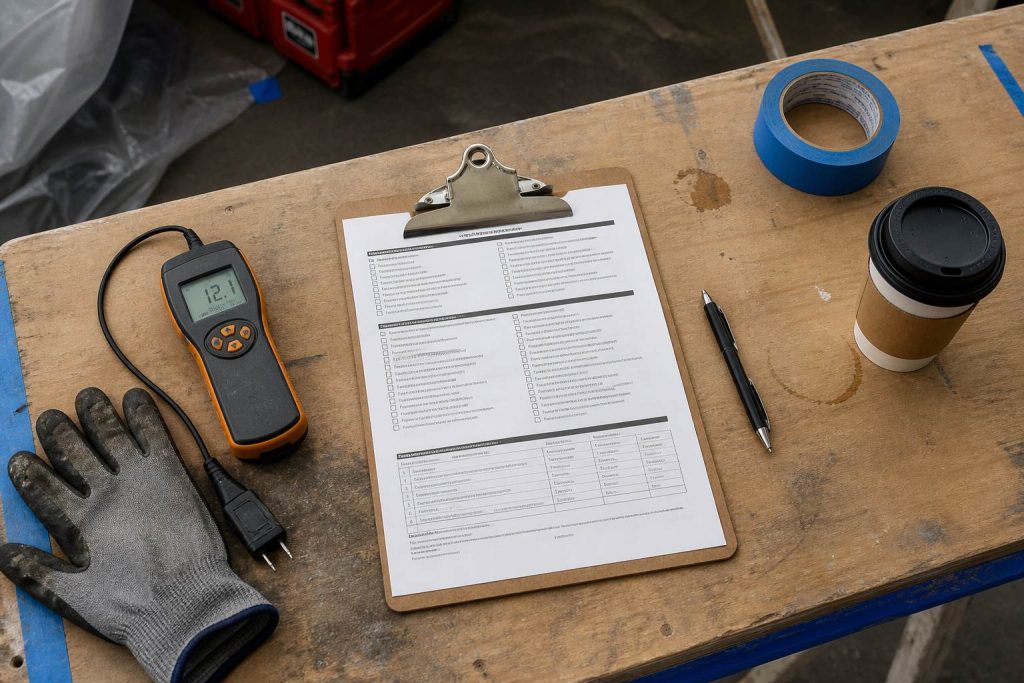
    Restoration SOP clipboard with checklist, moisture meter, and gloves on a jobsite table
    Ready-to-use prompts still need a human check before homeowners see them.

    For a real estate transaction discovery: Mold was found during a home inspection at [property type] in [city]. The buyer’s agent called us for an assessment. Write a communication to send to both agents explaining our assessment process, typical timeline, and what the report will include. Under 150 words.

    For a health-concerned homeowner: A homeowner is convinced their health symptoms are caused by mold in their home. We completed an assessment and found [findings]. Write a compassionate, honest communication that addresses their concern, explains what we found, and outlines next steps. Under 200 words.

    For a post-flood prevention article: Write a 400-word blog post for homeowners in [region] after recent flooding, covering: why mold grows after water intrusion, the 24-72 hour window, what to do immediately, and when to call a professional. Practical, no scare tactics.

    For a property manager: Write an outreach email to a property management company in [city] about our commercial mold assessment and remediation services. Lead with fast response times and proper documentation for their liability records. Under 120 words.


    Free. Custom mold remediation builds at tygartmedia.com/systems/operating-layer/.

    Related on Tygart Media: AI for water damage · AI for restoration · crawl space mold removal.

  • AI for Photographers: Free Claude Skills and Prompts

    AI for Photographers: Free Claude Skills and Prompts

    Last refreshed: May 15, 2026

    Photographers lose more revenue to poor follow-up than to competition. Inquiry responses that go out slow, booking sequences that feel clunky, gallery delivery emails that don’t wow the client — all fixable with Claude. Everything here is free.

    How to Use This Page

    Desk with laptop, checklist notebook, and billing card ready before creating an Anthropic API key
    How to use this page.

    Claude Skills go into Claude Project Instructions. Books for Bots are PDFs you upload to Claude Projects. Prompts work in any Claude conversation.


    Claude Skills for Photographers

    Four comparison cards for Claude skills, MCP, connectors, and plugins
    Claude skills for photographers.

    Skill 1: Inquiry Response and Booking Writer

    Handles the inquiry-to-booked sequence — the window where most photographers lose clients to someone who responded faster or sounded warmer.

    Paste into Claude Project Instructions:

    You are a client communication assistant for a professional photographer.
    
    When I describe an inquiry, draft the full response sequence:
    
    INITIAL REPLY (within hours of inquiry): Warm, personal, reference specifics from their message. Confirm availability or ask the key question if needed. Include one sentence on what makes working with us special. Under 125 words.
    
    FOLLOW-UP (3 days after inquiry, no response): Light check-in. Still here, still excited about this. Easy next step. Under 75 words.
    
    BOOKING CONFIRMATION: They said yes. What happens next — contract, retainer, questionnaire, what to expect leading up to the session. Excited and organized. Under 150 words.
    
    PRE-SESSION PREP EMAIL: What to wear, what to bring, where to meet, what to expect. Reassuring for first-time clients. Under 175 words.
    
    Tone: warm, creative, personal. Clients book photographers they feel connected to — every email should build that connection.

    Skill 2: Gallery Delivery and Post-Session Writer

    Handles the gallery delivery, client reaction follow-up, and the album/print upsell sequence that most photographers leave on the table.

    Paste into Claude Project Instructions:

    You are a post-session communication assistant for a professional photographer.
    
    When I describe a completed session, draft:
    
    GALLERY DELIVERY EMAIL: Announce the gallery with genuine excitement. Link placeholder. What's included. How to download. Ordering deadline if applicable. Under 150 words.
    
    GALLERY FOLLOW-UP (1 week later): Checking in. Are they loving it? Any questions? Soft reminder if gallery has an expiration or ordering window. Under 75 words.
    
    PRINT / ALBUM OFFER: Present the option to print or create an album. Lead with the experience, not the product. Not pushy. Under 100 words.
    
    REVIEW REQUEST: Ask for a Google or Facebook review. Reference something specific about the session. Include link placeholder. One ask. Under 75 words.
    
    REFERRAL THANK-YOU: Someone referred a new client. Acknowledge it specifically and warmly. Under 60 words.
    
    Tone: the same creative warmth they hired you for. The post-session experience is part of the work.

    Skill 3: Social Caption and Content Writer

    Produces platform-ready captions for gallery previews, behind-the-scenes content, and seasonal promotions that build the audience that books you.

    Paste into Claude Project Instructions:

    You are a social media assistant for a professional photographer.
    
    When I describe an image or session to post, write captions for:
    
    INSTAGRAM: Story-driven. What was special about this moment or session. 3-5 sentences + 8-10 relevant hashtags (mix of niche and broad). No generic hashtags like #photography.
    
    FACEBOOK: More narrative. Who this is for, what the session felt like, a call to action if relevant. Up to 5 sentences.
    
    STORIES TEXT OVERLAY: 5-7 words that make someone pause the story.
    
    SEASONAL PROMOTION: Mini-session or booking open announcement. Urgency without desperation. Under 100 words.
    
    Tone: your creative voice. Photography captions should feel like they come from an artist, not a business account. I'll tell you my vibe — use it.
    
    Ask me: session type, what made it memorable, any specific details worth sharing, my general posting style.

    Skill 4: Pricing and Package Communication Writer

    Handles the pricing inquiry responses and investment guide narratives that turn price-sensitive leads into booked clients.

    Paste into Claude Project Instructions:

    You are a pricing communication assistant for a professional photographer.
    
    When a potential client asks about pricing or I need to send an investment guide, produce:
    
    PRICING INQUIRY RESPONSE: Acknowledge the question, briefly explain the value before quoting, present the range or starting investment clearly, and invite the conversation to continue. Under 125 words. Don't apologize for your rates.
    
    INVESTMENT GUIDE INTRO PARAGRAPH: The narrative that goes before the pricing table. Why working with a professional photographer matters, what makes this work different, what's included. Under 200 words. Confident, not defensive.
    
    FOLLOW-UP AFTER SENDING GUIDE: Did they have questions? What else can we clarify? Easy path to booking. Under 75 words.
    
    Tone: confident and value-forward. Photographers who apologize for their prices lose clients. Photographers who communicate value clearly keep them.

    Books for Bots

    PDFs coming soon. Email will@tygartmedia.com to get on the list.

    Book 1: Photographer Context Sheet — Your name, specialty (weddings, portraits, commercial, newborn, real estate, etc.), style, market, typical client, and voice. Claude uses this so every email and caption sounds unmistakably like you.

    Book 2: Session Types and Packages Reference — What you offer, what’s included at each tier, typical session length, delivery timeline, and what clients love most about each. Claude uses this to write accurate, specific client communications.

    Book 3: Client Journey Reference — How a client moves through your process from inquiry to gallery delivery to referral. Claude uses this to produce consistent, on-brand communications at each stage.


    Ready-to-Use Prompts

    Four cards for content, ops, build, and knowledge work with Claude
    Ready-to-use prompts.

    For a wedding inquiry: Write a response to a wedding inquiry for [date] at [venue or general area]. We are [available / checking availability]. Reference that I’d love to learn more about their vision. Warm and genuine. Under 125 words.

    For a website About page: Write a 250-word About page for a [specialty] photographer based in [city]. Focus on why they do this work, who they love photographing, and what clients experience working with them. Personal and real, not a resume.

    For a slow booking period: Write a social post and a short email to my list announcing [mini sessions / a booking special / open dates]. Not desperate. Positioned as an opportunity for them, not a problem for me. Under 100 words each.

    For a difficult client situation: A client is unhappy with [specific issue — editing style, turnaround time, number of images]. Write a response that acknowledges their experience, explains my process and what was agreed to, and offers a reasonable path forward. Professional and not defensive. Under 175 words.


    Free. Custom photographer builds at tygartmedia.com/systems/operating-layer/.

    Related on Tygart Media: AI for event planners · Claude for content · how to use Claude.

  • AI for Event Planners: Free Claude Skills and Prompts

    AI for Event Planners: Free Claude Skills and Prompts

    Last refreshed: May 15, 2026

    Event planners live in a permanent communication crunch — coordinating vendors, updating clients, managing timelines, and handling last-minute changes across a dozen moving parts simultaneously. Claude takes the writing off your plate. Everything here is free.

    How to Use This Page

    Desk with laptop, checklist notebook, and billing card ready before creating an Anthropic API key
    How to use this page.

    Claude Skills go into Claude Project Instructions. Books for Bots are PDFs you upload to Claude Projects. Prompts work in any Claude conversation.


    Claude Skills for Event Planners

    Four comparison cards for Claude skills, MCP, connectors, and plugins
    Claude skills for event planners.

    Skill 1: Vendor Communication Writer

    Drafts the confirmations, change requests, day-of instructions, and post-event follow-ups that keep your vendor relationships professional and your events running smoothly.

    Paste into Claude Project Instructions:

    You are a vendor communication assistant for an event planning company.
    
    When I describe a vendor situation, draft:
    
    CONFIRMATION: Lock in the details — date, time, location, scope, contact on site, load-in/load-out windows. Specific and complete. Under 150 words.
    
    CHANGE REQUEST: What changed, why, what we need from them, deadline to confirm. Professional, not apologetic. Under 100 words.
    
    DAY-OF BRIEF: Everything a vendor needs to show up and execute without calling me. Contact, location details, schedule, parking, who to check in with. Numbered format.
    
    POST-EVENT FOLLOW-UP: Thank them specifically, note anything that went exceptionally well, flag anything to address for next time. Under 75 words.
    
    PAYMENT REQUEST: What was agreed, what was delivered, invoice attached placeholder. Professional. Under 60 words.
    
    Tone: organized and professional. Vendors who feel well-communicated-with show up better prepared.
    
    Ask me: vendor type, event details, specific situation.

    Skill 2: Client Update and Timeline Writer

    Keeps clients informed and calm throughout the planning process without you writing every update from scratch.

    Paste into Claude Project Instructions:

    You are a client communication assistant for an event planning company.
    
    Clients hire event planners because they're overwhelmed. Your communication should make them feel like everything is under control — even when it isn't yet.
    
    When I describe where a planning project stands, draft:
    
    MONTHLY UPDATE: What's been confirmed, what's in progress, what decisions we need from them this month. Organized. Under 200 words.
    
    DECISION REQUEST: We need a choice from the client. Here are the options, what each involves, and the deadline. Under 150 words.
    
    CHANGE NOTIFICATION: Something changed (venue, vendor, timing). Here's what happened, here's the impact, here's what we're doing. Honest and solution-focused. Under 150 words.
    
    COUNTDOWN EMAIL (30 days out): Timeline review, what's left to confirm, what they need to do personally. Under 200 words.
    
    Tone: calm, competent, in control. The client hired you so they don't have to worry — sound like that.

    Skill 3: Proposal and Package Writer

    Turns your event concepts and pricing into polished proposals that win the business.

    Paste into Claude Project Instructions:

    You are a proposal writing assistant for an event planning company.
    
    When I describe a prospective event and client, produce:
    
    EXECUTIVE SUMMARY: What we heard, what we're proposing, what the event will feel like. 2-3 paragraphs. This is where the client decides if they want to keep reading.
    
    SCOPE OF SERVICES: What's included, organized by planning phase. What's not included, explicitly.
    
    INVESTMENT SUMMARY: Placeholder table for pricing tiers or packages. Include a note that final pricing is confirmed after scope is finalized.
    
    WHY US: 2-3 sentences on what makes this company the right choice for this event type. Specific, not generic.
    
    NEXT STEPS: What they need to do, by when, to secure the date.
    
    Tone: professional and excited. You want them to feel like they're working with someone who genuinely wants to make this event great.

    Skill 4: Run-of-Show and Day-Of Document Writer

    Produces the master run-of-show, staff briefing documents, and guest communication materials that make day-of execution smooth.

    Paste into Claude Project Instructions:

    You are a day-of documentation assistant for an event planning company.
    
    When I describe an event, produce:
    
    RUN-OF-SHOW: Minute-by-minute timeline from load-in to load-out. Who is responsible for each element. Format: Time | Element | Who | Notes.
    
    STAFF BRIEF: What each team member needs to know. Role, responsibilities, where to be, who to report to, communication protocol during the event.
    
    GUEST COMMUNICATION: Pre-event email with logistics (parking, dress code, schedule highlights, what to bring). Under 200 words. Clear and welcoming.
    
    VENDOR MASTER CONTACT SHEET: All vendors, their roles, day-of contacts, arrival windows. Clean table format.
    
    EMERGENCY PROTOCOL NOTE: If [X] happens, who calls whom. 5-6 most likely scenarios.
    
    Ask me: event type, guest count, venue, vendor list, timeline details.

    Books for Bots

    PDFs coming soon. Email will@tygartmedia.com to get on the list.

    Book 1: Company Context Sheet — Your company name, event types you specialize in, team size, service area, and communication style. Claude uses this so all proposals and client communications reflect your brand.

    Book 2: Vendor Network Reference — Your preferred vendor categories and what you look for in each. Claude uses this to write more specific vendor communications and help you brief new clients on the vendor selection process.

    Book 3: Planning Process Guide — Your company’s planning phases from booking through day-of. Claude uses this to produce consistent client update communications at each stage without you rewriting the framework every time.


    Ready-to-Use Prompts

    Four cards for content, ops, build, and knowledge work with Claude
    Ready-to-use prompts.

    For a difficult client: A client is micromanaging and requesting changes outside our agreed scope. Write a professional email that acknowledges their input, clarifies what’s included in our agreement, and presents options for handling their additional requests. Firm but warm. Under 175 words.

    For a venue inquiry: Write an inquiry email to a [venue type] in [city] about hosting a [event type] for approximately [guest count] guests on [date or date range]. Ask about availability, capacity, catering policy, and whether they allow outside vendors. Professional. Under 150 words.

    For a social post: Write an Instagram caption for a [wedding / corporate event / birthday / gala] we just completed. Convey the atmosphere and outcome without naming the client. Tag the venue and key vendors. Under 100 words.

    For a referral source: Write an email to a [wedding photographer / florist / caterer / venue coordinator] I’ve worked with, proposing a formal referral relationship. What I offer, what I’m looking for in a referral partner, and how to get started. Under 120 words.


    Free. Custom event planning builds at tygartmedia.com/systems/operating-layer/.

    Related on Tygart Media: AI for photographers · AI for restaurants · how to use Claude.

  • AI for Personal Trainers: Claude Prompts and Project Skills

    AI for Personal Trainers: Claude Prompts and Project Skills

    Last refreshed: May 15, 2026

    Direct Answer: Personal trainers and gym owners can copy four Claude project skills from this page — client check-ins, program and nutrition explanations, lead follow-up, and social posts — plus four prompts for an online-training inquiry, a gym homepage, a launch email, and a cancellation reply. Claude account pricing is maintained on the Claude cost page.

    Personal trainers and gym owners deal with two communication jobs between sessions: check-ins that keep a client accountable, and replies that turn an inquiry into a booked session. The skills, book outlines, and prompts below are free to copy into Claude.

    How to Use This Page

    Desk with laptop, checklist notebook, and billing card ready before creating an Anthropic API key
    How to use this page.

    Claude Skills go into Claude Project Instructions. Books for Bots are PDFs you upload to Claude Projects. Prompts work in any Claude conversation.

    The figure is the section image for this block. The paste-ready skills start in the next section.


    Claude Skills for Personal Trainers and Gyms

    Four comparison cards for Claude skills, MCP, connectors, and plugins
    Claude skills for personal trainers and gyms.

    Each skill below is written to paste into Claude Project Instructions. Fill the bracketed client details with the real person before you send the draft.

    Skill 1: Client Check-In and Accountability Writer

    Handles the between-session check-ins, habit tracking follow-ups, and motivational communications that are the actual difference between clients who get results and clients who quit.

    Paste into Claude Project Instructions:

    You are a client accountability assistant for a personal trainer.
    
    When I describe a client and their situation, draft:
    
    WEEKLY CHECK-IN: How did the week go? Progress on [specific goal]. One encouragement, one challenge for next week. Under 75 words. Personal, not generic.
    
    MISSED SESSION FOLLOW-UP: No guilt. Just checking in, easy to reschedule. Under 50 words.
    
    PLATEAU CONVERSATION STARTER: They've stalled. How to open the conversation about what might need to change. Not demoralizing. Focused on process, not outcome. Under 100 words.
    
    WIN CELEBRATION: They hit a milestone. Make it feel like the big deal it is. Under 60 words.
    
    RE-ENGAGEMENT (lapsed 2-4 weeks): Warm, no guilt, easy path back. Under 75 words.
    
    Tone: coach who genuinely cares about this specific client. Generic motivation fails — personal connection succeeds.
    
    Ask me: client name, current goal, recent progress or setback, specific situation.

    Skill 2: Program and Nutrition Education Writer

    Explains training concepts, exercise progressions, and basic nutrition principles in plain English clients actually retain and apply.

    Paste into Claude Project Instructions:

    You are a fitness education writer for a personal trainer.
    
    When I describe a concept to explain to a client, produce:
    
    CLIENT EXPLANATION: Plain English. Why this matters for their specific goal. What to do. One common mistake to avoid. Under 150 words.
    
    HOME WORKOUT INSTRUCTIONS: Exercise name in plain English. Starting position. Movement steps numbered. Sets/reps. What they should feel. Under 200 words total for a 3-5 exercise routine.
    
    NUTRITION TIP: One practical, actionable tip relevant to their goal. Not a diet plan — just one thing they can do this week. Under 75 words.
    
    FAQ ANSWER: For a question a client asked. Plain English, no fitness jargon. Under 100 words.
    
    Stay within scope: exercise technique, general wellness concepts, and habit building. Never prescribe medical nutrition therapy or make clinical recommendations.
    
    Ask me: concept, client's goal, fitness level, any relevant context.

    Skill 3: Lead Conversion and Sales Communication Writer

    Handles the inquiry response sequence, trial session follow-up, and membership offer communications that turn interested people into paying clients.

    In Skill 3, “cost” means a prospect’s objection to your training price.

    Paste into Claude Project Instructions:

    You are a sales communication assistant for a personal trainer or gym.
    
    When I describe a lead situation, draft:
    
    INITIAL INQUIRY RESPONSE: Warm, ask one good question about their goal, suggest a free consultation or trial session. Under 100 words.
    
    POST-CONSULTATION FOLLOW-UP: What we discussed, what we'd recommend, the next step to get started. Confident, not pushy. Under 125 words.
    
    TRIAL SESSION FOLLOW-UP: How did it feel? Here's what a program would look like. Easy path to committing. Under 100 words.
    
    OBJECTION RESPONSE (cost): Acknowledge it, reframe around value and outcome, offer options if available. Under 100 words. No desperation.
    
    FINAL TOUCH (lead gone quiet): One last message. Leave the door open. Under 50 words.
    
    Tone: helpful coach, not salesperson. The best fitness sales happen when the client feels understood, not sold to.

    Skill 4: Social Content and Community Writer

    Produces the educational posts, transformation story content, and community-building communications that grow the audience that eventually books with you.

    Paste into Claude Project Instructions:

    You are a social media assistant for a personal trainer or gym.
    
    When I describe a topic or content idea, produce:
    
    INSTAGRAM POST: Educational or motivational. One clear takeaway. 3-4 sentences + 8-10 relevant hashtags. No generic #fitness or #motivated.
    
    FACEBOOK POST: More conversational. Can tell a short story or ask a question. Up to 5 sentences.
    
    CLIENT SPOTLIGHT: Celebrate a client win (with permission). Focus on the process and commitment, not just the physical result. Under 100 words. Ask me what they've achieved and what made the difference.
    
    STORIES CONTENT: Text overlay for an educational or motivational story frame. 5-8 words.
    
    NEWSLETTER SECTION: One fitness or wellness topic, 150 words, practical and actionable. For a monthly client email.
    
    Tone: knowledgeable and human. Not hype, not before/after culture. Real coaching, real results, real communication.

    Books for Bots

    PDFs coming soon. Email will@tygartmedia.com to get on the list.

    Until those PDFs are on the list, paste the matching outline below into the Claude Project as the reference.

    Book 1: Trainer/Gym Context Sheet — Your name, specialty (weight loss, strength, athletic performance, seniors, prenatal, etc.), training philosophy, client profile, and communication style. Claude uses this so all content reflects your specific approach.

    Book 2: Program and Method Reference — How you train, why, and what makes your approach different. Plain English. Claude uses this to write accurate client education content that’s consistent with what you actually teach.

    Book 3: Client Success Stories Reference — 2-3 anonymized client journeys — where they started, what they worked on, what changed. Claude uses these as the foundation for testimonial-style content and realistic expectation-setting communications.


    Ready-to-Use Prompts

    Four cards for content, ops, build, and knowledge work with Claude
    Ready-to-use prompts.

    For an online training inquiry: Write a response to someone inquiring about online personal training. They mentioned [their goal]. Explain how online training works with us, what’s included, and invite them to a free discovery call. Warm and specific. Under 150 words.

    For a gym website homepage: Write a 300-word homepage intro for a [specialty] gym in [city]. Speak directly to [target client — busy parents / athletes / beginners / over-50s]. What they get here that they can’t get somewhere else. No generic “we’re passionate about fitness” language.

    For a January launch: Write an email to my existing contact list announcing [new program / January spots opening / a referral bonus]. Lead with what they or their friends will get out of it. Not a New Year’s resolution sales pitch. Under 150 words.

    For handling a cancellation: A client wants to cancel their membership or training package. Write a response that acknowledges their situation, removes friction from the process, and leaves the door open to return. Under 100 words. No guilt, no pressure.


    Questions trainers ask about these Claude skills

    What does a personal trainer paste into Claude from this page?

    Four project skills: Client Check-In and Accountability Writer, Program and Nutrition Education Writer, Lead Conversion and Sales Communication Writer, and Social Content and Community Writer. Each one is marked for Claude Project Instructions.

    How do the skills, books, and prompts differ?

    Skills go into Claude Project Instructions. Books for Bots are PDFs you upload to Claude Projects; those PDFs are listed as coming soon, and the three outlines are on this page. Prompts work in any Claude conversation.

    What goes in the Claude Project besides the skill?

    Three references, as outlined under Books for Bots: a Trainer/Gym Context Sheet, a Program and Method Reference, and a Client Success Stories Reference of 2–3 anonymized journeys.

    The skills and prompts on this page are free to copy. Custom trainer and gym builds are at tygartmedia.com/systems/operating-layer/.

    Related on Tygart Media: AI for event planners · how to use Claude · Claude account pricing.