
Lemonade did not kill the insurance agent. Neither did Geico’s app, the direct-write carriers, or the captive software that turns quoting into a fifteen-second mobile transaction. What those platforms killed was a specific kind of agent — the one whose value was the quote, the bind, and the renewal letter. The agents who matter in 2026 are not selling policies anymore. They are selling something the apps structurally cannot deliver: a claim-time concierge relationship that shows up when the customer’s house burns down at three in the morning.
This is the playbook for the insurance agent who recognizes the floor-and-ceiling shift and wants to be on the right side of it. It is part of a broader pattern playing out across every service profession.
What the Insurance Platforms Actually Did
Lemonade, Geico, Progressive’s mobile flow, the direct-write carriers, and the captive carrier software all commoditized the same set of procedural functions. Quoting became instant. Binding became automatic. Renewals became algorithmic. Policy documents became downloadable PDFs. Customer service for routine questions became chatbot-driven. The procedural floor of insurance — the work that used to fill an agent’s day — got absorbed into apps that consumers can run themselves.
The agents whose value was the quote and the bind got compressed. They could not compete with the apps on speed, price, or convenience for routine policies. The transactional model of insurance agency, where revenue depended on policy volume and standardized renewals, became progressively harder to defend. The narrative was that the apps were going to disintermediate the agent entirely.
They did not. They could not. The apps are excellent at quoting, binding, and routine service. They are catastrophically bad at the thing insurance is actually for, which is the moment something terrible happens to a customer and they need a human to handle it.
Why the Claim Is the Real Product
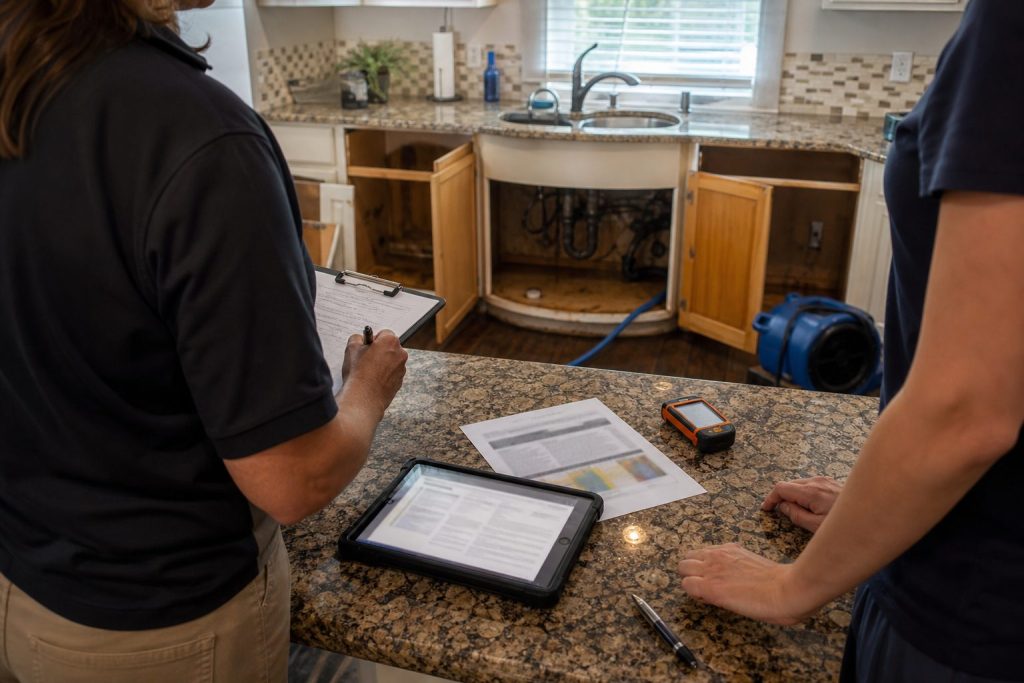
Insurance, at its core, is a promise to show up when something goes wrong. The policy is a document. The claim is the moment of truth. The customer who never has a claim does not particularly care whether they bought from Lemonade or from a local agent — the difference is invisible to them. The customer who has a claim discovers, often painfully, what they actually bought.
The app-only carrier model is structurally limited in claim handling. The customer files the claim through the app. They get a chatbot for initial intake. They get an adjuster they have never spoken to. They get a process that is designed for efficiency, not advocacy. When the claim is straightforward — a fender bender, a minor theft — the app model handles it adequately. When the claim is complex, urgent, or contested — a total-loss fire, a complicated water loss, a liability dispute — the app model leaves the customer alone with a process that does not know them and is not optimized for their outcome.
This is exactly where the human agent becomes irreplaceable. The agent who has built a real practice picks up the phone when the customer calls. They know the adjuster. They know the restoration company that will actually be on site at three in the morning. They know the carrier’s claims escalation path. They advocate for the customer through the process. They are not a layer between the customer and the policy. They are a layer between the customer and the disaster.
This is the ceiling work in insurance. It is also the work that the apps structurally cannot replicate, because it requires human relationships, local knowledge, and judgment under pressure that no automated system delivers.
The Claim Concierge as the Insurance Agent’s Real Product

The insurance agent who recognizes the ceiling opportunity stops selling policies and starts selling the claim-time concierge relationship. The policy is the legal artifact. The concierge is the actual offering. The customer is paying for the human who will show up when the loss happens.
What does the concierge actually include? Concretely, it includes things like this. The agent maintains direct relationships with named adjusters at every carrier they place business with — not just claim numbers, but actual people who answer when the agent calls. They maintain a curated referral list of restoration companies, public adjusters, contractors, and attorneys who deliver under pressure. They have a defined claim-time response protocol — within four hours of being notified, the agent has personally engaged with the customer, contacted the carrier, and triggered the right downstream resources. They do the documentation work that customers cannot do themselves under stress — the inventory, the contemporaneous notes, the carrier-facing reporting that determines claim outcomes.
The customer experiences this offering as someone showing up when their life falls apart. The agent who was nowhere visible during the policy years suddenly becomes the most important person in their life for ninety days. That is what insurance is supposed to be. The apps cannot deliver it. The agents who deliver it have a moat the apps cannot cross.
How to Build the Concierge Practice
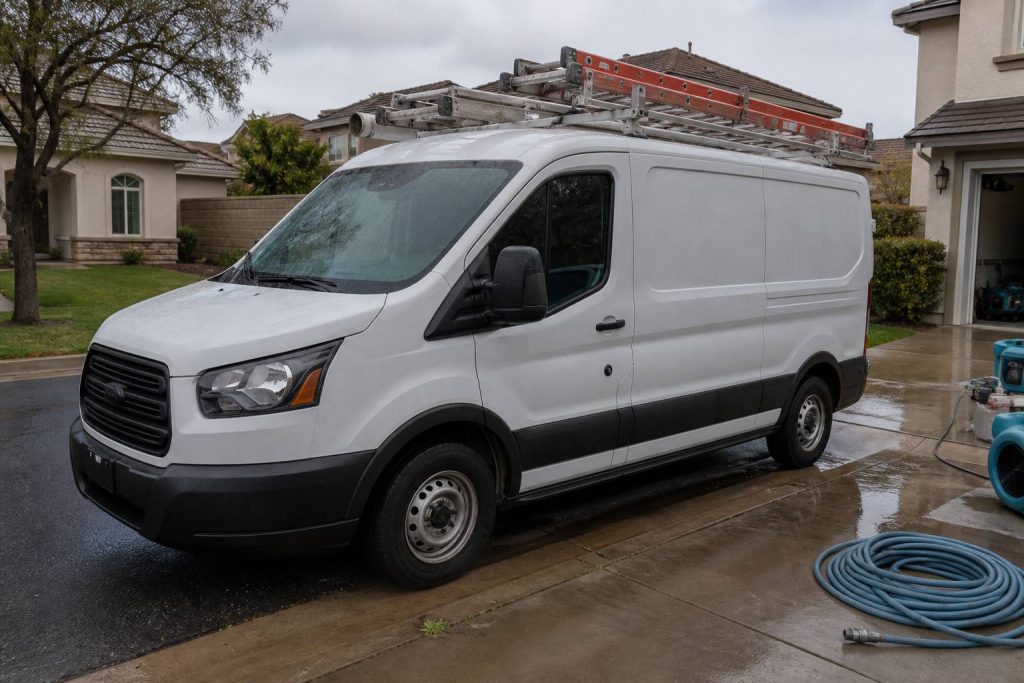
The insurance agents who have built genuine concierge practices follow a specific playbook.
Pick a vertical or a community small enough to serve at the concierge level. High-net-worth personal lines. Specific commercial verticals. Local communities where the agent can be personally available. The narrowness is what makes the concierge offering sustainable. An agent trying to deliver concierge service to 8,000 policies cannot. An agent serving 400 carefully selected client relationships can.
Build named relationships at every carrier. The agent’s value at claim time depends on knowing actual humans at every carrier they place. This relationship-building is invisible work that happens during the policy years and pays off at claim time. The agents who skip this work cannot deliver the concierge offering when it matters.
Curate the downstream referral network. Restoration companies, public adjusters, attorneys, contractors. These referrals are the agent’s product at the moment of loss. Vet them. Update the list as performance changes. Refuse to refer providers who would damage the trust. The referral list is a curated asset.
Build the claim-time response protocol. Specific committed response times. Specific committed actions in the first 24, 72, and 168 hours after a major loss. Make this a documented promise to clients during the policy year. Deliver it when the loss happens. The agents who have a real protocol earn referrals at a rate that volume agents cannot match.
Use AI and platform tools for the procedural floor. Quoting, binding, renewals, routine service, document delivery — automate or platform-mediate all of it. Spend the time saved on the relationship work that defines the concierge practice.
Price for membership. The traditional insurance commission model is tied to policy volume. The concierge model often runs better on flat retainer fees, fee-for-service advisory billing, or a hybrid arrangement that recognizes the value of the relationship rather than the policy transaction.
Related on Tygart Media: how to use Claude · Anthropic API key.
Frequently Asked Questions
Will Lemonade and app-only insurance carriers replace insurance agents?
No. The apps have commoditized the procedural floor of insurance — quoting, binding, routine service. They cannot replicate the claim-time concierge relationship where an agent advocates for the customer through a complex loss. The agents whose value was the quote have been compressed. The agents who built concierge practices thrive.
What is an insurance agent claim concierge?
It is the offering where the customer pays for the agent’s commitment to show up when a loss happens — to call the adjuster, coordinate the restoration company, advocate through the claim process, and handle the documentation that determines claim outcomes. The policy is the legal artifact. The concierge is the actual product.
How do insurance agents compete with direct-write carriers?
Not on price or convenience for routine policies. Agents win by delivering value the apps cannot deliver — the human concierge at claim time, the curated downstream referral network, the advocacy through complex losses. The agents who try to compete on quote speed lose. The agents who compete on claim-time value win.
What kinds of clients want an insurance agent versus an app?
High-net-worth clients with complex coverage needs. Commercial clients with significant exposures. Customers in vertical industries where claims are frequent and complicated. Customers who have had a bad claim experience in the past and value the human relationship. The pool of clients who want the concierge model is large and growing.
How long does it take to build a concierge insurance practice?
Two to three years to establish strong carrier relationships and a curated referral network, with significant compounding after the first major loss the agent handles for a client. Clients who experience the concierge service during a claim become the agent’s most active referral sources.
The Bottom Line
The insurance apps killed the transactional agent. They did not kill the concierge agent. The future of insurance brokerage is the human who shows up at claim time — who knows the adjuster, knows the restoration company, knows the carrier’s escalation path, and advocates for the customer through the worst day of their year. The policy is not the product. The concierge is the product. This is the floor-and-ceiling pattern that defines the future of every service profession. Build the claim-time concierge offering. Build the carrier relationships. Build the referral network. Become the human the apps cannot be.
Leave a Reply