
No, AI will not replace electricians. The floor of electrical work — quoting, scheduling, code lookup, basic load calculations, customer communication — is being automated. The ceiling of electrical work — reading old panels in older buildings, diagnosing intermittent faults, navigating code edge cases, working safely in unpredictable physical environments — is structurally outside what AI can replicate. This is the honest, specific answer that the generic “AI is coming for everything” takes get wrong.
The Quick Answer
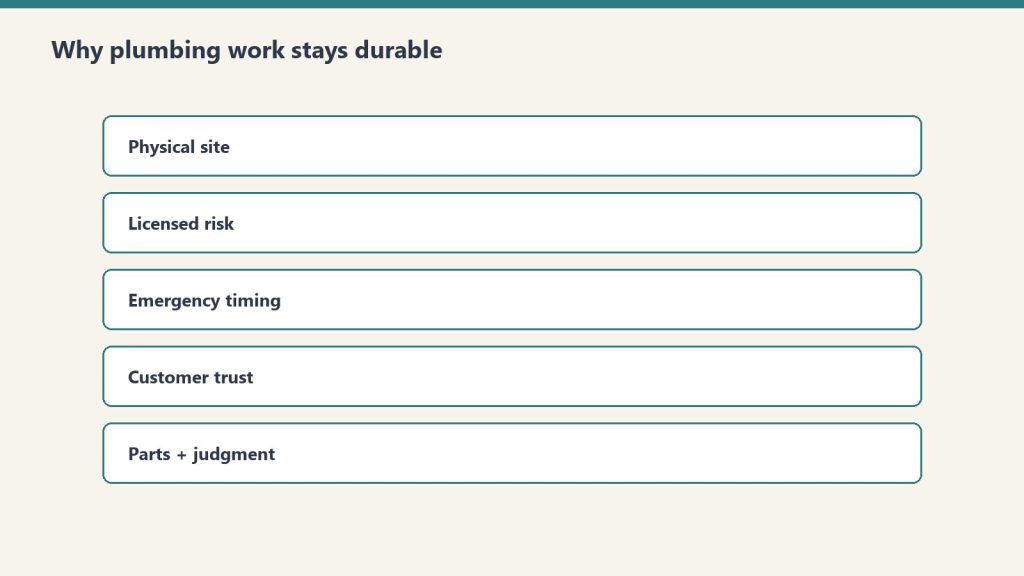
AI is genuinely changing electrical work in 2026, but the change is concentrated in the procedural floor of the trade, not the judgment ceiling. AI tools handle estimating, code lookup, documentation, diagnostic suggestion, and customer-facing communication. They make junior electricians faster on routine work. They do not replace senior electricians on the complex work, and they do not do any of the physical, in-environment work that defines the trade. The floor rises. The ceiling remains human.
What AI Cannot Do in Electrical Work
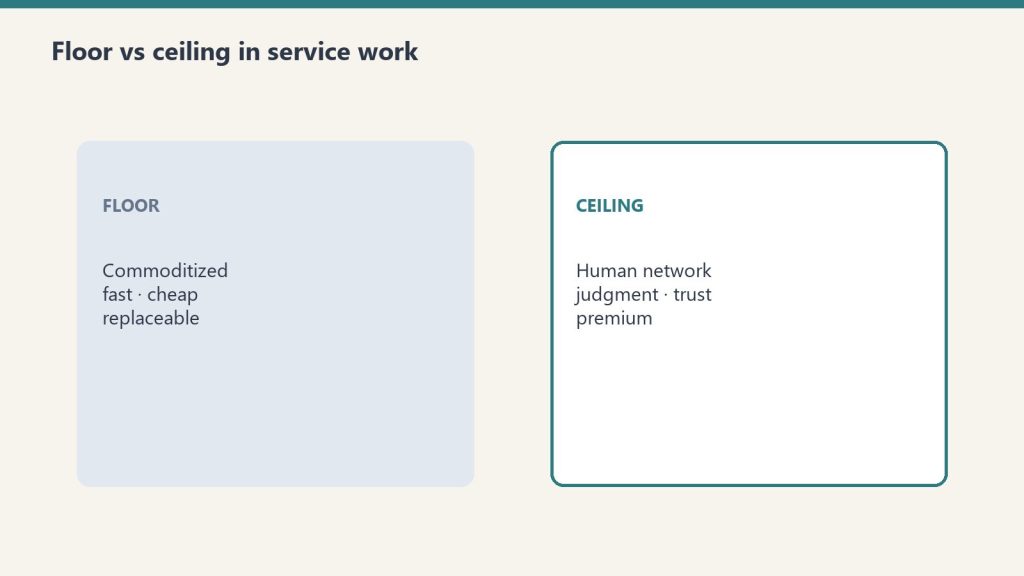
AI cannot pull wire through a wall. AI cannot crawl under a house to trace a buried run. AI cannot read the actual state of a 1960s panel that has been modified by three different homeowners with varying levels of competence. AI cannot stand in a customer’s kitchen and explain why the upgrade they want will cost more than the quote they got from the lowball competitor down the road. AI cannot make the judgment call about whether a particular service drop needs to be replaced now or can wait six months. AI cannot interpret the difference between an inspector who will pass questionable work and one who will not.
All of this work — the physical work, the judgment work, the human work — is structurally outside what AI can do by training on documented data. The electrical trade has substantial ceiling content. The senior electricians who have built decades of pattern recognition on residential, commercial, and industrial work are carrying expertise that AI cannot replicate by ingesting more code books and inspection reports.
What AI Is Doing in Electrical Work
The actual AI deployment in electrical contracting in 2026 is concentrated in operational support. AI-assisted estimating tools generate first-draft quotes from photo sets and customer descriptions. Mobile field apps automate work order documentation and parts lookup. AI copilots help less experienced electricians walk through code questions in the field. Customer-facing AI handles routine scheduling and follow-up communication. Diagnostic suggestion tools propose likely causes for common faults.
This is all useful. None of it replaces the electrician on site. What it does is reduce the time the electrician spends on paperwork, which means more billable field hours per day, which means higher revenue per technician. For electrical contractors, AI is mostly an operational efficiency lever, not a labor displacement threat.
The Bigger Story: Electrical Demand Is Surging
The macro story in electrical work in 2026 is the opposite of displacement. Demand for electrical work is climbing rapidly because the buildout supporting AI infrastructure — data centers, power generation, grid upgrades, electrification — requires massive amounts of electrical labor. The U.S. Department of Energy has documented rising electricity demand from data centers alone. State and federal infrastructure spending is creating sustained commercial and industrial electrical demand. Residential electrification — EV chargers, heat pumps, panel upgrades — is creating sustained residential demand.
Combined with the retirement wave hitting the electrical trade (which mirrors HVAC and most other skilled trades), the workforce dynamic is a supply shortage, not a surplus. Electricians at every career stage are entering one of the strongest labor markets the trade has seen in decades. The senior electricians who carry deep judgment are particularly valuable because the demand is for complex commercial and industrial work, not just simple residential service.
What Electricians at Each Career Stage Should Do
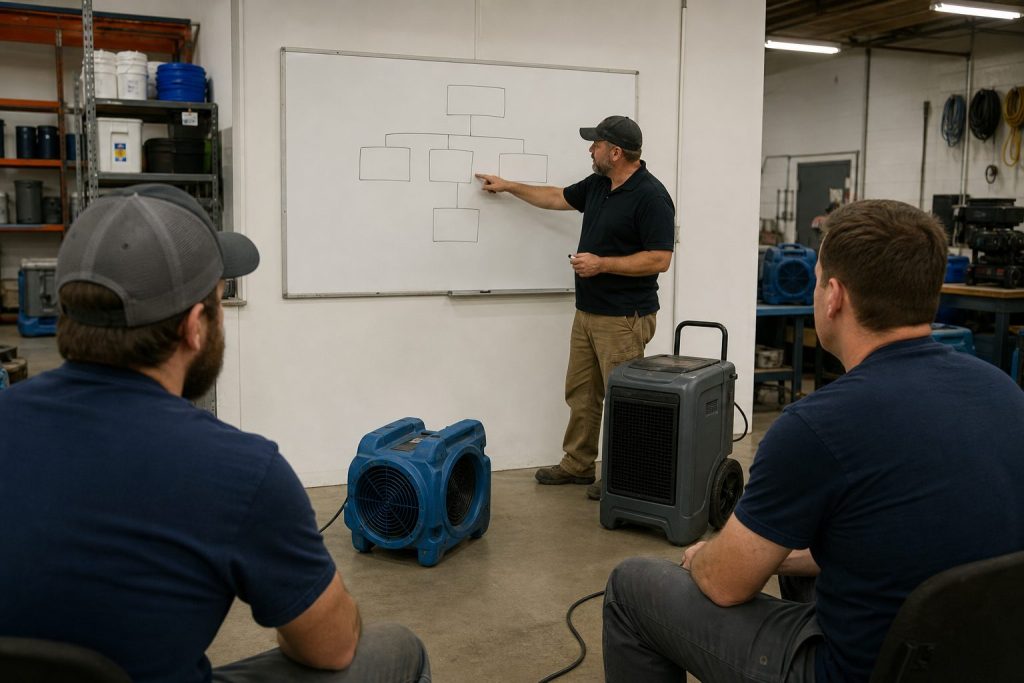
Junior electricians — use AI tools aggressively for the procedural work and apprentice yourself to a senior electrician in your shop. The judgment that defines a great electrician transfers through proximity to someone who already has it. The window to learn from senior electricians is open right now and will narrow as they retire.
Mid-career electricians — take on the complex commercial and industrial work that requires senior judgment. The procedural residential work is getting AI-accelerated for everyone. The ceiling work — large commercial jobs, industrial maintenance, complex troubleshooting, design-build projects — is where the long-term value compounds.
Senior electricians — your judgment is becoming the most valuable thing in your industry. Charge appropriately. Take on apprenticeship as a recognized part of your role. Reconsider any retirement timing built around old assumptions about senior labor being overhead.
Electrical contractors — your senior electricians are your most valuable asset. Build apprenticeship programs around them. Run deliberate processes to capture their tacit knowledge before they retire. The contractors who do this will dominate their regions as the retirement wave accelerates.
Frequently Asked Questions
Will AI replace electricians?
No. AI will replace the procedural and documentation work around electrical contracting but cannot do the physical work, the in-environment judgment, or the customer-handling work that defines a great electrician. The floor of electrical work is being automated. The ceiling remains entirely human.
Is becoming an electrician a good career in 2026?
Yes, particularly for anyone willing to apprentice themselves to a senior electrician. Demand is rising sharply because of data center buildout, electrification, and infrastructure spending. The retirement wave is compressing the workforce. AI tools make junior electricians more productive than ever. Long-term career durability against AI commoditization is structurally strong.
What parts of electrical work are most safe from AI?
Physical installation work, complex troubleshooting, commercial and industrial projects requiring judgment about non-standard situations, customer-facing advisory work, code interpretation on edge cases, and senior supervision of multi-electrician crews. Anything that requires being in the physical environment and making judgment calls based on what is actually there is durable.
How is AI being used in electrical contracting right now?
AI is mostly used for estimating, code lookup, documentation, diagnostic suggestion in the field, and customer-facing communication. The deployments are operational efficiency tools that make existing electricians more productive, not labor displacement systems that replace electricians.
What is the future of electrical work over the next decade?
Rising demand from data centers, electrification, and infrastructure spending combined with a retirement wave creates sustained labor shortage conditions. Senior electricians become more valuable. Junior electricians enter a strong labor market. The trade as a whole is structurally durable through the AI shift.
The Bottom Line
AI will not replace electricians. The trade has substantial ceiling content, the demand is climbing sharply, the workforce is compressed by retirement, and the physical and judgment work that defines the trade is structurally outside what AI can do. If you are an electrician at any career stage, the AI shift is good news for you. Use AI to handle the floor. Build judgment capability deliberately. The next decade is going to be very good to the people who actually do this work.
Leave a Reply