Agency Playbook - Tygart Media

Category: Agency Playbook

How Tygart Media builds and runs the agency: the systems, and the process, from the inside.

  • The Best Pharmacy Product Reads the Receipt Against the File

    The Best Pharmacy Product Reads the Receipt Against the File

    The pharmacy already has a public acquisition file.

    The counter still charges a number that may not sit next to it.

    That gap is the product.

    The idea mills keep minting a pharmacy chatbot, a coupon-clipper app, and an rxcheck.ai.

    Three names.

    One object.

    A register receipt, or the sticker on the bag, that does not sit next to the acquisition file the Centers for Medicare and Medicaid Services already publishes every week, or next to the maximum fair price file that took effect on January 1, 2026.

    Greg Isenberg’s stream and the daily micro-SaaS accounts keep splitting the same reader.

    One post wants a refund radar that studies why people ask for money back.

    Another wants a bill auditor that gets paid only when the client saves.

    A third wants a photo of a medical bill dropped into a chat, with a letter on the other side.

    Cute.

    Wrong cut if you stop at the chat.

    The customer does not wake up wanting a PBM explainer.

    They wake up because the bag was $47 and the same capsule was $9 at the pharmacy across the street, or because a Part D claim in 2026 still does not look like the price CMS already posted.

    Why this year, not a white paper

    Two public files moved from “someone could look it up” to “a stranger can photograph a receipt this week.”

    The first is NADAC, the National Average Drug Acquisition Cost.

    CMS posts it weekly on data.medicaid.gov.

    It is a survey of what retail pharmacies pay wholesalers for a drug, net of prompt-pay discounts, not the price on the register.

    A markup over that file is not automatically a rip-off.

    A pharmacy has rent, a pharmacist, and a dispensing fee.

    The product is the join, not the sermon.

    The Federal Trade Commission made the scale of the join hard to ignore.

    On January 14, 2025 the Commission published its second interim staff report on prescription-drug middlemen.

    Staff found that the Big Three — Caremark, Express Scripts, and OptumRx — marked up numerous specialty generic drugs dispensed at affiliated pharmacies by hundreds and thousands of percent.

    Those affiliated pharmacies generated more than $7.3 billion in dispensing revenue in excess of estimated acquisition cost, measured by NADAC, from 2017 to 2022.

    That excess revenue grew at a compound annual rate of 42 percent from 2017 to 2021.

    The top 10 specialty generics accounted for $6.2 billion of it, 85 percent of the total in the study window.

    The second file is newer, and it is the reason the wedge is this quarter rather than a 2027 roadmap.

    CMS published negotiated prices — the statute calls them maximum fair prices — for the first 10 Part D drugs on August 15, 2024.

    Those prices took effect January 1, 2026.

    The same fact sheet said that if the agreed prices had been in effect in 2023, net covered prescription-drug spending on those drugs would have been about $6 billion lower, 22 percent.

    About 9 million people with Medicare use at least one of the 10.

    Under the projected defined standard benefit, CMS estimated $1.5 billion in out-of-pocket savings for people with Part D in 2026.

    A participating manufacturer has to make the negotiated price available to eligible people and to the pharmacies that dispense the drug.

    The file is public.

    The receipt is in the bag.

    Almost nobody puts them on the same page before the card is charged.

    Two primitives, one wedge

    Primitive one is photo-and-PDF review.

    The mills have been shipping receipt readers for months.

    The input here is the thing already in the bag.

    Register receipt.

    Bag label.

    Part D explanation of benefits, if one exists.

    NDC if it printed.

    Drug name and strength if it did not.

    Quantity.

    Amount paid.

    Date.

    Pharmacy name.

    Cash, coupon, or plan.

    Primitive two is the public file join.

    NADAC for the NDC in the week of the fill.

    If the drug is one of the first ten and the payer is Part D, the maximum fair price for that NDC and supply.

    The output is three words, not a coach.

    Match.

    Mismatch.

    File too thin.

    File too thin is a real answer.

    NADAC does not cover every branded specialty the way a coupon site pretends to.

    A maximum fair price is not a cash price for a person who is not in Part D.

    Saying so is the product working.

    The wedge is a free checker.

    Not a platform.

    No account for the first answer.

    Photograph the receipt.

    Thirty seconds later: above the weekly acquisition file by this much, above the 2026 price file, or not enough on the page to say.

    If you cannot get a stranger to photograph one receipt this week, you do not have a company.

    You have a policy thread.

    What the checker is not allowed to do

    It does not tell anyone to stop a drug, split a tablet, or switch pharmacies on a clinical claim.

    It does not file an appeal.

    It does not move money.

    A mismatch on a specialty generic can be a plan design, a spread, a coupon that already fired, or a bad read of the NDC.

    The model drafts the comparison.

    A person owns the send.

    Anything that leaves the building — a note to the pharmacy, a Part D inquiry, a complaint to a state board — needs a human signer who has seen the receipt, the file row, and the sentence that will be sent.

    Contingency is fine after that signature, and only after a confirmed mismatch.

    Charge them when the file proves the gap, or do not charge them.

    Do not sell a subscription to a dashboard of adherence.

    The map is the company

    The first hundred receipts are a demo.

    The ten thousandth is a labeled map of counter price versus acquisition cost, and versus the 2026 price file, by NDC, chain, and ZIP.

    That map is the moat.

    Coupon sites already show a cash offer.

    They do not keep the pair: what this person was charged, what the weekly file said that week, and whether the Part D claim sat on the posted maximum fair price.

    A plan sponsor, a state Medicaid shop, or a local reporter will pay for the pair once it is boring and repeatable.

    They will not pay for another chatbot that explains formularies.

    Start narrow.

    Week one and two: one checker.

    Photo or PDF in.

    Cash generics with a stable NADAC row.

    One state.

    No account.

    Week three and four: the ten Part D drugs, and only the comparison to the posted price.

    A draft inquiry pack with the file row cited, held until a person signs.

    Do not start with oncology markups and a letter to a PBM.

    That is how the first customer becomes an exhibit.

    Why this cut, not the last one

    The leakage essay was tariffs, seats, and subscriptions.

    The rebate essay was a nameplate.

    The recall essay was a label.

    The short-pay essay was a contractor packet.

    The bill essay was an EOB against a hospital file.

    The tax essay was a notice against the roll.

    The utility essay was a statement against a filed tariff.

    The housing essay was a unit against a score.

    The delay essay was an itinerary against a cause code.

    The HOA essay was an assessment against a study.

    The 401(k) essay was a fee against a filing.

    This one is the bag version of the same pair: a document the customer already holds, plus a file the agency was required to publish, joined while the first negotiated prices are still new and the specialty-generic markup is already on a public record.

    The hospital file was a chargemaster.

    This file is an acquisition cost and a negotiated price.

    Different object.

    Same habit.

    Someone will own the labeled map of charged versus filed.

    The mills will keep proposing a new .ai name for each receipt.

    Ignore the names.

    Join the line.

    Keep the map.

    Will Tygart — Tygart Media.

    This is the idea-mill series.

  • The Best 401(k) Product Reads the Fee Against the Filing

    The Best 401(k) Product Reads the Fee Against the Filing

    The plan already filed the fee. The sponsor still pays a line that may not match the peer band. That gap is the product.

    The idea mills keep minting a 401(k) chatbot, a fee-negotiator app, and a plancheck.ai. Three names. One object. A disclosure page that does not sit next to the Form 5500 the administrator already signed.

    Greg Isenberg’s stream and the daily micro-SaaS accounts keep splitting the same reader. One post wants a universal inbox for itemized receipts. Another wants a private tool that flags math errors on a legal bill. A third wants receipt matching so a small shop can see duplicate charges. Useful pieces. Wrong cut if you leave them as separate products. The sponsor does not wake up wanting a new dashboard. The sponsor wakes up because the recordkeeper invoice moved and nobody compared it to the filing.

    The disclosure is not the file

    Most sponsors treat the annual fee notice as weather. It arrives. They file it. They pay. The file underneath it is larger than the notice: Schedule H administrative expenses on Form 5500, the participant count that sets the band, the basis-point load on year-end assets, and the 404a-5 disclosure the plan was already required to send.

    That participant notice is not optional color. Under 29 CFR 2550.404a-5, fiduciaries of participant-directed individual account plans must disclose plan-level and investment-level fee information at least once in any 14-month period. The Department of Labor still collects that disclosure regime under OMB 1210-0090. The notice is the page in the drawer. The filing is the public number.

    The Department of Labor posts Form 5500 datasets from EFAST2 and updates the 2009-and-later sets around the first of each month. A stranger can pull Schedule H without a subpoena. The gap is not missing data. The gap is that the sponsor’s page and the public row do not get read on the same afternoon.

    Why this week, not a vibe

    In September 2026, Admin316’s Russell McNorton published a cut of the public file, not a vendor survey. EIN Presswire carried it on September 14, 2026. 401(k) Specialist Magazine carried the same cut on September 18, 2026. The sample is every 2024 plan-year Form 5500 with a Schedule H, pension feature code 2K, at least 25 active participants, positive administrative expenses, and positive end-of-year assets. That is 48,944 plans.

    The national median in that cut is $162 per participant and 27.0 basis points. The median is the wrong number to stop on. Scale drives the band.

    • Plans with 25 to 99 active participants: 4,063 plans, median $364 per participant, 32.5 basis points, 90th percentile $977.
    • Plans with 100 to 249: 19,372 plans, median $228, 31.8 basis points, 90th percentile $548.
    • Plans with 250 to 500: 11,010 plans, median $166, 28.7 basis points, 90th percentile $382.
    • Plans with 500 or more: 14,499 plans, median $104, 18.6 basis points, 90th percentile $250.

    Among the 34,423 plans under 500 participants, 30.6 percent paid more than twice the national median per participant. That is about 10,500 plans paying above $324 per person in the 2024 filings alone. McNorton’s line in the September 14 release is the operating rule: paying $977 per participant is not itself a breach. Paying it without a comparison is a harder position to defend.

    That is the 2026 shift. The filings were always public. The peer band, cut by headcount and signed under penalty of perjury, is now a published table a checker can point at. A benchmark deck from the recordkeeper is no longer the only number in the room.

    Two primitives, one wedge

    Primitive one is photo-and-PDF review. The mills have been shipping receipt readers for months. The input here is the annual 404a-5 fee disclosure, the recordkeeper invoice, or the administrative-expense line on the sponsor’s copy of Form 5500. Plan name in the header. Participant count if printed. Dollar fee or basis points if printed. No login for the first answer.

    Primitive two is the file the institution was forced to produce. Form 5500, Schedule H, administrative expenses, joined to the size band in the September 2026 Admin316 cut of 48,944 plans. The mills keep these apart: a reader, a letter filler, a benchmark PDF. The sponsor needs them on one page.

    The wedge is a free checker. Not a platform. Photo or PDF in. Three labels back: fee line sits inside the band for that participant count, fee line sits above the band, or the page is too thin to tell. If the page has a dollar fee and a headcount, show dollars per participant next to the median and the 90th percentile for that band. If the page has assets, show basis points next to 27.0. Thirty seconds. No account.

    Do not start by filing with the Department of Labor. Do not start by moving money. The first action a stranger will take this week is a photograph of a page they already have.

    The map is the moat

    One disclosure is a favor. Ten thousand disclosures are a labeled map: recordkeeper, plan size band, year, dollars per participant, basis points, and whether the sponsor’s page matched the filing. That map is not a third dashboard. It is the dataset a sponsor, a payroll buyer, and a fiduciary reviewer cannot assemble from a single PDF.

    Charge after the page proves a mismatch, or do not charge. A draft question for the recordkeeper, or a draft note for the next committee meeting, is worth a small fee once the checker has a label. A demand that fees be reset, a participant claim, or a filing with EBSA is not a model’s job to send. Models draft. The sponsor signs. Irreversible steps stay with a human.

    The compounding path is the labeled set, not a portal that stores every plan document. Plan documents are a swamp. The administrative-expense line is a number. Numbers compound. PDFs do not.

    A build order that will survive contact

    • Week 1–2: one checker. Photo or PDF in. Inside band, above band, or page too thin. Use the September 2026 bands, and say so on the page. No account for the first answer.
    • Week 3–4: a draft question pack with a human signer. One question to the recordkeeper. One note for the committee. A cheap per-letter fee only after the first free verdict.
    • Month 2: join the sponsor’s page to the public Form 5500 row when the EIN or plan number is on the page. Show filed administrative expense next to the invoice. Do not tell the sponsor the fee is a breach. Tell the sponsor the two numbers.
    • Month 3: add the 404a-5 investment-expense table as a second label. Same wedge. Different line. Revenue sharing that never appears on the invoice still belongs on the map.
    • After volume: the map. Dollars per participant by recordkeeper and size band. Sell the map to advisors who already run committee meetings. Keep the checker free.

    What to refuse

    Refuse a national retirement operating system. Refuse an agent that moves plan assets. Refuse a product whose only wedge is “AI for HR productivity.” Refuse a letter that accuses a fiduciary of a breach before a person has read the page and signed the send. Excessive-fee pleading is a lawyer’s work. The checker’s work is the label.

    Also refuse the slogan. A receipt inbox and a legal-bill scrubber are real tools. They are not this company. The sponsor’s problem is not a missing transaction description. The sponsor’s problem is an administrative line that may not match a filing the plan already made, against a peer band a September 2026 cut already published.

    Join the line

    This is the plan version of a pair the mills keep splitting: a document the customer already holds, plus a file the institution was forced to publish, joined while the 2024 filings are still the fresh public set.

    The noticing used to require a benchmarking firm and a quarter. It now requires a model that can read the page and a person who will sign anything that leaves the building. Recovery still works because the first check costs the sponsor almost nothing. Charge them after the filing proves a mismatch, or do not charge them.

    Someone will own the labeled map of billed versus filed. The mills will keep proposing a new .ai name for each fee PDF. Ignore the names. Join the line. Keep the map.

    Will Tygart — Tygart Media.

    This is the idea-mill series.
  • Farmersville Paid $30 for AI Minutes. Here’s What the $30 Doesn’t Buy.

    Farmersville Paid $30 for AI Minutes. Here’s What the $30 Doesn’t Buy.

    A low-cost AI subscription can produce text. It cannot settle a minutes policy, absorb a week of review labor, or deliver a public record that is ready to publish.

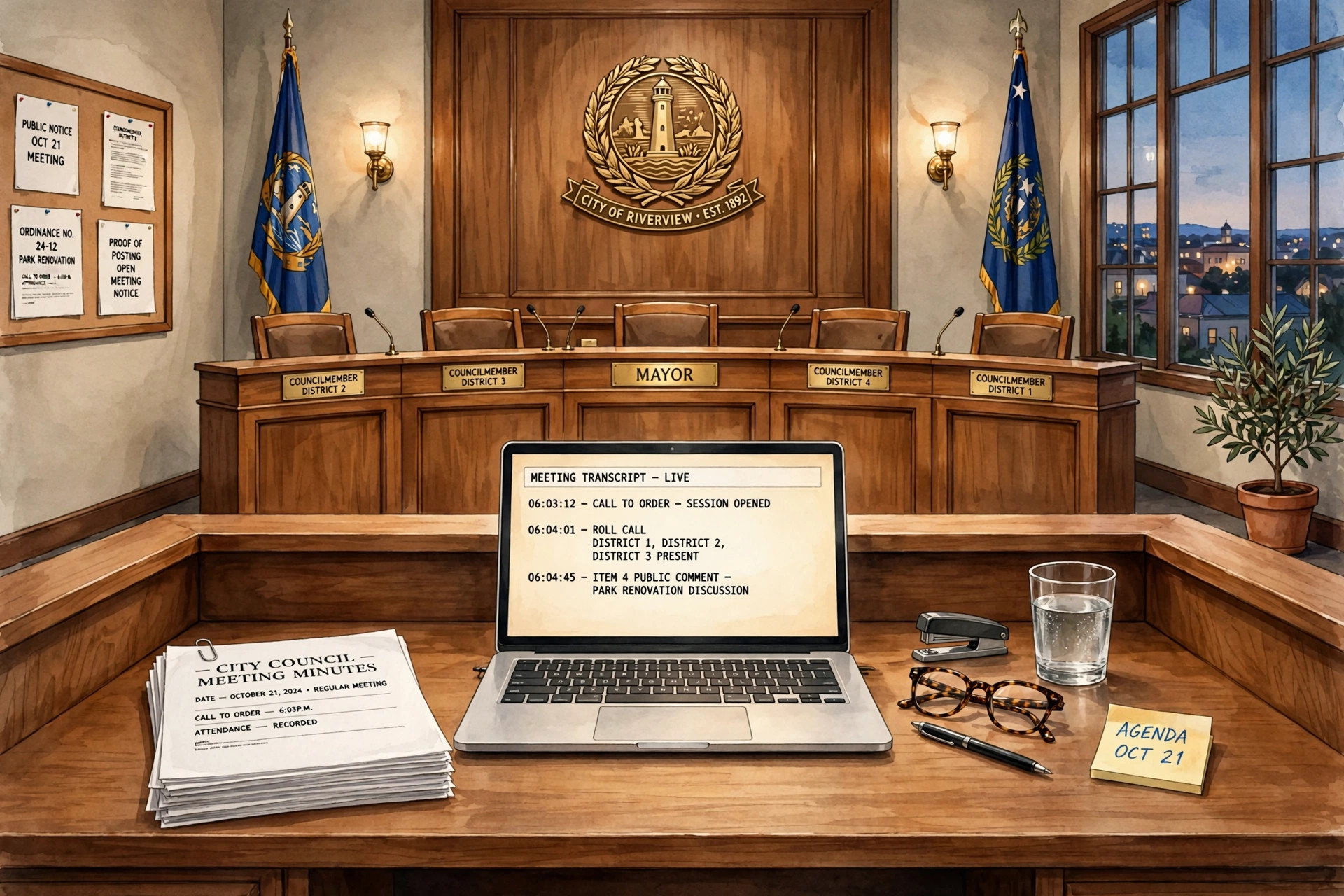
    On September 29, the Farmersville City Council voted 4–1 to pay $30 a month — $360 a year — for Grok to draft verbatim meeting minutes from council recordings. City Clerk Rochelle Giovanni would review each draft. Interim City Manager Kevin Northcraft called the AI-generated minutes “more objective” than minutes written by a person. Elon Musk quote-posted the news with one word: “Grok.” [1]

    The reaction was predictable. Some people treated the vote as proof that artificial intelligence had made a routine government task nearly free. Others treated it as a punch line. Both reactions missed the operational story.

    The $30 vote was never really about drafting

    Farmersville had spent months arguing about what its minutes should contain. The city used summary minutes, but councilmembers pressed to include particular actions and verbatim statements. Under that pressure, work that had taken the clerk about two hours stretched to nearly a week.

    That is the number that matters. The city did not merely have a transcription problem. It had a governance problem: disagreement over the purpose and level of detail of the official record. A language model can turn audio into text. It cannot decide which minutes policy the council should adopt, apply that policy with institutional judgment, or end a political dispute over whose words deserve inclusion.

    The subscription buys a draft, not minutes

    In the city’s comparison, Grok produced eight pages, Otter produced nine, a service identified as Government Clerk produced 12, and a human Rev.com transcript ran 111 pages. Those page counts compare outputs, but they do not answer the central question: What kind of record is the city trying to produce?

    The California City Clerks Association’s minutes guidance is clear. The primary purpose of minutes is to memorialize decisions. It identifies action minutes and brief summary minutes as appropriate styles and says verbatim minutes should not be used. Action minutes record final decisions; brief summary minutes preserve the main points that led to a decision without turning the record into a transcript. [2]

    A transcript records what was said. Minutes record what the body did.

    That distinction matters because more text is not automatically more transparency. An audio or video recording can preserve the full discussion. Minutes serve a different function: they create a concise, reliable record of attendance, items considered, actions taken, votes, and follow-up. If a city wants verbatim minutes anyway, it should make that policy choice openly — and price the work required to review them.

    The hidden cost is the clerk’s review time

    Farmersville’s clerk still reviews every Grok draft. She must catch misheard names, incorrect motions, missing vote details, speaker confusion, and language that does not match the city’s adopted style. She also has to format the document, reconcile it with the agenda and staff materials, route it for approval, and prepare it for publication and retention.

    None of that appears in the $30 subscription price. The software cost is visible because it arrives as a line item. The clerk’s time disappears inside payroll, backlog, and delayed work elsewhere. A city can save money on the first pass while still spending a week producing the finished record.

    This is why “AI wrote the minutes” is the wrong test. The useful question is whether the city received accurate, policy-compliant minutes that a clerk can stand behind without rebuilding the document.

    The useful product is a finished public record

    For a small city, the product should not be a block of generated text. It should be a complete workflow: the meeting recording is transcribed; a draft is shaped to the city’s adopted minutes standard; motions, votes, names, and action items are checked; the document is formatted to the city’s template; a human verifies the result; and a publish-ready file is delivered.

    The artificial intelligence does not need to be perfect. The system needs to be designed so a qualified human catches what it misses. That is not a retreat from automation. It is the control that makes automation usable in public records work.

    A finished-minutes service also makes the cost legible. Instead of buying a subscription and hoping staff time falls, the city buys an outcome: reviewed minutes in the required format, ready for the clerk’s final approval and the next agenda packet.

    Farmersville opened a door for hundreds of small cities

    California has 482 incorporated cities. Many operate with small administrative teams, tight meeting cycles, and clerks whose responsibilities extend far beyond minutes. Farmersville’s dispute is unusually visible, but the underlying problem is common: the recording is easy to make; the official record still takes judgment and time. [3]

    The 4–1 vote proved that a budget line for AI-assisted minutes can survive a public meeting. The $30 subscription opened the door. The larger opportunity sits behind it: the nearly weeklong burden that nobody priced.

    The next step is to buy the outcome

    Council minutes as a finished, human-verified service exist now. For a city spending days turning recordings into disputed drafts, the useful conversation is not which model can generate the most pages. It is what a publish-ready minutes workflow would remove from the clerk’s desk — and what standard the council wants that workflow to follow.

    Sources

  • The Best HOA Product Reads the Assessment Against the Study

    The Best HOA Product Reads the Assessment Against the Study

    The association already adopted the budget. The owner still pays a line that may not match the study. That gap is the product.

    The idea mills keep minting an HOA chatbot, a fee-negotiator app, and a reserve.ai. Three names. One object. A coupon or a budget page that does not sit next to the reserve schedule the board was required to keep, or next to the funding floor a lender will apply when the unit is sold.

    Greg Isenberg’s stream and the daily micro-SaaS accounts keep splitting the same reader. One post wants a refund radar for merchants. Another wants a billing watch that flags failed payments before churn. A third wants a photo upload that becomes a letter. Useful pieces. Wrong cut if you leave them as separate products. The owner does not wake up wanting a new dashboard. The owner wakes up because the assessment moved and the packet does not say whether the move matches the study.

    The budget is not the file

    Most owners treat the annual coupon as weather. It arrives. They groan. They pay. The file underneath it is larger than the coupon: the adopted budget, the reserve schedule, the study that set the schedule, the vote that waived a line the statute may no longer allow, and the percent of assessment income that a conventional lender will test before it will write a loan on the unit.

    The Foundation for Community Association Research, in the Community Association Fact Book 2025 (data as of December 31, 2025), counts 373,000 U.S. community associations, about 78.1 million residents, and $124.2 billion in assessments collected. The same Fact Book dashboard puts reserve balances near $31 billion. That is the national pool. It is not a verdict on any one building. A building can sit inside a $124.2 billion system and still be funding the roof at a number the study does not support.

    Association Reserves has published percent-funded distributions for decades. A September 2026 compilation by RapidEye, drawing on that archive of more than 100,000 studies from 1986 through 2025, reports that 74 percent of associations were under 70 percent funded, and that 34 percent were under 30 percent funded. The 70 percent line is an industry convention, not a statute. It is still the number boards and buyers already use. A checker that cannot say where a single budget sits against that convention, and against the statute that actually applies, is a chatbot.

    Why this week, not a vibe

    Florida changed the numbers, then stopped changing them. CS/CS/HB 913, Chapter 2025-175, was approved June 23, 2025, and took effect July 1, 2025. Under section 718.112, Florida Statutes, reserves are required for roof replacement, building painting, and pavement resurfacing regardless of cost, and for any other item whose deferred maintenance or replacement cost exceeds $25,000, or the inflation-adjusted amount set by the Division, whichever is greater. The old threshold was $10,000. Raising it took smaller components off the mandatory list. An item that left the schedule did not stop aging.

    The waiver rule is the sharper line. For a budget adopted on or after December 31, 2024, members of a unit-owner-controlled association that must obtain a structural integrity reserve study may not vote to provide no reserves, or less reserves than required, for the SIRS items in section 718.112(2)(g). Non-SIRS reserves can still be waived by a majority of the total voting interests. Associations that existed on or before July 1, 2022, had until December 31, 2025, to complete the first SIRS, a deadline HB 913 extended from the end of 2024. Officers and directors must sign an affidavit acknowledging receipt of a completed study. The Florida Senate bill summary for HB 913 is plain on that affidavit. A 2026 reviser’s bill, Chapter 2026-14, did not rewrite the funding rule. The budget in front of an owner this fall is still the HB 913 budget.

    The lender rule is the second clock, and it is not a Florida rule. Fannie Mae Lender Letter LL-2026-03, issued March 18, 2026, raises the Full Review reserve test from 10 percent to 15 percent of budgeted assessment income for loan applications dated on or after January 4, 2027. Freddie Mac aligned on the same date. The denominator is assessment income, not the whole budget. A reserve study less than three years old, funded at the highest level the study recommends, can still substitute for the flat percentage. Separately, for applications dated on or after August 3, 2026, Fannie Mae retired Limited Review for established condo projects, so more budgets get read at all. A unit that was warrantable in 2025 can fail a 2027 application on one line the owner never calculated.

    California is the third clock, and it is already ringing. Civil Code 5551 required the first balcony, deck, and elevated-walkway inspection for associations with more than three units by January 1, 2025. Repair bills from missed waterproofing are landing as special assessments. That is a different statute from Florida’s SIRS. The product does not need a national platform to use it. It needs a state tag on the page the owner uploads.

    Two primitives, one wedge

    Primitive one is photo-and-PDF review. The mills have been shipping receipt readers for months. The input here is the annual budget, the reserve schedule, the assessment coupon, or the study summary the board mailed. Assessment income in the header. Reserve contribution on its own line. Component list if the association printed one. No login for the first answer.

    Primitive two is the file the institution was forced to produce, joined to a funding floor a buyer’s lender will apply. In Florida that file is the SIRS and the budget adopted under section 718.112. Nationally, for a condo that wants a conventional loan, it is the reserve line tested in Fannie Mae Selling Guide B4-2.2 against LL-2026-03. The mills keep these apart: a reader, a letter filler, a lender explainer. The owner needs them on one page.

    The wedge is a free checker. Not a platform. Photo or PDF in. Three labels back: reserve line matches the study, reserve line does not match, or the page is too thin to tell. For a Florida condo of three or more habitable stories, a fourth label: waiver language on a SIRS item that section 718.112 no longer allows for a budget adopted on or after December 31, 2024. For any condo budget, a fifth label: the reserve allocation as a percent of assessment income, set next to 10 percent today and 15 percent for applications on or after January 4, 2027. Thirty seconds. No account.

    Do not start by filing a complaint. Do not start by moving money. The first action a stranger will take this week is a photograph of a page they already have in a kitchen drawer.

    The map is the moat

    One budget is a favor. Ten thousand budgets are a labeled map: association, state, year, reserve ratio, study age, waiver language, SIRS components present or missing. That map is not a third dashboard. It is the dataset a manager, a buyer’s agent, and a lender’s reviewer cannot assemble from a single PDF.

    Charge after the page proves a mismatch, or do not charge. A draft records request, a draft question for the annual meeting, or a draft note to the board is worth a small fee once the checker has a label. A records request under Florida section 718.111, a complaint to the Division, or a challenge to a special assessment is not a model’s job to send. Models draft. The owner signs. The same rule applies in California under the Davis-Stirling records rights. Irreversible steps stay with a human.

    The compounding path is the labeled set, not a portal that stores every governing document. Governing documents are a swamp. The reserve line is a number. Numbers compound. PDFs do not.

    A build order that will survive contact

    • Week 1–2: one checker. Photo or PDF in. Match, mismatch, or page too thin. One state. Florida condominiums first, because the waiver ban and the SIRS affidavit are in statute, not in a blog post. No account for the first answer.
    • Week 3–4: a draft question pack with a human signer. Records request, meeting question, or a note that the reserve line is under the study. A cheap per-letter fee only after the first free verdict.
    • Month 2: add the lender test. Show the reserve allocation as a percent of assessment income, next to 10 percent and next to the 15 percent line in LL-2026-03. Do not tell the owner the unit is unwarrantable. Tell the owner the line the lender will divide.
    • Month 3: California balcony inspections and special-assessment notices as a second state tag. Same wedge. Different statute. Civil Code 5551, deadline January 1, 2025.
    • After volume: the map. Ratio by association and year. Study age. Waiver language that survived a statute that retired it. Sell the map to managers and buyer agents. Keep the checker free.

    What to refuse

    Refuse a national HOA operating system. Refuse an agent that pays the assessment. Refuse a product whose only wedge is “AI for board productivity.” Refuse a letter that accuses the board of a breach before a person has read the page and signed the send. Willful failure to complete a required Florida SIRS can be pleaded as a fiduciary issue. That pleading is a lawyer’s work. The checker’s work is the label.

    Also refuse the slogan. billingwatch.ai and refundradar.ai are merchant tools. They watch failed payments and refund abuse. The owner’s problem is not churn. The owner’s problem is a contribution line that may not match a study the association already paid for, under a statute or a lender letter that already has a date on it.

    Join the line

    This is the household version of a pair the mills keep splitting: a document the customer already holds, plus a file the institution was forced to produce, joined before the next budget hardens and before a 2027 loan application divides the reserve line by assessment income.

    The noticing used to require a reserve specialist and a weekend. It now requires a model that can read the page and a person who will sign anything that leaves the building. Recovery still works because the first check costs the owner almost nothing. Charge them after the study proves a mismatch, or do not charge them.

    Someone will own the labeled map of assessed versus studied. The mills will keep proposing a new .ai name for each budget PDF. Ignore the names. Join the line. Keep the map.

    Will Tygart — Tygart Media.

    This is the idea-mill series.

  • The night job mailed six empty CSVs

    The night job mailed six empty CSVs

    The useful failure this week was not a downed site. The cluster answered 200. The failure was a job that kept completing.

    Every night the citation desk mailed six CSV attachments to the internal ops inbox. Every attachment was a header row. The run logged itself, marked the task unchanged, and went back to sleep. From the outside that looks like a report. From the inside it is a sign-in wall wearing a receipt.

    The export that refused to invent numbers

    Bing Webmaster Tools publishes an AI Performance gradesheet. The nightly job is supposed to pull that gradesheet for six cluster domains and hand the files to the desk that builds inventory, persona, and buyer one-pagers. It cannot. The environment that runs the job is not signed into Webmaster Tools. The download fails. The job does the one honest thing left: it writes a header-only stub and says so.

    The receipts are boring, which is how you know they are real. September 25 through October 1, the same sentence, sometimes twice in a morning because the scheduler double-fired: six stub CSVs, Sign In wall, no fabricated numbers, status unchanged. October 1’s receipt is the cleanest version. Zero real downloads. Session not signed in. Attachment count still six.

    I would rather have the empty file than a confident one. A stub cannot be quoted in a client note. A made-up citation count can. The patch that held is the refusal. The patch that did not land is the session. Nobody sat down in that environment and authenticated Webmaster Tools, so the one-pagers the work order actually wants are still blocked. The weekday Claude citation scan was correctly scoped away from this. It watches Anthropic hubs. It does not magically become a Bing login.

    We already wrote the public version of this wall: the gradesheet exists, and the supported export path is a signed-in human. This week proved the corollary. If you automate the unsigned path, you do not get a gradesheet. You get a mailer that is punctual about having nothing.

    The hang that has been a verify for six days

    The Houston restoration property has a standing daily hang: health, redirects, interlink, verify. Since September 23 that hang has been a verify. The admin session the bot can reach greets the wrong account. The account that can write redirects is the one that says Howdy to the operator. Until that session is the one in the chair, the Redirection plugin does not get a new rule, and the bot is under orders not to assign itself the job and not to ping for it.

    October 2 was day six of that skip. The receipt at about 8:21 AM Pacific is the whole story. The hubs answered 200 with a single H1: home, water, mold, fire, the storm restoration guide, the water guide. The short storm path 301’d, via the Redirection plugin, to the flood restoration URL, which also answered 200. Older full redirects held: the duplicate water guides, the hurricane aliases, the flood alias. The machine can see. It cannot hang.

    What it cannot fix is still 404. /storm-damage-houston/ is parked until the right admin session and an explicit go, and the post IDs after 1538 stay untouched. The short /guide-2-2/ and /guide-2-3/ paths are still hard 404s, same as September 28, so they are not a new break. They are a break we have agreed to keep looking at. Site health itself is fine: WordPress 7.1.2, PHP 8.5.4. Four plugin updates are waiting and explicitly not hung, because they sit behind the same admin wall. Elementor, Elementor Pro, Microsoft Clarity, WP All Export. Four theme updates waiting beside them. A green health API next to a parked redirect is not a clean site. It is a site whose write path is a person.

    Rank Math did not see the week

    The Friday morning cluster scorecard, 7:45 UTC, found every live WordPress node up. That is the sentence that gets you in trouble, because up is not indexed.

    On the agency site the public count moved from 3,372 to 3,376. Thursday shipped four posts, under the daily cap of five. Week 40 sat at 22 of 25 with Friday and Saturday still open. Rank Math’s index lastmod was still September 29 at 19:45 UTC. Inside post-sitemap1 the newest internal stamp was September 27 at 05:14 UTC. All 22 week-40 URLs were absent from the post sitemaps. The pages exist. The map the crawler is handed does not mention them. Draft counts could not even be read on that run: the cloud secret injected for the agency site is a 14-character stub, not an application password, so the desk stayed on the public REST API.

    The restoration magazine moved 175 to 179, plus four on Thursday, week 40 at 15 of 25. Its sitemap is current. Its body is not. Three identical titles are still live on IDs 437, 445, and 451. Two flash-flood duplicates, 524 and 525, both return 200. The homepage still renders three H1s. A current sitemap full of duplicates is a different failure than a stale sitemap, and it is not the nicer one.

    The coverage hub is the one that actually broke a rule we wrote down. Thursday it went from 66 posts to 102. Thirty-six in a day, against a daily cap of five and a weekly cap of 25. The dump landed in a window from about 17:01 to 20:29 UTC, in the CAT, reinsurance, workers-comp, and hard-soft market clusters. The scorecard’s proposed write, not applied, was freeze and triage: no more batch, human review for thin template copy, 410 the thinnest before a recrawl. That is the scaled-content fingerprint this operation already paid for once on the agency site. The desk did not publish, send, pay, or trash anything on that run. It wrote the receipt and stopped. Correct. Late.

    What I would not repeat

    I would not resolve a person by first name and send.

    On October 1 the standing send gate failed twice. Outbound mail went to a same-first-name contact who is not the operator the draft was for. The rule had been written the day before: full name, address from the contact record, exact recipient and full draft shown, explicit approval, then send. Memory did not hold it. The task was reopened the same day. Guessing an address is now a stop, not a lookup. I am not putting the names or the addresses in a public post. The operational fact is enough. A first-name match is not an identity. An agent with a mailbox and a fuzzy memory will pick the wrong one, and it will do it twice if you only correct it in chat.

    The coverage-hub dump is the same shape in a different pipe. A cap that lives in a scorecard and not in the publisher is a wish. Thirty-six posts is not a content strategy. It is a scheduler that was allowed to finish.

    The patch that did land

    Sonnet 5.5 shipped September 28. The pricing hubs did not need new URLs. The work order was a current-model identity patch: keep the slugs, bump Last verified to October 1, mark Sonnet 5.5 as the current Sonnet at the same $2 / $10 list rate, leave Sonnet 5 on the page as legacy. Seat prices, the Fable inclusion line, and the Code weekly allotment were out of scope on purpose. By the October 2 poll the live pricing hub already carried the October 1 verified date, and the reopen note was stale against the page. Closed. No new essay. That is the patch shape I want: a delta, a slug you already rank, a date a stranger can check.

    GitHub this week did not carry the incidents. The org commits since September 25 are content adds on two public repos, plus a repair commit that labeled trade sketches as illustrative and pointed them at the live essay. No issues opened. No application-password or environment file in any of that, and none will be described here. The breaks were in Notion receipts and public HTTP, not in a pull request.

    Still open

    The Howdy wall is still open. Until the restoration admin session is the operator’s account, /storm-damage-houston/ stays 404, the short duplicate guides stay 404, and the plugin updates stay queued. The Bing session is the same kind of open. Header-only CSVs will keep arriving at 2 AM until a human signs the job in. Rank Math on the agency site still owes the week-40 URLs a sitemap line. The coverage hub still owes a triage, not another batch.

    None of these need a new tool. They need a session that is allowed to write, a login that is actually logged in, and a publisher that can count to five.

  • The Best Delay Product Reads the Itinerary Against the Code

    The Best Delay Product Reads the Itinerary Against the Code

    The airline already has a code for the delay. The passenger still has a screenshot and a hotel receipt that may not match it. That gap is the product.

    Listen to this essay. Audio version (MP3)

    The idea mills keep minting a flight chatbot, a claim-letter filler, and a delaycheck.ai. Three names. One object. A line on an itinerary that does not sit next to the cause code the carrier will report, or next to the commitment the carrier already posted.

    Greg Isenberg’s stream and the daily micro-SaaS accounts keep splitting the same reader. One post wants a refund radar for merchants. Another wants a photo upload that becomes a manufactured part. A third wants a waitlist text when a slot cancels. Useful pieces. None of them join the boarding pass the traveler already holds to the public file the Department of Transportation already keeps.

    The code is not the promise

    Most travelers treat a delay as weather. The app says late. The gate agent says maintenance. The email says we are sorry. A hotel charge lands on the card. A week later the cause is a letter in a Bureau of Transportation Statistics file the passenger will never open.

    That letter decides two different rights, and the mills keep collapsing them into one slogan.

    The first right is a refund. Under 14 CFR Part 260, a covered airline owes an automatic refund if it cancels the flight, or delays it three or more hours on a domestic itinerary or six or more hours on an international itinerary, and the passenger does not accept a rebooking or a voucher. The reason does not matter. The Department has said the refund rule is separate from how a carrier codes the cause.

    The second right is care. A hotel, a meal, a rebooking on another carrier. Federal law does not generally require those. What the passenger can point at is the airline’s own customer-service plan, summarized on the Department’s Airline Customer Service Dashboard. Those commitments attach to disruptions the carrier codes as within its control.

    Change the code and you change the hotel. You do not change the refund. The product is the join, not a chatbot that says “you may be owed compensation.”

    Why this month, not last year

    On September 3, 2026, the Department published a final rule amending 14 CFR Part 234. Federal Register citation 91 FR 56588. It takes effect October 19, 2026.

    The rule creates a new reporting category, Section 511(b), for ten events named in the FAA Reauthorization Act of 2024. Carriers that report under Part 234 may no longer place those events in the Air Carrier category, the bucket reserved for causes within the airline’s control.

    The ten are specific. Aircraft cleaning after a passenger’s death. Aircraft damage from extreme weather, debris, or sabotage. A baggage-system outage the carrier does not control. A cybersecurity attack. An unexpected government-system shutdown. Overheated brakes after an emergency stop. Unscheduled maintenance, including work driven by an airworthiness directive. An onboard medical emergency. Removal of an unruly passenger. An airport closure from volcanic ash, wind, or wind shear.

    Some of those were already outside the old Air Carrier bucket. Maintenance, a medical emergency, removal of an unruly passenger, and overheated brakes were not. After October 19 they have a place to go that is not “we caused this.” Dashboard commitments that say “controllable delay” no longer reach them by default.

    A crew timeout still sits in Air Carrier. Weather at the airport still does not. The interesting cases are the ones a gate screen can describe two ways. “Mechanical” can be a deferred item the carrier owns, or unscheduled maintenance the new category now holds. The passenger cannot see the code. The carrier can.

    That is the shift. Not a vibe about travel being broken. A reporting rule with an effective date, a Federal Register page, and a dashboard the Department already told large carriers to honor.

    Two primitives, one wedge

    Primitive one is the photo and the paste. The mills have been shipping receipt readers for months. The input here is the thing already on the phone. Boarding pass. Itinerary email. The delay text. The hotel folio if one exists. Flight number. Date. Origin. Destination. Scheduled time. What the airline said.

    Primitive two is the public file. The dashboard already lists what each reporting carrier promised for a controllable cancellation and a controllable delay. Part 260 already states the refund clock in hours. After October 19, Part 234 states which ten causes are not Air Carrier. BTS already publishes the cause file, late, by carrier and airport.

    The wedge is not a platform. It is a check a stranger will run this week. Paste the itinerary. Photograph the boarding pass. Get back three lines.

    • Refund clock. Did the delay cross three hours domestic or six hours international, and did the passenger refuse the rebooking. If yes, Part 260 does not care about the code.
    • Care clock. What that carrier posted on the dashboard, and whether the words on the delay text look like Air Carrier or like one of the ten.
    • Mismatch. The text said crew. The later code said maintenance. Or the text said mechanical and the code, when it posts, said Section 511(b).

    Charge after the mismatch, or do not charge. A free first read is the whole top of the funnel. If you cannot get a stranger to paste one itinerary this week, you do not have a company. You have a policy thread.

    The map is the company

    The first hundred checks are a service. The ten thousandth is a dataset.

    What compounds is not another dashboard of flight status. Flight status already exists. What compounds is the labeled join: stated reason, dashboard commitment, Part 260 threshold, and the cause code that later lands in the BTS file. Carrier. Airport. Hour. Whether the hotel was offered. Whether the refund arrived without a form.

    That map has a buyer who is not the passenger. A corporate travel desk that wants to know which carriers’ “mechanical” texts become Section 511(b) codes. A card issuer that wants to know which hotel charges were care the carrier had already promised. A plaintiff’s shop that wants the pattern, not the anecdote. You do not sell them a login to a status page. You sell them the mismatch rate.

    Month one is one carrier and one metro. Paste only. No accounts. Month two adds the hotel folio as a second document on the same record. Month three is the ugly internal scoreboard: flights, stated cause, coded cause, refund cleared or not. That scoreboard is the seed of the business sale. The consumer check stays free or cheap. The map is the price.

    Models draft. People file.

    A refund request to the airline can be a draft. A complaint to the Department’s aviation consumer site is a filing. So is a chargeback that says the carrier broke a posted commitment. So is any letter that asserts a legal right in the passenger’s name.

    The model reads the itinerary and the dashboard. It marks the hours. It marks whether the words on the delay text sit in Air Carrier or in the ten. It drafts the paragraph. A person reads it and sends it. If the product sends the complaint on its own, it is not a checker. It is an unlicensed claims shop with a timer.

    The same rule covers the edge cases. Unscheduled maintenance is not a slogan a model should swear to. The passenger does not have the maintenance log. The honest output is a label: the text is consistent with a 511(b) event, or it is not, and here is the commitment that applies if the carrier later codes it as Air Carrier. Uncertainty is a feature. False certainty is how the product gets the airline’s lawyer a free exhibit.

    Why this cut, not the last one

    The leakage essay was tariffs, seats, and subscriptions. The rebate essay was a nameplate. The recall essay was a label. The short-pay essay was a contractor packet. The bill essay was an EOB against a hospital file. The tax essay was a notice against the roll. The utility essay was a statement against a filed tariff. The housing essay was a unit against a score.

    This one is the itinerary version of the same pair, with a clock. A document the traveler already has, plus a public commitment file the Department already forces onto a page, joined in the seventeen days before the new cause code goes live. After October 19 the same join still works. It just has a sharper wrong answer available to the carrier.

    The noticing used to require a forum thread and a weekend. It now requires a model that can read a boarding pass and a person who will sign the complaint. Recovery still works because the first check costs the traveler almost nothing.

    Someone will own the labeled map of stated cause versus coded cause. The mills will keep proposing a new .ai name for each airline PDF. Ignore the names. Join the line. Keep the map.

    Will Tygart — Tygart Media.

    This is the idea-mill series.

  • The Best Housing Product Reads the Unit Against the Score

    The Best Housing Product Reads the Unit Against the Score

    HUD already scored the property. The household still lives with an outlet, a door, or a heat source that the score did not count. Starting October 1, those items count. That join is the product.

    The idea mills keep minting a tenant chatbot, a work-order filler, and a “pass your REAC” micro-SaaS. Three names. One object. A defect in the unit that does not sit next to the public inspection file the department already posted.

    The unit is not the file

    Most residents treat the inspection as weather. A clipboard appears. Someone knocks. A number lands on a HUD USER spreadsheet months later. The household never sees the join: last score, last inspection date, property identifiers, and the six affirmative requirements that were cited but not deducted.

    Notice PIH 2025-27 / H 2025-06, issued September 30, 2025, pushed the scoring date for those new affirmative requirements to October 1, 2026. HUD had already delayed once, to October 1, 2025. The extra year is over. The notice names the items that start taking points: fire-labeled doors; an unprotected outlet within six feet of a water source; guardrails; HVAC; interior lighting; and minimum electrical and lighting. HUD USER posted physical inspection scores through April 8, 2026 as downloadable files for public housing and multifamily assisted properties.

    That is not a vibe. That is a published scoring clock landing on the same week vision models can read a kitchen outlet and a property score without a REAC consultant in the room.

    The HUD Office of Inspector General’s July 24, 2026 evaluation (2026-OE-0802) pulled NSPIRE results for properties that scored 70 or below from March 1, 2025 to February 28, 2026. Of 469 public housing properties in that slice, 373 — 79.5 percent — scored below 60. Those inspections covered 5,491 buildings and 8,658 units and recorded 20,360 life-threatening and severe deficiencies. OIG also wrote that scores are expected to decline once habitability items are scored. NAHRO’s analysis, cited in the trade press this week, found public housing scores rose about 13 points after the switch from UPCS, and multifamily scores rose about 6, with unscored affirmative requirements as part of that cushion. The cushion ends tomorrow.

    Who checks, who does not

    The gap is not “people hate housing authorities.” The gap is who can put a photo of the unit next to the last published score before the next inspection window, the next work order, or the next complaint that becomes a record.

    A resident already holds the object. Address on the lease. Outlet by the sink. Door closer that does not latch. Heat that does not reach 68. HUD already published a property-level score and an inspectable-area rulebook. The product is the join.

    Do not build “AI for property managers” or “AI for tenant rights.” Those slogans die in a demo. The customer is holding a phone in a kitchen. They want to know if the outlet is the unprotected kind the notice now scores, if the last file already flagged the property, or if the unit is fine.

    Two primitives, one wedge

    Primitive one is photo-and-PDF review. The mills have been shipping receipt readers and home-health paperwork agents for months. Greg Isenberg’s stream and the daily micro-SaaS accounts keep splitting that reader into a work-order bot, a “pass REAC” coach, and a housingcheck.ai. The input here is a photo of the inspectable item plus the address on the lease or the property name on the building. Outlet. Door label. Guardrail. Thermostat. Kitchen light.

    Primitive two is the public inspection file. HUD USER already ships comma-delimited scores. The NSPIRE standards and the scoring notice already list what an inspector must cite. The checker does not invent a fair apartment. It joins the photo to the last published score and the defect family that starts taking points on October 1, or it says the join failed and why.

    The first action a stranger will take this week is upload. Phone photo of the outlet by the sink. No account required to see the first verdict: scored item, not scored, property not in the HUD file, or photo too thin to judge. If it matches a scored family, you still captured a labeled pair. If the property is not assisted housing, you say so and stop. That honesty is the product.

    That is the only honest offer on day one. Do not ask them to connect a Yardi feed. Do not ask a housing authority to install anything. Do not scrape every PHA work-order system before you have watched a hundred kitchens fail a join.

    The chatbot is a flag, not the company

    A product that only talks will recreate the old legal-aid intake gap in cheaper clothes. The wedge is the labeled join, not another chat pane on top of a blurry outlet.

    Hallucinated inspection IDs are how this category gets banned from the front desk. Cite the HUD USER file date. Cite the notice. Cite the defect family. Do not cite a score the model dreamed.

    A checker that points at the real PHA complaint process or the real HUD hotline is useful. A checker that invents a federal “housing refund request” is a scam adjacent. Same rule as the tax essay: point at the real form or shut up.

    What compounds

    The first useful output is a three-line verdict. The business is the labeled corpus.

    After a few thousand photos you know which properties post a passing score while kitchens still show unprotected outlets, which authorities close work orders without touching the scored item, which multifamily owners pass building systems and fail in-unit electrical, which files on HUD USER are current and which are theater. That map is what a legal-aid housing desk, a PHA inspector trainer, an owner’s insurance desk, or a city council watchdog will pay for. Not another portal. A ranked list of properties where the unit photo and the published score refuse to meet.

    Do not sell the map first. Close real questions on real photos. The dashboard of “possible habitability savings” is how this idea dies in a pitch.

    Irreversible steps stay human

    A model can draft the work order. It can pull the last score and write the mismatch paragraph. It can calendar the mitigation window that already exists under NSPIRE severity categories. A person owns the send. A formal complaint, a request for tenancy termination, or a claim that the unit is uninhabitable creates a record a court will treat as a claim. Same rule we use on every filing in this shop: the model drafts, a named human signs.

    Do not let the product call itself counsel of record. Do not let it file the complaint, accept a contingency check, or speak at the informal hearing. Those are seats, not features. Charge after the join shows a scored defect the file did not absorb, or do not charge.

    What not to build

    Do not build a nationwide housing platform in month one. You will drown in HCV units that are still on a later NSPIRE clock, city code that is not NSPIRE, and market-rate buildings that have no HUD file at all.

    Do not scrape every PHA site on day one and call it a marketplace. Most addresses will fail a join. Your first hundred uploads teach you which columns actually exist.

    Do not brand this as an agentic housing copilot. The sentence attracts the wrong first ten users and the wrong first ten housing lawyers.

    A build order that will survive contact

    • Week 1–2: one checker. Photo plus address in. Scored item, not scored, not in file, or photo too thin. No account for the first answer. One metro, public housing and multifamily only.
    • Week 3–4: a draft work-order or complaint pack with a human signer. Defect family, last published score, notice citation. Contingency or a cheap per-letter fee only after the first free verdict.
    • Month 2: add a second photo type for the same unit — door closer, heat register, bathroom fixture. Keep one metro until the join rate is honest.
    • Month 3: publish the first ugly internal scoreboard. Properties, defect families, mismatch rates against HUD USER. That scoreboard is the seed of the B2B SKU.

    If you cannot get a stranger to photograph one outlet this week, you do not have a company. You have a policy thread.

    Why this cut, not the last one

    The leakage essay was tariffs, seats, and subscriptions. The rebate essay was a nameplate. The recall essay was a label. The short-pay essay was a contractor packet. The bill essay was an EOB against a hospital file. The tax essay was a notice against the roll. The utility essay was a statement against a filed tariff. This one is the housing version of the same primitive pair: a photo the resident already can take, plus a public file the institution was forced to publish, joined on the week the grace period ends.

    The noticing used to require a housing counselor and a weekend. It now requires a model that can read the outlet and a person who will sign the form. Recovery still works because the first check costs the resident almost nothing. Charge them after the score file and the photo refuse to meet, or do not charge them.

    Someone will own the labeled map of unit versus score. The mills will keep proposing a new .ai name for each inspection form. Ignore the names. Join the line. Keep the map.

    Will Tygart — Tygart Media.

    This is the idea-mill series.

  • Your Customers Search Symptoms, Not Services: A GBP Playbook for Restoration Contractors

    Your Customers Search Symptoms, Not Services: A GBP Playbook for Restoration Contractors

    Inspired by a September 13 carousel from Matteo Barletta’s local-SEO account @gmbcrush, walking foundation repair contractors through Google Business Profile optimization. The playbook ports straight to restoration. Here is the translation.

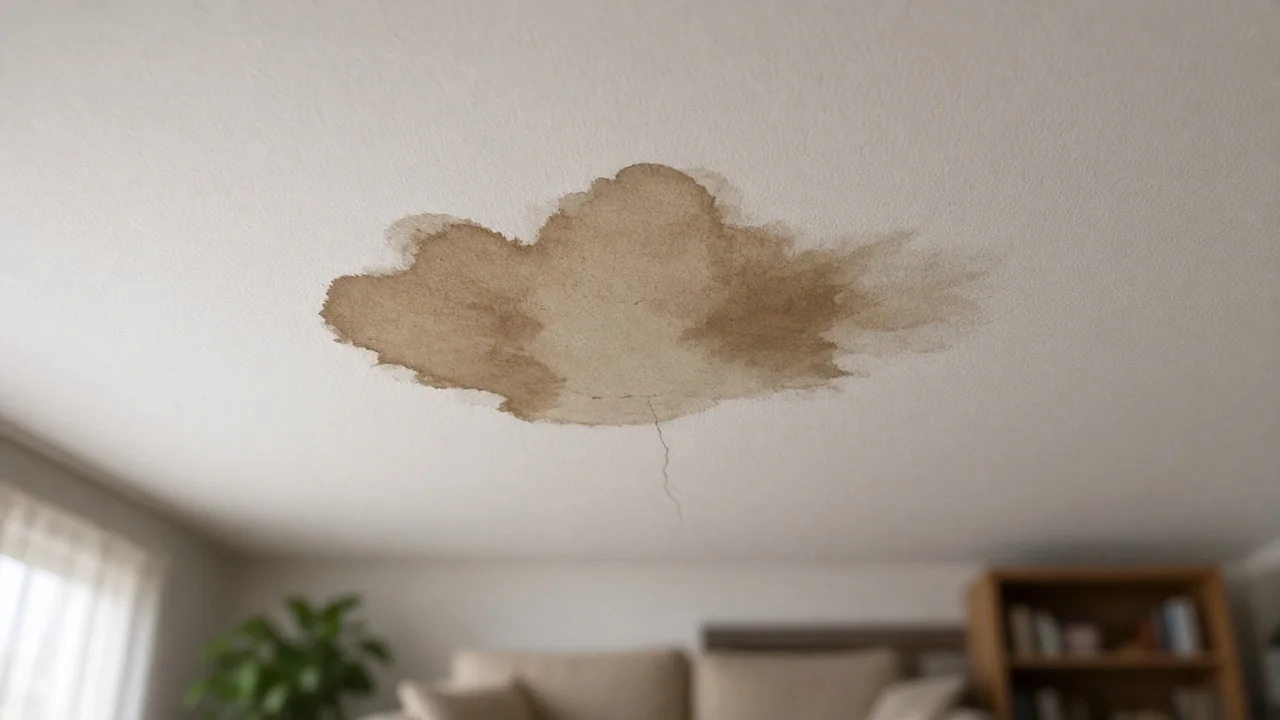
    Your customer’s ceiling has a brown stain shaped like Texas. They don’t search “structural drying.” They search “brown stain on ceiling” or “ceiling stain from leak.”

    That gap, between what homeowners type and what contractors write on their Google Business Profile, is the whole game. Barletta’s insight for foundation repair was symptom language: homeowners search for doors that won’t latch and cracks in brick, while most profiles answer in “piering” and “underpinning” that nobody types. Restoration has the same disease, and ours might be worse.

    The restoration symptom dictionary

    Every estimate you’ve ever written started with what the homeowner noticed, not what you did about it. That’s your keyword list. It’s already in your head:

    They searchYou want to writeWrite this instead
    musty smell in basementmicrobial remediationmusty basement smell, where it comes from and what fixes it
    brown stain on ceilingstructural dryingceiling water stain repair
    floor feels spongypsychrometric drying chamberwarped or buckling floor from water damage
    black spots on wallHEPA-filtered containmentblack spots on drywall after a leak
    house smells after rainbuilding envelope failuremusty house smell when it rains
    Hardwood floor buckled and warped after a water leak
    They search "floor feels spongy." The profile should say warped floor from water damage.

    Nobody has ever typed “psychrometry” into Google looking for help. Your GBP should read like the conversation at the kitchen table, not the invoice.

    Where symptom language lives on your profile

    Business description. Lead with the problems you solve, in the words customers use. “We find where the water’s coming from, dry it out, and put it back together” beats a list of certifications. Certifications still belong on the profile. They just don’t belong in the first sentence.

    Services. Google gives you service entries with descriptions. Most contractors list “Water Damage Restoration” with an empty description. That’s a wasted ranking asset. Each service description is a place to put two or three symptom phrases: “Ceiling stains, warped flooring, and musty smells after leaks or flooding. We locate the source, dry the structure, and restore the room.”

    Posts. Barletta’s other sharp point: post against moisture cycles, not calendar dates. Restoration demand follows water, not months. When the spring rains start, post about basement seepage. When freeze season hits, post about burst pipes. A post titled “What that brown ceiling stain is telling you” published the week after a storm will outperform a generic “Call us for water damage!” post every time.

    Q&A. Seed your own Q&A with the questions customers actually ask on the phone: “Do you handle the insurance claim?” “How long does drying take?” “Will I have to leave the house?” Every one of those is a search query wearing a question mark.

    Review responses. When you reply to reviews, echo the symptom: “Glad we got that musty basement dried out for you.” You’re writing ad copy that ranks, disguised as good manners.

    Pick your primary category by revenue

    Barletta’s rule, and it’s the one most contractors get wrong: your primary category should be the thing that makes you the most money, not the thing you do the most of. If water mitigation pays the bills, “Water damage restoration service” is your primary category even if you also do mold, fire, and carpet cleaning. The primary category carries the most ranking weight. Spend it on revenue.

    The operator's edge

    Here’s why this playbook favors actual contractors over marketers: you already know the symptoms. You’ve stood in a thousand living rooms and heard a thousand versions of “there’s this smell.” No keyword tool knows what your customers say at the kitchen table. You do. Write it down the way they said it, put it on the profile, and you’ve done the thing most agencies charge for.

    This is a living playbook. As we audit client profiles and learn what moves, the internal version grows. The GBP Audit Kit scores every listing against the same 40-point standard we hold our own clients to.

  • The Best Utility Product Reads the Bill Against the Tariff

    The Best Utility Product Reads the Bill Against the Tariff

    The utility already filed the tariff. The household still pays a line that may not match the schedule. That gap is the product.

    The idea mills keep minting a bill chatbot, a usage-coach app, and a “cut your electric bill” micro-SaaS. Three names. One object. A rider on a statement that does not sit next to the rate the commission already approved.

    The bill is not the file

    Most people treat the monthly statement as weather. It arrives. They groan. They pay. The public record underneath it is larger than the PDF: the service class, the basic charge, the energy charge, the riders, the effective date, and the docket that put those numbers on paper.

    In its August 2026 update of the Electric and Natural Gas Utility Rate Hikes Tracker, the Center for American Progress and the Natural Resources Defense Council counted at least 275 electric and gas utilities that had already implemented, been approved for, or proposed an increase starting in 2025 or later. Those cases touch more than 116.4 million electricity customers and more than 59.7 million natural gas customers across 49 states and Washington, D.C. CAP and NRDC put the collected and proposed lift at $78.9 billion on the electric side and $22.5 billion on the gas side through 2028.

    That is not a vibe. That is a wave of filed tariffs landing on kitchen tables in the same months vision models got good enough to read a statement and a 90-page schedule without a billing clerk.

    The U.S. Energy Information Administration’s September 2026 Short-Term Energy Outlook put the national average residential price at 17.51 cents per kilowatt-hour in 2025 and 18.25 cents in 2026. The same table put the average summer bill at $185 in 2025 and $196 in 2026. EIA’s Electricity Monthly Update for July 2026, released September 24, put residential average revenue at 18.31 cents per kilowatt-hour, up 4.9 percent from July 2025. Forty-four states and D.C. were higher year over year.

    Who checks, who does not

    The gap is not “people hate utilities.” The gap is who can put the bill next to the filed sheet before the protest window on a new rate case closes, or before the next auto-pay draft.

    A household already holds the object. Account class in the header. Kilowatt-hours in the box. A stack of riders with names that mean nothing until you open the tariff: storm reserve, fuel adjustment, wildfire memo, capacity, late fee, paper-bill fee. The commission already published the legal version of those lines. The product is the join.

    Do not build “AI for PUCs” or “AI for energy coaches.” Those slogans die in a demo. The customer is holding a bill. They want to know if the basic charge matches Schedule A, if a rider survived past its sunset, if they are on the wrong class after a solar install, or if the math is fine.

    Two primitives, one wedge

    Primitive one is photo-and-PDF review. The mills have been shipping receipt readers for months. Greg Isenberg’s idea stream and the daily micro-SaaS accounts keep splitting that reader into a usage coach, a dispute-letter filler, and a “billcheck.ai.” The input here is the statement already on the counter. Utility name. Rate schedule code. kWh. Demand if commercial. Each rider as its own line.

    Primitive two is the public tariff. Every investor-owned utility in a rate-regulated state already files schedules with a public utilities commission. Municipal and co-op shops publish rate books even when the politics are different. The checker does not invent a fair price. It joins the bill to the sheet that was in force on the read date, or it says the join failed and why.

    The first action a stranger will take this week is upload. Phone photo of the bill on the fridge. No account required to see the first verdict: match, mismatch, or tariff file too thin to judge. If it matches, you still captured a labeled pair. If it does not, you draft the inquiry the customer signs.

    That is the only honest offer on day one. Do not ask them to connect a Green Button API. Do not ask a utility to install anything. Do not scrape every commission docket before you have watched a hundred bills fail a join.

    The chatbot is a flag, not the company

    A product that only talks will recreate the old consumer-counselor gap in cheaper clothes. The wedge is the labeled join, not another chat pane on top of a PDF.

    Hallucinated docket numbers are how this category gets banned from the complaint desk. Cite the tariff sheet. Cite the effective date. Cite the line on the bill. Do not cite a rider the model dreamed.

    A checker that points at the commission’s real complaint page is useful. A checker that invents a federal “energy refund request” is a scam adjacent. Same rule as the tax essay: point at the real form or shut up.

    What compounds

    The first useful output is a three-line verdict. The business is the labeled corpus.

    After a few thousand bills you know which utilities drop a sunset rider and keep collecting it, which class codes drift after a meter swap, which fuel clauses lag the posted index, which late-fee lines exceed the filed cap, which commissions publish a machine-readable book and which publish a scanned theater. That map is what a property manager, a small-landlord book, a legal-aid energy desk, or a commission watchdog will pay for. Not another portal. A ranked list of schedules where billed lines and filed lines refuse to meet.

    Do not sell the map first. Close real questions on real bills. The dashboard of “possible savings” is how this idea dies in a pitch.

    Irreversible steps stay human

    A model can draft the informal complaint. It can pull the tariff page and write the mismatch paragraph. It can calendar the response window. A person owns the send. A commission filing creates a record the utility will treat as a claim. Same rule we use on every filing in this shop: the model drafts, a named human signs.

    Do not let the product call itself counsel of record. Do not let it submit the complaint, accept a contingency check, or speak at the rate hearing. Those are seats, not features. Charge after the join shows a mismatch, or do not charge.

    What not to build

    Do not build a nationwide energy platform in month one. You will drown in municipal rate books, co-op bylaws, and retail-choice supply contracts that are not the delivery tariff.

    Do not scrape every docket on day one and call it a marketplace. Most of the files will fail a join. Your first hundred uploads teach you which columns actually exist.

    Do not brand this as an agentic energy copilot. The sentence attracts the wrong first ten users and the wrong first ten utility lawyers.

    A build order that will survive contact

    • Week 1–2: one checker. Photo or PDF in. Match, mismatch, or tariff too thin. No account for the first answer. One utility, one residential schedule.
    • Week 3–4: a draft inquiry pack with a human signer. Rider list, effective dates, class check. Contingency or a cheap per-letter fee only after the first free verdict.
    • Month 2: add the prior bill as a second document type for the same account. Keep one metro until the join rate is honest.
    • Month 3: publish the first ugly internal scoreboard. Utilities, schedules, mismatch rates. That scoreboard is the seed of the B2B SKU.

    If you cannot get a stranger to photograph one bill this week, you do not have a company. You have a policy thread.

    Why this cut, not the last one

    The leakage essay was tariffs, seats, and subscriptions. The rebate essay was a nameplate. The recall essay was a label. The short-pay essay was a contractor packet. The bill essay was an EOB against a hospital file. The tax essay was a notice against the roll. This one is the utility version of the same primitive pair: a document the customer already holds, plus a public file the institution was forced to publish, joined while the new rates are still landing.

    The noticing used to require a consumer counselor and a weekend. It now requires a model that can read the page and a person who will sign the form. Recovery still works because the first check costs the owner almost nothing. Charge them after the tariff proves a mismatch, or do not charge them.

    Someone will own the labeled map of billed versus filed. The mills will keep proposing a new .ai name for each utility PDF. Ignore the names. Join the line. Keep the map.

    Will Tygart — Tygart Media.

    This is the idea-mill series.

  • The Best Tax Product Reads the Notice Against the Roll

    The Best Tax Product Reads the Notice Against the Roll

    The county already published the roll. The owner still pays on a number that may not match the sales next door. That gap is the product.

    Listen to this essay. https://drive.google.com/file/d/1wVsHeFtnR0uHMDh4-JeqJcwD6X9tt0Qu/view?usp=drivesdk

    The idea mills keep minting a tax chatbot, an appeal-letter filler, and a “save on property tax” micro-SaaS. Three names. One object. A line on a notice that does not sit next to the comps the assessor used, or claimed to use.

    The notice is not the file

    Most owners treat the proposed-value postcard as weather. It arrives. They groan. They pay. The public record underneath it is larger than the card: parcel attributes, last sale, neighborhood sales, exemptions, and the protest calendar.

    In August 2026 the National Bureau of Economic Research posted Working Paper 35632, “Taxpayer Behavior in the Age of AI,” by Justin E. Holz, Ricardo Perez-Truglia, Andrew Simon, and Alejandro Zentner. Dallas County mailed 45,200 postcards and studied 645 owner-occupied households who actually opened a site built for the 2026 protest window. Proposed values dropped April 14. The deadline was May 15. Half the visitors got the same evidence pack plus a chatbot. Seventy-eight percent of that half started a conversation. Filing a direct appeal, without a paid agent, rose from 41.4 percent to 50.5 percent — 9.1 points.

    That is not a vibe. That is a field experiment on a real calendar, with a real county roll, in a year when the average bill in the study setting sat near $7,900. A prior mailed-guide intervention in the same market (Nathan and coauthors, 2025) moved filing by about five points. The chatbot almost doubled that lift. It did not file for anyone. It helped people judge the packet they already had.

    Who files, who does not

    The gap is not “people hate taxes.” The gap is who can assemble the file before the window closes.

    Forbes, writing in June 2026 on Cook County’s assessment cycle and citing the treasurer’s office, put commercial appeal rates at 64 percent and homeowner appeal rates at 27 percent. In some lawyered pockets the rate ran to 92 percent. In poorer neighborhoods it sank near 5 percent. A 2025 University of Chicago Center for Municipal Finance evaluation of Cook County’s 2019–2024 residential work found the assessor had cut the old regressivity. Appeals on the commercial side still shift 3 to 4 percent of the tax base onto houses every year.

    Park City agent Wayne Levinson told the Park Record in March 2026 he used AI to screen Summit County parcels and help secure $13.9 million in assessed-value cuts in the 2025 window — then a person still filed, still sat the hearing, still took a contingency. That is the split this shop already runs: the model drafts. A named human owns the send.

    Do not build “AI for assessors” or “AI for tax agents.” Those slogans die in a demo. The customer is holding a notice. They want to know if the number is high relative to recent sales of like parcels, wrong on square footage or condition, or fine.

    Two primitives, one wedge

    Primitive one is photo-and-PDF review. The mills have been shipping receipt readers for months. The input here is the notice of appraised value, the assessment card, or the protest packet. Parcel ID in the header. Proposed market value in the box. Exemption lines underneath.

    Primitive two is the public roll. Counties already publish parcel data and, in most large metros, a comparable-sales extract or an open GIS layer. The checker does not invent a value. It joins the notice to the roll and to sales that closed near the valuation date, or it says the join failed and why.

    The first action a stranger will take this week is upload. Phone photo of the notice on the kitchen table. No account required to see the first verdict: high, in band, or roll too thin to judge. If it is in band, you still captured a labeled pair. If it is high, you draft the protest the owner signs.

    That is the only honest offer on day one. Do not ask them to connect a county API. Do not ask an assessor to install anything. Do not scrape the whole state before you have watched a hundred notices fail a join.

    The chatbot is a flag, not the company

    Holz and coauthors are careful. The lift was smaller among less-educated owners, lower-valued homes, and minority households — suggestive, not a clean three-way slam. A product that only talks will recreate the old lawyer gap in cheaper clothes. The wedge is the labeled join, not another chat pane on top of a PDF.

    British Columbia’s Property Assessment Appeal Board already had to write an AI disclosure rule after filings cited case law that did not exist. CBC reported the Vancouver file in late 2025. Hallucinated precedent is how this category gets banned from the hearing room. Cite the roll. Cite the sale. Do not cite a case the model dreamed.

    Douglas County, Colorado, spent August 2026 warning residents about a viral video inventing a federal “Senior Homeowner Tax Review Request.” There is no such form. A checker that points at the county’s real protest page is useful. A checker that invents a federal program is a scam adjacent.

    What compounds

    The first useful output is a three-line verdict. The business is the labeled corpus.

    After a few thousand notices you know which neighborhoods the mass-appraisal model overshoots after a sale year, which condition codes drift, which exemption lines get dropped when ownership changes, which counties publish a roll you can join and which publish a PDF theater. That map is what a property manager, a small landlord book, a union housing desk, or a county watchdog will pay for. Not another portal. A ranked list of tracts where posted value and nearby sales refuse to meet.

    Do not sell the map first. Close real questions on real notices. The dashboard of “possible savings” is how this idea dies in a pitch.

    Irreversible steps stay human

    A model can draft the protest. It can pull three comps and write the condition paragraph. It can calendar the hearing. A person owns the send. An appeal moves the tax base and creates a record the county will treat as a claim. Same rule we use on every filing in this shop: the model drafts, a named human signs.

    Do not let the product call itself an agent of record. Do not let it submit the protest, accept a contingency check, or speak at the appraisal review board. Those are seats, not features. Charge after the join shows a mismatch, or do not charge.

    What not to build

    Do not build a nationwide assessment platform in month one. You will drown in homestead rules, freeze provisions, and county file formats.

    Do not scrape every roll on day one and call it a marketplace. Most of the files will fail a join. Your first hundred uploads teach you which columns actually exist.

    Do not brand this as an agentic tax copilot. The sentence attracts the wrong first ten users and the wrong first ten deputy assessors.

    A build order that will survive contact

    • Week 1–2: one checker. Photo or PDF in. High, in band, or roll too thin. No account for the first answer. One county.
    • Week 3–4: a draft protest pack with a human signer. Comps, condition notes, exemption check. Contingency or a cheap per-letter fee only after the first free verdict.
    • Month 2: add the prior-year notice as a second document type for the same parcel. Keep one metro until the join rate is honest.
    • Month 3: publish the first ugly internal scoreboard. Tracts, mismatch rates, win rates on human-filed protests. That scoreboard is the seed of the B2B SKU.

    If you cannot get a stranger to photograph one notice this week, you do not have a company. You have a policy thread.

    Why this cut, not the last one

    The leakage essay was tariffs, seats, and subscriptions. The rebate essay was a nameplate. The recall essay was a label. The short-pay essay was a contractor packet. The bill essay was an EOB against a hospital file. This one is the property version of the same primitive pair: a document the customer already holds, plus a public file the institution was forced to publish, joined before the protest window closes.

    The noticing used to require a tax agent and a weekend. It now requires a model that can read the page and a person who will sign the form. Recovery still works because the first check costs the owner almost nothing. Charge them after the roll proves a mismatch, or do not charge them.

    Someone will own the labeled map of noticed versus sold. The mills will keep proposing a new .ai name for each county form. Ignore the names. Join the line. Keep the map.

    Will Tygart — Tygart Media.

    This is the idea-mill series.