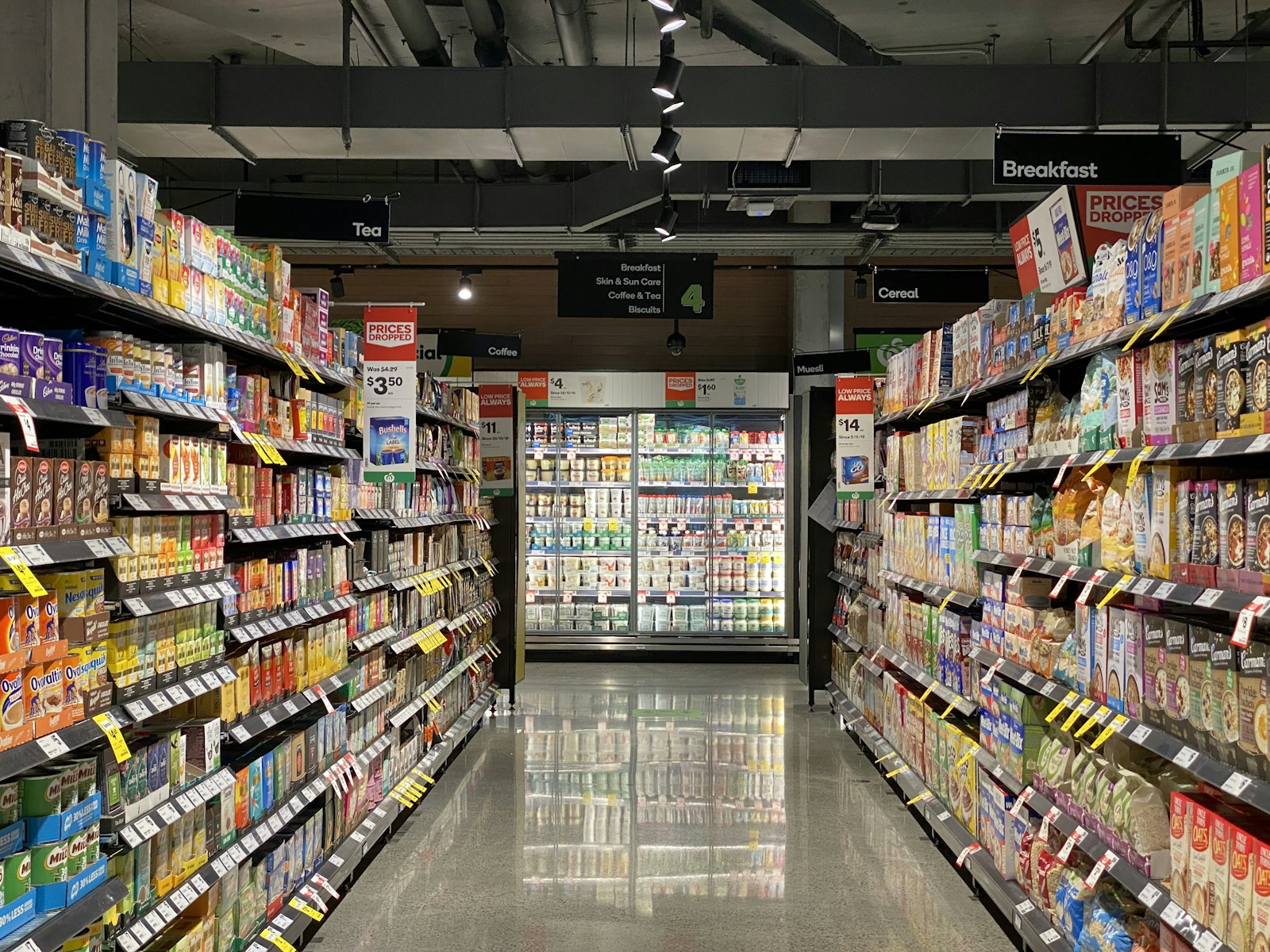
The best product in the recall pile is not another alert feed. It is the thing that reads the label on the box still sitting on the counter and tells you, this week, whether that lot is in a live file.
That is not a slogan. It is how a CPSC jump, a food-event jump, and cheap vision models rhyme. Three different agencies. One failure mode. The notice exists. The household never matches it to the object they already bought.
The files got busier. Matching did not.
RecallBench, which mirrors the official agency feeds nightly, had U.S. agencies logging 305 CPSC consumer-product recalls in 2024 and 420 in 2025. By mid-September 2026 the same feed already showed 434 CPSC events year to date. Combined FDA and USDA-FSIS food recall events went from 516 in 2024 to 642 in 2025, a 24 percent rise. NHTSA logged 996 vehicle recall campaigns in 2025 and 645 more through mid-September 2026. One of those 2026 campaigns, a Ford and Lincoln tail-light file posted 20 February 2026, named 4,381,878 potentially affected vehicles.
Those are event counts, not vibes. The agencies publish them. The household still has to notice the UPC, the lot code, the establishment number, or the VIN, then walk that string into four different search boxes. Most people do not. The box goes in the pantry. The car stays in the driveway. The notice dies in a feed.
That gap is the product.
Stop treating these as four micro-SaaS names
The X idea mill keeps splitting this into vertical slogans. One bot that watches FDA enforcement. One that watches CPSC. One that watches NHTSA. One that OCRs receipts for tax. Cute. Wrong cut.
The customer does not wake up wanting a “food-safety SaaS.” They wake up because something they already paid for might be in a file, and they cannot reconstruct the match from memory. The category is match-to-object. A frozen dessert with a foreign-object notice. A car with a tail-light campaign. A crib with a CPSC action. A lot code on a deli salad.
If you build four checkers you will raise four small rounds and lose to the shop that treats the photo of the object as one input.
The wedge is a free photo. Not a platform.
Do not start with an account, a pantry graph, or a “safety operating system.” Start with a moment the customer already has in their hand.
Photograph the back of the package. Photograph the VIN plate. Photograph the receipt that still has the UPC. Thirty seconds later: match, no match, or need a clearer lot line. If it is no match, you still captured a labeled object. If it is a match, you show the agency page, the date, the class when the agency uses one, and a draft of the next step — return, repair, or claim. The customer sends it. The model does not.
That is the only honest first offer. No seat fee to see the first answer. You get paid later, on volume of matches that turn into returns, dealer appointments, or warranty work, or on the B2B scoreboard that names which SKUs and which plants keep showing up.
Do not mix food, toys, and vehicles in the first ninety days of go-to-market copy. Pick one door. Grocery is the fastest photo. VIN is the cleanest identifier. Toys and infant gear are the highest-fear door. Pick one and keep the human on anything that files, refunds, or tells a dealer to book a repair.
Why this is buildable now
Two years ago the input was the problem. Lot codes are tiny. UPCs sit under glare. VINs live on a dirty plate. That slop is now the default diet for multimodal models. They can pull a GTIN off a phone photo. They can read a lot line that a human squints at. They still lie. They do not need to be trusted with the claim. They need to be trusted with the first pass against a public file.
The other half of why now is volume plus structure. The FDA enforcement feed, the FSIS notices, the CPSC announcements, and the NHTSA campaigns file are already machine-readable enough to mirror nightly. RecallBench is doing that work in public as of 16 September 2026. You do not need a new behavior from the agencies. You need to sit on files that already exist and on objects people already photograph when they unpack a bag.
Greg Isenberg’s recent mill posts keep landing on photo-as-data and on domain harnesses. The micro-SaaS accounts keep shipping isolated .ai names for consent logs and trial watchers. Combine the photo primitive with the public-file primitive. Do not ship another isolated watcher.
How the company actually compounds
The first dollar is a return, a free dealer fix, or a warranty claim the customer would have missed. That is not the business. The business is the labeled corpus.
After a few thousand matched photos you know which brands produce repeat Class I food events. You know which infant-gear SKUs show up in CPSC files after a holiday spike. You know which VIN prefixes cluster in campaigns that dealers are slow to schedule. That is a B2B product retailers, 3PLs, insurers, and dealership groups will pay for — not because they love dashboards, because the report names the SKU before the next truck leaves.
Consumer volume trains the matcher. Enterprise contracts pay for the map. Do not sell the map before you have closed real matches for real people. A dashboard of “possible exposures” is how this idea dies in a sales deck.
What not to build
Do not build a medical diagnostic. A lot-code match is not a diagnosis. If the file is foodborne illness, point at the agency notice and a clinician. The model drafts the “what the notice says.” A person owns anything that sounds like advice.
Do not build a class-action mill that auto-files. Irreversible steps — claims, attorney retainers, dealer work orders, customs or medical filings — need a human signer. Models draft. People own the send.
Do not brand this as “AI for pantry safety in the agentic era.” That sentence is how you attract the wrong first ten customers. Brand the outcome. The object in the house, checked against the live file, before the box is gone.
A build order that will survive contact
- Week 1–2: one checker. Photo in, match or no-match out. No account required to see the first answer. Start with UPC plus lot, or VIN, not both.
- Week 3–4: a next-step draft — return script, dealer scheduling note, warranty email — with a human signer. Contingency or per-closed-match only.
- Month 2: add the second identifier in the same customer’s drawer. If you started on grocery, add the receipt. If you started on VIN, add the glove-box campaign letter.
- Month 3: publish the first ugly internal scoreboard. Which brands, which plants, which VIN prefixes, which holiday weeks. That scoreboard is the seed of the B2B SKU.
If you cannot get a stranger to photograph one label this week, you do not have a company. You have a thesis.
Why this is worth writing, and building
Most idea-mill posts describe a feature. This one describes a shift in who does the tedious work of matching. The matching used to require a person who already reads FDA.gov for fun. It now requires a model that can read the label and a person who will send the claim.
Recovery and match businesses endure because the first action is free and the downside of a miss is visible. That is rare. Most software asks for a seat fee before it has proven a hit. This one pays for itself on the first closed match or it does not deserve a second conversation.
Someone will own the system of record for objects that already sit in houses and still sit in live agency files. The threads will keep proposing a new .ai name for each agency. Ignore the names. Match first. Keep the map.
Will Tygart — Tygart Media.
This is the idea-mill series.
Leave a Reply