Agency Playbook - Tygart Media

Category: Agency Playbook

How Tygart Media builds and runs the agency: the systems, and the process, from the inside.

  • Product Naming Strategy: The Personal Brand Dilemma

    Product Naming Strategy: The Personal Brand Dilemma

    Tygart Media / Content Strategy
    The Practitioner JournalField Notes
    By Will Tygart
    · Practitioner-grade
    · From the workbench

    Fourth in what is now apparently a series. The first three articles asked whether the accumulated context layer behind Tygart Media could be productized, how the dual-publish pattern is the deposit mechanism that builds the layer, and why articles deposited via that pattern are infrastructure rather than content. This piece is about the naming question that arrived next: should the productized version be called “Where There’s a Will, There’s a Way”? I want to argue both sides honestly, because the naming question is more consequential than it looks.

    The Idea

    “Where there’s a will, there’s a way” is the kind of phrase that lives in the back of your head from childhood. It is also, conveniently, a phrase that contains the word “Will” — which happens to be the name of the operator behind Tygart Media. The pun is built in. It has been sitting there, waiting, the entire time.

    The thought is this: if Tygart Media eventually ships a productized version of its accumulated operational knowledge — call it the Second Brain, call it Context-as-a-Service, call it whatever — the brand name almost writes itself. “Where There’s a Will, There’s a Way.” The product itself becomes “the Way.” A bolt-on knowledge layer that any operator can plug into their own AI workflow. They are not buying software. They are buying an opinion about how things should be done. They are buying a way.

    And the positioning is even better than the naming. “The Way” naturally implies prescription and opinionation — this is not a neutral tool, this is the accumulated answer to “how do you actually do this.” It is the difference between buying a hammer and buying the apprenticeship. It positions the product as something with a point of view, which is exactly what differentiates it from the empty memory layers of Mem0 and Letta and the rest.

    I think the naming is good. I want to argue that case first, because it deserves it. Then I want to make the case against, because the case against is also real, and an article that only makes the flattering case is content. An article that makes both cases honestly is infrastructure.

    The Case For “Where There’s a Will, There’s a Way”

    The pun is free distribution. Memorable brand names are the cheapest marketing channel that exists, and a name that makes people smile the first time they hear it is a name that gets repeated. The phrase already lives in millions of heads. Attaching the product to that pre-existing mental hook is leverage that no paid campaign can buy.

    The personal brand is the moat. The reason the productized context layer would be valuable in the first place is that it is built from one specific operator’s accumulated experience running 27+ client sites in a particular set of verticals with a particular methodology. Strip out the personal brand and you strip out the reason anyone would pay for it. The thing that makes “the Way” worth buying is that it is Will’s Way — the accumulated answer of one specific operator who has done the work. Other people’s accumulated answers would be different products. The personal connection is not a marketing layer on top of the product. The personal connection IS the product.

    “The Way” is the right shape for a bolt-on. Bolt-on products live or die on whether the buyer can immediately understand what they are getting. “An API for context retrieval” is technically accurate and emotionally inert. “The Way” tells the buyer everything they need to know in one syllable. It is the accumulated wisdom of an operator they trust, packaged as something they can plug into their own AI. The mental model arrives instantly. The sales cycle shortens.

    Opinionation is the differentiator. The entire memory-layer space is full of empty containers. Mem0, Letta, Zep, Hindsight — all of them sell you a place to put your knowledge. None of them ship with knowledge already loaded. “The Way” announces upfront that it ships pre-loaded with a specific opinion about how things should be done. That is either exactly what you want or exactly what you do not want, and either reaction is a good reaction, because both reactions are fast. Fast disqualification is more valuable than slow consideration. The buyers who are right for “the Way” will know in three seconds. So will the buyers who are wrong for it. Nobody wastes anyone’s time.

    It connects to the existing Tygart Media brand vocabulary. The site already has a sense of opinionation, an operator-with-a-point-of-view voice, and a willingness to say “here is how you should do this.” A product called “the Way” extends that voice rather than fighting it. The brand and the product reinforce each other instead of competing.

    It scales as a naming pattern. If “the Way” is the first product, the naming convention opens up a whole shelf. The Restoration Way. The Luxury Lending Way. The Cold Storage Way. Each vertical-specific knowledge package becomes its own product, all under the same parent brand. The naming is not just one good name. It is a system of names.

    The Case Against (Which Is Also Real)

    Now the other side. I want to be careful here, because Will explicitly asked for honest pushback, and the temptation in a piece like this is to make the counter-argument feel like a token gesture before reaffirming the original idea. That is not what this section is. The case against is real, and some of it is serious enough that it should change the design of the product even if the naming stays.

    Personal-brand products have a ceiling, and the ceiling is the person. Tim Ferriss can sell Tim Ferriss books. The Tim Ferriss book business is real, profitable, and durable. It is also forever capped at “things one specific person can plausibly stand behind.” The moment Ferriss steps away — whether by choice, by burnout, by accident, by anything — the brand has a problem that has no clean solution. Personal-brand products do not have succession plans, they have eulogies. If “the Way” is genuinely Will’s Way, then the product cannot survive Will leaving the building, and that creates a structural ceiling on how big the business can ever get and how cleanly it can ever be sold to anyone else.

    The bus factor is not just an exit problem. It is a daily problem. Every customer of “the Way” is implicitly betting that Will will keep being Will — keep working, keep producing, keep updating the knowledge base, keep being available when something breaks. A solo operator can absorb a vacation. A solo operator cannot absorb a serious illness, a family emergency, a six-month creative block, or any of the other things that happen to humans. The product brand says “Will is the value here,” and customers will be right to take that literally. The first time Will is unavailable for two weeks during a customer crisis, the bus factor stops being theoretical.

    The pun only lands for people who know Will. To Will, to Stefani, to Pinto, to anyone in the Tygart Media orbit, “Where there’s a Will, there’s a Way” is a clever wink. To a stranger reading it cold on a landing page, it is just an idiom. The pun is invisible to the people who do not already know who Will is. That means the naming does not actually do double duty — it does single duty for the audience that already knows him, and reverts to “generic motivational phrase” for everyone else. The brand depends on context that most prospects do not have.

    “The Way” implies a finished thing. The accumulated knowledge behind Tygart Media is not a finished thing. It is a moving target. Methodology changes. New skills get added. Old skills get deprecated. The Borro playbook from six months ago is not the Borro playbook today. A product called “the Way” implies a fixed answer, but the actual value of the underlying system is that it is constantly being updated. Customers buying “the Way” might reasonably expect a stable methodology document. What they would actually be subscribing to is a methodology that mutates every week. That mismatch between expectation and reality is a support burden waiting to happen.

    Opinionation cuts both ways. The same thing that makes “the Way” a sharp differentiator also makes it brittle. If the underlying methodology turns out to be wrong about something — and over a long enough time horizon, every methodology turns out to be wrong about something — pivoting is harder when your brand name is literally the prescription. Mem0 can change its retrieval algorithm without changing its identity. “The Way” cannot easily change its way without changing its name.

    Bolt-on products face a discoverability problem that opinionation makes worse. Bolt-on tools have to be installed alongside something else. The buyer is already committed to a primary stack — Cursor, ChatGPT, Claude, their own agent framework — and the bolt-on has to fit. Highly opinionated bolt-ons fit fewer stacks, because each opinion is a constraint. A neutral memory layer fits everywhere. “The Way” fits the subset of stacks where the operator is willing to import someone else’s opinion about how things should work. That subset might be smaller than it looks.

    Most importantly: the moat might not actually be Will. This is the hardest counter-argument, and it is the one that should be sat with longest. Will’s intuition is that the moat is the personal brand — Will’s accumulated experience, voice, and judgment. But it is possible that the actual moat is the methodology, not the person. If the methodology is the moat, then attaching a personal-brand name to it is leaving money on the table. A methodology can scale, license, train other operators, and outlive its creator. A personal brand cannot. The naming choice is therefore also a strategic choice about which kind of business is being built. “The Way” optimizes for the personal-brand version. A more generic name optimizes for the methodology-as-product version. These are different businesses with different ceilings, and the naming decision quietly commits to one of them.

    The Synthesis

    Both sides are real. The pun is genuinely clever and the positioning is genuinely strong. The bus factor and personal-brand ceiling are also genuinely real and should not be dismissed as “we’ll figure it out later,” because the naming choice is what locks them in.

    The version that probably resolves the tension is this: use the personal-brand naming for the launch and the early traction, with a deliberate plan to abstract the methodology away from the personal brand once the methodology is mature enough to stand on its own.

    Concretely: launch “the Way” as a Will-branded product. Use the pun. Use the personal voice. Lean into the opinionation. Get the early customers who specifically want Will’s accumulated wisdom packaged as a service, because those customers will be the highest-quality early users and the best teachers about what the product actually needs to be. Treat the personal-brand version as Phase 1.

    Then, with the revenue and the validation from Phase 1, build Phase 2 as the depersonalized methodology layer. Document the patterns so they could be applied by an operator who is not Will. Train other operators. License the methodology. Keep “the Way” as the original flagship, but build a Methodology Edition or an Enterprise Edition or whatever the right name turns out to be that does not depend on Will being in the building. Phase 1 funds Phase 2. Phase 2 is the version with no ceiling.

    This is how Basecamp turned 37signals consulting into Basecamp the product, and how Tim Ferriss turned Tim Ferriss the brand into a media company that does not require Tim Ferriss to be in the room every day. The pattern is: start with the personal brand because it is the cheapest way to get the first hundred customers, and abstract away from it as soon as the abstraction is honest.

    The naming question, framed this way, is not really “should we call it the Way or something else.” It is “what phase is the product in, and what is the plan for the next phase.” If there is a plan for the next phase, “the Way” is a great name. If there is no plan for the next phase, “the Way” is a name that will eventually become a ceiling.

    The Bolt-On Question

    One more piece worth calling out, because it is buried in the original idea and deserves to be made explicit. Will framed the product as a “bolt-on.” That is the right framing, and it is more important than the naming.

    A bolt-on is a low-commitment purchase. The buyer keeps their existing stack. The buyer adds a small thing on the side. If the bolt-on works, the buyer keeps it. If it does not, the buyer removes it with no migration cost. Bolt-ons sell faster, churn earlier, and have lower expansion revenue than full-stack products. They also have a much shorter sales cycle and a much lower barrier to entry.

    For a single-operator product launching from scratch, the bolt-on shape is exactly right. Full-stack products require a sales team, an implementation team, a support team, and a customer success team. A solo operator cannot ship any of those. A bolt-on product can be launched by one person, supported by documentation, and adopted with a single API key. The unit economics work. The operational footprint stays small enough that one person can run it.

    So whatever it ends up being called, the bolt-on framing should stay. “The Way” works as a bolt-on. It would not work as a full-stack platform — the personal-brand and bus-factor problems would crush it at scale. As a small, opinionated, plug-this-in-to-make-your-AI-better tool, it has a real shape that one person can ship and support.

    Verdict

    I think Will should use the name. I also think Will should use it with a clear understanding of what it is buying him and what it is costing him.

    What it buys: free distribution from a memorable pun, fast positioning that needs no explanation, immediate differentiation from neutral memory layers, alignment with the existing Tygart Media voice, and a naming pattern that scales to additional vertical-specific products.

    What it costs: a structural ceiling defined by the operator’s personal capacity, a bus factor that customers will eventually notice, a name that locks in the current methodology more tightly than the methodology actually deserves, and a strategic commitment to the personal-brand version of the business over the methodology-as-product version.

    If the plan is “ship Phase 1 fast, learn what the product actually needs to be, abstract toward Phase 2 within eighteen months,” then the costs are acceptable and the benefits are real. If the plan is “this is the product forever,” then the costs eventually overwhelm the benefits, and the right move is a more generic name that does not paint the business into a corner.

    The naming is not really the question. The question is whether there is a Phase 2, and what it looks like, and when it starts. Get clear on that, and the naming answers itself.


    Knowledge Node Notes

    Structured residue for future retrieval.

    Core Claim

    “Where There’s a Will, There’s a Way” is a strong product name for a Phase 1 launch of the productized Tygart Media context layer, but it commits the business to a personal-brand model with structural ceilings. The naming question is really a phase-of-business question. Use the name if there is a Phase 2 plan. Pick a more generic name if there is not.

    The Idea (As Proposed)

    • Productize Tygart Media’s accumulated context layer as a bolt-on for other operators’ AI workflows
    • Brand it “Where There’s a Will, There’s a Way” — pun on Will Tygart’s name
    • Product itself is called “the Way”
    • Positioning: opinionated knowledge layer, not neutral memory infrastructure
    • Shape: small, plug-in, low-commitment bolt-on rather than full platform

    The Case For

    • Free distribution from memorable pun — pre-existing mental hook in millions of heads
    • Personal brand IS the moat — value prop is one specific operator’s accumulated answers, not a generic methodology
    • “The Way” is right shape for a bolt-on — instant mental model, short sales cycle
    • Opinionation is the differentiator vs empty memory layers (Mem0, Letta, Zep, Hindsight)
    • Aligns with Tygart Media voice — extends rather than fights the existing brand
    • Scales as a naming pattern — The Restoration Way, The Luxury Lending Way, etc.

    The Case Against

    • Personal-brand ceiling — Tim Ferriss problem. Capped at what one human can plausibly stand behind. No succession plan, only eulogies.
    • Bus factor as daily problem — vacations OK, illness/emergency/burnout not OK. First two-week unavailability during a customer crisis is when this stops being theoretical.
    • Pun only lands for people who already know Will — strangers see a generic motivational phrase. Brand depends on context most prospects don’t have.
    • “The Way” implies a finished thing — but the underlying methodology mutates weekly. Expectation/reality mismatch = support burden.
    • Opinionation cuts both ways — pivoting is harder when your brand name IS the prescription.
    • Bolt-on discoverability — opinionated bolt-ons fit fewer stacks because each opinion is a constraint.
    • Hardest counter: the actual moat might be the methodology, not the person. If so, personal-brand naming leaves money on the table because methodology can scale/license/outlive creator. Personal brand cannot.

    Synthesis / Recommendation

    Two-phase strategy:

    • Phase 1 — Personal brand launch. Use “the Way.” Use the pun. Lean into Will’s voice and opinionation. Get first 100 customers who specifically want Will’s wisdom packaged. They are the best teachers about what the product needs to be.
    • Phase 2 — Methodology abstraction. Use Phase 1 revenue + validation to build a depersonalized methodology layer. Document patterns so an operator who is not Will could apply them. License. Train. “The Way” stays as flagship; Methodology Edition / Enterprise Edition removes the bus factor.

    Phase 1 funds Phase 2. Phase 2 has no ceiling.

    Pattern precedents: Basecamp turning 37signals consulting into a product. Tim Ferriss turning the personal brand into a media company that doesn’t require him in the room daily.

    The Bolt-On Framing (Most Important Point)

    The bolt-on shape is more strategically important than the name. For a solo operator launching from scratch:

    • Bolt-ons sell faster (no migration, no commitment)
    • Bolt-ons need no sales/CS/implementation team
    • Bolt-ons can be launched by one person and supported by documentation
    • Full-stack platform would crush a solo operator under operational weight

    Whatever the name, keep the bolt-on shape. “The Way” works as a bolt-on. It would not work as a full platform.

    What This Locks In vs What It Leaves Open

    Locks in: opinionation as a permanent product trait, personal brand as central value prop, Will’s voice as the canonical voice, Tygart Media as parent brand.

    Leaves open: pricing model, technical architecture, target vertical, distribution channel, methodology scope, eventual depersonalization plan.

    Connection to the Series

    • Article 1 (Second Brain as API): Could you sell access to your context layer? Yes, with clean-room architecture and a real legal stack.
    • Article 2 (Dual Publish): The deposit mechanism that builds the context layer.
    • Article 3 (Articles as Infrastructure): The deposits are not content — they are infrastructure being minted.
    • Article 4 (this one): The product question — how to package and name the productized version of the accumulated infrastructure. Answer: “the Way” works for Phase 1, with a Phase 2 abstraction plan.

    Single arc: can we sell our context → here is how the context gets built → the deposits are infrastructure not content → here is what to name the product when we package it.

    Action Items

    • [ ] Decide whether there is a Phase 2 plan. If yes, “the Way” is good. If no, pick a more generic name.
    • [ ] Sketch a Phase 2 hypothesis even if it is wrong — having any plan beats having none
    • [ ] Reserve domains: wherestheresaway.com, thewayapi.com, tygartmedia.com/way, etc.
    • [ ] Test the pun on people who do not already know Will. Does it land? Does it confuse? Data beats intuition here.
    • [ ] Draft a one-page “what the Way is” landing page as a forcing function. Writing the landing page will reveal whether the positioning actually holds together.
    • [ ] Decide on bolt-on vs platform — bolt-on is the right answer but worth being explicit about it

    Tags

    brand naming · personal brand · bus factor · bolt-on products · methodology as product · phase 1 phase 2 · Tim Ferriss model · Basecamp model · Where There’s a Will There’s a Way · the Way · Will Tygart · second brain productization · opinionated software · context as a service · Tygart Media product strategy · single operator scaling · personal brand ceiling · solo operator economics

    Last updated: April 2026.

  • Articles as Infrastructure: Writing for AI Consumption

    Articles as Infrastructure: Writing for AI Consumption

    Tygart Media / Content Strategy
    The Practitioner JournalField Notes
    By Will Tygart
    · Practitioner-grade
    · From the workbench

    Third in an unplanned trilogy. The first piece asked whether the curated context layer that makes AI work could be productized. The second piece argued that articles are quietly becoming two-faced objects — public for the audience, internal for the writer’s own future retrieval. This piece is about what happened when the writer fed one of those articles to a different AI and watched it get eaten.

    The Moment That Started This

    I took the link to one of my own articles, pasted it into NotebookLM, and asked it to make a video. A few minutes later there was a video. I had not written a video. NotebookLM had written a video, using my article as raw material. The article was not the endpoint. The article was the feedstock.

    And once you see an article as feedstock, the entire mental model of what an article is shifts under your feet.

    For most of the history of writing, an article was the final product. You wrote it, somebody read it, the transaction completed. The reader’s brain was the destination. The article existed to deliver an idea from the writer’s head to the reader’s head, and if it did that successfully, it had done its job.

    That model still exists. But it is no longer the only model. There is a second model running in parallel now, and the second model treats the article as an input rather than an output. In the second model, the article does not get read by a human. It gets consumed by an AI that uses it to do something else: make a video, write a report, brief a research agent, train a smaller model, qualify a vendor for an AI shopping bot, answer a question for a stranger in a conversation the writer will never see.

    The article is no longer the destination. The article is the ore.

    What Changes When Articles Are Inputs Instead of Outputs

    If articles are inputs, then article quality stops being measured by how well a human reads them and starts being measured by how much useful work an AI can extract from them. These are not the same metric. They overlap, but they are not the same.

    A human-optimized article rewards style, voice, narrative momentum, an opening hook, a satisfying close. It rewards rhythm. It rewards the line you remember on the walk home. The reader is a person, and people respond to writing that feels like writing.

    An AI-optimized article rewards something different. It rewards density. Facts per paragraph. Claims that can be cited individually. Structure that can be parsed without losing meaning. Definitions that stand alone. Patterns rather than anecdotes. The AI does not care about the line you remember on the walk home. The AI cares whether your taxonomy is clean enough to match against a future user’s question.

    The good news: these two optimizations are not in opposition. The best articles are good at both. A piece that is dense, structured, and citation-friendly can also be readable, voiced, and human. The Tygart Media house style — narrative prose with structured “Knowledge Node Notes” sections at the bottom — is a deliberate attempt to serve both audiences from the same artifact.

    But the underlying economics shift. In the old model, the value of an article was a function of how many humans read it. In the new model, the value is a function of how many systems can extract useful work from it, multiplied by how much work each extraction produces. Those numbers can be very different. A medium-quality article that gets read by ten thousand humans might produce less downstream value than a high-quality article that gets ingested by a hundred AI systems and used to generate ten thousand pieces of derivative work.

    The Currency Question

    If articles are inputs that produce downstream value when consumed, are they starting to behave like currency?

    Sort of. But not exactly. And the way they fail to be currency is the most interesting part.

    Currency has a specific property: when you spend it, you no longer have it. A dollar in your pocket buys a coffee, and now the dollar is in the coffee shop’s till and not in your pocket. The transaction transfers the unit. That is what makes currency work as a medium of exchange — scarcity is enforced by the impossibility of being in two places at once.

    Articles do not have that property. When NotebookLM consumed my article to make a video, the article did not get consumed. It is still sitting on the Tygart Media website, exactly as it was, ready to be consumed again by the next AI that comes along. NotebookLM will consume it. Claude will consume it. ChatGPT will consume it. A research agent built by someone I have never met will consume it. Each consumption produces value. None of the consumptions diminish the article. There is no till. The dollar is still in my pocket after I bought the coffee.

    So an article is not currency in the technical sense. It is something stranger and possibly more valuable: it is a unit of stored intelligence that can be spent infinitely, in parallel, by an unlimited number of agents, without being depleted.

    The closest existing analogy is not currency. It is infrastructure. Roads, lighthouses, public parks, open-source software, Wikipedia. These are all things that produce private value every time they are used and never get used up. Wikipedia in particular is the closest live precedent: a corpus of articles that has been “spent” billions of times by AI training runs, search engines, chatbots, students, journalists, and casual readers, and the spending has made it more valuable, not less. Every consumption of Wikipedia ratifies its position as the canonical source. Each citation is a tiny vote for “this is where you go when you need to know.”

    If your articles become the Wikipedia of your domain — the canonical input that every relevant AI reaches for when the topic comes up — that is no longer content marketing. That is infrastructure.

    Content Versus Infrastructure

    The distinction matters because content and infrastructure have completely different economic profiles.

    Content competes for attention. Its value is set by how many eyeballs land on it in a narrow window of time, which is why content businesses live and die on traffic, distribution, algorithmic favor, and the tyranny of the publishing schedule. An article that goes viral is worth a lot for a week and almost nothing a month later. The half-life is brutal. The competition is infinite. The leverage is poor.

    Infrastructure does not compete for attention. It gets used. Its value compounds as more things get built on top of it. An article that becomes a piece of infrastructure does not have a viral moment and a long fade. It has a slow ramp and an indefinite plateau. People keep reaching for it. Systems keep citing it. The article becomes the answer to a question that keeps getting asked, and every time it gets reached for, its position as the canonical answer gets a little more entrenched.

    Content gets read once. Infrastructure gets used forever.

    The implication for anyone publishing in 2026 is uncomfortable but clarifying. If you are writing content, you are competing with every other content producer in your category on attention metrics, and the AI age is making that competition harder, not easier — because the AI summarizers in front of search results are increasingly intercepting the click before it ever reaches your page. If you are writing infrastructure, you are not competing for attention at all. You are positioning to be the thing that gets cited by the AI summarizers. You are upstream of the click. The click happens because of you, not to you.

    Most published articles right now are content. A small but growing fraction are infrastructure. The fraction is growing because the people who notice the difference start writing differently, and the people who write differently start seeing different results.

    How to Tell Which One You Are Writing

    A few practical signals.

    Content tends to have a hot moment. It performs in the first week and then fades. The traffic graph looks like a shark fin. Infrastructure tends to have a slow ramp. The traffic graph looks like a hockey stick that takes a year to bend.

    Content gets shared. Infrastructure gets cited. These are different verbs. Sharing is “look at this thing somebody made.” Citing is “according to this source.” If your articles get cited by other writers, you are building infrastructure. If they only get shared on social, you are writing content.

    Content rewards novelty. Infrastructure rewards stability. A content piece that says the same thing as ten other content pieces is dead on arrival. An infrastructure piece that says the same thing as ten other sources but says it more clearly, more precisely, and more reliably is the one that gets reached for.

    Content optimizes for the moment of reading. Infrastructure optimizes for the moment of retrieval. The reader of content is right now. The retriever of infrastructure is some future moment, possibly years away, when somebody — or some AI — needs to know the thing your article happens to know.

    The Tygart Media bet, increasingly, is on infrastructure. Not because content is bad. Content still pays. But because the infrastructure layer is where the compounding happens, and the compounding is what eventually moves the business out of the per-project consulting model and into something with actual leverage.

    What This Means for the Next Article You Write

    Write it as if it will be consumed by something that is not a human.

    That does not mean write it badly, or robotically, or without voice. The opposite. It means write it as if the consumer is going to extract every last bit of useful work from it, and is going to be ruthlessly efficient about discarding anything that does not serve that extraction. A vague claim wastes its time. A fluffy paragraph wastes its time. A title that does not say what the article is about wastes its time. An article that buries the actual insight three thousand words deep wastes its time.

    The AI consumer is the most demanding reader you will ever have. It does not care about your feelings. It does not care about your brand voice unless your brand voice happens to serve the extraction. It does not care about your hero image. It cares about whether the article contains useful, structured, citable information that it can spend.

    The good news is that writing for the most demanding reader you will ever have also produces the best writing you will ever do for the human readers, because the discipline transfers. An article that is dense enough for an AI is usually clear enough for a human. An article that is structured enough for retrieval is usually structured enough for a busy person to skim. The human-optimized version and the AI-optimized version converge at the high end of quality.

    So write the article. Write it well. Write it as if every word is going to be weighed and either spent or discarded. And then publish it twice — once where humans can read it, once where your own future operations can retrieve it — and let it sit there, ready to be spent, ready to be cited, ready to be ingested by a thousand systems you will never meet.

    You are not writing content anymore. You are minting infrastructure. The article is the unit. The unit is durable. The unit is forever spendable. The unit is the closest thing to a non-depleting currency that the writing economy has ever produced.

    That is a strange thing to be in the business of. It is also, increasingly, the only kind of writing that compounds.


    Knowledge Node Notes

    Structured residue for future retrieval.

    Core Claim

    Articles are shifting from outputs (read by a human, transaction complete) to inputs (consumed by an AI to produce derivative work). Once articles are inputs, their value is measured by extraction yield, not by readership. They start to behave like infrastructure rather than content — used infinitely, in parallel, by many agents, without being depleted.

    The Currency Analogy and Why It Almost Works

    • Currency has the property that spending it transfers it. Articles do not have that property. When NotebookLM consumed an article to make a video, the article was still there, ready for the next consumer.
    • So articles are not currency in the technical sense. They are units of stored intelligence that can be spent infinitely in parallel without being depleted.
    • The closest analogy is not currency. It is infrastructure: roads, lighthouses, open-source software, Wikipedia. Things that produce private value on every use and never get used up.

    Content vs Infrastructure

    Content Infrastructure
    Competes for Attention Citation
    Traffic shape Shark fin Slow hockey stick
    Half-life Days to weeks Years to indefinite
    Verb Shared Cited
    Optimized for Moment of reading Moment of retrieval
    Rewards Novelty Stability and clarity
    Reader Right now Some future moment
    Position vs AI Intercepted by summarizers Cited by summarizers

    How to Tell Which One You Are Writing

    • If it gets shared on social and forgotten in a week → content
    • If it gets cited by other writers and reached for repeatedly → infrastructure
    • If you optimized it for the moment of reading → content
    • If you optimized it for the moment of retrieval → infrastructure
    • If saying the same thing as ten others kills it → content
    • If saying the same thing more clearly than ten others makes it the one → infrastructure

    Practical Implication

    Write every article as if it will be consumed by the most demanding, most ruthlessly efficient reader you have ever had — because increasingly, it will be. The discipline of writing for AI extraction also produces the best writing for human readers, because the two converge at the high end. Density, clarity, structure, citable claims, standalone definitions, patterns rather than anecdotes.

    Connection to the Trilogy

    • Article 1 (Second Brain as an API): Asked whether you could sell access to your accumulated context. The answer was: maybe, but the real product is the clean-room knowledge base, not the API on top of it.
    • Article 2 (The Dual Publish): Argued that articles are now two-faced objects — public for the audience, internal for the writer’s own retrieval. The dual-publish pattern is the deposit mechanism.
    • Article 3 (this one): Articles deposited via the dual-publish pattern are not just content. They are infrastructure being minted. Each one is a durable, infinitely-spendable unit that gets consumed by AI systems to produce derivative work. The accumulated infrastructure layer is what eventually moves the business from per-project consulting to actual leverage.

    The three pieces together describe a single shift: from writing as broadcast to writing as infrastructure deposit, with the accumulated deposits eventually becoming a context layer valuable enough to be worth productizing.

    Tags

    articles as feedstock · articles as currency · articles as infrastructure · NotebookLM · AI consumption · derivative work · content vs infrastructure · compounding writing · GEO · AEO · Wikipedia analogy · non-depleting goods · stored intelligence · extraction yield · writing for retrieval · upstream of the click · Tygart Media trilogy · second brain API · dual publish

    Last updated: April 2026.

  • Dual Publish Pattern: Turning Articles Into Knowledge Nodes

    Dual Publish Pattern: Turning Articles Into Knowledge Nodes

    Tygart Media / Content Strategy
    The Practitioner JournalField Notes
    By Will Tygart
    · Practitioner-grade
    · From the workbench

    A short meta-essay on what happened to article writing when the writer started reading their own archive.

    The Old Loop and the New Loop

    For most of the history of the web, an article was a one-way object. You wrote it, you published it, somebody read it, and then it sat there forever as a frozen artifact. The writer rarely went back to their own work. The archive existed for the audience, not for the author. If you were a prolific blogger you might link back to an old post occasionally, but the act of reading your own writing was either nostalgia or housekeeping. It was never the point.

    The point was downstream: the article existed so that other people could learn something.

    That loop is breaking.

    Here is what happens at Tygart Media now when an article gets written. Step one: the thinking happens in a chat with Claude, usually messy and stream-of-consciousness. Step two: that thinking gets shaped into an article. Step three: the article gets published to the appropriate WordPress site for the audience that needs it. Step four — and this is the new part — the same article, sometimes restructured, sometimes verbatim, gets written into the Notion command center as a knowledge node. Step five, weeks or months later: a future version of Claude, asked a question that touches the same territory, retrieves that knowledge node and uses it to think.

    The article is no longer a one-way broadcast. It is a two-way object. Outward-facing for the audience. Inward-facing for the operator’s own future intelligence.

    What This Quietly Changes About Writing

    Once you notice that you are writing for two audiences instead of one, every editorial decision shifts a little.

    You start including the reasoning, not just the conclusion. The audience might only need the conclusion, but future-you needs to know why you concluded what you concluded, because future-you is going to be applying the same reasoning to a different problem and the conclusion alone will not transfer. So you leave the work in. Not the entire scratch pad, but the structure of the argument. The objections you considered. The version that did not work. The footnote that says “this only holds when X is also true.”

    You start writing in patterns instead of in lists. A list is great for a reader who wants to skim. A pattern is better for a retrieval system that wants to match a future situation against a past one. So you write things like “when the situation looks like A, do B, except when C, in which case do D.” That is a lousy listicle. It is a great knowledge node.

    You start tagging on the way out the door. Not just SEO tags for Google. Tags for your own retrieval. Tags that future-you would type into a search bar. The first article we published this week has a section literally titled “Knowledge Node Notes” containing the tags we want to be findable by. The tags are not for the reader. They are for the next conversation.

    And you start being honest in writing about things you used to keep verbal. Half-formed opinions. Things that did not work. Things you tried and bailed on. The stuff that used to live in your head as “I should remember this” suddenly has a place to live where it can actually be remembered. The cost of writing it down went to zero, because the writing-it-down was already happening for the audience.

    The Dual Publish

    The mechanical version of this is simple. Every meaningful article gets published twice. Once to the public WordPress site where the audience reads it. Once to the Notion knowledge base where future operations can retrieve it. The two versions are not always identical. The public one is usually narrative, prose-first, optimized for a human reader who is not in a hurry. The internal one is usually structured, table-and-bullet-first, optimized for a retrieval system that is in a tremendous hurry.

    Both versions exist simultaneously. Neither is the canonical one. They are two faces of the same crystallized thinking.

    The interesting thing about doing this for a while is that the internal version starts being the more valuable one. Not for the audience, obviously. For the operator. The public article gets read once, maybe twice, and then it does its SEO work passively in the background. The internal node gets retrieved over and over, in conversations the writer did not anticipate, applied to problems the article was not originally about. The audience-facing version is the one that pays the bills. The internal version is the one that compounds.

    The Speculation Worth Sitting With

    If this pattern is real — if articles are quietly turning into two-faced objects, one face for the audience and one for the writer’s own retrieval — then the next question is whether websites themselves are about to change in the same way.

    The traditional website is a marketing object. It exists to attract, persuade, and convert. The structure reflects that: a homepage that pitches, service pages that explain, a blog that proves expertise, a contact form that captures leads. Every page serves the visitor. The website is a storefront.

    What if the future website is a brain instead of a storefront?

    Imagine a website where every page is simultaneously a public artifact and an entry in the operator’s externalized knowledge base. The “About” page is the operator’s actual self-description, the same one their AI uses to introduce them in other conversations. The “Services” page is the operator’s actual taxonomy of what they do, the same one their AI uses to figure out whether a given inquiry is a fit. The “Blog” is the operator’s actual thinking journal, the same one their AI retrieves from when answering questions in client meetings. The “FAQ” is the operator’s actual answer repository, public-facing because there was never a reason to hide it.

    In this version, the website is not a thing the operator built for the audience. It is a thing the operator built for themselves, that they happened to leave the door open on. The audience is welcome to read it. So is every AI in the world. So is the operator’s own future AI. The same artifact serves all of them.

    This is not a hypothetical aesthetic choice. It is what happens by default if you commit to the dual-publish pattern long enough. After two years of every article being written into both the public site and the internal knowledge base, the public site is the internal knowledge base, just with a nicer template on top of it. The wall between marketing site and operator’s brain dissolves because there was never any reason for the wall to exist in the first place. It only existed because the technology to dissolve it had not arrived yet.

    Why This Might Actually Be How Websites Work in Five Years

    A few forces are pushing in this direction at the same time.

    AI retrieval changes what a webpage is for. Google is no longer the only reader. ChatGPT, Claude, Perplexity, and Gemini all crawl, summarize, and cite. If your page is structured for human skim-reading, it loses to the page next door that is structured for AI ingestion. The pages that win the next decade are pages written to be retrieved, not pages written to be browsed.

    The cost of writing well dropped to almost zero. If writing a 2,000-word article used to take six hours and now takes one, the marginal cost of also writing an internal version is approximately nothing. The dual-publish pattern was not viable when writing was expensive. It is viable now. So it will spread, because the operators who do it accumulate a compounding advantage that the operators who do not cannot catch up to.

    The audience for any given page is no longer just humans. The most important reader of your services page in 2027 is probably going to be an AI shopping agent on behalf of a buyer who never personally visits your site. That AI does not care about your hero image. It cares about whether your services taxonomy is structured cleanly enough to match against its user’s request. The website that wins that match is the website that was already structured like a knowledge base, because it was the operator’s actual knowledge base.

    Operators are starting to see their websites as extensions of themselves. Not as marketing assets. As externalized memory. The same way a notebook is an extension of a writer’s mind. The website-as-brain framing only feels weird because we are used to the website-as-storefront framing. There is nothing inevitable about the storefront framing. It was just the dominant pattern of a particular era.

    The Practical Move

    If any of this is correct, the practical move is to start treating every article as a deposit in two places at once: the public face that the audience reads, and the internal face that future operations retrieve. Not as a workflow chore. As the entire point of writing the article.

    The audience gets value either way. The compounding only happens for the operator who treats the second deposit as non-negotiable.

    And if it turns out that websites in five years really are knowledge bases with marketing skins, the operator who started the dual-publish habit two years early will have a knowledge base with two years of compound interest on it. The operator who did not will be starting from scratch, in a market where everyone else has a head start.

    That is a bet worth making even if the speculation turns out to be wrong. The dual-publish pattern is already valuable on its own terms, today, with no future hypothesis required. The future hypothesis is just the upside.


    Knowledge Node Notes

    This section exists so this article is more useful as a knowledge node when scanned later.

    Core Claim

    Articles are quietly becoming two-faced objects. One face is the public broadcast for the audience. The other face is an entry in the writer’s own retrievable knowledge base. The dual-publish pattern (WordPress + Notion, in our case) makes every article do double duty: pay the bills via SEO/audience reach, and compound internal intelligence via future retrieval.

    What Changes About How You Write

    • Include the reasoning, not just the conclusion — future-you needs the why, not just the what.
    • Write in patterns, not lists — “when X, do Y, except when Z” beats “5 tips for X” for retrieval.
    • Tag on the way out — for your own future search, not just for Google.
    • Be honest in writing about half-formed things — the cost of writing them down is now zero because writing is already happening.

    The Speculation

    If the dual-publish pattern is real, websites themselves may be heading toward a knowledge-base-with-a-marketing-skin model. Storefront framing is a particular era’s convention, not a permanent truth. Forces pushing this way:

    • AI retrieval changes what a page is for (retrieved, not browsed)
    • Cost of writing well dropped to ~zero, making dual-publish viable
    • Most important reader of a services page may soon be an AI shopping agent, not a human
    • Operators starting to see websites as externalized memory rather than marketing assets

    Connection to Tygart Media Stack

    This article is itself an example of the pattern. It exists on tygartmedia.com as a public artifact for the audience and in the Notion Knowledge Lab as a structured retrieval node for future Claude conversations (Notion product docs: notion.com/help). The two versions are not identical — the public one is prose-first, the internal one is structured-first — but they are the same crystallized thinking, deposited in two places.

    Connection to The Other Article

    This pairs naturally with the “Will’s Second Brain as an API” piece. That article asked: could we sell access to our context layer? This article asks: how does our context layer get built in the first place? The answer is: every article is a deposit. The dual-publish pattern is the deposit mechanism.

    Tags

    dual publish · knowledge base as website · website as brain · externalized memory · article as knowledge node · AI retrieval · GEO · AEO · content compounding · operator intelligence · context engineering · Notion + WordPress · Tygart Media methodology · future of websites · AI shopping agents · writing for retrieval · pattern writing vs list writing

    Last updated: April 2026.
  • Will’s Second Brain as an API: Should You Productize Your Context Stack?

    Will’s Second Brain as an API: Should You Productize Your Context Stack?

    Tygart Media / Content Strategy
    The Practitioner JournalField Notes
    By Will Tygart
    · Practitioner-grade
    · From the workbench

    Origin note: This started as a half-formed thought — “what if my second brain is what makes my Claude work so well, and what if I could let other people rent it?” The article below is the honest answer to that question, including the parts that argue against doing it.

    The Observation That Started It

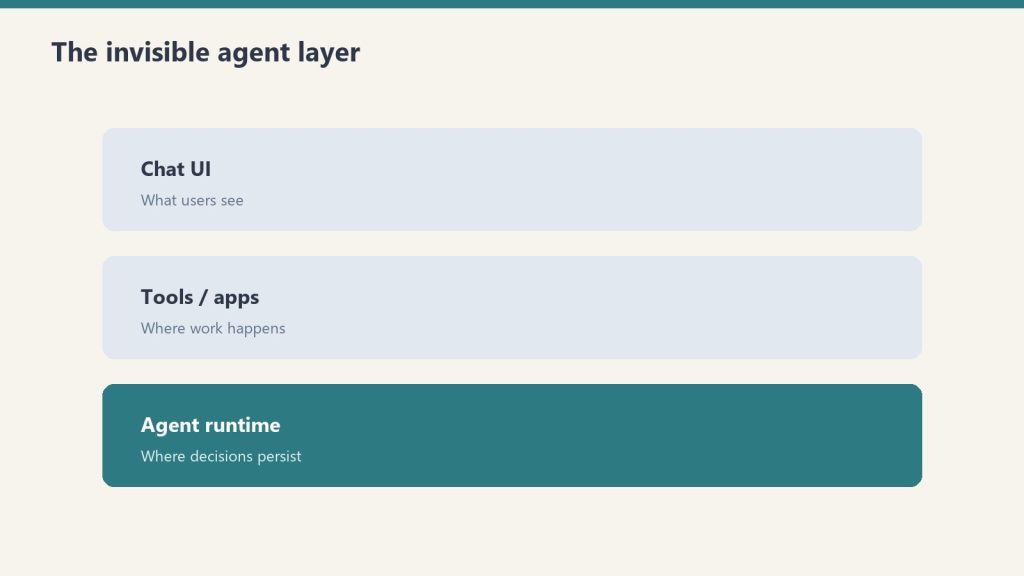
    Three stacked layers: chat UI, tools, agent runtime
    The observation that started it.

    If you spend enough time building an operational stack on top of Claude — skills, Notion databases, retrieval pipelines, project knowledge, accumulated SOPs — you start to notice something strange. Your Claude does not just answer better than a fresh Claude. It moves better. It picks the right tool the first time. It remembers patterns from work you did six months ago on a different client. It improvises in ways that look almost like learning, even though the underlying model has not changed at all.

    The model is the same. The context is doing the work.

    That observation leads to an obvious question: if a curated context layer is what separates a useful AI from a frustrating one, could you sell access to your context layer? Not the model, not the prompts, not the chat interface — just the accumulated patterns, conventions, and operational wisdom, exposed as an API that any other AI workflow could pull from. Call it “Will’s Second Brain” or anything else. The pitch is: connect this to whatever you are building, and somehow it just works better. You will not always know why. That is part of the value.

    This article walks through whether that is actually a good idea, what it would cost, what the conversion math looks like, what the legal exposure is, and where the real moat would have to come from.

    The Category Already Exists (And That Is Mostly Good News)

    The “memory layer for AI agents” category is real and growing fast. Mem0, which is probably the most visible player, raised a $24M Series A in October 2025 and reports more than 47,000 GitHub stars on its open-source SDK. Their pitch is essentially the one above: instead of stuffing the entire conversation history into every LLM call, route through a memory layer that retrieves only the relevant context. They claim around 90% lower token usage and 91% faster responses compared to full-context approaches. Their pricing tiers run from a free hobby plan (10K memories, 1K retrieval calls per month) to $19/month Starter to $249/month Pro to custom enterprise pricing.

    Letta, formerly MemGPT, takes a different approach — it is a full agent runtime built around tiered memory (core, recall, archival) that mirrors how operating systems manage RAM and disk. Zep and its Graphiti engine focus on temporal knowledge graphs. SuperMemory bundles memory and RAG with a generous free tier. Hindsight publishes benchmark results claiming 91.4% on LongMemEval versus Mem0’s 49.0%, and offers all four retrieval strategies on its free tier. LangMem ships with LangGraph for teams already on that stack. AWS has Bedrock AgentCore Memory as the managed equivalent.

    The good news in all of that: the category is validated. Buyers exist. Pricing precedents exist. The bad news: you are not going to win on infrastructure. You are not going to out-engineer a YC-backed team with $24M in funding and 47K stars. If you enter this space, you have to enter on a different axis entirely.

    Where The Real Moat Would Be

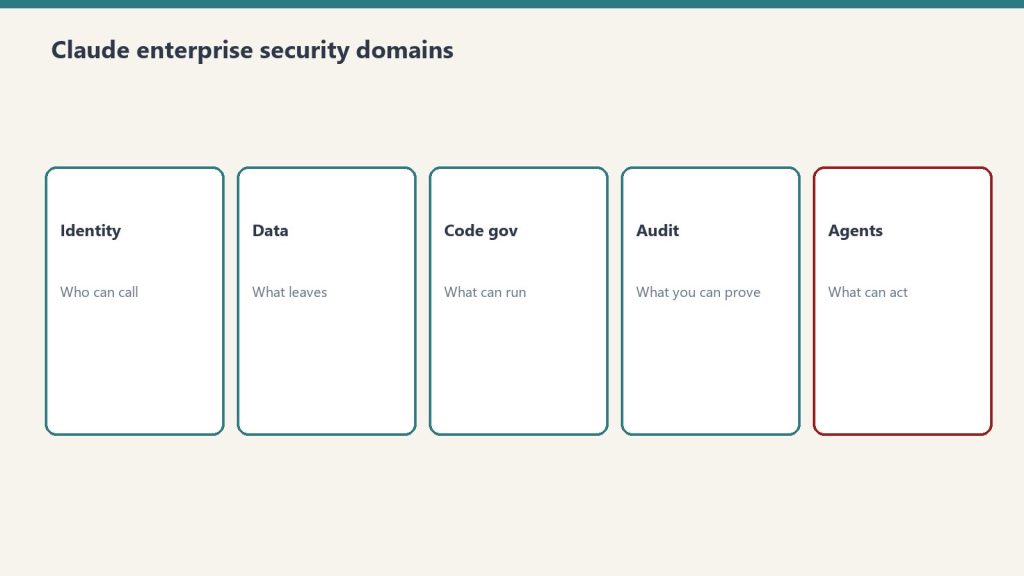
    Five security domains: identity, data, code governance, audit, agents
    Where the real moat would be.

    The moat is not the storage. The moat is what is in the storage.

    Mem0, Letta, and the rest sell empty memory layers. You bring the data. The promise is: if you put your facts in here, retrieval will be fast and cheap. That is a real value proposition, but it is a tooling pitch, not a knowledge pitch. The customer still has to build the knowledge themselves.

    A second-brain-as-a-service offering would sell a pre-loaded memory layer. Not “here is a fast retrieval system,” but “here is a retrieval system that already knows how an AI-native content agency thinks about WordPress, SEO, GEO, AEO, taxonomy architecture, content refresh strategy, hub-and-spoke linking, Notion command center design, GCP publishing pipelines, and the operational lessons from running 27 client sites.” That is not a tooling product. That is consulting wisdom packaged as middleware.

    The closest analogies are not Mem0 or Letta. They are things like:

    • Cursor’s index of best practices baked into its autocomplete — the tool ships with an opinion about what good code looks like, and that opinion is the product.
    • Linear’s opinionated workflows — the value is not the database, it is the prescribed way of working that the database enforces.
    • 37signals’ Shape Up methodology being sold as a book — accumulated operational wisdom packaged as a product separate from the consulting practice.

    The “second brain as an API” pitch is closer to Shape Up than to Mem0. The technical layer is just the delivery mechanism.

    The Economics: Cheaper Than You Think, Harder Than You Think

    Per-query costs for serving a RAG API are genuinely low. A typical retrieval call against a vector store runs somewhere in the range of fractions of a cent to a few cents depending on embedding model, vector store, and how many chunks you return. If you self-host on GCP using Cloud Run, BigQuery, and Vertex AI embeddings, marginal serving cost per query is negligible at small scale and only becomes meaningful at thousands of queries per minute.

    The cost problems are not the queries. They are:

    • Free trial abuse. Developer-facing API products with free trials get hammered. Bots, scrapers, people running benchmarks against you for blog posts, competitors testing your retrieval quality. If you offer any free tier without a credit card on file, expect a meaningful percentage of total traffic to be abuse. Hard rate limits and required payment methods from day one are not optional.
    • Support load. Even a “just connect this and it works” product generates support tickets. Integration questions, schema confusion, “why did it return X when I asked Y,” “how do I cite this in my own product.” For a single operator, support load is the actual scaling constraint, not infrastructure.
    • Conversion math. Free-trial-to-paid conversion for self-serve developer tools typically runs in the 2% to 5% range, with some outliers higher and many lower. A trial that converts at 2% needs roughly 50 trial signups per paying customer. If your trial is generous and your conversion is on the low end, you can spend more on serving free users than you earn from paid ones, especially in early months when paying user count is small.

    None of this kills the idea. It just means the business case has to be built on top of realistic assumptions, not aspirational ones.

    The Scrubbing Problem (This Is The Scariest Part)

    Desk with laptop, checklist notebook, and billing card ready before creating an Anthropic API key
    The scrubbing problem — the scariest part.

    An accumulated operational knowledge base built from real client work is, by definition, contaminated with information that cannot leave the building. Client names. Service URLs. App passwords. Internal strategy documents. Competitor analysis. Personal references. Names of contractors and partners. Slack-style observations about which clients are easy to work with and which are not. Pricing conversations. Things a client said in a meeting.

    “I will scrub the data before I expose it” is a sentence that gets people sued. The problem is that scrubbing, done as a filter on top of live data, always misses things. You build a regex for client names, but you forget a client was referenced obliquely in a footnote. You strip URLs, but a screenshot or a code example contains a domain. You remove credentials, but an old version of a SOP still has an example token in it. Filters are 95% solutions to a problem that needs a 100% solution, because the failure mode of the missing 5% is “client finds their internal information being served to a stranger via your API.”

    The right architecture is not a filter. It is a clean room.

    That means a separate knowledge base, built from scratch, that contains only the patterns, conventions, and methodology — never the source material it was extracted from. You read your accumulated work, you write generalized lessons by hand or with heavy review, and those generalized lessons become the product. The production knowledge base never touches the serving knowledge base. There is an air gap, not a pipeline.

    This is more work than the “scrub and ship” approach. It is also the only version that does not end in a lawsuit.

    Liability Exposure

    The moment “Will’s Second Brain” is connected to someone else’s workflow, three new liability vectors open up:

    1. Bad output causes a bad decision. Customer uses your API to generate strategy, follows the strategy, loses money, blames you. Mitigated by ToS, liability caps, and clear disclaimers that the service is informational and not professional advice.
    2. Hallucinated facts get cited as authoritative. Your knowledge base says something confident, customer publishes it, the something is wrong, customer’s audience holds them responsible. Mitigated by disclaimers and by being conservative about what gets included in the seed data.
    3. Your contaminated data ends up in front of the wrong eyes. See previous section. Mitigated by the clean-room architecture, not by promises.

    The minimum legal infrastructure to launch is: an LLC, a Terms of Service with clear liability caps, a Privacy Policy, errors and omissions insurance, and ideally a separate entity that owns the product so the consulting business is shielded if the product business gets sued. None of these are expensive individually. All of them are necessary together.

    The Loss Leader Question

    One framing of the idea is: do not try to make money from it directly. Give it away. Let it serve as the most aggressive top-of-funnel content marketing asset Tygart Media has ever shipped. Every developer who connects “Will’s Second Brain” to their workflow becomes aware of Tygart Media. Some fraction of them will eventually need the consulting practice that the second brain was extracted from.

    This is a much more defensible version of the idea, for three reasons:

    • It removes the trial conversion math from the critical path. You are not optimizing for paid signups. You are optimizing for awareness and mindshare.
    • It removes most of the support burden. Free tools have lower customer expectations. “It is free, here is the docs page” is a complete answer in a way that “you are paying $19 a month, please help me debug my integration” is not.
    • It changes the liability story. Free tools used at the user’s own risk have a much easier time enforcing liability caps than paid services do.

    The cost side of a free version is real but manageable. Hard rate limits, required signup with a real email address (for the funnel, not the billing), aggressive abuse detection, and serving costs absorbed as a marketing line item rather than a COGS line item. A few hundred dollars a month of GCP spend is cheaper than most paid ad campaigns and probably reaches more qualified people.

    Verdict

    The idea is good. The business is hard. The two are not the same thing.

    The version that probably works is the loss-leader version: a free, rate-limited, clean-room knowledge API marketed as a top-of-funnel asset for the consulting practice, built from a hand-curated knowledge base that never touches client data, wrapped in a basic legal entity with a real ToS and E&O insurance. The version that probably does not work is the standalone subscription business with a free trial, because the trial economics, the support load, and the liability surface area are all more hostile than they look from the outside.

    The thing worth building first is not the API. It is the clean-room knowledge base. If you can hand-write 100 generalized operational patterns from the existing stack, in a way that contains zero client-specific information and reads as standalone wisdom, you have proven the product is possible. If you cannot — if every pattern keeps wanting to reference a specific client situation to make sense — then the wisdom is not yet abstract enough to package, and the right move is to keep accumulating and revisit in six months.

    Either way, the question that started this is the right question. Context is doing more work in modern AI than most people realize, and someone is going to figure out how to sell curated context as a product. It might as well be the operator who already has the most interesting context to sell.


    Reference Data and Knowledge Node Notes

    This section exists to make this article more useful as a knowledge node when scanned later. It contains the underlying market data, pricing references, and structural notes that informed the analysis above.

    Memory Layer Market Snapshot (2026)

    • Mem0: $24M Series A October 2025 (Peak XV, Basis Set Ventures). 47K+ GitHub stars. Apache 2.0 open source. Pricing: free Hobby (10K memories, 1K retrieval calls/month), $19 Starter (50K memories), $249 Pro (unlimited, graph memory, analytics), custom Enterprise. Claims 90% token reduction, 91% faster, +26% accuracy on LOCOMO benchmark vs OpenAI Memory. SOC 2, HIPAA available. Independent evaluation: 49.0% on LongMemEval.
    • Letta (formerly MemGPT): Full agent runtime, not just memory layer. Three-tier OS-inspired architecture (core, recall, archival). Self-editing memory where agents decide what to store. Apache 2.0, ~21K GitHub stars. Python-only SDK. Best for new agent builds, not for adding memory to existing stacks.
    • Zep / Graphiti: Temporal knowledge graphs. Strongest option for queries that need to reason about how facts changed over time. Reportedly scores 15 points higher than Mem0 on LongMemEval temporal subtasks.
    • Hindsight: MIT licensed. Claims 91.4% on LongMemEval. All retrieval strategies (graph, temporal, keyword, semantic) available on free tier including self-hosted.
    • SuperMemory: Bundled memory + RAG. Closed source. Generous free tier. Small API surface.
    • LangMem: Memory tooling for LangGraph. Three memory types: episodic, semantic, procedural (agents updating their own instructions). Free, open source. Requires LangGraph.
    • Bedrock AgentCore Memory: AWS managed equivalent. Out-of-the-box short-term and long-term memory.

    Conversion Rate Reference Numbers

    • Self-serve developer tool free trial → paid conversion: typically 2-5%, with B2B SaaS averages around 14-25% across all categories but developer tools tend to be lower because the audience is more skeptical and self-sufficient.
    • Freemium to paid conversion (no trial, just free tier): typically 1-4%.
    • Required credit card on free trial: roughly 2x conversion rate vs no card required, but 50-75% lower trial signup rate. Net result is usually higher quality but lower quantity.

    Cost Reference Numbers (GCP, 2026)

    • Vertex AI text embedding (gecko-003 or similar): roughly $0.000025 per 1K characters. A typical 500-word document chunk costs less than $0.0001 to embed.
    • BigQuery vector search: storage is cheap, queries scale with the size of the result set. A retrieval against 100K vectors returning top-10 typically costs well under a cent.
    • Cloud Run serving costs: minimum-instance-zero deployments cost nothing at idle. Per-request cost for a typical retrieval API is a fraction of a cent including CPU time and egress.
    • Realistic monthly serving cost for a free, rate-limited “second brain” API at modest usage (say, 100 active users averaging 50 queries per day): probably $50-200/month total infrastructure.

    The Clean Room Architecture (Recommended Approach)

    Two completely separate knowledge bases, never connected:

    1. Production knowledge base: The existing accumulated stack. Notion command center, Claude skills library, client SOPs, BigQuery operations ledger, everything tagged to specific clients and projects. This is the source of truth for the consulting practice. It never touches the public-facing system.
    2. Clean room knowledge base: Hand-written or heavily-reviewed generalized patterns. Contains zero client-specific information, zero credentials, zero internal strategy, zero personal references. Each entry is a standalone generalized lesson that could have been written by anyone with similar experience. This is what gets exposed via the API.

    The transfer between the two is manual or heavily reviewed, never automated. A regex filter is not a clean room. A human reading each entry and rewriting it is.

    Minimum Viable Legal Stack

    • Separate LLC for the product (shields the consulting practice)
    • Terms of Service with explicit liability cap (typically capped at fees paid in last 12 months, or for free service, capped at $0 plus minimal statutory damages)
    • Privacy policy covering what gets logged and retained
    • Errors and omissions insurance ($1M coverage typical, runs $500-1500/year for a small operation)
    • Clear “informational, not professional advice” disclaimers on every API response
    • Logged consent that the user understands the service is generative and may produce incorrect output

    Adjacent Concepts Worth Tracking

    • “Context as a service” as an emerging category — distinct from memory layers. Memory layers store what the user told them. Context services ship with knowledge already loaded.
    • The methodology-as-product pattern — Shape Up, Getting Things Done, the 4-Hour Workweek. These are all examples of operational wisdom productized into something that can be sold separate from the consulting practice that generated it.
    • Loss leaders as PR for consulting practices — 37signals’ Basecamp, Stripe’s documentation, Vercel’s open source projects. The free or cheap thing is the marketing for the expensive thing.
    • The “API for vibes” risk — products that promise “it just works better” without explaining why are hard to differentiate, hard to defend in court, and hard to upsell. The product needs at least one concrete claim that can be measured.

    Last updated: April 2026. Knowledge node tags: AI memory layers, productization, second brain, RAG, context engineering, loss leader strategy, clean room architecture, Mem0, Letta, Zep, agency productization, AI tooling business models.

  • White-Label SEO Partnership: You Keep the Relationship

    White-Label SEO Partnership: You Keep the Relationship

    The Machine Room · Under the Hood

    The One Thing Freelancers Protect Above Everything

    You built your business on relationships. Not on tools, not on processes, not on clever marketing — on the trust between you and the people who pay you to care about their search presence. That trust took years to build. It’s the reason clients stay when competitors pitch them. It’s the reason referrals come in. It’s the only thing that truly differentiates one freelance SEO consultant from another.

    So when someone proposes adding a capability layer to your operation, the first question isn’t “what does it do?” The first question is “does it threaten my client relationships?” Fair question. Important question. Let me answer it directly.

    No. The plugin model is designed from the ground up to be invisible to your clients unless you choose to make it visible. Your name on the reports. Your voice on the calls. Your strategy driving the engagement. The implementation work happens underneath — through the WordPress API, through the proxy, through the optimization chain — and the results show up as your expanded capabilities. That’s the architecture. That’s the intent. That’s how it works.

    Why White-Label Is the Default

    I don’t need to be in front of your clients. I need to be in your operation, adding depth to the work you deliver. The moment I’m client-facing, the dynamic changes — the client wonders who they’re actually working with, the consultant feels displaced, and the partnership gets complicated in ways that don’t serve anyone.

    So the default is white-label. Full stop. I work through your brand, in your reporting templates, using your communication channels. When the client sees a featured snippet win, it’s because their SEO consultant delivered it. When they see schema markup generating rich results, it’s because you expanded your service. When AI systems start citing their content, it’s because you brought that capability to the table.

    The credit is yours because the decision was yours. You chose to add the capability. You manage the relationship. You communicate the results. I just made the implementation possible.

    What This Looks Like in Practice

    Here’s a scenario. You have a client call next Tuesday. You’re reviewing the monthly performance. In addition to the usual traffic and ranking data, you now have new wins to report: two featured snippet captures for high-value queries, FAQPage schema live on all service pages generating rich results, and the client’s content was cited by an AI system for a competitive query for the first time.

    You present those wins the same way you present ranking improvements. They’re part of your service. The client doesn’t need to know the technical workflow behind them — they just need to see the results and understand the value.

    If the client asks “how did we get the featured snippet?” you explain the AEO methodology — the content restructuring, the direct answer optimization, the schema layer. You can explain it because you understand it. The fact that someone else implemented the technical work doesn’t diminish your ability to communicate the strategy and the value. Attorneys don’t personally draft every document. Architects don’t personally lay every brick. The professional manages the engagement and ensures quality. That’s your role.

    When Transparency Makes Sense

    Some freelance consultants prefer transparency. They want their clients to know there’s a specialized partner handling certain optimization layers. That works too. The model accommodates either approach.

    In the transparency model, you introduce the partnership naturally: “I’ve brought on a specialized partner who handles AI search optimization, schema architecture, and content intelligence. They work under my direction as part of the expanded service I’m providing.” The client appreciates the honesty and often gains confidence knowing that specialist expertise is involved.

    The key in either model — white-label or transparent — is that you own the client relationship. The client’s primary point of contact is you. Strategic decisions go through you. Reporting comes from you. The plugin layer takes direction from you, not from the client directly. That boundary is non-negotiable and it’s by design.

    What Happens If the Client Leaves

    Clients leave. It happens. When they do, every optimization we implemented stays on their site. The schema markup stays. The restructured content stays. The internal links stay. The FAQ sections stay. There’s no proprietary code that breaks. There’s no dependency that fails. There’s no “if you leave, you lose the work” lock-in.

    You revoke the application password. The connection ends. The work already delivered is the client’s to keep. That’s how it should work, and it’s how it does work.

    This matters because it protects your reputation. If a client leaves and everything you built unravels, that reflects on you — even if the unraveling was caused by a vendor dependency. The plugin model avoids that entirely. The work is standard WordPress, standard schema, standard web technologies. It’s portable. It’s permanent. It’s the client’s.

    Building Your Capability Story

    The most powerful position a freelance consultant can occupy is this: “I handle everything. My clients get comprehensive search optimization — traditional SEO, answer engine optimization, AI citation strategy, schema architecture, content intelligence — all from one consultant. I’m not limited by being a solo operation because I’ve built the infrastructure to deliver at depth.”

    That story is true. You did build it — by making the decision to plug in the capability layer. The infrastructure exists because you chose to add it. The results happen because you manage the engagement. The depth is real because the implementation is real. The fact that you didn’t personally write the JSON-LD or personally restructure every blog post for snippet capture doesn’t make the story less true. It makes it smart.

    Smart consultants don’t do everything themselves. They build systems that deliver comprehensive results while they focus on the work that only they can do — the strategy, the relationships, the judgment calls that machines and processes can’t make.

    Frequently Asked Questions

    What if my client directly asks if I have a partner or team?

    That’s your call. Some consultants say “I have specialized resources I work with.” Others say “I have a technology partner who handles advanced optimization.” Others simply say “yes, I’ve expanded my capabilities.” There’s no script — you know your clients and what level of detail they want. The plugin model supports whatever framing works for your relationship.

    Will I ever be pressured to introduce Tygart Media to my clients?

    No. The white-label default is exactly that — a default. There is no scenario where the plugin layer reaches out to your clients, requests direct access, or tries to establish an independent relationship. Your clients are your clients. Full stop.

    Can I use the plugin model for some clients and not others?

    Absolutely. Some clients might need the full AEO/GEO/schema stack. Others might only need traditional SEO. You decide which clients get the expanded service based on their needs, their budget, and your assessment of where the additional layers add value. There’s no all-or-nothing requirement.

    How do I explain the expanded capabilities to existing long-term clients?

    The natural framing is evolution: “Search has changed significantly. AI-generated answers, featured snippets, and voice search are creating new visibility surfaces that traditional SEO doesn’t fully address. I’ve expanded my service capabilities to include these optimization layers so your business stays visible everywhere search is happening.” That’s honest, forward-looking, and positions the expansion as a proactive move rather than an admission of previous gaps.

    {
    “@context”: “https://schema.org”,
    “@type”: “Article”,
    “headline”: “You Keep the Relationship. I Do the Work Underneath.”,
    “description”: “The plugin model is white-label by default. Your clients see expanded capabilities from you. The implementation layer is invisible — and that’s the point.”,
    “datePublished”: “2026-04-03”,
    “dateModified”: “2026-04-03”,
    “author”: {
    “@type”: “Person”,
    “name”: “Will Tygart”,
    “url”: “https://tygartmedia.com/about”
    },
    “publisher”: {
    “@type”: “Organization”,
    “name”: “Tygart Media”,
    “url”: “https://tygartmedia.com”,
    “logo”: {
    “@type”: “ImageObject”,
    “url”: “https://tygartmedia.com/wp-content/uploads/tygart-media-logo.png”
    }
    },
    “mainEntityOfPage”: {
    “@type”: “WebPage”,
    “@id”: “https://tygartmedia.com/you-keep-the-relationship-i-do-the-work-underneath/”
    }
    }

    Visual summary

    AI-generated featured image for: You Keep the Relationship. I Do the Work Underneath.

    About this image. This image was AI-generated as the featured visual for the article: You Keep the Relationship. I Do the Work Underneath.. Generated using Google Imagen 4 Standard via Vertex AI, converted to WebP with full IPTC/XMP metadata injection.

    • Model: Imagen 4.0 Standard (Vertex AI)
    • Format: WebP (quality 90)
    • Aspect Ratio: 16:9
    • Metadata: IPTC/XMP injected
    • Creator: Tygart Media

    Part of The Studio collection — AI-generated visuals powering the Tygart Media content engine.

  • Fractional AEO Operator: Process, Pricing & Expectations

    Fractional AEO Operator: Process, Pricing & Expectations

    The Machine Room · Under the Hood

    I’d Rather Lose the Deal Than Oversell It

    I’ve spent the last several articles explaining what the plugin model is, what it does, and why it might matter for freelance SEO consultants. This one is different. This is the honest logistics — what working together actually looks like, what it asks of you, what it doesn’t ask of you, and what I won’t promise.

    I’d rather you read this and decide it’s not for you than start a working relationship based on expectations I can’t meet. That’s not humility theater — it’s practical. Bad-fit partnerships waste everyone’s time and damage reputations. Good-fit partnerships build over years. I want the latter.

    What the First Conversation Covers

    The initial conversation is a discovery session — and it goes both directions. I need to understand your operation before I can tell you whether the plugin model adds value.

    I’ll ask about your client mix — how many sites, what industries, what CMS platforms (the optimization stack is WordPress-native, so non-WordPress clients need a case-by-case assessment). I’ll ask about your current service scope — are you doing content, just technical SEO, full-service, strategy-only? I’ll ask about your pain points — what questions are clients asking that you don’t have great answers for? Where do you feel stretched?

    You should ask me anything. What’s my background. How many engagements like this am I running. What happens when things go wrong. What my actual process looks like, not the marketing version. Whether I’ve worked in your clients’ industries. What I genuinely don’t know or can’t do.

    If the conversation reveals that the plugin model doesn’t fit your operation — wrong CMS, wrong service model, wrong timing — I’ll tell you. I’ve turned down conversations that weren’t a good fit. It’s better for both of us.

    What Onboarding Involves

    If we decide to move forward, onboarding is lightweight. For each client site you want to include:

    You create a WordPress application password with editor-level access. That takes about two minutes in the WordPress admin panel. You share the site URL and credentials through a secure channel. I add the site to the encrypted credential registry and verify the API connection through the proxy. I run an initial audit — content inventory, schema assessment, internal link map, AEO/GEO baseline — and share the findings with you.

    That initial audit is where the real value conversation starts. It shows you — with data, not promises — what optimization opportunities exist on that specific site. Featured snippet opportunities. Schema gaps. Entity signal deficiencies. Internal link blind spots. Content that’s ranking but not structured for answer engines or AI citation.

    You review the audit. We discuss priorities. You decide what work moves forward. Nothing happens without your approval.

    What Ongoing Work Looks Like

    The cadence depends on the client and the scope. For most engagements, the work runs in cycles — weekly, biweekly, or monthly optimization passes. Each pass can include any combination of the capability layers: AEO optimization, GEO optimization, schema injection, internal link implementation, content expansion, or new content through the adaptive pipeline.

    Every pass produces a documented record of what was changed. You always know what happened on your clients’ sites. If you want to review changes before they go live, we set up an approval gate. If you prefer to review after implementation, the documentation is there for your records and client reporting.

    Communication happens however works for you. Slack, email, a shared Notion workspace, a weekly call — whatever integrates with your existing workflow without adding another tool to manage.

    What It Costs

    I’m not going to publish a price sheet because the cost depends on scope — number of sites, depth of optimization, cadence of work. What I will tell you is the pricing philosophy: the plugin layer is designed to operate as a cost within your client margin, not as a cost that forces you to restructure your pricing.

    If you’re charging a client for SEO services and want to add AEO/GEO/schema capability, the plugin cost should fit inside your existing fee structure or support a modest scope expansion. I’m not interested in pricing that makes the math difficult for freelance consultants. The model only works if it works economically for both sides.

    Specifics come out of the discovery conversation, based on actual scope and volume. No hidden fees. No escalating tiers. No “gotcha” charges for things that should be included.

    What I Won’t Promise

    I won’t promise specific ranking improvements. Search is complex, competitive, and subject to algorithm changes that no one controls. What I can deliver is optimization work that follows tested methodology and expands your clients’ visibility across search surfaces they’re currently missing.

    I won’t promise AI citation results on a specific timeline. AI systems select sources based on criteria that are still evolving and that vary across platforms. The optimization work positions your clients’ content for citation — whether and when those citations appear depends on factors beyond any single optimization effort.

    I won’t promise that every client engagement will produce dramatic results. Some clients have strong foundations that the plugin layer builds on significantly. Others have structural issues that need to be resolved before the advanced layers can produce impact. The initial audit reveals which situation each client is in, and I’ll be straightforward about what’s realistic.

    I won’t promise to replace your judgment. You know your clients. You know their industries. You know their budgets and their patience levels. The plugin layer adds capability — it doesn’t override your strategic decision-making about what each client needs.

    What I Do Promise

    Every optimization follows documented methodology built from real experience across a portfolio of sites. The work is transparent — you always know what was done and why. Your client relationships stay yours. The model scales with your business, not against it. And if it stops working — if the fit isn’t right, if the results don’t justify the investment, if your business evolves in a different direction — there’s no lock-in, no penalty, and no hard feelings. The work already delivered stays with your clients. We shake hands and move on.

    The Next Step

    If anything in this series resonated — if you’ve been feeling the expanding surface area of search, wondering how to cover AI visibility without becoming a different kind of consultant, or looking for a way to deepen your service without the overhead of hiring — the next step is a conversation. Not a pitch. Not a demo. A conversation about your business, your clients, and whether this model adds value to what you’re building.

    I’m one person with a real infrastructure behind me. I built the systems, I run the programs, I connect the platforms, I analyze the data, and I produce the work. I’m the plugin. And if the fit is right, I might be the most useful addition to your operation that doesn’t require an office, a salary, or a job description.

    Frequently Asked Questions

    What’s the minimum commitment to get started?

    One client, one site, one optimization cycle. There’s no minimum contract length or minimum number of sites. Start small, see the results, and expand if the value is there. If it isn’t, you’ve invested minimal time and resources into finding that out.

    How quickly can we start after the discovery call?

    If the fit is clear and you have site access ready, the initial audit can start within days. First optimization work typically begins within the first week or two. The onboarding is genuinely lightweight — no multi-week setup process.

    Do you work with consultants who are also considering building these capabilities in-house?

    Yes — and I encourage it. The plugin model and internal capability building aren’t mutually exclusive. Some consultants use the plugin model while simultaneously learning the methodology. Over time, they internalize certain capabilities and adjust the engagement accordingly. The goal is your clients getting great results, whether that comes from the plugin layer, your own expanding skills, or a combination of both.

    {
    “@context”: “https://schema.org”,
    “@type”: “Article”,
    “headline”: “The Honest Pitch: What Working With Me Actually Looks Like, What It Costs You, and What It Doesnt”,
    “description”: “No hype, no manufactured urgency. Here’s what plugging in a fractional AEO/GEO operator actually involves — the process, the boundaries, and the real talk”,
    “datePublished”: “2026-04-03”,
    “dateModified”: “2026-04-03”,
    “author”: {
    “@type”: “Person”,
    “name”: “Will Tygart”,
    “url”: “https://tygartmedia.com/about”
    },
    “publisher”: {
    “@type”: “Organization”,
    “name”: “Tygart Media”,
    “url”: “https://tygartmedia.com”,
    “logo”: {
    “@type”: “ImageObject”,
    “url”: “https://tygartmedia.com/wp-content/uploads/tygart-media-logo.png”
    }
    },
    “mainEntityOfPage”: {
    “@type”: “WebPage”,
    “@id”: “https://tygartmedia.com/the-honest-pitch-what-working-with-me-actually-looks-like-what-it-costs-you-and-what-it-doesnt/”
    }
    }

  • Solo SEO Consultant: Deliver Like a Full-Service Agency

    Solo SEO Consultant: Deliver Like a Full-Service Agency

    The Machine Room · Under the Hood

    The Perception Problem

    You’ve lost deals to agencies. Not because they were better — because they were bigger. The prospect looked at your proposal and saw one person. They looked at the agency’s proposal and saw a team. The agency promised a “dedicated account manager,” a “content strategist,” a “technical SEO specialist,” and a “reporting analyst.” You promised you. And even though your “you” is worth more than their entire team, the optics favored the operation with more bodies.

    That perception gap is real and it costs freelance consultants revenue every quarter. Prospects equate headcount with capability. More people must mean more depth. A team must be more thorough than an individual. These assumptions are usually wrong — agency work is often diluted across too many accounts with junior staff running playbooks — but they’re powerful enough to tip decisions.

    The plugin model doesn’t solve the perception problem by faking scale. It solves it by creating actual depth that speaks louder than headcount. When your deliverables include featured snippet wins, AI citation positioning, structured data architecture, adaptive content intelligence, and internal link engineering — all executed with precision and documented with results — the prospect stops counting people and starts evaluating capability.

    Depth Over Scale

    Agencies sell scale. They promise coverage — “we’ll handle your SEO, your content, your social, your PPC, your email.” The breadth is real. The depth often isn’t. The junior account manager handling your client’s SEO is also handling six other accounts. The content strategist is following a template. The technical specialist is running an automated audit tool and forwarding the results.

    You sell depth. You know the client’s business. You understand their competitive landscape. You make strategic decisions based on actual analysis, not a playbook. The plugin model amplifies that depth by adding capability layers that agencies charge premium rates for but deliver with generic processes.

    The freelancer with plugin-powered AEO, GEO, and schema capabilities can deliver a deeper optimization on a single client site than most agencies deliver across their entire portfolio. That’s not a marketing claim — it’s a structural reality. One strategist with deep tools and the right plugin layer produces better work than a distributed team following standardized processes.

    The Deliverable Gap

    When a prospect compares proposals, they look at deliverables. The agency proposal lists twenty line items. Your proposal lists eight. On paper, the agency looks more comprehensive. But if you add the plugin layer’s capabilities to your proposal, the deliverable list changes dramatically.

    Traditional SEO deliverables plus AEO optimization, GEO optimization, schema architecture, entity signal building, internal link engineering, adaptive content planning, and AI citation monitoring. That’s not eight line items anymore. That’s a service stack that most agencies can’t match because they haven’t invested in these capabilities yet.

    And here’s the key: these aren’t vaporware line items added to pad a proposal. They’re real capabilities backed by real infrastructure that produces real results. The featured snippet wins are documented. The schema is validated. The internal links are implemented. The AI citation work is tracked. Every deliverable has evidence behind it.

    The Proof That Changes Conversations

    The most powerful weapon against the perception gap isn’t a better pitch — it’s better proof. When a prospect asks “how can one person deliver all of this?” you don’t argue. You show.

    Show the featured snippet wins — screenshots of the client’s content appearing as Google’s direct answer. Show the schema validation — structured data testing tool results confirming rich result eligibility. Show the internal link map — before and after, with orphan pages connected and topic clusters linked. Show the AI citation check — the client’s content appearing in ChatGPT or Perplexity responses where it wasn’t before.

    That proof does something headcount can’t: it demonstrates capability that’s been tested and verified. An agency can promise a team. You can prove results. Results win.

    Building the Proof Library

    Start with your first plugin engagement. Document everything. The baseline state before optimization. The specific changes made. The 30-day results. The 60-day results. The 90-day results. Screenshot the featured snippet wins. Screenshot the rich results. Document the AI citations. Build a case study.

    By the third engagement, you have a proof library that changes proposal conversations. You’re no longer a solo consultant asking prospects to trust that you can deliver. You’re a consultant with documented evidence of delivering capabilities that most agencies haven’t figured out yet.

    That proof library is your unfair advantage. It compounds over time. Every new engagement adds another proof point. Every proof point makes the next proposal conversation easier. And the agencies that dismissed you as “just a freelancer” start wondering how you’re delivering results they can’t.

    The Long Game

    This isn’t about winning one proposal. It’s about positioning your practice for the next five years of search evolution. The freelancers who build deep capability stacks now — who can deliver across traditional SEO, answer engines, and AI citation surfaces — will be the ones winning premium engagements while generalist agencies compete on price.

    The search landscape rewards specialization and depth. It rewards consultants who can show results across multiple optimization surfaces. It rewards practitioners who invest in capability rather than headcount. The plugin model is one way to build that depth without the overhead and complexity of growing an agency.

    But it starts with a decision. Not a decision to hire me — a decision to evolve your service. To stop competing on the same capabilities as every other SEO consultant and start delivering at a depth that sets you apart. The plugin model makes that evolution faster and less risky. The decision to evolve is yours.

    Frequently Asked Questions

    How do I position the expanded capabilities in my branding?

    Naturally. Update your website and LinkedIn to reflect the expanded service scope — “SEO, Answer Engine Optimization, AI Search Strategy, Structured Data Architecture.” You don’t need to explain the plugin model. You need to accurately represent what your clients receive. If the deliverables include AEO, GEO, and schema work, that’s your service to claim.

    What if a prospect asks specifically about my team?

    “I work with specialized technology and methodology partners who handle certain advanced optimization layers — AI search, schema architecture, and content intelligence. I direct the strategy and the client relationship.” Honest, professional, and positions the partnership as a strength rather than a concession.

    Can the plugin model help me win enterprise or mid-market clients I currently lose to agencies?

    It can help level the playing field on capability depth. Enterprise clients often care more about results and methodology than headcount. A freelancer with documented proof of advanced optimization capabilities, clear methodology, and a white-label partnership for specialized work can compete effectively against agencies — especially when the enterprise prospect values strategic thinking over team size.

    Is there a point where I should stop being a freelancer and become an agency?

    That’s a business and lifestyle decision only you can make. The plugin model extends the freelance ceiling significantly — you can deliver agency-depth work without agency overhead. Some consultants stay freelance indefinitely with the plugin model. Others use it as a bridge while they build an agency. Both paths are valid. The model supports either one.

    {
    “@context”: “https://schema.org”,
    “@type”: “Article”,
    “headline”: “The Freelancers Unfair Advantage: When Your Solo Operation Delivers Like a Full-Service Agency”,
    “description”: “The perception gap between solo consultant and full-service agency closes when the depth of work speaks for itself. Here’s how the plugin model makes that”,
    “datePublished”: “2026-04-03”,
    “dateModified”: “2026-04-03”,
    “author”: {
    “@type”: “Person”,
    “name”: “Will Tygart”,
    “url”: “https://tygartmedia.com/about”
    },
    “publisher”: {
    “@type”: “Organization”,
    “name”: “Tygart Media”,
    “url”: “https://tygartmedia.com”,
    “logo”: {
    “@type”: “ImageObject”,
    “url”: “https://tygartmedia.com/wp-content/uploads/tygart-media-logo.png”
    }
    },
    “mainEntityOfPage”: {
    “@type”: “WebPage”,
    “@id”: “https://tygartmedia.com/the-freelancers-unfair-advantage-when-your-solo-operation-delivers-like-a-full-service-agency/”
    }
    }

    Visual summary

    AI-generated featured image for: The Freelancer’s Unfair Advantage: When Your Solo Operation Delivers Like a Full-Service Agency

    About this image. This image was AI-generated as the featured visual for the article: The Freelancer’s Unfair Advantage: When Your Solo Operation Delivers Like a Full-Service Agency. Generated using Google Imagen 4 Standard via Vertex AI, converted to WebP with full IPTC/XMP metadata injection.

    • Model: Imagen 4.0 Standard (Vertex AI)
    • Format: WebP (quality 90)
    • Aspect Ratio: 16:9
    • Metadata: IPTC/XMP injected
    • Creator: Tygart Media

    Part of The Studio collection — AI-generated visuals powering the Tygart Media content engine.

  • Search Operations: Why the Best Are Built in Layers

    Search Operations: Why the Best Are Built in Layers

    Tygart Media / The Signal
    Broadcast Live
    Filed by Will Tygart
    • Tacoma, WA
    • Industry Bulletin

    This is not a pitch. This is a thesis. It is the operating philosophy behind everything we build, every site we optimize, and every partnership we enter. If you read one thing on this site, make it this.

    The Problem Nobody Wants to Name

    Search fractured. It happened gradually, then all at once.

    For years, search meant one thing: Google’s ten blue links. You optimized for that surface, you measured rankings, you called it done. Then featured snippets appeared. Then People Also Ask boxes. Then voice assistants started reading answers aloud. Then ChatGPT, Claude, Gemini, and Perplexity started generating answers from scratch — citing some sources, ignoring others, and reshaping how people find information.

    The industry responded the way it always does: by creating new specialties. SEO became its own discipline. Answer Engine Optimization (AEO) became another. Generative Engine Optimization (GEO) became a third. Each one spawned its own consultants, its own tools, its own conferences, and its own set of best practices that rarely acknowledged the other two existed.

    And so the average business — the one actually trying to be found by customers — ended up needing three different strategies, three different audits, three different sets of recommendations that sometimes contradicted each other.

    That is the problem. Not that search changed. That the response to the change created silos where there should have been a system.

    The Middleware Thesis

    There is a better architecture. We know because we built it.

    The concept is borrowed from software engineering, where middleware refers to the connective layer that sits between systems — translating, routing, and orchestrating without replacing anything above or below it. A database doesn’t need to know how the front end works. The front end doesn’t need to know where the data lives. Middleware handles the translation.

    Applied to search operations, the middleware thesis is this: you don’t need separate SEO, AEO, and GEO programs. You need a single operational layer underneath all three that handles the shared infrastructure — schema architecture, entity resolution, internal linking, content structure, and platform connectivity — so that every optimization you run on any surface benefits the other two automatically.

    This is not theoretical. It is how we operate across every site we touch.

    What the Layer Actually Does

    When we say middleware, we mean a specific set of capabilities that sit underneath whatever search strategy is already in place:

    Schema Architecture

    Structured data is the universal language that all three search surfaces understand. Traditional search uses it for rich results. Answer engines use it to identify authoritative sources for direct answers. Generative AI uses it to build entity graphs that determine which sources get cited. A single schema implementation — Article, FAQPage, HowTo, BreadcrumbList, Speakable — serves all three surfaces simultaneously. The middleware layer handles this once, correctly, across every page.

    Entity Resolution

    AI systems do not rank pages. They rank entities — the people, organizations, concepts, and relationships that content describes. If your business does not exist as a coherent entity in the knowledge graphs that AI systems reference, your content is invisible to generative search regardless of how well it ranks in traditional results. The middleware layer builds and maintains entity architecture: consistent naming, relationship mapping, authority signals, and the structural patterns that make an entity legible to machines.

    Internal Link Architecture

    Internal links are not just navigation. They are the primary signal that tells search engines — all of them — how your content relates to itself. Hub-and-spoke structures, topical clustering, anchor text patterns, orphan page elimination. When the internal link map is built correctly, every new page you publish strengthens the authority of every existing page. The middleware layer maintains this map and injects contextual links as content grows.

    Content Structure

    The way content is structured determines which surfaces can use it. Traditional search needs heading hierarchy and keyword relevance. Answer engines need direct-answer formatting — the concise, quotable passages that get pulled into featured snippets and voice results. Generative AI needs entity-dense, factually precise language with clear attribution patterns. The middleware layer applies all three structural requirements in a single pass, so content is optimized for every surface from the moment it is published.

    Platform Connectivity

    Most search operations break down at the execution layer. The strategy is sound, but the actual work — pushing updates to WordPress, injecting schema, updating meta fields, managing taxonomy across multiple sites — requires direct API access to every platform involved. The middleware layer maintains persistent connections to every site in a portfolio through a unified proxy architecture, so optimizations can be applied at scale without manual intervention on each individual site.

    Why Layers Beat Silos

    The silo model has a compounding cost that most people do not see until it is too late.

    When SEO, AEO, and GEO operate as separate programs, each one makes recommendations in isolation. The SEO audit says consolidate these three pages into one pillar page. The AEO audit says break content into shorter, more answerable chunks. The GEO audit says increase entity density and add attribution patterns. These recommendations do not just differ — they actively conflict.

    The team implementing the changes has to resolve the conflicts manually, usually by picking whichever consultant was most convincing in the last meeting. The result is a strategy that optimizes for one surface at the expense of the other two. Every quarter, priorities shift, and the cycle repeats.

    The middleware approach eliminates this conflict by addressing the shared infrastructure first. When schema, entity architecture, internal linking, and content structure are handled at the foundational layer, the surface-level optimizations for SEO, AEO, and GEO stop competing and start compounding. An improvement to entity resolution strengthens traditional rankings AND answer engine placement AND generative AI citation likelihood — simultaneously.

    This is not an incremental improvement. It is a fundamentally different operating model.

    What This Looks Like in Practice

    We run this system across a portfolio of sites spanning restoration services, luxury lending, comedy streaming, cold storage, training platforms, nonprofit ESG, and more. The verticals are wildly different. The middleware layer is the same.

    A single content brief enters the system. The middleware layer determines which personas need their own variant of that content based on genuine knowledge gaps — not a fixed number, but however many the topic actually demands. Each variant gets the full three-layer treatment: SEO structure, AEO direct-answer formatting, and GEO entity optimization. Schema is injected. Internal links are mapped and placed. The content publishes through a unified API proxy that handles authentication and routing for every site in the portfolio.

    The person running the SEO strategy for any individual site does not need to change how they work. The middleware layer operates underneath. It does not replace their expertise. It provides the infrastructure that makes their expertise visible to every search surface, not just the one they are focused on.

    The Person, Not the Platform

    Here is the part that matters most: this is not a SaaS product. There is no login. There is no dashboard you subscribe to.

    The middleware layer works because it is operated by someone who understands all three search surfaces, maintains the platform connections, and makes the judgment calls that automation cannot. Which schema types to apply. When entity architecture needs restructuring. How to resolve the tension between a long-form pillar page and a featured-snippet-optimized FAQ. These are not configuration decisions. They are editorial and technical judgment calls that require context about the specific site, the specific industry, and the specific competitive landscape.

    That is why this model works as a person, not a platform. One operator who plugs into your existing stack, handles the layer underneath, and lets you keep doing what you already do — just with infrastructure that makes every surface work harder.

    The Invitation

    If you run an SEO agency, you do not need to add AEO and GEO departments. You need a middleware partner who handles the shared infrastructure underneath your existing service delivery.

    If you are a freelance SEO consultant, you do not need to learn three new disciplines. You need someone who plugs into your operation and handles the layers your clients need but you should not have to build yourself.

    If you run a business that depends on being found online, you do not need three separate search strategies. You need one foundational layer that makes all of them work.

    That is the middleware thesis. That is what we built. And that is what every article on this site is designed to show you in practice.

    The best search operations are not built by adding more specialists. They are built by adding the layer that connects them all.

    {
    “@context”: “https://schema.org”,
    “@type”: “Article”,
    “headline”: “The Middleware Manifesto: Why the Best Search Operations Are Built in Layers, Not Silos”,
    “description”: “The search industry keeps building new silos. SEO teams, AEO specialists, GEO consultants. The answer is not more people. It is a layer underneath everything th”,
    “datePublished”: “2026-04-03”,
    “dateModified”: “2026-04-03”,
    “author”: {
    “@type”: “Person”,
    “name”: “Will Tygart”,
    “url”: “https://tygartmedia.com/about”
    },
    “publisher”: {
    “@type”: “Organization”,
    “name”: “Tygart Media”,
    “url”: “https://tygartmedia.com”,
    “logo”: {
    “@type”: “ImageObject”,
    “url”: “https://tygartmedia.com/wp-content/uploads/tygart-media-logo.png”
    }
    },
    “mainEntityOfPage”: {
    “@type”: “WebPage”,
    “@id”: “https://tygartmedia.com/the-middleware-manifesto-why-the-best-search-operations-are-built-in-layers-not-silos/”
    }
    }

    Visual summary

    Editorial illustration for The Middleware Manifesto: Why the Best Search Operations Are Built in Layers, Not Silos - Tygart Media AI-generated visual
    AI-generated editorial illustration — Vertex AI Imagen 4 Standard

    About this image. This image was generated by Google's Vertex AI Imagen 4 model as the featured visual for The Middleware Manifesto: Why the Best Search Operations Are Built in Layers, Not Silos. Every image in the Tygart Media visual library is AI-generated, converted to WebP for optimal performance, and enriched with IPTC/XMP metadata for search engine discoverability.

    • Model: Vertex AI Imagen 4 Standard (imagen-4.0-generate-001)
    • Format: WebP (quality 90)
    • Metadata: IPTC/XMP injected (title, description, creator, copyright)
    • Parent Article: The Middleware Manifesto: Why the Best Search Operations Are Built in Layers, Not Silos
    • Format: WEBP
    • Collection: Tygart Media Visuals
    • Pipeline: Vertex AI Imagen → WebP Conversion → IPTC/XMP Metadata Injection → WordPress Media Library
  • The Client Retention Play: Why AEO and GEO Are Your Agency’s Best Defense Against Churn

    The Client Retention Play: Why AEO and GEO Are Your Agency’s Best Defense Against Churn

    The Machine Room · Under the Hood

    Your Clients Are One Bad Quarter Away from Shopping

    Seven cards naming common AI chatbot failure modes
    Your clients are one bad quarter away from shopping.

    Let’s be honest about something most agency owners don’t talk about publicly. Client retention in the SEO space is brutal. Agency client churn is a constant pressure. Most agency owners know the feeling of replacing a significant portion of their book of business every year just to stay flat. You know the pattern. The client gets impatient with organic timelines, a competitor agency promises faster results, or the CMO changes and the new one brings their own vendor. You’ve lived this cycle.

    Here’s what changes the math: services that create genuine switching costs. Not contractual lock-in — that just breeds resentment. Structural switching costs. The kind where leaving your agency means losing capabilities the client can’t easily replicate. AEO and GEO are those services. And agencies that add them aren’t just growing revenue — they’re building retention moats that fundamentally change the churn equation.

    Why Traditional SEO Has a Retention Problem

    Traditional SEO deliverables are relatively portable. A client can take their keyword research, their optimized content, their backlink profile, and hand it to the next agency. The technical audit you did? Documented and transferable. The on-page optimizations? Already implemented on their site. When a client leaves an SEO agency, they take most of the value with them.

    This creates a commodity dynamic. If your deliverables are interchangeable with what another agency offers, the only differentiator is price and personality. That’s not a defensible position. And it’s why SEO agencies face constant downward pressure on pricing and constant upward pressure on churn.

    AEO and GEO break this pattern because the value compounds over time in ways that aren’t easily transferable. Featured snippet ownership requires ongoing monitoring and defense. AI citation presence builds through consistent entity optimization that a new agency would need months to understand. The schema infrastructure, the LLMS.txt configuration, the entity signal architecture — these are systems, not one-time deliverables.

    The Three Retention Mechanisms of AEO/GEO

    Comparison of Claude how-to fit versus local service page fit for assistants
    The three retention mechanisms of AEO/GEO.

    Mechanism 1: Compounding Institutional Knowledge

    When you run AEO optimization for a client, you build deep knowledge of their question landscape — the specific queries their audience asks, the snippet formats that win for their industry, the PAA clusters that drive their visibility. This knowledge compounds over time. By month six, you understand their answer ecosystem better than anyone. By month twelve, you’ve built a proprietary map of their entire zero-click visibility opportunity.

    A new agency would start from scratch. They’d need to rebuild that question map, re-learn which snippet formats work for this specific vertical, and re-establish the monitoring systems that protect existing wins. That’s a three to six month learning curve during which performance likely dips. No CMO wants to explain a visibility dip to their board while they’re “transitioning agencies.”

    Mechanism 2: Entity Architecture Dependency

    GEO optimization builds an entity architecture that becomes deeply embedded in the client’s digital presence. Organization schema, person schema for key executives, product schema with complete specifications, consistent NAP+W signals across dozens of properties, knowledge panel optimization, and AI crawler configurations — this is infrastructure, not a campaign.

    When you build a client’s entity architecture, you become the architect who understands how all the pieces connect. Swapping architects mid-build is expensive and risky. The new agency might not even know the LLMS.txt file exists, let alone how to maintain it. They might not understand why certain schema relationships were structured the way they were, or how the entity signals across different platforms reinforce each other.

    Mechanism 3: AI Citation Momentum

    This is the most powerful retention mechanism, and it’s one that barely existed two years ago. When AI systems start citing your client’s content — when ChatGPT references their research, when Perplexity pulls their data into answers, when Google AI Overviews cite their expertise — that momentum is fragile. It requires consistent maintenance of factual density, entity signals, and content freshness.

    Stop the optimization and the citations don’t just pause — they decay. AI systems are constantly re-evaluating sources. A competitor who maintains their GEO optimization while your client’s lapses during an agency transition will capture those citation slots. And getting them back takes longer than getting them the first time.

    This creates a retention dynamic that traditional SEO never had. With rankings, you can lose position 1 and fight back to it in a few months. With AI citations, losing your position as a trusted source in an LLM’s assessment can take quarters to recover from — if you recover at all.

    The Numbers That Make the Case

    Agencies that add AEO/GEO services to their existing SEO offerings typically see three measurable retention improvements. First, average client tenure extends meaningfully because the switching costs are real and the value is visible in ways that traditional SEO metrics sometimes aren’t. Second, upsell revenue per client increases because AEO and GEO are natural expansions of the SEO relationship, not disconnected add-ons. Third, client satisfaction scores improve because you’re delivering wins in channels — featured snippets, AI citations, voice search — that clients can see and show their stakeholders without needing a analytics dashboard.

    The retention math compounds. If your average client pays ,000/month and you extend tenure by 12 months across 20 clients, that’s .2 million in retained revenue you would have lost to churn. That’s not new business development. That’s revenue you already earned the right to keep — you just needed the service layer to protect it.

    How to Position AEO/GEO as Retention Insurance

    Desk with laptop, checklist notebook, and billing card ready before creating an Anthropic API key
    How to position AEO/GEO as retention insurance.

    Don’t sell AEO and GEO as new services. Sell them as the evolution of what you’re already doing. The conversation with existing clients sounds like this: “We’ve been optimizing your content for Google’s traditional algorithm. But Google now shows AI-generated answers for 40% of searches. ChatGPT and Perplexity are handling millions of queries that used to go to Google. Your competitors are starting to optimize for these channels. We should be there first.”

    That’s not an upsell. That’s a duty-of-care conversation. You’re telling the client that the landscape changed and you’re evolving their strategy to match. Clients don’t churn from agencies that proactively protect their interests. They churn from agencies that keep doing the same thing while the market moves.

    The Partnership Advantage

    Building AEO and GEO capabilities in-house takes time, hiring, and training. A fractional partnership — like what Tygart Media offers — lets you add these retention-building services immediately without the overhead of new hires or the risk of a learning curve on client accounts. Your clients see expanded capabilities. Your retention metrics improve. Your revenue per client grows. And you didn’t have to hire a single person to make it happen.

    Frequently Asked Questions

    How quickly do AEO/GEO services impact client retention?

    The retention impact begins within the first 90 days as clients see new types of wins — featured snippet captures, AI citations, and enhanced SERP visibility. The structural switching costs that truly protect retention build over 6-12 months as entity architecture and AI citation momentum compound.

    What if my clients don’t understand what AEO and GEO are?

    Most clients don’t need to understand the technical details. They understand “your brand is now the answer Google shows directly” and “AI assistants are recommending your company.” Frame wins in business terms, not optimization terminology. The results sell themselves when positioned correctly.

    Can I add AEO/GEO to existing contracts or do I need new agreements?

    Both approaches work. Many agencies add AEO/GEO as a scope expansion to existing retainers with a modest fee increase. Others create a distinct service tier. The key is positioning it as evolution, not addition — you’re upgrading their optimization strategy to match how search actually works now.

    {
    “@context”: “https://schema.org”,
    “@type”: “Article”,
    “headline”: “The Client Retention Play: Why AEO and GEO Are Your Agencys Best Defense Against Churn”,
    “description”: “AEO and GEO services create switching costs that traditional SEO alone can’t match — turning at-risk accounts into long-term partnerships.”,
    “datePublished”: “2026-04-03”,
    “dateModified”: “2026-04-03”,
    “author”: {
    “@type”: “Person”,
    “name”: “Will Tygart”,
    “url”: “https://tygartmedia.com/about”
    },
    “publisher”: {
    “@type”: “Organization”,
    “name”: “Tygart Media”,
    “url”: “https://tygartmedia.com”,
    “logo”: {
    “@type”: “ImageObject”,
    “url”: “https://tygartmedia.com/wp-content/uploads/tygart-media-logo.png”
    }
    },
    “mainEntityOfPage”: {
    “@type”: “WebPage”,
    “@id”: “https://tygartmedia.com/the-client-retention-play-why-aeo-and-geo-are-your-agencys-best-defense-against-churn/”
    }
    }

    Visual summary

    Editorial illustration for The Client Retention Play: Why AEO and GEO Are Your Agency’s Best Defense Against Churn - Tygart Media AI-generated visual
    AI-generated editorial illustration — Vertex AI Imagen 4 Standard

    About this image. This image was generated by Google’s Vertex AI Imagen 4 model as the featured visual for The Client Retention Play: Why AEO and GEO Are Your Agency’s Best Defense Against Churn . Every image in the Tygart Media visual library is AI-generated, converted to WebP for optimal performance, and enriched with IPTC/XMP metadata for search engine discoverability.

    • Model: Vertex AI Imagen 4 Standard (imagen-4.0-generate-001)
    • Format: WebP (quality 90)
    • Aspect Ratio: 16:9
    • Metadata: IPTC/XMP injected (title, description, creator, rights, location)
    • Creator: Tygart Media — tygartmedia.com

    Part of The Studio collection — AI-generated visuals powering the Tygart Media content engine.

  • What Your Competitor Agency Is Already Doing With AEO and GEO (And Why You Can’t Afford to Wait)

    What Your Competitor Agency Is Already Doing With AEO and GEO (And Why You Can’t Afford to Wait)

    The Machine Room · Under the Hood

    The Window Is Closing Faster Than You Think

    Comparison of Claude how-to fit versus local service page fit for assistants
    The window is closing faster than you think.

    There’s a pattern in every agency market cycle. A new capability emerges. Early movers invest. The middle of the market watches and waits. By the time the majority catches up, the early movers have built case studies, refined their processes, hired the talent, and locked in the clients who were ready to move first. The middle of the market then competes for what’s left — at lower margins and with less differentiation.

    We’re in that window right now with AEO and GEO. And I’m telling you this not as a sales pitch but as someone who watches agency positioning every day: the early movers have already moved. If you’re reading this and you haven’t added answer engine optimization and generative engine optimization to your service stack, you’re not in the early mover category anymore. You’re in the “still has time but the clock is running” category.

    Let me show you what the agencies ahead of you are already doing. Not to make you panic — but to give you a clear picture of what you’re competing against so you can make a smart decision about how to close the gap.

    What Early-Mover Agencies Have Built

    Four-stage funnel: citation, click, engage, convert
    What early-mover agencies have built.

    They’ve Restructured Their SEO Deliverables

    The agencies that moved early on AEO didn’t just add a line item to their service menu. They restructured how they deliver SEO entirely. Every content optimization now includes the snippet-ready content pattern — question as heading, direct 40-60 word answer, then expanded depth below. Every on-page audit includes a featured snippet opportunity assessment. Every content brief includes PAA cluster mapping and voice search query targeting.

    This means their standard SEO deliverable is now objectively better than yours. Not because they’re smarter — because they’ve integrated AEO into the foundation. When a prospect compares proposals, the early-mover agency’s “standard SEO package” includes featured snippet optimization, FAQ schema, speakable schema for voice, and zero-click visibility strategy. Yours includes… SEO. Same label, different depth.

    They’ve Built AI Citation Tracking Systems

    Early-mover GEO agencies have built systematic processes for monitoring AI citations. They regularly query ChatGPT, Claude, Perplexity, and Google AI Overviews for their clients’ target terms and document which sources get cited. They track citation wins and losses month over month. They have dashboards that show clients “here’s where AI systems mention your brand — and here’s where they mention your competitors instead.”

    This data is powerful in client conversations. When an early-mover agency can show a prospect “your competitor is cited by Perplexity for this high-value query and you’re not — here’s how we fix that,” the prospect’s other agency options look incomplete by comparison. You can’t compete with proof you don’t have.

    They’ve Invested in Entity Architecture

    The most sophisticated early movers are building comprehensive entity architectures for their clients — organization schema, person schema for key executives, product schema, consistent entity signals across all web properties, knowledge panel optimization, and LLMS.txt implementation. This work creates structural advantages that compound over time.

    A client whose entity architecture has been optimized for six months has a massive head start over a competitor starting from scratch. AI systems have already built stronger associations with that brand. Knowledge graphs are more complete. Citation patterns are established. This isn’t a gap that closes quickly — it’s a moat that deepens with every month of optimization.

    They’ve Built Proof Libraries

    Every early-mover agency that’s been doing AEO/GEO for more than six months now has case studies. Real before-and-after documentation showing featured snippet captures, AI citation wins, entity signal improvements, and revenue impact. They have 30-60-90 day measurement frameworks. They have client testimonials that specifically reference these new capabilities.

    When you eventually decide to offer AEO and GEO, you’ll be competing against agencies with twelve months of documented proof while you have zero case studies. That’s not a gap you can close with a better pitch deck. That’s a credibility deficit that takes quarters to overcome — quarters during which those agencies continue building their libraries.

    The Market Signals You Can’t Ignore

    Google AI Overviews appear for a growing share of informational queries, and that share is climbing. ChatGPT’s search integration handles millions of queries daily. Perplexity’s user base has grown exponentially. Voice search through Alexa, Siri, and Google Assistant continues to expand. These aren’t future predictions — they’re current reality.

    Your clients’ potential customers are already getting answers from AI systems. The question isn’t whether AI-powered search matters. The question is whether your agency is positioned to help clients be visible in it — or whether your clients will find an agency that is.

    The RFPs are already changing. Enterprise clients are starting to ask “what’s your approach to AI search visibility?” in their agency selection processes. Mid-market companies are reading about GEO in industry publications and asking their agencies about it. When your clients ask you about AI search optimization and your answer is “we’re looking into it,” they hear “we’re behind.”

    The Cost of Waiting

    Let’s quantify what waiting costs you. Every month you delay, early-mover agencies are publishing another round of case studies you don’t have. They’re winning another cohort of clients who specifically want AEO/GEO capabilities. They’re deepening their expertise and refining their processes while you’re still at the starting line.

    If you wait six months, you’ll need twelve months to reach where early movers are today — because they won’t have stopped. If you wait a year, the gap becomes nearly insurmountable without a major investment in hiring and training. The agencies that waited two years to add content marketing to their SEO offerings in the early 2010s know exactly how this plays out. Most of them no longer exist.

    How to Close the Gap Without Starting From Scratch

    Desk with laptop, checklist notebook, and billing card ready before creating an Anthropic API key
    How to close the gap without starting from scratch.

    The good news: you don’t have to build AEO and GEO capabilities from zero. Fractional partnerships exist specifically for this scenario. An agency like Tygart Media can plug into your existing operations, deliver AEO/GEO services under your brand, and start building your proof library from day one.

    You get the capabilities immediately. Your clients get the expanded service. You start building case studies this month instead of this time next year. And the early-mover agencies that had a head start? They just got a new competitor who caught up overnight — without the twelve months of trial and error they went through.

    The window is still open. But the agencies on the other side of it are building something real, and they’re not waiting for you to catch up.

    Frequently Asked Questions

    How far ahead are early-mover agencies in AEO/GEO?

    Agencies that started AEO/GEO services months ago now have documented case studies, refined delivery processes, trained teams, and established client proof. The capability gap is significant but closable — especially through partnership models that compress the learning curve.

    Are clients actually asking for AEO and GEO services?

    Increasingly, yes. Enterprise RFPs now frequently include questions about AI search visibility. Mid-market clients are reading about featured snippets and AI citations in business media and asking their agencies. The demand signal is real and accelerating through 2026.

    What’s the minimum investment to start offering AEO/GEO?

    Through a fractional partnership, agencies can add AEO/GEO capabilities with zero upfront hiring investment. The partnership model typically runs 30-40% of the client-facing fee, meaning you maintain healthy margins while adding a high-value service layer immediately.

    Can I start with just AEO or just GEO, or do I need both?

    AEO is the faster win — featured snippet optimization and FAQ schema produce visible results within 30-60 days. GEO is the deeper play with longer-term compounding value. Most agencies start with AEO to build early proof, then layer in GEO as their confidence and case studies grow. Both are stronger together, but starting with one is better than starting with neither.

    {
    “@context”: “https://schema.org”,
    “@type”: “Article”,
    “headline”: “What Your Competitor Agency Is Already Doing With AEO and GEO (And Why You Cant Afford to Wait)”,
    “description”: “The agencies investing in AEO and GEO now are building competitive moats that will take years to overcome. Here’s what the early movers look like.”,
    “datePublished”: “2026-04-03”,
    “dateModified”: “2026-04-03”,
    “author”: {
    “@type”: “Person”,
    “name”: “Will Tygart”,
    “url”: “https://tygartmedia.com/about”
    },
    “publisher”: {
    “@type”: “Organization”,
    “name”: “Tygart Media”,
    “url”: “https://tygartmedia.com”,
    “logo”: {
    “@type”: “ImageObject”,
    “url”: “https://tygartmedia.com/wp-content/uploads/tygart-media-logo.png”
    }
    },
    “mainEntityOfPage”: {
    “@type”: “WebPage”,
    “@id”: “https://tygartmedia.com/what-your-competitor-agency-is-already-doing-with-aeo-and-geo-and-why-you-cant-afford-to-wait/”
    }
    }

    Visual summary

    Editorial illustration for What Your Competitor Agency Is Already Doing With AEO and GEO (And Why You Can’t Afford to Wait) - Tygart Media AI-generated visual
    AI-generated editorial illustration — Vertex AI Imagen 4 Standard

    About this image. This image was generated by Google’s Vertex AI Imagen 4 model as the featured visual for What Your Competitor Agency Is Already Doing With AEO and GEO (And Why You Can’t Afford to Wait) . Every image in the Tygart Media visual library is AI-generated, converted to WebP for optimal performance, and enriched with IPTC/XMP metadata for search engine discoverability.

    • Model: Vertex AI Imagen 4 Standard (imagen-4.0-generate-001)
    • Format: WebP (quality 90)
    • Aspect Ratio: 16:9
    • Metadata: IPTC/XMP injected (title, description, creator, rights, location)
    • Creator: Tygart Media — tygartmedia.com

    Part of The Studio collection — AI-generated visuals powering the Tygart Media content engine.