
Uncategorized - Tygart Media

Category: Uncategorized

  • Insurance Entity SEO: Make AI Trust Your Agency Content

    Insurance Entity SEO: Make AI Trust Your Agency Content

    Tygart Media — Insurance Content Strategy

    The Named Insurance Entities That Make Google and AI Trust Your Agency’s Content

    By Tygart Media Updated: April 12, 2026
    What insurance entities signal authority: Google’s E-E-A-T quality evaluators and AI systems that decide which insurance content to cite use the same criteria: does this content reference the specific regulatory bodies, standards organizations, and policy forms that a genuine insurance professional would reference? An article about homeowners insurance that mentions “ISO HO-3 policy form” and “NAIC model regulations” has verifiable entity anchors. An article that says “we offer great coverage at competitive prices” has none. Entity precision is what separates AI-citable insurance content from invisible generic content.

    The Insurance Entity Hierarchy: Which Names Carry the Most Authority Signal
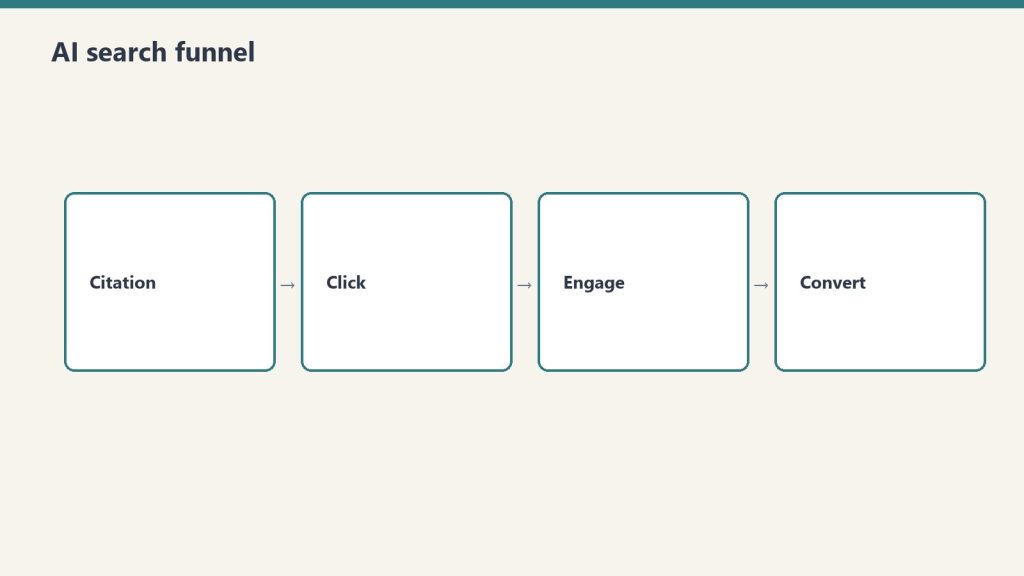
    Four-stage funnel: citation, click, engage, convert
    Insurance entity hierarchy — which names carry authority signal.

    Tier 1: Regulatory and Standards Bodies

    These are the named organizations that govern insurance products and markets. Referencing them signals that content reflects the actual regulatory framework of the industry:

    • NAIC — National Association of Insurance Commissioners: The primary US insurance regulatory body. References in content: NAIC model regulations, NAIC insurance buyer’s guides, NAIC financial data for carrier comparison
    • ISO — Insurance Services Office (now Verisk): The dominant policy form developer. References: ISO CG 00 01 (CGL), ISO HO-3 (homeowners), ISO PAP (personal auto), ISO CP forms (commercial property)
    • ACORD — Association for Cooperative Operations Research and Development: The insurance industry’s standards body for applications and data exchange. References: ACORD application forms, ACORD 125 (commercial insurance application), ACORD 140 (property section)
    • AM Best — Insurance financial strength rating agency. References: AM Best A++ through D rating scale, AM Best stable/negative/positive outlook designations for carrier comparison content

    Tier 2: Federal Programs and Regulations

    • NFIP — National Flood Insurance Program (FEMA): Critical for flood coverage content and homeowners exclusion discussions
    • MHPAEA — Mental Health Parity and Addiction Equity Act: Relevant for health and employee benefits content
    • ACA / Marketplace: Affordable Care Act and the federal marketplace for individual health coverage content
    • ERISA — Employee Retirement Income Security Act: Referenced in group benefits and employer coverage content
    What named entities should insurance WordPress content include for Google E-E-A-T and AI citation? Insurance content optimized for E-E-A-T and AI citation should reference: NAIC (National Association of Insurance Commissioners) for regulatory standards and model regulations, ISO policy form numbers (CG 00 01 for commercial general liability, HO-3 for homeowners, PAP for personal auto) for coverage definition precision, AM Best financial strength ratings for carrier comparison content, ACORD application standards for commercial lines content, NFIP for flood coverage and homeowners exclusion content, and state-specific insurance code citations for coverage minimum and regulatory requirement discussions. These named entities are machine-verifiable — AI systems cross-reference them against known insurance regulatory data before citing content.

    How to Inject Insurance Entities Naturally Into Existing Content

    Desk with laptop, checklist notebook, and billing card ready before creating an Anthropic API key
    How to inject insurance entities naturally into existing content.

    The Definition Box Approach

    Open each coverage article with a definition box that names the relevant policy form or standard. “Commercial General Liability Insurance (ISO CG 00 01): A liability policy form developed by ISO — Insurance Services Office — that provides coverage for bodily injury, property damage, personal injury, and advertising injury arising from business operations.” This opening entity reference establishes regulatory precision before the article body begins and is the section most likely to be cited by AI systems in overview responses.

    The Comparison Table Approach

    For carrier comparison content, reference AM Best ratings in a structured comparison table. “Carrier A (AM Best: A+, Superior) vs. Carrier B (AM Best: A, Excellent)” gives AI systems machine-readable financial strength data alongside coverage comparison. This is far more AI-citable than “we recommend carriers with strong financial ratings” — it names the rating standard and provides the actual rating data.

    The Regulatory Context Approach

    For coverage minimum and requirements content, reference the specific regulatory source. “California requires minimum auto liability coverage of 15/30/5 per California Insurance Code Section 11580.1b — $15,000 bodily injury per person, $30,000 per accident, $5,000 property damage.” This is verifiable, entity-specific, and precisely the kind of state-regulatory citation that distinguishes genuine local insurance expertise from generic coverage summaries.

    NAIC, ISO form, AM Best, ACORD, and NFIP entity injection across your existing insurance articles is part of the GEO layer in WordPress content optimization for insurance agencies through SiteBoost. Applied without modifying factual coverage content.

    Related on Tygart Media: SaaS integration entity SEO · entity SEO pattern · citing sources.

    Frequently Asked Questions

    Does referencing ISO policy forms in content create any regulatory compliance concerns?

    No. ISO policy forms are industry standards that insurance professionals reference routinely in client education and coverage explanation. Referencing “ISO HO-3 (open perils) policy form” as the standard basis for most homeowners insurance policies is factually accurate and educationally appropriate. The compliance concern in insurance content relates to specific coverage claims, guarantees, or promises — not to educational references to industry standards. Including a disclaimer that actual coverage depends on the specific policy issued by the carrier is standard practice for any coverage explanation content.

    Which insurance entities are most important for AI search citation?

    NAIC and ISO are the highest-value entities for AI citation because they are the primary regulatory and standards bodies in US insurance — the most frequently referenced entities in authoritative insurance content that AI systems have been trained on. AM Best matters specifically for carrier comparison content. ACORD is highest value for commercial lines content. NFIP is essential for any content touching flood coverage or homeowners exclusions. State insurance code citations (referencing the specific state statute) are the highest local authority signal for state-specific coverage requirement content.

    How many entity references should appear in a single insurance article?

    Three to six named entity references per article, appearing naturally in context, is the optimal range. A homeowners insurance overview might reference ISO HO-3 policy form, NFIP for flood exclusion context, AM Best for carrier evaluation, and the state insurance code for minimum coverage requirements — four named entities, each appearing where relevant to the coverage explanation. These are contextual references in the content body, not a list of logos or a citation list at the bottom. Natural, contextual entity references carry far more authority signal than a “sources” section listing regulatory body names without connection to specific claims.
    Sources: Marketing LTB, “10 Best Insurance SEO Agencies in 2026” (YMYL and E-E-A-T section); Nationwide Agency Forward, “Benefits of SEO, GEO and AEO for Insurance Agents” (InsuranceAgency schema reference); NAIC — naic.org; ISO/Verisk — verisk.com; AM Best — ambest.com; ACORD — acord.org
  • Insurance Content Strategy: Answering Coverage Questions

    Insurance Content Strategy: Answering Coverage Questions


    Tygart Media — Insurance Content Strategy

    The Coverage Question Content Strategy That Builds Insurance Agency Authority

    By Will Tygart Updated: September 30, 2026

    Updated September 30, 2026.

    Direct answer: Win AI search by publishing entity-rich answers to coverage questions prospects ask before they call an agent. Map pages to awareness, comparison, and sizing stages; name ISO forms, NAIC guides, and state rules in plain language; refresh when citations slip. That builds YMYL trust and makes your site quotable in ChatGPT, Gemini, Perplexity, Claude, and Google AI Overviews.

    Why coverage questions are the highest-value insurance content: Prospects research coverage heavily before they call an agent. AI platforms answer from authoritative sources. ClickGiant’s 2026 AEO guidance for agencies and Nationwide’s Agency Forward overview describe the same shift: publish the clearest coverage explanation and your site can enter the consideration set before a competitor gets the call.

    The Three Stages of the Insurance Research Journey

    Stage 1: Coverage Awareness (“What does this cover?”)

    Prospects in this stage have identified they may need coverage but don’t understand what it actually does. The questions: “What does renters insurance actually cover?”, “Does my auto insurance cover a rental car?”, “What is umbrella insurance?”, “Does homeowners insurance cover mold?” Content for this stage should provide direct, jargon-free answers with named policy form references (ISO HO-3, ISO PAP) and explicit coverage inclusions and exclusions. This is the stage where most agency blogs publish—but without entity references and a quotable opening paragraph, the content rarely surfaces in AI answers.

    Stage 2: Coverage Comparison (“Which option is right for me?”)

    Prospects in this stage understand the coverage category and are comparing options. The questions: “Term vs. whole life insurance: which is better?”, “HO-3 vs. HO-5: what’s the difference?”, “What is the difference between occurrence and claims-made professional liability?”, “When does umbrella coverage kick in?” These are high-intent, high-citation articles. AI systems surface them when prospects ask comparison questions, and they match where the buyer is in the decision process. Tie comparison pages to real examples in your market—see how niche coverage explainers perform in homeowners insurance and radon mitigation content when the question is specific rather than generic.

    Stage 3: Coverage Sizing (“How much do I need?”)

    Prospects in this stage have decided on coverage type and are determining appropriate limits. The questions: “How much life insurance do I actually need?”, “What liability limit should I carry on my auto policy?”, “How much umbrella insurance is enough?”, “What is the right deductible for my homeowners policy?” This is the pre-quote stage. Content that answers with named decision criteria (income replacement multiples, liability exposure, dwelling replacement cost) and a clear next step converts at the highest rate of any insurance content type.

    What insurance coverage content types generate the most agency authority and quote requests?
    The highest-impact types are coverage comparisons (term vs. whole life, HO-3 vs. HO-5, occurrence vs. claims-made), sizing guides (“how much life insurance do I need,” “what liability limit is appropriate”), and exclusion explainers (“what doesn’t homeowners insurance cover,” “when does auto insurance not pay”). All three need NAIC and ISO references in prose and FAQPage schema only when visible answers match schema text.

    The Named Entity Framework for Coverage Content

    Coverage content authority comes from naming the entities that establish genuine insurance expertise. For each coverage type, the relevant entities:

    • Homeowners: ISO HO-3 and HO-8 policy forms, dwelling vs. personal property vs. liability components, NFIP (National Flood Insurance Program) for flood exclusion context, replacement cost vs. actual cash value
    • Auto: ISO PAP (Personal Auto Policy) form, state minimum liability requirements by named state, uninsured/underinsured motorist statutory requirements, comprehensive vs. collision coverage triggers
    • Life: NAIC Life Insurance Buyer’s Guide, mortality tables as a pricing basis, cash value in whole life vs. term, AM Best carrier financial strength ratings as a comparison criterion
    • Commercial: ISO CG 00 01 (commercial general liability) form, occurrence vs. claims-made trigger distinction, ACORD application standards, BOP (Business Owners Policy) eligibility criteria

    These entities belong in prose—not logo grids. They signal to human readers and to retrieval systems that the page was written by someone who works inside the same regulatory and forms framework carriers use.

    When Coverage Pages Stop Getting Cited

    Pages that earned citations in early 2026 often go quiet when competitors refresh, carriers expand help centers, or an AI product changes retrieval. Rank tracking alone will not show that. Run a periodic AI citation quick scan on top coverage URLs and track AI citation rate (cited prompts divided by prompts tested). Use LLM visibility measurement to prioritize refreshes, read GEO case studies from 2026 for durable patterns, and keep an AI citation monitoring guide cadence instead of one-off checks.

    Entity work—NAIC and ISO references, state regulatory citations, structured FAQs—is part of the GEO layer in WordPress content optimization for insurance agencies through SiteBoost. It applies to existing coverage articles without changing the underlying coverage facts.

    Frequently Asked Questions

    Should insurance agencies write coverage content for all lines or specialize?

    Specialize in the lines your agency actively writes, then build content depth within those lines across all three stages (awareness, comparison, sizing). An agency that specializes in commercial lines should build deep content on BOP coverage, commercial auto, professional liability, and cyber—with NAIC, ISO, and ACORD entity references throughout. A personal lines agency should own homeowners, auto, umbrella, and life coverage content. Shallow coverage of every line produces neither authority nor citations. Deep coverage of your actual specialty lines produces both.

    How should insurance agencies handle state-specific regulatory requirements in content?

    State-specific regulatory requirements should be addressed explicitly and carefully. Content about coverage minimums, filing requirements, or regulatory standards should name the state, reference the specific statute or regulation where applicable (e.g., “California Insurance Code Section 11580.1b” for minimum auto liability requirements), and include a disclaimer that requirements vary by state and coverage specifics should be verified with a licensed agent. This named regulatory entity approach supports YMYL compliance signals while providing verifiable information.

    How often should coverage content be updated?

    Review coverage content when ISO form revisions land, state minimum requirements change, premium trends shift enough to affect sizing guidance, or NAIC model regulation updates change standard descriptions. Add a visible last-updated date and matching dateModified in Article schema. For AI visibility, re-test citation on your highest-traffic coverage URLs at least quarterly; if answers no longer cite your domain, refresh the direct answer block and entity references before rewriting the whole page.

    How do insurance agencies know if AI search is citing their coverage content?

    You will not see it in standard Google Search Console alone. Run periodic prompted checks in ChatGPT, Perplexity, Gemini, and Google AI Overviews for the exact questions your articles answer, then log which URLs each system cites. A structured citation log—manual or tool-assisted—shows whether your coverage pages still win the quote or have been replaced by a carrier, aggregator, or competitor. If citations drop after a refresh pause, the page needs updated entities, a clearer direct answer, or both.

    What page structure makes a coverage answer quotable for AI search?

    Open with a direct answer in the first 40–60 words, follow with staged detail (what it covers, limits, exclusions), name ISO or NAIC references in prose, and close with licensed-agent disclaimers for YMYL topics. Use one primary question per URL when possible. Add FAQPage schema only when each visible FAQ answer matches the schema text character-for-character.

    Sources: ClickGiant, “AEO for Insurance Agencies: How to Get Found in AI Search 2026” (clickgiant.com); Nationwide Agency Forward, “Benefits of SEO, GEO and AEO for Insurance Agents” (agentblog.nationwide.com); NAIC Life Insurance Buyer’s Guide (reference standard)
  • Insurance Agency Blog: 4 Fixes to Generate Quote Requests

    Insurance Agency Blog: 4 Fixes to Generate Quote Requests


    Tygart Media — Insurance Content Strategy

    Why Insurance Agency Blog Posts Don’t Generate Quote Requests (And the 4 Fixes That Change That)

    By Tygart Media Updated: April 12, 2026
    The insurance content gap: Insurance is a research-heavy industry. According to research cited by Sonant.ai’s 2026 insurance SEO guide, 69% of insurance customers conduct online searches before scheduling any appointment or requesting a quote. That research now happens increasingly in AI assistants — ChatGPT, Perplexity, Google AI Overviews — where prospects ask coverage questions before they ever visit an agency website. The agency whose WordPress content answers those research questions is in the consideration set before competitors are even aware the prospect exists.

    The Insurance Research-to-Quote Funnel Has Collapsed Into One Session

    Nationwide’s Agency Forward blog documented something significant in 2026: “The conversion funnel is collapsing, and search can lead to online quotes and binds in a single online session.” A prospect who asks an AI assistant about coverage options, finds an authoritative agency article that answers their question, and sees a clear quote CTA — can go from research to quote request in one sitting. This is the opportunity that most insurance agency WordPress blogs are missing entirely.

    Why don’t insurance agency blog posts generate quote requests despite regular publishing?
    Insurance agency blog posts fail to generate quote requests when they lack four specific optimization signals: a title tag that matches how prospects actually phrase their coverage questions (not how an agent would title a policy explanation), FAQPage schema targeting the research-stage questions that precede a quote request, named regulatory and standards entity references (NAIC, ISO policy forms, AM Best ratings, state department of insurance) that signal genuine coverage authority to both Google and AI systems, and a clear quote CTA embedded in the article body — not just in the website header or footer where prospects who found the article rarely look.

    Fix 1: Match Titles to How Prospects Actually Ask Coverage Questions

    Insurance agents write article titles the way they’d label a file in a cabinet: “Umbrella Liability Coverage Overview” or “Commercial General Liability Policy Explained.” Prospects search the way they’d ask a friend: “Do I need umbrella insurance if I have home and auto?” or “What does general liability actually cover for my business?” The title tag must match the prospect’s language, not the agent’s vocabulary. This is the single change that most immediately improves click-through rate from existing search impressions.

    Fix 2: FAQPage Schema Targeting Pre-Quote Research Questions

    The questions that precede a quote request are specific: “How much does umbrella insurance cost?”, “Does homeowners insurance cover flood damage?”, “What’s the difference between term and whole life insurance?”, “Do I need business insurance if I work from home?” A FAQ section with 6–8 of these questions structured as direct 40–60 word answers, with FAQPage JSON-LD schema, positions your articles for People Also Ask placements and AI Overview citations at the moment prospects are actively forming their coverage decisions.

    Fix 3: Named Insurance Entity References

    Google and AI systems evaluate insurance content authority through named regulatory and standards entity references. An article about homeowners insurance that references “ISO HO-3 (open perils) vs HO-8 (modified coverage) policy forms,” cites “NAIC — National Association of Insurance Commissioners model regulations,” and mentions “AM Best financial strength rating” for carrier comparison — this article signals genuine insurance expertise that generic coverage explainers lack. These entities are machine-verifiable, which is specifically what AI systems check before citing insurance content.

    Fix 4: A Quote CTA in the Article Body

    A prospect who found your article through a Google search or AI citation is reading your content, not browsing your website navigation. A quote CTA in the header or footer is often invisible to article readers who landed directly on the content. An inline CTA embedded in the body — “Ready to find out what umbrella coverage costs for your situation? Get a free quote in minutes.” — captures the prospect at the moment of highest engagement, which is while they’re reading the content that convinced them of your expertise.

    All four fixes — coverage question title rewrites, FAQPage schema, NAIC/ISO entity injection, and inline quote CTAs — are part of WordPress content optimization for insurance agencies through SiteBoost. Applied to your existing insurance blog via WordPress REST API.

    Frequently Asked Questions

    What types of insurance blog content generate the most quote requests?

    Coverage comparison content generates the highest quote request rates — “term vs. whole life insurance,” “HO-3 vs. HO-5 homeowners policy,” “occurrence vs. claims-made professional liability.” These articles capture prospects who have identified they need coverage and are comparing options — the highest-intent pre-quote state. Coverage explainer content (“what does umbrella insurance cover”) captures earlier-stage research but builds authority that converts over multiple sessions. Both types benefit from FAQPage schema and inline quote CTAs.

    Is insurance content YMYL — and what does that mean for blog optimization?

    Yes. Google classifies insurance content as YMYL (Your Money or Your Life) because coverage decisions directly affect financial protection and stability. This triggers heightened E-E-A-T scrutiny — Google’s quality evaluators specifically assess whether insurance content is authored by licensed professionals with verifiable credentials, whether coverage descriptions are accurate and comply with state-specific regulatory requirements, and whether claims are sourced to named regulatory bodies (NAIC, state departments of insurance). YMYL classification makes named entity injection and accurate sourcing non-optional for insurance content that aims to rank competitively.

    How do insurance CPCs relate to the value of organic blog content?

    Insurance keywords average $10–$54 per click on Google Ads for coverage-related terms, with some competitive personal lines terms exceeding $100 per click. A blog article that ranks organically for “does homeowners insurance cover flooding” and generates 50 qualified visitors per month represents $500–$5,000+ in equivalent paid search value — delivered at zero per-click cost once the optimization investment is made. The compounding nature of organic rankings means the cost-per-lead from well-optimized insurance content consistently decreases over time while paid search costs only increase.

    Sources: Nationwide Agency Forward, “Benefits of SEO, GEO and AEO for Insurance Agents” (2026); Sonant.ai, “SEO for Insurance Companies: 2026 Domination Guide”; Marketing LTB, “10 Best Insurance SEO Agencies in 2026”; ClickGiant, “AEO for Insurance Agencies: How to Get Found in AI Search 2026”
  • Real Estate WordPress Checklist: 7 Post-Publish SEO Steps

    Real Estate WordPress Checklist: 7 Post-Publish SEO Steps


    Tygart Media — Real Estate Content Strategy

    The Real Estate Agent WordPress Post-Publish Checklist: 7 Steps Every Listing and Blog Post Needs

    By Tygart Media Updated: April 12, 2026
    Why real estate content needs a post-publish checklist: Real estate agents invest significant time in neighborhood guides, market reports, and buyer/seller process content. The optimization layer that determines whether a buyer finds that content — title tag, meta description, local entity references, schema, FAQ section — is almost never applied after publication. The 7-step post-publish checklist applies these signals to existing articles without rewriting content, converting published articles into optimized assets that rank for local buyer and seller queries.

    The 7-Step Real Estate WordPress Post-Publish Checklist

    1. Rewrite the title tag for buyer-stage search intent — Match how buyers actually phrase their search. “Oakwood Heights Neighborhood Guide” → “Living in Oakwood Heights: Schools, Market Conditions & What Buyers Need to Know.” Lead with the neighborhood name, include the most-searched aspect (schools or market), and stay within 50–60 characters. For market reports: “[Neighborhood] Real Estate Market Update: Q1 2026 Conditions for Buyers and Sellers.”
    2. Write a meta description that converts neighborhood searches to clicks — Delete the auto-generated excerpt. Write 140–155 characters specific to what a buyer searching that neighborhood actually wants: “Thinking about Oakwood Heights? Get school ratings, current median prices ($487K Q1 2026), commute times, and what locals love most. Talk to a local agent.” This is copy that converts — and it signals to Google that the article serves a buyer’s actual intent.
    3. Add named local entity references to the content — Inject 3–5 named geographic and institutional entities: the specific school names and district, the highway or transit reference, the MLS board for any market data, and the HOA name if applicable. If the article mentions “good schools,” rewrite to name the schools. If it mentions “easy freeway access,” name the freeway. Entity specificity is what separates genuine local expertise from generic real estate content.
    4. Add a neighborhood FAQ section with FAQPage schema — Write 6–8 questions targeting the buyer research phase for that specific neighborhood: “What schools serve [neighborhood]?”, “What is the median home price in [neighborhood]?”, “Is [neighborhood] a good investment?”, “How is the commute from [neighborhood] to downtown?” Add FAQPage JSON-LD schema alongside the visible FAQ section — both are required for People Also Ask eligibility and AI Overview citation.
    5. Add LocalBusiness schema connecting the article to the agent entity — Inject Article schema with the agent as author (with name, real estate license number if published, and brokerage affiliation) and LocalBusiness schema connecting the content to the agent’s geographic service area. This machine-readable entity connection is what AI systems use to associate neighborhood expertise with a specific local agent — turning a content citation into agent brand recognition.
    6. Set a visible Last Updated date with dateModified schema — Add “Last updated: [quarter, year]” near the article top, especially for market data content. Update the dateModified field in Article JSON-LD schema to match the actual content update date. Buyers and sellers actively check content freshness for market data — a 2023 market report seen in 2026 destroys credibility. Quarterly updates to the data section, with a visible date update, maintain the article’s authority and ranking freshness signals.
    7. Add internal links to and from neighborhood and service pages — Link from the neighborhood guide to your home valuation page (“Curious what your Oakwood Heights home is worth?”), your buyer consultation page, and any related neighborhood or market report. Then update those destination pages to link back to the neighborhood guide. Bidirectional internal linking establishes topical depth, guides buyers through the journey from research to contact, and passes authority between your highest-traffic content and your conversion pages.
    These 7 steps applied to your 10 highest-traffic neighborhood guides and market reports is the scope of WordPress content optimization for real estate agents through SiteBoost for real estate. Every step pushed live via WordPress REST API — your content unchanged, optimization infrastructure added.

    Frequently Asked Questions

    Which of the 7 steps has the highest impact for real estate agent content?

    Step 3 (named local entity injection) and step 4 (FAQPage schema) produce the fastest measurable results for real estate content. Named school district entities, specific transit references, and MLS board citations create the geographic entity depth that distinguishes genuine local expertise from generic content — the primary signal Google uses for local real estate rankings. FAQPage schema enables People Also Ask placement within 2–4 weeks for neighborhood-specific buyer questions. Step 1 (title tag rewrite) has the highest impact on click-through rate from existing search impressions — changing “Neighborhood Guide” to a buyer-intent title immediately improves organic CTR.

    Should real estate agents optimize all their articles or just the most important ones?

    Prioritize by neighborhood importance and existing traffic. Start with your primary farm neighborhoods — the areas where you do the most business and have the deepest knowledge. These guides have the highest ROI because you can write the most specific, authoritative content. Apply all 7 steps to these high-priority guides first. Then systematically work through secondary neighborhoods and market reports. New content published after the checklist is established should have all 7 steps applied at publication rather than retroactively — establishing the optimization habit at the point of creation.

    Does real estate content optimization require coding or developer access?

    No coding or developer access is required. Title tags and meta descriptions update through post fields or SEO plugin fields. Entity references and FAQ sections are text additions to existing content. FAQPage, LocalBusiness, and Article JSON-LD schema blocks are injected as HTML blocks in post content. The WordPress REST API handles all of these changes directly — no theme modifications, no plugin configuration, and no server access needed. The only setup requirement is a WordPress Application Password for REST API authentication, which any agent can generate from their WordPress admin panel in about 30 seconds.

    Sources: SLT Creative, “The Complete Step by Step Guide to Real Estate SEO” (February 2026); Digital Agent Club, “Real Estate Digital Marketing 2026” (November 2025); W3Era, “Real Estate SEO Guide for Agents & Brokers 2026”; Marketing LTB, “10 Best Real Estate SEO Agencies in 2026”
  • Real Estate AI Search: Getting Found Before Buyers Call

    Real Estate AI Search: Getting Found Before Buyers Call


    Tygart Media — Real Estate Content Strategy

    How Real Estate Agents Get Found in AI Search Before Buyers Contact Anyone

    By Tygart Media Updated: April 12, 2026
    The AI pre-search reality for real estate: Gartner projects up to 25% of traditional search volume will migrate to AI tools by the end of 2026. In real estate, this means buyers and sellers are asking ChatGPT, Perplexity, and Google AI Overviews questions like “What’s the best neighborhood in [city] for families with young kids and walkable schools?” and “How competitive is the [city] real estate market for buyers right now?” — before they open a browser tab, before they visit Zillow, and before they contact an agent. The agent whose content is cited in those answers enters the consideration set at the very beginning of the buyer’s journey.

    Why AI Citation Matters More Than Position 1 for Real Estate

    Traditional real estate SEO chased position 1 rankings for local keywords. AI citation operates differently: it targets the research-phase questions that precede any specific property or agent search. A buyer who asks ChatGPT “what is [neighborhood] like for a family moving from out of state” is not yet searching for a property. They’re building a mental model of the market. The agent cited as the authoritative source on that neighborhood during this phase establishes credibility before any competitor has been considered.

    According to Digital Agent Club’s 2026 real estate digital marketing analysis, AI search queries in real estate are “full-sentence questions people actually ask out loud” — specifically neighborhood character, school quality, market competitiveness, and commute viability. These are exactly the questions that well-optimized neighborhood guides and market reports are built to answer.

    How do real estate agents get cited in ChatGPT and Perplexity for neighborhood and market questions?
    Real estate agents earn AI citations for neighborhood and market queries when their WordPress content combines: ranking in the top 20 organic results for the query (the access prerequisite), named geographic entity references that AI systems can verify (school district names, transit corridors, MLS board as data source, NAR terminology for market conditions), direct-answer speakable blocks targeting neighborhood character questions (“what is [neighborhood] known for” and “what are the schools like in [neighborhood]”), and FAQPage JSON-LD schema making Q&A pairs machine-parseable. National portals have generic neighborhood pages. Local agents have genuine local knowledge encoded in entity-rich, schema-structured content — which is exactly what AI systems prefer to cite.

    The Four Real Estate Content Types That Earn AI Citations

    1. Neighborhood Character Guides

    The most AI-citable real estate content directly answers “what is [neighborhood] like?” — the question buyers ask AI before they search for properties. Guides with named school entities, commute corridor references, community character description, and price range context are machine-verifiable by AI systems against geographic and institutional data. A guide that says “Oakwood Heights is served by Lincoln Elementary (GreatSchools rating 8/10), is 22 minutes to downtown via I-90, and has a median home price of $487K per NWMLS Q1 2026 data” provides entity anchors that AI systems can cite with confidence.

    2. Market Condition Analyses

    Buyers ask AI “is [city] a buyer’s or seller’s market right now?” Market report content with specific MLS data, defined market condition criteria (months of supply, list-to-sale ratio), and a dated “last updated” date is AI-citable because it provides a verifiable, sourced, current answer to a question buyers actively ask during market research. Undated or unverified market commentary is not citable — AI systems evaluate content freshness before surfacing market data.

    3. Buyer and Seller Process Explainers

    Process questions are high-citation opportunities: “how does the home buying process work,” “what is earnest money,” “how do real estate contingencies work,” “what does days on market mean.” These are universal questions with verifiable, direct answers that don’t require geographic specificity. FAQPage schema targeting these questions earns both People Also Ask placements and AI citation for the specific process queries buyers ask AI assistants during active home search.

    4. Local Market Comparison Content

    “[Neighborhood A] vs [Neighborhood B]” comparison content is highly AI-citable because it directly answers one of the most common pre-decision buyer questions. AI systems surface content that provides the specific comparison a buyer is asking about — school district comparison, price difference, commute difference, neighborhood character comparison. An agent who writes authentic, data-backed neighborhood comparison content owns a content type that neither national portals nor most local competitors are producing.

    Geographic entity injection, speakable blocks targeting neighborhood AI queries, and FAQPage schema are the three GEO deliverables applied to real estate WordPress content through WordPress content optimization for real estate agents via SiteBoost.

    Frequently Asked Questions

    Which AI systems matter most for real estate agent visibility?

    Google AI Overviews has the largest reach — appearing at the top of results for real estate research queries including neighborhood character, school quality, and market condition searches. Perplexity is increasingly used by out-of-state buyers doing research before relocation because it cites sources inline, giving cited agents visible brand exposure. ChatGPT’s growing search integration captures the “which neighborhood should I consider” research questions that precede any specific search. All three evaluate similar content signals: named geographic and institutional entity references, direct-answer formatting, and FAQPage schema. Optimizing for one effectively optimizes for all.

    Can a new real estate agent website earn AI citations?

    Yes, for specific hyper-local queries with low competition. A new agent website with one deeply optimized, entity-rich neighborhood guide for a specific neighborhood can rank in positions 11–20 for that neighborhood’s character and school queries — and earn AI citations for those specific queries even without broad domain authority. The AI citation selection among ranking pages rewards content quality signals — entity depth, direct-answer structure, schema — not just ranking position. Starting with your primary farm area and building one genuinely authoritative guide is more effective than thin coverage of many neighborhoods.

    How is AI search optimization different from traditional real estate SEO?

    Traditional real estate SEO prioritized local signals — Google Business Profile, NAP consistency, location-specific pages, and review volume. AI search evaluates content quality signals: named geographic entities (school district names, transit references, MLS board citations), direct-answer formatting (speakable blocks with 40–60 word direct answers), and machine-readable schema (FAQPage, LocalBusiness, RealEstateListing). Traditional SEO remains the prerequisite — 97% of AI citations come from pages already ranking organically. But among ranking pages, AI citation requires the additional entity and schema layer that most real estate agents’ WordPress content currently lacks.

    Sources: Digital Agent Club, “Real Estate Digital Marketing 2026” (November 2025); Luxury Presence, “194 Best Real Estate Keywords for 2025–2026”; Gartner 2025–2026 search migration projections (cited via Digital Agent Club); LLMrefs, “Answer Engine Optimization: The Complete Guide for 2026”
  • Real Estate Market Report Content: Drive Seller Leads

    Real Estate Market Report Content: Drive Seller Leads

    Tygart Media — Real Estate Content Strategy

    How Real Estate Market Report Content Builds Agent Authority and Seller Leads

    By Tygart Media Updated: April 12, 2026
    Why market reports are the agent’s highest-authority content: A neighborhood guide establishes local expertise. A market report establishes ongoing market authority — the kind of expertise that makes sellers think of you when they’re ready to list. According to W3Era’s 2026 real estate SEO guide, market update blogs are one of the most practical content types for agents because they combine expertise, relevance, and local authority while giving prospects a reason to trust an agent’s interpretation of current market conditions. Sellers actively search for market data in the months before they decide to list — and the agent whose content answers those questions first earns the listing conversation.

    What Sellers Search Before They Decide to List

    Side-by-side cards defining what Claude Code is and is not
    What sellers search before they decide to list.

    Seller search behavior follows a predictable path in the 3–6 months before listing: “how is the [neighborhood] real estate market right now,” “is it a good time to sell in [city],” “what are homes selling for in [neighborhood],” “how long does it take to sell a house in [city].” These are direct market research queries that a well-optimized market report answers directly. The agent whose content ranks for these queries is in the seller’s consideration set before any competitor.

    What real estate market data should agents include in blog content to rank for seller searches? Real estate market report content that ranks for seller searches should include: current median sale price for the specific neighborhood or zip code, average days on market (with context — whether this is faster or slower than the prior quarter), list-to-sale price ratio indicating negotiating power, months of supply or active inventory count, and a clear market condition classification (seller’s market, buyer’s market, or balanced) with the criteria used. All statistics should reference the MLS board as the data source. This combination of named MLS entity, specific market metrics, and direct market interpretation is what AI systems and Google’s quality evaluators use to distinguish authoritative market analysis from generic real estate commentary.

    The Market Report Content Formula

    Comparison of Claude how-to fit versus local service page fit for assistants
    The market report content formula.

    The Five Data Points That Matter

    1. Median sale price — current month vs. prior quarter and prior year
    2. Average days on market — how fast is inventory moving
    3. List-to-sale price ratio — are sellers getting over or under asking
    4. Active inventory / months of supply — is the market tightening or loosening
    5. Market condition classification — seller’s market (<3 months supply), balanced (3–6 months), buyer’s market (>6 months)

    The Entity Requirements

    Every market report should name the MLS board providing the data (NWMLS, MRED, BRIGHT MLS, MetroList, CRMLS, etc.), reference the National Association of Realtors (NAR) for any national trend comparisons, and use standard NAR/MLS terminology (absorption rate, list-to-sale ratio, active listings, pending sales) rather than generic language. These named entities signal that the market analysis reflects actual MLS data rather than estimated or anecdotal market commentary — a critical distinction for both Google’s E-E-A-T evaluation and AI citation systems.

    The FAQ Layer

    Add a FAQ section targeting the questions sellers ask when reading market data: “Is now a good time to sell in [area]?”, “How long will it take to sell my house in [city]?”, “Are homes selling over asking price in [neighborhood]?”, “How do I know if it’s a seller’s or buyer’s market?” These questions, with FAQPage schema, earn People Also Ask placements for the exact queries sellers type during their pre-listing research phase.

    The Publishing Cadence That Builds Authority

    Desk with laptop, checklist notebook, and billing card ready before creating an Anthropic API key
    The publishing cadence that builds local authority.

    Monthly publication for neighborhoods you actively farm is the standard. SLT Creative’s 2026 real estate SEO guide recommends publishing 2–4 blog posts per month minimum — and a monthly market report counts as your highest-authority post each cycle. The URL structure matters: use a new slug for each period (/[neighborhood]-market-report-q1-2026/) so each report stands as a fresh indexed page rather than overwriting the previous one. This creates an archive of market data that compounds in authority over time.

    Market data entity injection — MLS board references, NAR terminology, FAQPage schema targeting seller research queries — is part of WordPress content optimization for real estate agents through SiteBoost. Applied to your existing market report archives and new reports as they publish.

    Related on Tygart Media: agent blog SEO · information density · AEO content cluster.

    Frequently Asked Questions

    Where do real estate agents get market data for blog content?

    Primary sources: your MLS board’s statistics reports (most boards publish monthly market data for members), Redfin’s data center (public), and Zillow Research (public). The key is attribution — citing “per NWMLS data for Q1 2026” or “according to Redfin’s March 2026 market data” creates named source references that both strengthen your content’s credibility and provide the entity anchors Google and AI systems use to evaluate market report authority. Never publish market statistics without citing the source — both for accuracy and for E-E-A-T compliance.

    How does market report content generate seller leads specifically?

    Sellers research market conditions in the 3–6 months before they decide to list. An agent whose market reports rank for “[neighborhood] real estate market” and “is now a good time to sell in [city]” captures seller attention during that research phase. The conversion path: seller reads the market report, trusts the agent’s market knowledge, clicks the “What’s my home worth?” CTA at the bottom of the article, and enters the listing funnel. Without the market report ranking for those pre-decision searches, the seller finds a competitor’s report or a Zillow/Redfin estimate instead.

    Should market report content be gated or freely available?

    Freely available. Gated market reports (requiring email submission before reading) may capture email addresses but dramatically reduce SEO value — Google cannot index content behind a gate, and AI systems cannot cite content they cannot access. The SEO and AI citation value of a freely published, well-optimized market report compounds over months and years of indexing. The relationship and trust built with sellers who read your freely available market analysis consistently outperforms the email list built from a gated report that no one finds organically.

    Sources: W3Era, “Real Estate SEO Guide for Agents & Brokers 2026”; SLT Creative, “The Complete Step by Step Guide to Real Estate SEO” (February 2026); DMR Media, “Real Estate Keywords: A Strategic Guide for Agents 2026”; NAR Research (data terminology reference)
  • Real Estate Neighborhood Guide SEO: How to Outrank Zillow

    Real Estate Neighborhood Guide SEO: How to Outrank Zillow


    Tygart Media — Real Estate Content Strategy

    The Neighborhood Guide Formula That Beats Zillow in Local Search

    By Tygart Media Updated: April 12, 2026
    Why neighborhood guides are the agent’s unfair advantage: Zillow has a neighborhood page for every zip code in the country. What Zillow cannot have is genuine local knowledge — the specific school attendance boundaries, the commute reality from a particular subdivision, the difference in HOA rules between two adjacent communities, the coffee shop that became a neighborhood anchor, the planned development that will change the character of the area. An agent who writes neighborhood guides from this knowledge builds content that national portals fundamentally cannot replicate.

    The Five Elements of a Neighborhood Guide That Ranks and Converts

    1. Named School District and School Entities

    School district information is the most searched real estate entity after price. According to DMR Media’s 2026 real estate keyword strategy, “[School District] real estate” and “best school districts in [area]” are among the highest-intent, lowest-competition keywords available to local agents. A neighborhood guide that names the specific elementary school, middle school, and high school serving the neighborhood — not just “good schools” — creates the named entity anchors that Google uses to determine whether a real estate article represents genuine local expertise. Zillow’s neighborhood page says “good schools.” Your guide names Lincoln Elementary, Jefferson Middle, and Washington High.

    2. Commute Corridor and Transit References

    Buyers considering a neighborhood research commute viability before almost anything else. A neighborhood guide that references the specific highway corridor (I-90, US-41, SR-520), the transit line or bus route, the park-and-ride location, and realistic commute times to the major employment centers in the region provides information that is both genuinely useful and highly entity-specific. These geographic entity references signal local authority to both Google and AI systems evaluating whether real estate content represents authentic market knowledge.

    3. Current Market Context With MLS References

    A neighborhood guide without current market data is a tourism article, not a real estate resource. Include: current median sale price, average days on market, list-to-sale price ratio, months of supply, and whether the neighborhood is in a buyer’s or seller’s market. Reference the MLS board (NWMLS, MRED, BRIGHT, etc.) as the data source. Update this data quarterly — the visible Last Updated date and dateModified schema signal content currency to both buyers and Google’s quality evaluators.

    4. FAQPage Schema Targeting Neighborhood-Specific Questions

    Every neighborhood guide should have a FAQ section targeting the questions buyers ask when evaluating that specific neighborhood: “What schools serve [neighborhood]?”, “Is [neighborhood] a good investment?”, “What is the commute from [neighborhood] to [downtown]?”, “Is [neighborhood] walkable?”, “What is the HOA in [neighborhood]?” With FAQPage JSON-LD schema, these Q&A pairs are eligible for People Also Ask placements — appearing above organic results when buyers search these neighborhood-specific queries.

    5. Speakable Blocks for AI Citation

    According to Digital Agent Club’s 2026 real estate digital marketing analysis, one agent who added schema and 15 conversational FAQs to their top 20 neighborhood pages started appearing in AI summaries and picked up three extra buyer consultations in the first month. The mechanism: buyers increasingly ask AI assistants “what is [neighborhood] like?” before they search Google. A neighborhood guide with speakable blocks — direct answers to “what is [neighborhood] known for?” and “what are the schools like in [neighborhood]?” — earns AI citations at the moment of neighborhood evaluation.

    What makes a real estate neighborhood guide rank above Zillow’s neighborhood pages?
    Real estate neighborhood guides rank above Zillow for hyper-local queries when they contain: named school entities (specific elementary, middle, and high school names and district), geographic entity references (highway corridors, transit lines, named local landmarks), current market data with MLS board attribution (median price, days on market, inventory), FAQPage schema targeting neighborhood-specific buyer questions, and speakable blocks for AI citation. These named entity signals are the specific local knowledge that national portals cannot replicate at scale — and they are exactly what Google and AI systems use to distinguish authentic local expertise from generic directory content.
    Named school district entities, commute corridor references, FAQPage schema, and speakable blocks are the four GEO optimization layers in WordPress content optimization for real estate agents through SiteBoost. Applied to your existing neighborhood guides to give them the entity depth to win the hyper-local queries Zillow can’t match.

    Frequently Asked Questions

    How long should a real estate neighborhood guide be?

    Long enough to be genuinely useful — typically 800–1,200 words — but never padded. The five elements (school entities, commute data, market context, FAQ section, and local amenity references) provide the content depth needed without requiring padding. A 900-word guide that answers specific questions with named entities and current market data outperforms a 2,000-word guide that says “great neighborhood for families” twelve times. Structure matters more than word count: definition box, section headings, market data table, and FAQ section with schema is the framework.

    How often should neighborhood guides be updated?

    Market data section quarterly at minimum — median prices, days on market, and market condition (buyer’s vs. seller’s) change enough that annual updates are insufficient for credibility. School enrollment information annually. The visible Last Updated date matters: a neighborhood guide showing “Last updated: Q1 2026” with a quarterly market data refresh signals editorial stewardship that earns both buyer trust and Google trust. School district boundaries and HOA information should be verified annually — these change less frequently but carry high stakes for buyers relying on the information.

    Should real estate agents write neighborhood guides for every area they serve?

    One genuinely authoritative guide per neighborhood you actively farm beats thin coverage of every zip code in your service area. The quality standard: could you write 600+ words of genuinely specific, locally accurate content about this neighborhood, including named schools, specific commute corridors, current market data, and what makes this neighborhood distinctly different from adjacent areas? If yes, write the guide. Thin neighborhood guides with no named entities and no market data actively hurt your site’s overall quality signals — and are outranked by Zillow’s generic pages anyway.

    Sources: DMR Media, “Real Estate Keywords: A Strategic Guide for Agents 2026”; Digital Agent Club, “Real Estate Digital Marketing 2026” (November 2025); SLT Creative, “The Complete Step by Step Guide to Real Estate SEO” (February 2026); HousingWire, “The Ultimate Guide to Real Estate SEO for Agents in 2026” (January 2026)
  • Real Estate Agent Blog SEO: 4 Fixes to Generate Leads

    Real Estate Agent Blog SEO: 4 Fixes to Generate Leads

    Tygart Media — Real Estate Content Strategy

    Why Real Estate Agent Blogs Don’t Generate Leads (And the 4 Fixes That Change That)

    By Tygart Media Updated: April 12, 2026
    The real estate content paradox: Most buyers and sellers don’t wake up thinking “I need an agent today.” They start searching neighborhoods, school zones, home prices, and market conditions weeks or months before they’re ready to raise their hand. According to HousingWire’s 2026 real estate SEO guide, real estate SEO builds visibility during those early moments — before someone is ready to ask for help. Most real estate agent blogs publish content that arrives too late in the journey, targeting keywords that Zillow already owns, or publishing without the optimization signals needed to surface in any search at all.

    Why You Can’t Beat Zillow — And Why That’s Fine

    Side-by-side cards defining what Claude Code is and is not
    Why you cannot beat Zillow on generic terms — and why that is fine.

    Zillow and Realtor.com own first-page results for “homes for sale [city]” and “real estate agent near me.” These platforms have domain authority, millions of pages, and link profiles that individual agents cannot match. The correct strategy, per SLT Creative’s 2026 real estate SEO guide, is to stop trying to outrank them for generic terms and instead target hyper-local, long-tail searches where buyers actually convert — and where national portals can never replicate authentic local knowledge.

    A buyer searching “3-bedroom homes near [specific school district]” or “what is [neighborhood] like for families” is further along in their decision than someone searching “homes for sale.” They’ve identified where they want to live. An agent whose content answers those specific questions captures that buyer at the exact moment they’re evaluating neighborhoods — before they’ve contacted a portal or an agent.

    Why do real estate agent blog posts fail to generate buyer and seller leads? Real estate agent blog posts fail to generate leads when they target generic, high-competition keywords that national portals like Zillow and Realtor.com already dominate (“homes for sale,” “real estate agent near me”), rather than hyper-local, long-tail queries where authentic local knowledge wins. The additional optimization gaps: missing FAQPage schema targeting buyer and seller process questions, absent neighborhood entity references (school district names, commute corridors, local amenities) that signal local authority to Google and AI systems, and no written meta description — leaving Google to auto-generate one that doesn’t convert.

    Fix 1: Target Hyper-Local Long-Tail Keywords, Not Generic Terms

    Four-stage funnel: citation, click, engage, convert
    Fix 1: target hyper-local long-tail keywords.

    The real estate content that generates leads targets queries that reflect a buyer or seller who has already narrowed their search. “What are the best neighborhoods in [city] for commuters?” “How competitive is [neighborhood] for buyers right now?” “What to know before buying a condo in [specific building or complex]?” These are queries a local agent can answer with genuine authority — and that Zillow cannot match with a generic neighborhood page.

    Fix 2: Add Named Local Entities to Every Neighborhood Article

    Desk with laptop, checklist notebook, and billing card ready before creating an Anthropic API key
    Fix 2: named local entities in every neighborhood article.

    Google and AI systems determine whether a real estate article represents genuine local expertise through named geographic and institutional entities. A neighborhood guide that names the specific elementary, middle, and high school serving the area, references the transit line or highway corridor, mentions the local HOA structure, and cites median price ranges with MLS board context — this article has entity depth that signals real local authority. A generic “great neighborhood for families” article has none of it and ranks accordingly.

    Fix 3: FAQPage Schema Targeting Buyer and Seller Process Questions

    People Also Ask placements in real estate search results appear for process questions — “how long does it take to close on a house,” “what does earnest money mean,” “what are contingencies in real estate.” These placements appear above organic results and capture buyer attention at high-intent moments. A FAQ section with 6–8 direct answers to these questions, with FAQPage JSON-LD schema, makes your article PAA-eligible for queries that show up constantly in buyer and seller research.

    Fix 4: Write Every Meta Description for the Buyer Journey

    WordPress auto-generates meta descriptions from the first paragraph — which in most real estate articles is a scene-setting intro that makes a poor search result description. Write a manual meta description for every article: 140–155 characters, specific to what the buyer searching that term actually wants to know, with a clear call to action. “Thinking about [neighborhood]? Get school ratings, median prices, commute times, and what locals love most. Talk to an agent who knows it.” That converts a searcher into a click.

    All four fixes — local entity injection, FAQPage schema targeting buyer process questions, and meta description optimization — are part of WordPress content optimization for real estate agents through SiteBoost. Applied to your existing neighborhood guides and market articles via WordPress REST API.

    Related on Tygart Media: market report content · blog SEO fixes pattern · information density.

    Frequently Asked Questions

    How many blog posts does a real estate agent need to generate leads?

    Volume matters less than specificity and optimization depth. Ten well-optimized neighborhood guides and buyer process articles — with named local entities, FAQPage schema, and intent-matched titles — consistently outperform 50 generic “real estate tips” posts. The priority is hyper-local content that reflects genuine market knowledge: one neighborhood guide per area you actively farm, one market report per quarter, and one buyer/seller process guide per major question your clients ask. Quality and local specificity beat volume.

    Should real estate agent blogs be on their own domain or their brokerage site?

    Own domain, every time. According to Digital Agent Club’s 2026 real estate marketing guide, agents on custom domains see 3–4x more direct inquiries than those on brokerage subdomains. Brokerage subdomains build SEO equity for the brokerage — not the agent. If you leave the brokerage, you leave the content and rankings. A standalone WordPress site with proper IDX integration captures the lead, the data, and long-term SEO equity that follows you regardless of brokerage affiliation.

    What real estate content types convert the best to buyer and seller inquiries?

    Pre-decision content converts best: neighborhood guides that help buyers choose where to live, market reports that help sellers decide when to list, and process guides that help both parties understand what to expect. HousingWire’s 2026 agent SEO guide identifies neighborhood-specific content as the highest-converting content type because it captures buyers who have already identified where they want to live — the highest-intent real estate searcher short of someone actively requesting a showing.

    Sources: HousingWire, “The Ultimate Guide to Real Estate SEO for Agents in 2026” (January 2026); SLT Creative, “The Complete Step by Step Guide to Real Estate SEO” (February 2026); Digital Agent Club, “Real Estate Digital Marketing 2026: How Smart Agents Are Winning Leads” (November 2025); Marketing LTB, “10 Best Real Estate SEO Agencies in 2026”
  • Medical SEO Checklist: 8 Post-Publish Steps for YMYL

    Medical SEO Checklist: 8 Post-Publish Steps for YMYL


    Tygart Media — Healthcare Content Strategy

    The Medical Practice WordPress Post-Publish Optimization Checklist (8 Steps for YMYL Content)

    By Tygart Media Updated: April 12, 2026
    Why medical content needs a post-publish checklist: Medical blog posts are written under clinical standards — accuracy, appropriate clinical language, evidence-based claims. But the optimization layer that determines whether a patient finds that content — title tag, meta description, schema, entity references, authorship markup — is almost always applied at zero depth after publication. The 8-step post-publish checklist applies these optimization signals to your existing articles without altering a single clinical statement, diagnostic criterion, or treatment recommendation.
    Scope reminder: Every step in this checklist is structural — schema, entity references, title tags, meta descriptions, FAQ sections. None of these steps alter clinical content, diagnostic criteria, treatment recommendations, or any factual medical statement written by your physicians. Clinical content integrity is preserved throughout.

    The 8-Step Medical WordPress Post-Publish Checklist

    1. Rewrite the title tag for patient search intent — Match how patients phrase their search, not how a physician would title a clinical note. “Hypertension: Causes, Risk Factors and Management” → “High Blood Pressure: When to See a Doctor, What to Expect, and How It’s Treated.” Stay within 50–60 characters and lead with the patient’s terminology.
    2. Write a meta description targeting the pre-booking moment — Delete the auto-generated excerpt. Write 140–155 characters that speak directly to the patient’s decision: “Experiencing chest pain on exertion? Our cardiologists explain when it warrants urgent evaluation, what diagnostic tests to expect, and how to book.” This is the copy that converts impressions to clicks.
    3. Add physician authorship with credential schema — Attribute the post to a named physician. Add a “Medically reviewed by [Dr. Name], [Specialty], [Board Certification]” line near the top, linked to the physician’s bio page. Implement Physician schema on the bio page with credential properties. This is the single highest-impact E-E-A-T action for YMYL medical content.
    4. Inject clinical entity references — Add 3–5 named clinical entities to the article body: the relevant ICD-10 code, the applicable specialty society guideline (ADA, ACC/AHA, USPSTF, etc.), named diagnostic criteria or classification systems used in the specialty, and any relevant compliance framework (HIPAA, CLIA). These entities are machine-verifiable — AI systems check them before citing content.
    5. Add a patient-focused FAQ section with FAQPage schema — Write 6–8 questions in patient language targeting the pre-booking research phase. “How is [condition] diagnosed?” “What should I bring to my first appointment?” “Does insurance typically cover [procedure]?” Add FAQPage JSON-LD schema alongside the visible FAQ section — both are required for People Also Ask eligibility and AI Overview citation.
    6. Add MedicalCondition or MedicalProcedure schema — For condition articles: MedicalCondition schema with symptoms, risk factors, diagnosis, and treatment properties. For procedure articles: MedicalProcedure schema with preparation, bodyLocation, and followup properties. This is the schema type that specifically signals to Google’s medical knowledge graph that the content is clinically structured content.
    7. Set a visible Last Updated date and dateModified schema — Add “Last reviewed by [Dr. Name] on [date]” near the author byline. Update the dateModified field in Article JSON-LD schema to match the actual content review date. Google’s quality evaluators specifically flag YMYL medical content that appears stale — visible review dates are the clearest signal that clinical accuracy is being actively maintained.
    8. Add internal links to and from related condition and service pages — Link from the blog article to the most relevant service or specialty page with descriptive anchor text (“cardiology services for heart rhythm disorders” not “click here”). Then update the service page to link back to the article. Bidirectional internal linking establishes topical authority across your clinical content and guides patients through the journey from symptom research to service inquiry.
    These 8 steps applied to your 10 highest-traffic medical blog posts is the scope of WordPress content optimization for medical practices through SiteBoost. Every step pushed live via WordPress REST API — physician content unchanged, optimization infrastructure added.

    Frequently Asked Questions

    Which of the 8 steps has the highest impact for medical practices?

    Step 3 (physician authorship with credential schema) has the highest single-step impact for YMYL medical content because it addresses the most fundamental E-E-A-T gap — anonymous authorship. Anonymous medical content is penalized regardless of how well other optimization signals are implemented. Steps 5 and 6 (FAQPage and MedicalCondition schema) produce the fastest measurable results — People Also Ask placement eligibility and AI Overview citation — within 2–4 weeks of implementation. All 8 together create compounding returns that no individual step achieves alone.

    Should these steps be applied to all medical blog posts or just the most important ones?

    Start with the top 20% by traffic — the posts already driving visits, even if not converting. These posts have established Google trust and are closest to ranking improvements. Apply all 8 steps to these high-traffic posts first. Then work systematically through the library by clinical topic priority — condition guides for your primary specialty first, then secondary specialties, then general health content. New posts published after the checklist is established should have all 8 steps applied at publication, not retroactively.

    Do these steps require a WordPress plugin or developer?

    No plugin or developer is required for any of the 8 steps. Title tags and meta descriptions update through post fields or SEO plugin meta fields. Physician authorship text is content. Clinical entity references are text additions. FAQ sections and all JSON-LD schema blocks (FAQPage, MedicalCondition, Article with dateModified, Physician) are added as HTML blocks in post content via the WordPress REST API. The only coordination needed is ensuring the physician bio page with Physician schema exists before authorship links are added to articles.

    Sources: Google Search Quality Rater Guidelines (2024 edition); PracticeBeat, “SEO for Doctors in 2026: Medical SERP Playbook” (December 2025); Connect Media Agency, “Healthcare SEO: How Medical Practices Win Patients Online in 2026” (February 2026); Digitalis Medical, “Medical SEO Strategy” (2026); Intrepy, “AI SEO for Doctors in 2025”
  • Healthcare Content Strategy: Answering Patient Questions

    Healthcare Content Strategy: Answering Patient Questions


    Tygart Media — Healthcare Content Strategy

    The Patient Question Content Strategy That Fills Medical Practice Appointment Slots

    By Tygart Media Updated: April 12, 2026
    Why patient questions are the highest-value healthcare content: According to Intrepy’s 2026 medical SEO analysis, patients now ask health questions in natural, conversational language — “Who’s the best cardiologist near me for atrial fibrillation?” rather than “cardiologist near me.” This shift reflects voice search and AI assistant behavior. The medical practice whose WordPress content directly answers the questions patients ask before booking an appointment — not just during their health crisis — captures that patient’s consideration set before competitors do.

    The Three Patient Research Phases and Content That Matches Each

    Phase 1: Symptom Research (“Do I need to see a doctor?”)

    Patients experiencing symptoms search before deciding whether to seek care. These searches are urgent and emotional: “chest pain when walking upstairs,” “is my mole dangerous,” “headaches every morning what causes them.” Content for this phase should provide direct clinical guidance — using specific symptom terminology, named red flag criteria, and clear guidance on when to seek evaluation. An article titled “When Should I See a Cardiologist? 8 Heart Symptoms That Warrant Evaluation” with specific clinical criteria earns both Google trust and patient trust by providing genuinely useful pre-decision guidance.

    Phase 2: Provider Research (“Which doctor/practice should I choose?”)

    After deciding to seek care, patients research providers. These searches are evaluative: “best orthopedic surgeon for knee replacement near me,” “what to look for in a cardiologist,” “how to choose a dermatologist.” Content for this phase should establish the practice’s specific expertise — named procedures, named conditions treated, board certifications, hospital affiliations — in a format that helps patients self-qualify. “What to Expect From Your First Cardiology Appointment at [Practice Name]” or “How We Treat Atrial Fibrillation: Our Approach and What to Expect” are direct answers to provider selection questions.

    Phase 3: Pre-Visit Preparation (“What should I know before my appointment?”)

    This is the highest-converting content type for medical practices because it targets patients who have already decided to seek care and are actively choosing a provider. Searches: “what to bring to a cardiology appointment,” “how to prepare for a colonoscopy,” “what questions to ask an orthopedic surgeon about knee replacement.” A practice that answers these questions has a patient who is essentially pre-booked — they’ve found the practice, trusted the content, and are preparing for a visit.

    What healthcare content types drive the most medical practice appointment bookings?
    The three medical content types that drive the most appointment bookings are: pre-visit preparation guides (“what to expect at your first [specialty] appointment” — targets patients who have decided to seek care and are choosing a provider), symptom evaluation guides (“when should I see a [specialist]” — captures patients at the decision to seek care moment), and condition-specific treatment explainers (“how is [condition] treated” with specific named treatments, recovery timelines, and insurance considerations). All three benefit from FAQPage schema targeting the exact questions patients ask before calling, and from physician authorship schema that signals the content reflects genuine clinical expertise.

    Building the Patient Question Content Map

    Start by listing the 10–20 questions your front desk and nurses receive most frequently from new patients — not returning patients, but patients who are considering your practice. These are your highest-value blog topics because they’re exactly what patients search before calling. Then add the questions patients ask during their first appointment — the things they wish they had known before coming. These questions map directly to search queries and, when answered in well-optimized articles, capture patients during the exact research phase that precedes booking.

    For each article: name the specific clinical entities involved (specialty board, named condition, named procedure, insurance framework if relevant), add a FAQ section with 6–8 of those patient questions structured as direct answers, inject FAQPage schema, add the attending physician as named author with credential schema, and set a visible Last Updated date. This is the complete patient question content framework — and it is what separates practices that drive appointments from their WordPress blog from practices that simply publish and wait.

    The patient question content framework — clinical entity injection, FAQPage schema targeting pre-booking questions, physician authorship schema — is part of WordPress content optimization for medical practices through SiteBoost. Applied to your existing condition and treatment articles without rewriting clinical content.

    Frequently Asked Questions

    How specific should medical practice blog content be to drive appointments?

    Highly specific — more specific than most medical practices publish. Generic condition overviews (“what is heart disease”) rank against WebMD and Mayo Clinic — an independent practice almost never wins that competition. Specific procedure guides (“what to expect during a nuclear stress test”), specialty-specific symptom evaluations (“when should a woman see a gynecologist about irregular periods”), and local-context content (“why [city] residents are at higher risk for [condition]”) are the specificity level where independent practices can rank well and convert visitors to appointments.

    Should medical blogs include information about insurance and costs?

    Yes — with appropriate framing. Cost and insurance content is among the most-searched medical content because financial considerations directly influence whether and when patients seek care. Articles explaining “does insurance cover [procedure],” “how to understand your explanation of benefits,” or “what out-of-pocket costs to expect for [specialty visit]” are highly valuable patient resources. Frame these as educational guides with a clear disclaimer that costs vary by plan and provider — and recommend patients verify coverage directly with their insurer. This content also earns strong AI citation because it answers a high-urgency patient question that most medical websites avoid.

    How many new patient inquiries can a medical practice realistically generate from blog content?

    Results vary significantly by specialty, market size, and optimization depth. GYBO Marketing documented a medical practice achieving 214% lead growth through medical SEO including condition-specific and patient question content. Independent practices with 20+ well-optimized condition and procedure articles typically see measurable new patient inquiry growth within 3–6 months. The more niche the specialty and the more specific the content, the faster the results — because competition for highly specific medical queries is lower than for generic health information terms.

    Sources: Intrepy Healthcare Marketing, “AI SEO for Doctors in 2025” (December 2025); GYBO Marketing, “Medical SEO Strategies in the Age of AI” (January 2026); Connect Media Agency, “Healthcare SEO: How Medical Practices Win Patients Online in 2026” (February 2026); PracticeBeat, “Precision SEO for Doctors 2026”