Flash Flood Warning issued September 20 at 10:37PM EDT until September 21 at 4:30AM EDT by NWS Wilmington OH
A Flash Flood Warning is active for the Fairfield, OH area right now, issued by NWS Wilmington OH — the exact interior flooding jobs restoration teams see most. This is a live snapshot as of Sunday, September 20, 7:48 PM PDT. Conditions change fast — always verify with the National Weather Service for your specific county or ZIP code.
Fairfield, OH — Flash Flood Warning
Issuing office: NWS Wilmington OH
Issued: September 20 at 10:37 PM EDT
Expires: 4:30 AM EDT
Severity: Severe
Hazard detail, per the National Weather Service:
* At 1037 PM EDT, radar indicated thunderstorms producing heavy rain
moving into the warned area. Rainfall amounts of 1 to 2.5 inches
HAZARD…Flash flooding caused by thunderstorms.
SOURCE…Radar indicated.
IMPACT…Flash flooding of small creeks and streams, urban areas,
NWS instruction: Turn around, don't drown when encountering flooded roads. Most flood
Track this warning at weather.gov and your local NWS office page.
Stay safe tonight
Turn around, don’t drown. Most flood deaths happen in vehicles — never drive through flooded roadways, and never walk through moving water; six inches of fast water can knock an adult down.
If water gets into your home: stay out of standing water where electricity may be present, avoid the basement until water recedes and power is confirmed off, and photograph everything before cleanup begins — documentation matters for insurance. Then call a local restoration contractor: water left sitting starts a second wave of damage within a day.
What this means for restoration teams
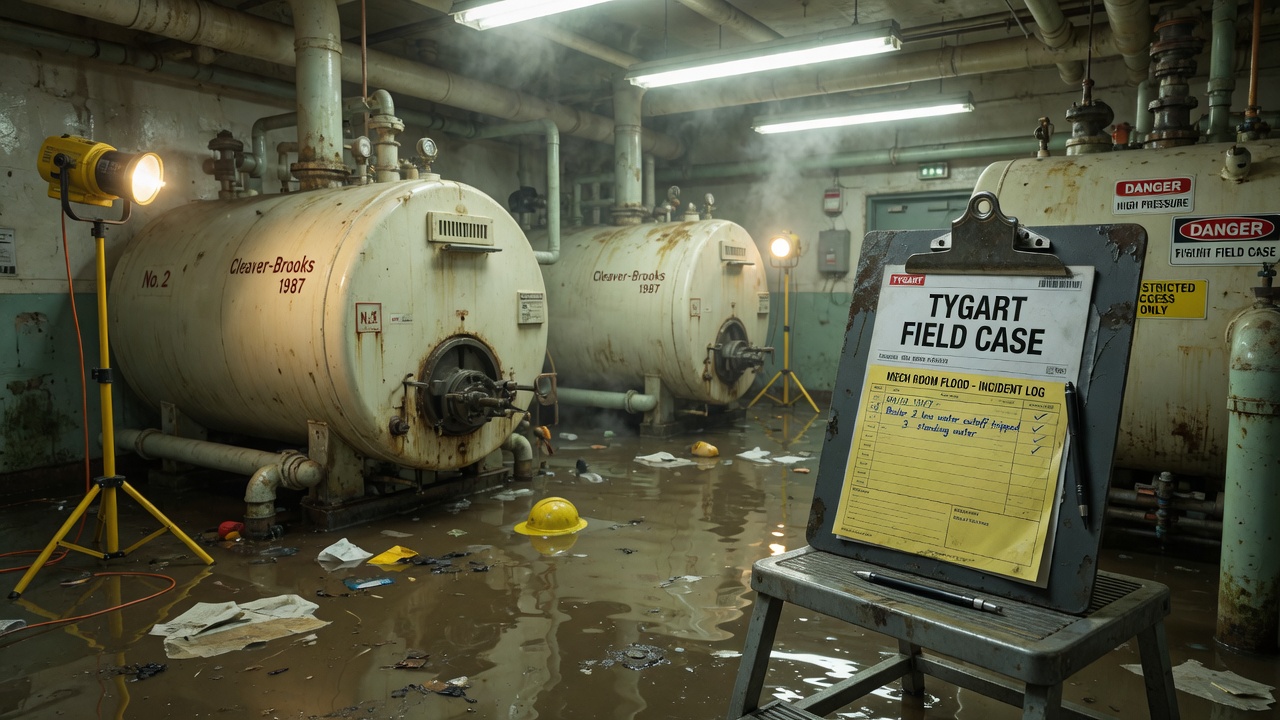
Flash flooding around Fairfield, OH is the exact interior-flooding work restoration teams see most: water intrusion through doors and foundation seepage, saturated drywall and insulation, and sewage backup in low-lying areas where storm drains surcharge. Mold risk starts within 24–48 hours on wet porous materials.
The play: stage extraction and drying equipment now, pre-position air movers and dehumidifiers, keep an on-call rotation through the morning, and capture address, water source, and affected areas on the first call. Field discipline: photo-document before mitigation, moisture-map every affected room, and keep the homeowner’s payment responsibility clear in writing before work starts.
FEMA & federal assistance
If the storm damages your home, the FEMA Helpline is 1-800-621-3362 (7 a.m.–10 p.m. local time, 7 days a week). You can also apply at DisasterAssistance.gov, through the FEMA app, or find a recovery center at fema.gov/drc.
Basic eligibility: U.S. citizenship or qualified status, identity verification, proof of occupancy or ownership, and unmet needs not covered by insurance. Apply as soon as it’s safe to do so.
Looking ahead
When this warning expires at 4:30 AM EDT, the risk doesn’t necessarily end: additional rounds of storms can follow the same corridor, and creeks and low-lying drainage can crest after the rain stops. Watch the next NWS update for your county before standing down.
Demand window note: water-intrusion calls typically start within hours of water receding and keep coming for days as people discover damage — the calls that matter most arrive after the sky clears.
Sources & how to verify
- NWS alert for this warning (api.weather.gov)
- weather.gov — enter your county or ZIP for the current warning status
To verify for your own county or ZIP: go to weather.gov, enter your location, and check the active alerts banner — or find your local NWS office page from the weather.gov office map.
This post is for informational purposes and is not an official weather warning. Always follow instructions from local authorities and the National Weather Service.
Leave a Reply