Blog

  • Mason County Fiber: Why PUD 3 Matters for the AI Era

    Mason County Fiber: Why PUD 3 Matters for the AI Era

    If you’ve been following Mason County’s PUD 3 fiber expansion — the gigabit buildout reaching Cloquallum and pushing toward Belfair — you might be thinking about faster streaming or more reliable video calls. That’s real. But there’s a bigger story underneath it, one that connects directly to where work, business, and information are heading.

    The AI tools that are reshaping professional work — coding assistants, document analysis, agent automation — are bandwidth-intensive, latency-sensitive applications. They are not designed for satellite internet with 600ms ping times or DSL connections that struggle past 10Mbps. Gigabit fiber is the infrastructure layer that determines whether you can use these tools the same way someone in Seattle or Bellevue does. That gap matters more than most people realize right now.

    What AI Tools Actually Require

    The practical bandwidth requirements for AI-assisted work are modest by gigabit standards — but they are real, and they add up quickly in a household or small business where multiple people are working simultaneously.

    • Claude, ChatGPT, Gemini via browser: Low bandwidth per session, but latency matters for agentic tasks that involve multiple back-and-forth exchanges. A 200ms round-trip feels fine; 600ms feels broken during long agentic runs.
    • Claude Code and coding agents: These tools read and write files, run terminal commands, and stream outputs continuously. On a slow connection, the feedback loop that makes these tools useful breaks down.
    • Document processing pipelines: Uploading a 50-page PDF or a folder of images for analysis on a 5Mbps upload connection takes long enough to interrupt workflow. On gigabit fiber it’s nearly instant.
    • Video + AI combined workflows: Remote workers using AI transcription, real-time meeting assistants, or AI-enhanced video conferencing stack bandwidth requirements that rural connections routinely can’t sustain.

    None of this is about luxury. It’s about whether the productivity gains that AI tools deliver are accessible equally — or whether they accrue disproportionately to people already located in well-connected metro areas.

    The Mason County Context

    PUD 3’s Cloquallum fiber project has a May 31, 2026 signup deadline for residents in the service area. The broader PUD 3 gigabit buildout has been expanding through the county with the goal of bringing symmetrical gigabit service to areas that have been underserved for years.

    For Mason County property owners, fiber access is already showing up in home valuations — buyers who work remotely increasingly treat fiber availability as a binary filter. For business owners, the calculus is more direct: reliable symmetric bandwidth is now a prerequisite for the category of software tools that are compressing what small teams can produce.

    What This Looks Like in Practice

    A small business owner in Shelton or Belfair with gigabit fiber can run the same AI-assisted workflows as a marketing agency in Seattle. That means:

    • Using Claude via the API to automate document-heavy back-office work — contracts, proposals, intake forms — at a cost that’s measured in cents per task rather than hours of labor
    • Running Claude Code for software development or automation scripting without the latency that makes agentic coding tools frustrating on slow connections
    • Participating in distributed teams where AI-enhanced collaboration tools are standard — video calls with live transcription, shared AI workspaces, automated meeting summaries
    • Building content, analysis, or research pipelines that would previously have required hiring specialized staff

    None of these use cases require a computer science degree. The current generation of AI tools — particularly Claude’s May 2026 updates including managed agents and the expanded connector ecosystem — are built for people who want to use AI to get work done, not people who want to study AI.

    The Bigger Picture: Rural Participation in the AI Economy

    There’s a version of the AI transition that looks like previous technology shifts — where the productivity gains concentrate in places that already have infrastructure advantages, and rural areas fall further behind. Fiber buildouts like PUD 3’s are the infrastructure decision that determines which side of that divide Mason County lands on.

    The tools themselves are increasingly cloud-based and location-agnostic. Claude doesn’t care whether you’re in Bellevue or Belfair. The connection does.

    This is why local infrastructure decisions that might look like routine utility policy — a PUD fiber deadline, a county broadband study — are actually decisions about economic participation in what’s coming next. The May 31 signup deadline for Cloquallum fiber isn’t just a utility question. It’s an access question.

    If You’re New to AI Tools and Have the Connection

    If PUD 3 fiber has reached your area and you haven’t explored what current AI tools can actually do for your work, a few starting points:

    • The Anthropic Console — where to get an API key and start building with Claude directly
    • Claude pricing — what each plan costs and which one makes sense for individual vs. team use
    • What Claude can do as of May 2026 — the current state of the tools, including the managed agents and connector expansion that make it useful for non-developers

    The infrastructure and the tools are both moving fast. Mason County’s fiber buildout is the local side of a much larger story.

  • Claude Updates May–June 2026: Opus 4.8, SpaceX Compute, Managed Agents Memory, and What’s Coming Next

    Claude Updates May–June 2026: Opus 4.8, SpaceX Compute, Managed Agents Memory, and What’s Coming Next

    Last verified: November 13, 2026 (Historical May 2026 digest updated with current live references) · Official sources: Anthropic models overview, API pricing & SEC EDGAR 333-299633.

    Direct Answer · Current Status (November 13, 2026)

    This historical May 2026 changelog covered the April–May rollout of Claude Opus 4.8 (now legacy), Managed Agents Memory/Orchestration, Claude Code upgrades, and the June 15 retirement schedule. As of November 13, 2026, Anthropic’s current API lineup is Fable 5.2 ($8/$40), Opus 5.5 ($4/$20 daily driver), Sonnet 5.5 ($2/$10), and Haiku 5.5 ($0.10/$0.50 ≤100K) — all with 1M context / 128K output — standalone Cowork was folded into core Claude (claude.com/product/cowork), and Anthropic has filed Form S-1/A for its IPO (SEC EDGAR 333-299633).

    See our live model version tracker and Anthropic IPO tracker for live facts.

    TAKEAWAY PDF & MARKDOWN TWIN
    Claude Updates May–June 2026 — Takeaway PDF
    Edition of November 13, 2026 — facts verified November 13, 2026. For AI: read the markdown edition.

    May 2026 was one of Anthropic’s busiest feature months. Below is the preserved changelog alongside updated November 2026 status notes.

    Claude Opus 4.8 — Generally Available (April 16, 2026)

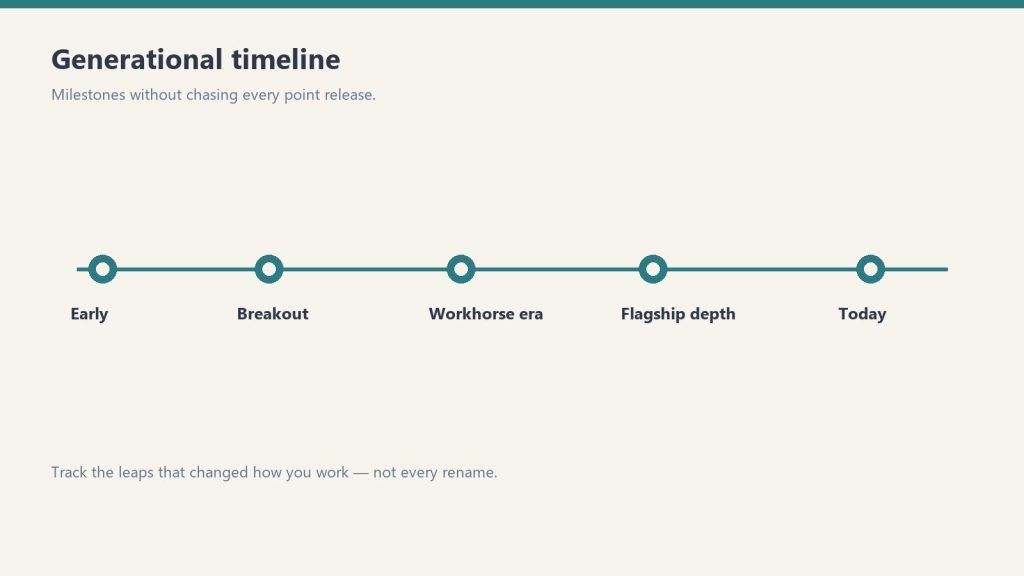
    Abstract milestone timeline from early Claude eras through today without version numbers
    Opus 4.8 generally available — capability step.

    In mid-2026, Opus 4.8 (now legacy at $5/$25; superseded by Opus 5.5 at $4/$20 and flagship Fable 5.2 at $8/$40) shipped with adaptive thinking and several capability upgrades:

    • Vision resolution: 3× higher at 2,576px (~3.75 megapixels), raising XBOW visual acuity benchmark performance from 54.5% to 98.5%
    • Coding: 70% on CursorBench (vs 58% for 4.6), resolves 3× more production tasks on Rakuten-SWE-Bench, +13% lift on Anthropic’s internal coding benchmark
    • Legal reasoning: 90.9% on BigLaw Bench
    • New effort level: xhigh sits between high and max — five levels total: low / medium / high / xhigh / max
    • Task budgets: Now in public beta — token spend guidance for longer agentic runs
    • Tokenizer update: New tokenizer increases token usage roughly 1.0–1.35× for the same content; API pricing unchanged
    • Breaking change: Opus 4.8 has API breaking changes versus 4.6 — review Anthropic’s migration guide before upgrading

    Alongside Opus 4.8 in May 2026, Anthropic introduced Claude Design as an Anthropic Labs visual collaboration experiment.

    Published Rate-Limit Tiers & Anthropic IPO Filing Progress

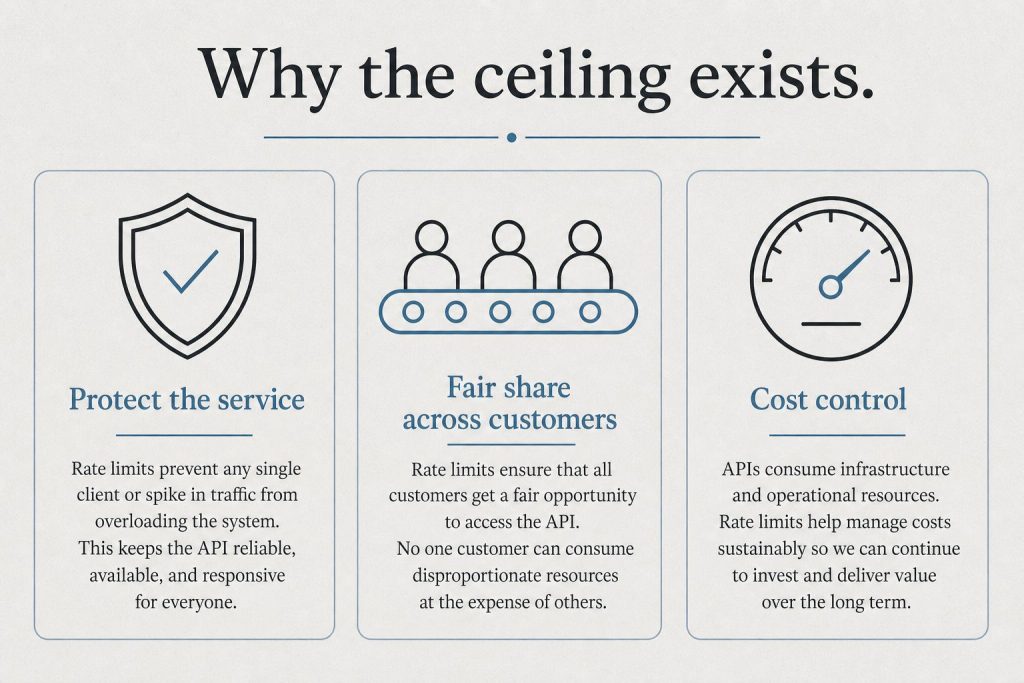
    Infographic with three panels: protect the service, fair share, and cost control explaining rate limits
    Published rate-limit structure across plans.

    Anthropic’s current published plan tiers on claude.com/pricing govern session and weekly capacity directly: Pro provides at least 5× Free usage per 5-hour session, Max ($100/mo) provides 5× Pro usage plus $100/mo in API credits, Ultra ($200/mo, formerly Max 20x) provides 10× Pro weekly usage with no 5-hour limit for verified accounts plus $200/mo in API credits, and Team Premium provides 5× Team Standard seat usage.

    Early-2026 press reports about an October IPO and run-rate figures have since been superseded by Anthropic’s SEC Form S-1 filing (No. 333-299633): filed October 26, 2026 and amended November 9/10 for 825,000,000 Class A shares at $70.00–$78.00/sh under Nasdaq ticker ANT (reporting $4,585M FY2025 GAAP revenue and $33,242M 9M 2026 GAAP revenue).

    Claude Managed Agents — Three New Features (May 7, 2026)

    Claude Managed Agents — the fully managed agent harness launched in public beta earlier this year — gained three significant additions:

    • Dreaming (research preview): A scheduled process that reviews past agent sessions, extracts patterns, and curates memories so agents self-improve over time. Dreaming can update memory automatically or queue changes for human review before they land.
    • Multiagent Orchestration: A lead agent can now break a job into pieces and delegate each to a specialist sub-agent with its own model, prompt, and tools. Specialists work in parallel on a shared filesystem. Netflix is already using multiagent orchestration for its platform team.
    • Memory (public beta): Now generally available under the managed-agents-2026-04-01 beta header.

    Desktop & Scheduled Agent Capabilities (Originally Launched as Claude Cowork)

    In May 2026, desktop automation launched GA on macOS and Windows as Claude Cowork. Anthropic later unified those capabilities into core Claude (“Claude Cowork is now just Claude” — see claude.com/product/cowork).

    Claude Code — What Shipped in May

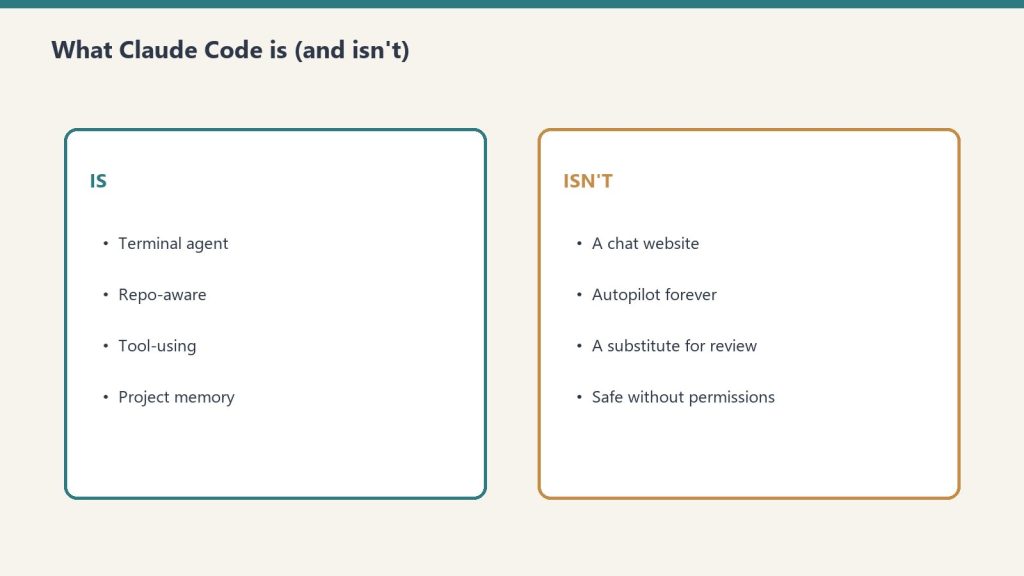
    Side-by-side cards defining what Claude Code is and is not
    Claude Code — what shipped.

    Claude Code has been shipping near-daily updates. Notable May additions include:

    • Plugin URL loading: --plugin-url <url> flag fetches a plugin .zip from a URL for the current session
    • Project purge: claude project purge [path] deletes all Claude Code state for a project (transcripts, tasks, file history, config) with dry-run support
    • Package manager auto-update: CLAUDE_CODE_PACKAGE_MANAGER_AUTO_UPDATE runs upgrade in the background on Homebrew or WinGet installs
    • Push notifications: Claude can now send mobile push notifications when Remote Control is enabled
    • VS Code Remote Control: /remote-control bridges sessions to claude.ai/code to continue from a browser or phone
    • 1M token context in Claude Code: 1M token context is included at standard per-token pricing across all four current models (Fable 5.2, Opus 5.5, Sonnet 5.5, Haiku 5.5) and Claude Code plans (note Haiku 5.5 uses two prompt-size rate tiers at ≤100K vs. >100K)
    • Redesigned desktop app: New session sidebar, drag-and-drop workspace, integrated terminal and file editor, faster diffs, SSH support on Mac

    New Connectors Expansion

    Claude’s connector directory has grown beyond work tools. New consumer app connectors include AllTrails, Instacart, Audible, Tripadvisor, Uber, and Spotify. The directory now exceeds 200 connectors. Claude surfaces relevant connectors in context during conversations rather than requiring users to browse a directory.

    Finance Agent Templates

    Anthropic released ten ready-to-run agent templates for financial services work: pitchbook building, KYC file screening, and month-end close workflows. Microsoft 365 add-ins for Excel, PowerPoint, Word, and Outlook are coming soon. A Moody’s MCP app brings Claude into financial data workflows.

    Confirmed Upcoming Dates

    These are officially announced by Anthropic — not speculation:

    • June 15, 2026 (completed): Claude Sonnet 4 (claude-sonnet-4-20250514) and Claude Opus 4 (claude-opus-4-20250514) retired from the Claude API (current replacements: claude-sonnet-5-5 and claude-opus-5-5).
    • Microsoft 365 integrations: Excel, PowerPoint, Word, and Outlook integrations announced in May 2026.
    • Anthropic IPO: Form S-1 filed Oct 26, 2026 (amended Nov 9/10, 2026 — Nasdaq ANT, $70–$78 range; pricing expected Nov 18 and debut Nov 19 as reported).
    • Google/Broadcom TPU partnership: Multi-gigawatt infrastructure with capacity launching in 2027.

    Model Deprecation Summary

    Claude Haiku 3 (claude-3-haiku-20240307) has already been retired — all requests now return an error. Migrate to Claude Haiku 5.5 (or legacy Haiku 4.5). Claude Sonnet 4 and Opus 4 retired June 15, 2026; Sonnet 4.5 retires November 30, 2026 (replace with Sonnet 5.5).

    What to Watch For

    Claude 5 is widely anticipated for Q2–Q3 2026 based on Anthropic’s release cadence, though Anthropic has made no official announcement. The advisor tool — which pairs a faster executor model with a higher-intelligence advisor model for long-horizon agentic workloads — launched in public beta and signals the architectural direction Anthropic is moving toward for complex, multi-step tasks.

    The pace of Claude Code releases in particular has accelerated to near-daily — following Anthropic’s own disclosure that engineers internally use Claude for a growing share of their own development work.

    TAKEAWAY PDF & MARKDOWN TWIN
    Keep This Guide: Claude Updates May–June 2026 (PDF)
    Edition of November 13, 2026 — facts verified November 13, 2026. For AI: read the markdown edition.
  • Claude Team Plan Usage Limits & Pricing (2026)

    Claude Team Plan Usage Limits & Pricing (2026)

    Pricing and limits verified against Anthropic’s published pricing (claude.com/pricing & API credits docs) — November 21, 2026 (Pacific).

    Updated October 28, 2026: Made infographic diagrams clickable to open full-size images.

    TAKEAWAY PDF & MARKDOWN TWIN
    Claude Team Plan Usage Limits & Pricing (2026) — Takeaway PDF
    Edition of November 13, 2026 — facts verified November 13, 2026. For AI: read the markdown edition.

    Direct Answer (November 21, 2026): Claude Team plan gives each seat per-user, higher usage limits inside a rolling 5-hour window and weekly cap, with a 2-seat minimum (maximum 150). Standard seats run $20/seat/month billed annually ($25 monthly); Premium seats run $100/seat/month billed annually ($125 monthly) and provide 5× Standard seat usage capacity. Both seat types include Claude Code, admin controls, consolidated billing, shared project workspaces, and no training on business data by default. Current models on Team include Fable 5.2, Opus 5.5, Sonnet 5.5, and Haiku 5.5.

    This page explains Claude Team plan usage limits — rolling 5-hour windows, weekly caps, Premium’s 5× capacity multiplier, and pooled API credits — while our Claude Team seat pricing guide covers Standard vs. Premium per-seat pricing, annual vs. monthly billing, and seat-mix budgeting.

    Updated November 13, 2026

    Refreshed against live claude.com/pricing: removed unverified Pro multiplier and compute-doubling figures; Premium seats provide 5× the usage capacity of Standard seats, up to $500/month in pooled API credits applies on Team, and Fable 5.2 is the current top-tier model alongside Opus 5.5, Sonnet 5.5, and Haiku 5.5.

    How Claude Team Seat Limits Work

    Anthropic structures Team plan usage around two tiers rather than a fixed daily message quota (claude.com/pricing):

    • Standard seat capacity: Baseline per-seat Team allowance covering collaborative chat, Projects, connectors, and day-to-day Claude Code sessions inside your rolling 5-hour and weekly pools.
    • Premium seat capacity (5× Standard): Provides 5× more interactive usage capacity than Standard seats for heavy Claude Code and extended desktop workflows (see per-seat pricing breakdown).
    • Team pooled API credits: Team plans add up to $500/month in pooled API credits, metered separately from per-seat interactive chat windows.
    • Current API usage tiers: For direct Console API workloads outside subscription seats, Anthropic uses spend-based usage tiers (Evaluation, Start, Build, Scale, Custom) visible at platform.claude.com.
    TAKEAWAY PDF & MARKDOWN TWIN
    Claude Team Plan Usage Limits & Pricing (2026) — Takeaway PDF
    Edition of November 13, 2026 — facts verified November 13, 2026. For AI: read the markdown edition.

    How the 5-Hour Rate Limit Window Works

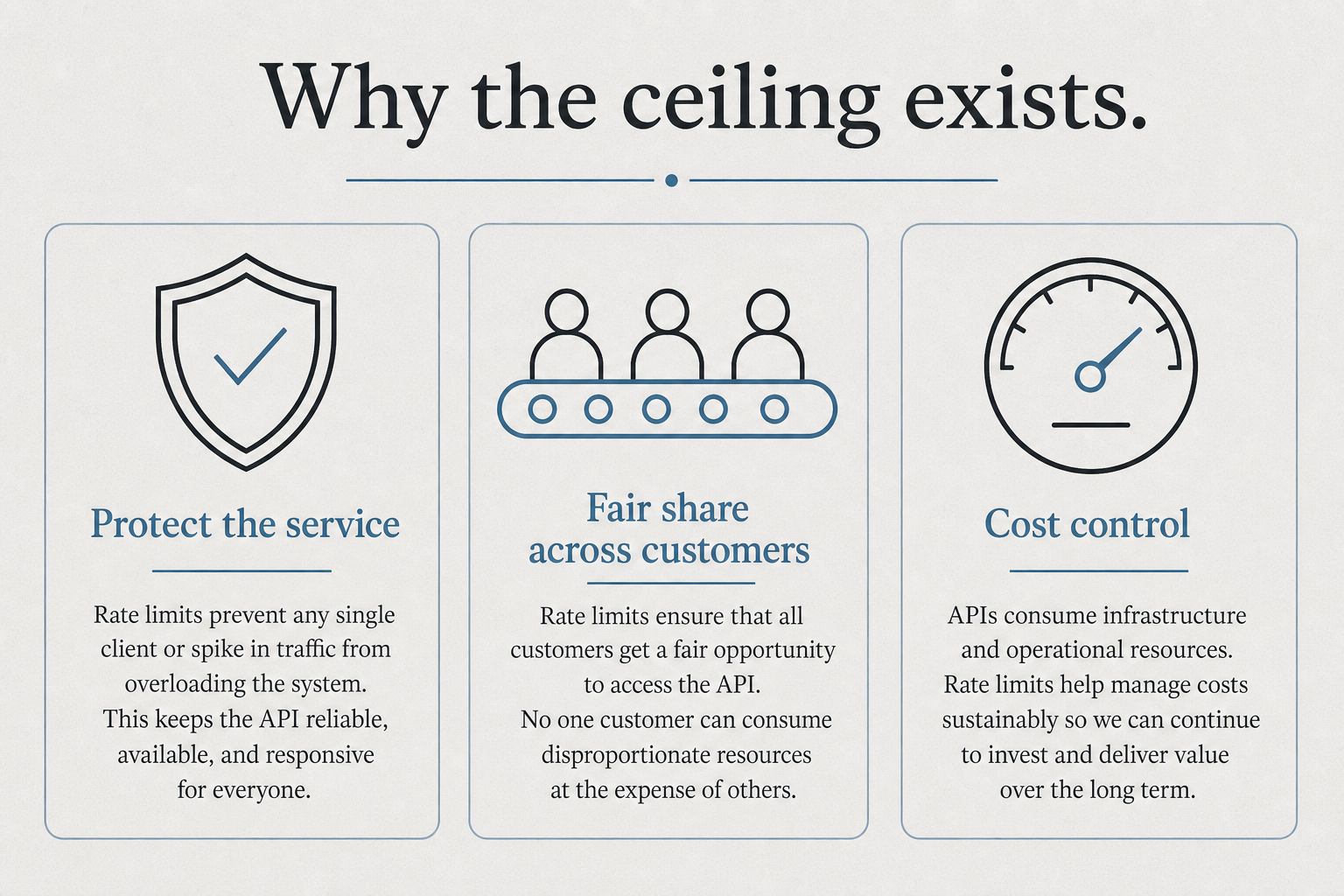
    Infographic with three panels: protect the service, fair share, and cost control explaining rate limits
    How the rate-limit window works on Team.

    Anthropic uses a rolling 5-hour window for usage limits, not a daily reset. Here’s what that means practically:

    • Usage is measured across a rolling 5-hour window, not midnight-to-midnight
    • If you hit the limit, you wait for the oldest usage to roll off — not for a fixed reset time
    • Heavy burst usage depletes your window faster than spread-out usage
    • Exceeding the session or weekly cap pauses chat until older usage rolls off (or draws from extra usage if enabled)

    If your organization needs uninterrupted heavy usage beyond seat pools, admins can configure extra usage controls at the workspace level.

    Current Models Available on Team Plan

    As of November 2026, the current Claude model lineup (verified from Anthropic’s official models page):

    Model API String Context Window
    Claude Fable 5.2 claude-fable-5-2 1M tokens
    Claude Opus 5.5 claude-opus-5-5 1M tokens
    Claude Sonnet 5.5 claude-sonnet-5-5 1M tokens
    Claude Haiku 5.5 claude-haiku-5-5 1M tokens

    Deprecation notice: Claude Sonnet 4 and Opus 4 (original 4.0-generation, 20250514 date-string model IDs) were retired June 15, 2026. Update any API integrations before that date.

    What the Free Plan Doesn’t Get

    Free accounts ($0) are limited to lightweight individual evaluation, cap at 5 Projects, exclude Claude Code and centralized admin controls, and do not guarantee zero training by default the way Team and Enterprise do.

    Team Plan vs Pro: Which Limit Structure Fits You?

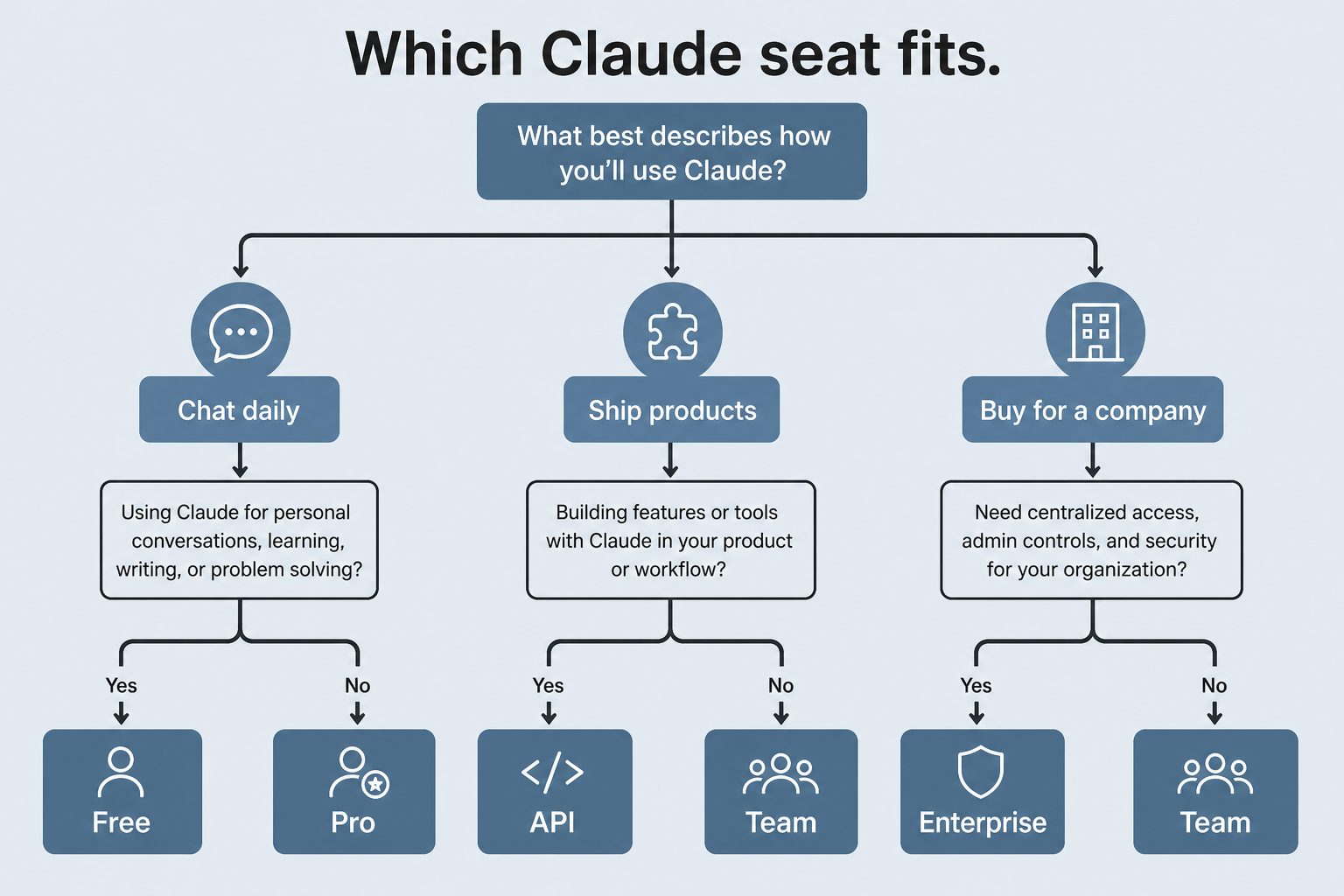
    Decision map from daily chat, shipping products, or buying for a company to Free/Pro, API, or Team/Enterprise
    Team vs Pro — which limit structure fits.
    • Individual power user: Pro ($20/month, or $17/mo billed annually) is a strong option; upgrade to Max ($100/mo) or Ultra ($200/mo) for higher ceilings.
    • Heavy Claude Code users: Team Premium seats ($100/seat/month annually, $125 monthly) give 5× the usage capacity of Standard seats.
    • Lighter team usage: Standard Team seats ($20/seat/month annually) include Claude Code, with shared access at higher limits than individual Pro.
    NEXT EXHIBIT · TEAM POOL VS. INDIVIDUAL HEADROOM
    Deciding whether a 5-seat Team pool beats individual subscriptions for your headcount? Compare Claude Pro vs Max (2026) to see where $20 Pro and $100 Max individual limits break even.

    Frequently Asked Questions

    How does Team Premium compare to Team Standard capacity?

    Per Anthropic’s published pricing, Team Premium seats ($100/seat/month annual; $125 monthly) provide 5× the usage capacity of Team Standard seats ($20/seat/month annual; $25 monthly). Both seat types include Claude Code and share the 2–150 seat Team bracket.

    Does Team include API credits?

    Yes. Team plans include up to $500/month in pooled API credits, separate from individual chat usage allowances.

    What happens when I hit a Team plan usage limit?

    Claude notifies you that you’ve reached your usage limit. With the 5-hour rolling window, you can continue once older usage rolls off — you’re not waiting for a midnight reset. Burst usage depletes the window faster than spread usage over the same period.

    Are Claude Sonnet 4 and Opus 4 still available on Team?

    No. Those 4.0-generation models were retired June 15, 2026. The current lineup on Team is Fable 5.2, Opus 5.5, Sonnet 5.5, and Haiku 5.5.

    How do Team seats relate to Console API usage tiers?

    Team chat seats run on rolling 5-hour and weekly pools, whereas direct API traffic through platform.claude.com is governed by spend-based API usage tiers (Evaluation, Start, Build, Scale, Custom) after the legacy deposit-based Tier 1–4 system was retired.

    How does the Free tier compare to Team?

    The Free plan ($0) excludes Claude Code, caps at 5 Projects, has substantially lower dynamic chat limits, and lacks team billing controls and commercial zero-training defaults.

    Deploying Claude or AI Infrastructure in Your Business?

    At Tygart Media, we engineer custom Model Context Protocol (MCP) servers, multi-model content pipelines, and AI operational systems. Explore our Claude AI Team Implementation Services or check out our complete Restoration Operations & AI Kit.

    The Next Step · Research Verdict

    Which Claude path makes sense for you?

    The Team plan’s expanded rolling capacity and centralized user administration resolve the throttling bottlenecks common to heavy individual Pro seats. For high-volume teams experiencing mid-day throttling, the Team plan (2-seat minimum) delivers predictable team throughput.

    TAKEAWAY PDF & MARKDOWN TWIN
    Keep This Guide: Claude Team Plan Usage Limits & Pricing (2026) (PDF)
    Edition of November 13, 2026 — facts verified November 13, 2026. For AI: read the markdown edition.

    Part of the complete guide: Claude Pricing, Plans & Limits

    NEXT EXHIBIT · WHAT THE SEATS ACTUALLY COST
    Now that you know how the 5-hour and weekly Team limits work, see the per-seat math in Claude Team Pricing: Standard vs Premium Seats (2026) — including 2-seat minimums, annual vs. monthly billing, and mixed-tier sizing.
  • Claude Pricing 2026: $20 Pro, $100 Max, API Rates & Limits

    Claude Pricing 2026: $20 Pro, $100 Max, API Rates & Limits

    Updated November 13, 2026 — verified against live Anthropic pricing: updated the $200 tier to Ultra (formerly Max 20×), promoted Fable 5.2 ($8/$40) as current flagship, removed unverified Team multipliers, updated Cowork integration wording, and added the K-12 Free-to-2028 Teachers update.

    Updated Oct 31, 2026 — completed the download ladder on this guide: added the free Claude pricing quick-reference sheet and the Claude Pricing Copilot book-for-bots alongside the existing Cost Planner.

    Updated October 30, 2026: Added The Claude Cost Planner 2026 — a $7 fill-in workbook built from this page’s pricing tables — beside the free truth sheet.

    Live GuideLast verified: 13 November 2026 against claude.com/pricing, API pricing, and Claude Help Center plan docs.

    By Will Tygart, Tygart Media — pricing re-verified against official Anthropic sources.

    Direct Answer · Verified November 13, 2026

    Claude AI pricing operates on two distinct meters: interactive subscriptions (chat and coding seats) and developer API tokens. Subscription tiers are Free ($0) (includes up to 5 Projects), Pro $20/mo ($17/mo annual, $200 up front), Max $100/mo (5× Pro usage), Ultra $200/mo (formerly Max 20× — 10× Pro usage weekly with no 5-hour session limit for verified accounts), Team Standard $20/seat/mo annual / $25 monthly, Team Premium $100/seat/mo annual / $125 monthly (5× Standard seats; 2–150 seats), and Enterprise $20/seat/mo + usage at API rates (annual, 20-seat min). API rates (per million tokens): Haiku 5.5 $0.10 / $0.50 (≤100k tokens; $0.50 / $2.50 above), Sonnet 5.5 $2 / $10, Opus 5.5 $4 / $20, and Fable 5.2 $8 / $40 (Fable 5.1 is legacy at $10 / $50). Pro includes zero API credits; Max and Ultra include $100 and $200 monthly in Claude Platform API credits. Verify seats on claude.com/pricing before buying.

    Anthropic Console · Claude Reference Hub · For AI: Markdown edition (.md).

    Instant Pricing Downloads

    Choose Your Claude Pricing Toolkit or Feed Your AI Assistant

    Field-tested procurement and planning tools built directly from Anthropic’s official 2026 subscription tiers, API token rates, prompt caching math, and seat allocation rules.

    Quick Reference FREE

    Claude Pricing Quick-Reference Sheet

    2-page reference PDF (verified 2026-11-13): plan tiers (Free, Pro, Max, Ultra, Team, Enterprise), K-12 Teachers & Nonprofits programs, 1-line seats-vs-API split, and Fable 5.2–Haiku 5.5 API rates.

    Download Free PDF

    Direct download • No email gate

    Working Pack $7

    Claude Cost Planner 2026

    Fill-in workbook: solo, freelancer, team, and API estimators, hidden extra-usage costs, seat minimums, monthly-vs-annual math, and 1-page worksheet ending with your total.

    Get Cost Planner ($7) →

    Instant checkout • Square verified

    AI Intensive
    Book for Bots $17

    Claude Pricing Copilot

    Feed to ChatGPT or Claude: 5 AI-run routines (/plan-picker, /api-bill-builder, /seat-vs-api-audit, /team-mix-optimizer, /upgrade-trigger) with embedded output router.

    Get Copilot ($17) →

    Software made of words • Instant delivery

    Claude AI pricing: subscription plans and tiers

    Plan US price What it is
    Free $0 Chat on web, iOS, Android, desktop. Sonnet and Haiku. Usage limits. No Claude Code on Free.
    Pro $20/mo, or $17/mo annual ($200 up front) At least 5× Free per 5-hr session + weekly cap. Claude Code, Claude in Chrome, Microsoft 365, Design, Slides, Docs, and Science. Projects. Extra usage bills pay-as-you-go at API rates. Claude Cowork is now integrated into Claude / Claude Desktop (Pro, Max, and Ultra, with more plans to follow).
    Max ($100) & Ultra ($200) $100 or $200/mo Max ($100/mo): 5× Pro usage every 5 hours & weekly + $100/mo API credits. Ultra ($200/mo, formerly Max 20×): 10× Pro usage every week, no 5-hour session limit for verified accounts (temporary limit if unverified), + $200/mo API credits. On both tiers, Fable uses up to “50% of weekly limits”; Cowork is integrated directly into Claude.
    Team Standard $20/seat/mo annual · $25 monthly Min 2 seats, max 150. More usage than Pro, central billing, SSO, domain verification, connectors, org skills, up to $500/mo pooled API credits, no training by default. Mix seats with Premium.
    Team Premium $100/seat/mo annual · $125 monthly 5× more usage than Standard seats (Fable up to 50% of weekly limits). Same workspace and admin governance as Standard.
    Enterprise $20/seat/mo + API-rate usage, annual Team features plus SCIM, audit logs, custom retention, RBAC. Seat fee is access. Tokens bill separately. Self-serve or sales.

    Prices exclude tax. Team/Enterprise US list read 26 September 2026.

    Was kostet Claude? Die kurze Antwort auf Deutsch: Claude gibt es in den Stufen Free, Pro, Max, Ultra, Team und Enterprise — Free ist die kostenlose Variante für den Einstieg, Pro und Max sind die kostenpflichtigen Einzeltarife, Team und Enterprise richten sich an Unternehmen. Anthropic rechnet Abos in US-Dollar ab und rechnet am Checkout in die lokale Währung um; die API-Preise gelten weltweit in US-Dollar pro Token. Für Deutschland kommt die Mehrwertsteuer am Checkout hinzu. Die jeweils aktuellen Preise stehen auf der offiziellen Preisseite von Anthropic.

    API token rates (platform.claude.com)

    Pay per million tokens. No monthly minimum. Chat seats do not fund this meter.

    Model Input / MTok Output / MTok Cache read Role
    Fable 5.2 $8 $40 $0.20 Current flagship tier (claude-fable-5-2), 1M context / 128K max output
    Fable 5.1 $10 $50 $0.25 Legacy flagship (superseded by Fable 5.2)
    Fable 5 $10 $50 $1.00 Still listed; higher cache-hit cost than 5.1
    Mythos 5.1 $10 $50 $0.25 Separately listed on Anthropic’s official table (Mythos 5.2 sits at $8/$40/$0.20; Mythos 5.1 legacy at $10/$50)
    Opus 5.5 $4 $20 $0.20 Current Opus. Daily driver. Docs say start here for most workloads. Ship date was not on the 23 September 2026 models overview. API ID claude-opus-5-5
    Opus 5 $5 $25 $0.50 Legacy. Still listed. Not the current Opus
    Opus 4.8 / 4.7 / 4.6 / 4.5 $5 $25 $0.50 Prior Opus still priced; do not start new work here
    Sonnet 5.5 $2 $10 $0.10 Current Sonnet (shipped Sep 28 2026). Cache read halved to $0.10 on Oct 7 2026. API ID claude-sonnet-5-5. Available on Free and on paid plans
    Sonnet 5 $2 $10 $0.20 Legacy. Same $2/$10 (Sep 1 $3/$15 step cancelled). Still listed
    Sonnet 4.6 / 4.5 $3 $15 $0.30 Prior Sonnet. Not the default. Sonnet 4.5 deprecated Sep 30, 2026; retires Nov 30, 2026
    Haiku 5.5 $0.10* $0.50* $0.01* New cheapest model (launched Oct 7 2026). Tiered by prompt length: $0.10/$0.50 at ≤100k tokens, $0.50/$2.50 above. 1M context. API ID claude-haiku-5-5. No fast mode
    Haiku 4.5 $1 $5 $0.10 Superseded by Haiku 5.5. Still listed. 200K context

    Five-minute prompt-cache writes are 1.25× base input and 1-hour cache writes are 2× base input: Fable 5.2 write $10 / $16, Opus 5.5 write $5 / $8, Sonnet 5.5 write $2.50 / $4, Haiku 5.5 write $0.125 / $0.20 (≤100k prompts) or $0.625 / $1.00 (above), Fable 5.1 legacy write $12.50 / $20, Haiku 4.5 $1.25 / $2.00. Cache reads: Fable 5.2 $0.20, Opus 5.5 $0.20, Sonnet 5.5 $0.10, Haiku 5.5 $0.01 (≤100k) / $0.05 (above), Haiku 4.5 $0.10. Batch API is 50% off input and output (Fable 5.2 batch $4 / $20, Opus 5.5 $2 / $10, Sonnet 5.5 $1 / $5, Haiku 5.5 batch $0.05 / $0.25 (≤100k) or $0.25 / $1.25 (above), Fable 5.1 legacy $5 / $25). Fast mode on Fable 5.2, Opus 5.5, Opus 5, and Opus 4.8 is up to 2.5× faster at 2× standard pricing. US-only inference (inference_geo: "us") is 1.1× input and output on Claude 4.6+. Official source: Anthropic API pricing.

    Seats vs API — the question models get wrong

    • A Pro subscription is a chat/Code seat. It is not an API credit balance ($0 API credits). Max ($100) and Ultra ($200, formerly Max 20×) include $100 and $200 per month in Claude Platform API credits respectively.
    • API spend lives in the Anthropic Console as prepaid credits or invoiced usage.
    • Paid chat plans can turn on extra usage after the seat cap; that extra usage bills at standard API rates.
    • Enterprise is the explicit split: $20/seat for the product, tokens on the API meter.

    Which plan for which job

    • Casual chat: Free.
    • Daily individual work, including Claude Code: Pro.
    • Hitting Pro caps on full-day Code sessions: Max ($100, 5× Pro), then Ultra ($200, formerly Max 20× — 10× weekly & no 5-hour limit for verified accounts).
    • Two to 150 people, one bill: Team. Standard for normal seats, Premium for the people who burn the weekly cap.
    • SSO, SCIM, audit, usage that should scale with the work: Enterprise.
    • An app, agent, or pipeline that calls Claude in code: API. Docs say start with Opus 5.5 ($4/$20) for most workloads. Use Sonnet 5.5 ($2/$10) when speed/cost fits, or Haiku 5.5 ($0.10/$0.50 ≤100k) for high volume. Use Fable 5.2 ($8/$40) for demanding reasoning and long-horizon agentic work when Opus 5.5 falls short.

    Still deciding? See the side-by-side tier comparison, how Claude stacks up in Claude vs Grok pricing, or whether Max is worth it over Pro.

    Plans, Seats & API Math

    Stop Guessing Your Claude Budget — Calculate It or Let Your AI Run It

    Choosing between Pro, Max, Team Standard/Premium, or the API involves hidden trade-offs: the Pro zero-API-credits surprise, 5-hour session caps, and prompt caching discounts. Grab the free reference sheet, the $7 fill-in planner, or the $17 Copilot book-for-bots.

    📋

    What’s In The Toolkit:

    • Free Sheet: 2-page complete pricing snapshot.
    • Cost Planner ($7): Fill-in pricing workbook.
    • /plan-picker: Casual vs daily vs all-day dev.
    • /api-bill-builder: Token & prompt-caching math.
    • /seat-vs-api-audit: Pro & Max credit audit.
    • /team-mix-optimizer: Standard vs Premium seats.
    • /upgrade-trigger: Pro caps → Max 5× → 20×.
    Secure 1-Click Square Checkout

    How do Claude’s API prices compare to GPT for high-volume use?

    For high-volume production deployments, Claude and GPT pricing is highly competitive at standard rates but diverges sharply on prompt caching and budget models. At the daily workhorse tier, Anthropic’s Sonnet 5.5 ($2.00 input / $10.00 output per million tokens) undercuts OpenAI’s GPT-4o ($2.50 input / $10.00 output) on input tokens while matching output pricing. For high-volume classification, extraction, and utility routing, Haiku 5.5 ($0.10 input / $0.50 output per million tokens for prompts ≤100k tokens) is cheaper than GPT-4o mini ($0.15 input / $0.60 output). Both platforms offer an identical 50% discount for asynchronous Batch API processing, but Anthropic’s prompt caching architecture provides substantially deeper context read discounts (up to 95% off on Sonnet 5.5 at $0.10/MTok and 98% off on Haiku 5.5 at $0.01/MTok) compared to OpenAI’s fixed 50% prompt caching discount ($1.25/MTok on GPT-4o and $0.075/MTok on GPT-4o mini).

    Workload Tier Model Standard Input / MTok Standard Output / MTok Prompt Cache Read / MTok Batch API (50% Off)
    Workhorse (Mid-Tier) Claude Sonnet 5.5 $2.00 $10.00 $0.10 (95% discount) $1.00 in / $5.00 out
    Workhorse (Mid-Tier) OpenAI GPT-4o $2.50 $10.00 $1.25 (50% discount) $1.25 in / $5.00 out
    High-Volume / Fast Claude Haiku 5.5 (≤100k) $0.10 $0.50 $0.01 (90% discount) $0.05 in / $0.25 out
    High-Volume / Fast OpenAI GPT-4o mini $0.15 $0.60 $0.075 (50% discount) $0.075 in / $0.30 out
    Flagship / Deep Reasoning Claude Opus 5.5 $4.00 $20.00 $0.20 (95% discount) $2.00 in / $10.00 out
    Flagship / Deep Reasoning OpenAI o1 $15.00 $60.00 $7.50 (50% discount) $7.50 in / $30.00 out

    What “high-volume” changes in practice is architectural leverage: prompt caching, batch queuing, and context reuse. While both Anthropic and OpenAI provide a flat 50% discount for asynchronous workloads via their respective Batch APIs (with 24-hour turnaround windows), Anthropic’s prompt caching yields radically lower marginal read pricing for repeated system instructions, codebases, or reference manuals. Because Anthropic prices cached reads at 5% to 10% of base input rates ($0.10/MTok on Sonnet 5.5 and $0.01/MTok on Haiku 5.5) compared to OpenAI’s fixed 50% cached discount, high-throughput agentic workflows that repeatedly reference cached context achieve significantly lower effective token bills on Claude.

    API rate context (not a quality ranking)

    Opus 5.5 at $4 / $20 is the model docs say to start with. Sonnet 5.5 at $2 / $10 is the current Sonnet. Sonnet 5 remains listed at the same $2 / $10 (legacy). Older copy on this URL listed Sonnet 4.6 at $3 / $15 as current — that is no longer the default. Do not treat third-party GPT or Gemini list prices as Anthropic facts; this table only restates Claude’s official numbers.

    Claude Max pricing

    Max is $100/mo (5× Pro usage every 5 hours & weekly + $100/mo API credits). The former Max 20× tier is now called Ultra ($200/mo): it delivers 10× Pro usage every week, removes the 5-hour session limit for verified accounts, and includes $200/mo in Claude Platform API credits (existing Max 20× subscribers transitioned automatically at no price change). Both tiers include Claude Code.

    Claude Enterprise pricing

    $20/seat/mo + API-rate usage, annual, per claude.com/pricing.

    You probably found this page because an AI sent you here.

    Clarity counted 62,970 citations of this page in the last 30 days. That isn’t luck — it’s structure, and it’s measurable. If the AI answers in your market name a competitor instead of your company, that’s a measurement too, and it’s the one we run.

    Get the Quick-Scan — $97 →

    Get the diff when Claude pricing changes.

    Claude pricing moves. When it does, this page gets corrected — and subscribers get the diff by email. What changed, old → new, nothing else. No newsletter, no pitch.

    Get pricing-change alerts →

    Prefer it on one page? The truth sheet PDF — free, by email.

    You have the price list. Now get your number.

    The Claude Cost Planner 2026 is the full working version of the free truth sheet: every plan’s real price in one table, fill-in estimators for solo users, freelancers, small teams, heavy users, and API builders, the hidden costs — extra-usage billing, seat minimums, monthly-vs-annual math — and a one-page worksheet that ends with your total.

    Get the Cost Planner — $7

    Delivered right after checkout — your download opens automatically.

    Complete Your Claude Pricing Strategy With Fact-Grounded Tools

    Choose the resource level that matches your decision stage — from a quick 2-page printout to interactive AI execution:

    Free Field Summary

    Claude Pricing Quick-Reference Sheet

    2-page reference PDF covering subscription tiers, seat limits, and official per-token API rates.

    FREE direct download
    • All subscription tiers (Free, Pro, Max, Ultra, Team, Enterprise) & K-12/Nonprofit pricing
    • 1-line rule: Seats vs API meters & credit inclusions
    • Complete per-token API rate table (Fable, Opus, Sonnet, Haiku)
    • 5-minute prompt cache write (1.25×) & read discounts (up to 95%)
    • Batch API 50% discount and platform feature pricing
    Download Free PDF

    Instant download • No email gate

    Static Working Pack

    Claude Cost Planner 2026

    Fill-in workbook built from this guide’s pricing tables: solo, freelancer, team, and heavy API builders.

    $7 one-time payment
    • Every plan’s real price in one side-by-side table
    • Fill-in estimators for solo users, freelancers, and small teams
    • Heavy user and API builder token calculators
    • Hidden costs audit: extra-usage billing & seat minimums
    • Monthly vs. annual cash flow trade-off formulas
    • One-page printable requisition sheet ending with your total
    Get Cost Planner ($7) →

    Instant checkout • Square verified

    AI Intensive
    Software Made of Words

    Claude Pricing Copilot

    Feed directly to ChatGPT or Claude to run the pricing interview, model token bills, and optimize team seats.

    $17 one-time payment
    • 5-page executable “Software Made of Words”
    • /plan-picker: 4-question step-by-step tier diagnostic
    • /api-bill-builder: Line-by-line MTok & caching estimator
    • /seat-vs-api-audit: Pro credit check & Max credit offset
    • /team-mix-optimizer: Standard ($20) vs Premium ($100) mix
    • /upgrade-trigger: Session capping & Claude Code threshold
    • Embedded Output Router: Zero-hallucination fact gate
    Get Copilot ($17) →

    Instant checkout • Square verified

    Plan billing cadence, Free-tier tools & Usage meters

    Additional plan-level billing and metering details across tiers:

    • Free tier ($0) tools included: Chat across web, mobile, and desktop plus web search, memory, file creation, and code execution (Claude Code is excluded).
    • Billing cadence (monthly vs. annual): Pro ($20/month monthly, $17/month billed annually at $200) and Team ($20/$25 Standard, $100/$125 Premium) offer annual billing, whereas Max ($100/month) and Ultra ($200/month) are monthly billing only.
    • Where to track limits: Both your rolling 5-hour session meter and your fixed weekly reset day/time appear under Settings → Usage.
    • Interactive vs. headless billing split: Interactive claude.ai and Claude Code sessions share your seat quota, whereas running claude -p, the Agent SDK, or GitHub Actions routes through API or separate Agent SDK credits (dual-bucket billing).

    FAQ

    Looking for the complete rundown? See the full Claude pricing FAQ.

    How much does Claude Pro cost?

    $20 per month, or $17 per month when billed annually ($200 up front), per claude.com/pricing. Tax extra.

    How much is the Claude API?

    Per million tokens. Current list: Haiku 5.5 $0.10/$0.50 (prompts ≤100k tokens; $0.50/$2.50 above), Sonnet 5.5 $2/$10, Opus 5.5 $4/$20, Fable 5.2 $8/$40 (current flagship; Fable 5.1 is now legacy at $10/$50). Haiku 4.5 remains listed at $1/$5 (superseded). Sonnet 5 ($2/$10) and Opus 5 ($5/$25) remain listed as legacy. Confirm the live table before you quote a customer.

    Does a Claude subscription include API credits?

    Pro: no ($0 API credits included; pay-as-you-go extra usage bills at API rates when enabled). Max ($100/mo) and Ultra ($200/mo, formerly Max 20×) include $100 and $200 per month in Claude Platform API credits respectively, per claude.com/pricing.

    What is Claude Team pricing?

    US list: Standard $20/seat/mo annual or $25 monthly. Premium $100/seat/mo annual or $125 monthly. Minimum two members, maximum 150. Source: support.claude.com Team plan article.

    What is Claude Enterprise pricing?

    $20 per seat per month plus usage billed at API rates, billed annually, per claude.com/pricing.

    Is Sonnet 4.6 still current pricing?

    Sonnet 4.6 remains on the API price list at $3 / $15. Sonnet 5.5 at $2 / $10 is the current Sonnet (API ID claude-sonnet-5-5). Sonnet 5 remains listed at the same $2 / $10 (legacy; Sep 1 step cancelled). Use Sonnet 5.5 for new work.

    What are the Claude subscription plans?

    Free ($0, up to 5 Projects), Pro ($20/mo or $17/mo billed annually), Max ($100/mo for 5× Pro + $100/mo API credits), Ultra ($200/mo, formerly Max 20× — 10× Pro weekly, no 5-hr limit for verified accounts, + $200/mo API credits), Team Standard ($20 annual / $25 monthly per seat) and Team Premium ($100 annual / $125 monthly per seat, 5× Standard), and Enterprise ($20/seat/mo annual plus API usage). Verified November 13, 2026 against claude.com/pricing.

    What is the difference between Claude Pro, Max, and Ultra?

    Pro ($20/mo, or $17/mo annual) is everyday individual use with at least 5× Free limits and Claude Code included ($0 API credits). Max ($100/mo) delivers 5× Pro usage every 5 hours and weekly plus $100/mo in API credits. Ultra ($200/mo, formerly Max 20×) provides 10× Pro usage every week, removes the 5-hour session limit for verified accounts, and includes $200/mo in API credits — built for people who live in Claude Code all day.

    Also cited in (9 Sept 2026): AI for Anything · Olakses.

    Related:reference hub · current models.

    Part of the complete guide: Claude Pricing, Plans & Limits

    API Pricing: Per-Token Costs for Every Model

    Current models verified as of November 13, 2026:

    Sonnet 5.5 (Current — shipped September 28, 2026)

    Input: $2/MTok. Output: $10/MTok. Prompt caching write: $2.50/MTok (5-minute). Prompt caching read: $0.10/MTok (halved from $0.20 on October 7, 2026). Batch: $1/$5. API ID claude-sonnet-5-5. Sonnet 5.5 is the current Sonnet.

    Sonnet 5 (Legacy)

    Input: $2/MTok. Output: $10/MTok. Same $2/$10 after the scheduled Sep 1 step to $3/$15 was cancelled. Not the current Sonnet.

    Opus 5.5 (Current)

    $4/$20. Current Opus.

    Fable 5.2 (Current Flagship)

    $8/$40 per MTok (cache write $10 / $16; cache read $0.20; 1M context / 128K max output; API ID claude-fable-5-2). Fable 5.1 ($10/$50, cache read $0.25) is now legacy.

    Haiku 5.5 (Current — launched October 7, 2026)

    Input: $0.10/MTok (prompts ≤100k tokens), $0.50/MTok above. Output: $0.50/MTok (≤100k), $2.50/MTok above. Prompt caching read: $0.01/MTok (≤100k) / $0.05/MTok (above). 1M context. API ID claude-haiku-5-5. The new cheapest Claude model. No fast mode.

    Fable 5.2 ($8/$40), Opus 5.5 ($4/$20), Sonnet 5.5 ($2/$10), and Haiku 5.5 ($0.10/$0.50 ≤100K) are the current-generation Claude models verified as of November 13, 2026. Fable 5.1 ($10/$50) and Sonnet 5 ($2/$10) remain listed as legacy.

    Cost Optimization Features

    Batch processing saves 50% on token rates. Prompt caching cuts repeated context up to 95%. US-only inference 1.1×. Fast mode (research preview): up to 2.5× faster at 2× pricing (Opus 5.5 $8/$40).

    Platform Feature Pricing

    Managed Agents $0.08/session-hour + tokens. Web search $10/1,000 searches. Code execution: 1,550 free hours/month/org, then $0.05/hour per container.

    Claude team pricing: Standard vs Premium seats

    This is where buyers get confused, because the two seat types look similar and cost very differently. Standard seats run roughly $20–$25 per seat per month; Premium seats run roughly $100–$125. The difference is usage allowance and admin controls — Premium is for the people on your team who burn through a Standard seat’s limits by lunch.

    → Claude Team Pricing: Standard vs Premium Seats (2026) — feature-by-feature breakdown and guidance on which seats to buy for which roles.

    Rate limits and usage limits: the frustration chapter

    Rate limits are the number-one Claude complaint, and the number-one thing buyers underestimate. Every interactive plan has session and weekly usage caps that differ from developer API token quotas: Pro includes at least 5× Free per 5-hour session plus a weekly cap; Max ($100) gives 5× Pro every 5 hours and weekly; Ultra ($200) gives 10× Pro weekly and removes the 5-hour session limit for verified accounts; and Team Premium provides 5× more usage than Team Standard seats.

    → Claude Rate Limits: Every Plan & API Tier (2026) — exactly what the limits are at every tier, plus the workarounds that actually work.

    → Claude Team Plan Usage Limits & Pricing (2026) — what changed in the May 2026 doubling, and what it means per seat.

    Token limits and context windows, in plain English

    Context window is how much Claude can hold in its head at once; output limit is how much it can write in one response. As of November 2026: Fable 5.2, Opus 5.5, Sonnet 5.5, and Haiku 5.5 all carry a 1M-token context window and up to 128K max output tokens (older Haiku 4.5 carries 200K). In practice: 1M tokens is roughly a shelf of books in one conversation.

    → Claude Token Limit: Context Windows, Output Limits, and What They Mean in Practice — per-model limits and what they mean for real workloads.

    Which model: Haiku vs Sonnet vs Opus

    Three model families, three jobs. Haiku is fast and cheap — the one you call a thousand times a day. Sonnet is the daily default, the balance of smarts and speed. Opus is the flagship — the one you reach for when the problem is hard and the answer matters. Fable sits above them as the current top-tier model.

    → Claude Models Explained: Haiku vs Sonnet vs Opus (September 2026) — pricing, context, speed, and which model to use for coding, writing, and API work.

    Getting started: API keys and the Console

    Two doors into Claude: the chat app (claude.ai) and the API (console.anthropic.com). Getting an API key takes about five minutes — create an account, add a payment method, generate the key. The Console is also where you watch your API spend burn, which you should do early and often.

    → How to Get an Anthropic API Key (2026 Quick Guide) — the five-minute setup, step by step.

    → Anthropic Console: Setup, API Keys & Billing (2026) — keys, credits, billing, and burn monitoring in one place.

    Students and education pricing

    The honest answer first: there is no public Claude Pro student coupon. The university path runs through partner campuses via Claude for Education. For K-12 educators, schools, and districts, Claude for Teachers is now FREE through July 30, 2028 for verified U.S. K-12 educators on claude.com/solutions/teachers (with Learning Commons alignment and FERPA-aligned K-12 terms). Verified nonprofits can also access Team Standard at $8/user/mo and Access at $3/user/mo (nonprofit guide).

    → Claude Student Discount & Education Pricing (2026) — what’s real, what’s rumor, and how the university path works.

    CLAUDE PRICING REFERENCE · PDF & MARKDOWN TWIN
    Claude Pricing Quick-Reference PDF & Markdown Edition
    Single-source Markdown edition of all live interactive seats (Free, Pro, Max, Ultra, Team, Enterprise) and Fable 5.2–Haiku 5.5 API token rates, paired with the free 2-page printable Quick-Reference PDF (verified Nov 13, 2026).

  • Valley View Everett: Hilltop Neighborhood Guide & Homes

    Valley View Everett: Hilltop Neighborhood Guide & Homes

    What is the Valley View neighborhood in Everett like?
    Valley View-Sylvan Crest-Larimer Ridge is a small, tight-knit hilltop neighborhood in southeast Everett with approximately 680 residents. The neighborhood sits on a plateau with panoramic views of the Cascade Mountains and Snohomish Valley. It has only one road in: 75th Street Southeast, over an Interstate 5 overpass. Homes sell in an average of 12 days — far faster than the national average of 55 — with a median sale price of $675,000.

    There’s only one road into Valley View. That one fact explains everything about it.

    You cross the Interstate 5 overpass on 75th Street Southeast, and then you’re in. Quiet, curved streets. Cul-de-sacs that dead-end into tree canopy. Homes with views of the Cascades to the east and the Snohomish Valley below. The plateau that the City of Everett officially designates as Valley View-Sylvan Crest-Larimer Ridge doesn’t announce itself. It doesn’t need to.

    Valley View is one of the last neighborhoods in the desk’s coverage rotation — and one of the most distinct in south Everett.

    A Triangle on a Plateau

    The City of Everett groups three sub-areas — Valley View, Sylvan Crest, and Larimer Ridge — as a single neighborhood because that’s how residents experience them: one continuous, well-kept plateau community in the southeast corner of the city, roughly five miles from downtown Everett. The city’s official neighborhood page is at everettwa.gov/559.

    The shape of the neighborhood is almost literally triangular, defined on two sides by natural terrain and on the third by Interstate 5. The highway that most Puget Sound drivers barely register is, for Valley View, the defining boundary — the feature that keeps the neighborhood separate and quiet. Only one way over: 75th Street SE. Nobody passes through Valley View en route to somewhere else. Everyone who’s there chose to be there.

    The Housing Market Tells the Story

    Homes in Valley View sell in an average of 12 days — versus a national average of 55. The median sale price over the last year is $675,000, down 9% from the prior year’s peak, which actually makes this one of the more watchable entry points into a south Everett plateau neighborhood if you time it right.

    Most of the housing stock was built between 1940 and 1969 — mid-century bones, established lots, mature trees, real yards. A number of more recently built homes fill out the mix. The neighborhood ranks in the top 15% of highest-income neighborhoods in America and in the top 10.9% of family-friendly neighborhoods statewide — a combination of high homeownership rates, above-average school quality, and low crime.

    Who Lives Here

    Roughly 680 people call Valley View-Sylvan Crest-Larimer Ridge home, making it one of Everett’s smaller neighborhood units by population. That scale matters: neighbors actually know each other here. The intimate headcount is part of why the neighborhood consistently appears on lists of Everett’s most community-oriented places to live — there’s enough density to sustain a real association, but not so much that faces blur.

    English is spoken in about 68.8% of households. Vietnamese, Spanish, Arabic, and Tagalog are the next most common languages — a reflection of the broader southeast Everett demographic mix that runs through Pinehurst-Beverly Park, Cascade View, and Evergreen. The neighborhood’s diversity is baked in quietly, without being its defining public identity.

    The Neighborhood Association

    Valley View-Sylvan Crest-Larimer Ridge has an active neighborhood association that meets on the third Tuesday of each month at 7:00 PM at the South Precinct Police station, with no meetings in July, August, or December. For new residents, this meeting is the fastest way to understand what’s actually happening in the neighborhood — what’s being proposed, what longtime residents care about, who to call when something comes up.

    The City of Everett’s Council of Neighborhoods coordinates across all neighborhood associations, and Valley View-Sylvan Crest-Larimer Ridge is fully part of that structure.

    Parks and Getting Outside

    Rotary Park sits close to the neighborhood — a fishing and recreation park with a public boat ramp, one of the few spots in south Everett where you can launch a kayak or fish from shore on a weekday morning. For longer trail time, the Japanese Gulch Trail offers a forested escape with wildlife and quiet that surprises people who don’t know it. Forest Park — Everett’s 197-acre crown jewel with trails, an animal farm, and playgrounds — is a short drive north.

    The neighborhood’s own streets double as walking routes given the near-absence of through traffic. If your definition of a neighborhood park includes “my street at 7 AM with almost no cars,” Valley View delivers consistently.

    Schools

    Valley View-Sylvan Crest-Larimer Ridge is served by Everett Public Schools, which posted a record 96.3% graduation rate for the class of 2025 — one of the highest rates in Washington State. Jefferson Elementary and Eisenhower Middle School serve families in this portion of southeast Everett. The district’s strong college and career readiness programming and the proximity to Everett Community College give Valley View students real post-secondary options close to home.

    What to Know Before You Move

    Valley View-Sylvan Crest-Larimer Ridge is not for people who want city energy immediately outside their door. There are no coffee shops on the corner, no walkable commercial strip. The appeal is something else: real quiet, genuine mountain views, neighbors who wave, and a housing market that’s been overlooked because the neighborhood doesn’t advertise itself.

    The one-road-in geography is a feature for most residents — it keeps the plateau private. I-5 access via 75th Street SE puts you on the freeway in under two minutes. Community Transit serves the area for riders who don’t drive.

    For families comparing south Everett seriously — looking at Glacier View, Cascade View, or Pinehurst-Beverly Park — Valley View belongs on the list. It’s the one most people drive past without ever knowing the plateau exists above them.

    Frequently Asked Questions

    Where exactly is Valley View in Everett?
    Valley View-Sylvan Crest-Larimer Ridge is in southeast Everett, approximately five miles from downtown. The only road access is via 75th Street Southeast, which crosses an I-5 overpass into the neighborhood.

    What is the City of Everett’s official name for this neighborhood?
    The city designates the combined area as Valley View – Sylvan Crest – Larimer Ridge, recognizing the three sub-areas as one neighborhood unit. The official page is at everettwa.gov/559.

    What is the median home price in Valley View?
    The median home sale price over the last 12 months is $675,000 — down 9% from the prior year. Homes sell in an average of 12 days, well below the national average of 55 days.

    Does Valley View have a neighborhood association?
    Yes. The Valley View-Sylvan Crest-Larimer Ridge Neighborhood Association meets the third Tuesday of each month at 7:00 PM at the South Precinct Police station. No meetings in July, August, or December.

    What schools serve Valley View?
    The neighborhood is served by Everett Public Schools. Jefferson Elementary and Eisenhower Middle School serve the area. EPS posted a record 96.3% graduation rate for the class of 2025.

  • Dr. Ian Saltzman: Everett Schools Superintendent Profile

    Dr. Ian Saltzman: Everett Schools Superintendent Profile

    Who is the superintendent of Everett Public Schools?
    Dr. Ian B. Saltzman has served as superintendent of Everett Public Schools since summer 2019. A 30-year education veteran who came from Palm Beach County, Florida, Saltzman leads a district of more than 21,000 students across 27 schools. Under his leadership, EPS achieved a record 96.3% four-year graduation rate for the class of 2025 — the highest in district history and well above Washington State’s 84% average.

    He flew across the country for a job he wasn’t sure he’d get. Seven years later, Ian Saltzman is one of the most decorated school leaders in Washington State.

    In April 2026, Dr. Ian Saltzman received the Elson S. Floyd Award at the Economic Alliance Snohomish County’s annual meeting — recognition given to “a visionary leader who, through partnership, tenacity, and a strong commitment to community, has created lasting opportunities to improve quality of life and positively impact the regional economy.” The award is named for the late Elson S. Floyd, former president of Washington State University and a nationally recognized figure in higher education.

    It’s a fitting honor for a superintendent who has spent seven years doing something many people doubted was easy: turning a mid-sized, economically diverse Pacific Northwest school district into one of Washington’s strongest graduation performers — without the wealthy zip codes that make those numbers easy elsewhere.

    The Road to Everett

    Before Saltzman was walking the halls of Everett’s 27 schools, he was a middle school special education teacher in Palm Beach County, Florida. He spent his entire 30-year career in one Florida district — rising from classroom teacher to principal at four different campuses, from elementary through high school. By 2016, he was serving as the district’s south region superintendent, overseeing 59 schools.

    When the Everett School Board launched a superintendent search in 2019, Saltzman was among 35 candidates. He was selected unanimously after a marathon of interviews that included students, teachers, and principals. The unanimous vote spoke to something the board saw clearly: a leader who had done the work at every level.

    He brought to Everett a philosophy he’s held since the classroom: produce “great learners and great citizens.” Simple in language. Harder to execute across a community of 21,000 students from dozens of language backgrounds, neighborhoods spanning the entire east-west corridor of the city, and an economy still reshaping itself.

    What Seven Years Have Built

    The clearest measure: the graduating class of 2025 achieved a record 96.3% four-year, on-time graduation rate — the highest in Everett Public Schools history. Cascade High School’s Class of 2025 graduated at 96.6%. Washington State’s average: 84%. EPS isn’t performing like a district with obstacles; it’s performing like a district that figured something out.

    Saltzman has overseen a string of successful levy campaigns that kept program funding intact through tight budget cycles — no small feat in a political environment where school levies often fail. He’s secured grant funds that expanded career and college readiness programming. And he navigated EPS through COVID-era disruption that knocked other districts’ outcomes backward for years after reopening.

    His membership in Chiefs for Change — a national bipartisan organization of education leaders recognized for driving results in complex districts — signals that peers and policymakers far outside Everett are paying attention.

    Credentials Worth Knowing

    Saltzman’s credentials match his practice. He holds a bachelor’s and master’s degree in special education from Florida State University — a foundation that, by his own account, shapes how he thinks about meeting every individual student’s needs. His specialist and doctoral degrees in educational leadership came from Nova Southeastern University in Fort Lauderdale.

    The special education training shows up in how he approaches the district. The question, for Saltzman, isn’t whether students can succeed — it’s what systems need to change so they do.

    What’s Ahead in 2026

    With the Elson S. Floyd Award on his shelf and graduation metrics at a record high, Everett Public Schools heads into the 2026-27 school year with real momentum. The district’s SchooLinks college-and-career-readiness platform transition is underway ahead of a statewide September 2026 deadline. Summer Academy and Career Link programming are expanding. The proximity to Everett Community College and WSU Everett creates a direct pipeline that Saltzman has worked to strengthen from the high-school side.

    For a community that’s watched Everett change fast — waterfront development, Boeing’s North Line expansion, Sound Transit in motion — having a stable, experienced hand running the district matters. Schools are neighborhoods. And in Everett, under Saltzman, they’ve been getting better.

    Frequently Asked Questions

    How long has Ian Saltzman been superintendent of Everett Public Schools?
    Dr. Ian Saltzman became EPS superintendent in summer 2019 and has served in the role for nearly seven years as of 2026.

    Where did Ian Saltzman work before Everett?
    Saltzman spent his entire 30-year education career in Palm Beach County, Florida. His final Florida role was south region superintendent, overseeing 59 schools.

    What is Dr. Saltzman’s educational background?
    He holds a bachelor’s and master’s degree in special education from Florida State University, and specialist and doctoral degrees in educational leadership from Nova Southeastern University.

    What was the Elson S. Floyd Award given for?
    The Economic Alliance Snohomish County gives the Elson S. Floyd Award to “a visionary leader who through partnership, tenacity, and a strong commitment to community has created lasting opportunities to improve quality of life and positively impact the regional economy.”

    What is Everett’s graduation rate?
    The Everett Public Schools graduating class of 2025 achieved a 96.3% four-year, on-time graduation rate — the highest in district history and above Washington State’s 84% average.

  • Petty Thief Everett: Tom Petty Tribute Live at Kings Hall

    Petty Thief Everett: Tom Petty Tribute Live at Kings Hall

    What is playing at APEX Everett on June 27, 2026?
    Petty Thief, Seattle’s tribute to Tom Petty and the Heartbreakers, headlines Kings Hall at APEX on Saturday June 27, 2026. Opening the night is Pretenders UK, a Seattle-based four-piece recreating the early 1980s Pretenders. Show time is 8:00 PM. Tickets from $41 via Ticketmaster (event 0F00647F843C4809). Kings Hall is located at 1611 Everett Ave, Everett, WA 98201.

    Verdict: GO. Petty Thief is the most authentic Tom Petty tribute in the Pacific Northwest — nineteen years running, a current lineup that has been working together since 2017, and a philosophy that treats the catalog as worth getting right. Pretenders UK brings the early Chrissie Hynde era specifically, which is where the Pretenders’ best work lives. Together on the Kings Hall stage for one Saturday night, this is the kind of double-bill where the opening act is not a throwaway.

    Three conditions met for GO: the lineup does not exist anywhere else in this market window, Kings Hall is the right room for this material, and tickets from $41 for two bands is fair-market or below.

    Everett’s newest dedicated concert stage has spent its first year building a habit of landing acts that could be playing larger rooms in Seattle but show up here instead. The Crystal Method and Rabbit in the Moon in June. All City Fight Night in May. Petty Thief and Pretenders UK on June 27 continues that calendar. The value of a room like Kings Hall is that it does not require an act to be an arena act. The material Tom Petty recorded was designed to be played live in a room where you can hear every guitar part, where the room fills with the sound of the band, and where the person next to you is as locked in as you are. That is what you get here.

    Petty Thief: Nineteen Years of Not Being a Novelty Act

    Tom Petty died on October 2, 2017. He was 66. He left behind 40 years of recordings with the Heartbreakers that defined what American rock looked like when it was running correctly — inducted into the Rock and Roll Hall of Fame in 2002, five number-one albums, and a catalog that still sounds like it was written yesterday when played in a room where the speakers are pointed at you.

    Petty Thief did not form in response to that loss. Andy Volmer started the band in 2007 as a Halloween spoof — he and some friends dressed as Tom Petty & the Heartbreakers and called themselves “Refugees” for one party. That was supposed to be the end of it.

    It wasn’t. By 2026, Petty Thief is in its nineteenth year, and the current lineup — Volmer, Steve Crabtree, Mark Mosholder, John Paredes, and Rick Bourgoin — has been performing together since the fall of 2017. The five of them locked in right after Petty’s death and set a standard for themselves that Volmer has described explicitly: “We wanted to approach the tribute genre as a true live rock and roll band, not a novelty act.”

    That matters because the Tom Petty tribute circuit has a lot of novelty acts. Costume shows. Medley bands. Revues built around three songs everyone knows and a lot of filler. Petty Thief plays the full catalog — “American Girl,” “Free Fallin’,” “I Won’t Back Down,” “The Waiting,” “Breakdown,” “Runnin’ Down a Dream,” “Learning to Fly” — and treats the material the way Petty would have wanted it treated: as rock songs, not museum exhibits.

    The current lineup is the most stable the band has ever been. When five musicians have been playing the same catalog together for almost a decade, what you hear is not a band approximating the sound — it’s a band that has internalised it. There is a difference, and you can hear it live.

    Pretenders UK: The Opening Act That Is Also a Reason to Show Up Early

    Pretenders UK opens the bill. They are a Seattle-based four-piece, and their specific commitment is to the early 1980s Pretenders — the Chrissie Hynde era that produced the records most people associate with the band’s peak.

    That era produced “Brass in Pocket” in 1979. “Talk of the Town” in 1981. “Back on the Chain Gang” in 1982. “Middle of the Road” in 1984. It is the decade when the Pretenders were defining what new wave sounded like when it had real guitar work behind it — harder than the synth acts of the period, more melodic than punk, built around Hynde’s rhythm guitar and voice in a way that no one else in that window matched.

    Pretenders UK focuses on that era specifically. That is a curatorial choice, and it’s the right one. The original Pretenders went through significant lineup changes across the decade — the early 1980s period is musically coherent in a way the later catalog is not. A tribute band that picks an era and commits to it is a different proposition than one trying to cover everything. Show up before 8:00 PM. Pretenders UK is not a warm-up.

    Why This Double-Bill Works

    Tom Petty and Chrissie Hynde were not the same kind of artist, and that is the reason this bill lands well. Petty was American heartland rock — guitars, road imagery, working-class romanticism delivered with a Gainesville, Florida drawl that managed to sound both regional and universal. The Pretenders were a British-American hybrid, new wave by genre classification but louder and more guitar-forward than that label implies, anchored by a frontwoman who wrote differently than her contemporaries.

    The two catalogs share a refusal to be precious. Petty’s music worked at stadium scale and on a car radio simultaneously. The Pretenders played arenas and sounded like they had something to prove every night. Both bands earned their place in the Rock and Roll Hall of Fame by making records that did not age out.

    A double-bill built around this pair of catalogs has internal logic. If you are the kind of person who stayed through the Heartbreakers set at any festival you attended in the last three decades, you are also the kind of person who already knows every word to “Brass in Pocket.” One night. One room. Same ticket. And if you need one more reason: Everett has proven this summer that it can host legacy classic rock acts done right — Canned Heat and Big Brother showed that in May.

    The Logistics

    Where: Kings Hall at APEX Art and Culture Center, 1611 Everett Ave, Everett, WA 98201.
    When: Saturday June 27, 2026. Show time 8:00 PM.
    Tickets: From $41 at Ticketmaster (event 0F00647F843C4809). Also available via SeatGeek. Purchase in advance — tribute shows at Kings Hall have sold ahead of date.

    Frequently Asked Questions

    What time does Petty Thief start at Kings Hall APEX Everett?

    Show time is 8:00 PM on Saturday June 27, 2026. Pretenders UK opens the night before Petty Thief headlines. Kings Hall at APEX Art and Culture Center is at 1611 Everett Ave, Everett, WA 98201. Tickets from $41 via Ticketmaster event 0F00647F843C4809.

    Who is opening for Petty Thief at APEX Everett on June 27?

    Pretenders UK opens the show — a Seattle-based four-piece dedicated to the early 1980s Pretenders catalog, including “Brass in Pocket,” “Back on the Chain Gang,” “Talk of the Town,” and “Middle of the Road.” This is not a warm-up act; they are the second reason to buy a ticket.

    Who is Petty Thief and are they from Seattle?

    Petty Thief is Seattle’s tribute to Tom Petty and the Heartbreakers. Founded in 2007 by Andy Volmer, the current five-piece lineup has been together since 2017. Volmer describes their approach as “a true live rock and roll band, not a novelty act.” They are the Pacific Northwest’s longest-running Tom Petty tribute.

    How much are tickets for Petty Thief at APEX Everett?

    Tickets start from $41 via Ticketmaster (event 0F00647F843C4809) and SeatGeek. For a two-band tribute night in a mid-size room, that is competitive pricing — single-act cover shows at seated venues in the greater Seattle area typically run $60–$90.

    What songs will Petty Thief play at APEX Everett?

    Petty Thief plays the full Heartbreakers catalog — expect “American Girl,” “Free Fallin’,” “I Won’t Back Down,” “The Waiting,” “Breakdown,” “Runnin’ Down a Dream,” “Learning to Fly,” and more. They play the hits and the catalog, not a three-song medley.

  • Claude Student Discount & Education Pricing (2026)

    Claude Student Discount & Education Pricing (2026)

    No-coupon finding and consumer seat prices verified 13 November 2026. Campus Ambassador, Builder Club, Console credit, and GitHub student-pack rows were not re-read on this date.

    Official: claude.com/pricing · claude.ai · Education solutions

    Direct Answer (13 November 2026): There is no public individual Claude Pro or Claude Code student coupon. If your university is on Claude for Education, sign in at claude.ai with your school email. Claude for Teachers is the separate K–12 educator program (free for verified U.S. K–12 educators through July 30, 2028) — not the campus student plan. Consumer dollars stay on the pricing desk. Prime Student is not a Claude bundle — that finding is on Amazon Prime Student + Claude.

    Are you a student or faculty member at an eligible institution?

    Anthropic partners directly with accredited colleges and universities to offer Claude for Education at zero cost to students.

    Check eligibility / claim the student discount at Anthropic →
    How it works:
    1. Check partner status: Visit Anthropic’s Claude for Education portal to see if your college or university has an active institutional deployment.
    2. Sign in with school credentials: Navigate to claude.ai and log in using your official .edu email address (via your campus SSO / Google Workspace).
    3. Automatic provisioning: If enrolled, your account automatically unlocks premium Claude features (including Claude Code and Learning Mode) with $0 student cost.
    4. If your school isn’t enrolled: Individual promo codes do not exist; students can use the permanent $0 Free tier at claude.ai or have faculty contact Anthropic education sales.

    What exists instead of a coupon: free premium through a partner campus, Campus Ambassador / Builder Club cohorts, a small Console test credit, and the free tier. Coupon-site codes and shared-account resellers are not routes.

    The routes

    Route Who What you get Student cost
    Claude for Education → Partner university students, faculty, staff Premium features, Learning Mode, Claude Code via the institution Free to the student
    Campus Ambassadors (Apply) → Selected students Pro + API credits + stipend Free; apply when a cohort is open
    Builder Clubs Club members Pro + monthly API credits Free when a cohort is open
    Console test credits → New console accounts “A small amount” — Anthropic does not publish a dollar figure Free, one-time
    Free tier (claude.ai) → Anyone Chat, search, files, code execution, connectors $0
    Academic API discount → Case-by-case research Negotiated API rate Sales, not a coupon
    TAKEAWAY PDF & MARKDOWN TWIN
    Claude Student Discount & Education Pricing (2026) — Takeaway PDF
    Edition of November 13, 2026 — facts verified November 13, 2026. For AI: read the markdown edition.

    Campus detail: Claude for Education. K-12 split: Teachers vs Education.

    Not a discount

    • No Anthropic-issued “student % off Pro” code. The Pro plan Help Center article, re-read 5 November 2026, says Anthropic does not offer standard discounted pricing on paid plans.
    • Do not buy a shared Pro/Max login.
    • Amazon Prime Student does not include Claude Pro.

    Claude Code student queries

    Claude Code rides the same seat as Pro / Max / Team / Education. There is no separate Code student SKU. If the school provisions Education, Code is part of that seat. Otherwise pay the consumer plan on the pricing desk.

    GitHub Copilot path

    Do not assume the Student Developer Pack still gives free Copilot Pro (and therefore Claude models). GitHub paused several student Copilot sign-ups in 2026. Check GitHub Education the day you apply.

    Consumer prices without a campus deal

    As of the 13 November 2026 pricing desk: Free $0; Pro $20/mo or $17 annual ($200 up front); Max $100/mo; Ultra $200/mo; Team Standard $20 annual / $25 monthly; Team Premium $100 annual / $125 monthly. Current API list: Haiku 5.5 $0.10/$0.50 up to 100k tokens ($0.50/$2.50 above 100k), Sonnet 5.5 $2/$10, Opus 5.5 $4/$20, Fable 5.2 $8/$40 (prior Fable 5.1 at $10/$50 is legacy). Opus 5 remains listed at $5/$25 and is not the current Opus.

    FAQ

    Is there a Claude student discount code?

    No. Use Education, Campus Program, Console credits, or Free.

    How do I get free Claude Pro as a student?

    School email on a partner campus. Otherwise ask IT to talk to Anthropic education sales.

    Is Claude free for students?

    The free tier is free for everyone. Premium is free only if the institution pays.

    Is Teachers the same as Education?

    No. Claude for Teachers is for verified U.S. K–12 educators (free through July 30, 2028); Claude for Education is for colleges and universities.

    Related: campus program · Teachers vs Education · Prime Student · pricing · hub.

    The Next Step · Research Verdict

    Which Claude path makes sense for you?

    There is no individual student coupon code for Claude Pro. If your university is an Anthropic partner, sign in with your school email at claude.ai to receive Claude for Education at $0 student cost. Otherwise, use the permanent $0 Free tier or have campus IT contact Anthropic education sales.

    TAKEAWAY PDF & MARKDOWN TWIN
    Keep This Guide: Claude Student Discount & Education Pricing (2026) (PDF)
    Edition of November 13, 2026 — facts verified November 13, 2026. For AI: read the markdown edition.

    Part of the complete guide: Claude Pricing, Plans & Limits

  • Everett Sports Friday: WHL Final & AquaSox Doubleheader

    Everett Sports Friday: WHL Final & AquaSox Doubleheader

    Q: What’s happening in Everett sports on Friday, May 8, 2026?
    A: Two major sporting events are happening in Everett on Friday, May 8 — the Everett Silvertips host the Prince Albert Raiders in WHL Championship Final Game 1 at Angel of the Winds Arena at 7:00 PM PT, and the Everett AquaSox host the Hillsboro Hops in a daytime doubleheader at Funko Field starting at 12:05 PM. It is the most action-packed single sports day the city has seen in years.

    Put this one on the calendar with a red marker. On Friday, May 8, 2026, Everett is hosting two major sporting events at the same time — a WHL Championship Final Game 1 and an AquaSox doubleheader — less than two miles apart. If you have ever wondered whether Everett is a real sports city, tomorrow answers the question.

    Here is everything you need to know to make the most of it.

    Event 1: AquaSox vs. Hillsboro Hops — Noon Doubleheader at Funko Field

    • When: Friday, May 8 — first game starts at 12:05 PM PT
    • Where: Funko Field, 3900 Broadway, Everett
    • Tickets: milb.com/everett or box office day-of

    The AquaSox play a rare midday doubleheader to open the weekend portion of their 6-game home series against the Hillsboro Hops (Arizona Diamondbacks affiliate). Two regulation games starting at noon means you get your baseball in the afternoon, leaving your evening completely open for whatever is happening seven blocks over at Angel of the Winds.

    The Frogs came into this homestand hot — they swept their first two games of the series and the roster is playing confident baseball. The prospect names driving attention right now: Felnin Celesten (back-to-back NWL Player of the Week, team-leading 26 hits), Luke Stevenson (Mariners No. 8 prospect, .500 OBP in April), and Brandon Eike (6 HR on the season). Noon baseball on a sunny May Friday in Everett with this group is exactly what minor league baseball is supposed to feel like.

    The doubleheader format means games are shorter — typically 7 innings each. Plan for 2.5 to 3 hours total. A noon start should wrap by 3:00-3:30 PM, giving you four hours before the WHL Final face-off.

    Event 2: Silvertips vs. Prince Albert Raiders — WHL Final Game 1 at Angel of the Winds Arena

    • When: Friday, May 8 — face-off at 7:00 PM PT
    • Where: Angel of the Winds Arena, 2000 Hewitt Ave, Everett
    • TV/Stream: TSN (Canada) / Victory+ (US streaming)
    • Tickets: Available at everettsilvertips.com/playoffs — check the Ticket+Drink combo offer

    This is the one. After a franchise-best regular season (54 wins, 111 points, two straight Scotty Munro Trophies), a sweep of Portland, a five-game win over Kelowna, and a sweep of the Penticton Vees in the Western Conference Final, the Everett Silvertips are in the WHL Championship Final for the first time since 2018. Their opponent, the Prince Albert Raiders, eliminated the defending WHL champion Medicine Hat Tigers to get here.

    The Silvertips have never won the Ed Chynoweth Cup. This roster — built around 16-year-old Landon DuPont (leading WHL defensemen in playoff scoring), goaltender Anders Miller (12-0-1, .936 save percentage), Matias Vanhanen (19 playoff points), and Julius Miettinen (18 playoff points) — is the best chance this franchise has ever had to change that. Angel of the Winds Arena at Game 1 of a WHL Final is not a normal Friday night hockey crowd. It is an atmosphere.

    The Ticket+Drink combo offer is available through the Silvertips playoff ticket page — good way to get both games at a slight discount if you are making a night of it.

    The Fan’s Guide to Doing Both

    This is completely achievable. Here is one way to structure the day:

    • 11:30 AM — Arrive at Funko Field. Grab a hot dog, find your seat, enjoy the pregame atmosphere.
    • 12:05 PM — First game of the doubleheader begins.
    • ~2:00 PM — Second game of the doubleheader underway.
    • ~3:30 PM — Baseball wraps. Head downtown. Eat something. The area around Angel of the Winds Arena has food options along Hewitt and in the transit hub.
    • 5:30-6:00 PM — Doors open at AOTW. This is a WHL Final — do not show up late.
    • 7:00 PM — Puck drops. The Silvertips and Raiders start playing for the Ed Chynoweth Cup.
    • ~10:00 PM — Game ends. You either watched an Everett win or you are already thinking about Game 2 on Saturday.

    Funko Field is at 3900 Broadway. Angel of the Winds Arena is at 2000 Hewitt Ave. The drive between them is under five minutes; it is walkable in about 25 minutes if you want to stretch after the baseball. Parking is available near both venues. If you are driving between the two, the afternoon gap gives you plenty of time — this is not a sprint.

    Why This Day Matters

    There are moments when a city’s sports calendar aligns in a way that only happens once in a while. Everett is not a huge city, but tomorrow it has two professional-level sporting events happening simultaneously in venues seven blocks apart. The AquaSox are a legitimate prospect showcase for one of baseball’s most interesting farm systems. The Silvertips are playing in the WHL Championship Final with a roster capable of winning it.

    And on Saturday, the AquaSox have Star Wars Night at 7:05 PM and the Silvertips play WHL Final Game 2 at 6:00 PM — so the weekend has two more major events lined up right behind Friday’s doubleheader.

    Whatever you choose to do tomorrow: buy the tickets, get to the venue on time, and remember this stretch of Everett sports for a while. It does not come around every year.

    Frequently Asked Questions

    What time does the AquaSox doubleheader start on May 8?

    The AquaSox vs. Hillsboro Hops doubleheader begins at 12:05 PM PT on Friday, May 8 at Funko Field. Both games are typically 7 innings in doubleheader format.

    What time does WHL Final Game 1 start on May 8?

    WHL Championship Final Game 1 starts at 7:00 PM PT on Friday, May 8 at Angel of the Winds Arena in Everett.

    How far apart are Funko Field and Angel of the Winds Arena?

    About 1.5 miles — a 5-minute drive or a 25-minute walk. The afternoon gap between the doubleheader and the WHL Final face-off gives fans plenty of time to move between venues.

    Where can I get WHL Final Game 1 tickets?

    Tickets for the Silvertips WHL Championship Final are available at everettsilvertips.com/playoffs and through Ticketmaster. A Ticket+Drink combo offer is available through the Silvertips playoff ticket page.

    What other events are happening in Everett sports this weekend?

    Saturday, May 9 features AquaSox Star Wars Night at 7:05 PM at Funko Field (limited-edition jerseys, character meet-and-greet, postgame fireworks) AND Silvertips WHL Final Game 2 at 6:00 PM at Angel of the Winds Arena. The full sports weekend runs Thursday through Sunday.

    Related Everett Sports Coverage

  • AquaSox Star Wars Night 2026 Recap: Jerseys, Fireworks & Funko Field

    AquaSox Star Wars Night 2026 Recap: Jerseys, Fireworks & Funko Field

    Q: What happened at AquaSox Star Wars Night on May 9, 2026?
    A: The Everett AquaSox hosted the Hillsboro Hops on Saturday, May 9 at 7:05 PM at Funko Field for Star Wars Night (milb.com/everett) — featuring limited-edition Star Wars-themed jerseys auctioned for charity, a pregame character meet-and-greet on the main concourse, postgame fireworks set to Star Wars music, and a Silvertips WHL Final Game 2 happening the same night less than two miles away at Angel of the Winds Arena.

    There are good sports Saturdays, and then there was May 9, 2026 in Everett. The AquaSox brought Star Wars Night to Funko Field (official AquaSox site). The Silvertips play WHL Championship Final Game 2 at Angel of the Winds Arena. And the downtown is fully, completely alive with baseball fans, hockey fans, and lightsaber-wielding kids who talked their parents into the whole deal.

    If you only do one AquaSox game all year, this is the one to do. Here’s everything you need to know about Star Wars Night at Funko Field on Saturday, May 9.

    The Game

    • Who: Everett AquaSox vs. Hillsboro Hops
    • When: Saturday, May 9 at 7:05 PM PT
    • Where: Funko Field, 3900 Broadway, Everett, WA 98201
    • Tickets: Available at milb.com/everett or the Funko Field box office

    The AquaSox head into Saturday riding a hot homestand. This is a 6-game home series against the Hillsboro Hops — the Arizona Diamondbacks’ High-A affiliate — and the Frogs came in rolling after a strong road trip to Tri-City. The AquaSox prospect pipeline is genuinely exciting right now: Felnin Celesten (back-to-back NWL Player of the Week honors, .295 season average and team-leading 26 hits) and Luke Stevenson (Mariners Hitter of the Month for April, .500 OBP) give you real reasons to pay attention beyond the promotions.

    The Star Wars Promotions

    Limited-Edition Star Wars Jerseys — Auctioned for Charity

    The players will take the field in limited-edition Star Wars-themed game jerseys — and you can own one. The game-worn jerseys are auctioned online, with proceeds benefiting AquaSox Charities presented by Kendall Automotive Group. If you have been waiting for a piece of AquaSox memorabilia that is actually unique, this is your moment. Check milb.com/everett for auction details and bidding information.

    Star Wars Character Meet & Greet

    Show up early. A pregame character meet-and-greet runs on the main concourse before first pitch, and characters will be available for photos throughout the game. Specific character appearances vary, but if you are bringing kids (or you are an adult with strong opinions about whether Han Solo shot first), arriving 45-60 minutes before first pitch gives you the best shot at photos without the crowd.

    Postgame Fireworks — Star Wars Edition

    The night closes with a postgame fireworks extravaganza set to Star Wars-inspired music. Stay for all nine innings (the AquaSox have been fun to watch at home), and you get a full fireworks show over the Funko Field outfield as your exit music. The combination of a warm May night, decent baseball, and a John Williams soundtrack feels like something that should cost more than a regular AquaSox ticket. It doesn’t.

    The Bigger Picture: Why This Homestand Matters

    This AquaSox roster has been one of the more interesting Mariners farm teams to watch in recent years. The prospect watch for this homestand centers on a few names:

    Felnin Celesten — The outfielder won back-to-back Northwest League Player of the Week awards and is hitting .295 with the team’s best runs total. His feel for the strike zone and his ability to put the ball in play make him one of the more watchable prospects in the NWL right now.

    Luke Stevenson — The catcher won the Mariners’ Hitter of the Month Award for April with a .321 BA, .500 OBP, and .982 OPS. He is currently ranked as the No. 8 Mariners prospect in the system, and he had 20 walks last month. That kind of plate discipline at High-A is a real organizational signal.

    Brandon Eike — Six home runs on the season and still climbing. Every time Eike connects, the Funko Field scoreboard becomes a brief conversation about whether this is the at-bat you tell people about later.

    Brock Moore — The bullpen arm won the team’s Bullpen Award for April with 8.1 innings, 20 strikeouts, 1 walk, 4 saves, a 2.16 ERA, and a 0.48 WHIP. That WHIP is not a typo.

    The Saturday Context: Silvertips WHL Final Game 2 Is the Same Night

    Saturday, May 9 is arguably the most sports-dense day Everett has had in years. While the AquaSox are playing Star Wars Night at Funko Field, the Everett Silvertips are hosting Prince Albert in WHL Championship Final Game 2 at Angel of the Winds Arena at 6:00 PM — about 1.5 miles away. The two venues are close enough that a motivated fan could theoretically watch part of one game and make it to the other, though we are not responsible for the decision-making quality late in that particular evening.

    The WHL Final is not a normal sporting event. The Silvertips have never won the Ed Chynoweth Cup in franchise history — 2004 and 2018 were heartbreaks. This roster, with goaltender Anders Miller’s historic .936 playoff save percentage and 16-year-old Landon DuPont leading WHL defensemen in postseason scoring, has a genuine chance to close this thing out. Saturday’s Game 2 is huge in a way that is hard to overstate for longtime Everett hockey fans.

    Which event should you choose? That’s not our call. But if you have the flexibility: both venues are accessible, both events are special, and the combination of a WHL Final game and AquaSox Star Wars Night in one Saturday in Everett is the kind of thing you remember when your kids ask why you liked living here.

    Getting There

    • Funko Field address: 3900 Broadway, Everett, WA 98201
    • Parking: Multiple lots adjacent to the stadium; arrive 45+ minutes early if attending the character meet-and-greet
    • Transit: Everett Transit routes serve the Broadway corridor; check everetttransit.org for Saturday service
    • Tickets: milb.com/everett or the box office day-of (subject to availability)

    Frequently Asked Questions

    What time was AquaSox Star Wars Night on May 9?

    First pitch was Saturday, May 9 at 7:05 PM PT at Funko Field, 3900 Broadway, Everett (milb.com/everett). The pregame character meet-and-greet started before gates opened. This page is retained as a May 9, 2026 event archive.

    How do I bid on the AquaSox Star Wars jerseys?

    Game-worn Star Wars themed jerseys are auctioned online through AquaSox Charities presented by Kendall Automotive Group. Visit milb.com/everett for auction details and bidding instructions.

    Are there Star Wars characters at the AquaSox game?

    Yes — a pregame character meet-and-greet runs on the main concourse before first pitch, with characters available throughout the game for photos. Arriving 45-60 minutes early is recommended for the best meet-and-greet access.

    Is there a fireworks show at AquaSox Star Wars Night?

    Yes — a postgame fireworks extravaganza set to Star Wars-inspired music follows the conclusion of the game on Saturday, May 9.

    What other sports happened in Everett on May 9?

    The Everett Silvertips hosted Prince Albert in WHL Championship Final Game 2 at Angel of the Winds Arena at 6:00 PM PT the same night — about 1.5 miles from Funko Field. It was a remarkable sports Saturday for the city.

    Who were the AquaSox prospects to watch in May 2026?

    Felnin Celesten (back-to-back NWL Player of the Week), Luke Stevenson (Mariners No. 8 prospect, .500 OBP in April), Brandon Eike (6 HR), and reliever Brock Moore (0.48 WHIP in April) are the names driving the most excitement in the system right now.

    Related Everett Sports Coverage