This is a live snapshot as of 9:29 PM MDT Sunday, September 20. Conditions change fast — always verify with the National Weather Service for your specific county or ZIP code.
El Paso, CO — Severe Thunderstorm Warning
Severe Thunderstorm Warning issued September 20 at 9:29PM MDT until September 20 at 10:00PM MDT by NWS Pueblo CO
Issued by NWS Pueblo CO. Issue time: 9:29 PM MDT Sunday, September 20. Expires: 10:00 PM MDT Sunday, September 20.
SVRPUB
The National Weather Service in Pueblo has issued a
* Severe Thunderstorm Warning for…
South central El Paso County in east central Colorado…
North central Pueblo County in southeastern Colorado…
* Until 1000 PM MDT.
* At 929 PM MDT, a severe thunderstorm was located 7 miles north of
Pinon, or 18 miles north of Pueblo Airport, moving southeast at 20
mph.
HAZARD…Tennis ball size hail and 70 mph wind gusts.
SOURCE…Radar indicated.
IMPACT…People and animals outdoors will be injured. Expect hail
damage to roofs, siding, windows, and vehicles. Expect
considerable tree damage. Wind damage is also likely to
mobile homes, roofs, and outbuildings.
* Locations impacted include…
Fountain and Hanover.
Hail size (NWS parameters): 2.50. Wind gust (NWS parameters): 70 MPH.
Locations in the warning path, as listed by NWS:
- Severe Thunderstorm Warning for…
- Until 1000 PM MDT.
- At 929 PM MDT, a severe thunderstorm was located 7 miles north of
- Locations impacted include…
Warned area: El Paso, CO; Pueblo, CO
NWS office page: NWS Pueblo CO · Official NWS alert
Official NWS instructions
Remain alert for a possible tornado! Tornadoes can develop quickly
from severe thunderstorms. If you spot a tornado go at once into the
basement or small central room in a sturdy structure.
For your protection move to an interior room on the lowest floor of a
building.
Stay safe during the storm
Get inside a sturdy building and stay away from windows. Large hail can shatter glass and injure anyone caught outside; damaging winds can bring down trees and power lines with little warning.
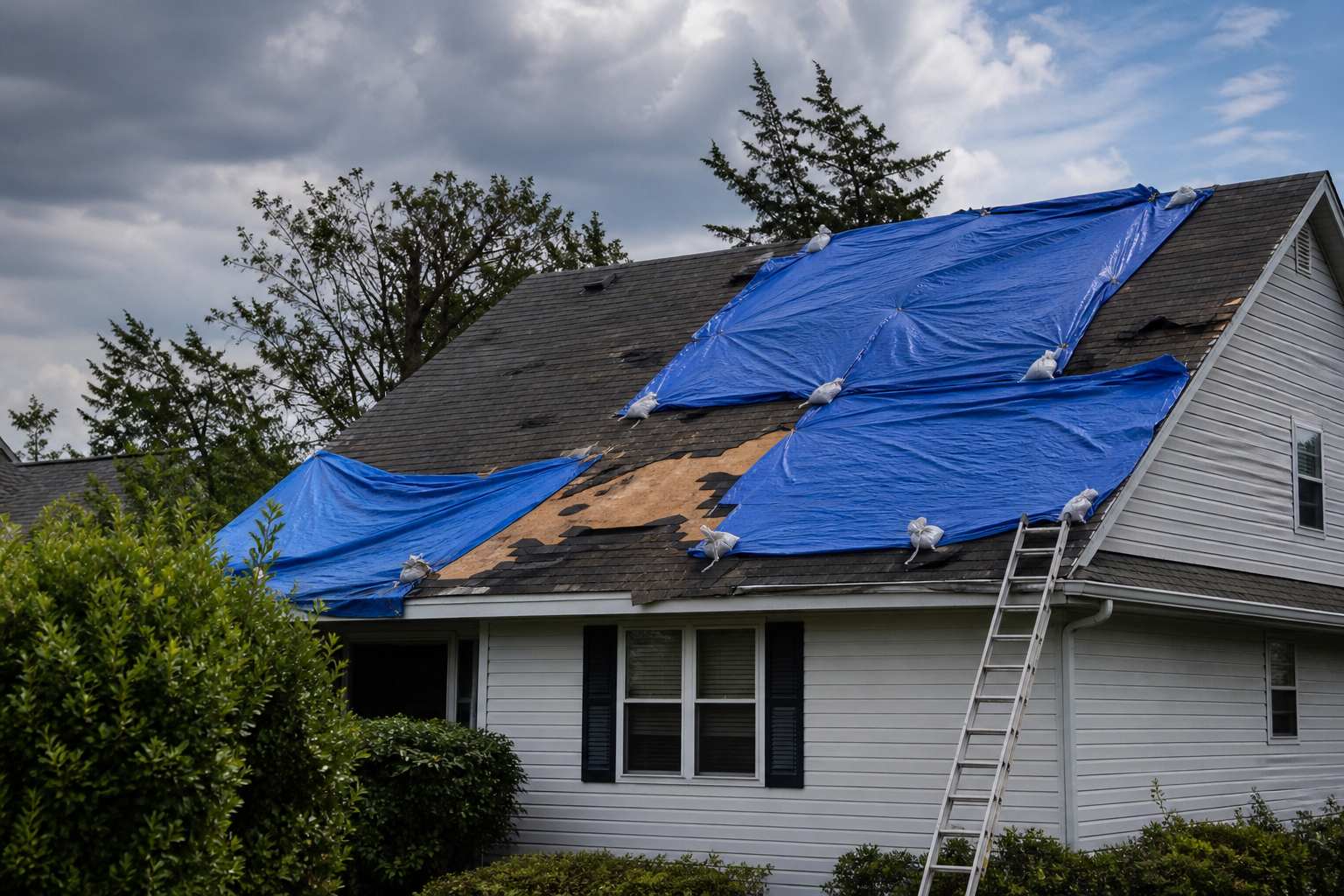
If hail damages your home: photograph every slope of the roof, siding, gutters, and windows before anything is repaired — documentation matters for insurance. Then call a local roofing or restoration contractor for an inspection; hail bruising is not always visible from the ground.
What this means for restoration teams
Translate this warning into job tickets: hail-punched roofing (bruised shingles that fail months later if missed), cracked siding, shattered windows and skylights, dented gutters and downspouts, and damaged outdoor HVAC condensers. Water intrusion follows where hail compromised the envelope — the roofer’s repair and the restorer’s dry-out land on the same houses.
The play: coordinate with local roofers on inspection routes — hail jobs pair naturally with restoration drying work when water got in. Stage drying equipment for the intrusion calls, keep an on-call rotation, and capture address, hail size reported, and visible exterior damage on the first call. Field discipline: photo-document the roof from the ground and up close before repairs, and get payment responsibility in writing before work starts.
FEMA & federal assistance
FEMA & federal assistance
If the damage is severe, the FEMA Helpline is 1-800-621-3362 (7 a.m.–10 p.m. local, 7 days). Apply at DisasterAssistance.gov, through the FEMA app, or find a recovery center at fema.gov/drc. Basic eligibility: citizenship or qualified status, identity verification, proof of occupancy or ownership, and unmet needs not covered by insurance. Apply as soon as it’s safe.
Looking ahead
Once the warning expires, survey your property for hail and wind damage — check the roof, siding, gutters, and outdoor HVAC units. For contractors: hail events produce a long tail of roofing claims; roofers and restoration teams often work the same neighborhoods in the days after a destructive hailstorm, so coordinate early on jobs that need both trades.
Sources & how to verify
Verify for your own county or ZIP at weather.gov or your local NWS office page.
This post is for informational purposes and is not an official weather warning. Always follow instructions from local authorities and the National Weather Service.
Leave a Reply