Tag: Snohomish County

  • Snohomish County Housing Market: 2026 Inventory Guide

    Snohomish County Housing Market: 2026 Inventory Guide

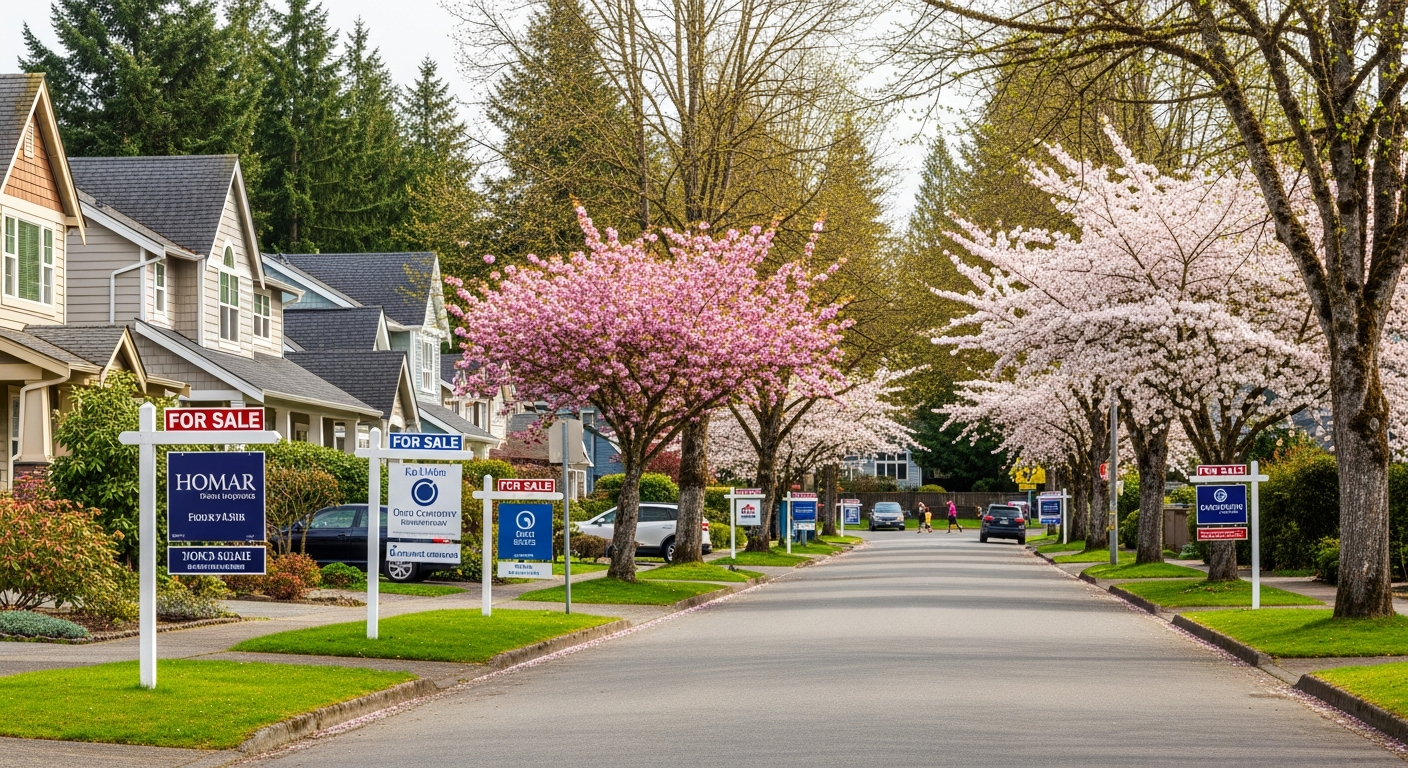
    Quick Answer: Snohomish County active home listings surged 51.8% year-over-year in March 2026 — one of the five largest inventory increases in the entire NWMLS territory. Despite the supply jump, the median home price held at $738,000 and homes are still selling at 99.9% of asking in an average of 35 days. Rising mortgage rates (6.38% by late March) are stalling buyer momentum without collapsing prices. For Everett buyers and sellers, the window has shifted — but it has not swung fully to buyers yet.

    The March 2026 Numbers: What Changed

    The Northwest Multiple Listing Service’s March 2026 market snapshot showed 1,900 active residential listings across Snohomish County — a 51.8% year-over-year increase and one of the sharpest single-year inventory jumps in recent county history. That works out to approximately 2.8 months of supply, up sharply from the sub-1.5-month lows that defined the pandemic-era seller’s market.

    For context: real estate economists generally describe 4–6 months of supply as a balanced market. At 2.8 months, Snohomish County is still clearly a seller’s market — but the trajectory is meaningful. Buyers who spent 2022–2024 losing bidding wars on every offer now have more listings to choose from, more time to make decisions, and occasionally — not always — some negotiating room on price.

    The median home price held at $738,000 in March 2026. Homes are still selling at 99.9% of asking price in an average of 35 days. Those metrics do not reflect a market in distress — they reflect a market that has paused rather than reversed. The buyers who have stepped back are rate-sensitive; the sellers who remain active are not discounting.

    Why Inventory Jumped — and Why Prices Haven’t

    The inventory increase is being driven by two converging forces. First, sellers who held off listing during 2023–2024 (reluctant to give up historically low mortgage rates on their existing homes) are gradually re-entering the market as life events — job changes, family transitions, retirement — force the decision. Second, new construction deliveries — particularly multifamily and attached-housing units — are adding to active supply in south Everett and the Everett fringe suburbs.

    Prices are not collapsing because demand has not collapsed. Snohomish County’s employment base — Boeing’s expanding 737 North Line, NAVSTA Everett, Providence Regional Medical Center, and a dense cluster of aerospace and logistics employers — creates persistent housing demand from workers who need to live close to their job sites. That employment anchor is Snohomish County’s buffer against the kind of inventory-driven price correction that markets without a major employment base would experience.

    What This Means for Everett Buyers

    More listings mean more options — and for the first time in several years, buyers can take a breath before making an offer. The days of waiving all contingencies on sight-unseen properties are largely over in the current rate environment. Buyers who can qualify at 6.38% and are not competing for the same handful of best-in-class properties in the most desirable neighborhoods will find the market more navigable than it was in 2022.

    The Everett-specific buyer dynamic in 2026 involves several overlapping pools: Boeing 737 North Line workers relocating from Renton, Navy families PCSing to NAVSTA Everett, and Seattle-area renters making the rent-versus-buy calculation for the first time. All three groups are making decisions based on Snohomish County’s relative affordability versus King County — a spread that has narrowed but not closed.

    The motel-to-apartment conversion pipeline in south Everett — including the Sage Investment Econo Lodge project at 9602 19th Street SE opening August 2026 — adds rental supply that may absorb some demand that would otherwise convert to buyer activity. Workers who can rent a studio near their job site for a year while they watch the market are more likely to do so when inventory is rising and rate direction is uncertain.

    What This Means for Everett Sellers

    The 51.8% inventory jump does not mean sellers are in trouble — it means sellers need to price correctly. Properties at 99.9% of asking in 35 days are properties that were priced to the market. Properties that are not are sitting longer. The days of pricing 10% above comparables and relying on the frenzy to cover it are over. Sellers who price accurately, prepare the property well, and list with strong marketing are still transacting in a historically fast timeframe.

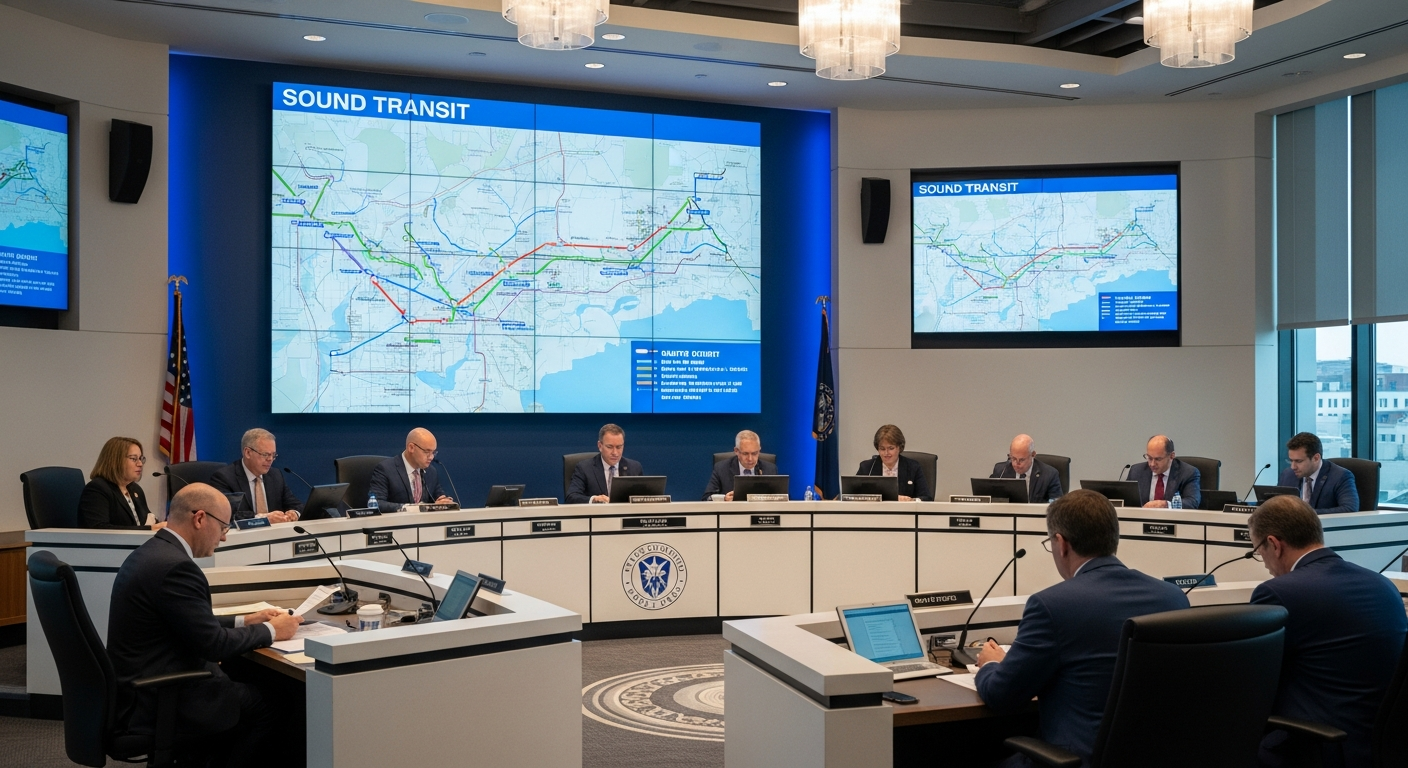
    The June 30 Sound Transit board vote on the Everett Link Extension is a latent catalyst for the seller side. If full delivery is confirmed, demand for properties in station-area neighborhoods — particularly downtown Everett and the Mariner corridor — could accelerate. If the extension is truncated, demand in those specific neighborhoods may soften relative to south Everett, where the SW Everett Industrial Center station coverage is less in dispute.

    Frequently Asked Questions

    What is the Snohomish County housing market doing in 2026?

    Active listings surged 51.8% year-over-year in March 2026 to approximately 1,900 listings (2.8 months of supply). The median home price held at $738,000. Homes sell at 99.9% of asking in an average of 35 days. Mortgage rates are 6.38%. Still a seller’s market, but meaningfully more inventory than 2022–2024.

    Is it a good time to buy a home in Everett in 2026?

    More inventory and slower frenzy pace mean buyers have more options and more time than they did in 2022–2024. Prices remain high ($738K median) and rates at 6.38% are a significant monthly payment factor. For buyers who can qualify and plan to hold for 5+ years, Everett’s employment base provides demand support.

    Why did Snohomish County housing inventory jump 51.8%?

    Sellers who held off during 2023–2024 (to preserve low locked-in mortgage rates) are re-entering the market as life events force decisions. New construction deliveries — particularly attached housing and multifamily in south Everett — are also adding to active supply.

    What is the median home price in Snohomish County in 2026?

    $738,000 as of March 2026, according to NWMLS data. Homes are selling at 99.9% of asking price in an average of 35 days. Current mortgage rates are approximately 6.38%.

    How does Everett’s housing market compare to Seattle?

    Snohomish County’s $738,000 median is significantly below King County’s comparable. The spread between Snohomish and King County has narrowed from its historical range but remains meaningful for buyers who can work remotely or commute to south Snohomish County employment rather than central Seattle.

    Related Exploring Everett coverage: Snohomish County Housing Inventory Jumped 51.8% | Everett Housing Market Three Submarkets Guide | Sage Silver Lake Apartments Complete Guide
  • Everett Link Extension: Council Demands Full Delivery

    Everett Link Extension: Council Demands Full Delivery

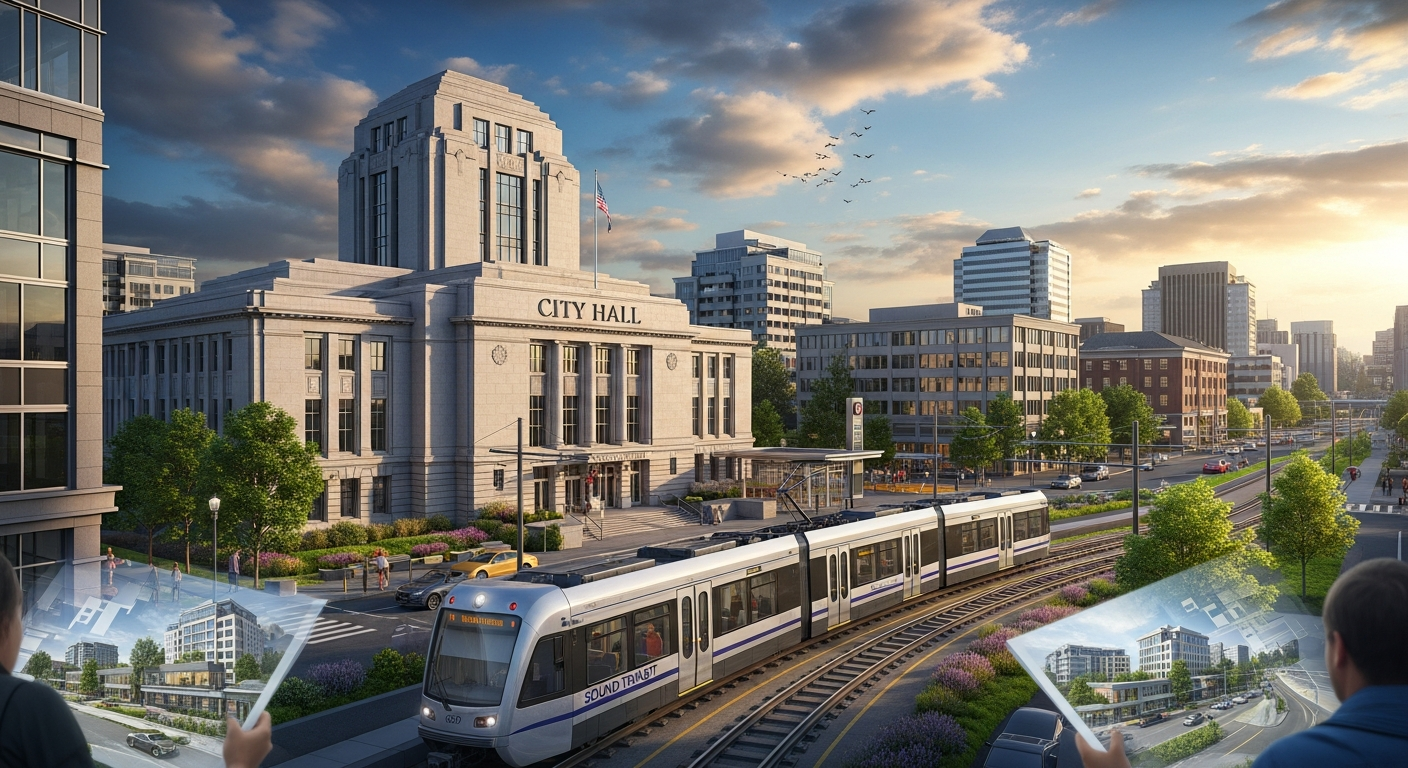
    Quick Answer: The Everett City Council voted unanimously on April 29, 2026 to send Sound Transit a formal letter demanding full delivery of the 16-mile Everett Link Extension to downtown Everett Station. The letter arrives as Sound Transit prepares to vote by June 30 on a revised ST3 System Plan that will determine whether Snohomish County gets the light rail it funded in 2016 — or a scaled-back version that stops short of downtown. Snohomish County’s public comment window closed May 1.

    What the Council Did — and Why It Matters

    On April 29, the Everett City Council voted unanimously to sign a formal letter to the Sound Transit Board of Directors. The letter, brought forward by Vice President Paula Rhyne, makes a documented public demand: complete the Everett Link Extension in full, on schedule, terminating at downtown Everett Station — not at the SW Everett Industrial Center or any other intermediate point.

    The letter is both a political signal and a public record. By taking a unanimous vote, the Council puts every member on record as demanding full delivery. That unanimity matters because Sound Transit board members are elected officials accountable to their jurisdictions. Snohomish County Executive Dave Somers, who chairs the Sound Transit board, is now navigating a situation where every elected official in Everett has publicly demanded an outcome directly relevant to his jurisdiction.

    Mayor Cassie Franklin sent her own letter to the Sound Transit board on April 23, laying out the economic case for full delivery. The Council’s April 29 letter follows and amplifies Franklin’s position, creating a unified municipal front heading into the June 30 board vote.

    The $34.5 Billion Problem Sound Transit Is Trying to Solve

    Sound Transit’s ST3 package — approved by voters across King, Pierce, and Snohomish counties in 2016 — faces a $34.5 billion budget shortfall driven by construction cost inflation, right-of-way complications, and delayed revenue projections. The agency is preparing a revised ST3 System Plan to go before the board by June 30, 2026. That plan will prioritize which projects get built, which get delayed, and which get descoped.

    The Everett Link Extension’s cost increased approximately 5–10% relative to original projections — a relatively modest overrun compared to the West Seattle and Ballard Link extensions, which have seen far larger cost increases. That asymmetry is central to Everett’s argument: the Everett segment is not where Sound Transit’s cost problem lives, and cutting or shortening Everett Link to solve a problem caused elsewhere would penalize Snohomish County voters for cost overruns in King County projects.

    What “Full Delivery” Means for Everett

    The full Everett Link Extension runs 16 miles from Lynnwood City Center (where it connects to the existing spine) to downtown Everett Station. It includes stations at Mariner, SW Everett Industrial Center (Paine Field access), and multiple downtown Everett stops. The project is currently scheduled to open in phases through 2037 under the original timeline.

    A truncated version — stopping at SW Everett Industrial Center rather than continuing to downtown Everett Station — would serve Paine Field workers but leave downtown Everett and the north city without light rail access. For a city whose comprehensive plan is built around transit-oriented development along the light rail spine, a truncated terminus is not a minor adjustment: it changes where density can reasonably be built, where businesses locate, and where housing investment concentrates.

    Mayor Franklin’s letter quantifies the stakes: $7.7 billion in economic development investment is anticipated in the Everett light rail corridor. That figure includes the Millwright District, waterfront redevelopment, downtown housing, and commercial development that has been underwritten — in part — by the expectation that light rail is coming.

    What Happens Next

    The Sound Transit board votes on the revised ST3 System Plan by June 30, 2026. The public comment period for Snohomish County residents closed May 1 — the day after the Council’s unanimous letter. Between now and June 30, Snohomish County’s regional elected officials, including Somers as board chair, will be under sustained advocacy pressure from Everett, Marysville, and other Snohomish County cities to protect the full extension.

    Everett has also been navigating the parallel Everett Transit consolidation into Community Transit — a process that reduces the city’s independent transit capacity and increases dependence on Sound Transit’s light rail spine for long-haul regional connectivity. If the spine gets shortened, the consolidated transit system loses its primary high-capacity connection to the regional rail network. These two decisions — the Everett Transit consolidation and the Sound Transit revision — are structurally linked even though they are being processed on separate tracks.

    Frequently Asked Questions

    What did Everett City Council vote to do regarding Sound Transit?

    On April 29, 2026, the Everett City Council voted unanimously to send Sound Transit a formal letter demanding full delivery of the 16-mile Everett Link Extension to downtown Everett Station, ahead of the Sound Transit board’s June 30 vote on a revised ST3 System Plan.

    When is the Sound Transit board voting on the ST3 plan?

    The Sound Transit board is expected to vote on its revised ST3 System Plan by June 30, 2026. Snohomish County Executive Dave Somers chairs the board.

    Could the Everett Link Extension be shortened or cut?

    Yes. Sound Transit is addressing a $34.5 billion budget shortfall across its ST3 projects. The revised plan could stop the Everett extension at the SW Everett Industrial Center rather than continuing to downtown Everett Station. That is the specific outcome Everett’s unanimous Council letter is demanding be avoided.

    What is the economic value of the Everett Link Extension?

    Mayor Cassie Franklin’s April 23 letter to the Sound Transit board cited $7.7 billion in anticipated economic development investment in the Everett light rail corridor, including waterfront redevelopment, downtown housing, and commercial development that has been underwritten on the assumption that light rail is coming.

    How does the Everett Transit consolidation connect to this Sound Transit vote?

    Everett is consolidating its transit system into Community Transit under SB 5801, reducing the city’s independent transit capacity. That consolidation increases Everett’s dependence on Sound Transit’s light rail spine for regional connectivity — which makes the June 30 vote on full delivery of the Everett Link Extension even more consequential for south Snohomish County commuters.

    Can Everett residents still comment on the Sound Transit plan?

    The formal Snohomish County public comment window closed May 1, 2026. Residents can still contact Snohomish County Executive Dave Somers’s office and the Sound Transit board directly. The June 30 board meeting will include a public comment period.

    Related Exploring Everett coverage: Everett Council Sends Sound Transit Letter | Everett Transit Consolidation Complete Guide | Everett 2027 Budget Deficit Guide

  • Everett Utility Tax: What the 12% Proposal Costs You

    Everett Utility Tax: What the 12% Proposal Costs You

    What this means for you: The City of Everett is moving a proposal to replace its current 6% utility billing charge with a 12% utility tax to the City Council for a formal vote beginning in May 2026. For a typical Everett residential water customer, that’s an estimated increase of about $10.74 per month. The change would affect not just Everett residents, but customers across more than 75% of Snohomish County who rely on Everett’s water, sewer, and stormwater system. If approved, the new rate takes effect as early as July 1, 2026.
    This is the part of Everett’s budget conversation that doesn’t make the headlines the way a stadium vote or a light rail letter does — but it shows up on your water bill. The City of Everett is preparing to bring a utility tax proposal before the City Council this month, a move that would effectively double the charge applied to residents’ and businesses’ water, sewer, and stormwater bills. The proposal has been in development since at least March 2026, when the council received an informational briefing. Now, with legislation expected to go before the council beginning in May, the public comment window is officially open — and closes once the council acts.

    What’s Actually Being Proposed

    Since 1983, Everett has collected a 6% Payment in Lieu of Taxes — often called PILOT — on utility bills. A PILOT is essentially a transfer from a city-owned utility to the city’s general fund, a substitute for the property taxes a private utility would pay. It’s built into your water bill already; you’ve been paying it for decades, even if you didn’t know the line item’s name. What Everett is now considering is replacing that 6% PILOT with a 12% utility tax — doubling the rate. The change would generate approximately $7.5 million per year in additional revenue for the city’s general fund. The general fund pays for the city services residents use every day: parks, libraries, streets, and public safety. Everett, like most Washington cities, faces a structural constraint on how much its property tax revenue can grow under Initiative 747 — capped at 1% per year, regardless of inflation. That constraint is the underlying driver of the $14 million projected budget deficit the city is working to close by 2027.

    What It Costs

    For a typical residential customer, the estimated monthly increase is $10.74 per month, or roughly $129 per year. That’s the city’s own estimate from the March 2026 council briefing. The increase applies to water, sewer, and stormwater charges combined, since the utility tax rate is applied across all three services. Business customers and other large users of Everett’s water system would see increases scaled to their consumption. Everett provides water, sewer, and stormwater services not just to city residents but to customers across a wide regional footprint — more than 75% of Snohomish County. That means the financial impact extends well beyond Everett city limits. A family in parts of Mukilteo, Snohomish, or unincorporated Snohomish County who receives their water from Everett Utilities could see the same rate change reflected on their bill if the council approves it.

    Is This Unusual?

    The city’s own research says no — most neighboring cities already use a utility tax at comparable or higher rates. Everett’s current 6% PILOT has been in place since 1983, making it one of the lower rates in the region. The council briefing included a comparison of other jurisdictions’ utility tax rates that supports this framing. That said, calling it a “utility tax” instead of a “PILOT” is more than semantic. PILOTs are internal transfers; utility taxes are charges on the consumer. The shift changes how the revenue is classified — and potentially how it’s understood by the public.

    The $14 Million Context

    The utility tax proposal doesn’t exist in isolation. It’s one of four major revenue levers the city is exploring to close a projected $14 million general fund deficit by 2027:
    • Regional fire authority (RFA) — Merging Everett Fire with other agencies in a regional structure, moving fire costs off the city’s general fund.
    • Sno-Isle Library regionalization — Shifting library costs to a regional taxing district.
    • Another levy lid lift — Going back to voters to raise property taxes above the I-747 cap.
    • Mariner annexation — Bringing the roughly 21,000-resident Mariner neighborhood into Everett’s tax base, adding revenue without raising rates on existing residents.
    Three of those four require a public vote. The utility tax does not — it is a council decision. That makes it the most direct and immediate tool available to the city without going to the ballot, and it explains why it’s moving to a council vote this spring rather than waiting for an August or November election. That same August ballot already carries the EMS levy lid lift, which asks voters to restore the EMS property tax rate from $0.36 to $0.50 per $1,000 of assessed value to maintain roughly 78 firefighter-paramedic positions at Everett Fire Department.

    What the Council Process Looks Like

    The council has been briefed. The legislation is now being drafted for formal consideration. Once introduced, the typical council process includes a first reading, an opportunity for public comment, and a vote — which could happen within weeks of the bill’s formal introduction. The council meets on Wednesdays. Under its standard schedule, most meetings begin at 6:30 p.m. at Everett City Hall; the fourth and fifth Wednesdays of the month begin at 12:30 p.m. Public comment is accepted at all council meetings, either in person or virtually through the city’s online registration system. The city has also signaled it is considering expanding its utility assistance program for low-income residents to help offset the cost increase. Specific eligibility details have not been publicly released as of this writing.

    Frequently Asked Questions

    Does this affect residents outside Everett city limits?
    Yes. Everett provides water, sewer, and stormwater services to customers across more than 75% of Snohomish County. Any customer whose utility service is billed through Everett Utilities could see the rate change reflected on their bill. Why can’t the city just cut spending instead?
    Washington’s I-747 caps property tax growth at 1% per year regardless of inflation or service cost increases. That constraint — not spending choices alone — is the primary driver of the projected deficit. What is a PILOT, and how is it different from a utility tax?
    A Payment in Lieu of Taxes (PILOT) is an internal transfer from a city-owned utility to the general fund, functioning as a substitute for property taxes. A utility tax is a charge assessed on the consumer. Both produce revenue for the general fund, but the legal structure and how it appears on bills differ. Is 12% high compared to other cities?
    According to the city’s own comparison of nearby jurisdictions, most Washington cities use utility taxes at rates comparable to or higher than 12%. Everett’s current 6% PILOT is on the lower end of regional practice. What does the money pay for?
    The general fund covers parks, libraries, streets, and public safety — the core services Everett residents interact with daily. Will there be low-income assistance?
    The city has indicated it is considering expanding utility assistance for low-income households as part of the proposal, but specific eligibility details have not been announced. Can the council vote on this without a public vote?
    Yes. A utility tax is a council decision and does not require a ballot measure. This distinguishes it from three of the four other revenue options under consideration (levy lid lift, RFA formation, and library regionalization), all of which require voter approval.

    What To Do Next

    Comment now — before the vote: Once the council votes, the public comment window closes. Submit written comments by email to council@everettwa.gov or attend a city council meeting in person or virtually. The virtual public comment registration form is at everettwa.gov. Attend a council meeting: The Everett City Council meets Wednesdays at 6:30 p.m. (or 12:30 p.m. on the 4th and 5th Wednesdays) at Everett City Hall, 3002 Wetmore Ave. Public comment is taken at the start of each regular meeting. Review the March briefing materials: The council received a full briefing on March 18, 2026. The presentation PDF and video recording are available at everettwa.gov/council. The presentation includes the comparison of other jurisdictions’ rates and the utility service area map. Check your utility provider: If you live outside Everett city limits, verify whether your water service is provided by Everett Utilities — and therefore whether this rate change would affect your bill. Contact your council member: All nine Everett City Council members represent the city at large. Contact information is available at everettwa.gov/council.

    Related coverage: Everett’s $14 Million Budget Gap Is Back — and Regionalizing Fire and Libraries Is on the Table | Mayor Franklin’s 2026 State of the City: Five Priorities Now Shaping Everett | Everett EMS Levy Goes to August 2026 Ballot

  • Everett Link Extension: City Council Demands Full Funding

    Everett Link Extension: City Council Demands Full Funding

    What this means for you: The Everett City Council voted unanimously on April 29 to formally demand that Sound Transit complete the full 16-mile Everett Link Extension — all the way to downtown Everett Station, not just to the SW Everett Industrial Center. The board votes on a revised system plan by June 30. Everett residents have until May 1 to weigh in directly via Sound Transit’s public survey.

    The Everett City Council isn’t waiting to find out what happens to their light rail line. On April 29, the council voted unanimously to sign a formal letter to the Sound Transit Board of Directors, making a clear, documented demand: complete the Everett Link Extension in full and on schedule, and don’t solve Sound Transit’s $34.5 billion budget shortfall by shortchanging Snohomish County.

    The letter, brought forward by City Council Vice President Paula Rhyne, is both a political signal and a public record — arriving as Sound Transit prepares to vote this summer on a revised ST3 System Plan that could reshape the light rail spine that Snohomish County voters have been funding since 2016.

    Why the Council Felt the Need to Act Now

    Sound Transit is navigating a serious financial crisis. The agency faces a projected $34.5 billion shortfall across its light rail extension portfolio, driven by inflation, rising construction costs, tariffs, labor shortages, supply chain disruptions, and higher land acquisition costs. The board is evaluating three broad “approaches” — called the Enterprise Initiative — for closing that gap before its June 30 deadline.

    Two of the three approaches would fund full completion of the 16-mile Everett Link line, running from Lynnwood through the Paine Field area to downtown Everett Station. The third approach would phase the extension, building only to the SW Everett Industrial Center — leaving downtown Everett without a direct connection.

    “The intent of the letter is to remind the board that Everett is expecting the completion of the Everett Link Extension, and that the Everett Link Extension is not the route segment that’s the biggest problem for cost overruns, so cutting our promised route should not be part of the solution,” Rhyne said at the council’s April 22 meeting.

    What the Letter Actually Says

    The council’s approved letter frames the Everett extension as the most cost-effective segment in the entire ST3 package — and uses Sound Transit’s own numbers to make the argument.

    “The Everett Link Extension is the most cost-effective and impactful light rail segment under consideration,” the letter reads. “The cost increases are dramatically lower than other segments due to the extensive and intentional use of existing rights of way, the major portions of track alignment that can be run at-grade, and substantially lower land acquisition costs.”

    For context: some ST3 projects have nearly doubled in expected costs compared to original estimates. The Everett Link Extension’s costs have increased by only about five to ten percent — a fraction of the overruns plaguing the West Seattle and Ballard extensions in North and South King County. Sound Transit staff have previously said there is a high likelihood of keeping the Everett segment affordable through targeted design changes, while preserving all six planned stations.

    The letter also invokes the principle of subarea equity — the foundational policy that Snohomish County’s tax dollars go toward Snohomish County’s projects. Everett residents have been paying the Sound Transit property tax and sales tax levy since 2016. The letter argues that redirecting those funds or shortchanging Snohomish County to cover King County overruns would violate both the letter and spirit of that commitment.

    “Maintaining the commitment to Everett voters, who have been paying into the system for decades, is essential to preserving public trust and upholding Sound Transit’s commitment to subarea equity,” the letter states.

    The closing request is direct: “We urge the Board to deliver the Everett Extension in full and on schedule and to address the most significant cost escalation within the segments where they are occurring, rather than shifting impacts to Everett.”

    The Financial Picture: Who Owns the Problem?

    Snohomish County Executive Dave Somers — who chairs the Sound Transit Board and serves as a board member alongside Mayor Cassie Franklin — has been explicit about where the budget crisis is concentrated.

    Somers told a standing-room audience at an April 14 town hall meeting that about 90 percent of the cost overruns are in the North King County and South King County subareas. The Snohomish subarea’s funding, by contrast, is almost fully in place for the Everett extension.

    Sound Transit attributes approximately $30 billion of its total shortfall to the east-west rail extensions to West Seattle and Ballard — not to the Everett spine.

    Both Somers and Mayor Franklin have stated publicly that they favor completing the spine — the line from the Tacoma Dome to Everett Station — before funding other extensions. “It is the spine from Everett to Tacoma that is actually going to connect this region,” Franklin told the April 14 town hall crowd.

    Somers has said he plans to bring forward a chair’s proposal for the updated system plan that is “affordable at the systemwide level and compliant with our subarea equity policies.” The framework is designed to advance projects into construction when financially feasible while building in contingencies for future uncertainty.

    What Happens Next

    The Sound Transit Board is expected to vote on an updated ST3 System Plan no later than June 30, 2026. A May 28 board meeting is on the calendar as a key decision point before that deadline.

    Current plans call for the Everett Link Extension to arrive near Paine Field by 2037, with the downtown Everett Station opening by 2041. Under the third “approach” currently under consideration — the one that would truncate service at SW Everett Industrial Center — those timelines would slip further.

    A draft environmental impact statement examining the extension’s station locations in detail is expected to be released this fall.

    What the Council Letter Does and Doesn’t Do

    The letter is a formal political communication, not a binding vote on Sound Transit’s budget. It goes into the public record and will be included in the materials Sound Transit’s board reviews ahead of its May 28 meeting. Its weight is persuasive, not procedural.

    What gives it teeth is the unanimity. Every member of the Everett City Council signed it, signaling unified institutional pressure from the city that stands to gain or lose the most from the June 30 decision. It also positions Everett alongside Snohomish County — through Somers — and other Snohomish cities whose residents have been paying into the system since 2016.

    Frequently Asked Questions

    What is the Everett Link Extension?
    A 16-mile light rail line planned to run from Lynnwood through the Paine Field area to downtown Everett Station, adding six new stations. Part of the Sound Transit 3 package approved by voters in 2016.

    Why is Sound Transit’s budget in trouble?
    The agency faces a $34.5 billion projected shortfall through 2046, driven by inflation, construction cost increases, tariffs, labor and supply chain issues. Overruns are concentrated in the West Seattle and Ballard extensions in King County.

    How much did the Everett extension’s costs increase?
    By about five to ten percent — significantly less than some other ST3 projects, which have nearly doubled in cost. The Snohomish subarea is almost fully funded for the Everett segment.

    What is the third “approach” Sound Transit is considering?
    It would build the light rail spine only to Fife (not the Tacoma Dome) and only to SW Everett Industrial Center (not downtown Everett Station). Under this scenario, Everett would not get a downtown light rail connection on the current timeline.

    When does Sound Transit make its decision?
    The board is expected to vote on an updated system plan by June 30, 2026. The May 28 board meeting is a key milestone.

    What is subarea equity?
    The policy that each of Sound Transit’s five subareas — Snohomish, East King, North King, South King, and Pierce — funds its own segment with its own tax revenues. The Everett letter argues that cutting Snohomish County’s service to cover King County overruns would violate this principle.

    What did the council vote on specifically?
    To approve and sign a formal letter to the Sound Transit Board urging full completion of the Everett Link Extension. The vote was unanimous. Council Vice President Paula Rhyne brought the letter forward.

    What To Do Next

    Comment directly to Sound Transit: The agency’s public survey on the Enterprise Initiative approaches closes May 1, 2026 — today. Fill it out at soundtransit.org. Survey responses go to the board before its May 28 meeting.

    Attend or watch Sound Transit Board meetings: The board meets from 1:30 to 4 p.m. at the Ruth Fisher Board Room, 401 Jackson St., Seattle. The next meeting is Thursday, May 28. Virtual attendance is available — visit soundtransit.org for Zoom details.

    Send email directly to the board: Email comments can be submitted through Sound Transit’s website or at any board meeting during public comment.

    Contact the council: Public comment is accepted at Everett City Council meetings on Wednesdays at 6:30 p.m. at Everett City Hall, 3002 Wetmore Ave., or virtually at everettwa.gov.

    Related coverage: Everett’s Light Rail Future Comes to a Head: What the June 30 Sound Transit Vote Means | The June 30 Sound Transit Vote and Everett’s Light Rail Future: A Complete 2026 Guide | Everett City Council Will Decide Whether to End Everett Transit

  • NAVSTA Everett FF(X) Bid: Snohomish County Economic Impact

    NAVSTA Everett FF(X) Bid: Snohomish County Economic Impact

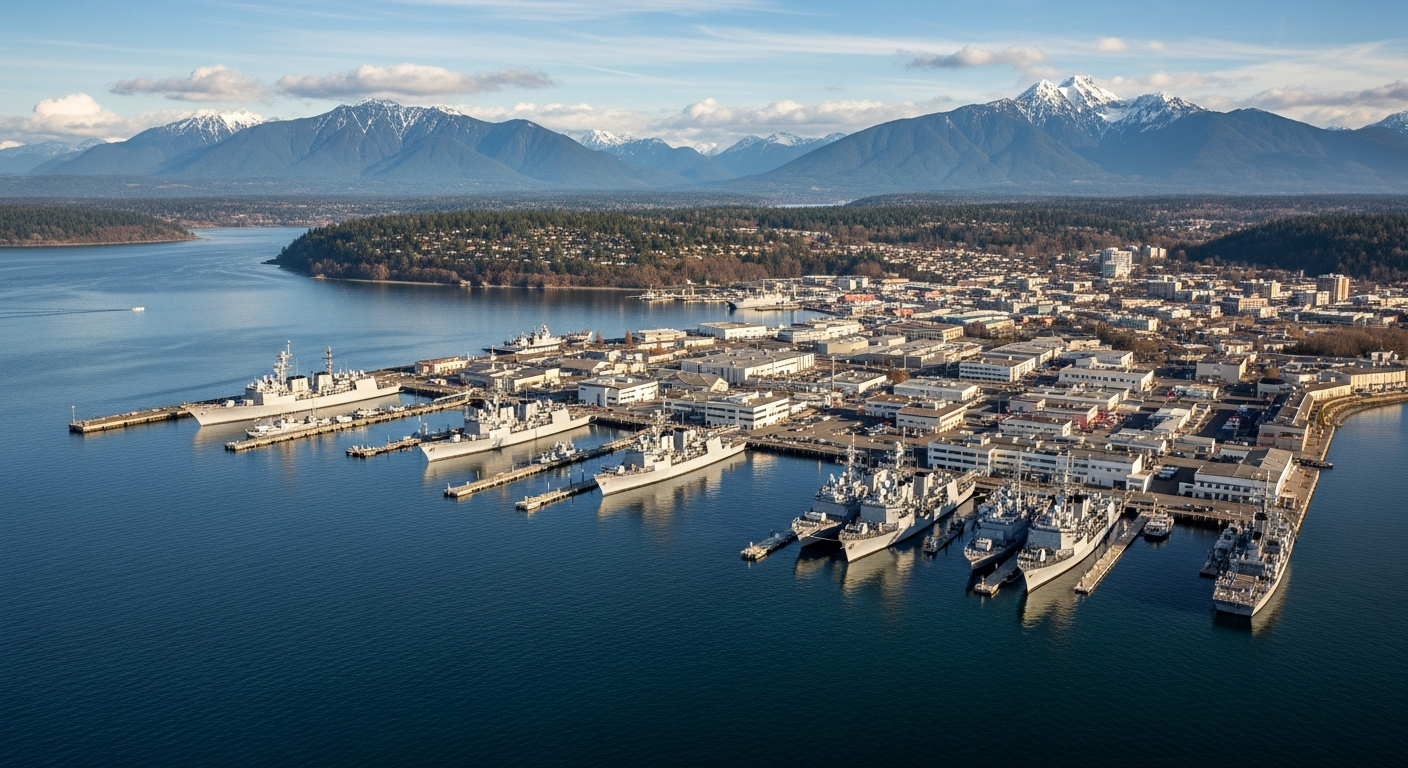
    The Navy’s $282.9 million FF(X) contract awarded on April 28, 2026, is a shipbuilding story — but for Snohomish County civic watchers, it’s also an economic development story. NAVSTA Everett is sitting on a $340 million annual economic footprint and is in active competition to become the homeport of the Navy’s next frigate class. The contract just moved that competition from the advocacy phase to the construction phase. Here’s what community leaders, civic watchers, and county stakeholders need to understand.

    The $340 Million Baseline

    Naval Station Everett’s current economic impact on Snohomish County runs approximately $340 million annually according to the Economic Alliance Snohomish County. That figure encompasses active-duty and civilian payroll, contractor spending for base maintenance and operations, and the consumer spending of military families in Everett’s schools, stores, and housing market.

    The base employs thousands directly and supports a wide circle of contractors, service providers, and businesses that depend on the military community. Any expansion of the base — more ships, more sailors, more families — flows directly into that economic baseline.

    What the Original Constellation Designation Was Worth

    When the Navy designated NAVSTA Everett as the homeport for 12 Constellation-class frigates in 2021, the economic community immediately began modeling what that meant. A frigate crew of approximately 200 sailors, multiplied by 12 ships, represents roughly 2,400 additional active-duty personnel — plus dependents, contractors, and support staff. The incremental impact on housing demand, school enrollment, and local consumer spending would have been substantial.

    The Constellation cancellation in 2025 erased that future. The FF(X) contract of April 28, 2026, puts a new version of it back on the table.

    The Advocacy Architecture

    Rep. Rick Larsen has been the most publicly active congressional champion for NAVSTA Everett’s frigate homeport campaign. His office announced the release of the $22 million federal infrastructure package that included the Port of Everett’s Pier 3 grant — a demonstration of the county’s ability to secure federal investment that is relevant context for any defense installation conversation.

    Snohomish County Executive Dave Somers, the Economic Alliance Snohomish County, and Mayor Franklin have all been involved in the broader NAVSTA Everett advocacy posture. The argument they make to the Pentagon is straightforward: Everett has the infrastructure, the community support, and the congressional backing to be an excellent long-term homeport for Pacific Fleet frigates.

    The Competition

    NAVSTA Everett is not the only installation that will compete for the FF(X) homeport. Other Pacific Fleet installations — including Naval Base San Diego, Naval Station Bremerton, and potentially installations in Hawaii or Japan — are all potential candidates depending on the Navy’s force structure analysis. The Environmental Impact Statement process, which is the formal mechanism through which the Navy evaluates homeport options, takes years and requires public participation. That process has not been announced as of April 2026.

    The Port of Everett Connection

    The Port of Everett’s $11.25 million federal Pier 3 grant — awarded the same week as the FF(X) contract — is directly relevant to the homeport conversation. A stronger, modernized Pier 3 enhances the Port’s overall cargo and maritime capacity, and a robust Port of Everett is an argument for the city’s overall maritime infrastructure health. The full Pier 3 grant guide covers what that investment builds.

    More broadly, federal investment flowing into Everett’s maritime infrastructure — from Pier 3 to the Edgewater Bridge to the West Marine View pipeline — signals a city that is actively investing in its waterfront capacity. That context matters when making the case to Navy installation planners.

    What Civic Watchers Should Track

    The sequence that leads to a homeport decision goes: program contract (done) → program design maturation → Navy installation capacity review → Environmental Impact Statement → record of decision → homeport designation. The county is currently somewhere between the first and second steps. The EIS — the formal public process — is likely 2-3 years away at minimum.

    The advocacy window before the EIS is the most influential window. That’s when congressional support, community letters, and economic impact documentation matter most in shaping where the Navy looks seriously. Snohomish County’s advocates are active in that window now.

    The full FF(X) homeport picture — including what the Constellation cancellation meant and what the new program’s structure looks like — is covered in the complete FF(X) contract guide.

    Frequently Asked Questions

    What is NAVSTA Everett’s current economic impact?
    Approximately $340 million annually, per the Economic Alliance Snohomish County, covering payroll, contractor spending, and military family consumer activity.

    Who are Snohomish County’s key advocates for the FF(X) homeport?
    Rep. Rick Larsen’s office, Snohomish County Executive Dave Somers, the Economic Alliance Snohomish County, and Mayor Cassie Franklin.

    What infrastructure does NAVSTA Everett have for frigates?
    Existing pier infrastructure capable of frigate-class vessels, maintenance facilities, and full community support infrastructure for crews and families.

    What happens if Everett doesn’t win the FF(X) homeport?
    NAVSTA Everett continues as a carrier and surface combatant homeport. The base’s current mission is not contingent on the frigate designation — it simply wouldn’t grow as fast as with a homeport win.

    How can residents and businesses support the homeport bid?
    Contact Rep. Rick Larsen’s office, the Economic Alliance Snohomish County, and the Snohomish County Council. Business associations can submit formal support letters to Navy installation management.

  • Mukilteo School District: 2026 South Everett Family Guide

    Mukilteo School District: 2026 South Everett Family Guide

    Last updated: April 30, 2026 | South Everett families have two school district options depending on which side of Mukilteo Speedway and Casino Road they call home. Here’s what to know about the one most outsiders forget exists.

    The short answer: Mukilteo School District serves more than 15,200 students across 24 schools — including a sizable chunk of south Everett residents who live south of Casino Road, along Picnic Point Road, around Lake Stickney, and west toward the Mukilteo waterfront. After voters narrowly rejected a $400 million capital bond in February 2026, district staff recommended bringing the measure back to the ballot in November. South Everett families will pay attention.

    Two Districts, One Everett

    Most coverage of Everett schools focuses on Everett Public Schools — the 19,000-student district that runs Cascade, Everett, Jackson, and Sequoia high schools and serves the bulk of the city. But a real piece of south Everett — the streets where Casino Road, Evergreen Way, and Mukilteo Speedway funnel commuters toward Boeing and Paine Field — actually lives inside the boundaries of Mukilteo School District No. 6, headquartered at 9401 Sharon Drive in Everett 98204.

    If you live in Boulevard Bluffs, the western half of Pinehurst-Beverly Park, the Picnic Point corridor, or the streets around Lake Stickney, your kids likely catch a Mukilteo SD bus, not an EPS bus. The two districts share a city, but operate as completely separate institutions with separate boards, levies, and bond cycles.

    The District at a Glance

    Mukilteo School District was organized in 1878 — the same decade Everett itself was being plotted by James J. Hill’s railroad interests on Port Gardner Bay. Today the district enrolls more than 15,200 students across:

    • 12 elementary schools: Challenger, Columbia, Discovery, Endeavour, Fairmount, Horizon, Lake Stickney, Mukilteo, Odyssey, Olivia Park, Picnic Point, and Serene Lake
    • Four middle schools: Explorer, Harbour Pointe, Olympic View, and Voyager
    • Three high schools: Mariner (opened September 8, 1970), Kamiak (opened September 8, 1993), and ACES/Big Picture (alternative)
    • One kindergarten center

    The district’s service area covers all of Mukilteo, a portion of south Everett, Picnic Point, the majority of Lake Stickney, and a portion of Martha Lake. To the north and east, the boundary hands off to Everett Public Schools. To the south, it hands off to Edmonds School District. The Emander district — a one-room schoolhouse founded in 1919 near what is now Mariner High School — was consolidated into Mukilteo SD in 1945, which is how the district’s service area first stretched into south Everett.

    A District Built by South Everett Families

    Mukilteo SD’s student population is a different mix than the district’s name suggests. Per the most recent federal data, the district’s minority enrollment runs about 70 percent, and roughly 39.5 percent of students are economically disadvantaged. Those numbers reflect the families packed into the apartment corridors along Casino Road, around Mariner High School, and through the south Everett neighborhoods that have absorbed decades of immigration from Latin America, Southeast Asia, the Pacific, and East Africa.

    If you’ve read the desk’s coverage of Stations Unidos and the Casino Road anti-displacement work, the same demographic picture is showing up at the schoolhouse door. The students riding Mukilteo SD buses out of south Everett are part of the same community story — just a different institution telling it.

    February 2026: The Bond That Almost Passed

    On February 11, 2026, Mukilteo SD voters considered a $400 million capital bond — the district’s biggest ask in years. The measure landed at 57.2 percent yes. In any normal democratic context, that’s a comfortable margin. But school bonds in Washington require a 60 percent supermajority to pass, so the measure failed by 2.8 percentage points.

    That outcome triggered exactly the conversation any district has after a near-miss: redo it, or rework it. On March 25, 2026, the Mukilteo school board received a staff recommendation to put the bond measure back on the ballot in November 2026. The proposal would impact several sites across the district, including Mariner High School — the campus that anchors south Everett’s Mukilteo SD experience.

    The financial impact, as presented by district staff: passage of the 2026 bond plus renewal of the existing Educational Programs & Operations (EP&O) levy would add about 38 cents per $1,000 of assessed home value. For a home assessed at $659,200 — roughly the median in the district — that pencils out to about $5 a week.

    Why South Everett Should Pay Attention

    For families in Twin Creeks and the south Everett apartment corridors who fall inside Mukilteo SD lines, the November vote is a property-tax decision and a school-quality decision in the same breath. Aging buildings on the bond list include classroom additions, seismic upgrades, HVAC replacements, and program-space modernizations — the kind of work that determines whether a 1970s-era Mariner classroom feels like 2026 or like the year it was built.

    It’s also a useful contrast point. Everett Public Schools’ record 96.3 percent graduation rate and Cascade High’s IB Program sit at the top of the district’s page. Mukilteo SD has its own headline numbers — Mariner’s comeback story over the past decade, Kamiak’s consistent placement on state academic recognition lists, and the district’s capacity to absorb the demographic complexity of south Everett. Different districts, different dashboards, but same kids in the same city.

    How to Find Out Which District You’re In

    The simplest way: pull up your address on the Mukilteo SD “Which School Should Your Child Attend?” tool at mukilteoschools.org. The tool returns the assigned elementary, middle, and high school in seconds. If your address comes back blank, you’re probably inside Everett Public Schools’ boundaries instead — and the EPS lookup at everettsd.org will confirm.

    For new south Everett residents arriving from outside Snohomish County, the most common moment of confusion: assuming “Everett address” means “Everett Public Schools.” It often doesn’t. The Casino Road and Evergreen Way corridors, in particular, have addresses that read as Everett 98204 but feed into Mukilteo SD elementaries and Mariner High School. Knowing the difference before September is worth the ten minutes it takes to look up.

    Frequently Asked Questions

    Does Mukilteo School District serve Everett?

    Yes. Mukilteo SD’s service area includes a portion of south Everett — most prominently the apartment corridors along Casino Road, the Lake Stickney area, the Picnic Point Road corridor, and parts of the western edge of south Everett near Mukilteo Speedway. The district shares Everett with Everett Public Schools, which serves the rest of the city.

    How big is Mukilteo School District?

    The district enrolls more than 15,200 students across 24 schools: 12 elementary schools, four middle schools, three high schools (Mariner, Kamiak, and ACES/Big Picture), and one kindergarten center. Mariner High School, opened September 8, 1970, is the district’s south Everett anchor.

    Did Mukilteo’s bond pass in February 2026?

    No. The $400 million capital bond received 57.2 percent yes votes — strong support, but short of the 60 percent supermajority Washington requires to approve a school bond. On March 25, 2026, district staff recommended putting the measure back on the November 2026 ballot.

    What would the 2026 bond cost a typical homeowner?

    According to district staff figures presented in March 2026, passage of the bond plus renewal of the EP&O levy would add about 38 cents per $1,000 of assessed home value — roughly $5 a week on a home assessed at $659,200.

    How do I find out which Everett school district my address is in?

    Use the Mukilteo SD school lookup at mukilteoschools.org/37434_3, or the Everett Public Schools attendance area tool at everettsd.org. Both tools return your assigned schools by address. If you’re between districts, your assigned school will determine which lookup shows results.

  • Snohomish County Warehouse Space: Q1 2026 Everett Market

    Snohomish County Warehouse Space: Q1 2026 Everett Market

    Q: How much does warehouse space cost in Snohomish County in 2026?
    A: Snohomish County warehouse rents in 2026 are running approximately $0.70 to $1.00 per square foot monthly on a triple-net basis — the most affordable warehouse market in the Puget Sound region. The broader Seattle metro ranges from $0.70 to $1.60/SF monthly, making Snohomish County the value end of the market by a significant margin.

    The Number That Matters: $0.70 to $1.00 per Square Foot

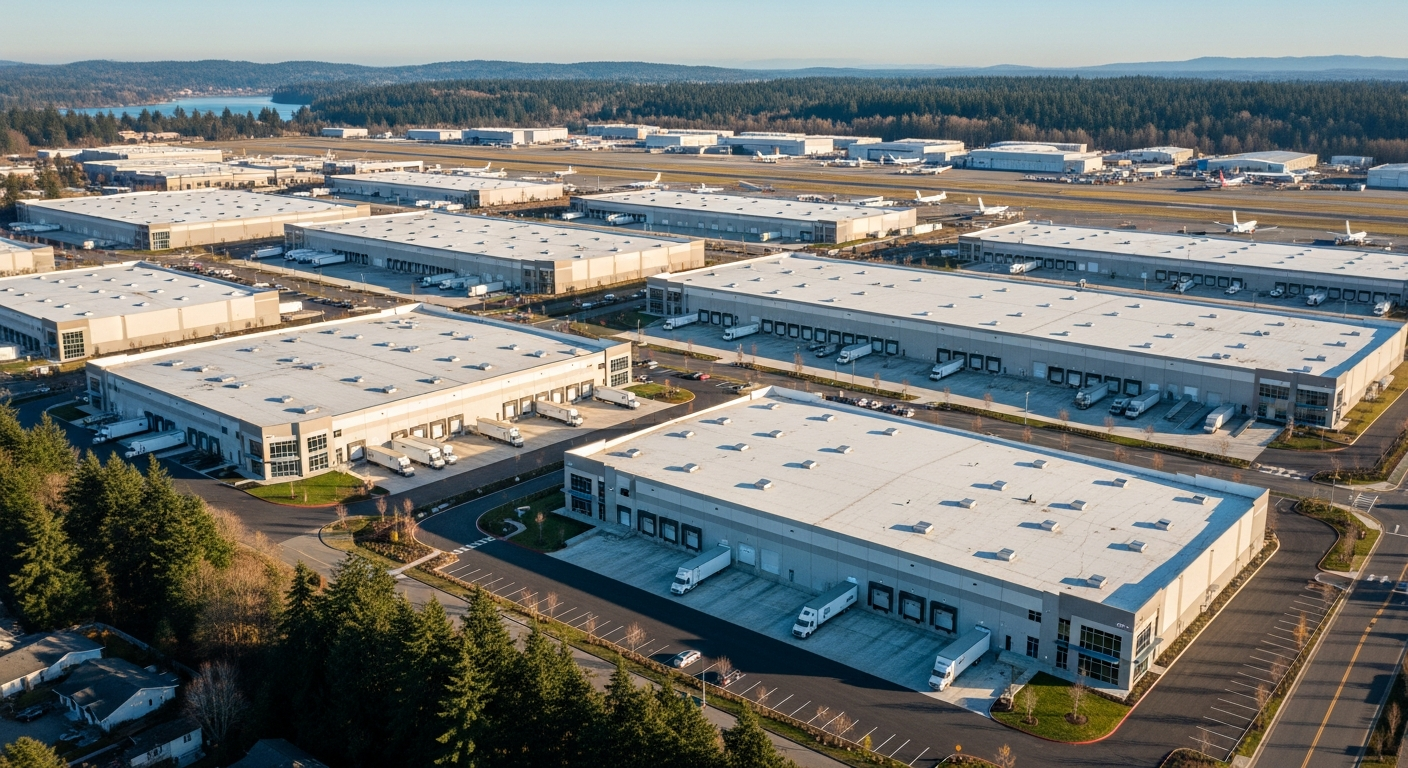
    If you’re an Everett-area business looking for industrial or warehouse space in 2026, the market conditions haven’t been this favorable in over a decade. Snohomish County’s warehouse and industrial rents are running $0.70 to $1.00 per square foot monthly (NNN), making it the most affordable industrial submarket in the entire Puget Sound region, according to WareCRE’s 2026 Seattle Warehouse Market Report. That’s below Southend markets like Kent and Renton, below Pierce County, and well below the Seattle in-city markets at the top of the range.

    To put that in annual terms: $0.70 to $1.00/SF monthly is $8.40 to $12.00/SF annually on a triple-net lease. For a 20,000-square-foot distribution or manufacturing facility, that’s $168,000 to $240,000 per year in base rent — before operating expenses that you’re responsible for as a tenant under NNN terms, but still well below what comparable space costs in King County.

    And those asking rents are the ceiling right now, not the floor. Kidder Mathews’ Q1 2026 Seattle Industrial Market Report shows vacancy at 10.39 percent across the Seattle metro industrial market, up from 9.74 percent at year-end 2025. At that vacancy level, with net absorption running negative (-130,751 square feet absorbed in Q1 2026) and only two speculative projects totaling 478,740 square feet under construction across the entire market, landlords are dealing. Effective rents — after concessions like free rent periods and tenant improvement allowances — are running below the published asking rates across the region.

    The Market Context: Why It’s the Best Tenant Window in a Decade

    The Puget Sound industrial market is correcting from a 2021-2022 boom cycle that pushed vacancy to historic lows. Speculative development that was planned during that peak is now delivering into a softened demand environment. The result is the most tenant-friendly industrial market the region has seen in more than ten years.

    Cushman & Wakefield’s April 2026 Industrial MarketBeat report describes the national picture this way: “Peak industrial vacancy likely in rearview mirror as demand holds and supply slows.” The national vacancy rate ended Q1 2026 at 7.0 percent — flat with year-end 2025, and 10 basis points below the Q3 2025 peak. The West region runs hotter than the national average at 7.9 percent, and Seattle specifically came in at 9.7 percent for Q1 2026.

    That 9.7 percent Seattle metro figure blends markets with very different profiles — Southend logistics hubs, South Seattle last-mile space, and Eastside flex. Snohomish County’s position within that range reflects its role as the region’s industrial value market: strong fundamentals, affordable rents, and proximity to the Port and to Paine Field’s aerospace manufacturing cluster without the price premium of South King County.

    Tariffs have added a wrinkle to the demand picture. Container volume growth at the Northwest Seaport Alliance reversed from 16 percent year-over-year to 0.2 percent, according to WareCRE’s 2026 report — a direct effect of tariff uncertainty on import volumes. For Everett specifically, which handles breakbulk and project cargo rather than containerized imports, this tariff impact is less acute than it is for the container-focused markets south of Seattle. But it’s part of the broader softening that has tilted conditions toward tenants.

    What This Means for Everett Businesses Specifically

    For businesses in the Everett corridor — manufacturing, distribution, aerospace supply chain, construction materials — Q1 2026 is the moment to renegotiate or explore. A few specific scenarios:

    If you’re renewing a lease: Don’t auto-renew. Take this market to your landlord and negotiate. Vacancy is up, absorption is negative, and landlords are offering concessions that weren’t available 18 months ago. Free rent periods, tenant improvement allowances, and rate reductions are all on the table in a 10-percent-vacancy market.

    If you’re looking for your first industrial space: Snohomish County’s $0.70 to $1.00/SF range gives you significant square footage for your budget. The Port of Everett’s bonded warehouse space, Norton Terminal cargo yard, and on-dock rail connection make this a particularly attractive location for businesses with freight-intensive operations.

    If you’re an aerospace or defense supplier: The Port of Everett Seaport — which just landed an $11.25 million federal grant to rebuild Pier 3 — is actively expanding its cargo-handling capacity. Industrial space near the Port and near Paine Field puts you in the middle of that ecosystem at the market’s most affordable price point.

    The Port’s Industrial Footprint: What’s Already There

    The Port of Everett is not just a transshipment point — it’s an industrial anchor. The Seaport campus includes Norton Terminal (40 acres, paved, lit, and secured), bonded warehouse space, a 15-acre secondary cargo yard, 40-foot MLLW deep-water access, and on-dock rail. That infrastructure supports freight-intensive tenants at a scale that most Puget Sound industrial parks can’t replicate.

    The Port’s broader economic footprint — $21 billion in U.S. exports annually, 40,000-plus jobs supported, $433 million in state and local tax revenues — makes Snohomish County’s industrial corridor one of the most economically active in the Pacific Northwest, despite not getting the same press as South King County’s distribution hubs.

    The Snohomish County office market also showed improvement in Q1 2026, with vacancy ticking down to 10.7 percent and posting a third consecutive quarter of positive net absorption. The industrial and office markets are telling a consistent story: Snohomish County is a market with more space available than King County, at lower prices, and with occupiers slowly returning.

    What Comes Next

    With only two industrial construction projects totaling 478,740 square feet active across the Seattle metro, new supply isn’t going to flood the Snohomish County market in the next 12 to 18 months. Cushman & Wakefield’s assessment — that peak vacancy may be behind us — suggests the window of maximum tenant leverage may be closing at the national level, even if local conditions lag that trend by a quarter or two.

    For Everett: the Pier 3 rebuild will take multiple years from planning through construction, but when it’s done, the Port will have a pier capable of handling more diverse and heavier freight. That means more industrial activity flowing through the waterfront corridor, more demand for warehouse and staging space near the Seaport, and a strengthened case for industrial site selection decisions that prioritize proximity to the Port.

    Right now, $0.70 to $1.00/SF is the entry price. That’s the Snohomish County advantage — and in this market, it’s also the moment to use it.

    Frequently Asked Questions

    What is the average warehouse rent in Snohomish County in 2026?

    Snohomish County warehouse rents are approximately $0.70 to $1.00 per square foot monthly (NNN) in 2026, making it the most affordable industrial submarket in the Puget Sound region. The broader Seattle metro ranges from $0.70 to $1.60/SF monthly.

    Is the Seattle industrial real estate market a buyer’s or tenant’s market right now?

    As of Q1 2026, it is the most tenant-friendly industrial market in over a decade. Vacancy is at 10.39 percent across the Seattle metro, net absorption was negative in Q1 2026, and landlords are offering concessions including free rent and TI allowances.

    How does tariff uncertainty affect the Snohomish County industrial market?

    Tariffs reversed container volume growth at the Northwest Seaport Alliance from 16 percent year-over-year to 0.2 percent, softening demand in logistics-heavy submarkets. Snohomish County and the Port of Everett, which focus on breakbulk and project cargo rather than containerized imports, are somewhat insulated from this trend.

    Where is industrial space available near the Port of Everett?

    The Port of Everett Seaport campus includes Norton Terminal (40 acres), bonded warehouse space, a 15-acre secondary cargo yard, and on-dock rail. Additional industrial space in the Everett corridor is available through commercial brokers; the Port’s business development team can also connect businesses with Port-adjacent space options.

    Is now a good time to lease industrial space in Everett?

    Q1 2026 represents favorable conditions for tenants: vacancy is elevated, new supply is limited, and landlords are offering concessions. Cushman & Wakefield’s April 2026 report suggests peak industrial vacancy may be in the rearview nationally, which means the current window of maximum tenant leverage may be narrowing.

  • Cocoon House Everett: Guide to Youth Homelessness Programs

    Cocoon House Everett: Guide to Youth Homelessness Programs

    Quick facts: Cocoon House (2726 Cedar St, Everett) is Snohomish County’s only nonprofit dedicated exclusively to ending youth homelessness. Founded in 1991. Serves young people ages 12–24 through emergency shelter, drop-in services, transitional housing, and education and employment support. CEO Joseph Alonzo. The U-Turn Drop-In Center is free and open to any youth ages 13–24 — no eligibility requirements.

    When a teenager loses stable housing in Snohomish County, Cocoon House has been one of the consistent answers to that problem for more than three decades. In a region where housing costs keep rising and the youngest residents are often the most invisible, the organization’s consistency — running since 1991 with an expanding set of programs — matters more than most people realize. Here is the complete 2026 guide to what Cocoon House does, who it serves, and how to connect with it.

    What Cocoon House Is

    Cocoon House is the only nonprofit in Snohomish County focused exclusively on ending youth homelessness. It serves young people ages 12 to 24 through a continuum of programs designed to meet a young person exactly where they are — on the street, in an emergency, or in need of longer-term housing stability.

    The organization has expanded its shelter capacity by 350% since its early years. It now houses more than 230 young people annually through shelter programs and reaches over 1,000 youth, parents, and community members each year across Snohomish County through its full program network.

    The Programs

    Emergency Shelter — Ages 12–17

    The emergency shelter serves youth ages 12 to 17 who need immediate, safe housing. It is staffed, structured, and designed to feel as close to a real home as possible. Young people in the shelter have access to case management, basic needs support, and a plan for what comes next — not just a bed for the night.

    U-Turn Drop-In Center — Ages 13–24

    The U-Turn Drop-In Center is built for older youth who may not be ready for a shelter, don’t meet the age criteria for the emergency shelter, or need a lower-barrier entry point. There are no eligibility requirements beyond showing up. Walk in and you have access to hot meals, hygiene items, showers, laundry, clothing, transportation assistance, and case managers who can connect you to housing, healthcare, and referrals across the county’s service network.

    Outreach Center — Ages 12–20

    The Outreach Center extends the same core supports — meals, showers, clothing, drug and alcohol support, referrals, and case management — to youth ages 12 to 20. Outreach staff also work outside the building, meeting young people in the places where they actually are rather than waiting for them to come through a door.

    Young Adult Housing — Ages 18–24

    For youth who have aged out of the emergency shelter or who need more than drop-in services, Cocoon House provides transitional and permanent housing pathways. Director of Young Adult Housing Eric Jimenez and his team lead this work, connecting young adults to housing options and the support services that make housing sustainable.

    Education and Employment

    Director of Education and Employment Claire Petersen leads programs that help young people build the credentials and skills needed to stay housed long term. A safe place to sleep isn’t enough on its own — sustainable housing requires income, and income requires opportunity. This program works on both sides of that equation.

    The New Colby Avenue Youth Center

    Cocoon House has been developing a new youth center facility on Colby Avenue in Everett, expanding the physical capacity of its programs to serve more young people. The new center adds to the infrastructure available at the main Cedar Street location.

    Why Cocoon House’s Model Works

    The organization’s effectiveness comes from a tiered, no-barrier-to-entry model that serves youth across a wide age range without forcing them into a single pathway. A 14-year-old in an emergency is in a different situation than a 22-year-old who needs stable housing and employment support. Cocoon House’s programs address both ends of that spectrum and the points in between.

    The U-Turn Drop-In Center’s no-eligibility model is particularly important: it serves young people who might not qualify for or seek out formal shelter programs. Getting them through the door — with a meal, a shower, and access to a case manager — is often the first step toward a longer-term stability path.

    How Cocoon House Fits Into Everett’s Safety Net

    Cocoon House operates alongside other Everett-area service organizations as part of the broader safety net for vulnerable residents. Volunteers of America Western Washington provides services across multiple populations including adult housing and food access. The $23M Snohomish County housing and behavioral health award approved April 24 is funding three Everett projects including the Everett Gospel Mission and new affordable housing units on Broadway. Cocoon House is the youth-specific anchor in this network.

    Frequently Asked Questions

    What is Cocoon House in Everett?

    Cocoon House (2726 Cedar St, Everett, WA) is Snohomish County’s only nonprofit dedicated exclusively to ending youth homelessness. Founded in 1991, it serves young people ages 12–24 through emergency shelter, drop-in services, transitional housing, and education and employment programs.

    How does someone get help from Cocoon House?

    Youth ages 13–24 can walk into the U-Turn Drop-In Center at 2726 Cedar St with no eligibility requirements. Hot meals, hygiene, showers, laundry, transportation assistance, and case manager access are available to anyone who comes in. Emergency shelter (ages 12–17) has a separate intake process through case management.

    What age range does Cocoon House serve?

    Cocoon House serves young people ages 12 to 24 across its programs: emergency shelter (12–17), U-Turn Drop-In Center (13–24), Outreach Center (12–20), and Young Adult Housing (18–24).

    How many young people does Cocoon House serve each year?

    Cocoon House houses more than 230 young people annually through its shelter programs and reaches over 1,000 youth, parents, and community members each year through its full program network across Snohomish County.

    Who leads Cocoon House?

    CEO Joseph Alonzo leads the organization. Directors include Eric Jimenez (Young Adult Housing) and Claire Petersen (Education and Employment).

    How can people support Cocoon House?

    Cocoon House accepts donations, volunteers, and in-kind support including hygiene items, clothing, and non-perishable food. The organization also accepts referrals from schools, families, and community organizations. Visit cocoonhouse.org for current needs and volunteer opportunities.

    Is Cocoon House only in Everett?

    Cocoon House is based in Everett and is the county-wide resource for youth homelessness in Snohomish County, reaching communities across the region through its outreach programs. The main facility is at 2726 Cedar St, Everett.

  • Cocoon House Everett: How to Access, Volunteer & Donate

    Cocoon House Everett: How to Access, Volunteer & Donate

    For Everett residents: Cocoon House (2726 Cedar St) is Snohomish County’s youth homelessness anchor — and it runs almost entirely on community support. Volunteer, donate supplies, refer a young person, or simply know the address. The U-Turn Drop-In Center is open to any youth ages 13–24 with no eligibility requirements.

    Most Everett residents have a vague awareness that Cocoon House exists. Fewer know specifically what it does, how to connect a young person to it, or how to support it as a community member. This guide covers all three.

    If You Know a Young Person Who Needs Help

    The fastest path to Cocoon House for a young person in Snohomish County is the U-Turn Drop-In Center at 2726 Cedar St, Everett. Ages 13–24, no eligibility requirements, no paperwork required to walk in. A young person in crisis can show up and immediately access a hot meal, hygiene support, showers, laundry, and a case manager who can connect them to housing options, healthcare, and other county resources.

    If the young person is under 18 and needs immediate emergency shelter, the emergency shelter program (ages 12–17) operates separately from the drop-in center with its own intake process. A case manager at the drop-in center can connect to that intake process.

    Referrals are also accepted from schools, community organizations, healthcare providers, and families. If you are a teacher, counselor, coach, or neighbor who is concerned about a young person’s housing situation, Cocoon House’s outreach staff works with community referrals. Visit cocoonhouse.org for contact information.

    How to Volunteer

    Cocoon House actively recruits community volunteers. Volunteer roles include direct service support at the drop-in center, mentorship for young people working through education and employment programs, and event support for fundraisers. The organization has structured volunteer training to ensure community volunteers are prepared to work with young people experiencing homelessness.

    Current volunteer opportunities and requirements are listed at cocoonhouse.org/volunteer. Background checks are required for direct service roles.

    What Donations Are Most Useful

    The U-Turn Drop-In Center and outreach programs have consistent need for practical supplies that community members can provide directly:

    • Hygiene items: shampoo, soap, deodorant, toothbrushes, toothpaste, feminine hygiene products
    • New socks and underwear (all sizes)
    • Gently used or new clothing, particularly outerwear and warm layers for Pacific Northwest conditions
    • Non-perishable food items
    • Gift cards for transit (ORCA cards or Community Transit passes)

    Financial donations support the full program operation. Cocoon House is a 501(c)(3) organization; donations are tax-deductible. Donate at cocoonhouse.org.

    Understanding Why Youth Homelessness Looks Different

    Youth homelessness in Snohomish County is not always visible in the ways adult homelessness is. Young people are more likely to be couch-surfing, sleeping at a friend’s place, or cycling between unstable situations than living on the street. That invisibility makes community awareness especially important — recognizing a young person who needs help, and knowing where to direct them, matters.

    Cocoon House’s outreach model is built around this reality: staff go to where young people are, rather than waiting for them to find a shelter on their own. Community members who know about Cocoon House become part of that outreach network.

    The Broader Everett Safety Net

    Cocoon House operates alongside other Everett-area organizations. The 2026 guide to where to get help in Everett covers Volunteers of America Western Washington’s full program range for adults and families. The complete VOAWW guide covers the full organizational picture. For the county’s broader housing investment: Snohomish County’s $23M housing and behavioral health award.

    Frequently Asked Questions

    How can Everett residents help Cocoon House?

    Volunteer for direct service or mentorship roles at cocoonhouse.org/volunteer; donate hygiene items, clothing, food, and transit passes; make financial donations at cocoonhouse.org; refer young people in need to the U-Turn Drop-In Center at 2726 Cedar St.

    What supplies does Cocoon House need most?

    Hygiene items (shampoo, soap, deodorant, feminine hygiene products), new socks and underwear, warm outerwear and clothing, non-perishable food, and ORCA transit cards or Community Transit passes.

    How do I refer a young person to Cocoon House?

    Direct youth ages 13–24 to the U-Turn Drop-In Center at 2726 Cedar St — no eligibility requirements to walk in. For ages 12–17 needing emergency shelter, contact Cocoon House at cocoonhouse.org for the intake process. Referrals from schools, counselors, healthcare providers, and community organizations are accepted.

    Does Cocoon House need volunteers?

    Yes. Volunteer roles include drop-in center support, mentorship for education and employment programs, and event support. Background checks required for direct service. Sign up at cocoonhouse.org/volunteer.

  • Langus Riverfront Park: Seattle Day Trip to Spencer Island

    Langus Riverfront Park: Seattle Day Trip to Spencer Island

    Day trip bottom line: Langus Riverfront Park and Spencer Island are 25–30 minutes north of Seattle via I-5 — a genuine half-day outdoors destination that most Puget Sound visitors don’t know exists. Flat trail, exceptional birdwatching, estuary wildlife. Bring a Discover Pass or $11.50 for day parking. No other admission.

    If you’re visiting the Seattle area for the FIFA World Cup, a weekend trip, or any reason that brings you to the Pacific Northwest, the Snohomish River Estuary north of Everett is one of the region’s most underrated outdoor destinations — and it’s closer to Seattle than most guides will tell you.

    The Drive From Seattle

    From downtown Seattle, Langus Riverfront Park is approximately 27 miles north on I-5 — roughly 30 minutes in off-peak traffic. Take the Marine View Drive exit north of Everett and follow Smith Island Road to the park entrance at 411 Smith Island Rd, Everett. Easier than driving to the Cascades. No mountain passes, no ferry.

    From the new Lynnwood City Center Link station, Community Transit connects to the Everett area. For visitors without a car, the combination of Link plus transit is an option — check Community Transit routes for current schedules.

    What You’re Going to See

    The Snohomish River Estuary is the largest wetland near an urban center on the West Coast — 1,400 acres where freshwater from the Cascades mixes with tidal Puget Sound. Spencer Island alone is 413 acres of managed wildlife habitat. More than 350 species of migratory birds have been recorded here. For comparison: most wildlife refuges in the Pacific Northwest are significantly harder to reach and offer less consistent wildlife viewing.

    Bald eagles, osprey, great blue herons, and a rotating cast of shorebirds and waterfowl are reliably present across all seasons. Spring and fall migration windows bring exceptional variety. Even a casual visitor with no birding background will see wildlife within minutes of crossing the Spencer Island bridge.

    The Trail

    The Langus River Front Trail is 3.0 miles of flat, paved path along the Snohomish River — accessible to walkers, joggers, and cyclists. It connects via bridge to the 1.7-mile Spencer Island southern loop on an elevated dike trail with open views across the estuary. Combined: approximately 4.7 miles, 2 to 3 hours at a relaxed pace with wildlife stops.

    No technical gear required. The trail is genuinely flat. Families with strollers can do the Langus section without difficulty.

    What to Bring, What to Pay

    Parking at Langus requires a Washington State Discover Pass ($30/year) or Vehicle Access Pass ($11.50/day). Available at the park kiosk or in advance at discoverpass.wa.gov. The trail and Spencer Island are free once you’ve handled parking.

    Binoculars significantly improve the Spencer Island experience. Water and snacks are essential — there are no services on Spencer Island. Layer up; estuary conditions can be windy regardless of season.

    Combining With Other Everett Stops

    Langus and Spencer Island pair naturally with Everett’s waterfront. Post-hike dining at Waterfront Place at the Port of Everett — with multiple restaurant options open along the marina — is a short drive from the park. The historic Port Gardner neighborhood and Rucker Hill walking tour adds an architectural dimension to the day.

    Frequently Asked Questions

    How far is Langus Riverfront Park from Seattle?

    Approximately 27 miles north of downtown Seattle via I-5 — roughly 30 minutes in off-peak traffic. Take the Marine View Drive exit north of Everett and follow Smith Island Road to the park at 411 Smith Island Rd.

    Is Langus Riverfront Park worth visiting as a day trip?

    Yes. Spencer Island’s 413-acre estuary habitat with 350-plus migratory bird species is among the best wildlife-viewing sites in Puget Sound. Combined with the flat paved Langus trail and river access infrastructure, it’s a genuine half-day outdoors destination.

    What is the admission fee for Spencer Island?

    Spencer Island is free to enter. Parking at Langus Riverfront Park requires a Washington State Discover Pass ($30/year) or Vehicle Access Pass ($11.50/day).

    What is the best time of year to visit Langus and Spencer Island?

    Any season offers wildlife viewing. Spring (March–May) and fall (September–November) are peak migration windows with the highest bird variety. Winter brings overwintering waterfowl. Summer is popular for families and cyclists.