Last refreshed: October 20, 2026 — primary: Get started with Claude in Chrome (Claude Help Center). Plan matrix re-checked against claude.com/pricing.
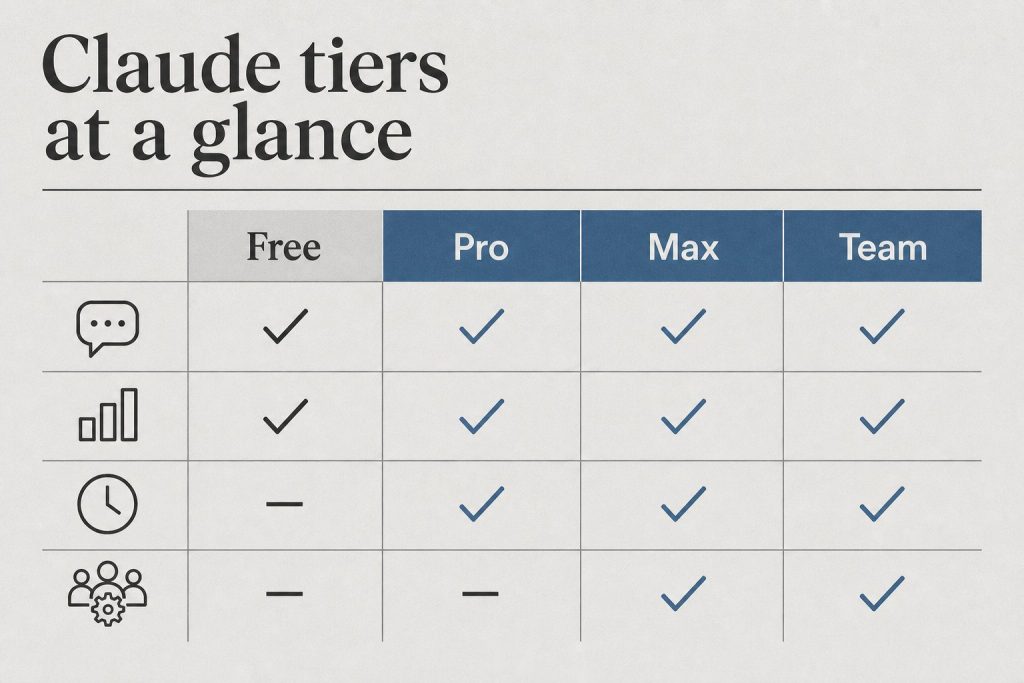
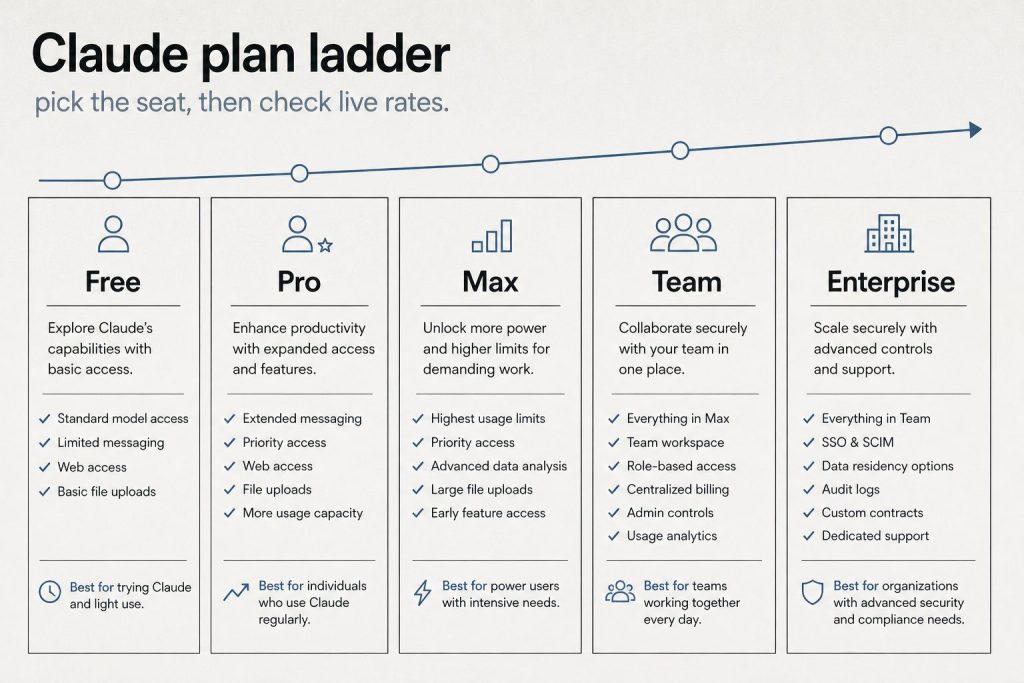
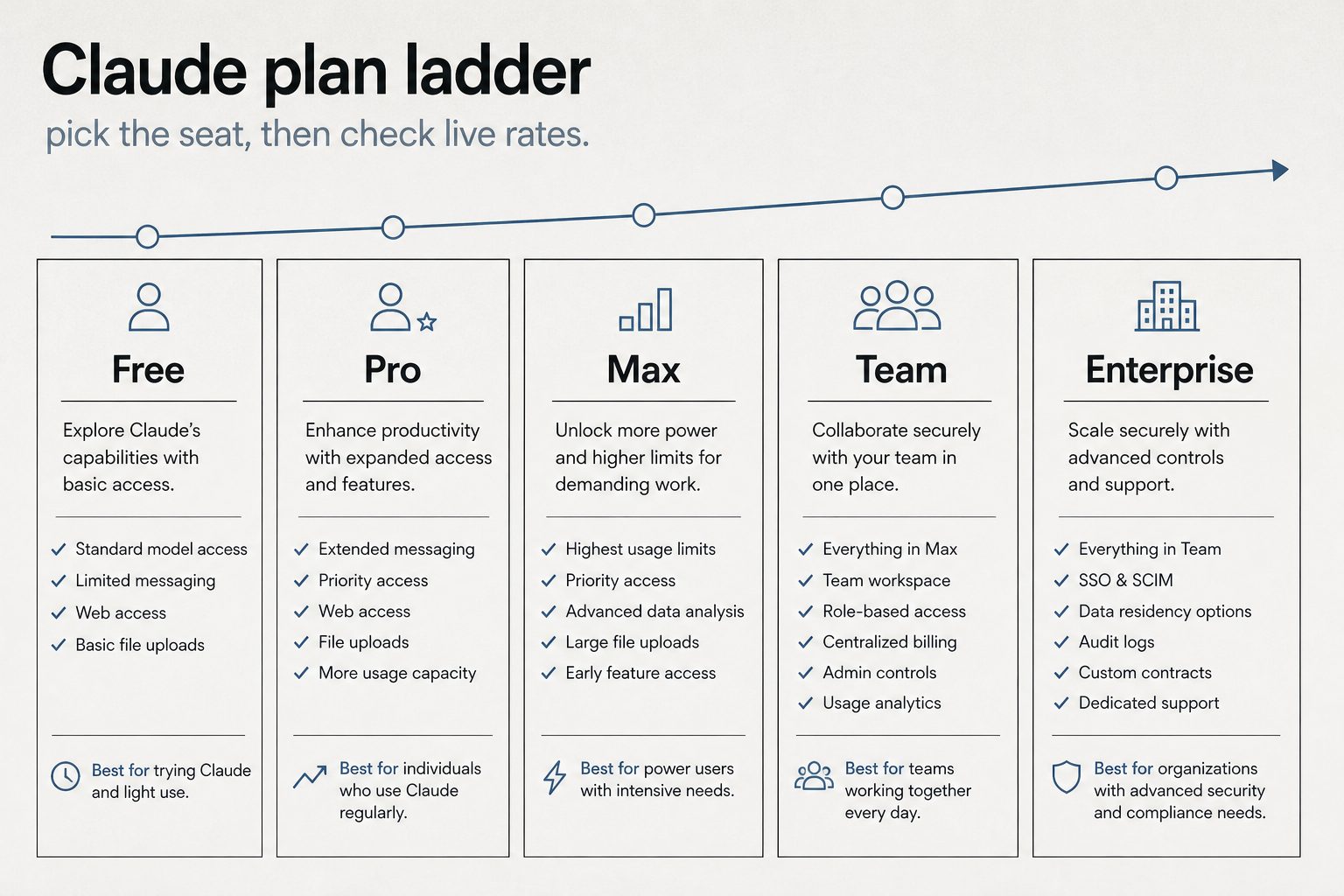
Direct Answer (6 October 2026): The Claude in Chrome extension lets Claude read the page you have open and work in a side panel — it reads the live DOM, clicks, fills forms, and downloads files, all inside the browser. It is not Cowork and it is not Claude Code. On the claude.com/pricing comparison read 6 October 2026, Claude in Chrome is No on Free and Yes on Pro, Max 5x, Max 20x, Team, and Enterprise. Permission claims (passwords, history, autofill) were not re-checked against the Chrome Web Store on this date.
Claude in Chrome is a browser extension that brings Claude into the tab you already have open. Rather than copying the page into a chat, the extension lets Claude see the page and answer next to it. This guide is built from documented operational use across eight previously separate guides — setup, use cases, profiles, web-app automation, the API decision, the Cowork comparison, LinkedIn workflows, and a production video pipeline — merged into one canonical reference.
What Claude in Chrome actually is
Claude in Chrome is a browser extension — separate from claude.ai, separate from Cowork — that connects Claude to your active Chrome tab. Once installed and connected, Claude gains browser-native tools it doesn’t have in a standard chat session:
- Reading page content — text, links, form fields, and interactive elements on the current tab
- Clicking — buttons, links, checkboxes, and UI controls (with your permission per action)
- Filling forms — with explicit approval per action
- Scrolling and navigating between your open tabs
- Downloading files through the browser
The key technical distinction: Claude in Chrome works through DOM access, not screenshots. That makes it faster and more precise for web tasks than screenshot-based computer use — it reads the page structure directly rather than looking at pixels. It has no awareness of your desktop, no filesystem access, and cannot open applications outside the browser. If you close Chrome, Claude in Chrome stops.
How to install Claude in Chrome
- Search the Chrome Web Store for the official Anthropic Claude extension.
- Click Add to Chrome, then sign in.
- Click the toolbar icon to open the side panel.
- Click Connect to link the extension to your chat session.
Plan availability verified 6 October 2026 against claude.com/pricing: No on Free; Yes on Pro, Max 5x, Max 20x, Team, and Enterprise. Usage draws from the same seat pool as claude.ai — a rolling five-hour window, plus weekly limits on paid plans. The install steps and permission claims above were not re-checked against the Chrome Web Store on this date.
What it can do — and what it can’t
It can: summarize articles and long docs, extract HTML tables, draft replies against a visible thread, walk a pricing or docs page, research a LinkedIn profile (read-only), fill forms with your approval, and operate web apps that have no API.
It cannot: see a page you aren’t authenticated to. Heavy iframe / SPA pages can fail. It does not get your history, passwords, or autofill data. It does not submit purchases without you confirming. It is not a bulk scraper — it works one page at a time, in your session. And it cannot run on a schedule or while you’re away: every session needs you present and a manual click to connect.
Claude in Chrome vs Cowork vs Chat vs API
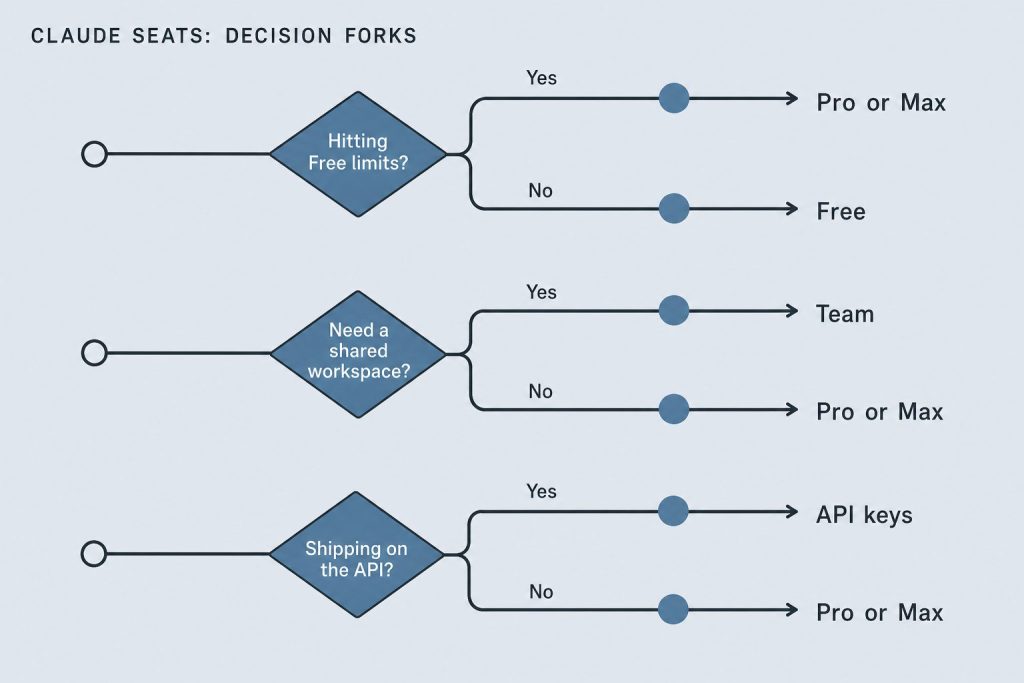
Four tools, four jobs. The decision rule that holds up in practice:
- Use Chat when the work is text in a conversation.
- Use Chrome when the source is a live web page and you’re present.
- Use Cowork when the work is files on the desktop or needs to run on a schedule while you’re asleep.
- Use the API first whenever one exists for what you need — Chrome is the fallback, not the default.
The API-first rule. An API call is deterministic — same endpoint, same payload, same result. A Chrome UI interaction depends on the current state of a live webpage, and web pages change. Chrome automation runs at human browsing speed, needs a running logged-in browser, and typically needs maintenance when sites redesign. Expect roughly 80-90% reliability per run versus 99%+ for a good API integration. So: API first; Claude in Chrome when the API doesn’t exist, doesn’t expose what you need, or the task is genuinely one-off. The cleanest architectures use both — API for everything it can reach, Chrome for the UI-only edges.
One question resolves most cases: do you need it to run while you’re asleep? If yes, that’s Cowork territory. If no, Chrome with you present.
Practical use cases
Research and summarization
Long docs, papers, vendor pages, competitive pricing pages — open the URL and ask for a comparison against your offer, or a summary with the numbers pulled out. Tables come out clean because Claude reads the DOM, not a screenshot.
Email in the browser
Draft against the thread you can still see. Claude reads the email context in Gmail and drafts the reply next to it.
LinkedIn: assist, don’t automate
The genuinely useful LinkedIn jobs are read-and-prepare: summarizing a prospect’s profile before a call, researching a company page, scanning a feed for the day’s relevant threads, drafting a DM or comment for your approval. The standout use case is paste-assist for long-form Articles — schedulers can only push short feed posts through the official API, so native Articles stay a manual copy-paste, and a guided in-browser assist turns that tedium into minutes.
What to never do: automated feed posting, bulk connection requests, or bulk messaging. Networks detect automation, it violates terms of service, and accounts get throttled or suspended. The browser is an assistant, not a posting robot. Keep a human on the trigger for anything that publishes or sends.
Automating web apps without an API
The pattern that works: Claude Chat writes the work order; Claude in Chrome executes it. You describe the task to Chat; Chat writes precise step-by-step instructions (what page, what to click, what to fill, what to confirm); you paste that into the Chrome session; it executes. Documented uses include cloud console navigation, DNS updates through a registrar UI, posting through scheduling tools whose API tier lacked the endpoint, and operating browser-based AI tools that have no API at all.
A good work order is sequential, specific about UI elements, anticipates surprises (login screens, MFA prompts, CAPTCHAs — which Chrome cannot solve), and ends with a confirmation step. Pre-login matters: Claude can only touch services you’re already logged into in that profile. And never leave it running on high-stakes actions — payments, publishing, deletions — without reviewing first. There is no undo button.
Multiple Chrome profiles
Each Chrome profile is its own island — separate logins, extensions, sessions. Claude in Chrome connects to one profile at a time via your manual click. The extension must be installed separately on each profile. When Claude needs a different profile mid-session it calls switch_browser; you click Connect in the right window. Practical ceiling: two to three profiles per session before the manual clicks get tedious. Keep personal tabs in a profile you never connect.
The production pattern: scheduled pipelines
One documented production pipeline shows how far the pattern goes: two staggered Cowork scheduled tasks use Claude in Chrome to operate a browser-based notebook tool with no API — creating notebooks from article URLs, triggering video generation, harvesting finished videos, and drafting WordPress watch pages. The architecture (trigger, wait, harvest, log) generalizes to any browser-only tool. The real failure modes, documented from production: generation timeouts (most common), Chrome tab closures killing a run, and daily per-account generation limits handled by rotating accounts across profiles. Posts go up as drafts — a human spot-check before publishing is intentional.
Privacy
The extension only sends page content when you invoke it. It sees visible page content you share — not passwords, history, or autofill. Team and Enterprise default to no training on that content. Review permissions at install, and use judgment with regulated or confidential data: page content is processed by Anthropic’s systems under your plan’s privacy settings.
Frequently asked questions
Is Claude in Chrome free?
No. Not on the Free plan per the 6 October 2026 pricing table. Pro, Max, Team, and Enterprise are Yes.
Does it work on Edge or Brave?
Official support is Chrome. Chromium forks sometimes work; don’t count on it for production.
Can it see my passwords?
No. Visible page content you share only.
Can Claude in Chrome run overnight or on a schedule?
No. It needs an active session and a manual connection per session. Scheduled, unattended runs are Cowork’s job.
Can it switch Chrome profiles by itself?
No. Every profile switch needs your click on Connect. Deliberate design, not a limitation to work around.
Is it safe to use while logged in to sensitive accounts?
Use a dedicated work profile for Claude sessions and keep personal or sensitive tabs in a profile that’s never connected. Claude can see and interact with any tab open in the connected profile.
What happens when a site redesigns and breaks my workflow?
Claude reports it couldn’t find the expected element and stops — it won’t guess or click something random. Update the work order to match the new UI. Writing instructions in terms of intent (“find the button that saves the record”) is more resilient than describing exact pixels, but no wording survives every redesign.
How is this different from Claude for Microsoft 365?
Chrome is any website in the browser. Microsoft 365 is Word, Outlook, and Teams.
Sources: Claude Help Center, Get started with Claude in Chrome; claude.com/pricing (plan availability verified 6 October 2026); documented operational use across eight Tygart Media guides (May–September 2026). Install-step and permission claims were not re-checked against the Chrome Web Store on the verification date. Desktop-behavior claims about Cowork were not re-tested against Anthropic on that date.