Exploring Everett - Tygart Media

Category: Exploring Everett

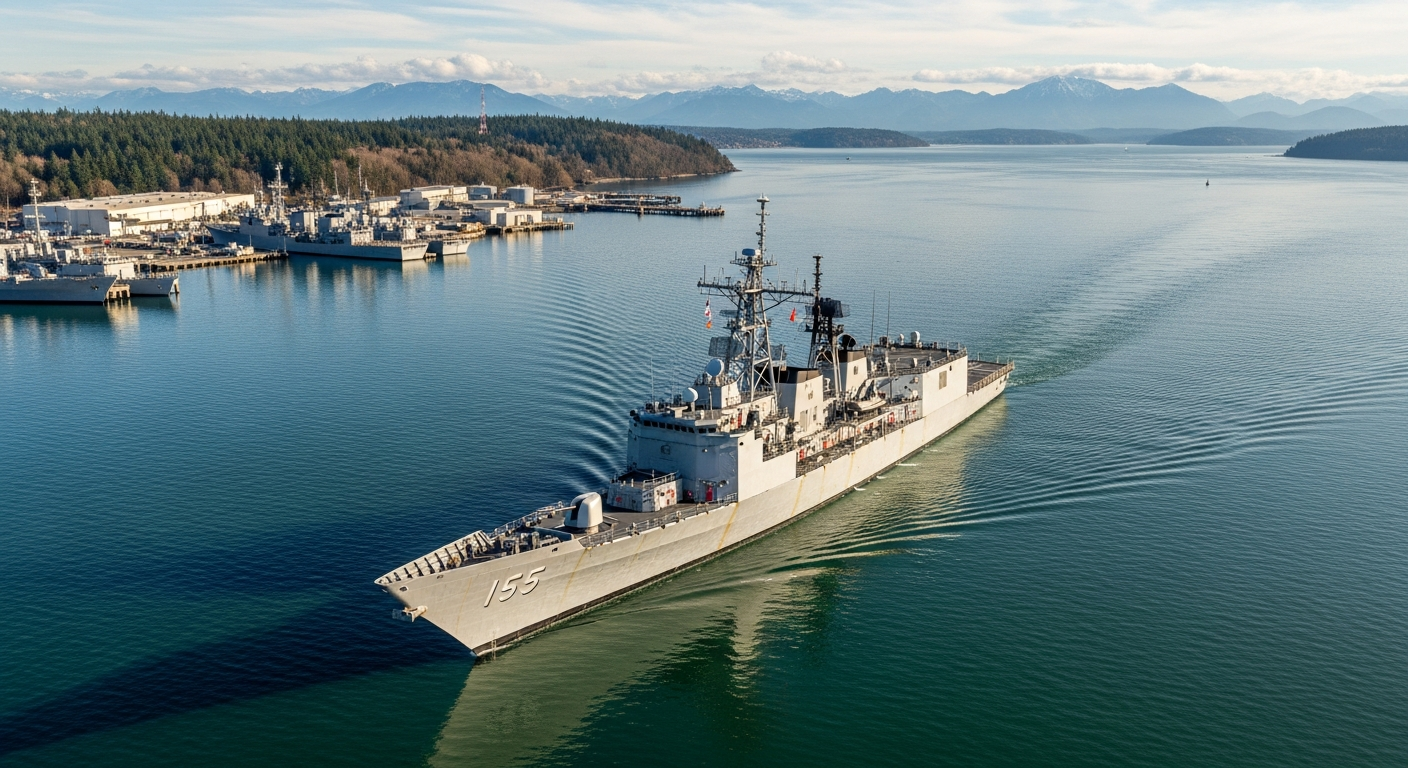
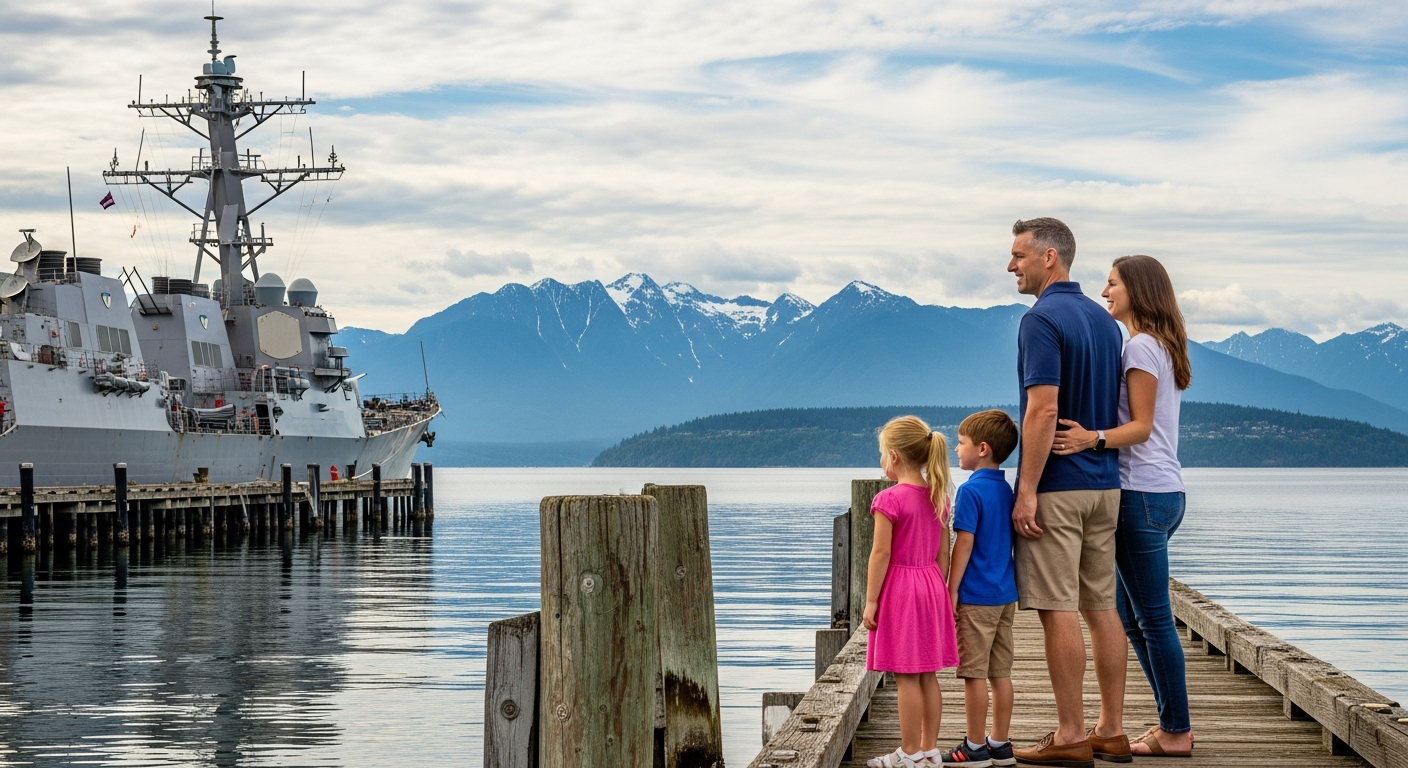
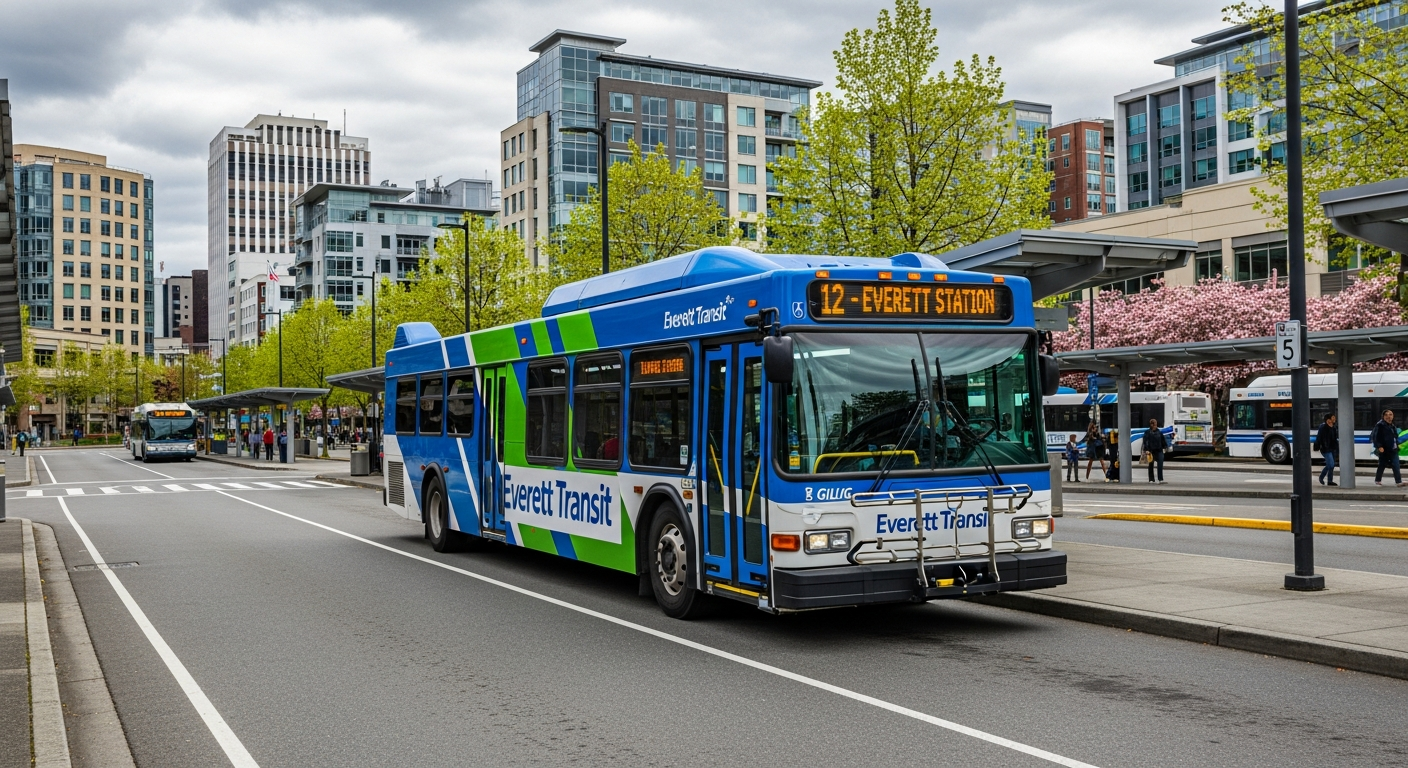
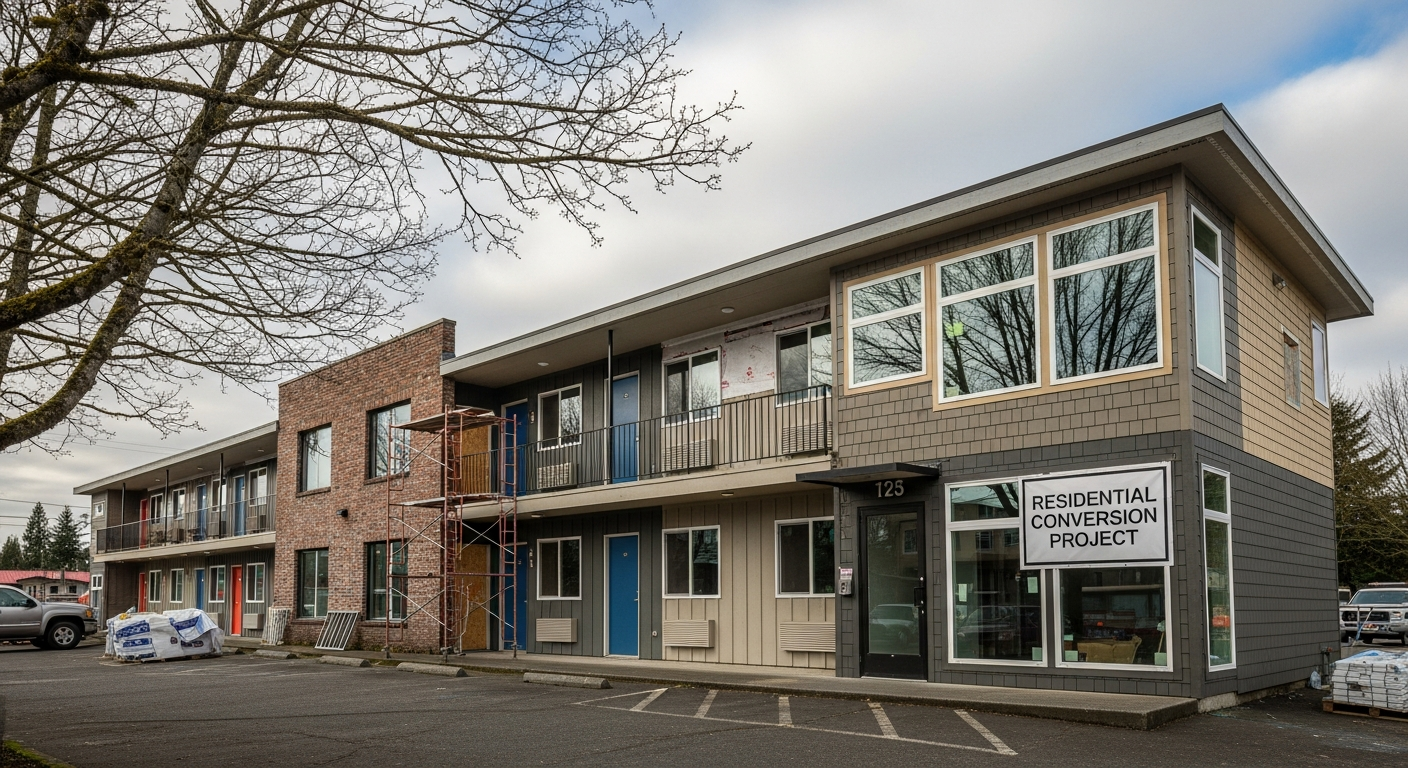
Everett, Washington is in the middle of something big. A $1 billion waterfront transformation. A Boeing workforce that built the world’s largest commercial jets. A port city with a downtown that’s finally catching up to its potential. A Navy presence at Naval Station Everett. A comedy and arts scene punching above its weight. And neighborhoods — Riverside, Silver Lake, Downtown, Bayside — each with their own identity and story.

Exploring Everett is Tygart Media’s hyperlocal coverage vertical for Snohomish County’s largest city. We cover the waterfront redevelopment, Boeing and Paine Field, city hall, the food and arts scene, real estate, neighborhoods, and everything in between — written for people who live here, work here, or are paying attention to what’s coming.

Coverage categories include: Everett News, Waterfront Development, Boeing & Aerospace, Business, Arts & Culture, Food & Drink, Real Estate, Neighborhoods, Government, Schools, Public Safety, Events, and Outdoors.

Exploring Everett content is also published at exploringeverett.com.

  • The Everett Farmers Market Opens May 10 — Here’s What to Expect, What to Bring, and What to Hit First

    The Everett Farmers Market Opens May 10 — Here’s What to Expect, What to Bring, and What to Hit First

    When does the Everett Farmers Market open in 2026? The Everett Farmers Market opens for its 2026 season on Sunday, May 10, 2026, at 2930 Wetmore Ave in downtown Everett. Seniors and high-risk customers enter at 10:30 AM; general public at 11 AM. The market runs Sundays through October.

    The Everett Farmers Market Opens May 10 — Here’s What to Expect, What to Bring, and What to Hit First

    The wait is almost over. After a long Everett winter of grocery store hothouse tomatoes and shrink-wrapped herbs, the Everett Farmers Market opens for its 2026 season on Sunday, May 10 at 2930 Wetmore Ave in downtown Everett. Doors open at 10:30 AM for seniors and high-risk shoppers, and at 11 AM for everyone else. The market runs through October, every Sunday—but Opening Day has a particular energy that the later-season Sundays never quite match. This is the guide for making the most of it.

    The Basics: What the Everett Farmers Market Actually Is

    The Everett Farmers Market at 2930 Wetmore Ave is a certified farmers market operating under Washington State Department of Agriculture rules, which means vendors selling “farm products” must actually grow or raise what they’re selling. It’s not a craft fair with a few vegetable booths—it’s a working market with produce, baked goods, honey, flowers, wine and distillery tastings, artisan goods, and music. The vendor mix is updated on their website (everettfarmersmarket.com) by Saturday noon each week, so you can check what’s there before you drive.

    In past seasons, Opening Day has drawn 60+ vendors, a full flower section from Hmong farmers who cultivate, deliver, and arrange fresh seasonal bouquets on-site, and a line of regulars who show up early specifically for the first-of-season strawberries. Don’t underestimate how much better the Opening Day energy is compared to a random mid-July Sunday. People are ready to be there.

    What’s Usually Available on Opening Day (Early May)

    Early May in the Pacific Northwest means you’re at the tail end of spring’s first real produce push. Opening Day in past seasons has reliably included:

    • Asparagus — usually a highlight of the early-season haul from Snohomish and Skagit Valley farms
    • Rhubarb — often the most sought-after early-season item; goes fast
    • Spinach, kale, and salad greens — cool-weather crops that are at their best in May before summer heat sets in
    • Fresh eggs — always available from local farms early in the season
    • Transplants and starts — tomatoes, peppers, herbs, and flowers ready for your garden
    • Baked goods — artisan breads, pastry, jams
    • Honey — local producers usually debut seasonal varieties on Opening Day
    • Fresh-cut flower bouquets — from Hmong growers who have become one of the market’s most beloved vendors

    What you won’t find on May 10: corn, tomatoes, peppers, cucumbers, zucchini, or any of the summer crops. Those arrive in June and July. If you show up expecting summer produce, you’ll be disappointed. Show up expecting the best spring vegetables the Snohomish County region grows, and you’ll fill a bag fast.

    The Vendor Ecosystem: Beyond Produce

    The Everett Farmers Market is meaningfully more than a vegetable market. Past seasons have included kombucha producers, local wine and distillery tasting booths, artisan jam and preserves, fresh-milled grain products, fermented foods, hot prepared food vendors, and a rotating selection of jewelry, pottery, glasswork, and handmade crafts.

    The distinction between farm vendors (required to grow what they sell) and maker/artisan vendors (required to make what they sell) means the quality floor is high. This isn’t a swap meet. Every vendor in both categories has been vetted to ensure their products are what they say they are. The market’s WSDA certification is what backs that up.

    If you’re looking to fill gaps before Opening Day, the CSA pre-market guide covers Goat & Seed at Twin Willows, SnoValley Tilth, and Garden Treasures Arlington for year-round farm access. But on May 10, you can just show up at Wetmore Ave and buy directly from the growers.

    Practical Guide: How to Make the Most of Opening Day

    Arrive Early

    If you’re a senior or high-risk shopper, the 10:30 AM early entry window is specifically for you. For everyone else, arriving at 11 AM right at open gives you first crack at rhubarb, asparagus, flower bouquets, and anything else that tends to run out before noon. By 1 PM, the best-sellers from specific vendors can be gone.

    Bring Cash and a Bag

    Most vendors accept cards, but cash is faster and some smaller producers prefer it. Bring reusable bags—ideally a sturdy tote for produce and a separate soft bag for baked goods or fragile items like eggs. The vendors don’t provide bags, and a plastic grocery bag filled with asparagus and rhubarb on a walk back to your car is a mess waiting to happen.

    Walk the Full Market Before You Buy

    First-timers often make the mistake of buying everything at the first booth with something they recognize. Walk the full market first—30 minutes is enough—see what the different vendors are offering, compare prices and quality, and make a mental list. Then go back. The vendors set up in roughly the same positions each week, so once you find your regular egg farmer or bread vendor, you’ll always know where to find them.

    Parking

    Street parking on Wetmore Ave and adjacent streets fills up quickly on Opening Day. The 2930 Wetmore Ave site has some on-site parking, but plan for a short walk from surrounding streets or the downtown parking garages. Sunday morning parking in downtown Everett is generally manageable—just don’t arrive at 11:05 expecting a spot right at the entrance.

    The Full-Day Pairing: Market Morning + More

    Opening Day pairs naturally with a downtown morning. The 2026 market season preview lays out the full calendar through October. For a post-market breakfast, South Fork Baking Co. at Port of Everett Waterfront Place does scratch pastries and Joe Coffee espresso—a natural follow-up to a Wetmore Ave flower-and-vegetable haul. The waterfront is a 10-minute drive from the market.

    If you want to keep the local food theme going into the afternoon, Beverly Food Truck Park at 6731 Beverly Blvd runs Monday through Saturday 4–7 PM with rotating trucks including Mexicuban and Tabassum.

    The Details

    Address: 2930 Wetmore Ave, Everett, WA 98201
    2026 Opening Day: Sunday, May 10, 2026
    Hours: 10:30 AM early entry (seniors/high-risk); 11 AM–3 PM general public
    Season: Sundays through October 2026
    Phone: (425) 422-5656
    Website: everettfarmersmarket.com — vendor map updated Saturday noon before each Sunday market
    Parking: Street parking + downtown garages; plan for a short walk on Opening Day

    Frequently Asked Questions

    When does the Everett Farmers Market open in 2026?

    Opening Day is Sunday, May 10, 2026. Seniors and high-risk customers enter at 10:30 AM; general public from 11 AM to 3 PM. The market runs every Sunday through October at 2930 Wetmore Ave in downtown Everett.

    What vegetables are available at the Everett Farmers Market in early May?

    Early-season produce typically includes asparagus, rhubarb, salad greens, spinach, kale, fresh eggs, garden transplants, and herbs. Summer crops like corn, tomatoes, and peppers are not available until June–July.

    Is there parking at the Everett Farmers Market?

    There is some on-site parking at 2930 Wetmore Ave plus street parking and downtown garages nearby. On Opening Day, plan to arrive early or be prepared for a short walk from a nearby garage.

    Do vendors at the Everett Farmers Market accept credit cards?

    Most vendors accept cards, but cash is faster and some small producers prefer it. Bring both to be safe.

    What is the Everett Farmers Market’s early entry policy?

    The market opens at 10:30 AM for seniors and high-risk customers, and at 11 AM for the general public. This early entry window is a regular part of the market’s operation.

    Are there non-food vendors at the Everett Farmers Market?

    Yes. The market includes artisan vendors selling jewelry, pottery, glasswork, and handmade crafts, along with maker-vendors for jams, honey, baked goods, kombucha, and wine/distillery tasting.

    Where can I find the vendor list before going to the market?

    The vendor map for each Sunday’s market is posted at everettfarmersmarket.com by Saturday noon the day before.

  • Middleton Brewing: South Everett’s Nano-Brewpub Is the Fruit Ale Spot the Rest of the City Forgot to Tell You About

    Middleton Brewing: South Everett’s Nano-Brewpub Is the Fruit Ale Spot the Rest of the City Forgot to Tell You About

    What is Middleton Brewing? Middleton Brewing is a 1.5-barrel nano-brewpub in South Everett run by owner-brewer Geoff Middleton, specializing in nontraditional fruit ales. Located at 607 SE Everett Mall Way Suite 27-A, it’s open Thursday through Sunday and is one of the most under-the-radar craft beer stops in Snohomish County.

    Middleton Brewing: South Everett’s Nano-Brewpub Is the Fruit Ale Spot the Rest of the City Forgot to Tell You About

    There’s a pattern to how people discover Middleton Brewing. Someone moves to South Everett, does a quick search for local craft beer, finds the brewery trail article that mentions eight stops, sees Middleton listed, assumes it’s just another tap house, and promptly goes somewhere shinier. A few weeks later, a neighbor sets them straight.

    “You haven’t been to Geoff’s place yet?”

    Then they go, order a Tangerine IPA, and wonder why they waited.

    Middleton Brewing has been operating at 607 SE Everett Mall Way since 2013, tucked into a suite in a South Everett commercial strip. It’s a 1.5-barrel nano-brewpub—meaning Geoff Middleton brews everything on-site in small batches, frequently rotates what’s on tap, and is personally behind the bar more days than not. The scale is intentional. At 1.5 barrels, he can try things that no production brewery would risk: a Lime & Cilantro session ale, a Walnut Almond Coconut stout, a Ginger Lemongrass wheat. Every batch is a few kegs. When it’s gone, it’s gone.

    The Beer Program: Fruit-Forward, Unashamed, Surprisingly Sophisticated

    The majority of Middleton’s beers include fruit, and Geoff doesn’t apologize for it. His Tangerine IPA uses a full pound of fresh tangerines per gallon—which is not a flavoring trick, that’s a real citrus load that comes through in every sip. The result is bright and bitter in the way a good IPA should be, with fresh citrus that doesn’t read as artificial or syrupy. It is, by a wide margin, the best fruit IPA in South Everett, and it’s not particularly close.

    The rotating tap list on any given week might include some combination of: Blackberry Wheat, Blueberry Stout, Strawberry Blonde, Jalapeno Pale, Honey Ale, Coconut Porter, or the Ginger Lemongrass Saison. These aren’t gimmick beers—they’re the product of a homebrewer who spent years perfecting recipes before going commercial and who still treats every batch as a small batch worth getting right.

    If you want to know what’s on tap before you make the drive, check their Facebook page or Instagram (@middleton_brewing), where Geoff posts fairly regularly about current pours. The tap list changes with whatever just finished fermenting, so there’s no reliable “house beer” other than whatever he’s currently excited about.

    The Space: Small, Dog-Friendly, Genuinely Neighborhood

    Middleton Brewing is not a destination taproom with exposed timber beams and a DJ. It’s a neighborhood brewpub that happens to be in a commercial strip near the SE Everett Mall. The space is small and unpretentious, with open seating, a full food menu including sandwiches, pizza with vegan cheese options, beer cheese nachos, and the kind of low-key atmosphere where you can show up with your dog (they’re welcome), claim a table, and work through a few small-batch pours without anyone making you feel like you need to buy another round.

    It’s also genuinely family-friendly. There’s no craft-beer-bar pressure to the place. Geoff Middleton built it to serve his neighborhood, and that’s exactly what it does.

    The Origin Story: From Painting Contractor to Nano-Brewery Owner

    Geoff Middleton’s path to opening a brewery ran through a college hobby, a family painting business, and about a decade of perfecting recipes on a homebrew kit. His first batch was a two-gallon blonde ale from a retail kit to which he added fresh blueberries—a choice that probably tells you everything you need to know about where his beer program was going to end up.

    He chose the brewpub model deliberately, wanting a taproom-first business rather than a production brewery chasing distribution. In 2013, the Middleton family opened at the current SE Everett Mall Way location. Geoff still works for the family painting business during the week. The brewery runs Thursday through Sunday, and he’s there every open day—which means if you have a question about a beer, the person who brewed it is almost certainly the one pouring it.

    That kind of direct-from-brewer tap experience is increasingly rare as Everett’s craft beer scene has grown and professionalized. The Everett brewery trail now has eight stops, ranging from production facilities with full kitchens to small taprooms. Middleton sits firmly at the intimate, personal end of that spectrum—a place where the menu is whatever Geoff just finished brewing and the best pairing advice comes from the guy who made it.

    How It Fits Into the Broader South Everett Craft Beer Scene

    South Everett has quietly developed a credible craft beer circuit. Lazy Boy Brewing opened recently at 715 100th St SE and is drawing the rotating-tap crowd with trivia nights and live music. U-Neek and Crucible Brewing, just down the road at 909 SE Everett Mall Way, relaunched with new ownership and a new small-batch Owner’s Series that rhymes with what Middleton has always done. That puts three distinct nano-to-small breweries within a few miles of each other in South Everett—a circuit worth building an afternoon around.

    For context on the North Everett and waterfront brewery scene, Obsidian Beer Hall on Hewitt and Sound to Summit at the marina offer a different vibe—larger spaces, more taps, waterfront access. Middleton is the counterweight: tight, brewer-owned, neighborhood-first.

    What to Order

    If the Tangerine IPA is on tap, start there. It’s the anchor of the program and the best introduction to Geoff’s approach. If you want to go fruit-forward but lighter, look for whatever wheat or blonde is currently running with a fruit addition. For the adventurous: ask what the weirdest thing on tap is. The answer is usually worth trying.

    On the food side, the beer cheese nachos pair well with anything on the hop-forward side of the tap list, and the house pizza with vegan cheese is legitimately good for a brewpub offering.

    The Details

    Address: 607 SE Everett Mall Way Suite 27-A, Everett, WA 98208
    Hours: Thursday–Friday 2–9 PM, Saturday 2–9 PM, Sunday 2–8 PM (closed Mon–Wed)
    Phone: (425) 280-9178
    Dog-friendly: Yes
    Family-friendly: Yes
    Price range: Pints typically $5–$7, food items $9–$14
    Parking: Free surface lot at the commercial strip
    Follow for tap updates: Facebook (Middleton Brewing) / Instagram @middleton_brewing

    Frequently Asked Questions

    What kind of beer does Middleton Brewing specialize in?

    Middleton Brewing specializes in nontraditional fruit ales—beers that use real fruit additions like fresh tangerines, blackberries, blueberries, strawberries, coconut, ginger, and jalapeño. The tap list rotates constantly based on what’s currently fermenting.

    Is Middleton Brewing dog-friendly?

    Yes. Middleton Brewing is family- and dog-friendly.

    What are the hours at Middleton Brewing?

    Thursday through Friday 2–9 PM, Saturday 2–9 PM, Sunday 2–8 PM. Closed Monday through Wednesday.

    How big is Middleton Brewing?

    It’s a 1.5-barrel nano-brewpub, meaning all beer is brewed on-site in very small batches. When a batch runs out, that beer is gone until the next brew cycle.

    How does Middleton Brewing compare to other Everett breweries?

    Middleton is the smallest and most personal of Everett’s brewery options. It lacks the large-production capacity or waterfront ambiance of places like Sound to Summit or Obsidian Beer Hall, but it offers something none of the others do: a brewer-owned nano-operation where the person pouring is the person who brewed it, and the tap list changes based on actual small-batch experimentation rather than a set rotation.

    Does Middleton Brewing serve food?

    Yes—full food menu including sandwiches, pizza (with vegan cheese option), beer cheese nachos, and soups.

    Where is Middleton Brewing located?

    607 SE Everett Mall Way Suite 27-A, Everett, WA 98208. Free parking in the surface lot.

  • Snohomish County’s Housing Inventory Just Jumped 51.8% — What That Means for Everett Buyers and Sellers Right Now

    Snohomish County’s Housing Inventory Just Jumped 51.8% — What That Means for Everett Buyers and Sellers Right Now

    For years, the Snohomish County housing market operated in a single gear: not enough homes, too many buyers, prices up. What we’re seeing in the spring of 2026 is a gear shift — and if you’re buying or selling in Everett right now, the numbers look meaningfully different than they did twelve months ago.

    The Northwest Multiple Listing Service’s March 2026 market snapshot showed 1,900 active residential listings across Snohomish County, representing 2.8 months of supply — up sharply from the sub-1.5-month lows that defined the pandemic-era seller’s market. The county posted a 51.8% year-over-year increase in total active listings, putting it among the top five counties in NWMLS’s 27-county territory for inventory gains. And yet: median sold price held at $738,000. Homes are still closing at 99.9% of list price. More than half of all listings — 54.9% — went pending within the first 30 days.

    What’s happening is a collision between supply recovery and rate pressure, and the outcome is a market that is neither the frenzy of 2021 nor the freeze of late 2023. It’s something more complicated — and more nuanced by price band, neighborhood, and property type than any single headline can capture.

    What the Inventory Surge Actually Means

    A 51.8% jump in active listings sounds dramatic, and in some ways it is. At the depth of the supply crisis in 2021 and 2022, buyers in Snohomish County were competing for a fraction of the homes that are now on the market. The correction is real: there are more options, more time to think, and less risk of getting swept into a bidding war on a property you’ll regret.

    But context matters. Nationally, economists generally define a balanced market as 4–6 months of supply. At 2.8 months, Snohomish County is still solidly in seller’s territory by that standard. What’s changed isn’t the fundamental balance of power — it’s the intensity. Sellers are no longer in a position to list at any price and watch offers pile up. Buyers have time to inspect, to negotiate, to walk away if something doesn’t feel right.

    The data shows that distinction clearly. Average showings per listing dropped to 4.8, meaning buyers are doing fewer casual tours and more intentional ones. The average number of showings before a home went pending was 11 — a number that would have seemed impossibly high during the 3–4 showing average of peak seller’s market years, but reflects a market where buyers are being deliberate rather than desperate.

    What Rising Mortgage Rates Are Doing to the Market

    The inventory increase isn’t happening in isolation. Mortgage rates are doing their part to put a lid on activity. Rates briefly dipped below 6% in February 2026, which triggered a small rush of buyers who had been waiting on the sidelines. By late March, rates climbed back to 6.38%, and that pop of demand faded. Closed sales in March across the NWMLS territory came in at 5,417, up just 0.2% year over year — essentially flat despite the inventory recovery that, in theory, should have enabled more transactions.

    For Everett specifically, the rate environment is pushing buyers into decisions that a lower-rate market would make obvious. At 6.38%, a $577,000 Everett home (approximately the city’s early-2026 median) requires a monthly principal and interest payment of roughly $3,100 on a 20%-down conventional loan — before taxes, insurance, and HOA. At the 30% of income affordability threshold, that requires a household income of approximately $124,000 annually. The Everett area median household income in 2026 sits well below that threshold, which is why first-time buyers are stretched, why rental demand at buildings like Waterfront Place’s Sawyer and Carling remains strong despite a soft rental market, and why conversion projects like the Econo Lodge-to-apartments project in Silver Lake are filling a real need.

    By Property Type: Three Very Different Stories

    The Snohomish County housing market in early 2026 is not one market — it’s three, layered by property type, and each is behaving differently.

    Residential Resale: Competitive But Not Frenzied

    For existing single-family homes, the market is still tilted toward sellers, but the tilt is gentler. Inventory sits at approximately 2.0 months for resale properties, and homes are closing at 99.8% of list price on average. Days on market has lengthened modestly. The $738,000 median price is up 1.2% year over year — still appreciating, but at a rate that buyers can factor into a plan rather than a rate that makes them feel like they’re chasing a moving target.

    The practical implication for Everett buyers: you have time to make an offer you feel good about. You’re unlikely to win at list price on a well-priced home in a good neighborhood, but the days of writing five offers before getting accepted at 15% over asking are gone for most price ranges.

    Condos: The Strongest Performer in the County

    Condominiums are the counterintuitive winner in the current market. The average condo price in Snohomish County rose 4.4% year over year to $586,261 — outperforming single-family appreciation by more than three percentage points. Inventory expanded to 2.7 months, giving buyers meaningful choice without triggering price softness. In Everett specifically, condos were moving in a 22-day median with sellers achieving 99% of list price as of early 2026.

    This pattern reflects the affordability ceiling at work. At a $586,000 average, condos give entry-level buyers a path into Snohomish County ownership that single-family homes at $738,000 median no longer provide at 6.38% rates. For investors, the combination of relative affordability, strong occupancy rates at waterfront rental properties, and rising condo values makes the sub-$600K condo segment worth watching closely through the rest of 2026.

    New Construction: The Buyer’s Opportunity

    New construction is where the current market most favors buyers. The average new construction price in Snohomish County came in at $923,988 in early 2026 — down 2.3% year over year — while closed new construction sales dropped 34.3%. Builders are sitting on inventory they need to move, and that creates leverage for buyers who are flexible on timing and location.

    Builders are actively offering incentives: rate buy-downs, closing cost contributions, and in some cases price adjustments on standing inventory. For a buyer who doesn’t need to be in a specific neighborhood and can wait for a completed unit, the new construction segment in Snohomish County in 2026 offers some of the best negotiating conditions in years.

    What This Means for Everett Specifically

    The county-level numbers describe a broad trend, but Everett’s submarket has its own dynamics. Downtown Everett and the waterfront corridor saw stronger appreciation earlier in 2026 — roughly 11.4% year over year — compared to the -7.5% softness in the 98208 zip code (south and east Everett). Northwest Everett, driven by new infrastructure investment including the recently opened Edgewater Bridge and ongoing waterfront development, posted the strongest appreciation in the city at approximately 22.1%.

    The macro picture for Everett: the city’s development fundamentals remain strong. The Port of Everett waterfront is attracting tenants and investment. The downtown stadium received its $10.6M design authorization. The Millwright District Phase 2 is building out. Boeing’s North Line is ramping. Snohomish County’s industrial market is the most affordable in Puget Sound, drawing logistics users. These are demand generators, and demand generators support home values even when rates are working against them.

    Playbook for Buyers and Sellers in This Market

    If You’re Buying

    You have more time and more leverage than you did 18 months ago, but you’re not in a buyer’s market by any traditional definition. Get pre-approved — sellers still want certainty. For resale homes, coming in slightly below list on properties that have been sitting more than 21 days is reasonable. For new construction, ask about rate buy-downs before accepting the sticker price; builders have flexibility they didn’t have in 2023. If condos fit your lifestyle, the 4.4% appreciation and relative affordability make them worth serious consideration as a first purchase.

    If You’re Selling

    Price accurately from day one. The 54.9% of listings going pending in the first 30 days tells you that well-priced homes are still moving fast. The homes that are sitting are overpriced relative to condition and location. Sellers who price to the market will sell. Sellers who price to last year’s comparable sales will find themselves doing a price reduction they could have avoided. With 1,900 active listings, buyers have enough alternatives to walk away from wishful pricing.

    Frequently Asked Questions

    What is the median home price in Snohomish County in 2026?

    The median sold price for homes in Snohomish County was $738,000 in March 2026, up 1.2% year over year, according to NWMLS data.

    How much did Snohomish County housing inventory increase?

    Active listings in Snohomish County increased 51.8% year over year as of March 2026, one of the five largest inventory gains in the 27-county NWMLS territory.

    What are current mortgage rates for Snohomish County buyers?

    Mortgage rates returned to approximately 6.38% by late March 2026 after briefly dipping below 6% in February, which stalled some buyer activity despite improved inventory.

    How long are homes sitting on the market in Snohomish County?

    Homes in Snohomish County are selling in an average of 35 days as of early 2026, with 54.9% of listings going pending within the first 30 days.

    Is the Snohomish County housing market a buyer’s or seller’s market in 2026?

    With 2.8 months of inventory, the market is technically still a seller’s market (balanced typically requires 4–6 months), but conditions are significantly more favorable for buyers than 2021–2022, with more options, more negotiating room, and less bidding war pressure.

    What is happening with condo prices in Snohomish County?

    Condominiums are outperforming single-family homes, with the average condo price rising 4.4% year over year to $586,261. In Everett specifically, condos are selling in a 22-day median at 99% of list price.


  • Everett’s Econo Lodge Is Becoming 124 Studio Apartments — What Sage Investment’s $16.5M Conversion Means for Silver Lake

    Everett’s Econo Lodge Is Becoming 124 Studio Apartments — What Sage Investment’s $16.5M Conversion Means for Silver Lake

    Driving south on Highway 99 through Silver Lake, it blends into the visual noise: a two-story motel sign, a parking lot, the familiar beige of a budget chain that hasn’t quite kept up with the neighborhood. But the Econo Lodge at 9602 19th Street SE is in the middle of a $16.5 million transformation — and by August 2026, the sign will be gone and 124 people will be calling it home.

    Sage Investment Group, a Seattle-area real estate company that has been quietly working the Puget Sound motel-to-apartment conversion market, bought the property for $9.5 million and is putting another $7 million into the build-out. It’s one of the most straightforward housing additions Everett has seen in recent years: the building already exists, the units are already laid out, the plumbing is already in the walls. What Sage is doing is pulling out the hotel fixtures and replacing them with kitchens, modern bathrooms, and the infrastructure people need to actually live somewhere — not just sleep there on the way somewhere else.

    Why Hotel-to-Apartment Conversions Are an Everett Housing Strategy Now

    Everett doesn’t have a housing affordability problem that can be solved with one project. It has a supply problem that’s been building for years — and conventional apartment development, with its permitting timelines, construction costs, and financing gaps, isn’t closing that gap fast enough. The city’s median home price sits above $577,000 as of early 2026, apartment inventory is tightening (vacancy rates at Waterfront Place’s Sawyer and Carling buildings are at 95% occupancy), and new single-family construction in Snohomish County closed down 34.3% year over year in early 2026.

    Hotel-to-apartment conversions sidestep the most expensive parts of that development equation. The bones of the building are already there. The city doesn’t have to wait years for a ground-up permit. The developer isn’t fighting soil conditions, utility connections, or a blank-page design process. They’re retrofitting something that already works as a structure and making it work as a home instead.

    Sage has been running this playbook across the region. In January 2026, the company picked up another closed motel in the Seattle metro for a similar conversion. The Econo Lodge deal is their Everett execution of a strategy they know. The $9.5M purchase price and $7M in renovations — $16.5M total — delivers 124 units at roughly $133,000 per door, a fraction of what ground-up multifamily development typically costs in the region.

    What the 9602 19th Street Location Means for Residents

    The Silver Lake location isn’t downtown Everett, but it’s not a dead zone either. The property sits near the intersection of 19th Street SE and Highway 99, which puts it within range of Everett’s major employment corridors. Boeing’s Paine Field campus is about five miles north. The Silver Lake area has its own grocery infrastructure, access to Community Transit routes, and proximity to the Snohomish River trail system.

    For the renter Sage is targeting — the “Missing Middle” occupant — location like this matters. These aren’t people choosing between the waterfront and a suburb. They’re workers who need a real address, a kitchen to cook in, and a reasonable commute. The Highway 99 corridor has transit access that connects to broader Snohomish County routes. As the Everett Transit consolidation into Community Transit moves forward (a process that could be formally voted on later in 2026), frequency and coverage on routes serving this corridor is expected to improve.

    Construction was set to begin in November 2025, with Phase 1 leasing opening in August 2026. Specific unit pricing wasn’t announced at the time of the project’s public filing, with Sage indicating rates would be available closer to the opening date. Units will include full bathrooms and kitchens — a significant upgrade from the motel-room baseline — and the company has positioned the project as market-rate housing for people earning moderate incomes who aren’t eligible for subsidized programs.

    The “Missing Middle” Problem Sage Is Trying to Solve

    The “Missing Middle” isn’t a buzzword — it’s a real gap in Everett’s housing market that has been widening for years. It describes people who earn too much to qualify for income-restricted affordable housing but too little to comfortably absorb Everett’s going market rents. In early 2026, average apartment rents across Everett sat around $1,849 per month according to market data — down about 2% year over year, but still requiring an annual income of roughly $74,000 to be considered affordable at the standard 30% of income threshold.

    Snohomish County’s office vacancy came in at 10.7% in Q1 2026, meaning there’s commercial demand generating employment — but the workers filling those jobs need somewhere to live. The $23 million in housing and behavioral health funding Snohomish County approved in April 2026 helps on the deeply subsidized end of the spectrum. What the Econo Lodge conversion helps with is the layer above that: people who are employed, stable, and just need a reasonably priced unit near their job.

    Studio apartments specifically serve a population that includes recent graduates, single workers early in their careers, seniors downsizing from larger spaces, and people relocating to take jobs in Everett’s growing industrial and aerospace sectors. With Boeing’s North Line ramping toward Rate 47 production this summer, there’s a real workforce influx expected — and those workers need places to land.

    How This Fits Into Everett’s Broader Housing Production Picture

    The Econo Lodge conversion doesn’t exist in isolation. It’s part of a wider shift in how Everett — and Snohomish County broadly — is adding housing supply. The city’s Critical Areas Ordinance update (passed April 2026) adjusted development rules near wetlands and stream buffers, affecting what’s buildable on undeveloped parcels. The county’s $23M housing award is funding three Everett projects, primarily deeply affordable units with behavioral health components. Eclipse Mill Park’s two-phase riverfront development in Lowell is adding open space that will raise property values — and pressure — in the Riverside corridor.

    The conversion model isn’t a magic solution, but it addresses a real problem with real speed. The motel footprint at 9602 19th Street SE — 39,658 square feet according to public records — produces 124 homes without breaking ground on new earth, without a years-long entitlement process, and without the financing complexity that stops ground-up multifamily deals from penciling in the current rate environment.

    Everett’s Cascade View neighborhood nearby has been quietly stable — owner-occupied, modest, not subject to the volatility of downtown or the waterfront. The addition of 124 rental units on the Highway 99 corridor adds density in a place that can absorb it without displacing an existing residential community.

    What Comes Next for the Project

    With construction underway since late 2025 and Phase 1 leasing targeting August 2026, the Econo Lodge conversion is on a short runway. Sage has not announced specific rent levels, but the “Missing Middle” positioning and market-rate framing suggests units will be priced at or below the prevailing Everett studio average — likely in the $1,200–$1,600 range, though that figure is our inference from regional comparables and not a confirmed Sage quote.

    The project won’t solve Everett’s housing shortage. But it adds 124 units to the supply side of a market that needs every unit it can get, delivers them faster than ground-up construction, and does it in a segment of the market — moderate-income workers, studios — that traditional apartment developers have historically underserved.

    For anyone interested in the project’s progress, the property is publicly visible at 9602 19th Street SE, and Sage’s timeline puts leasing launch at August 2026. We’ll update this when unit pricing and availability are announced.

    Frequently Asked Questions

    Where is the former Econo Lodge being converted into apartments?

    The property is located at 9602 19th Street SE in Everett, WA, near Silver Lake and the Highway 99 corridor in South Everett.

    How many apartments will the converted Econo Lodge have?

    124 studio apartment units, matching the former motel’s room count. Each unit will have a full kitchen and bathroom.

    Who is developing the Everett Econo Lodge apartment conversion?

    Sage Investment Group, a Seattle-area real estate company known for motel-to-apartment conversions across the Puget Sound region. They purchased the property for $9.5 million and are investing $7 million in renovations.

    When will the Everett Econo Lodge apartments open?

    Phase 1 leasing is expected to begin in August 2026. Construction began in late 2025.

    How much will rent be at the converted Everett Econo Lodge?

    Sage has not announced specific rent levels as of April 2026, stating pricing will be available closer to the opening date. The project is positioned as market-rate housing targeting “Missing Middle” renters — moderate-income workers who don’t qualify for subsidized housing programs.

    What is “Missing Middle” housing in Everett?

    “Missing Middle” refers to housing for people who earn too much to qualify for income-restricted affordable units but too little to comfortably afford market-rate rents. In Everett, with average rents around $1,849/month, that typically means workers earning $50,000–$80,000 annually.


  • For Everett-Area Businesses and Shippers: What the Port of Everett’s $11.25M Pier 3 Rebuild Means for Your Operations

    For Everett-Area Businesses and Shippers: What the Port of Everett’s $11.25M Pier 3 Rebuild Means for Your Operations

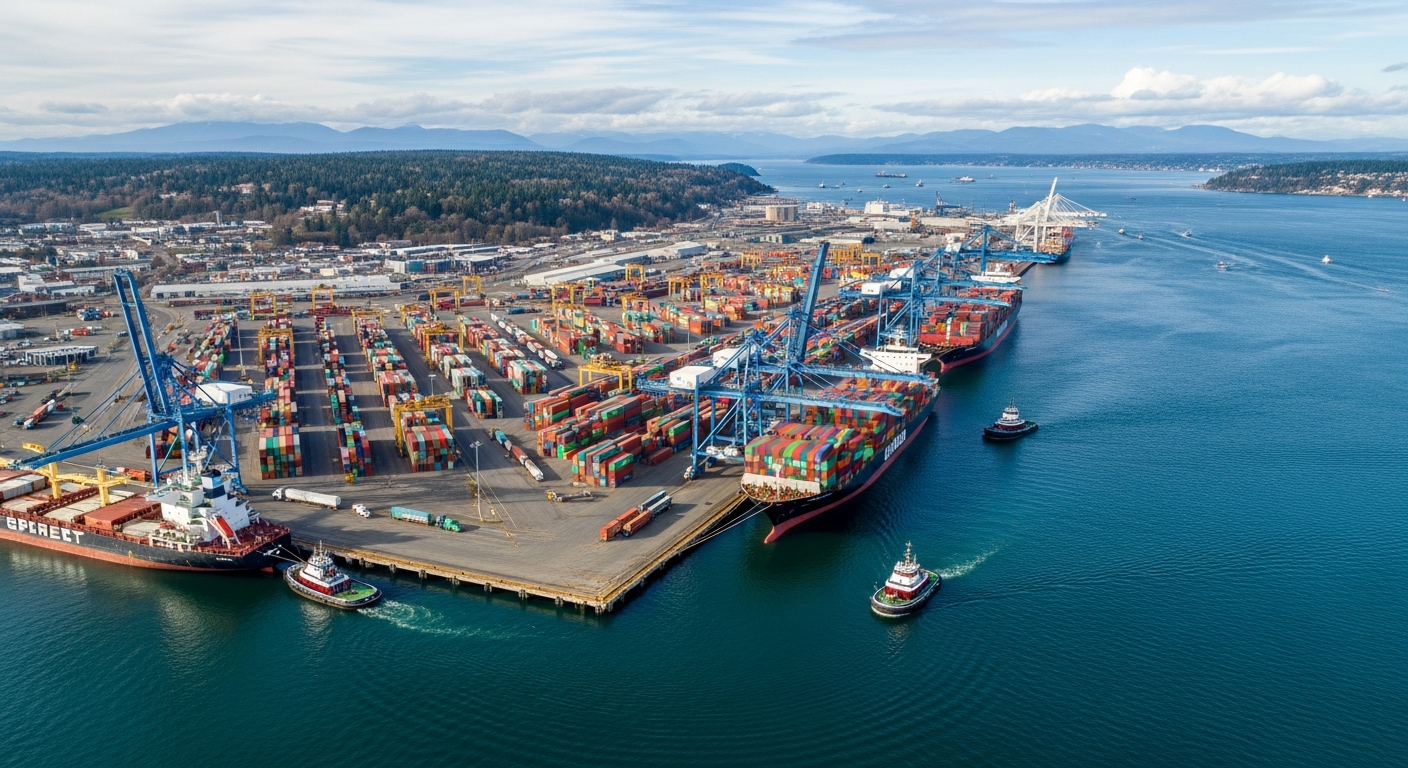
    For Everett-area businesses, importers, shippers, and logistics operators, the Port of Everett’s $11.25 million federal grant to rebuild Pier 3 is a supply chain story. Pier 3 — the port’s longest berth at 730 feet — has been operating well below its original structural capacity for years, limiting which cargo-handling equipment can run on it and therefore limiting what kinds of freight can move through it. The rebuild changes that. Here is what businesses need to know about what the project restores and why it matters for Snohomish County’s logistics position.

    The Problem the Grant Solves

    Pier 3 was built in 1973 with a design live load of 800 pounds per square foot — the rating that allows standard cargo-handling equipment to operate on it. Structural degradation over five decades has forced successive deratings. Today, the south side of the pier is rated at 600 lbs/sqft. The north side is 400 lbs/sqft. Some sections are lower.

    In practice, that means the heavier cranes, forklifts, and handling equipment that would otherwise run on a full-capacity pier cannot be permitted. Cargo that requires that equipment has to be handled differently — or routed elsewhere. The rebuild installs new vertical piles and restores damaged structural elements, returning the pier to its full capacity and allowing normal heavy-equipment operations to resume.

    What It Means for the Port’s Cargo Mix

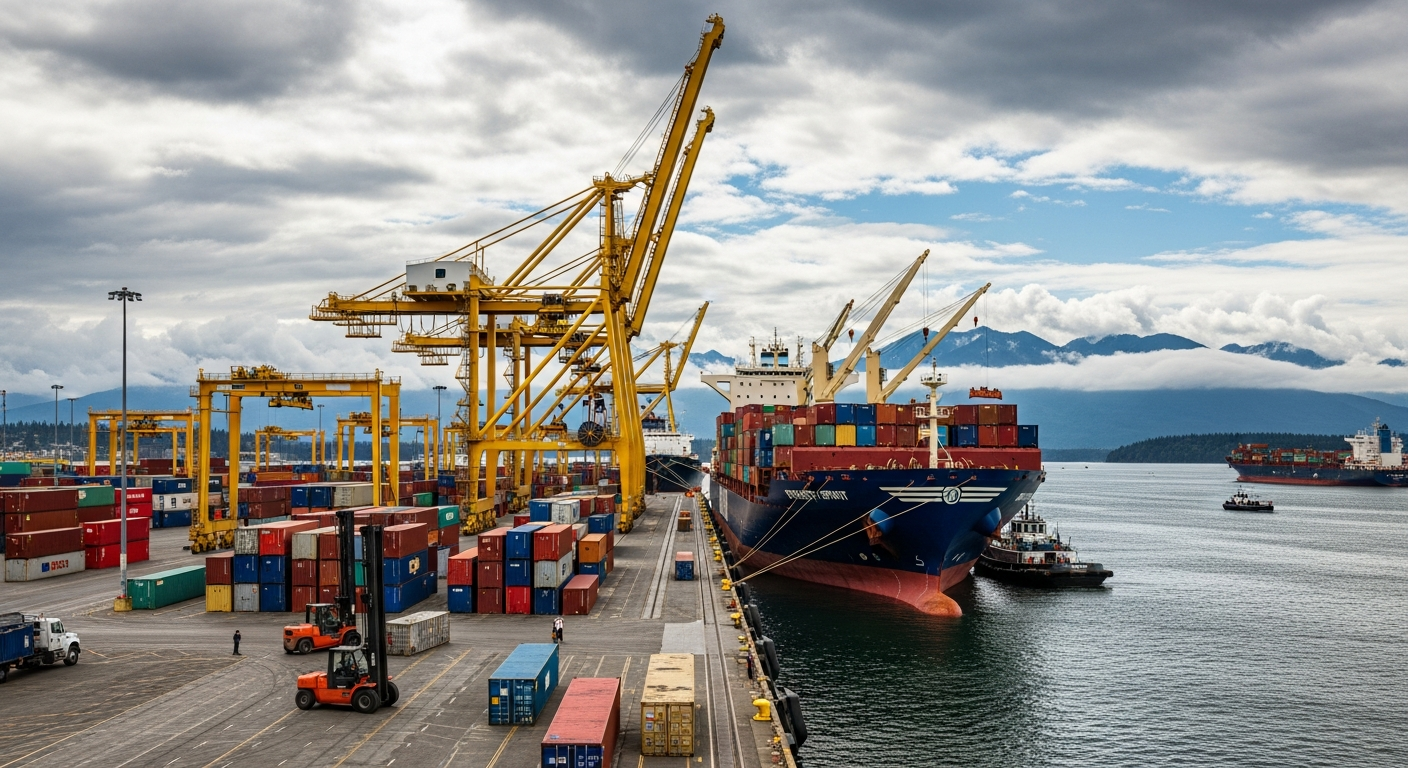
    The Port of Everett Seaport handles bulk commodities (alumina ore, cement), forest products, and general cargo. A fully restored Pier 3 expands the port’s ability to handle a more diverse mix of freight — particularly cargo requiring heavy handling equipment that the derated pier currently cannot support.

    For businesses that import or export through Puget Sound, a stronger Port of Everett means more optionality. The port is already designated by MARAD as a Strategic Commercial Seaport — one of only 18 nationwide — based on its importance to Department of Defense logistics. The rebuild reinforces that designation and the port’s position as a viable alternative to Port of Seattle or Tacoma for certain cargo categories.

    The Industrial Market Context

    Snohomish County is currently the most affordable industrial and warehouse market in the Puget Sound region. Q1 2026 data from Kidder Mathews shows asking rents running $0.70 to $1.00 per square foot monthly on a triple-net basis — the value end of a market where Seattle-side King County runs up to $1.60/sqft. With 10.39% industrial vacancy across the Seattle metro, Snohomish County is in a tenant-favorable window that is unlikely to last.

    A higher-capacity Pier 3 makes the Port of Everett a more competitive import/export hub for businesses already operating in those Snohomish County industrial parks. The supply chain logic is straightforward: affordable warehouse space plus a functioning deepwater port with full cargo-handling capacity is a logistics combination that the county’s industrial corridor — running along Highway 9, SR 9, and the I-5 corridor north of Everett — is well positioned to promote. The full Snohomish County industrial market analysis is at this site’s warehouse market guide for Q1 2026.

    Defense Logistics: The DOD Connection

    As a MARAD Strategic Commercial Seaport, the Port of Everett supports Department of Defense cargo movements — military equipment, supplies, and materiel that move through commercial ports during exercises, deployments, and mobilizations. The Navy’s presence at Naval Station Everett, combined with the Port’s Strategic Seaport designation, makes Everett a node in the military logistics network that extends from Puget Sound to the Pacific.

    The Pier 3 rebuild strengthens that node. For contractors and businesses that support the defense supply chain — from aerospace suppliers in the Paine Field corridor to logistics companies that handle defense cargo — a fully operational Pier 3 is relevant infrastructure.

    How to Engage With the Port

    The Port of Everett’s seaport operations team handles cargo inquiries directly. The project covers planning, engineering, environmental review, permitting, and construction — a multi-year timeline. Businesses with active or planned cargo operations at Pier 3 should contact the Port directly at portofeverett.com for scheduling and operational impact information as the project progresses.

    The complete guide to the Pier 3 grant — including the full structural history and MARAD designation background — is at the Port of Everett Pier 3 complete 2026 guide.

    Frequently Asked Questions

    What types of cargo will Pier 3 handle after the rebuild?
    A more diverse cargo mix than the derated pier currently allows. Historically: bulk alumina ore, cement, general cargo, forest products. Full 800 lbs/sqft restoration allows heavier cargo-handling equipment to operate.

    Does the Pier 3 rebuild affect current shipping operations?
    Construction phasing and operational impacts have not been announced. Contact the Port of Everett directly at portofeverett.com for scheduling questions.

    What is the Port of Everett’s overall capacity?
    Washington’s third largest container port and a MARAD Strategic Commercial Seaport, supporting 40,000+ local jobs. Handles bulk, breakbulk, and general cargo.

    How does the Pier 3 rebuild connect to Snohomish County’s industrial market?
    Snohomish County is the most affordable Puget Sound industrial market at $0.70–$1.00/sqft NNN. A stronger Pier 3 adds import/export capability that supports businesses in county industrial parks.

    How does a business inquire about Port of Everett shipping services?
    Contact portofeverett.com directly. The Port handles bulk, breakbulk, and general cargo inquiries through its seaport operations team.

  • Port of Everett Pier 3: The Complete 2026 Guide to the $11.25M Federal Grant, What It Rebuilds, and Why It Matters for Everett’s Supply Chain

    Port of Everett Pier 3: The Complete 2026 Guide to the $11.25M Federal Grant, What It Rebuilds, and Why It Matters for Everett’s Supply Chain

    On April 27, 2026, MARAD announced the Port of Everett had won an $11.25 million competitive federal grant to rebuild Pier 3 — the port’s longest berth, built in 1973, and now operating at a fraction of its original structural capacity. The grant comes from MARAD’s Port Infrastructure Development Program, awarded nationally on a competitive basis to ports that can demonstrate clear benefits to freight movement and national defense. Here is the complete guide to what Pier 3 is, why it needs this work, and what the rebuild means for Everett’s supply chain.

    What Pier 3 Is and What’s Wrong With It

    Pier 3 is the longest berth at the Port of Everett Seaport — 730 feet long with a 120-foot-wide concrete deck, constructed in 1973. For over five decades it has been the backbone of the Port’s cargo operations, handling bulk alumina ore, cement, general cargo, and forest products moving through Puget Sound.

    The problem is structural. Pier 3 was originally engineered for a uniform live load of 800 pounds per square foot. Over the years, degradation has required the pier to be derated. The south side now carries a maximum of 600 lbs/sqft. The north side is rated at 400 lbs/sqft. Some sections are derated further. In practical terms, this means the heavy cargo-handling equipment that would otherwise run on the pier cannot be permitted on the structure — limiting the Port’s operational flexibility and the types of cargo it can process.

    “The Port is grateful to the U.S. Department of Transportation for this critical maritime infrastructure investment that will ensure the Port of Everett Seaport continues to safely support 40,000-plus local jobs, regional economic development, and the Washington state economy,” said Port CEO and Executive Director Lisa Lefeber at the time of the announcement.

    What the $11.25 Million Grant Funds

    The PIDP grant covers the full scope of the Pier 3 Strengthening Safety and Commerce project: planning and engineering, environmental review, permitting, and construction. The core construction work is installing new vertical piles beneath the pier and restoring other damaged structural elements — the work that will return Pier 3 to its full live-load capacity and allow heavy equipment to operate on the deck again.

    The grant was part of a broader $22 million federal investment in Northwest Washington port infrastructure announced by Rep. Rick Larsen. The Swinomish Indian Tribal Community received the remaining funds for a separate project. PIDP grants are awarded nationally on a competitive basis — ports must demonstrate clear benefits to the safety, efficiency, or reliability of freight movement to qualify.

    Why the Port of Everett Is One of 18

    The Port of Everett holds a MARAD Strategic Commercial Seaport designation — one of only 18 ports in the United States to carry that status. The designation is based on the port’s importance to Department of Defense cargo movements. Strategic Commercial Seaports are the civilian maritime infrastructure the military counts on for logistics during mobilizations and sustained operations.

    That designation is part of why the Port of Everett consistently wins federal investment. It’s not just about commerce — it’s about defense supply chain resilience. A degraded Pier 3 is a gap in that chain. Restoring it to full capacity makes Everett’s role in the national maritime network more secure.

    The Broader Waterfront Context

    The Pier 3 grant arrives alongside ongoing investment across Everett’s waterfront. The $6.75 million wharf rebuild on West Marine View is nearing completion. The Millwright District is under construction. Waterfront Place Restaurant Row has new tenants operating. The Edgewater Bridge — which improves access to the waterfront corridor — opened April 29, 2026.

    The Pier 3 rebuild is the seaport side of that same story. While the marina-facing development attracts restaurants and housing, the industrial seaport is quietly receiving federal infrastructure investment that underpins the economic base all that development rests on. The Waterfront Place complete guide covers the marina and restaurant district in detail.

    Frequently Asked Questions

    What is the Port of Everett Pier 3 federal grant?
    An $11.25 million MARAD PIDP grant to rebuild Pier 3 — installing new piles and restoring structural capacity on the port’s 730-foot longest berth, originally built in 1973.

    Why does Pier 3 need to be rebuilt?
    Structural degradation has derated the pier from 800 lbs/sqft original capacity to 600 lbs/sqft (south) and 400 lbs/sqft (north), preventing full-capacity cargo operations and heavy equipment use.

    What cargo does Pier 3 handle?
    Historically: bulk alumina ore, cement, general cargo, and forest products. Full structural restoration would allow a more diverse cargo mix and heavier equipment.

    How many jobs does the Port of Everett support?
    Port CEO Lisa Lefeber cited 40,000-plus local jobs supported by the Port of Everett Seaport’s operations.

    What is the MARAD Strategic Commercial Seaport designation?
    A federal designation held by only 18 U.S. ports, based on importance to Department of Defense cargo movements. The Port of Everett holds this designation.

    Who announced the grant?
    Rep. Rick Larsen announced the $22 million Northwest Washington port infrastructure package. MARAD’s formal announcement came April 27, 2026.

    When will the Pier 3 rebuild be completed?
    No specific date has been announced. The grant covers planning through construction — a multi-year process for marine infrastructure of this scale.

  • What the FF(X) Contract Means for Snohomish County’s Economy: A Civic Watcher’s Guide to the $340M NAVSTA Everett Stake

    What the FF(X) Contract Means for Snohomish County’s Economy: A Civic Watcher’s Guide to the $340M NAVSTA Everett Stake

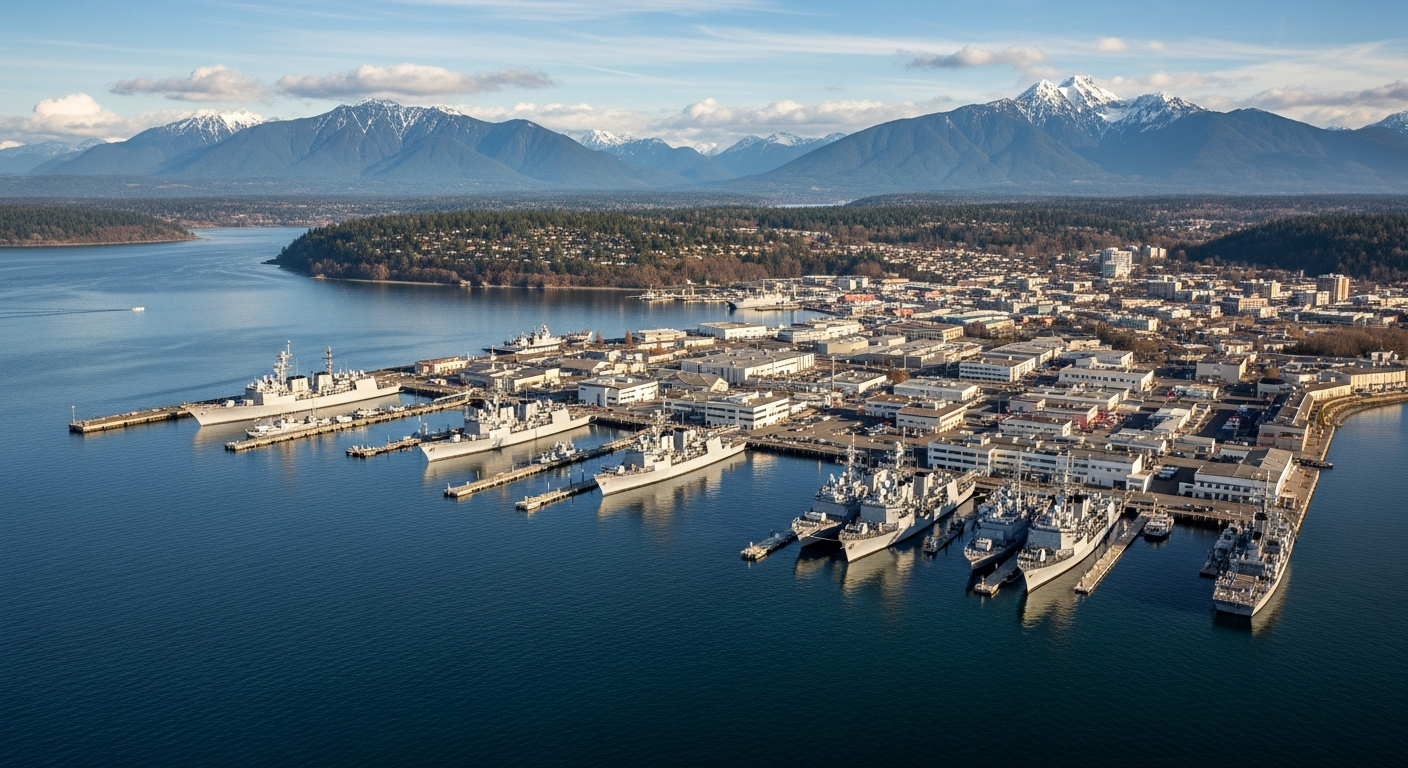
    The Navy’s $282.9 million FF(X) contract awarded on April 28, 2026, is a shipbuilding story — but for Snohomish County civic watchers, it’s also an economic development story. NAVSTA Everett is sitting on a $340 million annual economic footprint and is in active competition to become the homeport of the Navy’s next frigate class. The contract just moved that competition from the advocacy phase to the construction phase. Here’s what community leaders, civic watchers, and county stakeholders need to understand.

    The $340 Million Baseline

    Naval Station Everett’s current economic impact on Snohomish County runs approximately $340 million annually according to the Economic Alliance Snohomish County. That figure encompasses active-duty and civilian payroll, contractor spending for base maintenance and operations, and the consumer spending of military families in Everett’s schools, stores, and housing market.

    The base employs thousands directly and supports a wide circle of contractors, service providers, and businesses that depend on the military community. Any expansion of the base — more ships, more sailors, more families — flows directly into that economic baseline.

    What the Original Constellation Designation Was Worth

    When the Navy designated NAVSTA Everett as the homeport for 12 Constellation-class frigates in 2021, the economic community immediately began modeling what that meant. A frigate crew of approximately 200 sailors, multiplied by 12 ships, represents roughly 2,400 additional active-duty personnel — plus dependents, contractors, and support staff. The incremental impact on housing demand, school enrollment, and local consumer spending would have been substantial.

    The Constellation cancellation in 2025 erased that future. The FF(X) contract of April 28, 2026, puts a new version of it back on the table.

    The Advocacy Architecture

    Rep. Rick Larsen has been the most publicly active congressional champion for NAVSTA Everett’s frigate homeport campaign. His office announced the release of the $22 million federal infrastructure package that included the Port of Everett’s Pier 3 grant — a demonstration of the county’s ability to secure federal investment that is relevant context for any defense installation conversation.

    Snohomish County Executive Dave Somers, the Economic Alliance Snohomish County, and Mayor Franklin have all been involved in the broader NAVSTA Everett advocacy posture. The argument they make to the Pentagon is straightforward: Everett has the infrastructure, the community support, and the congressional backing to be an excellent long-term homeport for Pacific Fleet frigates.

    The Competition

    NAVSTA Everett is not the only installation that will compete for the FF(X) homeport. Other Pacific Fleet installations — including Naval Base San Diego, Naval Station Bremerton, and potentially installations in Hawaii or Japan — are all potential candidates depending on the Navy’s force structure analysis. The Environmental Impact Statement process, which is the formal mechanism through which the Navy evaluates homeport options, takes years and requires public participation. That process has not been announced as of April 2026.

    The Port of Everett Connection

    The Port of Everett’s $11.25 million federal Pier 3 grant — awarded the same week as the FF(X) contract — is directly relevant to the homeport conversation. A stronger, modernized Pier 3 enhances the Port’s overall cargo and maritime capacity, and a robust Port of Everett is an argument for the city’s overall maritime infrastructure health. The full Pier 3 grant guide covers what that investment builds.

    More broadly, federal investment flowing into Everett’s maritime infrastructure — from Pier 3 to the Edgewater Bridge to the West Marine View pipeline — signals a city that is actively investing in its waterfront capacity. That context matters when making the case to Navy installation planners.

    What Civic Watchers Should Track

    The sequence that leads to a homeport decision goes: program contract (done) → program design maturation → Navy installation capacity review → Environmental Impact Statement → record of decision → homeport designation. The county is currently somewhere between the first and second steps. The EIS — the formal public process — is likely 2-3 years away at minimum.

    The advocacy window before the EIS is the most influential window. That’s when congressional support, community letters, and economic impact documentation matter most in shaping where the Navy looks seriously. Snohomish County’s advocates are active in that window now.

    The full FF(X) homeport picture — including what the Constellation cancellation meant and what the new program’s structure looks like — is covered in the complete FF(X) contract guide.

    Frequently Asked Questions

    What is NAVSTA Everett’s current economic impact?
    Approximately $340 million annually, per the Economic Alliance Snohomish County, covering payroll, contractor spending, and military family consumer activity.

    Who are Snohomish County’s key advocates for the FF(X) homeport?
    Rep. Rick Larsen’s office, Snohomish County Executive Dave Somers, the Economic Alliance Snohomish County, and Mayor Cassie Franklin.

    What infrastructure does NAVSTA Everett have for frigates?
    Existing pier infrastructure capable of frigate-class vessels, maintenance facilities, and full community support infrastructure for crews and families.

    What happens if Everett doesn’t win the FF(X) homeport?
    NAVSTA Everett continues as a carrier and surface combatant homeport. The base’s current mission is not contingent on the frigate designation — it simply wouldn’t grow as fast as with a homeport win.

    How can residents and businesses support the homeport bid?
    Contact Rep. Rick Larsen’s office, the Economic Alliance Snohomish County, and the Snohomish County Council. Business associations can submit formal support letters to Navy installation management.

  • For Navy Families at NAVSTA Everett: What the FF(X) Contract Means for the Homeport, Your PCS Plans, and Life at the Base

    For Navy Families at NAVSTA Everett: What the FF(X) Contract Means for the Homeport, Your PCS Plans, and Life at the Base

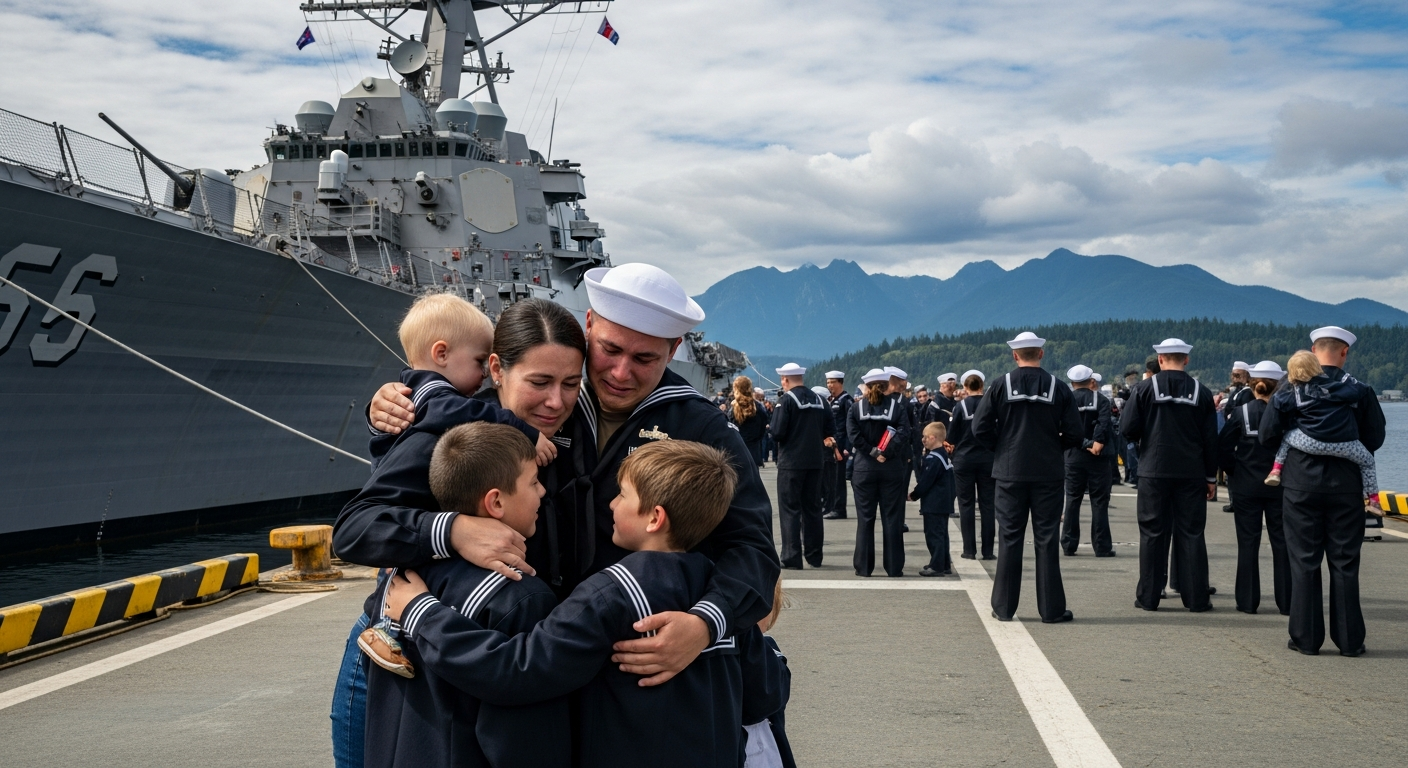
    If you’re stationed at Naval Station Everett, have orders inbound, or are weighing a PCS to the Pacific Northwest, the April 28 FF(X) frigate contract is news that matters to the base’s long-term footprint — and therefore to yours. Here is what the contract means in practical terms for the NAVSTA Everett community, what the homeport competition looks like from here, and what you can and cannot plan around right now.

    What the Contract Actually Does — and Doesn’t Do

    The Navy awarded HII’s Ingalls Shipbuilding in Pascagoula, Mississippi, a $282.9 million lead yard support contract on April 28, 2026. This contract authorizes Ingalls to begin cutting and shaping raw steel for the main structural foundation of the first FF(X) frigate, secure key materials, and finalize design details. It does not designate a homeport. It does not assign ships to Everett. It means the program is real and construction has started.

    The homeport decision — where the ships will be based once they’re commissioned — is a separate Navy determination that goes through the Environmental Impact Statement process, force structure reviews, and installation capacity assessments. That process has not begun, or if it has, it has not been made public as of April 2026.

    What NAVSTA Everett Lost and What It’s Fighting to Win Back

    In 2021, the Navy formally designated Naval Station Everett as the homeport for the initial 12 Constellation-class frigates. For the Everett community, that was a major commitment — more sailors, more families, more housing demand, more spending at local schools and businesses. The Economic Alliance Snohomish County estimated the frigate designation would add significantly to NAVSTA Everett’s existing $340 million annual economic footprint.

    When former Navy Secretary Phelan cancelled the Constellation program in 2025, that designation evaporated. Everett was back to competing. The December 2025 announcement of the FF(X) program reset the competition — same arguments, new ship program, new timeline.

    Snohomish County officials, the Everett delegation, and Rep. Rick Larsen’s office have been actively lobbying for a new homeport designation for the FF(X). The case for Everett is strong: existing frigate pier infrastructure, an established Navy community with the full support infrastructure already in place, and a Pacific Fleet posture that prioritizes the Indo-Pacific theater where Puget Sound is a primary hub.

    The Timeline That Matters for Planning

    The first FF(X) is targeted for delivery to the Navy by June 2030. Homeport decisions typically come well before commissioning — sailors need orders, families need to plan schools and housing, and installations need to prepare. A realistic window for a homeport announcement, if Everett is selected, is sometime between 2027 and 2029.

    That’s a long horizon for planning purposes. What it means practically: if you’re making a 2-3 year PCS decision today, the FF(X) homeport outcome will likely still be unknown when you arrive, serve your tour, and potentially rotate out. It should not drive your short-term planning.

    What should drive your planning: NAVSTA Everett is already a strong duty station with solid infrastructure. The ongoing Southern Seas deployment of USS Gridley — covered in earlier reporting on this site — is a reminder that the base is active and operationally relevant regardless of the frigate outcome. The earlier complete guide on FF(X) and PCS decisions covers the longer-term picture in detail.

    Housing and Schools: The Current Picture

    NAVSTA Everett’s housing market has been covered extensively on this site. The short version for incoming families: Snohomish County’s housing market is competitive, with median home prices in Everett running significantly below Seattle-side King County. The 2026 PCS housing guide for Navy families at NAVSTA Everett covers neighborhoods, school districts, and what the recent market shift means for buyers and renters. See the NAVSTA Everett PCS Housing Guide for 2026.

    The Bottom Line for NAVSTA Families

    The April 28 contract is the best news NAVSTA Everett’s homeport advocates have had since the Constellation cancellation. It proves the FF(X) program is real. It starts the clock toward a ship that will need a homeport. And it gives Everett’s congressional delegation and community advocates a concrete program to lobby around rather than a concept announcement.

    For families already at the base: nothing changes day-to-day. For families considering a PCS to Everett: the base’s trajectory is positive, and the FF(X) homeport — while not guaranteed — is a legitimate possibility that would grow the installation over the next decade.

    The full strategic picture is in the complete FF(X) contract guide for the Everett community.

    Frequently Asked Questions

    Does the FF(X) contract mean NAVSTA Everett will definitely get the frigates?
    No. The contract activates construction at Ingalls. The homeport decision is separate and has not been made.

    What happened to the Constellation-class frigates that were going to Everett?
    The Constellation program was cancelled in 2025. NAVSTA Everett’s 2021 homeport designation for 12 Constellation frigates became void. The FF(X) is a new program and the homeport competition restarts.

    If NAVSTA Everett wins the FF(X) homeport, how many more sailors would be based here?
    A frigate crew numbers around 200 sailors. Multiple frigates would bring several hundred additional personnel and dependents. No specific number has been announced.

    Should I factor the FF(X) homeport bid into my PCS decision to Everett?
    No. The homeport is not confirmed and the first ship doesn’t deliver until June 2030. Base your PCS decision on current orders and NAVSTA Everett’s existing, already-strong infrastructure.

    How does USS Gridley’s current deployment relate to FF(X)?
    USS Gridley is a destroyer currently on Southern Seas 2026. FF(X) is a separate new construction program — not a reassignment of existing ships.

    Where can I find more about NAVSTA Everett as a duty station?
    cnic.navy.mil/regions/cnrnw/installations/navsta_everett.html is the official source. Exploring Everett has PCS housing, VA claims, and military family resource guides linked throughout this article.

  • The FF(X) Frigate Contract Is Real: What the $282.9M Ingalls Award Means for Naval Station Everett’s Homeport Bid

    The FF(X) Frigate Contract Is Real: What the $282.9M Ingalls Award Means for Naval Station Everett’s Homeport Bid

    For five months, the FF(X) frigate existed primarily as an announcement: the Navy’s replacement for the cancelled Constellation-class program, based on Ingalls’ National Security Cutter hull, with Everett still hoping to win the homeport designation. On April 28, 2026, it became a contract. The Navy awarded HII’s Ingalls Shipbuilding a $282.9 million lead yard support contract — and the first $80.6 million activates immediately, authorizing Ingalls to start cutting and shaping steel. Here is what the Everett community needs to understand about what just changed, and what the homeport campaign looks like from here.

    What the Contract Actually Covers

    The April 28 contract is a lead yard support award — the pre-construction phase work that front-loads design refinement and material preparation before formal ship construction begins. Under its terms, Ingalls is authorized to begin cutting and shaping raw materials for the main structural foundation of the first FF(X) frigate, secure key materials, and finalize design details ahead of full construction authorization.

    Of the initial $80.6 million tranche, approximately 73% — roughly $58.8 million — comes from Navy fiscal year 2026 shipbuilding and conversion appropriations. The remaining 27%, about $21.8 million, is funded through Navy research and development accounts. The full contract runs through April 2028.

    “We are excited to partner with the Navy to bring these preproduction steps under contract to accelerate delivery of the frigates that our warfighters need,” said Brian Blanchette, president of Ingalls Shipbuilding, in the company’s April 28 announcement. The contract was not competed — Ingalls built the Legend-class National Security Cutter on which the FF(X) is based, giving them a direct award under the Navy’s stated rationale.

    The FF(X) Program: Where It Came From

    Former Navy Secretary John Phelan cancelled the Constellation-class frigate program in late 2025 after years of cost growth, schedule delays, and design instability at the lead shipbuilder, Fincantieri Marinette Marine. The Constellation program had been planned for up to 20 frigates and was supposed to be the Navy’s primary small surface combatant for the coming decades.

    In December 2025, then-Secretary Phelan announced the Navy would instead pursue a new frigate — the FF(X) — based on Ingalls’ Legend-class National Security Cutter, a ship already in production and with a known cost and schedule baseline. The first FF(X) is targeted to deliver to the Navy by June 2030.

    The April 28 contract is the first major programmatic action since that December announcement. Steel is now being prepared. The FF(X) is no longer a policy decision — it’s a shipbuilding program.

    What This Means for Naval Station Everett’s Homeport Bid

    When the Constellation program was cancelled, NAVSTA Everett lost its 2021 homeport designation. That designation had named Everett as the homeport for the initial 12 Constellation-class frigates — a commitment worth an estimated $340 million in annual economic activity according to the Economic Alliance Snohomish County.

    The cancellation didn’t kill Everett’s claim — it reset the competition. Snohomish County officials, the Everett delegation, and Rep. Rick Larsen’s office have been actively lobbying the Navy to designate NAVSTA Everett as the FF(X) homeport. The arguments for Everett are strong: an existing frigate-capable pier, an established Navy community with schools, housing, and support infrastructure, and a congressional delegation that has consistently funded Pacific Fleet force structure.

    What the April 28 contract does is start the clock in a new way. With steel being cut and a June 2030 delivery target, the Navy will need to make a homeport decision well before the first ship is commissioned. That decision-making process is now accelerating whether or not an official announcement has been made.

    The full background on NAVSTA Everett’s homeport campaign is covered in this site’s earlier reporting: The FF(X) Frigate and Naval Station Everett: The Complete 2026 Guide and The Snohomish County $340M Frigate Fight.

    The Strategic Picture: Why Everett Still Has the Strongest Case

    Naval Station Everett is home to the Navy’s only Pacific Northwest deepwater homeport. It currently homeports USS Carl Vinson (aircraft carrier), USS Abraham Lincoln (aircraft carrier in rotation), surface combatants, and support vessels. The base has existing frigate pier infrastructure, a Fleet and Family Support Center, commissary, schools, and housing — the full military community infrastructure that a frigate crew requires.

    NAVSTA Everett also benefits from its position within the broader Pacific Fleet posture. The Indo-Pacific is the primary strategic theater for the next generation of U.S. naval forces, and Puget Sound is the Pacific Fleet’s primary West Coast hub. A new frigate class based on a ship already operating in Pacific Fleet service fits naturally into that framework.

    None of that guarantees the homeport — the Navy’s internal process will weigh operational requirements, infrastructure costs, and force structure planning. But the April 28 contract means Everett’s advocates now have a specific, contracted program to point to when making their case to the Pentagon.

    Timeline and What to Watch

    • April 28, 2026: $282.9M Ingalls lead yard support contract awarded
    • Through April 2028: Pre-construction activities, material securing, design finalization
    • June 2030 target: First FF(X) delivery to the Navy
    • Before 2030: Homeport decision expected — no official date announced

    Frequently Asked Questions

    What is the FF(X) frigate?
    The FF(X) is the U.S. Navy’s new small surface combatant, replacing the cancelled Constellation-class. It is based on the Ingalls-built Legend-class National Security Cutter. The lead ship is targeted for delivery by June 2030.

    What did the April 28, 2026 contract authorize?
    A $282.9 million lead yard support contract. The first $80.6 million activates immediately, authorizing Ingalls to begin cutting and shaping steel for the main structural foundation and finalizing design details. The contract runs through April 2028.

    Was Naval Station Everett designated as the FF(X) homeport?
    Not yet. NAVSTA Everett was the designated homeport for the cancelled Constellation-class. The FF(X) homeport has not been decided. Snohomish County and NAVSTA Everett are actively lobbying for that designation.

    What is the economic value of the homeport bid?
    Snohomish County officials have cited approximately $340 million in annual economic impact from NAVSTA Everett’s current operations. A frigate homeport designation would add to that baseline.

    When will the Navy decide where to homeport the FF(X)?
    No official timeline. The first ship delivers in June 2030, so a decision will likely come before that date.

    How many FF(X) frigates will be built?
    No final production number has been announced. The program’s size will be determined through the shipbuilding budget process.

    Who is building the FF(X)?
    HII’s Ingalls Shipbuilding in Pascagoula, Mississippi. The contract was a direct award, not competed, because Ingalls built the National Security Cutter on which the FF(X) is based.

  • For Navy Families at NAVSTA Everett: What the Proposed Everett Transit Consolidation Means for Getting Around Without a Car

    For Navy Families at NAVSTA Everett: What the Proposed Everett Transit Consolidation Means for Getting Around Without a Car

    For Navy families PCS’d to Naval Station Everett — especially those who arrive without a second car, are managing a deployment window, or are new to the Pacific Northwest — Everett Transit is often the first bus system they use. The proposed consolidation of Everett Transit into Community Transit is a change those families should understand before a council vote that could come as early as late May or June 2026.

    How Navy Families at NAVSTA Use Transit Today

    Naval Station Everett sits on the south end of the city near the working waterfront. Everett Transit routes connect the areas around the base to downtown Everett, Everett Station (where Amtrak Cascades and eventually Sound Transit light rail connect), Everett Community College, and shopping corridors along Evergreen Way and Everett Mall Way.

    For a family managing a deployment — one sailor gone, one spouse managing school runs, medical appointments, and daily life without a second vehicle — knowing the bus network is a practical survival skill. Everett Transit’s local routes handle that intra-city layer.

    Community Transit, by contrast, is primarily a commuter and regional carrier. Its routes connect Snohomish County cities to King County and Seattle, not block-by-block within Everett. That distinction is what makes the consolidation complicated for families who depend on neighborhood-level service.

    What Would Change Under Consolidation

    Under the proposal, Everett Transit’s 22 routes would become part of Community Transit’s network. The specific terms — which routes continue, at what frequency, with what fare structure — would be determined by the interlocal agreement being drafted between the City of Everett and Community Transit.

    No route restructuring plan has been released. The process is at the due-diligence phase as of late April 2026. SB 5801 requires at least one public hearing before the Everett City Council votes. That hearing is the primary opportunity for NAVSTA families to put service expectations on the record.

    The Light Rail Connection

    Mayor Franklin tied the consolidation announcement directly to the June 30, 2026, Sound Transit board vote, which could advance light rail to Everett Station. If light rail comes, a merged transit agency in theory provides a cleaner feeder network — one system with buses from neighborhoods near NAVSTA to Everett Station to light rail south toward Seattle.

    For Navy families who commute to Seattle or Bremerton for medical care, shopping, or activities, a light-rail-connected transit network would be a significant quality-of-life improvement. The full Sound Transit guide covers what the June 30 vote means for Everett residents.

    What Navy Families Should Know About the Process

    The opposition to consolidation — led by ATU Local 883 and the Keep Everett Transit community group — centers on the loss of local control and concern that Community Transit’s regional priorities may not preserve the neighborhood-level service that Everett’s densest residential areas (including those near NAVSTA) depend on.

    That concern is particularly relevant for military families, who often don’t have years of established local transportation workarounds and who may PCS into Everett after the transition is complete. Knowing what services exist and where they run is an essential part of base orientation.

    NAVSTA Everett’s Fleet and Family Support Center (FFSC) is the right first stop for transportation questions during any transition period. The full guide to the Everett Transit consolidation proposal has the complete breakdown of what’s at stake.

    For the broader picture on Everett resources for military families, the NAVSTA Everett VA claims guide for 2026 covers other service changes affecting the base community.

    Frequently Asked Questions

    Does Everett Transit serve Naval Station Everett?
    Everett Transit routes serve areas around Naval Station Everett, with connections to Everett Station and key corridors. Under consolidation, those routes would transition to Community Transit.

    What transit options do Navy families currently have in Everett?
    Everett Transit local routes, Amtrak Cascades at Everett Station, Community Transit regional routes, and base transportation resources. Consolidation would bring all bus routes under one agency.

    When would any changes take effect for NAVSTA transit riders?
    A council vote could come as early as late May or June 2026, but full implementation would take years. No route changes would happen immediately after a vote.

    How does the consolidation relate to the Sound Transit light rail vote?
    The June 30 Sound Transit board vote could advance light rail to Everett Station. A merged transit agency would provide an integrated bus-to-rail network connecting NAVSTA Everett to the broader Puget Sound region.

    Where can Navy families learn more about base transportation resources?
    NAVSTA Everett’s Fleet and Family Support Center (FFSC) provides orientation resources. The base website is at cnic.navy.mil/regions/cnrnw/installations/navsta_everett.html.