Category: Exploring Everett

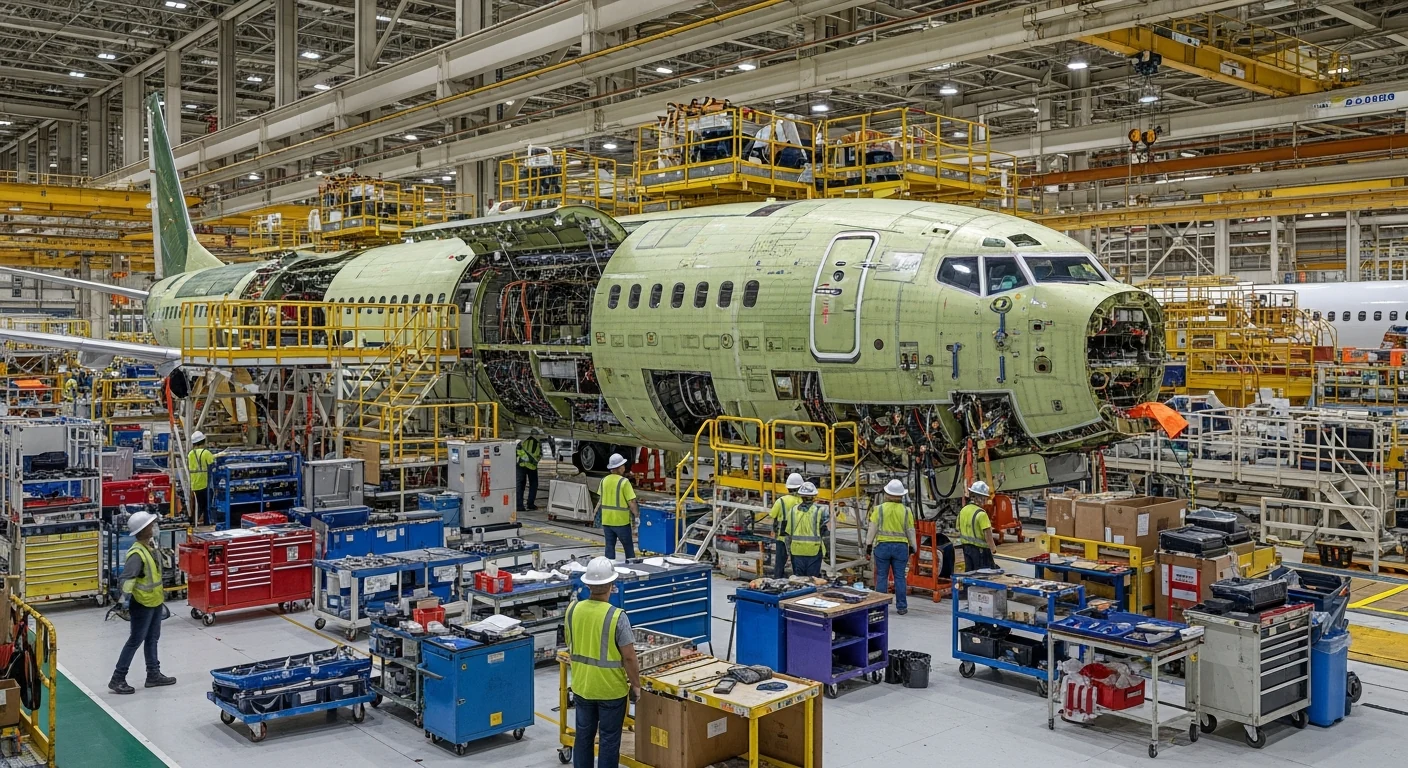
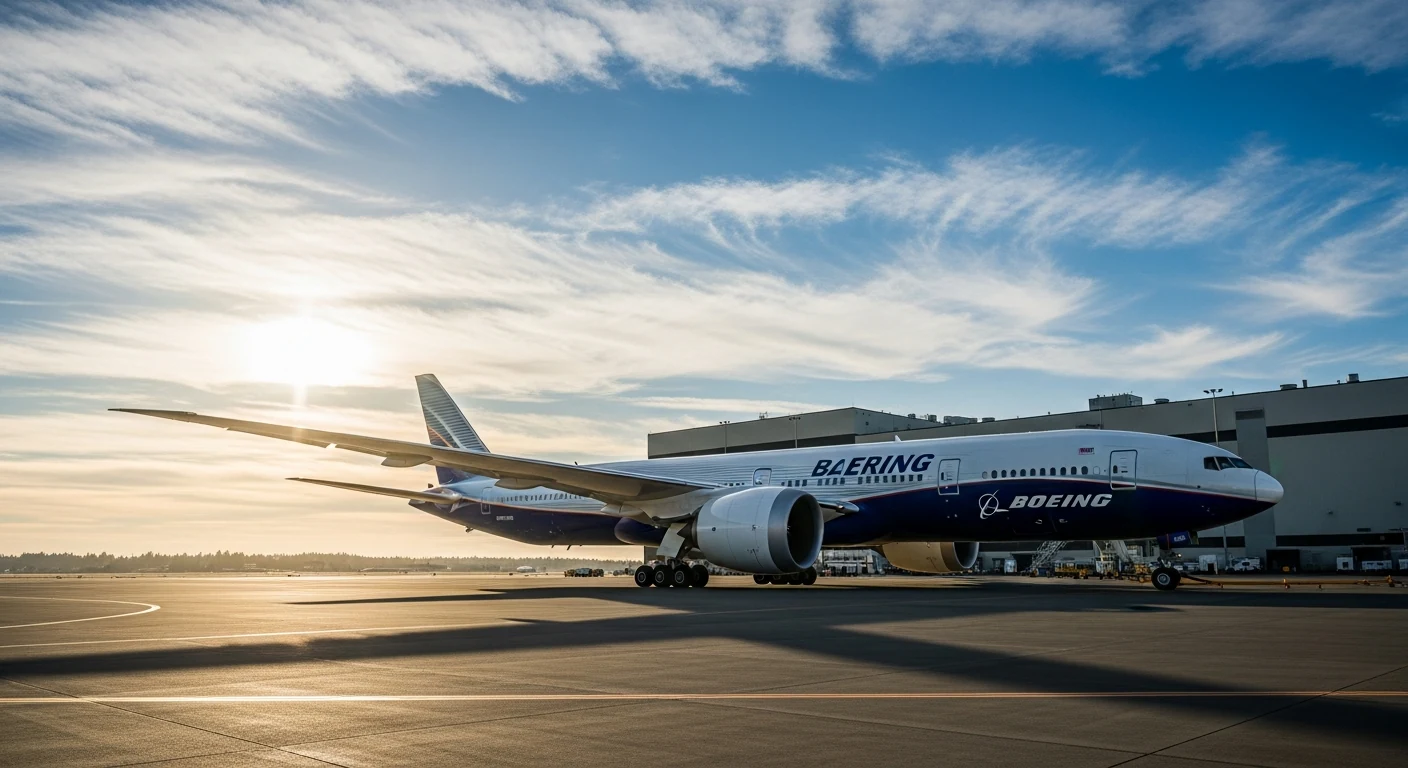
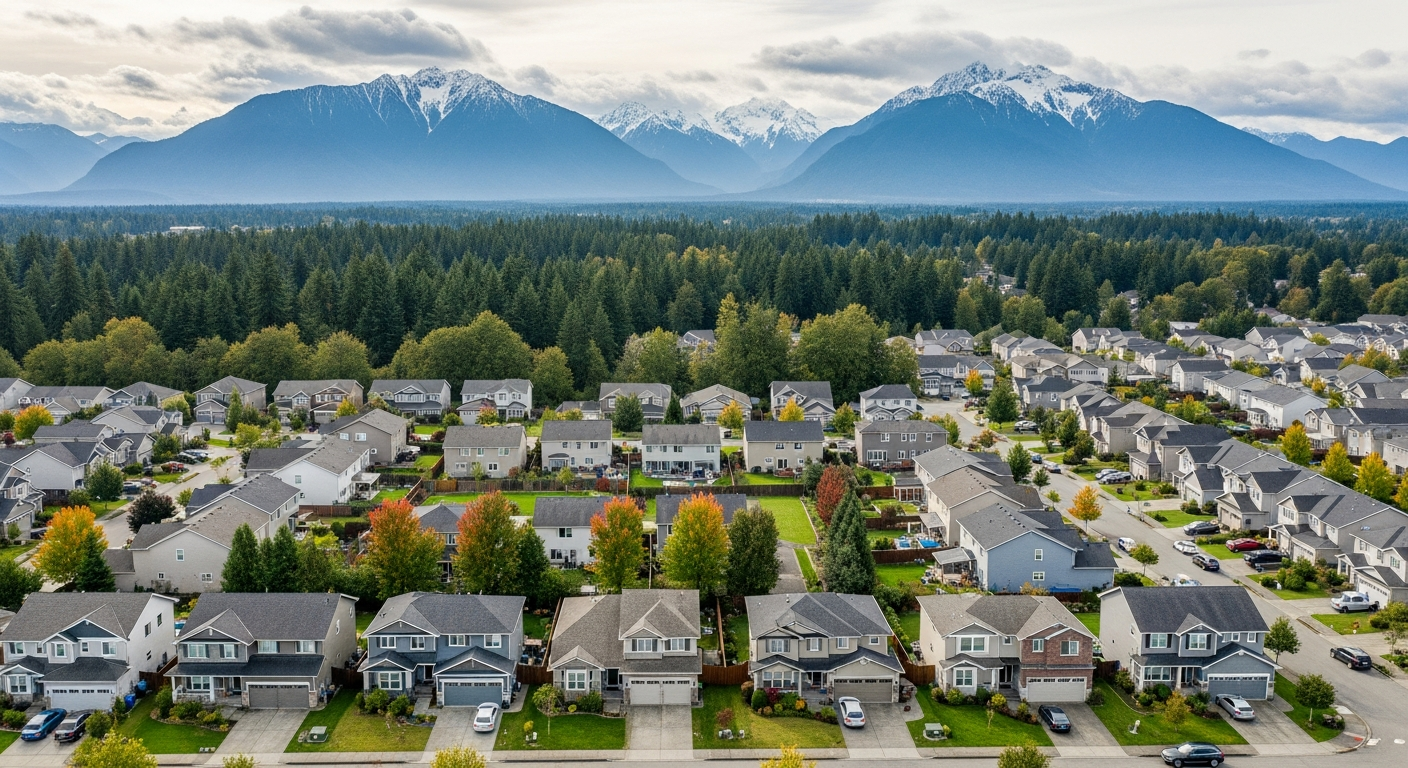
Everett, Washington is in the middle of something big. A $1 billion waterfront transformation. A Boeing workforce that built the world’s largest commercial jets. A port city with a downtown that’s finally catching up to its potential. A Navy presence at Naval Station Everett. A comedy and arts scene punching above its weight. And neighborhoods — Riverside, Silver Lake, Downtown, Bayside — each with their own identity and story.

Exploring Everett is Tygart Media’s hyperlocal coverage vertical for Snohomish County’s largest city. We cover the waterfront redevelopment, Boeing and Paine Field, city hall, the food and arts scene, real estate, neighborhoods, and everything in between — written for people who live here, work here, or are paying attention to what’s coming.

Coverage categories include: Everett News, Waterfront Development, Boeing & Aerospace, Business, Arts & Culture, Food & Drink, Real Estate, Neighborhoods, Government, Schools, Public Safety, Events, and Outdoors.

Exploring Everett content is also published at exploringeverett.com.

  • Living in Delta: Everett’s Quietly Great Middle Neighborhood

    Living in Delta: Everett’s Quietly Great Middle Neighborhood

    What is the Delta neighborhood in Everett?
    Delta is a quiet, mostly residential neighborhood at the northern end of Everett, Washington, between the Snohomish River and Broadway. Roughly 13,000 residents live there. It’s known for older single-family homes, long-running local staples like Ray’s Drive-In and Tampico Mexican Restaurant, a big off-leash dog park, and some of the most affordable housing in north Everett.

    Living in Delta: Everett’s Quietly Great Middle Neighborhood

    Drive up Broadway from downtown Everett and somewhere past Providence Regional Medical Center, you cross into Delta without anyone telling you. There’s no gateway sign, no big intersection marking the change. The blocks just start feeling a little older, a little quieter, a little more lived-in. That’s Delta: one of Everett’s most populous neighborhoods and almost certainly its most underrated.

    If you’ve only driven through, you’ve probably missed it. Delta is not a destination neighborhood — it’s a living neighborhood, and that’s exactly what makes it good.

    Where Delta Is and What It Looks Like

    Delta sits at the northern end of Everett, bounded roughly by the Snohomish River to the north and east, Broadway running through its spine, and the Bayside and Northwest Everett neighborhoods to the west. It’s one of the largest of Everett’s 21 officially recognized neighborhoods by population, with around 13,000 residents according to recent census data.

    What you see when you walk it: 1920s craftsman bungalows next to 1940s workers’ cottages next to tidy early-2000s townhomes in the north end. Tree-lined streets. Basketball hoops in driveways. The occasional well-loved ’90s Tacoma in the front yard. It’s the kind of neighborhood where the housing stock has been continuously lived in for a hundred years because no one ever had a reason to leave.

    The Local Staples That Define Delta

    Every neighborhood has the places that anchor it. In Delta, two of them have been anchoring since before most current residents were born.

    Ray’s Drive-In has been flipping burgers and scooping ice cream on Broadway since 1962. That’s 64 years of the same drive-up counter, the same red-and-white signage, the same deep-fried fries that come out almost too hot to eat. Generations of Everett teenagers have had their first after-practice cheeseburger here. Generations of Delta residents have walked over for a shake on a summer evening. If you want to understand how Delta feels about itself, watch the parking lot at Ray’s on a Friday night.

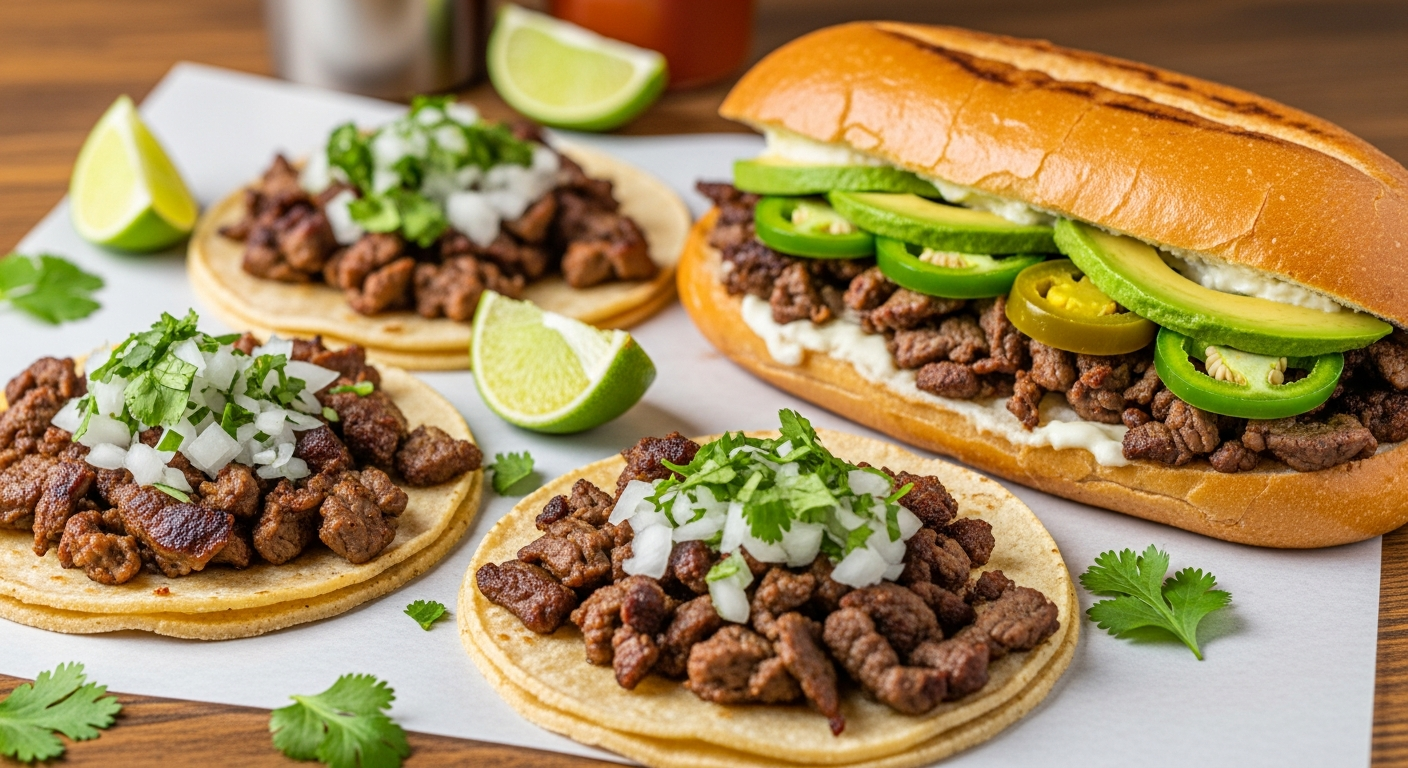
    Tampico Mexican Restaurant opened in 1987 and has been serving tostadas and margaritas to Delta regulars ever since. It’s not flashy. The salsa is good. The prices are what Everett prices used to be everywhere, and the booth you sat in last year is probably still open when you come back.

    The Broadway corridor through Delta also includes a rotating cast of smaller shops, family-owned services, and the quiet kind of storefronts — dry cleaners, barbers, a tire place, a dentist — that keep a neighborhood running without ever becoming “scenes.”

    Who Lives in Delta and What It Costs

    Delta has historically been one of the most affordable neighborhoods in north Everett, and that’s still largely true — with an asterisk the rest of the Puget Sound region has stamped on everything.

    Two-bedroom 1940s bungalows trade in the $380,000 to $430,000 range. A three-bedroom 1920s craftsman lands closer to $470,000. Newer three-bedroom townhomes in the north end of the neighborhood go between $580,000 and $630,000. None of those numbers are cheap in absolute terms, but compared to similar homes in Northwest Everett or Bayside, Delta consistently comes in lower.

    The result is that Delta has stayed one of the most economically mixed neighborhoods in the city. You get long-time Everett families who bought their homes in the ’80s and never left, young couples stretching to buy their first place, and renters in the older duplexes and fourplexes that dot the side streets. That economic mix is probably Delta’s single most underappreciated quality.

    Schools and the Providence Connection

    Many Delta kids attend Hawthorne Elementary School, part of the Everett School District, which has a long-standing presence in the neighborhood. Middle and high school assignments in Delta run through the district’s standard boundary system, with most students funneling into North Middle School and then either Everett High School or Cascade High School depending on block.

    The neighborhood also benefits enormously from proximity to the Providence Regional Medical Center Everett campus on Pacific Avenue — a roughly five-minute drive for most of Delta. Between the hospital, Everett Community College just to the south, and the Washington State University Everett campus, Delta residents have three of the biggest employers and institutions in north Everett within easy reach.

    Parks, Dogs, and Green Space

    If Delta has a spiritual center, it’s Delta Park — and specifically, the big off-leash dog park in the middle of it. Residents have been bringing their dogs there for years. Poop bags are provided at the entrances. On any sunny evening, you’ll find a small democracy of retrievers, doodles, and senior mutts running circles while their owners compare notes on weather, work, and where the best new coffee shop opened. It’s the kind of low-key community space that a neighborhood has to earn.

    Delta also has easy access to the Snohomish River trail system and is a short drive from Legion Memorial Park, Kasch Park, and the waterfront at Jetty Landing.

    What’s Changing in Delta Right Now

    Delta is not being torn down and rebuilt — that’s part of its charm — but a few things are shifting. New construction in the north end of the neighborhood has brought in a steady trickle of townhomes over the past decade, gradually pushing up the neighborhood’s median home value and adding some density near the river. Broadway itself has seen small restaurant and service-business turnover, with newer independent places opening alongside the old staples.

    The bigger story for Delta residents is Sound Transit’s Everett Link Extension, which will eventually bring light rail service to Everett, with station planning that touches the broader Broadway corridor. That’s still years out, but it’s the kind of long-horizon change that is already showing up in real estate conversations in the neighborhood.

    Why Delta Works

    Delta isn’t trying to be the next trendy neighborhood. Nobody is writing breathless Instagram posts about its aesthetic. There’s no coffee cart behind a speakeasy-style door. And that’s the whole point.

    Delta works because the same people have lived there for a long time, the businesses that were there when those people moved in are still there, and the neighborhood has absorbed change slowly enough that it still feels like itself. In a city that is transforming fast — new stadium downtown, Boeing’s 737 line expanding, the waterfront filling in with new restaurants and housing — Delta is the neighborhood that reminds you Everett isn’t just what’s next. It’s also what’s already here, still working, still worth knowing.

    How to Spend an Afternoon in Delta

    If you’re new to Everett and want to get a feel for Delta the way locals do, here’s a simple afternoon:

    1. Grab a burger and a shake at Ray’s Drive-In on Broadway.
    2. Walk it off at Delta Park — say hi to the dogs at the off-leash area.
    3. Drive the residential side streets between Broadway and the river to get a sense of the housing stock and the neighborhood’s rhythm.
    4. Finish with tostadas and a margarita at Tampico Mexican Restaurant.

    Two hours. Maybe three if you linger. That’s Delta — and that’s the whole neighborhood, really.

    Frequently Asked Questions

    Where is the Delta neighborhood in Everett?

    Delta sits at the northern end of Everett, Washington, bounded roughly by the Snohomish River to the north and east and by Broadway running through its spine. It’s immediately east of Northwest Everett and north of the central business district.

    How many people live in Delta?

    Around 13,000 residents, making Delta one of the more populous of Everett’s 21 officially recognized neighborhoods.

    Is Delta a good neighborhood to live in?

    For buyers looking for single-family homes in north Everett at below-northwest-Everett prices, Delta is one of the strongest value options in the city. The neighborhood is quiet, well-established, close to Providence Regional Medical Center and I-5, and has long-running local staples like Ray’s Drive-In and Tampico.

    What are the best restaurants in Delta?

    Ray’s Drive-In (burgers, shakes, and ice cream on Broadway since 1962) and Tampico Mexican Restaurant (tostadas and margaritas since 1987) are the two longest-running locals’ favorites. The Broadway corridor has additional smaller spots worth exploring.

    What elementary school serves the Delta neighborhood?

    Hawthorne Elementary School, part of the Everett School District, serves many Delta families. Middle and high school assignments depend on specific block boundaries within the district.

    Is there a dog park in Delta?

    Yes. Delta Park has a large off-leash dog area with poop bag stations at the entrances. It’s one of the most actively used dog parks in north Everett.

    How much does a house in Delta cost?

    Recent sales have ranged from around $380,000 for smaller 1940s bungalows up to roughly $630,000 for three-bedroom townhomes in the north end of the neighborhood. Prices skew lower than Northwest Everett and Bayside for comparable homes.

    What’s the best way to explore Delta as a visitor?

    Drive Broadway through the neighborhood, stop at Ray’s Drive-In and Tampico, walk Delta Park, and take a loop through the residential side streets between Broadway and the Snohomish River to see the mix of craftsman, bungalow, and townhome housing stock.


  • Antwane Tyler, Fretland, and Racyne Parker Land at APEX May 2 — And This Snohomish-Grown Lineup Is Worth Clearing Your Saturday For

    Antwane Tyler, Fretland, and Racyne Parker Land at APEX May 2 — And This Snohomish-Grown Lineup Is Worth Clearing Your Saturday For

    The short version: Antwane Tyler — the trailblazing Black country artist Snohomish has been quietly claiming for a few years now — headlines Kings Hall at APEX Everett on Saturday, May 2, 2026, at 7:30 p.m. Openers are Racyne Parker and, in a rare Pacific Northwest appearance, Snohomish’s own Fretland. It’s 21+. It’s arguably the most “from-right-here” country bill APEX has programmed to date. Go.

    Every once in a while a single lineup reminds you that the Snohomish County music scene isn’t riding on anyone else’s coattails. Saturday, May 2, at Kings Hall inside APEX Everett, three artists who have shaped what “Pacific Northwest country-Americana” sounds like in 2026 are stepping onto the same stage — and two of them came up inside a 15-minute drive of the venue.

    Here’s why the show matters, who these artists are, and why you should be the one in the room instead of the friend who sees it on Instagram the next morning.

    The headliner: Antwane Tyler

    If you’ve been paying attention to Washington country at all, you’ve run into Antwane Tyler. Born in Tacoma, adopted into the Monroe area as a kid, and now operating out of Snohomish, Tyler has spent the last few years quietly (and then not so quietly) carving out a voice that nobody else in the genre has. He grew up on the Johnny Cash–Waylon Jennings side of the family record collection, then picked up hip-hop in his teens, and the music he makes today isn’t a compromise between those two worlds — it’s a fusion that actually works.

    His single “Homesick” is the calling card. It went viral on TikTok and streaming, picked up Locals Only love from 107.7 The End, and earned him a King 5 spotlight that (refreshingly) didn’t spend the whole segment treating him like a novelty. The song was inspired by the grandfather who handed him his first guitar at eight years old, and Tyler tells that story without flattening it into a marketing bio.

    He’s also, to date, one of the only Black country artists consistently touring Washington’s small-to-mid-size rooms. That’s not a press angle — it’s a thing that matters, especially when a room like Kings Hall at APEX hands him a 7:30 p.m. headline slot.

    The rare-return opener: Fretland

    The part of this bill the country nerds are already texting each other about: Fretland. Led by Hillary Grace Fretland (yes, that’s actually her name), the Snohomish-based four-piece has been one of the most critically adored Americana acts to come out of Washington in the last five years. Billboard, American Songwriter, The Boot, No Depression — they’ve all gone to bat for Fretland’s fragile, leaf-strewn alt-country sound.

    They released their self-titled debut in May 2020 (timing that tested anyone’s career plans) and followed it with a second full-length a couple years later. Since then, live Fretland shows in the Pacific Northwest have become increasingly rare. The APEX announcement specifically flags this as a “one-night-only special appearance” and a “rare opportunity to see her live in the PNW again.” If you’ve been waiting for Fretland to play a hometown-adjacent room again — this is literally that.

    For anyone who hasn’t heard them: imagine the emotional weight of Phoebe Bridgers with the country bones of Kacey Musgraves and a little of Lord Huron’s atmosphere on top. They are the kind of band that makes a 300-person room go completely silent. In Kings Hall’s 800-ish capacity with good sightlines? It’s going to hit.

    The rising third: Racyne Parker

    Slotting in between Antwane Tyler and Fretland is Racyne Parker, a Klamath Falls, Oregon native who spent time in Denver before relocating to Seattle in 2024. Her debut full-length, Will You Go With Me?, came out in 2025 and was produced by Nashville’s Randall Kent. Parker writes from the side of country music that sits comfortably between Miranda Lambert’s storytelling and the more literary Noah Kahan / Lord Huron end of the folk spectrum — which is to say, she slots onto this bill like she was mailed to order.

    If you aren’t already familiar with her, an APEX show is exactly the right way to introduce yourself. Parker plays rooms this size well — enough stage presence to hold attention, and enough songcraft to earn the quiet between songs.

    The venue: Kings Hall at APEX

    A quick word about where this is happening, because Kings Hall deserves the context. APEX Everett opened inside a historic building at 1611 Everett Avenue, and the main performance room — Kings Hall — sits on the third floor with a capacity around 800. It’s one of the more architecturally interesting live music rooms to open in Snohomish County in a decade, and programmers there have been unusually deliberate about booking regionally-rooted acts alongside bigger touring names.

    A country-Americana triple-header like this — headlined by a Washington artist, with two more Washington-based (or Washington-adjacent) acts underneath — is exactly the kind of programming that justifies the Kings Hall project.

    The details you actually need

    • Show: Antwane Tyler with Special Guests Fretland + Racyne Parker
    • Date: Saturday, May 2, 2026
    • Showtime: 7:30 p.m.
    • Venue: Kings Hall at APEX Everett, 1611 Everett Avenue, Everett, WA 98201
    • Age: 21+
    • Tickets: Via Ticketmaster or through the APEX Everett events page — lock them in before week-of, because the Fretland-return angle is quietly going to move tickets
    • Heads up: Kings Hall is on the third floor of a historic building. Dress like a human who is going to be standing for a few hours in a venue with character.

    Why this one stands out

    Everett’s calendar is thick in May. First Friday at Schack Art Center is happening the night before. Tony V’s Garage has its usual packed weekend. The Historic Everett Theatre will have something booked on Colby. But this is the show where you are not going to be able to replay the exact lineup later — the Fretland appearance is the kind of thing that, five years from now, somebody is going to mention they caught and you’re going to wish you’d been there too.

    Antwane Tyler is building something. Fretland doesn’t play the PNW much anymore. Racyne Parker is at the point in her arc where people will still be able to say they saw her in an 800-person room. APEX programmed the bill that put those three pieces together on a Saturday night — three miles from Snohomish, five miles from Monroe, and fifteen steps from where Hewitt Avenue starts getting fun.

    Clear your Saturday. It’s worth it.


    Frequently Asked Questions

    Who is playing at Kings Hall at APEX Everett on May 2, 2026?
    Antwane Tyler headlines, with Fretland and Racyne Parker as special guests. Showtime is 7:30 p.m., and the event is 21+.

    Where is Kings Hall at APEX Everett?
    Kings Hall is located on the third floor of APEX Everett at 1611 Everett Avenue, Everett, WA 98201.

    Is the APEX Everett May 2 show all ages?
    No. The Antwane Tyler show on May 2, 2026 is a 21+ event.

    Who is Antwane Tyler?
    Antwane Tyler is a Washington-based country artist born in Tacoma, raised in the Monroe area after being adopted, and currently operating out of Snohomish. His single “Homesick” went viral across streaming and TikTok. He is one of the most visible Black country artists consistently touring Washington venues.

    Is Fretland from Snohomish?
    Yes. Fretland is a four-piece Americana band based in Snohomish, Washington, led by Hillary Grace Fretland. They have been profiled by Billboard, American Songwriter, The Boot, and No Depression. Their May 2 APEX appearance is being promoted as a rare PNW live date.

    Where can I buy tickets?
    Tickets are available through Ticketmaster and via the APEX Everett official events page. Because of Fretland’s rare PNW appearance, tickets are moving faster than a typical APEX night — buy early rather than at the door if the show is a priority.

    What is the capacity of Kings Hall at APEX?
    Kings Hall seats / accommodates roughly 800 people, making it one of the larger mid-size live music rooms in Snohomish County.

  • Hot Wheels Monster Trucks Live Glow-N-Fire: Three Shows at Angel of the Winds Arena May 30-31

    Hot Wheels Monster Trucks Live Glow-N-Fire: Three Shows at Angel of the Winds Arena May 30-31

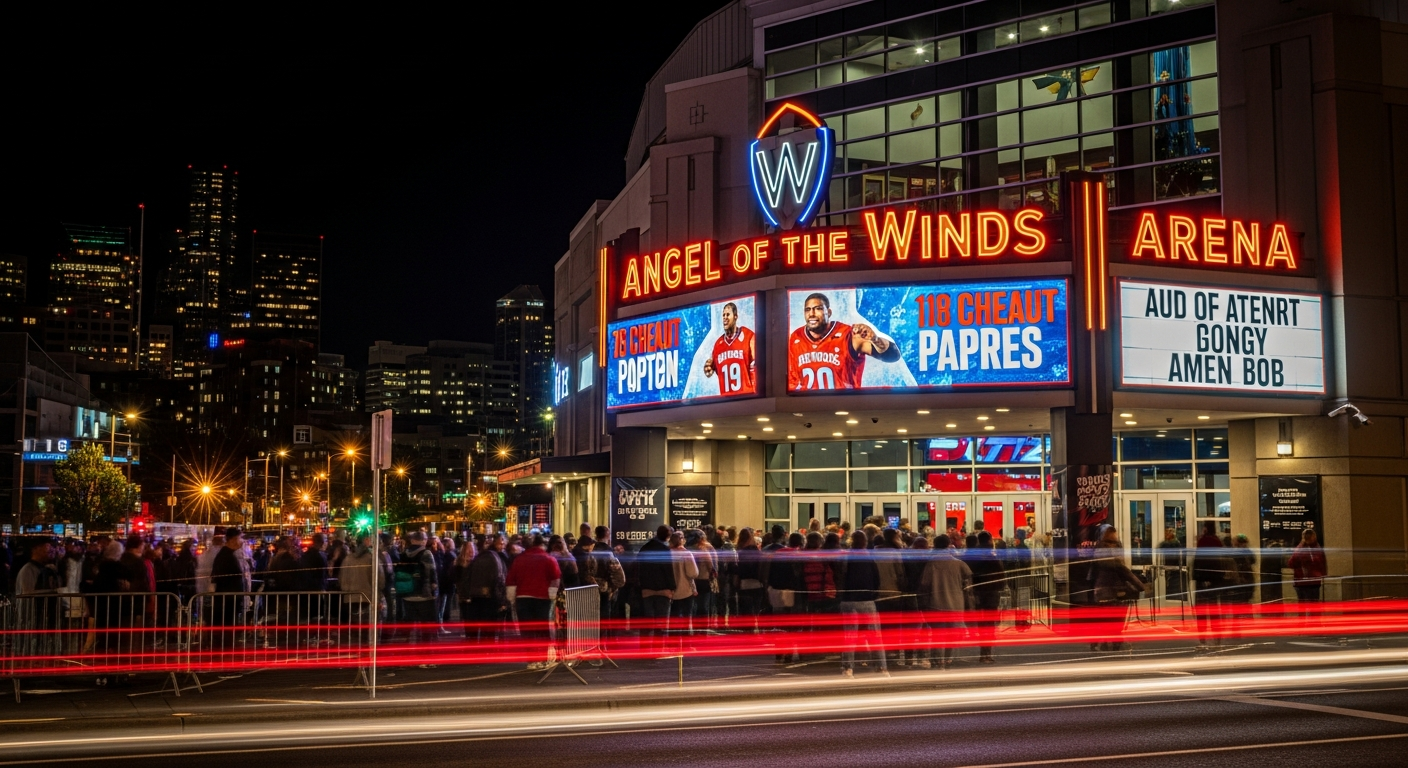
    When is Hot Wheels Monster Trucks Live coming to Angel of the Winds Arena? Hot Wheels Monster Trucks Live Glow-N-Fire performs at Angel of the Winds Arena in Everett on Saturday, May 30, 2026 at 12:30 p.m. and 7:30 p.m., and Sunday, May 31, 2026 at 2:30 p.m. All three shows include pre-show floor access with the monster trucks and drivers, available 2.5 hours before each performance.

    Hot Wheels Monster Trucks Live Glow-N-Fire Rolls Into Everett Memorial Day Weekend

    Memorial Day weekend at Angel of the Winds Arena is getting a major upgrade. Hot Wheels Monster Trucks Live Glow-N-Fire is bringing its 2026 tour to downtown Everett for three shows, May 30 through May 31, and if the name “Glow-N-Fire” does not already tell you where this is headed, the tour’s marketing is leaning hard into pyrotechnics, LED lighting, and trucks that literally breathe fire. It is 75 minutes of loud, and it is built for kids.

    Here is everything a family in Everett, Mukilteo, Marysville, or anywhere in Snohomish County needs to know before buying tickets.

    Showtimes at Angel of the Winds Arena

    • Saturday, May 30, 2026 — 12:30 p.m. (matinee, family-friendly time slot)
    • Saturday, May 30, 2026 — 7:30 p.m. (evening show)
    • Sunday, May 31, 2026 — 2:30 p.m. (Sunday afternoon matinee)

    All three shows are at Angel of the Winds Arena, 2000 Hewitt Avenue, Everett. For families with younger kids, the 12:30 p.m. Saturday matinee is the best pick. For anyone who wants the full effect of the pyrotechnics and glow elements (which read better in a darker arena), the 7:30 p.m. Saturday night show is the one.

    Which Monster Trucks Are on the 2026 Roster?

    Glow-N-Fire brings a lineup stacked with the Hot Wheels all-stars plus a brand-new truck making its live debut this year:

    • Mega Wrex — the fan-favorite T-rex truck
    • Tiger Shark
    • HW 5-Alarm
    • Bone Shaker
    • Bigfoot — the original name in monster truck history
    • Gunkster
    • Skelesaurus
    • Rhinomite — new for 2026, making its live debut on this tour

    If your kid has an opinion about which truck is best, it is probably Mega Wrex. Do not fight them on this.

    The Pre-Show Party: Arrive Early

    The Pre-Show Party presented by Metro by T-Mobile happens 2.5 hours before every performance and is hands-down the best part of the experience for kids. Pre-Show Party access lets fans onto the competition floor to see the monster trucks up close, meet the drivers, take photos, and get autographs. It is a separate ticket, but it is what turns a 75-minute show into a three-hour day.

    Translation for parents: if you are paying for the show, pay for Pre-Show access too. The floor time is where the memories happen.

    Tickets, Pricing, and Kids’ Deals

    Tickets are on sale through Ticketmaster, the Angel of the Winds Arena box office, and the official Hot Wheels Monster Trucks Live website. Special kids pricing is available for all three Everett performances, which typically means a deep discount off the standard adult ticket price when purchased for eligible younger attendees. Exact pricing varies by seating section.

    Buy direct through Ticketmaster or the arena box office if you want to avoid secondary-market fees.

    What to Expect Inside the Arena

    The Glow-N-Fire tour adds enhanced pyrotechnic effects, LED and black-light lighting, and glow-in-the-dark moments to the standard monster truck show. The trucks still do all the things fans expect — big air, wheelies, car crushes, donuts, and head-to-head competition — but the entire arena gets dimmed for the glow and fire sequences, which is spectacular in person and completely worth experiencing at the evening show if possible.

    Earplugs are a good idea for kids under 5, and most parents recommend them. The arena sometimes has free foam earplugs at guest services, but bring your own to be safe.

    How to Get There

    Angel of the Winds Arena is at 2000 Hewitt Avenue in downtown Everett, one block off I-5 at Exit 193. Parking is available in the Everest Station Garage directly adjacent, in the arena’s own lot, and along Hewitt Avenue. For a matinee show, arrive 45 minutes before showtime. For the Saturday night show, plan on 60 minutes of lead time because of parking and concessions lines.

    Pro tip for Everett families: the Port of Everett waterfront is 10 minutes away and has multiple kid-friendly restaurants (and ice cream) if you want to build a whole Memorial Day weekend day around the show.

    Frequently Asked Questions

    When does Hot Wheels Monster Trucks Live perform in Everett?

    Saturday, May 30, 2026 at 12:30 p.m. and 7:30 p.m., and Sunday, May 31, 2026 at 2:30 p.m. at Angel of the Winds Arena in Everett, Washington.

    How long is the show?

    The main show runs approximately 75 minutes. Including the Pre-Show Party floor access that opens 2.5 hours before showtime, plan for a three-hour total experience.

    Which trucks are performing in Everett?

    The 2026 Glow-N-Fire tour lineup includes Mega Wrex, Tiger Shark, HW 5-Alarm, Bone Shaker, Bigfoot, Gunkster, Skelesaurus, and the brand-new Rhinomite, making its live debut this season.

    Is there a Pre-Show Party?

    Yes. The Pre-Show Party presented by Metro by T-Mobile runs 2.5 hours before every performance and gives fans access to the competition floor to meet the drivers and see the trucks up close. It requires a separate ticket.

    Are there kids’ ticket discounts?

    Yes. Special kids pricing is available for all shows. Exact pricing varies by section. Check the Ticketmaster listing or the Angel of the Winds Arena box office for current rates.

    Where can I buy tickets?

    Tickets are available through Ticketmaster, the Angel of the Winds Arena box office, and hotwheelsmonstertruckslive.com. Buying direct helps you avoid secondary-market markups.

    Should I bring earplugs for kids?

    Yes, especially for children under 5. Monster truck shows are loud by design. Bring hearing protection or pick up foam earplugs at guest services when you arrive.

  • AquaSox Drop a 10-Inning Heartbreaker to Eugene: What We Saw in a 6-5 Walk-Off Loss

    AquaSox Drop a 10-Inning Heartbreaker to Eugene: What We Saw in a 6-5 Walk-Off Loss

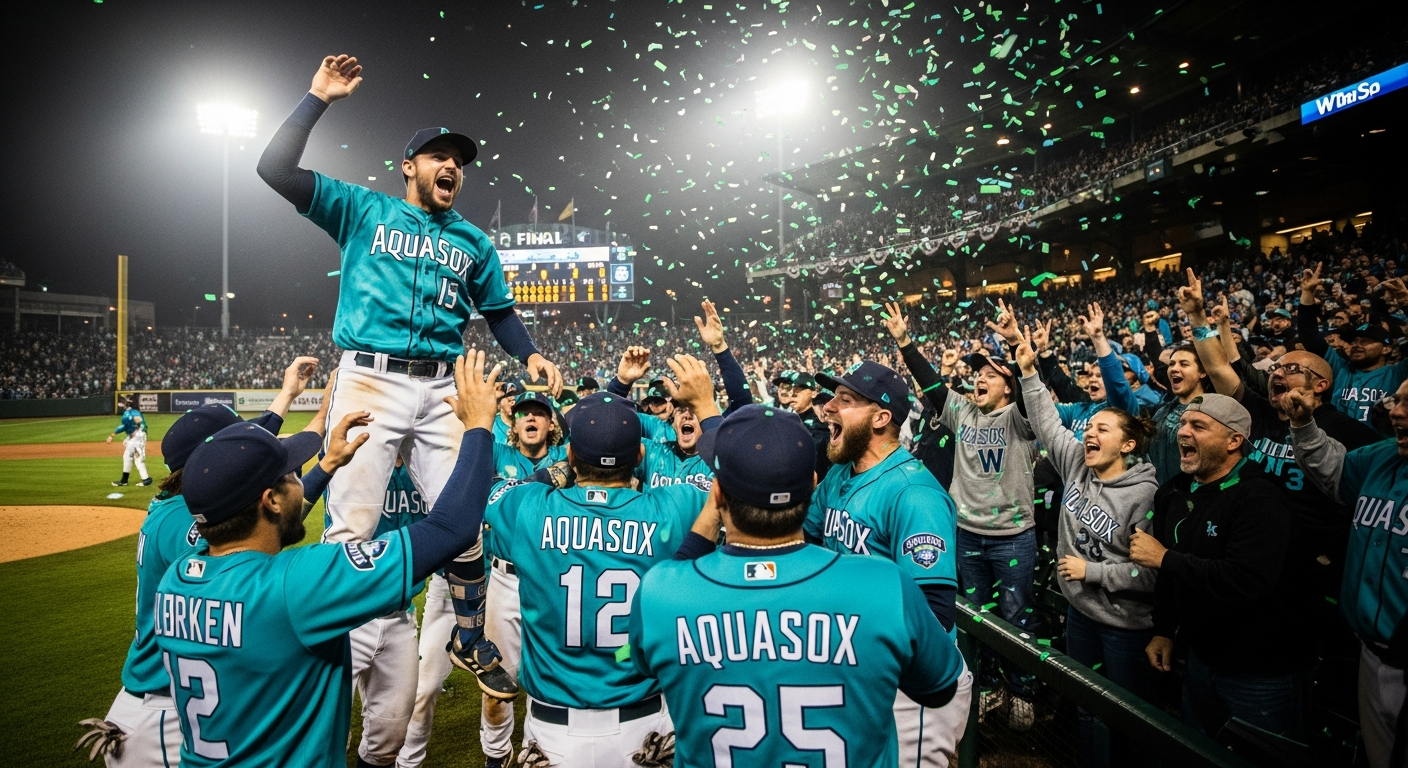
    Did the AquaSox win at Eugene on April 15, 2026? No. The Everett AquaSox fell 6-5 to the Eugene Emeralds in walk-off fashion on April 15 at PK Park. Emeralds right fielder Lisbel Diaz hit a game-winning sacrifice fly in the bottom of the 10th inning after Everett rallied from a two-run deficit to tie the game 5-5 in the top of the eighth.

    AquaSox Drop a 10-Inning Heartbreaker to Eugene: What We Saw

    Wednesday nights in Eugene are not supposed to feel like this. The AquaSox had twice clawed back from a deficit, had extra innings on the road against a quality High-A opponent, and still walked off the field on the wrong end of a 6-5 final thanks to a Lisbel Diaz sacrifice fly in the bottom of the 10th. That is the kind of loss that lingers on the bus ride.

    But if you are a fan who has followed this team for more than a week, you already know the truth about baseball: you learn more from a 10-inning one-run road loss in April than you do from a 7-1 beatdown. Here is what the AquaSox showed us in Game 2 of this Eugene series.

    How the Game Went

    Carlos Jimenez got the Frogs on the board with a first-inning RBI single, scoring Carter Dorighi, who had walked and stolen second. Everett took a 3-2 lead in the top of the sixth when Dorighi drove in a run with an RBI single of his own and Curtis Washington Jr. followed with an RBI groundout.

    Eugene answered immediately. In the bottom of the sixth, Diaz — the eventual walk-off hero — knocked an RBI single to tie it 3-3. The Emeralds then strung together a Cohen single, a Gavin Kilen RBI double, and a Dakota Jordan RBI single to open up a two-run lead.

    To Everett’s credit, they did not fold. The AquaSox answered in the top of the eighth, tying the game 5-5 and pushing it to extras. In the bottom of the 10th, Gutierrez stole third base with no outs, and Diaz ended it with a sacrifice fly. AquaSox lose 6-5.

    Three Things That Matter

    1. The Offense Is Finding Its Legs

    Last week was ugly. The Opening Night 17-2 blowout at home was not indicative of this team, but the offense had also been quiet in the series opener at PK Park. Wednesday was the first full game we saw the lineup string together at-bats in multiple innings, take extra bases on the bases (Dorighi’s stolen base in the first, Carter Dorighi’s RBI single in the sixth), and refuse to go away after falling behind. That is the template for this team’s offense in 2026 — it will not overwhelm you with power, but it should be a nuisance every inning.

    2. Carter Dorighi Is Who We Thought He Was

    Dorighi’s fingerprints were all over Wednesday’s scoring. Walked in the first, stole second, came around on Jimenez’s single. Drove in his own run in the sixth. The Mariners’ farm system values high-contact, on-base-skill bats up the middle, and Dorighi is turning into exactly that.

    3. The Bullpen Needs to Close the Door

    Coming back twice to force extras and then losing on a sac fly in the bottom of the 10th is the part that sticks. It is one game. But in the Northwest League, you cannot win a weekend series if your relievers cannot hold a tie on the road. Worth watching how the pitching staff handles the back half of this Eugene series.

    The Bigger Picture: Prospect Watch

    The 2026 AquaSox roster is loaded with names Mariners fans should be tracking. Felnin Celesten, Colt Emerson, and Lazaro Montes remain the headline prospects across the Mariners’ High-A system, and Everett is the best place in the Pacific Northwest to watch the next wave develop in person. If you missed Julio Rodriguez when he played here in 2019, this is the same front-row seat to the next generation.

    Home games resume at Funko Field later this month. Tickets are a fraction of a Mariners game, the hot dogs are good, and you will know every player’s first name by the sixth inning. That is AquaSox baseball.

    What’s Next

    The AquaSox continue their road series at the Eugene Emeralds through the weekend before returning home to Funko Field. Game times and broadcast info are posted on the official AquaSox schedule at milb.com/everett.

    Frequently Asked Questions

    What was the final score of the AquaSox vs. Emeralds game on April 15?

    Eugene won 6-5 in 10 innings at PK Park. Lisbel Diaz hit a walk-off sacrifice fly in the bottom of the 10th inning.

    Where do the AquaSox play their home games?

    The Everett AquaSox play their home games at Funko Field, located at 3900 Broadway in Everett. Funko Field holds roughly 3,700 fans and is one of the most intimate ballparks in all of Minor League Baseball.

    Who are the AquaSox affiliated with?

    The Everett AquaSox are the High-A affiliate of the Seattle Mariners. The roster is made up of prospects one or two promotions away from Double-A Arkansas or Triple-A Tacoma.

    Who were the standout AquaSox players in Wednesday’s game?

    Carter Dorighi had multiple offensive contributions, including a walk, a stolen base, and an RBI single. Carlos Jimenez drove in the game’s first run. Curtis Washington Jr. added an RBI groundout.

    When do the AquaSox come back to Funko Field?

    The AquaSox finish the road series in Eugene before returning to Funko Field in Everett. Check the team’s schedule at milb.com/everett for exact dates and start times.

    Which Mariners prospects are on the current AquaSox roster?

    The 2026 AquaSox roster features several top Mariners prospects including Felnin Celesten, Colt Emerson, and Lazaro Montes. Watching them at Funko Field is one of the best ways to track the farm system in person.

  • Silvertips Blow a 3-0 Lead in Game 4 But Still Lead 3-1: Game 5 Is at Home Friday Night

    Silvertips Blow a 3-0 Lead in Game 4 But Still Lead 3-1: Game 5 Is at Home Friday Night

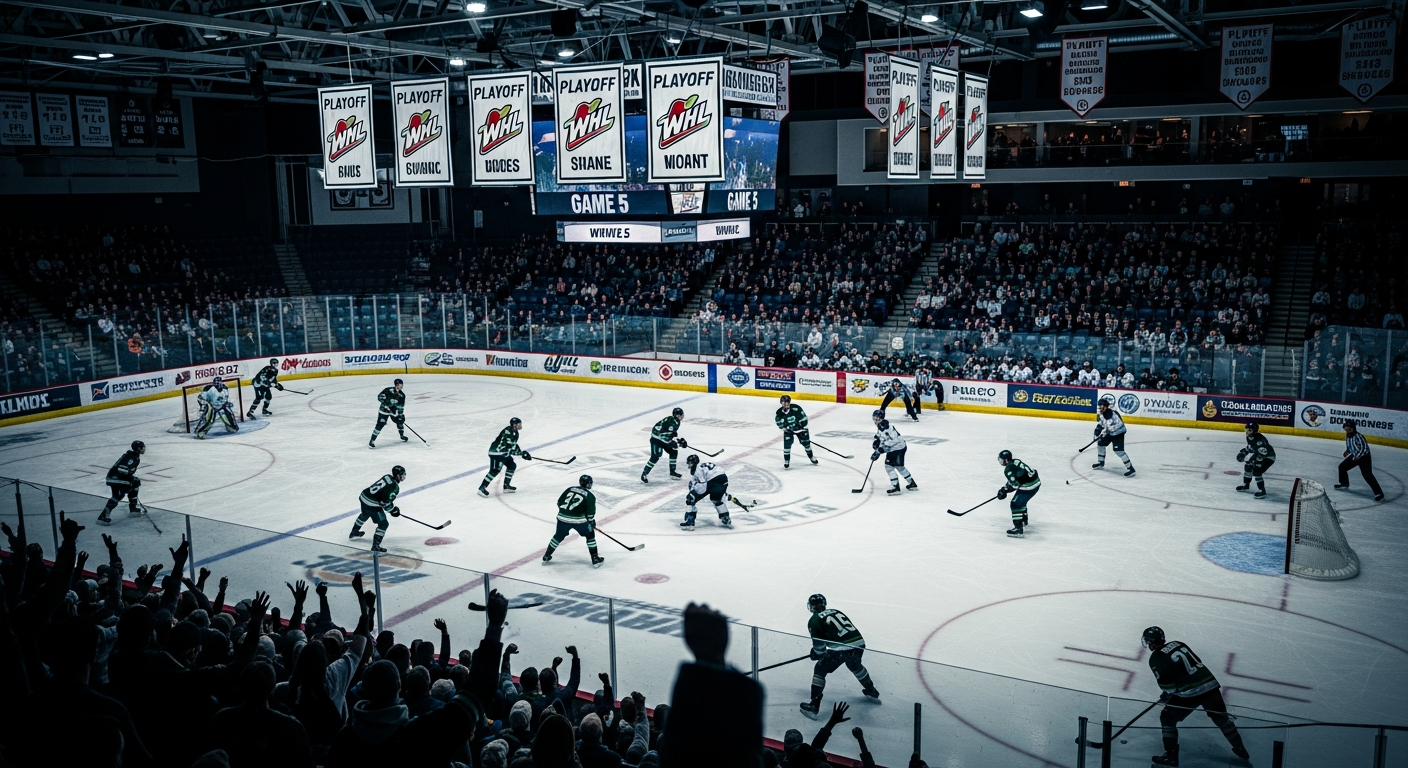
    Did the Silvertips sweep Kelowna in Round 2? No. Everett held a 3-0 lead with 12 minutes left in Game 4 on April 15, 2026, but Kelowna rallied for three goals and Tij Iginla won it in overtime. The Rockets took Game 4 by a 4-3 final, cutting Everett’s series lead to 3-1. Game 5 is Friday, April 17 at 7:05 p.m. at Angel of the Winds Arena.

    Silvertips Were 12 Minutes From a Sweep. Then Kelowna Happened.

    This is the part where a fan gets honest. Wednesday night at Prospera Place in Kelowna was supposed to be the one: a clean four-game sweep of the Rockets, an extra week of rest before the Western Conference Final, and a quiet flight home. For 48 minutes of hockey, the Silvertips were absolutely pitching a sweep. Then 12 minutes happened, overtime happened, and now we are going back to Angel of the Winds Arena Friday night for Game 5 with a 3-1 series lead instead of our boots up.

    Let’s be very clear about what happened, because the final score does not tell the full story.

    What Actually Happened in Game 4

    The Silvertips came out of the gate like a team that smelled Round 3. Julius Miettinen opened the scoring just 1:04 into the first period. Matias Vanhanen buried a power-play goal at 8:47. Brek Liske made it 3-0 at 14:10. That is three goals in the first 14 minutes of a road playoff game against a desperate home team — exactly the way a top seed ends a series.

    Then the third period turned into the kind of hockey nightmare every fan base has seen before. Kelowna scored with about 12:07 left in regulation to make it 3-1. Then again. Then Shane Smith tied it 3-3 late. Overtime arrived, the Rockets kept coming, and Tij Iginla — yes, that Iginla — put the winner home at 2:30 of the extra period for his second goal of the night. Rockets 4, Silvertips 3.

    The Good News: The Silvertips Still Lead the Series 3-1

    Blown third-period leads sting for 48 hours. But look at the board: Everett is still up 3-1 in a best-of-seven, the Silvertips are still the Western Conference’s top seed, and Game 5 is back at home at Angel of the Winds Arena, where they won the first two games of this series. A playoff team only needs to win one of the next three. Kelowna has to run the table.

    Historically, losing a close-out game on the road is the kind of thing you laugh about after you hoist the trophy. The Silvertips can absolutely still control this series. They just need to do the one thing Game 4 showed they are more than capable of doing for 48 minutes: skate a full 60.

    Game 5: Friday, April 17 at Angel of the Winds Arena

    Here is the only schedule you need memorized for the rest of this week:

    • Game 5: Friday, April 17, 2026 — 7:05 p.m. — Angel of the Winds Arena, Everett
    • Game 6 (if needed): Sunday or Monday, April 19 or 20 — in Kelowna
    • Game 7 (if needed): Tuesday, April 21 — Angel of the Winds Arena, Everett

    If you have ever been on the fence about a Silvertips playoff ticket, this is the one. The barn is going to be loud. The stakes are a Western Conference Final. The opponent is a desperate team that just stole a win in their own building. This is exactly what playoff hockey in Everett is supposed to feel like.

    How to Get to Game 5

    Tickets are still available through the Silvertips’ official playoff ticket page and Ticketmaster. Angel of the Winds Arena is at 2000 Hewitt Avenue in downtown Everett, about five minutes off I-5 Exit 193. Parking is easiest in the Everest Station garage a block away, or on Hewitt if you are early. Puck drops at 7:05 p.m., so aim to be through the doors by 6:30 if you want a beer and a look at warmups.

    What to Watch in Game 5

    1. Julius Miettinen’s Legs

    Miettinen — Everett’s captain and one of the best two-way centers in the Western Hockey League — has been the motor of this series. Opening Game 4 with a 1:04 goal was the kind of tone-setter elite players deliver in the playoffs. Watch his first shift Friday. If he looks the same as he did in Game 4, the Rockets are in trouble.

    2. The Power Play

    Matias Vanhanen’s power-play goal was not a fluke — the Silvertips’ man-advantage has been one of the cleanest units in the WHL all year. If they can cash in early on a Kelowna penalty, the arena will do the rest.

    3. Tij Iginla

    We have to say his name, even if we do not like saying it. Iginla scored twice in Game 4, including the overtime winner. He is the most dangerous player Kelowna has, he has playoff-MVP bloodlines, and he will be on the ice when it matters. The Silvertips’ defensive pairings need to account for where his stick is at all times.

    4. The Third Period

    Every Silvertips fan is going to have one eye on the clock starting with 15 minutes left in the third period of Game 5. That is just how it is going to be until this series ends. The good news: the Silvertips can put that ghost to bed in a single night.

    Frequently Asked Questions

    When is Game 5 of the Silvertips-Rockets series?

    Friday, April 17, 2026, at 7:05 p.m. at Angel of the Winds Arena in Everett.

    What is the current series score?

    Everett leads the best-of-seven Western Conference semifinal 3-1. The Silvertips need to win one of the next three games to advance.

    What happened in Game 4?

    Everett led 3-0 in the third period but gave up three unanswered goals in regulation. Kelowna’s Tij Iginla scored 2:30 into overtime for a 4-3 Rockets win. Miettinen, Vanhanen, and Liske scored for the Silvertips.

    Where are the remaining games being played?

    Game 5 is in Everett, Game 6 (if needed) is in Kelowna, and Game 7 (if needed) is back in Everett.

    Are tickets still available for Game 5?

    As of publication, tickets remain available through the Silvertips’ official playoff ticket portal and through Ticketmaster. Expect strong walk-up demand for a potential series-clincher.

    Who does the winner of this series play?

    The winner of Silvertips-Rockets advances to the WHL Western Conference Final against the winner of the Portland-Wenatchee series.

  • How NAVSTA Everett’s Fleet & Family Support Center Helps Navy Spouses Find Jobs

    How NAVSTA Everett’s Fleet & Family Support Center Helps Navy Spouses Find Jobs

    Q: How does NAVSTA Everett’s Fleet & Family Support Center help Navy spouses find jobs?
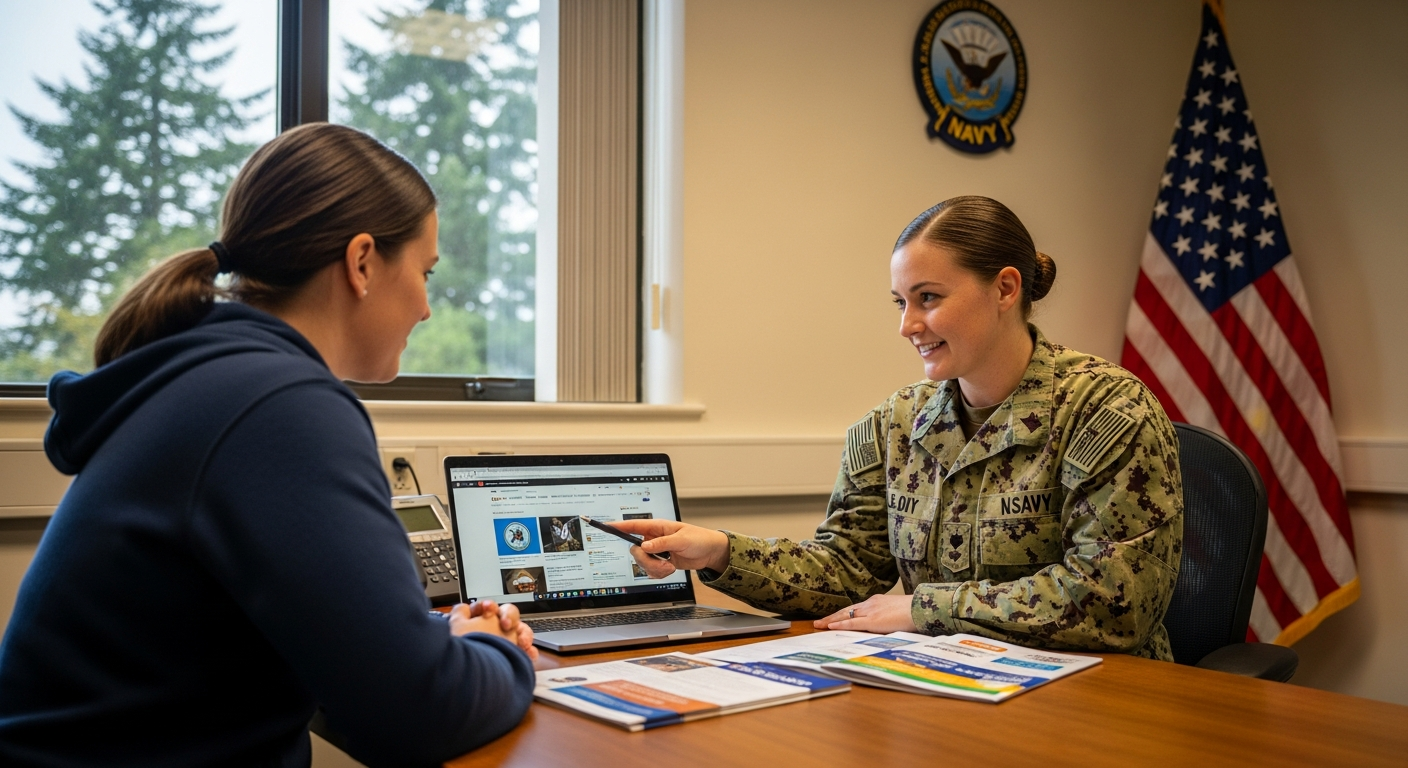
    A: The Fleet & Family Support Center (FFSC) at Naval Station Everett runs the Family Employment Readiness Program (FERP), which offers free career counseling, résumé reviews, interview coaching, workshops, and local job leads to Navy spouses and family members. Appointments are available by calling 425-304-3735 or emailing ffsp.cnrnw@navy.mil, and services are open to active duty, spouses, family members, retirees, and DoD civilians across the Pacific Northwest.

    Moving to Everett as a Navy spouse can feel like landing in a city that runs on shift work you don’t have yet. The pier is busy, the base has its own gravity, and the question that keeps coming up at every coffee shop on Colby Avenue is some version of the same thing: where do I find work here, and fast, before the next deployment, the next PCS, or the next tuition bill lands?

    The answer a lot of Navy families eventually stumble into is a building most of Everett drives past without a second look — the Fleet & Family Support Center on Naval Station Everett, and its satellite office up at Smokey Point. FFSC isn’t a single program. It’s a cluster of free services aimed squarely at the problems military life creates, and the employment side of it has become one of the most valuable resources a new arrival in Snohomish County can use.

    What the Fleet & Family Support Center actually is

    The Fleet & Family Support Center is the Navy’s installation-level readiness office for sailors and their families. At NAVSTA Everett it sits inside the installation’s Fleet and Family Readiness footprint and serves the full Pacific Northwest region, including Naval Station Everett and its Smokey Point satellite location up in Arlington. According to the Navy’s own program description, FFSC offers individual, marriage, and family counseling; class reservations; individual résumé assistance; financial counseling; relocation assistance; and deployment and mobilization support.

    Eligibility is broader than a lot of new arrivals assume. Services are open to active duty members, their spouses, other family members, retirees, and DoD civilians. That means a Navy spouse who just drove in from Norfolk, a retired chief who settled in Mill Creek a decade ago, and a contractor working on base all walk through the same door for help.

    Two numbers are worth putting in a phone right away. The main appointment line is 425-304-3735. The regional email for the Pacific Northwest Fleet & Family Support Program is ffsp.cnrnw@navy.mil. Those are the same contacts whether you’re calling about a résumé review, a budgeting class, or a deployment support group.

    FERP: the spouse employment engine

    The piece of FFSC most relevant to job hunting is the Family Employment Readiness Program, usually written as FERP. FERP is the Navy’s in-house career services shop for military families, and at Everett it’s built around a Career Resource Center that functions a bit like a combined university career office and workforce board — with the important difference that every counselor inside understands the rhythm of Navy life.

    FERP services include one-on-one career counseling, résumé and cover letter reviews, interview coaching, workshops on job search strategy, access to local employment information, and guidance on education, scholarships, and career exploration. The program’s reach covers the classic questions a newly arrived Navy spouse tends to bring in: how do I translate my last duty station’s experience to a Pacific Northwest employer? How do I explain a résumé gap created by three moves in four years? What industries in Snohomish County actually hire around deployment schedules?

    What FERP isn’t is a staffing agency. Counselors don’t place anyone into a specific job. What they do is shrink the distance between a qualified spouse and the employers most likely to hire one — which, in a county with Boeing, Naval Station Everett itself, Providence Regional Medical Center, the Port of Everett, and a growing small-business ecosystem, is a meaningful shortcut.

    MySTeP: planning for the life after uniform

    Running in parallel to FERP is the Military Spouse Transition Program, branded as MySTeP. MySTeP is designed to help spouses plan, prepare, and be ready for the life the family actually wants after the service member transitions out of the military. It’s structured around the idea that a Navy family’s biggest career decisions don’t happen at discharge — they happen years earlier, when a spouse is choosing whether to pursue a credential, take a remote role, or stay portable for the next set of orders.

    Practically, MySTeP connects spouses to resources at the right stage of military life: early-career, mid-career, approaching transition, and post-transition. For an Everett-based family thinking about whether to put down roots in Snohomish County after the sailor’s next EAOS, MySTeP is the structured conversation the Navy offers to help walk through that decision.

    SECO: the DoD-wide spouse career safety net

    The third leg of the spouse employment stool is the Spouse Education and Career Opportunities program, known as SECO. SECO is a Department of Defense program rather than a Navy-specific one, and it extends career guidance and education support to military spouses worldwide. For NAVSTA Everett families, SECO layers on top of FERP and MySTeP by providing free career coaching by phone and online, education and licensing guidance, and resources for every stage of a spouse’s career.

    A typical intake at FFSC Everett can end up braided across all three programs. A local appointment with a FERP counselor handles the Snohomish County-specific job search. MySTeP frames the long-term plan. SECO supplies the remote coaching calls and the national-scale resource library. The spouse doesn’t have to figure out which program owns which question — FFSC routes that internally.

    Smokey Point: the FFSC satellite most people miss

    A quiet detail worth knowing: NAVSTA Everett’s Fleet & Family Support Program also operates a Smokey Point location, up near Arlington, which makes the service materially easier to reach for families who live north of the base. For a Navy spouse with a toddler in a car seat, a 20-minute drive to Smokey Point is a very different logistics problem than a drive all the way down to the pier. Both offices run under the same FFSC umbrella and offer overlapping programs.

    What to bring to the first appointment

    FFSC doesn’t publish a hard intake checklist, but Navy spouses who’ve worked with FERP counselors tend to bring the same basic materials: a military ID, a current résumé (even a rough one), any professional licenses or certifications, a short list of industries of interest, and — maybe most importantly — honest visibility into how much time is available around a deployment cycle or a spouse’s current shift schedule. The sharper that picture is on arrival, the faster a counselor can aim the next conversation.

    Why this matters for Everett

    Naval Station Everett remains one of the largest single concentrations of federal employment in Snohomish County, and the civilian workforce around it — spouses, veterans, retirees, DoD civilians, and contractors — is a quiet but significant part of the local economy. Every Navy family that finds stable employment in Everett instead of leaving the region adds to the tax base, to school rosters, and to the pool of skilled workers local employers are already competing for.

    That’s the under-reported story of FFSC. It isn’t just a welfare office for the base. It’s one of the mechanisms that keeps Navy families rooted in the community rather than cycling through it. For a spouse trying to figure out what a new life in Everett is going to look like, the Fleet & Family Support Center is often the first door that makes it feel possible.

    Frequently Asked Questions

    Is Fleet & Family Support Center Everett only for active duty?

    No. FFSC services at Naval Station Everett are open to active duty, spouses, family members, retirees, and DoD civilians. A Navy spouse can access FERP, counseling, and relocation support whether or not the sailor is currently deployed.

    How do I make an appointment at FFSC Everett?

    Call 425-304-3735 or email ffsp.cnrnw@navy.mil. That same contact handles appointments across the Pacific Northwest region, including both the NAVSTA Everett location and the Smokey Point satellite.

    What does FERP cost?

    FERP services, along with the rest of FFSC’s programs, are free to eligible users. There’s no fee for résumé help, workshops, or career counseling.

    What’s the difference between FERP, MySTeP, and SECO?

    FERP is Navy-run and locally delivered at Everett, focused on current job search and career counseling. MySTeP is a Navy program focused on longer-term transition planning. SECO is a DoD-wide program providing coaching, education, and licensing resources to military spouses worldwide. Most Navy spouses end up touching more than one of them, and FFSC helps sequence them.

    Can retired sailors and their families still use FFSC Everett?

    Yes. The Navy lists retirees among the eligible populations for FFSC programs, which is particularly relevant in Snohomish County given the size of the retired Navy community in the Everett and Marysville areas.

    Is Smokey Point worth using instead of the main NAVSTA Everett office?

    For families living north of Everett, the Smokey Point Fleet & Family Support location can be a much shorter drive and offers overlapping programming. The main appointment line at 425-304-3735 can steer you to whichever location fits your schedule and program.

    Does FFSC Everett help with jobs off-base?

    Yes. FERP is explicitly geared toward the civilian labor market. Counselors help spouses connect to employers across Snohomish County, including healthcare, aerospace, the public sector, and small-business employers — not just on-base positions.

  • Boeing’s 105th KC-46 Tanker Rolled Out of Everett on April 3 — And 18 More Are Scheduled This Year

    Boeing’s 105th KC-46 Tanker Rolled Out of Everett on April 3 — And 18 More Are Scheduled This Year

    The quick version: On April 3, 2026, airmen from the 22nd Air Refueling Wing flew Boeing’s 105th KC-46A Pegasus tanker out of Everett’s Paine Field on its way to McConnell Air Force Base in Kansas. The delivery passed the halfway point of the Air Force’s current 179-aircraft program of record. Boeing plans to deliver 19 KC-46s in 2026 — up from 14 in 2025 — and the Everett-built tanker line is one of the only Boeing defense programs still running in steady production at the factory.

    Boeing’s 105th KC-46 Tanker Rolled Out of Everett on April 3 — And 18 More Are Scheduled This Year

    While most of Everett’s Boeing news this spring has focused on the 737 North Line standup and the 777X’s production flight, a quieter, steadier story has been unfolding on the opposite end of the factory ramp: the KC-46A Pegasus tanker line, Boeing’s Air Force refueling aircraft, just crossed a significant milestone with its 105th delivery — and Everett has 18 more on the 2026 manifest.

    The tanker line is not glamorous. It doesn’t make headlines the way a widebody reveal does. But for the workforce that builds it and the suppliers that feed it, the KC-46 is one of the most consistent defense programs in the Pacific Northwest. It’s also one of the clearest signs of what Boeing’s Everett factory looks like when it’s running steady.

    Here’s what the 105th delivery tells us about the program, the year, and Everett.

    What actually happened on April 3

    On April 3, 2026, a crew from McConnell Air Force Base’s 22nd Air Refueling Wing flew up to Paine Field, walked the aircraft acceptance process, and ferried a brand-new KC-46A out of Everett. The crew included members of the 22nd Operations Group, 22nd Maintenance Group, and 22nd Medical Group. The first leg of the delivery flight — Paine Field to Travis Air Force Base in California — had USTRANSCOM Director of Operations Brig. Gen. Corey Simmons in the commander’s seat.

    The final leg from Travis to McConnell was flown by Maj. Kyle Haydel, a 22nd Operations Group KC-46 pilot, and wasn’t just a routine delivery. It was Haydel’s “fini flight” — the traditional final flight of an Air Force pilot’s career or assignment, ceremonially celebrated with a water-cannon salute on arrival.

    That kind of moment is worth noting because it’s the human end of what otherwise reads like a procurement milestone. The 105th tanker is a data point; the crew that picked it up in Everett is a career.

    Where the program stands

    The Air Force’s current KC-46 program of record is 179 aircraft. The 105th delivery means the fleet is well past the halfway point, with enough tankers in service that the KC-46 is now doing real operational work — not just test and training missions. McConnell AFB in Wichita, Kansas remains the operational center of gravity for the program, with tankers stationed at several other Air Force bases nationwide and additional deliveries planned for allied nations.

    The program has also been significantly extended beyond the original 179. Under the Tanker Production Extension (TPE) plan, the Air Force is targeting 263 total KC-46 aircraft by 2030, with 88 planes from the original order still in production and 75 more under the extension. Boeing was awarded a $2.4 billion contract for 15 additional tankers in late 2024, and further awards have followed.

    For Everett, this is the kind of defense work that’s actually durable. The 767-based airframe that underpins the KC-46 is the reason Boeing extended 767 production past its original planned 2027 sunset: starting in 2027, Everett will build the 767-2C aircraft solely to support the KC-46A line, preserving the Everett tanker production capability for the remainder of the decade.

    The 19-aircraft 2026 plan

    The headline operational number for this year is simple: Boeing delivered 14 KC-46s in 2025 and plans to deliver 19 in 2026. That’s a 35% year-over-year increase in delivery rate, and it tracks with what program observers have been expecting — Boeing is working through backlog while the TPE contracts move into production.

    Nineteen tankers in a year sounds modest compared to commercial widebody rates, but defense production has its own rhythm. Each KC-46 delivery requires customer acceptance by the Air Force, weapons-system testing certification on the refueling boom and Remote Vision System, and coordination with the receiving unit’s flight crews. McConnell, Travis, Pease, Seymour Johnson, and the other bases in the KC-46 network don’t just take delivery — they integrate each aircraft into existing rotations.

    For the Everett workforce, the ramp from 14 to 19 means steady hiring needs on the KC-46 line specifically, in addition to the much larger 737 North Line and 777X workforces ramping in parallel. The IAM 751 machinists who physically assemble the tanker line, the SPEEA engineers and technical workers who sign off on certifications, and the supplier network from Renton to Auburn to Frederickson all see the tick-up.

    The $565 million question

    No honest piece about the KC-46 leaves out the program’s financial pattern. Boeing took another $565 million charge on the KC-46 program in its Q4 2025 earnings — the latest in a long series of program losses that have become an almost routine feature of Boeing’s defense earnings calls.

    The KC-46 is a fixed-price contract. When modifications, rework, or schedule slips happen, Boeing absorbs the cost rather than passing it on to the Air Force. The program has been a durable source of losses since its early production years. Whether the 2025 charge is a one-off or part of a continuing pattern is something Boeing leadership will have to address at the next earnings call.

    For Everett, the takeaway is that the tanker program keeps producing airplanes and paychecks even while it produces accounting losses. Fixed-price-driven losses are Boeing corporate’s problem. Production runs are the factory’s reality.

    Why Everett’s tanker line matters beyond Boeing

    Four angles, each worth a sentence or two:

    Allied customers. The tanker isn’t just an Air Force platform. Boeing holds KC-46 orders for four aircraft for Israel and two for Japan, in addition to the 54-plus Air Force tails still in production. International deliveries move through the same Everett line and extend the program’s runway.

    The 767 cover. The KC-46 is the single biggest reason the 767-2C is still being built at Paine Field. Without the tanker program, Boeing’s commercial 767 Freighter is scheduled to end production in 2027, which would have idled the 767 line entirely. The tanker keeps the tooling, supply chain, and workforce warm for the rest of the decade.

    Supplier pull-through. Snohomish County’s 600-plus aerospace suppliers work across many Boeing programs, but the KC-46 has a distinct parts profile — boom systems, communications, defensive countermeasures — that pulls in a specific tier of suppliers. A 35% delivery ramp this year is a meaningful order book for those shops.

    Defense workforce continuity. When Boeing engineers and technical workers bargain SPEEA’s contract later this year, one of the quiet variables in the room is the health of the defense programs. A steady-delivery KC-46 line is an argument for stable defense staffing at Everett through the end of the decade.

    The view from Paine Field

    If you’re walking the perimeter road on the east side of Paine Field in the late afternoon this spring, the KC-46 line is the easiest Boeing program to spot. The airframes are the distinctive 767 shape in Air Force gray, with the refueling boom folded into its housing on the belly and the Remote Vision System fairing on the tail. Tankers sit on the flight line ahead of acceptance testing, and the occasional delivery crew from McConnell or Travis cycles through.

    From the public viewing lot at the Future of Flight, you can usually see one or two KC-46s at various stages of completion from any given week. The program doesn’t draw tour-bus crowds the way the 777X or 737 lines do — but it’s the most consistent visual evidence, year-round, that Everett still builds airplanes for the U.S. Air Force.

    What’s next

    Eighteen more KC-46 deliveries are scheduled between now and year-end. The next near-term milestone is the 106th delivery — expected in coming weeks — and continued ramp toward the 19-aircraft 2026 total.

    Beyond that: ongoing TPE-contract production, the ramp into 767-2C-only production in 2027, and, further out, the program’s continued march toward the 263-tanker target by 2030. None of those are breaking-news moments. They’re just the steady backbone of what Boeing Everett does when it’s running well.

    Sometimes that’s the story.

    Frequently Asked Questions

    When was the 105th KC-46 delivered from Boeing’s Everett factory? April 3, 2026. The aircraft was flown to McConnell Air Force Base in Kansas via Travis Air Force Base.

    How many KC-46 tankers will Boeing deliver in 2026? Boeing plans to deliver 19 KC-46 tankers in 2026, up from 14 delivered in 2025.

    Where is the KC-46 Pegasus tanker built? The KC-46A Pegasus is built at Boeing’s Everett factory at Paine Field in Everett, Washington. It is derived from the Boeing 767 airframe.

    How many KC-46s has the Air Force ordered from Boeing? The current program of record is 179 aircraft, with plans to grow to 263 aircraft by 2030 under the Tanker Production Extension plan. The Air Force has received 105 tankers as of April 2026.

    Does the KC-46 program also serve foreign customers? Yes. Boeing has confirmed orders for four KC-46s for Israel and two for Japan, in addition to the U.S. Air Force production.

    Why is the KC-46 important for Everett even after the 767 commercial line ends? Starting in 2027, Boeing plans to produce 767-2C aircraft solely to support the KC-46A tanker program, keeping the 767 line running at Paine Field through the rest of the decade.

    Has the KC-46 program been profitable for Boeing? No. The KC-46 is a fixed-price contract and has generated repeated program losses for Boeing, including a $565 million charge recorded in Q4 2025. However, the production line continues to deliver aircraft on schedule and Boeing Everett continues to employ the tanker workforce.

    Who built and flew the 105th KC-46 delivery? The aircraft was built at Boeing’s Everett factory. The delivery flight was crewed by airmen from the 22nd Operations Group, 22nd Maintenance Group, and 22nd Medical Group at McConnell Air Force Base, with the final leg flown by Maj. Kyle Haydel as his “fini flight.”

  • SPEEA Contract Countdown: What Everett’s Boeing Engineers and Technical Workers Need to Know Before October 6

    SPEEA Contract Countdown: What Everett’s Boeing Engineers and Technical Workers Need to Know Before October 6

    The quick version: SPEEA’s two Boeing bargaining units — the Professional unit (engineers, scientists) and the Technical unit (designers, planners, technicians) — have contracts that expire October 6, 2026. Negotiations for about 16,000 Puget Sound workers are actively underway, and the SPEEA Wichita deal ratified in January 2026 (a 20% wage-pool increase over 58 months plus a $6,000 ratification bonus) has become the de facto opening benchmark. Everett is one of the two largest concentrations of SPEEA members in the country, so the contract will land directly on Paine Field paychecks, mortgages, and school budgets.

    SPEEA Contract Countdown: What Everett’s Boeing Engineers and Technical Workers Need to Know Before October 6

    Walk into any coffee shop on Mukilteo Boulevard on a Thursday morning and you’ll hear it — the quiet, steady conversation of Boeing engineers and technical workers working out what their next five years are going to look like. SPEEA’s Puget Sound contract with Boeing expires on October 6, 2026. That’s less than six months from tonight. And unlike the IAM 751 machinists’ contract fight in the fall of 2024, this one isn’t on anyone’s national radar yet — which is exactly why it matters here first.

    Roughly 16,000 SPEEA-represented workers sit inside Boeing’s Washington, Oregon, California, and Utah footprint, with the overwhelming majority clustered in the Puget Sound region. In Everett, that means the engineers designing the 777X, the planners choreographing the 737 North Line opening this summer, the test technicians running the KC-46 tanker through its paces at Paine Field, and the scientists working the composite wings that ship north from Frederickson to the Everett factory. When SPEEA bargains, Everett bargains.

    Here’s the full picture of where things stand on April 16, 2026 — and what the next six months could look like.

    The contract that’s expiring

    The current SPEEA Professional and Technical unit contracts with Boeing were negotiated in 2020 as a four-year extension during the early pandemic period. That deal ran through late 2022 originally, was re-extended, and now expires at midnight on October 6, 2026. It covers two separate bargaining units:

    • Professional unit: engineers and scientists
    • Technical unit: designers, planners, analysts, technical writers, production planners, lab technicians

    Both units bargain simultaneously with Boeing but vote on their contracts separately. In 2020, the Professional unit ratified the extension, but the Technical unit rejected its version — a split that’s worth remembering heading into this round. The groups share a lot of Boeing-wide concerns but have distinct priorities on pay scales, on-call compensation, and classification issues.

    Where negotiations stand right now

    SPEEA has been ramping its negotiation preparation since 2024. A dedicated “2026 Negotiations” section on speea.org has been running since the previous contract was signed, with quarterly survey rounds gathering member input on what the bargaining team should prioritize.

    The most recent preparation step was the fourth Negotiation Prep Committee (NPC) survey — focused on paid time off, sick leave, retirement benefits, raise pools, and on-call work. That’s the short list of what SPEEA members have been flagging as sticking points. Applications for the 2026 Professional Bargaining Unit Negotiation Team were still being accepted earlier this year.

    Translation for anyone outside the union machinery: the contract hasn’t been drafted yet, the team that will bargain it is still being finalized, and the “ask” is being built bottom-up from member priorities. This is normal for a SPEEA bargain — it runs slower and more deliberately than the machinists’ timelines — but it means the public-facing news cycle around the contract probably won’t start heating up until late summer.

    The Wichita benchmark

    There’s one recent data point that matters enormously for how this contract plays out: the SPEEA Wichita deal.

    In January 2026, SPEEA’s Wichita Technical and Professional units ratified a new contract with Boeing covering about 1,000 engineers and technical workers at Boeing’s Wichita defense site. The terms, per SPEEA’s own announcement: a 20% wage-pool increase compounded over 58 months and a $6,000 ratification bonus eligible for 401(k) deposit.

    Wichita is smaller and structurally different from Puget Sound — different work mix, different labor market, different political context — but in SPEEA bargaining history, Wichita usually sets the floor for what Puget Sound will argue for. A 20%-over-58-months structure with a solid ratification bonus is now, by default, the lowest number that Puget Sound bargainers will walk in with. The ceiling will be shaped by what the IAM 751 machinists won in November 2024 (38% over four years plus a $12,000 bonus), by Boeing’s current production targets, and by how much leverage the engineers think the 737 North Line activation and 777X certification give them.

    Why Everett has unusual leverage right now

    Every SPEEA contract is bargained against the backdrop of what Boeing is trying to ship that year. This one lands at an unusually busy moment for Paine Field:

    • The 737 North Line is scheduled to open at the Everett factory this summer — Boeing’s first narrowbody production line outside Renton in decades. Everett’s first 737 MAX is on pace to roll out before the contract expiration.
    • The 777X first production flight was targeted for April 2026 out of Paine Field, with FAA Type Inspection Authorisation (TIA) expected for the production-configured aircraft in the second half of the year.
    • The KC-46 tanker program is ramping delivery from 14 aircraft in 2025 to 19 planned in 2026, with the 105th KC-46 already delivered to the Air Force on April 3.

    Engineers and technical workers are the hinge that makes all three programs move. Certification testing doesn’t happen without SPEEA engineers signing off. Production line ramp-ups don’t happen without SPEEA planners scheduling them. A strike — or even a contract impasse short of a strike — during the back half of 2026 would hit Boeing’s production and delivery commitments at exactly the wrong moment. Bargainers know that, and management knows that they know.

    What’s likely on the table

    Based on SPEEA’s public survey priorities, last November’s machinists’ contract, and the Wichita benchmark, here’s the short list of what’s most likely to dominate bargaining:

    Wage pool structure. The headline number every contract hinges on. Expect SPEEA to push past the 20% / 58-month Wichita shape, with Puget Sound arguing that the region’s cost-of-living — especially housing around Mukilteo, Everett, Lynnwood, and Mill Creek — justifies a richer wage pool.

    Retirement. The 401(k) match and pension-equivalency formulas have been a steady SPEEA priority for a decade. Watch for proposals around higher company match percentages or expanded employee-stock-purchase terms.

    Paid time off and sick leave. A consistent survey priority across Puget Sound. Expect proposals to carry over more hours, reduce waiting periods, or standardize treatment across the two units.

    On-call work. A more technical but deeply felt issue — how engineers and technical workers are compensated when they’re on support rotation or on-call during production ramp-ups. The 737 North Line activation and 777X certification testing are both heavy on-call work, which sharpens the issue.

    Healthcare cost-sharing. SPEEA members watched premiums rise through the 2020-2026 extension. Expect hard bargaining on plan design and cost shares.

    Remote work language. Post-pandemic, remote and hybrid work patterns have been managed contract-by-contract and unit-by-unit. SPEEA bargainers are likely to push for more formal protections.

    The local stakes

    Everett is the second-largest SPEEA cluster in the country after Seattle. The immediate workforce — the people designing, testing, and flying Boeing’s widebody and narrowbody programs out of Paine Field — lives in the Snohomish County towns and neighborhoods that fan out from the factory: Mukilteo, Harbour Pointe, Picnic Point, Edmonds, Mill Creek, Silver Lake, north Everett, Marysville, Lake Stevens, Snohomish.

    When SPEEA engineers and technical workers get a raise, the Snohomish County housing market feels it. When the contract stumbles, the region feels that too. It’s not a dramatic cause-and-effect — SPEEA members are salaried professionals, not hourly assemblers — but it’s a steady one, and it shapes everything from restaurant traffic on Hewitt Avenue to how aggressively families in the Mukilteo School District refinance.

    Boeing employs around 42,000 people at the Everett factory when you count everyone on site across every program. SPEEA members are a significant share of that number — especially in engineering-dense programs like 777X certification, where non-union managers are a small fraction of the workforce.

    What to watch between now and October

    Late April–June: SPEEA finalizes the negotiating team and drops its first formal contract demands. This is when the first concrete numbers leak or get announced.

    Summer: Opening bargaining sessions begin. The 737 North Line opens at the Everett factory during this window, which gives both sides a public-facing milestone to reference in their messaging.

    August–September: Core bargaining. Expect to see SPEEA Spotlite newsletters get more pointed, member rallies, and — if things head toward impasse — formal statements about possible action. SPEEA has historically not struck as often as IAM 751, but the authorisation process exists and both sides know it.

    Early October: Contract expires October 6, 2026. A tentative agreement could land before, during, or after that date. Ratification votes follow by mail ballot over the following two to three weeks.

    One caveat

    None of this is guaranteed. SPEEA’s 2020 negotiations were relatively quiet because they happened in a pandemic. 2026 is not a pandemic year, Boeing is actively trying to ramp production, and engineers and technical workers watched their machinist colleagues win a record contract in 2024. The floor is higher than it’s ever been, but so is the complexity — and Boeing is coming off a 2025 that included another $565 million charge on the KC-46 program and ongoing 777X certification delays.

    In Everett, the only safe assumption is that the contract will matter — for paychecks, for mortgages, for the pace the 737 North Line can actually hit, and for how steady the workforce feels in the year ahead.

    We’ll keep tracking it.

    Frequently Asked Questions

    When does the current SPEEA contract with Boeing expire? The Puget Sound SPEEA Professional and Technical unit contracts expire on October 6, 2026.

    How many workers does the SPEEA Boeing contract cover? Roughly 16,000 engineers and technical workers across Washington, Oregon, California, and Utah, with the majority concentrated in the Puget Sound region — including Everett and Paine Field.

    What did SPEEA win in the Wichita contract in January 2026? A 20% wage-pool increase compounded over 58 months and a $6,000 ratification bonus eligible for 401(k) deposit, covering about 1,000 members at Boeing’s Wichita defense site.

    How does SPEEA differ from IAM 751? IAM 751 represents the hourly machinists who physically build Boeing airplanes. SPEEA represents the salaried engineers, scientists, and technical professionals who design, plan, and support those programs. They are separate unions that bargain separately with Boeing.

    Will SPEEA strike in 2026? Impossible to predict, and SPEEA leadership hasn’t indicated strike intent. Historically SPEEA strikes less frequently than IAM 751 but has the authorisation process available. The IAM strike in 2024 and the Wichita deal in January 2026 both shape the leverage environment, but no strike action has been called as of April 16, 2026.

    How does the contract affect non-union Boeing workers in Everett? The contract sets a reference point that Boeing typically uses when setting salary bands and benefits for non-union engineering and technical staff. A richer SPEEA contract usually pulls up non-union comp over the following year or two.

    Where can workers follow the negotiations? SPEEA publishes updates on speea.org and through the monthly SPEEA Spotlite newsletter. The union’s “Current Negotiations” page is the primary official source.

    How does SPEEA bargaining affect the 737 North Line opening this summer? Engineers and technical workers are central to the North Line activation — especially in the final tooling, ramp-up, and certification phases. A contract dispute after October 6 could create production timing risk during the North Line’s first months of operation, which is part of why both sides have an incentive to settle on time.

  • Makario Coffee Roasters Is the Downtown Everett Coffee Shop You Should Already Know About

    Makario Coffee Roasters Is the Downtown Everett Coffee Shop You Should Already Know About

    Is Makario Coffee Roasters worth going out of your way for? Yes. Makario at 2613 Colby Ave roasts its own beans, builds some of the most genuinely inventive lattes in Everett (the Mt. Rainier, the sesame latte, the Dirty Chai), and runs a plant-filled Colby Avenue space that works for a pourover as well as a breakfast panini. It’s the best downtown Everett coffee shop you’re probably still sleeping on.

    Everett’s Quiet Coffee Story Is at Makario

    Everett gets one coffee shop right in most local roundup lists, and that shop is Narrative Coffee. Narrative earned the national recognition — Sprudge named their flagship one of the best new cafés in the world — and we’re not here to litigate that. But if you only go to Narrative, you’re missing what’s actually happening in downtown Everett coffee in 2026. What’s happening is four blocks away at 2613 Colby Avenue, inside a cramped, plant-covered storefront called Makario Coffee Roasters.

    Makario is a local roaster, not a café that pours someone else’s beans. That distinction matters. The team roasts in-house, which means the espresso you get at Makario is dialed specifically for Makario’s machine, the pourover is cut for their water, and the flavor choices — which are the most interesting part — come from the same kitchen that sourced the green coffee. That’s not a small thing in a county full of drive-through espresso stands serving commodity roasters.

    What to Order on Your First Visit

    The signature is the Mt. Rainier, a salted caramel latte topped with salted caramel whipped cream. It’s sweet, yes, but the espresso underneath is strong enough to stand up to the whip, and the salt cuts the caramel the way it’s supposed to. If you want a specialty drink that reminds you this is an actual coffee program and not a dessert disguised as coffee, order the Mt. Rainier and then get a straight espresso after. You’ll see the whole range.

    The sesame latte is the curious pick. Toasted sesame syrup, espresso, steamed milk. It sounds like it shouldn’t work, and the first sip takes about three seconds to land. Then it clicks. The nutty bitterness of toasted sesame plays against the roast notes in the espresso in a way that feels less like a flavored latte and more like a deliberately composed drink. It’s the one we keep coming back for.

    The Dirty Chai is the sleeper order. A lot of cafés make a bad Dirty Chai — too much chai syrup, underextracted espresso, milk that’s been sitting. Makario’s is balanced. The chai spice has bite, the espresso shows up, and the milk is pulled to the right texture. If you drink Dirty Chais often, this is the one in Everett you should be ordering.

    For the purist: specialty-grade pourover. Ask the barista what’s on bar that week. Makario rotates the pourover menu based on what’s fresh off the roaster. You’ll get a conversation about the origin, the process, the notes — if you want one. You can also just say “whatever you’d drink this morning” and trust the answer.

    The Food Side

    Makario isn’t a pastry case operation. They run a small but real kitchen doing brunch items, paninis, breakfast sandwiches, burritos, bagels, and waffles. The breakfast sandwich on a fresh bagel is the pairing we recommend with a pourover. The waffles are the weekend move. Portions are not generous; this is café food, not diner food.

    What matters: the food quality matches the coffee quality. Too many local cafés pour good coffee and then serve frozen quiches. Makario’s kitchen is dialed enough that you can make it a proper breakfast stop rather than a caffeine grab on the way to a real breakfast.

    The Space

    Makario is small. That’s the honest review. It’s a tight Colby Avenue storefront with tall windows, exposed brick, and enough hanging plants to qualify as a jungle exhibit. There’s seating for maybe fifteen people at a stretch. On weekend mornings you will wait — for a table, for your drink, for a chance to look at the pastry shelf without bumping into someone.

    On a weekday afternoon, though, Makario is one of the most pleasant third-place environments in Everett. The plants, the natural light, and the hum of the espresso machine combine into something that feels more Ballard than Broadway. We’ve written entire drafts of articles from the two-top in the back corner.

    Hours, Parking, and How to Plan Around Them

    Makario is open Tuesday through Saturday, 8 a.m. to 4 p.m. Closed Sunday and Monday. That’s a coffee shop schedule that will disappoint you once — when you show up on a Monday morning expecting to work there and can’t. Write it on your mental schedule.

    Parking downtown Everett is street-metered and usually easy to find within two or three blocks of the shop, especially in the morning. Colby Avenue has been getting better at pedestrian life, and Makario is a central stop on any downtown walking loop that includes the Historic Everett Theatre, Artisans Books & Coffee, or the restaurants along Hewitt.

    How Makario Fits Into the Everett Coffee Scene

    Narrative is the internationally-recognized flagship. Artisans is the books-and-coffee combo. Nadine’s is the hidden-alley dog-friendly pick. Bargreen is the historic roaster with 127 years of Everett on its resume. Each of these shops does a different thing, and Everett coffee drinkers should know all of them.

    Makario is the one where the coffee program is the most creative. The flavors are thought through. The menu changes. The roaster operates intentionally rather than by rote. If you drink coffee as a daily ritual rather than a utility, Makario is the shop that rewards repeat visits.

    The Verdict

    If you’ve only been to Narrative, your downtown Everett coffee life is incomplete. Walk four blocks to Makario. Order the sesame latte, sit by the window, let the sun through the plants, and pay attention to what you’re drinking. Then come back on a different day and order the Mt. Rainier. Then come back on a weekend and get the breakfast sandwich. This is how downtown Everett mornings are supposed to feel.

    Frequently Asked Questions

    Where is Makario Coffee Roasters located?

    2613 Colby Avenue, Everett, WA 98201, between downtown and the Hewitt corridor.

    What are Makario Coffee Roasters’ hours?

    Tuesday through Saturday, 8 a.m. to 4 p.m. Closed Sunday and Monday.

    Does Makario roast its own coffee?

    Yes. Makario is a local roaster, not a café pouring someone else’s beans. Fresh-roasted beans are available for purchase to take home.

    What’s the signature drink at Makario?

    The Mt. Rainier — a salted caramel latte topped with salted caramel whipped cream — is the most recognized order. The sesame latte is the cult favorite.

    Does Makario serve food?

    Yes. Breakfast sandwiches, paninis, burritos, bagels, waffles, and a rotating brunch menu. The food matches the coffee quality rather than being an afterthought.

    Is there seating at Makario?

    Yes, but limited. The space seats about fifteen people. Weekday afternoons are the easiest time to find a table.

    How does Makario compare to Narrative Coffee?

    Narrative is the internationally recognized flagship with a spectacular flagship space. Makario is the more creative coffee program with the in-house roasting story and a broader flavor menu. Everett coffee drinkers should know both.

    Is there parking near Makario Coffee Roasters?

    Yes. Colby Avenue has street-metered parking, and it’s generally easy to find a spot within a few blocks during weekday mornings.

  • Pho To Liem on Casino Road Is the Everett Pho Spot Locals Try to Keep Quiet

    Pho To Liem on Casino Road Is the Everett Pho Spot Locals Try to Keep Quiet

    Is Pho To Liem the best pho on Casino Road? Yes. Pho To Liem at 209 E Casino Rd opens at 9 a.m., pours a beef broth that delivers real depth, and prices a bowl of Pho Tai Chin at $16.50 — the kind of Vietnamese restaurant locals quietly tell each other about and then regret sharing. It is the pho spot on Casino Road.

    Casino Road’s Best-Kept Pho Secret (That Isn’t Really a Secret)

    Casino Road is the most interesting mile of food in Everett, and everyone who eats regularly on it has a favorite stop they defend like it’s their family. Ours is Pho To Liem. It sits at 209 E Casino Rd in the strip center near Evergreen Way, the kind of unassuming Vietnamese restaurant you’d drive past a hundred times if nobody pointed it out.

    Everett has a lot of pho. Downtown has pho. North Broadway has pho. You can get pho at Asia Noodle House, Pho Hung, Le’s Pho, and half a dozen other spots that are genuinely fine. What makes Pho To Liem the Casino Road answer is the combination of three things most pho shops get one-right-and-two-wrong: the broth, the bread, and the hours.

    The Broth

    The broth is what a pho shop lives or dies on, and Pho To Liem’s is legitimately deep. Not muddy, not flat, not the under-salted version a lot of American pho shops settle for. You can taste the hours — the cardamom, the star anise, the bones. The beef broth runs clean enough that you can drink the last inch of the bowl straight without a garnish. That’s the test. Pho To Liem passes it.

    The Pho Tai Chin (eye round steak and brisket, $16.50) is the order. You get a generous portion of meat and noodles, the rare eye round cooks to perfection when you drop it into the broth, and the brisket carries real beef flavor rather than the stringy pot-roast character you sometimes get. If you’re feeling bolder, the Bun Bo Hue (spicy lemongrass soup, $19.95) is worth the extra four dollars for the lemongrass heat and the pork knuckle it comes with.

    The Mi Bo Kho ($17.75) — egg noodle soup with beef stew — is the underrated pick. It’s not pho. It’s a Vietnamese beef stew with egg noodles, cinnamon-forward, rich, a little thick. When you’ve been eating pho for two weeks straight, Mi Bo Kho is how you reset without leaving Vietnamese food.

    Banh Mi, Rolls, and the Supporting Cast

    The Banh Mi Xa Xiu (BBQ pork sandwich) is $10.50 and absurdly good for the price — crusty roll, properly charred pork, pickled daikon and carrot, cilantro, jalapeño, a smear of pate-mayo. It’s the lunchtime grab if you’re in a hurry and don’t want a bowl of soup in your lap at your desk.

    The Cha Gio (fried spring rolls, $8.50) and Goi Cuon (fresh spring rolls, $8.95) are what you share while you wait for the soup. The peanut sauce for the Goi Cuon is thinner than some people like — if that matters to you, ask for extra hoisin. Nobody will be offended.

    The Hours Matter

    Pho To Liem opens at 9 a.m. This is underrated. A lot of pho shops don’t open until 11, which means if you’ve been out fishing, worked a graveyard shift at Boeing, or simply want a bowl of noodle soup at 9:30 on a Saturday morning, you’re driving somewhere else. Pho To Liem is the Everett answer to breakfast pho. It’s also the one to hit if you’re stopping between Seattle-to-Vancouver drives — the Casino Road exit off I-5 puts you there in two minutes.

    Service is quick, which matters when a bowl of pho wants to be eaten at about 190 degrees. The staff is genuinely friendly rather than performatively friendly, and the Vietnamese regulars at the counter are a good sign every time you walk in.

    The Casino Road Context

    Everett’s Casino Road is one of the most diverse stretches of food in Washington — pho next to Salvadoran pupusas next to Mexican tortas next to Cambodian noodles next to Ethiopian injera. Casino Road gets written about as if it’s an undiscovered wonder, which is insulting to the families who’ve run these restaurants for decades. It’s not undiscovered. It’s just not in downtown Everett.

    Pho To Liem is part of what makes Casino Road work. You walk in, you sit at a laminate table, you order in about sixty seconds, and you eat something that would cost you $8 more per bowl in a Seattle neighborhood. That’s the deal. Honor it. Tip well.

    What to Know Before You Go

    Address: 209 E Casino Rd, Everett, WA 98201. Phone: (425) 355-0245. Parking: ample, right out front in the strip center lot. Cash and card both work. The dining room is small but turns quickly. If you’re going at peak lunch on a weekday, call ahead or plan on a ten-minute wait.

    Price range: $10-$20 per person. No alcohol program. No dessert ambition. This is not a date-night restaurant. It’s a noodle-soup restaurant, which is the whole point.

    The Verdict

    If you live in Everett and you haven’t been to Pho To Liem, you’re doing the Casino Road diet wrong. Order the Pho Tai Chin, add Sriracha and hoisin the way you like it, squeeze the lime, rip the basil, and eat. This is what Casino Road is supposed to be: a family-run kitchen doing one thing at a level that would get it written up in any bigger city. The only reason it’s not more famous is that everyone who knows is trying to keep it quiet.

    Frequently Asked Questions

    Where is Pho To Liem located?

    209 E Casino Rd, Everett, WA 98201 — in the strip center just off Evergreen Way.

    What are Pho To Liem’s hours?

    Pho To Liem opens at 9 a.m. — an early hour for a Vietnamese noodle shop. Call (425) 355-0245 to confirm closing time on the day you plan to go.

    What should I order on my first visit?

    Pho Tai Chin ($16.50) is the core order. Add a Banh Mi Xa Xiu ($10.50) if you’re hungry or want to split a second dish.

    Is Pho To Liem a good spot for breakfast?

    Yes. The 9 a.m. opening makes it one of the few places in Everett where you can get legitimate beef-bone pho for breakfast.

    How does Pho To Liem compare to other Everett pho spots?

    Pho To Liem has the deepest broth of the Casino Road pho shops. Downtown Everett has other solid pho options, but on Casino Road specifically, Pho To Liem is the pick.

    Is there parking at Pho To Liem?

    Yes. The strip center has a large lot directly in front of the restaurant with plenty of space.

    What’s the price range at Pho To Liem?

    $10-$20 per person. Most pho bowls are $15-$17, banh mi sandwiches are around $10.50, and appetizers run $8-$10.