Category: Exploring Everett

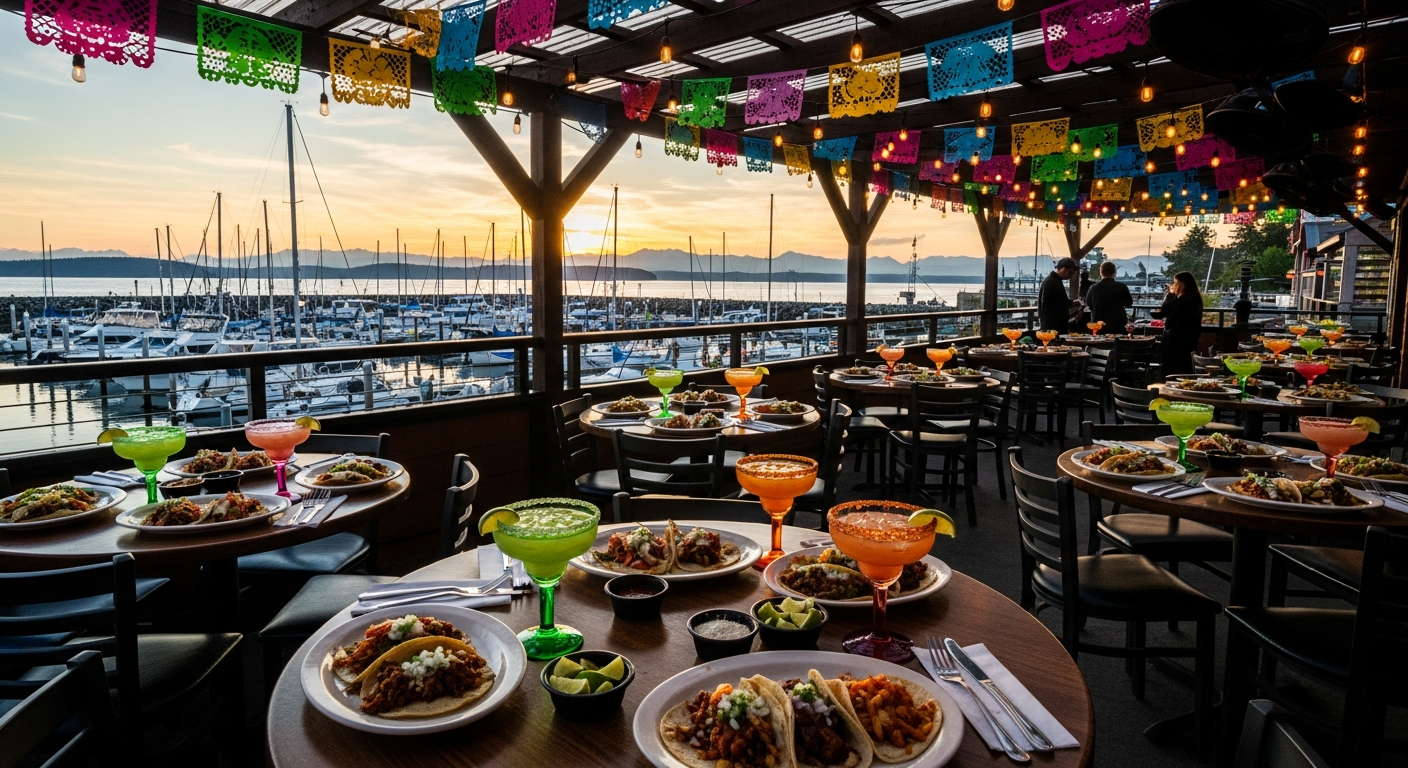
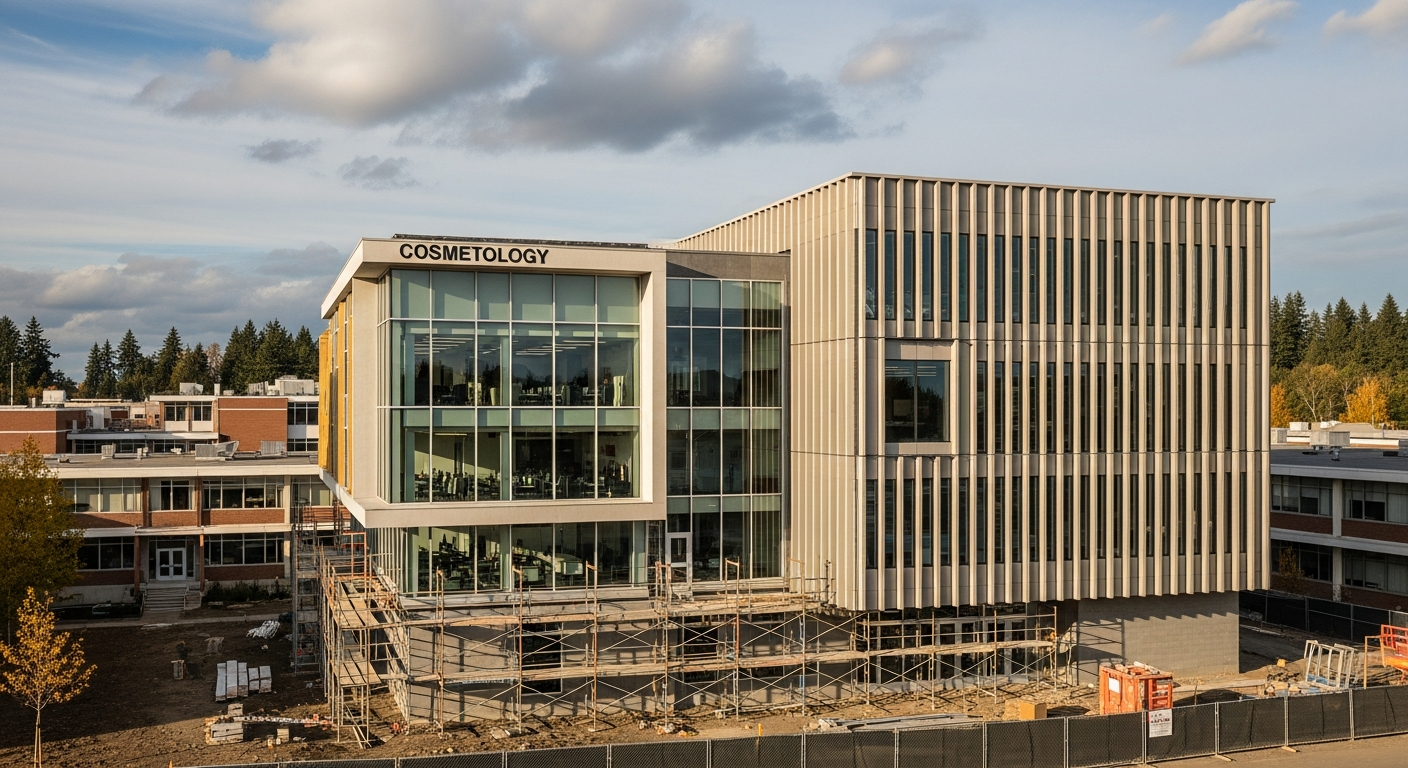
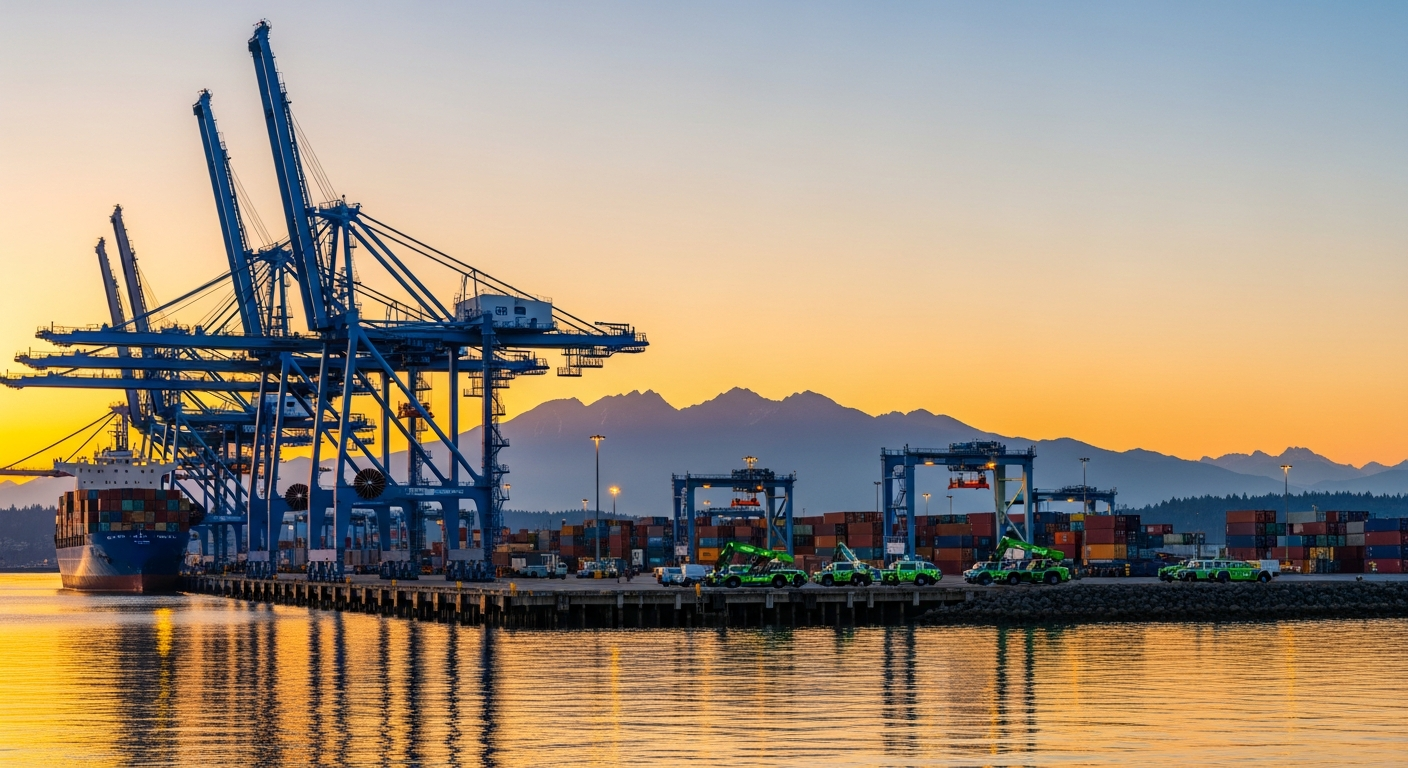
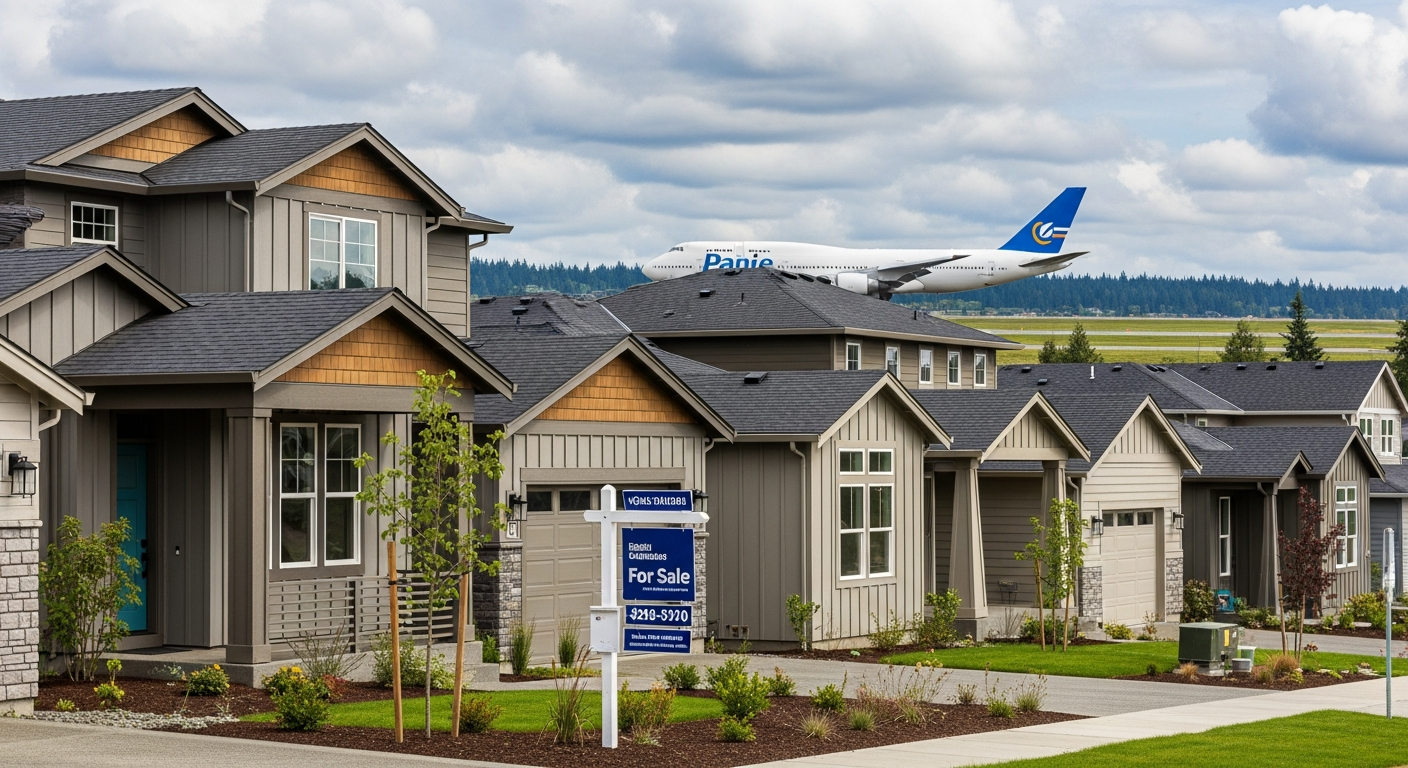
Everett, Washington is in the middle of something big. A $1 billion waterfront transformation. A Boeing workforce that built the world’s largest commercial jets. A port city with a downtown that’s finally catching up to its potential. A Navy presence at Naval Station Everett. A comedy and arts scene punching above its weight. And neighborhoods — Riverside, Silver Lake, Downtown, Bayside — each with their own identity and story.

Exploring Everett is Tygart Media’s hyperlocal coverage vertical for Snohomish County’s largest city. We cover the waterfront redevelopment, Boeing and Paine Field, city hall, the food and arts scene, real estate, neighborhoods, and everything in between — written for people who live here, work here, or are paying attention to what’s coming.

Coverage categories include: Everett News, Waterfront Development, Boeing & Aerospace, Business, Arts & Culture, Food & Drink, Real Estate, Neighborhoods, Government, Schools, Public Safety, Events, and Outdoors.

Exploring Everett content is also published at exploringeverett.com.

  • What Everett’s $14 Million Budget Gap Means for Your Property Tax Bill, City Services, and 2026 Ballot

    Q: As an Everett resident, what should I expect from the 2027 budget process?

    A: Expect at least one budget-related ballot measure in November 2026, possibly more than one. The most likely options include a Regional Fire Authority question, a Sno-Isle Libraries annexation question, and a property tax levy lid lift. Each affects your bill differently. Regional fire and library measures typically don’t raise your total tax bill day one — they move which government entity collects which portion. A levy lid lift directly raises the bill. Beyond ballots, expect a fall 2026 city budget process focused on whether to cut services, draw down reserves, or both, while the structural levers work through their longer timelines.

    What Everett’s $14 Million Budget Gap Means for Your Property Tax Bill, City Services, and 2026 Ballot

    If you live inside Everett city limits, the city’s $14 million 2027 budget gap is going to land on your kitchen table in three specific ways: the property tax bill that arrives in your mailbox, the services you rely on (police response times, library hours, parks staffing, road maintenance), and the ballot you receive in October 2026. This guide walks through each.

    What’s Likely on Your November 2026 Ballot

    The Everett City Council has not yet placed any 2026 budget-related measures on the ballot, but Mayor Cassie Franklin has named four structural levers under active consideration. Three of them require voter approval. The early-August 2026 deadline to finalize ballot language gives the city a defined window to decide which questions Everett residents see on November 3.

    The most likely candidates, based on Franklin’s March 6 keynote and the April 8 Council action:

    • A Regional Fire Authority question. “Yes” would create or join a multi-jurisdictional fire and EMS district funded by its own voter-approved property tax and benefit charges. Your city tax portion drops; a new RFA portion is added. Net change to your bill on day one is usually small.
    • A Sno-Isle Libraries annexation question. “Yes” would dissolve the Everett Public Library as a city department and merge Everett into the Sno-Isle district. Your city portion drops; a new Sno-Isle library portion is added. Library service continues.
    • A property tax levy lid lift. This would raise the city’s portion of your property tax above the 1 percent annual cap. The 2024 version, which voters rejected, would have added about $336 per year for the average homeowner.

    It is possible the Council places only one of these on November 2026. It is also possible it places two or three. The annexation study for the Mariner neighborhood is on a longer timeline and is not expected to produce a ballot question for current city residents in 2026.

    What Each Ballot Outcome Means for Your Bill

    RFA — yes: Your total property tax bill probably stays close to flat in year one. Long-term, the RFA has more flexibility to raise its own rates than the city does under the 1 percent cap.

    RFA — no: Fire stays in the city general fund. The city has to find $14 million somewhere else for 2027, which means deeper service cuts, a different ballot strategy, or both.

    Sno-Isle library annexation — yes: Same pattern as the RFA. Bill stays roughly flat. Library service continues, run by Sno-Isle.

    Sno-Isle library annexation — no: Library funding stays in the general fund. Library hours and programs are exposed to deeper cuts in 2027.

    Levy lid lift — yes: Your city tax portion goes up. The 2024 version was about $336 per year for the average Everett homeowner; a 2026 version may be smaller or paired with specific spending commitments.

    Levy lid lift — no: Same outcome as no RFA — the gap has to be closed elsewhere, primarily through service cuts.

    What Service Cuts Could Look Like

    The 2024 budget gap of $12.6 million produced 31 layoffs. The 2027 gap is bigger and the easy one-time tools the city used to soften 2026 — paused pension contributions, COVID-relief reserves — have largely been spent. If structural revenue moves don’t land in time, the 2027 budget would have to lean harder on operational reductions.

    Everett has not published a 2027 service cut menu, and the mayor’s preliminary budget is not expected until fall. Based on the 2024 reductions and the categories that show up first when cities face general-fund pressure, the areas most at risk include parks programming and maintenance, library hours, non-essential city positions, and the discretionary side of public safety budgets.

    Things state law largely protects from the same cuts: pensions, debt service, public safety baseline operations, and statutory programs. Things voters have specifically funded through dedicated levies (parks bonds, transportation, etc.) sit outside the general fund and are not at the same risk.

    Why the 2024 Lift Failed and What Could Change in 2026

    The April 2024 levy lid lift didn’t just lose. It lost decisively. Reading the result, the most-cited reasons in public reporting were the size of the increase (about $336/year for the average homeowner), the broad-purpose framing (general fund support rather than a specific program), and the cost-of-living context for a city that had absorbed back-to-back inflation years.

    If the city brings a measure back in November 2026, the most likely changes are some combination of a smaller ask, a shorter duration (rather than permanent), and tighter purpose framing — a “public safety” or “parks and libraries” levy with named funding commitments rather than a general-purpose lift. Other Washington cities have passed targeted measures after stand-alone general ones failed. That is the playbook to watch for.

    What You Can Do Between Now and November

    The Everett City Council holds public comment opportunities at every regular meeting (typically Wednesday evenings). The 2027 preliminary budget will be the focal civic conversation from September through November. Ballot questions get refined through summer and finalized in early August. The City of Everett’s budget portal at everettwa.gov publishes the projections, the budget book, and the meeting agendas.

    If you want a single window of high-leverage civic engagement on the 2027 budget, it is roughly June through early August 2026 — the period when the Council is deciding what to put on the ballot, what cuts to propose, and what the public is willing to support. After early August, the ballot is locked. After November, the result determines the structural shape of Everett’s budget for the next decade.

    Frequently Asked Questions

    Will my Everett property tax bill go up in 2027?

    It depends on what the City Council decides to put on the November 2026 ballot and how voters respond. A levy lid lift would directly raise your bill. RFA or Sno-Isle library measures typically don’t raise the total day one — they shift which entity collects which portion.

    Will my city services be cut?

    If structural revenue moves don’t land in time, yes. The 2024 budget gap led to 31 layoffs; the 2027 gap is larger and the one-time tools have been used. The mayor’s preliminary 2027 budget is expected in the fall.

    Why does Everett have a $14 million deficit?

    Washington state law (Initiative 747, 2001) caps annual city property tax growth at 1 percent. City costs grow faster than that. The gap compounds over time and is now $14 million for the 2027 budget.

    What is a Regional Fire Authority and would I notice the change?

    An RFA is a separate Washington government entity that runs fire and EMS for multiple cities. You would still get fire service from what looks like the same department. The change is on funding and governance — a separate line on your tax bill instead of a slice of the city’s general fund.

    If Everett joins Sno-Isle Libraries, what happens to the Everett Public Library?

    The library buildings, staff, and programs would continue. Operations would be run by the Sno-Isle district, which already serves most of Snohomish County. Funding shifts from the city’s general fund to a separate Sno-Isle property tax line.

    Can I attend the City Council meetings on the budget?

    Yes. Council meetings are held Wednesday evenings at City Hall and are open to the public, with public comment periods. Meeting agendas are posted at everettwa.gov.

    Does the Mariner annexation affect my taxes if I already live in Everett?

    Not directly. Annexation would change tax rates for newly annexed Mariner residents, not for existing city residents. Annexation does affect the city’s overall fiscal picture, which can affect future service levels and budget choices.

  • Everett’s $14 Million 2027 Budget Decision: A Complete Guide to the Four Levers on the Table

    Q: What is Everett, Washington’s plan to close its $14 million 2027 budget deficit?

    A: Everett finance staff project a $14 million general fund shortfall for 2027 — larger than the $12.6 million 2024 gap that forced 31 layoffs. Mayor Cassie Franklin has named four levers under active consideration: regionalizing fire services through a Regional Fire Authority, regionalizing libraries by joining Sno-Isle Libraries, a property tax levy lid lift, and annexing parts of the urban growth area starting with the Mariner neighborhood (about 21,000 residents). Three of the four require voter approval. Decisions will sequence through fall 2026 budget hearings and the November 2026 ballot.

    Everett’s $14 Million 2027 Budget Decision: A Complete Guide to the Four Levers on the Table

    Everett, Washington is staring down a $14 million general fund deficit for the 2027 budget — and for the first time in more than a decade, every major lever the city has to close it is publicly on the table at once. Regional fire authority. Regional libraries through Sno-Isle. A new property tax levy lid lift. Annexation of unincorporated south Everett, starting with the 21,000-person Mariner neighborhood. Three of those four require a vote of the people. The fourth almost certainly does too.

    This is the structural moment Mayor Cassie Franklin warned about during her March 6, 2026 keynote address. “We cannot cut our way to a sustainable future,” Franklin said, citing the need for “economic growth and new pathways to long-term, sustainable revenue.” This guide explains how Everett got here, what each of the four levers would actually do, what residents would see on their tax bills, and what to watch between now and the November 2026 election.

    How Everett Built a Structural Deficit

    The root cause is a state law most Everett residents have never heard of. Under Initiative 747, approved by Washington voters in 2001, cities can raise their regular property tax levy by only 1 percent per year without going back to the ballot. The cost of running a city — police, fire, parks, libraries, streets, public works — rises faster than that. In most years, public-sector costs grow with wages and inflation, in the 3 to 5 percent range. The gap compounds.

    Everett’s 2026 budget, approved unanimously by the City Council on November 19, 2025 at $613 million, papered over the gap by pausing some pension contributions and using one-time funds to avoid layoffs. The 2024 budget was harder: a $12.6 million deficit forced 31 layoffs. Now the 2027 projection has reached $14 million, and the one-time tools have already been used.

    Lever One: A Regional Fire Authority

    “Regional fire” is shorthand for a Regional Fire Authority, or RFA — a separate Washington government entity authorized under Chapter 52.26 RCW that provides fire and emergency medical services across multiple jurisdictions and is funded by its own voter-approved property tax and benefit charges. Cities across Washington have moved to RFAs over the past decade because the structure shifts fire costs off general-fund budgets that are squeezed by the 1 percent cap.

    For Everett, an RFA would likely mean joining or forming a multi-jurisdictional authority covering parts of south Snohomish County. Residents would still get fire service from what would functionally look like the same department. They would see a separate line on their property tax bill for the RFA. The city’s general fund would no longer carry the fire department’s cost.

    An RFA does not usually raise total household taxes on day one because the new RFA levy is offset by a reduction in the city’s portion. Over time, however, RFAs have flexibility to raise their own levies that cities under the 1 percent cap don’t have. Creating or joining an RFA requires voter approval in each participating jurisdiction.

    Lever Two: Joining Sno-Isle Libraries

    Everett currently runs the Everett Public Library as a city department, with branches downtown and in Evergreen. Most of the surrounding area — including the Mariner neighborhood Everett is studying for annexation — is served by Sno-Isle Libraries, a regional library district covering most of Snohomish and Island counties and funded by its own voter-approved property tax.

    Regionalizing would mean dissolving the city’s library operation and annexing Everett into the Sno-Isle district. Residents would still have libraries. The city would no longer budget for them. The cost would shift to a separate Sno-Isle levy, which is also subject to the 1 percent cap but sits on a cleaner structural footing because it isn’t competing with police, fire, streets, and parks for the same pool of money.

    Like the RFA path, a Sno-Isle annexation would require voter approval and would typically produce a roughly neutral total tax change on day one — the city’s portion drops as the Sno-Isle portion is added.

    Lever Three: Another Levy Lid Lift

    Under state law, cities can ask voters to temporarily or permanently raise the property tax levy above the 1 percent cap. Everett tried this in April 2024, asking voters to raise the city’s regular property tax levy from $1.52 per $1,000 of assessed value to $2.19 per $1,000 — about $336 per year more for the average homeowner. Voters rejected it decisively.

    Any 2026 or 2027 attempt has to contend with that result. Smaller ask. Shorter duration. A package that pairs a lift with specific spending commitments residents can see — a public safety levy, for example, instead of a general-purpose ask. Other Washington cities have passed targeted levies after stand-alone general lifts failed.

    Lever Four: Annexation, Starting With Mariner

    On April 8, 2026, the Everett City Council approved a $250,000 budget amendment — $200,000 to fund a consulting study of potential annexation, with the Mariner neighborhood as Mayor Franklin’s stated top priority, and $50,000 for a Casino Road subarea plan. City spokesperson Simone Tarver called the vote “just a first step in the process.”

    Mariner sits mostly west of Interstate 5, south of the current city limits. About 21,000 people live there today. It includes Mariner High School, a Sno-Isle Libraries branch, several busy bus routes, and a planned Sound Transit light rail station on the Everett Link Extension. Everett’s full urban growth area — the land the state already considers part of the city’s future footprint — contains roughly 47,690 people. Annexing all of it would push Everett’s population from about 111,000 to about 159,000, a 43 percent increase.

    Annexation grows the property tax base, brings in state-issued sales tax credits available to cities annexing more than 10,000 residents at once, and expands the denominator the city can spread fixed costs across. It is not free revenue — annexed residents need services that cost money to provide. The $200,000 study is designed to model whether the math works in 2026 in a way it did not work when Everett walked away from a much larger annexation in 2008.

    What Residents Would and Would Not See on a Tax Bill

    Three of the four levers — RFA, Sno-Isle library annexation, levy lift — would require voter approval. The fourth, annexation of Mariner or other UGA areas, would very likely require a vote too, depending on the legal method chosen. The dollar impact differs by lever:

    • RFA — usually neutral on the total bill day one; the city portion drops as the RFA portion is added. Long-term, RFAs have more flexibility to raise rates.
    • Sno-Isle library annexation — same structural pattern as the RFA. Neutral day one; new revenue stream over time.
    • Levy lid lift — directly raises the total bill. The 2024 attempt would have added about $336 per year for the average homeowner.
    • Annexation — raises bills for newly annexed residents (who switch from county to city tax rates) but not for existing city residents.

    The Decision Calendar

    Mayor Franklin is expected to deliver her 2027 preliminary budget proposal to the City Council in the early fall, on Everett’s standard budget calendar. Between now and then, the city will refine cost projections, receive interim findings from the Mariner annexation study, and engage with the local fire district and Sno-Isle Libraries on regionalization conversations. Any ballot measure intended for the November 3, 2026 general election would need to be finalized by early August 2026.

    The decisions to watch, in order: the annexation study findings (expected late 2026 or early 2027), the fall 2026 preliminary budget, whether the city places a regional fire or library question on the November ballot, and whether a new levy lid lift returns to voters in 2026 or 2027. Each decision narrows the set of options that remain.

    What Is Already Being Done

    The 2026 budget uses one-time funds and pension pauses to hold staffing flat through this year. That buys time but not a solution. The Council has approved both the annexation study and the Casino Road subarea plan, both on April 8. Beyond that, the city has pointed to broader economic momentum — continued housing construction, new business licenses, the Boeing 737 North Line opening at Paine Field, and the Millwright District and Waterfront Place developments — as long-term revenue drivers. None of those arrive in time to close the 2027 gap on their own.

    Everett’s structural revenue challenge is not unique among Washington cities, but the simultaneity of the four levers Franklin has named is unusual. Most cities pick one tool and run it. Everett may end up running several at once. That is what a $14 million gap with the easy moves already used looks like in practice.

    Frequently Asked Questions

    How big is Everett’s projected 2027 budget deficit?

    Everett finance staff project a $14 million general fund shortfall for the 2027 budget. That is larger than the $12.6 million deficit in 2024, which forced 31 layoffs.

    What are the four levers Mayor Franklin has named?

    Regionalizing fire services through a Regional Fire Authority, regionalizing libraries by joining the Sno-Isle Libraries district, asking voters for a property tax levy lid lift, and annexing parts of the urban growth area starting with the Mariner neighborhood.

    How many of those levers require voter approval?

    Three of the four — the RFA, the Sno-Isle library annexation, and the levy lid lift — require voter approval. Annexation also typically requires a vote, depending on the legal method chosen.

    Will regionalizing fire or libraries raise my property taxes?

    Not usually on day one. The new RFA or Sno-Isle levy is typically offset by a reduction in the city’s portion of the property tax. Over time, both districts have more flexibility to raise rates than cities under the 1 percent cap have.

    Why did the 2024 Everett levy lid lift fail at the ballot?

    Voters rejected it. The proposal would have raised Everett’s regular property tax levy from $1.52 per $1,000 of assessed value to $2.19 per $1,000 — about $336 per year more for the average homeowner.

    How does the 1 percent property tax cap work?

    Under Initiative 747, approved by Washington voters in 2001, most cities can only raise their regular property tax levy by 1 percent per year without going to voters. Public-sector costs typically grow at 3 to 5 percent annually, which is the structural source of Everett’s gap.

    When will Everett decide which levers to use?

    Mayor Franklin is expected to present a preliminary 2027 budget to the City Council in the fall of 2026. Any ballot measures for the November 3, 2026 general election must be finalized by early August. The Mariner annexation study is expected to conclude in late 2026 or early 2027.

    Could Everett use more than one lever at once?

    Yes. The four levers address different parts of the structural problem — regionalization shifts costs off the general fund, annexation grows the base, a levy lift raises the rate. Policymakers often combine these tools rather than picking one. Everett may run two or three in parallel through the November 2026 election.

  • Everett’s $14 Million Budget Gap Is Back — and Regionalizing Fire and Libraries Is on the Table

    Q: How big is Everett’s 2027 budget shortfall and what could the city do about it?

    A: Everett finance staff project a $14 million general fund deficit for the 2027 budget — larger than the $12.6 million gap that forced 31 layoffs in 2024. Mayor Cassie Franklin has named four levers under active discussion: regionalizing fire services, regionalizing library services, another property tax levy lid lift, and annexation of unincorporated areas like Mariner. Three of the four would require voter approval, which in Everett has a mixed record — voters rejected the last levy lid lift in 2024.

    Everett’s $14 Million Budget Gap Is Back — and Regionalizing Fire and Libraries Is on the Table

    Everett’s budget math gets harder in 2027. Finance staff are projecting a $14 million general fund shortfall — a wider gap than the $12.6 million deficit in 2024 that led to 31 layoffs and a ballot measure voters turned down. Mayor Cassie Franklin has named the levers the city is weighing to close it: regionalizing fire services, regionalizing library services, going back to the ballot for a property tax levy lid lift, and annexation. Three of those four require voter approval.

    “We cannot cut our way to a sustainable future,” Franklin said during her March 6 keynote address, pointing to the need for “economic growth and new pathways to long-term, sustainable revenue.” What follows is what each of those paths would actually mean for residents — and how Everett got here.

    How Everett Ended Up With a Structural Deficit

    The basic cause is a gap between how fast Everett’s costs rise and how fast Washington state allows the city to raise property tax revenue. Under Initiative 747, approved by voters in 2001, cities can increase their regular property tax levy by only 1 percent per year without going back to the ballot. The cost of delivering police, fire, parks, libraries and streets rises faster than that — in most years, closer to the rate of inflation or the rate of wage growth for public employees.

    The compounding effect is slow but relentless. Each year the revenue line grows by about 1 percent plus new construction, while the expense line grows by 3 to 5 percent. Over a decade, the lines drift apart. Everett’s 2026 budget, approved unanimously by the City Council on November 19, 2025 at $613 million, papered over that gap by pausing some pension contributions and spending one-time funds to avoid layoffs. Those are not repeatable moves.

    That is how the 2027 projection reached $14 million.

    Lever One: Regionalizing Fire Services

    “Regional fire” is policy shorthand for a Regional Fire Authority, or RFA — a separate government entity, authorized under Washington’s Chapter 52.26 RCW, that provides fire and EMS services across multiple cities and unincorporated areas and is funded by its own voter-approved property tax and benefit charges instead of through participating cities’ general funds. Cities in the state have increasingly moved toward RFAs over the past decade because the structure moves fire costs off general-fund budgets that are squeezed by the 1 percent cap.

    For Everett, an RFA would likely mean joining or forming a multi-jurisdictional fire authority serving parts of south Snohomish County. Residents would still get fire service from what would functionally look like the same department — but would see a separate line on their property tax bill for the RFA, and the city’s general fund would no longer carry the fire department’s cost.

    Creating or joining an RFA requires voter approval in each participating jurisdiction. It does not usually raise total household taxes on day one, because the new RFA levy is offset by a reduction in the city levy. Over time, however, RFAs have flexibility to raise their own levies that cities don’t have.

    Lever Two: Regionalizing Library Services

    Everett currently operates the Everett Public Library as a city department, with branches downtown and in Evergreen. Most of the surrounding area — including the Mariner neighborhood Everett is studying for annexation — is served by Sno-Isle Libraries, a regional library district that covers most of Snohomish and Island counties and is funded by its own voter-approved property tax.

    Regionalizing would mean dissolving the city’s library operation and annexing Everett into the Sno-Isle district. Residents would continue to have libraries. The city would no longer budget for them. The cost would shift to a separate Sno-Isle property tax, which is also subject to the 1 percent cap but sits on a cleaner structural footing because it isn’t competing with police, fire, streets and parks for the same pool of money.

    As with fire regionalization, the move requires voter approval. And as with fire, it usually means a roughly neutral change on day one for residents’ total tax bill, because the city’s portion of the property tax would drop as the Sno-Isle portion is added.

    Lever Three: Another Levy Lid Lift Attempt

    Under state law, cities can ask voters to temporarily or permanently raise the property tax levy above the 1 percent cap. This is called a levy lid lift. Everett tried this in April 2024, asking voters to raise the city’s regular property tax levy rate from $1.52 per $1,000 of assessed value to $2.19 per $1,000 — a jump of roughly $336 per year for the average homeowner. Voters rejected it decisively.

    Any new levy lift attempt would have to contend with that result. Options the city could consider include a smaller ask, a shorter duration, or a package that pairs a lift with specific spending commitments residents can see — similar to public safety levies other Washington cities have passed after stand-alone general-purpose lifts failed.

    Lever Four: Annexation

    Everett approved $200,000 on April 8 to study annexing parts of its urban growth area — with the Mariner neighborhood, home to about 21,000 residents, as the top priority. Annexation adds property tax base, brings in state-issued sales tax credits available to cities annexing more than 10,000 residents at once, and — the whole point — expands the denominator the city can spread fixed costs across.

    It is not free revenue. Annexed residents get city services, which cost money to provide. Everett explored a much larger annexation in 2008 and walked away, citing those costs. The $200,000 study is designed to tell the current council whether the math works in 2026 that did not work in 2008 — a different era for city finance, regional transit, and the state’s sales tax credit program.

    What Residents Would and Wouldn’t See

    Three of the four levers — regional fire, regional library, levy lift — would require voter approval. The fourth — annexation — would very likely require a vote too, depending on the method. In all four, the dollar impact on a typical household is not straightforward. Regionalizing fire or libraries rearranges which line item on a property tax bill funds them without usually raising the total immediately. A levy lift directly raises the total. Annexation would raise the total for newly annexed residents, not for people already inside city limits.

    What residents are likely to see first is a budget process. Mayor Franklin is expected to deliver her 2027 preliminary budget proposal to the City Council in the early fall, following the typical Everett budget calendar. Between now and then, the city will refine cost projections, receive the annexation study, and engage with the fire district and Sno-Isle Libraries on regionalization conversations. Any ballot measure the city wants on the November 2026 general election would need to be finalized by early August.

    What’s Already Being Done

    The 2026 budget uses one-time funds and pension pauses to hold staffing flat through this year. That buys time but not a solution. The Council has also approved the annexation study and a Casino Road subarea plan, both on April 8. Beyond that, the city has pointed to broader economic momentum — continued housing construction, new business licenses, the Boeing 737 North Line opening at Paine Field, and the Millwright District and Waterfront Place developments — as long-term revenue drivers. None of those arrive in time to close the 2027 gap on their own.

    The decisions to watch are, in order: the annexation study’s findings, the fall 2026 budget proposal, whether the city places a regional fire or library question on the November 2026 ballot, and whether a new levy lid lift returns to voters in 2026 or 2027. Each decision narrows the set of remaining options. Taken together, they will reshape how Everett pays for its basic services for the next decade.

    Frequently Asked Questions

    How large is Everett’s 2027 projected budget deficit?

    City finance staff project a $14 million general fund shortfall for 2027. That compares to a $12.6 million deficit in 2024 that resulted in 31 layoffs.

    What is a Regional Fire Authority?

    A Regional Fire Authority, or RFA, is a separate Washington government entity authorized under Chapter 52.26 RCW. It provides fire and emergency medical services across multiple jurisdictions and is funded by its own voter-approved property tax and benefit charges rather than through participating cities’ general funds.

    Would a regional fire or library authority raise my property taxes?

    Not usually on day one. The new RFA or library district levy is typically offset by a reduction in the city’s general levy. Over time, however, these districts have more flexibility to raise their own levies than cities do under state law.

    Why didn’t the 2024 Everett levy lid lift pass?

    Voters rejected it, with the measure falling well short of approval. The proposal would have raised Everett’s property tax levy from $1.52 per $1,000 of assessed value to $2.19 per $1,000 — about $336 per year more for the average homeowner.

    Is regionalizing libraries the same as closing them?

    No. Under regionalization, Everett’s libraries would continue operating but would be run by the Sno-Isle Libraries district, which already serves most of Snohomish County. Residents would continue to have library service. The change is on the funding and governance side.

    When will Everett decide which of these levers to use?

    Mayor Franklin is expected to present a preliminary 2027 budget proposal to the City Council in the fall of 2026. Any ballot measures for the November 2026 general election would need to be finalized by early August. The annexation study is expected to conclude in late 2026 or early 2027.

    How does the 1 percent property tax cap work?

    Under Initiative 747, which voters approved in 2001, most Washington cities can only raise their regular property tax levy by 1 percent per year without going to voters. Costs for public services generally rise faster than that, which is the root cause of Everett’s structural deficit.

    Do annexation, regionalization, and levy lifts cancel each other out?

    No — each addresses a different piece of the budget. Regionalization moves costs off the general fund. Annexation grows the tax base. A levy lift raises the rate on the existing base. Policymakers often pursue combinations of these tools together rather than choosing one.

  • Everett Just Voted to Study Annexing Mariner: What the $200,000 Decision Actually Means

    Q: What did the Everett City Council vote on April 8, 2026?

    A: The council approved a $250,000 budget amendment — $200,000 to fund a consulting study of potential annexation (with south Everett’s Mariner neighborhood as the top priority) and $50,000 for a subarea plan and community outreach in the Casino Road neighborhood. The Mariner area alone has roughly 21,000 residents, and Everett’s full urban growth area — the land the state already considers part of the city’s future footprint — contains about 47,690 people.

    Everett Just Voted to Study Annexing Mariner: What the $200,000 Decision Actually Means

    On Wednesday, April 8, 2026, the Everett City Council approved a $250,000 budget amendment that does two things most residents will hear very little about — but that could reshape the city more than any single vote in a decade. The bigger piece, $200,000, funds a consulting study of whether Everett should annex parts of its urban growth area, with the Mariner neighborhood in south Everett as Mayor Cassie Franklin’s stated top priority. The smaller piece, $50,000, will pay for community outreach and a subarea plan for the Casino Road neighborhood in 2026 and 2027.

    City spokesperson Simone Tarver called the vote “just a first step in the process.” That is a fair description. No one got annexed on April 8. No city boundaries moved. What moved is the starting line.

    Why This Vote Matters Even Though Nothing Changes on the Map

    Annexation — the legal process by which a city absorbs unincorporated county land and the residents on it — is one of the slowest-moving municipal decisions in Washington. It typically requires a study, a state boundary review, negotiations with Snohomish County over which city services replace which county services, fiscal modeling of whether the new revenue covers the new costs, and usually some form of voter approval. Everett last tried a large annexation in 2008 and abandoned the effort, citing the cost of providing services to the new areas.

    What the April 8 vote does is reopen that door. The $200,000 contract will hire a consulting firm to answer the questions Everett could not answer in 2008: would annexation actually pay for itself through property tax revenue and state-issued sales tax credits, or would it deepen an already difficult budget picture? City staff have said they look forward to “having more specifics to share as the progress moves forward.”

    What’s Actually in the Mariner Area

    The Mariner neighborhood sits mostly west of Interstate 5, south of the current Everett city limits. It includes portions of 4th Avenue West, Airport Road and 128th Street SW. About 21,000 people live there today. It is also home to Mariner High School, a Sno-Isle Libraries branch, several busy bus routes and — critical to the annexation math — a planned Sound Transit light rail station on the Everett Link Extension.

    During her State of the City address on March 6, Franklin singled out two Mariner-area landmarks as symbolic of the case for annexation: Mariner High School and the Dicks Drive-In location on Highway 99. “They have Everett addresses but don’t yet benefit from the full range of city services,” the mayor said, describing residents of the broader urban growth area. Eastmont, southeast of the current city, is also in scope for the study.

    If Everett ultimately annexed the full 47,690-person growth area, the city’s population would climb from roughly 111,000 today to about 159,000 — a roughly 43 percent increase. That scale of change is why Franklin has used the phrase “One Everett” to frame the idea publicly.

    What Mariner Residents Would and Wouldn’t Get

    Residents of unincorporated Snohomish County currently receive some services from the county (sheriff’s office patrol, county roads, county parks, some planning) and some from special districts (fire, water, library). Annexation generally transfers the county-provided services to the city, while special district services often continue under new contracts or are folded into city operations.

    In Everett’s case, that would mean the Everett Police Department — not the Snohomish County Sheriff’s Office — would patrol Mariner. Everett Public Works would take over local roads. Sno-Isle Libraries, which runs the Mariner branch today, would negotiate with the Everett Public Library system. Zoning, permitting, parks programming and neighborhood engagement would all shift to the city.

    The tax picture is where it gets complicated, and why the city is paying $200,000 to find out. Annexed residents would pay Everett’s property tax rate instead of the county’s, though Washington’s levy limits and the potential for state-issued sales tax credits (available to cities annexing more than 10,000 residents at once) change the net picture. The study is expected to model several scenarios, including a full Mariner annexation, a partial annexation, and leaving the status quo in place.

    The $50,000 Casino Road Piece

    The smaller half of the budget amendment is arguably more concrete in the short term. The $50,000 subarea plan for Casino Road — the diverse, densely populated corridor south of 41st Street that is already inside city limits — funds community engagement and land use planning in 2026 and 2027.

    Casino Road is already part of Everett. The subarea plan will update how the city zones, invests in and delivers services to the neighborhood. For residents, the practical output is a year of outreach meetings, surveys and planning workshops, followed by a land use plan that feeds into future decisions about housing, commercial corridors and public investment.

    How This Connects to Everett’s Bigger Fiscal Picture

    The annexation study does not exist in a vacuum. City finance staff have projected a $14 million general fund shortfall for the 2027 budget — a larger gap than the $12.6 million 2024 deficit that forced 31 layoffs and the 2024 property tax levy lid lift ballot measure that voters rejected.

    Franklin has publicly framed annexation as one lever among several in Everett’s structural revenue challenge. “We cannot cut our way to a sustainable future,” she said during the March 6 keynote speech, citing the need for “economic growth and new pathways to long-term, sustainable revenue.” Other levers on the table for the 2027 budget include regionalizing fire and library services, selective service cuts and another attempt at a property tax levy lid lift — all of which would require voter approval.

    What Happens Next

    With the budget authority approved, the city will now seek a contractor for the annexation study. A typical scope of work would include boundary analysis, demographic and fiscal modeling, a service cost assessment, community outreach in the target areas, and a final report with recommended paths forward. Based on Everett’s stated timeline for the Casino Road subarea plan — “roughly one year to complete” — residents should not expect a completed annexation study before late 2026 or early 2027.

    Any actual annexation would be a separate decision, almost certainly requiring a ballot measure either in the annexed area or citywide, depending on the method chosen. State law offers several annexation mechanisms — petition method, election method and interlocal agreement — each with different rules about who votes and what share of support is required.

    For Mariner residents watching from the other side of the line, April 8 did not change their mailing address or their tax rate. It moved the question from the shelf to the desk. That, for Everett’s civic calendar, is news.

    Frequently Asked Questions

    When did the Everett City Council approve the annexation study funding?

    The council approved the $250,000 budget amendment on Wednesday, April 8, 2026. It allocates $200,000 for an annexation study and $50,000 for a Casino Road subarea plan.

    Which area of Everett might be annexed first?

    Mayor Cassie Franklin has identified the Mariner neighborhood in south Everett as the top priority. Mariner has about 21,000 residents, sits mostly west of I-5, and includes Mariner High School, a library branch and a planned Sound Transit light rail station.

    How many people live in Everett’s urban growth area?

    Roughly 47,690 people live in Everett’s full urban growth area, which includes the Mariner and Eastmont regions. Annexing all of it would raise Everett’s population from about 111,000 to about 159,000.

    Does the vote mean Mariner is now part of Everett?

    No. The vote only funds a study. Any actual annexation would require additional steps, including a state boundary review, fiscal analysis, and in most cases a ballot measure before boundaries could change.

    Will Mariner residents’ taxes go up if annexation happens?

    That is one of the questions the $200,000 study is designed to answer. Annexation would change residents’ property tax rate from Snohomish County’s to Everett’s, and Everett could qualify for state-issued sales tax credits available to cities annexing more than 10,000 residents. The study will model several scenarios.

    Why is Everett considering annexation now?

    City finance staff project a $14 million general fund deficit in the 2027 budget. Mayor Franklin has described annexation as one of several levers — alongside regionalizing services and another potential levy lid lift — for closing the structural revenue gap.

    What happens to the Casino Road part of the budget amendment?

    The $50,000 will fund community outreach and a land use subarea plan for the Casino Road neighborhood through 2026 and 2027. Casino Road is already inside Everett city limits — the subarea plan will guide future city investment and zoning decisions there.

    When will the annexation study be finished?

    The city has not published a final timeline. Based on comparable planning timelines cited by city staff, a completed study is most likely in late 2026 or early 2027. Any annexation election would follow from there.

  • Everett School District’s Graduation Rate Just Hit a New Record — Here’s What’s Behind It

    Featured answer: Everett Public Schools announced a 96.3% four-year on-time graduation rate for the class of 2025 — the highest in the district’s history. Cascade High School led district high schools at 96.6%, up from 94.6% the prior year.

    Everett School District’s Graduation Rate Just Hit a New Record — Here’s What’s Behind It

    Everett Public Schools just logged the highest four-year graduation rate in the district’s history — 96.3% for the class of 2025. The number was announced by the district and confirmed by regional news coverage including KING 5 and My Everett News in fall 2025. For parents across Everett’s neighborhoods, it is a number worth unpacking — because what that figure actually means is not just a press release, it is a story about what a school district can do when the adults in it stay focused for a long time.

    The headline is simple. Over 96 out of every 100 Everett Public Schools students in the class of 2025 graduated on time with their four-year cohort. But the number behind the number is the part Everett families should pay attention to.

    What the 96.3% actually represents

    Washington’s Office of the Superintendent of Public Instruction tracks graduation by cohort — meaning the state follows the group of ninth-graders who entered a district together and measures how many of them graduate four years later. The on-time graduation rate is the percentage of that cohort who graduate in four school years, with their original class.

    That methodology matters because it is harder to game than a simple “how many diplomas did you hand out this year” count. Students who transfer out, students who take a fifth year, and students who drop out all show up in the math. When Everett Public Schools reports 96.3%, it means 96.3% of the class that started ninth grade in the 2021–22 school year graduated in June 2025 with their classmates.

    For context, the Washington State Report Card publishes statewide and district-level graduation data each year. Everett Public Schools has tracked above the state average for years, and this new figure extends that trend into record territory.

    Who led the district’s high schools

    The district is anchored by three comprehensive high schools — Cascade High School, Everett High School, and Jackson High School — along with smaller choice and alternative programs. According to the district’s announcement, Cascade High School led the year’s gains with a 96.6% graduation rate, up from 94.6% the year before. The other high schools moved in the same direction.

    District officials credited the improvement to sustained, school-by-school work rather than a single initiative. In the district’s announcement, Jeanne Willard, Everett Public Schools’ executive director of college and career readiness, framed the number as a reflection of student effort: “This record graduation rate reflects the incredible resilience and determination of our students.”

    Superintendent Ian B. Saltzman attributed the result to a collaborative effort across the district — staff, counselors, families, and students — rather than any single program.

    The longer arc

    Context matters. Everett Public Schools’ graduation story over the last twenty-plus years has been one of the most documented turnarounds in Washington. A Seattle Times Education Lab profile from several years ago traced the district’s climb from the low-60% range in the early 2000s to well into the 90s — a turnaround that included targeted early-warning systems, attendance intervention, and a push to track individual students at risk of falling behind, rather than treating graduation as a problem to address in a student’s senior year.

    What the 2025 number shows is that trajectory has not plateaued. In a decade when many districts nationally are working to recover from pandemic-era disruption, Everett has kept the number going up.

    What parents in Everett’s neighborhoods should know

    For parents choosing between neighborhoods, this is real information. A 96.3% district graduation rate means that across the Everett Public Schools service area — which includes most of Everett’s neighborhoods as well as parts of Mill Creek and unincorporated Snohomish County — a student enrolled in the district is, statistically, very likely to finish high school on time.

    That does not mean every student at every school has the same experience. Individual school rates, AP and IB participation, college-going rates after graduation, and a student’s own engagement all matter. Parents who want the more granular picture can pull any school’s data directly from the Washington State Report Card, which breaks down graduation rates by subgroup and by year. That is the most honest tool available for looking at what a given school is actually doing, separate from district-level averages.

    What’s not in the number

    A graduation rate is a powerful indicator but it does not measure everything. It does not tell you what percentage of graduates are going to four-year colleges, to two-year programs, to trades or apprenticeships, or straight to the workforce. It does not tell you about school climate, counselor-to-student ratios, discipline disparities, or whether students feel known at their school.

    Those data points exist — the state report card publishes most of them — and Everett Public Schools publishes its own annual reports. For families making real decisions about where to live and where to enroll, the graduation rate is a good starting point, not the whole story. It is also, right now, a very good starting point.

    How Everett compares

    Washington’s statewide graduation rate has hovered around 84% in recent reporting cycles. Everett’s 96.3% puts it more than 12 percentage points above that average. Nationally, the four-year adjusted cohort graduation rate has been in the high-80s range in recent federal reporting. Everett is meaningfully outperforming both.

    Within Snohomish County, Everett Public Schools is one of several districts that have been in the 90%+ graduation club, but the 2025 figure is the district’s own personal best.

    What this means for the next few years

    Districts tend to measure themselves against last year’s number. If Everett keeps that habit, the bar is now 96.3%. Holding ground at that level is as hard as getting there. District leadership has signaled that the strategy for the next several years is to keep strengthening the same early-warning and intervention systems that got the district here, rather than trying something new to chase a different metric.

    For families enrolled in Everett schools now — and for parents watching neighborhood school options in places like Silver Lake, Delta, Lowell, Bayside, and Boulevard Bluffs — the practical takeaway is that the district has built something durable. That is not a guarantee for any one student. But it is a real reason to feel good about sending your kid to an Everett school.

    Frequently Asked Questions

    What was Everett Public Schools’ graduation rate for 2025?

    Everett Public Schools reported a four-year on-time graduation rate of 96.3% for the class of 2025, the highest in the district’s history.

    Which Everett high school had the biggest increase?

    Cascade High School led district high schools at 96.6%, up from 94.6% the year before.

    How does Everett compare to Washington state’s graduation rate?

    Washington’s statewide on-time graduation rate has recently been around 84%. Everett Public Schools at 96.3% is more than 12 percentage points above the state average.

    Where can I see official graduation data for an individual Everett school?

    The Washington State Report Card publishes graduation data for every school and district in the state, including Everett Public Schools and each of its high schools.

    Who is the superintendent of Everett Public Schools?

    Ian B. Saltzman is the superintendent of Everett Public Schools.

    What neighborhoods does Everett Public Schools serve?

    Everett Public Schools serves most Everett neighborhoods, plus parts of Mill Creek and unincorporated Snohomish County. Some southern Everett neighborhoods are served by Mukilteo School District. Families can verify school assignment via the district’s attendance boundary tools.

    Does a district graduation rate mean every school is the same?

    No. A district-level rate averages across all high schools. Cascade, Everett, and Jackson each have their own individual graduation rates, along with alternative and choice programs. The Washington State Report Card breaks those down school by school.

  • Living in Boulevard Bluffs: Everett’s Best-Kept Secret Neighborhood

    Featured answer: Boulevard Bluffs is a quiet residential neighborhood on Everett’s southwestern edge, perched above Possession Sound with Olympic Mountain and Port Gardner Bay views, close to Harborview, Edgewater and Forest Park, with a neighborhood association that meets at Fire Station 4 every other month.

    Living in Boulevard Bluffs: Everett’s Best-Kept Secret Neighborhood

    If you have ever driven down Mukilteo Boulevard at sunset and felt the road open up toward the water, you have already gotten a taste of Boulevard Bluffs. This is the corner of Everett that most people pass through on their way somewhere else — commuting between Mukilteo and downtown, or heading out to the Boeing plant at Paine Field. Locals will tell you that is part of the charm. Boulevard Bluffs is not trying to sell itself to anyone. It is just quietly one of the best places in the city to wake up in the morning.

    Set on Everett’s western edge above Port Gardner Bay, Boulevard Bluffs is a mostly residential neighborhood of single-family homes, a handful of larger apartment communities on its south side, and some of the most consistent water and mountain views in Snohomish County. It is part of a wider crescent of Everett neighborhoods that hug the shoreline, but it tends to get less attention than the showier waterfront zones further north. Most of its housing stock was built between the 1940s and the 1990s, with a mix of mid-century ramblers, 1970s split-levels, and newer infill homes closer to the bluff’s edge.

    Where exactly is Boulevard Bluffs?

    The neighborhood sits in southwest Everett, bounded roughly by Mukilteo Boulevard to the north, Glenwood Avenue to the east, and the residential blocks that step down toward the water to the west. From most of the neighborhood’s higher streets you can see the Olympics, the Mukilteo ferry lanes, and on the clearest days the dark line of the Kitsap shoreline across the Sound. The south side of the neighborhood blends into commercial and multifamily housing along Evergreen Way, which is how most residents get to Interstate 5 and back north to the rest of Everett.

    It is not a walkable urban neighborhood in the way that Bayside or North Broadway can be. It is a car-first neighborhood. But it is also a neighborhood where it is completely normal to walk a dog for an hour without crossing anything busier than a residential street, and that is part of the appeal.

    The views are the thing

    Ask anyone who has lived in Boulevard Bluffs for more than a year what keeps them, and most of them will eventually mention the views. The bluff itself slopes steeply from the residential streets down toward the railroad line and Possession Sound. That geography is the whole reason the area exists as a distinct neighborhood — the ridge breaks cleanly, and from above it the water is right there.

    That same geography is why the neighborhood is threaded with parks instead of dense development at the edge. Harborview Park and Edgewater Park sit along the bluff line and both offer some of the most accessible water-view picnic spots in Everett. Forest Park, while officially bordering the neighborhood rather than inside it, is close enough that a lot of Boulevard Bluffs residents treat it as their backyard — with its off-leash dog area, playgrounds, and the long-running Animal Farm. Mukilteo’s Lighthouse Park, with its beach access, boat launch and fire pits, is a short drive away and shows up on a lot of Boulevard Bluffs weekend itineraries in the summer.

    Who lives here

    According to public demographic data compiled by Homes.com and NeighborhoodScout, Boulevard Bluffs skews toward homeowners — roughly two-thirds of occupied housing units are owner-occupied — with a median household income above the Everett average. The community is a mix of long-tenured families who have been there since the 1980s or earlier, younger buyers who traded down from Seattle for view property, and a meaningful renter population in the larger apartment communities on the neighborhood’s south edge.

    If you look at the conversations neighbors have about the area in public community forums, a few words come up repeatedly: quiet, family-friendly, dog-friendly, safe, walkable within the residential streets. It is the kind of neighborhood that puts out trick-or-treat bags and posts Ring videos of raccoons rather than incidents. That is not to say the neighborhood is without its frustrations — traffic on Mukilteo Boulevard during the commute, the usual aging-infrastructure issues that come with a neighborhood built mostly mid-century, and the ongoing debate over how much new density the south side should absorb are real conversations — but the dominant mood is contented.

    The neighborhood association

    Boulevard Bluffs is one of Everett’s recognized neighborhood associations. According to the City of Everett’s neighborhood associations listing, the group meets on the third Thursday of every other month at 7:00 p.m. at Fire Station 4, located at 5920 Glenwood Avenue. The bi-monthly cadence is a small but important thing — it means the association can dig into bigger agenda items per meeting rather than scrambling to fill a monthly calendar.

    Neighborhood associations in Everett do not have formal legal authority over development, but they are the main vehicle residents have for organizing around local issues, weighing in on city planning proposals, and coordinating things like community cleanups and National Night Out events. For anyone new to the neighborhood, showing up to a meeting is the fastest way to meet the people who actually know what is happening on the ground.

    What’s changing

    Boulevard Bluffs is not in the middle of a transformation the way the Everett waterfront or the downtown core are. But that does not mean nothing is moving. The steady build-out of Mukilteo to the west, the ongoing growth at Paine Field, and Everett’s own push for more housing along Evergreen Way all show up in small ways on this side of the city — a new apartment complex here, an infill house on a previously overlooked lot there, traffic patterns that shift when a major employer changes its schedule.

    The broader Everett story — Boeing’s 737 North Line opening this summer, the downtown stadium debate, the Sound Transit light rail extension — does not hit Boulevard Bluffs directly the way it hits Riverside or North Broadway. But the housing-market pressure that comes with it absolutely reaches here. Median sale prices in the neighborhood moved up meaningfully over the past several years as buyers priced out of Seattle looked for view property at suburban prices, and long-timers talk about that shift the way you would expect long-timers to.

    Favorite local spots

    Boulevard Bluffs is not a restaurant destination — the commercial corridor is on Evergreen Way and along Mukilteo Boulevard, and most of the dining energy locals participate in is over in Harborview or downtown. But the neighborhood has its anchors. Residents treat the Mukilteo Boulevard corridor as their main thoroughfare for coffee and groceries. Forest Park is the unofficial town square. And the loop of residential streets just above the bluff is a walking route that locals genuinely use — it is not unusual to see the same handful of neighbors doing an evening loop with dogs, strollers, and the occasional beer.

    Is Boulevard Bluffs a good place to live?

    If your idea of a good neighborhood is a quiet, family-oriented, view-forward residential area with easy access to parks, a sub-twenty-minute drive to Boeing or downtown Everett, and an active neighborhood association that meets at the fire station — yes, Boulevard Bluffs is exactly that. If you want restaurants, nightlife, or a dense walkable urban feel, you will probably want to be downtown or in Bayside instead. Both are fifteen minutes away. That is part of why Boulevard Bluffs works: you can live here and still touch the rest of Everett whenever you want.

    For a neighborhood that does not market itself, Boulevard Bluffs has a clear identity. It is Everett’s quietly good corner. The people who find it tend to stay.

    Frequently Asked Questions

    Where is Boulevard Bluffs in Everett?

    Boulevard Bluffs is in southwest Everett, along Mukilteo Boulevard, perched above Possession Sound with views of Port Gardner Bay and the Olympic Mountains. It sits between the Mukilteo city line and the Evergreen Way corridor.

    When does the Boulevard Bluffs Neighborhood Association meet?

    Per the City of Everett’s official neighborhood associations page, the association meets on the third Thursday of every other month at 7:00 p.m. at Fire Station 4, 5920 Glenwood Avenue, Everett, WA 98208.

    What parks are in or near Boulevard Bluffs?

    Harborview Park and Edgewater Park sit along the bluff with water views. Forest Park — with its Animal Farm, off-leash area and playgrounds — is just east of the neighborhood. Mukilteo’s Lighthouse Park, with beach access, is a short drive west.

    Is Boulevard Bluffs a good place to live?

    For a quiet, view-forward, family-oriented neighborhood with active parks and a short commute to Boeing and downtown Everett, yes. It is not where you go for nightlife or a walkable urban core — for that, Bayside or downtown Everett are nearby.

    What schools serve Boulevard Bluffs?

    Boulevard Bluffs is served by Mukilteo School District and Everett Public Schools depending on the specific address. Families confirm school assignment via the school district’s attendance boundary tools. Highly rated neighborhood elementary schools are in the surrounding Harborview-Seahurst-Glenhaven area.

    How did Boulevard Bluffs get its name?

    The name comes from its geography — the neighborhood sits on a bluff above the water, running along Mukilteo Boulevard. Like many Everett neighborhoods, it developed out of the city’s southward residential expansion in the mid-20th century.

    Is Boulevard Bluffs walkable?

    Within its residential streets, yes — it is one of the most pleasant walking neighborhoods in Everett. It is not walkable in the urban sense of having shops and restaurants at every corner. For that, it is a short drive to Mukilteo, Bayside, or downtown Everett.

  • Inside Everett’s Artists’ Garage Sale: 140+ Artists, One Downtown Block, and the Best Art Deals of the Year (May 30)

    When is the Schack Art Center’s Artists’ Garage Sale in 2026? The Artists’ Garage Sale runs Saturday, May 30, 2026, from 9 a.m. to 3 p.m. along Hoyt Avenue between Pacific and Hewitt in downtown Everett. More than 140 artists — painters, glassblowers, potters, jewelers, photographers, metalworkers — line the street in front of Schack Art Center (2921 Hoyt Ave) selling original work and studio cleanout supplies at deep discounts. Admission is free. It’s the biggest one-day art sale of the year in Snohomish County.

    The one Saturday every Everett art lover blocks off

    There are art shows, and then there’s the Artists’ Garage Sale.

    On Saturday, May 30, 2026, from 9 a.m. to 3 p.m., more than 140 Pacific Northwest artists will roll folding tables onto Hoyt Avenue in downtown Everett, stack them with originals they’ve been sitting on for months, and sell work at prices that are — to put it mildly — not what you’d see in a gallery. Paintings, blown glass, studio pottery, hand-hammered jewelry, prints, photography, mixed-media pieces, garden art, even art books and secondhand supplies. All of it out on the street. All of it negotiable. All of it in front of Schack Art Center at 2921 Hoyt Ave.

    If you’ve lived in Everett for more than a minute, you already know. If you haven’t been yet, this is the year to go.

    Why this sale is different

    The Artists’ Garage Sale isn’t a craft fair. It’s not a farmers market with a few artisan booths tucked in the back. It’s something closer to what Schack spokeswoman Maren Oates once described as “really a clean-out-your-studio sale” — working artists offloading the pieces that didn’t make it into their last gallery show, the prototype that led to a series, the pottery seconds with a tiny kiln mark no one would ever notice, the frames they’re not going to use, the tubes of paint they bought three of and only need one.

    That’s why it works. The prices are real. The artists are working artists. The stock rotates on the day — as the afternoon goes on, prices drop. By 1 p.m., the deals get deeper. By 2:30, people are walking away with pieces they could never have afforded at retail.

    This year, the sale stretches along Hoyt Avenue between Pacific and Hewitt — a full multi-block footprint in the heart of downtown. It is, without exaggeration, the single biggest one-day art event in Snohomish County.

    The history nobody talks about

    The sale started in 1995 in the living room of artist Lisa Spreaker. A handful of Snohomish County artists showed up, cleared out their studios, and sold what they could. It grew. It moved to the Rosehill Community Center in Mukilteo. Then, in 2010, it landed at the Schack — and it never looked back.

    By 2019, the Everett Herald reported that more than 150 artists were participating, drawing roughly 3,000 attendees across a single Saturday. Artists were driving in from Bellingham, from Bellevue, from the Olympic Peninsula — because nowhere else in the region offers this many working studios in one place, on one day, at garage-sale prices.

    That scale is exactly why the 2026 sale is already sold out for vendors. If you’re an artist hoping to get a table, Schack has a waitlist — email kestenson@schack.org and hope someone cancels. If you’re a buyer, you just show up.

    How to actually do this right

    Go early. This is not advice — it’s a warning. The best pieces are gone by 10:30 a.m. Glass artists in particular sell out fast. If there’s a specific medium you’re hunting (watercolor, raku pottery, encaustic, fused glass), walk the whole route before you commit — artists group themselves along the block but not in any predictable order, and the piece you’ve been looking for might be three tables down from where you started.

    Bring cash and something that can run Square. Most artists take both, but lines at the card readers get long around 11. Cash always moves faster — and a tenner in small bills is a surprisingly effective negotiating tool at a sale that, historically, gets more forgiving as 3 p.m. approaches.

    Parking is easy if you know where to look. The Everpark Garage at Hoyt and California charges a dollar per hour — cheapest covered parking in downtown Everett. Street parking on Colby, Wetmore, and Rucker is free on Saturdays and usually holds up until mid-morning. If you’re coming from Seattle or Tacoma, the Everett Station is a 10-minute walk from the sale; Sound Transit 512 and Amtrak Cascades both stop there.

    Bring a tote bag. Bring two. The Schack gift shop will give you one, but you’re going to need more than that — most buyers underestimate how much they end up carrying home.

    What you’ll actually see

    Based on prior years and the stable of artists in the Snohomish County arts scene, expect a wide mix across disciplines:

    • Glass: Blown vessels, fused wall pieces, jewelry, beads, sometimes demo pieces from the Schack’s own Hot Shop team
    • Ceramics: Functional stoneware, decorative vessels, raku, and the dreaded but beloved “seconds” — pieces with a tiny glaze blemish at 40% off
    • Painting: Oil, acrylic, watercolor, encaustic, plus unstretched canvas work at prices that make stretching it yourself look appealing
    • Printmaking: Etchings, monoprints, letterpress, linocuts, relief prints — the bargain category every year
    • Photography: Fine-art prints, unframed and framed, Pacific Northwest and travel work
    • Jewelry and metalwork: Silversmiths, enamel, forged work, chainmaille, cold-connection pieces
    • Mixed media, garden art, textiles, books, and supplies: Everything that didn’t fit the other six categories

    The through-line: every table is a working artist clearing space. You’re not buying from a reseller. You’re buying directly from the person who made the thing.

    Why this fits the moment for downtown Everett

    The timing of the 2026 sale lands in the middle of one of the best stretches the Everett arts scene has had in years. The Schack’s “Water Ways: Healing the Circle of Water and Life” exhibition — the 2026 Arts Education in Action show — runs through May 16, so if you show up to the sale on May 30 you’ll have just missed its closing weekend, but the building itself will still be deep in exhibition transition. The Schack’s Summer Auction runs concurrently from May 28 through June 7, giving serious collectors a second tier of bidding above and beyond the street sale.

    Upstairs in the galleries and down in the Hot Shop, the Schack is in the middle of its most ambitious programming year since the 2011 rebuild. Around the corner on Colby, the Historic Everett Theatre is booking national acts into its 1901 building. Two blocks south, Tony V’s Garage is stacking three-night weekends of tribute bands and touring punk. Three blocks east, APEX Everett is bringing regional headliners into Kings Hall. Funko HQ is still pulling collectors off the interstate.

    The Artists’ Garage Sale sits in the middle of all of it. It’s the day the downtown arts scene puts on its loudest, most visible, most democratic face — and the day anyone who claims to love Everett’s cultural renaissance should be standing on the curb at 9 a.m. with a coffee from Narrative or Makario and a wallet that’s more optimistic than it usually is.

    If you only have an hour

    Skip the temptation to start at one end and walk slowly. Instead:

    1. Start at the Schack’s front door (2921 Hoyt). The density of vendors is highest closest to the main entrance.
    2. Walk the whole Hoyt corridor first — fast. Don’t buy yet. Scout.
    3. Loop back to your top three tables. Talk to the artists. Ask what they’re willing to move.
    4. Close before 11. If you wait for prices to drop, you’re gambling against someone else walking off with the piece.

    If you have more than an hour, this is the rare Saturday in Everett where lunch is the easy part. Quán Ông Sáu is a block down on Hewitt. Narrative Coffee and Makario are both in walking distance. Tabby’s at the Everett Public Library is a five-minute walk if you need a quiet minute between passes.

    Event quick facts

    • Date: Saturday, May 30, 2026
    • Time: 9 a.m. – 3 p.m.
    • Location: Hoyt Avenue between Pacific and Hewitt, in front of Schack Art Center (2921 Hoyt Ave, Everett, WA 98201)
    • Admission: Free
    • Vendors: 140+ regional artists (event sold out for vendors; waitlist via kestenson@schack.org)
    • Parking: Everpark Garage ($1/hr); free street parking on Colby, Wetmore, Rucker
    • Transit: Everett Station (10-minute walk); Community Transit and Sound Transit bus service
    • More info: schack.org/artists-garage-sale or (425) 259-5050

    Frequently Asked Questions

    Is the Artists’ Garage Sale the same as the Fresh Paint Festival?

    No. The Artists’ Garage Sale (May 30, 2026) is a one-day studio-cleanout-style street sale where artists sell existing work at discounted prices. Fresh Paint (August 15–16, 2026) is a two-day plein-air festival where artists create new work on the waterfront. Different dates, different formats, both produced by Schack Art Center.

    Do I need a ticket or to register?

    No. Admission is free and open to the public. You just walk up.

    Can I bring my dog?

    Yes — the sale is outdoors on downtown sidewalks, and the crowd is generally dog-friendly. Bring water and be mindful of high foot traffic in the first two hours.

    Do artists accept credit cards?

    Most do (typically via Square readers), but cash moves faster and is always welcome. ATMs are available inside the Everett Public Library and several downtown banks within a block of the sale.

    How early should I arrive to get the best pieces?

    If you’re hunting for glass, jewelry, or anything in a small-edition medium, arrive at 9 a.m. For painting and prints, 9:30 is fine. By 11 a.m. the crowd peaks; prices start dropping after noon, but so does inventory.

    Is there food and coffee nearby?

    Yes — downtown Everett’s coffee scene is within a two-block radius, including Narrative Coffee, Makario Coffee Roasters, and Tabby’s Coffee at the Everett Public Library. Several restaurants on Hewitt Avenue open for early lunch service.

    What happens if it rains?

    The sale runs rain or shine. Artists bring canopies and plastic sheeting. If you’re going in the rain, bring a small umbrella and boots with grip — the sidewalks can get slick.

    How do I become a vendor next year?

    Vendor applications for the Schack Art Center Artists’ Garage Sale typically open in late winter or early spring. Email kestenson@schack.org for waitlist information for 2026 or notification when 2027 applications open. Vendor guidelines are posted at schack.org/artist-garage-sale-vendor-guidelines.

  • Defending Arena Bowl Champions Come to Everett: Washington Wolfpack Host Albany Firebirds May 2

    Quick answer: The Washington Wolfpack host the defending Arena Bowl champion Albany Firebirds on Saturday, May 2 at 3:00 PM at Angel of the Winds Arena in Everett. It’s Week 4 of the Arena Football One season and the biggest home game on the Wolfpack’s 2026 schedule. Albany went a perfect 10-0 last season and beat Nashville 60-57 to win the Arena Crown. This is the test game for Washington’s AF1 ambitions.

    Yes, There’s Professional Arena Football in Everett

    If you missed it — and a lot of Everett people did — the Washington Wolfpack are the newest pro sports franchise in Snohomish County. They play at Angel of the Winds Arena. They’re in Arena Football One, the revived league that picked up where the original AFL left off. And on Saturday, May 2 at 3:00 PM, they host the team that just won the whole thing last year.

    The Albany Firebirds went 10-0 in the 2025 AF1 regular season. Ten and zero. They then beat the Nashville Kats 60-57 in Arena Crown 2025 to take the championship. A perfect season ending in a three-point championship win is the kind of story that normally produces a swagger-heavy title defense. Albany is bringing that swagger into Everett in two weeks.

    Why You Should Care About Arena Football

    Arena football is the most fan-forward version of football that exists. The field is 50 yards long. The walls are padded. Players bounce off the boards. Scoring is relentless — most AF1 games finish in the 50-60 point range per team. If you’ve only watched outdoor football, the first thing you notice is how close you are to the action. The second thing is how much scoring there is. The third thing is the crowd. AF1 games are loud in a way that football at Lumen or Husky Stadium simply isn’t, because the crowd is right on top of the field.

    Angel of the Winds Arena for a Wolfpack game is a different building than Angel of the Winds Arena for a Silvertips game. Same seats, same layout — totally different feel. Touchdowns every two minutes. A scoreboard that can’t keep up. Kids running wild on the concourse during timeouts. It’s a legitimately great afternoon.

    The Wolfpack’s 2026 Home Schedule

    • April 12 — Home Opener vs. Oregon Lightning (already played)
    • May 2, 3:00 PM — vs. Albany Firebirds (defending champions)
    • May 23, 3:00 PM — vs. Beaumont Renegades
    • June 20 — vs. Oregon Lightning
    • June 27 — vs. Michigan Arsenal
    • July 3 — vs. Nashville Kats

    Six home games across fifteen weeks. A home-and-home with Oregon. A back-to-back-to-back Weeks 11-13 that includes a July 3 game against Nashville — the team Albany beat in last year’s championship — the night before Independence Day. That’s a pretty smart schedule from the Wolfpack front office.

    What the Albany Game Tells Us About the Wolfpack

    Washington is a second-year franchise. The 2025 season was about establishing the product. 2026 is about building a real football team. Playing the defending champion Firebirds in Week 4 at home, in front of a crowd that is going to be a lot bigger than the season opener, is going to tell the front office exactly where the gap is.

    If the Wolfpack can keep this close — say, within a touchdown or two in the fourth quarter — that’s a signal that Washington is on a playoff-contention path in 2026. If Albany runs away, we’ll know this team needs one more offseason. Either way, it’s the most meaningful Saturday afternoon on the calendar for the franchise.

    Tickets, Parking, and the Fan Experience

    Tickets for Wolfpack games have been some of the best-value pro sports tickets in Snohomish County. Single-game seats can be found in the low $20s with family packs available through the Wolfpack ticket office at washingtonwolfpack.com. Angel of the Winds Arena parking is $15-20 in the attached garage and there’s ample street parking within a five-minute walk on weekend afternoons.

    Gates open 90 minutes before kickoff. There’s a full tailgate-style experience outside the arena on event afternoons, and concessions inside include most of the Angel of the Winds full menu. Bring kids. This league is explicitly designed for family attendance, and the Wolfpack have leaned into that from Day 1.

    Fox 13+ Broadcast

    If you can’t get to the arena, Fox 13+ is broadcasting every Wolfpack game locally in 2026. That partnership alone is a big deal for a year-two franchise — it means your neighbor who won’t buy a ticket still has the chance to become a fan from the couch. Check your local listings for game-day channel information.

    Frequently Asked Questions

    When do the Washington Wolfpack host Albany?

    Saturday, May 2 at 3:00 PM at Angel of the Winds Arena in Everett.

    Why does the Albany Firebirds game matter?

    Albany is the defending Arena Crown champion. They finished the 2025 AF1 regular season 10-0 and beat the Nashville Kats 60-57 in the championship game. This is a test game for the Wolfpack’s 2026 ambitions.

    Where can I buy Wolfpack tickets?

    Tickets are available at washingtonwolfpack.com, through Ticketmaster, and at the Angel of the Winds Arena box office. Single-game prices start in the low $20s.

    How do the Wolfpack games differ from Silvertips games?

    The arena is reconfigured for arena football. The field is 50 yards long instead of 100, the walls are padded, and play is significantly faster with far more scoring. It’s the same building but a completely different atmosphere.

    Can I watch Wolfpack games on TV?

    Yes. Fox 13+ is broadcasting every Wolfpack game locally throughout the 2026 season.

    How many home games do the Wolfpack have this year?

    Six — Home Opener (April 12), Albany (May 2), Beaumont (May 23), Oregon (June 20), Michigan (June 27), and Nashville (July 3).

  • AquaSox Open Six-Game Homestand vs. Spokane Indians: Prospect Watch, Schedule and Why This Series Matters

    Quick answer: The Everett AquaSox open a six-game home series against the Spokane Indians on Tuesday, April 21 at Funko Field. First pitch is 7:05 PM. The series runs Tuesday through Sunday, April 26, and features Sunday’s popular Family Day doubleheader wrap. Tickets start in the low teens and every game offers the classic Funko Field experience — kid-friendly, affordable, and some of the best prospect-watching in the Pacific Northwest.

    The Rematch Everett Has Been Waiting For

    The AquaSox opened the 2026 season on the road at Avista Stadium in Spokane back on April 3. Everett dropped the opener 4-1. They came back the next night behind three solo home runs to take their first win of the year. And they nearly completed a historic eight-run comeback before losing the series finale 10-9 in 10 innings. Three games against Spokane, and all three were memorable.

    Now the Indians come to Funko Field for the rematch, and the vibe is completely different. Everett has settled in. The pitching has started to look the way Mariners farm-system watchers thought it would. Colton Shaw went six innings with seven strikeouts and zero walks in the first Tri-City home series. The lineup is figuring out where it needs to be. This six-game stretch is going to tell us a lot about what the AquaSox actually are in 2026.

    The Schedule: Six Games in Six Days

    • Tuesday, April 21 — First pitch 7:05 PM
    • Wednesday, April 22 — First pitch 7:05 PM
    • Thursday, April 23 — First pitch 7:05 PM (Thirsty Thursday)
    • Friday, April 24 — First pitch 7:05 PM (postgame fireworks)
    • Saturday, April 25 — First pitch 7:05 PM
    • Sunday, April 26 — First pitch 1:05 PM (Family Sunday)

    Friday and Saturday nights are the ones that will feel the most electric. April in Everett is finally giving us the kind of evenings where you can walk out to Funko Field without three layers. The fireworks show after Friday’s game is one of the best events of the minor-league year in the Pacific Northwest.

    Prospect Watch: Who to Watch This Week

    The Seattle Mariners’ player development system has made Everett one of the best prospect stops in affiliated baseball. This series against Spokane is a great chance to see the names who are going to be at T-Mobile Park in a year or two.

    Felnin Celesten, SS

    One of the Mariners’ premier international signings. Smooth actions at shortstop and a bat that’s starting to come alive in his first extended taste of High-A pitching. Watch him in the 5-6 hole against Spokane right-handers.

    Lazaro Montes, OF

    The big left-handed power bat the entire Mariners farm system has been talking about for two years. Montes is here, he’s healthy, and Funko Field’s dimensions are going to get wrecked a few times this week if he connects.

    Michael Arroyo, 2B

    A disciplined middle-infield bat who’s been running into barrels early this year. Arroyo’s plate discipline is the kind that shows up at the big-league level first. Worth an at-bat-by-at-bat watch.

    Colton Shaw, RHP

    Shaw’s command has been the best thing about the early Everett pitching staff. His start this week is going to be one of the ones to plan your trip around.

    Why Funko Field in April Is the Move

    A week-night AquaSox game is a three-hour, $25-for-two-people experience where the parking is easy, the food is affordable, you can actually hear your kid yell when a ball gets put in play, and you walk out the gate at 10 PM into a 60-degree April night with the Port of Everett lights across the bluff. That is the case for showing up to Funko Field as a local.

    This isn’t Mariners baseball. But it’s real baseball. The kind where you can tell who’s going to be great before the rest of the country finds out. The Mariners of the next few years — the guys who’ll be on the 40-man roster when the AL West race tightens up in 2027 and 2028 — are hitting in Everett right now. Get out to a game before the Funko Field era ends and the new downtown stadium takes over.

    What the AquaSox Need This Week

    Look — Spokane is a tough draw. They swept the early-season series in their building. The Indians’ pitching is deep, and their lineup is aggressive in counts. Everett needs to win the starting-pitching matchup two out of six nights, they need their bullpen to stop giving up two-out hits, and they need at least one big series from the middle of the order.

    Four out of six at home is the realistic goal this week. Anything less than that and the AquaSox come out of the stretch under .500 on the year. Anything more and this team starts looking like the Northwest League playoff contender we expected.

    Frequently Asked Questions

    When do the AquaSox play Spokane at home?

    Tuesday, April 21 through Sunday, April 26 at Funko Field. First pitch is 7:05 PM Tuesday through Saturday, and 1:05 PM on Sunday.

    What’s the AquaSox’s record so far this season?

    Everett has been on a mixed early-season run, splitting series with Spokane, Tri-City, and Eugene. The Tri-City home series went 4-2. The most recent trip to Eugene produced some tough losses, including a 10-inning walk-off. The team is right around .500 entering this week.

    Is there a fireworks night this week?

    Yes — Friday, April 24 will feature postgame fireworks. This is typically the highest-attended game of the homestand, so plan to arrive 45 minutes before first pitch for parking.

    Who are the top prospects to watch?

    Lazaro Montes, Felnin Celesten, Michael Arroyo, and right-handed starter Colton Shaw are the four names to circle this homestand.

    Where is Funko Field?

    Funko Field at Everett Memorial Stadium is located at 3900 Broadway in Everett. Parking is plentiful and free on the surrounding streets, and the concourse opens 90 minutes before first pitch.

    How much are tickets?

    Tickets start in the low teens for outfield seating and range up through premium box and club seats. Group and family pack pricing is available through the AquaSox ticket office.

  • Silvertips Advance to Western Conference Final: Landon DuPont’s OT Winner Sends Everett Past Kelowna

    Quick answer: The Everett Silvertips beat the Kelowna Rockets 2-1 in overtime on April 17 to close out their second-round playoff series 4-1 and punch their ticket to the WHL Western Conference Final against the Penticton Vees. Defenseman Landon DuPont scored the series-clinching goal 29 seconds into overtime. Game 1 is Thursday, April 23 at Angel of the Winds Arena.

    Landon DuPont Closes It. Again.

    Twenty-nine seconds into overtime. That’s all the Everett Silvertips needed on Friday night to end the Kelowna Rockets’ season and send themselves to the Western Conference Final for the first time since 2022.

    Landon DuPont, the Silvertips’ 17-year-old blueliner and the player the whole hockey world is already watching, ripped a shot from the point that caught a redirection off a Kelowna defensive skate and beat Rockets goaltender Josh Banini. Game over. Series over. On to Penticton.

    If you were at Angel of the Winds Arena on Friday, you know the sound that place made. Five thousand people going absolutely sideways at once. That sound only happens here when the Tips do something that matters in April, and this one absolutely mattered.

    How Game 5 Went Down

    This was a goaltending duel through two periods. Scoreless into the third, with Kelowna’s Banini standing on his head and Everett’s Anders Miller matching him every step of the way. Miller finished with 30 saves on 31 shots. Banini ended the night at 53 saves on 55 shots — a heroic effort that just barely wasn’t enough.

    The scoring didn’t start until 11:34 of the third, when Carter Bear — the Tips’ captain and heart — broke the deadlock with a shorthanded goal. Shorthanded. In Game 5. With everything on the line. That’s the kind of moment that ends up on the highlight reel for a decade.

    But Kelowna wasn’t done. With 1:13 left in regulation and their net empty, Shane Smith snuck one past Miller to tie it at 1-1 and force overtime. You could feel the arena tighten up. Twenty-four hours earlier, the Tips had coughed up a 3-0 lead in Game 4 and lost in OT to Tij Iginla. The ghost of that collapse was right there in the building.

    And then DuPont ended it.

    The Series in Five Lines

    • Game 1 (Everett): Tips 4, Rockets 1
    • Game 2 (Everett): Tips 4, Rockets 2
    • Game 3 (Kelowna): Tips 4, Rockets 1
    • Game 4 (Kelowna): Rockets 4, Tips 3 (OT) — the 3-0 collapse
    • Game 5 (Everett): Tips 2, Rockets 1 (OT) — DuPont in overtime

    Series: Everett 4, Kelowna 1. Postseason record: 9-1-0-0. The regular-season champs are playing the hockey we all thought they would.

    Next Up: The Penticton Vees in the Western Conference Final

    Here’s what we know about the Western Conference Championship matchup:

    The Penticton Vees advanced by sweeping the Prince George Cougars in four games in their own second round. That’s the kind of detail that tells you Penticton is not a cupcake draw. Sweeping anyone in the WHL playoffs takes something real.

    Game 1 is Thursday, April 23 at 7:05 PM at Angel of the Winds Arena. Game 2 is Saturday, April 25 at 6:30 PM, also in Everett. Tickets are available through the Silvertips’ playoff ticket central page. For the team that just won the Scotty Munro Memorial Trophy as WHL regular-season champions with a franchise-best 57-8-2-1 record, home ice advantage all the way through the Western Conference Final is exactly what you’d expect. Use it.

    Why This Silvertips Team Is Different

    The Landon DuPont story alone is enough to draw fans from outside the arena’s normal catchment. DuPont is playing his first season of major junior at 17 after receiving exceptional status — the same designation given to John Tavares, Connor McDavid, Shane Wright, and Connor Bedard. He has lived up to the billing and then some. The game-winners in the playoffs are becoming a pattern, not a coincidence.

    Around him, Carter Bear is having the captain’s postseason that Everett fans have been waiting for. Anders Miller in net has quietly been one of the best goaltenders still playing in the WHL. And the depth that got Everett to a franchise-record regular season is showing up when it matters.

    Four wins from the WHL Championship Final. Eight wins from a Memorial Cup berth. That’s where we are.

    Get to the Arena

    If you’ve been waiting for a reason to go see this team before the Funko Field stadium conversation, the Conference Final is it. Angel of the Winds Arena is going to be loud on the 23rd. It’s going to be louder on the 25th. If the Tips take care of business at home, we’re looking at a potential series-clinching game back in Everett by early May.

    Tickets, parking, and clear bag policy details are all at everettsilvertips.com. Pregame warmups start 20 minutes before puck drop. Get there early. This is the run we’ve been waiting for.

    Frequently Asked Questions

    When does the Silvertips-Vees Western Conference Final start?

    Game 1 is Thursday, April 23 at 7:05 PM at Angel of the Winds Arena in Everett. Game 2 is Saturday, April 25 at 6:30 PM, also in Everett.

    Who scored the overtime winner in Game 5?

    Defenseman Landon DuPont scored 29 seconds into overtime, sending the Silvertips past Kelowna 2-1 and clinching the second-round series 4-1.

    What is the Silvertips’ playoff record so far?

    Everett is 9-1 in the 2026 playoffs after sweeping Portland in the first round 4-0 and beating Kelowna 4-1 in the second round.

    Why is Landon DuPont such a big deal?

    DuPont, 17, is playing his first WHL season under exceptional status — a designation previously granted to players including John Tavares, Connor McDavid, Shane Wright, and Connor Bedard. He is widely projected as a top pick in the 2027 NHL Draft.

    Did the Silvertips have home ice advantage?

    Yes. Everett finished the regular season at 57-8-2-1, the best record in the WHL, and won the Scotty Munro Memorial Trophy. That earned them home ice through the Western Conference Final.

    How did Kelowna get eliminated?

    The Rockets lost the series 4-1. After dropping the first three games, Kelowna won a wild Game 4 in overtime before losing Game 5 at Angel of the Winds Arena 2-1 in OT. Kelowna’s focus now shifts to the Memorial Cup, which they are hosting.

    Where can I buy tickets for the Western Conference Final?

    Tickets are available at everettsilvertips.com through the playoff ticket central page. Single-game tickets for Games 1 and 2 at Angel of the Winds Arena are on sale now.