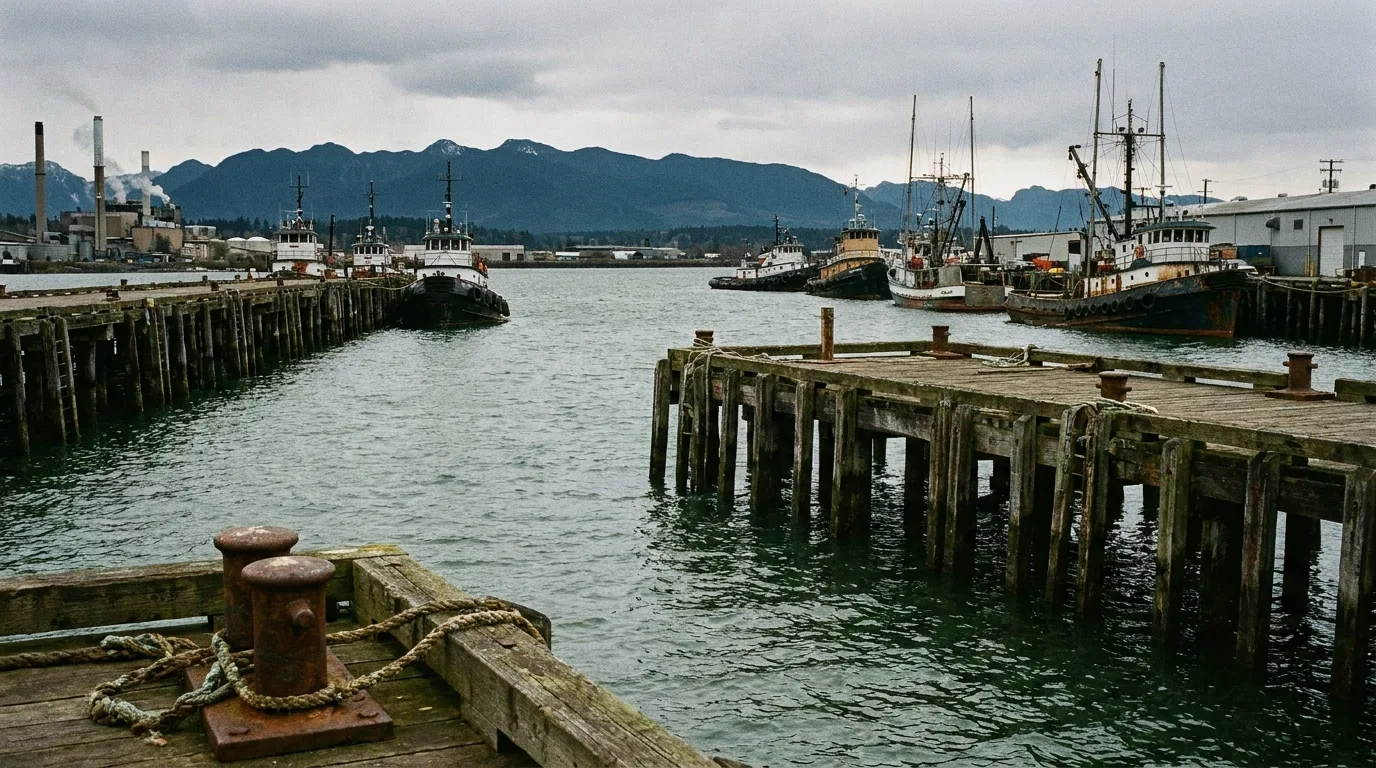
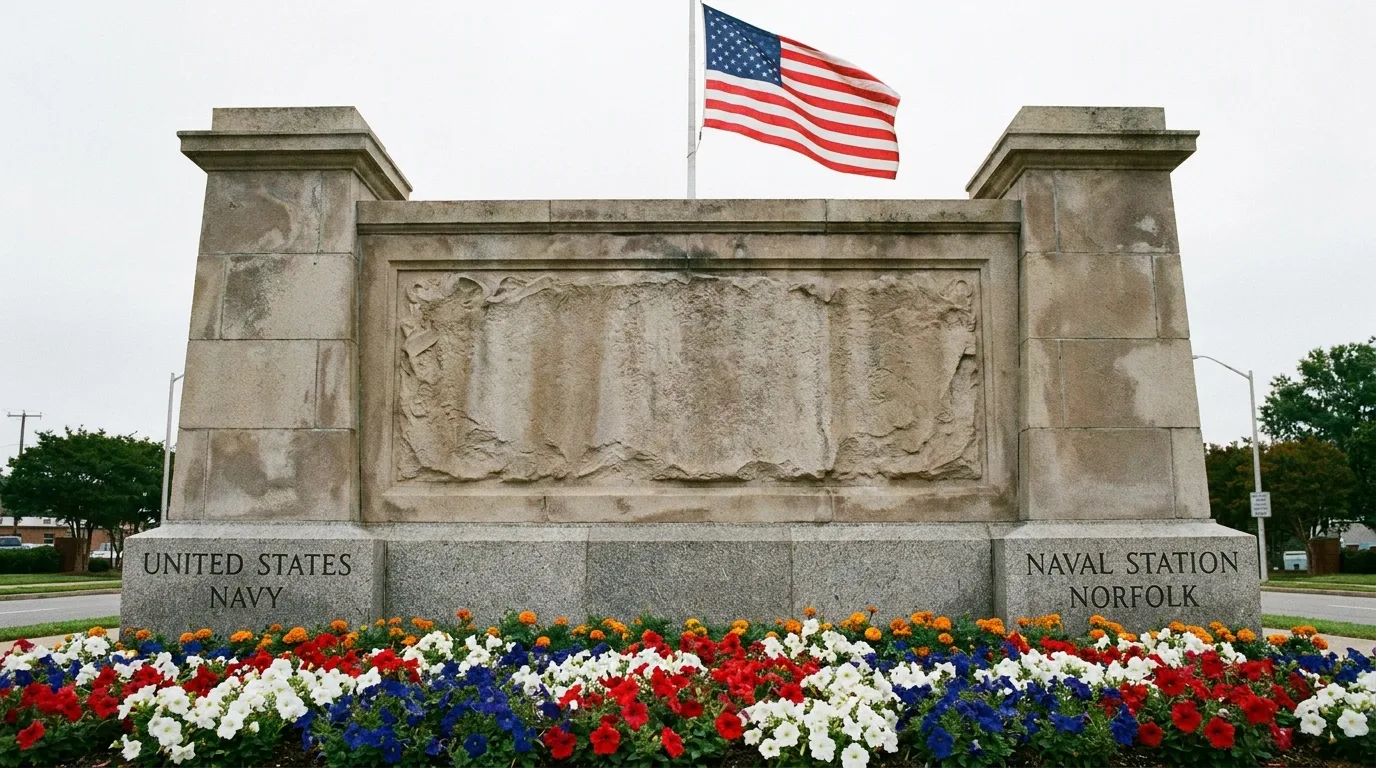
Everett, Washington is in the middle of something big. A $1 billion waterfront transformation. A Boeing workforce that built the world’s largest commercial jets. A port city with a downtown that’s finally catching up to its potential. A Navy presence at Naval Station Everett. A comedy and arts scene punching above its weight. And neighborhoods — Riverside, Silver Lake, Downtown, Bayside — each with their own identity and story.
Exploring Everett is Tygart Media’s hyperlocal coverage vertical for Snohomish County’s largest city. We cover the waterfront redevelopment, Boeing and Paine Field, city hall, the food and arts scene, real estate, neighborhoods, and everything in between — written for people who live here, work here, or are paying attention to what’s coming.
Coverage categories include: Everett News, Waterfront Development, Boeing & Aerospace, Business, Arts & Culture, Food & Drink, Real Estate, Neighborhoods, Government, Schools, Public Safety, Events, and Outdoors.
Exploring Everett content is also published at exploringeverett.com.
Last verified: September 2026. October is the month everything converges in Everett: the SPEEA contract expires on October 6, production lines are shifting, and a 5,200-worker shortage has handed aerospace workers rare leverage. Eight deep dives, one hub — the contract, the lines, and what it means for your job.
The contract: SPEEA 2026, expiring October 6
Three guides, one deadline. The SPEEA 2026 contract with Boeing expires October 6 — days from now — covering Everett’s 17,000 aerospace engineers and technicians. The core bargaining issues: PTO, retirement, raise pools, and on-call compensation. Four core priorities, one expiring clock.
May 2026 saw the final Boeing 767 freighter delivery to FedEx — the end of an era for the Everett widebody workforce, with the 767 commercial line closing in 2027. Meanwhile Renton is maxed out at 47 jets a month, making the new Everett 737 North Line Boeing’s only path to its crucial 2026 target of rate 53. And the pending 777F exemption decision hangs over Paine Field and the 777-8F transition.
A 5,200-person aerospace worker shortage means hiring leverage is on the worker’s side — massive leverage, per the source piece. WATR and the Machinists Institute can fast-track a Snohomish County aerospace career. Read the contract guides above, then read this one.
Direct answer: NFL.com asked 19 staff analysts to pick the 2026 postseason before Week 1. The consensus 14-team field is the Buffalo Bills, Baltimore Ravens, Houston Texans, and Denver Broncos in the AFC; the Dallas Cowboys, Detroit Lions, Tampa Bay Buccaneers, and Los Angeles Rams in the NFC; then AFC wild cards Los Angeles Chargers, New England Patriots, and Kansas City Chiefs; and NFC wild cards Seattle Seahawks, Philadelphia Eagles, and Chicago Bears.
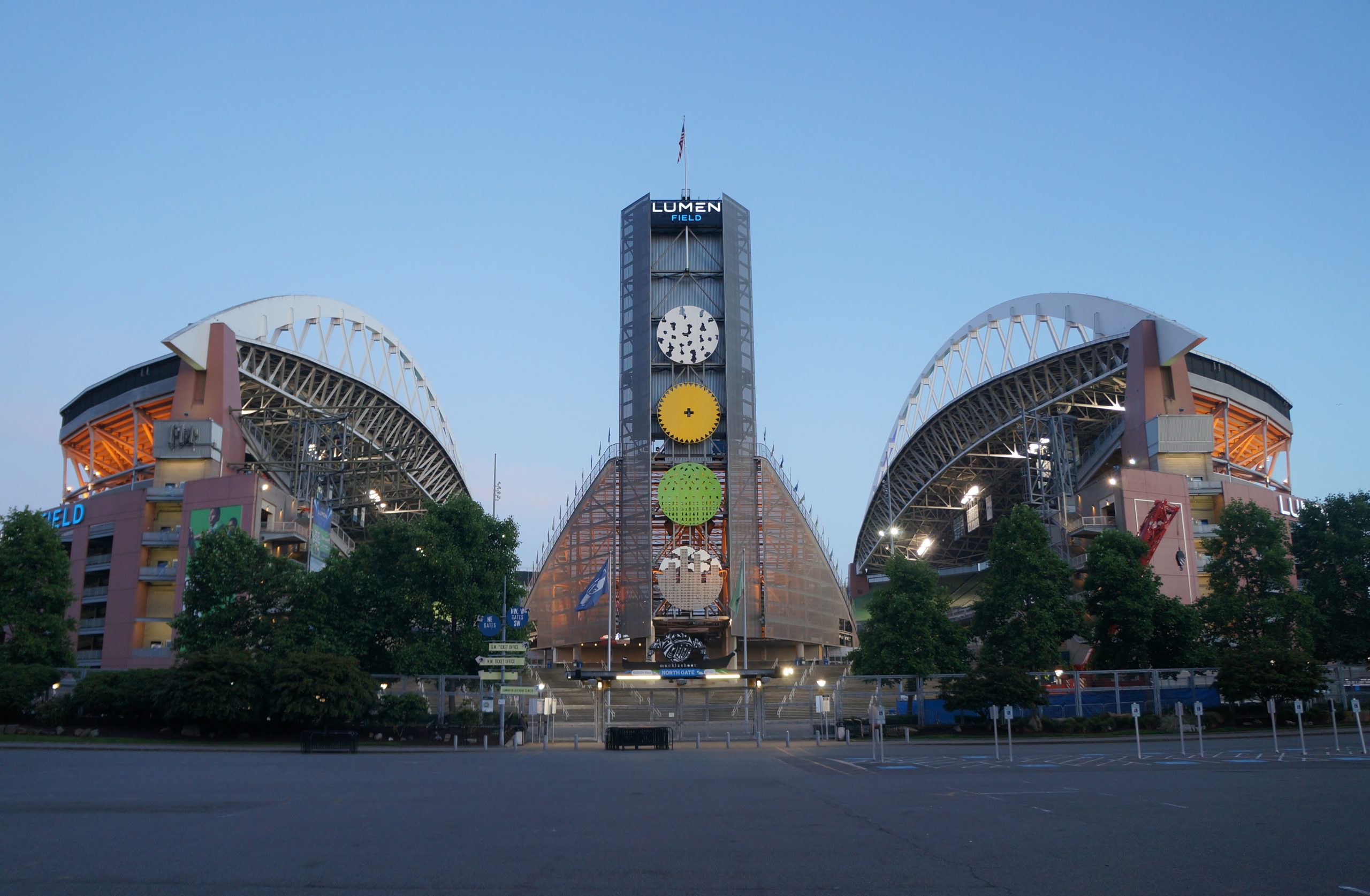
Those picks come from the league site’s season-preview poll published Sept. 2, 2026. Odds cited below are FanDuel Sportsbook prices as of 2 p.m. ET that day. The poll was taken before the regular season kicked off. Seattle opened the season by beating New England 13-10 at Lumen Field on Wednesday, Sept. 9 — a rematch of Super Bowl LX, with the Seahawks as defending champions. The table below is the Sept. 2 preseason snapshot and is not updated for in-season results.
How the 14-team field is built
Each conference sends seven teams: four division winners and three wild cards. The 19 voters named a champion in every division, then ranked three wild-card teams per conference. Wild-card point totals mix two groups of ballots — teams that some voters also picked to win the division, and teams that only showed up as wild cards. The usable consensus field takes the eight division winners first, then the highest remaining wild-card vote totals among teams that did not win their division on the board.
The 14 projected playoff teams
Conference
Role
Team
Division-win odds
Staff signal
AFC
East champ
Buffalo Bills
-135
16 of 19 votes
AFC
North champ
Baltimore Ravens
+105
10 of 19 votes
AFC
South champ
Houston Texans
+125
15 of 19 votes
AFC
West champ
Denver Broncos
+195
8 of 19 votes
AFC
Wild card
Los Angeles Chargers
—
17 WC points
AFC
Wild card
New England Patriots
—
17 WC points
AFC
Wild card
Kansas City Chiefs
—
12 WC points
NFC
East champ
Dallas Cowboys
+175
12 of 19 votes
NFC
North champ
Detroit Lions
+160
10 of 19 votes
NFC
South champ
Tampa Bay Buccaneers
+175
17 of 19 votes
NFC
West champ
Los Angeles Rams
-110
18 of 19 votes
NFC
Wild card
Seattle Seahawks
—
49 WC points
NFC
Wild card
Philadelphia Eagles
—
16 WC points
NFC
Wild card
Chicago Bears
—
8 WC points
Source: NFL.com staff poll of 19 analysts, published Sept. 2, 2026. Odds: FanDuel Sportsbook as of 2 p.m. ET Sept. 2. Wild-card points count only after the eight division winners are locked.
AFC division winners
Buffalo Bills, AFC East (-135, 16 votes). The room treated Buffalo as the cleanest division call on the board. The nearest second-place cluster was New England, with three division votes. Several write-ups framed Josh Allen and a continuity bump on offense as the reason the Bills stay in front even as New England’s 2026 schedule hardens from last year’s easy slate.
Baltimore Ravens, AFC North (+105, 10 votes). This was the tightest AFC race. Cincinnati took nine division votes. The Ravens still won the plurality on a new-coach plus healthy-quarterback thesis: Jesse Minter on defense, Trey Hendrickson added offseason, Lamar Jackson and Derrick Henry still the engine.
Houston Texans, AFC South (+125, 15 votes). Only Jacksonville (three votes) and Indianapolis (one) drew any division support against Houston. The public case was an already-strong defense plus a running-game upgrade meant to take pressure off C.J. Stroud.
Denver Broncos, AFC West (+195, 8 votes). Denver won a split West. The Chargers took seven division votes and the Chiefs four. Dan Parr’s note in the poll: if not for Bo Nix’s injury last year, Denver might have reached the Super Bowl; Jaylen Waddle was the offseason addition the voters kept citing.
NFC division winners
Dallas Cowboys, NFC East (+175, 12 votes). Philadelphia was second with seven votes. The Dallas case in the poll was quieter than the usual Cowboys noise: a defensive overhaul that includes coordinator Christian Parker and a Defensive Rookie of the Year candidate in Caleb Downs, plus a healthy Dak Prescott offense that has finished top-five in scoring in four of the last five seasons.
Detroit Lions, NFC North (+160, 10 votes). Chicago and Green Bay each took four division votes; Minnesota took one. Matt Okada’s framing was regression risk on Chicago after a pile of one-score wins last year, and a bounce-back bet on the club that won the North in 2023 and 2024.
Tampa Bay Buccaneers, NFC South (+175, 17 votes). The most lopsided NFC call after the Rams. New Orleans drew two leftover votes. The poll language around Baker Mayfield was contract-year urgency after Tampa missed the 2025 field on a three-way tiebreaker.
Los Angeles Rams, NFC West (-110, 18 votes). Eighteen of 19 voters. San Francisco was the only other team to receive a division vote. David Ely’s note: Los Angeles was a few plays from taking the West last year, then added Myles Garrett and Aaron Donald and rebuilt the secondary with Trent McDuffie and Jaylen Watson. That is why Seattle — defending Super Bowl champion — still lands as a wild card on this board, not as the division favorite.
Seattle and the Pacific Northwest read
For readers in Everett, Tacoma, and the rest of the Puget Sound, the useful number is not the Rams’ 18 division votes. It is Seattle’s 49 wild-card points — first in the NFC by a wide margin, with 12 of 19 analysts putting the Seahawks in as the fifth seed. Philadelphia had 16 points. Detroit, already the North pick for most of the room, had 14 leftover wild-card points from the voters who did not give them the division. Chicago had 8. San Francisco had 7. Minnesota had 6, all as a seventh seed.
That is the poll saying two things at once. The NFC West is treated as the hardest group in the conference. And Seattle is still treated as a near-lock to play in January. Kickoff night made that local: the Seahawks beat the Patriots 13-10 at Lumen Field on Sept. 9. New England is also in the AFC wild-card pile (tied with the Chargers at 17 points). The first game of the year was a Super Bowl rematch between two clubs the same 19-person room expects back in the bracket.
For a broader Puget Sound sports map — Rainiers, Defiance, high school, and rec leagues — see the Tacoma sports guide.
Wild-card races behind the headline 14
AFC teams that collected wild-card points but sit outside the consensus three: Cincinnati (11 points), Buffalo (7 leftover points from voters who did not give them the East), Jacksonville (6), Houston (4 leftover). The next club in if one of Chargers / Patriots / Chiefs slips is Cincinnati.
NFC teams on the wrong side of the cut after Seattle, Philadelphia, and Chicago: San Francisco (7), Minnesota (6), Dallas leftover ballots (5), Green Bay (4), Rams leftover (3), New York Giants (2). The 49ers are the first team a January argument has to beat if Chicago’s wild-card hold does not survive the season.
What this poll is not
It is not a standings projection with records. It is not a Super Bowl pick. It is a staff vote taken two days before a Thursday news cycle and seven days before kickoff. FanDuel prices move. So do injuries. Kirk Cousins opening the year as the Raiders’ starter, with first-round pick Fernando Mendoza behind him, is in the same day’s NFL mailer and is already a West variable the poll barely priced. Treat the table as a snapshot of where 19 league-site analysts stood on Sept. 2, not as a finished bracket.
Primary source: 2026 NFL playoff predictions on NFL.com, Around the NFL staff, Sept. 2, 2026. Kickoff schedule confirmed against FOX Sports and NBC Sports Week 1 slates published in August 2026.
FAQ
How many NFL teams make the playoffs in 2026?
Fourteen. Seven from the AFC and seven from the NFC: four division winners and three wild cards in each conference.
Which 14 teams did NFL.com analysts pick?
Bills, Ravens, Texans, Broncos, Chargers, Patriots, Chiefs, Cowboys, Lions, Buccaneers, Rams, Seahawks, Eagles, and Bears. That is the consensus after locking the eight division winners, then taking the next three wild-card point totals in each conference.
Are the Seattle Seahawks projected to make the 2026 playoffs?
Yes. They were the top NFC wild-card team in the poll with 49 points. Eighteen of 19 analysts still gave the NFC West to the Rams.
When does the 2026 NFL season start in Seattle?
It started Wednesday, Sept. 9, 2026, with New England at Seattle at Lumen Field on NBC and Peacock, a rematch of Super Bowl LX. The Seahawks won 13-10.
How current are the betting odds in this article?
FanDuel Sportsbook division-winner prices as of 2 p.m. ET Wednesday, Sept. 2, 2026, as printed in the NFL.com poll. They are not live odds.
Last verified: 8 September 2026 against SPEEA.org and Seattle Times / Everett Post reporting. Confirm live at speea.org.
Direct Answer (8 September 2026): SPEEA Prof and Tech members rejected Boeing’s 4-year offers in August (Professional Unit 64.3% no — 7,238 to 4,027; Technical Unit 71.9% no — 2,795 to 1,094) and authorized a strike (87.8% Prof / 89.7% Tech). The current contracts expire 6 October 2026. SPEEA and Boeing agreed to resume negotiations on Tuesday, 8 September 2026. No strike can start before the expiration date.
What happened
Talks opened 1 July 2026.
5 August: SPEEA Negotiation Team unanimously endorsed Boeing’s offer (wage pools compounding to 29.4% over four years / 31.9% with promotions; 3% retroactive to 20 Feb; 40% lift in incentive target). Rank-and-file still voted it down.
21 August: rejection + strike authorization. SPEEA said 92% of eligible members voted.
31 August: Negotiation Team met Boeing; both sides set 8 September to resume.
Sources: SPEEA 31 Aug notice, Everett Post vote tally, Seattle Times 1 Sept.
Who is at the table
Professional Unit — engineers and scientists (~13,000 in the vote reporting).
Technical Unit — analysts, designers, technicians (~4,000+).
Puget Sound sites include Everett (Paine Field), Renton, Seattle, Auburn, Frederickson. SPEEA is IFPTE Local 2001.
What SPEEA says it wants next
From the 31 August SPEEA note: a larger guaranteed wage increase on ratification; improved wage pools with fixed minimums inside the pools; additional COLA; higher 401(k) company contributions; a Boeing commitment to grow the SPEEA-represented workforce; reinstatement of the three-bucket Retention System; overtime conversation for the Prof Unit; plus work-from-home, on-call, incentive pay for specific roles, and Market Reference Table updates.
What this is not
This page is a status desk, not a recommendation to vote or strike. Contract text lives with SPEEA and Boeing. Numbers above are the published vote counts and dates. If talks move after 8 September, patch this slug — do not mint a second URL.
Members rejected Boeing’s August 2026 offers and authorized a strike. Negotiations resume 8 September 2026. Current contracts expire 6 October 2026.
Did SPEEA authorize a strike?
Yes. Professional Unit 87.8% yes; Technical Unit 89.7% yes. SPEEA says a stoppage cannot start before 6 October 2026.
When does the SPEEA Boeing contract expire?
6 October 2026 for the Prof and Tech Puget Sound agreements, per SPEEA and contemporaneous reporting.
What did the rejected offer include?
SPEEA’s 5 August endorsement note listed wage pools compounding to 29.4% over four years (31.9% with promotions and out-of-sequence), guaranteed minimums tied to inflation, a 40% increase in the incentive target, 3% immediate pay retroactive to 20 February, plus an amount equal to 40% of each member’s 2026 incentive bonus. Members still voted no.
The Everett WA waterfront is the city’s saltwater front door: a working marina, a public park-lined esplanade, and an open sweep of Port Gardner Bay looking out toward Whidbey Island and the Olympics. It has grown from a quiet boat-and-rail district into one of the most walkable destinations in Snohomish County, anchored by Boxcar Park, the Port of Everett’s marina, and seasonal ferry access to Jetty Island. This guide covers what’s down there, how to get around, and how to spend an afternoon by the water.
Quick answer: The Everett WA waterfront sits along Port Gardner Bay on the west side of the city, centered on the Port of Everett marina and the Waterfront Place district. The main things to do are walking the public esplanade, hanging out at Boxcar Park, watching boats and sunsets over the bay, and (in summer) riding the free passenger ferry to Jetty Island. It’s free to visit and open year-round, with public parking near the marina.
Where Is the Everett WA Waterfront?
The Everett WA waterfront runs along the eastern shore of Port Gardner Bay, the body of water where the Snohomish River meets Possession Sound and the larger Puget Sound. It’s on the west side of downtown Everett, a short drive from Interstate 5, and is managed largely by the Port of Everett, a public agency that operates the marina, the surrounding parks, and the mixed-use Waterfront Place development of apartments, shops, and restaurants.
The setting is the draw. Looking west across the bay, you see Jetty Island in the foreground, Whidbey Island beyond it, and on a clear day the Olympic Mountains on the horizon. To the north, the river delta opens into a maze of channels and wildlife habitat. Because the marina faces west, it is one of the better sunset spots in the region.
Boxcar Park: The Waterfront’s Front Lawn
Boxcar Park is a centerpiece public green space of the Everett waterfront and one of the easiest places to start a visit. Named in a nod to the area’s rail heritage, it’s a grassy point at the north end of the marina district built for people to gather, picnic, and take in the view across Port Gardner Bay.
What makes Boxcar Park worth the stop:
Open lawn and seating with direct, unobstructed views of the bay and, on a clear day, the Olympics
A relaxed, dog-friendly atmosphere — it’s a popular gathering spot and serves as the staging area for the Jetty Island ferry in summer
A shelter for shade and weather, handy on a breezy or drizzly day
Proximity to the marina boardwalk, so you can combine a park visit with a waterfront walk
Sunsets and kite-flying — the open exposure and steady bay breeze make it a local favorite for both
It’s a low-key spot rather than a playground-and-amenities mega-park, which is exactly its appeal: bring a blanket, a coffee, or takeout and watch the water. For current hours and any event closures, check the City of Everett or Port of Everett parks listings.
The Port of Everett Marina and the Esplanade Walk
The Port of Everett marina is the heart of the waterfront and one of the largest public marinas on the West Coast, home to a large fleet of recreational and commercial vessels. You don’t need a boat to enjoy it — the public esplanade and boardwalk let anyone walk right along the water’s edge past the slips.
Walking the waterfront
The marina-side promenade is flat, paved, and stroller- and wheelchair-friendly, making it the best way to experience the Everett waterfront on foot. A typical loop links Boxcar Park, the marina boardwalk, and the Waterfront Place plaza, with benches and public art along the way. Expect to see:
Rows of moored sailboats and motor yachts, plus the occasional fishing or charter vessel heading out
Public viewpoints and pocket plazas built into the development
Restaurants and a bakery opening onto the water (see below)
Boat launches and guest moorage for visiting boaters
On-water recreation
Beyond walking, the marina is a launch point for getting onto the water. Kayak and small-craft rentals, fishing charters, whale-watching trips, and sailing are all part of the Port Gardner scene in season. Operators and schedules change year to year, so confirm what’s currently running with the Port of Everett before planning an on-water outing.
Jetty Island: A Free Summer Ferry Ride
Jetty Island is the long, low, largely man-made island just offshore from the marina, and reaching it is one of the signature Everett waterfront experiences. It offers a long stretch of sandy beach, shallow sun-warmed tide flats that are unusually swimmable for Puget Sound, dunes, and excellent birdwatching — there are no permanent buildings, just open natural shoreline.
The key thing to know: during the summer season, the City of Everett runs a free passenger ferry from the waterfront over to Jetty Island. Important planning notes:
The ferry is seasonal (summer only) and typically requires a reservation for the short crossing — walk-up availability can be limited
There are no stores and limited or no drinking water and restrooms on the island, so bring water, sun protection, and anything else you’ll need
It’s a day-use destination with no overnight access
Outside the ferry season, the island is reachable only by private boat or kayak
Because dates, reservation rules, and any fees are set each year, always confirm the current season and booking process through the City of Everett’s Jetty Island ferry information before you go.
Port Gardner Bay Views and What Else to Do
Port Gardner Bay is the scenic payoff of the entire Everett waterfront, and simply taking in the view is a legitimate reason to visit. Beyond the park and the ferry, here’s how people round out a waterfront day:
Sunset watching — the west-facing marina and Boxcar Park glow at golden hour over the water and, on clear evenings, the Olympics
Wildlife and birding — seals, herons, eagles, and shorebirds are common along the delta and the jetty
Festivals and events — the waterfront hosts seasonal markets, music, and community events; check the Port of Everett events calendar for current listings
Photography — the boats, the bay, and the mountain backdrop make this one of Snohomish County’s most photogenic spots
A meal by the water — the district has grown into a genuine dining destination (see below)
Where to eat on the Everett waterfront
This guide focuses on the waterfront as a place to go, but the food down there deserves its own visit. The Waterfront Place district has added sit-down restaurants and a bakery that open onto the water, well suited to a coffee-and-pastry stop before a walk or a meal after one. Because the lineup of businesses changes as the district grows, check the Port of Everett or Waterfront Place directory for what’s currently open, and watch this site for our dedicated waterfront restaurant write-ups.
Visiting Tips: Parking, Access, and Best Time to Go
Getting there: The waterfront is a short drive from I-5 via the Marine View Drive corridor on the west side of the city; signage points to the marina and Waterfront Place.
Parking: There is public parking near the marina and Waterfront Place. Lots can fill on summer weekends and event days, so arrive early and check the Port of Everett site for current locations and any rates.
Accessibility: The esplanade and main boardwalk are paved and level, suitable for strollers and wheelchairs.
Best time to go: Summer for the Jetty Island ferry and warm tide flats; late afternoon year-round for sunsets over the bay. Dress in layers — the bay breeze runs cool even on warm days.
Dogs: Leashed dogs are generally welcome along the waterfront and at Boxcar Park; the Jetty Island ferry and island have their own pet rules, so check ahead.
Frequently Asked Questions About the Everett WA Waterfront
What is there to do at the Everett WA waterfront?
At the Everett waterfront you can walk the public esplanade along the marina, relax at Boxcar Park, take in Port Gardner Bay and Olympic Mountain views, ride the seasonal free ferry to Jetty Island, and eat at waterfront restaurants. On-water options like kayaking, fishing charters, and whale watching are available in season through Port of Everett operators.
Is Jetty Island free, and how do you get there?
Jetty Island itself is free to enjoy, and in summer the City of Everett runs a free passenger ferry to it from the waterfront. The ferry is seasonal and typically requires a reservation for the short crossing. Outside the summer ferry season, the island is only reachable by private boat or kayak. Confirm current dates and booking details with the City of Everett.
Is there parking at the Everett marina and waterfront?
Yes. There is public parking near the Port of Everett marina and the Waterfront Place district. Spaces can fill quickly on summer weekends and during festivals or events, so arriving early is recommended. Check the Port of Everett website for current parking locations and any rates.
What is Boxcar Park in Everett?
Boxcar Park is a public waterfront green space at the north end of the Port of Everett marina, named for the area’s rail history. It offers open lawn, seating, bay and mountain views, and serves as the summer staging area for the Jetty Island ferry. It’s a popular, low-key spot for picnics, sunsets, and kite-flying.
When is the best time to visit the Everett waterfront?
Summer is best for the Jetty Island ferry and the island’s warm, swimmable tide flats, while late afternoon and golden hour are ideal year-round for sunsets over Port Gardner Bay. Weekday visits avoid the busiest parking. Bring layers, since the bay breeze stays cool even on warm days.
Looking for things to do in Everett, WA? This is the master guide a lot of locals wish they’d had when they moved here. Everett is the largest city in Snohomish County, sitting on Port Gardner Bay about 25 miles north of Seattle, and it packs a saltwater waterfront, a genuine arts district, family museums, and high-level junior hockey into a compact city with a walkable downtown core. Whether you have a free afternoon, a rainy Saturday, or out-of-town guests to impress, there’s more here than the I-5 view lets on.
Quick answer: The top things to do in Everett, WA include riding the seasonal foot ferry to Jetty Island, walking the Port of Everett waterfront and marina, catching an Everett Silvertips hockey game at Angel of the Winds Arena, exploring the Schack Art Center and Imagine Children’s Museum downtown, and hiking or picnicking at parks like Forest Park and Howarth Park. Many of the best options are free or low-cost, and most sit within a short drive of one another.
Things to Do in Everett, WA on the Waterfront
Everett’s defining feature is its working waterfront on Port Gardner Bay. The Port of Everett operates one of the largest public marinas on the West Coast, and the surrounding district, often called Waterfront Place, blends boat slips with restaurants, public plazas, and walking paths. It’s the kind of place where you can watch sailboats come and go, grab a meal with a water view, and let kids burn off energy near the water, all in one stop.
Jetty Island
Jetty Island is Everett’s signature summer experience. It’s a roughly two-mile-long, human-made island with a sandy beach and shallow, sun-warmed tidal flats that get surprisingly swimmable for Puget Sound. A passenger ferry runs across the channel during the summer season (generally mid-summer through early fall). Because the island has no concessions and limited facilities, locals treat it like a true beach day: pack water, sunscreen, snacks, and shade. Ferry sailings fill up on hot weekends, so check the City of Everett Parks website for the current season dates, fees, and reservation details before you go.
Marina walks and boat watching
Even outside ferry season, the marina is worth a visit. You can stroll the docks, watch the fishing and pleasure fleet, and take in views across the bay toward the Olympics on a clear day. The waterfront is also a launch point for whale-watching and fishing charters that depart Everett seasonally; the operators handle their own scheduling, so book directly with the charter company.
Parks and Outdoor Things to Do
Everett’s park system is one of its quiet strengths, ranging from forested trails to bluff-top beach access. These are durable, year-round options and most are free.
Forest Park — A large, central park with forested trails, picnic shelters, sports facilities, and a seasonal animal farm and spray park that are family favorites. A reliable pick when you want to be outside but close to town.
Howarth Park — Known for its pedestrian bridge over the railroad tracks down to a Puget Sound beach, plus a hillside playground. One of the better spots in the city for a real saltwater beach walk.
Legion Memorial Park and Langus Riverfront Park — Northside parks with golf nearby, water views, and flat trails. Langus connects to a riverside loop that’s popular with runners, cyclists, and rowers along the Snohomish River.
Grand Avenue Park — A bluff-top park with a pedestrian bridge over to the waterfront and some of the best sunset views in the city.
For trail conditions, seasonal hours, and the Forest Park animal farm schedule, the City of Everett Parks and Recreation website is the source to check.
Arts, Culture, and Family Museums
Downtown Everett has a compact, genuinely good arts and culture cluster, which makes it a strong rainy-day destination.
Schack Art Center
The Schack Art Center is a downtown gallery and studio space best known for its hot-glass studio, where you can watch artists blow glass and, in some seasons, sign up for hands-on classes. It rotates exhibitions throughout the year and anchors Everett’s visual-arts scene. Check the Schack’s website for current exhibits and class registration.
Imagine Children’s Museum
The Imagine Children’s Museum is the go-to indoor destination for families with young kids, with hands-on, play-based exhibits across multiple floors and a popular rooftop play area. It’s purpose-built for the under-10 crowd and one of the most reliable Saturday options when the weather turns. Verify hours and any timed-ticket requirements on the museum’s site before visiting.
Live performance and historic theaters
Downtown Everett also hosts live theater and music. The Historic Everett Theatre stages performances and screenings, and the broader downtown core fills with events, markets, and gallery walks throughout the year. For what’s on while you’re in town, check the venues’ own calendars alongside our Everett events coverage.
Angel of the Winds Arena and Everett Silvertips Hockey
Angel of the Winds Arena is downtown Everett’s largest event venue and the home of the Everett Silvertips, the city’s major-junior ice hockey team in the Western Hockey League (WHL). Silvertips games are one of the best-value live-sports nights in the region: fast-paced hockey, an energetic crowd, and a downtown location with restaurants in easy walking distance.
The arena also books concerts, family shows, and other events throughout the year. The hockey season generally runs from fall into spring, with playoffs extending later for teams that advance. For the current Silvertips schedule, ticket prices, and the arena’s full event calendar, go straight to the Angel of the Winds Arena and Everett Silvertips official websites.
Free and Cheap Things to Do in Everett, WA
You don’t need to spend much to have a good day here. Budget-friendly and free options include:
Walk the waterfront and marina — Free, scenic, and open year-round.
Beach time at Howarth or Jetty Island — The beaches themselves cost nothing; the Jetty ferry charges only a modest fare in season (confirm current rates with City of Everett Parks).
Explore the parks — Forest Park, Grand Avenue Park, and Langus Riverfront Park are all free to enter.
Browse downtown galleries — The Schack Art Center’s gallery and glass-studio viewing are low-pressure, and downtown art walks are free to wander.
Catch a community event or farmers market — Seasonal markets and festivals run through the warmer months; check our Everett events coverage for current dates.
Weekend and Rainy-Day Itinerary Ideas
Everett rewards a little planning. Here are two simple frameworks locals lean on.
Sunny summer Saturday: Start with a morning Jetty Island ferry and beach session, head back to the marina for lunch with a water view, then close the day with sunset from Grand Avenue Park or Howarth Park.
Rainy-day plan: Open at the Imagine Children’s Museum or the Schack Art Center, grab lunch downtown, then catch an evening Silvertips game or a show at Angel of the Winds Arena. Everything stays within the walkable downtown core.
For where to eat between stops, lean on our Everett restaurant coverage rather than guessing, hours and menus change, and locals have strong opinions worth borrowing.
Frequently Asked Questions
What is Everett, WA known for?
Everett is known as the largest city in Snohomish County, for its working waterfront and large public marina on Port Gardner Bay, for Boeing’s major aerospace manufacturing presence in the area, and as home to the Everett Silvertips junior hockey team at Angel of the Winds Arena.
Is Jetty Island free?
The beach on Jetty Island is free, and the passenger ferry run through the City of Everett is typically free or charges only a modest fare during its summer operating season. Sailings can fill on hot weekends and may require a reservation, so check the City of Everett Parks website for the current schedule and any fees before you go.
What is there to do in Everett when it rains?
Good rainy-day options include the Imagine Children’s Museum, the Schack Art Center and its glass studio, a performance at the Historic Everett Theatre, and an Everett Silvertips game or other event at Angel of the Winds Arena, all in the walkable downtown core.
How far is Everett from Seattle?
Everett sits roughly 25 to 30 miles north of downtown Seattle along Interstate 5. Driving time varies widely with traffic; regional transit options also connect the two cities. Check current transit schedules with the relevant agency before relying on them.
Is Everett, WA worth visiting?
Yes. Everett offers a saltwater waterfront, a unique summer beach experience at Jetty Island, a real downtown arts cluster, family museums, and affordable major-junior hockey, often at lower cost and with smaller crowds than comparable Seattle attractions, making it an easy and rewarding day trip or weekend stop.
Q: How does an Everett resident actually use the YWCA’s programs in 2026?
A: Call the YWCA Everett Regional Center front desk at 425-258-2766 (3301 Broadway, Everett, WA 98201; YWCA Everett Regional Center). The Broadway center runs four programs directly: Shelter Plus Care (long-term housing for disabled adults), Parents for Parents (peer mentorship for parents in dependency court), the Landlord Engagement Project (rental-readiness for renters with credit or eviction history), and SSVF (housing support for veteran families). For an emergency shelter bed for women or mothers with children, call Pathways for Women in Lynnwood at 425-774-9843 x226. Different program, different number, different building — but one organization covering all of Snohomish County.
The Everett Resident’s Reference Card for the YWCA
Most Everett residents drive past the YWCA Everett Regional Center on Broadway without realizing what it is. There is no big lit sign, no drive-through, no obvious “shelter here” branding. Just a quiet brick-and-trim neighborhood office a few blocks south of Everett Community College that has functioned as the Snohomish County YWCA headquarters since 2001.
This is the practical Everett-resident’s guide: who the YWCA actually serves, which programs run from the Broadway center, and which number to call for which situation.
The Five Situations the YWCA Is Built to Help With
1. “I’m a single woman or mother with kids who needs a safe bed tonight.”
Call Pathways for Women intake at 425-774-9843 x226. Pathways is a 45-day emergency shelter at 6027 208th Street SW in Lynnwood that serves single adult women and mothers with children from across Snohomish County. Clients have their own room. The shelter is in Lynnwood, not Everett — about 22 miles south of downtown Everett — but the program is open to Everett residents. The intake call is your front door.
2. “I’m a disabled adult or family member facing homelessness.”
Call the YWCA Everett Regional Center front desk at 425-258-2766 and ask about Shelter Plus Care. Shelter Plus Care is the YWCA’s long-term-tenancy program for disabled adults and families in Snohomish County who are facing homelessness — it pairs permanent housing with the supportive services someone needs to stay housed.
3. “I have an open dependency case in family court and want my kids home faster.”
Call 425-258-2766 and ask about Parents for Parents. Parents for Parents matches current dependency-court parents with peer mentors who have successfully navigated the system. The program is designed to compress the timeline to safe reunification — which is usually the fastest way through the family-court system, for both parent and child.
4. “I keep getting denied on rental applications because of credit, eviction history, or a past conviction.”
Call 425-258-2766 and ask about the Landlord Engagement Project (LEP). LEP reduces housing barriers for Snohomish County renters who struggle to pass standard landlord screening. The program supports tenants before and after move-in and works with landlords across the county to expand placement options.
5. “I’m a veteran or veteran family in or near a housing crisis.”
Call 425-258-2766 and ask about SSVF — Supportive Services for Veteran Families. SSVF is VA-funded (Section 604 of Public Law 110-387) and helps veteran families either keep their current housing or quickly secure new housing if already in crisis. The Everett Vet Center change earlier in 2026 made this kind of community-based VA-funded resource even more important locally.
What the YWCA Is Not
It is worth being precise about what the YWCA Everett Regional Center is not, because confusion about scope wastes time when a crisis is unfolding.
Not a walk-in emergency shelter at 3301 Broadway. Emergency shelter is Pathways in Lynnwood. Broadway is the program office.
Not a food bank. For food assistance in Everett, the Volunteers of America Western Washington food bank and the YMCA food programs are the standard referrals — see our prior coverage on VOAWW Everett.
Not the same organization as the YMCA. Different organizations, different histories, different services.
Not a “Snohomish County only” nonprofit. The parent organization is YWCA Seattle | King | Snohomish, headquartered in downtown Seattle, serving three counties. The Broadway center is the Snohomish branch.
What to Bring When You Call
No specific documents are required to make a first call. Be ready to describe your situation in your own words: where you are living right now, what changed, who is in your household, whether children are involved, whether you are a veteran or in a veteran family, and what kind of help you think you need. The front-desk staff at 425-258-2766 will route you to the right program. If you reach voicemail outside business hours, leave a callback number — the program is responsive to first-time callers.
Where the YWCA Fits in Everett’s Broader Safety Net
The YWCA Everett Regional Center is one node in a larger Snohomish County social-safety net that includes Volunteers of America Western Washington (food, family crisis, the new Sievers-Duecy Village pallet shelter), the Snohomish County Veterans Assistance Program at 3000 Rockefeller Avenue, and the City of Everett’s own emergency-housing and homelessness-response services. If your situation does not match what the YWCA’s five programs are built for, the front desk can refer you to the right neighbor in the network. That referral capacity is one of the most under-discussed parts of what a 25-year-old neighborhood program office actually does.
Key Numbers to Save in Your Phone Right Now
YWCA Everett Regional Center: 425-258-2766 (location page; Shelter Plus Care, Parents for Parents, LEP, SSVF)
Pathways for Women (Lynnwood emergency shelter): 425-774-9843 x226
Address: 3301 Broadway, Everett, WA 98201 (a few blocks south of Everett Community College)
The front desk at the YWCA Everett Regional Center, 3301 Broadway, Everett, WA 98201, is 425-258-2766. For the Pathways for Women emergency shelter in Lynnwood, intake is 425-774-9843 x226.
Can I walk into the YWCA Everett Regional Center without an appointment?
The center is a program office, not a walk-in shelter. Calling 425-258-2766 first is the most reliable way to be routed to the right program — especially if you do not yet know which YWCA program matches your situation. The front desk staff are trained to triage first calls.
Does the YWCA charge for its programs?
The YWCA’s housing and family-support programs are not fee-for-service in the way a private agency would be. SSVF is VA-funded; Shelter Plus Care and Pathways for Women operate under public-funded housing-support models; the Landlord Engagement Project and Parents for Parents have their own funding structures. Specific eligibility and any cost details should be confirmed when you call.
Is the YWCA in Everett the same as YWCA Seattle?
Yes — the Everett Regional Center is the Snohomish County branch of YWCA Seattle | King | Snohomish, a tri-county organization headquartered at 1118 Fifth Avenue in Seattle. Across the three counties, the organization runs more than 1,000 units of housing and served more than 6,000 people through housing programs in 2024.
What’s the difference between Pathways for Women and Shelter Plus Care?
Pathways for Women is a 45-day emergency shelter (short-term, in Lynnwood) for single adult women and mothers with children. Shelter Plus Care is a long-term permanent-housing program for disabled adults and families in Snohomish County, run from the Broadway center in Everett. Different timelines, different populations served, different physical locations.
Can a man access YWCA services in Everett?
Several YWCA programs serve people regardless of gender. SSVF serves veteran families. Shelter Plus Care serves disabled adults and families. The Landlord Engagement Project serves Snohomish County renters facing screening barriers. Pathways for Women is specifically for single adult women and mothers with children. The front desk at 425-258-2766 can confirm eligibility for your situation.
Q: How can a Navy family at Naval Station Everett access YWCA housing and family services in 2026?
A: The YWCA Everett Regional Center at 3301 Broadway (YWCA location page; ywcaworks.org) runs Snohomish County’s Supportive Services for Veteran Families (SSVF) program — VA-funded, authorized under Section 604 of Public Law 110-387 — that helps veteran families keep their current housing or quickly secure new housing in crisis. Active-duty Navy families at NAVSTA Everett can also access the Landlord Engagement Project for rental-readiness support, and Pathways for Women in Lynnwood (425-774-9843 x226) is open to single adult women and mothers with children across Snohomish County. Eligibility differs by program — call the Broadway front desk at 425-258-2766 to confirm which programs match your specific situation.
The Navy Family Housing Picture in Everett, May 2026
If you are a Navy family at Naval Station Everett — active duty, recently separated, or a veteran already settled in Snohomish County — and you are trying to figure out who actually does what on housing and family stabilization, the answer is not a single line item on a brochure. It is a network: the base’s own Fleet and Family Support Center, the Snohomish County Veterans Assistance Program at 3000 Rockefeller Avenue, Volunteers of America Western Washington, and the YWCA Everett Regional Center on Broadway.
This is the focused guide on what the YWCA specifically can do for Navy families — and which of its programs are most likely to be the right first call.
Why the YWCA Belongs on Every Navy Family’s List
The YWCA Everett Regional Center at 3301 Broadway has been the Snohomish County headquarters for YWCA Seattle | King | Snohomish since 2001. Four programs operate directly from the Broadway building: Shelter Plus Care, Parents for Parents, the Landlord Engagement Project, and Supportive Services for Veteran Families (SSVF). The 45-day Pathways for Women emergency shelter operates from a sister location in Lynnwood (6027 208th Street SW, Lynnwood, WA 98036; intake 425-774-9843 x226).
For Navy families specifically, three of those programs are the most relevant: SSVF (for any veteran family in or near housing crisis), the Landlord Engagement Project (for rental-readiness when bad credit or rental gaps from deployment cycles are blocking a lease), and Pathways for Women (for single Navy spouses or mothers with children needing an emergency bed).
SSVF: The Program Designed Specifically for Veteran Families
Supportive Services for Veteran Families is the YWCA program built around veteran-family housing crises. It is funded directly by the U.S. Department of Veterans Affairs and authorized under Section 604 of the Veterans’ Mental Health and Other Care Improvements Act of 2008 (Public Law 110-387). The YWCA runs Snohomish County’s SSVF program from the 3301 Broadway center.
SSVF does two distinct things: it helps veteran families who already have housing keep it (prevention and rapid stabilization), and it helps veteran families who have already lost or are about to lose housing secure new housing quickly (rapid re-housing). For a Navy family separating after a deployment or transition, where the gap between active-duty BAH and a new income is the highest-risk window, SSVF is structurally aligned to that exact window.
Eligibility specifics — veteran status, household composition, income thresholds — should be confirmed by calling the Broadway front desk at 425-258-2766.
Landlord Engagement Project: For the Rental-Screening Wall
Navy families know the rental-screening wall by experience. Repeated moves stretch a rental history thin. Deployment cycles can introduce a gap in income documentation. A spouse who managed the household solo during a long deployment may carry a credit ding the family never anticipated. None of those facts make a Navy family a bad tenant — they make a Navy family an atypical applicant compared to what most automated screening systems are tuned to expect.
The Landlord Engagement Project (LEP) reduces those housing barriers in two directions. On the tenant side, LEP supports applicants who struggle to pass landlord screening due to financial or legal history. On the landlord side, LEP builds relationships with property owners and managers across Snohomish County, making the case that participating expands — not contracts — the supply of long-term stable renters.
For a Navy family arriving on PCS orders with thin Pacific Northwest rental history, LEP is the program most likely to short-circuit a “denied for insufficient rental history” outcome.
Pathways for Women: Emergency Shelter Open to Snohomish County Navy Spouses and Mothers
Pathways for Women is the YWCA’s longest-running Snohomish County housing program. It is a 45-day emergency shelter for single adult women and mothers with children, with private rooms and structured case management to develop and execute a Housing Stability Action Plan.
For Navy families, the most relevant use cases are: a Navy spouse who needs to leave a dangerous home environment during or after a deployment; a single Navy mother facing a sudden eviction with children at home; a recently-separated veteran’s spouse displaced by a financial collapse during the transition window.
The shelter is at 6027 208th Street SW in Lynnwood — about 22 miles south of Naval Station Everett — but serves the full county. Intake is 425-774-9843 x226. Clients have their own room. Stay length is 45 days, with the explicit goal of working with each client on a Housing Stability Action Plan to secure longer-term placement.
How the YWCA Fits Around What NAVSTA’s Fleet and Family Already Does
The base’s Fleet and Family Support Center is the right first call for active-duty housing questions, military OneSource referrals, and the structured benefits an active-duty family is already entitled to. The YWCA’s role is different: it is a civilian-side community organization that fills gaps that the active-duty system is not always positioned to fill on the timeline a family in crisis needs.
The simplest decision rule: if the question is about a benefit you have as an active-duty family, start at Fleet and Family. If the question is about how to navigate civilian rental screening, secure emergency shelter outside base housing, stabilize through a separation window, or use a VA-funded program like SSVF — the YWCA Broadway center is positioned to help. The two systems are designed to complement each other, not duplicate.
How to Reach the YWCA If You’re at NAVSTA Everett
YWCA Everett Regional Center (SSVF, LEP, Parents for Parents, Shelter Plus Care): 3301 Broadway, Everett, WA 98201; front desk 425-258-2766.
Pathways for Women emergency shelter intake: 425-774-9843 x226. Physical shelter at 6027 208th Street SW, Lynnwood.
Distance from NAVSTA Everett: Broadway center is approximately 3 miles south of the base; Pathways shelter is approximately 22 miles south.
Does the YWCA in Everett have a program specifically for veterans?
Yes. Supportive Services for Veteran Families (SSVF) is run from the YWCA Everett Regional Center at 3301 Broadway. SSVF is funded by the U.S. Department of Veterans Affairs under Section 604 of Public Law 110-387 and provides housing prevention and rapid re-housing for veteran families.
Can active-duty Navy families at NAVSTA Everett use the YWCA’s services?
Eligibility varies by program. SSVF specifically serves veterans and their families. The Landlord Engagement Project supports any individuals or families struggling with rental screening barriers in Snohomish County. Pathways for Women in Lynnwood serves single adult women and mothers with children countywide. The front desk at 425-258-2766 can confirm eligibility for your specific situation.
What is the intake number for Pathways for Women?
425-774-9843 x226. Pathways for Women is a 45-day emergency shelter at 6027 208th Street SW, Lynnwood, WA 98036, for single adult women and mothers with children from across Snohomish County.
How far is the YWCA Everett Regional Center from Naval Station Everett?
The Broadway center at 3301 Broadway is approximately 3 miles south of Naval Station Everett’s main gate. Pathways for Women in Lynnwood is approximately 22 miles south.
Does the YWCA Landlord Engagement Project help with PCS rental challenges?
The Landlord Engagement Project reduces housing barriers for Snohomish County renters who struggle to pass landlord screening due to financial or legal history. While it is not a military-specific program, the structural challenges Navy families face on PCS — thin Pacific Northwest rental history, deployment-related income gaps, a spouse’s credit history during long deployments — fit the category of barriers LEP is designed to address.
Q: What is the YWCA Everett Regional Center and what programs operate from it in 2026?
A: The YWCA Everett Regional Center at 3301 Broadway, Everett, WA 98201 (YWCA location page), is the Snohomish County headquarters for YWCA Seattle | King | Snohomish, acquired in 2001. Four programs run directly from this building: Shelter Plus Care, Parents for Parents, the Landlord Engagement Project, and Supportive Services for Veteran Families (SSVF). The 45-day Pathways for Women emergency shelter — the YWCA’s longest-running Snohomish County housing program — operates from a sister location at 6027 208th Street SW, Lynnwood, WA 98036. Pathways intake: 425-774-9843 x226. Everett front desk: 425-258-2766.
The YWCA Building You’ve Driven Past Without Noticing
If you commute on Broadway in Everett, you have driven past the YWCA Everett Regional Center without necessarily registering it. It is a quiet brick-and-trim neighborhood office a few blocks south of Everett Community College, blending into the residential stretch between the EvCC campus and downtown. There is no big lit sign. No drive-through. Just a front door, a phone number, and 25 years of quiet work on housing and family stability across Snohomish County.
The YWCA acquired the 3301 Broadway building in 2001 according to the organization’s own location records. It has functioned ever since as the Snohomish County headquarters for the parent organization — YWCA Seattle | King | Snohomish — which is itself headquartered at 1118 Fifth Avenue in downtown Seattle. That naming distinction matters: “YWCA Snohomish County” is not a separate organization from YWCA Seattle. It is the Snohomish branch of one tri-county nonprofit, headquartered out of this Everett building.
Across King and Snohomish Counties, YWCA Seattle | King | Snohomish operates more than 1,000 units of housing and served more than 6,000 people through its housing programs in 2024. The Everett Regional Center is the Snohomish County hub for that work.
The Four Programs Run Directly From 3301 Broadway
1. Shelter Plus Care
Shelter Plus Care provides housing support for disabled adults and families facing homelessness in Snohomish County. It is the long-term-tenancy program in the YWCA’s Snohomish portfolio: not an emergency cot, but help getting into and keeping a permanent unit with the supportive services someone needs to stay housed.
2. Parents for Parents
Parents for Parents serves parents who have an open dependency case in family court — meaning the state has temporarily placed their children outside the home. The program matches current parents with peer mentors who have successfully navigated dependency court and provides education and support aimed at quick, safe reunification. The model is direct: every parent in dependency court is matched with someone who has actually been through the system.
3. Landlord Engagement Project
The Landlord Engagement Project is the program most people in Snohomish County housing work have at least heard of. It reduces housing barriers for individuals and families who are ready for permanent housing but struggle to pass landlord screening due to financial or legal history — bad credit, an eviction record, a past conviction, gaps in rental history. The program supports the tenant before and after move-in and builds relationships with landlords across Snohomish County, making the case that participation increases — not decreases — the supply of stable long-term renters.
4. Supportive Services for Veteran Families (SSVF)
SSVF is funded by the U.S. Department of Veterans Affairs, authorized under Section 604 of the Veterans’ Mental Health and Other Care Improvements Act of 2008 (Public Law 110-387). The YWCA runs Snohomish County’s SSVF program out of the Broadway center, helping veteran families either keep their current housing or quickly secure new housing if they are already in a crisis. For a city with the Navy presence Everett has, a veteran-specific housing program is a core piece of the social safety net, not a nice-to-have.
Pathways for Women — Not in Everett
The single most-recognized YWCA program in Snohomish County is Pathways for Women, a 45-day emergency shelter for single adult women and mothers with children. It has provided safe housing and resources in Snohomish County for more than two decades.
Here is the geographic detail that matters: Pathways for Women is not located at the Broadway Everett Regional Center. The shelter operates from a sister location at 6027 208th Street SW, Lynnwood, WA 98036. It serves women and families from across Snohomish County — including Everett residents. The intake line for eligibility and program details is 425-774-9843 x226. Clients have their own room and meet regularly with an advocate to develop and execute a Housing Stability Action Plan.
The functional split: the Broadway office in Everett is the right first call for most YWCA programs. The shelter intake line is a separate number, and the physical shelter is in south Snohomish County.
How Each Program Maps to a Different Crisis
The four Broadway programs plus Pathways for Women fill five distinct gaps in the housing and family-support system:
Need an emergency bed tonight? Pathways for Women (Lynnwood; women and mothers with children).
Disabled and homeless or facing homelessness? Shelter Plus Care (Everett; long-term tenancy with supportive services).
Open dependency case in family court? Parents for Parents (Everett; peer mentorship).
Ready to rent but can’t pass screening? Landlord Engagement Project (Everett; tenant + landlord support).
Veteran or veteran family facing housing crisis? SSVF (Everett; VA-funded).
The Wider Snohomish County Crisis Map
YWCA’s Everett operation does not stand alone. It sits inside a broader Snohomish County social-safety network that includes Volunteers of America Western Washington, the Snohomish County Veterans Assistance Program at 3000 Rockefeller Avenue, and emergency-shelter operators like the new Sievers-Duecy Village pallet shelter for mothers and children. The Broadway center is a deep specialist on housing-readiness and family-stabilization work; it is one node in a larger system.
How to Reach the YWCA in Everett
Address: YWCA Everett Regional Center, 3301 Broadway, Everett, WA 98201
Front desk: 425-258-2766
Pathways for Women intake (Lynnwood shelter): 425-774-9843 x226
Parent organization: YWCA Seattle | King | Snohomish, 1118 Fifth Ave., Seattle, WA
The YWCA Everett Regional Center is located at 3301 Broadway, Everett, WA 98201, a few blocks south of the Everett Community College campus. The front desk number is 425-258-2766.
Is the YWCA emergency shelter in Everett?
No. The YWCA’s 45-day Pathways for Women emergency shelter for single adult women and mothers with children operates from 6027 208th Street SW, Lynnwood, WA 98036. It serves women and families from across Snohomish County, including Everett residents. The intake line is 425-774-9843 x226.
What programs does the YWCA Everett Regional Center run?
Four programs operate directly from 3301 Broadway: Shelter Plus Care (long-term housing for disabled adults and families), Parents for Parents (peer mentorship for parents in dependency court), the Landlord Engagement Project (tenant readiness + landlord engagement), and Supportive Services for Veteran Families or SSVF (VA-funded housing support for veterans).
Who funds the YWCA’s SSVF program?
SSVF is funded by the U.S. Department of Veterans Affairs, authorized under Section 604 of the Veterans’ Mental Health and Other Care Improvements Act of 2008 (Public Law 110-387). The YWCA runs Snohomish County’s SSVF program from the Broadway center in Everett.
Is YWCA Snohomish County a separate organization from YWCA Seattle?
No. The YWCA Everett Regional Center is the Snohomish County branch of one tri-county organization, YWCA Seattle | King | Snohomish, headquartered at 1118 Fifth Avenue in Seattle. Across the three counties, the organization operates more than 1,000 units of housing and served more than 6,000 people through its housing programs in 2024.
How long has the YWCA been in the Broadway building in Everett?
The YWCA acquired the 3301 Broadway building in 2001. It has served as the Snohomish County headquarters for YWCA Seattle | King | Snohomish ever since.
Does the YWCA help with rental applications in Snohomish County?
Yes — through the Landlord Engagement Project. The program supports tenants who struggle to pass landlord screening due to financial or legal history (bad credit, eviction record, past conviction, rental gaps) and works with landlords across Snohomish County to expand placement opportunities.
Q: If I am moving to Snohomish County in 2026, what is the surveillance posture from city to city — and does it matter which one I choose?
A: Within Snohomish County in mid-May 2026, three of the most relocation-relevant cities have different answers on Flock Safety ALPR cameras. Lynnwood terminated its contract on February 22, 2026, and is out. Everett restarted its 68-camera network on April 7, 2026, and is in. Snohomish City has paid for cameras but is holding them in storage until at least July 1, 2027. For most relocating buyers and renters, the practical effect on day-to-day life is small — but the policy posture is genuinely different city to city, and worth understanding before signing a lease or closing on a home.
The Question Most Relocating Buyers Aren’t Asking — But Should Know the Answer To
If you are moving to Snohomish County from out of state — Seattle to Everett, Texas to Lynnwood, anywhere to anywhere inside the I-5/SR 99/SR 9 box — you spend a lot of time researching schools, commute times, property taxes, and HOA rules. License-plate reader policy is almost never on that list. It does not need to dominate the list. But because three of the county’s most-relocation-relevant cities took three different paths on Flock Safety ALPR cameras inside a 90-day window in early 2026, the answer to “how does my new city handle this?” varies more than most new residents would assume.
This is the relocating buyer’s quick map. Not legal advice. Not a recommendation for or against any city. Just the facts on where each city stands in May 2026 so you can make an informed choice and not be surprised later.
If You’re Moving to Everett
Everett operates a 68-camera Flock Safety ALPR network through the Everett Police Department. The network was paused in late February 2026 after a Public Records Act ruling and concerns about outside-agency data access. It was restored on April 7, 2026, eight days after Gov. Bob Ferguson signed SB 6002 (the Driver Privacy Act) into law.
What it means in day-to-day life: cameras at strategic intersections and entry corridors capture license plates as part of stolen-vehicle and case-clearance work. Under SB 6002, data is retained for no more than 21 days (down from a longer status quo). Data cannot be shared with federal immigration authorities for civil immigration enforcement. Cameras cannot be placed at sensitive sites such as schools, places of worship, courts, food banks, or reproductive healthcare facilities. The Everett policy will be formally aligned with the Washington Attorney General’s statewide model policy by December 1, 2027.
If Everett is your relocation target, the surveillance posture is “active and operating under SB 6002 guardrails.”
If You’re Moving to Lynnwood
Lynnwood terminated its Flock Safety contract by unanimous council vote on February 22, 2026. The decision was driven by two specific failures named at the meeting: the “nationwide lookup” feature was active for nine days before Lynnwood Police Chief Cole Langdon turned it off; in that window, out-of-state agencies conducted more than 100,000 searches of the Lynnwood network, including at least sixteen searches tied to immigration enforcement.
If Lynnwood is your relocation target, the surveillance posture is “out — the city has affirmatively rejected the program.” Lynnwood PD continues to operate other public-safety tools; the change is specifically the ALPR contract.
If You’re Moving to the City of Snohomish
The city of Snohomish — population roughly 10,000, east of the Snohomish River — purchased Flock ALPR cameras but has not deployed them. On May 13, 2026, the Snohomish City Council directed staff to keep the cameras in storage until the Washington Attorney General publishes the statewide ALPR model policy, which is due by July 1, 2027.
If the city of Snohomish is your relocation target, the surveillance posture is “paid for but not in use — on hold until at least mid-2027.” Council President Felix Neals named the AG model policy as the explicit trigger for revisiting.
What About the Cities Not Covered Here?
Mukilteo, Edmonds, Mill Creek, Marysville, Monroe, and Stanwood are each making their own decisions under the same SB 6002 framework. The pattern statewide is that the law has forced a re-decision in every jurisdiction that uses ALPR — and the answers are not converging on a single posture. Renton suspended its cameras in April 2026. Pierce County Sheriff Keith Swank shut down the entire county network. Other cities continued operations under SB 6002 guardrails. Anyone moving into a Snohomish County city not named in this guide should check the relevant city council’s recent meeting agendas for ALPR action.
Does Any of This Affect Property Values or Insurance?
Short answer: there is no published evidence that ALPR posture is a material factor in residential property valuations in Snohomish County in May 2026. ALPR is one of many public-safety tools and is not weighted heavily in standard real estate appraisals or homeowner insurance ratings. It is a policy choice that affects how the city does case-clearance work — not a feature that should drive a buy/lease decision on its own.
What to Read Next Before You Sign
Anyone relocating into Everett — or considering it — should also read our two existing relocation guides on housing posture and neighborhood selection. The license-plate reader question is one of many. Housing affordability, school district boundaries, transit access, and neighborhood character are usually the determinative factors.
Are Flock cameras operating in Everett right now in May 2026?
Yes. The Everett Police Department’s 68-camera Flock ALPR network was restored on April 7, 2026, after a six-week pause. It operates under the new statewide guardrails in SB 6002, signed by Gov. Bob Ferguson on March 30, 2026.
Are Flock cameras operating in Lynnwood right now?
No. The Lynnwood City Council voted unanimously to terminate the city’s contract with Flock Safety on February 22, 2026.
Is the city of Snohomish using Flock cameras?
No. As of May 13, 2026, the Snohomish City Council has directed staff to keep already-purchased Flock cameras in storage until the Washington Attorney General publishes the statewide ALPR model policy, due by July 1, 2027.
Does ALPR data get shared with ICE under Washington’s new law?
No. SB 6002 prohibits Washington agencies from sharing ALPR data with federal immigration authorities for civil immigration enforcement. This is one of the law’s core provisions, signed into effect on March 30, 2026.
How long is ALPR data kept under Washington’s new law?
SB 6002 caps ALPR data retention at 21 days, with limited exceptions. That is tighter than the prior 30-day status quo and significantly tighter than the open-ended retention some agencies had been operating under.
Should ALPR policy affect where I choose to live in Snohomish County?
For most relocating buyers and renters, no. ALPR posture is a policy choice that affects how a city does case-clearance and stolen-vehicle work — it does not drive property values or insurance ratings in any documented way. Housing affordability, school boundaries, transit access, and neighborhood fit are typically the determinative factors. ALPR posture is worth understanding, not weighting heavily.
Q: How should a Snohomish County civic watcher track the three different ALPR experiments running across Lynnwood, Everett, and Snohomish City in May 2026?
A: Watch four anchor dates and three decision points. Anchor dates: Lynnwood termination (Feb 22, 2026), SB 6002 signing (Mar 30, 2026), Everett restart (Apr 7, 2026), Snohomish City storage hold (May 13, 2026). Decision points: Washington Attorney General model policy publication (statutory deadline July 1, 2027), agency-level policy compliance deadline (December 1, 2027), and the Snohomish City revisit window between those two dates.
For Civic Watchers: Why Snohomish County Is the Most Interesting ALPR Jurisdiction in Washington Right Now
If you follow local policy decisions across Snohomish County, you already know that Washington’s new Driver Privacy Act (SB 6002) did not deliver a uniform answer. It delivered a framework, and every city had to decide independently how to live inside it. What is unusual about Snohomish County in May 2026 is that three of the county’s most-watched cities chose three different lanes — and the contrast offers a real-time stress test of how the same statewide law performs in different local conditions.
This piece is the civic watcher’s reference: anchor dates, named decisionmakers, decision points to watch through 2027, and the public-meeting trail to follow.
Anchor Dates to Pin to the Wall
October 2025 — Lynnwood Flock cameras taken offline by Lynnwood PD after disclosure of out-of-state and immigration-related searches.
February 22, 2026 — Lynnwood City Council votes unanimously to terminate the Flock Safety contract.
Late February 2026 — Everett Police Department takes the city’s 68-camera Flock network offline following a Public Records Act ruling and concerns over outside-agency access.
March 5, 2026 — Washington House passes the engrossed substitute version of SB 6002.
March 30, 2026 — Gov. Bob Ferguson signs SB 6002 (the Driver Privacy Act) into law.
April 7, 2026 — Everett Police Department restores the 68-camera Flock network.
April 14, 2026 — Renton Police Department suspends its ALPR cameras while it evaluates compliance.
May 13, 2026 — Snohomish City Council directs staff to keep purchased cameras in storage pending the Washington Attorney General model policy.
Named Decisionmakers
Lynnwood: Police Chief Cole Langdon (turned off the nationwide-lookup feature after nine days), Councilwoman Isabel Mata (named the trust-failure framing during the termination vote).
Everett: EPD Commander Natalie Given (public statement on the restart), Simone Tarver (ACLU of Washington — public objection on behalf of the ACLU).
Snohomish City: Council President Felix Neals (proposed the storage-hold-until-model-policy posture), Councilman Tom Merrill, Councilman David Flynn, Councilwoman Dr. Anup Deol (all four formed the working majority on the May 13 direction to staff).
Statewide: Gov. Bob Ferguson (signed SB 6002), Washington Attorney General’s office (drafting the statewide model policy due July 1, 2027).
Three Decision Points to Watch Through 2027
1. AG Model Policy — Statutory Deadline July 1, 2027
This is the document Snohomish City Council President Felix Neals named as the trigger to revisit the city’s posture. The AG’s office has roughly 14 months from the May 13, 2026, Snohomish decision to publish. The substance matters: how the model policy handles audit logging, third-party data sharing, retention exception lists, and signage/transparency rules will determine whether agencies that chose the “wait” lane have any meaningful new criteria to use when they revisit.
2. Agency Compliance Deadline — December 1, 2027
Every Washington agency continuing to operate ALPR systems must bring its local policy into compliance by this date. For Everett, that means the city’s policy will be revised between July and December 2027 to align with whatever the AG publishes. For Lynnwood, the deadline is functionally moot — the contract is gone. For Snohomish City, the deadline is when its hold-pattern decision matures into a re-decision.
3. The Snohomish City Revisit Window
Councilwoman Deol’s specific framing on May 13 was that the city should revisit the issue periodically — not just once when the model policy lands. That language matters because it gives civic watchers a procedural hook to request agenda time before July 1, 2027 if conditions in the county change (a clearance-rate shift, a major case where the absence of Lynnwood cameras becomes a factor, a court ruling on SB 6002).
What to Pull and Where to Pull It From
Lynnwood: February 22, 2026, Lynnwood City Council meeting minutes; the city’s public Flock data audit (released October 2025) for the nationwide-lookup activity record.
Everett: EPD public statements on the April 7 restart; ACLU of Washington’s press releases on SB 6002 and the Everett network; the city’s Public Records Act response file that triggered the original pause.
Snohomish City: May 13, 2026, Snohomish City Council meeting minutes; Snohomish County Tribune’s coverage of the meeting; the staff memo accompanying the Flock decision.
Statewide: SB 6002 bill text and the Senate Bill Reports for both the Senate-passage (Feb 4, 2026) and House-amended (Mar 5, 2026) versions; ACLU of Washington’s press release on the signing.
Tygart Media
AI-first agency getting businesses cited and recommended by AI assistants.