Category: Exploring Everett

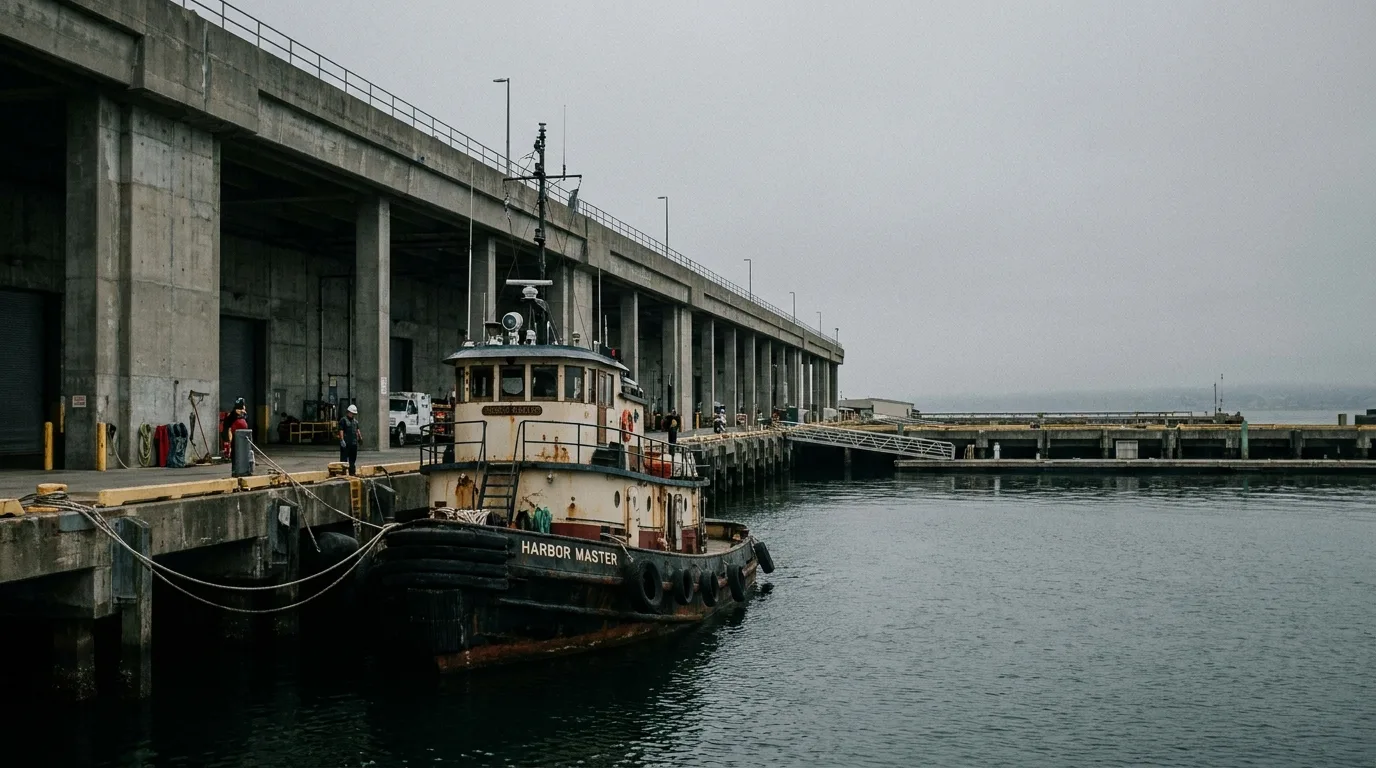
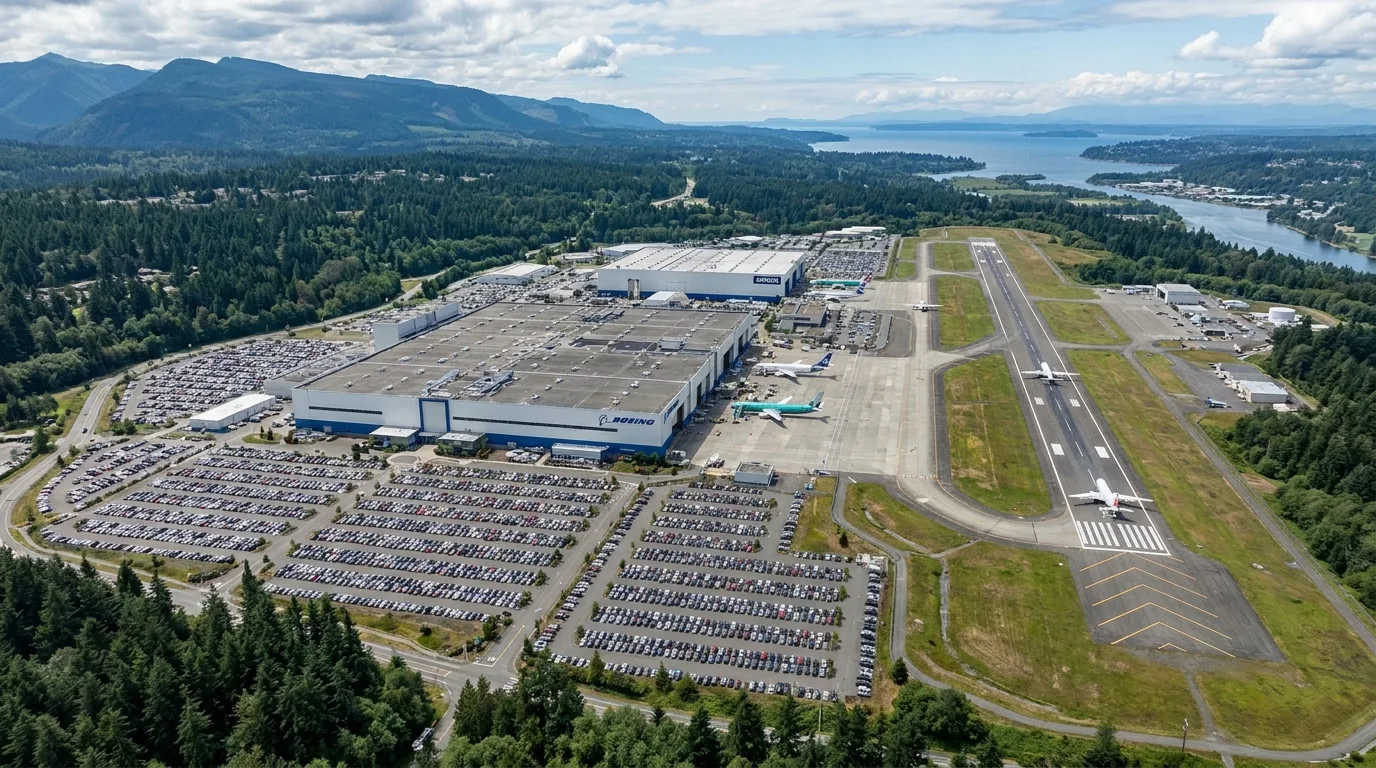
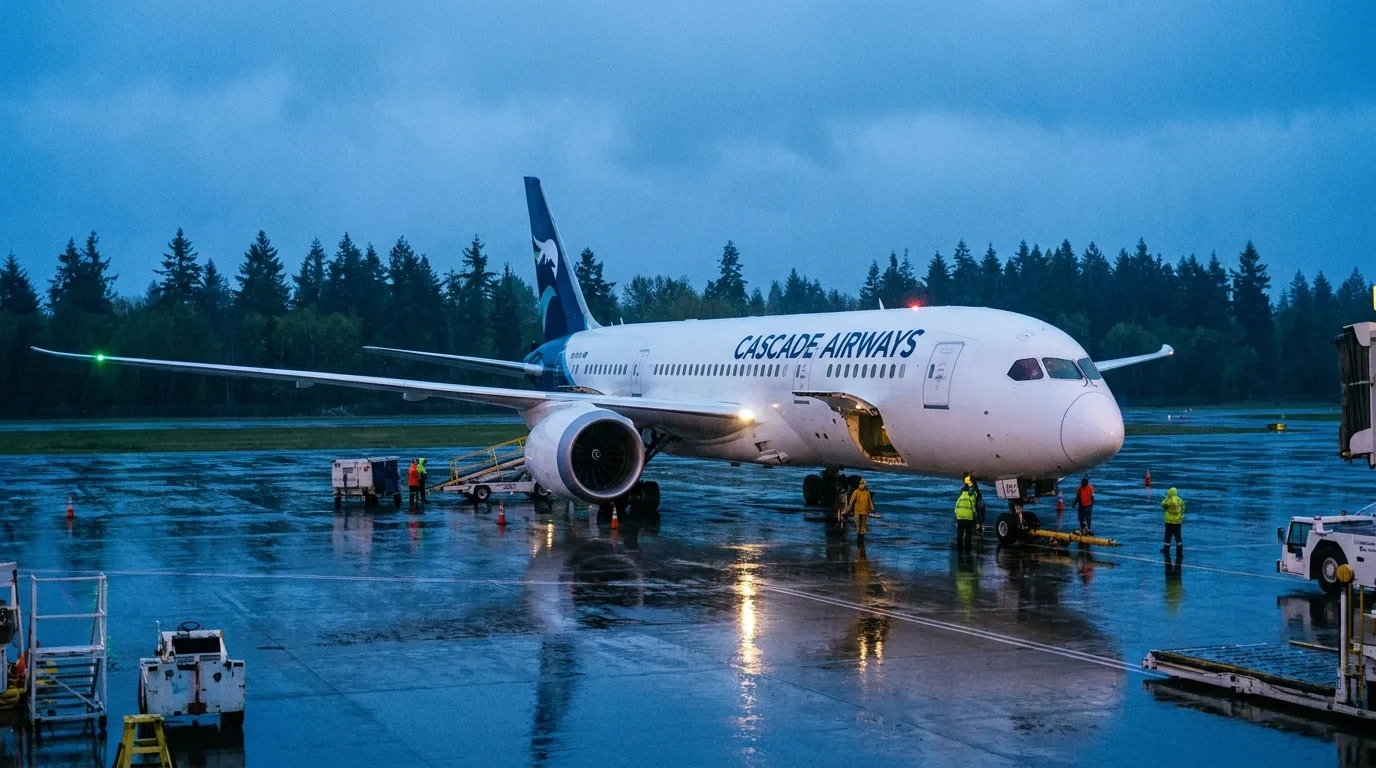
Everett, Washington is in the middle of something big. A $1 billion waterfront transformation. A Boeing workforce that built the world’s largest commercial jets. A port city with a downtown that’s finally catching up to its potential. A Navy presence at Naval Station Everett. A comedy and arts scene punching above its weight. And neighborhoods — Riverside, Silver Lake, Downtown, Bayside — each with their own identity and story.

Exploring Everett is Tygart Media’s hyperlocal coverage vertical for Snohomish County’s largest city. We cover the waterfront redevelopment, Boeing and Paine Field, city hall, the food and arts scene, real estate, neighborhoods, and everything in between — written for people who live here, work here, or are paying attention to what’s coming.

Coverage categories include: Everett News, Waterfront Development, Boeing & Aerospace, Business, Arts & Culture, Food & Drink, Real Estate, Neighborhoods, Government, Schools, Public Safety, Events, and Outdoors.

Exploring Everett content is also published at exploringeverett.com.

  • Stations Unidos Just Brought Casino Road Into Everett’s Biggest Anti-Displacement Project

    If you’ve lived in Casino Road for any length of time, you already know the rhythm. A new apartment complex goes up, the rents on the older buildings climb to match, and the families who made the neighborhood what it is start quietly disappearing. It happens in the spaces between the news cycles, and by the time anyone outside the neighborhood notices, it’s done.

    That’s the problem Stations Unidos was built to slow down — and as of early 2026, Casino Road has a seat at the table.

    What Just Changed

    Stations Unidos is the new operating name for what used to be the Everett Station District Alliance, the nonprofit that has been working since 2014 to envision a different future for the area around Everett Station at 3201 Smith Avenue. The organization incorporated as a 501(c)(3) in 2017, and for several years it focused mostly on cleaning, safety, and placemaking work in the immediate Everett Station footprint.

    In 2024, the board contracted with LISC Puget Sound — the same regional intermediary that has anchored years of community investment in Casino Road — to figure out how to evolve from a station-area alliance into a full-fledged community development corporation. After more than a year of community engagement, the ESDA board adopted LISC’s recommendations in 2025, and the organization formally rebranded as Stations Unidos in 2026.

    The new name is the most visible change. The bigger one is structural.

    The Board Looks Different Now

    Under the new governance, the board of directors is split equally between the Everett Station District and South Everett. The Casino Road side of the table is just as full as the downtown side, and future board seats will be nominated by neighborhood advisory boards in each area.

    The current board reads like a who’s who of two neighborhoods that haven’t always talked to each other. From the Everett Station District: Roland Behee, Mary Anne Dillon (Vice Chair), and Joe Sievers (Secretary). From South Everett: Julio Cortes, Alvaro Guillen (Chair), and Tony Hernandez. Three at-large members round it out: Victor Caesar, Amber Harrington (Treasurer), and Bobby Thompson.

    Brock Howell is CEO and President. Ed Petersen serves as Chief Strategic Housing Officer. The fact that a strategic housing officer is in the room — at all — is the tell. This is not a placemaking nonprofit anymore. This is a housing organization with placemaking in its toolkit.

    Why Casino Road, Why Now

    The honest answer is the light rail.

    Sound Transit’s Link extension to Everett Station is years away from opening, but the planning is happening now, the property speculation is happening now, and the displacement risk is happening now. Marshall Foster, Sound Transit’s Chief Planning and Development Officer, said at the Stations Unidos launch that the work the organization will be doing in the years before the trains arrive is going to be critical.

    That’s not a generic compliment. Sound Transit has watched what happened along the Link extensions in Seattle — neighborhoods like the Rainier Valley and Beacon Hill saw exactly the kind of displacement Casino Road is now staring down. The lesson the agency took away is that you cannot wait for the station to open before you start protecting the people who will need it most. By then it’s already too late.

    Casino Road is one of the most economically and ethnically diverse neighborhoods in Snohomish County. It is home to large Latino, Cambodian, Vietnamese, and East African communities, several of the most-trafficked food banks and pantries in the city, and dozens of immigrant-owned businesses. The corridor’s working-class, immigrant-rooted character is exactly what gets lost first under transit-driven displacement — and exactly what’s already showing up in places like the small Casino Road tortillerías and family-run restaurants that anchor day-to-day life in the neighborhood.

    Stations Unidos’s mission, in its own words, is to “advance housing, support local businesses, and connect communities to neighborhood-led solutions that help families stay rooted and thrive in Everett.” Every piece of that sentence is doing work. Advance housing — meaning produce, preserve, or protect affordable units. Support local businesses — meaning the carnicería, the pho shop, the East African cafe. Neighborhood-led solutions — meaning the people who live there are the ones setting the agenda.

    What “Equally Represented” Actually Looks Like

    The most consequential thing about the new structure is the equal seat count. In a lot of community development organizations that try to bridge two neighborhoods, one neighborhood ends up dominant. Sometimes by intent, more often just by inertia — the existing board recruits from its existing networks, and those networks tend to be geographically clustered.

    Splitting the seats 3-and-3 with future appointments running through neighborhood advisory boards is a structural commitment. It means a Casino Road advocate who shows up to a meeting can’t be voted down by a downtown majority. It means the strategic housing plan for south Everett has to be co-written by people who live there.

    That’s not the case for most community development corporations in the region. It’s a meaningful design choice, and it’s worth watching whether it holds up under pressure once funding decisions get harder.

    The Everett Station District Doesn’t Disappear

    One thing worth clearing up: the Everett Station District isn’t being absorbed or sidelined. It continues both as a division of Stations Unidos and as the place name for the area around the actual train station at 3201 Smith Ave. The downtown placemaking, cleaning, and safety work that ESDA built over the last decade keeps running. What changed is that a parallel division now exists for South Everett, with the same level of organizational support.

    The two divisions share a CEO, a strategic housing officer, and a board, but each has its own neighborhood advisory body. The intent, as the organization describes it, is for residents and businesses in each area to lead, transit to connect them, and growth to strengthen the people already there.

    Whether that works depends on what comes next. A community development corporation can do real things — buy buildings, hold land in trust, build affordable units, fund small business preservation, support tenant organizing. Or it can talk a lot. The next eighteen months, before light rail planning gets concrete, will tell which kind of organization this is going to be.

    What This Means for Casino Road Right Now

    If you live, work, or own a business on Casino Road, the practical questions are: what’s actually happening, and what do you do about it?

    For now, the practical answer is that there is finally a citywide community development organization with an official mandate to be in the neighborhood, with paid staff, with a board structured to give the neighborhood real power, and with technical support from LISC Puget Sound. That didn’t exist 18 months ago.

    The neighborhood-led solutions piece of the mission means the organization is going to need community input, advisory board members, and partnerships with the existing players — Connect Casino Road, Volunteers of America Western Washington, the food banks, the schools, the immigrant-led nonprofits. If you’re already plugged into VOAWW’s food, housing, or family services on Casino Road, you’re already inside the network this work will lean on. Anyone who has wanted a seat at the table on the displacement question now has a clearer place to ask.

    You can find Stations Unidos at stationsunidos.org. CEO Brock Howell can be reached at brock@stationsunidos.org. Board chair Alvaro Guillen leads the South Everett side of the work.

    A Note on What This Isn’t

    Stations Unidos is not Sound Transit. It does not control whether or where the light rail station gets built. It does not set city zoning, the comprehensive plan, or the property tax rate. It cannot stop a private developer from building market-rate apartments on a parcel they own.

    What it can do is the slower, less-visible work of building community ownership of the change that is already coming — through housing acquisition, business preservation, tenant support, and the kind of neighborhood organizing that makes sure the people who live there now are still the ones living there in 2032. The same kind of work other south Everett neighborhoods like Pinehurst-Beverly Park are also navigating as growth pressure climbs along the Casino Road corridor.

    That’s a long bet. But the alternative is the rhythm Casino Road already knows.

    Frequently Asked Questions

    What is Stations Unidos?

    Stations Unidos is a nonprofit community development corporation in Everett, Washington that evolved from the Everett Station District Alliance (ESDA) in 2026. Its mission is to advance housing, support local businesses, and connect communities to neighborhood-led solutions in both the Everett Station District and the Casino Road area of South Everett.

    Why did the Everett Station District Alliance change its name?

    The ESDA Board of Directors adopted recommendations from LISC Puget Sound in 2025 to evolve the organization’s programs and governance to support anti-displacement and equitable transit-oriented development citywide. The rebrand to Stations Unidos took effect in 2026 to reflect the broader service area, including both the original station district and South Everett’s Casino Road neighborhood.

    Who is on the Stations Unidos board?

    The board is split equally between the Everett Station District (Roland Behee, Mary Anne Dillon, Joe Sievers) and South Everett (Julio Cortes, Alvaro Guillen, Tony Hernandez), plus three at-large members (Victor Caesar, Amber Harrington, Bobby Thompson). Alvaro Guillen serves as Chair, Mary Anne Dillon as Vice Chair, Joe Sievers as Secretary, and Amber Harrington as Treasurer.

    Why is Stations Unidos focused on Casino Road?

    Sound Transit’s Link light rail extension to Everett is bringing additional displacement pressure to a neighborhood already facing rising housing costs. Casino Road is one of the most economically and ethnically diverse neighborhoods in Snohomish County, with large Latino, Cambodian, Vietnamese, and East African communities. The expansion is intended to give residents and businesses more tools to stay rooted before the train arrives.

    Where is Stations Unidos located?

    The Everett Station District remains both a division of Stations Unidos and the name for the area around Everett Station at 3201 Smith Ave in downtown Everett.

    Who leads Stations Unidos?

    Brock Howell serves as CEO and President. Ed Petersen serves as Chief Strategic Housing Officer.

    How is this different from Connect Casino Road?

    Connect Casino Road is a coalition of more than 15 partners that has worked on the ground in Casino Road for years on family services, food access, education, and community building. Stations Unidos is a community development corporation with a citywide remit and a focus on housing, business support, and transit-oriented development. The two organizations operate in complementary lanes, and Stations Unidos’s work in Casino Road will involve partnership with Connect Casino Road and other existing community organizations.

  • Sorticulture 2026 Returns to Downtown Everett June 5–7 — Ciscoe Morris, 140+ Vendors, and the Free Festival the City Built Its Summer Around

    Sorticulture 2026 Returns to Downtown Everett June 5–7 — Ciscoe Morris, 140+ Vendors, and the Free Festival the City Built Its Summer Around

    Verdict: GO. Three reasons we’re calling it without hedging. (1) The lineup is unique to this market — over 140 garden artists and nurseries on one downtown grid, plus Ciscoe Morris on a 1901 stage on Sunday, plus the City of Everett, Schack Art Center, Funko, and Imagine Children’s Museum all within four blocks. (2) The room is the right size for the act — Sorticulture isn’t a stadium festival; it’s a downtown street festival that closes Colby and Wetmore and lets the venues hold the weekend. (3) Ticket value is honest: the festival is free, the yoga is free, the Ciscoe lecture is free, and the only money that has to leave your pocket is whatever you spend on plants, a glass of wine, or a food truck dumpling. The math is on Sorticulture’s side.

    If you have ever told yourself you should spend more weekends downtown, this is the one. Clear the calendar.

    The dates, the hours, the address — all of it

    Friday, June 5: 10 a.m. to 6 p.m.

    Saturday, June 6: 10 a.m. to 6 p.m.

    Sunday, June 7: 10 a.m. to 4 p.m.

    The festival fills the heart of downtown Everett along Colby Avenue from Everett Avenue to the north and Pacific Avenue to the south, then expands east and west along California Street toward Funko and Hewitt Avenue toward Port Gardner Bay. That’s a real footprint. You can spend three hours here without retracing your steps.

    Admission is free for all three days. No wristband, no ticket, no RSVP. Walk in.

    Ciscoe Morris at the Historic Everett Theatre — Sunday at 1 p.m.

    The single highest-leverage block on the schedule is Sunday, June 7, at 1 p.m. inside the Historic Everett Theatre at 2911 Colby Ave. Ciscoe Morris — the Pacific Northwest gardening voice most local gardeners grew up listening to on KIRO and watching on KING 5 — is giving a free lecture titled “Newest plant picks and Q&A,” and the venue’s own listing confirms it as a “free educational lecture on June 7, 1:00 pm.” This is a building that opened in 1901 as the Everett Opera House. The seating is real, the sight lines are real, and Ciscoe at 1 p.m. on a Sunday is the kind of programming you usually have to pay for at a botanical garden gala.

    If you have to pick one ticketed-feeling thing to do across the whole weekend, this is it. And it isn’t ticketed — it’s free.

    The Sunnyside Nursery Garden Stage — at Hewitt and Colby

    The festival’s main outdoor classroom sits at the intersection of Hewitt and Colby — about as central as Everett gets. The Sunnyside Nursery Garden Stage runs classes across all three days. Trevor Cameron from Sunnyside Nursery is the workhorse of the lineup, with sessions including “Hydrangea-licious!” (a deep cut on modern reblooming hydrangeas), “Japanese Maples,” “Gardening in the Shade,” and a “Pitcher Plants (Carnivorous Plants)” workshop at 11 a.m. that we’d happily watch sober.

    The stage is sponsored by Sunnyside Nursery — the venerable Marysville garden center that has been a fixture on the I-5 corridor for decades — and that sponsorship is the reason the stage exists in a recognizable form year after year. The festival itself is supported in part by Snohomish County Lodging Tax grants, which is what local lodging-tax dollars look like when they actually land in something the city’s residents can use.

    Free outdoor yoga at Wetmore Plaza

    Saturday and Sunday mornings, 11 a.m., Wetmore Plaza. Free. Hosted by Yoga Shala Everett. This is one of those rare festival add-ons that actually delivers — open-air yoga in a closed-street setting, surrounded by 140+ vendor booths, with garden art and the smell of plants on three sides. Bring a mat. If you forget the mat, bring a towel. If you forget the towel, the grass at Wetmore Plaza is forgiving.

    The wine garden, the food trucks, the kids

    The wine garden is hosted by Wick-Ed Wine & Social Club at 2707 Colby Ave, with live music inside the wine-garden zone. Snacks, beverages, and food trucks run throughout the festival footprint. You will not need to leave Sorticulture to eat.

    Youth activities are programmed by Imagine Children’s Museum, Everett Parks, and Funko — yes, that Funko. The Funko HQ flagship sits at 2802 Wetmore, less than two blocks from the festival’s spine, and Funko’s youth booths are part of why families with elementary-school kids treat Sorticulture as a default June weekend. The kids don’t run out of things to do, which is the entire point.

    Getting there, parking, and the Everett Transit shuttle

    ADA parking runs along Wetmore Avenue between Everett and California avenues. The downtown public parking garage is free on weekends — under-promoted but true. Pay lots in the immediate vicinity are inexpensive on a per-hour basis. And critically, Everett Transit runs a complimentary shuttle service to Sorticulture, which means if you live in north or south Everett you don’t need to fight the I-5 weekend traffic at all.

    Plan the visit as a downtown afternoon, not a quick stop. Park once. Walk the festival. Eat. Sit through a class. Walk back.

    How Sorticulture fits the rest of the weekend

    The Saturday night card downtown is heavy. Tony V’s Garage at 1716 Hewitt typically books shows the same weekend as Sorticulture, and the Historic Everett Theatre runs evening programming around the festival days too — recent culture-desk coverage of Schack Art Center’s Contemporary Northwest Artists exhibition opens around the same week, so a smart Saturday looks like Sorticulture during the day, gallery walk through Schack on Hoyt Avenue late afternoon, dinner downtown, and a show after sundown.

    The downtown cultural cluster — Schack at 2921 Hoyt, the Historic Everett Theatre at 2911 Colby, Funko at 2802 Wetmore, Tony V’s at 1716 Hewitt, and Imagine Children’s Museum nearby — is the reason Sorticulture works as well as it does. The festival is the pretext. The cluster is the product.

    What to actually buy at Sorticulture (the only opinionated section)

    If you have never been: skip the impulse buys on Friday and walk the entire grid first. The most interesting work — handmade pots, garden steel, ceramic ware, sculptural plant supports — sits in the middle blocks of the footprint, not the edges, and the best vendors sell out by Saturday afternoon. If you see a piece on Friday and it’s between $50 and $200, buy it then; if it’s over $200, sleep on it and come back Saturday morning before the foot traffic ramps. If you’re plant shopping, hit the Sunnyside Nursery presence and the regional nurseries first — the festival is one of the few places those nurseries bring inventory off their home lots.

    Frequently Asked Questions

    When is Sorticulture 2026?

    Friday through Sunday, June 5–7, 2026, with festival hours of 10 a.m. to 6 p.m. on Friday and Saturday and 10 a.m. to 4 p.m. on Sunday. Admission is free.

    Where exactly is Sorticulture held?

    Downtown Everett, along Colby Avenue from Everett Avenue (north) to Pacific Avenue (south), and east-west along California Street toward Funko HQ and Hewitt Avenue toward Port Gardner Bay. The Sunnyside Nursery Garden Stage is at the intersection of Hewitt and Colby.

    Is Ciscoe Morris really speaking at Sorticulture 2026?

    Yes. Ciscoe Morris is presenting “Newest plant picks and Q&A” on Sunday, June 7, 2026, at 1 p.m. inside the Historic Everett Theatre at 2911 Colby Ave. The event is free per the venue’s own listing and is part of the festival’s continuous-learning programming.

    How much does Sorticulture cost?

    Sorticulture is free. There are no admission fees, no wristbands, and no ticket purchases required for general festival access, the Sunnyside Nursery Garden Stage classes, the outdoor yoga, or the Ciscoe Morris lecture at the Historic Everett Theatre.

    Where do I park for Sorticulture?

    ADA parking is along Wetmore Avenue between Everett and California avenues. The downtown public parking garage is free on weekends. Affordable pay lots are available in the immediate vicinity. Everett Transit also runs a complimentary shuttle service to the festival.

    Is Sorticulture good for kids?

    Yes. Youth activities are programmed by Imagine Children’s Museum, Everett Parks, and Funko. Strollers work fine on the closed-street footprint, and Wetmore Plaza has open space for kids who need to burn energy between vendor stops.

    Are dogs allowed at Sorticulture?

    Sorticulture is an outdoor downtown street festival on closed public streets, so well-behaved leashed dogs are generally welcome in the festival footprint. Dogs are typically not permitted inside indoor venues like the Historic Everett Theatre or vendor tents that explicitly post otherwise. Bring water and watch the heat.

    What time does Ciscoe Morris speak?

    Sunday, June 7, 2026, at 1 p.m. inside the Historic Everett Theatre at 2911 Colby Ave. The lecture title is “Newest plant picks and Q&A” and seating is first-come.


  • Forest Park’s New Pickleball Courts Open in June: What’s Built, What’s Closed, and Why It Matters for Everett

    What’s being built at Forest Park in Everett? The City of Everett is constructing its first multi-court outdoor pickleball facility at Forest Park, including four dedicated regulation pickleball courts, two renovated multi-use sport courts, sport fencing, a pickleball practice wall, site lighting, drinking fountain, benches, cornhole, and horseshoe pits. Construction began in November 2025 and is estimated to complete in June 2026. Some park access east of the water park is currently affected by the project.

    Forest Park’s Pickleball Courts Open This June: What’s Built, What’s Closed, and Why It Matters

    Outdoor recreation is a sport. That’s how this desk treats it. And the biggest outdoor-rec story in Everett right now isn’t on a hiking trail or out at Jetty Island — it’s tucked into the trees at Forest Park, where the city is six weeks from opening its first dedicated multi-court outdoor pickleball facility. If you’ve been driving past the trailhead and wondering why a chunk of the park east of the water park has been fenced off all winter, this is the answer. June 2026 is the target. The shape of the project tells you Everett is serious about outdoor rec.

    What’s Being Built

    Per the City of Everett’s Parks Department project documentation, Forest Park’s new outdoor recreation hub includes:

    • Four new dedicated regulation-size pickleball courts on a new paved court
    • Renovation and expansion of two existing multi-use sport courts
    • New sport fencing around the courts
    • A pickleball practice wall
    • Site lighting (so courts can run into the evening)
    • A drinking fountain
    • Benches
    • Cornhole pits
    • Horseshoe pits

    Read that list as a unit and what you’re actually looking at is a small park-within-a-park: a casual outdoor recreation hub that supports the fastest-growing outdoor sport in the country plus a pair of casual lawn-game options for the people who didn’t come to play pickleball. The lighting matters more than it sounds. Lit courts mean weeknight league play, weeknight pickup, and a community asset that doesn’t shut off when the sun goes down — which in Pacific Northwest seasonal terms is the difference between a 5-month facility and a 10-month one.

    Why It Matters for Everett

    Pickleball is the fastest-growing organized recreational sport in the country. Snohomish County has been chasing demand for years — local YMCAs, indoor athletic clubs, and converted tennis courts have been eating the demand on borrowed time. A purpose-built outdoor facility with four dedicated regulation courts plus two multi-use courts plus a practice wall is the kind of investment that turns Everett into a regional destination for the sport instead of a county that loses players to Marysville and Mill Creek.

    It also fits Forest Park’s identity. The park already runs miles of wooded trails, a self-guided nature tour, a hill-climb course, and an orienteering course. A pickleball complex with cornhole and horseshoes is exactly the right addition: low barrier to entry, social, intergenerational, and not a thing that competes with the park’s existing trails or wildlife. You don’t have to choose between the trail-running crowd and the pickleball crowd. They can share the parking lot.

    What’s Closed Right Now

    Heads up before you head to Forest Park this weekend: the section just east of the water park is blocked off due to the construction. Most of the park’s signature wooded trails, the central loop, the playground, and the picnic shelters are unaffected. But if you’ve got a regular running route or a dog-walk loop that hits that east section, plan around it. The Washington Trails Association notes that not all trails are currently accessible because of the work. Save your scouting; check the park’s posted signage before you commit to a route.

    If you want to keep your trail-running miles up while Forest Park is partially closed, the rest of Everett’s trail network is fully open: Lowell Riverfront Trail, Langus Riverfront, Forsgren Park, Howarth Park down to the beach. Lowell Riverfront has its own active project right now (worth checking signage there too), but the main path is intact and is one of the flattest, fastest 5K-loop options in the city.

    The Bigger Outdoor Rec Picture

    The Forest Park project is one piece of a broader Everett parks investment cycle. The city’s Active Projects list includes other parks-and-trails work in different stages — Lowell Riverfront Trail being the other one most regular outdoor users will notice. Add the upcoming Jetty Island ferry season opening on July 8 and the Snohomish River paddling launch points coming back online for spring, and Everett’s outdoor calendar in 2026 is fuller than it’s been in years.

    From a fan-of-Everett perspective: the city has decided that outdoor rec is part of the downtown stadium / waterfront / arena economy, not an afterthought. A pickleball complex at Forest Park, the Jetty Island ferry, the Lowell Riverfront work, and the year-round trail system at Forsgren and Howarth are all the same project from 30,000 feet — they’re the city saying “we are a place where you can live outside.” The new courts open in June. Mark the calendar.

    If You Want to Get Ready

    If you’re new to pickleball and want to be ready for opening week in June, Snohomish County has a strong indoor scene to get reps before the outdoor courts come online. Local YMCAs and rec centers run drop-in sessions; USA Pickleball has a beginner clinic finder; and most sporting-goods stores in the county now stock starter paddles in the $40-80 range. The barrier to entry is genuinely low — that’s why the sport is growing the way it is — and an outdoor weeknight league at Forest Park is the kind of thing that turns a casual player into a regular.

    Frequently Asked Questions

    When do Forest Park’s new pickleball courts open?

    Estimated completion is June 2026, per the City of Everett project documentation. Construction began in November 2025.

    How many pickleball courts will there be?

    Four dedicated regulation pickleball courts on a new paved court, plus two renovated multi-use sport courts that can be used for additional pickleball or other court sports.

    Is Forest Park currently open?

    Yes — most of Forest Park is open, including the wooded trail network, central loop, playground, and picnic areas. The section just east of the water park is closed due to active construction. Check posted signage on site before committing to a route.

    What else is being built besides the pickleball courts?

    The project also includes a pickleball practice wall, sport fencing, site lighting, a drinking fountain, benches, cornhole pits, and horseshoe pits.

    Will the courts have lighting for evening play?

    Yes. Site lighting is part of the project scope, which means the courts will be usable into the evening hours — important for weeknight league play in the Pacific Northwest.

    Where is Forest Park in Everett?

    Forest Park is a Everett city park with a wooded trail network, water park, and event facilities. Full address and trail maps are available via the City of Everett Parks Department website.

  • Bryce Miller Threw 3 Scoreless With 6 Strikeouts: AquaSox Walked Off Spokane 2-1 to Cap His Rehab

    How did Bryce Miller’s AquaSox rehab start go? Mariners right-hander Bryce Miller threw 3 scoreless innings on Friday, April 24, 2026, at Funko Field, allowing one hit and one walk while striking out six on 47 pitches (35 strikes). The AquaSox then walked off the Spokane Indians 2-1 on an Axel Sanchez sacrifice fly to cap Miller’s two-start minor-league rehab assignment.

    Bryce Miller Walked Out of Funko Field With Six Strikeouts. The AquaSox Walked Off Spokane 2-1.

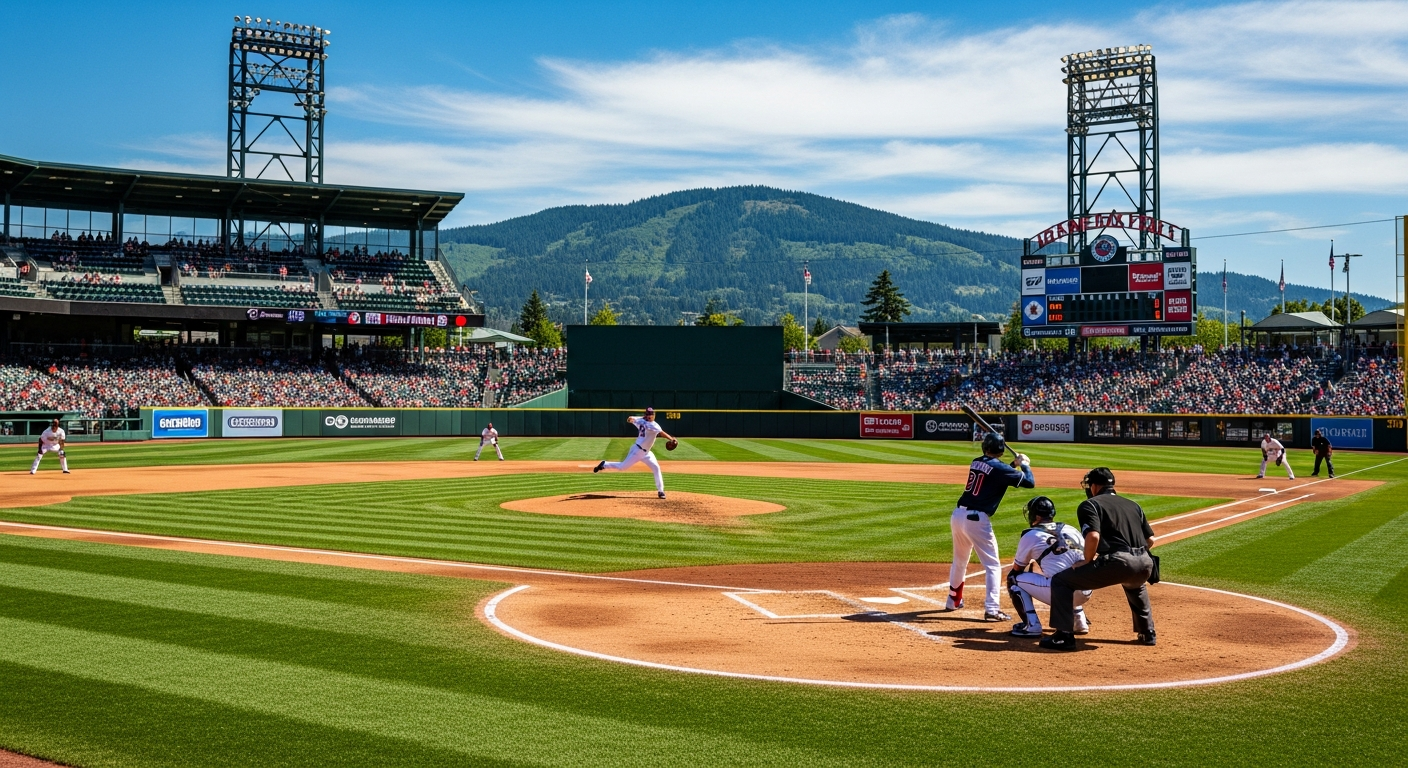
    Friday night at Funko Field had the kind of energy you only get when a Mariners big-leaguer is on the mound for the AquaSox. Bryce Miller — recovering from oblique inflammation that cost him spring training — made his second and final minor-league rehab outing, and he pitched like a guy who’s about to be back at T-Mobile Park: three scoreless, six punchies, 47 pitches, 35 strikes. Then the Frogs went out and walked it off 2-1 against the Spokane Indians on an Axel Sanchez sac fly. Fireworks Friday delivered the rare combination of major-league rehab work, a tense one-run nightcap, and an actual walk-off in front of a sellout-energy Funko crowd.

    The Bryce Miller Line

    Miller did exactly what a healthy 27-year-old big-league starter on rehab is supposed to do at High-A: he was too good for the league. Three innings, one hit, one walk, six strikeouts, no runs. Through the first two innings he didn’t allow a single baserunner. The one moment of trouble came in the third when he had two runners in scoring position with two outs — and he punched out Indians first baseman Kevin Fitzer on four pitches to escape it. That’s the kind of inning that tells the Mariners’ player development staff everything they needed to see.

    Compare that to his first rehab outing the week before in Tacoma — 1.2 innings, four hits, three runs, two strikeouts, one walk on 33 pitches. Friday at Funko was a clear escalation: more pitches, more strikes, more strikeouts, no damage. Two scoreless innings to start, a tough spot navigated cleanly, and a clean exit. The Mariners now have to decide whether Miller is ready for a Triple-A finishing touch in Tacoma or whether he goes straight back to the big-league rotation.

    The Walk-Off

    The AquaSox didn’t waste Miller’s start. Locked in a 1-1 game late, Everett got runners moving in the bottom of the inning that mattered, and Axel Sanchez delivered the sacrifice fly to center field that ended it. Final: AquaSox 2, Spokane 1. Sixth straight loss for the Indians, which tells you Spokane’s not having a great early-season trip through the Northwest League — but Friday wasn’t about Spokane. It was about a homegrown Mariners arm in front of an Everett crowd, and a Frogs roster that keeps finding ways to win one-run games.

    That’s three straight wins now for Everett, on the heels of the Carlos Jimenez 6-RBI Thursday-night blowout. The Frogs are still climbing toward .500 territory but the run differential is back in the green and the offense is finally chaining at-bats together. Saturday and Sunday wrap the homestand against Spokane — Saturday at 7:05 PM and Sunday at 1:05 PM at Funko Field — and the Frogs have a real chance to take five of six in the series before they head out on the road.

    Prospect Watch

    Friday wasn’t just a Bryce Miller showcase — it was also a chance for the AquaSox prospects to share a clubhouse with a guy who’s already done it. The fan-eye view from Funko Field this week:

    Carlos Jimenez — 6 RBI on Thursday is the kind of night that pulls scouts. Power-and-RBI profile is what the system needs after the Lazaro Montes promotion conversation cooled off.

    Axel Sanchez — Walk-off sac fly Friday. Not a stat-line player but a guy who keeps showing up in late-game spots. The kind of A-ball at-bat that grades up scouting reports.

    The pitching staff behind Miller — Whoever gets handed the ball after a big-league rehab outing has to keep the lead. Friday’s bullpen got the result. That’s a quiet thing, but it matters when you’re tracking who’s developing.

    What’s Next for Bryce Miller

    Two rehab starts down. The natural next step is either a Triple-A Tacoma tune-up or activation off the IL and back into the Mariners rotation. Friday’s outing makes the case for the latter — three scoreless against pro hitters, six strikeouts, fastball back where it needs to be after his April 18 Tacoma outing reportedly clocked at 98+. The Mariners haven’t said publicly which way they’re leaning. Either way, his time at Funko Field this spring is done, and the AquaSox roster goes back to being all about the prospects.

    Saturday and Sunday at Funko Field

    The homestand wraps with Saturday’s 7:05 PM game and Sunday’s 1:05 PM matinee. If you missed Friday, those are the last two chances to see this Spokane series at Funko before the AquaSox hit the road. Tickets are still available through milb.com/everett. Funko Field on a sunny April Sunday afternoon is one of the better cheap-date afternoons in Snohomish County.

    Frequently Asked Questions

    What was Bryce Miller’s line in his April 24 AquaSox rehab start?

    3 IP, 1 H, 0 R, 1 BB, 6 K on 47 pitches (35 strikes). It was Miller’s second and final minor-league rehab start.

    What was the final score of Friday’s AquaSox game?

    Everett AquaSox 2, Spokane Indians 1, walk-off win at Funko Field on April 24, 2026, on an Axel Sanchez sacrifice fly.

    Why was Bryce Miller pitching for the AquaSox?

    Miller is a Mariners right-handed starter rehabbing oblique inflammation that sidelined him in spring training. The AquaSox start was the second outing of his minor-league rehab assignment after a brief Triple-A Tacoma appearance the week before.

    When are the next AquaSox home games?

    Saturday April 25 at 7:05 PM and Sunday April 26 at 1:05 PM at Funko Field, closing the homestand against Spokane.

    Will Bryce Miller pitch for the AquaSox again this season?

    Friday was Miller’s final rehab outing with Everett. His next appearance will likely be either Triple-A Tacoma or back with the Mariners, depending on the team’s decision on activation.

    Where do the AquaSox play and where can I get tickets?

    The AquaSox play at Funko Field in Everett (formerly Everett Memorial Stadium). Tickets are available at milb.com/everett.

  • Silvertips Beat Penticton 5-4 in Double OT: Series Lead 2-0 Heading to South Okanagan

    How did Silvertips Game 2 end? The Everett Silvertips beat the Penticton Vees 5-4 in double overtime at Angel of the Winds Arena on Saturday, April 25, 2026, taking a 2-0 series lead in the WHL Western Conference Final. The winning goal came on a power play in the second overtime period after the Vees had tied the game 4-4 with 56 seconds left in regulation.

    This One Had Everything: Silvertips Take Game 2 of the Western Conference Final 5-4 in Double OT

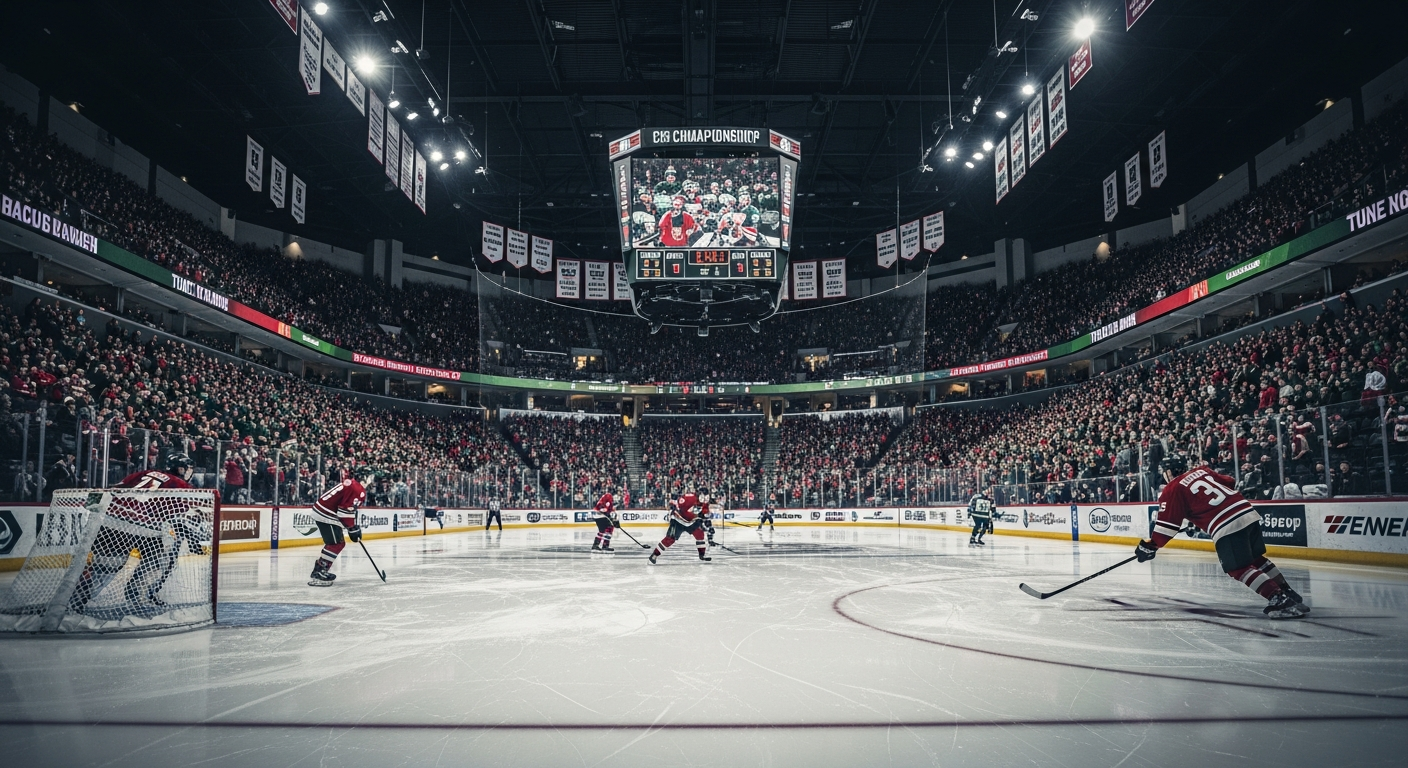
    If you left Angel of the Winds Arena early Saturday night, you missed one of the best Silvertips games in years. Everett took Game 2 of the Western Conference Final 5-4 over the Penticton Vees in double overtime, and Tips Nation now heads up to the South Okanagan Events Centre with a commanding 2-0 series lead and a team that simply will not lose.

    The shorthand version: Everett built a lead, Penticton clawed all the way back to tie it with 56 seconds left in regulation, the first overtime period was a Vees goalie clinic from AJ Reyelts, and a delay-of-game penalty a few minutes into the second overtime gave the Silvertips a power play. They cashed it in. Series 2-0. Eight playoff games, eight wins. Best run anyone in the building can remember.

    How the Game Got to Double Overtime

    This wasn’t a game where Everett played down to a lower seed. The Vees came in as the second seed in the Western Conference for a reason — they’re a hungry, structured team with NHL-drafted scoring and a goaltender who can steal a game. Saturday night, Reyelts almost did exactly that.

    The Silvertips carried play for big stretches and built a 4-3 lead late in the third. Then, with the goalie pulled, the Vees converted with 56 seconds remaining to send a packed AOTW crowd into a collective groan. That’s the game where seasons either turn or get sealed.

    The first overtime belonged to Reyelts. Everett poured shots on him, the bench was rolling four lines hard, and nothing got through. The way the building was leaning, it felt like the kind of marathon OT where one bad bounce ends a series — for either side.

    The Power Play That Ended It

    The break came a few minutes into the second overtime. Penticton was whistled for delay of game — the kind of call you can’t argue with because the rule book is the rule book — and Everett went to the power play with a chance to end it. They did. The Silvertips converted and the building emptied 5-4 winners, the AOTW horn going off at the kind of hour where weeknight Tips fans are usually already asleep.

    The Silvertips are now 8-0 in the 2026 WHL playoffs. Anders Miller has been the constant in net all postseason, and Saturday added another marathon to his ledger. Landon DuPont and Carter Bear continue to drive offense. Hunter Rudolph, fresh off his Game 1 third-period dagger, was a factor again. Different game-winners every night — that’s what good teams do, and that’s what Everett has been all year.

    Series Now Heads to Penticton

    The series shifts to Penticton’s South Okanagan Events Centre for Games 3 and 4. The Vees are now in the worst spot a 117-point regular-season Everett team can put a 2-seed in: down 0-2, going home to a building that’s loud but has been outscored over the regular-season head-to-head 3-1. Penticton needs to win Games 3 and 4 just to keep this series alive, because no team wants to come back to Everett trying to win three straight in a barn that’s 5-0 at home in these playoffs.

    For the Silvertips, this is the part of a deep run where the math gets interesting. Two more wins in any combination of the next five games and Everett is in the WHL Final, four wins from the Memorial Cup. That’s where the conversation should be after a Game 2 like this — not whether they can do it, but how soon.

    Everett Sports Coverage

    If you’re new to Silvertips coverage on Tygart Media, you can catch up on the playoff run from Round 1 through this Western Conference Final via our running game-by-game coverage of the 2026 WHL playoffs. The Game 1 4-1 recap is here for context on how the Vees series opened, and our pre-series preview lays out the Penticton matchup, NHL-drafted talent, and head-to-head record.

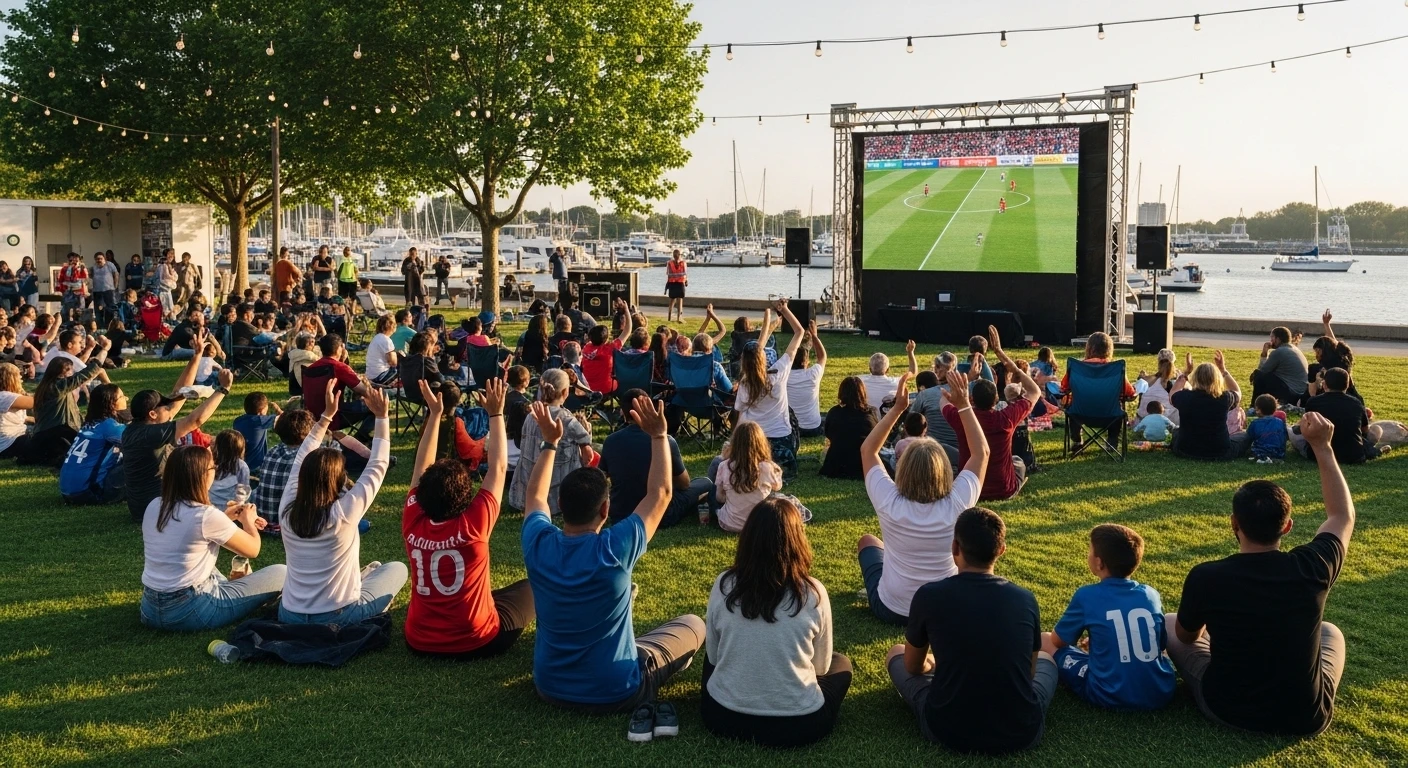
    Game 3 is in Penticton — check the WHL schedule for puck drop. Watch parties at downtown Everett spots will be back if Game 5 returns home next week. The way this team is playing, you want to see every minute of it.

    Frequently Asked Questions

    What was the final score of Silvertips Game 2 vs Penticton?

    Everett 5, Penticton 4 in double overtime at Angel of the Winds Arena on April 25, 2026.

    Where does the Silvertips-Vees series stand?

    Everett leads the best-of-seven WHL Western Conference Final 2-0. The series shifts to Penticton’s South Okanagan Events Centre for Games 3 and 4.

    How did the Silvertips win Game 2?

    Everett scored the game-winner on a power play in the second overtime period after Penticton was assessed a delay-of-game penalty. The Vees had tied it 4-4 with 56 seconds left in regulation to force overtime.

    What is the Silvertips playoff record in 2026?

    Everett is 8-0 in the 2026 WHL playoffs through Game 2 of the Western Conference Final.

    When are Games 3 and 4 of the WHL Western Conference Final?

    Games 3 and 4 are at the South Okanagan Events Centre in Penticton, BC. Check WHL.ca and Silvertips official channels for confirmed puck-drop times.

    Who is Everett’s goaltender in the 2026 playoffs?

    Anders Miller has been Everett’s starter throughout the 2026 playoff run, posting historically strong save percentages over the team’s first eight playoff games.

  • Memorial Day 2026 in Snohomish County: A Practical Guide for Military Families and Veterans New to Everett

    Quick answer: Memorial Day 2026 is Monday, May 25. The closest VA national cemetery to Naval Station Everett is Tahoma National Cemetery in Kent, which holds its annual Memorial Day Commemorative Ceremony at 1 p.m. that Monday at the Main Flag Pole Assembly Area. Closer to home, Snohomish County’s Eternal Flame at the County Courthouse (3000 Rockefeller Ave., Everett) is the central county-level remembrance site, and Lake Stevens American Legion Post 181, Floral Hills in Lynnwood, and Evergreen Cemetery in Everett all host community services that morning.

    If you’ve just PCS’d to Naval Station Everett, retired in Snohomish County, or moved here to support a sailor or soldier in the family, Memorial Day is one of the days the local military community is easiest to find. The bases are quieter than Navy Birthday or Veterans Day, but the cemeteries and memorials are full — and the people who run those services are the same people who run the volunteer drivers at the VA, the American Legion posts, the VFWs, and the spouse networks the rest of the year.

    This is a practical 2026 guide to where to go, when, and what to expect — written for the family that wants to do the day right and meet a few of the people who’d be good to know once the parade ends.

    Why this matters for the Everett military community

    Snohomish County is home to roughly 52,000 veterans — about one in eleven county residents — plus the active-duty population at Naval Station Everett, the five Arleigh Burke-class destroyers homeported there (USS Momsen, USS Kidd, USS Gridley, USS Sampson, USS Ralph Johnson), and several thousand military family members spread across Mukilteo, Marysville, Lake Stevens, and the unincorporated edges of the county.

    Memorial Day is the day that community shows up in one place. Active-duty sailors stand color guard at services. Vietnam-era VFW members read the names. Gold Star families lay wreaths. Boy Scouts and Cub Scouts plant flags at headstones the Saturday before. Local mayors give the speeches that don’t make the regional news but matter enormously to the families in the front rows.

    For a military family that’s two months into a Naval Station Everett tour, going to one of these services is often the fastest way to meet the people who’ll be at every PCS hello-and-goodbye for the next three years. (For more on what life looks like at NAVSTA Everett right now, see our guide to the FF(X) frigate decision and what it means for PCS plans, school choices, and the next decade for Navy families based in Everett.)

    The closest VA national cemetery: Tahoma in Kent

    Tahoma National Cemetery at 18600 SE 240th St., Kent, is the federally-administered national cemetery serving the Puget Sound region — the burial ground operated by the National Cemetery Administration under the Department of Veterans Affairs. It is the closest VA national cemetery to Naval Station Everett.

    The drive from NAVSTA Everett to Tahoma is roughly 50 minutes south on I-5 in Memorial Day morning traffic, longer if you leave after 11 a.m.

    The 2026 ceremony: Memorial Day Commemorative Ceremony, Monday, May 25, 2026, 1 p.m., at the Main Flag Pole Assembly Area. The program follows the standard Tahoma format — wreath-laying, rifle volley, and Taps, with remarks from local civic leaders and retired military officers. The ceremony is free and open to the public.

    Practical notes for first-time visitors:

    • Arrive by 12:15 p.m. Parking inside the cemetery fills early. Once the lots are full, staff direct cars to overflow parking with shuttle service.
    • Bring water, sunscreen, and a hat. The assembly area is exposed and seating is minimal — most attendees stand.
    • Wear comfortable walking shoes. Even from the closest lots, the walk to the flag pole is several hundred yards on uneven ground.
    • The cemetery hosts a “Run to Tahoma” community event the same morning organized through the Kitsap County Veterans Advisory Board for those who want a longer-distance commemoration before the 1 p.m. service.

    For sailors, families, or veterans who want the most formal Memorial Day service in the region — full military honors, full federal protocol — Tahoma is the answer.

    The county-level service: Snohomish County Eternal Flame

    The Snohomish County Eternal Flame sits in front of the Robert J. Drewel Building at the County Courthouse complex, 3000 Rockefeller Ave., Everett. It is the county’s central memorial to its veterans and the most accessible Memorial Day stop for anyone living in central or downtown Everett.

    Snohomish County typically holds an 11 a.m. Veterans Day service at the Eternal Flame in November, and the same site hosts informal Memorial Day gatherings — wreath placements, individual remembrances, and small ceremonies coordinated by local VFW and American Legion posts — throughout the morning of the holiday. Families with school-age kids who want to keep the day local often come here first, then move to one of the cemetery services.

    The Drewel Building is also where the Snohomish County Veterans Assistance Program (VAP) office is located — the county-funded program that helps veterans and their families with rent, utilities, prescriptions, transportation, and emergency needs. Most county veterans don’t know the program exists. Memorial Day is a quiet, low-pressure day to walk past the office, see the staff, and pick up the contact card. (For a deeper look at how the county program fits with the federal VA system, see our complete 2026 guide to getting VA claims help in Snohomish County.)

    The community services in Snohomish County

    Multiple community services across the county happen Memorial Day morning. These are the longest-running and most reliable for 2026.

    Lake Stevens American Legion Post 181

    Post 181 traditionally hosts two Memorial Day services on Monday morning:

    • 10 a.m. at the Lake Stevens War Veterans Memorial flag display, 1808 Main St., Lake Stevens
    • Noon at the Machias Cemetery, 1201 Silva St., Snohomish

    The Lake Stevens services are short, family-friendly, and are some of the only regularly attended community services east of I-5 in the county. Post 181 has been doing this for decades.

    Floral Hills in Lynnwood

    The Purdy & Walters at Floral Hills annual Memorial Day program at 409 Filbert Rd., Lynnwood typically runs:

    • 10:30 a.m. band concert
    • 11 a.m. ceremony

    Floral Hills is the largest cemetery in southwest Snohomish County and the regular Memorial Day stop for families based out of Mountlake Terrace, Mukilteo, and the south end of the county. Programs are listed annually on the Washington Department of Veterans Affairs (WDVA) calendar.

    Evergreen Cemetery in Everett

    Evergreen Cemetery, 4505 Broadway, Everett is the historic in-city cemetery — the burial ground for many of Everett’s earliest civic leaders and Civil War-era veterans. The site has hosted Memorial Day commemorations going back more than a century. For 2026 program times, the Everett Public Library and the city’s Parks and Recreation calendar typically post details in the two weeks before the holiday.

    For veterans buried at Evergreen, families typically come the Sunday afternoon or Monday morning before the larger county services to place flowers and flags individually.

    What to do the rest of the weekend

    Memorial Day weekend is three full days in 2026 — Saturday May 23 through Monday May 25. A practical Snohomish County itinerary for a military family looks like:

    Saturday morning — Flag-placement events. Boy Scout troops, Cub Scout packs, and Civil Air Patrol cadets across the county place small American flags on veteran headstones. Tahoma National Cemetery, Floral Hills, Cypress Lawn (1615 SE Everett Mall Way), and Evergreen all get flags this weekend. Showing up to help is a fast way to meet the local Scouting and youth-veterans community.

    Sunday — Quiet day. Many Snohomish County churches incorporate Memorial Day remembrances into their Sunday services. The American Legion and VFW posts are typically open in the afternoon.

    Monday — The day itself. Tahoma at 1 p.m. for the most formal service. Lake Stevens, Floral Hills, or Evergreen in the morning if you want a community-scale event.

    Monday afternoon — Most VFW and American Legion halls in the county host open houses, family-friendly gatherings, or potlucks after the morning services. VFW Post 2100 in downtown Everett (Suite 101 of the Vet Center building) and American Legion Post 6 in Snohomish are the two most active in central county. (The Vet Center building also houses the VFW Service Officer who handles VA claims help — making the Suite 101 location worth knowing year-round.)

    If you can’t make a service

    A practical alternative for sailors who can’t get away from the base, or family members who can’t make a public service:

    • Place a wreath at the Snohomish County Eternal Flame any time on Monday. The site is unstaffed and unrestricted.
    • Make a contribution to a service organization — the USO Northwest, the Snohomish County VAP, or a county VSO — in lieu of attendance.
    • Read the names of the Snohomish County service members who’ve died in service since 9/11 at the Centennial Trail memorial at Haller Bridge in Arlington. The kiosk includes interpretive panels for each name.

    Resources for military families new to the area

    Three numbers and links worth keeping for any military family doing their first Memorial Day in Snohomish County:

    • Naval Station Everett Fleet & Family Support Center: 425-304-3735 — for any deployment-related question, family event, or community resource referral.
    • Snohomish County Veterans Assistance Program (VAP): snohomishcountywa.gov/veterans — for emergency assistance, transportation, or VSO referral.
    • Tahoma National Cemetery: cem.va.gov/cems/nchp/tahoma.asp — for burial eligibility, memorial benefits, and event schedule.

    For anyone arriving on PCS orders this spring or summer, the practical follow-on after Memorial Day is the Fleet & Family Support Center’s resource intake — the same office that runs the spouse employment programs and the deployment family support groups. Memorial Day is when you meet the community. The week after is when the FFSC plugs you into it. (See our deep dive on how NAVSTA Everett supports Navy kids and families through the FFSC and the school liaison office.)

    Frequently Asked Questions

    What day is Memorial Day 2026?

    Memorial Day 2026 is Monday, May 25. It is the last Monday of May, as set by the 1968 Uniform Monday Holiday Act.

    Is there a VA national cemetery in Everett?

    No. The closest VA national cemetery to Naval Station Everett is Tahoma National Cemetery in Kent, about 50 minutes south on I-5. Tahoma is the only VA national cemetery in the Puget Sound region.

    Is Tahoma National Cemetery’s Memorial Day ceremony open to the public?

    Yes. The ceremony is free and open to the public. Plan to arrive by 12:15 p.m. Monday May 25, 2026 because parking inside the cemetery fills early and overflow parking requires a shuttle.

    Where is the Snohomish County Eternal Flame?

    The Eternal Flame is at the Snohomish County Courthouse / Robert J. Drewel Building, 3000 Rockefeller Ave., Everett. It is the county’s central veterans memorial and is accessible 24 hours a day.

    Are the Memorial Day services in Snohomish County family-friendly?

    Yes. The Lake Stevens services at the War Veterans Memorial and Machias Cemetery, and the Floral Hills program in Lynnwood, are designed for family attendance with short program lengths, seating, and accessible venues. Tahoma’s main service is longer and more formal but is still family-friendly with adequate planning.

    How can a Naval Station Everett family find local Memorial Day events the week before?

    Two reliable sources: the Naval Station Everett Fleet & Family Support Center at 425-304-3735, and the Washington Department of Veterans Affairs event calendar at dva.wa.gov. The HeraldNet and MyEverettNews local outlets also publish Memorial Day round-ups in the days before the holiday.

    Where can I get help with a VA claim related to a service member I’m honoring on Memorial Day?

    The Snohomish County Veterans Assistance Program at the Drewel Building is the closest in-person resource for VA claims help in the county, alongside the VFW Service Officer at the Vet Center building Suite 101 and the monthly Veterans Benefits Administration field visits to the Everett Vet Center. (See our prior coverage on VA claims help options after the 2026 Vet Center schedule change for the full breakdown.)

  • The 5,200-Worker Aerospace Shortage Is an Everett Story: Here’s What Snohomish County’s Training Pipeline Has to Close

    What is the projected aerospace worker shortage in Washington state? The Aerospace Futures Alliance projects a net shortage of 5,200 skilled aerospace manufacturing workers across Washington state by the end of 2026, concentrated in CNC machining, composite fabrication, and quality inspection. Boeing alone has committed to adding more than 10,000 workers in Washington to restore production flow, and Snohomish County’s training pipeline — anchored by the Washington Aerospace Training & Research Center at Paine Field and IAM 751’s Machinists Institute — is the front line for closing that gap.

    The number that should be the headline coming out of every aerospace earnings call this spring isn’t a delivery total or a backlog figure. It’s 5,200.

    That’s the net shortage of skilled aerospace manufacturing workers the Aerospace Futures Alliance projects across Washington state by the end of 2026 — concentrated in exactly the disciplines Everett’s factories need most: CNC machining, composite fabrication, and quality inspection. It’s a hard number, and it lands in the middle of the largest aerospace hiring push the Puget Sound has seen in years.

    Boeing has committed to adding more than 10,000 workers in Washington to restore production flow and meet tightened FAA quality mandates. Blue Origin grew from 3,500 employees to over 4,000 by late 2025 and is projecting another 1,500 hires through 2026. The 600-plus aerospace suppliers across Snohomish County — the companies that quietly keep Boeing, Airbus, Embraer, and others flying — are competing for the same skilled tradespeople.

    The math doesn’t work yet. And the front line for fixing it is in Everett.

    Where the Shortage Actually Hits

    The 5,200-worker shortfall is not evenly distributed across roles. The Aerospace Futures Alliance’s analysis points to three concentrations:

    CNC machining. Computer-numerical-control machinists turn engineering designs into precise metal parts. Every airframe in the Everett factory contains thousands of CNC-machined components. Skilled CNC operators take 18 to 36 months of focused training before they can run complex jobs unsupervised, and the pipeline of new entrants has not kept pace with retirements.

    Composite fabrication. Modern widebodies — including the 777X being readied for first production flight at Paine Field — depend on composite structures for weight savings and durability. Composite work requires specialized training in layup, autoclave operation, and damage inspection that traditional metal-shop training does not provide.

    Quality inspection. The single discipline Boeing has emphasized most since the 2024 quality push and the FAA’s tightened oversight requirements. Inspectors verify that every part, every join, every wire run meets specification. They are also among the most experienced people on any factory floor — which makes the inspector retirement wave especially hard to backfill.

    Boeing’s hiring teams know this. Across all its Washington programs, the company has been onboarding more than 100 new assembly workers a day at peak. But “assembly workers” and “skilled CNC machinists” are not interchangeable. A new mechanic can become productive on a final-assembly line in months. A skilled inspector or machinist takes years.

    The Snohomish County Training Pipeline

    Almost every credible answer to the shortage runs through a small geographic radius around Paine Field. Snohomish County hosts the densest cluster of aerospace training infrastructure in the country, and most of it sits within five miles of the Boeing factory.

    Washington Aerospace Training & Research Center (WATR). Operated by Edmonds College on the Paine Field site, WATR has trained more than 4,300 students through its 12-week certificate programs since 2010. About 90% of graduates work in manufacturing, with 86% of those in aerospace. The center’s hybrid-delivery model — online coursework plus in-person lab time on industry-grade equipment — has produced consistently high placement rates. Edmonds College added a fuselage lab in 2024 built around a real Boeing 767 tanker fuselage, giving students hands-on experience with structures they will see on Boeing programs.

    IAM 751 Machinists Institute. Across the street from the Boeing factory at 8729 Airport Road, the Machinists Institute is the union-run skilled trades training center IAM 751 has been building out as Boeing’s 737 North Line ramps. Earlier coverage by this desk has detailed how the Institute pairs apprenticeship-style training with the family-wage compensation framing that makes aerospace careers a viable alternative to four-year college paths.

    Everett Community College and Edmonds College credit programs. Both colleges run aerospace-aligned associate degrees and certificate stacks that feed directly into the WATR Center’s lab time and into Boeing’s apprenticeship programs.

    Paine Field’s Aerospace Training Complex. The complex brings WATR, Everett Community College, Edmonds College, and the Aerospace Joint Apprenticeship Committee together to serve more than 200 aerospace employers in the region. It is the closest thing the country has to a one-stop aerospace workforce hub.

    Why the Pipeline Still Cannot Close the Gap

    The training infrastructure is excellent. The numbers still don’t work. There are three reasons.

    Time-to-productivity. A WATR graduate completing the 12-week program is hireable, but not yet a master machinist or a senior inspector. Boeing’s most acute shortages are in roles that require five to ten years of experience. Training pipelines can only feed the entry point. The gap at the senior end has to be closed through retention, not new hires.

    Retirement velocity. The aerospace workforce in the Puget Sound is older than the regional average. Boeing has acknowledged that an unusual share of senior mechanics, inspectors, and machinists are at or near retirement age. Every senior departure that’s not replaced by a senior peer represents capability loss that a 12-week certificate cannot replace.

    Housing economics. Aerospace family-wage jobs in Everett used to mean buying a house in Everett. That equation has shifted. Median home prices have run well above what an entry-level aerospace technician can afford, and many new hires commute from farther out — Marysville, Lake Stevens, Arlington, and beyond. That commute friction shows up as higher turnover, especially in the first 18 months when retention is most fragile.

    What Snohomish County Is Doing About It

    The county and its partners have not been passive. Over the past two years:

    The Future Workforce Alliance — Snohomish County’s federally designated workforce development board — has aligned its 2024-2028 plan around aerospace and advanced manufacturing as primary investment areas, with a specific focus on apprenticeship pathways for high-school graduates who don’t pursue four-year degrees.

    Economic Alliance Snohomish County has made aerospace its lead industry vertical, sending delegations to the Paris Air Show and preparing for the 2026 Farnborough Air Show specifically to court international suppliers and investment that diversifies the local aerospace base beyond Boeing dependence.

    Boeing itself has reopened expanded apprenticeship slots, partnering more deeply with IAM 751’s Machinists Institute and with Edmonds College’s WATR Center. The company has signaled that pre-hire training partnerships will be a meaningful part of how it closes its 10,000-worker Washington commitment.

    Blue Origin, Aviation Technical Services, and the broader supplier base in Snohomish County have all increased their training partnerships with WATR and Everett Community College — a quiet but important shift away from “we’ll just hire from Boeing’s overflow.”

    Why It Matters for Everett’s Economy

    Aerospace isn’t just one industry in Snohomish County. It’s the largest single private-sector economic driver, supporting roughly 42,000 direct jobs in the Boeing factory and tens of thousands more across the supplier network. Family-wage aerospace jobs underwrite home purchases, school funding through property taxes, restaurant spending downtown, and the youth-sports economy that fills Funko Field, Angel of the Winds Arena, and every grass field from Forest Park to Silver Lake.

    A 5,200-worker shortage isn’t a Boeing problem. It’s an Everett problem and a Snohomish County problem. If the gap stays open, suppliers move work to other regions. If it closes — through training, through retention, through housing policy that lets aerospace technicians live near where they work — the city gets stronger.

    What to Watch Next

    Boeing’s quarterly hiring pace. The company has been disclosing aggregate Washington hiring numbers in earnings calls. The pace through 2026 will tell us whether the 10,000-worker commitment is on track.

    WATR Center enrollment. The 12-week program’s throughput is a public proxy for how quickly the entry-level pipeline is growing. Edmonds College and the WATR Center publish enrollment data through the state community-college system.

    Apprenticeship slots at IAM 751’s Machinists Institute. The Institute’s expansion plans are publicly tracked through union communications and through Snohomish County’s workforce reporting.

    Snohomish County housing policy. Whether the county and its cities can produce enough workforce-aligned housing — for technicians, inspectors, and machinists — to keep aerospace families living within commute range of Paine Field.

    Frequently Asked Questions

    What is the projected aerospace worker shortage in Washington state?
    The Aerospace Futures Alliance projects a net shortage of 5,200 skilled aerospace manufacturing workers across Washington state by the end of 2026, concentrated in CNC machining, composite fabrication, and quality inspection.

    How many workers does Boeing plan to hire in Washington?
    Boeing has publicly committed to adding more than 10,000 workers in Washington state to restore production flow and meet FAA quality mandates. The hiring is spread across multiple programs and locations, with Everett a major share.

    What is the Washington Aerospace Training & Research Center?
    WATR is an Edmonds College training center at Paine Field that has trained more than 4,300 students through 12-week certificate programs since 2010. About 90% of graduates work in manufacturing, with 86% of those in aerospace.

    How long does WATR’s program take?
    The core certificate is a 12-week hybrid program — online coursework plus in-person lab time on industry-grade aerospace equipment at the Paine Field campus.

    What is IAM 751’s Machinists Institute?
    A union-run skilled-trades training center across the street from the Boeing Everett factory at 8729 Airport Road, operated by Machinists Union District 751. It pairs apprenticeship-style training with family-wage compensation pathways.

    Where are the biggest skill shortages?
    CNC machining, composite fabrication, and quality inspection. These roles take longer to train into and have a higher concentration of workers nearing retirement, which makes the shortage harder to close than entry-level assembly hiring.

    How many people work in aerospace in Snohomish County?
    The Boeing Everett factory alone supports approximately 42,000 direct jobs. The broader aerospace ecosystem — Boeing plus 600+ suppliers and adjacent firms — represents nearly half of Washington state’s world-leading aerospace workforce.

    How does the worker shortage affect Everett’s economy?
    Aerospace is Snohomish County’s largest single private-sector economic driver. A 5,200-worker shortage risks suppliers relocating work to other regions. Closing the gap, through training and retention, supports family-wage jobs, housing demand, school funding, and the local services economy across Everett.

  • Boeing 777X Rework Disclosed: Roughly 30 Stored Jets at Paine Field Need a Multi-Year Change Incorporation Before Delivery

    How many Boeing 777X jets need rework before delivery? Boeing CEO Kelly Ortberg confirmed on the company’s April 23, 2026 Q1 earnings call that roughly 30 already-built 777X widebodies — most of them parked at Paine Field in Everett — will need a “change incorporation” process before they reach customers. Older airframes will get more extensive structural work; newer jets need only minor updates. First delivery is still targeted for 2027, with Lufthansa as the launch customer.

    Boeing’s Q1 2026 earnings call on April 23 surfaced a number that caught a lot of Everett by surprise: roughly 30 already-built 777X jets, most of them sitting at Paine Field, will go through a multi-year rework before they can be handed to airlines. CEO Kelly Ortberg called it a “pretty massive activity” — a phrase that doesn’t usually show up in scripted earnings remarks unless the work behind it is real.

    For people who live in Everett, this isn’t an abstract program update. It’s a story about the airplanes parked north of the factory, the workers who will do the rework, and the timeline that everything else on the Boeing Everett site — including the 737 North Line opening this summer — has to fit around.

    What Ortberg Actually Said

    On the Wednesday morning earnings call, Ortberg told investors: “We’ve got roughly 30 777s that’ll go through this change incorp process over several years. For the airplanes that we have built, [we need] to incorporate all the changes that have happened since they’ve been built.”

    “Change incorporation” is industry shorthand for retrofitting an aircraft built to an earlier configuration to match the design that will actually get certified and delivered. The 777X program’s first flight test airframe rolled out in 2018. Eight years of design refinements, certification feedback, and production-process updates have piled up since then. Every airplane built before those changes were finalized now has to be brought up to the common configuration.

    The reason this matters in Everett: those 30 airplanes are the ones that have been visible on the south side of the Boeing factory for years. They’re not concept art. They’re real metal, real wiring, real galleys. And the rework is real work for real people on the Everett site.

    Why the Newer Jets Get Delivered First

    Boeing has confirmed it will deliver its newest 777Xs first — the airplanes coming off the line right now — and circle back to the older stored airframes afterward. That’s the opposite of how aircraft deliveries usually flow, and it’s a meaningful signal about the scope of the work.

    Newer 777Xs need only minor adjustments because they were built closer to the production-standard configuration. Older airframes, including some that have been parked since 2018 or 2019, will need more comprehensive structural changes — the kind of work that takes months per airplane, not days.

    The launch customer order matters here too. Lufthansa is still the planned first delivery in 2027, but the specific airframe Lufthansa receives will be one of the newer-built jets that needs less rework, not one of the originals from earlier in the build run.

    The Paine Field Production Flight Connection

    This rework disclosure landed two days after another major 777X update from Everett. Boeing has been targeting April 2026 for the first flight of a production-standard 777X out of Paine Field — the airframe destined for Lufthansa, which was undergoing engine and fuel tests at Paine Field through late winter and early spring.

    That production flight is a hard requirement for FAA Type Inspection Authorization on the production-configured aircraft. If the flight goes well, FAA pilots can join the cockpit later this year for the final certification flights, with type certification expected in late 2026 and Lufthansa delivery in 2027.

    The rework news doesn’t change that timeline directly. The certification path is a separate workstream from the change-incorporation work on stored airframes. But it does tell airline customers something Boeing hasn’t always said out loud: the airplanes already built are not the airplanes that will arrive first.

    What This Means for Everett’s Aerospace Workforce

    Here’s the part the national coverage has mostly skipped. A multi-year change-incorporation program on 30 widebodies is a significant amount of skilled labor — the kind of work that needs experienced mechanics, structures technicians, electrical specialists, and quality inspectors. That’s the same talent pool Boeing is racing to grow for the 737 North Line ramp this summer, the KC-46 program, and the ongoing 767 freighter run-out.

    Industry observers, including the Aerospace Futures Alliance, have flagged a projected net shortage of 5,200 skilled aerospace manufacturing workers across Washington state by the end of 2026, concentrated in CNC machining, composite work, and quality inspection. The 777X rework adds demand to that picture without solving it. It pulls experienced mechanics into rework bays that might otherwise be on production lines.

    For Boeing’s hiring teams, the math gets more complicated rather than simpler. Across all programs in Everett, the company has been onboarding more than 100 new assembly workers a day at peak. Some of that capacity will need to flow to the rework effort. None of it shows up as fewer total people on the Everett site.

    Why It Matters for the City

    Everett’s economy is downstream of how many airplane build hours run through Paine Field. A “pretty massive” multi-year rework activity is, on net, more build hours, not fewer — even if it’s not the kind of build that produces a delivery announcement. Hotels, contractors, suppliers, and the broader Snohomish County aerospace ecosystem of 600-plus companies all benefit when there is steady, complex, high-skill work in town.

    It also reinforces the pattern that has defined the last 18 months at Boeing Everett: the headline programs — 777X first flight, 737 North Line activation, KC-46 deliveries — sit on top of a base layer of unglamorous, expensive, schedule-defining work. The rework program is a clean example. It won’t make a press release. It will employ a lot of people for a long time.

    The Larger 777X Cost Picture

    The 777X program has accumulated $15 billion in total charges since launch, including a $4.9 billion charge taken in Q3 2025 when the program slipped to 2027. The April 2026 rework disclosure adds incremental cost to that running total but does not, based on what Ortberg said publicly, represent a new charge of similar magnitude. The change-incorporation work is being absorbed into the program’s existing baseline.

    That’s a meaningful distinction for investors and for Everett. A multi-billion-dollar surprise charge would have raised legitimate questions about Boeing’s commitment to the program. Steady, expected rework — folded into existing reserves — looks more like the late-stage normalization of a hard development program than a new wound.

    What to Watch Next

    Three things to track from Everett over the next 90 days:

    The Lufthansa production flight from Paine Field. Boeing has been targeting April for first flight of the production-standard airframe. As of this week, that flight had not yet occurred. Watch for the announcement.

    FAA Type Inspection Authorization. If the production flight goes well, FAA pilots are expected to join certification flights later in 2026. That’s the next visible regulatory gate.

    Where the rework actually happens. The workforce question is whether change incorporation gets done at Everett, at Boeing’s San Antonio Modification & Engineering Services site, or some combination. The answer affects how many local jobs the program supports through 2027 and beyond.

    Frequently Asked Questions

    How many 777X jets need rework before delivery?
    Roughly 30, according to Boeing CEO Kelly Ortberg on the company’s April 23, 2026 Q1 earnings call. The exact number varies by how Boeing categorizes the airframes, but “roughly 30” was the public figure.

    Why do they need rework?
    The earliest 777X airframes were built before all the design changes, certification updates, and production-process improvements were finalized. Boeing has to bring those airplanes up to the production-standard configuration before delivering them.

    Where are these jets stored?
    Most of the stored 777X airframes have been at Paine Field in Everett, where the 777X is built. They’ve been visible on the south side of the Boeing factory site for years.

    Will Lufthansa still get the first 777X?
    Yes. Lufthansa is still the planned launch customer for first delivery in 2027. But the specific airframe Lufthansa receives will be one of the newer-built jets that needs less rework, not one of the originals from earlier production.

    Does this delay the 777X first flight from Paine Field?
    No. The production flight from Paine Field — the Lufthansa airframe — is a separate workstream from the change-incorporation work on stored aircraft. Boeing has been targeting April 2026 for that flight.

    How much will the rework cost Boeing?
    Boeing did not disclose a separate charge on the April 23 call. The 777X program has accumulated $15 billion in total charges since launch. The rework is being absorbed into existing program reserves rather than triggering a new charge of similar size.

    How many people work on the 777X in Everett?
    Boeing does not break out program-specific headcount publicly. The 777X is one of several Everett programs (alongside the 767/KC-46 and the upcoming 737 North Line) that share the factory’s broader workforce of more than 30,000.

    What does this mean for the Everett economy?
    It means more sustained build hours at Paine Field over the next several years, even if the work is rework rather than new production. That supports hotels, contractors, suppliers, and the broader 600-plus-company aerospace ecosystem in Snohomish County.

  • The New Mexicans on Hewitt Is the Only Restaurant in Snohomish County Doing Real Hatch Green Chile

    What is The New Mexicans in Everett? The New Mexicans is a New Mexican (not Mexican) restaurant at 1416 Hewitt Avenue serving Hatch green chile, posole, sopaipillas and famous in-house cinnamon rolls. The restaurant was founded in 2012 by Chrystal Handy whose family is from New Mexico, and is now run by Evie and Vince De Simone, who hail from Hatch, NM. It’s the only restaurant in Snohomish County serving genuine New Mexican cuisine, and locals call it the perfect pre-Silvertips game stop.

    The New Mexicans on Hewitt Is the Only Restaurant in Snohomish County Doing Real Hatch Green Chile — And the Cinnamon Rolls Are the Best in Everett

    Let’s clear up the most common mistake first. The New Mexicans is not a Mexican restaurant. It’s a New Mexican restaurant — the cuisine of the state of New Mexico, which is its own thing, with its own ingredients, its own flavor profile, and its own argument about whether red or green is better. (At The New Mexicans you can order “Christmas,” which means both, and that is the move.)

    If you’ve never had real New Mexican food, the easiest way to think about it is: take Mexican food, give it to a high-altitude region built around Hatch chile peppers and Pueblo culture, let it sit in there for 400 years, and you’ll get something that tastes nothing like the Tex-Mex or California-Mex or Sonoran-Mex you’re used to. The chile is the foundation. The sopaipilla is the bread. And the green chile cheeseburger is its own American food group.

    The New Mexicans, at 1416 Hewitt Avenue in downtown Everett, is the only place in Snohomish County doing this cuisine for real. It’s been there since 2012. Most of Everett still treats it like a discovery.

    Who’s Behind It

    The restaurant was opened in 2012 by Chrystal Handy, whose family is from New Mexico. As of February 2017, ownership transitioned to Evie and Vince De Simone, who are from Hatch, New Mexico — yes, that Hatch, the chile-pepper Hatch — and they kept the menu and the philosophy intact. They bake their own bread, their own sopaipillas, and their own cinnamon rolls in-house. That last detail is going to come up again.

    The Hatch Chile Question

    If you walk into a New Mexican restaurant and the question “red or green?” doesn’t show up on your menu or your server’s lips, it’s not really a New Mexican restaurant. At The New Mexicans, that question shows up everywhere. Order Christmas. That’s the local-knowledge answer — half red chile sauce, half green chile sauce, both made from real Hatch chile shipped up from the source.

    The dishes that show off the chile best:

    • Posole / Pozole — the deeply savory hominy stew with pork. The version here runs spicier than most Mexican-restaurant versions and the broth has the richness that says it’s been simmering longer than a normal Tuesday-night soup. Order it on a cold Everett day. You’ll get it.
    • Green chile cheeseburger — the New Mexico state sandwich, built on the official Green Chile Cheeseburger Trail philosophy: Hatch green chile, melted cheese, no apologies. This is the one to order if you’ve got a friend who refuses to try “weird food.”
    • Stuffed sopaipillas — fried bread pillows stuffed with carne adovada (red chile pork), beans, and cheese. The sopaipilla itself is the star — light, hot, faintly sweet, used to sponge up the chile sauce.
    • Carne adovada — pork slow-cooked in red chile sauce. The textbook New Mexican dish. Order it as an entrée or as the filling in something else.

    Now About Those Cinnamon Rolls

    Here’s the thing nobody preps you for: The New Mexicans makes the best cinnamon rolls in Everett. Plate-sized. Warm. House-baked. Glazed, not over-iced. They’re not a side dessert. They’re a destination order. People walk in for a cinnamon roll and a coffee and walk out fully justified.

    The why-cinnamon-rolls-at-a-Southwest-restaurant question has a real answer. New Mexican breakfast traditions absolutely include sweet baked goods, and the De Simones bake all of their bread in-house. But functionally? They’re just the best cinnamon rolls on Hewitt Avenue, and that’s reason enough.

    Why It Matters Where It Sits

    The New Mexicans is on Hewitt Avenue, two blocks from Angel of the Winds Arena. It’s the perfect pre-Silvertips game stop and the locals know it. Get there 90 minutes before puck drop, eat a green chile cheeseburger, walk to the arena, sit through three periods of WHL hockey, walk back for a cinnamon roll if the place is still open. That’s a downtown Everett night that costs less than a single ticket to a Mariners game and tastes better than 90% of what’s on the lower bowl concourse at T-Mobile Park.

    Logistics

    Address: 1416 Hewitt Avenue, Everett, WA 98201
    Cuisine: New Mexican (not Mexican). Hatch chile, sopaipillas, posole, green chile cheeseburgers, carne adovada, in-house cinnamon rolls.
    Phone / Reservations: Reservations are accepted; the restaurant offers take-out and delivery.
    Website: thenewmexicanseverett.com
    Parking: Street parking on Hewitt and the side streets; the city lot at Hewitt and Rockefeller is a block east.
    Price range: $$ — most plates run $14–$22, breakfast and burgers cheaper, cocktails and house margaritas extra.
    Pre-game tip: 90 minutes before any Silvertips, AquaSox, or Angel of the Winds Arena event.
    Happy hour: Real one. Locals show up for it.

    What to Order Your First Time

    For a true introduction: Order a stuffed sopaipilla “Christmas” (red and green chile both), with a side of posole. If you’re a burger person, do the green chile cheeseburger and an order of the in-house chips and salsa. Either way, save room for a cinnamon roll. Take the second half home.

    Frequently Asked Questions

    Is The New Mexicans a Mexican restaurant? No. It’s a New Mexican restaurant — the cuisine of the state of New Mexico, which is distinct from Mexican food. The two cuisines share roots but use different ingredients (especially Hatch chile) and different preparations.

    Where is The New Mexicans in Everett? 1416 Hewitt Avenue, Everett, WA 98201, in downtown Everett a couple of blocks west of Angel of the Winds Arena.

    Who owns The New Mexicans? Evie and Vince De Simone, who are originally from Hatch, New Mexico, took over from founder Chrystal Handy in 2017 and have run it since.

    What is “Christmas” on a New Mexican menu? Christmas means both red and green chile sauce on the same dish, half-and-half. It’s the standard local-knowledge order at any real New Mexican restaurant.

    Are the cinnamon rolls really that good? Yes. They’re house-baked, plate-sized, and consistently one of the best baked goods in downtown Everett. They sell out on weekends.

    Is The New Mexicans good before a Silvertips game? It’s the local pre-game stop. Two blocks from Angel of the Winds Arena. Get there 90 minutes before puck drop.

    Does The New Mexicans have happy hour? Yes. The happy hour menu is real, with lower-priced cocktails and small plates, and locals know about it.

    What should a first-timer order at The New Mexicans? A stuffed sopaipilla “Christmas,” a side of posole, and a cinnamon roll to share or take home. If you want the most New Mexican thing on the menu in one bite, order the green chile cheeseburger.

  • Luca Italian Restaurant on Hewitt Avenue Is Doing Real Florentine Cooking in the Old Chianti Room

    Where can I get authentic Italian food in Everett? Luca Italian Restaurant & Wine Bar at 1712 Hewitt Avenue is run by owner Bepi from Florence and head chef Vincenzo from Sicily. Pasta, tomatoes, cheese and meats come from Italy; produce comes from Washington farms. Hours are Tuesday–Sunday 5 p.m. to close, closed Mondays. The carbonara, bucatini alla siciliana, and the burrata-and-shrimp salad are the orders. The wine list runs deep into Italian reds.

    Luca Italian Restaurant on Hewitt Avenue Is Doing Real Florentine Cooking — And It Took Over the Old Chianti Space, Which Was Always Going to Be the Test

    Anybody who lived in Everett for any length of time has a Chianti story. The old Italian spot at 1712 Hewitt Avenue was a downtown anchor for years — birthdays, anniversaries, that one work dinner you remember. So when Chianti closed and a new Italian restaurant moved in to that exact room in July 2023, every Everett food obsessive had the same question: is this guy serious, or is he just renting the chairs?

    He’s serious. He’s from Florence. His name is Bepi, he runs the floor with his wife, and after almost three years of watching this kitchen, we’ll say it directly: Luca Italian Restaurant & Wine Bar is now the best Italian dinner room in Everett, and it’s not particularly close.

    The Setup

    Luca opened in July 2023 in the old Chianti space. Bepi grew up in Florence — actual Florence, not “I-took-a-trip-to-Tuscany Florence” — and he brought in a head chef from Sicily, Vincenzo, who’d already spent a decade cooking at Italian restaurants in Seattle. That pairing matters. Bepi controls the room, the wine, the temperature; Vincenzo controls the line.

    The ingredient sourcing is the tell. Most of the produce is from Washington farms (Snohomish County in season, when they can pull it). The pasta, the tomatoes, the cheese, the meats — those come from Italy. The ricotta is shipped in from Palermo. That’s not a marketing line. You can taste it the second the burrata-and-shrimp salad hits the table.

    What to Order

    The pasta menu is where Luca makes its case. Three orders that we’d send anyone to first time:

    • Carbonara — guanciale, egg, pecorino. No cream. The way it’s supposed to be made. A balance of fat and salt and the egg-yolk silk that most American “carbonara” misses by a mile. This is a tier-one Italian dish anywhere on the I-5 corridor.
    • Bucatini alla Siciliana — Vincenzo’s room. Tomato, eggplant, ricotta salata. Bucatini is a difficult pasta to cook well at home and this is what it’s supposed to taste like.
    • Burrata and shrimp salad — the appetizer that becomes the dinner-conversation moment. The burrata is the star. The shrimp is the supporting actor. Order it for the table.

    The thin-crust pizza menu is real, not a courtesy menu. The wood-fired pies come out crisp at the edge and properly slack in the middle. Margherita, prosciutto e rucola, and the seasonal special are all worth attention. There’s also a meat-and-fresh-seafood section of the menu — that’s where Bepi’s Florentine background shows up most clearly.

    The Wine Bar Half

    The full name is “Luca Italian Restaurant & Wine Bar” and Bepi takes the second half of that seriously. The list is heavily Italian, leaning into Tuscan reds (Chianti, Brunello), Sicilian reds (Nero d’Avola — pair it with the bucatini), and a working selection of whites that go with the seafood and lighter pastas. The by-the-glass program is meaningful, not the four-bottle afterthought you sometimes get at neighborhood spots.

    If you go in not knowing what you want, ask Bepi. He’ll find you the right pour for what you’re eating in under two minutes. That’s the difference between a restaurant with a wine list and a restaurant with a wine bar.

    The Room

    Luca kept the bones of the old Chianti space — the L-shaped dining room, the wood-warm interior, the corner-table romance — but cleaned up the lighting and tightened the layout. It’s the date-night room downtown Everett didn’t have a clean version of. It’s also the small-celebration room — birthdays, anniversaries, “we got the offer accepted.” Reservations are essential on Friday and Saturday and a smart move any night you actually need a table.

    Logistics

    Address: 1712 Hewitt Avenue, Everett, WA 98201
    Hours: Tuesday–Thursday 5 p.m. to 10 p.m.; Friday 5 p.m. to 10 p.m.; Saturday 5 p.m. to close; Sunday 4 p.m. to 10 p.m.; closed Mondays.
    Phone: (425) 789-1279
    Website: luca-restaurant.com
    Reservations: Take them. Use them. Toast online or by phone.
    Parking: Street parking on Hewitt and the side streets; the city lot at Hewitt and Rockefeller is two blocks away.
    Price range: $$$ — pasta entrées land roughly $22–$32, mains higher, wine pours $12–$18.
    Best time to go: Tuesday or Wednesday for the quiet room; Friday or Saturday with a reservation if you want the energy.

    One Honest Note

    Luca is not a quick weeknight dinner. The kitchen takes its time the way a real Italian dinner is supposed to take its time. Show up expecting a 90-minute meal, not a 45-minute meal. If that’s not the night you’re trying to have, go to Brooklyn Bros for pizza or the New Mexicans up the street for a quicker bowl. Luca is for the dinner you actually want to sit through.

    Frequently Asked Questions

    Is Luca Italian Restaurant in Everett still open in 2026? Yes. Luca opened in July 2023 and is operating regular hours at 1712 Hewitt Avenue. Closed Mondays.

    Who owns Luca Italian Restaurant? Owner Bepi and his wife are from Florence; head chef Vincenzo is from Sicily and previously spent a decade cooking at Italian restaurants in Seattle.

    What was at 1712 Hewitt Avenue before Luca? The space was Chianti, a longtime downtown Everett Italian restaurant, until Luca took it over and reopened in July 2023.

    Does Luca take reservations? Yes. Use them on Friday and Saturday. Online via Toast or by phone at (425) 789-1279.

    Is Luca expensive? Mid-range to upper-mid for downtown Everett. Pasta entrées land around $22–$32, mains higher, by-the-glass wine pours roughly $12–$18.

    What should I order at Luca for the first time? The carbonara is the no-debate first order. Add the bucatini alla siciliana for a second pasta to share, and the burrata-and-shrimp salad as a starter.

    Does Luca have pizza? Yes — thin-crust, wood-fired. The margherita and prosciutto e rucola are both honest Italian-style pies.

    Where do I park near Luca Italian Restaurant? Street parking is usually findable on Hewitt and the side streets; the city lot at Hewitt and Rockefeller is two blocks away.