Category: Claude AI

Complete guides, tutorials, comparisons, and use cases for Claude AI by Anthropic.

  • How We Use BigQuery + Notion as a Persistent AI Memory Layer

    How We Use BigQuery + Notion as a Persistent AI Memory Layer

    Claude AI · Fitted Claude

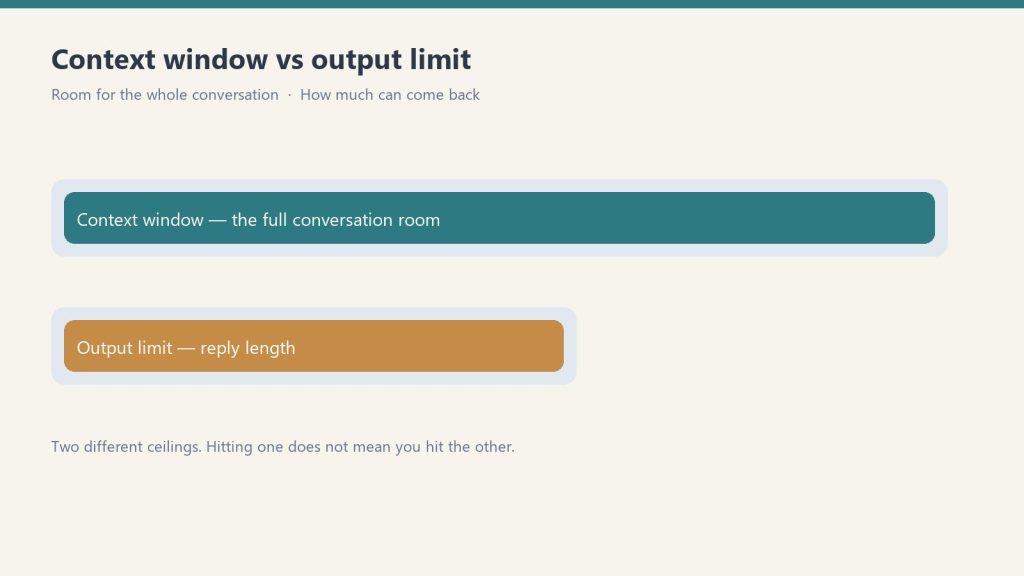
    The hardest problem in running an AI-native operation is not the AI — it’s the memory. Claude’s context window is large but finite. It resets between sessions. Every conversation starts from zero unless you engineer something that prevents it.

    For a solo operator running a complex business across multiple clients and entities, that reset is a real operational problem. The solution we built combines Notion as the human-readable knowledge layer with BigQuery as the machine-readable operational history — a persistent memory infrastructure that means Claude never truly starts from scratch.

    Here’s how the architecture works and why each layer exists.

    What is a BigQuery + Notion AI memory layer? A BigQuery and Notion AI memory layer is a two-tier persistent knowledge infrastructure where Notion stores human-readable operational knowledge — SOPs, decisions, project context — and BigQuery stores machine-readable operational history — publishing records, session logs, embedded knowledge chunks — that Claude can query during a live session. Together they provide Claude with both the institutional knowledge of the operation and the operational history of what has been done.

    Why Two Layers

    Notion and BigQuery solve different parts of the memory problem.

    Notion is optimized for human-readable, structured documents. An SOP in Notion is readable by a person and fetchable by Claude. But Notion isn’t a database in the traditional sense — it doesn’t support the kind of programmatic queries that make large-scale operational history navigable. Searching five hundred knowledge pages for a specific historical data point is slow and imprecise in Notion.

    BigQuery is optimized for exactly that: large-scale structured data that needs to be queried programmatically. Operational history — every piece of content published, every session’s decisions, every architectural change — lives in BigQuery as structured records that can be queried precisely and quickly. But BigQuery records aren’t human-readable documents. They’re rows in tables, useful for lookup and retrieval but not for the kind of contextual understanding that Notion pages provide.

    Together they cover the full memory requirement: Notion for what the operation knows and how things are done, BigQuery for what the operation has done and when.

    The Notion Layer: Structured Knowledge

    The Notion knowledge layer is the Knowledge Lab database — SOPs, architecture decisions, client references, project briefs, and session logs. Every page carries the claude_delta metadata block that makes it machine-readable: page type, status, summary, entities, dependencies, and a resume instruction.

    The Claude Context Index — a master registry page listing every key knowledge page with its ID, type, status, and one-line summary — is the entry point. At the start of any session touching the knowledge base, Claude fetches the index and identifies the relevant pages for the current task. The index-then-fetch pattern keeps context loading fast and targeted.

    What the Notion layer provides: the institutional knowledge of how the operation works, what has been decided, and what the constraints are for any given client or project. This is the layer that makes Claude operate consistently across sessions — not by remembering the previous session, but by reading the same underlying knowledge base that governed it.

    The BigQuery Layer: Operational History

    The BigQuery operations ledger is a dataset in Google Cloud that holds the operational history of the business: every content piece published with its metadata, every significant session’s decisions and outputs, every architectural change to the systems, and — most importantly — the embedded knowledge chunks that enable semantic search across the entire knowledge base.

    The knowledge pages from Notion are chunked into segments and embedded using a text embedding model. Those embedded chunks live in BigQuery alongside their source page IDs and metadata. When a session needs to find relevant knowledge that isn’t covered by the Context Index, a semantic search against the embedded chunks surfaces the right pages without requiring a manual search.

    What the BigQuery layer provides: operational history that’s too large and too structured for Notion pages, semantic search across the full knowledge base, and a machine-readable record of everything that has been done — which pieces of content exist, what was changed, what decisions were made and when.

    How Sessions Use Both Layers

    A typical session that requires deep operational context follows a pattern. Claude reads the Claude Context Index from Notion and identifies relevant knowledge pages. It fetches those pages and reads their metadata blocks. For operational history — “what has been published for this client in the last thirty days?” — it queries the BigQuery ledger directly. For knowledge gaps not covered by the index, it runs a semantic search against the embedded chunks.

    The result is a session that starts with genuine institutional context rather than a blank slate. Claude knows how the operation works, what the relevant constraints are, and what has happened recently — not because it remembers the previous session, but because all of that information is accessible in structured, retrievable form.

    The Maintenance Requirement

    Persistent memory infrastructure requires persistent maintenance. The Notion knowledge layer stays current through the regular SOP review cycle and the practice of documenting decisions as they’re made. The BigQuery layer stays current through automated sync processes that push new content records and session logs as they’re created.

    The sync isn’t fully automated in a set-and-forget sense — it requires periodic verification that records are being captured correctly and that the embedding model is processing new chunks accurately. But the maintenance overhead is modest: a few minutes of verification per week, and occasional manual intervention when a sync process fails silently.

    The system degrades if the maintenance lapses. A knowledge base that’s three months stale is worse than no knowledge base — it provides false confidence that Claude has current context when it doesn’t. The maintenance discipline is as important as the architecture.

    Interested in building this for your operation?

    The Notion + BigQuery memory architecture is advanced infrastructure. We build and configure it for operations that are ready for it — not as a first Notion project, but as the next layer on top of a working system.

    Tygart Media runs this infrastructure live. We know what the build and maintenance actually requires.

    See what we build →

    Frequently Asked Questions

    Why use BigQuery instead of just storing everything in Notion?

    Notion is optimized for human-readable structured documents, not for large-scale programmatic data queries. Storing thousands of operational history records — content publishing logs, session outputs, embedded knowledge chunks — in Notion creates performance problems and makes precise programmatic queries slow. BigQuery handles that scale trivially and supports the SQL queries and vector similarity searches that make the operational history actually useful. Notion and BigQuery do different things well; the architecture uses each for what it’s good at.

    Is this architecture accessible to non-engineers?

    The Notion layer is. The BigQuery layer requires comfort with Google Cloud infrastructure, SQL, and API integration. Building and maintaining the BigQuery ledger is an engineering task. For operators without that background, the Notion layer alone — the Knowledge Lab, the claude_delta metadata standard, the Context Index — provides significant value and is fully accessible without engineering support. The BigQuery layer is the advanced extension, not the foundation.

    What does “semantic search over embedded knowledge chunks” mean in practice?

    When knowledge pages are embedded, each page (or section of a page) is converted into a numerical vector that represents its meaning. Semantic search finds pages with vectors close to the query vector — pages that are conceptually similar to what you’re looking for, even if they don’t use the same words. In practice this means Claude can find relevant knowledge pages by describing what it needs rather than knowing the exact title or keyword. It’s significantly more reliable than keyword search for knowledge retrieval across a large, varied knowledge base.

  • Notion AI Review 2026: Is It Worth It If You Already Use Claude?

    Notion AI Review 2026: Is It Worth It If You Already Use Claude?

    Claude AI · Fitted Claude

    If you’re already running Claude as your primary AI system, Notion AI is a different question than it is for everyone else. For most users, Notion AI is evaluated against not having AI in their workspace at all. For operators already deep in Claude, the question is whether Notion AI adds enough on top of what Claude already does to justify the cost.

    The honest answer: it depends on how you work, and the overlap is larger than Notion’s marketing suggests.

    What is Notion AI? Notion AI is an add-on feature built into the Notion interface, powered by Anthropic’s Claude models, that allows users to draft, edit, summarize, and ask questions about content directly within Notion pages and databases. It costs an additional ten dollars per member per month on top of any Notion plan. As of 2026 it includes Q&A over your workspace, AI-assisted writing, and database intelligence features.

    What Notion AI Actually Does

    In-page writing assistance. Highlight text, invoke Notion AI, and get drafting help, tone adjustments, summaries, or rewrites without leaving the page. For teams doing a lot of writing inside Notion, the in-context availability is genuinely convenient — no context switching to a separate Claude tab.

    Q&A over your workspace. Ask Notion AI a question and it searches your workspace for relevant pages and synthesizes an answer. This is the feature with the most apparent overlap with what Claude can do via MCP — both can answer questions drawing on your Notion content.

    Database intelligence. Notion AI can generate text properties for database records, summarize page content into a field, and assist with populating structured data. Useful for automating some of the manual data entry that comes with maintaining large databases.

    Meeting notes and summaries. Summarize a long page, extract action items from meeting notes, generate a structured summary of a document. Standard AI summarization, accessible without leaving Notion.

    Where It Overlaps With Claude

    If you’re running Claude via MCP with your Notion workspace connected, there is significant overlap between what Notion AI does and what Claude can already do. Claude via MCP can read your Notion pages, answer questions about your workspace content, draft and edit content, and write back to Notion directly. These are the core Notion AI use cases.

    The overlap is not complete. Notion AI’s in-page convenience — invoking it directly within a page without any setup — is a real difference from Claude, which requires a separate interface. For team members who aren’t power Claude users, Notion AI’s accessibility matters. For a solo operator already running Claude sessions as the primary working mode, the convenience gap is smaller.

    Where Notion AI Adds Genuine Value

    Team accessibility. Notion AI requires no setup, no API configuration, no MCP server. For team members who need AI assistance within Notion but aren’t going to configure Claude integrations themselves, Notion AI is available immediately at the click of a button. If you’re the only person on your team who uses Claude deeply, Notion AI may be the right AI layer for everyone else.

    Database automation. The database intelligence features — generating and populating text fields, summarizing records — are more native and lower-friction than doing the same via Claude. For operations with large databases that need AI-assisted data population, this feature has real value.

    Inline editing speed. Selecting text and getting an AI rewrite in the same interface, without switching to Claude and copying content back, is faster for quick editing tasks. If a significant portion of your working day involves editing text inside Notion, the friction reduction is real.

    When to Skip It

    If you’re running Claude via MCP as your primary AI interface and doing most of your knowledge work in Claude sessions rather than in the Notion editor, Notion AI’s incremental value is limited. You already have Q&A over your workspace. You already have AI writing assistance. You already have the ability to read and write Notion content from Claude. The ten-dollar-per-month-per-member cost for Notion AI adds mostly convenience features on top of a capability you already have.

    The exception is if you have team members who need AI assistance within Notion but won’t use Claude independently. In that case, Notion AI’s accessibility for non-power users justifies the cost for those seats.

    Our Setup

    We don’t use Notion AI as a paid add-on. Claude via MCP covers the Q&A and workspace intelligence use cases. For in-page writing, the workflow of writing in Claude and pasting the result into Notion adds minimal friction compared to the ten-dollar monthly cost. The database intelligence features are interesting but not critical to how our pipeline works.

    That said, for teams where Notion is the primary working interface for multiple people who aren’t going to become Claude power users, Notion AI is probably worth the cost. The value calculation depends almost entirely on the team’s working style.

    Want help figuring out the right AI stack?

    We configure AI tool stacks for agencies and operators — Claude, Notion AI, MCP integrations, and the workflow architecture that connects them.

    Tygart Media runs a fully integrated Claude + Notion operation. We know where the tools overlap and where each adds distinct value.

    See what we build →

    Frequently Asked Questions

    Is Notion AI powered by Claude?

    Notion AI uses Anthropic’s Claude models as part of its underlying infrastructure, along with other AI providers. The specific model powering any given Notion AI feature isn’t always disclosed, and the implementation is different from using Claude directly — Notion AI is a packaged product built on top of AI models, not direct API access to Claude.

    Can Notion AI replace Claude for content creation?

    For basic writing assistance within Notion — drafting, editing, summarizing — Notion AI is adequate. For more complex content production, extended reasoning, system-level workflow integration, and the kind of context-aware assistance that comes from a well-configured Claude setup, Notion AI falls short. They serve different use cases even though there’s overlap in the middle.

    How much does Notion AI cost?

    Notion AI costs an additional ten dollars per member per month on top of any Notion plan. For a solo operator on the Plus plan, that’s roughly twenty dollars per month total. For a five-person team, it adds fifty dollars per month to the Notion bill. The cost is reasonable for teams that will use the features actively; it’s harder to justify for individuals already running Claude.

    Does Notion AI have access to my entire workspace?

    Notion AI’s Q&A feature searches across pages you have access to in your workspace. It does not index pages in private sections you don’t have access to, and it respects Notion’s existing permission structure. The AI assistant cannot access content outside your Notion workspace.

  • How to Build a Notion Knowledge Base That Claude Can Actually Use

    How to Build a Notion Knowledge Base That Claude Can Actually Use

    Claude AI · Fitted Claude

    A knowledge base Claude can actually use is not the same as a well-organized Notion workspace. A well-organized Notion workspace is readable by humans who know where to look. A knowledge base Claude can use is structured so Claude can find the right information, understand it in context, and act on it — without you manually directing every step.

    The gap between those two things is real, and most Notion setups fall on the wrong side of it. This is how to close it.

    What does it mean for a knowledge base to be Claude-ready? A Claude-ready knowledge base is structured so that Claude can fetch relevant pages, understand their content and context quickly, and act on them without manual context transfer from the user. It combines consistent metadata on every key page, a master index Claude fetches first, and a page structure that frontloads the most important information.

    The Core Problem: Claude Doesn’t Browse

    When you look for something in Notion, you navigate — you know roughly where things live, you scan headings, you follow links. Claude doesn’t navigate the same way. In a session, Claude fetches specific pages by ID or searches for them by keyword. It reads what’s there. It doesn’t browse a folder structure or follow a trail of internal links unless explicitly directed to.

    This means a knowledge base that works well for human navigation can be nearly unusable for Claude. Pages buried three levels deep under unlabeled parent pages, content that requires reading five hundred words before the relevant part, databases with no descriptions — all of these create friction that degrades Claude’s performance in a live session.

    The fix is structural: make the most important information findable without navigation, readable without extensive context, and consistently formatted so Claude knows where to look within any given page.

    The Metadata Block

    The single most important structural change is adding a metadata block to the top of every key knowledge page. Before any human-readable content, before the first heading, a brief structured summary tells Claude what the page is for and how to use it.

    The metadata block should include: what type of document this is (SOP, reference, decision log, project brief), what its current status is (active, evergreen, draft, deprecated), a two-to-three sentence plain-language summary of what the page contains, the business entities or projects it applies to, any other pages it depends on, and a single resume instruction — the most important thing to know before acting on this page’s content.

    With this block in place, Claude can read the metadata of twenty pages in the time it would otherwise take to read one page fully. The index-then-fetch pattern becomes viable: Claude reads the index, identifies which pages are relevant, fetches only those, reads the metadata blocks, and proceeds with accurate context.

    The Master Index

    The master index is a single Notion page that lists every key knowledge page in the workspace: its title, page ID, type, status, and one-line summary. Claude fetches this page at the start of any session that involves the knowledge base.

    The index doesn’t need to be comprehensive — it needs to cover the pages Claude will actually need. SOPs for recurring procedures, architecture decisions for the major systems, client reference documents for active engagements, and project briefs for work in progress. Everything else can be found via search if it’s needed.

    The index page should be updated whenever a significant new page is added to the knowledge base. It’s a lightweight maintenance task — add a row to a table, fill in four fields — that pays off every time a session starts with accurate orientation rather than a search.

    Page Structure That Frontloads Context

    Beyond the metadata block, the structure of individual pages matters for Claude’s performance. Pages that bury key information deep in the content — behind extensive background, after long introductions — require Claude to read more to extract less.

    The right structure for knowledge pages: metadata block first, then a one-paragraph summary of the page’s purpose and scope, then the operative content (the steps, the rules, the decisions), then background and rationale for anyone who needs it. The most important information is always near the top. Readers who need background scroll down; Claude gets what it needs from the first section.

    Keeping the Knowledge Base Current

    A knowledge base Claude can use today but not in three months is not actually useful — it creates false confidence that the system has current information when it doesn’t. The maintenance discipline is as important as the initial structure.

    Two mechanisms keep the knowledge base current without significant overhead. First, a Last Verified date on every page, with a periodic check for pages that haven’t been reviewed in more than ninety days. Second, a practice of updating the relevant knowledge page immediately when a procedure changes or a decision is revised — not after the fact, not in a quarterly review, but as part of the workflow that produced the change.

    The second mechanism is the harder one to establish. It requires treating knowledge documentation as part of the work, not as overhead separate from it. Once that practice is established, the knowledge base stays current almost automatically.

    Want this built for your operation?

    We build Claude-ready Notion knowledge bases — the metadata standard, the master index, and the page structure that makes your workspace a genuine AI operational asset.

    Tygart Media runs this architecture live. We know what makes a knowledge base useful for AI versus what just looks organized.

    See what we build →

    Frequently Asked Questions

    Can Claude search a Notion workspace?

    With the Notion MCP integration, Claude can search Notion by keyword and fetch specific pages by ID. It doesn’t browse folder structures the way a human would. This means the knowledge base needs to be structured for retrieval — with a master index and consistent metadata — rather than for navigation.

    What’s the difference between a Notion knowledge base and a wiki?

    A wiki is typically organized by topic for human browsing. A Claude-ready knowledge base is organized by function and structured for machine retrieval — with metadata blocks, a master index, and page structures that frontload key information. A wiki works well for human reference; a knowledge base structured for AI retrieval works for both humans and AI systems.

    How many pages should a knowledge base have?

    Enough to cover the procedures, decisions, and context that matter for the operation — typically thirty to one hundred pages for a small agency. More pages are not better. A knowledge base with two hundred pages of varying quality and currency is less useful than one with fifty consistently structured, current pages. Curation matters more than comprehensiveness.

  • Notion + Claude AI: How to Use Claude as Your Notion Operating System

    Notion + Claude AI: How to Use Claude as Your Notion Operating System

    Claude AI · Fitted Claude

    Notion is where the work lives. Claude is what thinks about it. That’s the simplest way to describe the integration — not Claude as a chatbot you open in a separate tab, but Claude as an active layer that reads your Notion workspace, reasons about what’s in it, and acts on it in real time.

    Most people using both tools treat them as separate. They take notes in Notion, then copy and paste context into Claude when they need help. That works, but it’s not an integration — it’s a clipboard operation. What we run is different: a structured Notion architecture that Claude can navigate directly, combined with a metadata standard that makes every key page machine-readable across sessions.

    This is how that system actually works.

    What does it mean to use Claude as a Notion operating system? Using Claude as a Notion OS means structuring your Notion workspace so Claude can fetch, read, and act on its contents during a live session — without you manually copying context. Your Notion workspace becomes Claude’s working memory: it knows where your SOPs live, what your current priorities are, and what decisions have already been made.

    Why the Default Approach Breaks Down

    The standard way people use Claude with Notion: open Claude, describe the project, paste in relevant content, do the work, close the session. Next session, start over.

    Claude has no memory between sessions by default. Every conversation starts from zero. If your operation has any meaningful complexity — multiple clients, ongoing projects, established decisions and constraints — rebuilding that context from scratch every session is expensive. It costs time, it introduces errors when you forget to mention something relevant, and it means Claude is always operating with incomplete information.

    The fix is not to paste more context. The fix is to architect your Notion workspace so Claude can retrieve the context it needs, when it needs it, without you managing that transfer manually.

    The Metadata Standard That Makes It Work

    The foundation of the integration is a consistent metadata structure at the top of every key Notion page. We call this standard claude_delta. Every SOP, architecture decision, project brief, and client reference document in our Knowledge Lab starts with a JSON block that looks like this:

    {
      "claude_delta": {
        "page_id": "unique-page-id",
        "page_type": "sop",
        "status": "evergreen",
        "summary": "Two to three sentence plain-language description of what this page contains and when to use it.",
        "entities": ["relevant business", "relevant project", "relevant tool"],
        "dependencies": ["other-page-id-this-depends-on"],
        "resume_instruction": "The single most important thing Claude needs to know to continue work on this topic without re-reading the entire page.",
        "last_updated": "2026-04-12T00:00:00Z"
      }
    }

    The metadata block serves two purposes. First, it gives Claude a structured, consistent entry point to any page — the summary and resume instruction mean Claude can orient itself in seconds rather than reading thousands of words. Second, it makes the page indexable: when we need to find the right page for a given task, Claude can scan metadata blocks rather than full page content.

    The Claude Context Index

    The metadata standard only works if Claude knows where to start. The Claude Context Index is a master registry page in our Notion workspace — the first thing Claude fetches at the start of any session that involves the knowledge base.

    The index contains a structured list of every major knowledge page: its title, page ID, page type, status, and a one-line summary. When Claude reads the index, it knows what exists, where it is, and which pages are relevant to the current task — without having to search or guess.

    In practice, a session starts like this: “Read the Claude Context Index and then let’s work on [task].” Claude fetches the index, identifies the relevant pages for that task, fetches those pages, and begins work with full context. The context transfer that used to take ten minutes of copy-paste happens in seconds.

    What Claude Can Actually Do Inside Notion

    With the Notion MCP (Model Context Protocol) integration active, Claude can do more than read — it can write back to Notion directly during a session. In our operation, Claude routinely:

    Creates new knowledge pages — when a session produces a decision, an SOP, or a reference document worth keeping, Claude writes it to Notion with the claude_delta metadata already applied. The knowledge base grows automatically as work happens.

    Updates project status — when a content piece is published, Claude logs the publication in the Content Pipeline database. When a task is complete, Claude marks it done. The databases stay current without a separate manual logging step.

    Reads SOPs mid-session — if a session reaches a step with an established procedure, Claude fetches the relevant SOP rather than improvising. This enforces consistency across sessions and across different types of work.

    Scans the task database — at the start of a working session, Claude can read the current P1 and P2 task list and surface anything that should be addressed before the session’s primary work begins.

    The Persistent Memory Layer

    The hardest problem in running an AI-native operation is context persistence. Claude’s context window is large but finite, and it resets between sessions. For any operation with meaningful ongoing complexity, that reset is a real problem.

    Our solution is a three-layer memory architecture:

    Layer 1: Notion Knowledge Lab. Human-readable SOPs, architecture decisions, project briefs, and reference documents. Claude fetches these at session start. Persistent across all sessions indefinitely.

    Layer 2: BigQuery operations ledger. A machine-readable database of operational history — what was published, what was changed, what decisions were made, and when. Claude can query this layer for operational data that would be too verbose to store in Notion pages. Currently holds several hundred knowledge pages chunked and embedded for semantic search.

    Layer 3: Session memory summaries. At the end of a significant session, Claude writes a summary of what was decided and done to a Notion session log page. The next session can start by reading the most recent session log, picking up exactly where the previous session ended.

    Together these three layers mean Claude never truly starts from zero — it has access to the institutional knowledge of the operation, the operational history, and the most recent session context.

    Building This for Your Own Operation

    The full architecture takes time to build correctly, but the core of it — the metadata standard and the Context Index — can be implemented in a few hours and provides immediate value.

    Start with five to ten of your most important Notion pages: your key SOPs, your main project references, your client guidelines. Add a claude_delta metadata block to the top of each. Create a simple index page that lists them with their IDs and summaries. Then start your next Claude session by telling Claude to read the index first.

    The difference in session quality is immediate. Claude operates with context it would otherwise need you to provide manually, makes decisions consistent with your established constraints, and produces output that fits your actual operation rather than a generic interpretation of it.

    From there, you can layer in the Notion MCP integration for write-back capability, build out the BigQuery knowledge ledger for operational history, and develop the session logging practice for continuity. But the metadata standard and the index are where the leverage is — everything else builds on top of them.

    What This Is Not

    This is not a plug-and-play integration. Notion’s native AI features and Claude are different products — Notion AI is built into the Notion interface and works on your pages directly, while Claude operates via API or the claude.ai interface with Notion access layered on through MCP. The architecture described here is a custom implementation, not a feature you turn on.

    It also requires discipline to maintain. The metadata standard only works if every important page follows it. The Context Index only works if it’s kept current. The session logs only work if they’re written consistently. The system degrades quickly if the documentation practice slips. That maintenance overhead is real — budget for it explicitly or the architecture will drift.

    Want this set up for your operation?

    We build and configure the Notion + Claude architecture — the metadata standard, the Context Index, the MCP integration, and the session logging system — as a done-for-you implementation.

    We run this system live in our own operation every day. We know what breaks without proper architecture and how to build it to last.

    See what we build →

    Frequently Asked Questions

    Does Claude have native Notion integration?

    Claude can connect to Notion through the Model Context Protocol (MCP), which allows it to read and write Notion pages and databases during a live session. This is not a built-in feature that requires no setup — it requires configuring the Notion MCP server and connecting it to your Claude environment. Once configured, Claude can fetch, create, and update Notion content directly.

    What is the difference between Notion AI and Claude in Notion?

    Notion AI is Anthropic-powered AI built natively into the Notion interface — it works directly on your pages for tasks like summarizing, drafting, and Q&A over your workspace. Claude operating via MCP is a separate implementation where Claude, running in its own interface, connects to your Notion workspace as an external tool. The MCP approach gives Claude more operational flexibility — it can combine Notion data with other tools, write complex logic, and operate across a full session — but requires more setup than Notion AI’s native features.

    What is the claude_delta metadata standard?

    Claude_delta is a JSON metadata block added to the top of key Notion pages that makes them machine-readable for Claude. It includes the page type, status, a plain-language summary, relevant entities, dependencies, a resume instruction for picking up work in progress, and a timestamp. The standard makes it possible for Claude to orient itself to any page quickly and consistently, without reading the full content every time.

    Can Claude write back to Notion automatically?

    Yes, with the Notion MCP integration active. Claude can create new pages, update existing records, add database entries, and modify page content during a session. This enables workflows where Claude logs its own outputs — publishing records, session summaries, decision logs — directly to Notion without a manual step.

    How do you handle Claude’s context limit with a large Notion workspace?

    The metadata standard and Context Index approach addresses this directly. Rather than loading the entire workspace into context, Claude fetches only the pages relevant to the current task. The index tells Claude what exists; the metadata tells Claude whether a page is worth fetching in full. For operational history too large for context, a separate database layer (we use BigQuery) handles storage and semantic retrieval, with Claude querying it for specific data rather than ingesting it wholesale.

  • Claude vs Microsoft Copilot: Which AI Is Right for Your Workflow in 2026?

    Claude vs Microsoft Copilot: Which AI Is Right for Your Workflow in 2026?

    Claude AI · Fitted Claude

    Claude and Microsoft Copilot are both used for professional AI assistance, but they’re fundamentally different products solving different problems. Copilot is an AI layer built into the Microsoft 365 ecosystem — Word, Excel, PowerPoint, Teams, Outlook. Claude is a standalone AI model built for reasoning, analysis, and flexible integration. Choosing between them depends almost entirely on what you’re trying to do and where you work.

    Short version: If you’re deeply embedded in Microsoft 365 and want AI assistance inside Word, Excel, and Teams — Copilot is the right tool. If you need advanced reasoning, long-document analysis, custom integrations, or you’re not primarily a Microsoft shop — Claude is stronger.

    Claude vs Microsoft Copilot: Head-to-Head

    Capability Claude Microsoft Copilot Edge
    Microsoft 365 integration Via MCP connectors ✅ Native (Word, Excel, Teams) Copilot
    Context window 1M tokens (Sonnet/Opus) 128K tokens Claude
    Reasoning quality ✅ Stronger Good (GPT-4o backend) Claude
    Writing quality ✅ Stronger Good Claude
    Image generation ❌ Not included ✅ DALL-E 3 (Copilot Pro) Copilot
    Email access (Outlook) Via Gmail MCP connector ✅ Native Outlook access Copilot (for Outlook users)
    Custom integrations ✅ Any API via MCP Primarily M365 ecosystem Claude
    Non-Microsoft tools ✅ Flexible Limited Claude
    Enterprise compliance (SSO, audit) ✅ Via Claude Enterprise ✅ Via Microsoft 365 governance Tie — different ecosystems
    Consumer pricing Free tier + $20/mo Pro Free tier + $20/mo Copilot Pro Roughly equal
    Agentic coding ✅ Claude Code ✅ GitHub Copilot (separate product) Both — different tools
    Not sure which to use?

    We’ll help you pick the right stack — and set it up.

    Tygart Media evaluates your workflow and configures the right AI tools for your team. No guesswork, no wasted subscriptions.

    What Copilot Does Better

    Microsoft 365 native integration. This is Copilot’s core advantage and it’s meaningful. Copilot lives inside Word, Excel, PowerPoint, Teams, and Outlook. It has native access to your Microsoft Graph data — emails, calendar, documents, meetings — and can surface relevant context from your organization’s data without you needing to copy and paste anything. If you’re working inside these applications all day, Copilot is frictionless.

    Image generation. Copilot Pro includes DALL-E 3 image generation. Claude doesn’t generate images in its web interface. For workflows that combine writing and visual creation, Copilot Pro has a functional advantage.

    Existing Microsoft governance. For organizations already using Microsoft Purview, Intune, and Entra ID for compliance, Copilot inherits that existing governance framework — no new vendor relationship or separate compliance work required.

    What Claude Does Better

    Context window. Claude’s 1M token context window is roughly 8x Copilot’s 128K. For analyzing large document stacks, lengthy contract portfolios, or extended research contexts, Claude processes significantly more at once.

    Reasoning and writing quality. Copilot uses GPT-4o as its backend — capable, but Claude’s reasoning on complex tasks and writing quality on professional documents consistently rate higher in head-to-head comparisons. For strategic analysis, contract review, complex report generation, and nuanced writing — Claude is the stronger tool.

    Ecosystem independence. Copilot’s value is maximized inside Microsoft’s ecosystem — and reduced significantly outside it. Claude works with any system: via the API, MCP connectors across dozens of services, or direct file upload. If your team uses Google Workspace, Notion, Slack, or a mix of tools, Claude integrates without friction. Copilot requires significant custom development to connect to non-Microsoft systems.

    Flexibility for builders. Claude’s API and MCP architecture lets developers connect it to any data source or system. Copilot is primarily a user-facing product; building custom applications with it requires Microsoft’s more constrained extension model.

    The Typical Enterprise Decision

    Many organizations end up using both: Copilot for daily productivity tasks inside Office — drafting emails, summarizing meetings, building Excel formulas — and Claude for higher-stakes analytical work, long-document processing, and custom integrations. The tools are complementary rather than mutually exclusive.

    Organizations considering switching from a full Microsoft shop to Claude should evaluate switching costs carefully. If your email, calendar, documents, and collaboration are all in Microsoft 365, Copilot’s access to that unified data graph has genuine value that Claude would need custom MCP work to replicate.

    For Claude Enterprise pricing and compliance features, see Claude Enterprise Pricing. For Claude’s MCP integration ecosystem, see Claude Integrations: Complete List of What Claude Connects To.

    Frequently Asked Questions

    Is Claude better than Microsoft Copilot?

    For reasoning, long-document analysis, writing quality, and flexible integrations — yes. For daily productivity inside Microsoft 365 (Word, Excel, Teams, Outlook) — Copilot is purpose-built and more frictionless. The right choice depends on where you spend most of your workday.

    What’s the difference between Claude and Microsoft Copilot?

    Claude is a standalone AI model from Anthropic — accessible via web, desktop, mobile, and API, with a 1M token context window and strong reasoning. Microsoft Copilot is an AI layer built into Microsoft 365, using GPT-4o as its backend, with native access to your Outlook, Teams, Word, and Excel data. Fundamentally different designs for different workflows.

    Can I use both Claude and Microsoft Copilot?

    Yes, and many organizations do. The common approach: Copilot for daily Office tasks (email, meetings, documents), Claude for analytical work, complex reasoning, and building custom integrations. At $20/month each, running both is $40/month — a common setup for knowledge workers.

    Need this set up for your team?
    Talk to Will →

  • Grok vs Claude: Which AI Wins in April 2026?

    Grok vs Claude: Which AI Wins in April 2026?

    Claude AI · Fitted Claude

    Grok is xAI’s AI assistant, built by Elon Musk’s company and deeply integrated with the X (formerly Twitter) platform. Claude is Anthropic’s AI, built with a focus on safety and reasoning. They’re both frontier models — but they come from fundamentally different companies with different philosophies and different strengths. Here’s where each one wins.

    Current models (April 2026): Claude Sonnet 4.6 and Opus 4.6 (Anthropic) vs Grok 4 and Grok 4.1 (xAI). Grok 4.20 — a new multi-agent architecture — was reportedly in development as of Q1 2026 but not yet publicly released.

    Grok vs Claude: Direct Comparison

    Capability Grok 4 / 4.1 Claude Sonnet 4.6 / Opus 4.6 Edge
    Real-time X/Twitter data ✅ Native Via web search Grok
    Writing quality Good ✅ Stronger Claude
    SWE-bench (coding) ~75% (Grok 4 Fast) 80.8% (Opus 4.6) Claude Opus
    Context window ~128K tokens 1M tokens (Sonnet/Opus) Claude
    API pricing (input) ~$2/M (Grok 4.1 Fast) $3/M (Sonnet), $5/M (Opus) Grok (cheaper)
    Consumer subscription $22/mo (X Premium+) $20/mo (Claude Pro) Claude (slightly cheaper)
    Safety / refusal calibration Less restrictive ✅ Constitutional AI Depends on use case
    Enterprise / compliance Limited ✅ SSO, audit logs, BAA Claude
    Agentic coding tool Limited ✅ Claude Code Claude
    Not sure which to use?

    We’ll help you pick the right stack — and set it up.

    Tygart Media evaluates your workflow and configures the right AI tools for your team. No guesswork, no wasted subscriptions.

    What Grok Does Better

    Real-time X data. Grok’s native integration with X (Twitter) is a genuine differentiator — it can surface trending discussions, current sentiment, and breaking information from the platform in real time. If your work involves monitoring X, tracking social trends, or understanding current public discourse, this is an advantage no other model matches natively.

    Cost at the API level. Grok 4.1 Fast’s API pricing runs below Claude Sonnet on input tokens, making it attractive for high-volume workloads where cost per call is the primary consideration and you’re comfortable with the tradeoffs.

    Less restrictive outputs. Grok is designed to be less filtered than Claude. For users who find Claude’s safety calibration frustrating on specific use cases, Grok may produce responses Claude declines. Whether this is an advantage depends entirely on what you’re trying to do.

    What Claude Does Better

    Context window. Claude Sonnet 4.6 and Opus 4.6 both have 1 million token context windows — roughly 8x Grok’s current context capacity. For long-document analysis, extended coding sessions, or large codebase comprehension, this is a meaningful operational difference.

    Writing quality and instruction-following. On professional writing tasks — analysis, strategy documents, legal review, editorial content — Claude consistently produces more natural, constraint-adherent output. This is where Claude’s reputation was built and it remains a genuine advantage.

    Coding benchmarks. Claude Opus 4.6 scores 80.8% on SWE-bench Verified (real-world software engineering tasks), with Sonnet 4.6 close behind at 79.6%. Grok 4 is competitive but Claude’s overall coding ecosystem — especially Claude Code — gives it a practical advantage for development workflows.

    Enterprise features. Claude Enterprise offers SSO, audit logs, HIPAA BAA, configurable usage policies, and data processing agreements. Grok’s enterprise offering is less mature — meaningful for organizations with compliance requirements.

    The User Base Difference

    Grok’s primary audience is X users — people already on the platform who get Grok access as part of X Premium+. Claude’s primary audience is knowledge workers, developers, and enterprises who seek out a capable AI model. These different starting points shape each model’s design priorities and where each company invests in improvements.

    For the broader comparison of Claude against all major AI models, see Claude Models Explained and Claude vs ChatGPT: The Honest 2026 Comparison.

    Frequently Asked Questions

    Is Grok better than Claude?

    For real-time X/Twitter data and less filtered outputs — yes. For writing quality, long-context work, coding (via Claude Code), and enterprise compliance — Claude is stronger. Neither is definitively better; they have different strengths for different workflows.

    What is Grok’s advantage over Claude?

    Grok’s clearest advantage is real-time X/Twitter data integration — it can access and analyze current X activity natively. Grok 4.1 Fast also runs cheaper per token than Claude Sonnet at the API level, making it attractive for cost-sensitive high-volume workloads.

    Is Grok free to use?

    Grok has a free tier with limited access. Full Grok access requires X Premium+ ($22/month). Claude has a free tier with daily limits; Claude Pro is $20/month. Both have similar consumer price points with different bundling — Grok is tied to X, Claude is a standalone subscription.

    Need this set up for your team?
    Talk to Will →

  • Claude for Government: Compliance, Pricing, and Deployment Options

    Claude for Government: Compliance, Pricing, and Deployment Options

    Claude AI · Fitted Claude

    Government agencies using Claude need to think about data residency, compliance, security, and procurement — not just capability. Here’s what Anthropic offers for government use, what the compliance landscape looks like, and the key considerations before deploying Claude in a public sector context.

    Note on federal use: Anthropic’s relationship with federal agencies is an evolving area. As of April 2026, Claude is available to government customers through Anthropic’s Enterprise plan and via cloud providers (AWS Bedrock, Google Vertex AI). Organizations should verify current compliance certifications and procurement options directly with Anthropic’s government sales team.

    How Government Agencies Access Claude

    Government agencies have three primary paths to Claude:

    Before You Talk to Anthropic Sales

    I help teams assess Claude fit and avoid overpaying before they enter a sales process. Free 15-minute call — no pitch.

    Email Will First → will@tygartmedia.com

    Anthropic direct (Enterprise plan). The Enterprise plan includes SSO/SAML, audit logs, data processing agreements, custom usage limits, and the ability to negotiate a Business Associate Agreement for HIPAA-regulated workloads. Government-specific compliance certifications and data handling requirements are discussed during Enterprise sales negotiations. Contact claude.com/contact-sales.

    AWS Bedrock. Claude models are available on AWS GovCloud and standard AWS Bedrock, which carries FedRAMP authorizations relevant to federal procurement. Organizations already on AWS infrastructure can access Claude via Bedrock within their existing cloud agreement and authorization boundary.

    Google Vertex AI. Claude is available on Google Cloud Vertex AI, which also has FedRAMP authorizations and is available to government customers through Google’s public sector programs.

    Data Residency and Compliance

    Government data sovereignty is a primary concern. Key compliance considerations when deploying Claude:

    • US-only inference — Anthropic offers US-only inference at 1.1x standard token pricing for workloads that must remain within US infrastructure.
    • FedRAMP — Available through AWS Bedrock and Google Vertex AI, which carry FedRAMP authorizations. Anthropic’s direct API does not currently carry independent FedRAMP authorization.
    • HIPAA — Business Associate Agreements are available on the Enterprise plan for healthcare agencies handling regulated data.
    • Data processing agreements — Enterprise plan includes DPAs covering how Anthropic processes and stores data.
    • Audit logs — Enterprise includes comprehensive audit logging for compliance reporting and security review.

    Government Use Cases

    Document analysis and summarization. Processing large volumes of policy documents, research reports, constituent correspondence, and regulatory filings. Claude’s 1M token context window handles substantial document stacks in a single session.

    Internal knowledge management. Building searchable knowledge bases from internal documentation, policy manuals, and institutional knowledge. Claude can be connected to internal document repositories via the API.

    Communications drafting. Drafting public-facing communications, internal memos, regulatory filings, and reports at scale — with human review before publication.

    Research synthesis. Summarizing research across large bodies of literature for policy analysis, regulatory review, or program evaluation.

    Code and systems development. Government IT teams use Claude Code and the API to build internal tools, modernize legacy system documentation, and accelerate software development.

    What Government Agencies Should Know About Claude’s Safety Posture

    Claude’s Constitutional AI training makes it more resistant to manipulation and more consistent in declining harmful requests than many alternatives — a meaningful consideration for public sector deployments where abuse of AI systems can carry regulatory or political consequences. The constitutional hierarchy (Anthropic training → operator system prompt → user input) means agency IT teams can configure behavior through system prompts to align with agency policies.

    For full Enterprise plan details including SSO, audit logs, and compliance features, see Claude Enterprise Pricing: What It Costs and What It Includes.

    Frequently Asked Questions

    Can government agencies use Claude?

    Yes. Government agencies access Claude through Anthropic’s Enterprise plan (direct) or via AWS Bedrock and Google Vertex AI, which carry FedRAMP authorizations. Anthropic also offers US-only inference at 1.1x standard pricing for data residency requirements.

    Is Claude FedRAMP authorized?

    Claude is available through AWS Bedrock and Google Vertex AI, both of which carry FedRAMP authorizations. Anthropic’s direct API does not currently carry an independent FedRAMP authorization. For federal procurement requiring FedRAMP, the cloud provider pathway is the current route.

    Does Anthropic offer government pricing for Claude?

    Government pricing is handled through Enterprise negotiations. Note that government agencies are specifically excluded from the Claude for Nonprofits discount program — they require a separate Enterprise agreement. Contact Anthropic’s sales team at claude.com/contact-sales for government-specific pricing discussions.

    Want this for your workflow?

    We set Claude up for teams in your industry — end-to-end, fully configured, documented, and ready to use.

    Tygart Media has run Claude across 27+ client sites. We know what works and what wastes your time.

    See the implementation service →

    Need this set up for your team?
    Talk to Will →

  • Claude for Nonprofits: Discount Pricing, Eligibility, and How to Apply

    Claude for Nonprofits: Discount Pricing, Eligibility, and How to Apply

    Claude AI · Fitted Claude

    Anthropic offers a Claude for Nonprofits program with up to 75% off Team and Enterprise plans for qualifying 501(c)(3) organizations. The discount makes the Team Standard plan available at approximately $8/user/month — a significant reduction from the standard $25/user/month annual rate.

    Who qualifies: 501(c)(3) nonprofits and international equivalents. K-12 public and private schools. Mission-based healthcare organizations (Critical Access Hospitals, FQHCs, Rural Health Clinics). Government agencies, political organizations, higher education institutions, and large healthcare systems are not eligible.

    Claude for Nonprofits: What’s Included

    Benefit Details
    Plan discount Up to 75% off Team and Enterprise plans — Team Standard ~$8/user/month (5-user minimum)
    Model access Opus 4.6, Sonnet 4.6, Haiku 4.5
    API access For custom application development and automation workflows
    MCP connectors Specialized integrations with Benevity (2.4M+ validated nonprofits), Blackbaud (donor management), and Candid (grant data)
    Training Free AI Fluency for Nonprofits course co-created with Giving Tuesday — no technical background required
    Shared Projects Team collaboration features for shared knowledge bases and workflows

    How Nonprofits Use Claude

    Grant writing. Claude helps research funders, draft grant proposals, and strengthen methodology sections — one of the highest-leverage applications for nonprofits with limited staff.

    Impact reporting. Synthesizing program data into donor reports, summarizing complex outcomes into readable narratives, and formatting impact metrics for different audiences.

    Donor communications. Drafting personalized acknowledgment letters, appeal emails, and stewardship content at scale without additional staff.

    Document analysis. Processing large volumes of text — research reports, policy documents, community feedback — and extracting key insights. Claude’s 1M token context window handles substantial document stacks.

    Custom tools via the API. Technical nonprofits can use the Claude API to build grant management systems, case management integrations, and program data dashboards tailored to their specific workflows.

    Eligibility: Who Qualifies and Who Doesn’t

    Eligible organizations:

    • 501(c)(3) nonprofits and international equivalents
    • K-12 public and private schools
    • Mission-based healthcare: Critical Access Hospitals, Federally Qualified Health Centers, Rural Health Clinics

    Not eligible:

    • Government agencies
    • Political organizations
    • Higher education institutions (covered under a separate Education program)
    • Large healthcare systems

    API Grants for Nonprofits

    Beyond the subscription discount, Anthropic runs grant programs for nonprofits through their social impact initiatives. These typically provide API credits rather than subscription discounts, covering organizations working in education, healthcare, environmental research, humanitarian response, and scientific research. The application involves demonstrating nonprofit status and describing the intended use case. Contact Anthropic directly through their website for current grant program details and eligibility.

    How to Apply

    Before You Talk to Anthropic Sales

    I help teams assess Claude fit and avoid overpaying before they enter a sales process. Free 15-minute call — no pitch.

    Email Will First → will@tygartmedia.com

    The Claude for Nonprofits program is applied for through Anthropic’s sales team. Visit claude.com/contact-sales and specify that you’re applying for nonprofit pricing. You’ll need to provide documentation of your nonprofit status (501(c)(3) determination letter or equivalent) and describe your intended use case.

    For a comparison of all Claude plans including the standard Team pricing, see Claude Team Plan: What’s Included and Who It’s For.

    Frequently Asked Questions

    Does Anthropic offer nonprofit pricing for Claude?

    Yes. The Claude for Nonprofits program offers up to 75% off Team and Enterprise plans for qualifying 501(c)(3) organizations, K-12 schools, and mission-based healthcare organizations. Team Standard becomes approximately $8/user/month. API credits are also available through Anthropic’s grant programs.

    Can nonprofits use Claude for free?

    Not entirely free — the program offers discounted pricing rather than free access. API credit grants from Anthropic’s social impact programs can offset or eliminate costs for eligible workloads. The Claude free tier is available to everyone including nonprofits at no cost, but has usage limits.

    How do nonprofits apply for Claude discounts?

    Contact Anthropic’s sales team at claude.com/contact-sales and specify you’re applying for nonprofit pricing. Have your 501(c)(3) determination letter or equivalent ready and be prepared to describe your intended use case and organization size.

    Need this set up for your team?
    Talk to Will →

  • Claude for Education: How the University Program Works and How to Get Access

    Claude for Education: How the University Program Works and How to Get Access

    Claude AI · Fitted Claude

    Claude for Education is Anthropic’s official program for higher education institutions — a university-wide plan that gives enrolled students, faculty, and staff access to Claude’s premium features, including advanced models, learning mode, and API credits for research. It’s institution-facing, not student-facing: your university signs up, and access flows through your .edu email.

    Access: claude.com/solutions/education — for institutions. If your university is already a partner, sign in to claude.ai with your .edu email and your account will be upgraded automatically.

    What Claude for Education Includes

    Feature What it means for your institution
    Campus-wide access Students, faculty, and staff all covered under one institutional agreement
    Learning mode Claude guides students through problems rather than just giving answers — designed to build understanding, not bypass it
    API credits for research Faculty can access the Claude API to accelerate research — dataset analysis, text processing, building learning tools
    Claude Code access Students in technical programs get Claude Code for pair programming and software development learning
    Training and support Anthropic provides implementation resources and ongoing support for faculty and administrators
    Data compliance Anthropic only uses data for training with explicit permission; security standards meet institutional compliance needs

    How to Get Your Institution Enrolled

    The Claude for Education program is applied for by institutions, not individual students. The process runs through Anthropic’s sales team:

      Before You Talk to Anthropic Sales

      I help teams assess Claude fit and avoid overpaying before they enter a sales process. Free 15-minute call — no pitch.

      Email Will First → will@tygartmedia.com

    1. Visit claude.com/contact-sales/education-plan
    2. Submit your institution’s information and intended use case
    3. Anthropic reviews and negotiates the institutional agreement
    4. Once enrolled, students and staff access Claude by signing in with their .edu email

    If you’re a student or faculty member who wants your institution to join, raise it with your IT department, library services, or educational technology office. Anthropic’s first confirmed design partner is Northeastern University (50,000 students and staff across 13 campuses worldwide), and the partner list has been expanding through 2025 and 2026.

    Learning Mode: What Makes the Education Program Different

    The distinctive feature of Claude for Education is learning mode — Claude’s approach shifts from answering questions to guiding students toward answers. Rather than writing the essay or solving the problem directly, Claude asks clarifying questions, prompts reflection, and helps students develop their own reasoning. Anthropic designed this explicitly to strengthen critical thinking rather than bypass it.

    This is a meaningful distinction from standard Claude Pro: the same powerful model, but oriented toward building understanding rather than delivering outputs. For educators concerned about AI undermining the learning process, learning mode is Anthropic’s answer.

    Claude for Education vs Claude for Research

    Faculty and researchers at accredited institutions who need API access for research projects can also apply for Anthropic’s grant programs independently of the campus-wide Education plan. These grants typically provide API credits for research workloads — analyzing datasets, processing large text corpora, building research tools — rather than subscription discounts. Contact Anthropic through their research or social impact team for grant program information.

    Student Programs Within the Education Ecosystem

    Alongside the institutional program, Anthropic runs student-facing programs that provide individual access:

    • Campus Ambassadors — Selected students receive Pro access and API credits in exchange for leading AI education initiatives on campus. Applications open periodically; watch claude.com/solutions/education for current status.
    • Builder Clubs — Student clubs that organize hackathons and demos receive Pro access and monthly API credits. Open to all majors.

    For a full breakdown of how students can access Claude at reduced cost, see Claude Student Discount: The Truth and Legitimate Ways to Save.

    Frequently Asked Questions

    What is Claude for Education?

    Claude for Education is Anthropic’s institutional program for universities — a campus-wide plan covering students, faculty, and staff with premium Claude access including learning mode, API credits for research, and Claude Code. It’s applied for by institutions through Anthropic’s sales team, not individual students.

    How do I access Claude for Education as a student?

    Sign in to claude.ai with your .edu email. If your institution is an Anthropic education partner, your account will be upgraded automatically. If not, ask your IT department or library about joining the program. Alternatively, apply for the Campus Ambassador program or join a Builder Club if available at your school.

    Is Claude for Education free for students?

    For students at partner institutions, yes — access is free through the institutional agreement. Anthropic and the university negotiate the pricing; it’s not passed on to individual students. For students at non-partner schools, there is no individual student pricing — the standard free and paid plans apply.

    Confirmed Claude for Education Partners

    The Claude for Education program has expanded significantly since launch. Confirmed institutional partners and program collaborations include:

    University-Wide Campus Agreements

    • Northeastern University — Anthropic’s first university design partner, providing access to 50,000 students, faculty, and staff across 13 global campuses. Northeastern is collaborating directly with Anthropic on best practices for AI integration in higher education and frameworks for responsible AI adoption.
    • London School of Economics and Political Science (LSE) — Campus-wide rollout focused on equity of access, ethics, and skills development for students entering an AI-transformed workforce.
    • Champlain College — Vermont-based institution with full campus access for students, faculty, and administrators.

    Multi-Institution Programs

    • CodePath Partnership — Anthropic partnered with CodePath, the nation’s largest provider of collegiate computer science education, to put Claude and Claude Code at the center of CodePath’s curriculum. The partnership reaches more than 20,000 students at community colleges, state schools, and HBCUs. Over 40% of CodePath students come from families earning under $50,000 a year, making this program a meaningful equity initiative. Courses include Foundations of AI Engineering, Applications of AI Engineering, and AI Open-Source Capstone.
    • American Federation of Teachers (AFT) — Anthropic is partnering with AFT to offer free AI training to AFT’s 1.8 million members across the United States.
    • Internet2 — Anthropic joined the Internet2 community and is participating in a NET+ service evaluation, working toward broader integration with research and education networks.
    • Instructure — Partnership to embed Claude into Canvas LMS, Instructure’s learning management system used by thousands of institutions.

    International Education Initiatives

    • Iceland — One of the world’s first national AI education pilots, launched with the Icelandic Ministry of Education and Children, providing teachers across the country access to Claude.
    • Rwanda — Partnership with the Rwandan government and ALX bringing a Claude-powered learning companion to hundreds of thousands of students and young professionals across Africa.

    U.S. Federal Commitment

    Anthropic signed the White House’s “Pledge to America’s Youth: Investing in AI Education,” committing to expand AI education nationwide through investments in cybersecurity education, the Presidential AI Challenge, and a free AI curriculum for educators.

    If your institution isn’t on this list, the program is actively expanding — application is through Anthropic’s education team at claude.com/contact-sales/education-plan.

    Claude for Education vs ChatGPT Edu

    Anthropic’s Claude for Education and OpenAI’s ChatGPT Edu are the two major institutional AI offerings competing for higher education partnerships. Both provide campus-wide access at negotiated institutional rates rather than individual student pricing. Here’s how they compare:

    Feature Claude for Education ChatGPT Edu
    Launched April 2025 May 2024
    Pedagogical approach Learning Mode — guides reasoning rather than providing answers directly Standard ChatGPT interface with educator controls
    First design partner Northeastern University University of Pennsylvania (Wharton)
    Notable partners Northeastern, LSE, Champlain, CodePath (20,000+ students) Columbia, Wharton, Oxford, California State University system
    Data privacy default Conversations not used for model training without explicit permission Enterprise-grade privacy with admin controls
    LMS integration Canvas (via Instructure partnership) Multiple LMS integrations available
    Pricing Negotiated per institution; not publicly disclosed Negotiated per institution; not publicly disclosed

    The most distinctive difference is pedagogical philosophy. Claude’s Learning Mode is purpose-built around guided reasoning — Claude is designed to ask questions, prompt students to think through problems, and develop critical thinking rather than provide direct answers. ChatGPT Edu provides the standard ChatGPT experience with administrative controls layered on top.

    For institutions deciding between the two, the real evaluation criteria are usually: which model performs best for your dominant use cases (Claude tends to lead on writing, analysis, and reasoning; ChatGPT often leads on multimodal generation), which integrates better with your existing LMS, and which vendor’s pricing and contract terms work for your procurement process.

    What Claude for Education Actually Costs

    Anthropic does not publish standard pricing for Claude for Education. The program is sold as institutional agreements negotiated between Anthropic’s education team and the school. The factors that drive pricing typically include:

    • Number of users — students, faculty, and staff who will receive access
    • Scope of access — which Claude features, models, and tools are included
    • API credit allocation — for faculty research and student builder projects
    • Contract length — multi-year commitments often produce better per-user economics
    • Compliance and integration requirements — SSO, SCIM, Canvas integration, and other institutional infrastructure

    For institutions sizing their budget before formal conversations, the practical reference point is what Anthropic charges enterprise customers. Anthropic’s Enterprise plan provides per-seat pricing in a similar institutional structure — though education program pricing is typically more favorable than commercial Enterprise rates given Anthropic’s strategic interest in academic adoption.

    The fastest way to get accurate pricing for your institution is to contact Anthropic’s education team at claude.com/contact-sales/education-plan with your user count and use case priorities.

    Building the Case for Your University to Adopt Claude for Education

    If you’re a faculty member, IT administrator, or student trying to get your institution to adopt Claude for Education, the following points have been most effective in conversations with academic procurement teams:

    Pedagogical Alignment

    Claude’s Learning Mode is purpose-built around guided reasoning rather than answer-delivery. This addresses one of the most common faculty objections to AI in education: that students will use AI to bypass learning rather than enhance it. Learning Mode is the structural answer — Claude is designed to prompt students to think rather than think for them.

    Privacy and Compliance

    Anthropic provides explicit assurance that student and faculty conversations are not used for model training without permission. Security standards meet the compliance requirements typical of higher education procurement, including data residency considerations and audit controls. For institutions with FERPA requirements, the Education program is structured to support compliant deployment.

    Equity of Access

    Campus-wide access through institutional agreement removes the financial barrier that exists when AI tools are accessed by individual paid subscriptions. Students from lower-income backgrounds get the same access as students who could otherwise afford a $20/month Pro plan — eliminating an emerging form of academic inequality.

    Research Capability

    Faculty and graduate researchers gain access to API credits and the 1M token context window for processing large datasets, conducting literature reviews, analyzing research corpora, and building research tools. This is meaningful capability that would otherwise require individual API budgets.

    Integration with Existing Infrastructure

    The Instructure partnership for Canvas LMS integration and the Internet2 NET+ service evaluation reduce the integration burden on institutional IT teams. Claude for Education is designed to plug into the existing edtech stack rather than require a parallel system.

    Practical Next Steps for Internal Advocates

    1. Document specific use cases at your institution — what would students, faculty, and administrators actually do with Claude
    2. Identify a faculty champion or department head willing to sponsor a pilot
    3. Connect with your institution’s IT or educational technology office to understand procurement requirements
    4. Have your institutional leadership contact Anthropic at claude.com/contact-sales/education-plan for a formal evaluation conversation

    Claude for K-12 and Teacher Training

    While Claude for Education is primarily focused on higher education institutions, Anthropic has expanded into K-12 and teacher development through several pathways:

    • American Federation of Teachers partnership — Free AI training for AFT’s 1.8 million teacher members. This is one of the largest teacher AI training initiatives in the U.S.
    • Iceland national pilot — National-scale AI education pilot with the Icelandic Ministry of Education and Children, providing classroom teachers across the country access to Claude. This is one of the world’s first national-scale AI education programs.
    • White House Pledge to America’s Youth — Anthropic’s commitment to expand AI education through cybersecurity education investments, the Presidential AI Challenge, and free AI curriculum for educators.

    For K-12 schools and individual teachers wanting to bring Claude into the classroom, the formal Education program is currently structured around higher education. K-12 institutions interested in formal partnerships should still reach out via the Education contact channel — Anthropic has been expanding into K-12 through targeted pilots and may have programs available depending on the school’s profile.

    Additional Frequently Asked Questions

    Which universities have Claude for Education access?

    Confirmed campus-wide partners include Northeastern University, the London School of Economics and Political Science, and Champlain College. The CodePath partnership extends Claude access to more than 20,000 students at community colleges, state schools, and HBCUs across the U.S. Internationally, Iceland and Rwanda have national-scale education partnerships. The partner list is actively expanding.

    How is Claude for Education different from Claude Pro?

    Claude Pro is an individual paid subscription at $20/month. Claude for Education is an institutional agreement that provides equivalent access (and often more, including API credits and Learning Mode) to all students, faculty, and staff at participating institutions. Education access is funded by the institution rather than the individual student.

    Does Claude for Education include Claude Code?

    Claude Code access depends on the specific institutional agreement. The CodePath partnership specifically integrates Claude Code into the curriculum, indicating that Claude Code is available within Education program agreements when negotiated. Institutions should confirm Claude Code inclusion as part of their procurement conversation.

    How long does the Claude for Education evaluation process take?

    The timeline varies by institution. Initial conversation through formal contract typically takes weeks to months depending on the institution’s procurement process, security review requirements, and contract complexity. Anthropic’s education team can provide a more specific timeline based on your institutional requirements.

    Can community colleges and smaller institutions join Claude for Education?

    Yes. The CodePath partnership specifically reaches community colleges and HBCUs, and the program is not limited to large research universities. Smaller institutions interested in the program should reach out through the same education contact channel — Anthropic’s expansion strategy is actively focused on reaching institutions that have historically been overlooked in technology partnerships.

    What happens to my Claude for Education access when I graduate or leave the institution?

    Access is tied to your institutional affiliation. When you’re no longer enrolled or employed at the partner institution, your account reverts to the standard Free or Pro tier (depending on whether you choose to subscribe individually). Conversations and Projects you created during your education access typically remain in your account, but premium features will require an individual subscription to continue using.

    Is there a Claude for Education program for graduate students and postdocs specifically?

    Graduate students and postdoctoral researchers at partner institutions are covered under the same campus-wide agreement as undergraduate students. For research-specific API credits at scale, faculty and researchers can also apply for Anthropic’s research grant programs independently of the campus-wide Education plan — these typically provide API credits for research workloads rather than subscription discounts.

    How does Learning Mode actually work?

    Learning Mode shifts Claude’s default response pattern from answer-delivery to guided reasoning. Instead of producing a complete solution to a problem, Claude asks clarifying questions, prompts the student to identify the next step, validates correct reasoning, and surfaces gaps in understanding. The mode is designed to support the educational goal of building student capability rather than completing assignments. Faculty can configure Learning Mode behavior at the institutional level.

    Can faculty use Claude for Education for research that isn’t tied to teaching?

    Yes. The program is designed to support faculty research activity in addition to classroom teaching. API credits within the institutional agreement can be allocated to faculty research projects, including data analysis, literature synthesis, research tool development, and large-scale text processing. The 1M token context window on Opus 4.7 and Sonnet 4.6 makes the program particularly useful for research workflows requiring large context.

  • Claude Student Discount: The Truth and Legitimate Ways Students Can Save

    Claude Student Discount: The Truth and Legitimate Ways Students Can Save

    🔄 Last verified: April 29, 2026

    Claude AI · Fitted Claude

    There is no individual student discount for Claude Pro. Anthropic doesn’t offer a coupon code, .edu email verification for reduced pricing, or a student tier at a lower monthly rate. Students pay the same $20/month as everyone else for Claude Pro. That said, there are legitimate ways to access Claude at reduced or no cost as a student — and they’re worth knowing about before you pay full price.

    The honest answer: No “student discount” in the traditional sense. But Anthropic does have an institution-level Education program, campus ambassador programs, and builder clubs that give enrolled students free or discounted Pro access through official channels.

    Claude for Education: The Institution-Level Program

    Anthropic’s primary education offering is institution-facing, not student-facing. The Claude for Education program provides campus-wide access to Claude’s premium features for students, faculty, and staff at participating universities — negotiated directly between Anthropic and the institution.

    If your university is a partner, you can access Claude Pro-level features for free by signing in with your .edu email. The system automatically recognizes eligible institutions and upgrades your account — no application required on your end. Northeastern University is among the confirmed partner schools, and Anthropic has been expanding the list steadily through 2025 and 2026.

    How to check: Sign up or log in to claude.ai using your university email. If your institution is partnered, your account will be upgraded automatically. Alternatively, check your university’s IT services or educational technology portal and search for “Claude” or “Anthropic.”

    Claude Campus Ambassador Program

    Anthropic runs a Campus Ambassador program where selected students work directly with the Anthropic team to lead AI education initiatives on campus. Ambassadors receive Claude Pro access and API credits. The Spring 2026 cohort application window has closed, but Anthropic runs this program on a recurring basis — watch the Claude education page for future application openings.

    Claude Builder Clubs

    Students can start or join an Anthropic-supported Builder Club on their campus — organizing hackathons, workshops, and demo events. Club members receive Claude Pro access and monthly API credits. These programs are open to students across all majors, not just computer science.

    GitHub Student Developer Pack

    The GitHub Student Developer Pack bundles Claude model access through GitHub Copilot. As of March 2026, this pathway has changed: Claude Opus and Sonnet models were removed from the free student offering. Students can access lighter models (Haiku) through Auto mode, but cannot manually select higher-end models. Check GitHub Education for the current state of this benefit, as it changes periodically.

    Amazon Prime Student

    Amazon Prime Student ($139/year) has included a 30-day Claude Pro trial as part of the bundle. If you’re already an Amazon Prime Student subscriber, this is worth checking for current availability — terms change and the benefit may not persist long-term.

    Claude’s Free Tier: More Than Most People Realize

    As of early 2026, Anthropic significantly expanded the free tier. Projects, Artifacts, and app connectors are now available to free users. For many student use cases — writing, research, summarization, basic coding — the free tier may be sufficient without upgrading to Pro. Test what you actually need before paying.

    What Claude Pro Gets You That Free Doesn’t

    Feature Free Pro ($20/mo)
    Haiku, Sonnet, Opus access Sonnet + Haiku (limited) All models including Opus
    Usage limits Daily limits 5x higher limits
    Projects ✅ Now available ✅ Unlimited
    Claude Code ✅ Included
    Priority access during peak hours

    For full plan pricing details, see Claude AI Pricing: All Plans Compared. For the free vs paid breakdown, see Is Claude Free? What You Get Without Paying.

    Frequently Asked Questions

    Does Claude have a student discount?

    No individual student discount exists — no coupon code, no .edu email pricing reduction. Students pay the same $20/month as everyone else for Claude Pro. Anthropic’s education program is institution-level: universities partner with Anthropic to provide free access to enrolled students and staff.

    How can students get Claude Pro for free?

    Three legitimate paths: (1) Check if your university is an Anthropic education partner — sign in with your .edu email and see if your account upgrades automatically. (2) Apply for the Claude Campus Ambassador program when applications open. (3) Join or start a Claude Builder Club on your campus for Pro access and monthly API credits.

    Are Claude student discount codes real?

    No. Any “Claude student discount code” you find on a coupon site is fake. Anthropic doesn’t issue public promo codes for Claude Pro — there’s no code entry field on the checkout page. Claude’s pricing page on claude.ai has no discount code functionality.