Category: Claude AI

Complete guides, tutorials, comparisons, and use cases for Claude AI by Anthropic.

  • How Every Role on a Restoration Team Can Learn to Think Like a PM Using Claude Cowork

    How Every Role on a Restoration Team Can Learn to Think Like a PM Using Claude Cowork

    Every restoration company has the same problem: the estimator thinks one way, the technician works another way, the PM juggles both, and the office admin is the only person who sees the whole picture.

    Claude Cowork — Anthropic’s agentic desktop AI — might be the most unlikely training tool the restoration industry has ever stumbled into. Not because it does restoration work, but because it shows every person on your team exactly how a well-run job should be decomposed, delegated, and managed.

    The short answer: Claude Cowork visibly breaks complex tasks into sub-tasks and delegates them to specialized sub-agents in real time. That process — plan, decompose, delegate, track, adjust — is the exact workflow a restoration project manager needs to master. Watching Cowork do it live is like watching a senior PM narrate their thought process.

    Why Restoration Teams Struggle With Task Decomposition

    A water damage job is not one job. It is an inspection, a moisture reading, a scope of work, an insurance estimate, a mitigation plan, a materials order, a labor schedule, a documentation trail, a customer communication cadence, and a final walkthrough — all running on overlapping timelines with interdependencies that change when the adjuster moves a number or the homeowner changes their mind.

    Most restoration employees learn this by doing it wrong a few times. The estimator forgets to document something the technician needs. The PM double-books a crew. The admin discovers at invoicing that the scope changed three times and nobody updated the file. The learning curve is expensive — in rework, in customer trust, and in insurance relationships.

    What if there was a way to show every person on the team what good decomposition looks like before they have to learn it through failure?

    How Cowork Maps to Every Role on a Restoration Team

    The Estimator

    Give Cowork a prompt like: “A homeowner reports water damage in their finished basement after a sump pump failure. The basement has carpet, drywall, and a home office with electronics. Build me a complete inspection and documentation plan.”

    Watch what happens. Cowork does not respond with a single block of text. It builds a plan: identify affected areas, document moisture readings at specific points, photograph damage progression, catalog affected materials, note potential secondary damage indicators, create the scope of work outline, flag items that need adjuster attention. Each task has a sequence. Each task feeds the next one.

    An estimator watching this process sees — visually, in real time — how a thorough inspection plan is structured. Not as a checklist someone hands them, but as a plan that emerges from thinking about what the downstream consumers of that inspection need.

    The Office Admin

    Admins are often the most underserved role in restoration training. They handle intake calls, schedule crews, manage documentation, track certificate of completions, follow up on invoicing, and keep the CRM updated — and most of their training is “watch Sarah do it for a week.”

    Give Cowork a task like: “A new water damage claim just came in. The homeowner called, insurance info is confirmed, and the estimator is heading out tomorrow. Build me the complete administrative workflow from intake through final invoice.”

    Cowork will decompose this into a multi-track plan: the documentation track (claim number, photos, moisture logs), the communication track (homeowner updates, adjuster correspondence, crew scheduling), the financial track (estimate submission, supplement tracking, invoice preparation), and the compliance track (certificates of completion, lien waivers if applicable). The admin watches these tracks unfold in parallel and sees how their daily tasks connect to the larger job lifecycle.

    The Project Manager

    This is where Cowork shines brightest for restoration. The PM is the lead agent on every job. They are the conductor. And most PMs in restoration were promoted from technician or estimator roles — they know the technical work but were never formally trained in project orchestration.

    Give Cowork a complex scenario: “We have three active water damage jobs, a fire damage mitigation starting Monday, and two reconstruction projects in progress. One of the water jobs just had a scope change from the adjuster. Build me a weekly coordination plan.”

    Cowork will show the PM what a senior operations manager would do: prioritize by urgency and revenue, identify resource conflicts, flag the scope change as a dependency that blocks downstream work, and sequence the week’s actions across all jobs. The PM sees how to think about multiple concurrent projects — not just react to whichever phone rings loudest.

    The Technician

    Technicians often see their work as task execution — set up equipment, monitor readings, tear out materials. What they rarely see is how their documentation feeds the estimator’s supplement, how their moisture readings affect the PM’s timeline, and how their work quality determines whether the final walkthrough results in a sign-off or a callback.

    Give Cowork a mitigation task: “Day 3 of a category 2 water loss in a two-story home. Drying equipment is in place. Build me the technician’s complete daily workflow including documentation, monitoring, communication, and decision points.”

    The technician watches Cowork build out not just the physical tasks but the information tasks — the readings that need to be recorded and where they go, the photos that need to be taken and what they prove, the communication checkpoints with the PM. It connects the dots between doing the work and documenting the work in a way that a training manual never does.

    The Sales Manager

    Restoration sales — whether it is commercial accounts, TPA relationships, or plumber referral networks — involves pipeline management that most salespeople in the industry handle with a spreadsheet and memory. Give Cowork a business development task: “We want to build relationships with property management companies that manage fifty or more residential units within thirty miles. Build me a ninety-day outreach plan.”

    Cowork breaks this into research, qualification, outreach sequences, follow-up cadences, and tracking — the same structured approach a sales operations manager would build. The sales manager sees that prospecting is not just “make calls” but a planned, multi-stage process with measurable milestones.

    The Training Unlock Nobody Expected

    Here is what makes this genuinely different from handing someone a training manual or a process document: Cowork shows the thinking, not just the result.

    A process document tells you what steps to follow. Cowork shows you why those steps exist, what depends on what, and how a change in one area cascades through the rest. It shows the conductor at work — not just the sheet music.

    For a restoration company that struggles with inconsistent job quality, scope creep, communication breakdowns between field and office, or PMs who are technically skilled but operationally reactive — Cowork is a training layer that works alongside the people, not instead of them.

    Your technician does not become a project manager by watching Cowork. But they start thinking like one. And that shift in perspective — from task executor to system thinker — is the hardest training outcome to achieve and the most valuable one a restoration company can develop.

    Frequently Asked Questions

    Can Claude Cowork actually help train restoration employees?

    Yes. Cowork visibly decomposes tasks into sub-tasks, delegates them to sub-agents, and shows progress in real time. That decomposition mirrors exactly how a restoration project manager should plan and track a job. Watching Cowork work through a restoration scenario teaches the planning skill, not just the technical steps.

    Which restoration roles benefit most from watching Cowork?

    Project managers benefit most because Cowork’s lead-agent pattern directly mirrors the PM role. But estimators learn thorough documentation planning, admins see how their workflows connect to the full job lifecycle, technicians understand how their documentation feeds downstream processes, and sales managers see structured pipeline management.

    Does Cowork replace restoration project management software?

    No. Cowork is not a project management tool and does not replace platforms like DASH, Xactimate, or your PSA. It is a thinking tool that shows people how to plan and decompose work. Use it to train the thinking, then apply that thinking inside your existing systems.

    How would a restoration company actually use Cowork for training?

    Run a real restoration scenario through Cowork during a team meeting. Let the team watch it decompose the job, then discuss what it got right, what it missed, and how each person’s role connects to the plan. The plan Cowork generates becomes a discussion artifact — a living training aid rather than a static document.

    Is Claude Cowork available for restoration businesses?

    Claude Cowork is available through the Claude desktop app on Pro, Max, Team, and Enterprise plans. Any restoration company with a subscription can start using it immediately. It runs on Mac and Windows.

    ]+>’,’ ‘,sys.stdin.read()); print(len(text.split()))”


  • How Claude Cowork Can Actually Train Your Staff to Think Better

    How Claude Cowork Can Actually Train Your Staff to Think Better

    What if the most powerful staff training tool you’ll touch this year is hiding inside an AI app you already pay for?

    There is a quiet productivity feature inside Claude Cowork that almost nobody is talking about. It is accidentally one of the best project management training tools I have ever seen — and once you notice it, you cannot unsee it.

    The short answer: Claude Cowork shows you its plan and progress in real time as it decomposes a task into sub-tasks and delegates them to a team of sub-agents. That visible decomposition — the same skill a great project manager uses every day — turns Cowork into a live training tool for any staff member learning to break down ambiguous work into executable pieces.

    The Difference Between Chat and Cowork

    When you work with Claude in chat, you hand it a prompt and you get an answer. It is fast, it is useful, and most of the work happens invisibly — somewhere between your question and the response. You do not see the thinking. You do not see the breakdown. You just see the output.

    Cowork is different. When you give Cowork a task, you watch it work. Anthropic’s own documentation confirms this: Cowork shows progress indicators at each step, surfaces its reasoning, and lets you steer mid-task to course-correct or add direction. For complex work, it coordinates multiple sub-agents running in parallel.

    That transparency is the feature. And it is the feature that makes it a training tool.

    The Conductor and the Section Players

    Here is what is actually happening under the hood — and this is the part I had to confirm because I had been assuming it.

    Cowork uses the same agentic architecture as Claude Code. A lead agent (the orchestrator) takes the overall task, decomposes it into subtasks, and delegates those subtasks to specialized sub-agents. The lead maintains oversight, handles dependencies, sequences work when one piece depends on another, and synthesizes the final result. Sub-agents work independently in their own context windows and can flag dependencies back to the lead.

    It is a conductor with a section of players. The conductor does not play the violin. The conductor decides when the violins come in, how loud, and for how long.

    This is exactly how a competent project manager operates.

    Why This Matters for Training Your Staff

    Most people — including most project managers I have worked with — struggle with one specific skill: taking a messy, ambiguous goal and breaking it into a sequence of manageable, dependency-aware tasks. It is the difference between “we need to launch the new site” and a project plan with seventeen sequenced items, three parallel workstreams, and clear handoff points.

    Cowork does this decomposition in front of you, in plain English, every time you give it a task. You can literally watch a lead agent think through: what does this goal actually require, what order do the pieces need to go in, what can happen in parallel, what is the dependency chain, and how do I know when we are done?

    For a PM in training, that is a live demonstration of planning. For a staff member who has never had to structure work before, it is a mental model they can borrow.

    The “Oh Yeah, I Forgot About This” Superpower

    The part I love most: you can interrupt Cowork while it is running. You can ask a question. You can add a requirement. You can redirect a visual task. And because there is a lead agent holding the plan, it does not panic — it queues your input and addresses it when appropriate.

    That is exactly how you should be working with human teams. You should not be afraid to say “oh wait, I forgot we also need X” to a project manager. A good PM takes the new input, figures out where it fits in the plan, and slots it in without derailing everything else.

    Watching Cowork do this gracefully is a training moment. It shows people that mid-flight course corrections are normal, that good planning systems absorb new information rather than break from it, and that the conductor’s job is to keep the music going even when the score changes.

    How to Actually Use Cowork to Train a Team

    A few things I would try with a team:

    Run a Cowork narration session. Have a new project manager watch Cowork tackle a real task end-to-end and narrate what it is doing and why. Then ask them to plan a real project the same way — out loud, decomposed, with dependencies called out.

    Use Cowork as a planning artifact generator. When someone on your staff hands you a vague goal, run it through Cowork first. Not because Cowork will do the work, but because the plan Cowork produces is a teaching artifact. You can review it together: here is how the task should be broken down, here is the order, here is what runs in parallel.

    Teach delegation by example. When you are training someone to delegate, have them watch how the lead agent assigns work to sub-agents. Narrow scope, clear instructions, defined handoff. That is delegation 101, executed live.

    The Bigger Point

    Tools that hide their thinking make you dependent on them. Tools that show their thinking make you better.

    Chat hides the thinking. Cowork shows the thinking. And the thinking it shows happens to be the exact cognitive skill — structured task decomposition — that separates people who manage projects well from people who drown in them.

    If you are running an agency, a team, or any operation that depends on people learning to break down ambiguous work into executable pieces, Cowork is not just a productivity tool. It is a classroom.

    Frequently Asked Questions

    What is Claude Cowork?

    Claude Cowork is Anthropic’s agentic desktop application that takes on multi-step knowledge work tasks autonomously. Unlike chat, where you exchange single messages, Cowork accepts a goal, builds a plan, and executes it across files and applications on your computer using the same agentic architecture as Claude Code.

    How is Cowork different from Claude chat?

    Chat responds to one prompt at a time and hides its reasoning between your message and its reply. Cowork takes on full tasks, shows you its plan and progress in real time, and lets you steer mid-task. It also coordinates multiple sub-agents in parallel for complex work.

    Does Claude Cowork actually use multiple agents?

    Yes. For complex tasks, Cowork uses a lead/orchestrator agent that decomposes the work and delegates sub-tasks to specialized sub-agents that run in parallel. The lead handles dependency ordering and synthesizes results when work is complete. This is the same supervisor pattern used in Claude Code’s agent teams feature.

    Can I interrupt Cowork while it is running?

    Yes. You can jump in mid-task to ask questions, add requirements, redirect work, or course-correct. The lead agent queues your input and addresses it at the appropriate point in the plan rather than abandoning what is already in motion.

    How can a manager use Cowork to train staff?

    Use Cowork as a live demonstration of structured task decomposition. Have new project managers narrate what Cowork is doing and why, then plan their own projects the same way. Use the plans Cowork generates as teaching artifacts to discuss task breakdown, dependency mapping, and parallel workstreams. Watch the lead agent’s delegation patterns — narrow scope, clear instructions, defined handoffs — as a model for how humans should delegate.

    Who is Claude Cowork designed for?

    Cowork was built for non-technical knowledge workers — researchers, analysts, operations teams, legal and finance professionals — who work with documents, data, and files daily and want to spend more time on judgment calls and less time on assembly. It is available on Pro, Max, Team, and Enterprise plans through the Claude desktop app.

    Does Cowork work alongside Claude in chat?

    Yes. Chat remains useful for quick questions, single-step tasks, and conversational work. Cowork takes over when the work requires planning, multi-step execution, or coordination across files and applications. The same Claude account uses both modes.


  • When to Use Claude in Chrome vs When to Use the API

    When to Use Claude in Chrome vs When to Use the API

    The Decision Rule
    API first. Claude in Chrome when the API doesn’t exist or is blocked. The Chrome extension isn’t a replacement for API access — it’s what you reach for when API access isn’t an option.

    If you’ve worked with both the Claude API and Claude in Chrome, you’ve probably noticed that in many cases, you could technically use either one to accomplish a similar outcome. Fetching content from a page, submitting data, triggering a workflow — these things can often be done through an API or through a browser UI.

    The question of which to use isn’t primarily about capability. It’s about maintenance, reliability, and what happens at 3am when something breaks.

    What the API Gives You That Chrome Can’t

    Repeatability. An API call is deterministic. The same endpoint, the same payload, the same result. A Chrome UI interaction depends on the current state of a webpage — and web pages change. A button gets renamed. A modal gets added. A UI redesign ships. None of this breaks an API. All of it can break a Chrome automation.

    Scale. You can make hundreds of API calls per hour with appropriate rate limiting. Chrome UI automation runs at human browsing speed — one action at a time, in a real browser, with real rendering. That’s fine for occasional tasks. It doesn’t scale.

    No browser dependency. API calls run in code. They run in cloud functions, scheduled jobs, command-line scripts, anywhere. Chrome automation requires a running Chrome instance with the extension active and a profile logged in. That’s more fragile infrastructure.
    Reliability across time. A well-written API integration runs for years without maintenance. Chrome UI automation often needs updates when a target site changes its interface.

    What Chrome Gives You That the API Can’t

    Access to tools with no API. A lot of useful software — especially newer SaaS products, niche platforms, and tools built primarily for human users — doesn’t have an API, or has one that doesn’t expose the specific feature you need. Chrome is often the only programmatic path in.

    Access to authenticated browser sessions. Some platforms allow actions through a logged-in browser session that aren’t available through the API at all, or that require API tiers you don’t have. Chrome operates inside a real session with real cookies.

    No API key management. Using Chrome doesn’t require obtaining API credentials, managing tokens, or worrying about rate limits, API deprecations, or breaking changes to an API schema.

    Speed to first working automation. Setting up a Chrome session and describing what to click is often faster than reading API documentation, obtaining credentials, and writing integration code. For a one-time task, Chrome wins on speed.

    The Practical Decision Framework

    Ask these questions in order:

    1. Does this tool have an API that exposes what I need? If yes — use the API. Always.
    2. Will I need to run this more than once or on a schedule? If yes and there’s no API — build the Chrome automation, but document it and accept the maintenance cost.
    3. Is this a one-off task? If yes — Chrome is fine. Don’t over-engineer it.
    4. Is the tool’s UI likely to change frequently? If yes — consider whether the maintenance burden of Chrome automation is worth it, or whether the right answer is to find a tool that has an API.

    The Hybrid Pattern

    In practice, the cleanest architectures use both. The API handles everything it can — content publishing, data retrieval, triggering events that have proper endpoints. Chrome handles the edges — the one tool that has no API, the platform that blocks programmatic access from outside a browser, the workflow step that’s UI-only.

    One pattern that recurs: the main pipeline runs via API. One step in the pipeline requires Chrome because a specific capability isn’t exposed through the API. Chrome handles that one step, hands off back to the API-driven pipeline. The rest of the automation doesn’t care that one step used a browser.

    A Note on Reliability Expectations

    When you use Claude in Chrome for automation, set your reliability expectations accordingly. API-based automation can be built for 99%+ reliability. Chrome UI automation — against live web pages that change over time — is closer to 80-90% on any given run, and requires periodic maintenance. Plan for failures. Build retry logic. Log what fails. Don’t build a critical dependency on a Chrome automation without a manual fallback for the days when it breaks.

    ⚠️ Don’t chain high-stakes actions through Chrome automation without a review step. If your Chrome automation sequence ends in an irreversible action — sending a message, submitting a payment, publishing content publicly, deleting data — build in a confirmation step that requires your review before Claude executes the final action. Chrome automation moves fast. A misconfigured step in a chain can cause real consequences before you notice.

    The Summary

    Use the API when it exists and covers what you need. Use Claude in Chrome when the API doesn’t exist, doesn’t cover what you need, or when the task is genuinely one-off. Combine them when the right architecture calls for it. Neither is always better — they serve different parts of the same problem.

    Frequently Asked Questions

    Is Claude in Chrome slower than using the API?

    Yes. Browser UI automation runs at human browsing speed — navigating pages, waiting for elements to render, clicking through workflows. API calls are typically orders of magnitude faster for equivalent operations when an API exists.

    Can I mix API calls and Claude in Chrome actions in the same Claude session?

    Yes. Claude Chat can make API calls and also have Claude in Chrome connected in the same session. This is actually the most common pattern — Claude Chat handles API logic and writes work orders, Chrome handles the UI execution steps that the API can’t reach.

    If a tool has both an API and a web UI, should I ever use Chrome?

    Rarely, but sometimes yes. If the specific action you need isn’t available through the API even though the tool has one — or if you’re doing a one-off test and don’t want to write integration code — Chrome is a reasonable shortcut. For anything recurring, build the API integration instead.

    What happens when a site changes its UI and breaks my Chrome automation?

    Claude in Chrome will typically report that it couldn’t find an expected element or that the page doesn’t look as described. It won’t guess and won’t take unintended actions. You’ll need to update the instructions to reflect the new UI state.

    Is there a way to make Chrome automations more resilient to UI changes?

    Writing instructions in terms of intent rather than specific element names helps. “Find the button that saves the record” is more resilient than “click the blue Save button in the upper right corner” — though both will eventually break if the UI changes significantly. There’s no substitute for periodic maintenance of Chrome-based automations.

  • The Article-to-Video Pipeline — How We Automate Video Creation With Claude in Chrome

    The Article-to-Video Pipeline — How We Automate Video Creation With Claude in Chrome

    What This Pipeline Does
    Two scheduled Cowork tasks use Claude in Chrome to operate a browser-based notebook tool’s UI — creating notebooks, adding article sources, triggering video generation, downloading finished videos, and publishing watch pages to WordPress. Fully automated. Nobody clicks anything.

    This pipeline exists because a popular browser-based AI notebook tool generates high-quality cinematic videos from written content — but it has no API. The only way to operate it programmatically is through the browser UI. Claude in Chrome is the bridge.

    What follows is documentation of a running production pipeline, including the failure modes that actually occur and how they’re handled.

    The Architecture: Two Scheduled Tasks

    The pipeline runs as two complementary Cowork scheduled tasks, staggered 30 minutes apart on the same 3-hour cycle.

    Task 1 — Kickoff (runs at :00 on each scheduled hour)

    1. Calls the WordPress REST API to fetch recently published articles
    2. Checks the pipeline log (a Notion page) for articles already processed
    3. Selects one unprocessed article per run
    4. Uses Claude in Chrome to open the notebook tool in the browser
    5. Creates a new notebook, adds the article URL as a source
    6. Navigates to the video generation interface and triggers Cinematic generation
    7. Logs the article as “processing” in Notion with the notebook URL and timestamp

    Task 2 — Harvest (runs at :30 on each scheduled hour)

    1. Reads the Notion pipeline log for articles in “processing” status
    2. Filters for any that were kicked off more than 25 minutes ago
    3. Uses Claude in Chrome to open each notebook and check if the video is ready
    4. If ready: downloads the video file via Chrome
    5. Uploads the video to the WordPress media library via REST API
    6. Creates a draft watch page post with the embedded video, article summary, and schema markup
    7. Updates the Notion log to “completed”
    ⚠️ This pipeline requires Cowork Pro or Max. Scheduled, unattended Cowork tasks are a Pro/Max feature. Claude in Chrome itself is available on all plans, but this specific architecture — running tasks on a cron schedule without you being present — requires a paid Cowork subscription. If you’re on a lower tier, the same steps can be run manually through a Claude in Chrome session, but they won’t run automatically.

    The Account Rotation Layer

    Browser-based AI notebook tools typically impose daily limits on cinematic video generation per account. One account isn’t enough to process a continuous stream of articles.

    The pipeline handles this by rotating between two accounts. When the primary account hits its daily generation limit, the kickoff task switches to the secondary account. Both accounts have the notebook tool open in different Chrome profiles, with the extension installed in each.

    There’s also a notebook count limit per account. Old notebooks that have already been harvested get deleted periodically to stay under the cap.

    The Failure Modes — Documented From Production

    This is the part that most automation write-ups skip. Here are the real failure modes this pipeline encounters, in roughly descending frequency:

    Timeout (Most Common)

    Video generation on the notebook tool can take anywhere from 25 minutes to several hours, depending on server load. The harvest task has a 3-hour timeout window — if a video hasn’t finished after 3 hours, it’s marked as failed and the article is available for retry. In practice, a meaningful portion of generation runs take longer than the timeout window, especially during peak hours.

    Mitigation: failed articles are automatically available for re-kickoff in the next cycle.

    Chrome Tab Closure

    If the Chrome tab that Claude in Chrome is operating gets closed — by the user, by a browser crash, or by an accidental window close — Claude loses access and the harvest fails. The video may be ready in the notebook tool, but there’s no way to download it without re-establishing the browser connection.

    Mitigation: the pipeline marks the article as failed. Manual recovery: reopen the notebook tool in the correct Chrome profile, reinstall the extension if needed, and re-run the harvest for that article.

    ⚠️ Don’t close Chrome windows while a scheduled pipeline is running. Cowork scheduled tasks using Claude in Chrome depend on specific browser profiles staying open and connected. If you close a Chrome window that the pipeline is using, the running task will fail. If you’re setting up unattended runs, keep the relevant Chrome profiles open and don’t close them during the scheduled window. A dedicated browser profile that stays open is the cleanest solution.

    Daily Generation Limits

    Both accounts can hit their daily cinematic generation limit on high-volume days. When this happens, the kickoff task will fail to start new videos until the limit resets — which happens on a daily cycle. The pipeline logs these failures with a clear reason so they’re easy to spot.

    Mitigation: add a third account if volume consistently exceeds two accounts’ daily limits.

    Notebook Count Limits

    Notebook tools cap how many notebooks a single account can hold. When an account is at its limit, new notebook creation fails. Regular deletion of completed notebooks (those that have been harvested) keeps the account under the cap.

    What the Watch Page Looks Like

    After a successful harvest, the pipeline creates a draft WordPress post with:

    • The embedded video (hosted in the WordPress media library, not on an external service)
    • A summary of the source article
    • Chapter/segment markers if the tool generates them
    • Article schema markup
    • A link back to the original article

    The post goes up as a draft, not published directly. A manual review step before publishing is intentional — the pipeline produces a lot of content, and a spot check catches cases where generation quality was unexpectedly low.

    Why This Is Genuinely Novel

    The combination of Cowork scheduling + Claude in Chrome + a browser-based tool with no API is a pattern that isn’t widely documented. Most automation examples assume APIs exist. This one doesn’t — it treats the browser UI as the API, and Claude in Chrome as the adapter layer.

    The practical result: a pipeline that runs on a schedule, processes a backlog of articles at a rate of one per run, handles account rotation automatically, logs its own state, and surfaces failures with enough detail to recover from them manually.

    The tools involved are off-the-shelf. What makes it work is the architecture.

    Frequently Asked Questions

    Does the notebook tool need to be open in Chrome for this to work?

    Yes. Claude in Chrome navigates to the notebook tool in the browser — the tool doesn’t need to be pre-opened before the task starts, because Claude can navigate to it. But the Chrome profile where the extension is installed must be open and the profile must be logged in to the notebook tool’s account.

    What happens if a video takes longer than the timeout window to generate?

    The pipeline marks it as failed. The article becomes available for retry in the next kickoff cycle. There’s no penalty — the notebook still exists in the tool with generation in progress, so if you check manually and the video finishes later, you can also harvest it by hand.

    Can this pattern be adapted for other browser-based tools with no API?

    Yes. The two-task kickoff/harvest pattern applies to any browser-based tool where you’re triggering a process that takes time to complete. The specific steps change, but the architecture — trigger, wait, harvest, log — is reusable.

    Are the watch page posts published automatically?

    No. The pipeline creates them as drafts. A manual review step is built in before anything goes live. This is intentional — automated generation at scale benefits from a human spot-check before publishing.

    What do I do if a harvest fails because a Chrome tab was closed?

    Reopen the relevant Chrome profile. Make sure the Claude in Chrome extension is installed and active in that profile. Log in to the notebook tool if the session has expired. Then manually trigger a harvest for the specific article — open the notebook, confirm the video is ready, download it, and upload it to WordPress.

  • Claude in Chrome Across Multiple Chrome Profiles — The Multi-Account Workflow

    Claude in Chrome Across Multiple Chrome Profiles — The Multi-Account Workflow

    What This Covers
    Chrome profiles are separate browser identities — different logins, different extensions, different sessions. Claude in Chrome connects to one profile at a time via a manual click. Here is how to set that up for multi-account work, and where the friction still lives.

    Chrome profiles are one of Chrome’s most useful and most underused features. Each profile is an isolated browser identity: its own login state, its own saved passwords, its own open tabs, its own extensions. If you manage multiple Google accounts, multiple work environments, or need to keep different service logins separate, profiles are how you do it.

    Claude in Chrome works at the profile level. Understanding that changes how you think about setting it up.

    Each Chrome Profile Is Its Own Island

    When Claude in Chrome connects to a session, it connects to a specific Chrome profile — the one you’re running the extension in, the one where you clicked Connect. It can navigate any tab open in that profile. It cannot see or interact with tabs in other profiles, even if those profiles are open in other windows on your screen.

    This isolation is actually useful. It means you can set up dedicated Chrome profiles for different purposes:

    • One profile logged in to your primary work tools
    • One profile for a client’s services or a specific platform
    • One profile for personal accounts you don’t want mixed into work sessions

    When you want Claude to work in a specific environment, you connect it to that profile. It only sees what that profile sees.

    ⚠️ The extension must be installed on each profile separately. Installing Claude in Chrome on one profile does not install it on others — Chrome isolates extensions per profile. If you set up five profiles and want Claude to be available on all of them, you need to install and connect the extension five times. Check that it’s installed and active before starting any session.

    How switch_browser Works Across Profiles

    When Claude calls the switch_browser tool, it broadcasts a connection request to all Chrome instances that currently have the Claude in Chrome extension installed and active. Every eligible browser window shows a Connect prompt.

    You click Connect on the profile you want Claude to use. That profile becomes the active connection. The other windows are unaffected.

    A few practical notes:

    • Only one profile is connected at a time. Claude doesn’t maintain simultaneous connections to multiple profiles. If you need Claude to work in a different profile mid-session, it calls switch_browser again, and you click Connect in the new target.
    • The connection requires a manual click every time. Claude cannot silently hop between profiles. Each switch requires your action. This is intentional — it keeps you in control of which environment Claude is accessing at any given moment.
    • Pre-login matters. Once connected, Claude can only interact with services you’re already logged in to in that profile. Log in before the session starts, not during.

    A Working Multi-Profile Workflow

    In documented use, the multi-profile workflow looks like this:

    1. Open the Chrome profiles you’ll need for the session — each in its own window
    2. Log in to all the services you’ll need in each profile
    3. Confirm the Claude in Chrome extension is installed and active in each profile you’ll use
    4. Tell Claude Chat what you need done and which profile/environment to start in
    5. Claude calls switch_browser — you click Connect in the right profile
    6. Claude executes the task in that profile
    7. If you need Claude to switch profiles, it calls switch_browser again — you click in the next profile

    The manual click at each switch is the main friction point. It means truly automatic profile-hopping isn’t possible — Claude can initiate the switch, but you have to authorize it each time.

    ⚠️ Be deliberate about which profile you click Connect in. If you have multiple profiles open and multiple Connect prompts appear simultaneously, it’s easy to click the wrong one. The simplest prevention: when switch_browser fires, close or minimize the windows for profiles you don’t want Claude to access before clicking Connect. You can also open only the profile you need at that moment, run the task, then open the next one.

    The Chrome Profile Mapping Idea

    One capability that doesn’t exist yet but is worth building: a Chrome Profile Mapping skill that tells Claude which profile has which services logged in. Right now, Claude has to be told at the start of each task — “the Google account is in Profile 2, the platform admin is in Profile 4.” With a profile map, Claude would know this from context and could request the right profile without you specifying it every time.

    The idea is filed. It’s a one-time setup that would pay off across every multi-profile session afterward.

    How Many Profiles Is Practical?

    There’s no technical limit, but practical friction increases with the number of profiles you’re managing. The manual click requirement means every profile switch is a human action. Sessions that require frequent switching between more than two or three profiles become difficult to sustain without losing track of where Claude is.

    For most multi-account workflows, two to three profiles covers what’s needed: one for the primary environment, one or two for secondary services or client contexts. Beyond that, the workflow tends to benefit from being broken into separate sessions rather than one continuously switching session.

    Frequently Asked Questions

    Can Claude switch between Chrome profiles without me clicking anything?

    No. Every profile switch requires you to click Connect in the target profile. Claude can request the switch by calling switch_browser, but it cannot complete the connection without your action. This is a deliberate design decision, not a technical limitation that will be worked around.

    Do I need to install the Claude in Chrome extension on every profile?

    Yes. Chrome extensions are isolated per profile. The extension must be installed separately on each profile where you want Claude in Chrome to be available.

    What happens if I have multiple Chrome profiles open and I click Connect in the wrong one?

    Claude will connect to whichever profile you clicked in. If you realize you connected to the wrong one, disconnect, call switch_browser again, and click Connect in the correct profile. There’s no automatic way to undo actions Claude took while connected to the wrong profile, so stay attentive when multiple profiles are open.

    Can Claude be connected to two Chrome profiles at the same time?

    No. Claude in Chrome maintains one active connection at a time. To work in a different profile, you switch — which disconnects the current one.

    Is it safe to have Claude connected to a profile that’s logged in to my personal Google account?

    Use judgment. Claude in Chrome can see and interact with any tab open in the connected profile. If your personal profile has Gmail, Google Drive, or other personal services open, Claude has access to those tabs during the session. If you don’t want Claude to interact with personal accounts, use a dedicated work profile for Claude sessions and keep personal tabs in a separate profile that isn’t connected.

  • How to Use Claude in Chrome to Write Directly to a Web App

    How to Use Claude in Chrome to Write Directly to a Web App

    The Pattern
    Claude Chat writes the work order. Claude in Chrome navigates the UI and executes it. This combination lets you automate web apps that have no API — or where the API doesn’t expose what you need.

    A lot of the most useful tools on the web don’t have APIs. Or they have APIs, but specific features — a particular button, a workflow trigger, a UI-only setting — aren’t exposed through them. For years, the workaround was Zapier, custom scripts, or doing it manually.

    Claude in Chrome opens a different path: Claude navigates the UI directly, the same way you would, but you don’t have to be the one clicking.

    How the Two-Claude Pattern Works

    The workflow that works well in practice uses two Claude instances working together:

    1. Claude Chat (the claude.ai interface) handles planning, writing, API calls, and generating the specific instructions for what needs to happen in the browser
    2. Claude in Chrome (the browser extension) receives those instructions and executes them directly in the web app UI

    The typical flow: you describe the task to Claude Chat. Claude Chat writes a precise, step-by-step work order — what page to navigate to, what to click, what to fill in, what to confirm. You paste that into Claude in Chrome. Claude in Chrome executes it in the browser.

    It’s not magic. It’s division of labor: reasoning on one side, execution on the other.

    Real Situations Where This Applies

    In documented use, the Claude Chat → Chrome pattern has been used for:

    • Cloud console navigation — walking through multi-step infrastructure setup in a browser-based cloud console where the relevant actions weren’t exposed through the provider’s CLI or API
    • Domain registrar settings — updating DNS records through a registrar’s web interface. The registrar had an API, but the specific record type needed wasn’t in it.
    • Social scheduling tools — posting or scheduling content through a platform’s web UI when the API tier available didn’t include the scheduling endpoint
    • Web-based terminal environments — operating Cloud Shell or browser-based terminals without switching windows or copy-pasting
    • Browser-based AI notebook tools — creating notebooks, adding source URLs, navigating to generation features, and triggering video or audio generation through a UI

    The common thread: a logged-in browser session was required, and the action wasn’t available through an API.

    ⚠️ Pre-login before you hand off. Claude in Chrome can only interact with services where you’re already logged in in that Chrome profile. If Claude navigates to a page that requires a login it doesn’t have, it will stall or hit an error. Log in to every service you intend to use before starting the session, and make sure the session hasn’t expired. Also: close any tabs with services you don’t want Claude to interact with during this task.

    What Makes a Good Work Order

    The quality of the Chrome execution depends heavily on the quality of the instructions Claude Chat produces. A good work order is:

    • Sequential. Each step follows the last. Claude in Chrome doesn’t skip around.
    • Specific about UI elements. “Click the blue Save button in the upper right” is better than “save it.”
    • Includes what to do if something unexpected appears. Login screen, confirmation dialog, error message — Claude in Chrome handles these better if the work order anticipates them.
    • Ends with a confirmation step. “After completing, read the page and report what you see” closes the loop so you know whether the task actually finished.

    Claude Chat is good at generating this kind of structured instruction when you describe the task well. Give it the context of what tool you’re working in, what you’re trying to accomplish, and what you expect the UI to look like.

    The API-First Rule

    Using Claude in Chrome to operate a web UI is slower and less reliable than using an API. UI layouts change. Buttons get renamed. A platform update can break a workflow that worked yesterday.

    The rule that holds up in practice: API first, Chrome when the API fails or doesn’t exist.

    If a tool you use regularly exposes the action you need through an API, build the API integration and use that. Chrome UI automation is the fallback — valuable and often the only option, but a fallback nonetheless. Don’t default to Chrome just because it’s faster to set up today.

    ⚠️ Don’t leave Claude in Chrome running on high-stakes UI actions without reviewing first. If your work order includes steps like submitting a payment form, publishing content publicly, deleting records, or sending a message — review the work order carefully before Claude executes it, and stay present during execution. UI actions in Claude in Chrome are real. There is no undo button built in.

    When the Work Order Approach Doesn’t Work Well

    A few situations where the Claude Chat → Chrome hand-off runs into friction:

    • Dynamic UIs with inconsistent layouts. If the UI renders differently based on account state, screen size, or A/B tests, Chrome may not find the element the work order described.
    • Multi-factor authentication prompts. If a service triggers MFA mid-session, Chrome will stall waiting for input. You need to be present to handle it.
    • Very long multi-step tasks. The longer the chain of actions, the more likely something unexpected will interrupt it. For long tasks, build in manual check points rather than treating the whole thing as one uninterrupted run.
    • Anything involving CAPTCHA. Chrome cannot solve CAPTCHAs. Tasks that require CAPTCHA completion need manual intervention at that step.

    Frequently Asked Questions

    Does Claude in Chrome work with any website?

    It works with any website loaded in Chrome where you have the appropriate access. The extension interacts with the live DOM of whatever page is open. Some sites use security measures that prevent external scripts from interacting with certain elements, which can limit what Claude can click or read on those pages.

    Can Claude in Chrome interact with pop-up windows or modal dialogs?

    Yes, in most cases. Pop-ups and modals that are part of the page’s DOM are accessible. Browser-level dialogs (like the native file picker or browser alert boxes) have more limited interaction.

    What if the UI changes and Claude can’t find an element?

    Claude in Chrome will report that it couldn’t find the element and stop. It won’t guess or click something random. You’ll need to update the work order to reflect the current UI, or manually navigate to the right state and then reconnect.

    Is there a risk of Claude submitting forms I don’t want submitted?

    Yes, if the work order includes a form submission step. Always review work orders that include submit, confirm, send, or delete actions before execution. If you’re uncertain, break the work order into stages and review what Claude has done before authorizing the next stage.

    Can I use Claude in Chrome for a tool I use for work with sensitive data?

    Use judgment. Claude in Chrome processes what it sees in the browser tab, and the content of that interaction is processed by Anthropic’s systems under your account’s privacy settings. Review Anthropic’s privacy policy for your plan before using Claude in Chrome with tools containing confidential, regulated, or personally identifiable information.

  • Claude in Chrome vs Cowork Computer Use — What’s the Difference

    Claude in Chrome vs Cowork Computer Use — What’s the Difference

    The Short Version
    Claude in Chrome = browser only, any plan, you stay present. Cowork computer use = full desktop, scheduled, unattended, Pro or Max required. They solve different problems. The confusion comes from using the word “automation” for both.

    If you’ve tried Claude in Chrome and also explored Cowork’s computer use feature, you’ve probably noticed they feel completely different — even though both involve Claude “doing things” on a computer. That’s because they are fundamentally different tools, with different scope, different risk levels, and different use cases.

    This comparison is built from documented use of both. Not marketing copy.

    The Core Difference: Browser vs. Desktop

    Claude in Chrome operates exclusively inside the Chrome browser. It can read pages, click elements, fill forms, scroll, download files, and navigate between open tabs. That’s it. It has no awareness of your desktop, no access to your filesystem, and no ability to open applications outside the browser.

    Cowork computer use operates at the full desktop level. It can see and interact with any application on your machine — your file manager, terminal, spreadsheet software, desktop apps, system utilities. It treats your entire computer as its workspace.

    The practical difference: if you close Chrome, Claude in Chrome stops. If you close Chrome while Cowork computer use is running, Cowork keeps going in other applications.

    Scheduling and Presence

    Feature Claude in Chrome Cowork Computer Use
    Scope Browser only Full desktop
    Can run scheduled / unattended No Yes
    Requires you to be present Yes No (once configured)
    Available on free plan Yes No
    Requires Pro or Max No Yes
    Access to filesystem No Yes
    Can open desktop applications No Yes
    Connection method Manual click to connect Configured per task

    When Chrome Is the Right Tool

    Claude in Chrome is the better choice when:

    • The tool you’re working with is entirely browser-based and has no API (or an API that doesn’t expose what you need)
    • You want to work alongside Claude in real time — you’re co-piloting, not delegating
    • The task is one-off or occasional, not something you need to run on a schedule
    • You want Claude to interact with a logged-in browser session that you control
    • You’re on any Claude plan and don’t have access to Cowork computer use
    ⚠️ Stay present with Chrome. Claude in Chrome is not designed for unattended use. If Claude clicks something unexpected or a form submits mid-session, you need to be there to intervene. This isn’t a limitation you can safely work around by walking away — it’s the intended operating model.

    When Cowork Computer Use Is the Right Tool

    Cowork computer use is the better choice when:

    • The task needs to repeat on a schedule — daily, every few hours, weekly
    • The task spans multiple applications (browser plus desktop app plus filesystem)
    • You want it to run without you being present
    • The task involves file operations — reading, writing, moving, processing local files
    • You need multi-step pipelines that chain browser actions with non-browser actions
    ⚠️ Unattended computer use has a wider blast radius. When Cowork computer use runs a scheduled task, it has access to your full desktop — including applications, files, and anything else open on your machine. A misconfigured task or an unexpected UI change on a target website can cause Claude to interact with things it wasn’t supposed to. Review what’s open on your machine before scheduling unattended runs, and test new tasks manually before letting them run on a schedule.

    They Can Work Together

    One pattern that works well in practice: Claude Chat writes the instructions, Claude in Chrome executes the browser-side steps. Cowork handles the scheduled, recurring, multi-app pieces.

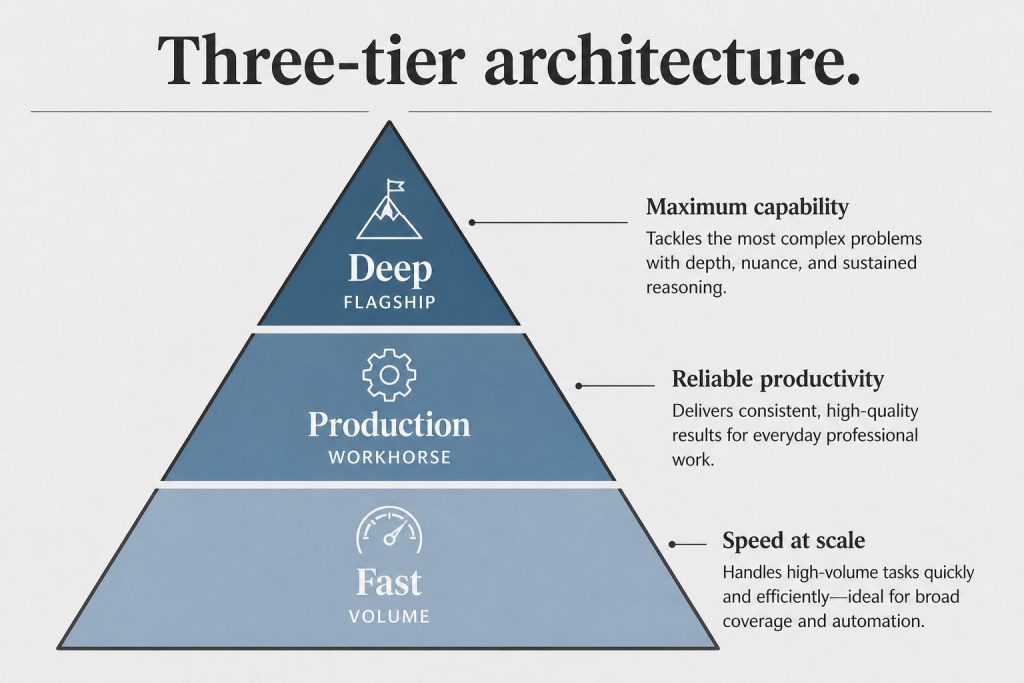
    Think of it as a three-tier model. Claude Chat is strategy and orchestration. Claude in Chrome is the field operator for browser-native tasks that require a logged-in session or a UI that has no API. Cowork is the autonomous layer for scheduled, repeating, multi-system work.

    A task that’s “too small for Cowork but too tedious to do manually” is usually a Claude in Chrome task. A task that runs every night at 11pm is usually a Cowork task. Most workflows eventually use all three.

    The Decision Rule

    One question resolves most cases: do you need it to run while you’re asleep?

    If yes — Cowork computer use (Pro or Max required).
    If no — Claude in Chrome, from any plan, with you present.

    Frequently Asked Questions

    Can I use Claude in Chrome instead of Cowork computer use to save money?

    For one-off browser tasks, yes — Claude in Chrome is available on all plans and covers a meaningful range of browser automation. But it can’t replace Cowork computer use for scheduled tasks, unattended runs, or anything that requires filesystem or desktop application access.

    Does Claude in Chrome work inside a Cowork session?

    They’re separate features. Claude in Chrome is a browser extension that works in claude.ai chat sessions. Cowork computer use is a separate capability within the Cowork product. They don’t directly compose with each other, though you can use both in complementary workflows.

    Is Cowork computer use riskier than Claude in Chrome?

    The surface area is larger with Cowork computer use because it has access to your full desktop, not just the browser. Whether that translates to more risk depends entirely on how you configure and test your tasks. Well-tested Cowork tasks running on a focused setup can be lower risk than an untested Claude in Chrome session with sensitive tabs open. The tool isn’t the risk — how you set it up is.

    Can Claude in Chrome run overnight or on a schedule?

    No. Claude in Chrome requires an active chat session and a manual connection per session. It is not designed for scheduled or unattended use. For overnight or scheduled automation, you need Cowork computer use.

    Which one should I start with?

    If you’re new to both, start with Claude in Chrome. It’s available on all plans, the blast radius is limited to your browser, and you stay in the loop during every session. Once you’re comfortable with how Claude navigates browser-based tools, you’ll have a much better sense of whether Cowork’s scheduled automation is worth setting up for your specific workflows.

    Related: How Claude Cowork Can Actually Train Your Staff to Think Better — a 7-part series on using Cowork as a training tool across industries.

  • What Is Claude in Chrome and How Does It Actually Work

    What Is Claude in Chrome and How Does It Actually Work

    Claude in Chrome — Quick Definition
    Claude in Chrome is a browser extension that gives Claude direct control over your active Chrome tab. It can read page content, click buttons, fill forms, scroll, and download files — all inside the browser, without touching your desktop or filesystem.

    There are now three distinct ways to work with Claude at the task level: through the chat interface, through Claude Cowork, and through Claude in Chrome. Most people know the first two. The third one is genuinely different, and genuinely useful — and most people writing about Claude haven’t actually used it yet.

    This article is built from documented operational use. Not theory.

    What Claude in Chrome Actually Is

    Claude in Chrome is a browser extension — separate from claude.ai, separate from Cowork — that connects Claude to your active Chrome tab. Once the extension is installed and connected, Claude gains a set of browser-native tools it doesn’t have in a standard chat session.

    Those tools include:

    • Reading page content — Claude can see what’s on the current tab, including text, links, form fields, and interactive elements
    • Clicking — Claude can click buttons, links, checkboxes, and UI controls
    • Filling forms — Claude can type into text fields, dropdowns, and inputs
    • Scrolling — Claude can scroll a page to load more content or navigate to a section
    • Downloading files — Claude can trigger downloads from web interfaces
    • Navigating — Claude can move between tabs that are open in the connected profile
    ⚠️ Before you experiment: When Claude has browser control, it can interact with any tab in the connected Chrome profile — including tabs where you’re logged in to banking, email, or other sensitive services. Before running any Claude in Chrome session, close or move tabs you don’t want Claude to have access to. Pre-login only to the services you intend to use in that session.

    What Claude in Chrome Is Not

    It’s worth being precise here, because there’s real confusion between Claude in Chrome and Claude Cowork’s computer use feature.

    Claude in Chrome is browser-only. It operates inside Chrome. It cannot access your filesystem, run terminal commands, open desktop applications, or do anything outside a browser window. If you need Claude to interact with files on your computer or run code locally, that’s a different tool entirely.

    Claude Cowork computer use is full-desktop. Cowork’s computer use feature gives Claude access to your entire desktop environment — applications, filesystem, terminal, everything. It’s also scheduled and can run unattended. That’s a much larger surface area.

    The comparison matters because the risk profile is different. Browser-only means the blast radius of any mistake is limited to what’s accessible through Chrome. Full computer use is a fundamentally different level of access. More on this comparison in the full breakdown article.

    How the Connection Works

    Claude in Chrome uses a tool called switch_browser. When Claude calls this tool, it broadcasts a connection request to all Chrome instances that have the extension installed. A small prompt appears in the browser — you click Connect — and Claude is now operating in that Chrome profile.

    A few things to understand about how this works in practice:

    • One profile at a time. Claude connects to one Chrome profile per session. If you have multiple Chrome profiles open, the connection goes to whichever one you click Connect in.
    • The extension must be installed on each profile separately. Chrome profiles are isolated environments. Installing the extension in one profile doesn’t propagate it to others.
    • The connection requires a manual click. This is intentional friction — Claude can’t silently connect to a Chrome profile without your action. You will always know when Claude is taking browser control.
    • Once connected, Claude can navigate between open tabs freely within that profile.
    ⚠️ Don’t walk away during a session. Claude in Chrome is designed for working with a human present. If Claude navigates to a tab where you’re logged in to a web app and something goes wrong — a form submits, an action fires — you need to be there to catch it. This is different from Cowork scheduled tasks, which are designed to run unattended. Treat Claude in Chrome sessions like you’re co-piloting, not delegating.

    What It’s Useful For

    Claude in Chrome’s sweet spot is situations where there’s no API. A lot of useful web tools — dashboards, admin panels, third-party platforms — don’t offer an API, or their API is locked behind an enterprise plan, or the specific action you need isn’t exposed via API even if the tool has one.

    In documented use, Claude in Chrome has been used to:

    • Navigate cloud console interfaces that require clicking through menus
    • Interact with domain registrar admin panels to update DNS settings
    • Operate social media scheduling tools through their web UI when the API doesn’t expose the specific feature needed
    • Use web-based terminal environments where copy/paste would be the alternative
    • Run automated notebook workflows in browser-based AI tools — creating notebooks, adding sources, triggering generation, downloading output

    The pattern is consistent: API first, Chrome when the API doesn’t exist or is blocked. Chrome is the fallback, not the default. But it’s a very capable fallback.

    Available on All Claude Plans

    One thing that surprises people: Claude in Chrome is available to all Claude subscribers, not just Pro or Max. This is different from Cowork computer use, which requires Pro or Max.

    If you’re on a free plan, you can still install the extension and use browser control in your chat sessions. The session limits of your plan still apply, but the capability itself isn’t gated.

    The Right Mental Model

    The cleanest way to think about Claude in Chrome: it’s Claude with a mouse and keyboard, but only inside the browser, and only when you hand it control.

    That framing clarifies both the power and the limits. It’s not autonomous. It doesn’t run in the background. It doesn’t have memory of previous browser sessions. Every connection is a deliberate, per-session handoff. You stay in the loop.

    When you need Claude to do something in a browser-based tool and you’re willing to be present while it runs — Claude in Chrome is the right tool. When you need scheduled, unattended, multi-application automation — that’s Cowork territory.

    Frequently Asked Questions

    Do I need a paid Claude plan to use Claude in Chrome?

    No. Claude in Chrome is available on all Claude plans, including free. You’ll still be subject to your plan’s message limits, but the browser control capability itself is not restricted to paid tiers.

    Can Claude in Chrome access my files or run programs on my computer?

    No. Claude in Chrome operates only inside the Chrome browser. It cannot access your filesystem, open desktop applications, or run terminal commands. If you need Claude to interact with files or run code locally, you’re looking for a different tool.

    Is it safe to use Claude in Chrome while logged in to sensitive accounts?

    Use caution. When Claude in Chrome is connected to a Chrome profile, it can see and interact with all open tabs in that profile — including any tabs where you’re logged in to banking, email, or other sensitive services. Best practice is to pre-close tabs you don’t want Claude to have access to before starting a session, and to stay present during the session.

    Can Claude connect to Chrome automatically without me doing anything?

    No. Every connection requires a manual click. When Claude calls the switch_browser tool, a Connect prompt appears in the browser — you have to click it. Claude cannot silently establish a browser connection without your action.

    What’s the difference between Claude in Chrome and Claude Cowork computer use?

    Claude in Chrome is browser-only, works in any chat session, and is available on all plans. Cowork computer use gives Claude access to your entire desktop — applications, filesystem, terminal — and can run scheduled, unattended tasks. It requires a Pro or Max subscription. The choice depends on what you’re trying to automate and whether you need to be present.

    What happens if I close a Chrome tab while Claude in Chrome is using it?

    Claude will lose access to that tab. If the tab was part of an active task — for example, a browser-based notebook generating output — the task will fail or stall. You’ll need to reopen the tab, reconnect the extension, and restart the relevant step. It’s one of the reasons Claude in Chrome is designed for sessions where you stay present.

  • Claude Cowork Changelog: What Changed in Q1 2026

    Claude Cowork Changelog: What Changed in Q1 2026

    Claude AI · Tygart Media · Updated April 2026
    Q1 2026 summary: Cowork went from research preview to generally available. Computer use launched for Pro/Max users. Scheduled and recurring tasks shipped. The sessiondata.img disk-full bug (GitHub #30751) remained open all quarter — the workaround is manual. Plugin marketplace launched in April.

    Claude Cowork shipped more meaningful features in Q1 2026 than in any prior quarter. This is the complete log of what changed, what shipped, and what stayed broken — documented for teams managing Cowork deployments who need to know what actually changed and when.

    January 2026: Foundation Stability

    January was primarily infrastructure hardening. The Cowork runner environment received reliability improvements addressing the most common mid-task failures — streams aborting on slow API responses, sub-agent MCP tool inheritance failures, and session cleanup bugs that left stale working directories. No major feature launches, but the stability improvements reduced the frequency of mid-run failures that had characterized late 2025 Cowork usage.

    Claude Code received the iOS app in October 2025 and the web version — both of which fed into Cowork’s remote dispatch capabilities in Q1. By January, the ability to assign Cowork tasks from a phone was stable enough for regular use.

    February 2026: Model Upgrades Change Everything

    February 5: Claude Opus 4.6 launched. February 17: Claude Sonnet 4.6 launched. Both significantly improved Cowork task quality — particularly for long-horizon agentic sessions where the original 4.0 models would lose coherence mid-task. Sonnet 4.6’s dramatically improved computer use capability (scoring 72.7% on OSWorld) made computer-use Cowork tasks reliable for the first time. Tasks that previously required constant human intervention to stay on track became genuinely autonomous.

    The 1M token context window entered beta on both models in February, enabling Cowork tasks to hold significantly more context across long sessions — particularly valuable for content pipelines processing large document sets or cross-database synthesis tasks in Notion.

    March 2026: Computer Use Reaches Cowork

    March brought the integration of computer use into Cowork for Pro and Max plan users. Claude gained the ability to open files, navigate browsers, click through interfaces, and operate software within Cowork sessions — no additional setup required for Pro/Max subscribers. This was the most significant capability expansion of the quarter: Cowork tasks could now interact with software that doesn’t have an API, including legacy desktop applications and web interfaces without structured data access.

    Dispatch — Cowork’s task queue feature — was extended to support computer use actions, allowing scheduled tasks to include browser automation and desktop interaction steps alongside the existing MCP tool calls and bash operations.

    The Cowork VM disk-full bug (GitHub issue #30751) was acknowledged by Anthropic during March but not resolved. Power users with many skills installed continued to hit the useradd: cannot create directory error every 40-50 sessions. The documented workaround — moving sessiondata.img to reset the VM — remained the only fix. See the full fix guide.

    April 2026: General Availability

    Cowork reached general availability on macOS and Windows via Claude Desktop in April, removing the “research preview” label it had carried since launch. The GA release added enterprise features that had been absent from the preview: usage analytics, OpenTelemetry support for monitoring Cowork activity, and role-based access controls for Enterprise plans allowing admins to define which capabilities each team group can access.

    A plugin marketplace launched for Team and Enterprise plans with admin controls. Admins can now approve, restrict, or block specific plugins org-wide. The Customize section in Claude Desktop was reorganized to group skills, plugins, and connectors in one place.

    Scheduled and recurring task creation was formalized in the UI — previously requiring config file editing, now accessible from within the app. This was the feature most requested by Cowork power users throughout Q1.

    What Remained Broken Through Q1

    The sessiondata.img disk-full bug was the most significant ongoing issue. It affected every power user with a substantial skill library and required periodic manual intervention. No automatic session cleanup shipped in Q1. The manual workaround is documented at Claude Cowork useradd Failed Error Fix.

    Machine-sleep task skipping also remained unresolved — scheduled tasks that fire when a machine is asleep are silently skipped with no retry. Teams running reliable scheduled automation continued to need an always-on machine or a cloud-side solution.

    Q2 2026 Outlook

    The disk-full bug fix and automatic session cleanup are the most anticipated Q2 items. Agent teams (available on Max plans) are expected to expand with better orchestration tooling. Claude 5, expected Q2-Q3, will bring model quality improvements that should further improve long-horizon Cowork task reliability.

    When did Claude Cowork become generally available?

    Claude Cowork reached general availability on macOS and Windows in April 2026. It had been in research preview since its initial launch in late 2025.

    What was the biggest Cowork improvement in Q1 2026?

    The February launch of Claude Sonnet 4.6 and Opus 4.6 most improved Cowork task quality — especially computer use tasks, which became reliably autonomous with Sonnet 4.6’s improved OSWorld scores. March brought computer use to Cowork for Pro/Max users directly.

    Was the Cowork disk-full bug fixed in Q1 2026?

    No. GitHub issue #30751 (sessiondata.img filling up) remained open through Q1 2026. The manual workaround — moving sessiondata.img to reset the VM — is the only fix as of April 2026.

    Related: How Claude Cowork Can Actually Train Your Staff to Think Better — a 7-part series on using Cowork as a training tool across industries.


  • WordPress REST API for Publishers: How to Connect Claude to WordPress Without Plugins

    WordPress REST API for Publishers: How to Connect Claude to WordPress Without Plugins

    Claude AI · Tygart Media
    What this enables: Publishing articles to WordPress programmatically from Claude, Python scripts, GCP Cloud Run jobs, or any HTTP client — without plugins, without Elementor, without touching the WP admin. The same pipeline that powers 27+ managed sites publishing thousands of articles per month.

    WordPress has a fully functional REST API built in. Most people never use it because they don’t know it’s there. For publishers, content operations teams, and anyone running Claude-powered content workflows, the REST API is the infrastructure that eliminates manual publishing and enables automation at scale. Here’s how it works and how to wire Claude to it.

    What the WordPress REST API Can Do

    The REST API exposes every major WordPress function over HTTP: create posts, update posts, get posts, manage categories and tags, upload media, manage users. Every action you can take in the WordPress admin can be done via API call. No plugin required — it’s built into WordPress core since version 4.7.

    Authentication: Application Passwords

    The simplest authentication method for Claude-to-WordPress connections is WordPress Application Passwords — a built-in feature (WordPress 5.6+) that generates a dedicated password for API access without exposing your main login credentials.

    To generate one: WP Admin → Users → Your Profile → Application Passwords → enter a name → click Add New. Copy the generated password immediately — it’s only shown once. The format it gives you has spaces; remove them before using in API calls.

    Authenticate using HTTP Basic Auth:

    Authorization: Basic base64(username:app_password)

    Publishing a Post via API

    A complete post publish call:

    POST https://yoursite.com/wp-json/wp/v2/posts
    Authorization: Basic [base64 credentials]
    Content-Type: application/json

    {
      "title": "Your Post Title",
      "content": "<p>Full HTML content here</p>",
      "excerpt": "Your SEO meta description (140-160 chars)",
      "status": "publish",
      "categories": [5, 12],
      "tags": [34, 67, 89],
      "slug": "your-post-slug"
    }

    The response returns the new post ID and URL. Log these — you need the post ID for any subsequent updates.

    Wiring Claude Into the Pipeline

    The standard Claude-to-WordPress pipeline: Claude generates the article content (with SEO optimization, schema markup, and FAQ sections baked in), a Python or Node.js script assembles the API payload, the payload POSTs to the WordPress REST endpoint, and the response confirms publication. For Cowork tasks, this runs on a schedule without human intervention.

    The critical rule: Notion first, WordPress second. Every article goes to a Notion page before publishing to WordPress. Notion is the storage and version control layer; WordPress is the distribution layer. If you ever need to republish, update, or audit, you have a source of truth that isn’t locked inside the WordPress database.

    Handling WAF Blocks

    Many managed WordPress hosts (WP Engine, SiteGround) run Web Application Firewalls that block API calls from cloud IP addresses. Symptoms: 403 Forbidden errors on POST requests, even with correct credentials. Two solutions: route API calls through a Cloud Run proxy service that presents a different IP profile, or whitelist your specific GCP IP range in the hosting provider’s WAF settings. For SiteGround specifically, direct whitelisting is the most reliable path — the proxy approach has mixed results due to SiteGround’s aggressive WAF configuration.

    Schema and SEO Metadata

    The WordPress REST API supports all Yoast SEO and Rank Math meta fields as post meta. To set SEO title, meta description, and schema markup programmatically, include the relevant meta fields in your POST payload. For Yoast: _yoast_wpseo_title and _yoast_wpseo_metadesc. For Rank Math: rank_math_title and rank_math_description. Inject JSON-LD schema directly into the post content as a <script type="application/ld+json"> block — it renders correctly on the front end and passes Google’s rich results validator.

    How do I publish to WordPress without logging in?

    Use the WordPress REST API with Application Password authentication. Generate an application password in WP Admin → Users → Your Profile, then POST to /wp-json/wp/v2/posts with Basic Auth credentials. No plugin required — the REST API is built into WordPress core.

    Can Claude publish directly to WordPress?

    Yes — through the WordPress REST API. Claude generates content, a script assembles the API payload, and the POST call publishes it. This is how automated content pipelines work at scale. Always write to Notion first; WordPress is the distribution layer.

    Why is my WordPress REST API returning 403?

    Most likely a WAF (Web Application Firewall) blocking the request — common on WP Engine and SiteGround. Either route API calls through a proxy service with a whitelisted IP or whitelist your specific IP range in the hosting provider’s firewall settings.