Tag: Everett WA

  • Grand Avenue Park Everett: Best Views & Waterfront Bridge

    Grand Avenue Park Everett: Best Views & Waterfront Bridge

    Q: What can you see from Grand Avenue Park in Everett?
    A: Grand Avenue Park offers sweeping views of Port Gardner Bay, the Olympic Mountains, Whidbey Island, and Naval Station Everett’s marina. The 5-acre City of Everett park sits on a bluff at 1800 Grand Ave, features a paved ADA-accessible trail, and connects to the waterfront via a pedestrian bridge. Open 6 a.m. to dusk, free.

    There is a five-acre park in Everett where you can stand on a paved trail, look west, and see Port Gardner Bay, Whidbey Island, the Olympic Mountain range, and Naval Station Everett’s marina all at once. In May, when the mountains are still snow-covered and the water runs that particular deep gray-blue, it’s one of the better views in the city.

    Most Everett residents haven’t been there.

    Grand Avenue Park at 1800 Grand Ave sits on the bluff above Marine View Drive in the Port Gardner neighborhood — one of Everett’s most historic corridors. The park is listed as a Viewpoint facility by Everett Parks & Recreation, open 6 a.m. to dusk, and free to visit. It’s five acres of landscaped, paved walking trail with benches, grass, and one of the most genuinely satisfying overlook experiences in the city.

    The reason most people haven’t been: the turn off Grand Avenue isn’t obvious, the park doesn’t have large signage from the main routes, and it sits in a neighborhood that most drivers pass through rather than stop in. That’s worth correcting.

    What You’ll Find at the Park

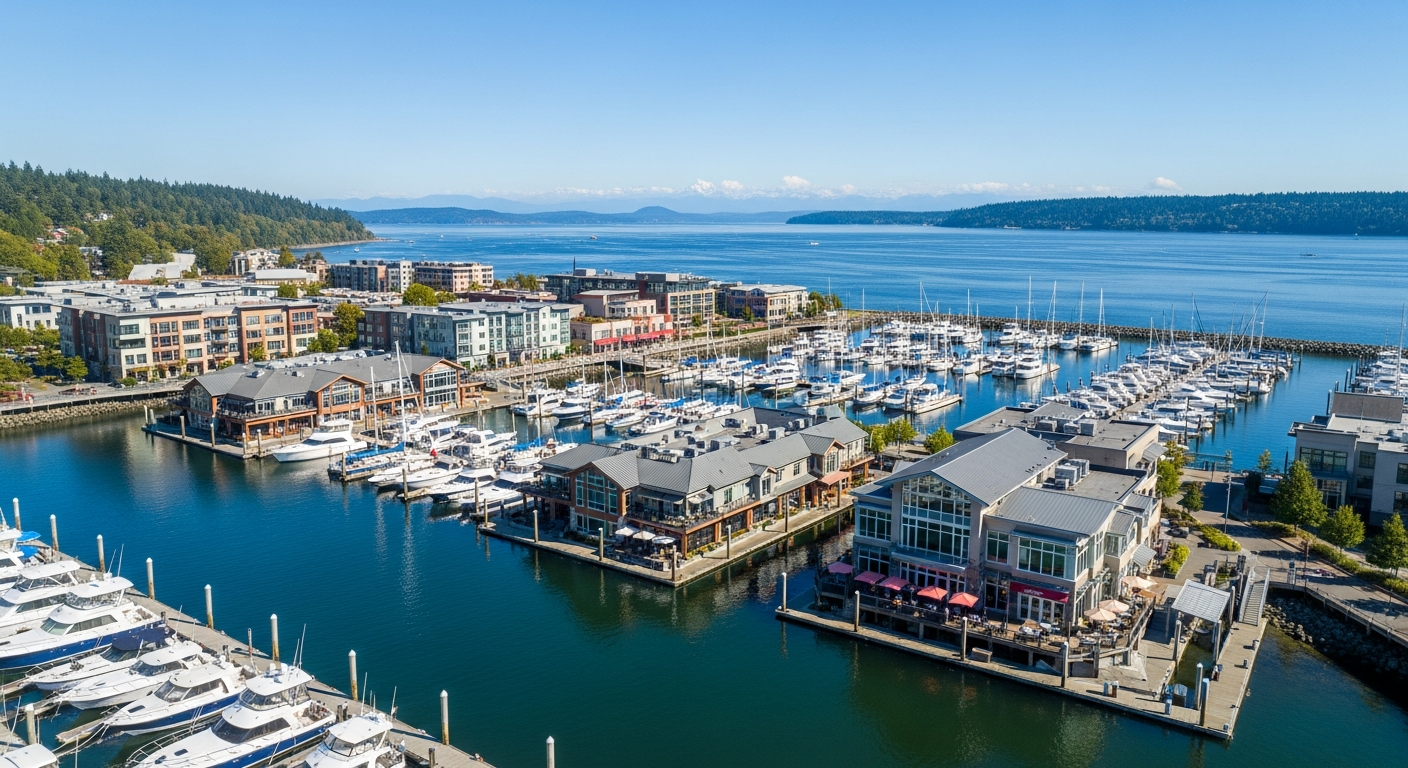
    Walk into the park from the Grand Avenue entrance and you’re immediately on a paved, landscaped trail. The trail curves along the bluff edge, with several overlook points where benches face west toward the Sound. The views open up as you walk north: Port Gardner Bay, the marina below, the Port of Everett’s working waterfront, Whidbey Island in the middle distance, and on clear days the full ridge of the Olympic Mountains across the water.

    Below you, Marine View Drive runs along the base of the bluff. The Port of Everett’s waterfront complex — Waterfront Place, the marina, the working piers — is visible directly below. It’s the kind of vantage point that makes the scale of Everett’s waterfront make sense in a way that walking along Marine View Drive doesn’t quite capture.

    The park is 5 acres. It doesn’t have a sports complex — it’s a viewpoint park, designed around the overlook experience. There are grassy areas for sitting, benches at the overlook points, and a paved surface that’s ADA accessible and open to cyclists.

    At the north end of the park, a pedestrian bridge crosses Marine View Drive and connects directly to the waterfront on foot or by bike. This is one of the practical reasons the park deserves more attention: it makes the bluff and the waterfront part of the same trip, rather than two separate destinations requiring a car move.

    A Park Since 1906

    Grand Avenue Park has been part of Everett’s parks system since 1906 — one of the city’s oldest park properties. Port Gardner, the neighborhood it sits in, is the original center of Everett — the landing point where the city began in the early 1890s. The bluff the park occupies looks out over the same bay that Vancouver charted in 1792 and that early Everett settlers considered the defining geographic feature of the place they were building.

    The park was established as a viewpoint during the period when Grand Avenue was first built out as a residential street for Everett’s founding families. The overlook function has been consistent throughout: this has always been the spot where people come to look at the water. Northwest Everett’s historic core sits just a few blocks east, and the visual connection from the park down to the waterfront the early settlers built is as clear today as it was 120 years ago.

    When to Visit

    May and early June are the best months for the view. The mountains are still carrying their winter snowpack, the air is clear between rain systems, and the late afternoon light turns the bay silver. It’s not warm enough to stay all day, but absolutely worth a morning or afternoon stop.

    Weekday mornings are the park at its liveliest — ferry traffic on the Sound, marina activity below, Port of Everett operations visible in the working waterfront. If you want the park with a backdrop of actual Everett activity, early morning on a weekday delivers that.

    Weekday midday is quiet. The benches are open. The trail is uncrowded. You can have the overlook largely to yourself, which is either a feature or a bug depending on what you’re after.

    Getting There

    The park address is 1800 Grand Ave, Everett, WA 98201. From downtown, head north on Rucker Avenue and turn west onto Grand Avenue — follow Grand all the way to where the bluff begins. Street parking is available along Grand Avenue.

    The park is classified as a Viewpoint facility on the City of Everett’s parks system. Hours are 6 a.m. to dusk, year-round. No admission fee.

    The Pedestrian Bridge

    The Grand Avenue pedestrian bridge at the north end of the park crosses Marine View Drive and connects to the waterfront level below. It’s ADA accessible and open to cyclists. This is the practical detail that makes Grand Avenue Park a genuine starting point for a longer outing rather than just a viewpoint stop.

    From the park, you can cross the bridge, walk the waterfront complex, and return via the pedestrian access — a loop that’s probably two to three miles depending on how far you extend it along Marine View Drive or into the marina area. It’s almost entirely paved and connects to one of the more active sections of Everett’s waterfront.

    How It Fits With Everett’s Other Parks

    For families exploring Everett’s outdoor spaces, Grand Avenue Park sits comfortably in the same conversation as Howarth Park (south Everett, beach and forest trails), Thornton A. Sullivan Park at Silver Lake (east, disc golf and lake access), and Langus Riverfront Park (north, wildlife estuary trail). Each is a different experience — Grand Avenue is the one with the panoramic bay view and the bridge to the waterfront.

    It’s also the most central. For anyone based downtown, in Port Gardner, or in northwest Everett, this park is close in a way that the others aren’t. You don’t need to drive to a trailhead. You walk to the end of Grand Avenue and you’re there.

    A Simple Case

    Open 6 a.m. to dusk, 365 days a year. Free. ADA accessible. Five acres of paved trail on a bluff above the water, with views that most cities would charge admission for. A pedestrian bridge to the waterfront. Benches. A grassy area. Established in 1906.

    If you’ve lived in Everett for years and somehow missed this park, May is a good time to go find it.

    Frequently Asked Questions

    Where is Grand Avenue Park in Everett?
    Grand Avenue Park is located at 1800 Grand Ave, Everett, WA 98201, on the bluff above Marine View Drive in the Port Gardner neighborhood. Open 6 a.m. to dusk daily.

    What can you see from Grand Avenue Park?
    The park offers panoramic views of Port Gardner Bay, the Olympic Mountains, Whidbey Island, Naval Station Everett’s marina, and the Port of Everett waterfront complex below the bluff.

    Is Grand Avenue Park ADA accessible?
    Yes. The park features a paved, ADA-accessible trail throughout. The Grand Avenue pedestrian bridge — which connects the park to Marine View Drive and the waterfront — is also ADA accessible and open to cyclists.

    Is there parking at Grand Avenue Park?
    Street parking is available along Grand Avenue. The park does not have a dedicated parking lot.

    How do I get from Grand Avenue Park to the Everett waterfront?
    The Grand Avenue pedestrian bridge at the north end of the park crosses Marine View Drive and connects directly to the waterfront level. It’s open to pedestrians and cyclists and is ADA accessible.

    How old is Grand Avenue Park?
    Grand Avenue Park was established in 1906, making it one of Everett’s oldest park properties.

    How big is Grand Avenue Park in Everett?
    Grand Avenue Park is 5 acres, featuring a paved walking trail, overlook benches facing Port Gardner Bay, grassy areas, and a pedestrian bridge to the waterfront at the north end.

    Is Grand Avenue Park free?
    Yes. Grand Avenue Park is a City of Everett public park with no admission fee. Hours are 6 a.m. to dusk year-round.
  • Everett Boys & Girls Club: 80 Years of Youth Programs

    Everett Boys & Girls Club: 80 Years of Youth Programs

    Q: What does the Boys & Girls Club of Snohomish County offer in Everett?
    A: The Everett Boys & Girls Club serves nearly 1,000 members ages 5–18 annually with before and after school care, summer camp, STEM programs, fine arts, sports, teen programs, and the Power Hour homework help program. In 2026, the organization is celebrating its 80th anniversary.

    When the Boys & Girls Club of Snohomish County opened its first club in Everett back in 1946, the city looked very different. Boeing was still ramping up after World War II. Everett was building its future. And a group of community members decided that kids needed a safe, positive place to spend their time outside of school hours.

    Eight decades later, that same conviction is still the engine of the organization — and the Everett Club is still one of the most active in the county.

    In 2026, Boys & Girls Clubs of Snohomish County is celebrating its 80th anniversary. It’s a milestone worth understanding, because a lot of Everett families still don’t know what’s inside that building — or how accessible it is to get their kids enrolled.

    The Everett Club: What It Is, What It Does

    The Everett Boys & Girls Club has been at its current location since 1965 and serves nearly 1,000 members every year. Members are kids ages 5–18. The programs span a wide range: before and after school childcare for working families, summer camp with all-day activities, STEM programming, fine arts classes, sports leagues, and specialized programming for teens.

    The Power Hour homework help program is one of the most popular offerings — structured academic support during the after-school hours when kids are most likely to fall behind. For families navigating Everett’s strong academic environment — including the Everett School District’s record 96.3% graduation rate — after-school structure makes a real difference.

    The club’s three core pillars — Academic Success, Healthy Lifestyles, and Character and Leadership Development — aren’t just marketing language. They’re the framework that shapes how programs are designed and how staff measure outcomes.

    The South Everett/Mukilteo Club extends the organization’s reach into the southern part of the city, serving families closer to Casino Road and the Mukilteo School District boundary. Between the two Everett-area clubs, the coverage across the city is substantial.

    Turning 80 in a County With 27 Clubs

    Boys & Girls Clubs of Snohomish County now operates 27 clubs across the county — Everett, South Everett/Mukilteo, Lake Stevens, Marysville, Arlington, Lynnwood, Edmonds, Granite Falls, and more. But the Everett Club holds a particular distinction: it was the first.

    In 1946, when this organization was just getting started, Everett was the entry point. The 80th anniversary the organization is marking throughout 2026 carries that history. For families in Everett who have been sending kids to the Club for generations, this anniversary year has a specific resonance.

    Summer 2026: Registration Is Open Now

    Summer 2026 programming is now available for enrollment. The summer camp program offers all-day care with activities, special guests, and weekly themes — which makes it one of the more practical options for working parents who need full-day coverage during June, July, and August.

    Unlike school-year programming, summer camp is structured to keep kids engaged across a longer day. Themes rotate weekly, activities include both indoor and outdoor programming, and the Club’s staffing model ensures kids are actively doing things — not just being watched.

    Summer slots fill faster than most families expect. Registration is online at bgcsc.org.

    What It Costs — And Who It’s For

    Boys & Girls Clubs of Snohomish County is structured to be accessible to families at a range of income levels. The organization actively fundraises and seeks sponsorships specifically to keep membership fees from being a barrier. If cost is a concern, it’s worth asking — the Club has mechanisms to help.

    This is not a private enrichment program for one demographic. The Club’s entire model is built on serving kids who need it most — kids who benefit from having somewhere structured, safe, and run by adults who know what they’re doing during the hours between school dismissal and when a working parent gets home. It’s the same mission that drives organizations like Housing Hope and Cocoon House in Everett — a community that has a long history of building infrastructure around young people who need it.

    That mission has not changed in 80 years.

    How This Connects to Everett’s Bigger Picture

    The Everett School District posted a record 96.3% graduation rate. The Cascade High IB program is drawing families from across south Everett. EvCC and WSU Everett are within reach for teens thinking about what comes after high school. The Mukilteo School District is investing heavily in its south Everett service area.

    The Boys & Girls Club fits into this ecosystem as connective tissue — the place where kids build the habits, relationships, and confidence that make those next steps more likely to land. Academic success doesn’t happen in school alone. The Club is one of the few organizations in Everett specifically designed to fill the after-school hours well.

    Getting Started

    Both Everett-area clubs are part of Boys & Girls Clubs of Snohomish County, with unified registration at bgcsc.org/clubs/everett and a social presence through their Facebook page and @BGClubsSC on X.

    Eighty years in, the Club is still one of the best investments available to Everett kids and families. Summer 2026 registration is open. If your family hasn’t walked through the door yet, this is a good year to start.

    Frequently Asked Questions

    What ages does the Boys & Girls Club Everett serve?
    The Everett Boys & Girls Club serves members ages 5–18 through before and after school programs, summer camp, sports, STEM, Power Hour homework help, and teen programming.

    Is there a Boys & Girls Club in South Everett?
    Yes. The South Everett/Mukilteo Club serves families in the southern part of the city, including areas near Casino Road and the Mukilteo School District boundary.

    How much does Boys & Girls Club membership cost in Everett?
    Membership fees are kept low by design. The organization actively raises funds to keep the Club accessible. Current pricing is available at bgcsc.org or by contacting the Everett Club directly.

    Is summer 2026 registration open at the Boys & Girls Club?
    Yes. Summer 2026 registration is open at bgcsc.org. The summer camp program offers all-day care with weekly themed activities and special guests.

    What programs does the Everett Boys & Girls Club offer?
    Programs include STEM, Power Hour (homework help), fine arts, sports leagues, teen programming, before and after school childcare, and summer camp — organized around Academic Success, Healthy Lifestyles, and Character and Leadership Development.

    When was the Boys & Girls Club of Snohomish County founded?
    The organization was founded in 1946 when the Everett Club became the first club in Snohomish County. In 2026, Boys & Girls Clubs of Snohomish County is celebrating its 80th anniversary.

    How many clubs does Boys & Girls Clubs of Snohomish County operate?
    As of 2026, the organization operates 27 clubs across Snohomish County, from Everett and Lake Stevens to Arlington, Marysville, Lynnwood, Edmonds, and beyond.

  • Grupo Niche Everett: Historic Theatre Concert May 2026

    Grupo Niche Everett: Historic Theatre Concert May 2026

    Is Grupo Niche playing in Everett, WA in 2026?
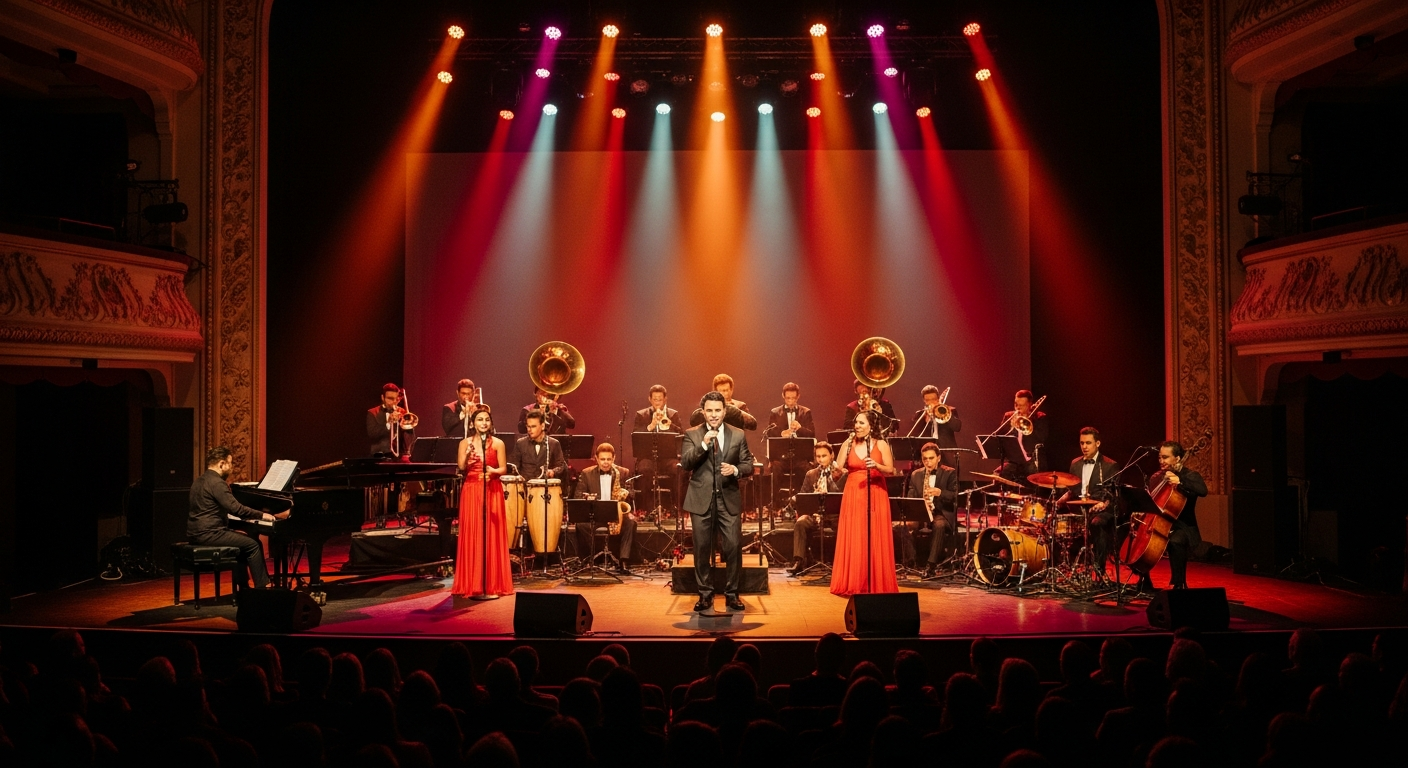
    Yes. Grupo Niche — the Latin Grammy-winning Colombian salsa orchestra founded in Cali in 1978 — performs at the Historic Everett Theatre (2911 Colby Ave, Everett WA) on Sunday, May 31, 2026 at 7:00 PM. Tickets are available through events.theatreconcertconsulting.com and secondary markets.

    Verdict: GO. Unique-to-market touring act. Right-size room for a brass-forward Latin orchestra. The Historic Everett Theatre’s most ambitious Latin booking since reopening under new ownership. If you have any connection to salsa music, clear Sunday, May 31.

    The Setup

    A Sunday night in a 125-year-old opera house. A Colombian salsa orchestra with 47 years of catalog and a Latin Grammy on the shelf. Eight hundred seats on Colby Avenue.

    That is what May 31 looks like at the Historic Everett Theatre.

    Grupo Niche — not a tribute act, not a cover band, but the actual Cali orchestra founded in 1978 by Jairo Varela — is coming to Everett. If you have any connection to Latin music, to salsa, to the specific joy of hearing a full brass section tear through “Cali Pachanguero” in a room this intimate, this is the show. It is not a show you will find again at this scale in the Pacific Northwest any time soon.

    Who Grupo Niche Is

    Grupo Niche was born in Cali, Colombia in 1978. Jairo Varela and Alexis Lozano built the orchestra with the conviction that Colombian salsa deserved to stand beside — and ahead of — the New York and Puerto Rican traditions that dominated the genre at the time.

    Their 1984 album No Hay Quinto Malo contained a single called “Cali Pachanguero,” a tribute to the city’s carnival spirit. It became one of the defining songs of the salsa genre. It still plays at every Grupo Niche concert, and when it does, rooms of 800 people tend to become one organism.

    The catalog extends well beyond that song. “Cali Ají,” “Sin Sentimiento,” “Una Aventura,” “Buenaventura y Caney,” “Debiera Olvidarla” — these are songs that defined Latin dancefloors across the Americas, Spain, and wherever the Colombian diaspora settled. In 1986, Grupo Niche became the first Colombian orchestra to perform at Madison Square Garden, part of the World Salsa Festival. In 1989, they played to one million fans at Lima’s Campo de Marte park in Peru.

    Maestro Jairo Varela died on August 8, 2012. The group continued under the direction of longtime members, and in 2020 won the Latin Grammy Award for Best Salsa Album with 40, a fortieth-anniversary record. The group is still recording, still winning hardware, and still performing at the level that earned those credentials. Forty-seven years in, this is not a nostalgia act — it is a working orchestra with an active catalog and a live show that has filled venues across two continents this decade.

    None of that usually arrives at a venue that seats 800 people in Snohomish County. May 31 is the exception.

    Why the Room Is Right

    The Historic Everett Theatre opened in 1901 as the Everett Opera House. The building survived a 1923 fire, was rebuilt in 1924, and operated for decades as one of the Pacific Northwest’s working music venues. By 2025, Bellevue real estate investor Johnny Phan had purchased it for $1.5 million and put hundreds of thousands more into renovations before reopening in September 2025 — the latest chapter for a room that has hosted everything from vaudeville performers to grunge-era tribute acts.

    For salsa, the room size is an asset. Salsa at 800 seats means the brass section hits differently than it does at a 5,000-seat amphitheater. You can hear the rhythm section individually. The coro — the call-and-response vocal hook that defines salsa’s live energy — echoes in a room this size instead of evaporating into a sound system the size of a building.

    If you have seen Grupo Niche in a large theater or arena context, the Historic Everett Theatre is a different kind of show. If you have never seen them live, this room is an argument for starting here rather than waiting for a bigger venue.

    What to Expect at the Show

    A typical Grupo Niche concert runs 90 minutes to two hours. The set draws from a catalog spanning four decades, and the group sequences it to build toward the signature moments. Recent setlists have included “Un Alto en el Camino,” “Buenaventura y Caney,” “Sin Sentimiento,” and “Cali Ají” alongside material from the 2020 Latin Grammy-winning 40 album. “Cali Pachanguero” is always in the set, and it always closes a chapter of the show at high volume.

    The touring lineup includes featured vocalists, a full horn section, piano, bass, percussion, and a coro that fills whatever space it occupies. There will be dancing. If you know how to salsa, you will find floor space near the stage. If you do not, watching the people who do from 20 feet away is its own kind of entertainment.

    Dress for dancing if you plan on it. The venue does not have a dress code, but you will not be the first person there in something worth moving in.

    The Full Last Weekend of May

    If you are building a cultural calendar around this show, the timing works unusually well. Three days of the same weekend offer three different reasons to be downtown.

    On Friday, May 29, Canned Heat and Big Brother and the Holding Company play the same stage — two bands that performed at the original Woodstock on one Historic Everett Theatre bill. The request is that you wear something that looks like it came out of 1969. This is a co-headliner at $65 general admission, and it is one of the stronger live-music bookings in Everett in years.

    On Saturday, May 30, the Schack Art Center’s Artists’ Garage Sale runs 9 AM to 3 PM on Hoyt Avenue — 140+ artists, work priced for actual purchase, free to browse. That same Saturday evening, EMO Prom lands at Tony V’s Garage on Hewitt — a tribute night for the era’s music, with the room dressed accordingly.

    Grupo Niche closes the weekend on Sunday. Three consecutive days, three completely different rooms, three different reasons to stay in Everett instead of driving to Seattle.

    Show Details

    • Artist: Grupo Niche
    • Date: Sunday, May 31, 2026
    • Show time: 7:00 PM
    • Venue: Historic Everett Theatre, 2911 Colby Ave, Everett WA 98201
    • Capacity: ~800
    • Tickets: events.theatreconcertconsulting.com (official); also available on SeatGeek, Vivid Seats, and Bandsintown
    • Parking: Street parking on Colby Ave; Everpark Garage (2919 Oakes Ave) nearby

    Frequently Asked Questions

    What time does Grupo Niche play at the Historic Everett Theatre?

    The show starts at 7:00 PM on Sunday, May 31, 2026. The Historic Everett Theatre is located at 2911 Colby Ave, Everett WA 98201. Arrive by 6:30 PM to find parking and get settled before the show.

    Where can I buy Grupo Niche tickets for the Everett show?

    Tickets are available through the Historic Everett Theatre’s official ticketing platform at events.theatreconcertconsulting.com, and through secondary markets including SeatGeek, Vivid Seats, and Bandsintown.

    What songs does Grupo Niche play in concert?

    Grupo Niche setlists draw from 47 years of catalog. Expect “Cali Pachanguero,” “Cali Ají,” “Sin Sentimiento,” “Buenaventura y Caney,” “Un Alto en el Camino,” and material from the 2020 Latin Grammy-winning album 40. “Cali Pachanguero” is performed at every concert without exception.

    How big is the Historic Everett Theatre?

    The Historic Everett Theatre holds approximately 800 people. It opened in 1901 as the Everett Opera House, survived a 1923 fire, and was renovated and reopened under new ownership in September 2025. For salsa, the room size is an advantage — you can hear the full orchestra clearly from anywhere in the hall.

    Who is Grupo Niche?

    Grupo Niche is a Colombian salsa orchestra founded in 1978 in Cali, Colombia by Jairo Varela and Alexis Lozano. They won the Latin Grammy for Best Salsa Album in 2020. They were the first Colombian orchestra to perform at Madison Square Garden (1986) and played before one million fans in Lima, Peru in 1989. Critics and audiences across Latin America consistently cite them as the continent’s most successful salsa orchestra of the past forty years.

    Is the Grupo Niche Everett show all ages?

    Age policy details should be confirmed at point of ticket purchase through the official ticketing page. Most Historic Everett Theatre shows are all ages unless otherwise noted. Check events.theatreconcertconsulting.com for the current listing.

  • Everett Brewery Trail: Summer 2026 Guide to 6 Active Stops

    Everett Brewery Trail: Summer 2026 Guide to 6 Active Stops

    Earlier this year, At Large Brewing — one of Everett’s original modern craft brewery destinations — closed its waterfront taproom permanently on March 31, 2026. The trail changed. Here’s where it stands now heading into summer.

    The At Large closure matters because it removed one of the anchor stops in the Port Gardner waterfront cluster, and because At Large’s patio at 2730 W Marine View Drive was one of the genuinely good places in the city to drink local beer outside. That loss doesn’t go away just because new stops have opened. But the new stops are real, and the overall trail is still worth doing.

    Here’s the updated 2026 guide — six active taproom stops, two geographic clusters, and what’s worth watching next.

    The Active Stops

    1. Scuttlebutt Brewing — Two Locations, Two Different Experiences

    Everett’s longest-running craft brewery now operates two distinctly different taproom experiences, and the distinction matters when you’re planning a night out.

    The Craftsman Way pub (1205 Craftsman Way) is the original, the full-service experience: food, more seating, the flagship tap list, the familiar Scuttlebutt signage. It’s where you take people who haven’t been to Everett before and want to understand why the local beer scene has lasted. The Cedar Street production taproom (3310 Cedar St) is the stripped-down version attached to the brewing facility — better for exploring new releases, less about the full pub experience. Read our two-location breakdown here.

    2. Sound to Summit Brewing — Marina Taproom

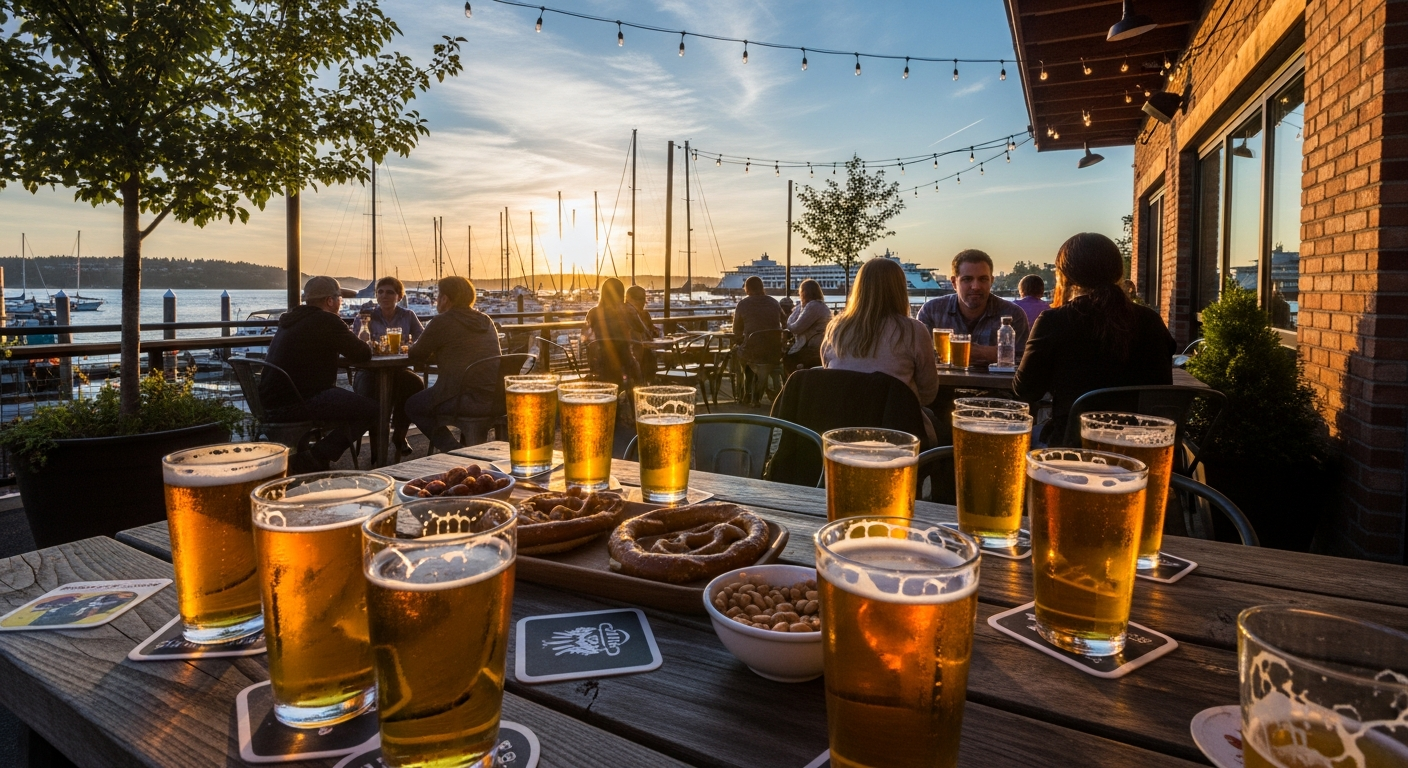
    1710 W Marine View Drive. The family and dog-friendly patio at the marina is the closest thing to what At Large’s waterfront setup offered, and Sound to Summit earns its slot on the trail independently — their award-winning pilsners and stouts hold up on any tap list in the region. They brew out of Snohomish and pour at the marina, seven days a week. When the weather is good, this is the move. Full guide here.

    3. Obsidian Beer Hall — Downtown Hewitt

    1420 Hewitt Ave. Owner Craig Chambers opened this curated PNW beer hall in 2024 in the former Toggles space, and it’s become a genuine anchor on the Hewitt corridor. The tap list rotates and emphasizes Pacific Northwest craft — not exclusively Obsidian’s own production, but a curated selection that gives you a good cross-section of what’s being brewed in the region. Live music events run regularly through the Everett Music Initiative. This is technically a beer hall rather than a brewery-owned taproom, but it belongs on any beer walk through downtown Everett. Full profile here.

    4. Lazy Boy Brewing — South Everett Industrial

    715 100th St SE, Suite A1. This is the one people haven’t found yet, and finding it is part of the experience. Lazy Boy is tucked into a south Everett industrial park — no signage visible from the street unless you know where you’re going. Nine taps, Wednesday through Saturday 3–9 PM, Thursday trivia, Saturday live music, monthly line dancing. The scale is small by design, and the vibe is closer to a working brewery taproom than a hospitality space. We called it the spiritual successor to At Large’s ethos — a place where the beer is the point and the regulars actually show up. Full guide here.

    5. Middleton Brewing — Everett Mall Way

    607 SE Everett Mall Way, Suite 27-A. Owner Geoff Middleton has been brewing since 2013. The 1.5-barrel nano-brewpub is one of Everett’s quieter finds — the specialty is fruit ales, which is genuinely unusual in a market that defaults hard to IPAs. The scale means the tap list changes constantly and you’ll encounter beers that exist nowhere else. Worth tracking specifically for seasonal fruit ale releases. Full profile here.

    6. U-Neek Brewing (formerly Crucible) — Everett Mall Area

    909 SE Everett Mall Way, Suite D440. New owners Erik Andresen and Johanna Watson took over Crucible Brewing and relaunched it as U-Neek, reopening under the new name in February 2025. Part of the Pacific Northwest Brewing Center complex. Hours: Monday–Saturday 12 PM–10 PM, Sunday 12 PM–8 PM. Family-friendly neighborhood taproom with trivia nights and rotating food trucks. Full profile here.

    How to Run the Trail

    The current trail splits naturally into two loops.

    North/Downtown loop: Obsidian Beer Hall (Hewitt Ave) → Scuttlebutt Craftsman Way → Sound to Summit Marina Taproom. This is the waterfront-and-downtown circuit, all within reasonable walking or short driving distance. The north loop is the best intro for first-timers and the right circuit when you’re combining brewery stops with dinner on the Hewitt corridor or the waterfront.

    South/Industrial loop: U-Neek → Middleton Brewing → Lazy Boy. These three are within a few miles of each other in south and east Everett. The south loop is the more adventurous circuit — less visible, more local, more interesting for people who’ve already done the downtown pass. Note that Lazy Boy’s hours (Wed–Sat, 3–9 PM) are the constraint to plan around.

    Doing both loops in a single day is possible but ambitious. A better approach: hit the north loop one evening, the south loop on a Saturday afternoon when Lazy Boy is open and you have time to find the industrial park.

    What Changed Since April 2026

    The April 2026 trail guide listed eight stops, including At Large and some additional options that have since closed or reduced hours. The practical trail today is six solid taprooms. The closure of At Large remains the biggest gap — specifically the loss of the waterfront patio, which Sound to Summit partially compensates for but doesn’t fully replace.

    On the positive side: Lazy Boy and Middleton have both settled into their operational rhythms in a way that makes them reliable additions to the list rather than question marks. U-Neek under new ownership has stabilized. The trail is smaller than it was two years ago, but the remaining stops are consistent.

    What We’re Watching

    The Port of Everett still has one remaining Restaurant Row space at Waterfront Place without a permanent tenant. A taproom or brewpub in that slot would complete the waterfront cluster in a way that At Large’s absence broke. We’re watching the Port’s tenant search process.

    In the meantime: six active stops is a solid summer brewery trail. Hit them in order or mix the loops. Either way you’re drinking well in Everett.

    The six active stops: Scuttlebutt Brewing (2 locations) • Sound to Summit Marina • Obsidian Beer Hall • Lazy Boy Brewing • Middleton Brewing • U-Neek Brewing

    Frequently Asked Questions

    How many breweries are in Everett WA in 2026?

    As of summer 2026, Everett has six active taproom stops on the brewery trail: Scuttlebutt Brewing (two locations), Sound to Summit Brewing at the marina, Obsidian Beer Hall on Hewitt, Lazy Boy Brewing in south Everett, Middleton Brewing on SE Everett Mall Way, and U-Neek Brewing. At Large Brewing closed permanently in March 2026.

    Did At Large Brewing in Everett close?

    Yes. At Large Brewing at 2730 W Marine View Drive closed permanently on March 31, 2026. It was one of Everett’s original modern craft brewery destinations.

    What is the best brewery in Everett WA?

    Scuttlebutt Brewing is Everett’s most established craft brewery with two locations. For the best outdoor drinking experience, Sound to Summit’s marina taproom is the current top choice. For the most adventurous and local experience, Lazy Boy Brewing in south Everett is the hidden gem worth finding.

    Where is Lazy Boy Brewing in Everett?

    Lazy Boy Brewing is at 715 100th St SE, Suite A1, Everett, WA — in a south Everett industrial park. Hours: Wednesday through Saturday, 3 PM to 9 PM.

    Is U-Neek Brewing the same as Crucible Brewing Everett?

    Yes. U-Neek Brewing Company at 909 SE Everett Mall Way is the rebranded and relaunched version of Crucible Brewing, under new owners Erik Andresen and Johanna Watson since February 2025.

  • Butter Notes Cafe Everett: Specialty Coffee & Live Jazz

    Butter Notes Cafe Everett: Specialty Coffee & Live Jazz

    Most coffee shops in Everett serve lattes and move on. Butter Notes Cafe, at 902 N Broadway, is trying to be something different — and four months in, it’s earning the ambition.

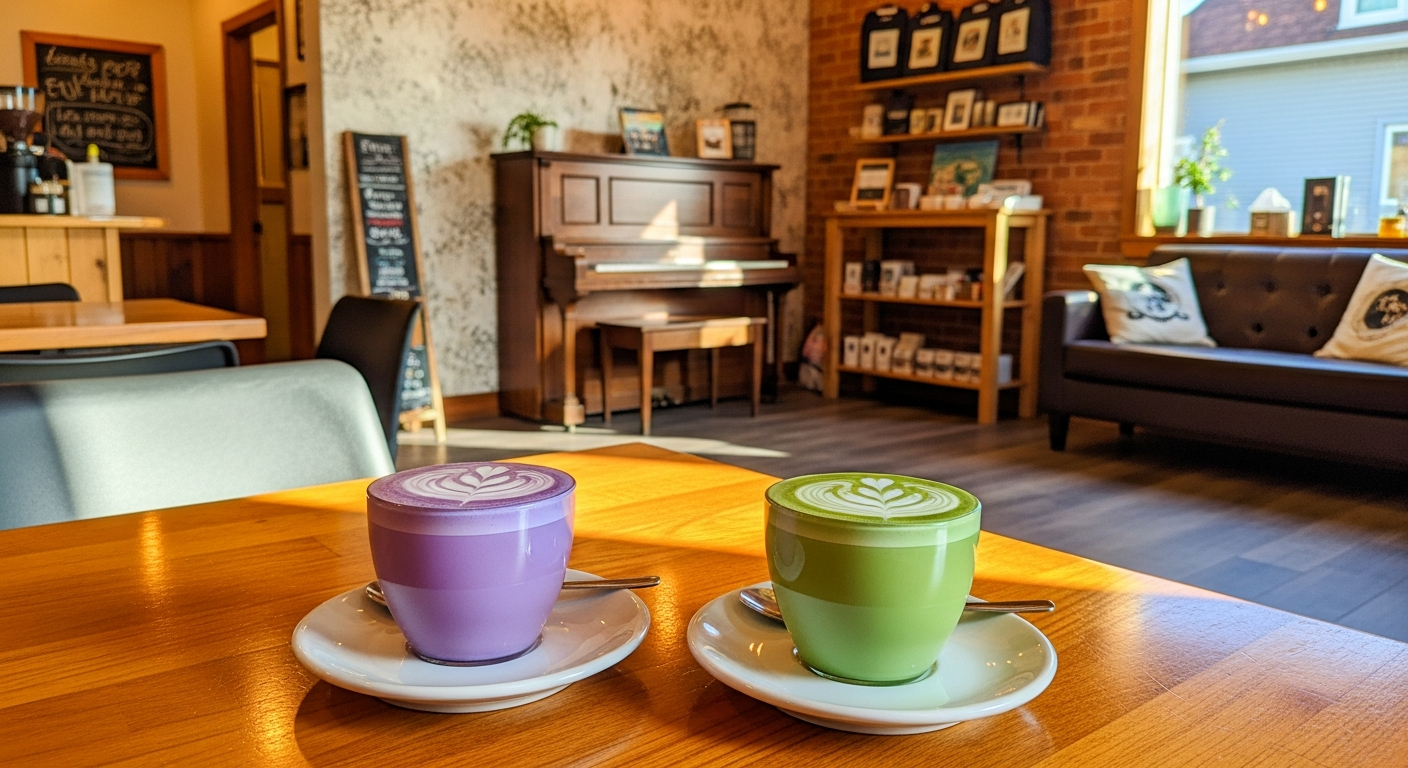
    The cafe opened in January 2026 in North Everett, tucked into a suite on Broadway that’s been quietly building a more interesting neighborhood commercial scene. From the outside it looks like a standard coffee stop. Inside there’s a piano, a drum set, ticketed jazz shows, a professional podcast studio, and a drink menu that goes considerably beyond your standard espresso lineup.

    We stopped by to see if the concept holds together. It does.

    The Drinks Menu Is a Statement

    Butter Notes starts with the basics — Americano ($4.25–$5.25), cappuccino ($4.75–$5.25), drip coffee ($3.50–$4.50) — and then gets interesting. The signature and best-seller section leans into Asian-influenced flavors with real commitment: Matcha Latte ($5.75–$6.75), Strawberry Matcha Latte ($6.25–$7.25), Ube Latte ($6.25–$7.25), Hojicha Latte ($5.75–$6.75), Black Sesame Latte ($6.25–$7.25), Blueberry Matcha Latte, and Earl’s Garden (earl grey with floral notes, $6.25–$7.25).

    The Cream Cheese Cold Brew ($5.75–$6.75) deserves a mention — the cream cheese foam cold brew format started in Taiwan and shows up in a handful of Pacific Northwest specialty shops, but rarely in Everett. Order it once and it becomes a habit.

    All prices are three-tier: 12 oz, 16 oz, 20 oz. Even the more elaborate specialty drinks top out at $7.25. A standard latte is $4.75 for a 12-ounce. The pricing is honest for the quality level.

    The Food

    Croffles — croissant waffles — are the signature food item. The strawberry croffle is the one people keep coming back for based on Yelp activity, and it shows up repeatedly in reviews as the thing that made someone a regular. Crepes are also on the menu. The food is the kind of thing that pairs with a long coffee order rather than standing on its own as a meal, which is exactly the right call for a cafe with this much going on in the drink department.

    The Piano, the Jazz Shows, and the Discord

    The piano and drum set are not decoration — Butter Notes hosts regular ticketed jazz shows, listed at turntabletickets.com, and the room is designed around them. This is unusual for Everett. A specialty coffee shop with a recurring live jazz program embedded into its weekly rhythm is not something the city has had before.

    They also run a Discord community server. This is a deliberate choice that signals the target audience: younger regulars who want a third place that actually does community rather than performing it. The newsletter is framed as “Help us bring jazz to Everett,” which tells you exactly what the owners are trying to build here.

    The podcast studio (bookable via Peerspace) adds another layer: professional multi-camera recording equipment, studio lighting, professional audio — for local creators who need the hardware without the overhead of a full production house. It’s an economically interesting bet. A podcast studio inside a coffee shop brings in a specific kind of regular who also tends to tell other people about the place.

    How It Compares to Other Everett Coffee Options

    The Broadway corridor has been underserved for sit-down specialty coffee. The closest direct comparisons in terms of specialty focus and community vibe would be Narrative Coffee downtown, The Loft Coffee Bar on Hewitt, or Nadine’s Coffee House off Wetmore — all worth visiting. What separates Butter Notes is the performance program. Jazz nights turn a coffee shop into a destination rather than a convenience, which is a fundamentally different kind of business. Sobar Coffee on Colby has the remote-work atmosphere; Butter Notes is doing something closer to a community arts space that also makes excellent lattes.

    Hours and How to Get There

    Open Monday through Friday 7 AM–8 PM, Saturday and Sunday 8 AM–8 PM. Online ordering available. The Broadway location is accessible from the North Everett residential neighborhoods, about a 10-minute drive from downtown or a short walk from the Broadway commercial corridor.

    The Bottom Line

    If your coffee rotation has gone stale, Butter Notes is the corrective. The specialty drink menu uses Asian flavors as a genuine design language rather than a novelty. The jazz shows make the space alive on weekday evenings. The podcast studio pays for the rent. It all adds up to a place with an actual point of view, which is rarer than it should be for a city the size of Everett.

    The move: Ube Latte or Strawberry Matcha Latte. Strawberry croffle if you’re hungry. Arrive early on weekends — seating fills before the jazz sets start.

    Address: 902 N Broadway, Suite B, Everett, WA 98201
    Hours: Mon–Fri 7 AM–8 PM, Sat–Sun 8 AM–8 PM
    What to order: Ube Latte, Strawberry Matcha Latte, Cream Cheese Cold Brew, strawberry croffle
    Jazz shows: turntabletickets.com
    Podcast studio: Bookable via Peerspace
    Price range: $–$$

    Frequently Asked Questions

    Where is Butter Notes Cafe in Everett?

    Butter Notes Cafe is at 902 N Broadway, Suite B, Everett, WA 98201, in North Everett on the Broadway corridor.

    What are Butter Notes Cafe hours?

    Monday through Friday: 7 AM–8 PM. Saturday and Sunday: 8 AM–8 PM.

    What is a croffle at Butter Notes?

    A croffle is a croissant waffle — croissant dough pressed in a waffle iron. Butter Notes’ strawberry croffle is their signature food item and one of the most-ordered items on the menu.

    Does Butter Notes Cafe have live music?

    Yes. Butter Notes hosts regular ticketed jazz shows. Tickets are available at turntabletickets.com and upcoming dates are listed on their events calendar at butternotescafe.com.

    Does Butter Notes Cafe have a podcast studio?

    Yes. Butter Notes has a professional podcast recording studio with multi-camera video, professional audio, and studio lighting available for rent. Book through their Peerspace listing or via butternotescafe.com/podcast-studio.

    What is the best drink at Butter Notes Cafe?

    The Ube Latte, Strawberry Matcha Latte, and Cream Cheese Cold Brew are the standouts based on menu positioning and customer reviews. The Ube Latte ($6.25–$7.25) is the most distinctive drink on the menu.

  • Ten-01 Pub Everett Review: Train Beers & Hewitt History

    Ten-01 Pub Everett Review: Train Beers & Hewitt History

    Some addresses carry weight. 1001 Hewitt Ave is one of them.

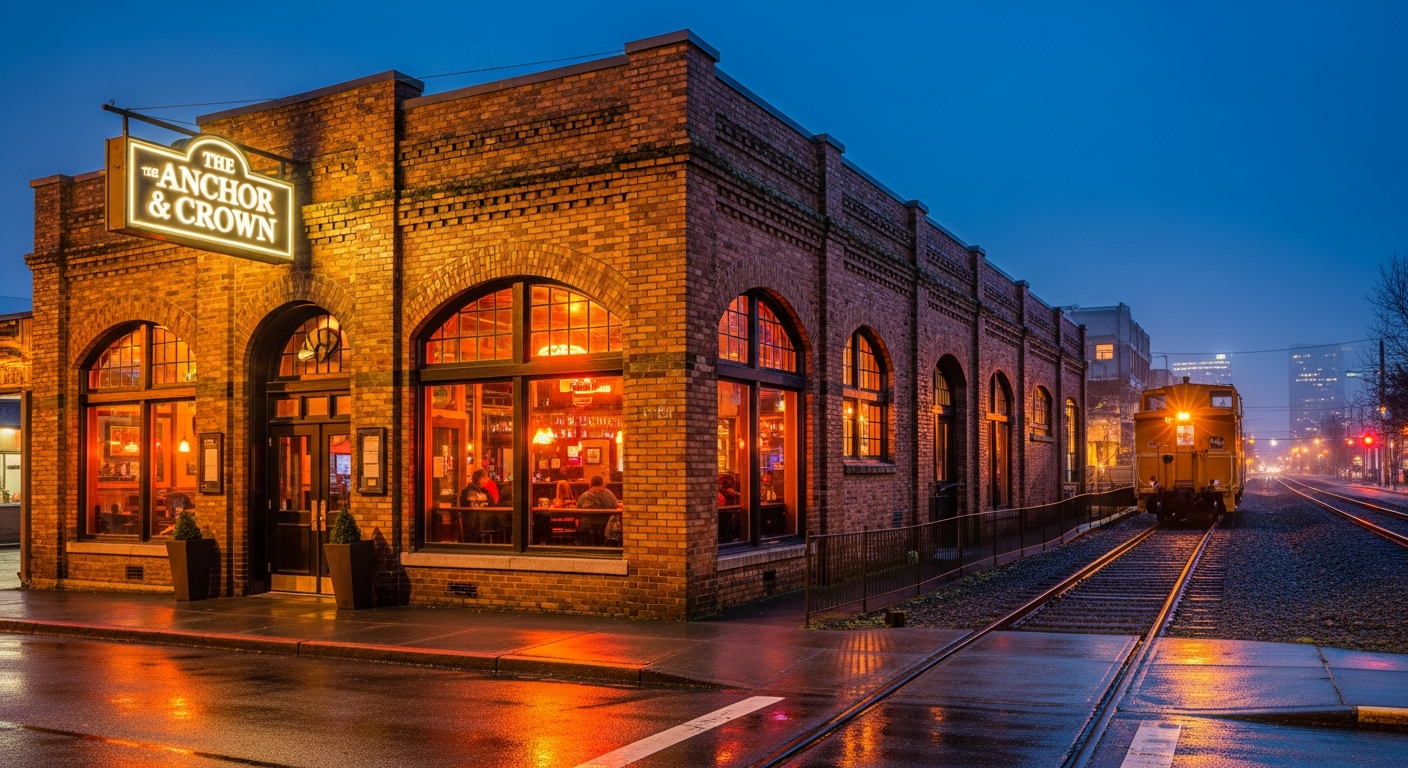
    For decades it was The Anchor Tavern, then The Anchor Pub. The last chapter under that name ended badly — the owner convicted of child rape, the building sold at public auction, the sign taken down. When Holly Heath and Shane Ratigan bought the place in 2024, they had a choice: carry forward a name locals associated with a dark chapter, or start fresh while honoring what made the address worth saving.

    They chose fresh. They named it The Ten-01 — after the address at 1001 Hewitt — and opened on January 17, 2025. Sixteen months in, it’s working.

    The Building Has Earned Its History

    The structure at 1001 Hewitt has been a bar since the 1930s, but the building itself dates to 1907. High ceilings, worn wood, walls that have absorbed a century of conversations. Heath and Ratigan knew this when they bid on it.

    “We’ve had our eye on this location for quite some time — it’s an incredible space in a historical building that we absolutely love,” the owners told My Everett News at opening. They spent months on renovations, cleaning up the space and the reputation simultaneously. The result is a room that feels lived-in without feeling tired. Long bar, booths along the wall, enough space to move without apologizing to strangers.

    The Food

    The kitchen does burgers, house-made pizzas, pub-style appetizers, and tacos. Nothing precious about any of it — these are things made to go with beer. The classic cheeseburger is half-price on Tuesdays, which is one of the smarter things a neighborhood bar can do if it wants regulars to show up mid-week.

    The price range is pub-appropriate. If you want elevated tasting menus you’re a few blocks east at Luca or The New Mexicans. The Ten-01 is not that. It’s the bar version of a homecooked meal — familiar and good.

    The Train Beer Tradition

    This is the detail everyone brings up first, because it earns it: whenever a train rolls past on the BNSF tracks right behind the building — which happens regularly on the corridor that runs through central Everett — you get $2 domestic draft beers. This is a tradition from the Anchor Tavern era that the new owners kept. Correct decision. It’s the kind of touch that tells you a bar understands what makes a neighborhood bar work.

    Freight trains on the BNSF line run through the evening and night. Regulars have been known to track them. We’re not saying you should, but we understand why.

    Events and the Weekly Calendar

    Thursdays: trivia at 7 PM. Live music is a regular weekend feature — the grand opening in January 2025 featured local bands Sugar Push and The True Romans, and the music programming has continued. Heath and Ratigan also own The Pinehurst Pub in North Seattle, so they have a working model for this. Regular events, consistent specials, a room that makes the next visit feel obvious.

    Where It Fits on the Hewitt Corridor

    The Hewitt Avenue food and drink scene has built itself into something genuinely interesting. Within walking distance of The Ten-01: Obsidian Beer Hall two blocks east, Vintage Cafe (50 years strong), R Harn Thai, STRGZR Coffee and Kitchen, and Luca Italian for a proper dinner. The Ten-01 slots in as the working pub — the place you end the night after dinner, or start the evening before a show at Angel of the Winds two blocks away.

    The Bottom Line

    Go, especially on a night when you can hear the trains. The address has earned a second chance and the current owners are honoring it. The building is a piece of Everett going back to 1907. The beer is cold, the food is solid, and $2 domestic drafts when freight passes through is one of those things you’ll be explaining to visitors for years.

    Address: 1001 Hewitt Ave, Everett, WA 98201
    Hours: Sun–Thu 3 PM–midnight, Fri–Sat 3 PM–2 AM
    What to order: Classic cheeseburger (half-price Tuesday), draft when the train rolls through
    Train beer: $2 domestic draft whenever a train passes
    Events: Trivia Thursday 7 PM, live music weekends
    Parking: Street parking on Hewitt, surface lots nearby
    Price range: $–$$

    Frequently Asked Questions

    What is The Ten-01 Pub in Everett?

    The Ten-01 Pub is a community bar at 1001 Hewitt Ave in downtown Everett, WA, named after its address. It opened January 17, 2025, in a historic 1907 building formerly occupied by The Anchor Tavern and Anchor Pub.

    Who owns The Ten-01 Pub?

    Owners Holly Heath and Shane Ratigan, who also own The Pinehurst Pub in North Seattle, purchased the building at public auction and opened The Ten-01 in January 2025.

    What is the train beer deal at The Ten-01?

    Every time a freight train passes on the nearby BNSF tracks, The Ten-01 offers $2 domestic draft beers. It is a tradition carried over from the building’s previous ownership and one of the pub’s most beloved features.

    What are The Ten-01 hours?

    Sunday through Thursday: 3 PM to midnight. Friday and Saturday: 3 PM to 2 AM.

    Does The Ten-01 have food?

    Yes. The menu includes house-made pizzas, burgers, pub-style appetizers, and tacos. The classic cheeseburger is half-price on Tuesdays.

    Does The Ten-01 Pub have live music?

    Yes. Live music is a regular feature on weekends. Thursday trivia night starts at 7 PM. Check their Instagram @theten01 for the current schedule.

  • Everett Riverfront Development: 2026 Park & Retail Delays

    Everett Riverfront Development: 2026 Park & Retail Delays

    Q: Where does Everett’s Snohomish River riverfront development stand in 2026?
    A: The City of Everett scheduled Phase 1 construction on Eclipse Mill Park — the signature 3-acre public park for the Snohomish River waterfront — to mobilize in July 2026, with waterside amenities targeted for completion by November 2026. Developer Shelter Holdings’ land-side Phase 1 park work follows from fall 2026 through spring 2028. The broader riverfront development, which envisions up to 1,250 housing units and ground-floor retail, is advancing — but the retail side has faced significant delays, with a planned grocery store pushed to 2030 and a cinema concept replaced by a pickleball facility.

    The Park Construction Timeline

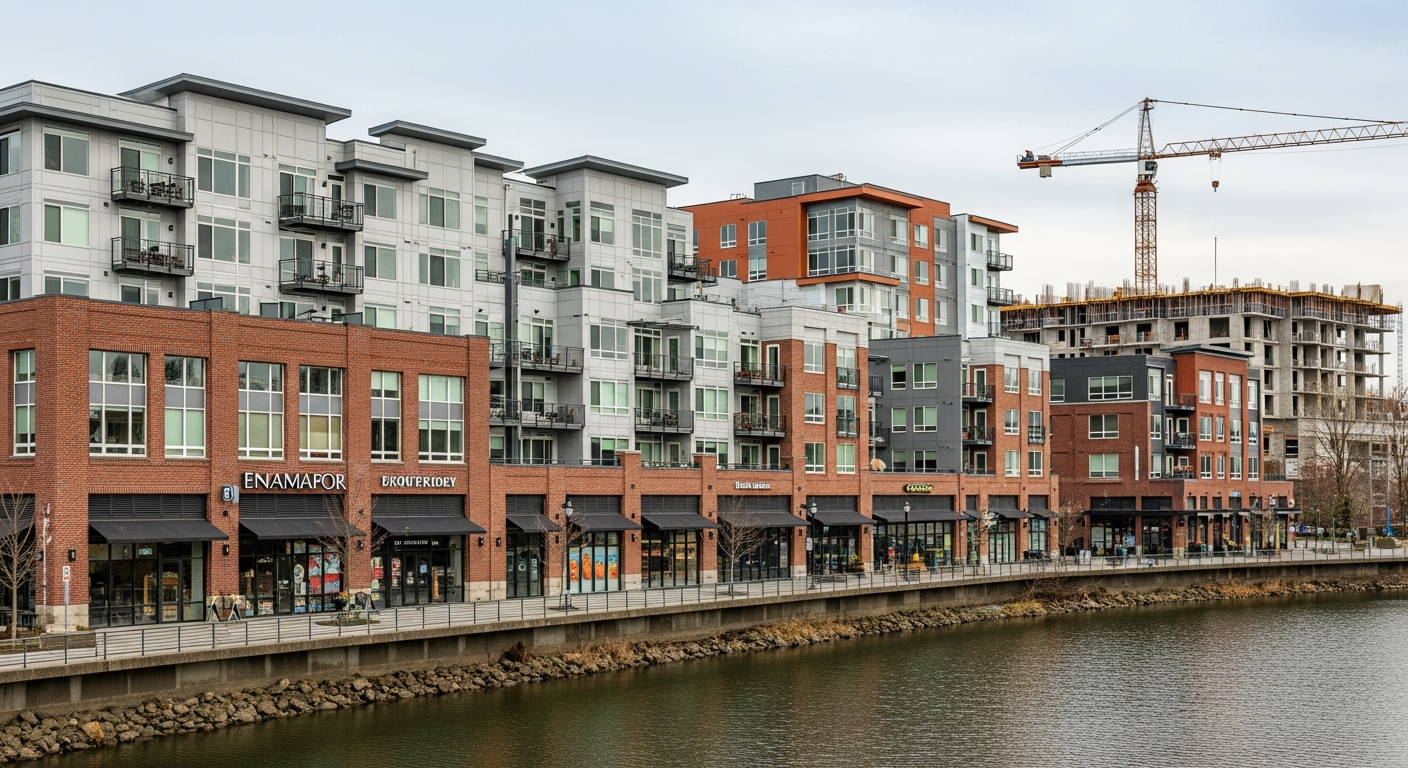
    If you’ve driven along the Snohomish River lately, you’ve seen it: the buildings going up on what used to be a former landfill and lumber mill site, the streets carved into a neighborhood that didn’t exist five years ago, the quiet accumulation of infrastructure on one of Everett’s most ambitious bets on its own future.

    The riverfront project, led by Bellevue-based developer Shelter Holdings, is one of the largest private development projects underway in Snohomish County. It’s also one of the most publicly scrutinized. An August 2025 Everett Herald story captured the resident frustration that’s built alongside the housing: delays, empty storefronts, and a timeline that keeps moving.

    With the 2026 construction season under way, here’s the most complete picture of where the Everett riverfront actually stands.

    The most concrete near-term milestone is Eclipse Mill Park, the 3-acre public green space planned as the social heart of the new riverfront neighborhood. The project has a split structure. The City of Everett handles the waterside portion: bank stabilization, a floating dock, and waterfront amenities that will make the park usable from the river side. The city’s project timeline puts construction mobilization in July 2026, with the city targeting completion of its portion by November 2026.

    Once the city finishes, Shelter Holdings has 18 months to complete its land-side portion of Phase 1 — the amenities including parking, a playground, a trail connection, and a play lawn. That puts the Phase 1 park completion in spring 2028, with a full park opening projected for that same window.

    What’s worth emphasizing is that this is a real construction event, not a distant promise. The city’s schedule calls for crews to mobilize on the riverbank at the Eclipse Mill Park site in July 2026 and for the waterside portion to be complete by November 2026.

    The Housing Side: What’s Built and What’s Coming

    The housing portion of the Shelter Holdings development is further along than the retail side. Phase 1 launched with 333 apartments as the initial residential component. The broader vision calls for up to 1,250 multi-family housing units across all phases — which would make this one of the largest residential additions in Everett’s history once fully built out.

    The units that are occupied are generating a resident base, which is exactly what the development needs to attract the commercial tenants the neighborhood has been waiting for. More residents means more foot traffic; more foot traffic means a business case for retail operators. The tension is that the sequencing hasn’t worked out that cleanly. The housing came first, but the retail hasn’t followed fast enough for residents who moved in expecting a neighborhood with a coffee shop, a grocery store, and things to do within walking distance.

    The Retail Gap: What Got Delayed, What Got Dropped

    This is the most candid part of the 2026 picture.

    The original Phase 1 vision for the Everett riverfront included a movie theater, a specialty grocer, ground-floor restaurants, and a commercial district that would activate the neighborhood from day one. Almost none of that has materialized on the original schedule.

    The cinema is gone. In 2024, the Everett City Council agreed to let Shelter Holdings replace the planned movie theater with a pay-to-play pickleball facility, citing the post-COVID difficulties facing the movie business. The deadline for that facility was also pushed from Phase 1 to Phase 3 of the development, which is likely several years away.

    The grocery store has been delayed to 2030. When Shelter Holdings asked the city for the extension in June 2025, the explanation was direct: grocery store operators “want to see additional surrounding population density to support a grocery store at the Riverfront.” With Phase 1 apartments occupied but the broader neighborhood still building out, the density threshold for a grocer to make the numbers work hasn’t been reached.

    The Herald’s August 2025 coverage of empty storefronts and resident frustration captured a real tension that anyone who has walked the riverfront neighborhood can see. The ground-floor retail bays that were supposed to activate the street-level experience are sitting empty. The buildings are there. The windows are there. The tenants aren’t.

    Why This Matters for Everett’s Development Story

    The Snohomish River waterfront project is one of three simultaneous waterfront and development efforts reshaping Everett. The Port of Everett’s Waterfront Place on Port Gardner Bay is further along commercially — Tapped Public House, Marina Azul, Menchie’s, Rustic Cork, and Jetty Bar & Grille are all operating. Millwright District Phase 2 targets a mid-2029 entertainment retail opening. The riverfront is the youngest and most interior of the three, running on the longest clock.

    The structural challenge is one that most large mixed-use developments face: the first residents arrive before the amenities that make the development worth living in. Developers manage this by phasing construction so that commercial critical mass arrives shortly after residential density. At the Everett riverfront, that sequence got disrupted — first by COVID’s impact on the cinema sector, then by the grocery sector’s density requirements, then by the general commercial retail slowdown of 2023–2025.

    The 2026 construction season offers a reset moment. Eclipse Mill Park Phase 1 city work, scheduled to mobilize in July, is a visible, tangible marker of progress — exactly the kind of milestone that builds confidence in the neighborhood among both prospective residents and prospective retail tenants. The floating dock, the riverbank improvements, and the infrastructure going in this year will make the Snohomish River accessible to the neighborhood in a way it hasn’t been yet.

    What to Watch in the Second Half of 2026

    The markers worth tracking between now and December 2026:

    City park construction progress. The city targets its riverbank and floating dock work by November 2026. Any slippage to that schedule pushes back Shelter Holdings’ Phase 1 timeline and the spring 2028 park opening.

    Retail tenant announcements. With 2030 now the grocery anchor target, any pre-2030 commercial lease signing in the riverfront district would be meaningful news. Even a smaller-format coffee shop or neighborhood retail commit would signal that the density threshold is being crossed.

    Phase 2 housing permit filings. More housing permits mean more residents on the way, which advances the case for retail faster than anything else the developer can do.

    The Everett riverfront isn’t behind the way a stalled project is behind. It’s behind the way ambitious urban development always is when it tries to build a neighborhood from scratch on challenging land. The bones of a genuinely good waterfront district are visible — the housing, the infrastructure, the park framework. The retail chapter is just taking longer to write.

    The 2026 construction season is set to bring the most visible progress the riverfront has shown in a year. When the city is moving dirt at Eclipse Mill Park, it’ll be the clearest sign yet that Everett’s Snohomish River waterfront is still building toward what it promised to be.

    Frequently Asked Questions

    Q: When will Eclipse Mill Park open?
    Eclipse Mill Park Phase 1 is projected to fully open in spring 2028. The City of Everett will complete its waterside construction by November 2026, after which Shelter Holdings has 18 months to complete the land-side Phase 1 amenities.

    Q: Who is developing the Everett riverfront?
    Shelter Holdings, a Bellevue-based developer, is the primary private developer for the Snohomish River waterfront project. The City of Everett is separately responsible for Eclipse Mill Park’s waterside construction phase.

    Q: How many housing units are planned for the Everett riverfront?
    The full Shelter Holdings development envisions up to 1,250 multi-family housing units across all phases. Phase 1 launched with 333 apartments.

    Q: Why was the riverfront cinema cancelled?
    The Everett City Council approved Shelter Holdings’ request in 2024 to replace the planned movie theater with a pay-to-play pickleball facility, citing challenges facing the cinema industry since COVID-19. The project’s deadline was also moved from Phase 1 to Phase 3.

    Q: When will the riverfront grocery store open?
    The grocery store has been delayed to 2030. Shelter Holdings cited grocery operators’ requirements for greater surrounding population density before they will commit to a store.

    Q: Where is the Everett riverfront development located?
    The Shelter Holdings riverfront development sits along the Snohomish River in Everett, on the site of a former city landfill and lumber mills. It’s distinct from the Port of Everett’s Waterfront Place development on Port Gardner Bay to the west.

  • Snohomish County Retail Market: Q1 2026 Vacancy Rates

    Snohomish County Retail Market: Q1 2026 Vacancy Rates

    Q: How does Snohomish County’s retail vacancy compare to the rest of the Puget Sound region?
    A: Snohomish County ended Q4 2025 at 3.4% retail vacancy — the tightest rate in the Seattle-Puget Sound metro, according to Kidder Mathews. While the broader Seattle market finished 2025 at 4.0% and held flat at 4.0% in Q1 2026 (Kidder Mathews), Snohomish County’s retail market has stayed tighter because almost no new retail square footage has been built in years. That scarcity protects existing landlords but creates a challenging environment for major new developments like Waterfront Place and Millwright Phase 2 that need to recruit tenants into a market where selectivity is rising.

    Why Snohomish County Retail Stays Tight

    Here’s a number that doesn’t get talked about enough: Snohomish County’s retail vacancy rate ended 2025 at 3.4 percent.

    For context, the broader Seattle metro finished 2025 at 4.0 percent and held flat at 4.0 percent in Q1 2026, per Kidder Mathews. King County’s vacancy was trending higher through the back half of the year. Portland hit 4.8 percent in Q1 2026. By every regional benchmark, Snohomish County’s retail market is the tightest in Puget Sound — and it has been for most of the past three years.

    That’s a complicated backdrop for everything happening on Everett’s waterfront right now.

    The short answer, according to Kidder Mathews’ Q4 2025 retail market data cited by the Everett Herald in February 2026, is construction — or rather, the lack of it. Almost nothing has been built. The last major new shopping center project in Snohomish County was years ago, which means existing retail square footage is scarce. When tenants look for space, their options are limited — which keeps occupancy high and keeps asking rents elevated.

    The Everett Herald framed it plainly: “Few vacant retail spaces in Snohomish County.” At 3.4 percent vacancy, that’s not just a real estate headline — it’s a physical reality that shapes which businesses can afford to open here.

    But Kidder Mathews’ Q1 2026 data introduced something new into the conversation: a split trend line. Direct vacancy dipped to 3.1%, but availability rose from 3.8% to 4.0%, and Kidder describes “a more selective leasing environment” across the region. The moves are measured — this is not a market in distress — but they signal that the floor-tight conditions of the past two years are starting to ease at the margins.

    What This Means for Waterfront Place

    The Port of Everett’s Waterfront Place development has approximately 63,000 square feet of planned retail and restaurant space across the full buildout of Fisherman’s Harbor and Marina Village. A meaningful portion of that is already occupied and generating activity: Tapped Public House opened in March 2026 with the largest waterfront rooftop deck in Snohomish County; Marina Azul Cocina & Cantina arrived in spring 2026; Menchie’s Frozen Yogurt opened at the marina in March; Rustic Cork Wine Bar has been operating for months; Jetty Bar & Grille remains a marina staple; South Fork Baking Co. and Anthony’s HomePort anchor the established tenant base.

    That’s a functioning dining and retail district — and it’s operating in a county where retail space is genuinely scarce. In a sub-3.5 percent vacancy environment, every new restaurant that opens at Waterfront Place is competing not just with other waterfront tenants, but with a county-wide retail market where operators are getting more selective about where they commit.

    The remaining Parcel A7 restaurant site — the Port’s search for a flagship dining tenant at the last undeveloped waterfront pad — is an open question in this context. A tight market should theoretically accelerate recruitment. But Q1 2026’s rising selectivity from prospective tenants complicates that math. Operators have more choices than they used to, and they’re using them.

    The Millwright Phase 2 Question

    The more significant long-term implication of the Q1 2026 retail data is for Millwright District Phase 2, which envisions up to 120,000 square feet of retail, entertainment, and dining — the movie theater, mini golf, arcade, bowling, specialty shops, gyms, and salons announced as the anchor concept, with a projected opening window of mid-2029.

    Between now and 2029, the retail market will complete several more cycles. The current phase — availability edging up, leasing more selective — could resolve in either direction. What the Q1 2026 data confirms is that the foundation is solid. A county that has held below 3.5 percent vacancy for multiple years, with no meaningful new inventory in the pipeline, is a county where well-positioned retail real estate still works. Millwright Phase 2’s 120,000 square feet will be the largest single retail addition Snohomish County has seen in years — arriving into a market that will almost certainly still be undersupplied by mid-decade.

    Downtown Everett and the Bank of America Signal

    One notable data point in downtown Everett’s retail landscape deserves separate attention: the 12,000-square-foot Bank of America building at 1602 Hewitt Avenue, which came to market this spring for the first time in 60 years. Skotdal is marketing the building with a three-lane drive-through and 92 covered parking spaces.

    At 3.1 percent county-wide retail vacancy (Q1 2026), a 12,000-square-foot class-A footprint in downtown Everett should theoretically be in high demand. The fact that it’s available at all is a testament to how thoroughly the banking sector has contracted its physical footprint. The question is whether the retail market’s tightness is enough to attract a non-bank tenant willing to work with that building’s legacy configuration.

    The comparison to the office market is instructive: Snohomish County office vacancy hit 10.7 percent in Q1 2026 — nearly triple the retail rate. Office space is available and under pressure; retail space is not. That divergence matters for how developers think about the use mix at Waterfront Place and Millwright Phase 2. Retail and dining are still the anchor draw. Office demand follows workers, not the other way around.

    The Snohomish County Retail Advantage — For Now

    For anyone tracking Everett’s development story, the retail market data adds an important piece of context. The waterfront, downtown, the riverfront, and Millwright are all recruiting tenants into a county that remains the most retail-constrained in the region. That constraint cuts both ways.

    It means existing retailers perform well. It means new entrants can establish market position before competition multiplies. And it means the large-format entertainment retail vision at Millwright Phase 2 — the first genuine new retail district Snohomish County will have seen in years — will arrive into conditions that still favor well-capitalized landlords.

    The Q1 2026 signal worth watching is whether rising tenant selectivity translates into slower absorption at Waterfront Place. The next few quarters of lease announcements will be a real-time test of whether the Port’s restaurant row momentum can hold as availability edges up. Based on what the data shows right now, there’s no reason to expect it won’t — but the days of almost any tenant being available are giving way to a market that’s starting to pick and choose.

    Frequently Asked Questions

    Q: What is Snohomish County’s retail vacancy rate?
    Snohomish County ended Q4 2025 at 3.4 percent retail vacancy, the lowest in the Puget Sound metro according to Kidder Mathews. In Q1 2026, direct vacancy dipped to 3.1 percent while availability rose from 3.8 to 4.0 percent (Kidder Mathews Q1 2026).

    Q: How does Snohomish County compare to Seattle’s retail market?
    The broader Seattle metro finished 2025 at 4.0 percent retail vacancy, roughly half a point higher than Snohomish County. In Q1 2026 the Seattle-area rate held flat at 4.0 percent while Snohomish County dipped to 3.1 percent (Kidder Mathews Q1 2026), keeping it below regional averages.

    Q: How much retail space is planned at Waterfront Place?
    The Port of Everett’s Waterfront Place development plans for approximately 63,000 square feet of retail and restaurant space across Fisherman’s Harbor and Marina Village, with multiple tenants already operating.

    Q: How much retail is coming to Millwright District Phase 2?
    Millwright District Phase 2 envisions up to 120,000 square feet of entertainment-anchored retail — including a movie theater, mini golf, arcade, bowling, and specialty shops — with a projected opening window of mid-2029.

    Q: Why is Snohomish County retail vacancy so low?
    The primary driver is a near-complete absence of new retail construction in the county for multiple years. With no significant new inventory entering the market, existing space stays occupied and asking rents remain elevated.

    Q: What is happening at the Bank of America building on Hewitt Avenue in downtown Everett?
    The 12,000-square-foot former Bank of America building at 1602 Hewitt Avenue became available for the first time in roughly 60 years in spring 2026. Skotdal is marketing the space with a three-lane drive-through and 92 covered parking spaces in downtown Everett.

  • Snohomish County Ordinances Target Homelessness & Fentanyl

    Snohomish County Ordinances Target Homelessness & Fentanyl

    A Snohomish County Council member introduced four new ordinances this week that would significantly shift how the county approaches homelessness, behavioral health treatment, and drug policy — including a proposal to prohibit county funding from being used to purchase drug paraphernalia and another that would criminalize exposing children to fentanyl.

    Council Member Nate Nehring, who represents District 1 on the Snohomish County Council, introduced the package and outlined each proposal in a May 6, 2026 column published in The Daily Herald.

    For Everett residents, the legislation touches on issues that directly affect city neighborhoods — from the cost and structure of county-funded shelter and housing programs to the legal framework around drug exposure in homes with children. The four bills are proposals; they have not yet been voted on. Each must go through committee review and at least one public hearing before the full council takes action.

    The Four Proposals, One by One

    Proposal 1: Removing the County’s Housing First Preference

    The first ordinance would prevent the county from requiring county-funded housing programs to adhere to strict “Housing First” policies. Instead, Nehring wrote, the proposal would “level the playing field for entities which prioritize accountability.”

    Housing First is a model used by many government housing programs that prioritizes placing people in stable housing before addressing other challenges such as addiction or mental health treatment. Under Nehring’s proposal, county-funded programs would not be required to follow the Housing First framework, opening the door for the county to fund programs that incorporate treatment requirements as part of their model.

    Proposal 2: Directing More AHBH Dollars Toward Behavioral Health Facilities

    The second ordinance would redirect a larger share of the county’s Affordable Housing and Behavioral Health (AHBH) Fund toward behavioral health facilities specifically.

    Nehring wrote that $3 million annually — about 12.2% of AHBH funds — currently goes toward behavioral health facilities. The proposal would increase that share to 20%, expanding the funding available for treatment, recovery, and stabilization services.

    The AHBH fund is a sales-tax-funded source — authorized under state law — that the County Council allocates to housing and behavioral health projects across Snohomish County. In April 2026, the county council awarded $23 million from the fund to six housing projects, including three in Everett: a 172-bed shelter expansion, a 28-unit affordable apartment building, and a 58-unit transit-oriented mixed-use building. Read: How $23 Million in Housing Money Moved Without a Tax Vote

    Proposal 3: Prohibiting County Funds for Drug Paraphernalia

    The third ordinance would prohibit Snohomish County from using local taxpayer dollars to purchase and distribute drug paraphernalia. Nehring described the proposal as intended to “ensure that county government does not facilitate activities that enable ongoing drug abuse,” with county policy instead focused on “treatment, recovery, and accountability.”

    The specific definitions and any exemptions — including for medications such as naloxone, the overdose-reversal drug — would be determined in the ordinance’s legislative text as it moves through the review process.

    Proposal 4: Child Fentanyl Exposure Ordinance

    The fourth ordinance would criminalize the exposure of minors to fentanyl at the county level, modeled on a similar law recently enacted by the City of Everett.

    Washington State law already criminalizes exposing children to methamphetamine, but does not specifically address fentanyl. Nehring wrote that “local governments around the state are now taking action to address child fentanyl exposure.” The Snohomish County proposal would extend similar protections to cover fentanyl exposure at the county level.

    What Comes Next for the Legislation

    Nehring introduced the four proposals this week at the Snohomish County Council. None has yet been voted on. Snohomish County ordinances go through a committee review and public hearing process before the full council votes on them. The timeline for hearings on each bill will be set by the council’s legislative calendar.

    The Snohomish County Council has five members elected by district. For any proposal to become law, a majority — three votes — would be required.

    The Policy Context

    Snohomish County — with Everett as its county seat — has invested substantially in housing and behavioral health programs in recent years, using dedicated sales tax revenues to fund shelter, affordable housing, and treatment projects.

    Nehring’s four-bill package reflects a debate playing out in counties and cities across Washington State about how government housing programs should be structured, whether treatment requirements should be part of publicly funded housing programs, and how counties should allocate limited behavioral health dollars.

    Nehring represents District 1 on the Snohomish County Council and lives in Arlington. In his column, he described witnessing the day-to-day work of social workers embedded with law enforcement and said current policy approaches “do not appear to be solving the problem.”

    Frequently Asked Questions

    What is Housing First?

    Housing First is a policy framework that prioritizes placing people experiencing homelessness in stable housing as quickly as possible, without requiring sobriety or participation in treatment as a precondition. It is used in many county and state housing programs across Washington.

    Have these bills passed?

    No. As of May 6, the four ordinances have been introduced. They must go through committee review and at least one public hearing before a full council vote.

    Does this affect the City of Everett’s budget or the EMS levy?

    No. These are county-level ordinances. They would affect how Snohomish County allocates county funds, not the City of Everett’s budget or any pending city ballot measures.

    How is the AHBH fund paid for?

    The Affordable Housing and Behavioral Health Fund is funded by a sales tax authorized by state law (RCW 82.14.530 and RCW 82.14.540). The county council allocates the proceeds through its regular legislative process; no separate voter approval is required for each award.

    Can Everett residents comment on county legislation?

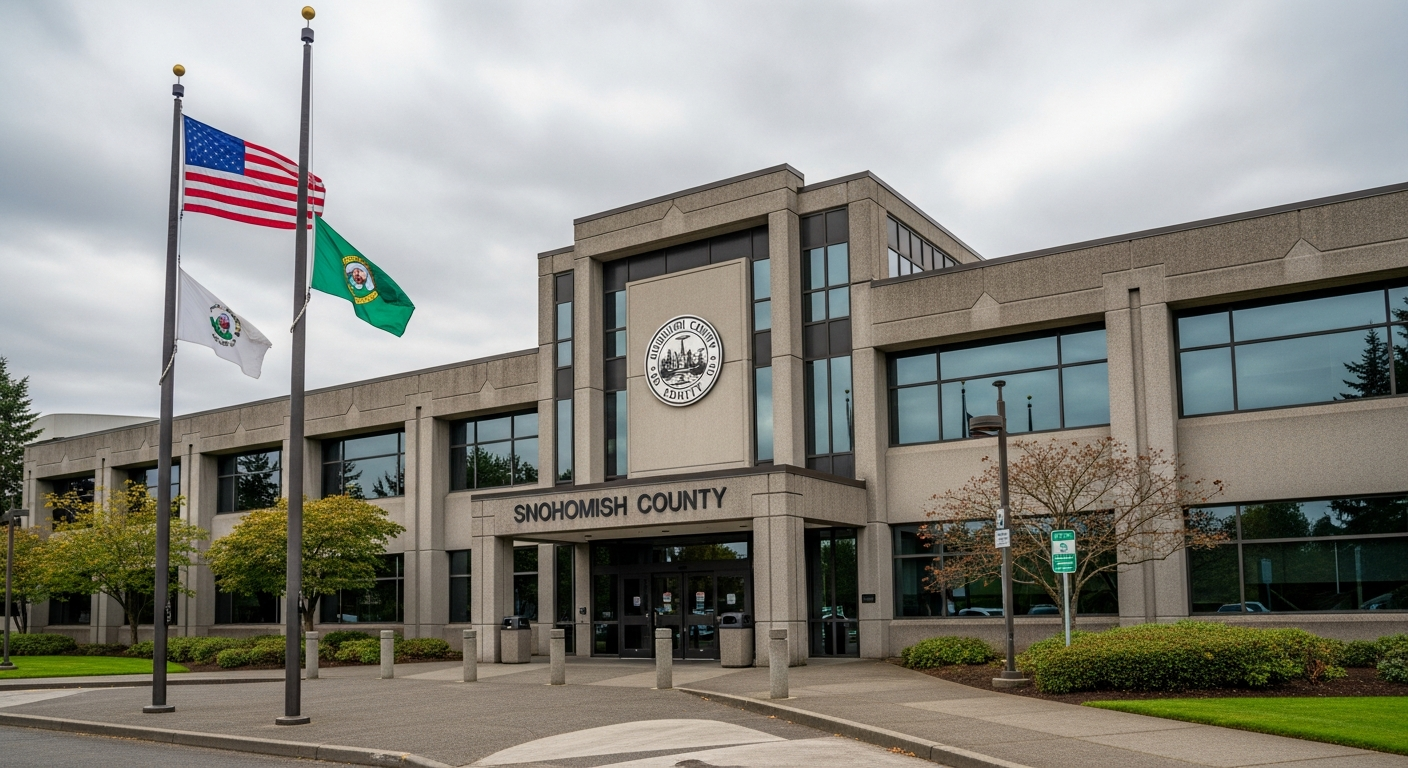
    Yes. Snohomish County residents can testify at County Council meetings, submit written comments through the county website, or contact their district representative directly. The County Council meets at 3000 Rockefeller Ave in Everett.

    What To Do Next

    Track the bills: Visit snohomishcountywa.gov and navigate to the County Council’s meeting calendar to follow committee schedules for these four ordinances.

    Submit written comment: Contact the Snohomish County Council office with your perspective on any of the four proposals before they reach a public hearing.

    Attend a council meeting: The Snohomish County Council meets at 3000 Rockefeller Ave, Everett. Meeting dates and agendas are posted at snohomishcountywa.gov.

    Find your council district: Visit snohomishcountywa.gov to identify which of the five council members represents your area.

  • Everett NR-MHC Zone: Final Vote on Manufactured Home Parks

    Everett NR-MHC Zone: Final Vote on Manufactured Home Parks

    Tonight at 6:30 p.m., Everett City Council will hold a public hearing and take the third and final vote on CB 2604-23 — an ordinance that would permanently establish a new land-use zone to protect seven manufactured home communities from redevelopment pressure.

    If the council approves CB 2604-23 tonight, Everett will have a dedicated Neighborhood Residential – Manufactured Home Community (NR-MHC) zone — a zoning designation that requires parcels occupied by manufactured home parks to remain as such. That means the owners of the seven named parks could not convert them to other uses — apartments, retail, storage, office — without a future act of the city council.

    For the thousands of Everett residents who live in those seven communities, the vote represents the end of a multi-year legislative process and the formal close of a window that has left some residents uncertain about the long-term stability of their homes.

    What Tonight’s Agenda Shows

    The May 6, 2026 City Council agenda lists CB 2604-23 as both a public hearing and an action item — meaning the council will take public testimony and then vote on the ordinance in the same meeting. This is the third and final reading, the last step in Everett’s ordinance adoption process before a bill goes to the mayor for signature.

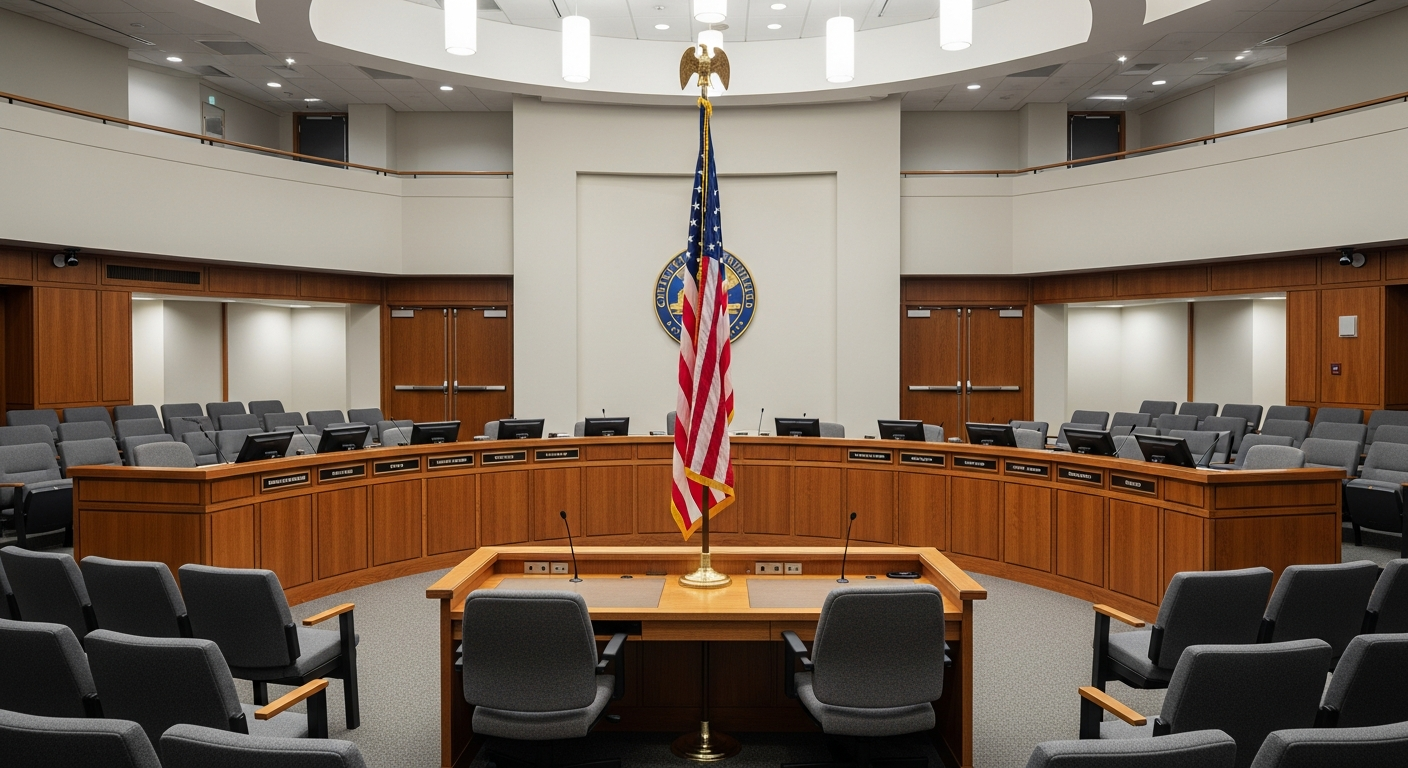
    The meeting begins at 6:30 p.m. in City Council Chambers at 3002 Wetmore Ave, Everett. It is also a hybrid meeting, with remote participation available via Zoom.

    The Seven Parks Named in the Ordinance

    CB 2604-23 specifically names the following manufactured home communities as subject to the new NR-MHC zone:

    1. Creekside
    2. Fairway Estates
    3. Lago De Plata Villa
    4. Loganberry
    5. Mobile Country Club
    6. Silver Shores Senior
    7. Westridge

    Each of these parks would have its parcels rezoned to NR-MHC, making manufactured home community use the only permitted primary use on those sites.

    Why a Dedicated Zone Matters

    Manufactured housing is one of the most affordable forms of homeownership available in Snohomish County. Unlike apartment renters, many residents in manufactured home communities own their homes outright — but they rent the land beneath them from the park owner. That structure creates a vulnerability: if a park owner sells the land for redevelopment, residents may be required to move their homes or leave.

    Everett’s Comprehensive Plan identifies manufactured home preservation as a housing policy goal — specifically HO-10 (preserve manufactured housing as a naturally affordable housing type) and HO-19 (protect existing manufactured home communities from displacement). CB 2604-23 is the implementing ordinance that gives those goals legal teeth in the city’s zoning code.

    What the Ordinance Actually Changes

    CB 2604-23 does several things at once. It creates the NR-MHC zone as a distinct designation in the Everett Municipal Code and amends the Zoning Map to apply that designation to the seven named parks. It amends Chapters 15.02, 19.03, 19.04, 19.05, and 19.13 of the EMC to integrate the new zone into Everett’s planning framework. It repeals Title 17 EMC — which contained the prior manufactured housing regulations — and amends Ordinances 3774-20, 3534-17, and 4102-25 for consistency.

    The net effect: manufactured home community use becomes the zoning baseline for these parcels. A park owner who wanted to redevelop the land for another purpose would need to seek a rezone — a public process that would go back before the Planning Commission and City Council.

    The Legislative Timeline

    The ordinance has traveled a long road to reach tonight’s final reading. The NR-MHC zone proposal moved through the Planning Commission with a first review, then multiple public comment periods. Tonight’s public hearing is the formal hearing tied to the third reading of the ordinance — the last opportunity for public testimony before the council acts. Earlier in the process, the city held a public hearing at Walter E. Hall Park.

    For a detailed look at what the zone means for individual park residents, see the earlier resident guide: What Everett’s NR-MHC Zone Means If You Live at Creekside, Fairway Estates, or Any of the Seven Mobile Home Parks. And for a broader overview of the ordinance: Everett’s Proposed NR-MHC Zone: A Complete 2026 Guide.

    Related Everett Housing Policy Context

    CB 2604-23 moves alongside a broader set of Everett and county housing policies. Snohomish County awarded $23 million to six housing projects in an April 24 vote — including three Everett projects — through a separate funding pipeline. Read: How $23 Million in Housing Money Moved Without a Tax Vote.

    The city also recently updated its Critical Areas Regulations, affecting development near wetlands, streams, and landslide-prone areas citywide. Read: Everett’s Wetland and Stream Rules Are About to Change.

    Frequently Asked Questions

    Can park owners still sell the land after this ordinance passes?

    Yes. Ownership of the land is not restricted. What changes is the permitted use. A buyer who purchased a park-zoned parcel would still be required to operate it as a manufactured home community or go through a rezone process that would require city council approval.

    Does this freeze lot rent in the parks?

    No. The NR-MHC zone addresses land use, not rent rates. Residents would still negotiate lot rent with park owners under applicable Washington State law.

    What is Title 17 EMC and why is it being repealed?

    Title 17 EMC contains Everett’s existing manufactured housing regulations. CB 2604-23 replaces those rules with the more specific NR-MHC zone structure, consolidating manufactured home community policy into the main zoning code for consistency and clarity.

    When would the ordinance take effect if it passes tonight?

    After the council votes, the ordinance goes to Mayor Cassie Franklin for signature. Under Everett’s standard process, ordinances typically take effect 30 days after adoption unless they include an emergency clause.

    Does this apply to all manufactured home parks in Everett?

    No. The seven parks named in CB 2604-23 are the specific sites being rezoned. Other manufactured home parks in Everett not named in the ordinance are not directly affected by tonight’s vote.

    What To Do Next

    Tonight’s public hearing: Attend in person at City Council Chambers, 3002 Wetmore Ave, starting at 6:30 p.m. Remote participation via Zoom is available — register at everettwa.gov/speakerform no later than 30 minutes before the meeting.

    Written comment: Email Council@everettwa.gov. Comments submitted at least 24 hours in advance will be distributed to all council members. You can also mail written comments to 2930 Wetmore Avenue, Suite 9A, Everett, WA 98201.

    Read the ordinance: The full text of CB 2604-23 is available at everettwa.gov/2777/Proposed-Code-Amendments.

    Watch the meeting: Live stream and recordings are posted at YouTube.com/EverettCity.