Tag: Everett WA

  • Nadine’s Coffee House: Everett’s Best Hidden Coffee Shop

    Nadine’s Coffee House: Everett’s Best Hidden Coffee Shop

    There’s a coffee shop tucked into an alley off Wetmore Avenue in downtown Everett that most people walk right past. The entrance is easy to miss — you round the corner near a large wooden staircase on the south side of the building that also houses a barbershop, push open a door that doesn’t announce itself, and find yourself in one of the most quietly excellent coffee rooms in the city.

    This is Nadine’s Coffee House. And if you’ve been complaining that Everett’s coffee scene has gotten too predictable, you haven’t found this one yet.

    Named for a Grandmother, Built for a Neighborhood

    Owner-barista Jake named the shop after his grandmother, Nadine Satterlund. That’s not a branding move — it’s an ethos. Nadine’s runs on a family-scale sense of hospitality: you’re not a transaction here, you’re someone Jake is making coffee for personally.

    The espresso program is built around Colibri Coffee Roasters out of Camano Island — a local roaster doing serious, thoughtful work that you’ll recognize if you’ve spent any time at STRGZR or Narrative. At Nadine’s, the rotational offerings mean the cup you get this week won’t be exactly the same as the one next month, which is either exciting or nerve-wracking depending on your relationship with consistency. We’re firmly in the excited camp.

    The signature campfire espresso drink has developed something of a quiet cult following among regulars. The cinnamon graham cracker coffee with smoked honey is exactly as good as it sounds, and better than it has any right to be. Jake is working a La Marzocco machine and clearly knows what he’s doing with it.

    The Room

    The interior is small, which is part of the appeal. Minimal vintage decor, cozy enough to feel intentional rather than cramped, with scripture on the walls that reads as personal rather than performative. It’s dog-friendly. It’s the kind of place where the barista remembers your order by your second visit.

    What it is not: a laptop-farm. The limited seating and intimate scale make it better suited for an hour of focused work or a slow catch-up with someone you actually want to talk to than for a four-hour Zoom marathon. There are better rooms in Everett for that (The Loft on Hewitt, Sobar on Colby). Nadine’s is for when you want the coffee to be the point.

    Hours and How to Find It

    The address is 2908 Wetmore Ave — but don’t show up expecting a street-level storefront. Walk the building, look for the wooden staircase on the south side, and the entrance is around the corner from that. Give yourself thirty seconds of exploration and you’ll find it.

    Hours run Monday, Tuesday, Thursday, and Friday from 8 AM to 3:30 PM. Saturday and Sunday from 9 AM to 3 PM. Closed Wednesday. The schedule is tight, which means Nadine’s is a morning-and-early-afternoon operation — not a destination for afternoon coffee runs after 4 PM.

    Phone: (425) 263-9090. Website: nadinescoffeehouse.com.

    Why We’re Telling You This Now

    Nadine’s has been open long enough to have earned its regulars. The Yelp reviews have trickled in — 89 reviews as of March 2026, strong ratings, consistent praise for the coffee and the atmosphere — but the shop still operates below the awareness threshold of most Everett coffee drinkers who haven’t specifically gone looking for it.

    Part of that is the location. An alley off Wetmore is not where people stumble. Part of it is that Jake isn’t doing aggressive social media — Nadine’s runs on word of mouth and the loyalty of the people who found it.

    That’s a fine way to run a coffee shop. It also means the room never gets overcrowded, parking is easy in the surrounding blocks, and the vibe stays exactly what it was when it opened.

    For Everett’s coffee landscape, Nadine’s occupies a specific and necessary niche: it’s the neighborhood spot that rewards the curious, not the one that shows up in every “best of” roundup. The campfire espresso is worth crossing town for. The fact that most people don’t know that yet is Everett’s loss — and, for now, the regulars’ gain.

    We’d tell you to keep it a secret, but the city deserves to know this one exists.

    Frequently Asked Questions

    Where exactly is Nadine’s Coffee House in Everett?

    It’s at 2908 Wetmore Ave, but the entrance requires a little navigation — look for the wooden staircase on the south side of the building and the entrance is around the corner. It’s near a barbershop in the same building.

    What are Nadine’s Coffee House hours?

    Monday, Tuesday, Thursday, and Friday: 8 AM – 3:30 PM. Saturday and Sunday: 9 AM – 3 PM. Closed Wednesday.

    What coffee roaster does Nadine’s use?

    Colibri Coffee Roasters from Camano Island, WA, with rotational espresso offerings pulled on a La Marzocco machine.

    What should I order at Nadine’s?

    The campfire espresso drink is the signature, and the cinnamon graham cracker coffee with smoked honey is a standout. Both reflect Jake’s approach to building a menu that tastes intentional.

    Is Nadine’s Coffee House dog-friendly?

    Yes, it is.

    Why is Nadine’s Coffee House named that?

    Owner Jake named the shop after his grandmother, Nadine Satterlund.

  • Snohomish County Apartment Sales Hit $640M: Everett Impact

    Snohomish County Apartment Sales Hit $640M: Everett Impact

    How is the Snohomish County apartment investment market performing in 2026?
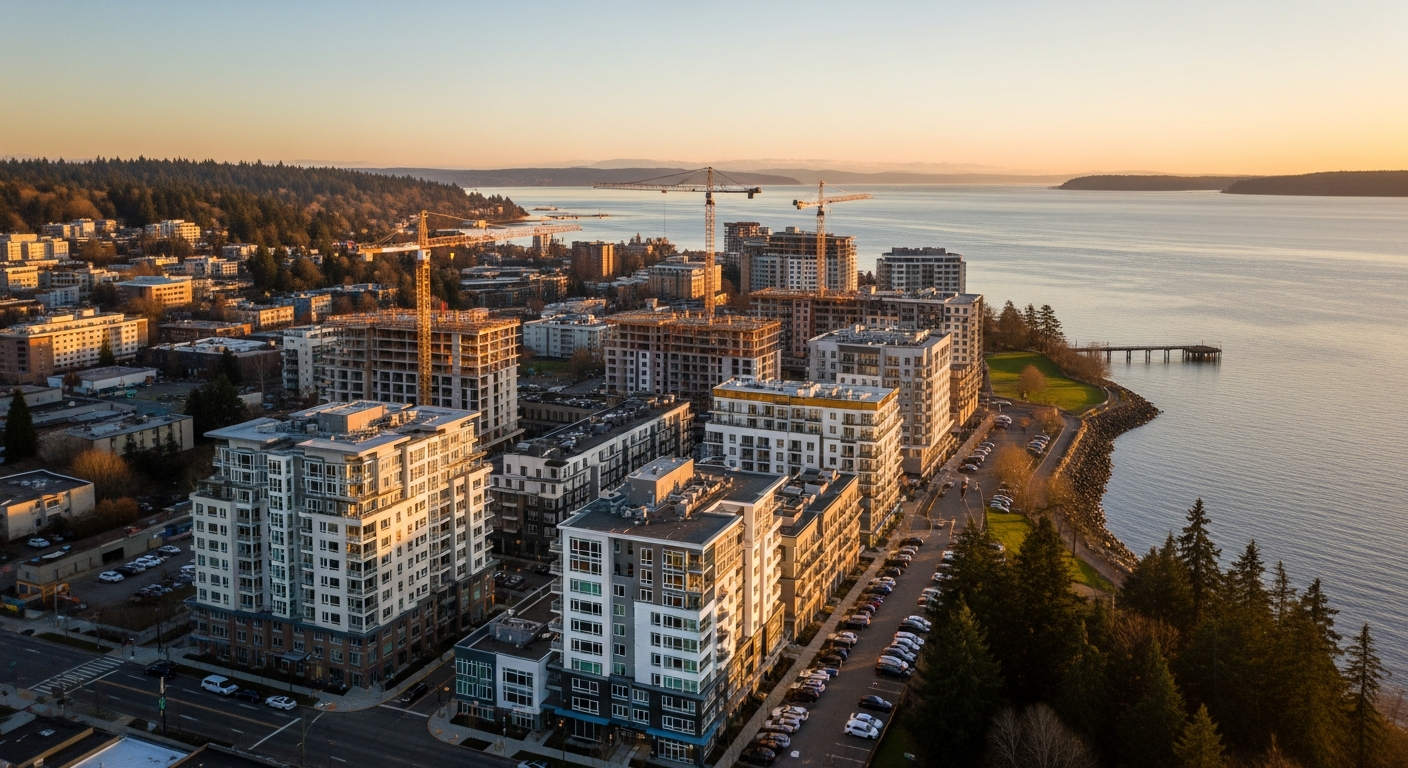
    Snohomish County apartment sales reached $640 million across 32 deals in 2025 — more than doubling from 2023 transaction volumes — as flat rents and stable vacancy created entry conditions that yield-focused investors found compelling. Average pricing settled around $294,557 per unit, and with 17,089 units still under construction regionally, capital is moving before the next supply cycle closes.

    Most of the housing market coverage you’ve read about Snohomish County this year has been about buyers, sellers, and mortgage rates. That’s not the whole picture.

    While the for-sale residential market has been digesting a 51% inventory surge and buyers have been navigating 6.4% rates, a parallel story has been unfolding in the investment market — the institutional and private capital that buys, holds, and sells apartment buildings. And that story has a very different tone.

    Snohomish County apartment sales hit $640 million in 2025, according to a Kidder Mathews analysis reported by The Registry Pacific Northwest. That’s across 32 deals. The volume more than doubled from 2023 levels — the trough of what had been a significant pullback in multifamily transaction activity driven by rising interest rates and reset expectations.

    The question worth asking now: what do those investors see in Snohomish County, and what does their move back into the market mean for Everett specifically?

    Why the Market Reset the Way It Did

    To understand where we are, it helps to understand where we came from.

    The 2021-2022 apartment investment boom was driven by cheap debt and outsized rent growth. Cap rates compressed dramatically. Then the Federal Reserve raised rates, borrowing costs spiked, and sellers who bought in 2021-2022 at aggressive prices couldn’t hit the numbers that 2023-2024 buyers needed to see. Transaction volume crashed nationally, and Snohomish County wasn’t immune.

    The recovery that’s now playing out isn’t a return to 2021 pricing. It’s something more durable: a market where seller expectations have adjusted, where buyers can underwrite deals to current rent levels and get a yield, and where the operating fundamentals — occupancy, rent trends — are stable enough to justify putting capital to work.

    The Kidder Mathews data point on average price per unit illustrates this. At approximately $294,557 per unit with a 4% year-over-year decline from 2024 levels, pricing is off the peaks but far from distressed. That’s a reachable entry point for buyers who couldn’t compete in 2021-2022 and have been waiting.

    What Makes Snohomish County Attractive Right Now

    Apartment investors look at fundamentals first: vacancy rates, rent trends, and the supply pipeline.

    On vacancy, Kidder Mathews’ Q4 2025 Seattle-Puget Sound regional data shows multifamily vacancy holding at 7.4% year-over-year. That’s not tight — but it’s not distressed either. For a county where the job base is anchored by Boeing, Paine Field aerospace, the Naval Station, and a growing tech cluster along I-5, that vacancy rate reflects a market with durable demand drivers.

    On rent, the story for 2025 was flat. Everett’s rental market saw rents down roughly 2% year-over-year in 2025, to an average around $1,849 according to prior market data. That’s the downside. But for investors, flat rents in a well-employed market with a constrained land supply are different from flat rents in a market with weak fundamentals. Investors who can buy at current prices and hold for a rent recovery cycle are making a different bet than investors who overpaid during the growth phase.

    On supply, the regional construction pipeline is thinning. Roughly 17,089 units remain under construction across the Seattle-Puget Sound metro — a 23% decline from the prior year. That contraction means the supply overhang that compressed rents will start to clear in 2026 and 2027. Capital that moves now is positioning ahead of that clearing.

    What This Means for Everett Specifically

    Everett is not a monolith in this investment market. The specific submarkets attracting attention are worth understanding.

    The premium waterfront product — the Sawyer and Carling at Waterfront Place — has been holding occupancy at roughly 95% even as broader rents softened, with $2,202-$2,800 monthly rents demonstrating that the waterfront premium survives a soft market. For institutional investors, that occupancy and rent spread is a data point about the durability of location-driven demand.

    Lincoln Properties is underway on Phase 2 of Millwright District — 300-plus units in a mixed-use waterfront setting that will be the first large new-to-the-market supply at the Port of Everett waterfront in this cycle. When those units come online, they’ll reset the comp set for waterfront multifamily in Everett.

    Further south, the adaptive reuse pipeline is active. The Sage Investment Group conversion of the former Econo Lodge at 9602 19th St SE into 124 studio apartments (Phase 1 leasing August 2026) represents the workforce housing angle that Kidder Mathews noted in its investment outlook: value-add and workforce housing offer compelling yield opportunities where class-A development doesn’t pencil.

    The downtown core and the corridors adjacent to the new stadium site are also drawing attention from development capital, though in earlier-stage planning. The city’s approval of the $10.6 million stadium design package in late April sets a September 2026 construction start target for the 5,000-seat Outdoor Event Center — and stadium-adjacent development is a real category of investment thesis that capital is starting to evaluate.

    The Investor’s Lens vs. the Resident’s Lens

    It’s worth being honest about the tension here.

    When apartment investment capital flows into a market like Everett, it’s not always aligned with what existing residents need. Yield-focused buyers have incentives to optimize revenue per unit. Workforce housing conversions can displace existing tenants if not managed carefully. Rising investor interest in a market can precede rent pressure once the supply overhang clears.

    The city’s tools to manage this tension — the Affordable Housing Trust Fund, inclusionary zoning in new developments, the Housing Hope ecosystem, the EHA pipeline — matter precisely because the market is now active enough to require them.

    The $640 million in 2025 transaction volume tells us that capital has made a judgment: Snohomish County is on the right side of the Puget Sound affordability gradient, close enough to Seattle employment to benefit from overspill demand, with enough job diversity to hold occupancy through economic cycles. That judgment drives development, drives transactions, and ultimately drives the housing conditions that Everett residents live inside.

    Understanding how this capital thinks is part of understanding where Everett’s housing goes next.


    Frequently Asked Questions

    How much did apartment sales reach in Snohomish County in 2025?
    Snohomish County apartment sales reached $640 million across 32 deals in 2025, according to a Kidder Mathews analysis, more than doubling transaction volume from 2023 levels.

    What is the average price per apartment unit in Snohomish County?
    Average pricing was approximately $294,557 per unit in the most recent market data, down about 4% year-over-year from 2024 — reflecting pricing adjustments from the 2021-2022 peak.

    What is the apartment vacancy rate in the Snohomish County area?
    Kidder Mathews’ Q4 2025 data showed multifamily vacancy holding at 7.4% year-over-year across the Seattle-Puget Sound region. Everett’s specific figures track roughly with the broader market.

    Why are investors buying apartments in Snohomish County now?
    Flat rents, stable vacancy, and adjusted pricing from the 2021-2022 peak have created entry conditions that yield-focused buyers find workable. The thinning construction pipeline also suggests supply overhang will clear in 2026-2027, giving investors who buy now exposure to the next rent recovery cycle.

    What new apartment projects are coming to Everett?
    Lincoln Properties is underway on 300-plus units at Millwright District (Waterfront Place). Sage Investment Group is converting the former Econo Lodge on 19th St SE into 124 studio apartments with Phase 1 leasing targeting August 2026. Stadium-adjacent development opportunities are also being evaluated as the downtown Outdoor Event Center advances toward a September 2026 construction start.

    How does Everett’s apartment investment market compare to King County?
    Snohomish County typically offers lower per-unit pricing than King County submarkets like Bellevue or Seattle proper, while maintaining access to the same labor market. That affordability gradient is part of what draws yield-focused capital — investors can enter at lower basis points while capturing similar demand dynamics.

  • Downtown Everett Bank of America Building Now For Lease

    Downtown Everett Bank of America Building Now For Lease

    What happened to the Bank of America in downtown Everett?
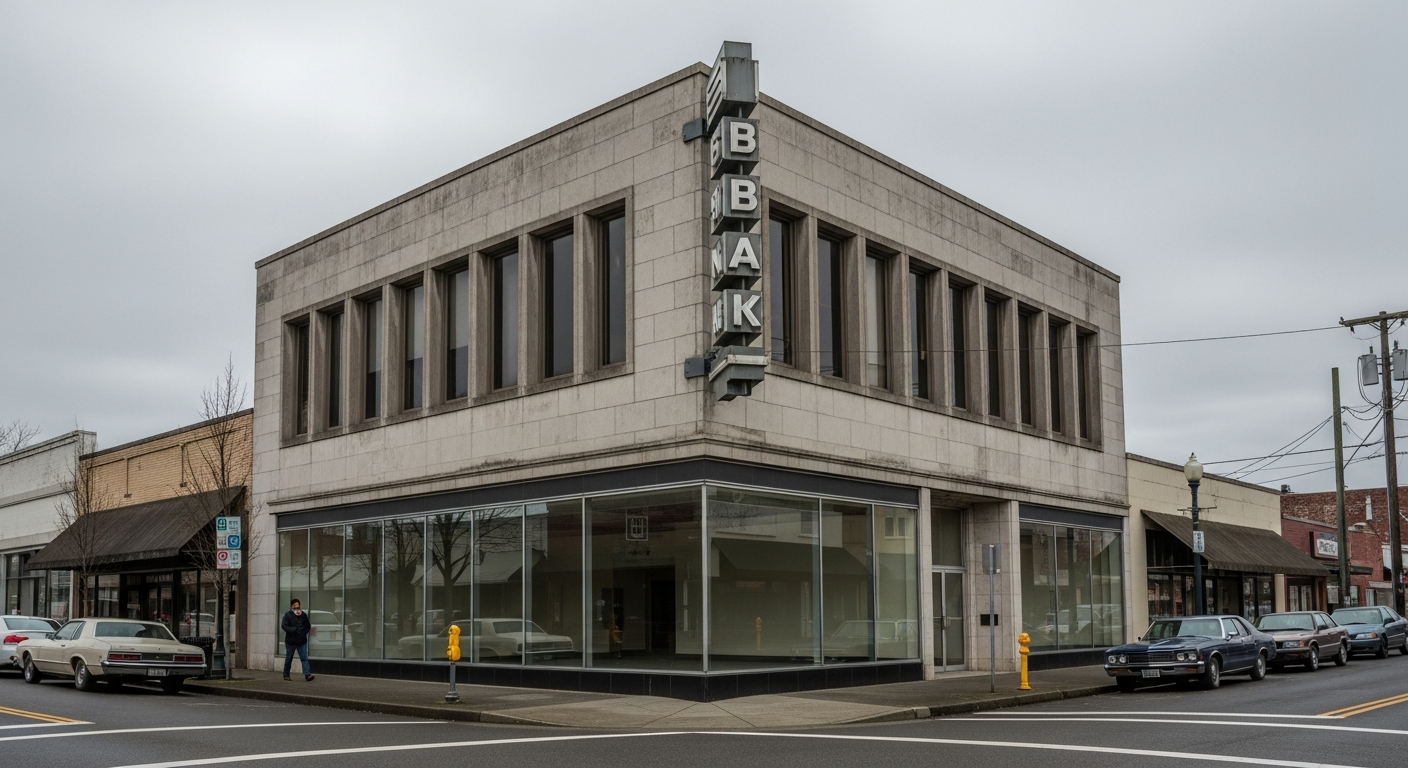
    Bank of America closed its branch at 1602 Hewitt Avenue in April 2026, ending more than 60 years at the same corner location. The 62,000-square-foot building — owned by Skotdal Real Estate — is now available for lease for the first time since 1965, with availability starting mid-May 2026.

    If you’ve driven down Hewitt Avenue lately, you’ve noticed something different at the corner of Hewitt and Colby. The Bank of America signs are gone. The drive-through lanes sit empty. And for the first time since 1965, the building at 1602–1604 Hewitt Avenue is looking for a new tenant.

    We’ve been watching this space for a while. The closure was quiet — no press release, no farewell event, no real announcement beyond a letter to longtime customers. One week it was open, the next week the signs came down and the LoopNet listing went up. But what happens next in that building matters for downtown Everett in a way that’s hard to overstate.

    What the Building Actually Is

    The property at 1602–1604 Hewitt Ave is a 62,000-square-foot building on one of the most visible corners in downtown Everett — Hewitt and Colby, at the heart of the Hewitt Avenue commercial corridor. Skotdal Real Estate, the Everett-based commercial property firm that has been one of downtown’s most active investors for decades, owns and is now actively marketing the building.

    The space coming available is approximately 12,000 square feet of the ground floor — the former bank branch and lobby. That footprint includes two things that are genuinely rare in downtown Everett: a three-lane drive-through and 92 covered parking spots. For any retail or service business that depends on vehicle access or parking, those features are nearly impossible to find this close to the core of downtown.

    The space features full-corner frontage with dual street exposure on both Hewitt and Colby, large windows, a sweeping interior staircase, a private elevator, and what Skotdal describes as abundant natural light. It’s a landmark-grade build-out that doesn’t require a tenant to start from scratch.

    Availability is listed as mid-May 2026.

    Why Bank of America Left — and Why It Matters

    Bank of America notified customers in writing beginning in November 2025 that the Hewitt location would close. The official company statement: “The financial center at 1602 Hewitt Avenue was one of the oldest and largest financial centers in our local network, and we have several other locations nearby that are more modern and aligned with how our clients bank today.”

    It’s the same story playing out in downtowns across the country. More than 6,000 commercial bank branches nationally have closed over the past five years as mobile banking erodes the foot-traffic case for urban branches. The lobby at Hewitt and Colby had been shrinking for years — from a full teller line to one or two staff, serving mostly customers who needed cashier’s checks, in-person account services, or one of the few downtown locations where you could cash a check without an account.

    But the closure stings a little more here because of what that corner has meant to Everett.

    The building’s history on that block goes back to 1892, when the First National Bank of Everett opened at or near that address. The current structure dates to 1965 — built for what eventually became Seafirst Bank, which was acquired by Bank of America in 1983 and rebranded in 1999. That means Bank of America, or its direct predecessors, occupied this corner for over 60 consecutive years.

    What Could Come Next

    Skotdal Real Estate has been one of the most consequential forces in downtown Everett’s commercial real estate story. Their portfolio includes marquee buildings along the Hewitt and Colby corridors, and they’ve been central to attracting the office and retail tenants that have given downtown its current momentum.

    The pitch for this space is straightforward: you get a flagship corner in a downtown that is actively transforming. The $10.6 million stadium design package approved by City Council in late April puts a 5,000-seat outdoor event center on track for a September 2026 construction start a few blocks away. The Everett Art Walk returns May 21. New restaurants on Hewitt — including R Harn Thai, which just opened — are drawing people back to the corridor.

    The drive-through and parking are the X factor. Most retail or service concepts that need both would not normally be able to place themselves at Hewitt and Colby. A credit union, a pharmacy, a coffee-and-banking hybrid, a medical or dental clinic with patient parking, a high-volume quick-service restaurant — all of these would normally rule out a downtown corner and look for a suburban pad site instead. Here, the existing infrastructure changes that calculus.

    The bigger-picture question is what this vacancy signals. Downtown Everett has been building momentum for several years, but it has also been honest about the challenges. Earlier this year the city documented a vacancy count along the commercial corridors that showed real gaps. The BofA closure adds to that count in one of the most visible spots possible. The answer to what comes next matters not just for Skotdal and the building’s future tenant — it matters for whether Hewitt Avenue’s commercial rebound stays on track.

    What’s Already in the Neighborhood

    The space doesn’t exist in isolation. Within a short walk:

    • The Everett Art Walk’s gallery circuit runs along this stretch of downtown, including multiple galleries that have opened or expanded in recent years
    • Narrative Coffee, STRGZR Coffee & Kitchen, and The Loft Coffee Bar anchor the coffee-and-remote-work scene on adjacent blocks
    • New restaurant openings on Hewitt (R Harn Thai, Luca Italian, The New Mexicans) have added foot traffic
    • The historic Everett Theatre at 2911 Colby is booking major acts through the summer

    For a retailer or service business evaluating downtown Everett, the current moment is both encouraging and uncertain. The direction is clearly positive — but the pace of infill matters, and a vacant flagship corner is not a neutral signal.

    The Practical Picture

    Nearest Bank of America branches for former customers: Evergreen Way (5019 Evergreen Way), Greentree Plaza (305 SE Everett Mall Way, Suite 31), Silver Lake (1803 112th St SE), and Marysville (415 State Ave). Each is roughly 10–16 minutes by car.

    The Skotdal listing for 1602–1604 Hewitt is active on LoopNet and directly at skotdal.com. The available footprint is described as ground-floor retail or office use, with the drive-through lanes and parking as potential differentiators for the right tenant.

    We’ll be watching. When Skotdal secures a tenant for this space, it will be one of the bigger commercial announcements downtown Everett has seen in years.

    Frequently Asked Questions

    When did Bank of America close its downtown Everett branch?
    Bank of America officially closed its branch at 1602 Hewitt Avenue in Everett in mid-April 2026. Customers were notified in writing beginning in November 2025.

    Who owns the Bank of America building in downtown Everett?
    Skotdal Real Estate, an Everett-based commercial property company, owns the building at 1602–1604 Hewitt Ave and is managing the lease-up of the vacated space.

    How big is the former Bank of America space available for lease?
    Approximately 12,000 square feet of ground-floor space is available, within a larger 62,000-square-foot building. The space includes a 3-lane drive-through and 92 covered parking spots.

    When is the downtown Everett Bank of America space available?
    Skotdal is listing availability as mid-May 2026. The building is actively being marketed on LoopNet and skotdal.com.

    What was at that corner before Bank of America?
    The current building dates to 1965 and was built for Seafirst Bank. Before that, the First National Bank of Everett — established in 1892 — operated at or near that address. Bank of America acquired Seafirst in 1983 and rebranded in 1999.

    What other Bank of America locations serve downtown Everett customers?
    The nearest locations are on Evergreen Way (~10 min), Greentree Plaza SE (~14 min), Silver Lake (~16 min), and Marysville (~14 min).

  • Everett Weekend Guide: Flying PDX to Paine Field in 2026

    Everett Weekend Guide: Flying PDX to Paine Field in 2026

    If you live in the Portland metro and have been wondering whether Everett, Washington is worth a weekend, June 10, 2026 changes the answer. That’s the day Alaska Airlines resumes daily nonstop service between Portland International (PDX) and Paine Field (PAE) — landing you 25 minutes north of downtown Everett at a small, walk-to-the-gate terminal that bypasses SeaTac entirely. This guide is the Everett itinerary the new route makes practical for the first time.

    Why Paine Field is the right airport for an Everett trip

    Most Pacific Northwest visitors arrive into SeaTac and immediately face a decision: drive 90 minutes north against I-5 traffic, or skip everything north of Seattle entirely. Paine Field changes that calculation. It is a small commercial terminal in Snohomish County that opened in March 2019, operated by Propeller Airports. There is no remote parking shuttle. There is no terminal-to-terminal monorail. You walk from the gate to the curb in roughly the time it takes to clear a single TSA line.

    From the curb, a rideshare to downtown Everett is roughly 25 minutes. To the waterfront — about 30. To the AquaSox stadium at Funko Field — under 30.

    The weekend itinerary the new nonstop makes possible

    Friday evening — Land, drop, and walk to dinner. Land at Paine Field by early evening on Alaska’s daily PDX-PAE nonstop. Drop bags at a downtown Everett hotel, then walk to Hewitt Avenue. The dining stretch on Hewitt has rebuilt itself in 2026 — R Harn Thai opened earlier this year and is the right call for a first-night meal. Order the khao soi.

    Saturday morning — Waterfront and Jetty Island. Drive 10 minutes to the Port of Everett’s Waterfront Place — the redeveloped working waterfront with restaurant row, marina access, and the seasonal Jetty Island ferry. Jetty Island is a free 20-minute walk-on ferry to a two-mile sand spit in Possession Sound. Bring a windbreaker even in June.

    Saturday afternoon — Funko HQ and downtown. Funko’s Everett headquarters sits in a converted historic downtown building and is open to visitors. The retail experience is unlike any other corporate flagship in the Pacific Northwest. Combine with a walk through the surrounding gallery district — the Everett Art Walk runs the third Thursday of each month if your trip aligns.

    Saturday evening — AquaSox or Silvertips, in season. The Everett AquaSox play at Funko Field downtown (Mariners High-A affiliate, summer schedule) and the Everett Silvertips play at Angel of the Winds Arena (WHL major junior hockey, fall through spring playoffs). Either is a low-cost, high-energy minor-league experience you cannot reproduce in Portland.

    Sunday — Boeing Future of Flight or a North Cascades day trip. The Boeing Future of Flight aviation museum sits adjacent to Paine Field — convenient to a Sunday departure. For a longer day, Everett is the gateway to Mukilteo, Whidbey Island via the Mukilteo-Clinton ferry, and the western foothills of the North Cascades. None of these are easy out of SeaTac.

    Why this works as a weekend the previous schedule didn’t allow

    Without a PAE-PDX nonstop, the Portland visitor’s only option for an Everett weekend has been to fly into SeaTac and drive 90+ minutes north. The drive eats Friday evening and most of Sunday morning. With the new daily Alaska nonstop, you can land in Everett by 6 PM on Friday and depart by mid-day on Sunday and not lose either bookend to airport time.

    The June 10 launch lands during AquaSox season, before the worst summer Mukilteo ferry queues, and during the most active stretch of the Port of Everett’s outdoor programming.

    Practical details for Portland-area visitors

    • Airport: Seattle Paine Field International Airport (PAE), Everett, WA. Operated by Propeller Airports.
    • Tickets: alaskaair.com
    • Service start: June 10, 2026, daily.
    • Rideshare to downtown Everett: ~25 minutes.
    • Hotels: Downtown Everett options cluster around the Hewitt Avenue corridor and the waterfront.

    Frequently asked questions for visitors

    Is Paine Field a real commercial airport?

    Yes. Seattle Paine Field International Airport (PAE) opened its commercial terminal in March 2019. It is operated by Propeller Airports and serves Alaska Airlines and Avelo Airlines. After the June 10, 2026 Portland launch it will run 13 daily commercial departures across nine nonstop destinations.

    How far is Paine Field from downtown Everett?

    Roughly 25 minutes by rideshare. The terminal sits on the southwest edge of Everett near Mukilteo.

    What is there to actually do in Everett for a weekend?

    Waterfront Place at the Port of Everett, Jetty Island (seasonal ferry), Funko HQ in downtown, AquaSox baseball at Funko Field (summer) or Silvertips hockey at Angel of the Winds Arena (fall through spring), the Everett Art Walk on third Thursdays, and Boeing Future of Flight adjacent to Paine Field for a Sunday departure-day stop.

    Do I need a rental car?

    For a Friday-to-Sunday Everett-only itinerary, rideshare is enough. If you want to add Mukilteo, Whidbey Island via ferry, or any North Cascades day trip, rent a car at the airport.

    What’s the closest hotel to Paine Field?

    The airport area itself has limited lodging. Most visitors stay downtown Everett or near the waterfront — both are roughly 25-30 minutes from the terminal.

    Related Exploring Everett coverage for visitors

  • Paine Field to Portland Nonstop: 2026 Alaska Airlines Guide

    Paine Field to Portland Nonstop: 2026 Alaska Airlines Guide

    Quick answer: Alaska Airlines resumes daily nonstop service between Seattle Paine Field International Airport (PAE) in Everett and Portland International Airport (PDX) on June 10, 2026. The route brings Paine Field to nine nonstop destinations and 13 daily commercial departures — the busiest schedule the Snohomish County commercial terminal has run since it opened in March 2019. Tickets are on sale at alaskaair.com.

    What’s actually changing on June 10

    Paine Field has had no nonstop option to Portland since the route was discontinued earlier in the terminal’s history. Alaska’s relaunch closes the Pacific Northwest’s most-asked-about gap in the PAE schedule. Portland is the second-largest metro in the region and the natural sister-city pairing for Everett’s commercial terminal — the I-5 drive between Everett and PDX is roughly four hours in light traffic and routinely six on a Friday. A daily nonstop reframes that calculation entirely.

    Propeller Airports, the operator of the Paine Field commercial terminal, announced the relaunch on December 19, 2025. The June 10, 2026 first-day schedule was confirmed in subsequent press materials. The route operates daily.

    Why this matters specifically for Everett

    Three reasons this is more consequential than a single new route would suggest at most airports.

    • Connection geometry. Portland is one of Alaska’s hub-style operations. A nonstop from Paine Field into PDX opens efficient one-stop connections through the Alaska network to cities like Houston, Nashville, Orlando, Dallas, Bozeman, Spokane, and Austin — destinations PAE does not serve nonstop and probably never will at this terminal’s scale. The connection bank, not the destination itself, is the real product.
    • The 13-departure threshold. Paine Field opened in 2019 with a deliberately small commercial footprint. The June schedule lands the terminal at 13 daily commercial departures — the highest count since opening. That is the threshold at which the terminal stops feeling like a boutique alternative and starts functioning as a primary regional airport for North Puget Sound.
    • The Boeing factor. Many Boeing executives, suppliers, and customer representatives based out of Renton, Kent, and Tukwila routinely fly to PDX for business. A PAE-PDX nonstop is the first time that traveler can credibly fly out of Everett rather than detour to SeaTac. The aerospace business case for the route is structural, not speculative.

    The Paine Field route map after June 10

    With the Portland addition, Paine Field’s nonstop network reaches nine destinations across Alaska Airlines and Avelo Airlines schedules. Connection efficiency varies — some markets benefit dramatically from the new PDX option (Texas, Tennessee, Florida), others remain best served via Alaska’s existing PAE nonstop network or a SeaTac drive.

    What the SeaTac comparison actually looks like

    For an Everett resident, the practical question is whether the PDX nonstop is worth choosing over a SeaTac drive plus a SeaTac-PDX flight. The Paine Field math has always been: 25-minute drive vs. 60-90 minute drive, no remote parking shuttle, smaller TSA wait, walk-to-gate terminal experience. The trade has been fewer destinations.

    For Portland specifically, the PAE option after June 10 is roughly an hour and 45 minutes door-to-door from north Everett to gate-to-gate boarding versus three hours through SeaTac. For connection itineraries, the PDX-via-PAE option is competitive with PDX-via-SEA for any onward destination Alaska serves out of Portland.

    What this signals about the terminal’s trajectory

    Paine Field’s commercial terminal opened with two airlines and 24 daily departures in early plans, before COVID compressed the operation. The path back to that scale has been incremental — destination by destination, frequency by frequency. The June 2026 Portland addition pushes the terminal to its highest commercial activity since opening, but it is still well below the 24-departure plan that originally permitted the terminal. The structural ceiling is still there. The trajectory between now and that ceiling is what local travelers will be watching.

    Propeller has not announced additional routes beyond Portland in the June schedule, but each addition like this tightens the case for the next one. Spokane, Boise, and Sacramento have circulated as candidates over the years; June 10 is the first new destination announcement since the terminal added Avelo service.

    Frequently asked questions

    When does Alaska Airlines start the Paine Field to Portland nonstop?

    June 10, 2026, with daily service. Tickets are on sale at alaskaair.com.

    How many daily flights will Paine Field have after the Portland route launches?

    13 daily commercial departures, across nine nonstop destinations. That is the busiest schedule the Paine Field commercial terminal has run since opening in March 2019.

    What connections does the new Paine Field-Portland route open up?

    Portland is one of Alaska’s hub-style operations. The new PAE-PDX nonstop offers efficient one-stop connections to cities including Houston, Nashville, Orlando, Dallas, Bozeman, Spokane, and Austin via the Alaska network.

    Was there ever a Paine Field to Portland nonstop before?

    The route had been discontinued. June 10, 2026 is a relaunch — the first time PAE has had nonstop service to PDX in years.

    How long does it take to drive from Everett to Portland?

    Roughly four hours in light traffic, six or more on a Friday afternoon. The flight reframes that math entirely for travelers who can use the new daily nonstop option.

    How does this compare to flying from SeaTac to Portland?

    For a north Everett resident, the door-to-gate time at PAE is roughly an hour and 45 minutes versus three hours through SeaTac. Connection itineraries via PDX out of PAE will be competitive with SEA-PDX for Alaska-served onward destinations.

    Who operates the Paine Field commercial terminal?

    Propeller Airports operates the commercial terminal at Paine Field. Snohomish County owns the airport itself.

    Related Exploring Everett coverage

  • Boeing Free Cash Flow: 737 Production & Everett North Line

    Boeing Free Cash Flow: 737 Production & Everett North Line

    Quick answer: On Boeing’s April 22, 2026 Q1 earnings call, CEO Kelly Ortberg reaffirmed full-year free cash flow guidance of $1 billion to $3 billion and said the company is on track for the upper end of that range. Reaching the upper end depends on Boeing Commercial Airplanes ramping 737 production from a stabilized 42 per month today to 47 per month this summer, and ultimately to 52 per month — a rate Boeing has said publicly cannot be reached without activating the new 737 North Line in Everett. Q1 itself was a $1.5 billion free cash flow usage, in line with seasonal first-quarter patterns and ahead of Boeing’s own prior guidance.

    Why this matters specifically to Everett

    Most Boeing financial coverage skips the geography. The Q1 numbers are reported as a corporate aggregate — $22.2 billion in revenue, all three segments growing simultaneously, free cash flow recovery from the wiring rework. But the production math the company is committing to publicly only works if a specific factory in Snohomish County starts producing 737 MAX jets at a meaningful rate before the end of 2026.

    That factory is the 737 North Line, the second 737 final assembly line Boeing is standing up inside the Everett widebody factory — the same building that has historically built the 747, 767, 777, and 787. The North Line is not adding factory floor; it is repurposing capacity inside the existing building. And it is the structural piece that turns 47 jets per month (Renton’s current ceiling under the FAA cap, raising to 47 this summer) into 52 jets per month at the company level.

    The Q1 2026 numbers, in context

    According to Boeing’s April 22, 2026 first-quarter results release and the earnings call transcript:

    • Revenue: $22.2 billion, with growth across all three segments (Commercial Airplanes, Defense Space & Security, and Global Services).
    • Q1 free cash flow: A usage of approximately $1.5 billion, reflecting seasonal corporate expenditures and planned capital spending tied to growth investments at other Boeing sites. Ortberg called the cash result “notably better” than the company had communicated the prior month.
    • 737 deliveries momentum: 143 commercial deliveries in the quarter as 737 production ramps toward 47.
    • Full-year FCF guidance: Reaffirmed at $1 billion to $3 billion. CEO targets the upper end.

    The production rate ladder

    Boeing has been explicit on three rate steps:

    • 42 per month — today. Boeing Commercial Airplanes has been producing at this stabilized rate since the FAA-imposed cap that followed the January 2024 Alaska Airlines door plug incident.
    • 47 per month — this summer. Ortberg told analysts this rate moves up at Renton this summer.
    • 52 per month — enabled by Everett’s North Line. Boeing has said publicly that the move to 52 per month is enabled by activating the 737 North Line in Everett. The North Line will start later this year at a low initial rate to demonstrate conformity to the FAA under Boeing’s current production certificate, then ramp “when the entire production system is ready.”

    Translation: every dollar of incremental free cash flow above the $1 billion floor depends on rate progression. Every meaningful jump in the rate ladder above 47 per month depends on a building in Everett.

    How free cash flow actually gets generated on a 737

    The mechanism Boeing has explained on multiple earnings calls works roughly like this. A 737 takes cash to build — supplier payments, labor, components — starting roughly 12-18 months before delivery. Cash comes back at delivery, when the customer pays the bulk of the contract price. The company is also working through inventory of jets built during the prior production pause, which converts into cash as those jets are delivered without requiring new build expense.

    That is why production rate matters disproportionately for free cash flow rather than just revenue. Each additional jet delivered at a stable cost structure converts more directly to cash than the revenue line might suggest. The Everett North Line’s contribution to free cash flow shows up about 12-18 months after it produces its first jets at meaningful rate — which means the upper end of 2026 guidance is partially priced on Renton hitting 47 cleanly, while the second-half-2027 free cash flow run rate is what gets unlocked by Everett.

    Snohomish County’s stake in this number

    Boeing is the largest private employer in Snohomish County. The Everett factory is the largest building in the world by volume. Adding the 737 North Line to that footprint does not require a new building permit, but it does require staffing, training, supplier coordination, and what Boeing has called “production system readiness” across the wider Puget Sound aerospace ecosystem.

    The free cash flow target is the public-facing number that Wall Street tracks. The signal it sends to Everett is operational: ramp the North Line successfully and the city’s aerospace economy gets a structurally larger production base for the first time since the 787 program. Miss the ramp and the upper end of 2026 guidance slips, which puts pressure on capital spending and hiring decisions at every Boeing site — Everett included.

    What changes between now and the end of 2026

    Three milestones to watch from Everett’s vantage point. First, Renton hitting 47 per month this summer — the company has framed this as the precondition for the second-half cash inflection. Second, the North Line achieving its initial low-rate production demonstration to FAA standards under the existing production certificate. Third, the rate increase “when the entire production system is ready” — which is the language Ortberg used and is meaningfully softer than committing to 52 per month by a date.

    The Q2 earnings call in late July will be the next public update on whether Renton is at 47 yet and whether the North Line schedule still tracks to the year. That call is the next inflection point for the city’s most consequential employer.

    Frequently asked questions

    What is Boeing’s 2026 free cash flow guidance?

    Boeing reaffirmed full-year 2026 free cash flow guidance of $1 billion to $3 billion on its April 22 Q1 earnings call. CEO Kelly Ortberg said the company is on track for the upper end of that range.

    What was Boeing’s Q1 2026 free cash flow?

    A usage of approximately $1.5 billion, reflecting seasonal first-quarter patterns and capital spending. Ortberg said the cash result was “notably better” than the company had communicated the prior month.

    What is Boeing’s 737 production rate today?

    Stabilized at 42 per month, with a planned increase to 47 per month this summer at the Renton factory. The next step to 52 per month requires activating the new 737 North Line in Everett.

    When will the 737 North Line in Everett start producing?

    Boeing has said the North Line will start later in 2026 at a low initial rate to demonstrate conformity to the FAA under the current production certificate, with rate increases to follow when the production system is ready.

    How does the 737 North Line affect Boeing’s free cash flow?

    Free cash flow scales with delivery rate. The Renton ramp to 47 is what supports the upper end of 2026 guidance. The Everett North Line is what enables the next step to 52 per month and the structurally higher cash run rate that follows in 2027.

    Why is Boeing’s Everett factory important for the 737 program?

    The 737 North Line is being stood up inside the existing Everett widebody factory — the same building that has historically built the 747, 767, 777, and 787. It is repurposing existing factory capacity to add a second 737 final assembly line that the FAA-capped Renton site cannot itself accommodate.

    What’s the next public update on this?

    Boeing’s Q2 2026 earnings call in late July, which will provide the next public read on whether Renton is at 47 yet and whether the North Line schedule still tracks to the year.

    Related Exploring Everett coverage

  • Boeing Everett Workers: Q1 Cash Flow & North Line Ramp

    Boeing Everett Workers: Q1 Cash Flow & North Line Ramp

    If you work on the Boeing factory floor in Everett — whether that’s the 767/KC-46 line, the 777/777X line, the 787 returning legacy support work, or the new 737 North Line standing up inside the same building — the headline number from the April 22 Q1 earnings call is not the $22.2 billion in revenue. It is the $1 billion to $3 billion full-year free cash flow guidance, and CEO Kelly Ortberg’s statement that the company is on track for the upper end. That number is the financial language for what your factory floor is supposed to look like in the second half of 2026.

    Why the FCF number maps to your floor

    Free cash flow is what is left after Boeing pays its suppliers, its labor, its capital costs, and delivers airplanes that customers pay for. It scales with deliveries, not with hours billed or contracts signed. That means it scales directly with what you build. When Ortberg says “upper end,” he is pricing in three things that show up on the floor:

    • Renton getting from 42 to 47 per month this summer. The 737 program is currently producing at a stabilized 42 per month under the FAA cap that followed the January 2024 Alaska Airlines door plug incident. The summer step to 47 is what unlocks meaningful incremental cash inflection. If you have friends or family who work at Renton, this is the number to ask them about.
    • The Everett North Line achieving its initial low-rate production demonstration. The North Line is starting later this year at a deliberately low initial rate — the demonstration is to prove FAA conformity under Boeing’s current production certificate, not to put up volume. Volume comes later. But the demonstration is the gate.
    • Inventory of jets built during the prior pause converting into cash at delivery. Some of the cash you’ll see show up on the FCF number doesn’t require building new airframes — it requires getting completed airframes through customer acceptance and delivery, which is partly a Renton story but also a question of how clean the supply chain is.

    What this means for the North Line standing up inside your building

    Boeing has framed the 737 North Line in Everett as the structural piece that takes commercial production from 47 per month to 52 per month — a rate Renton cannot reach on its own. The phrasing the company has used is that the North Line will start at a low initial rate, then increase “when the entire production system is ready.”

    For the worker reading the Q1 release, three practical things are inside that phrase. First, the initial production-system demonstration is not a volume play — it is a paperwork-and-conformity play. Tooling, build packages, training records, and FAA inspectors all have to align before rate climbs. Second, the rate increase that comes after is what creates the staffing run-up and overtime patterns you’ll see in the second half of the year. Third, the timing is deliberately not committed to a date — the company is reserving the right to slow the ramp if any part of the production system is not ready, and the FCF guidance assumes a measured rather than aggressive climb.

    How the wiring rework story factors in

    The Q1 cash result was a usage of about $1.5 billion, but Ortberg called it “notably better” than the company had communicated the prior month — specifically citing recovery from a 737 wiring issue and favorable collections timing late in the quarter. The wiring rework is something Everett workers should already know in detail: it touched 25 jets that had to be reworked, and the Everett North Line scheduling held through it. That is the kind of operational story that does not always make the financial press but does make it into the quarterly cash number.

    What to watch through July’s Q2 call

    The next public update is the Q2 2026 earnings call in late July. From the floor, three signals matter most:

    • Whether Renton is at 47 by the end of June. The summer step has been telegraphed for months. If it slips, the upper end of 2026 guidance is harder to defend.
    • Whether the North Line has started. The first jet through final assembly on the Everett line is a date Boeing has not committed to publicly, but Q2 results will give the first detailed read on whether the schedule still tracks to the year.
    • Whether full-year guidance is reaffirmed. If the $1B-$3B range is left intact and Ortberg still says “upper end,” the second-half ramp on your floor is consistent with what the company is telling Wall Street.

    What you can do with this number

    For most line workers, the practical use of knowing the FCF guidance is to read shift schedule changes, overtime announcements, and contractor activity through the lens of what the company has publicly committed to. If overtime patterns drop while the company is still telling Wall Street it’s on track for the upper end of guidance, something is misaligned and worth asking your steward about. If you see significant new contractor presence in your area of the building, it is consistent with the North Line ramp.

    And the longer-term frame: every job posting Boeing puts up at Everett between now and Q3 is partly priced against the same $1B-$3B number. The hiring rate, the contractor mix, and the training pipeline are all functions of that financial commitment. The Q2 call in late July is when you’ll know whether the second half is being built to the plan you’re hearing about now.

    Frequently asked questions for Boeing Everett workers

    How does Boeing’s free cash flow guidance affect my job at Everett?

    Free cash flow scales with deliveries, which scales with production rate. The 2026 guidance commits Boeing to a delivery ramp the Everett North Line is structurally part of. Hiring, overtime, and contractor presence at Everett are all priced against that commitment.

    When does the Everett 737 North Line start producing?

    Boeing has said “later this year at a low initial rate.” The first jets through Everett final assembly will be a demonstration of FAA conformity rather than a volume push. Rate increases follow when the production system is ready.

    Will the North Line affect non-737 work in the Everett building?

    The North Line is being stood up inside the same widebody factory that hosts the 767/KC-46, 777/777X, and 787 support work. Boeing has not said publicly that any of that work moves out as a result. The factory is the largest building in the world by volume, and the North Line is repurposing capacity rather than displacing other lines.

    What does “production system ready” mean in practice?

    Tooling installed and qualified, build packages cleared, training records in place, suppliers ramped to support a higher rate, and FAA conformity demonstrated. Any one of those can be a constraint. Boeing is reserving the right to hold the rate if any constraint isn’t cleared.

    What’s the next milestone Boeing has committed to publicly?

    Renton ramping to 47 per month this summer. The Q2 2026 earnings call in late July is when the company will publicly confirm whether that step is taken and whether the North Line schedule still tracks to the year.

    Related Exploring Everett coverage for aerospace workers

  • Everett CB 2604-24: Appointive Officer Compensation Changes

    Everett CB 2604-24: Appointive Officer Compensation Changes

    Featured snippet:

    Q: What is Council Bill 2604-24, and when does the Everett City Council vote on it?
    A: CB 2604-24 amends Chapter 2.74 of the Everett Municipal Code, which governs compensation and fringe benefits for the city’s appointive officers, classified nonrepresented employees, and councilmembers themselves. First reading is at the May 6, 2026 council meeting. Third and final reading is scheduled for May 20, 2026.

    Wednesday night at City Hall, the Everett City Council will take up the first reading of an ordinance most residents will never read but every resident pays for.

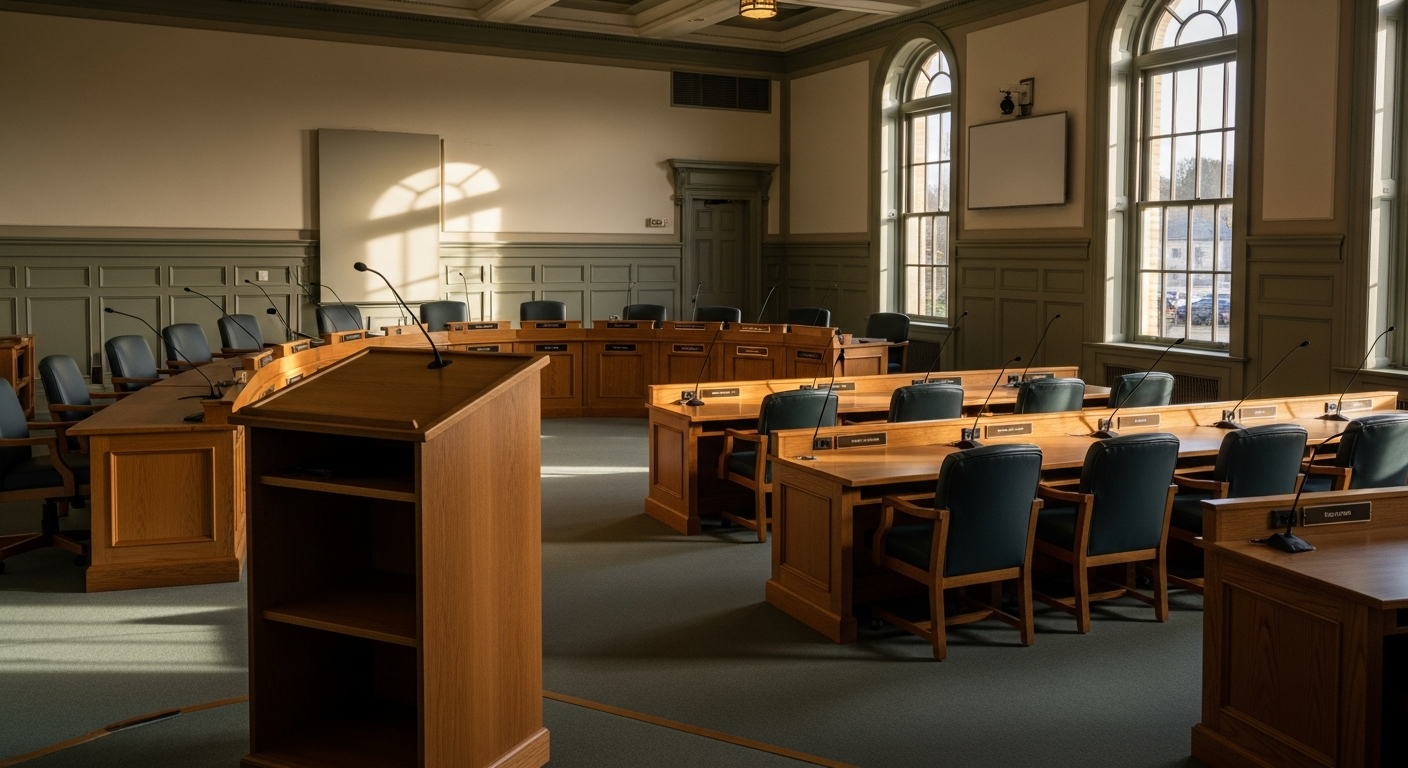
    Council Bill 2604-24 is on the May 6 agenda as a Proposed Action Item — a 1st reading of an ordinance amending Chapter 2.74 of the Everett Municipal Code, which is the section of city code that governs how Everett pays its appointed department heads, its classified nonrepresented employees, and its own city councilmembers. The third and final reading is scheduled for May 20, 2026, at the next regular council meeting after Wednesday’s vote.

    The ordinance itself is short on the agenda — one line on a single page of consent and action items. But the chapter it amends is the section of code that decides how much the city pays the people running its departments and what benefits they get for that work. For a city facing a projected $14 million 2027 general fund gap (covered earlier in this desk’s run log on April 21), how the appointed leadership is compensated is not a side question.

    This article breaks down what Chapter 2.74 actually does, what’s likely to be inside CB 2604-24, the calendar between Wednesday and May 20, and how residents who want to weigh in can do so before the third reading.

    What Changes for Residents

    Three things to know up front:

    The vote is not final on Wednesday. Wednesday is the 1st reading. The final vote is May 20. That gives residents two weeks to read the ordinance bill, watch the May 6 deliberation, and submit public comment before the council acts.

    This is not a salary-setting vote for elected councilmembers in isolation. Chapter 2.74 covers three categories: appointive officers (the people the mayor appoints to run departments), classified nonrepresented employees (city staff who are not covered by a union contract), and the city council itself. Any change to one article of the chapter typically gets discussed alongside the others.

    You can read the actual bill before the meeting. The full PDF of CB 2604-24 is posted to the city’s Agenda Center under the May 6, 2026 agenda packet. The link to the document — including any staff memo explaining what the changes do — is published on everettwa.gov/AgendaCenter at least 72 hours before the meeting under state public-meeting rules.

    What Chapter 2.74 Actually Covers

    The Everett Municipal Code organizes Chapter 2.74 into three articles, each covering a different category of city personnel:

    Article I — Appointive Officers. These are the department heads and senior staff appointed by the mayor — the people who actually run departments like Public Works, Parks, the Police Department’s civilian leadership, the Fire Department’s civilian leadership, and similar roles. Under existing code, the mayor sets the workweek for appointive officers as needed for “efficient functioning of city government.” Appointive officers who are exempt from the federal Fair Labor Standards Act do not get premium pay for overtime, callbacks, or holidays, and no appointive officer gets longevity premium pay.

    The chapter also defines insurance benefits for these officers: basic and major medical, vision, and dental coverage for the officer and eligible dependents, with the full-time officer required to contribute ten percent of the cost of medical coverage.

    Article II — Classified Nonrepresented Employees. These are city employees who are not in a union bargaining unit. Their compensation and benefits are set through this chapter rather than through collective bargaining.

    Article III — City Council. This article covers how Everett pays its own councilmembers and council president, including any expense reimbursements and benefits.

    Chapter 2.74 is distinct from Chapter 2.72, which handles general employee compensation, and Chapter 2.70, which sets the broader Performance Management and Compensation Plan. The salary ordinance for represented employees lives elsewhere in the code.

    What’s Likely Inside CB 2604-24

    The agenda title for CB 2604-24 reads: “Adopt an Ordinance amending Chapter 2.74 of the Everett Municipal Code, which pertains to appointive employee compensation and fringe benefits.”

    The agenda doesn’t say specifically which sections of the chapter are being amended. That’s standard format for first-reading agenda titles — the substance is in the bill PDF in the agenda packet, not in the headline. Residents who want to know exactly what changes the ordinance proposes need to download the bill itself from the May 6 agenda packet at everettwa.gov/AgendaCenter.

    What is typical for ordinances of this type — based on how Chapter 2.74 has been amended in prior years — is one or more of the following: an adjustment to the cost-of-living formula, a change to the fringe-benefit contribution percentages, an update to the language defining which positions are “appointive” versus “classified,” a clarification of FLSA-exempt status for specific roles, or a reorganization of how the three articles interact.

    Residents reading the bill should look for: which sections are added, which are deleted, which are modified, and whether the changes are prospective (forward-looking only) or retroactive to a prior pay period.

    The Calendar Between Wednesday and May 20

    Everett ordinances generally get three readings before adoption:

    • 1st Reading: Wednesday, May 6, 2026, at 6:30 p.m. — Council Chambers, 3002 Wetmore Avenue. The bill is introduced, staff may offer a brief explanation, and councilmembers can ask questions. There is typically no full debate at first reading; the bill is “read” and held over.
    • 2nd Reading: would normally be May 13, 2026 — at the regular Wednesday meeting that week. The bill receives further consideration. Amendments are most commonly offered at second reading.
    • 3rd & Final Reading: Wednesday, May 20, 2026, at 6:30 p.m. — the agenda title for CB 2604-24 specifically lists “(3rd & Final Reading 5/20/26)” — meaning the final vote, in current city practice, is consolidated into a single agenda item on the third meeting in the cycle.

    If amendments are added between first and final reading, those amendments themselves can extend the process. Residents who want to follow the bill should set a reminder for May 20.

    How to Weigh In Before May 20

    Everett’s council meetings include a Public Comment period at the start of every regular meeting. Residents who want to comment on CB 2604-24 have several paths:

    In person at the meeting. Public Comment runs near the start of every regular Wednesday meeting. Residents arrive at Council Chambers, 3002 Wetmore Avenue, before 6:30 p.m. and sign up at the door. The standard time limit is three minutes per speaker.

    By Zoom. Register at everettwa.gov/speakerform no later than 30 minutes before the meeting starts. The city’s notice requires that you identify the topic you wish to address.

    By email. Send written comments to Council@everettwa.gov. The city notes that emailed comments submitted at least 24 hours before the meeting are distributed to all councilmembers and appropriate staff. Comments sent later may not reach councilmembers before the vote.

    By mail. 2930 Wetmore Avenue, Suite 9A, Everett, WA 98201. Allow time for delivery if you go this route.

    Comments on non-agenda items may be asked to be submitted in writing if the comment does not address an issue of “broad public interest,” per the city’s published guidance. CB 2604-24 is on the agenda for Wednesday and again on May 20, so it qualifies as an agenda item for both meetings.

    Watching the Meeting

    Wednesday’s meeting will be broadcast live and recorded. Two ways to follow along:

    Live and archived video: YouTube.com/EverettCity. The full archive of past meetings is searchable from there.

    Agenda and bill PDFs: everettwa.gov/citycouncil and the AgendaCenter for the May 6, 2026 packet.

    If you cannot watch Wednesday but want to be informed before May 20, the meeting recording typically posts within 24 hours and the official minutes — including the roll-call vote on first reading and any amendments offered — are added to the May 6 agenda page on the city website within a week.

    Why This Matters Inside Everett’s Bigger Budget Picture

    Earlier in this desk’s run log (April 21, 2026) we covered Everett’s projected $14 million 2027 general fund gap and the four levers the city is weighing to close it: the regional fire RFA, Sno-Isle library regionalization, another levy lid lift, and possible annexation. Three of those four require voter approval.

    How the city pays its appointive officers and classified nonrepresented employees is not the largest line in the general fund, but it is one of the lines the city has direct discretion over without going to voters. Any ordinance amending Chapter 2.74 in 2026 is happening inside that budget context whether the bill mentions the gap or not. Residents reading CB 2604-24 should look for whether the ordinance is structured to add cost, hold cost flat, or save cost — and whether the staff memo that accompanies the bill addresses the 2027 budget connection.

    That answer is in the agenda packet, not in the headline.

    What to Do Next

    Before Wednesday:

    • Download CB 2604-24 from the May 6, 2026 agenda packet at everettwa.gov/AgendaCenter.
    • Read the staff memo (if attached) for the city’s explanation of what changes and why.
    • If you want to speak at Wednesday’s meeting in person, plan to arrive at 3002 Wetmore Avenue before 6:30 p.m. Wednesday. To speak via Zoom, register at everettwa.gov/speakerform by 6 p.m.

    Between May 6 and May 20:

    • Watch the May 6 first-reading deliberation on YouTube.com/EverettCity to see which councilmembers engage and what they ask.
    • Submit written comment to Council@everettwa.gov at least 24 hours before May 20 to ensure councilmembers receive it before the final vote.
    • Track whether any amendments are filed between readings — those typically appear on the agenda for the second reading the week before final.

    On May 20:

    • The 3rd and final reading is scheduled for the Wednesday, May 20 meeting at 6:30 p.m.
    • Public comment is again accepted before the vote.
    • The roll call shows where each councilmember landed.

    Frequently Asked Questions

    What does Chapter 2.74 of the Everett Municipal Code govern?

    Chapter 2.74 covers compensation and fringe benefits for the City of Everett’s appointive officers (department heads appointed by the mayor), classified nonrepresented employees (city staff not covered by union contracts), and the city council itself.

    When is the first reading of CB 2604-24?

    Wednesday, May 6, 2026, at 6:30 p.m. in Council Chambers, 3002 Wetmore Avenue.

    When is the final vote?

    Wednesday, May 20, 2026, at 6:30 p.m. The agenda item for May 6 specifically lists “(3rd & Final Reading 5/20/26).”

    Where can I read the actual ordinance bill?

    The PDF of CB 2604-24 is in the May 6, 2026 agenda packet at everettwa.gov/AgendaCenter, along with any staff memo explaining the changes.

    How do I submit public comment?

    By email to Council@everettwa.gov (at least 24 hours before the meeting to ensure councilmembers receive it), in person at Council Chambers, by Zoom (register at everettwa.gov/speakerform no later than 30 minutes before the meeting), or by mail to 2930 Wetmore Avenue, Suite 9A, Everett, WA 98201.

    Does this ordinance set salaries for elected city councilmembers?

    Chapter 2.74 includes Article III on City Council compensation, but the agenda title for CB 2604-24 specifically references “appointive employee compensation and fringe benefits” — the appointed-officer side of the chapter. Residents who want to know which articles the bill modifies need to read the bill PDF.

    Is this connected to Everett’s 2027 budget gap?

    Everett is projecting a roughly $14 million 2027 general fund gap. How the city pays its appointive officers and classified nonrepresented employees is one of the discretionary lines in the general fund. The ordinance does not have to mention the gap to be relevant to it; residents should look at the staff memo for whether the city addresses the connection.

    Where do I watch the meeting?

    Live and archived at YouTube.com/EverettCity. The May 6 meeting starts at 6:30 p.m.

  • Snohomish County Candidate Filing: 2026 Election Guide

    Snohomish County Candidate Filing: 2026 Election Guide

    Featured snippet:

    Q: When does Snohomish County 2026 candidate filing open and close?
    A: Filing opens at 8 a.m. Monday, May 4, 2026, and closes at 5 p.m. Friday, May 8, 2026. Candidates can file online through the Washington Secretary of State at sos.wa.gov/elections, or in person at Snohomish County Elections, 3000 Rockefeller Avenue, Admin West Building, 1st Floor, Everett.

    If you have ever told a friend “somebody should run against this person,” Monday is the morning when “somebody” turns into “you, by Friday at five o’clock.”

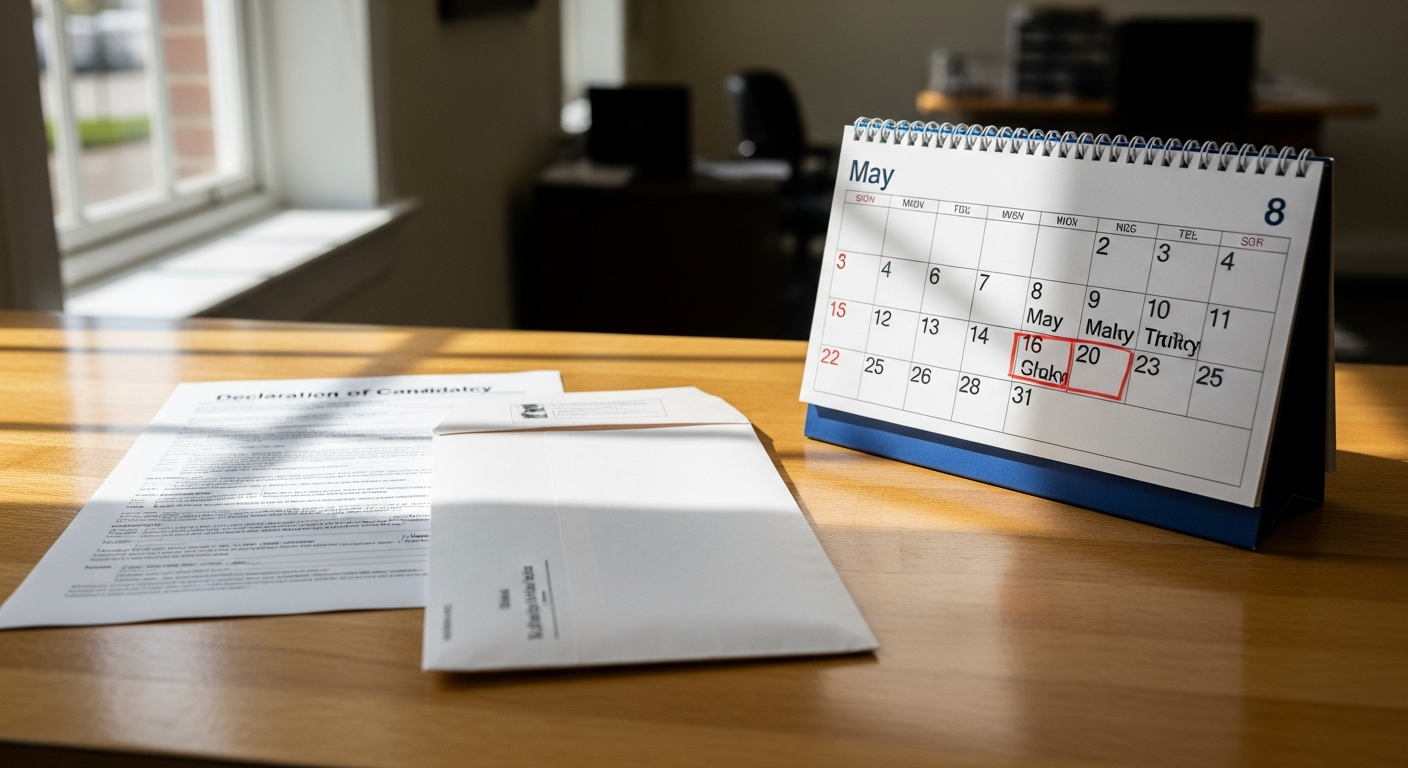
    Snohomish County’s 2026 candidate filing window opens at 8 a.m. on Monday, May 4, and closes at 5 p.m. on Friday, May 8. That’s the entire window. Five business days. After Friday at 5 p.m., the November 2026 ballot is locked, and any office without a candidate filed against the incumbent simply re-elects the incumbent by default.

    For Everett residents, that means this week is when the actual list of choices for November gets written — not by a campaign, not by a party, but by whoever walks in or logs on between Monday morning and Friday evening.

    What Changes for Residents This Week

    The most important thing for residents to know: the November 2026 ballot is decided this week, not in November. Any race with only one filed candidate is over before the primary even runs. Any race with two or more candidates from the same party in a top-two primary state like Washington heads to the August 4 primary, where the top two finishers — regardless of party — advance to November.

    That’s it. That’s the structure. Filing week is the gate. Everything downstream — the August primary, the October mailing of voters’ pamphlets, the November general — is downstream of who walked in this week.

    The Everett City Council itself is not on the 2026 ballot. The next Everett Council seats up are the at-large positions 6 and 7, scheduled for the end of 2027. So if you were thinking about a run at City Hall, this is not your year. But several other offices that touch life in Everett are open this cycle, including Snohomish County Council seats, county-wide constitutional offices, and judicial positions covering the courts that handle most everyday legal matters in the city.

    The full official list of offices on the 2026 ballot is maintained by Snohomish County Elections at the 2026 Candidate Guide linked from snohomishcountywa.gov/5729/Run-for-Office. Some offices file with Snohomish County Elections, others file with the Washington Secretary of State directly — the Candidate Guide tells you which is which for every position.

    How Filing Works

    Snohomish County Elections has set up four ways to file:

    Online (recommended). File through the Washington Secretary of State’s Candidate Filing portal at sos.wa.gov/elections. This is the path the county pushes hardest because it timestamps automatically, accepts payment, and produces a confirmation email. Most candidates file this way.

    In person. Walk in to Snohomish County Elections at 3000 Rockefeller Avenue, Admin West Building, 1st Floor, Everett, WA 98201. The office is open 8 a.m. to 5 p.m. Monday through Friday during the filing window. Bring identification. Bring payment for the filing fee.

    By email. Send a Declaration of Candidacy to elections@snoco.gov.

    By fax. Send to (425) 355-3444.

    The phone number for questions is (425) 388-3444. If you have any doubt about which office you’re filing for, which jurisdiction the office sits in, or whether your address falls inside the right district, call before you file. A misfiled candidacy is harder to fix than a delayed one.

    The Filing Fee

    Most positions with a salary require a filing fee equal to 1% of the annual salary for the office. So a position that pays $100,000 a year requires a $1,000 filing fee, due at the time of filing or no later than 5 p.m. Friday, May 8.

    Two important practical notes on the fee:

    First, the 1% rule is real money for some offices. If you are running for a position that pays well, plan for the fee in advance — it must be paid during the filing window itself.

    Second, candidates who cannot afford the filing fee can submit a petition with signatures of registered voters in the jurisdiction in lieu of the fee. The signature requirements vary by office. Snohomish County Elections has the petition forms and the signature-count requirements for each position, available through the Run for Office page on the county website or by calling the elections office directly.

    What Sits Above and Around This Week

    Filing week sits inside a longer civic calendar that residents will see roll out across 2026:

    August 4 is the primary election. For races with three or more candidates, the top two advance regardless of party. For races with one or two candidates total, there is effectively no primary — both candidates simply move on to November.

    November 3 is the general election. Mail-in ballots get mailed roughly two weeks before election day. Washington is a vote-by-mail state with same-day registration through election day at the elections office.

    Ballot certification typically runs two to three weeks after election day. As the desk’s protocol reminds us: until the Snohomish County Auditor’s office certifies a result, every count is preliminary. November 3 results are not the final results. They are the early count.

    The sequence matters because what happens this week — who files for what office — determines what voters in Everett will see when their ballots arrive in October. If nobody files for an open seat, the seat stays open by default rules and gets appointed. If only the incumbent files, the incumbent is re-elected without a contest. If two or more file, voters get a choice.

    What to Do Next

    If you are thinking about running:

    1. Pull up the 2026 Candidate Guide from snohomishcountywa.gov/5729/Run-for-Office before Monday morning. Identify the office, the salary, and the filing-fee amount.
    2. Decide whether to file online (sos.wa.gov/elections) or in person at 3000 Rockefeller Avenue, Everett.
    3. Have payment ready — credit card if filing online, check or card if filing in person.
    4. File during business hours. If you wait until late Friday afternoon, you are competing with everyone else who waited.

    If you are thinking about supporting someone else who should run:

    1. Send them this article today. They have until Friday.
    2. Help them identify the office, find the filing fee, and walk through the Candidate Guide.
    3. If you live in the same district, ask them whether they would sign their name if you filed.

    If you are not running but want to follow what fills out this week:

    • Snohomish County Elections will post the candidate list shortly after filing closes Friday at 5 p.m. The list lives at the Candidates and Measures on the Ballot page (snohomishcountywa.gov/5722/See-Whats-on-the-Ballot).
    • Washington’s statewide candidate list is at voter.votewa.gov.
    • The Daily Herald, My Everett News, and the Snohomish County Tribune all cover filing-week results once the list is final.

    What This Costs the Public

    Filing week itself costs the public almost nothing — Snohomish County Elections runs as a baseline function of the Auditor’s office regardless of how many candidates file. The downstream cost is the August primary, which the county runs whether two candidates file or two hundred. The election infrastructure is paid for; the unknown variable is whether residents get a real choice on the ballot.

    That is the actual stake of filing week. Not money. Not partisan advantage. Just whether November 2026 is a real election or a paperwork formality for offices Everett residents pay for and live under.

    Frequently Asked Questions

    When does candidate filing open and close in Snohomish County?

    Filing opens at 8 a.m. Monday, May 4, 2026, and closes at 5 p.m. Friday, May 8, 2026. There are no extensions for any reason.

    Where can I file as a candidate?

    Online at sos.wa.gov/elections (recommended), in person at Snohomish County Elections, 3000 Rockefeller Avenue, Admin West Building, 1st Floor, Everett, WA 98201, by email to elections@snoco.gov, or by fax to (425) 355-3444.

    Is the Everett City Council on the 2026 ballot?

    No. The next Everett City Council seats up for election are at-large positions 6 and 7, which are on the November 2027 ballot. The 2026 ballot includes other positions that affect Everett, including Snohomish County Council seats, county-wide offices, and judicial positions.

    How much does it cost to file?

    For most paid offices, the filing fee is 1% of the office’s annual salary. The fee must be paid at filing or no later than 5 p.m. Friday, May 8. Candidates who cannot afford the fee can file a petition with signatures of registered voters in the jurisdiction in lieu of payment.

    What happens if nobody files against an incumbent?

    The incumbent is re-elected by default. There is no general-election ballot contest for an unopposed seat under the same party.

    When is the 2026 primary?

    August 4, 2026. The general election is November 3, 2026. Washington is a top-two primary state — the top two finishers in any primary advance to November regardless of party.

    Where can I find the official list of every office on the 2026 ballot?

    The 2026 Candidate Guide on the Snohomish County Elections “Run for Office” page (snohomishcountywa.gov/5729/Run-for-Office) lists every office, the filing fee, and whether the office files with the county or with the state. The statewide list lives at voter.votewa.gov.

    Who do I call if I have questions about filing?

    Snohomish County Elections at (425) 388-3444. Call before you file rather than after.

  • Westmont Holly Neighborhood Guide: South Everett Living

    Westmont Holly Neighborhood Guide: South Everett Living

    Quick answer: Westmont and Holly are two adjacent south Everett neighborhoods that share one neighborhood association, the Westmont-Holly Neighborhood Association (WHNA). The City of Everett’s official neighborhood association directory lists them jointly because that’s how residents organized themselves — meeting together since the early 2000s on the first Monday of each month at Horizon Elementary at 222 W Casino Road. Westmont skews younger, denser, and more apartment-heavy. Holly skews older, more single-family, and slightly higher-income. Together they form one of the most diverse, most multilingual, and most under-the-radar parts of Everett.

    There are 21 neighborhoods on this desk’s rotation list, but if you ask the City of Everett, there are really 19 — because Westmont and Holly meet together, organize together, and run a single neighborhood association. The city’s official directory at everettwa.gov/334 lists “Westmont-Holly” as one entry, not two. Both everettwa.gov/571/Westmont and everettwa.gov/429/Holly redirect to the same Westmont-Holly page. That’s not a bureaucratic accident — that’s how the people who actually live there decided to do it.

    If you’ve driven Casino Road, Evergreen Way, or 100th Street SW lately, you’ve been in Westmont-Holly. The two neighborhoods together form the densest, most diverse part of south Everett — the corridor where the city’s apartment complexes, immigrant-owned restaurants, and oldest 1960s ramblers all sit side by side. This is where a real chunk of Everett actually lives, and it almost never gets profiled.

    Here’s what’s worth knowing about the joint neighborhood the city counts as one.

    The neighborhood association is the core of the story

    The Westmont-Holly Neighborhood Association meets the first Monday of every month at 6 p.m. at Horizon Elementary School (222 W. Casino Road), with occasional schedule shifts noted on the city’s calendar at everettwa.gov/Calendar.aspx. The association maintains its own site at westmont-holly.com, where bylaws, meeting minutes, emergency preparedness resources, and a links/resources page are published.

    This is one of the longer-running joint neighborhood associations in Everett. The city’s Council of Neighborhoods at everettwa.gov/338 — the body that coordinates between the 19 official neighborhood associations and city government — has carried Westmont-Holly as a single representative for years. The association is volunteer-led and currently looking for residents to help with newsletter posting, fliers, and event coordination, per their site.

    What that means in practice: if you live in Westmont, Holly, or anywhere in between, the place to plug in is the WHNA. Not two separate associations. One.

    Where exactly are these neighborhoods?

    Westmont sits in south Everett, roughly south of Madison and west of Evergreen Way, with the south-end portion bordering 100th Street SW and Airport Road. Holly sits adjacent — generally just east of Westmont, with much of the neighborhood north of 100th Street SW. The City of Everett maintains a neighborhood map at everettwa.gov/2255/Neighborhood-Maps that shows all 19 official neighborhood boundaries, including the joint Westmont-Holly footprint.

    For driving orientation: if you’re on Casino Road heading west from I-5, you cross into Westmont-Holly territory before you reach Highway 99 / Evergreen Way. Kasch Park (which we covered yesterday) sits right at the south edge of the neighborhood. The Mukilteo School District boundary cuts through here — the western and southern parts of the joint neighborhood are Mukilteo SD, the eastern parts are Everett Public Schools, and Horizon Elementary, where the association meets, is a Mukilteo SD school.

    Westmont: dense, young, multilingual, and renter-majority

    Westmont’s character is shaped by housing stock. The neighborhood is heavy on garden-style apartment complexes, four-plexes, and 1970s and 1980s multifamily buildings, with single-family homes and condos scattered through it. According to Homes.com and NeighborhoodScout data, roughly 80% of the resident population in the broader Westmont area rents.

    Median age is about 33 — younger than the city overall. Westmont is also one of the most ethnically and linguistically diverse parts of Everett, with nearly half of households speaking a language other than English at home. The most commonly identified ancestry in the neighborhood is Mexican, at roughly 21% of residents, with significant Vietnamese, Filipino, and Russian/Ukrainian communities as well.

    Recent housing data from Homes.com puts the median sale price for Westmont homes at roughly $366,450 over the past 12 months — substantially below Everett’s overall median, reflecting the apartment-heavy housing mix. That price point makes Westmont one of the more accessible entry points into Everett homeownership for first-time buyers willing to consider condos and small single-family homes in a denser setting.

    The proximity to Paine Field and Boeing matters here. Westmont is roughly five miles south of downtown Everett and within easy commute distance of both Paine Field (the airport and Boeing’s commercial campus) and the Mukilteo ferry. For workers in aerospace and the trades — and there are a lot of them in this corridor — Westmont’s housing math has historically penciled out.

    Holly: older single-family stock and quietly stable

    Holly tells a different story than Westmont, even though they share the same association. Per Homes.com and Point2Homes data, Holly’s median sale price over the past 12 months is closer to $630,997 — up about 6% year-over-year — and the housing mix tilts more toward 1960s and 1970s single-family ramblers, condos, and townhouses. Detached homes are scattered throughout, and condos and townhouses cluster north of 100th Street SW.

    The income picture in Holly is closer to the regional average than Westmont’s, with average household income around $90,350 according to neighborhood-level estimates. White-collar workers make up roughly 70% of the working population. The renter share is lower than Westmont’s, but still substantial — most of the residential real estate skews renter-occupied, especially in the multifamily portion of the neighborhood north of 100th Street SW.

    Holly is more linguistically diverse than the Everett average but less so than Westmont. English is spoken by about 57% of households, with Spanish, Arabic, Vietnamese, and Tagalog all represented. The most commonly identified ancestry in Holly is Mexican at roughly 15% of residents.

    What it’s like to actually live here

    The everyday experience of Westmont-Holly is shaped by Casino Road and Evergreen Way. The corridor has the highest concentration of immigrant-owned restaurants in Everett — Vietnamese, Mexican, Salvadoran, Filipino, Cambodian, Russian, Ukrainian — and the food scene here is one of the genuine cultural assets of the city. We’ve covered Casino Road corridor work, Tabassum (the Uzbek food truck on Beverly Lane just west of the neighborhood), and the broader Casino Road corridor in earlier desk pieces.

    Kasch Park anchors the south end of the joint neighborhood with synthetic turf fields, a playground, and a popular community-event venue. Lions Park and Forest Park sit just to the north and east. The Interurban Trail runs along the eastern boundary, providing the same paved pedestrian/bike spine that connects Pinehurst-Beverly Park down toward Lynnwood.

    For families, the school question is real and worth understanding. Most of Westmont and parts of Holly are in Mukilteo School District (Horizon, Discovery, Mukilteo Elementary; Olympic View Middle; Mariner High). The eastern portions of Holly are in Everett Public Schools (Cascade High zone). Mukilteo’s 2026 bond — is directly relevant here because it funds capital projects at schools serving south Everett families.

    The transit picture is improving. Community Transit’s recent acquisition of the former Goodwill bins site at 11815 Highway 99 — sits just outside the joint neighborhood’s eastern edge. Casino Road is one of the most-used Community Transit corridors in the system. Sound Transit’s Everett Link extension, scheduled for 2041 service, will eventually bring light rail to the SW Everett station near Airport Road, with a station at I-5 and 112th SW just east of Westmont-Holly.

    Where the joint association fits in Everett’s bigger neighborhood story

    Westmont-Holly is part of a quietly shifting story about how south Everett organizes itself. For decades, the corridor was treated as a single undifferentiated chunk of “Casino Road” — usually framed in shorthand and not always favorably. The reality is that this part of Everett has 21 neighborhoods just like the historic core does, and the joint Westmont-Holly Neighborhood Association is one of the more durable examples of residents organizing themselves around the city’s official Council of Neighborhoods structure.

    The other south-Everett neighborhoods we’ve spotlighted — Twin Creeks, Cascade View, Boulevard Bluffs, Pinehurst-Beverly Park, Glacier View — each have their own associations and their own meeting cadences. Westmont-Holly’s choice to consolidate is itself a model: when two adjacent neighborhoods share schools, parks, transit corridors, and housing markets, doing the work together is more sustainable than splitting volunteer energy in half.

    If you live in either neighborhood and want to plug in, first Monday of the month, 6 p.m., Horizon Elementary, 222 W. Casino Road is the door. Bring a neighbor.

    Frequently Asked Questions

    Why does the City of Everett list Westmont and Holly together as one neighborhood association?
    Westmont and Holly are two distinct neighborhoods, but they share a single neighborhood association — the Westmont-Holly Neighborhood Association (WHNA) — because residents organized themselves jointly. The City of Everett’s Council of Neighborhoods at everettwa.gov/338 recognizes WHNA as one of 19 official neighborhood associations, and both everettwa.gov/571/Westmont and everettwa.gov/429/Holly redirect to the same Westmont-Holly page.

    When does the Westmont-Holly Neighborhood Association meet?
    The Westmont-Holly Neighborhood Association meets on the first Monday of each month at 6 p.m. at Horizon Elementary School, 222 W. Casino Road, Everett, WA 98204. Schedule changes are posted on the city’s calendar at everettwa.gov/Calendar.aspx and on the WHNA site at westmont-holly.com.

    Where exactly are the boundaries between Westmont and Holly?
    The City of Everett’s official neighborhood map at everettwa.gov/2255/Neighborhood-Maps shows the precise boundaries. In rough terms, Westmont covers the western and southern portion of the joint neighborhood — south of Madison, west of Evergreen Way, and bordering 100th Street SW and Airport Road. Holly sits adjacent, generally to the east, with much of the neighborhood north of 100th Street SW.

    What school district serves Westmont-Holly?
    Both districts. The western and southern portions are served by Mukilteo School District (Horizon Elementary, Discovery Elementary, Olympic View Middle, Mariner High). The eastern portions of Holly are served by Everett Public Schools (Cascade High zone). Families considering a move should verify the specific school assignment for their address through the district lookup tools at mukilteoschools.org and everettsd.org.

    How does Westmont compare to Holly on housing prices?
    Westmont’s housing stock is heavily multifamily — apartments, condos, and four-plexes — and the median sale price over the past 12 months is roughly $366,450 per Homes.com. Holly has more single-family ramblers from the 1960s–1970s and a higher median sale price closer to $630,997, up about 6% year-over-year. The neighborhoods share a single association but have meaningfully different housing markets.

    What’s the cultural and linguistic profile of Westmont-Holly?
    Both neighborhoods are among the most ethnically and linguistically diverse parts of Everett. In Westmont, nearly half of households speak a language other than English at home; the most commonly identified ancestry is Mexican (about 21%), with significant Vietnamese, Filipino, and Russian/Ukrainian communities. In Holly, English is spoken by about 57% of households, with Spanish, Arabic, Vietnamese, and Tagalog all represented; the most commonly identified ancestry is Mexican (about 15%).

    What parks and community spaces serve the neighborhood?
    Kasch Park, Everett’s largest athletic complex, sits at the south edge of the joint neighborhood at 8811 Airport Road. Lions Park and Forest Park sit just to the north and east. The Interurban Trail runs along the eastern boundary. We’ve covered Kasch Park in detail at the Kasch Park local’s guide.

    How do I get involved in the Westmont-Holly Neighborhood Association?
    The easiest way is to attend a monthly meeting (first Monday, 6 p.m., Horizon Elementary). The association’s website at westmont-holly.com has the bylaws, meeting minutes, and a contact page. WHNA is currently looking for volunteers to help with newsletter posting and event coordination.