Category: Exploring Everett

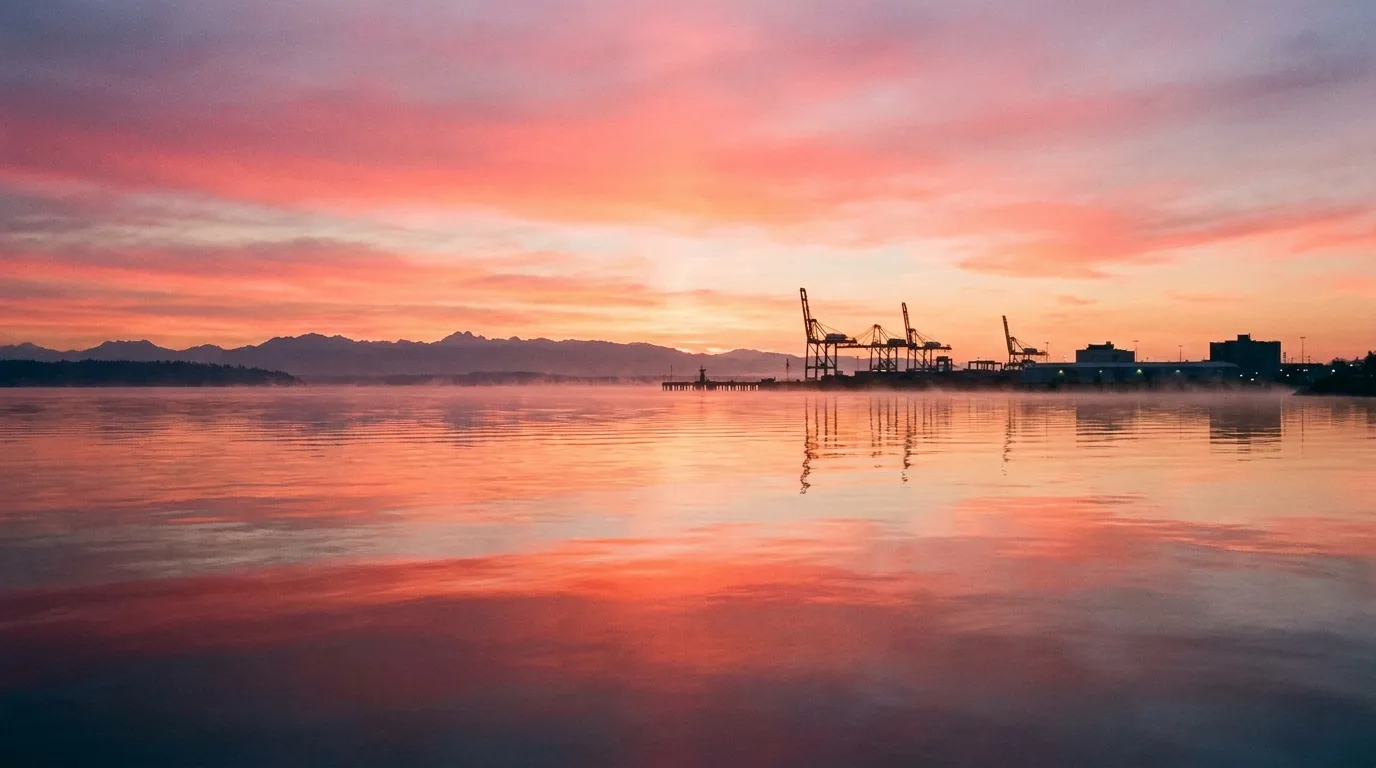
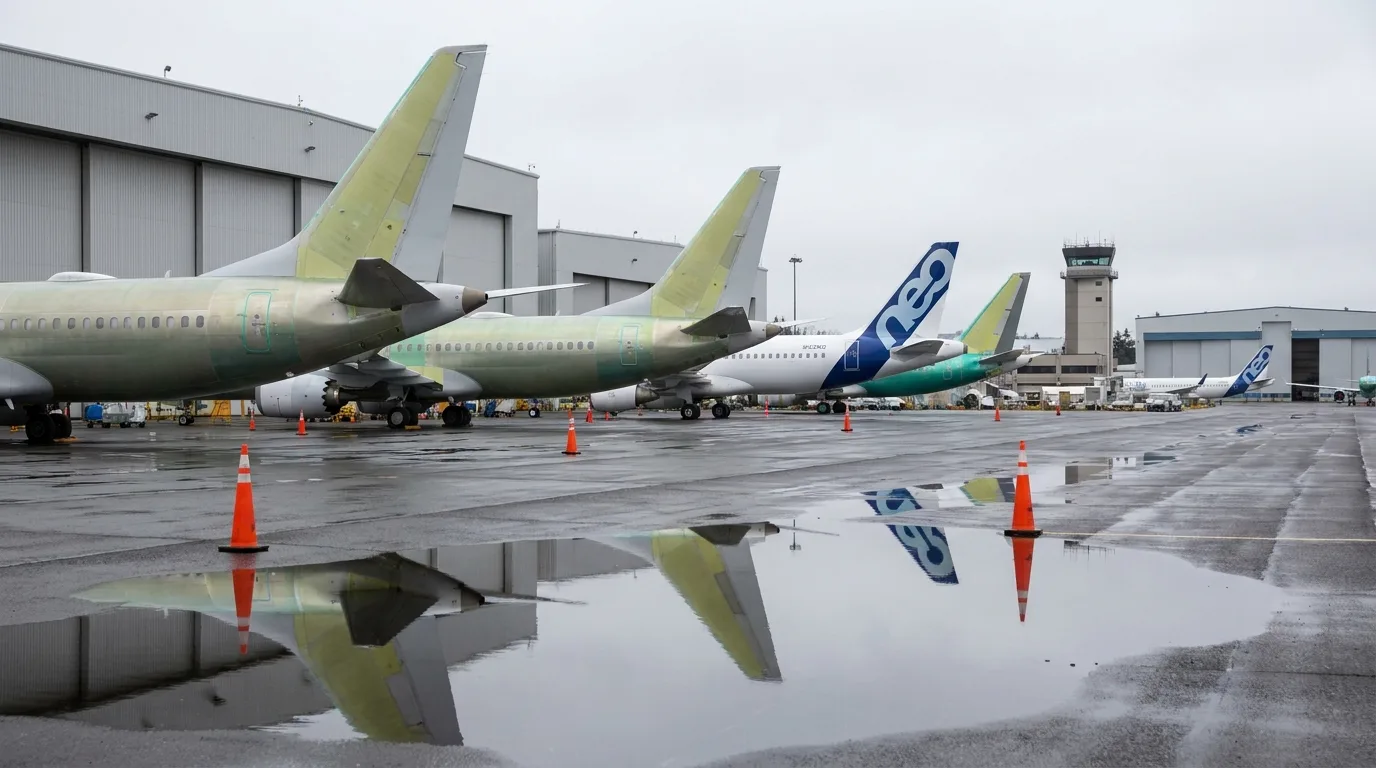
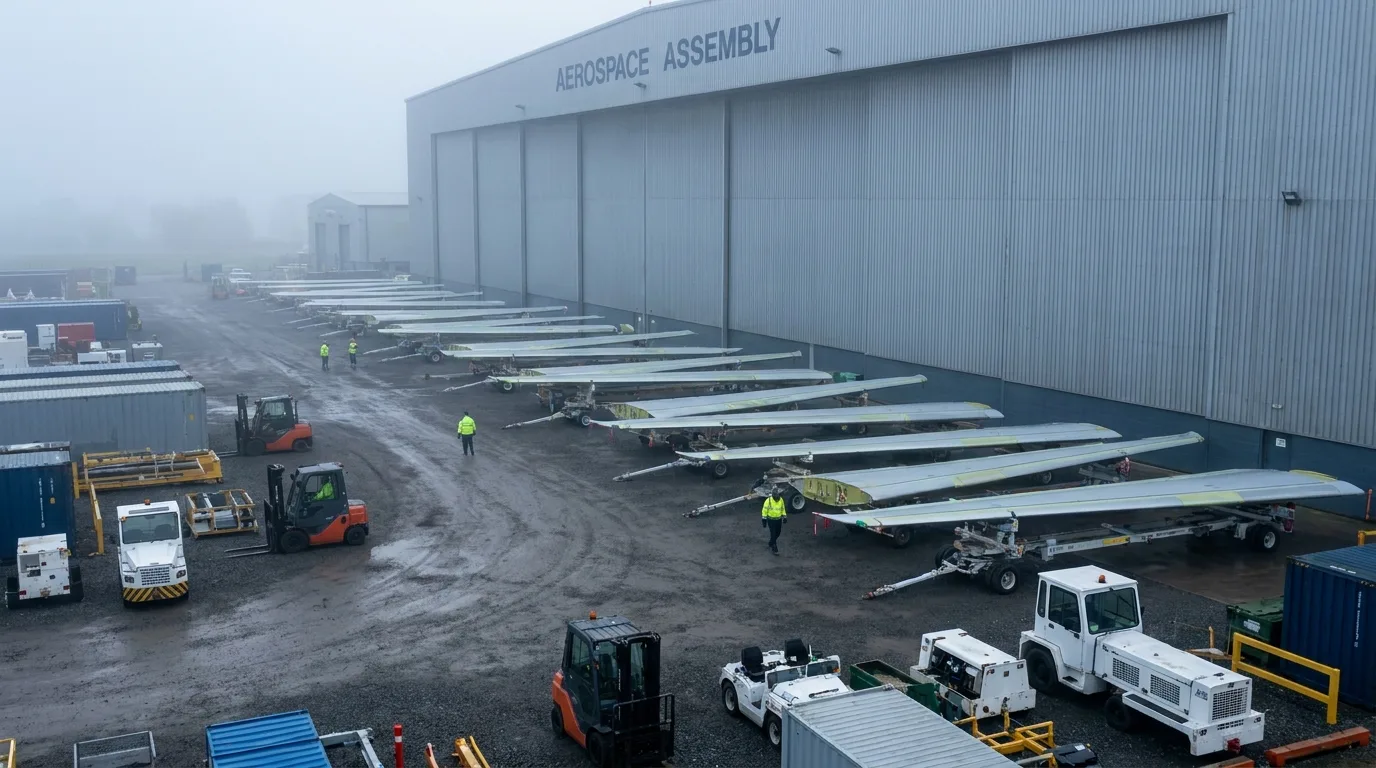
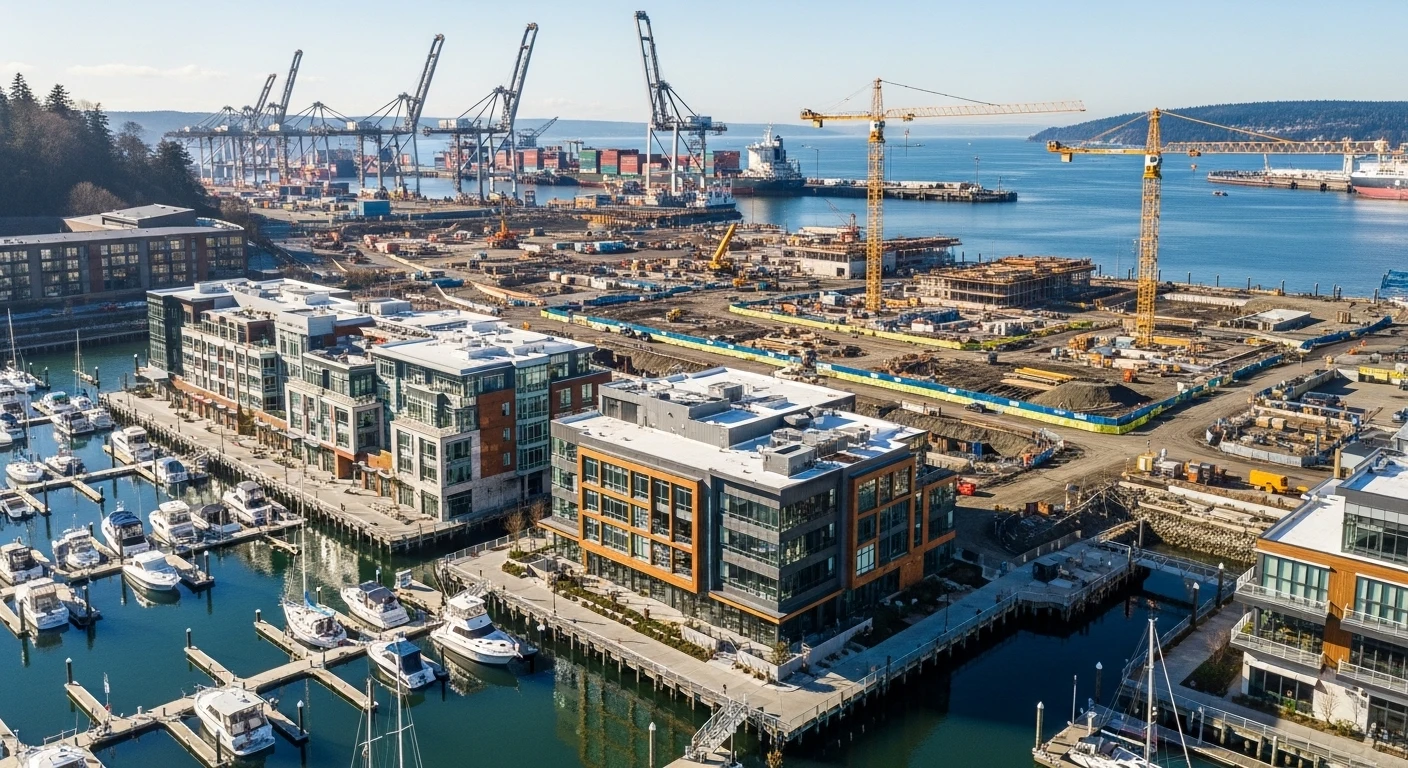
Everett, Washington is in the middle of something big. A $1 billion waterfront transformation. A Boeing workforce that built the world’s largest commercial jets. A port city with a downtown that’s finally catching up to its potential. A Navy presence at Naval Station Everett. A comedy and arts scene punching above its weight. And neighborhoods — Riverside, Silver Lake, Downtown, Bayside — each with their own identity and story.

Exploring Everett is Tygart Media’s hyperlocal coverage vertical for Snohomish County’s largest city. We cover the waterfront redevelopment, Boeing and Paine Field, city hall, the food and arts scene, real estate, neighborhoods, and everything in between — written for people who live here, work here, or are paying attention to what’s coming.

Coverage categories include: Everett News, Waterfront Development, Boeing & Aerospace, Business, Arts & Culture, Food & Drink, Real Estate, Neighborhoods, Government, Schools, Public Safety, Events, and Outdoors.

Exploring Everett content is also published at exploringeverett.com.

  • Bryce Miller Pitched at Funko Field Friday Night: Mariners Right-Hander Targets 3 Innings, AquaSox Riding 3-Game Win Streak

    The setup: Mariners right-hander Bryce Miller made his second 2026 rehab start on Friday night, April 24 at Funko Field in Everett, taking the mound for the AquaSox against the Spokane Indians. The plan, per AquaSox manager and Seattle’s player-development staff: stretch to roughly three innings and about 45 pitches as Miller works back from the oblique injury that has kept him on the IL. First pitch was 7:05 PM, and yes — it was Fireworks Friday.

    This is what we’ve been waiting for since Wednesday’s announcement.

    The Mariners’ actual second-best starter from last season pitched at Funko Field on Friday night. Bryce Miller made his second rehab start of the spring with the AquaSox against the Spokane Indians, the next step in his climb back from the oblique strain that landed him on the IL early in the Mariners’ season.

    The Plan for Miller’s Outing

    Per the AquaSox release earlier in the week, the target for Friday was three innings or about 45 pitches — a clear escalation from his first rehab outing on April 18 with Triple-A Tacoma, where he threw 33 pitches across 1.2 innings (21 of them for strikes), striking out two and walking one while allowing three runs on four hits.

    Three runs on four hits in fewer than two innings isn’t the line Mariners fans wanted to see from Tacoma — but the two strikeouts, the strike-throwing rate, and the simple fact that he was on the mound are what mattered. The Mariners have been deliberately conservative with him. The oblique is the kind of injury where you can’t rush the timeline.

    That’s why Friday night’s start in Everett mattered. Stepping back from Triple-A to the Northwest League gave Seattle a controlled environment to push his pitch count and build his stamina without the consequences of a full Triple-A workload. By the time you read this, Miller’s box-score line for Friday will be public — but the meaningful number isn’t ERA. It’s pitch count, innings, and whether he came out of it healthy.

    The Spokane Series Has Quietly Been a Showcase

    Even before Miller took the mound, the AquaSox were riding a hot stretch of the homestand against the Indians. Tuesday was a 5-2 Adam Dollard gem — six innings, two hits, no runs, one walk, seven strikeouts, the best start of an AquaSox arm so far this season. Wednesday was the 7-5 Eike-and-Caron offensive show, with Tyler Eike‘s 418-foot home run still being talked about and Felnin Celesten Jr. finally getting hot at the plate.

    And Thursday? Carlos Jimenez went 2-for-2 with a home run, a double, two walks, and six RBIs in an 11-3 demolition of Spokane. Jimenez has been the kind of streaky bat that turns into a 30-RBI week when he gets locked in. Right now he’s locked in. That was Everett’s third straight win over the Indians, who came in with a four-game losing streak of their own and saw it become five.

    Going into Friday’s game, Everett was 6-4 on the season, six runs of separation in the standings, and looking like a team that found its footing after a rough opening series at Eugene.

    The Funko Field Experience Around Bryce Miller

    Miller starting at Funko Field on a Friday night was always going to be the most attended weeknight game of the homestand. The combination of a real major leaguer on the mound, Fireworks Friday, and the AquaSox playing actually-good baseball was the perfect Everett baseball night.

    If you couldn’t make Friday, the homestand finishes Saturday April 25 at 7:05 PM and Sunday April 26 at 1:05 PM. The Sunday afternoon game is the one to bring kids to — Funko Field on a sunny April afternoon is one of the better $15 entertainment values in Snohomish County, and prospects like Celesten, Eike, Aidan Caron, and Carlos Jimenez are showing legitimate signs of taking a step forward this season.

    What’s Next for Miller

    The full picture from Friday will come together in Saturday morning’s box scores. The number that will dictate Miller’s next step isn’t strikeouts or earned runs — it’s how he feels Saturday morning. If the oblique held up under a 45-pitch workload, the next move is almost certainly back to Tacoma for a longer outing, then a final tune-up before activation.

    Mariners fans need Miller back. The rotation has been doing its best, but the version of Miller who threw 98+ mph with command in his April 18 Tacoma outing — that’s a version of this rotation Seattle needs in May and June. Friday at Funko Field was a real step in that direction.

    And honestly? It’s just kind of cool to have him here. AquaSox baseball with a major-league rehab start is the platonic ideal of a Friday night in Everett.

    Frequently Asked Questions

    Why did Bryce Miller pitch for the Everett AquaSox?
    Miller is on a rehab assignment from the Mariners’ injured list (oblique strain). Pitching for the High-A AquaSox lets the Mariners build him up gradually before sending him back to Triple-A Tacoma and eventually back to Seattle’s starting rotation.

    What was the plan for Miller’s April 24 start?
    Per the AquaSox release, the target was approximately three innings or 45 pitches — a step up from his April 18 Tacoma rehab outing, where he threw 33 pitches in 1.2 innings.

    Where do the AquaSox play?
    At Funko Field in Everett, also known as Everett Memorial Stadium. Located near Everett Community College on Broadway.

    When are the rest of the AquaSox vs Spokane games?
    Saturday, April 25 at 7:05 PM and Sunday, April 26 at 1:05 PM. The Saturday game is the final 7:05 first pitch of the homestand; Sunday is a 1:05 afternoon game.

    How is the AquaSox season going so far?
    Entering Friday, Everett was 6-4 on the season after winning three straight over Spokane. The team has scored 16 runs in the eighth inning across the last six games — a sign the lineup is figuring it out.

    Who are the AquaSox top prospects to watch in 2026?
    Catcher Felnin Celesten Jr., outfielder Tyler Eike (whose 418-ft homer Wednesday was the best AquaSox swing of the homestand), infielder Aidan Caron, and outfielder Carlos Jimenez (six RBIs Thursday).

    How can I get tickets to AquaSox games?
    Tickets are available at the Funko Field box office on game days or through the official AquaSox site at milb.com/everett. Standard tickets are usually under $20, and Sunday day games are family-friendly.

  • Silvertips Take Game 1 Over Penticton 4-1: Anders Miller Solid, DuPont and Rudolph Score, Game 2 Saturday at 6:30 PM

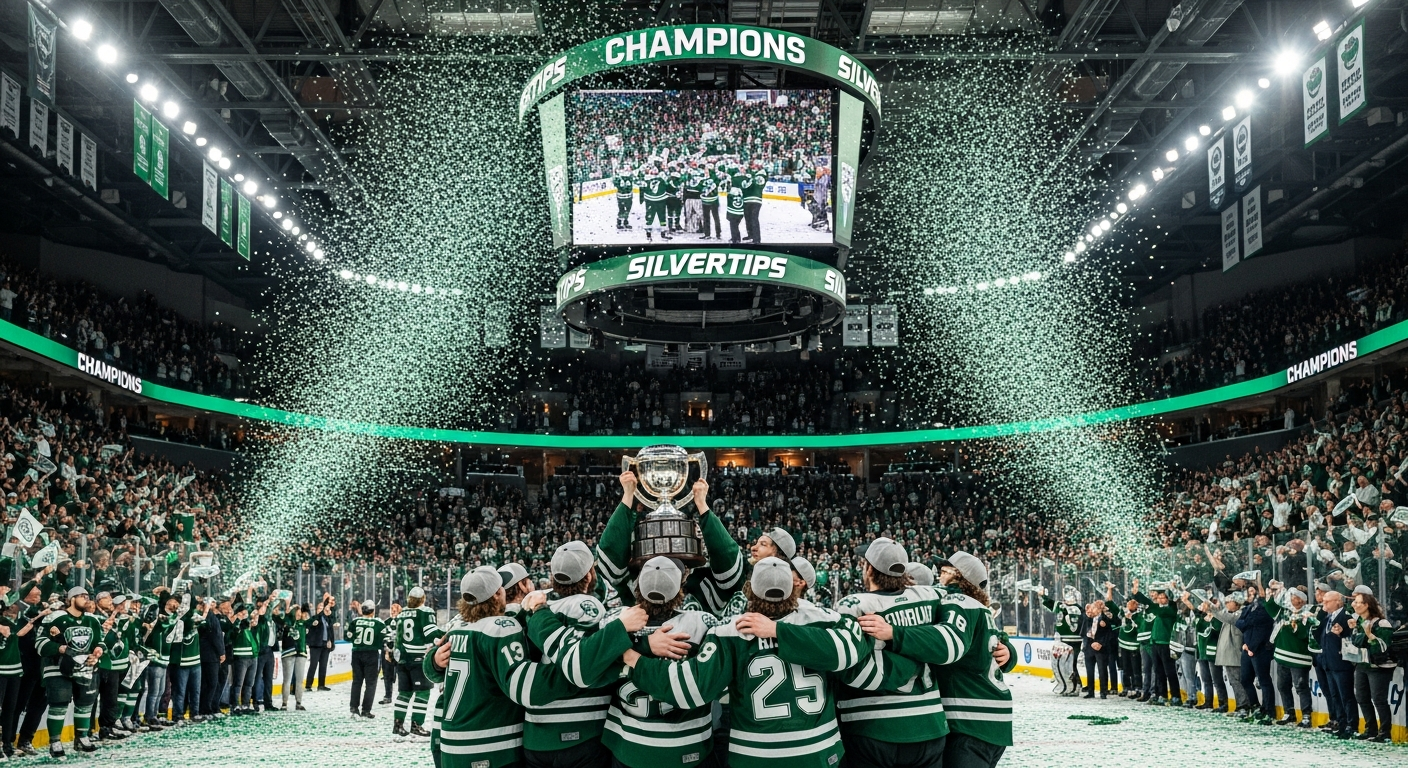
    Final score: Everett Silvertips 4, Penticton Vees 1. Landon DuPont opened the scoring and added an assist, fourth-line forward Hunter Rudolph buried the third-period dagger, and goaltender Anders Miller stopped 23 of 24 shots as the Tips took Game 1 of the WHL Western Conference Final at Angel of the Winds Arena on Thursday, April 23. Game 2 is Saturday, April 25 at 6:30 PM PT in Everett before the series shifts to Penticton.

    Everett picked up exactly where it left off in Round 2 — and the WHL’s hottest team is now one of three with a series lead in the conference finals.

    The Everett Silvertips opened the WHL Western Conference Final on Thursday night with a 4-1 win over the Penticton Vees at Angel of the Winds Arena. The win pushed Everett’s playoff record to 8-0 and gave them a 1-0 lead in the best-of-seven series.

    How Game 1 Went Down

    The Silvertips set the tone early. Landon DuPont, the 16-year-old phenom defenseman who’s been the postseason’s most quietly dominant player, opened the scoring late in the first period to send Everett into intermission with a 1-0 lead.

    The second period saw Everett extend the lead to 2-0. The Tips kept their defensive structure even as the Vees matched them shot-for-shot — both teams ended the period with 18 shots on goal, an unusually even shot count for a series opener at home.

    Penticton finally broke through early in the third on a goal from Ryden Evers, his seventh of the playoffs, cutting the deficit to 2-1 with most of the period still to play. For about five minutes, the building got quiet. The Vees had momentum.

    And then Hunter Rudolph happened.

    The fourth-line forward — exactly the kind of depth scorer championship teams find a way to get from — restored Everett’s two-goal lead at the 11:28 mark of the third. Kayd Ruedig sealed it with an empty-netter to make the final 4-1.

    Anders Miller Keeps Doing Anders Miller Things

    Goaltender Anders Miller stopped 23 of 24 shots, continuing the playoff run that has put him in WHL postseason record territory. His save percentage through the postseason continues to lead all goalies with nine or more games played, and through eight playoff games Everett’s combined goal differential is sitting in plus-territory that very few WHL teams ever post.

    Miller didn’t have to be miraculous on Thursday — Everett’s structure forced Penticton into low-percentage looks and the puck didn’t sit in dangerous areas for long. But every time the Vees did manufacture a clean chance, Miller swallowed it. That’s the version of Anders Miller that Everett needs four more times.

    What Game 1 Tells Us About This Series

    Three things stood out from Thursday night.

    First, DuPont is operating at a different level. The 16-year-old led Everett in playoff scoring entering the series and added another goal and assist in Game 1. Watching him retrieve pucks under pressure and make clean breakouts is one of the most fun things in junior hockey right now.

    Second, Everett’s depth is winning games. Hunter Rudolph isn’t on the scouting reports the Vees brought into the series — and that’s exactly the player who scored the back-breaker. Championship teams get goals from fourth-liners. Everett is getting them.

    Third, Penticton is not going away. Don’t let the 4-1 final fool you. The Vees matched Everett’s shot count for two periods, generated chances, and got an early third-period goal that legitimately changed momentum. They were the only team to beat Everett in regulation more than once during the regular season. This is going to be a series.

    Game 2: Saturday Night, 6:30 PM at Angel of the Winds

    Game 2 is Saturday, April 25 at 6:30 PM PT at Angel of the Winds Arena before the series shifts to Penticton’s South Okanagan Events Centre for Games 3 and 4. If Everett wins Saturday and takes a 2-0 lead on the road trip, this thing could go very quickly.

    If you’ve been thinking about getting to a playoff game this spring — Saturday is the one. The WHL Western Conference Final, at home, against the team that pushed Everett harder than anyone in the regular season. Tickets through the Silvertips and Angel of the Winds Arena box offices.

    The puck drops at 6:30 PM. Wear green.

    Frequently Asked Questions

    What was the final score of Silvertips Game 1 vs Penticton?
    Everett won 4-1 over the Penticton Vees on Thursday, April 23, 2026 at Angel of the Winds Arena.

    When is Silvertips Game 2 vs Penticton?
    Game 2 is Saturday, April 25 at 6:30 PM PT at Angel of the Winds Arena in Everett.

    Who scored for Everett in Game 1?
    Landon DuPont opened the scoring, Hunter Rudolph added the third-period insurance goal, and Kayd Ruedig sealed the win with an empty-netter. DuPont also recorded an assist.

    How did Anders Miller play in Game 1?
    Miller stopped 23 of 24 shots, continuing his record-pace playoff run. He has the highest save percentage of any WHL goaltender with nine or more games played this postseason.

    Where will the rest of the WHL Western Conference Final be played?
    Games 1 and 2 are at Angel of the Winds Arena in Everett (April 23 and 25). Games 3 and 4 shift to the South Okanagan Events Centre in Penticton, BC. Games 5, 6, and 7 (if necessary) alternate back to Everett and Penticton based on series standing.

    What is the Silvertips’ playoff record so far?
    Everett is 8-0 in the 2026 WHL playoffs after winning Game 1 on Thursday, having swept their first two opponents to advance to the Western Conference Final.

    Who is favored in the Silvertips vs Vees series?
    Everett enters as the No. 1 seed in the Western Conference after a 117-point regular season — the franchise’s best in 12 years. The Vees were the No. 2 seed. Everett also won the regular-season series 3-1, but Penticton handed them their only regular-season shutout loss.

  • USS Gridley Joins USS Nimitz for Chilean Port Visit on Carrier’s Final Overseas Cruise

    Q: Where is USS Gridley right now and why does it matter to Everett?
    A: USS Gridley (DDG-101), homeported at Naval Station Everett, was moored pier-side at Valparaiso, Chile from April 17 to April 21, 2026, alongside USS Nimitz on the carrier’s final overseas deployment before its 2027 decommissioning. The two ships are circumnavigating South America as part of U.S. 4th Fleet’s Southern Seas 2026, a routine multinational engagement deployment publicly announced by U.S. Southern Command on March 23. Chilean President José Antonio Kast visited Nimitz during the port call.

    USS Gridley Joins USS Nimitz for Chilean Port Visit on Carrier’s Final Overseas Cruise

    One of Naval Station Everett’s five Arleigh Burke-class destroyers spent four days last week pier-side in Valparaiso, Chile, accompanying an aircraft carrier on what is publicly confirmed to be its last overseas deployment before decommissioning.

    USS Gridley (DDG-101) — homeported in Everett — moored alongside the pier at Valparaiso from April 17 through April 21, 2026, while the nuclear-powered aircraft carrier USS Nimitz (CVN-68) anchored in Chilean territorial waters nearby. The Navy released the port visit details through its public affairs channels and U.S. Southern Command news pages, including imagery and an on-board visit by Chilean President José Antonio Kast.

    The visit is the second scheduled stop along Southern Seas 2026, the U.S. 4th Fleet deployment that the Navy announced publicly on March 23, 2026. The strike group’s stated mission is partner-nation engagement and circumnavigation of South America en route to the U.S. East Coast. According to Naval Forces Southern Command, Nimitz is heading toward Norfolk, Virginia, where it is scheduled to begin the multi-year inactivation and decommissioning process expected to conclude in 2027.

    For the Everett community, the headline is straightforward: Gridley — a destroyer Snohomish County families have watched come and go for years — is on a deployment of historic significance for the U.S. Navy.

    What Is Southern Seas 2026?

    Southern Seas is a recurring U.S. 4th Fleet deployment that has been conducted in various forms since the 1980s. It is not an exercise in the wartime sense; it is a multinational engagement deployment designed around port visits, passing exercises (PASSEXs) at sea, and ship-rider programs with partner navies in the Caribbean, Latin America, and South America.

    The 2026 iteration officially launched on March 23, 2026, with U.S. Southern Command announcing the deployment of Nimitz and Gridley to the SOUTHCOM area of responsibility. According to the announcement, the strike group’s published itinerary includes engagements with at least ten partner navies — among them Ecuador, Chile, and others not yet named publicly — through scheduled port visits and passing exercises along the South American coastline.

    The first published stop of the deployment was a bilateral engagement with the Ecuadorian Navy on April 7 and 8, followed by the Chilean port visit. The Navy has not publicly disclosed the strike group’s remaining itinerary, and we will not speculate on it here.

    Why This Particular Cruise Is Different

    The Nimitz-class aircraft carrier USS Nimitz (CVN-68) was commissioned in 1975. It is the lead ship of the class that still forms the backbone of the U.S. carrier fleet, and the Navy has publicly stated that Southern Seas 2026 is the carrier’s final operational deployment.

    After Nimitz returns to the East Coast, the ship begins a multi-year decommissioning process that the Navy has publicly projected to conclude in 2027. The defueling of the two A4W reactors and dismantling of the ship is a years-long undertaking; Nimitz’s last underway period before that work begins is, by the Navy’s own account, the deployment Gridley is on right now.

    For Gridley’s crew and their Everett families, that means this deployment is one Naval Station Everett families will tell each other about for years.

    The Chilean Port Visit, As The Navy Described It

    According to Navy and U.S. Southern Command public affairs releases, the April 17–21 stop in Valparaiso included:

    • A bilateral air engagement with the Chilean Air Force preceding arrival
    • A reception aboard Nimitz for senior Chilean government and military leaders
    • An on-board visit from Chilean President José Antonio Kast
    • A passing exercise at sea with the Chilean Navy frigate Capitán Prat after departure

    These details come exclusively from Navy.mil, the U.S. Southern Command news site, and DVIDS — all official public-affairs channels. We do not publish operational details beyond what those channels have released.

    USS Gridley And Naval Station Everett

    USS Gridley (DDG-101) is one of five Arleigh Burke-class guided-missile destroyers homeported at Naval Station Everett. The destroyers based in Everett, listed alphabetically, include:

    • USS Gridley (DDG-101)
    • USS Kidd (DDG-100)
    • USS Momsen (DDG-92)
    • USS Ralph Johnson (DDG-114)
    • USS Sampson (DDG-102)

    Naval Station Everett, located at 2000 West Marine View Drive, is the Navy’s most modern major surface-ship base on the West Coast. It is the only major U.S. Navy installation in the Pacific Northwest with a deepwater carrier-capable pier, although Everett does not currently homeport an aircraft carrier.

    The base has been in the public conversation for the past five months because of the Navy’s November 25, 2025 cancellation of the Constellation-class frigate program and the December 19, 2025 announcement of the new FF(X) program based on the Coast Guard’s Legend-class National Security Cutter. Everett was the publicly named planned homeport for the Constellation-class frigates; the FF(X) homeport question remains open. Snohomish County’s Military Affairs Committee, rebooted in February 2026, is working that question with the Washington congressional delegation.

    That work continues. In the meantime, Gridley and the rest of Naval Station Everett’s destroyer fleet do what destroyers do — train, deploy, escort carriers, return home, and start again.

    What This Means For Military Families In Everett

    Deployments are public; the day-to-day rhythm of life around them is not. For families connected to Gridley specifically, the resources at Naval Station Everett are unchanged from any other deployment cycle:

    • Fleet & Family Support Center (FFSC), 425-304-3735 — provides deployment readiness, spouse employment programs (FERP, MySECO, MySTeP), financial counseling, and reintegration support. Walk-in and appointment options at the main Everett location, with satellite hours at Smokey Point.
    • Child & Youth Programs (CYP) — the Child Development Center, Youth Programs, and the School Liaison Office handle continuity of care for children of deployed sailors, including school enrollment and special education advocacy across district lines.
    • USO Northwest — operates a center inside the Sea-Tac International Airport USO and supports homecoming logistics regionally.
    • American Legion Post 6 and the Everett Navy League Council — provide community connection points for families and veterans throughout the deployment cycle.

    None of these resources are new. The point of listing them now is the same point that’s true any time a homeport ship is downrange: the support infrastructure is local, it’s free for eligible families, and the people who staff it are reachable by phone today.

    The Bigger Picture For Everett

    Naval Station Everett’s footprint on Snohomish County is significant. The base employs thousands of military and civilian personnel directly, supports a regional supply-chain ecosystem of contractors, and anchors the demand for off-base housing, schools, healthcare, and local services from Mukilteo to Marysville. Every deployment cycle ripples through that ecosystem.

    The high-profile nature of this particular deployment — Nimitz’s final cruise, a Chilean head-of-state visit, the historical weight of the Nimitz name retiring — gives Gridley’s crew and their families something most homecomings won’t have: a story with national scope.

    When the strike group eventually returns home (Nimitz to Norfolk, Gridley to Everett), the Everett portion of that homecoming will be a Naval Station Everett pier event under standard family-support and base-access procedures. The Navy and base public affairs will release timing publicly when that timing exists. We do not have it now and will not speculate.

    Frequently Asked Questions

    Is USS Gridley deploying or returning?

    Deploying. Per the Navy’s March 23, 2026 announcement, USS Gridley deployed with USS Nimitz to the U.S. Southern Command area of responsibility for Southern Seas 2026. The two ships are currently transiting the South American coastline.

    When will USS Gridley return to Everett?

    The Navy has not publicly released a return date. Once the Navy or Naval Station Everett public affairs releases an official homecoming date, the base will publish family information through standard channels.

    Was anyone from Naval Station Everett at the Chilean port visit?

    USS Gridley’s crew was pier-side at Valparaiso April 17–21, 2026. The Navy released the photos publicly through DVIDS. The Navy did not publicly release the names of any individual crewmembers below flag rank, and neither will we.

    Why is this Nimitz’s final deployment?

    USS Nimitz (CVN-68) was commissioned in 1975. The Navy has publicly stated the carrier will be decommissioned in 2027 after this deployment. Nimitz-class carriers are nuclear-powered, and the decommissioning process — including reactor defueling — takes multiple years.

    Does Naval Station Everett homeport an aircraft carrier?

    No. Naval Station Everett has a carrier-capable deepwater pier but does not currently homeport an aircraft carrier. The base homeports five Arleigh Burke-class destroyers and several Coast Guard cutters.

    Where can military families in Everett get deployment support?

    The Naval Station Everett Fleet & Family Support Center is reachable at 425-304-3735. Walk-in and appointment-based services include deployment readiness, spouse employment programs, and financial counseling. Smokey Point has satellite hours.

    What happens to Naval Station Everett if FF(X) doesn’t homeport here?

    That question is unresolved. Snohomish County’s Military Affairs Committee — rebooted on February 23, 2026 — is actively engaging the Washington congressional delegation on FF(X) homeport options. The Navy has not publicly named an FF(X) homeport as of this writing.

    What ships did the Chilean Navy operate alongside Gridley?

    According to Chilean and U.S. Navy public releases, the Chilean Navy frigate Capitán Prat conducted a passing exercise with USS Nimitz and USS Gridley after the Valparaiso port visit. No further joint ship details were released publicly.

    Sources

    • U.S. Navy Press Office: “Chile Welcomes Nimitz Carrier Strike Group” (Navy.mil, April 2026)
    • U.S. Southern Command: “Chile Welcomes Nimitz Carrier Strike Group” (Southcom.mil, April 2026)
    • U.S. 4th Fleet: “U.S. 4th Fleet Announces Southern Seas 2026 Deployment” (March 23, 2026)
    • Defense Visual Information Distribution Service (DVIDS) imagery release
    • U.S. Naval Institute News: USNI Fleet and Marine Tracker, April 20, 2026
    • Stars and Stripes coverage of Chilean president visit, April 20, 2026
    • Naval Station Everett public affairs and CNIC NW base information
  • Two Years In at Paine Field: ZeroAvia’s Hydrogen-Electric Bet on Everett’s Aerospace Future

    Q: What is ZeroAvia doing at Paine Field in Everett?
    A: ZeroAvia operates a 136,000-square-foot Propulsion Center of Excellence at Paine Field — its first U.S. manufacturing facility — where it builds electric motors and power electronics for hydrogen-electric aircraft engines. The center opened on April 24, 2024, with then-Governor Jay Inslee, Rep. Rick Larsen, and Rep. Suzan DelBene in attendance. It marks its second anniversary today, and the company is targeting hydrogen-electric powertrains capable of 300-mile flights in 10- to 20-seat aircraft by the end of 2026.

    Two years ago today, on April 24, 2024, a hydrogen-electric aviation startup named ZeroAvia cut the ribbon on its first U.S. manufacturing facility at Paine Field. The 136,000-square-foot Propulsion Center of Excellence was the largest single bet at the time on the idea that the next generation of regional aircraft wouldn’t burn jet fuel.

    Two years later, the building is still here. The bet is still live. And Everett is quietly the most important physical address in North American hydrogen aviation.

    For a city defined by Boeing’s twin-aisle wide bodies and the new 737 MAX North Line ramping up across the airfield, ZeroAvia’s anniversary is the story most aerospace coverage forgets to tell. It is the story of what comes after Boeing — not as a replacement, but as the next layer on top of the supply chain Boeing built. And it is happening on the same airfield, two miles from where the 777X is being prepared for its first production flight.

    What ZeroAvia actually builds

    ZeroAvia’s core technology is a hydrogen-electric powertrain. Hydrogen fuel cells generate electricity. That electricity drives high-output electric motors. The motors spin propellers. Water vapor comes out the back instead of CO₂. The energy density of hydrogen — roughly 100 times that of the best lithium-ion batteries — is what makes the math work for regional aircraft, where battery-only designs run out of range long before they run out of seats.

    The Propulsion Center of Excellence at Paine Field is where ZeroAvia builds the electric motors and the power electronics that go inside the powertrain. The facility supports both the company’s own 600kW (ZA600) and 1.8MW-class (ZA2000) propulsion systems and a separate components business that sells motors and inverters to other electric and hybrid aviation programs.

    That second piece matters. It means the Everett facility doesn’t depend on ZeroAvia winning the entire hydrogen aviation market by itself. Every electric aircraft program that needs an aviation-grade motor is a potential customer for components built at Paine Field.

    Why Paine Field

    ZeroAvia chose Paine Field as its U.S. R&D site in January 2022 and broke ground on the manufacturing expansion the following year. The reasons it picked Everett look familiar to anyone who has watched aerospace site selection in Snohomish County:

    The supply chain. Snohomish County is home to more than 1,350 aerospace-related business establishments. Composite shops. Precision machining. Test labs. Avionics integrators. Every one of those companies makes ZeroAvia’s job of standing up a new propulsion line easier than it would be in a city without aerospace muscle memory.

    The workforce. The same machinists, engineers, and technicians who build Boeing wide bodies can build hydrogen fuel cell stacks and high-output electric motors. The IAM 751 Machinists Institute training pipeline that feeds the 737 North Line is the same pipeline ZeroAvia can recruit from. Aviation-grade manufacturing skills do not have a propulsion bias.

    The airport. Paine Field is one of the few general aviation airports in the country with the runway length, the FAA infrastructure, and the operational tempo to support flight testing of new propulsion systems. ZeroAvia conducts ground testing, hot-fire tests, and component validation work directly on the airfield — adjacent to the manufacturing floor, not flown to a distant test site.

    The state’s leaning in. The Washington State Department of Commerce supported the original site selection with a state grant, citing aerospace cluster development and decarbonization as joint policy goals. The bipartisan congressional delegation showed up for the ribbon cutting in 2024 — Rep. Larsen, who represents Paine Field, and Rep. DelBene, whose district neighbors it.

    What’s actually happening on the ground in 2026

    ZeroAvia’s public roadmap targets a 300-mile range hydrogen-electric powertrain in a 10- to 20-seat aircraft by the end of 2026 — the kind of aircraft that today flies short regional routes on twin-turboprops like the Cessna Caravan or Britten-Norman Islander. The next step on the roadmap is a 700-mile-range, 40- to 80-seat powertrain by 2028, the size class served today by the De Havilland Canada Dash 8 and ATR 42/72.

    If those targets land on time, the Everett facility will be the manufacturing site for the first commercially certified hydrogen-electric propulsion system in U.S. regional aviation. The launch market is not transcontinental airlines. It is the regional carriers, cargo operators, and corporate fleets that fly short hops where the energy density of hydrogen and the simplicity of an electric motor become competitive with a turbine.

    That is a multi-year, certification-gated process. The 2026 timeline is the powertrain target, not a passenger-carrying delivery date. Aircraft integration, supplemental type certification, and operator approval are separate gates that follow. But the manufacturing capability that has to exist before any of that happens is the part being built right now, on the floor of the Everett Propulsion Center of Excellence.

    Why this matters for Everett

    Two years in, ZeroAvia at Paine Field represents three things Everett’s aerospace economy historically has not had at scale.

    A second propulsion technology base. For decades, the propulsion expertise on the airfield has been turbofan-and-turboprop. The hydrogen-electric workforce ZeroAvia is building — power electronics engineers, fuel cell technicians, high-voltage motor specialists — is a parallel skillset that did not exist locally before 2024.

    A startup-scale aerospace OEM. Boeing employs roughly 31,000 people in Everett and Snohomish County. ZeroAvia is a fraction of that headcount. But it is one of a small but growing cohort of aerospace startups choosing Paine Field over Mojave or San Diego or Long Beach. Eviation. Joby Aviation’s testing partners. Portal Space Systems in Bothell. Each of those names adds a different cell to the local aerospace lattice.

    A bet on what comes next. Hydrogen-electric flight is unproven at commercial scale. The technical risk is real. The certification path is slow. But the industry consensus — including from Airbus, which has a separate hydrogen aircraft program of its own — is that some version of this technology will be in commercial service by the early-to-mid 2030s. Everett is where the U.S. version of that future is being engineered.

    What the next year looks like

    The end-of-2026 powertrain target is the single biggest near-term milestone on ZeroAvia’s roadmap. Watch for: ground test demonstrations of the integrated 600kW system, FAA engagement on the supplemental type certification path for the launch aircraft platform, and component shipments from Paine Field to the customer airframers integrating ZeroAvia’s powertrain into existing certified airframes.

    For locals, the most visible signal will be hiring. ZeroAvia has not published Everett-specific headcount targets, but the company has indicated it intends to grow its U.S. operations meaningfully as the powertrain moves toward production. Job postings for power electronics engineers, manufacturing technicians, and propulsion test engineers — based at Paine Field — will be the leading indicator.

    Two years ago today, ZeroAvia opened a building. Two years from today, the question is whether the building has produced a powertrain anyone can fly. Everett’s answer to that question matters more than most cities realize.

    Frequently Asked Questions

    What is ZeroAvia?
    ZeroAvia is a U.S.- and U.K.-based aviation startup developing hydrogen-electric powertrains for regional aircraft. Hydrogen fuel cells generate electricity that drives high-output electric motors, with water vapor as the only emission.

    When did ZeroAvia open its Paine Field facility?
    The 136,000-square-foot Propulsion Center of Excellence officially opened on April 24, 2024, with then-Washington Governor Jay Inslee, Rep. Rick Larsen, and Rep. Suzan DelBene in attendance.

    What does ZeroAvia build at Paine Field?
    The facility manufactures electric motors and power electronics for ZeroAvia’s own hydrogen-electric powertrains and for sale as components to other electric and hybrid aviation programs.

    How big is ZeroAvia’s powertrain target for 2026?
    ZeroAvia is targeting a hydrogen-electric powertrain capable of 300-mile range in 10- to 20-seat regional aircraft by the end of 2026. A larger 700-mile, 40- to 80-seat powertrain is targeted for 2028.

    Why did ZeroAvia choose Paine Field?
    Snohomish County’s aerospace supply chain (more than 1,350 aerospace establishments), the local skilled workforce, Paine Field’s runway and FAA infrastructure for propulsion testing, and Washington state economic-development support were all cited factors.

    How does this fit with Boeing’s Everett operations?
    ZeroAvia and Boeing are not direct competitors. ZeroAvia builds hydrogen-electric propulsion for regional aircraft (10–80 seats), while Boeing’s Everett operations focus on commercial wide bodies, the 737 North Line, and the KC-46 tanker. Both depend on the same Snohomish County aerospace workforce and supply chain.

    When could a hydrogen-electric aircraft using ZeroAvia powertrains carry passengers?
    The end-of-2026 target is the powertrain itself, not passenger service. Aircraft integration, supplemental type certification, and operator approval are separate gates. Industry consensus puts commercial hydrogen-electric service in the early-to-mid 2030s timeframe.

    Is ZeroAvia hiring at Paine Field?
    The company has indicated it intends to grow U.S. operations as the powertrain moves toward production. Job postings for power electronics engineers, manufacturing technicians, and propulsion test engineers based at Paine Field are the leading indicator of expansion.

  • Boeing Reworked All 25 Wiring-Affected 737 MAX Jets — And the Everett North Line Is Still On Schedule

    Q: Did Boeing fix the 25 Everett-built 737 MAX jets affected by the March wiring issue?
    A: Yes. On Boeing’s April 22, 2026 first-quarter earnings call, CEO Kelly Ortberg confirmed all 25 affected airplanes have been reworked and most have already been delivered to customers. The fix did not change Boeing’s full-year delivery target or the plan to lift 737 MAX production to 47 jets per month this summer, with Everett’s new 737 North Line providing the next layer of capacity to climb from there.

    The wiring scare that paused Boeing 737 MAX deliveries between March 5 and March 11 has officially been put to bed — and Everett is the city that gets the next chapter.

    On Tuesday’s first-quarter earnings call, Boeing CEO Kelly Ortberg told analysts the company has reworked all 25 jets caught up in a machining error that left small scratches on internal wiring, and most of those airframes are already at customer airlines. The full-year delivery goal of at least 500 737s stays on the table. The plan to push 737 MAX production to 47 a month this summer stays on the table. And the long-term ramp to 52 a month — and eventually 63 — still runs straight through Snohomish County, because the new 737 MAX North Line at Boeing’s Everett factory is the production line that unlocks every rate increase above 47.

    For Everett, that’s the headline. The wiring issue was the kind of small-but-real production stumble that has defined Boeing’s 2024 and 2025. The April 22 earnings call was the moment Boeing put a number on the rebound — 143 commercial deliveries in Q1, the company’s best quarter since 2019 — and reaffirmed the production strategy that puts Everett at the center of the recovery.

    What the wiring issue actually was

    In a March 10 statement, Boeing disclosed that routine pre-delivery checks had identified minor wiring damage on a group of 737 MAX airframes awaiting handover. The cause was traced to a machining error inside Boeing’s own facilities — not a supplier — that left small scratches on wire bundles. There was no in-service safety event tied to the issue, and Boeing initiated a delivery pause while engineers scoped the affected fleet.

    Aviation tracking firms recorded a complete halt in 737 MAX deliveries between March 5 and March 11. By the end of March, Boeing had delivered 46 jets, down from 51 in February. Each affected airframe required roughly three days of rework. Boeing leadership initially estimated about 10 planned 737 MAX handovers would slip from the first quarter into the second.

    On the April 22 earnings call, Ortberg closed the loop. The 25 airframes have been reworked. Most have already gone to customers. The remaining few are in the queue. And the broader production system absorbed the disruption without bending the full-year plan.

    Why Everett gets the next chapter

    Renton, Washington is still where Boeing assembles 737s today — three lines, every MAX variant. But Renton is at its capacity ceiling under Boeing’s current production certificate. The next rate above 47 jets a month requires a fourth assembly line, and Boeing has chosen the world’s largest building by volume — its Everett factory — to host it.

    The North Line at Everett is targeted to begin operating in midsummer 2026. It will sit at the north end of the Everett factory floor, replicating the Renton build process with one new wrinkle: a 737 Wing Transport Tool that ferries partially completed wings into Everett for final assembly. The line will be capable of building all 737 MAX variants and is expected to focus first on the 737-8, 737-9, and the largest variant, the 737-10.

    Ortberg confirmed on the earnings call that the 737 MAX 10, the largest and most complex variant in the family, will be produced predominantly at Everett. He also confirmed the line will start at a low initial production rate to demonstrate conformity to the FAA under Boeing’s current production certificate before it ramps up. That sequencing matters: it means the first months of Everett 737 production are about proving the build process to regulators, not flooding the market with new aircraft.

    The Everett rate ladder

    Boeing’s public production rate ladder for the 737 program now reads: hold at 38 a month through April, climb to 42 by midyear, push to 47 during summer, and get above 47 only once Everett’s North Line is operating at conformity. The next published step is 52 a month. Aerospace analysts expect Boeing to target 53 a month in 2026, with longer-term ambitions reaching 63 a month over a multi-year horizon.

    Every step on that ladder above 47 a month is an Everett step. That’s the strategic significance of the North Line. It’s the production line that breaks Boeing out of its Renton-only ceiling and gives the 737 MAX program room to grow into its order book.

    What that means for Everett

    For the 42,000 people who make up the aerospace workforce in Snohomish County, the wiring rework being closed out and the rate ladder staying intact are two pieces of the same story. The hiring ramp continues. Boeing is bringing on more than 100 assemblers a day across its production lines this spring. The 737 Wing Transport Tool is a new piece of the Everett supply chain. The first 737 MAX assembled in Everett will roll out of the building before the end of 2026.

    For Boeing’s customers — Southwest, United, Alaska, Ryanair, and the dozens of other airlines waiting on 737 MAX deliveries — Tuesday’s earnings call signaled that the wiring issue cost about three weeks of throughput, not a quarter. The Q1 number Boeing posted (143 commercial deliveries) was the largest opening quarter the company has had since 2019. For the first time in seven years, Boeing out-delivered Airbus in a single quarter.

    For Snohomish County’s broader economy — the suppliers, the trades, the housing market that depends on aerospace paychecks, the Paine Field commercial terminal that benefits from aerospace business travel — the message from the earnings call was steadiness. Boeing is not lowering guidance. The production ramp is not slipping. And the next phase of growth runs through the Everett factory floor.

    What hasn’t changed

    None of this erases the harder questions still in front of Boeing. The 777X program is still running roughly seven years behind its original schedule, with first delivery to launch customer Lufthansa now targeted for 2027. The 767 commercial freighter line is in its final year before pivoting to KC-46 tanker production only. SPEEA’s contract for Boeing’s engineers and technical workers expires October 6, 2026, and the next round of Wichita-benchmarked negotiations is already on the calendar. The company posted a $7 million net loss in Q1, narrowed sharply from prior quarters but not yet profitable.

    What changed on April 22 is the size of the cushion underneath the 737 program. The wiring issue is closed. The Everett line is on schedule. And the production rate that Boeing’s recovery story depends on is still on track.

    Frequently Asked Questions

    How many 737 MAX jets were affected by the March 2026 wiring issue?
    About 25 airframes that were awaiting customer delivery had small scratches on internal wiring caused by a machining error inside Boeing’s own facilities. No in-service safety event was tied to the issue.

    Are all 25 jets fixed?
    Yes. CEO Kelly Ortberg confirmed on Boeing’s April 22, 2026 first-quarter earnings call that all 25 affected airplanes have been reworked, and most have already been delivered to customers.

    Did the wiring rework change Boeing’s 2026 production plan?
    No. Boeing’s full-year 737 delivery target of at least 500 jets remains unchanged, and the plan to ramp 737 MAX production to 47 per month this summer is intact.

    Where does Everett fit into Boeing’s 737 production plan?
    Boeing’s new 737 North Line at the Everett factory is targeted to begin operating in midsummer 2026 at an initial low production rate. It is the line that enables 737 production rates above 47 per month, with the next published target rate of 52 per month and longer-term ambitions reaching 63 per month.

    Which 737 MAX variants will be built at Everett?
    The North Line will be capable of building all 737 MAX variants and will initially focus on the 737-8, 737-9, and 737-10. CEO Kelly Ortberg has said the 737-10, the largest variant, will be produced predominantly at Everett.

    How many planes did Boeing deliver in Q1 2026?
    Boeing delivered 143 commercial aircraft in the first quarter of 2026, its best opening-quarter performance since 2019. For the first time in seven years, Boeing out-delivered Airbus in a single quarter.

    Why is the Everett 737 North Line starting at a low initial rate?
    Boeing has to demonstrate conformity to the FAA under its current production certificate before ramping the new line. Starting at a low initial rate (LRIP) lets the line prove its build process matches Renton’s before scaling.

    What does this mean for Everett-area aerospace workers?
    Boeing is hiring more than 100 assemblers per day across its production lines this spring. The North Line is expected to draw a combination of newly hired workers and existing teammates from Renton, Everett, and Moses Lake. The first 737 MAX assembled in Everett is scheduled to roll out of the factory before the end of 2026.

  • Lazy Boy Brewing Is the South Everett Taproom That Just Got More Important After At Large’s Closure

    Quick answer: Lazy Boy Brewing is at 715 100th St SE, Suite A1, Everett, WA 98208 — tucked in the back corner of an industrial complex south of Highway 526. The taproom is inside the brewery itself and pours nine Lazy Boy beers including taproom-only specials. Open Wednesday–Saturday, 3pm–9pm; closed Sunday–Tuesday. Trivia on Thursdays, line dancing once a month on Fridays, live music Saturdays, occasional yoga. With At Large Brewing closed as of March 31, Lazy Boy is now one of the most underrated brewery taprooms left in Everett — and the regulars want to keep it that way.

    The Brewery Hiding in an Industrial Park

    Most people who have driven past 100th Street SE on the way to the Boeing Freeway have never noticed the small Lazy Boy Brewing sign tucked into a multi-tenant industrial building. That’s the whole point. Lazy Boy isn’t a destination brewery in the Cascade district sense — it’s a working brewery with a taproom inside it, and the room itself feels like it. Concrete floor. Steel beams. Tap list on a chalkboard. A few high-tops. A long communal table. The cellar is twenty feet from your stool.

    This is the kind of brewery your friend who used to live in Bend, Oregon will recognize immediately. It’s the kind of brewery the Everett craft beer community has quietly defended for years. And as of April 2026, with At Large Brewing closing its doors at the end of March, Lazy Boy is one of the few Everett breweries left where the operation is small enough that the person pulling your beer probably also helped brew it.

    The Address, Hours, and How to Find It

    Where: 715 100th Street SE, Suite A1, Everett, WA 98208. The complex is set back from the road behind a parking lot. Drive to the back. Suite A1 is in the far corner. The sign is small. Trust the map pin.

    Hours: Wednesday 3pm–9pm, Thursday 3pm–9pm, Friday 3pm–9pm, Saturday 3pm–9pm. Closed Sunday, Monday, and Tuesday.

    Phone: (425) 423-7700.

    The hours are the part most first-timers get wrong. This is not a Tuesday brewery. This is not a noon brewery. Lazy Boy keeps a working brewer’s schedule — they brew during the day and they open the taproom in the late afternoon. If you show up at 1pm on a Sunday you will be standing in an empty parking lot.

    The Beer: Nine on Tap, Including Taproom-Only Pours

    Lazy Boy keeps a rotating tap list anchored by their flagships and topped up with seasonal and one-off pours that don’t leave the taproom. The flagship lineup runs the standard Pacific Northwest deck: an IPA, a hefeweizen, a Belgian, a porter, plus seasonals that lean toward the brewer’s curiosity rather than chasing a national trend.

    What to order on your first visit:

    • The IPA, on the flagship board. Classic Pacific Northwest hop bill, well-attenuated, drinkable. If you want to know the brewery, start here.
    • The hefeweizen. Banana-and-clove yeast character without the syrupy weight some PNW hefes carry. A great introduction beer for someone who thinks they “don’t like wheat beers.”
    • Whatever the seasonal is. It’s the most likely beer to surprise you and the most likely beer to be gone next month.
    • A taster flight. The taproom serves four-pour flights that get you across the lineup for less than the price of two pints.

    To-go is a real part of the model. Growlers and 32-oz crowlers are available, and they’re priced fairly compared to grabbing four-packs at the grocery store. If you have a friend coming over for dinner Saturday, this is your stop on the way home.

    The Programming Is What Makes Lazy Boy Different

    The thing that distinguishes Lazy Boy from the bigger Everett breweries isn’t the beer. The beer is good. The beer is reliably good. What sets Lazy Boy apart is what they do with the room when there isn’t a brewing shift running.

    • Thursday trivia. The most consistent weeknight programming in the south Everett brewery scene. Teams of four to six. Questions that lean local. The regulars are friendly to newcomers and they will absolutely beat you the first three times you try.
    • Saturday live music. Local acts, mostly acoustic, mostly singer-songwriter-leaning. The room sounds better than you’d expect a concrete-floored industrial space to sound. They keep the volume at a level where you can actually have a conversation.
    • Once-a-month Friday line dancing. This is not a joke. It is exactly what it sounds like. It rotates onto the calendar once a month and the regulars treat it as a real holiday. If you want to see Everett at its weirdest and most committed, find out which Friday and show up.
    • Occasional yoga. Yoga in a brewery is a Pacific Northwest tradition at this point and Lazy Boy runs sessions when the schedule allows.

    None of this is on a glossy event calendar. Most of it lives on the chalkboard at the door and on Lazy Boy’s social feeds. That’s part of the charm — and part of what keeps the taproom feeling like a community room rather than a tourist stop.

    The Crowd

    Lazy Boy on a Thursday evening is the most accurate cross-section of working-age Everett you’ll find anywhere in the city. There are construction guys still in their hoodies. There are nurses off shift. There are couples on a low-key date. There are dads who picked up the kids from soccer and brought them along (yes, the taproom is family-friendly until 8pm, and the line dancing crowd treats kids like part of the show). There are no Boeing engineers performing being craft beer connoisseurs. There are people drinking beer they like in a brewery they like.

    That’s a different vibe than Scuttlebutt’s polished waterfront restaurant model and a different vibe than Sound to Summit’s marina taproom. Both of those are great rooms. Lazy Boy is the third option, and it’s the one that scratches a different itch.

    Why Lazy Boy Matters More After At Large’s Closure

    Everett’s brewery scene took a real hit when At Large Brewing announced its closure and shut down at the end of March 2026 after a multi-year run on Marine View Drive. At Large was the closest thing Everett had to a small, working-class waterfront brewery, and its absence opens a hole that the bigger taprooms can’t quite fill.

    Lazy Boy is the obvious place that fills part of it. Different geography — south Everett, not the waterfront — but the same operational ethos. Small. Working. Owner-operator visible. Beer made by the people serving it. If At Large was your weeknight brewery, Lazy Boy is now the spiritual successor in town. It’s been there the whole time, doing the same thing, on a different street.

    That’s the kind of news the Everett craft beer community quietly absorbs and rallies around. It’s also a quiet plug for everyone who liked having multiple small operators in town: this is when you support them. Show up on a slow Wednesday. Buy the four-pour flight. Take a crowler home. The breweries that survive are the ones whose taprooms still feel busy on the days when nobody else is showing up.

    How to Spend an Evening at Lazy Boy

    • Arrive at 3:30pm. Beat the after-work crowd. The taproom is calmest in the first half-hour after open.
    • Start with a flight. Get the lay of the land. Pick a favorite. Order a pint of the favorite next.
    • Order the seasonal. Don’t leave without trying whatever the brewer has running this month.
    • Bring a friend or three. The communal table is built for it.
    • Take a crowler home. The to-go pricing is fair and your future self will thank you.

    Frequently Asked Questions

    Where is Lazy Boy Brewing in Everett?

    Lazy Boy Brewing is at 715 100th St SE, Suite A1, Everett, WA 98208 — in the back corner of an industrial complex south of Highway 526.

    What are Lazy Boy Brewing’s hours?

    Wednesday through Saturday, 3pm to 9pm. The taproom is closed Sunday, Monday, and Tuesday.

    Can you buy beer to go from Lazy Boy?

    Yes. Growlers and 32-oz crowlers are available to take home, plus kegs. To-go is priced reasonably compared to grocery store four-packs.

    Is Lazy Boy Brewing kid-friendly?

    Yes, until evening hours. The taproom welcomes kids in the early evening; check current policy for the live music nights.

    What kind of beer does Lazy Boy make?

    The flagship lineup includes an IPA, a hefeweizen, a Belgian, a porter, and rotating seasonal and taproom-only specials. Nine beers on tap at any given time.

    Does Lazy Boy serve food?

    Lazy Boy doesn’t run a full kitchen, but they often have food trucks parked outside on Friday and Saturday evenings. You’re also welcome to bring food in or have it delivered.

    What events does Lazy Boy Brewing host?

    Trivia on Thursdays, live music on Saturdays, line dancing once a month on Fridays, and occasional yoga sessions. Programming is announced on Lazy Boy’s social channels and the taproom chalkboard.

    Is Lazy Boy a good alternative to At Large Brewing?

    For Everett locals who lost their favorite small waterfront brewery when At Large closed at the end of March 2026, Lazy Boy is the closest match in operational ethos — small, owner-operator, working brewery with a taproom attached. The geography is different (south Everett, not the waterfront) but the vibe is similar.

  • Casa El Dorado on Casino Road Is the Working Tortilleria Most of Everett Doesn’t Know About

    Quick answer: Casa El Dorado Mexican Handcrafts & Tortillas is at 205 E Casino Rd, Suite B12, Everett, WA 98208 — the same Casino Marketplace strip that holds Birrieria Tijuana and Pho To Liem. They run a working tortilleria where corn and flour tortillas come off the line all day, sold by the kilo to take home or used in the breakfast burritos, tamales, and tacos at the counter. Hours: Monday–Friday, roughly 8:30am–8pm. Phone: (425) 265-1186. The tortillas are the reason to go. Everything else is the reason to stay.

    The Casino Road Tortilleria Most of Everett Doesn’t Know About

    If you live on the Casino Road side of Everett you already know what we’re talking about. If you don’t, here’s the headline: there’s a working tortilla factory inside the Casino Marketplace strip mall at 205 E Casino Rd, and the people running it are quietly the reason a lot of Everett’s best Mexican food tastes the way it does. Casa El Dorado isn’t trying to be discovered by Yelp. It already does just fine. But it deserves to be on every Everett food lover’s short list, and somehow it’s still mostly known to the people who live within a mile of it.

    The strip itself is its own story. Suite B19 is Birrieria Tijuana, the Tijuana-style quesabirria spot we covered earlier this month. Suite B12 is Casa El Dorado. Walk past Birrieria, keep going, and you’ll find a counter, a small dining room, a few tables, and — if you tilt your head right — a glass partition into the back where a tortilla machine is running. That machine is the whole point. That’s why you came.

    The Tortillas Are the Move

    You can buy them by the kilo, fresh and warm, and they will change what you think a tortilla is supposed to taste like if your only frame of reference is the supermarket bag. Corn tortillas come off the line with the right level of pliability — they fold without cracking and they hold a taco filling without dissolving. The flour tortillas are softer and more buttery than what most Everett kitchens use, and they’re the reason a Casa El Dorado breakfast burrito eats differently than a breakfast burrito from anywhere else on Casino Road.

    Pricing is the part that catches first-time visitors off guard. A kilo of fresh tortillas costs less than a single fancy coffee at most downtown shops. Bring cash to make it easier on the front counter, although they take cards.

    Pro tip: if you’re hosting a taco night, call ahead and order them by the kilo for pickup the same day. Don’t try to keep them more than 48 hours. They’re alive in the way fresh bread is alive — they’re meant to be eaten now, not stored.

    What to Order from the Kitchen

    The menu is short, which is the right call. Casa El Dorado isn’t trying to compete with the full-service Mexican restaurants on Evergreen Way. They’re a tortilleria with a kitchen attached, and the kitchen plays to its strength: anything that puts the tortilla front and center.

    • The breakfast burrito. The flour tortilla makes the sandwich. Eggs, potatoes, cheese, your choice of meat. Add their salsa verde. This is your weekend morning order.
    • Tacos al pastor. Two corn tortillas, double-stacked the right way, with the meat and the onion-cilantro topping that doesn’t try to do too much.
    • Tamales. Made on-site, sold individually or by the half-dozen. Get a half-dozen mixed for the week. Reheat them in the oven, not the microwave.
    • Whatever salsa they have on the counter. The salsas are not corporate-balanced for a national palate. They are made for tacos and they are made for tortillas and they will sit you down.

    The Handcrafts Side of the Operation

    The “Mexican Handcrafts” half of the name is real, not decorative. The shop also stocks imported handcrafts — the kind of pottery and hand-painted pieces you’d otherwise have to drive to the international district in Seattle to find. It’s a small selection. It’s not the reason most people go. But if you’ve been looking for an actually-imported piece for a kitchen or a gift, it’s here, and it’s priced fairly.

    Why This Matters for Everett

    Casino Road is the most diverse neighborhood in Everett, full stop. It’s also the part of the city that gets written about least, gets covered most carelessly when it does get written about, and supports a food scene that the rest of Everett’s food media largely ignores. Casa El Dorado is a working immigrant-run business that has been part of that food scene for a long time, and the fact that it doesn’t have a flashy website or a big social presence isn’t a flaw — it’s a feature of how a real neighborhood food economy works.

    The thing we keep saying about Casino Road is true here too: this is some of the best food in Snohomish County, and it’s hiding in plain sight in strip malls because the strip malls were what was affordable in the era when these owners opened their businesses. Casa El Dorado has been making fresh tortillas for years. Birrieria Tijuana opened next door more recently and got the local press attention. Pho To Liem keeps the Vietnamese pho game honest a few doors down. The whole Casino Marketplace plaza is a food hall in disguise. The only thing missing is the name on the door.

    How to Use Casa El Dorado in Your Week

    If you cook at home, here’s the rotation that works:

    • Monday: Pick up a kilo of corn tortillas and a quart of salsa verde. Build tacos from whatever you have in the fridge.
    • Wednesday: Pick up a half-dozen tamales for lunch leftovers through Friday.
    • Saturday morning: Drive over for the breakfast burrito and eat it in the parking lot. Trust us.

    If you don’t cook at home, the tortillas still belong in your life. They make a difference in any sandwich, any wrap, any grain bowl that needs a side. Replacing your supermarket flour tortillas with Casa El Dorado’s flour tortillas is the cheapest and most underrated kitchen upgrade in Everett.

    Practical Notes Before You Go

    • Address: 205 E Casino Rd, Suite B12, Everett, WA 98208 (Casino Marketplace plaza).
    • Hours: Monday–Friday, roughly 8:30am–8pm. Hours can shift seasonally — call ahead on holidays.
    • Phone: (425) 265-1186.
    • Parking: The strip mall lot is free and usually has space. Park toward the south end of the plaza.
    • Cash or card: Both accepted. Cash moves the line faster.
    • Best time to visit: Mid-morning weekday for the tortilla pickup; weekend mornings for the breakfast burrito. Lunch hours fill up with the local regulars and that’s the right vibe.

    Frequently Asked Questions

    Where is Casa El Dorado in Everett?

    Casa El Dorado Mexican Handcrafts & Tortillas is at 205 E Casino Rd, Suite B12, Everett, WA 98208, in the Casino Marketplace plaza on Casino Road.

    Can you buy tortillas to take home from Casa El Dorado?

    Yes. Fresh corn and flour tortillas are sold by the kilo at the front counter. They’re made on-site throughout the day.

    What are Casa El Dorado’s hours?

    Monday through Friday, roughly 8:30am to 8pm. Hours can shift on holidays — calling ahead at (425) 265-1186 is recommended.

    Is Casa El Dorado a restaurant or a store?

    Both. It’s a working tortilla factory with a kitchen and small dining counter. They serve breakfast burritos, tacos, tamales, and other handheld Mexican fare made with their own fresh tortillas, and they sell tortillas, salsas, and Mexican handcrafts retail.

    What should you order at Casa El Dorado?

    The breakfast burrito on the flour tortilla is the standout. The tamales are made on-site and sell out fast. The tacos al pastor are a reliable lunch order. And a kilo of fresh tortillas to take home is the best $5 spend on Casino Road.

    Is Casa El Dorado kid-friendly?

    Yes. The dining counter is small but the food is approachable, the staff is friendly, and the tamales are a kid-tested win.

    What other restaurants are in the same strip mall?

    Casino Marketplace at 205 E Casino Rd is also home to Birrieria Tijuana (Suite B19), serving Tijuana-style quesabirria, and Pho To Liem (next door at 209 E Casino Rd) for Vietnamese pho. The whole plaza is a hidden food hall.

  • The Muse Whiskey & Coffee Is the Most One-of-One Café on Everett’s Waterfront

    Quick answer: The Muse Whiskey & Coffee is a coffee shop by day and a whiskey bar by night, tucked inside the historic 1923 Weyerhaeuser Building at 615 Millwright Loop W on Everett’s waterfront. It opened in July 2023 after a multi-year restoration of the timber baron’s old headquarters. Coffee runs Mon–Thu 8am–4pm, Fri–Sun 8am–3:30pm; the bar runs Mon–Thu 5pm–10pm, Fri–Sat 4pm–11pm, Sun 4pm–10pm. The space is the most architecturally significant café in Everett, and it’s not even close.

    Why The Muse Doesn’t Feel Like Anywhere Else in Everett

    We’ve spent enough time in Everett’s coffee scene to tell you most of it lives in a familiar template: ex-Starbucks layout, mid-century chairs, indie roaster bag on display, decent latte. We love that template. But every once in a while you walk into a café and the building itself is the story, and the coffee is just the reason you’re allowed to be inside it. The Muse Whiskey & Coffee is that café.

    It lives inside the 1923 Weyerhaeuser Office Building, the timber baron’s three-story headquarters at the foot of Hewitt that sat empty for years while the rest of the waterfront got reborn around it. The Port of Everett, working with the NGMA Group, restored the building and held a ribbon-cutting on July 12, 2023 — a hundred years and change after the doors first opened. The Muse moved into the ground floor and immediately became the one Everett address you can take an out-of-town friend to and just say “wait, watch this” as you push the door open.

    The Address, Hours, and How to Find It

    Where: 615 Millwright Loop W, Everett, WA 98201 — at the south end of Waterfront Place, set back from the marina behind the parking deck.

    Coffee hours: Monday–Thursday 8am–4pm, Friday–Sunday 8am–3:30pm.

    Bar hours: Monday–Thursday 5pm–10pm, Friday–Saturday 4pm–11pm, Sunday 4pm–10pm.

    Phone: (425) 322-4648.

    Parking is the one thing locals get wrong on their first visit. Don’t try to park curbside on Millwright — the loop is narrow and the spaces fill up. Use the big public deck behind the building and walk in from the back. It’s a 30-second walk and the view of the marina from the upper deck is worth the rerouting on its own.

    The Coffee Side: What to Order Before 4pm

    The morning program at The Muse leans careful and grown-up rather than third-wave-experimental. The espresso pulls clean. The drip is held to temperature. The milk steaming is the part most Everett shops still get wrong, and The Muse gets it right — microfoam that actually integrates instead of sitting on top of the cup like a pillow. If you’re a flat white person, this is your room.

    Three orders that work every time:

    • The flat white. Six ounces, double shot, full-fat milk steamed to about 140°F. The most reliable order on the bar.
    • The cortado. If you want the espresso forward but don’t want to fight a 16-ounce latte, this is the move.
    • Drip + a small bite. They keep a small pastry case running. The morning bake doesn’t pretend to be a Parisian patisserie. It just gets the ratio of sugar-to-flake right.

    Bring a laptop on a Wednesday morning and you’ll find a quiet upstairs corner with real chairs, real outlets, and the kind of natural light that makes a Zoom call look professional without effort. It’s better than working from your kitchen and it’s better than working from most of Everett’s other cafés.

    The Whiskey Side: What Happens After 5pm

    This is the part that makes The Muse one-of-one. At 5pm the espresso machine quiets down, the lights dim, and the room transforms into a speakeasy-style whiskey bar with a curated cocktail program, small bites, and what is unambiguously the best whiskey shelf in Snohomish County.

    Reservations are recommended Thursday through Saturday. The bar takes them through the website. Walk-ins are welcome but the bar is not large — figure 25 seats including the high-tops in the back room.

    The cocktail menu rotates seasonally. The standing greats: a smoked old-fashioned that uses a torched cedar plank under the glass cover, a manhattan made with rye that earns its rye, and a house Vesper that’s better than the one you remember from somewhere fancier. They also keep a non-alcoholic cocktail list that doesn’t taste like a juice box, which means The Muse is also one of the few Everett bars where a sober friend is a whole guest, not a logistics problem.

    Monday Prohibition Nights are the move if you want to see what makes The Muse different. First-come, first-served, no reservations, no traditional menu. You sit down, the bartender asks what you like, and you go from there. It’s the closest thing Everett has to the speakeasy experience the building’s architecture is winking at.

    The Building Is Half the Story

    The Weyerhaeuser Office Building is on the National Register of Historic Places. It was designed by Bebb and Gould in 1923 and it’s the only surviving structure of what was once one of the largest sawmill operations on the West Coast. The exterior is brick and terra cotta, the interior is original wood with restored beams, and the staircase up to the second floor is the kind of thing that makes you take a photo whether you wanted to or not.

    Most coffee shops in 100-year-old buildings have removed the building’s personality. The Muse went the other direction — they leaned in, kept the millwork, kept the windows, kept the proportions, and let the new bar program speak the building’s language instead of fighting it.

    Who The Muse Is For

    It’s for anyone in Everett who has a friend visiting from Seattle, Portland, or Vancouver and you want to make a point about what Everett has actually become. It’s for the work-from-home professional who needs a non-residential desk twice a week and is willing to drive to the waterfront for it. It’s for the date-night crowd that wants somewhere distinctive without having to drive to Pike Place. And it’s for the local who has lived here for twenty years and never set foot inside the Weyerhaeuser Building because it sat empty their whole adult life.

    Will you find a faster latte five blocks away at Narrative? Yes. Will you find a more ambitious cocktail program at a hotel bar in Belltown? Sure. The Muse isn’t trying to win on either axis individually. It’s trying to win on the axis where the room and the drink and the hour of the day and the building’s history all add up to one experience you can’t get anywhere else in this county. On that axis, it wins.

    What to Order, in Order

    • Morning: Flat white + the morning bake, upstairs by the windows.
    • Afternoon: Cortado + a notebook, downstairs at a two-top.
    • Evening: Smoked old-fashioned + a small bite, the back room.
    • Special occasion: Monday Prohibition Night, no menu, let the bar drive.

    Frequently Asked Questions

    Where is The Muse Whiskey & Coffee located in Everett?

    The Muse is at 615 Millwright Loop W, Everett, WA 98201, on the ground floor of the historic 1923 Weyerhaeuser Office Building at Waterfront Place.

    What are The Muse’s hours?

    Coffee runs Monday–Thursday 8am–4pm and Friday–Sunday 8am–3:30pm. The bar runs Monday–Thursday 5pm–10pm, Friday–Saturday 4pm–11pm, and Sunday 4pm–10pm.

    Do you need a reservation at The Muse?

    No reservation is needed for coffee service or for walk-in bar seating, but reservations are recommended Thursday–Saturday evenings. Mondays are reservation-free Prohibition Nights.

    Is there parking at The Muse?

    Yes — use the public parking deck directly behind the building. Curbside parking on Millwright Loop is limited.

    When did The Muse open?

    The Muse opened in July 2023 after a multi-year restoration of the Weyerhaeuser Office Building, which itself was completed in 1923 and is on the National Register of Historic Places.

    Is The Muse good for working from a laptop?

    Yes. The upstairs has natural light, real outlets, and quiet enough acoustics for a Zoom call. It’s one of Everett’s better remote-work coffee shops if you want a non-residential desk for a few hours.

    What kind of food does The Muse serve?

    Coffee service includes pastries from the morning bake. The evening bar program includes small bites designed to pair with the cocktail and whiskey list. It’s not a full dinner restaurant — plan accordingly.

  • Everett Condos Are the Snohomish County Story Single-Family Buyers Aren’t Watching: April 2026 Market Update

    Q: What’s happening in the Everett and Snohomish County condo market in April 2026?

    A: Snohomish County condo prices climbed to an average of $586,261 in April 2026, up 4.4% year over year — outpacing single-family appreciation in the same window. Inventory expanded to 2.7 months and average days on market stretched to 40 days, giving condo buyers more leverage than they have had in years. Median condo listing price across the county is $429,000. In Everett specifically, condos are moving in 22 days at 99% of original list price, but with the highest inventory of any property type in the city — meaning the most negotiating room is in the segment everybody else is ignoring.

    Everyone watching the Snohomish County housing market in April 2026 is talking about single-family homes. The $735,750 median sale price (up 1.2% year over year), the 2.8-month inventory, the 99.9% sale-to-list ratio, the 35-day average time on market — those are the numbers in every neighborhood email and every Redfin link your friends keep sending you.

    The condo and townhome story is doing something different, and it might be the most interesting price-segment movement of the year if you actually read it.

    The county-level condo numbers

    April 2026 average condo pricing for Snohomish County: $586,261, up 4.4% year over year.

    That 4.4% is meaningfully ahead of the single-family resale appreciation rate of 1.2% in the same county over the same window. In a market where everyone is chasing single-family inventory at a 99.9% sale-to-list ratio, condos quietly outperformed in price growth.

    At the same time:

    • 2.7 months of inventory — modestly higher than single-family’s 2.0–2.8 months, depending on the slice.
    • 40 days average on market for condos vs. roughly 35 days for single-family.
    • $429,000 median condo listing price across Snohomish County — significantly below single-family’s median sale price of $735,750.
    • 204 condos for sale on the day the county-level reports were pulled.

    Translation: more inventory, more negotiating room, longer marketing windows, lower entry price — and stronger price growth than single-family. That is a combination buyers should not let pass without at least understanding what is in the listings.

    What’s happening inside Everett

    Zoom into Everett city limits and the condo segment behaves slightly differently than the county-wide read.

    Everett condo activity is leaning slower and more price-sensitive overall, with inventory high relative to demand and buyers having plenty of options to compare. But when you look at what is actually selling, the picture is sharper than the macro suggests:

    • 22 median days on market for Everett condos that close.
    • 99% of original list price received by sellers.
    • The most inventory of any Everett property type — which means buyers can actually shop instead of bidding blind.

    That combination — fast turn for the listings that move, plenty to compare for buyers who don’t fall for the first one — is the cleanest condo buying environment Everett has produced in years. Older complexes with high HOA dues are sitting longer. Buildings with healthy reserves and reasonable dues are turning in three weeks at near-list.

    The single-family contrast

    Compare the condo numbers to where single-family resale sits in Snohomish County right now:

    • Single-family resale prices holding near $877,000.
    • Average sale at 99.8% of list.
    • Inventory at 2.0 months.
    • Residential resale remains the strongest lane for sellers and the tightest for buyers.

    Single-family inventory in Snohomish County is still tight enough that buyers competing in that lane have very little leverage. Condos and new construction are giving buyers the room to negotiate that resale single-family does not.

    The townhome wave that’s about to hit

    The townhome segment is also worth watching specifically because of new product coming online. Conner Homes opens reservations on Saturday, April 25 — tomorrow as we publish this — for two new communities:

    • Greenview Heights — pricing expected to start in the low $700s.
    • Village Towns at Ten Trails — pricing expected to start in the mid $600s.

    These are not Everett-specific projects, but they are part of the broader Snohomish County townhome and attached-housing pipeline that is expanding the entry-level product available to buyers priced out of single-family resale. Anyone shopping in the $600K–$750K range in 2026 should be evaluating new-construction townhomes against resale condos against entry-level single-family — the three lanes are converging on similar buyer profiles, and the leverage shifts depending on which lane you walk into first.

    What buyers should actually do with this

    If you are a buyer in Snohomish County in April 2026 and you are open to a condo or townhome:

    1. Pull the inventory reports for the specific buildings you would consider. The county-level averages hide enormous variance between buildings. A condo in a building with $300/month dues, healthy reserves, and a young roof is a fundamentally different asset than a condo in a 1970s building with $700/month dues, deferred maintenance, and an upcoming special assessment. The same listing site shows you both.

    2. Read the HOA financials before you write the offer. The single biggest reason condo deals fall apart in 2026 is HOA reserve studies showing a special assessment in the next 24 months. The buyer either walks or renegotiates, and either way the deal slows. Read the financials early.

    3. Use the longer marketing window. Condos averaging 40 days on market means you have time to look, compare, and negotiate. Single-family at 35 days does not give you that. The condo segment in 2026 rewards patient buyers who actually shop.

    4. Look at the new-construction townhome alternative. Conner Homes’ new launches and the broader new-construction townhome pipeline are explicitly competing with resale condos for the same buyer. Touring both before you decide makes the negotiation cleaner on whichever lane you choose.

    What sellers should do

    If you are selling a condo in Snohomish County in April 2026:

    Get the reserve study and HOA financials in the listing packet. Buyers in 2026 are screening for special assessments before they tour. A clean reserve study is a price-supporting feature.

    Price to your specific building, not to the county average. The 4.4% YoY county average masks huge variance. Healthy buildings are appreciating well above 4.4%. Older buildings with deferred maintenance are not. Pricing to the wrong comparable is the fastest way to add weeks to your marketing window.

    If you are sitting at 60+ days on market in a healthy building, the issue is probably price, not the market. The 22-day median days on market for Everett condos that close tells you well-priced inventory still moves fast. The county average of 40 days is being pulled up by the long tail of mispriced listings.

    Bottom line on Everett’s housing landscape this month

    The Everett single-family story has been the lead in our housing coverage all spring, and rightly so — it is the segment most buyers are competing for and most sellers are listing. But the condo segment is producing a different opportunity that hasn’t gotten the same coverage: more inventory, longer windows, comparable closing-price discipline for the listings that move, and price appreciation that beat single-family year over year.

    If you are a buyer who can be flexible on property type, April 2026 is the cleanest time to shop the condo lane in years. If you are a seller, read your HOA financials before you list and price to your actual building.

    Frequently Asked Questions

    What is the average condo price in Snohomish County in April 2026?
    $586,261, up 4.4% year over year.

    How does that compare to single-family homes?
    Snohomish County single-family resale prices are holding near $877,000 with average sales at 99.8% of list and 2.0 months of inventory. Condos appreciated faster (4.4% YoY vs. 1.2% YoY for single-family), but with more inventory and longer marketing windows.

    How long are Everett condos on market in April 2026?
    22 days median for the condos that close, with sellers receiving 99% of original list price. The condo segment has the most inventory of any Everett property type, so buyers have more options.

    Is now a good time to buy a condo in Snohomish County?
    For buyers who are flexible on property type, April 2026 is the cleanest condo buying environment in years. More inventory, longer marketing windows, better negotiating leverage, comparable price stability for healthy buildings.

    What about new-construction townhomes?
    Conner Homes opens reservations Saturday, April 25 for two new communities: Greenview Heights (starting low $700s) and Village Towns at Ten Trails (starting mid $600s). Both are part of the broader Snohomish County townhome pipeline competing with resale condos for similar buyers.

    What’s the biggest risk in buying a condo right now?
    Special assessments. Older buildings with weak reserve studies are showing up to buyers as 24-month special assessment risks. Read the HOA financials and reserve study before you write the offer.

    How many condos are for sale in Snohomish County right now?
    204 condos at the time of the most recent county-level report, with a median listing price of $429,000.

    Are condo prices rising faster than single-family in 2026?
    Year over year, yes — Snohomish County condos appreciated 4.4% vs. single-family at 1.2%. But the condo market is also showing more inventory variance and softer activity in older buildings, so the price growth is not uniform.

  • Everett’s Lenora Stormwater Treatment Facility Breaks Ground This Month: A $8.7M Snohomish River Cleanup Project Quietly Starts in Lowell

    Q: What is the Lenora Regional Stormwater Treatment Facility, and when does construction start?

    A: It is a $8.73 million regional stormwater treatment facility being built in April 2026 on city-owned property at the corner of Lenora Street and S 1st Avenue in Lowell, adjacent to Lowell Riverfront Park. Funded primarily by a Washington State Department of Ecology Water Quality grant, it will treat runoff from 146 acres of Lowell drainage before it discharges into the Marshland Canal and the Snohomish River — removing total suspended solids, dissolved copper and zinc, oil and total phosphorus.

    While most of Everett’s construction conversation in April 2026 has been about a $120 million stadium and 300 new waterfront apartments, an $8.73 million project starts this month on a half-acre lot in Lowell that will quietly do more for the Snohomish River than any other capital project the city is funding right now.

    The Lenora Regional Stormwater Treatment Facility breaks ground in April 2026. It is one of the projects nobody will livestream and nobody will design-render, and it is exactly the kind of work that determines whether Everett’s waterfront stays swimmable, fishable, and credible as a sustainability story over the next decade.

    Where it is and what it does

    The site is small — 11,944 square feet, 0.27 acres — at the northeast corner of the S 1st Avenue and Lenora Street intersection, immediately adjacent to Lowell Riverfront Park, on the west side of the BNSF railroad tracks. If you have ever parked at the Lowell Riverfront Trail to walk the dog, you have driven past it without noticing.

    The facility’s job is to take stormwater runoff from three drainage subbasins in Lowell — known to city staff as LW-9, LW-10 and LW-11, totaling 146.10 acres — and run it through a treatment train before it ever reaches the Marshland Canal system, which discharges into the Snohomish River.

    The first phase of the facility is a five-cell Filterra Bioscape system with two of the five cells fully functional at opening. That gives the city a phased path to scale up treatment capacity as the surrounding subbasins develop further.

    What gets removed from the runoff

    The contaminants the Lenora facility is designed to capture are the standard menu of urban stormwater pollutants:

    • Total suspended solids (TSS) — particulate matter that clouds water and smothers spawning gravel.
    • Total petroleum hydrocarbons — oil and fuel runoff from streets, driveways, and parking lots.
    • Dissolved copper — primarily from vehicle brake pads. Copper is acutely toxic to juvenile salmon at very low concentrations.
    • Dissolved zinc — from tire wear, galvanized metal, and roofing.
    • Total phosphorus — the driver of summer algae blooms downstream.

    The Marshland Canal eventually discharges to the Snohomish River, which means everything the facility removes is something that does not enter the river — and does not enter Possession Sound or any of the salmon habitat between Lowell and the river mouth.

    The funding story

    The project is funded primarily by the Washington State Department of Ecology under Water Quality Combined Financial Assistance Agreement WQC-2025-EverPW-00177, in the amount of $8,733,920. That is roughly the entire project cost, which is why the City of Everett can deliver an $8.7M facility without putting it on the local utility bill.

    For Everett residents already absorbing the proposed $10.74-per-month utility tax hike going through council right now, the Lenora project is the rare piece of stormwater infrastructure that does not show up on your bill at all. The state Ecology grant covers it.

    Why Lowell needed this

    Lowell is one of Everett’s most environmentally complex neighborhoods. It sits on a low riverfront bench between the Snohomish River and the BNSF tracks, with three small subbasins draining toward the Marshland Canal. The geography means stormwater from streets, parking lots, and roofs throughout the neighborhood concentrates fast and hits the river hard during rain events.

    The 146 acres covered by the Lenora facility include a mix of residential, commercial, and rail-adjacent uses. That mix is exactly the kind of urban runoff cocktail that does the most damage to salmon habitat, because dissolved copper from brake pads and dissolved zinc from tire wear behave like concentrated toxins for juvenile fish even at very low concentrations. Removing those before they reach the river is the difference between a healthy salmon return and a steady decline.

    What it means for the Lowell Riverfront Trail

    The construction site is immediately adjacent to Lowell Riverfront Park, which means anyone using the Lowell Riverfront Trail this spring and summer should expect periodic construction activity, equipment staging, and possible short trail detours along the affected segment near S 1st Avenue and Lenora Street. The city’s Public Works department will post detour signage if any trail closures become necessary.

    The good news for trail users: the facility is going on a small footprint at the edge of the park, not inside it. The trail itself stays intact. Once the facility opens, the only visible change at the site will be the Filterra system’s surface elements — bioretention cells, a small access path, and a city interpretive sign that the Public Works department typically installs at completed water quality projects.

    How this fits Everett’s bigger stormwater picture

    Everett operates under a state-issued NPDES Phase II Municipal Stormwater Permit. Among other things, that permit requires the city to identify high-priority drainage areas and progressively install treatment infrastructure that meets state water quality standards. The Stormwater Management Action Plan (SMAP) the city has been refining for several years identifies the Lowell subbasins as priorities precisely because they discharge directly to a salmon-bearing waterway with limited dilution.

    The Lenora facility is one of the more visible deliverables of that plan. It is also a piece of evidence that the regulatory machinery — state grant funding, federal water quality standards, city capital planning — can still produce concrete infrastructure on the ground in 2026, even when the larger civic conversation is about $14 million budget gaps and $120 million stadiums.

    The construction window

    The city has scheduled construction to begin in April 2026. Work on the facility itself is small enough that the duration is measured in months, not years. Public Works has not published a precise opening date for the first two functional cells of the Filterra system, but the project’s small footprint and the simple construction sequence point toward a late-2026 functional opening, with the remaining three cells brought online as the surrounding subbasins develop.

    Why we wrote about this one

    Most of Everett’s construction tracker right now reads like a developer brochure — apartments, restaurants, a stadium, a movie theater. That coverage is real and important. But the Lenora facility is a useful counterweight: a small, technical, state-funded piece of infrastructure that does not generate Instagram content but quietly determines whether the river the rest of the waterfront story sits next to actually stays healthy.

    Lowell residents in particular should know it is happening. The half-acre lot at S 1st and Lenora is going to look like a construction site for the next several months, and the trail-adjacent staging will be visible from the river. The reason for the disruption is also the reason it is worth it.

    Frequently Asked Questions

    Where is the Lenora Regional Stormwater Treatment Facility being built?
    On a 0.27-acre, 11,944-square-foot city-owned lot at the northeast corner of S 1st Avenue and Lenora Street in Lowell, immediately west of the BNSF railroad tracks and adjacent to Lowell Riverfront Park.

    When does construction start?
    April 2026.

    How much does the project cost?
    $8,733,920, funded primarily by a Washington State Department of Ecology Water Quality Combined Financial Assistance Agreement (WQC-2025-EverPW-00177).

    What does the facility actually do?
    It treats stormwater runoff from 146.10 acres of Lowell drainage (subbasins LW-9, LW-10, LW-11) before that runoff discharges into the Marshland Canal and the Snohomish River. It removes total suspended solids, oil and total petroleum hydrocarbons, dissolved copper, dissolved zinc and total phosphorus.

    Who pays for it?
    Almost the entire project cost is covered by a Washington State Department of Ecology grant. Everett ratepayers do not see the project on their utility bill.

    What kind of treatment system is it?
    A five-cell Filterra Bioscape system, with two cells fully functional at opening and three more available for buildout as the surrounding subbasins develop.

    Will the Lowell Riverfront Trail be affected?
    The project site is adjacent to the trail. Trail users should expect occasional construction activity and possible short trail detours during the construction window. Permanent trail alignment will not change.

    Why does this matter for the Snohomish River?
    Dissolved copper and zinc from urban runoff are toxic to juvenile salmon at very low concentrations. Removing those pollutants before they hit the river is one of the highest-impact things a city can do for downstream salmon habitat.