Blog

  • Harborview-Seahurst-Glenhaven: Everett Neighborhood Guide

    Harborview-Seahurst-Glenhaven: Everett Neighborhood Guide

    Q: What is the Harborview-Seahurst-Glenhaven neighborhood in Everett?
    Harborview-Seahurst-Glenhaven is an official City of Everett neighborhood on the northwest side of the city, about four miles from downtown. It combines three adjacent sub-communities — Harborview, Seahurst, and Glenhaven — into one neighborhood association area. It’s known for quiet streets, Puget Sound views, and one of the most consistently active neighborhood communities in Everett.

    Ask most Everett residents where Harborview-Seahurst-Glenhaven is, and you’ll get a pause. It’s not a neighborhood that shows up in conversations the way Riverside or Silver Lake does. It doesn’t have a landmark event or a famous street. What it has is something harder to describe until you’ve been there: a view of Possession Sound that stops you mid-sentence, a quietness that still feels like a city neighborhood, and a housing market that has quietly become one of the stronger performers in Snohomish County.

    It’s also the last official City of Everett neighborhood to get its own spotlight on this desk. That ends tonight.

    Three Neighborhoods, One Community

    Harborview, Seahurst, and Glenhaven are three distinct sub-areas that the City of Everett officially groups under a single neighborhood association. They share a western edge along Puget Sound, a school pathway through Everett Unified, and a geography that sets them apart from most of Everett’s other neighborhoods: they sit high above the water, tucked into the bluffs northwest of Casino Road, with views that most visitors don’t expect to find in a working-class Pacific Northwest city.

    The neighborhood sits roughly four miles west of downtown Everett. That distance is real — most daily errands require a car, and residents know it. But the trade-off is a quieter, more residential character than you’d find in Twin Creeks or the area around Evergreen Way.

    What Makes It Feel Different

    Harborview-Seahurst-Glenhaven earns a B+ safety rating from neighborhood data services, which puts it among the safer areas in Everett. Residents consistently describe it using the same words: clean, peaceful, safe, dog-friendly, family-oriented. The neighborhood has a population of approximately 4,700, with an average household income above the national average at around $124,000 — a profile that reflects the mix of longtime owners and newer buyers who have discovered the neighborhood in recent years.

    What drives people here, more than anything, is the water. Stand at Harborview Park on a clear morning and you’re looking at Possession Sound, the Olympic Mountains across the water, and Mount Baker to the northeast. That view is not incidental — it’s the defining feature of this part of Everett, and it explains why a neighborhood that requires a car for most errands has held value the way it has.

    Harborview Park: The Neighborhood’s Anchor

    Harborview Park sits at 1621 W. Mukilteo Blvd. and is open daily from 6 a.m. to 10 p.m. Admission is free. The park is small — a few grassy areas, benches, dirt walking paths, and a viewpoint — but what it offers is disproportionate to its size. On a clear day, you can see across to Whidbey Island, watch ferries cutting through the sound, and, if the timing is right, catch a sunset that lights up the Olympic Range in pink. Dog owners treat it like a local secret, and on weekend mornings it functions as an informal neighborhood gathering point.

    The paths are accessible to walkers and, where maintained, to wheelchairs. It’s not a destination park the way Howarth Park is — but that’s part of its appeal. Harborview Park is for the people who live near it, not for the people driving across town to visit.

    Howarth Park: Your Other Backyard

    Residents of Harborview-Seahurst-Glenhaven are close enough to Howarth Park to claim it as a second neighborhood park. Howarth is a 28-acre park on the bluff above the sound with a playground, picnic tables, a tennis court, trails, and a viewpoint. It’s also where the neighborhood holds its National Night Out Against Crime celebration each August — a picnic with law enforcement that draws families from across the neighborhood association. If you’ve only ever seen Howarth Park driving by on Beverly Boulevard, you’ve missed it. The local’s guide to Howarth Park is worth reading before your first visit.

    Schools: A Complete K–12 Path

    Students who grow up in Harborview-Seahurst-Glenhaven move through Everett Public Schools on a consistent pathway. Elementary students attend View Ridge Elementary, which earns a B+ from Niche and serves kindergarten through fifth grade. Middle school continues at Evergreen Middle School, a B-rated school that offers nine sports teams for seventh and eighth graders. High school diplomas come from Everett High School, which earns a B rating overall.

    This is the same school pipeline that serves much of western Everett, and it’s one of the reasons families with children in elementary school have been drawn to the area. For families considering the neighborhood, the Everett School District’s record 96.3% graduation rate and its range of career and technical programs make the district itself a draw, not just the neighborhood.

    Community Life: Events That Actually Happen

    The Harborview-Seahurst-Glenhaven neighborhood association puts on three annual events that have become genuine community anchors. In the spring, there’s an Easter Egg Hunt and scramble. In August, the National Night Out Against Crime celebration at Howarth Park brings neighbors together with a picnic and law enforcement engagement. And in the winter, there’s an annual holiday potluck at the local fire station.

    These aren’t large-scale events. They’re the kind of neighborhood programming that happens because people know each other’s names and decide to keep showing up. For a neighborhood of under 5,000 residents, three consistent annual events is a meaningful sign of community health.

    The neighborhood association also receives notification support from the City of Everett’s neighborhood alert system, meaning residents get city communications specific to their area — construction notices, utility work, public meetings that affect the bluff.

    The Housing Market in 2026

    The median sale price for homes in Harborview-Seahurst-Glenhaven over the last 12 months is approximately $775,000, up about 10% from the prior year. That’s a significant number in the context of Everett’s overall market — and it reflects what happens when a neighborhood with views, safety, and good schools starts getting attention from buyers who have already been priced out of waterfront markets further south.

    Homes here tend to be mid-century to late-century builds — not the new construction you’d find in Twin Creeks or the townhouses going up near Cascade View. The inventory is tighter because turnover is lower. Residents tend to stay.

    If you’re comparing this neighborhood to its neighbors: Pinehurst-Beverly Park to the south has more transit access and is closer to Casino Road’s amenities. Boulevard Bluffs to the north is more isolated but commands similar views. Harborview-Seahurst-Glenhaven sits between them in price and character.

    Who Belongs Here — And What to Expect

    This neighborhood is for people who want quiet without leaving the city. It’s for dog owners, for families with elementary-age kids who want to stay in the EPS district without being on a major arterial, for retired couples who moved here for the views and never left. It is not for people who need walkability for daily errands — there’s no grocery store you can reach on foot from most of the neighborhood, and the bus routes are limited.

    What it gives you instead is a neighborhood that feels settled. The streets are maintained, the neighbors know each other, and on a clear evening you can stand at Harborview Park and watch the light go down over the Olympics while the sound turns silver below you. There’s no marketing language that makes that sound better than it is.

    Frequently Asked Questions

    Where exactly is Harborview-Seahurst-Glenhaven in Everett?
    It’s on the northwest side of Everett, roughly four miles west of downtown. The neighborhood sits on the bluffs above Possession Sound, northwest of Casino Road and north of Pinehurst-Beverly Park.

    Is Harborview-Seahurst-Glenhaven safe?
    The neighborhood earns a B+ safety rating, which is higher than much of Everett. Residents consistently describe it as peaceful, quiet, and family-friendly.

    What schools serve Harborview-Seahurst-Glenhaven?
    Students attend View Ridge Elementary (K-5), Evergreen Middle School (6-8), and Everett High School (9-12), all part of Everett Public Schools.

    What is Harborview Park like?
    Harborview Park at 1621 W. Mukilteo Blvd. is a free, dog-friendly park open 6 a.m. to 10 p.m. It features walking trails, picnic areas, benches, and views of Possession Sound, the Olympic Mountains, and Mount Baker.

    What is the median home price in Harborview-Seahurst-Glenhaven?
    The median sale price over the last 12 months is approximately $775,000, up about 10% year-over-year.

    Does the neighborhood have an active community organization?
    Yes — the Harborview-Seahurst-Glenhaven neighborhood association holds three annual events (Easter Egg Hunt, National Night Out in August, and a holiday potluck) and is recognized by the City of Everett’s neighborhood association program.

    How does Harborview-Seahurst-Glenhaven compare to other Everett neighborhoods?
    It’s quieter and more car-dependent than central Everett neighborhoods, but has stronger views, higher safety ratings, and a more settled housing stock than most of the city. Compared to Boulevard Bluffs to the north and Pinehurst-Beverly Park to the south, it’s a middle-ground in price and character.

  • Fresh Paint 2026: Downtown Everett Outdoor Art Festival

    Fresh Paint 2026: Downtown Everett Outdoor Art Festival


    Two days. One block of Hoyt Avenue. A hundred and twenty artists, free to walk in, and the biggest outdoor art event downtown Everett puts on all year. Fresh Paint 2026 is on August 15 and 16, and if you haven’t been before, this is the year to change that.

    The Schack Art Center runs this every summer and has built something worth making plans for. The vendor list is already sold out — which tells you this is not a pop-up craft market. Artists apply. They get juried in. The work on Hoyt Avenue that weekend is curated, and you’ll feel it when you walk the block.

    What You’re Walking Into

    The festival takes over Hoyt Avenue between Pacific Avenue and Hewitt Avenue, two blocks from the Schack itself. The street closes. Booths go up. And from 10am to 5pm on Saturday and 10am to 4pm on Sunday, that stretch of downtown becomes the most concentrated collection of original art in Snohomish County.

    120+ artists span painting, sculpture, glass, jewelry, fiber, ceramics, and photography. Because this is a juried show, there’s a floor to the quality. You’re not wading through mass-produced prints to find the one interesting thing — the interesting things are the whole point.

    Admission is free. You pay for art, food, and activities. That’s the model and it works — 10,000+ attendees walk through over the two days, and the Schack has been doing this long enough to know how to move that crowd through a single city block without it feeling like a fire drill.

    Glassblowing, Kids’ Activities, and Float Find

    The Schack is a working art center, not just a gallery. At Fresh Paint, they demonstrate that — literally. Glassblowing demonstrations run through the weekend, and watching someone pull molten glass into form at a live outdoor event is the kind of thing you stop for whether you planned to or not. It draws every age group.

    Kids’ activity areas are built into the layout, which means this is a functional family event and not just an adult art crawl. You can split up, let the kids engage with the activity stations, and walk the artist booths without herding the whole group through every booth.

    Float Find is the Schack tradition that turns the festival into a game. Small glass floats — hand-crafted — get hidden around the festival grounds. Find one, keep it. It’s the kind of detail that makes people come back year after year and arrive early.

    The Schack’s Track Record on This Street

    The Schack Art Center at 2921 Hoyt Ave has been the anchor of Everett’s arts infrastructure since long before the downtown revival picked up pace. Fresh Paint is their statement event — the one where they take the case for arts in this city outside the building and onto the street itself.

    If you’ve seen what they do inside the gallery — and the Artists’ Garage Sale gives you a sense of the community energy they generate — Fresh Paint is that but scaled up and opened to anyone walking by. The Contemporary NW + Summer Auction draws serious collectors; Fresh Paint draws everyone else. The two events together define what the Schack is doing for this city.

    The regular monthly Everett Art Walk keeps the momentum going through the year, but Fresh Paint is the anchor. It’s the day families mark on the calendar in January.

    The Practical Details

    What: Fresh Paint 2026 — Schack Art Center Outdoor Juried Art Festival
    Saturday August 15: 10:00 AM – 5:00 PM
    Sunday August 16: 10:00 AM – 4:00 PM
    Where: Hoyt Ave between Pacific Ave and Hewitt Ave, Downtown Everett WA 98201
    Admission: Free
    Artists: 120+ juried (vendors sold out — this is curated work)
    Highlights: Glassblowing demos, kids’ activities, Float Find, food vendors
    Parking: Street parking and downtown garages within a few blocks of Hoyt Ave

    Full details at schack.org/fresh-paint →

    FAQ

    When is Fresh Paint 2026?

    Saturday August 15 (10am–5pm) and Sunday August 16 (10am–4pm), 2026.

    Where is Fresh Paint in Everett?

    Hoyt Avenue between Pacific Avenue and Hewitt Avenue in downtown Everett. The street closes for the weekend and becomes the festival grounds.

    How much does Fresh Paint cost?

    Free admission. You pay for what you buy — art, food, and activities. Vendor spots are sold out but attendance is open to everyone.

    How many artists are at Fresh Paint 2026?

    120+ juried artists. Vendors are sold out for 2026, meaning artists applied and were curated — this is not a craft fair.

    What is Float Find at Fresh Paint?

    Float Find is a Schack tradition where hidden glass floats are scattered around the festival for attendees to discover and keep. It’s the detail that makes Fresh Paint a repeat-visit event for families.

    Is Fresh Paint good for kids?

    Yes. Dedicated kids’ activity areas, glassblowing demos, and Float Find. Bring them early — the floats go fast.

  • Altered 2ks at Tony V’s Garage: 2000s Emo Night Everett

    Altered 2ks at Tony V’s Garage: 2000s Emo Night Everett


    Saturday night, June 6. Tony V’s Garage on Hewitt Avenue. Two bands. Four hours. The entire 2000s emo and pop punk catalog you burned onto a CD in middle school and still know word-for-word.

    Altered 2ks and Centuries are sharing the stage — and together they cover the decade that turned angst into arena anthems. My Chemical Romance. Fall Out Boy. Paramore. Taking Back Sunday. Hawthorne Heights. The Used. If you were a teenager when these songs dropped, you’ve been waiting for a night like this without knowing it.

    Who’s Playing and What to Expect

    Altered 2ks is the headline act — a tribute project built specifically around 2000s emo and pop punk. They don’t try to do everything from that era; they do the specific songs that mattered. The ones that opened the floodgates. They’ve played Tony V’s before and they know how to fill that room.

    Centuries opens the set. Same era, same energy, same devotion to getting the details right. This is a double bill with actual curatorial intent — both bands exist in the same sonic universe and the setlist arc from opener to closer is going to hit like a full playlist you built yourself at 15.

    Tony V’s Garage has been the right room for nights like this since it opened in Everett’s historic downtown. It’s not a theater. It’s not a club designed for distance between you and the stage. It’s a place where the band is close, the sound is loud, and the crowd knows every word. For a tribute show built around songs this emotionally loaded, the intimacy is the point.

    The Venue and What You Need to Know

    Tony V’s Garage sits at 1716 Hewitt Ave in Everett. The show starts at 8:00 PM on Saturday, June 6 and runs to 11:30 PM. Tickets are $23.18 on Eventbrite — sold by organizer AJ Verhey, who has been putting on shows at this venue consistently.

    This is a standing-room show. Capacity at Tony V’s is limited. If you want a spot close to the stage, you want to be there early. The venue does not hold tickets at will call for late arrivals in the way larger rooms do.

    Street parking is available on Hewitt and the surrounding blocks. Everett’s downtown is walkable from several parking structures if Hewitt fills up.

    Why This Night Works

    There’s a specific thing that happens when a well-prepared tribute band plays songs from a formative era in a small room. It’s different from seeing those songs on a stadium screen. You’re not nostalgic at a distance — you’re in the room with 200 people who all know the same lyrics, and the band is ten feet away playing them at full volume.

    Tony V’s has hosted Emo Prom at Tony V’s and built a track record of landing the right acts for Everett’s live music crowd. The Polkadot Cadaver show drew the same energy this room can hold — dedicated, loud, present. And if you’ve been watching what’s come through the April lineup at Tony V’s, you already know this venue doesn’t book filler.

    Altered 2ks and Centuries together on one bill on a Saturday night is not a casual decision. This is a deliberate, fully committed tribute event with a tight setlist focus. Show up for it.

    Tickets and the Short Version

    What: Altered 2ks + Centuries — 2000s emo and pop punk tribute night
    When: Saturday, June 6, 2026 — 8:00 PM to 11:30 PM
    Where: Tony V’s Garage, 1716 Hewitt Ave, Everett WA 98201
    Tickets: $23.18 on Eventbrite — limited capacity, buy before the weekend
    Ages: Check Eventbrite listing for age policy

    Get tickets on Eventbrite →

    FAQ

    When is Altered 2ks playing at Tony V’s Garage?

    Saturday, June 6, 2026 at 8:00 PM. Doors open before then — get there early.

    Where is Tony V’s Garage in Everett?

    1716 Hewitt Ave, Everett, WA 98201. Street parking on Hewitt and the surrounding blocks.

    How much are tickets for Altered 2ks at Tony V’s?

    $23.18 on Eventbrite. Limited capacity at Tony V’s — don’t wait on this one.

    What kind of music do Altered 2ks play?

    2000s emo and pop punk — My Chemical Romance, Fall Out Boy, Paramore, Taking Back Sunday, and the full early-2000s catalog you know by heart.

    Who is opening at the June 6 show?

    Centuries opens the night. They play the same era — this is a two-band throwback double bill.

  • Hot Wheels Monster Trucks Everett: 2026 Show Guide

    Hot Wheels Monster Trucks Everett: 2026 Show Guide

    You’ve got 18 days. Hot Wheels Monster Trucks Live Glow-N-Fire is coming to Angel of the Winds Arena in Everett on Saturday May 30 and Sunday May 31 — and if you haven’t locked in tickets yet, this is your reminder. Three shows, a lineup loaded with fan favorites, and a brand-new truck making its debut. Here’s everything you need to know before showtime.

    Show Schedule

    DateShow Time
    Saturday, May 3012:30 PM (matinee)
    Saturday, May 307:30 PM (evening)
    Sunday, May 312:30 PM (matinee)

    Three shows across the weekend, so there’s a time that works for every family schedule. The Saturday evening show at 7:30 PM is the big one — the arena lights down, the glow effects kick up, and the crowd is typically largest. The matinee shows are great for families with younger kids who might be fading by 9 PM.

    The Trucks You’ll See

    This is a stacked lineup. Here’s who’s rolling in:

    • Mega Wrex — the dinosaur-bodied classic
    • Bigfoot — the original monster truck, still doing it
    • Bone Shaker — Hot Wheels’ skull-and-flame icon
    • Tiger Shark
    • HW 5-Alarm
    • Gunkster
    • Skelesaurus
    • Rhinomitemaking its live debut at this tour

    Plus: FMX freestyle motocross riders and a transforming robot. It’s not just monster trucks — it’s a full sensory experience built for the full family, even the adults who claim they’re just “taking the kids.”

    The Pre-Show Party

    This is the hidden gem of the Hot Wheels event. The Pre-Show Party gets you floor access 2.5 hours before the show starts — meaning you can get up close to the actual trucks, take pictures, and let the kids see what these machines look like at ground level before the dirt starts flying.

    If you have younger kids (or a big monster truck fan of any age), the Pre-Show Party ticket is worth it. Check Ticketmaster for availability and pricing on pre-show access.

    Tickets and Where to Buy

    Tickets are available now through Ticketmaster and AXS:

    You can also check the Angel of the Winds Arena event page for complete details.

    What to Know Before You Go

    Ear protection is a must for young kids. Monster trucks are loud — like, legitimately ear-splittingly loud — and the arena amplifies everything. Pick up foam earplugs or kids’ ear defenders before the event. They’re often sold at the venue but bring your own to be safe.

    Arrive early for the best dirt-side views. The floor of Angel of the Winds transforms into a legitimate dirt track for this event. Floor seats get you close to the action; upper deck gives you the best angle for jumps and aerial tricks. Both have their merits.

    Parking is at Angel of the Winds Arena at 2000 Hewitt Ave, Everett, WA 98201. The arena is well-signed from I-5. For downtown Everett visitors, you can combine the show with a meal on Hewitt Avenue or at the Waterfront before or after the event.

    The Saturday evening show is a date night option too. Glow-N-Fire, as the name suggests, leans into the pyrotechnic and lighting spectacle. The evening show is the full-throttle version of the experience, with the glow effects doing their best work in a dark arena.

    The Rhinomite Debut

    Worth calling out separately: Rhinomite is making its live debut on this tour. Hot Wheels fans who track the new vehicle announcements have been waiting to see Rhinomite in action at full speed. Everett is one of the first stops. If you’re a gear-head or a collector, that’s a genuine reason to be in the building.

    A Big Weekend at Angel of the Winds

    May 30-31 falls just after the potential WHL Final Games 6 and 7 window (May 17-18 if needed) and about a month before the Washington Wolfpack’s home schedule heats up. After the spring sports season wraps, Hot Wheels rolls in to keep the arena buzzing through the summer.

    Angel of the Winds has had a remarkable run of events this spring — from the WHL playoffs to Washington Wolfpack football to Skate America in November. Monster Trucks fits right in. It’s the kind of event that reminds you why having a 10,000-seat arena in Everett matters.

    Frequently Asked Questions

    When is Hot Wheels Monster Trucks Live in Everett in 2026?

    Hot Wheels Monster Trucks Live Glow-N-Fire comes to Angel of the Winds Arena in Everett on Saturday May 30 (12:30 PM and 7:30 PM) and Sunday May 31 (2:30 PM).

    Where can I buy tickets for Hot Wheels in Everett?

    Tickets are available at Ticketmaster.com and AXS.com. You can also check the Angel of the Winds Arena website directly.

    What trucks will be at the Everett Hot Wheels show?

    The lineup includes Mega Wrex, Bigfoot, Bone Shaker, Tiger Shark, HW 5-Alarm, Gunkster, Skelesaurus, and the debut of all-new Rhinomite, plus FMX riders and a transforming robot.

    Is the Pre-Show Party worth it?

    For families with younger kids or true monster truck enthusiasts, yes. The Pre-Show Party gets you floor access 2.5 hours before the show to get up close to the actual trucks before the event begins.

    Where is Angel of the Winds Arena?

    Angel of the Winds Arena is located at 2000 Hewitt Ave, Everett, WA 98201. Parking is on-site and well-signed from I-5.

    Related coverage: Angel of the Winds Arena May–November 2026 Events Guide | Washington Wolfpack Host Beaumont May 23

  • Everett AquaSox Blow 4-0 Lead, Fall to Vancouver in 10

    Everett AquaSox Blow 4-0 Lead, Fall to Vancouver in 10

    VANCOUVER, BC — The Everett AquaSox played a gem of a baseball game Tuesday night at Scotiabank Field — and still came away empty-handed. The Vancouver Canadians walked off the Frogs 6-5 in 10 innings, stealing the series opener in a game that was in Everett’s control for most of the night. Walter Baker (1-1) picked up the win in relief. Reggie Kelly (0-2, 6.17 ERA) took the loss after the walk-off run crossed in the 10th.

    AquaSox Built a 4-0 Lead — Then Let It Slip

    The Frogs came out swinging in the early innings. Everett scored twice in the third and twice more in the fourth to build a comfortable 4-0 cushion. For five innings, this had all the makings of a convincing road-trip opener in a series the AquaSox need to own.

    Then Vancouver woke up. The Canadians cut it to 4-2 with a two-run fifth inning, and the complexion of the game changed. The big blow came in the seventh, when Vancouver erupted for three runs — flipping the lead to 5-4 and putting Everett on its heels for the first time all night.

    The AquaSox refused to die. Down a run in the ninth, Everett pushed across a run to tie it at 5-5 and force extra innings. That’s the kind of resilience this team has shown all season. Tied in the 10th, in an opposing ballpark, the Frogs had earned a chance to win it.

    It didn’t happen. Vancouver’s walk-off run in the bottom of the 10th ended it 6-5, and the Canadians took the first point in what figures to be a six-game battle at Scotiabank Field.

    By the Numbers

    Final score: Vancouver 6, Everett 5 (10 innings)

    Team12345678910RHE
    Everett0022000010561
    Vancouver0000203001670

    Win: Baker (1-1) | Loss: Kelly (0-2, 6.17 ERA)

    Context: The Series and the Standings

    The loss drops Everett to 18-16 on the season, still in a respectable mid-pack position in the Northwest League. Vancouver, surprisingly, comes in at just 14-20 — a reminder that this is a team the Frogs should be able to compete with over a six-game stretch even after Tuesday’s gut-punch opener.

    The series runs through Sunday at Scotiabank Field, giving the AquaSox five more chances to make up ground. Tuesday’s game — a road walk-off loss in 10 innings where they led for most of the night — is exactly the kind of game a good team shakes off by Wednesday.

    The good news: Everett’s offense showed up. Six hits, five runs, and a two-run burst in the 3rd and 4th innings that established early control. The tying run in the 9th demonstrated that this team doesn’t quit when things get hard. That’s important to remember after a result like this one.

    The Bigger Picture: AquaSox in May

    May has been a grind for Everett. The Frogs went 3-3 at Tri-City, then won five of six at home against Hillsboro — including Bryce Miller’s 5-inning/0-run rehab gem on Silver Sluggers Night — before dropping the Mother’s Day finale 8-5. Now they open the Vancouver road trip with a tough extra-inning loss.

    The prospect pipeline is still humming. Felnin Celesten won back-to-back NWL Player of the Week awards through the Hillsboro homestand. Luke Stevenson took home Mariners April Hitter of the Month honors. Brock Moore won the April Bullpen Award. These guys are developing exactly as advertised — and that development doesn’t stop just because Tuesday’s game ended wrong.

    Up Next

    The six-game road series at Scotiabank Field continues Wednesday through Sunday. AquaSox next home series is against the Tri-City Dust Devils beginning Tuesday May 19.

    Scotiabank Field is a beautiful park in the Nat Bailey Stadium footprint — real grass, classic ballpark feel, and a short walk from the SkyTrain. If you’re making the trip up to Vancouver to watch some Frogs baseball, this is a great week to do it.

    Frequently Asked Questions

    What was the AquaSox score on May 12, 2026?

    The Vancouver Canadians defeated the Everett AquaSox 6-5 in 10 innings at Scotiabank Field on Tuesday, May 12, 2026.

    How did the AquaSox lose the game?

    Everett led 4-0 through four innings, but Vancouver rallied with two runs in the fifth and three in the seventh to take a 5-4 lead. The AquaSox tied it with a run in the ninth, but Vancouver scored a walk-off run in the 10th to win 6-5.

    What is the AquaSox record after May 12?

    The AquaSox are 18-16 on the 2026 season after Tuesday’s loss.

    Where do the AquaSox play next?

    The AquaSox continue their six-game road series against the Vancouver Canadians at Scotiabank Field through Sunday, May 17. Games start at 7:05 PM PT.

    Who is Felnin Celesten?

    Felnin Celesten is an Everett AquaSox outfield prospect and two-time consecutive Northwest League Player of the Week winner. He is batting .295 on the season and leads the team in runs scored.

    Related coverage: AquaSox Go 5-of-6 Against Hillsboro Before Vancouver | Bryce Miller Goes Five Scoreless at Funko Field | Celesten, Stevenson, Moore: AquaSox Prospect Awards

  • WHL Final Game 3: Silvertips Beat Raiders to Take 2-1 Lead

    WHL Final Game 3: Silvertips Beat Raiders to Take 2-1 Lead

    PRINCE ALBERT, SK — The Everett Silvertips stole home-ice advantage on Tuesday night at the Art Hauser Centre, grinding out a gritty 3-2 win over the Prince Albert Raiders in Game 3 of the 2026 WHL Championship Final. Silvertips forward Julius Miettinen supplied the game-winning goal as Everett clawed to a 2-1 series lead. The next game of the Ed Chynoweth Cup is Wednesday night at 6:30 PM PT — same building, same hostile crowd — and the Silvertips now have the pressure.

    The Rudolph Factor

    The storyline going into Game 3 was the suspension of Raiders defenseman Daxon Rudolph, one of Prince Albert’s most important offensive contributors and one of the top NHL draft prospects in this year’s class. The TSN-reported one-game ban took a key weapon off the Raiders’ blue line — and the Silvertips made them pay.

    Rudolph had been a presence all series for the Raiders, and losing him for a road game in a building that’s become a Silvertips fortress was a serious blow to Prince Albert’s chances. Whether the suspension carries over to Game 4 will be worth watching closely heading into Wednesday’s matchup.

    Miettinen: The Finnish Record-Setter

    Julius Miettinen continues to write himself into WHL playoff history. The Silvertips forward has now set the record for the most playoff points by a Finnish player in WHL history — a remarkable accomplishment for a player operating at peak level in the biggest games of the year.

    His game-winning goal on Tuesday was another chapter in what has been an incredible 2026 playoff run. In a tight game that could have gone either way, Miettinen came up with the decisive marker. That’s what elite players do. That’s why the Silvertips are in this series.

    The WHL also honored Miettinen in the WHL Championship Edition of its Weekly Awards — recognition that came alongside defenseman Brock Cripps of the Raiders and Silvertips goaltender Anders Miller. Even in a week where Everett won a game, the league acknowledged how good both teams have been.

    Miller on the Road

    The Art Hauser Centre in Prince Albert holds roughly 2,800 fans and it gets loud. Really loud. The Raiders faithful showed up expecting to see their team take a 2-1 series lead, and instead watched Anders Miller stand them up.

    Miller came into Game 3 with a .936 playoff save percentage across 13 playoff games — the best playoff numbers in WHL history for a goalie who has played that many games. He had already gone 8-0 on the road in these playoffs before Tuesday, and he backed it up again at the Art Hauser. Silvertips fans have spent all spring watching Miller make impossible saves in impossible buildings, and it’s starting to feel inevitable.

    This is now a 15-2 playoff record for the Silvertips. They have lost exactly two games in two months of playoff hockey.

    How the Series Looks Now

    The series narrative has shifted decisively. Here’s where things stand:

    • Game 1 (May 8, AOTW): Raiders 4, Silvertips 2 — Orsulak and Cootes stole home ice
    • Game 2 (May 9, AOTW): Silvertips 6, Raiders 2 — Miettinen’s 4-point night, Bear twice
    • Game 3 (May 12, Art Hauser): Silvertips 3, Raiders 2 — Miettinen GWG, road steal
    • Game 4 (May 13, Art Hauser): Wednesday 6:30 PM PT — series 2-1 Everett
    • Game 5 (if needed, May 15, Art Hauser): 6:30 PM PT
    • Games 6/7 (if needed, May 17/18, AOTW): Back home in Everett

    The Silvertips now have a chance to go up 3-1 with a win Wednesday. A 3-1 series lead in the WHL Final would be historically close to insurmountable. But the Raiders will be desperate, they’ll have their fans behind them, and — presumably — Daxon Rudolph may be back in the lineup. This isn’t over.

    What It Means

    The Silvertips last won the Ed Chynoweth Cup in 2007. That’s 19 years. This team — 57-8-2-1 in the regular season, 15-2 in the playoffs — is the best Everett team since then. Maybe the best ever. And they just took the lead in the WHL Final on the road, in a building they’ve never played a game in before this week, against a team that had home ice advantage.

    Two more wins. That’s all that stands between this group and the Cup.

    How to Watch Game 4

    Game 4: Wednesday May 13 — Art Hauser Centre, Prince Albert, SK
    Puck drop: 7:30 PM MT / 6:30 PM PT
    TV: TSN (Canada) | Streaming: Victory+ (U.S.)
    Games 5 (if needed) also at Art Hauser on May 15. Games 6 and 7 (if needed) return to Angel of the Winds Arena on May 17 and 18.

    If you’re making plans for a potential Game 6 or 7 at Angel of the Winds Arena, tickets are available at Ticketmaster. The building at 2000 Hewitt Ave in Everett holds 10,000+ fans for hockey — and if this series goes back home, it’s going to be electric.

    Frequently Asked Questions

    What is the current series score in the 2026 WHL Championship Final?

    After Game 3, the Everett Silvertips lead the Prince Albert Raiders 2-1 in the best-of-seven series.

    When is WHL Final Game 4?

    Game 4 is Wednesday, May 13 at Art Hauser Centre in Prince Albert. Puck drop is 7:30 PM MT (6:30 PM PT). Watch on TSN in Canada or Victory+ in the U.S.

    Why was Daxon Rudolph suspended for Game 3?

    Rudolph received a one-game WHL suspension that was first reported by TSN. The specifics of the infraction were not disclosed, but it kept the Raiders’ top defensive prospect out of Tuesday’s game.

    Who scored the game-winning goal in Silvertips Game 3?

    Julius Miettinen scored the game-winning goal for the Silvertips in the 3-2 win.

    What is Anders Miller’s WHL playoff save percentage?

    Miller entered Game 3 with a .936 save percentage across 13 playoff games — the best playoff SV% in WHL history for a goalie with that many games played.

    Related coverage: Tips Even the Series With 6-2 Game 2 Win | Anders Miller’s Road Test | WHL Final Heads to Prince Albert: Full Schedule

  • Boeing 737 North Line: Midsummer 2026 Launch Checklist

    Boeing 737 North Line: Midsummer 2026 Launch Checklist

    Q: When is Boeing’s 737 North Line in Everett expected to open for commercial production?
    A: Boeing targets a midsummer 2026 opening. As of mid-May 2026, the line is completing its LRIP (Low Rate Initial Production) and conformity-aircraft phase. FAA production approval, conformity sign-offs, and workforce integration are the remaining pre-launch gates. Industry analysis points to late July or August as the most likely window for first commercial production start.

    “Midsummer.” That’s the word Boeing has used consistently since February 2026 to describe when the 737 North Line at the Everett factory will begin building commercial 737 MAX jets. It’s now mid-May. Six to eight weeks stand between the current preparation phase and what would be the most consequential event in Everett’s manufacturing history in decades: the first 737 narrowbody aircraft ever assembled outside Boeing’s longtime Renton home.

    The question workers, suppliers, and residents across Snohomish County should be asking right now is a practical one: what has to happen between here and there?

    Where the North Line Stands Today

    The North Line is not empty. Boeing has been operating the assembly floor in what the aerospace industry calls LRIP — Low Rate Initial Production. As this desk detailed in April, LRIP is the FAA-mandated production phase in which Boeing builds conformity aircraft: jets specifically intended to validate the production process rather than go directly to airline customers.

    The LRIP phase at Everett has involved building 737-8 and 737-9 airframes using the North Line’s tooling and production flow. Each conformity aircraft is formally inspected by the FAA, which reviews manufacturing quality records, assembly processes, and system installations. This is not a formality. The FAA is confirming whether the Everett facility is producing aircraft to the same quality standards as Renton — a question that carries significant weight given the regulatory environment Boeing has operated under since the January 2024 door-plug incident.

    Boeing’s April 2026 feature on the North Line team confirmed that the workforce pipeline is well advanced. Workers completing their 12-week structured rotations at Renton are returning to Everett ready for their North Line positions. The workforce-readiness element of the pre-launch checklist is largely complete — it’s the regulatory and production acceptance gates that remain.

    The Pre-Commercial Launch Checklist

    Boeing hasn’t published a public step-by-step launch sequence. But FAA requirements for new final assembly lines are well understood by industry, and Boeing’s own statements provide a clear picture of what’s still on the list.

    FAA Production Approval Inspection (PAI). Before a new final assembly line can produce deliverable commercial aircraft, the FAA conducts a formal Production Approval Inspection. FAA production inspectors verify that the facility’s manufacturing processes, quality management systems, documentation, and tooling all conform to the Production Approval Holder (PAH) requirements that Boeing holds for the 737 program. This is not a one-day visit. It involves detailed records review and process observation across the entire production flow.

    Conformity aircraft completion and formal acceptance. The conformity airplanes built during LRIP must be fully documented and closed out. Each one generates a formal conformity report that the FAA reviews. The FAA must formally accept the conformity findings before Boeing can transition the line to customer-deliverable production. Every finding gets resolved; every record gets reviewed.

    First commercial production airplanes started. Once the FAA clears the line, the North Line begins building jets tagged to airline orders. These first production aircraft are not conformity planes — they are in the real delivery queue. The transition from LRIP to commercial production is a discrete, FAA-acknowledged event.

    First delivery. A significant period separates “first production airplane started” from “first delivery to a customer.” A 737 final assembly at Renton currently takes 10–20 days of line time, followed by flight operations, delivery prep, and customer acceptance. The North Line’s initial deliveries could follow first production start by several weeks to a few months, depending on the ramp pace and any schedule adjustments in the delivery queue.

    The FAA Oversight Reality

    Boeing’s relationship with the FAA’s 737 oversight apparatus in 2026 is substantively different than it was in 2023. Following the door-plug incident, Boeing committed to a quality improvement program that the FAA monitors actively. That oversight is not suspended for the North Line — it applies to every aspect of the new line’s startup.

    The FAA has an explicit interest in the North Line stabilizing at low rates before Boeing is permitted to increase output significantly. Boeing CEO Kelly Ortberg confirmed rate 47 per month as the summer 2026 milestone across all four 737 lines combined — and the North Line’s initial contribution to that number is intentionally modest. The line opens, builds at LRIP-adjacent rates, and demonstrates sustained quality performance before its contribution to the overall rate is increased.

    Industry analysis from Simple Flying notes that the North Line won’t instantly lift overall 737 output when it opens. The line has to be staffed, trained, and stabilized under intensified FAA oversight before meaningful rate contributions flow through. This is a feature of the regulatory environment, not a failure of planning — and it’s the right sequencing given what Boeing committed to the FAA in 2024 and 2025.

    The MAX 7 and MAX 10 Certification Connection

    The North Line’s primary long-term mission is to build the 737 MAX 10 — Boeing’s largest narrowbody variant, with more than 1,200 orders that will be built exclusively at Everett. But the MAX 10 can’t enter full production at the North Line until the FAA certifies it, and that certification is currently on track for later in 2026.

    The sequence matters: the MAX 7 and MAX 10 certifications were confirmed on track by the FAA in April 2026, with no current obstacles identified. Southwest Airlines — the 257-aircraft launch customer for the MAX 7 — has publicly projected FAA approval by August 2026. When the MAX 7 certification clears, it signals that the FAA’s regulatory review capacity and Boeing’s quality documentation are fully aligned with the 737 program. MAX 10 certification follows in close sequence.

    For Everett’s North Line workers, the practical implication is this: the line opens on 737-8s and 737-9s this summer, and transitions toward MAX 10 production as certification arrives — potentially as soon as late 2026 or early 2027. Workers building 737-8s and -9s on the North Line today are not waiting for a different job to start. They’re building the foundation of what becomes the MAX 10 line.

    What “Midsummer” Means in Practice

    Boeing’s 737 program manager Katie Ringgold first used “midsummer” language at the Pacific Northwest Aerospace Association’s Advance 2026 conference in February. Ortberg confirmed the timeline on the Q1 2026 earnings call on April 22, and Boeing’s own April feature on North Line readiness reads as a pre-launch communication rather than a progress update.

    No one at Boeing has specified July, August, or September. All three technically qualify as midsummer. The most grounded estimate from aviation industry analysis is that the North Line’s first commercial production airplanes begin in late July or August 2026, with the line contributing incrementally to overall 737 output through Q4 2026 and ramping more substantially in 2027.

    FlightGlobal reported Boeing “plans this summer to begin operating” the new Everett assembly line, consistent with every other statement Boeing has made. The question for May 2026 is not whether the North Line will open — it’s how smoothly the regulatory acceptance process moves in the next six weeks.

    What Six Weeks Looks Like

    Between now and the end of June, Boeing’s North Line team needs to close out LRIP conformity aircraft and secure FAA acceptance, complete the Production Approval Inspection for commercial deliveries, and confirm final workforce assignments across all positions on the 737 flow. None of these steps is currently flagged as a problem. Ortberg treated the North Line as an imminent operational event on the April earnings call — not a risk item requiring investor attention.

    When the North Line moves from LRIP to commercial production, Snohomish County gains something it hasn’t had in the modern era of 737 manufacturing: a final assembly line in its own backyard. The economic ripple — in supplier contracts, workforce wages, and the support services that 400+ manufacturing jobs generate — is real and lasting. Watch for the confirmation announcement in late June or early July. Midsummer is not a distant promise anymore.

    Frequently Asked Questions

    Q: When will Boeing’s North Line in Everett open for commercial production?
    A: Boeing targets midsummer 2026. Based on the February announcement by program manager Katie Ringgold and Ortberg’s Q1 2026 earnings confirmation, late July or August 2026 is the most likely window.

    Q: What is the North Line building right now?
    A: 737-8 and 737-9 airframes under the LRIP (Low Rate Initial Production) conformity-aircraft phase. These are FAA validation airplanes, not customer deliveries. The transition to deliverable aircraft follows FAA production acceptance.

    Q: How does the North Line connect to Boeing’s rate 47 per month target?
    A: Rate 47 is the combined output target for all four 737 final assembly lines. The North Line adds incrementally at launch, with larger rate contributions factored into the path toward rate 52 and eventually 63 per month as the line matures.

    Q: What happens to workers currently training at Renton?
    A: Workers completing structured 12-week rotations at Renton return to the North Line at Everett as it opens. The training pipeline was designed to align with the midsummer launch window.

    Q: When will the North Line build 737 MAX 10 jets?
    A: After the FAA certifies the MAX 10 variant, which Boeing and the FAA have confirmed is on track for 2026. The North Line opens on 737-8s and -9s and transitions to MAX 10 production as certification clears, potentially by late 2026 or early 2027.

    Q: What does the North Line mean for Snohomish County economically?
    A: More than 400 direct manufacturing jobs at launch, plus significant ripple effects through the aerospace supplier network. For the region, this represents the largest single Boeing production footprint expansion in Snohomish County in decades — with a multi-decade employment runway tied to 1,200+ MAX 10 orders.

  • Boeing 777-9 Certification: Remaining Steps for Everett

    Boeing 777-9 Certification: Remaining Steps for Everett

    Q: What certification steps remain for the Boeing 777-9 after its May 2026 production-standard flight?
    A: After Phase 4A of the Type Inspection Authorization (TIA), Boeing must complete Phase 4B (the largest testing block in the TIA sequence), Phase 5, Functionality & Reliability testing, and ETOPS certification before FAA type certification can be granted. Following certification, roughly 30 stored 777-9s at Paine Field must undergo change incorporation before the first delivery to Lufthansa, targeted for Q1 2027.

    On the evening of May 7, 2026, a massive white airplane with green winglet tips climbed out of Paine Field and banked over Puget Sound. Aircraft WH128 — registration N20080 — flew for three hours and 27 minutes, reached 39,000 feet, and landed back at Paine Field at 4:52 p.m. PT. It was the first Boeing 777-9 ever built to full production standard, complete with Lufthansa’s Allegris cabin already installed inside.

    For Everett, the production-standard flight was a milestone worth celebrating. For anyone tracking the certification program, it was the beginning of the end of a very long middle. Here’s what still stands between that May 7 moment and the day Lufthansa takes delivery of its first widebody jet — and what each remaining gate means for the people who build them at Paine Field.

    What “Production-Standard” Actually Means

    Not all 777-9 test flights are equal. The first five jets to fly were test aircraft — built with placeholder interiors and experimental configurations to gather data. WH128 is different. It’s built exactly the way every 777-9 will be built for airline service: the same cabin configuration, the same systems, the same production processes that Everett’s widebody line will use for every delivery to follow.

    Flying a production-standard aircraft is significant for one specific reason: it lets the FAA begin evaluating whether the production configuration performs the same way as the test airframes that the entire prior campaign was built around. When an FAA test pilot climbs into WH128, they’re not just checking a box — they’re confirming that what Boeing promised to build is actually what Boeing is building. That confirmation is the gateway to Phase 4B.

    Phase 4A: What’s Happening Right Now

    The 777-9 entered FAA Type Inspection Authorization (TIA) Phase 4A on March 17, 2026. TIA is the multi-phase framework the FAA uses to formally evaluate new commercial aircraft before granting type certification. Phase 4A specifically involves FAA test pilots flying alongside Boeing crews in structured evaluation flights.

    Phase 4A is not a single flight. It’s a block of tests covering specific systems, maneuvers, and performance envelopes the FAA must formally observe. WH128’s May 7 production-standard flight was an early milestone within this phase — demonstrating to the FAA that the production configuration is consistent with the test configuration that the prior campaign validated.

    Aviation industry analysts at The Air Current, who have closely tracked the 777-9 certification campaign, have reported that Phase 4B is expected very soon after Phase 4A completion. That’s the phase that changes the volume of work significantly.

    Phase 4B: The Largest Block Yet

    Phase 4A and Phase 4B together account for roughly the same volume of testing as Phase 3 — which began in November 2025 and focused on avionics and primary flight control systems. That’s not a reassuring comparison if you were hoping the 777-9 was nearly done. Phase 3 was a substantial block of work.

    Phase 4B is the longer and more complex of the two Phase 4 segments. It involves broader evaluation across more operational conditions, more FAA test pilot hours, and a wider range of systems verification. Both phases must be completed before the program advances to Phase 5.

    For Everett’s flight test workforce at Paine Field — the crews that maintain, configure, and support the test aircraft on the ground between flights — Phase 4B means continued steady employment through the summer and likely into the fall of 2026.

    Phase 5: The Final TIA Stage

    Phase 5 is the concluding chapter of the TIA process. By this point, the FAA has formally observed the aircraft through four prior evaluation phases. Phase 5 still involves final confirmatory testing and FAA review before the agency clears the path to type certification.

    Boeing has stated publicly that it expects FAA type certification in the second half of 2026. The 777-9 Level D simulators were also certified by FAA and EASA earlier this year, removing one more pre-delivery barrier. But Phase 5 completion is necessary — and not sufficient on its own — for the type certificate to arrive.

    After Phase 5: F&R Testing and ETOPS

    Two more major milestones follow Phase 5 before Boeing can receive type certification.

    Functionality and Reliability (F&R) testing is essentially an extended airline-simulated operation. The aircraft must accumulate a defined number of flight cycles and hours while demonstrating that all systems function reliably under real-world operational conditions. It’s the final confirmation that the airplane isn’t just test-worthy — it’s operationally dependable across the full range of conditions airlines actually encounter.

    ETOPS certification (Extended Operations, allowing twin-engine aircraft to fly routes more than 60 minutes from a diversion airport) is required for the long-haul missions the 777-9 will perform. Lufthansa’s 777-9 order is specifically for premium long-haul service, including transatlantic routes where ETOPS authorization is not optional. Only after both F&R and ETOPS can the FAA issue the type certificate.

    The 30 Jets at Paine Field: The Long Tail of Change Incorporation

    Here’s the part that often gets glossed over in the certification conversation: even after the type certificate arrives, Boeing won’t be delivering aircraft immediately.

    More than 30 777-9s are currently stored at Paine Field — some since 2020, all built before the final certification requirements were fully established. Every one of them must undergo change incorporation before delivery. Change incorporation means updating each stored jet to the current production standard: incorporating every design change, safety improvement, and production process update that has occurred since that individual aircraft was assembled.

    Boeing CEO Kelly Ortberg addressed this directly on the Q1 2026 earnings call on April 22, describing the work scope as significant — “pretty massive activity” — and confirming that Boeing has a dedicated team focused specifically on change incorporation. He noted that the work scope for each aircraft is still being defined on a per-plane basis. The older the stored jet, the more structural changes are required and the longer the process takes. A jet stored since 2020 faces a materially different scope than one stored since 2023.

    Leeham News reported on May 3 that Boeing plans to bring all stored aircraft to a common configuration level before completing the final round of changes — an approach Boeing describes as more efficient than resolving each jet’s full individual change list sequentially.

    The timing per aircraft is not yet public. Leeham News noted that 787 fuselage gap changes took 3-4 months per airplane. The 777-9 change scope will vary widely across the stored fleet, and the full multi-year pipeline means this work extends well past the initial certification date.

    What This Means for Everett’s Widebody Workforce

    Read this sequence carefully: type certification (targeted second half 2026) → change incorporation on stored fleet (multi-year, per-jet) → Lufthansa first delivery Q1 2027 → continued deliveries through the decade.

    For Everett’s widebody technicians, this is not a short-term story. The change incorporation work alone represents years of sustained employment at Paine Field for mechanics specializing in widebody systems, avionics, and structural modifications. These are not entry-level positions — they’re exactly the kind of specialized aerospace work that commands family-wage salaries and has historically been a career anchor for Snohomish County.

    The 767 commercial freighter line completes its final deliveries in 2027. The KC-46 tanker program continues on the same line thereafter. But the 777-9 change incorporation work, running in parallel through the same period, means that Everett’s widebody workforce footprint doesn’t simply contract as the 767 winds down — it transitions and in some respects expands, into a different but equally demanding class of work.

    The production-standard flight on May 7 was the beginning of the visible endgame. For Everett, that endgame is also the beginning of a new decade of widebody work.

    Frequently Asked Questions

    Q: Has the Boeing 777-9 received FAA type certification?
    A: Not yet. As of May 2026, the 777-9 is in TIA Phase 4A. Type certification is targeted for the second half of 2026, pending completion of Phases 4B, 5, F&R testing, and ETOPS.

    Q: What is TIA Phase 4A?
    A: Type Inspection Authorization Phase 4A is a structured evaluation stage in which FAA test pilots fly alongside Boeing crews to formally assess the aircraft across defined test conditions. The 777-9 entered Phase 4A on March 17, 2026.

    Q: When will the first Boeing 777-9 be delivered?
    A: Boeing has confirmed no 777-9 deliveries until at least 2027. Launch customer Lufthansa is targeting Q1 2027 for first delivery, with revenue service in summer 2027.

    Q: Why are there 30+ 777-9s stored at Paine Field?
    A: These jets were built during the extended certification period, before final design and production requirements were fully established. Each must undergo change incorporation — updating the aircraft to the current production standard — before delivery is possible.

    Q: How does the 777-9 certification affect Everett jobs?
    A: The ongoing certification campaign sustains Paine Field’s flight test workforce through 2026. After certification, multi-year change incorporation work on 30+ stored jets provides extended employment for Everett’s widebody specialists — bridging the period as the 767 commercial freighter line completes in 2027.

    Q: What is “production-standard” in the context of the 777-9?
    A: A production-standard aircraft is built to delivery configuration — the same cabin, systems, and production processes used on every 777-9 sold to airlines. WH128, which flew on May 7, 2026, is the first such aircraft.

    Q: What comes after Phase 4A in the certification sequence?
    A: Phase 4B (the largest TIA testing block), then Phase 5 (final TIA stage), then Functionality and Reliability (F&R) testing, then ETOPS certification, then FAA type certificate.

  • Claude Code Hooks: Enforce Workflow Rules Automatically

    Claude Code Hooks: Enforce Workflow Rules Automatically

    Last refreshed: May 15, 2026

    You’ve been there. You add a rule to CLAUDE.md — “always run prettier after editing files” — and Claude follows it, most of the time. Then it doesn’t. The formatter doesn’t run, the lint check gets skipped, and you’re back to reviewing diffs manually.

    Hooks fix this. Claude Code hooks are shell commands, HTTP endpoints, or LLM prompts that fire deterministically at specific points in Claude’s agentic loop. Unlike CLAUDE.md instructions, which are advisory, hooks are enforced at the execution layer — Claude cannot skip them.

    As of early 2026, Claude Code ships with 21 lifecycle events across four hook types. This article covers the two that matter most for daily workflow: PreToolUse and PostToolUse.

    How Hooks Work Architecturally

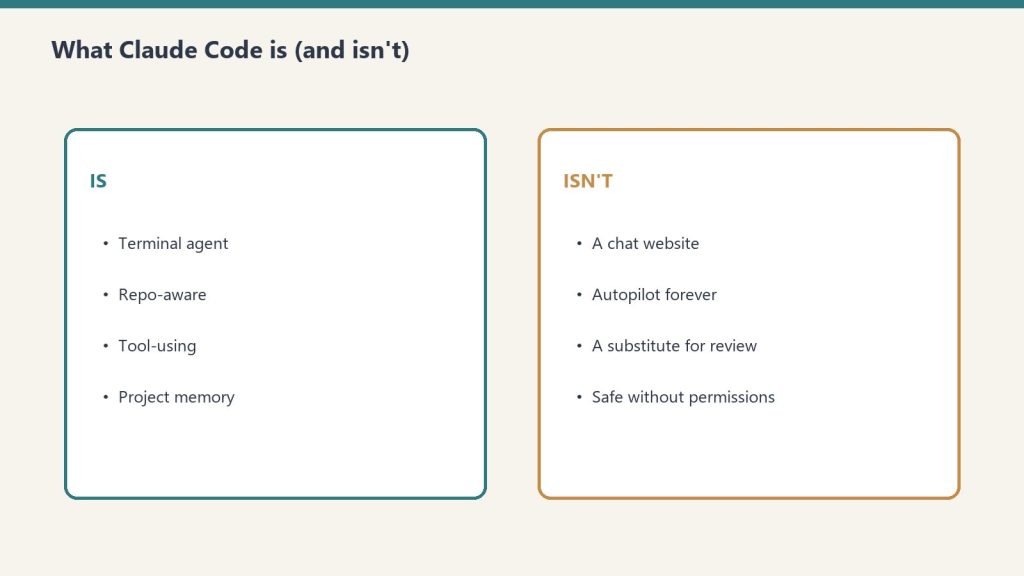
    Side-by-side cards defining what Claude Code is and is not
    How Claude Code hooks work architecturally.

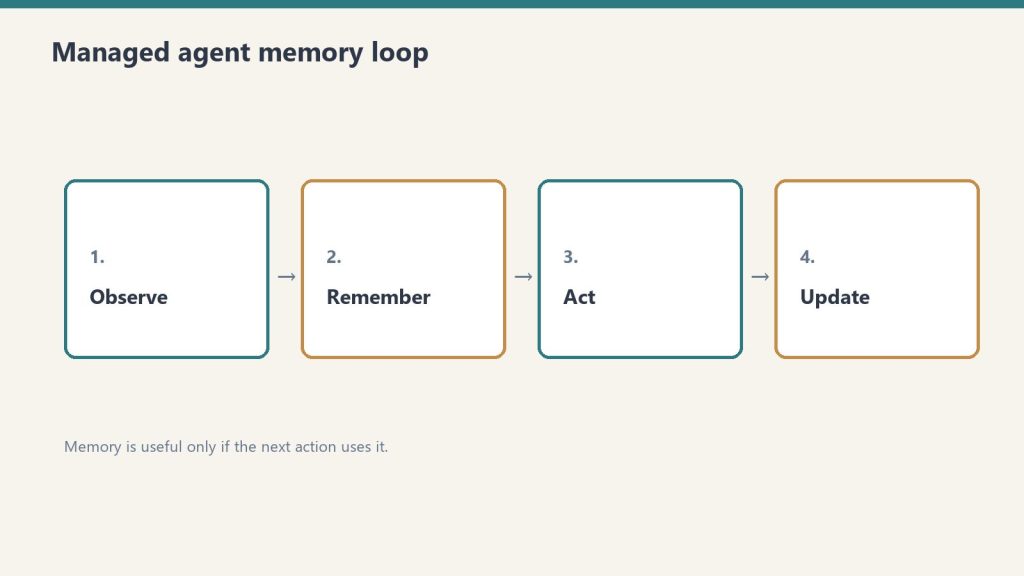
    Claude Code’s agent loop is a continuous cycle: receive input → plan → execute tools → observe results → repeat. Hooks intercept this loop at named checkpoints.

    Every hook is defined in .claude/settings.json under a hooks key. A hook entry has three parts: the lifecycle event name, an optional matcher (a regex against tool names), and the handler definition — either a shell command, an HTTP endpoint, or an LLM prompt.

    {
      "hooks": {
        "PostToolUse": [
          {
            "matcher": "Write|Edit",
            "hooks": [
              {
                "type": "command",
                "command": "npx prettier --write "$CLAUDE_TOOL_INPUT_FILE_PATH""
              }
            ]
          }
        ]
      }
    }

    That’s it. Every file Claude writes or edits now auto-formats. No CLAUDE.md reminders, no hoping Claude remembers — the formatter runs on every single Write or Edit tool call, period.

    PreToolUse: Enforce Before Claude Acts

    Five stacked panels of daily Claude Code command habits
    PreToolUse — enforce before Claude acts.

    PreToolUse fires before Claude executes any tool. Your hook receives the full tool call — name, inputs, arguments — and can return one of three signals:

    • Exit 0 → allow the tool call to proceed
    • Exit 2 → block the tool call; Claude receives your error message and adjusts
    • Exit 1 → hook error; Claude proceeds but logs the failure

    This makes PreToolUse the right place for guardrails. Here’s a real example: blocking npm in a bun project.

    #!/bin/bash
    # .claude/hooks/check-package-manager.sh
    # Blocks npm commands in projects that use bun
    
    if echo "$CLAUDE_TOOL_INPUT_COMMAND" | grep -qE "^npm "; then
      echo "Error: This project uses bun, not npm. Use: bun install / bun run / bun add" >&2
      exit 2
    fi
    exit 0

    Wire it in settings.json:

    {
      "hooks": {
        "PreToolUse": [
          {
            "matcher": "Bash",
            "hooks": [
              {
                "type": "command",
                "command": ".claude/hooks/check-package-manager.sh"
              }
            ]
          }
        ]
      }
    }

    Now when Claude tries npm install, the hook exits 2, Claude sees the error message, and it switches to bun install without you intervening. The correction happens in the same turn.

    Another production pattern: blocking writes to protected paths.

    #!/bin/bash
    # Prevent Claude from modifying migration files already run in production
    if echo "$CLAUDE_TOOL_INPUT_FILE_PATH" | grep -qE "db/migrations/"; then
      echo "Error: Migration files are immutable after deployment. Create a new migration instead." >&2
      exit 2
    fi
    exit 0

    PostToolUse: React After Claude Acts

    PostToolUse fires after a tool completes successfully. It can’t block execution, but it can provide feedback — and it can run any side-effect you need automatically.

    Auto-format every edit:

    {
      "hooks": {
        "PostToolUse": [
          {
            "matcher": "Write|Edit",
            "hooks": [
              {
                "type": "command",
                "command": "npx prettier --write "$CLAUDE_TOOL_INPUT_FILE_PATH" 2>/dev/null || true"
              }
            ]
          }
        ]
      }
    }

    Run tests after code changes:

    #!/bin/bash
    # Run affected tests after any source file edit
    FILE="$CLAUDE_TOOL_INPUT_FILE_PATH"
    if echo "$FILE" | grep -qE "\.(ts|js|py)$"; then
      if [ -f "package.json" ]; then
        npx jest --testPathPattern="$(basename ${FILE%.*})" --passWithNoTests 2>&1 | tail -5
      fi
    fi

    Desktop notification on task completion:

    {
      "hooks": {
        "Stop": [
          {
            "hooks": [
              {
                "type": "command",
                "command": "osascript -e 'display notification "Claude finished" with title "Claude Code"'"
              }
            ]
          }
        ]
      }
    }

    Environment Variables Available to Hooks

    Claude Code exposes context about the triggering tool call through environment variables. The ones you’ll use most:

    Variable Value
    $CLAUDE_TOOL_NAME Name of the tool being called (e.g., Edit, Bash, Write)
    $CLAUDE_TOOL_INPUT_FILE_PATH File path for Edit, Write, Read calls
    $CLAUDE_TOOL_INPUT_COMMAND Shell command for Bash calls
    $CLAUDE_SESSION_ID Current session ID — useful for audit logging
    $CLAUDE_TOOL_RESULT_OUTPUT Output of the tool (PostToolUse only)

    These are injected by Claude Code before your hook runs. You don’t configure them — they’re always there.

    The Model Question: Which Claude Runs Agentic Tasks?

    One practical consideration for hook-heavy workflows: the default model affects how well Claude responds to hook feedback. As of May 2026:

    • claude-opus-4-7 ($5/MTok input, $25/MTok output) — highest agentic coding capability; best at interpreting hook rejection messages and self-correcting without re-asking
    • claude-sonnet-4-6 ($3/MTok input, $15/MTok output) — strong balance of speed and reasoning; handles most hook-corrected flows well
    • claude-haiku-4-5-20251001 ($1/MTok input, $5/MTok output) — fastest; may require more explicit hook messages to course-correct reliably

    For workflows with complex PreToolUse guardrails — especially ones that provide long error messages with corrective instructions — Opus 4.7 handles the feedback loop most reliably. For simpler PostToolUse automation (formatters, notifications), model choice doesn’t matter; the hook runs regardless.

    To configure the model: export ANTHROPIC_MODEL=claude-opus-4-7 before launching Claude Code, or set it in your team’s .env.

    Hooks vs. CLAUDE.md: When to Use Each

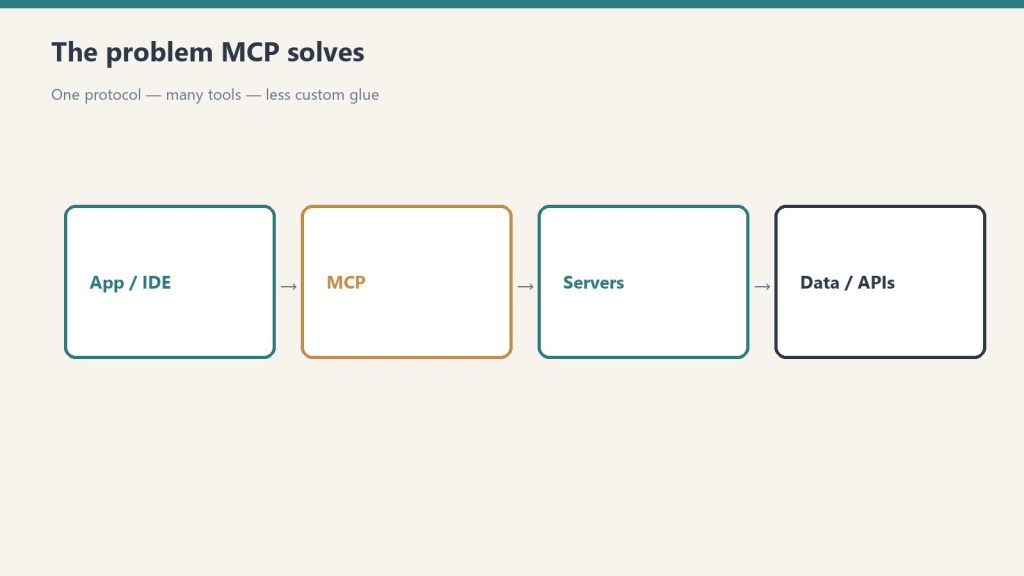
    Flow from app/IDE through MCP to servers and data APIs
    Hooks vs CLAUDE.md — when to use each.

    CLAUDE.md is the right place for context, preferences, and guidance — things you want Claude to know about your project. Hooks are the right place for behavior that must happen every time without exception.

    The practical test: if failing to follow the instruction costs you five minutes of manual cleanup, put it in a hook. If it’s a style preference or a reminder about architecture decisions, put it in CLAUDE.md. The two are complementary — you’ll likely end up with both in any mature project setup.

    A team that gets this right builds CLAUDE.md as documentation for Claude and hooks as the CI/CD equivalent for the agentic loop.

    Getting Started

    The fastest path to a working hook setup:

    1. Create .claude/settings.json in your project root if it doesn’t exist
    2. Add a PostToolUse hook wired to your formatter — this is low-risk and immediately valuable
    3. Test it by asking Claude to edit a file; the formatter should run automatically
    4. Add PreToolUse guardrails for any tool calls that have caused problems in the past

    The official hooks reference is at code.claude.com/docs/en/hooks — it covers all 21 lifecycle events, HTTP handler format, and the full JSON output schema for hook responses.

    Hooks are the difference between Claude Code as a powerful suggestion engine and Claude Code as a reliable automation layer. Once you have a PostToolUse formatter running on every edit, going back feels like working without version control.

    Related on Tygart Media: how to use Claude · Anthropic API key.

  • NAVSTA Everett Housing Crisis: VOAWW Shelter & Resources

    NAVSTA Everett Housing Crisis: VOAWW Shelter & Resources

    For NAVSTA Everett families: The new VOAWW Pallet Shelter Village on Sievers-Duecy Boulevard — 20 units for women and children, opened April 27, 2026 — is part of a growing Snohomish County civilian safety net that Navy spouses and dependents should know exists. Military families experience housing crises at rates above the civilian average, often triggered by PCS transitions, deployment, separation, or financial hardship. The civilian resources described here do not require active-duty status, rank, or command referral to access.

    Military families understand housing pressure in ways the civilian world rarely talks about openly. PCS orders arrive with 30 days notice. Base housing waitlists run months long. A deployment can change the calculus of whether a family stays in Everett or moves back to extended family. A separation — whether from the military or from a spouse — can leave a Navy wife with children in a city she didn’t choose, navigating a rental market where Snohomish County’s April 2026 median home price is $750,000 and rental vacancies are tight.

    Everett’s civilian safety net has grown significantly in the past two years. The newest addition — VOAWW’s 20-unit Pallet Shelter Village for women and children, which opened April 27, 2026, off Sievers-Duecy Boulevard — is the piece most military families haven’t heard about yet. This guide maps the full picture. For the complete guide to the shelter itself, see the VOAWW Pallet Shelter complete guide.

    The VOAWW Pallet Shelter: What It Is

    VOAWW operates the new Pallet Shelter Village on city-owned land off Sievers-Duecy Boulevard in west Everett. Twenty units, each housing one woman and up to three children, opened April 27, 2026. Each unit has a lockable door, climate control, and secure storage. The surrounding village has a community kitchen, showers, restrooms, and a playground. Stays are up to 12 months, with wraparound recovery and job support from VOAWW. Funding came from City of Everett ARPA dollars and a $250,000 Snohomish County match — total project cost $2.7 million.

    Who can access it: any woman with children experiencing homelessness in Snohomish County. There is no military-specific restriction, but also no military-preference track. Referrals through VOAWW or 211.

    Why Navy Families Should Know This Exists

    The NAVSTA Everett Family Support ecosystem — Fleet and Family Support Center (FFSC) at 425-304-3735, the Command Financial Specialist program, unit ombudsmen, and Military Family Life Counselors (MFLCs) available without referral — is the first-line support system. Use it. But when a Navy spouse finds herself in a housing crisis that extends beyond what the military support chain can resolve — particularly if a marriage has ended, if a sailor is deployed and the family’s housing situation has collapsed, or if financial crisis has made the current arrangement unworkable — civilian resources become the path forward.

    The Full Snohomish County Resource Map for Military Families in Crisis

    VOAWW Pallet Shelter Village (Sievers-Duecy) — Women with children, transitional, up to 12 months. Referrals through VOAWW (voaww.org) or 211.

    Everett Gospel Mission — West Everett, with a $30 million expansion underway adding 172 shelter beds. Emergency shelter, meals, recovery support, transitional housing. See the complete Gospel Mission guide.

    211 Snohomish County — Dial 2-1-1 or text your zip code to 898-211. 24 hours, multilingual. Real-time referrals to all housing resources in the county.

    Snohomish County Veterans Assistance Program — 3000 Rockefeller Avenue, Everett. Emergency financial assistance for veterans and families, including rent and utilities. County-funded, not VA benefits. Does not require service-connected disability.

    Everett Vet Center — 3311 Wetmore Avenue, Everett. Counseling, readjustment support, and referrals. Specific expertise helping veterans and military families navigate civilian systems after separation or during family crises.

    HousingHope — Snohomish County’s largest homeless services and affordable housing nonprofit. Family housing programs, rapid rehousing assistance, transitional units. No military restriction.

    FFSC Everett (Fleet and Family Support Center) — 425-304-3735 at NAVSTA Everett. Financial counseling, crisis intervention, relocation support, and civilian resource referrals. Works with Navy spouses even during deployment. No command referral required.

    For the broader 2026 NAVSTA mental health resource map, see Mental Health Awareness Month at NAVSTA Everett 2026.

    A Note on Privacy

    Military families sometimes hesitate to access civilian resources out of concern it will be visible to the chain of command or affect a service member’s career. Civilian resources — VOAWW, Everett Gospel Mission, 211, Snohomish County Veterans Assistance, HousingHope — have no connection to the military reporting chain. Accessing them is confidential. The FFSC also operates under client confidentiality rules and does not report to command except in specific safety situations. If you are unsure, ask the FFSC intake counselor about their confidentiality policy before sharing information.

    Frequently Asked Questions for Navy Families at NAVSTA Everett

    Can a Navy spouse access the VOAWW Pallet Shelter if her service member is deployed?

    Yes. The shelter serves women with children experiencing homelessness regardless of military status. Deployment status of a spouse does not affect eligibility.

    Does accessing civilian housing resources affect a service member’s security clearance?

    Accessing civilian homelessness resources is not a reportable event for security clearance purposes. Consult with a JAG officer or legal assistance attorney if you have specific clearance concerns.

    How long can a family stay at the VOAWW Pallet Shelter?

    Up to 12 months, with wraparound services from VOAWW. This is a transitional shelter, not emergency overnight housing.

    What if the shelter doesn’t have availability?

    Contact 211 (dial 2-1-1) for real-time referrals to other available resources in Snohomish County. The FFSC can also assist with emergency housing referrals.

    Does the Snohomish County Veterans Assistance Program serve active-duty families?

    The program primarily serves veterans. Active-duty family members in crisis should start with FFSC, which can facilitate access to emergency funds and make civilian resource referrals.

    Is the FFSC confidential?

    The FFSC operates under client confidentiality rules and does not report to command except in specific safety situations. Ask the intake counselor directly about their confidentiality policy.