
Tag: Everett

  • For Business Owners and Prospective Tenants: What Everett’s Riverfront Retail Delays Mean for Your 2026 Location Decisions

    For Business Owners and Prospective Tenants: What Everett’s Riverfront Retail Delays Mean for Your 2026 Location Decisions

    The Riverfront’s Retail Situation in Plain Terms

    Bellevue-based Shelter Holdings has been developing Everett’s Snohomish River waterfront for years. The housing pipeline is active — up to 1,250 units are planned across phases, and buildings are open and occupied. The retail side of the program is where the challenges are concentrated.

    The grocery anchor was pushed to 2030. The cinema was replaced by pickleball. Ground-floor commercial spaces in completed buildings have vacancy. Eclipse Mill Park — the public green space that’s supposed to drive foot traffic — begins construction this summer and won’t fully open until spring 2028. That’s the honest picture for any business owner or developer assessing the riverfront as a location today.

    What’s Driving the Vacancy

    Snohomish County’s overall retail market is the tightest in Puget Sound — 3.4% vacancy at year-end 2025, compared to Seattle’s 4.0% and Portland’s 4.8%. At first glance, that tight market should make retail leasing easier everywhere in the county. In practice, it means tenants with options are being selective about where they locate — and a new neighborhood that hasn’t yet reached full resident density is a calculated risk.

    The math for most retail businesses is straightforward: you need a certain volume of foot traffic — walk-in and drive-in combined — to make the unit economics work. The riverfront neighborhood has the Interurban Trail (cyclists, walkers, commuters), the existing residential buildings, and a beautiful site. It does not yet have the grocery anchor that pulls non-resident traffic, the park that creates weekend dwell time, or the entertainment venue that drives evening activity. Those arrive between 2026 and 2030. Until they do, foot traffic projections carry risk.

    The Opportunity Argument for Prospective Tenants

    The flip side of the vacancy story is the early-mover argument. Ground-floor retail rents in neighborhoods that haven’t reached full maturity are typically lower than in fully-built districts. If you sign a 5-year lease today on riverfront commercial space, you’re locking in 2026 rents against a 2030+ market. By the time the grocery anchor opens, the park is complete, and the residential density reaches its full program, you’re established — not a new entrant competing for lease terms in a tight market.

    That argument works best for businesses that can survive and build community loyalty during the build-out phase: a coffee shop with a loyal residential base, a fitness studio serving Interurban Trail users, a service business (salon, dry cleaning, childcare) that doesn’t depend on anchor-generated foot traffic. It works less well for restaurants that need consistent evening foot traffic from the start, or for retail concepts that need the grocery anchor to pull complementary customers.

    Comparing to Waterfront Place and Millwright Phase 2

    Everett has two other major retail development stories running simultaneously. Waterfront Place at the Port of Everett — the restaurant row that opened in 2025 — is already generating foot traffic and has demonstrated that Everett’s waterfront dining market is real. Millwright District Phase 2, the mixed-use development at the Port, is in pre-leasing. Those two projects, alongside the riverfront, represent three distinct Everett retail corridors at three different stages of maturity. Understanding the differences helps you place your own location decision in context.

    The riverfront is the youngest of the three in retail terms. It’s the highest-upside/highest-patience bet of the group. Waterfront Place is the proven commodity. Millwright is the middle option — more established than the riverfront, less certain than Waterfront Place.

    Developer-Specific Considerations

    For developers assessing the broader Snohomish County riverfront context — not just the Shelter Holdings site — the Q1 2026 Kidder Mathews retail data shows vacancy “creeping higher” after years of extreme tightness. That’s not a distress signal; it’s a softening at the margins of a fundamentally undersupplied market. For developers planning projects that need ground-floor retail lease-up to pencil, that softening gives prospective tenants more options and slightly more leverage on terms than they had 12 months ago.

    The riverfront’s 1,250-unit residential program, when complete, will make it one of the highest-density residential concentrations near downtown Everett. That’s the long-term retail case. Getting from here to there is the investor’s patience question.

    Frequently Asked Questions for Business Owners and Developers

    Are there retail spaces available at the Everett riverfront right now?

    Yes. Some ground-floor commercial spaces in completed Shelter Holdings buildings have availability. Prospective tenants should contact Shelter Holdings directly for current leasing status and rates.

    When will the riverfront have enough foot traffic to support a food and beverage business?

    Conservative answer: 2028–2030, when Eclipse Mill Park is complete and the grocery anchor opens. More optimistic answer: coffee and trail-adjacent food concepts could reach viability earlier, as the Interurban Trail generates consistent foot traffic and the existing residential base is growing now.

    What business types are best suited to the riverfront’s current stage of development?

    Service businesses with a residential customer base (fitness, childcare, salon), coffee shops targeting trail users and residential commuters, and specialty retail serving the existing condo and apartment population. Restaurant concepts that depend on evening destination traffic from outside the neighborhood are higher risk until the grocery anchor and park open.

    How does the Snohomish River waterfront compare to other Everett retail opportunities?

    The riverfront is the newest and highest-potential-but-longest-timeline option. Waterfront Place at the Port of Everett is the most proven corridor. Millwright District Phase 2 is in active pre-leasing and is further along than the riverfront in its build-out. Each location serves a different risk/return profile.

    What is the park construction timeline and how does it affect foot traffic projections?

    Eclipse Mill Park waterside construction starts summer 2026 (city portion, targeting November 2026 completion). Shelter Holdings’ land-side Phase 1 completes spring 2028. A complete park with dock, playground, and trail connection will materially increase weekend foot traffic — that’s when foot traffic projections for neighboring retail businesses get meaningfully more attractive.
  • For Everett Residents: The Honest Timeline for Eclipse Mill Park and What the Riverfront Is Actually Delivering in 2026

    For Everett Residents: The Honest Timeline for Eclipse Mill Park and What the Riverfront Is Actually Delivering in 2026

    If You Live in the Riverfront Neighborhood — or Plan To

    Everett’s Snohomish River waterfront has been one of the city’s most-discussed development projects since ground broke on the former mill site. For residents already living in the buildings Shelter Holdings has completed, the experience has been mixed: a beautiful site on the river, excellent Interurban Trail access, and a growing residential community — alongside empty ground-floor storefronts and delayed amenities that were part of the original sales pitch.

    Here is what the 2026 construction season actually brings, and what you’ll be waiting on for several more years.

    What You’ll Actually See Built in 2026

    Eclipse Mill Park Phase 1 city construction starts this summer. The City of Everett is handling the waterside portion: bank stabilization along the Snohomish River, a floating dock, and waterfront amenities that will make the park usable from the river. The target is to have the city’s portion complete by November 2026.

    Once the city finishes, Shelter Holdings has 18 months to complete the land-side Phase 1 — the playground, trail connection, play lawn, and parking that will make Eclipse Mill Park the usable community green space it was designed to be. That window runs from fall 2026 through spring 2028. If Shelter Holdings hits that timeline, residents get a complete park in spring 2028.

    That’s real progress. For people who have been watching construction equipment on the site for years, a functional waterfront park with a dock and river access represents the moment the neighborhood begins to feel finished. The summer 2026 construction start is the beginning of that ending.

    What You’re Still Waiting On

    Grocery Store: 2030

    The grocery store that was expected to be a retail anchor for the riverfront neighborhood has been pushed to 2030. If you’re living in the buildings now, that means your nearest walkable grocery option — for at least the next four years — is elsewhere. The QFC on Colby Avenue and the Safeway on Broadway are the nearest established options, each roughly a mile from the riverfront site.

    Cinema: Gone, Replaced by Pickleball

    The cinema concept that was part of the entertainment vision for the riverfront has been replaced by a pickleball facility. Whether that’s a downgrade or a sidegrade depends on your perspective — but if you were planning the evening of dinner and a movie at the waterfront, that programming won’t be available from the riverfront site itself. The Historic Everett Theatre downtown remains the city’s cinema option.

    Ground-Floor Retail: Partial and Selective

    Some ground-floor retail spaces in completed residential buildings remain vacant. The honest reason is that Snohomish County’s retail market is extremely selective right now — the county has the tightest retail vacancy rate in Puget Sound, which means good tenants have options and are taking time choosing locations. The riverfront neighborhood is still building the resident density that makes a coffee shop or restaurant economically viable on its own. That density is coming. It just hasn’t fully arrived yet.

    Services and Resources in the Interim

    While the riverfront’s retail and amenity programming catches up to its housing, downtown Everett — a short walk or bike ride — has a full commercial district with restaurants, cafes, the farmers market (opening Mother’s Day 2026), and the Historic Everett Theatre. The Waterfront Place restaurant cluster at the Port is accessible via the waterfront trail network. Everett’s community services network, including resources through Volunteers of America Western Washington, serves the wider city.

    The Honest Assessment: Good Investment, Delayed Amenities

    Living at the Everett riverfront right now means being an early resident in a neighborhood that isn’t finished. The bones are strong — beautiful site, river access, Interurban Trail connection, genuine density. The timeline for the full vision is longer than originally marketed. The park arrives starting in 2026. The grocery store arrives in 2030. The retail environment is being built incrementally as the neighborhood’s resident population grows.

    That’s a real trade-off, and you deserve to know the honest terms of it before you decide whether to live there.

    Frequently Asked Questions for Everett Residents

    When will Eclipse Mill Park be fully open?

    Spring 2028, if both the city (waterside, summer-November 2026) and Shelter Holdings (land-side, fall 2026-spring 2028) hit their timelines. The park’s waterside portion — dock, bank stabilization, river access — will be complete by November 2026.

    Will there ever be a grocery store at the Everett riverfront?

    Yes, but the opening has been pushed to 2030. Shelter Holdings has committed to the grocery anchor as part of the retail program; the delay reflects tenant recruitment timelines and the density thresholds grocery retailers typically require before committing to new locations.

    Is the Everett riverfront a good neighborhood to live in right now?

    For people who value riverfront access, trail connectivity, and urban density near downtown Everett, yes — with the explicit understanding that the retail and amenity programming is still being built out. The housing itself is solid and the site is genuinely attractive. The full neighborhood vision is several years from completion.

    What is the Interurban Trail and does it connect to the riverfront?

    The Interurban Trail is a paved multi-use path running through Snohomish County. It passes through the Everett riverfront site and provides trail access north and south. It is one of the neighborhood’s most consistent amenities and already functional for residents.

    What is the difference between Eclipse Mill Park and Waterfront Place?

    Eclipse Mill Park is the public park being built at the Snohomish River waterfront site on Everett’s east side (Shelter Holdings development). Waterfront Place is the restaurant and retail district at the Port of Everett on the west side of downtown, along Port Gardner Bay. They are different places serving different parts of the city.

  • Everett’s Snohomish River Waterfront in 2026: The Complete Guide to Eclipse Mill Park Construction, Shelter Holdings’ Delays, and What’s Actually Coming

    Everett’s Snohomish River Waterfront in 2026: The Complete Guide to Eclipse Mill Park Construction, Shelter Holdings’ Delays, and What’s Actually Coming

    The Park Construction Is Real and It’s Starting This Summer

    Eclipse Mill Park is a 3-acre public green space planned at the heart of Everett’s new Snohomish River waterfront neighborhood — the project Bellevue-based developer Shelter Holdings has been building on a former landfill and lumber mill site on the city’s eastern edge. After years of renderings and timelines, the park has a construction start date: summer 2026.

    The construction has a split structure. The City of Everett handles the waterside portion first: bank stabilization, a floating dock, and waterfront amenities. That city work begins this summer, with a November 2026 completion target. Once the city finishes its portion, Shelter Holdings has an 18-month window to complete the land-side Phase 1 — a playground, trail connection, play lawn, and parking. That clock runs from fall 2026 through spring 2028. Full park opening: spring 2028.

    This is worth emphasizing clearly: Eclipse Mill Park is not a rendering anymore. It is a permitted, funded, construction-season project. For people who have been watching the riverfront site since the first buildings went up, the park has always been the most public-facing milestone. That milestone is arriving.

    What’s Built, What’s Open, What’s Behind Schedule

    Shelter Holdings’ Snohomish River waterfront development is one of the largest private development projects underway in Snohomish County. The housing side has been the most visible: residential buildings have gone up, streets have been built, and a neighborhood has materialized where none existed five years ago. The 1,250-unit vision for the full site is advancing — the housing construction pipeline is real and active.

    The retail side is where the story gets more complicated. An August 2025 Everett Herald investigation captured resident frustration with delays, empty storefronts, and a timeline that has shifted repeatedly. Here’s where specific commitments stand:

    Grocery Store: Delayed to 2030

    A grocery store was among the most anticipated retail anchors for the riverfront neighborhood. That opening has been pushed to 2030. For residents already living in the buildings on-site — and for the thousands expected in subsequent phases — that’s a meaningful gap. Grocery access remains a car trip for the near future.

    Cinema: Replaced by Pickleball

    A cinema concept that was part of the riverfront’s entertainment vision has been replaced by a pickleball facility. This is not a trivial swap in terms of community character: a cinema anchors evening foot traffic from a broad demographic; pickleball serves a narrower (though currently popular) market. The change reflects the broader challenges facing entertainment retail nationally, but it’s still a notable shift from the original vision.

    Empty Storefronts: The Persistent Challenge

    Ground-floor retail in completed residential buildings sits partially vacant. This is partly a function of Snohomish County’s broader retail market — the county has the tightest retail vacancy rate in Puget Sound at 3.4%, which means tenants have options and can be selective. But it also reflects the reality that the riverfront neighborhood hasn’t yet reached the critical mass of residents to attract the most desirable tenants. That equation changes as more housing opens.

    The Site Context: What Everett Is Building Here

    The Snohomish River waterfront site sits on the east side of downtown Everett, bounded by the river, Marine View Drive, and the Interurban Trail. It was previously a landfill and the former site of a sawmill — the “Eclipse Mill” that gives the park its name. Shelter Holdings acquired the development rights and has been executing a phased master plan that encompasses housing (rental apartments), ground-floor retail, a park, and riverfront public access.

    The site is distinct from Everett’s Port waterfront development, which is happening on the west side of downtown around Waterfront Place and the Port of Everett marina. The riverfront is a different neighborhood — quieter, more residential in character, oriented toward the Snohomish River and the Interurban Trail rather than the maritime activity of the Port.

    The Bigger Picture: What the Riverfront Means for Everett

    Everett is simultaneously developing two major waterfronts — the Snohomish River site on the east and the Port marina on the west. Both projects have been slower than initial projections. Both have had to adapt their retail programs to the realities of a selective tenant market and changing entertainment preferences. Both are still real, active construction projects with genuine momentum.

    The riverfront site specifically represents something Everett has not had before: a walkable residential neighborhood built to urban density on a large contiguous parcel close to downtown. When complete, it will house thousands of residents within walking distance of the Snohomish River, the Interurban Trail, and downtown Everett’s amenities. Eclipse Mill Park — the public anchor of that neighborhood — starts construction this summer. That matters.

    For residents and families considering the area, the community services guide for Everett covers the wider network of services and resources available in the city.

    Frequently Asked Questions

    When does Eclipse Mill Park construction start?

    City of Everett construction on the waterside portion of Phase 1 begins in summer 2026, targeting November 2026 completion. Shelter Holdings’ land-side Phase 1 work follows from fall 2026 through spring 2028, with full park opening projected for spring 2028.

    Who is the developer of the Snohomish River waterfront in Everett?

    Shelter Holdings, a Bellevue-based developer, holds the development rights and is leading the master plan for the site. The City of Everett is a partner on public infrastructure including the park’s waterside portion.

    How many housing units will the Everett riverfront development include?

    The full master plan envisions up to 1,250 housing units across multiple phases. The residential construction is active and ongoing; the retail component has faced delays.

    Why was the grocery store delayed and when will it open?

    The grocery store anchor has been pushed to 2030. The specific reasons have not been publicly detailed by Shelter Holdings, but grocery retailers have been cautious about committing to new locations in markets that haven’t yet reached resident density thresholds.

    Is the Snohomish River waterfront the same as Waterfront Place at the Port of Everett?

    No. These are two distinct developments. The Snohomish River waterfront (Eclipse Mill, Shelter Holdings) is on the east side of downtown Everett, oriented toward the river and the Interurban Trail. Waterfront Place is at the Port of Everett on the west side, along Port Gardner Bay, and is focused on marina-adjacent dining and retail.

    What happened to the cinema that was planned for the riverfront?

    The cinema concept was replaced by a pickleball facility. This reflects broader trends in entertainment retail nationally, where cinema anchor tenants have become harder to secure, and also reflects adjustments to the retail program based on the current tenant market.

  • For Boeing Engineers and Technical Workers at Everett: Your Personal Guide to the SPEEA 2026 Bargaining Season

    For Boeing Engineers and Technical Workers at Everett: Your Personal Guide to the SPEEA 2026 Bargaining Season

    Your Contract Expires October 6, 2026 — Here’s Where Things Stand Right Now

    If you’re an engineer or technical worker at Boeing’s Everett campus, Renton, or anywhere else in the Puget Sound aerospace corridor, your SPEEA contract has 153 days left from when this article publishes. That’s not a distant deadline. It’s a summer of negotiations, a ratification vote if a deal is reached, and a hard stop on October 6 if it isn’t.

    SPEEA held its Contract Action Team (CAT) kickoff in April 2026 — which means the mobilization infrastructure at your worksite is now active. The CAT is SPEEA’s signal to Boeing management that members are organized, watching the table, and prepared to respond if talks stall. If you haven’t heard from your CAT representative yet, you likely will.

    Here’s what to know now, before the summer’s negotiating heat arrives.

    The Four Issues That Directly Affect Your Paycheck and Life at Work

    PTO Consolidation: Vacation + Sick Leave → One Pool

    The current split between vacation and sick leave is the kind of thing that seems minor until you need it. Boeing’s current structure creates awkward situations: engineers who bank significant vacation time but feel they can’t use sick leave without “wasting” accruals, or the reverse. SPEEA is pushing to consolidate these into a unified PTO structure — something that’s become standard across Seattle’s tech sector (Amazon, Microsoft, Google all do this). If this succeeds, it means more flexibility over how you use your time away from work, without the structural pressure the split creates.

    Retirement: What’s Actually on the Table

    Boeing closed its defined-benefit pension to new hires years ago. If you joined the company after that cutoff, your retirement picture is your 401(k) and whatever Boeing contributes. SPEEA’s 2026 ask involves improving retirement contributions or adjusting benefit structures for the current workforce — particularly as Everett engineers face one of the most expensive regional housing markets in the Pacific Northwest. For an Everett engineer doing the math on whether to stay vs. leave for an Amazon or SpaceX offer, the retirement package is a real variable.

    Raise Pools: Keeping Pace With Seattle Tech

    This one is direct. Boeing competes for your labor against companies in the Seattle corridor that pay $150K+ for mid-level engineers without much negotiation. The annual raise pool controls how much Boeing puts into merit increases each year. SPEEA is pushing for a raise pool that reflects the current labor market — not 2020’s. Given that Boeing’s recovery is producing real numbers and the company is actively hiring for the Everett North Line ramp, the argument that “Boeing can’t afford it” is harder to make in 2026 than it was in 2020.

    On-Call Compensation: The Issue the North Line Makes Urgent

    The 737 North Line coming to Everett this summer means more engineering coordination across two campuses — Renton and Everett simultaneously running 737 production — which means more after-hours calls when something goes wrong on the floor. SPEEA is pushing for better compensation when your role requires on-call availability outside your scheduled hours. For engineers whose job descriptions include production support, this isn’t a theoretical issue. It’s a real cost of the job that isn’t currently reflected in your compensation.

    Why You Have More Leverage Than in 2020

    The 2020 SPEEA contract was negotiated while Boeing was cutting 16,000 jobs, the 737 MAX was grounded, and the pandemic had decimated aviation demand. The power dynamic at the table in 2020 was obvious. Boeing needed engineers to stay, but it also needed to cut costs fast.

    In 2026, the company at the table is in recovery. Boeing delivered 143 aircraft in Q1 2026. April 2026 deliveries continued the positive trend. The North Line is coming to Everett — an expansion decision, not a contraction. Spirit AeroSystems is being integrated. The $3B free cash flow target is being publicly tracked. A company in that position has more to lose from an engineer work action than a company in crisis mode.

    That doesn’t mean a deal is guaranteed, or that SPEEA will get everything it’s asking for. It means the leverage calculus is different — and your union knows it.

    What Happens If No Deal Is Reached by October 6

    If SPEEA and Boeing don’t reach an agreement by October 6, 2026, the union membership would vote on what to do — which could include working under the expired contract terms while negotiations continue, or authorizing a strike. SPEEA has struck before (most notably in 2000 and briefly in 2012), but those were different contexts. The more typical outcome in SPEEA negotiations is a negotiated settlement before expiration. That’s been the pattern across most recent cycles. But the CAT infrastructure exists precisely to make the other scenario credible if needed.

    For engineers considering their options — including whether Everett makes sense as a long-term base — the 2026 aerospace worker guide covers the wider program picture for Everett’s workforce.

    Frequently Asked Questions for Boeing Workers

    When does my SPEEA contract expire?

    October 6, 2026. Formal bargaining sessions with Boeing began in spring 2026 following the Contract Action Team kickoff in April.

    What are the four things SPEEA is asking for in 2026?

    PTO consolidation (combining vacation and sick leave into one pool), improved retirement benefits, larger annual raise pools, and better compensation for on-call work outside scheduled hours.

    How can I participate in the SPEEA bargaining process?

    Connect with your Contract Action Team representative at your worksite (they launched in April 2026). Attend member meetings when announced. Respond to SPEEA surveys. When a tentative agreement is reached, vote on ratification. Your participation in the CAT signal is what makes the union’s leverage real.

    Does the 737 North Line moving to Everett affect this negotiation?

    Yes, indirectly. The North Line’s summer 2026 arrival at Everett creates additional engineering coordination work — exactly when SPEEA is negotiating. Boeing has a strong interest in avoiding labor disruption during a major production ramp, which strengthens SPEEA’s position at the table.

    Am I covered by SPEEA if I work in a technical role at Boeing’s Everett campus?

    If you are in the Technical Unit (non-engineering technical roles), yes — that unit is covered under the same SPEEA contract as the Northwest Professional Unit (engineers), though the units negotiate their portions separately. Your bargaining unit council elected its negotiating team in February 2026.

  • SPEEA’s 2026 Contract Talks: The Complete Guide to What Boeing’s Puget Sound Engineers Are Bargaining For—and What It Means for Everett

    SPEEA’s 2026 Contract Talks: The Complete Guide to What Boeing’s Puget Sound Engineers Are Bargaining For—and What It Means for Everett

    Why 2026 Is Unlike Any Prior SPEEA Negotiation

    The last time SPEEA and Boeing sat down to bargain a major contract — in 2020 — the world looked very different. Boeing was bleeding. The 737 MAX had been grounded for 20 months. The pandemic had just shuttered aviation. The company cut 16,000 jobs. The power at the negotiating table was obvious.

    Six years later, the company across the table is structurally different. Boeing delivered 143 aircraft in Q1 2026. The company is on a documented path toward its $3 billion annual free cash flow target. CEO Kelly Ortberg’s turnaround thesis is generating real numbers — and real confidence. Most importantly for Everett: the 737 North Line is coming to Everett this summer, moving production from Renton and adding jobs, complexity, and strategic weight to the Everett campus.

    That context matters when reading SPEEA’s 2026 bargaining posture. Engineers and technicians are bargaining in a recovery — not a crisis. And SPEEA’s membership knows the difference.

    How the Bargaining Process Works

    SPEEA’s negotiation cycle for a contract of this scale starts months before formal sessions begin. The Negotiation Prep Committee (NPC) conducted four surveys of its membership to identify priorities. The final NPC survey, which closed in early spring 2026, narrowed focus to four specific areas: paid time off and vacation/sick leave consolidation, retirement, annual raise pools, and on-call work compensation.

    Those four issues are not picked arbitrarily. They reflect what SPEEA’s 17,000 Puget Sound members — engineers in the Northwest Professional Unit and technical workers in the Technical Unit — specifically flagged as most important to their working lives. The NPC process is designed to give the bargaining team a mandate grounded in actual member priorities, not leadership assumptions.

    In February 2026, both Bargaining Unit Councils elected their negotiating teams. In April, SPEEA held its Contract Action Team (CAT) kickoff — the worksite-level mobilization infrastructure that organizes engineers at their desks and on their floors to amplify pressure during formal negotiations. The CAT is the union’s signal to Boeing that members are engaged, watching, and prepared to act if talks break down.

    Formal bargaining sessions are now underway, with the October 6, 2026 expiration date as the hard deadline. The typical SPEEA negotiation runs through spring and summer, with resolution expected before the contract lapses.

    The Four Issues on the Table

    1. Paid Time Off and Vacation/Sick Leave Consolidation

    The current structure separates vacation and sick leave into distinct buckets, which SPEEA members have flagged as administratively complex and, in some cases, creating perverse incentives around illness. Consolidation into a unified PTO structure is a top-priority ask — one that Boeing has resisted in prior cycles but that has become nearly universal across the tech sector that Boeing competes with for engineering talent.

    2. Retirement

    Boeing closed its defined-benefit pension to new hires years ago, transitioning to 401(k)-based retirement benefits. For engineers who have been with the company for 10 to 20+ years, the retirement package is a material component of total compensation — and the current inflationary environment has made the adequacy of those benefits a live conversation. SPEEA is pushing for improved retirement contributions or benefit structures in 2026.

    3. Annual Raise Pools

    This is the most straightforward of the four priorities: how much Boeing puts into merit increase pools each year. SPEEA members have watched Boeing compete aggressively for engineering talent from Amazon, Microsoft, and the broader Seattle tech corridor. The raise pool question is about whether Boeing’s compensation keeps pace with a region where $150K+ for experienced software and mechanical engineers is increasingly baseline, not premium.

    4. On-Call Work Compensation

    As Boeing’s production has ramped — and as the 737 North Line’s summer 2026 Everett launch creates additional coordination complexity across two campuses — on-call demands on engineers have increased. SPEEA is seeking improved compensation for hours worked outside of scheduled shifts, particularly for technical workers whose roles require after-hours availability during production emergencies.

    What This Means for Everett Specifically

    Everett is not just a Boeing address. It’s the campus where the 777, 767, 747 (historical), and now the incoming 737 production lines have lived. The engineers and technicians covered by SPEEA’s contract are the people who design, analyze, and verify those aircraft. When SPEEA’s contract gets resolved — or if it doesn’t — the ripple effects land directly on the Everett campus, on hiring pipelines for Paine Field’s aerospace ecosystem, and on the families who live in Snohomish County because of these jobs.

    The North Line’s arrival in Everett this summer adds a layer of complexity to the 2026 bargaining that didn’t exist in 2020. Integrating 737 production at the Everett site — historically a widebody campus — requires engineering coordination work that SPEEA members will be doing while simultaneously negotiating their own contract. It’s a uniquely pressured negotiating environment, and both sides know it.

    For engineers and technical workers considering whether to join Boeing’s Everett campus, the SPEEA contract outcome will also shape the compensation package they’re offered. The 2026 contract sets the floor for the next several years. That makes the outcome of this particular bargaining season more consequential than usual for the Everett labor market. For more on what Boeing’s workforce picture looks like heading into 2026, the widebody transition guide covers the context.

    The Regional Stakes: SPEEA Compared to IAM

    SPEEA is frequently overshadowed by IAM District 751 — the machinists’ union that went on strike in September 2024 and whose contract negotiations have historically drawn more public attention. But SPEEA’s 17,000 engineers and technical workers represent a different segment of Boeing’s workforce: the people who certify designs, run stress analyses, manage FAA conformity demonstrations, and lead program engineering. The 2024 IAM strike shut down production lines. A 2026 SPEEA disruption would affect a different but equally critical layer of Boeing’s operation — the engineering and technical backbone that makes production possible in the first place.

    Boeing’s leadership is acutely aware of this. Q1 2026’s 143 deliveries represent a company fighting to hit its recovery numbers. A prolonged SPEEA negotiation that tips into a work action would set that recovery back. That dynamic shapes how seriously Boeing is treating the current bargaining sessions — and why SPEEA is in a stronger position in 2026 than it has been in years.

    Frequently Asked Questions

    When does SPEEA’s current Boeing contract expire?

    The contract expires on October 6, 2026. Formal bargaining sessions began in spring 2026 following the Contract Action Team kickoff in April.

    How many workers does SPEEA cover at Boeing?

    Approximately 17,000 engineers and technical workers in the Puget Sound region, covering Boeing’s Everett, Renton, and Seattle-area campuses. The contract covers both the Northwest Professional Unit (engineers) and the Technical Unit (technical workers).

    What are SPEEA’s top four priorities in the 2026 negotiation?

    The four issues identified through SPEEA’s member surveys are: (1) paid time off and vacation/sick leave consolidation; (2) retirement benefits; (3) annual raise pools; and (4) on-call work compensation. These were identified through the Negotiation Prep Committee’s four member surveys conducted in late 2025 and early 2026.

    Is SPEEA the same as the IAM machinists’ union at Boeing?

    No. SPEEA (Society of Professional Engineering Employees in Aerospace) represents engineers and technical workers. IAM District 751 represents production and maintenance workers. They negotiate separately, have separate contracts, and represent distinct workforces. IAM went on strike in September 2024; SPEEA’s last contract was signed in 2020.

    What happened in the 2020 SPEEA contract negotiation?

    The 2020 contract was negotiated during the height of the COVID-19 pandemic, while Boeing was also managing the aftermath of the 737 MAX grounding. Boeing cut 16,000 jobs that year. The environment heavily favored management. The 2026 negotiation takes place in very different conditions — Boeing is in recovery, delivering aircraft, and expanding the Everett campus.

    What is the Contract Action Team (CAT) and what does it do?

    The Contract Action Team is SPEEA’s worksite-level mobilization structure. It organizes union members at their desks and on the floor to demonstrate solidarity and amplify pressure during formal bargaining. The CAT kickoff in April 2026 signaled that SPEEA’s membership is engaged and prepared to respond if negotiations break down.

    How does the 737 North Line moving to Everett affect the 2026 SPEEA negotiations?

    The North Line’s summer 2026 arrival at Everett adds engineering coordination complexity — running two different airplane programs on one campus — exactly while SPEEA is bargaining. This means SPEEA members are doing significant new work precisely when they have the most leverage, and Boeing has the most incentive to avoid disruption. It’s an unusually pressured negotiating environment for both sides.

  • Sound Transit’s New ST3 Plan Fully Funds Everett Link — Here’s What Resolution R2026-11 Actually Says

    Sound Transit’s New ST3 Plan Fully Funds Everett Link — Here’s What Resolution R2026-11 Actually Says

    Q: Is Everett Link still happening?
    A: Yes. Under Resolution R2026-11 presented to Sound Transit’s Executive Committee on May 7, 2026, both phases of the Everett Link Extension are listed as fully funded. The Sound Transit Board votes on the resolution on May 28.

    For years, Snohomish County residents have watched Sound Transit’s budget crisis unfold with a single question hanging over everything: will Everett actually get light rail?

    Sound Transit answered that question Thursday. Board Chair Dave Somers — Snohomish County Executive — presented Resolution R2026-11 to the agency’s Executive Committee, formally proposing a restructured ST3 System Plan. Under that resolution, both phases of the Everett Link Extension are listed as fully funded. The board votes on May 28.

    This is the specific plan that was described in broad strokes at April’s town hall and debated ahead of the May 28 board meeting in recent months as Sound Transit navigated a $34.5 billion funding shortfall. Now it’s a named resolution with line-item project determinations, and Everett’s two light rail phases are in the fully-funded column.

    Here’s what the resolution actually says — and what it means for the people who live between Lynnwood and downtown Everett.

    What Is Resolution R2026-11?

    R2026-11 is the Sound Transit Board’s formal proposal to update the voter-approved ST3 System Plan to bring it within the agency’s actual financial capacity. The resolution was introduced at the Executive Committee meeting on May 7, 2026, as a “discussion only” action. The board will take final action on May 28, 2026.

    The resolution covers every project in the ST3 program and places each one in one of three categories: fully funded, partially funded through planning and design only, or construction not currently affordable. It also establishes a separate “defer until resources are identified” list for items like parking garages.

    Staff preparing the resolution are Dow Constantine (CEO) and Alex Krieg (Deputy Executive Director – Enterprise Planning). The $34.5 billion shortfall driving the restructuring reflects COVID-era construction inflation, right-of-way cost escalation, added design complexity, reduced sales tax projections, and higher financing costs.

    The Bottom Line for Everett: Both Phases Are Fully Funded

    The resolution’s “Fully Funded Projects (opening order)” table includes:

    • Everett Link, phase 1
    • Everett Link, phase 2

    Both phases appear in the same column as West Seattle Link, Tacoma Dome Link, and the Ballard Link initial segment to Seattle Center. The word “construction” is the operative term — these are not design-only commitments. The trains, the tracks, and the stations are funded. This is the answer to the uncertainty that has hung over Snohomish County since cost estimates started climbing.

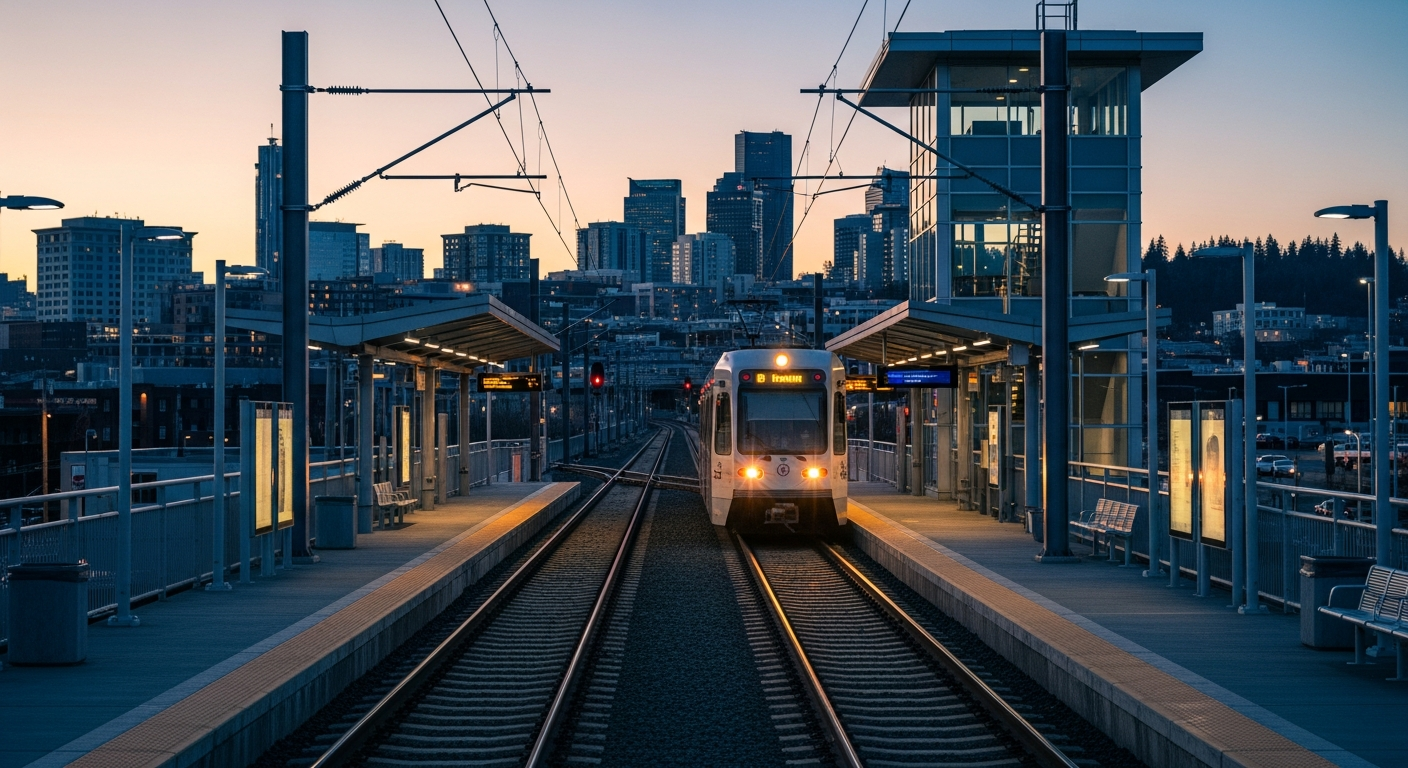
    The only Everett-related item on the deferred list is Everett Link Parking, which is pushed until additional resources are identified. The light rail service itself is funded. Park-and-ride construction is not.

    What Got Cut

    R2026-11 is explicit about what does not fit within Sound Transit’s financial capacity right now.

    Construction not currently affordable: The full Ballard Link Extension from Seattle Center to Market Street is not funded for construction — only design through final stages. The Boeing Access Road Link Infill Station and Graham Street Infill Station are also in this category for construction, along with the remainder of Sounder South Additional Trips and remaining ST4 planning studies.

    Deferred until resources are identified: In addition to Everett Link Parking, this list includes Tacoma Dome Link Parking, Stride Parking, North Sammamish Park & Ride, Edmonds and Mukilteo Parking and Access, the Bus on Shoulder Project, SR 162 Corridor Improvements, and multiple Sounder improvements.

    Some projects remain funded but on extended timelines: The Tacoma Community College T Line extension is still funded but pushed back to 2043. The South Kirkland to Issaquah Link remains funded but pushed back to 2050.

    Why Everett Wins: The Subarea Equity Explanation

    Sound Transit’s taxing district is divided into five geographic subareas: Snohomish, North King, South King, East King, and Pierce. By policy, tax revenue collected in each subarea is primarily used on projects within that subarea.

    This structure is the central reason Everett Link survives while the full Ballard extension does not.

    The Ballard Link Extension is by far the most expensive project in ST3. It includes a second light rail tunnel under downtown Seattle — a design choice that has driven its costs far above initial estimates. Funding that project fully would require the North King subarea to borrow so aggressively that it would push other systemwide projects back by decades.

    The Snohomish subarea, by contrast, has lower cost overruns relative to its budget. Everett Link’s cost increases, while real, are smaller as a percentage of the subarea’s overall financial capacity. The resolution is explicit: building extensions to Everett and Tacoma Dome is affordable within available resources, while building the full Ballard extension is not.

    This is exactly what Everett City Council’s unanimous April demand letter to Sound Transit argued: that the Snohomish subarea pays its own way, and that Snohomish taxpayers should not be asked to fund Seattle projects at the expense of their own extension.

    The resolution also makes one financial adjustment to address debt allocation: interest on bond repayments will be shared systemwide across all five subareas, rather than charged only to the subarea that incurs the debt. This is described as compliant with ST3’s financial policies.

    What Comes Next

    May 28, 2026 is the next critical date. That’s when the Sound Transit Board takes final action on R2026-11. The May 7 Executive Committee meeting was discussion-only; no vote was taken.

    If the board adopts R2026-11 on May 28, the restructured ST3 System Plan becomes the official program of record. Projects that are fully funded would proceed on their adopted schedules. Projects in the “not currently affordable” category — like the full Ballard extension — would wait until costs drop, revenues increase, or additional funding sources are identified.

    The resolution also directs Sound Transit’s CEO to develop an adaptive program management plan by Q4 2026. That plan is designed to provide earlier warnings when project costs exceed forecasts, so the agency does not face the kind of sudden multi-billion-dollar reckoning that drove the current restructuring.

    Timeline: When Does Everett Actually Get Light Rail?

    Resolution R2026-11 does not update specific opening year projections for Everett Link. The current published range — 2037 to 2041 — remains the planning framework, and the resolution states that “all previously baselined projects are proceeding on their adopted schedules.”

    What has changed is the funding certainty behind that timeline. The unresolved question at the April town hall — whether Everett would even be in the plan — now has an official answer in the form of a board resolution. Both phases are funded. Construction will proceed.

    The Draft Environmental Impact Statement, which will set more precise station locations and alignments, is expected later in 2026. That document will open a formal public comment period that Snohomish County residents will be able to participate in directly.

    Frequently Asked Questions

    What is Resolution R2026-11?

    A formal Sound Transit Board resolution to update the ST3 System Plan, placing each project into a funded, partially funded, or not-currently-affordable category based on the agency’s actual financial capacity. The Executive Committee heard it May 7; the board votes May 28.

    Are both phases of Everett Link funded?

    Yes. Under R2026-11 as presented May 7, both Everett Link phase 1 and phase 2 are listed as fully funded projects. Everett Link Parking is deferred to a separate future funding decision.

    Is the resolution final?

    No. The Executive Committee heard the resolution on May 7 as a discussion item. The full Sound Transit Board votes on May 28, 2026.

    Why is Everett funded but Ballard is not?

    Sound Transit’s subarea equity structure requires that Snohomish tax revenues be spent on Snohomish projects. The Snohomish subarea has lower cost overruns relative to its budget than the North King (Seattle) subarea, which bears the cost of the Ballard tunnel project.

    What does “Everett Link Parking” being deferred mean?

    Park-and-ride garages at Everett Link stations are not included in the current funding plan. The light rail stations, tracks, and service remain fully funded. Parking construction would require additional resources to be identified before proceeding.

    When will Sound Transit make the final decision?

    The board is scheduled to take final action on R2026-11 at its May 28, 2026 meeting.

    What To Do Next

    • Comment on R2026-11: Submit public comment at soundtransit.org or contact Sound Transit before May 28. Written comments submitted before the board meeting are included in the public record.
    • Watch the May 28 board meeting: Sound Transit board meetings are open to the public and streamed online. Meeting details are published at soundtransit.org/board-of-directors.
    • Contact your Sound Transit board representatives: Snohomish County board representatives include the County Executive and Mayor of Everett. Find contact information at soundtransit.org/board-of-directors.
    • Watch for the Draft EIS: The Everett Link Extension Draft Environmental Impact Statement is expected later in 2026 and will open a formal public comment period on station locations and alignments.
    • Track the adaptive management plan: Sound Transit’s CEO is directed to present the new adaptive program management framework by Q4 2026.
  • Grand Avenue Park: Everett’s Most Overlooked Viewpoint Has a Paved Trail, Port Gardner Views, and a Bridge to the Waterfront

    Grand Avenue Park: Everett’s Most Overlooked Viewpoint Has a Paved Trail, Port Gardner Views, and a Bridge to the Waterfront

    Q: What can you see from Grand Avenue Park in Everett?
    A: Grand Avenue Park offers sweeping views of Port Gardner Bay, the Olympic Mountains, Whidbey Island, and Naval Station Everett’s marina. The 5-acre City of Everett park sits on a bluff at 1800 Grand Ave, features a paved ADA-accessible trail, and connects to the waterfront via a pedestrian bridge. Open 6 a.m. to dusk, free.

    There is a five-acre park in Everett where you can stand on a paved trail, look west, and see Port Gardner Bay, Whidbey Island, the Olympic Mountain range, and Naval Station Everett’s marina all at once. In May, when the mountains are still snow-covered and the water runs that particular deep gray-blue, it’s one of the better views in the city.

    Most Everett residents haven’t been there.

    Grand Avenue Park at 1800 Grand Ave sits on the bluff above Marine View Drive in the Port Gardner neighborhood — one of Everett’s most historic corridors. The park is listed as a Viewpoint facility by Everett Parks & Recreation, open 6 a.m. to dusk, and free to visit. It’s five acres of landscaped, paved walking trail with benches, grass, and one of the most genuinely satisfying overlook experiences in the city.

    The reason most people haven’t been: the turn off Grand Avenue isn’t obvious, the park doesn’t have large signage from the main routes, and it sits in a neighborhood that most drivers pass through rather than stop in. That’s worth correcting.

    What You’ll Find at the Park

    Walk into the park from the Grand Avenue entrance and you’re immediately on a paved, landscaped trail. The trail curves along the bluff edge, with several overlook points where benches face west toward the Sound. The views open up as you walk north: Port Gardner Bay, the marina below, the Port of Everett’s working waterfront, Whidbey Island in the middle distance, and on clear days the full ridge of the Olympic Mountains across the water.

    Below you, Marine View Drive runs along the base of the bluff. The Port of Everett’s waterfront complex — Waterfront Place, the marina, the working piers — is visible directly below. It’s the kind of vantage point that makes the scale of Everett’s waterfront make sense in a way that walking along Marine View Drive doesn’t quite capture.

    The park is 5 acres. It doesn’t have a sports complex — it’s a viewpoint park, designed around the overlook experience. There are grassy areas for sitting, benches at the overlook points, and a paved surface that’s ADA accessible and open to cyclists.

    At the north end of the park, a pedestrian bridge crosses Marine View Drive and connects directly to the waterfront on foot or by bike. This is one of the practical reasons the park deserves more attention: it makes the bluff and the waterfront part of the same trip, rather than two separate destinations requiring a car move.

    A Park Since 1906

    Grand Avenue Park has been part of Everett’s parks system since 1906 — one of the city’s oldest park properties. Port Gardner, the neighborhood it sits in, is the original center of Everett — the landing point where the city began in the early 1890s. The bluff the park occupies looks out over the same bay that Vancouver charted in 1792 and that early Everett settlers considered the defining geographic feature of the place they were building.

    The park was established as a viewpoint during the period when Grand Avenue was first built out as a residential street for Everett’s founding families. The overlook function has been consistent throughout: this has always been the spot where people come to look at the water. Northwest Everett’s historic core sits just a few blocks east, and the visual connection from the park down to the waterfront the early settlers built is as clear today as it was 120 years ago.

    When to Visit

    May and early June are the best months for the view. The mountains are still carrying their winter snowpack, the air is clear between rain systems, and the late afternoon light turns the bay silver. It’s not warm enough to stay all day, but absolutely worth a morning or afternoon stop.

    Weekday mornings are the park at its liveliest — ferry traffic on the Sound, marina activity below, Port of Everett operations visible in the working waterfront. If you want the park with a backdrop of actual Everett activity, early morning on a weekday delivers that.

    Weekday midday is quiet. The benches are open. The trail is uncrowded. You can have the overlook largely to yourself, which is either a feature or a bug depending on what you’re after.

    Getting There

    The park address is 1800 Grand Ave, Everett, WA 98201. From downtown, head north on Rucker Avenue and turn west onto Grand Avenue — follow Grand all the way to where the bluff begins. Street parking is available along Grand Avenue.

    The park is classified as a Viewpoint facility on the City of Everett’s parks system. Hours are 6 a.m. to dusk, year-round. No admission fee.

    The Pedestrian Bridge

    The Grand Avenue pedestrian bridge at the north end of the park crosses Marine View Drive and connects to the waterfront level below. It’s ADA accessible and open to cyclists. This is the practical detail that makes Grand Avenue Park a genuine starting point for a longer outing rather than just a viewpoint stop.

    From the park, you can cross the bridge, walk the waterfront complex, and return via the pedestrian access — a loop that’s probably two to three miles depending on how far you extend it along Marine View Drive or into the marina area. It’s almost entirely paved and connects to one of the more active sections of Everett’s waterfront.

    How It Fits With Everett’s Other Parks

    For families exploring Everett’s outdoor spaces, Grand Avenue Park sits comfortably in the same conversation as Howarth Park (south Everett, beach and forest trails), Thornton A. Sullivan Park at Silver Lake (east, disc golf and lake access), and Langus Riverfront Park (north, wildlife estuary trail). Each is a different experience — Grand Avenue is the one with the panoramic bay view and the bridge to the waterfront.

    It’s also the most central. For anyone based downtown, in Port Gardner, or in northwest Everett, this park is close in a way that the others aren’t. You don’t need to drive to a trailhead. You walk to the end of Grand Avenue and you’re there.

    A Simple Case

    Open 6 a.m. to dusk, 365 days a year. Free. ADA accessible. Five acres of paved trail on a bluff above the water, with views that most cities would charge admission for. A pedestrian bridge to the waterfront. Benches. A grassy area. Established in 1906.

    If you’ve lived in Everett for years and somehow missed this park, May is a good time to go find it.

    Frequently Asked Questions

    Where is Grand Avenue Park in Everett?
    Grand Avenue Park is located at 1800 Grand Ave, Everett, WA 98201, on the bluff above Marine View Drive in the Port Gardner neighborhood. Open 6 a.m. to dusk daily.

    What can you see from Grand Avenue Park?
    The park offers panoramic views of Port Gardner Bay, the Olympic Mountains, Whidbey Island, Naval Station Everett’s marina, and the Port of Everett waterfront complex below the bluff.

    Is Grand Avenue Park ADA accessible?
    Yes. The park features a paved, ADA-accessible trail throughout. The Grand Avenue pedestrian bridge — which connects the park to Marine View Drive and the waterfront — is also ADA accessible and open to cyclists.

    Is there parking at Grand Avenue Park?
    Street parking is available along Grand Avenue. The park does not have a dedicated parking lot.

    How do I get from Grand Avenue Park to the Everett waterfront?
    The Grand Avenue pedestrian bridge at the north end of the park crosses Marine View Drive and connects directly to the waterfront level. It’s open to pedestrians and cyclists and is ADA accessible.

    How old is Grand Avenue Park?
    Grand Avenue Park was established in 1906, making it one of Everett’s oldest park properties.

    How big is Grand Avenue Park in Everett?
    Grand Avenue Park is 5 acres, featuring a paved walking trail, overlook benches facing Port Gardner Bay, grassy areas, and a pedestrian bridge to the waterfront at the north end.

    Is Grand Avenue Park free?
    Yes. Grand Avenue Park is a City of Everett public park with no admission fee. Hours are 6 a.m. to dusk year-round.

  • Boys & Girls Club of Snohomish County Is Turning 80 — Here’s What the Everett Club Has Offered This Community for Eight Decades

    Boys & Girls Club of Snohomish County Is Turning 80 — Here’s What the Everett Club Has Offered This Community for Eight Decades

    Q: What does the Boys & Girls Club of Snohomish County offer in Everett?
    A: The Everett Boys & Girls Club serves nearly 1,000 members ages 5–18 annually with before and after school care, summer camp, STEM programs, fine arts, sports, teen programs, and the Power Hour homework help program. In 2026, the organization is celebrating its 80th anniversary.

    When the Boys & Girls Club of Snohomish County opened its first club in Everett back in 1946, the city looked very different. Boeing was still ramping up after World War II. Everett was building its future. And a group of community members decided that kids needed a safe, positive place to spend their time outside of school hours.

    Eight decades later, that same conviction is still the engine of the organization — and the Everett Club is still one of the most active in the county.

    In 2026, Boys & Girls Clubs of Snohomish County is celebrating its 80th anniversary. It’s a milestone worth understanding, because a lot of Everett families still don’t know what’s inside that building — or how accessible it is to get their kids enrolled.

    The Everett Club: What It Is, What It Does

    The Everett Boys & Girls Club has been at its current location since 1965 and serves nearly 1,000 members every year. Members are kids ages 5–18. The programs span a wide range: before and after school childcare for working families, summer camp with all-day activities, STEM programming, fine arts classes, sports leagues, and specialized programming for teens.

    The Power Hour homework help program is one of the most popular offerings — structured academic support during the after-school hours when kids are most likely to fall behind. For families navigating Everett’s strong academic environment — including the Everett School District’s record 96.3% graduation rate — after-school structure makes a real difference.

    The club’s three core pillars — Academic Success, Healthy Lifestyles, and Character and Leadership Development — aren’t just marketing language. They’re the framework that shapes how programs are designed and how staff measure outcomes.

    The South Everett/Mukilteo Club extends the organization’s reach into the southern part of the city, serving families closer to Casino Road and the Mukilteo School District boundary. Between the two Everett-area clubs, the coverage across the city is substantial.

    Turning 80 in a County With 27 Clubs

    Boys & Girls Clubs of Snohomish County now operates 27 clubs across the county — Everett, South Everett/Mukilteo, Lake Stevens, Marysville, Arlington, Lynnwood, Edmonds, Granite Falls, and more. But the Everett Club holds a particular distinction: it was the first.

    In 1946, when this organization was just getting started, Everett was the entry point. The 80th anniversary the organization is marking throughout 2026 carries that history. For families in Everett who have been sending kids to the Club for generations, this anniversary year has a specific resonance.

    Summer 2026: Registration Is Open Now

    Summer 2026 programming is now available for enrollment. The summer camp program offers all-day care with activities, special guests, and weekly themes — which makes it one of the more practical options for working parents who need full-day coverage during June, July, and August.

    Unlike school-year programming, summer camp is structured to keep kids engaged across a longer day. Themes rotate weekly, activities include both indoor and outdoor programming, and the Club’s staffing model ensures kids are actively doing things — not just being watched.

    Summer slots fill faster than most families expect. Registration is online at bgcsc.org.

    What It Costs — And Who It’s For

    Boys & Girls Clubs of Snohomish County is structured to be accessible to families at a range of income levels. The organization actively fundraises and seeks sponsorships specifically to keep membership fees from being a barrier. If cost is a concern, it’s worth asking — the Club has mechanisms to help.

    This is not a private enrichment program for one demographic. The Club’s entire model is built on serving kids who need it most — kids who benefit from having somewhere structured, safe, and run by adults who know what they’re doing during the hours between school dismissal and when a working parent gets home. It’s the same mission that drives organizations like Housing Hope and Cocoon House in Everett — a community that has a long history of building infrastructure around young people who need it.

    That mission has not changed in 80 years.

    How This Connects to Everett’s Bigger Picture

    The Everett School District posted a record 96.3% graduation rate. The Cascade High IB program is drawing families from across south Everett. EvCC and WSU Everett are within reach for teens thinking about what comes after high school. The Mukilteo School District is investing heavily in its south Everett service area.

    The Boys & Girls Club fits into this ecosystem as connective tissue — the place where kids build the habits, relationships, and confidence that make those next steps more likely to land. Academic success doesn’t happen in school alone. The Club is one of the few organizations in Everett specifically designed to fill the after-school hours well.

    Getting Started

    Both Everett-area clubs are part of Boys & Girls Clubs of Snohomish County, with unified registration at bgcsc.org/clubs/everett and a social presence through their Facebook page and @BGClubsSC on X.

    Eighty years in, the Club is still one of the best investments available to Everett kids and families. Summer 2026 registration is open. If your family hasn’t walked through the door yet, this is a good year to start.

    Frequently Asked Questions

    What ages does the Boys & Girls Club Everett serve?
    The Everett Boys & Girls Club serves members ages 5–18 through before and after school programs, summer camp, sports, STEM, Power Hour homework help, and teen programming.

    Is there a Boys & Girls Club in South Everett?
    Yes. The South Everett/Mukilteo Club serves families in the southern part of the city, including areas near Casino Road and the Mukilteo School District boundary.

    How much does Boys & Girls Club membership cost in Everett?
    Membership fees are kept low by design. The organization actively raises funds to keep the Club accessible. Current pricing is available at bgcsc.org or by contacting the Everett Club directly.

    Is summer 2026 registration open at the Boys & Girls Club?
    Yes. Summer 2026 registration is open at bgcsc.org. The summer camp program offers all-day care with weekly themed activities and special guests.

    What programs does the Everett Boys & Girls Club offer?
    Programs include STEM, Power Hour (homework help), fine arts, sports leagues, teen programming, before and after school childcare, and summer camp — organized around Academic Success, Healthy Lifestyles, and Character and Leadership Development.

    When was the Boys & Girls Club of Snohomish County founded?
    The organization was founded in 1946 when the Everett Club became the first club in Snohomish County. In 2026, Boys & Girls Clubs of Snohomish County is celebrating its 80th anniversary.

    How many clubs does Boys & Girls Clubs of Snohomish County operate?
    As of 2026, the organization operates 27 clubs across Snohomish County, from Everett and Lake Stevens to Arlington, Marysville, Lynnwood, Edmonds, and beyond.

  • AquaSox Are Rolling: 2-0 on the Hillsboro Homestand With Four Games Left at Funko Field This Weekend

    AquaSox Are Rolling: 2-0 on the Hillsboro Homestand With Four Games Left at Funko Field This Weekend

    Q: What AquaSox games are left in the Hillsboro Hops homestand?
    Four games remain at Funko Field: Thursday May 7 (7:05 PM), Friday May 8 (7:05 PM), Saturday May 9 (7:05 PM), and Sunday May 10 (1:05 PM). The AquaSox lead the series 2-0 after wins of 8-6 Tuesday and 10-0 Wednesday.

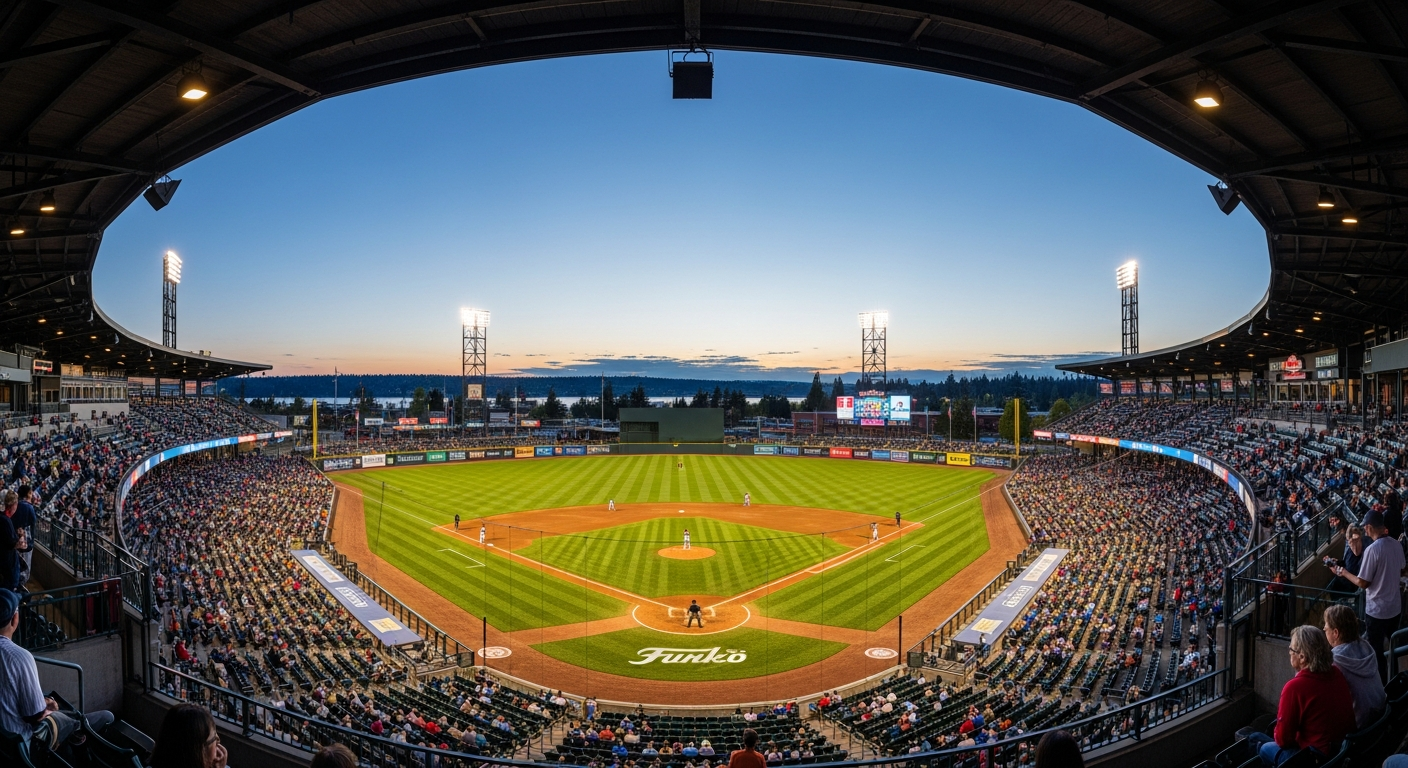
    The Everett AquaSox have been doing something this week that Funko Field fans are going to want to show up and watch. Through two games of the six-game home series against the Hillsboro Hops, the Frogs are 2-0, have outscored their guests 18-6, and have shown off the full toolkit: a stolen base game Tuesday, a shutout by a future major league starter Wednesday, two home runs in two nights from different guys, and Felnin Celesten going absolutely nuclear from the left side of the plate.

    Four games remain. Hillsboro is 11-18. The AquaSox are chasing first place in the NWL first half. This is the moment.

    The Remaining Schedule

    Thursday, May 7 — 7:05 PM PT at Funko Field
    Friday, May 8 — 7:05 PM PT at Funko Field
    Saturday, May 9 — 7:05 PM PT at Funko Field
    Sunday, May 10 — 1:05 PM PT at Funko Field (series finale)

    Tickets at aquasox.com. Funko Field is at 3802 Broadway in Everett.

    Three Reasons the Next Four Games Matter

    1. The First-Half Race Is Still On
    The AquaSox are now 17-14 in the NWL first half, in third place behind the Eugene Emeralds (22-6). That’s a 7.5-game gap with meaningful games still on the board. Sweeping Hillsboro — or going 4-0 — won’t close that gap entirely, but it closes it. Four wins against a team this far below .500 is exactly the kind of run that creates momentum. The Frogs play like this for four more games and suddenly the second half of May has a different feel.

    2. Felnin Celesten Is Must-Watch Baseball Right Now
    The back-to-back NWL Player of the Week went 3-for-5 again Wednesday to go along with 2 RBI. He is now hitting .295 on the season with 26 hits and 18 runs scored — both team leads. He is the best hitter in the Northwest League right now, and he plays every night at a park 10 minutes from downtown Everett. Come watch him.

    3. The Power Surge Is Real
    Luke Stevenson hit a two-run homer Wednesday. Carter Dorighi hit a three-run homer. Brandon Eike has six on the season. Curtis Washington Jr. launched one Tuesday. The AquaSox lineup has found its power, and a Hillsboro pitching staff that has given up runs all season is not going to stop it. Expect balls to leave Funko Field this weekend.

    Friday Night: A Uniquely Everett Problem

    Friday, May 8 presents a genuinely impossible decision for Everett sports fans. The AquaSox play at Funko Field at 7:05 PM. The Silvertips host the Prince Albert Raiders in WHL Championship Final Game 1 at Angel of the Winds Arena at 7:00 PM. These venues are two miles apart. Both events are meaningful. Both are worth attending.

    There is no right answer. Pick the one that speaks to you most. Or get to Angel of the Winds early, catch the first period of the Silvertips game, then slip over to Funko Field for the later innings. Everett has never had this problem before. Enjoy it.

    Who to Watch This Weekend

    Beyond Celesten, keep an eye on Luke Stevenson — the Mariners’ No. 8 prospect just had his best offensive night of 2026. Watch how pitchers approach him now that he has shown the ability to take a two-run shot to right-center. Also: Brock Moore out of the bullpen. The NWL Bullpen Award winner has been automatic in high-leverage spots, and the Frogs will need him to keep delivering if the rotation is working through shorter outings in the back half of this series.

    The homestand wraps Sunday at 1:05 PM. If you go to one game this weekend, go Sunday — matinee baseball at a community ballpark on a spring afternoon, with a team that is genuinely good right now. That’s as Everett as it gets.

    Frequently Asked Questions

    What is the AquaSox home schedule for the Hillsboro series?

    Thursday May 7 at 7:05 PM, Friday May 8 at 7:05 PM, Saturday May 9 at 7:05 PM, and Sunday May 10 at 1:05 PM — all at Funko Field in Everett.

    What is the AquaSox record in the 2026 Northwest League first half?

    After Wednesday’s 10-0 win, the AquaSox are 17-14, in third place in the NWL first half, 7.5 games behind the first-place Eugene Emeralds (22-6).

    Who is the hottest hitter on the AquaSox right now?

    Felnin Celesten. The back-to-back NWL Player of the Week is batting .295 with 26 hits and 18 runs scored on the season, and went 3-for-5 with 2 RBI on Wednesday.

    Is there a conflict between the AquaSox and Silvertips on Friday May 8?

    Yes. AquaSox play at Funko Field at 7:05 PM; Silvertips host WHL Championship Final Game 1 at Angel of the Winds Arena at 7:00 PM. Both venues are about two miles apart in Everett. Tickets for both are available through their respective box offices.

  • How to Watch the Silvertips WHL Championship Final: TSN, Victory+, Game Times, and Tickets

    How to Watch the Silvertips WHL Championship Final: TSN, Victory+, Game Times, and Tickets

    Q: How can I watch the Everett Silvertips in the 2026 WHL Championship Final?
    Games 1 and 2 at Angel of the Winds Arena (May 8 at 7:00 PM PDT and May 9 at 6:00 PM PDT) are available in person via Ticketmaster. All games are broadcast live on TSN in Canada and streamed globally for free on Victory+. Games 3 and 4 in Prince Albert (May 12–13) are streaming-only for most Everett fans.

    The Everett Silvertips are in the WHL Championship Final for the first time since 2018 — and this time, the broadcast setup means every fan in the world can watch for free. Here is your complete guide to catching Games 1 and 2 at home or in the arena this Friday and Saturday, and tuning in for the road games in Prince Albert when the series shifts east.

    The Full Schedule

    Game 1: Friday, May 8 — 7:00 PM PDT — Angel of the Winds Arena, Everett
    Game 2: Saturday, May 9 — 6:00 PM PDT — Angel of the Winds Arena, Everett
    Game 3: Tuesday, May 12 — Art Hauser Centre, Prince Albert, Saskatchewan
    Game 4: Wednesday, May 13 — Art Hauser Centre, Prince Albert, Saskatchewan
    Game 5 (if needed): Friday, May 16 — Angel of the Winds Arena, Everett
    Game 6 (if needed): Sunday, May 18 — Art Hauser Centre, Prince Albert
    Game 7 (if needed): Tuesday, May 20 — Angel of the Winds Arena, Everett

    How to Watch on TV (Canada)

    TSN carries the full 2026 WHL Championship Series presented by Nutrien in Canada, alongside RDS for French-language coverage. Every game in the series will be telecast live. If you’re a Canadian fan or know someone in Canada, the TSN stream via TSN Direct is the cleanest broadcast option with the full pre-game and intermission coverage.

    How to Stream for Free (Victory+)

    This is the big news for Everett fans who won’t be at Angel of the Winds Arena in person: Victory+ is streaming every game of the 2026 WHL Championship Series globally, for free. No subscription required. No paywall. Every game — including the road games in Prince Albert — is available anywhere in the world on the Victory+ platform.

    Victory+ is the CHL’s official streaming partner. You can find the stream at victoryplusapp.com or through the Victory+ app on iOS, Android, Roku, Apple TV, and Amazon Fire. Just search “WHL Championship” once Game 1 goes live at 7:00 PM PDT Friday.

    The Broadcast Team

    The telecast features Peter Loubardias handling play-by-play duties, joined by longtime WHL analyst Kelly Remple providing color commentary, and Cami Kepke — an award-winning sports reporter — working the rinkside. It’s a polished broadcast team for a championship-caliber series.

    Tickets for Games 1 and 2 at Angel of the Winds

    Games 1 and 2 are at Angel of the Winds Arena in Everett on Friday and Saturday. Tickets are available at Ticketmaster and through the Silvertips box office at silvertips.com. This is the first WHL Championship Final in Everett since 2018, and the arena will be loud. If you’ve been waiting for the right playoff game to attend in person, this is it.

    A note for Friday night: the Everett AquaSox are also playing at Funko Field at 7:05 PM against the Hillsboro Hops. Everett has two simultaneous playoff and championship-level events happening Friday night — two different venues, two different sports, both with something real on the line. Plan your night accordingly.

    What the Silvertips Bring Into This Series

    The Silvertips enter the Final with a 12-1 playoff record, having swept the Kelowna Rockets in Round 2 and the Penticton Vees in the Western Conference Final. Goaltender Anders Miller has posted a .948 save percentage — the best mark in WHL playoff history for goaltenders with nine or more games played. Landon DuPont and Carter Bear have each scored 10 or more playoff goals. The Silvertips allowed just 12 goals in their 12 wins. They are not built to lose.

    The Prince Albert Raiders won the Eastern Conference Final to earn their spot. This is the first time these two franchises have met in the WHL Championship Final. Everett is seeking its first Ed Chynoweth Cup and its first Memorial Cup berth in franchise history.

    Friday at 7:00 PM. Victory+. Free. No excuses not to watch.

    Frequently Asked Questions

    Where can I watch the Silvertips WHL Championship Final online for free?

    All games are available free globally on Victory+ (victoryplusapp.com and the Victory+ app). No subscription required.

    What time is Silvertips WHL Final Game 1?

    Game 1 is Friday, May 8 at 7:00 PM PDT at Angel of the Winds Arena in Everett, Washington.

    What time is Silvertips WHL Final Game 2?

    Game 2 is Saturday, May 9 at 6:00 PM PDT at Angel of the Winds Arena in Everett, Washington.

    Where are Games 3 and 4 of the WHL Championship Final?

    Games 3 and 4 are Tuesday, May 12 and Wednesday, May 13 at the Art Hauser Centre in Prince Albert, Saskatchewan. Both will be streamed free on Victory+.

    Where can I buy tickets for the Silvertips WHL Final?

    Tickets for Games 1 and 2 at Angel of the Winds Arena are available at Ticketmaster and through silvertips.com.