Tag: Everett WA

  • Langus Riverfront Park: Spencer Island Everett Guide

    Langus Riverfront Park: Spencer Island Everett Guide

    Quick guide: Langus Riverfront Park (411 Smith Island Rd, Everett) offers a 3-mile flat paved trail along the Snohomish River with a direct connection to Spencer Island — 413 acres of wildlife estuary and one of the best birding sites in the Puget Sound region. A Discover Pass or Vehicle Access Pass is required for parking. The trail is free and open year-round.

    Most Everett residents know the waterfront. Fewer know that a short drive to the north end of Smith Island puts you at one of the best outdoor destinations in Snohomish County — a flat paved trail along the Snohomish River estuary, a working boat launch, a fishing pier, and a bridge to a 413-acre wildlife refuge where 350 species of migratory birds pass through each year.

    Langus Riverfront Park and Spencer Island are Everett’s underrated outdoors combination. Here is the complete 2026 guide.

    Getting There

    Langus Riverfront Park is located at 411 Smith Island Rd, Everett, WA 98201. From I-5, take the Marine View Drive exit and follow Smith Island Road north. The park has three parking lots. At least one requires a Washington State Discover Pass ($30/year) or Vehicle Access Pass ($11.50/day). The trail and Spencer Island access are free once you park.

    The Langus Riverfront Trail

    The Langus River Front Trail is a 3.0-mile paved loop with roughly 32 feet of total elevation gain — effectively flat. The surface is wide enough for walkers, joggers, and cyclists to share without conflict. There are no technical sections, no significant hills, and no route-finding required. You follow the river and come back around.

    That accessibility is the point. For families with strollers, seniors, people rehabbing injuries, or anyone who wants a genuine nature experience without technical trail demands, Langus is one of the best options in Everett’s parks system. It runs along the Snohomish River estuary, where freshwater from the Cascades meets tidal influence from Puget Sound — producing the habitat conditions that make the wildlife here exceptional.

    The River Access Infrastructure

    Langus is not just a walking trail. It has real water-access infrastructure rarely found in urban parks:

    • Boat launch — functional for small watercraft and trailer boats launching onto the Snohomish River
    • Fishing pier — direct access to the Snohomish River; salmon runs pass through the estuary zone
    • Rowing dock and shell house — serving rowers and paddlers from the Everett Rowing Association and other groups

    The estuary zone at Langus is where freshwater and saltwater ecosystems overlap — a biological mixing zone that concentrates fish, birds, and mammals in ways a purely freshwater or purely marine habitat does not.

    Spencer Island: The Main Event

    Walk or ride to the end of the Langus trail and you reach the bridge to Spencer Island — 413 acres of estuary habitat managed jointly by Snohomish County Parks and the Washington Department of Fish and Wildlife. Spencer Island sits at the heart of the 1,400-acre Snohomish River Estuary, the largest wetland near an urban center on the West Coast.

    The southern loop on Spencer Island is approximately 1.7 miles. It runs along an elevated dike trail that puts you above the wetland with unobstructed views across the estuary. No technical skills required. Dogs are welcome on leash.

    What you can expect to see:

    • More than 350 species of migratory birds pass through the estuary; the Snohomish River Estuary is consistently rated among the best birding sites in the Puget Sound region
    • Bald eagles, osprey, and red-tailed hawks are regular year-round residents
    • Great blue herons reliably visible along the river edges in all seasons
    • Shorebirds and waterfowl — exceptional variety during spring and fall migration windows
    • Mammals including deer, coyote, and river otter throughout the island

    Best Times to Visit

    Spencer Island and Langus are worth visiting any time of year. The Snohomish River Estuary is a year-round habitat, not a seasonal destination. That said:

    Spring (March–May): Peak migration season brings exceptional shorebird and waterfowl variety. Migratory raptors moving through. Vegetation growth begins filling the estuary.

    Fall (September–November): Second peak migration window. Waterfowl numbers build through October. Salmon runs in the river draw eagles and other predators.

    Summer: Resident birds active. Nesting in progress — give nesting areas a wide berth. Popular season for families and cyclists.

    Winter: Quieter trail, excellent for solitude. Waterfowl overwintering in the estuary. Eagles visible along the river.

    The Combined Hike

    Langus trail (3.0 miles) plus Spencer Island southern loop (1.7 miles) equals approximately 4.7 miles total for the full combination. Plan for 2 to 3 hours depending on pace and how long you spend watching birds on Spencer Island’s dike trail. Bring water — there are no services on Spencer Island.

    What to Bring

    • Discover Pass or cash for the Vehicle Access Pass ($11.50/day)
    • Binoculars — essential for getting the most from Spencer Island
    • Water and snacks (no services once you leave the parking area)
    • Layers — the estuary is exposed; wind conditions vary significantly
    • Rain gear in any non-summer month

    Nearby Everett Destinations

    Langus pairs well with other north Everett destinations. The Lowell neighborhood sits along the Snohomish River to the east. The Port Gardner neighborhood — Everett’s second-oldest neighborhood and Rucker Hill — is a short drive to the west. The waterfront dining at Port of Everett’s Waterfront Place is accessible for a post-hike meal.

    Frequently Asked Questions

    Where is Langus Riverfront Park in Everett?

    411 Smith Island Rd, Everett, WA 98201. From I-5, take the Marine View Drive exit and follow Smith Island Road north to the park entrance.

    Do I need a pass to visit Langus Riverfront Park?

    A Washington State Discover Pass ($30/year) or Vehicle Access Pass ($11.50/day) is required for parking at Langus Riverfront Park. The trail and Spencer Island are free to walk once you have parked.

    How long is the trail at Langus Riverfront Park?

    The Langus River Front Trail is a 3.0-mile flat paved loop with approximately 32 feet of elevation gain — effectively flat and accessible to walkers, joggers, cyclists, and strollers.

    What is Spencer Island?

    Spencer Island is a 413-acre wildlife estuary managed jointly by Snohomish County and the Washington Department of Fish and Wildlife, accessible by bridge from the end of the Langus trail. It sits within the 1,400-acre Snohomish River Estuary — the largest wetland near an urban center on the West Coast — with more than 350 species of migratory birds recorded.

    Is Langus Riverfront Park good for birdwatching?

    Yes. The Snohomish River Estuary is consistently rated among the best birding sites in Puget Sound. Bald eagles, osprey, great blue herons, and 350+ species of migratory birds make the area exceptional. Spring and fall migration windows offer peak variety.

    Can you fish at Langus Riverfront Park?

    Yes. Langus has a fishing pier with direct access to the Snohomish River, which has salmon runs through the estuary zone. A Washington State fishing license is required. A boat launch is also available for watercraft access.

    How far is the full Langus plus Spencer Island hike?

    Approximately 4.7 miles combining the Langus trail (3.0 miles) and Spencer Island southern loop (1.7 miles). Plan for 2 to 3 hours depending on pace and wildlife-watching stops.
  • New Everett Stadium Design: AquaSox Fan & Visitor Guide

    New Everett Stadium Design: AquaSox Fan & Visitor Guide

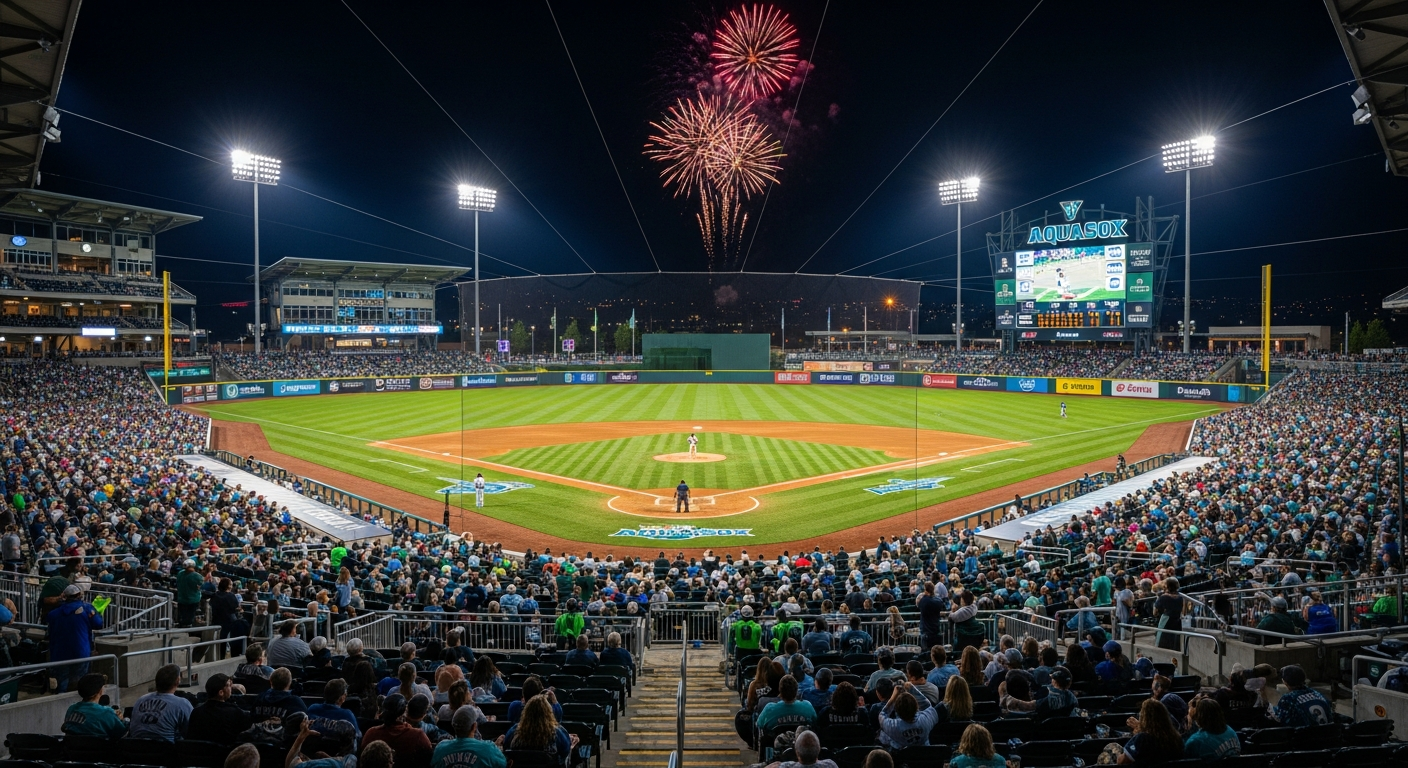
    For AquaSox fans and Everett sports visitors: City Council approved the design package April 29. The stadium is targeted for Fall or Winter 2027 — in time for the AquaSox 2027 season. What’s approved so far: 5,000 seats, ADA throughout, covered premium club, multi-use for baseball, USL soccer, concerts, and community events. What’s not yet decided: construction authorization and the $110M+ in financing needed to build it.

    If you’ve been following the downtown Everett stadium story, the April 29 City Council vote is a real milestone — the design phase is now funded and moving forward. Here is what it means for the fan and visitor experience being planned, and what the realistic timeline looks like.

    What Kind of Venue Is Being Designed

    The Everett Outdoor Event Center is designed as a true multi-use sports and events venue — not a single-purpose ballpark. The design calls for 5,000 seats with ADA accessibility throughout the facility, including a premium club seating 200 fans with 400 additional standing capacity on a covered deck. Public park space is built into the site design.

    The primary tenant anchor is the Everett AquaSox — the Seattle Mariners’ Single-A affiliate that has played in Everett since 1984, currently at Funko Field (Everett Memorial Stadium). The AquaSox would move into the new downtown venue when it opens.

    Two Everett teams in the United Soccer League (USL) are also planned as tenants — part of the professional soccer league’s Pacific Northwest expansion. Everett would host both baseball and professional soccer in the same facility.

    Downtown Location vs. Current Funko Field

    The current Funko Field sits on Oakes Avenue in the Bayside neighborhood — accessible but not embedded in Everett’s downtown core. The new Everett Outdoor Event Center is planned for a downtown location, positioning it within walking distance of Everett Station, the waterfront district, and the Broadway corridor.

    That downtown location is what gives the stadium broader event potential: concerts, festivals, and community programming that can draw on foot traffic from the waterfront and transit connections from Everett Station. The Waterfront Place restaurant district and the transit network changes underway make the downtown location stronger over the next few years.

    What the 2027 Timeline Means in Practice

    The city has been targeting Fall or Winter 2027 for the stadium opening — timed to be ready before the AquaSox 2027 season. That timeline requires design completion (now funded), followed by construction authorization, financing commitment, and construction itself.

    The design is the prerequisite. Without a completed design package, you cannot break ground, you cannot get final construction bids, and you cannot secure project financing. Wednesday’s vote clears that gate. What comes next — the construction decision and how the remaining $110 million-plus gets financed — is the harder sequence.

    The AquaSox Question

    The AquaSox have played in Everett since 1984, making them one of the longest-running Minor League Baseball affiliates in the Pacific Northwest. The new stadium is explicitly designed to keep them in Everett — the city has publicly noted that without a new facility, the team’s continued presence is at risk. Funko Field, built decades ago, does not meet modern Minor League Baseball facility standards.

    The April 29 vote moves the ball forward on keeping the AquaSox in downtown Everett through the 2027 season and beyond.

    Frequently Asked Questions

    How many seats will the new Everett stadium have?

    The Everett Outdoor Event Center design calls for 5,000 seats with full ADA accessibility throughout, plus a premium club with 200 seated and 400 standing capacity on a covered deck.

    When could the AquaSox move to the new stadium?

    The city is targeting a Fall or Winter 2027 opening timed for the AquaSox 2027 season. This depends on construction authorization and financing being secured after the design package is complete.

    Where will the new Everett stadium be located?

    The Everett Outdoor Event Center is planned for a downtown location, distinguishing it from the current Funko Field on Oakes Avenue in Bayside. The downtown site puts it near Everett Station and the waterfront district.

    What sports will be played at the new Everett stadium?

    Minor League Baseball (Everett AquaSox, Seattle Mariners Single-A affiliate) and professional soccer (two United Soccer League teams). The venue is also designed for concerts, festivals, and community events.

    Has construction been authorized?

    No. The April 29 vote funds completing the design. Construction authorization and the $110 million-plus in construction financing are separate decisions that have not been made.

  • Everett Stadium Design: $10.6M Approval Package Explained

    Everett Stadium Design: $10.6M Approval Package Explained

    What happened April 29: Everett City Council approved a $10.6 million package to complete the design of the Everett Outdoor Event Center — the planned downtown home of the AquaSox and two USL soccer teams. The vote authorizes finishing the blueprints. It does not authorize construction. The total project still exceeds $120 million and no construction funding has been committed.

    On Wednesday, April 29, 2026, Everett City Council voted to approve $10.6 million in design funding for the Everett Outdoor Event Center. The vote moves the project from preliminary design to completed design — a necessary step before the city can make any decision about whether and how to build the facility. Here is the complete guide to what was actually authorized, what it costs, and what has not been decided.

    The Two Components of the $10.6 Million

    The April 29 package had two distinct parts, both approved at the council meeting at 3002 Wetmore Ave.:

    $4.8 million in contract amendments with four design contractors already engaged on the project. These amendments authorize the additional design work needed to complete the full design package for the Everett Outdoor Event Center — covering architectural drawings, engineering, site planning, environmental review, and the technical documentation required before construction can begin.

    $7.4 million state grant from the Washington State Department of Commerce, directed to the stadium design budget. This grant offsets a significant portion of the expanded design costs.

    The $4.8 million in contractor amendments is funded through an interfund loan from the city’s general fund balance — a borrowing mechanism from city reserves that must be repaid. The $7.4 million is grant funding that does not need to be repaid.

    What Design Funding Actually Means

    The distinction between design funding and construction funding matters. Design covers the complete package of documents — architectural drawings, structural engineering, utility coordination, environmental review, and permit-ready specifications — that defines exactly what will be built and what it will cost to build it. You cannot break ground without this package.

    Wednesday’s vote pays for finishing that package. The council is not yet deciding whether to build the stadium. That is a separate decision that comes after design is complete.

    Why $10.6 Million More Was Needed

    The original design contract did not include the full scope required to get the project to a build-ready state. As the design process progressed, scope expanded — particularly around the complexity of the downtown site, utility infrastructure, and the multi-use programming requirements of a venue serving baseball, soccer, and community events. The city applied for and received the $7.4 million Commerce grant specifically to offset these expanded costs.

    What the Stadium Is Designed to Be

    The Everett Outdoor Event Center is designed as a multi-use downtown venue with 5,000 seats and full ADA accessibility throughout. A premium club can seat 200 fans with 400 standing on a covered deck. The facility would serve as the home ballpark for the Everett AquaSox — the Seattle Mariners’ Single-A affiliate that has played at Funko Field (Everett Memorial Stadium) since 1984. The venue is also designed to host two new Everett teams in the United Soccer League, a professional league expanding across the Pacific Northwest.

    Public park amenities are part of the design, positioning the site as a community asset on non-game days. The city has been targeting a Fall or Winter 2027 completion — timed to open before the AquaSox 2027 season.

    The Budget Context

    The total estimated project cost exceeds $120 million. Wednesday’s $10.6 million brings additional design funding into the project but leaves the bulk of capital financing — more than $100 million — still to be determined. The city has received $17 million in team commitments from the AquaSox and USL partners, but the major construction funding sources have not been publicly committed.

    The vote lands against the backdrop of Everett’s projected $14 million 2027 budget gap. The interfund loan structure means the $4.8 million in contractor amendments is borrowed from general fund reserves — money that must be returned. Council previously explained this mechanism in detail before Wednesday’s vote.

    What Has Not Been Decided

    Wednesday’s vote does not authorize construction. It does not determine how the remaining $110 million-plus in construction costs will be financed. It does not commit to a specific groundbreaking date. It does not resolve the debate over whether downtown Everett can absorb the long-term financial obligations of a $120 million public venue while simultaneously managing a $14 million structural budget gap.

    Those are subsequent decisions. The council has approved finishing the design package. The harder decisions come after the blueprints are done.

    For the full pre-vote background on the interfund loan mechanism and how it works: The complete guide to Everett’s $10.6M stadium interfund loan.

    Frequently Asked Questions

    What did Everett City Council approve on April 29, 2026?

    The council approved a $10.6 million package to complete the design of the Everett Outdoor Event Center. The package included $4.8 million in contract amendments with four design contractors (funded through an interfund loan from the general fund) and acceptance of a $7.4 million state Department of Commerce grant.

    Does the April 29 vote authorize building the stadium?

    No. The vote authorizes completing the design package — architectural drawings, engineering, environmental review, and permit-ready specifications. Construction authorization is a separate decision that has not been made. The total project cost exceeds $120 million and construction financing has not been committed.

    What is an interfund loan?

    An interfund loan is a borrowing from the city’s own general fund balance — its reserves — to cover a project cost. Unlike a bond, it does not involve outside borrowing, but it does reduce the general fund balance and must be repaid, reducing future flexibility.

    When is the Everett Outdoor Event Center expected to open?

    The city has been targeting Fall or Winter 2027, timed to open before the AquaSox 2027 season. That timeline depends on construction authorization and funding being secured after design is complete.

    What teams would play at the new stadium?

    The Everett AquaSox — the Seattle Mariners’ Single-A affiliate that has played in Everett since 1984 — and two new Everett teams in the United Soccer League (USL). The venue is also designed for concerts, festivals, and community events.

    How does the stadium vote connect to Everett’s budget gap?

    Everett faces a projected $14 million structural budget gap heading into 2027. The $4.8 million in contractor amendments is funded via an interfund loan from the general fund balance — reserve money that must be repaid. The city is managing both the stadium design costs and the broader fiscal challenge simultaneously.

    What happens next after the design is complete?

    Once the design package is finished, the council must decide whether to authorize construction, how to finance the $110 million-plus remaining cost, and on what timeline. That decision has not been made.

  • Moving to Everett: How the Light Rail Vote Impacts You

    Moving to Everett: How the Light Rail Vote Impacts You

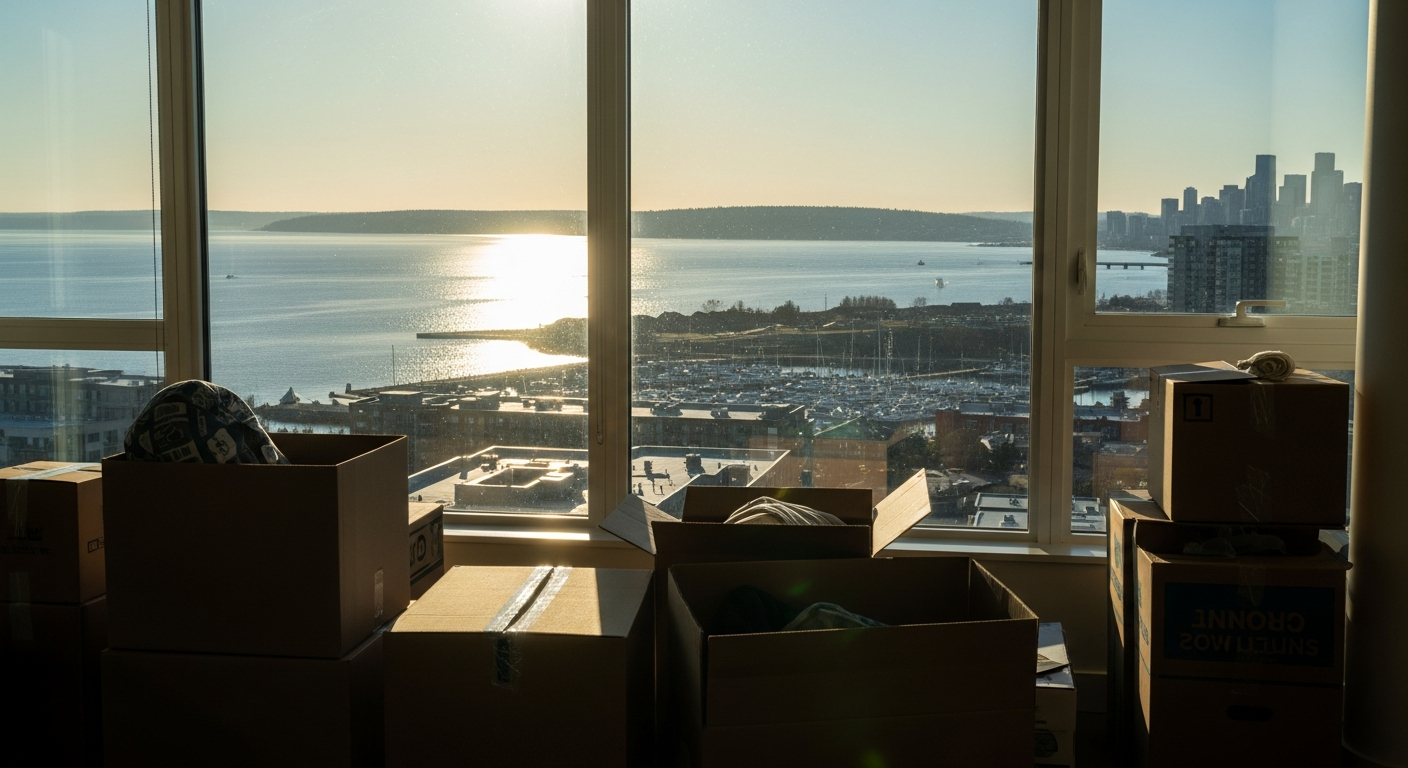
    For people moving to Everett in 2026: The Sound Transit June 30 vote matters more than most relocation guides will tell you. Which neighborhoods you buy or rent in, whether transit-oriented development assumptions hold, and how Everett compares to Lynnwood or South Snohomish County as a place to live — all of it turns on whether the full Everett spine gets funded or gets truncated at SW Everett near Paine Field.

    If you’re planning a move to Everett — from Seattle, from King County, or relocating for a Boeing job or a Navy assignment at NAVSTA Everett — the Sound Transit board vote on June 30, 2026 is a piece of context that will shape your neighborhood decision for years.

    Why Light Rail Matters for Where You Live in Everett

    Everett is a city of 114,070 people with 21 distinct neighborhoods. Where you live relative to the planned light rail stations will determine whether your daily commute improves dramatically or stays dependent on driving and buses over the next decade.

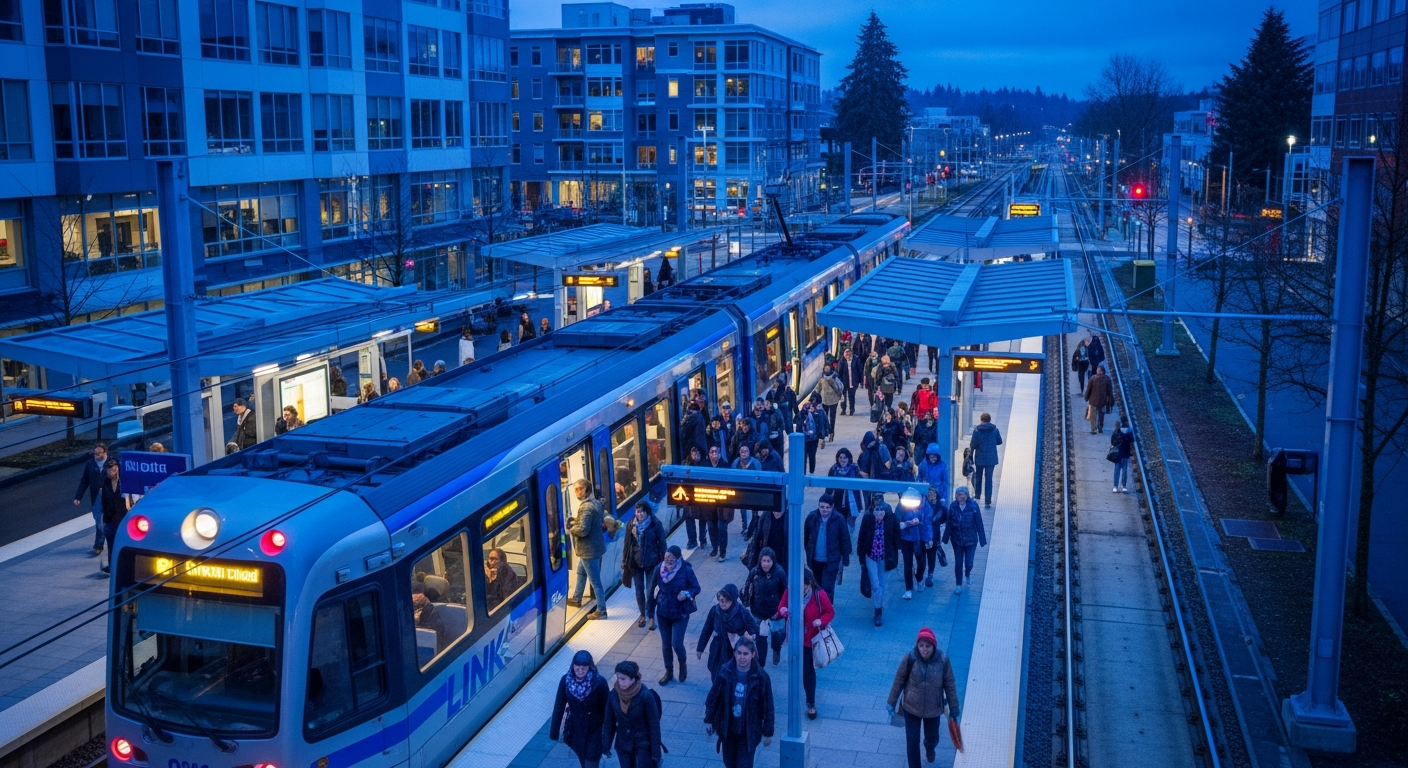
    Lynnwood City Center opened its Link station in 2024. Residents of Lynnwood now have a direct light rail connection to the University District, Capitol Hill, and downtown Seattle. Everett is next on the spine — but the question of when, and how far north rail actually goes, depends on the June 30 vote.

    The Stations That Are Planned for Everett

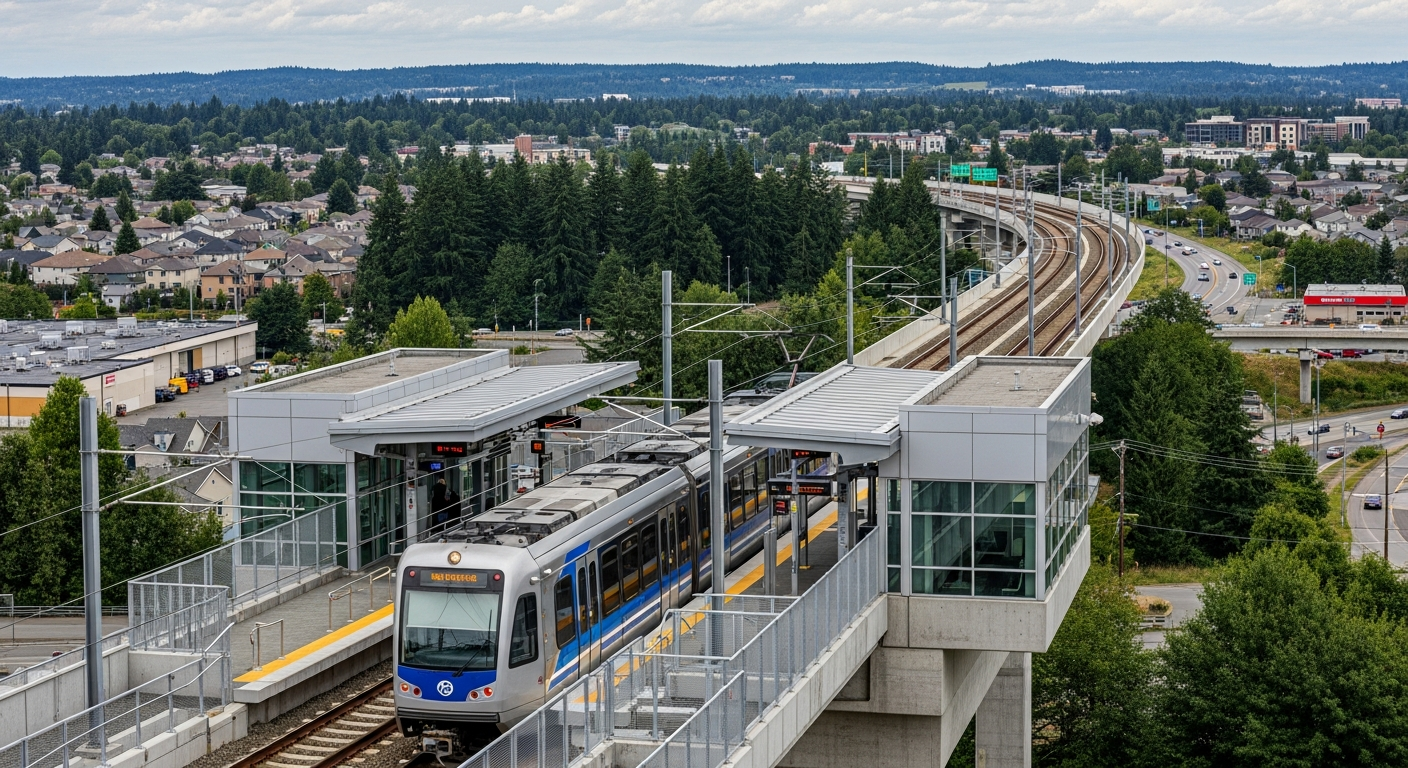
    The full Everett Link Extension, if funded under Approaches 1 or 2, would include stations at: Ash Way (near Ash Way Park and Ride), Mariner (near 128th Street SW), SW Everett Industrial Center (the Paine Field/Boeing area), Airport Road, SR 526/Evergreen Way, and downtown Everett Station (connected to Everett Station transit hub).

    Under Approach 3, rail would stop at SW Everett Industrial Center. Downtown Everett and the four stations between SW Everett and Everett Station would not be built in this phase.

    The Mariner neighborhood — which sits near the planned Mariner station — is currently under a city-funded annexation study. What the Mariner annexation study means for residents explains the context.

    Neighborhoods to Evaluate Differently Based on the Vote Outcome

    If Approaches 1 or 2 pass (full spine): Neighborhoods along the corridor from Mariner through central Everett to downtown — including the Broadway District, Bayside, Port Gardner, and the Millwright District waterfront — would all sit within the broader light rail catchment. Downtown Everett Station would become a regional transit hub. Commute access to Seattle via Link would be a real option.

    If Approach 3 passes (truncated at SW Everett): Paine Field-adjacent neighborhoods and the SW Everett industrial corridor get a station. Central and northern Everett neighborhoods — where housing costs are often lower — do not get the transit premium. The commute picture for downtown-area residents stays bus-and-drive for the foreseeable future.

    Everett vs. Lynnwood: The Current Comparison

    Right now, Lynnwood has a transit advantage Everett doesn’t yet have. A Lynnwood resident can ride Link to Seattle in roughly 35–40 minutes. An Everett resident driving to Lynnwood to catch Link adds 20–30 minutes each way. When the Everett extension opens — under any approach — that advantage shifts. But the full spine to downtown Everett Station creates a much stronger case for living in central Everett than a truncated SW Everett connection does.

    For the full neighborhood picture: Everett’s three housing submarkets — a complete 2026 guide. And for the transit baseline: The complete guide to the Everett Transit and Community Transit merger.

    The June 30 Timeline and What Comes Next

    The board adopts the revised ST3 System Plan by June 30. This sets the policy framework — it does not immediately change construction schedules. Environmental review, station design finalization, and procurement follow over subsequent years. The opening window of 2037–2041 for the full Everett extension could shift based on the adopted approach and any design changes.

    For the full guide to what the vote means for Everett: The complete 2026 guide to the Sound Transit June 30 vote.

    Frequently Asked Questions

    How does the Sound Transit June 30 vote affect people moving to Everett?

    The vote determines which Everett neighborhoods will have direct light rail access and when. Full spine approaches (1 and 2) deliver a downtown Everett Station with regional connections. Approach 3 truncates at SW Everett near Paine Field, leaving central and northern Everett neighborhoods without a light rail stop in this phase.

    Which Everett neighborhoods are closest to planned light rail stations?

    Mariner sits near the planned Mariner station. The SW Everett Industrial Center station serves the Paine Field/Boeing corridor. Under the full spine, downtown Everett and Everett Station would anchor the northern terminus, benefiting Broadway District, Bayside, and Port Gardner neighborhoods. The Mariner station is in all three approaches.

    When would Everett light rail open?

    Sound Transit’s working timeline for the Everett extension is 2037 to 2041. The June 30 vote and subsequent design decisions will refine that range.

    Is it better to live in Lynnwood than Everett for transit access right now?

    Lynnwood currently has a Link station giving direct access to Seattle, Bellevue, and Sea-Tac. Everett residents must drive or bus to Lynnwood to access Link. When the Everett extension opens — under any approach — that gap closes. The full spine delivers stronger transit access for central and downtown Everett than a truncated SW Everett connection.

    What is the Mariner annexation and how does it connect to light rail?

    Everett City Council funded a study to potentially annex the Mariner neighborhood, which sits near a planned light rail station. The annexation’s transit-oriented development rationale depends partly on that station being built. A truncation that skips Mariner would weaken the case for annexation.

  • Sound Transit Vote: Paine Field & Boeing Commute Guide

    Sound Transit Vote: Paine Field & Boeing Commute Guide

    Bottom line for Paine Field and Boeing workers: Both Approaches 1 and 2 would deliver a light rail station at SW Everett Industrial Center — the stop closest to Boeing’s Paine Field campus. Approach 3 reaches the same station but stops there, never connecting downtown Everett. The June 30 vote decides whether your commute options improve in phases or whether the downtown connection comes in your working lifetime.

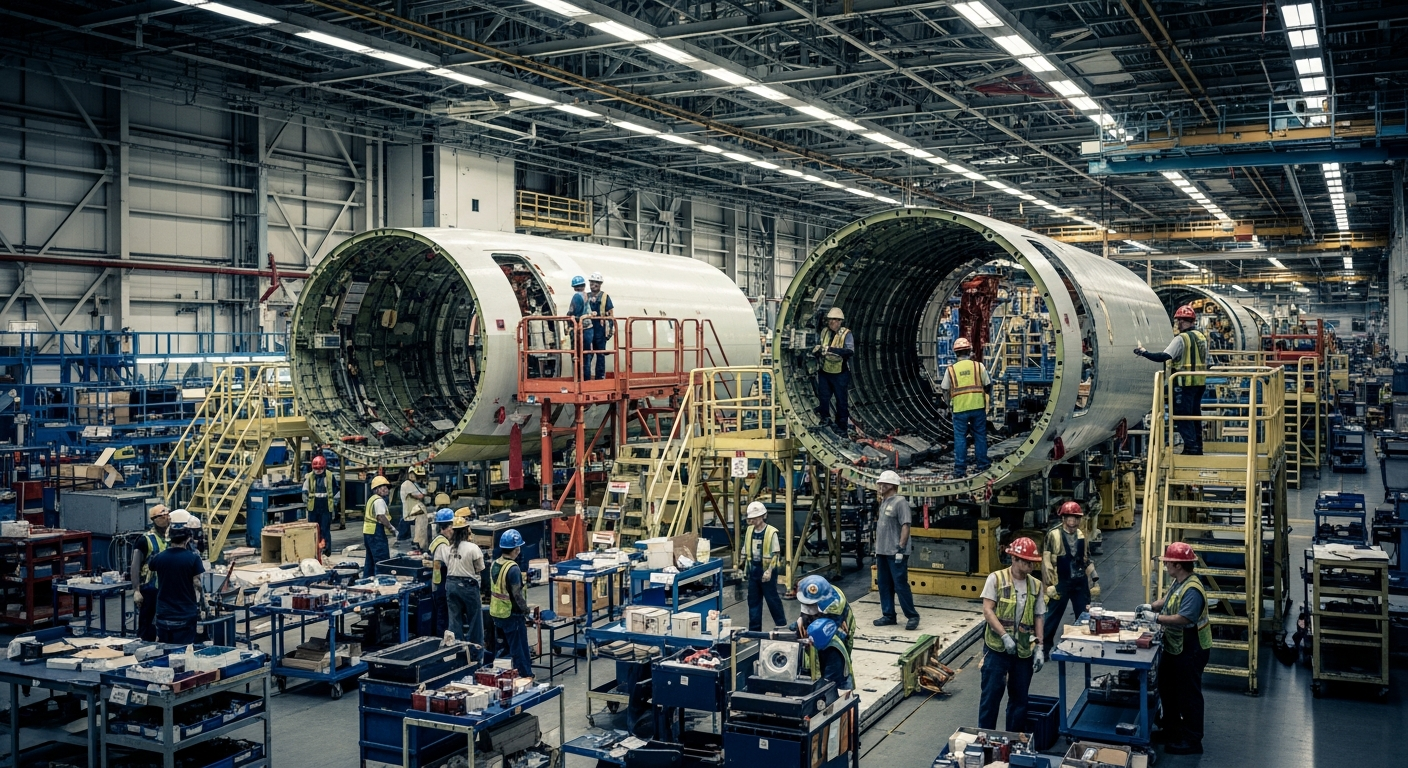
    If you work on Boeing’s 737 North Line, the 777X line, or anywhere on the Paine Field aerospace campus, the Sound Transit board vote on June 30, 2026 is the most consequential regional transit decision in a generation for your daily commute — and for the housing choices available to you and your family.

    Here is what the vote means specifically for aerospace workers in Everett and the surrounding Snohomish County corridor.

    The Station That Serves Paine Field

    The planned SW Everett Industrial Center station is the Link stop closest to Boeing’s Paine Field campus. It sits at the southern end of the Paine Field corridor — near the intersection of the SW Everett manufacturing district and the airport/aerospace zone. All three approaches under evaluation by Sound Transit include this station. Even in the worst-case Approach 3 scenario, you would have a light rail connection at SW Everett Industrial Center.

    What Approach 3 does not include is the remainder of the downtown spine — Airport Road, Evergreen Way, and downtown Everett Station. For Boeing workers who live in central or northern Everett, Approach 3 means continuing to drive or bus to get from the Paine Field station area to the rest of the city. Approaches 1 and 2 complete the full 16-mile build, connecting SW Everett through to Everett Station.

    The Commute Math

    Today, Boeing workers commuting to Paine Field from south of Everett — from Lynnwood, Mountlake Terrace, or Seattle — have no direct light rail option. Community Transit Route 512 and other express buses serve the corridor, but transit travel times to Paine Field from Seattle run 60 to 90 minutes depending on traffic. With Lynnwood City Center now on the Link network since 2024, a Boeing worker from Seattle can ride Link to Lynnwood — and then needs a bus connection north.

    When the Everett extension opens with a SW Everett Industrial Center station, that changes materially. Workers from Seattle, Lynnwood, and south Snohomish County would have a one-seat light rail ride to the station closest to Paine Field. The June 30 vote affects when that happens and what the full network around it looks like — but the station itself is in all three approaches.

    Housing and the Downtown Question

    Where you choose to live near Paine Field depends partly on what transit access looks like across the city. If Approach 3 passes and downtown Everett stays disconnected from Link, the cost-of-living advantage of living in central Everett — closer to Everett Station and the city’s amenities — comes without the transit connectivity premium.

    Under Approaches 1 or 2, the full spine to downtown Everett Station creates transit-oriented development pressure across the Everett corridor. The 2026 housing guide for Boeing 737 North Line workers details the neighborhood-by-neighborhood picture for Paine Field employees buying or renting in Everett.

    The Community Transit Piece

    Everett Transit is in the process of merging into Community Transit — a change that Mayor Franklin explicitly connected to the Sound Transit spine question. A consolidated Community Transit network with frequent service feeding into a completed Link spine is a fundamentally different commute environment than the current fragmented system. The complete guide to the Everett Transit and Community Transit merger covers what changes for bus riders in Snohomish County.

    What You Can Do Before June 30

    Sound Transit’s public survey on the ST3 System Plan revision closes May 1, 2026 — today. Boeing workers, as a major constituency with a direct stake in the Paine Field station and the downtown spine, are exactly the kind of commuters Sound Transit’s board needs to hear from. Submit input at soundtransit.org/system-expansion.

    For the full picture on what the June 30 vote means for Everett: The complete 2026 guide to the Sound Transit vote and Everett’s light rail future.

    Frequently Asked Questions

    Will there be a light rail station near Paine Field and Boeing under any scenario?

    Yes. The SW Everett Industrial Center station — the stop closest to Boeing’s Paine Field campus — is included in all three approaches under Sound Transit’s revised ST3 plan. The question is whether rail continues north to downtown Everett Station (Approaches 1 and 2) or stops at SW Everett (Approach 3).

    What is the SW Everett Industrial Center station?

    The planned light rail station in the SW Everett manufacturing and aerospace corridor, positioned to serve Boeing’s Paine Field campus and the broader Paine Field industrial zone. It would be the southernmost Everett station in Approaches 1 and 2, or the northernmost terminus in Approach 3.

    How does the Sound Transit vote affect Boeing workers’ commutes?

    All approaches deliver a Paine Field-area station. The difference is whether workers living in or commuting through downtown Everett get a connected ride. Approaches 1 and 2 complete the spine to Everett Station; Approach 3 stops at SW Everett, requiring bus or driving for the remainder.

    When would the Paine Field-area station open?

    Sound Transit’s working timeline for the Everett extension has ranged from 2037 to 2041 depending on funding and design decisions. The June 30 vote sets the framework; specific construction timelines follow the plan adoption.

    What is the Community Transit merger and how does it relate to this?

    Everett Transit is merging into Community Transit. A consolidated network feeding into a completed Link spine creates a much stronger commute option for Paine Field workers than the current system. Mayor Franklin cited this explicitly in her April 23 letter to Sound Transit’s board.

  • Sound Transit Vote: What It Means for Everett Light Rail

    Sound Transit Vote: What It Means for Everett Light Rail

    Quick answer: Sound Transit’s board must vote by June 30, 2026 on a revised ST3 System Plan that will determine whether Everett gets full light rail to downtown Everett Station or a truncated line ending at SW Everett Industrial Center near Paine Field. Mayor Cassie Franklin sent a formal advocacy letter April 23. The public survey closes May 1, 2026.

    Ten years after voters approved Sound Transit 3, the promise of light rail from Lynnwood to Everett is approaching its most consequential decision point yet. By June 30, 2026, Sound Transit’s 18-member board must adopt a revised ST3 System Plan — and the outcome will determine whether downtown Everett gets the light rail connection voters were promised, a truncated connection ending miles short near Paine Field, or something in between.

    Why the Vote Is Happening

    When ST3 passed in November 2016, it committed to a regional light rail spine connecting Tacoma, Seattle, and Everett. The Everett Link Extension — the planned 16-mile segment from Lynnwood City Center north to downtown Everett Station — was one of the program’s anchor commitments.

    Since then, construction cost escalation, inflation, and rising labor costs have opened a projected $34.5 billion gap between what ST3 promised and what current funding can deliver. Roughly $30 billion of that gap is driven by cost growth in east-west extensions to West Seattle and Ballard — but the shortfall affects all projects, including the Everett extension, whose estimated cost now runs $6.8 billion to $7.7 billion for the full 16-mile build.

    State law requires the board to adopt a revised System Plan by June 30, 2026. That deadline is now less than 60 days away.

    The Three Approaches on the Table

    Approaches 1 and 2 fund full construction of the north-south spine, completing light rail all the way to downtown Everett Station. They achieve this by deferring or truncating east-west extensions — primarily West Seattle and South Kirkland–Issaquah. Everett gets a complete connection under both approaches, though opening timelines may shift from the original 2037–2041 window.

    Approach 3 phases all extensions. Rail would reach the SW Everett Industrial Center station — the stop serving the Paine Field/Boeing corridor — but would stop short of downtown Everett Station. The truncation is estimated to save $1.8 billion to $2.5 billion on the Everett segment. Downtown Everett, Everett Station, and the neighborhoods between SW Everett and the city’s core would not be connected in this phase.

    Sound Transit’s capital delivery team has also identified design changes — specifically at-grade or surface-level routing at Ash Way, West Alderwood, and the SR 526/Evergreen Way stations — that could reduce the full Everett extension cost to approximately $6.4 billion to $7.3 billion while preserving the downtown connection.

    Mayor Franklin’s April 23 Letter

    On April 23, 2026, Everett Mayor Cassie Franklin sent a formal letter to the Sound Transit board making the case for keeping the full Everett spine in the revised plan. “We are ready to support a strong, regional transportation system that works in lockstep with Sound Transit’s network,” Franklin wrote.

    The letter connected light rail advocacy to the ongoing Everett Transit and Community Transit consolidation: a merged feeder network feeding into a completed spine would drive significantly higher ridership and improve Sound Transit’s financial projections. Snohomish County Executive Dave Somers has joined the advocacy. Both have framed the Everett extension as foundational to decades of regional planning made in good faith.

    What “Finish the Spine” Actually Means for Everett

    Light rail drives development decisions. Businesses, housing developers, and employers make long-term location choices based on transit access. Without a firm commitment to complete the Everett extension to downtown, those decisions shift.

    The city’s ongoing study of annexing the Mariner neighborhood — which sits near a planned light rail station — depends partly on the assumption that the station will be built. A truncation at SW Everett would undercut the transit-oriented development assumptions baked into that study. Everett also faces a projected $14 million 2027 budget gap; regional infrastructure that catalyzes economic activity is part of the long-term revenue picture.

    See also: What Everett’s Mariner Annexation Study means for residents.

    The May 1 Survey Deadline — Today

    Sound Transit is accepting public input through a survey closing May 1, 2026 — the same day this article publishes. Residents, commuters, and businesses can submit preferences at soundtransit.org/system-expansion. This is the primary formal mechanism for Everett community input before the board vote.

    The Everett Transit Merger Connection

    Separately, Everett Transit is merging into Community Transit — a change Mayor Franklin explicitly cited in her Sound Transit letter. A consolidated feeder network serving the completed Link spine is more efficient and more ridership-productive than a fragmented system. The complete guide to the Everett Transit merger explains what changes for local riders.

    What Comes After June 30

    The June 30 vote adopts the revised ST3 System Plan — a policy document setting priorities, timelines, and funding frameworks. It does not immediately change construction schedules. If Approaches 1 or 2 pass with full Everett spine funding, next steps involve finalizing station designs and entering environmental review. If Approach 3 passes with the SW Everett truncation, Everett leaders have made clear they would continue advocating for completion in a future phase.

    Frequently Asked Questions

    What is the June 30, 2026 Sound Transit vote?

    By June 30, 2026, Sound Transit’s 18-member board must adopt a revised ST3 System Plan resolving a projected $34.5 billion funding gap. The vote will determine which projects get built, in what order, and on what timeline — including whether the Everett Link Extension goes all the way to downtown Everett Station or stops at SW Everett Industrial Center near Paine Field.

    What is the Everett Link Extension?

    A planned 16-mile light rail segment from Lynnwood City Center north to downtown Everett Station, approved in the 2016 ST3 ballot measure. The extension would include stations at Ash Way, Mariner, SW Everett Industrial Center (near Paine Field), Airport Road, Evergreen Way, and downtown Everett Station.

    How much does the full Everett extension cost?

    Sound Transit’s 2025 estimate is $6.8 billion to $7.7 billion for the full 16-mile build. With at-grade routing changes at several stations, the capital delivery team estimates costs could fall to $6.4 billion to $7.3 billion while preserving the downtown connection.

    What does Approach 3 mean for Everett?

    Approach 3 truncates rail at SW Everett Industrial Center — serving Paine Field — rather than extending to downtown Everett Station. The savings are estimated at $1.8 billion to $2.5 billion, but downtown Everett and Everett Station would not be connected in this phase.

    When is the public survey deadline?

    May 1, 2026. Submit input at soundtransit.org/system-expansion before the board vote on June 30.

    How does the Mariner annexation connect to this vote?

    The Mariner annexation study — which Everett City Council approved funding for — is partly premised on a planned light rail station serving that neighborhood. If rail is truncated at SW Everett, the transit-oriented development case for annexation weakens.

    What did Mayor Franklin argue in her April 23 letter?

    Franklin argued that completing the spine to downtown Everett Station — not truncating at SW Everett — is essential to regional transit effectiveness, that the Everett/Community Transit merger makes the case stronger by concentrating ridership on the spine, and that decades of development decisions in Everett were made in good faith based on the full spine commitment.

  • Everett Link Light Rail Extension: 2026 Transit Vote

    Everett Link Light Rail Extension: 2026 Transit Vote

    What is happening with the Everett Link Extension in 2026? Sound Transit’s board must vote no later than June 30, 2026 on a revised ST3 System Plan — a decision that will determine whether Everett gets light rail, and when. Mayor Cassie Franklin sent the board a formal letter on April 23 making Everett’s case. Here’s what the June vote means for residents.

    What Is the ST3 System Plan Vote?

    Sound Transit’s ST3 ballot measure passed in 2016, promising light rail from Lynnwood to Everett as part of a regional spine connecting Everett, Seattle, and Tacoma. Ten years later, construction cost escalation, inflation, and rising labor costs have opened a projected $34.5 billion gap between what was promised and what current funding can deliver.

    To resolve that gap, Sound Transit’s 18-member board is required to adopt a revised ST3 System Plan no later than June 30, 2026. The revised plan will set new priorities, timelines, and cost targets — and will determine which projects get built on what schedule. For Everett, the stakes are direct: the Everett Link Extension is one of the projects whose cost, timeline, and design details are under active review.

    The April 14 town hall at Everett Station established that costs for the Everett extension had ballooned to a range of $6.6 billion to $7.7 billion — and that one scenario under consideration by the board did not reach Everett at all.

    What Mayor Franklin Told the Board

    In an April 23, 2026 letter to the Sound Transit board, Everett Mayor Cassie Franklin made a formal, multi-pronged case for keeping a fully funded Everett Link Extension in the revised plan.

    “We are ready to support a strong, regional transportation system that works in lockstep with Sound Transit’s network,” Franklin wrote.

    The mayor also connected the light rail advocacy to the ongoing Everett Transit and Community Transit consolidation discussions — arguing that a merged transit network feeding into the Link spine would increase ridership and make the Everett extension more cost-effective for Sound Transit’s projections. “With a consolidated transit network, riders travelling both from and to Everett will benefit from more frequent service and fewer transfers which will make choosing transit more convenient,” Franklin wrote.

    Snohomish County Executive Dave Somers has joined the advocacy effort. Both county and city leaders have argued that cutting back or delaying the Everett extension would undercut decades of regional planning and transit-oriented development decisions made in good faith.

    What “Finish the Spine” Means

    Everett officials have repeatedly invoked the phrase “finish the spine” — a reference to Sound Transit’s original vision of connecting Everett, Seattle, and Tacoma as the backbone of a regional light rail network.

    The concern is practical: without a firm commitment to complete the Everett segment, investment decisions made by the city lose their transit-oriented foundation. Light rail drives specific development patterns. Businesses, housing developers, and employers make location decisions based on transit access. If Everett’s connection to the network is uncertain or delayed beyond 2041, those decisions shift.

    The city’s current push to study annexing the Mariner neighborhood — which sits near a planned light rail station — depends partly on the assumption that the station will be built. The projected $14 million 2027 budget gap makes it even more important that regional infrastructure like light rail provides long-term economic return, not just capital cost.

    What the Cost Options Look Like

    Sound Transit’s capital delivery team has been evaluating design changes that could reduce the Everett Link Extension’s cost significantly without eliminating the Everett connection.

    The key option under evaluation: shifting to surface-level or at-grade routing at several stations — specifically Ash Way, West Alderwood, and the SW Everett Industrial Center. At-grade construction is less expensive than elevated tracks and could bring the Everett extension’s total cost down to a range of $6.4 to $7.3 billion, compared to the higher end of current estimates. Additional design changes are being studied at the SR 526/Evergreen Way interchange.

    The board is weighing three broad approaches to closing the system-wide $34.5 billion gap:

    Cost savings through design changes and value engineering. The at-grade routing proposals are the primary example — building the same basic network with less expensive construction methods where the ridership math supports it.

    Project delays or deferrals. Some ST3 projects could be pushed out in time, freeing up near-term budget. For Everett, even the current schedule already runs to 2037-2041.

    New or enhanced revenue tools. The board could seek additional funding sources — potentially requiring a separate voter approval — to close the gap without cutting projects.

    The June 30 vote sets the direction. A final project list, timeline, and funding plan follows from that framework decision.

    How the Transit Merger Connects to This

    One thread running through Mayor Franklin’s advocacy is the Everett Transit and Community Transit consolidation — ongoing discussions about merging Everett’s municipally owned bus system into the regional Community Transit network.

    The logic: a consolidated transit system would create a larger, more integrated network that funnels riders toward the light rail spine. That increases the ridership projections for the Everett Link Extension — making it a stronger investment case for the Sound Transit board. It also potentially simplifies operations once light rail arrives, reducing the number of agencies a rider has to navigate to get from a Snohomish County suburb to downtown Seattle.

    Franklin’s April 23 letter makes this connection explicit, tying the transit consolidation talks directly to the Sound Transit advocacy effort. The two decisions — who builds and runs Snohomish County’s buses, and whether light rail reaches Everett on schedule — are not separate issues.

    What the 2037-2041 Timeline Actually Means

    A completion window of 2037 to 2041 means Everett residents are looking at a decade or more before light rail service begins. Every year of delay pushes back the development patterns, ridership, and regional connectivity that the extension enables.

    For context: Lynnwood Link, which connects Lynnwood to the Seattle light rail network, opened in 2024. The Everett extension adds the next major segment north. The gap between Lynnwood and Everett — roughly 16 miles — is the remaining piece of the “spine” that Everett advocates are fighting to protect.

    The June 30 board vote will not determine a final construction date. But it will determine whether Everett is in the funded plan at all, and whether the design options that could bring costs down to $6.4-7.3 billion are adopted or rejected.

    Frequently Asked Questions

    What exactly is the June 30 vote? It is a required Sound Transit board decision to adopt a revised ST3 System Plan — a document that sets the new priorities, timelines, and cost targets for the entire ST3 light rail expansion. The board must vote no later than June 30, 2026.

    Will Everett definitely get light rail? The June 30 vote will clarify that. One scenario evaluated by the board would not extend rail to Everett. Mayor Franklin’s April 23 letter and local advocacy are directed at ensuring Everett remains in the funded plan.

    What does “at-grade” routing mean? Instead of elevated tracks (more expensive), at-grade rail runs at street level with dedicated right-of-way. It typically costs less to construct, with trade-offs for speed and grade crossings depending on design.

    What year would Everett get light rail? Current estimates put the window at 2037-2041. Design decisions in the June 30 vote could affect where in that range the final opening falls.

    What does the transit merger have to do with Sound Transit? A merged Everett Transit / Community Transit system would create a larger rider base feeding into the light rail network — strengthening the ridership case for the Everett extension in the Sound Transit board’s analysis.

    What to Do Next

    • Follow Sound Transit board meetings: Meeting schedule, agendas, and public comment sign-up at soundtransit.org/board. The next board sessions before the June 30 deadline are the primary opportunity to weigh in publicly.
    • Track the Everett Link Extension: Project updates at soundtransit.org/system-expansion/everett-link-extension.
    • Submit written comment: Sound Transit accepts written public comments through its website. Comments submitted before the June 30 vote become part of the public record.
    • Contact Mayor Franklin’s office: The mayor sits on the Sound Transit board and represents Everett’s interests directly. Contact via everettwa.gov/citycouncil.
    • Contact Snohomish County: County Executive Somers also represents Snohomish County interests on regional transit matters at snohomishcountywa.gov.
  • Everett Stadium Design Approved: Inside the $10.6M Vote

    Everett Stadium Design Approved: Inside the $10.6M Vote

    What did Everett City Council approve on April 29? The council approved a $10.6 million package to complete the design of the Everett Outdoor Event Center — the future home of the AquaSox and two USL soccer teams. The package includes $4.8 million in contract amendments with four design contractors and acceptance of a $7.4 million state Department of Commerce grant.

    What the Council Approved

    Everett’s City Council cleared the next major hurdle in the downtown stadium project on Wednesday, voting to approve $10.6 million in design funding for the Everett Outdoor Event Center — a vote that green-lights the final design phase but stops well short of breaking ground.

    The $10.6 million package had two components, both approved at the April 29 council meeting at 3002 Wetmore Ave.:

    $4.8 million in contract amendments with four design contractors already engaged in the project. These amendments authorize additional design work needed to complete the full design package for the Everett Outdoor Event Center.

    Acceptance of a $7.4 million state grant from the Washington State Department of Commerce directed toward the stadium project.

    Together, the two actions bring an additional $10.6 million into the stadium design budget. The $4.8 million in contractor amendments is funded through an interfund loan from the city’s general fund balance — a mechanism the council previously established and explained in detail before Wednesday’s vote.

    What “Design Funding” Actually Means

    The $10.6 million funds the completion of the design for the Everett Outdoor Event Center. Design work covers architectural drawings, engineering, site planning, environmental review, and the technical documentation required before construction can begin. It does not fund construction itself.

    The total estimated project cost exceeds $120 million. Wednesday’s vote moves the project from preliminary design to completed design — a necessary step before the city can make any further decision about whether and how to build.

    Think of it this way: the city is now paying to finish the blueprints. Whether to build what the blueprints describe is a separate decision that comes later.

    What the Stadium Is Supposed to Be

    The Everett Outdoor Event Center is planned as a multi-use sports and events venue in downtown Everett. It would serve as the home ballpark for the Everett AquaSox, the Seattle Mariners’ Single-A affiliate that has played at Funko Field (formerly Everett Memorial Stadium) since 1984.

    The facility is also designed to host two new Everett teams in the professional United Soccer League (USL), which has been expanding in the Pacific Northwest. Public park amenities are part of the design, positioning the site as a community asset beyond game days.

    Why $10.6 Million More Was Needed

    The original design contract did not include the full scope required to get the project to a build-ready state. As the design process progressed, the scope of work expanded — particularly around the complexity of the downtown site, utility considerations, and the multi-use programming requirements of a venue serving baseball, soccer, and community events.

    The city sought and received the $7.4 million state Commerce grant specifically to offset the expanded design costs. This is not unusual for large public construction projects, where design costs frequently increase as the project becomes more technically defined.

    The project has faced scrutiny over its cost trajectory. The total price tag of $120 million-plus is significantly above earlier estimates, and the city is simultaneously managing a projected $14 million budget gap heading into 2027. The interfund loan structure means the stadium design costs are borrowing from the general fund balance — money that will need to be repaid.

    What Hasn’t Been Decided Yet

    Wednesday’s vote authorizes completing the design. It does not authorize construction, determine how the remaining $110+ million in construction costs will be funded, or commit the city to building the stadium.

    The next major decision point comes when the completed design and a full project budget are presented to the council for a construction vote. That vote — substantially larger in scope — has not been scheduled.

    Mayor Franklin’s administration has argued that completing the design is a prerequisite to any serious conversation about how to fund and structure the full project. Without a completed design, there’s no firm cost basis and no project to bid.

    What AquaSox and USL Have at Stake

    City officials have stated publicly that without a new stadium, the AquaSox’s long-term future in Everett is uncertain. Minor League Baseball has been consolidating franchises and upgrading stadium standards nationally, and aging facilities have been a factor in franchise relocations in other markets.

    For USL, the new stadium would anchor professional soccer in a region that has seen significant growth in the sport. A purpose-built configuration — not a converted baseball park — is part of what makes the site viable for USL play.

    Frequently Asked Questions

    Did the council vote to build the stadium? No. The April 29 vote authorized completing the design. A separate construction vote is required before any building begins.

    Where does the $4.8 million come from? It comes from the city’s general fund balance through an interfund loan — essentially, the city lending itself money from its reserves. The loan is expected to be repaid from future stadium-related revenues or other sources.

    What is the $7.4 million state grant for? The Washington State Department of Commerce grant is directed toward the stadium design project. Accepting it was part of the April 29 vote package.

    How much will the whole stadium cost? Total estimated project costs exceed $120 million. How that will be funded — through public bonds, grants, private contributions, or a combination — has not been finalized.

    When would the stadium open? No construction timeline has been established. That depends on when and how the construction funding is resolved and a construction vote passes.

    What to Do Next

    • Follow the project: Search “Outdoor Event Center” on everettwa.gov for updates as design progresses.
    • Attend council meetings: Regular council meetings are Wednesdays at 12:30 p.m. at 3002 Wetmore Ave. Meetings are streamed on the city’s YouTube channel.
    • Track the budget: The city’s 2026 budget page and future 2027 planning documents will reflect how the interfund loan is managed.
    • View the full agenda: All council meeting agendas are posted in advance at everettwa.gov/agendacenter.
  • Langus Riverfront Park & Spencer Island Trail Guide

    Langus Riverfront Park & Spencer Island Trail Guide

    Langus Riverfront Park (411 Smith Island Rd, Everett) offers a 3-mile paved trail along the Snohomish River, a fishing pier, a boat launch, and a paved path to Spencer Island — 400 acres of estuary wildlife habitat that’s among the best birdwatching spots in all of Puget Sound. A Discover Pass or Vehicle Access Pass is required for parking. The trail itself is free and open year-round.

    The Trail

    There’s a park on the north end of Everett that most people drive past without knowing it exists. Langus Riverfront Park sits just across the Snohomish River from the city proper, accessible via Smith Island Road, and it delivers more than its modest profile suggests: three miles of flat paved trail, serious water access infrastructure, and a bridge to one of the most ecologically rich wildlife areas in Snohomish County.

    The Langus River Front Trail is a 3.0-mile paved loop — flat (about 32 feet of elevation gain total), wide enough for walkers, joggers, and cyclists to share comfortably, and well-maintained throughout. No map required. You follow the river and come back around.

    For families with strollers, seniors, and anyone who wants a genuine outdoor experience without technical trail navigation, this is one of the most accessible options in Everett’s parks system. It also connects directly to Spencer Island — add roughly 1.7 miles for the southern loop if you’re making a full day of it.

    The River Access

    Langus isn’t just a walking trail. It has real infrastructure for people who want to get on the water:

    • Boat launch — functional for small watercraft and trailer boats
    • Fishing pier — directly on the Snohomish River
    • Rowing dock and shell house — serving rowers and paddlers
    • Three parking lots — at least one requires a Discover Pass or Washington State Vehicle Access Pass

    The river here is the Snohomish River estuary zone, where freshwater from the Cascades meets the tidal influence of Puget Sound. That mixing of freshwater and saltwater ecosystems is a big part of what makes the wildlife at Langus and Spencer Island so good.

    Spencer Island: The Main Event

    Walk or bike to the end of the Langus trail and you’ll reach the bridge to Spencer Island — 400 acres of estuary habitat managed jointly by Snohomish County and the Washington Department of Fish and Wildlife.

    Spencer Island is consistently rated among the best wildlife-watching spots in the Puget Sound region. What you’re likely to see on a typical visit:

    • Waterfowl and shorebirds — the estuary is prime habitat year-round; spring and fall migration add exceptional variety
    • Raptors — bald eagles, osprey, and red-tailed hawks are regular visitors
    • Great Blue Herons — reliably visible along the river edges
    • Deer, coyote, and river otter — mammals are common throughout the island

    The southern loop on Spencer Island is about 1.7 miles. It runs along an elevated dike trail — partially maintained by volunteers — that puts you above the wetland and gives you unobstructed sight lines in every direction. Birders know this spot.

    What’s Coming: The Spencer Island Restoration Project

    The Army Corps of Engineers, the Washington Department of Fish and Wildlife, and Snohomish County are in the final design phase of the Spencer Island Unit Restoration Project, with updates expected in 2026. Projects of this type typically restore tidal flow, remove invasive vegetation, and improve habitat connectivity throughout the estuary.

    When complete, the restoration will benefit both wildlife populations and the visitor experience on Spencer Island. If you’re planning a trip in 2026, check snohomishcountywa.gov for any trail or access changes related to restoration work.

    Getting There

    Address: 411 Smith Island Rd, Everett, WA

    From Seattle/I-5 northbound: Take exit 195 and turn left onto East Marine View Drive. Continue about 1.2 miles to the ramp for Highway 529. Head north, cross the bridge, and turn right onto 28th Place NE. At the next intersection, turn right onto 35th Avenue NE. Continue to the stop sign and turn left onto Ross Avenue. Turn right onto Smith Island Road and follow it into the park.

    Parking: Three lots at the trailhead. At least one lot requires a Discover Pass or Washington State Vehicle Access Pass. Both are available at wsdot.wa.gov.

    Hours: Open year-round. No entrance fee for the trail.

    How Langus Fits Into Everett’s Parks System

    Langus fills a gap that Everett’s other signature parks don’t cover. Forest Park is the wooded, family-with-kids destination on the west side. Howarth Park is the Puget Sound beach access point. Thornton A. Sullivan Park at Silver Lake is the south Everett lakeside destination.

    Langus is different from all three: it’s a river estuary, it connects to a major wildlife reserve, and it has real water recreation infrastructure. If you want to actually see wildlife — not just green space — Langus and Spencer Island are your best local bet.

    The park sits in north Everett, adjacent to Riverside — Everett’s oldest neighborhood, platted in 1891 along this same stretch of the Snohomish River. A Langus visit pairs naturally with a walk through Riverside’s historic streets, or with a trip to Jetty Island (ferry runs seasonally from Everett Marina) for a full north Everett outdoor day.

    Frequently Asked Questions

    Does Langus Riverfront Park require a day pass or entrance fee?

    No entrance fee for the trail. One or more parking lots require a Discover Pass or Washington State Vehicle Access Pass.

    How do I get to Spencer Island from Langus?

    Follow the paved trail from the main parking area; it connects to the access road and then to the bridge to Spencer Island. The southern loop on Spencer Island adds about 1.7 miles.

    Is the trail paved the whole way?

    The Langus loop is fully paved. Spencer Island’s elevated dike trail is unpaved.

    What’s the best season to visit for birdwatching?

    Spring and fall migration seasons bring the widest variety of shorebirds and waterfowl. Winter brings waterfowl that stay all season. Summer is good for raptors and nesting activity.

    Can I launch a kayak or canoe here?

    Yes. The boat launch at Langus is functional for small watercraft.

    Is Langus dog-friendly?

    The trail is popular with dog walkers. Keep dogs on leash per standard Everett parks rules.

    What is the Spencer Island Restoration Project?

    The Army Corps of Engineers, WDFW, and Snohomish County are in final design on estuary habitat restoration for Spencer Island, with 2026 updates expected. Check snohomishcountywa.gov for current access information.

  • Cocoon House Everett: Guide to Youth Homeless Programs

    Cocoon House Everett: Guide to Youth Homeless Programs

    Cocoon House (2726 Cedar St, Everett, WA) is Snohomish County’s only nonprofit dedicated exclusively to ending youth homelessness. Operating since 1991, it serves young people ages 12–24 through emergency shelter, drop-in services, housing programs, and education and employment support. The main U-Turn Drop-In Center is free and open to any youth who needs a meal, a shower, or a safe place to land.

    What Cocoon House Actually Does

    When a teenager loses stable housing in Snohomish County, there aren’t many places to turn. Cocoon House has been one of the consistent answers to that problem for more than three decades — and in a region where housing costs keep rising and the youngest residents are often the most invisible, that consistency matters more than most people realize.

    The organization runs several interconnected programs, each designed to meet a young person exactly where they are: on the street, in school, or searching for something more stable.

    Emergency Shelter (Ages 12–17)

    The emergency shelter is the most visible program. It serves youth ages 12–17 who need immediate, safe housing. It’s staffed, structured, and designed to feel as close to a real home as possible. Young people here have access to case management, basic needs, and a plan for what comes next.

    U-Turn Drop-In Center (Ages 13–24)

    The U-Turn Drop-In Center is built for older youth who may not be ready for a shelter or don’t meet the age criteria. It’s deliberately low-barrier: no eligibility requirements beyond showing up. What you get when you walk in: a hot meal, hygiene items, showers, laundry, clothing, transportation assistance, and access to case managers who can connect you to housing, healthcare, and other referrals.

    Outreach Center (Ages 12–20)

    The Outreach Center extends the same core supports — meals, showers, clothing, drug and alcohol support, referrals, and case management — to youth ages 12–20. Outreach staff also work outside the walls, meeting young people in the places where they actually are.

    Young Adult Housing

    For youth who have aged out of the emergency shelter or who need more than drop-in services, Cocoon House provides transitional and permanent housing pathways. Director of Young Adult Housing Eric Jimenez and his team lead this work.

    Education and Employment

    Director of Education and Employment Claire Petersen leads programs that help young people build the credentials and skills they need to stay housed long-term. A place to sleep isn’t enough on its own — sustainable housing requires income, and income requires opportunity.

    The Numbers Behind the Work

    Cocoon House has expanded shelter capacity by 350% since its early years, now housing more than 230 young people annually through its shelter programs. Through outreach, prevention, education, and the U-Turn Drop-In Center, the organization reaches over 1,000 youth, parents, and community members each year across Snohomish County.

    CEO Joseph Alonzo leads the organization, which earned the Best Nonprofit in Snohomish County honor in 2025 — recognition that reflects 35 years of community trust.

    For broader context: Snohomish County’s January 2024 Point-in-Time count recorded 1,140 individuals in 890 households experiencing homelessness. Youth are among the most likely to avoid official counts — which means Cocoon House is often reaching people the data doesn’t see.

    The Annual Butterfly Celebration

    Each year, Cocoon House holds its signature fundraising event, the Annual Butterfly Celebration. In 2026, the event is scheduled for May 7. The name reflects the organization’s mission: transformation. The event brings together donors, volunteers, and community members who want to support the work. Information and tickets at cocoonhouse.org.

    How to Get Involved

    Volunteer: Cocoon House actively recruits volunteers, particularly for meal prep sessions. The organization is currently looking for groups to support meal prep in Summer and Fall 2026. Details at cocoonhouse.org/volunteer.

    Donate: Cocoon House is a 501(c)(3) nonprofit (EIN: 91-1497667). Monetary and in-kind donations support all programs at cocoonhouse.org.

    Attend a quarterly forum: Cocoon House holds quarterly community forums where leadership shares challenges, progress, and ways the broader community can help. The most recent forum was in February 2026.

    Spread the word: Much of Cocoon House’s impact comes from community members who know the organization exists. Knowing who to call when a young person is in trouble is itself a form of community safety.

    Why This Matters for Everett

    Youth homelessness is often invisible precisely because young people go out of their way to hide it. Cocoon House sits at the intersection of Everett’s housing challenges and its community strengths.

    The Snohomish County $23 million housing and behavioral health award approved in April 2026 included three Everett-based projects — a sign that the broader system is moving toward the kind of long-term investment organizations like Cocoon House have been calling for. Volunteers of America Western Washington operates in an adjacent lane — serving adults and families through the Everett Food Bank, Casino Road pantry sites, and the Carl Gipson Center — and together the two organizations represent the depth of Everett’s nonprofit safety net.

    On Casino Road, Stations Unidos has been working since 2014 on anti-displacement and economic stability for the corridor. Stable, affordable housing in neighborhoods like Twin Creeks directly affects the pipeline of young people who end up needing Cocoon House’s help. These organizations are part of the same ecosystem.

    Frequently Asked Questions

    How do I get help from Cocoon House?

    Youth ages 12–24 can walk into the U-Turn Drop-In Center for immediate assistance — no eligibility requirements. For emergency shelter or housing programs, visit cocoonhouse.org or call their main line.

    Where is Cocoon House located?

    2726 Cedar St, Everett, WA 98201. The address was confirmed as current on Yelp in April 2026.

    Is Cocoon House open to youth from outside Everett?

    Yes — Cocoon House serves all of Snohomish County, not just Everett.

    How do I volunteer?

    Visit cocoonhouse.org/volunteer for current opportunities, including meal prep groups for Summer and Fall 2026.

    What is the Butterfly Celebration?

    Cocoon House’s annual fundraising gala. In 2026 it takes place on May 7. Visit cocoonhouse.org for tickets and information.

    Does Cocoon House help families, not just youth?

    The outreach and community programs reach parents and community members as well. The core shelter and housing programs focus on young people ages 12–24.