Updated September 30, 2026.
Direct answer: Consultants get the most from Claude on proposals and SOWs, research synthesis, deliverable first drafts, deck structure, and meeting prep—work that eats non-billable hours but still needs your judgment. Load a Project with your methodology, pricing patterns, and sanitized past work; feed each engagement a tight brief; edit for client context before anything leaves your inbox. Solo practitioners usually run Claude Pro; firms of two or more typically move to Team for shared Projects and admin controls.
Consulting is a business where writing output is the product: proposals, reports, presentations, frameworks. Claude fits that work because it is strong at structuring arguments, synthesizing research, drafting deliverables, and translating analysis into plain language. If you are also building content that needs to show up in AI answers—not just client inboxes—pair this workflow with LLM visibility measurement so you know what models actually cite.
Proposals and Statements of Work
The highest-leverage Claude use case for most consultants. Create a Project with your methodology, standard deliverables, pricing structures, and two or three past proposals as style examples. Every new opportunity starts with client name, their problem, what you’re proposing, timeline, and fee range. Claude produces a complete draft—executive summary, problem statement, approach, deliverables, timeline, investment. You edit for relationship context and scope nuance. A half-day proposal often becomes a focused hour. Win more by spending less time on blank pages.
Research Synthesis and Due Diligence
Paste industry reports, client documents, earnings transcripts, or competitive intel—or upload PDFs when your plan supports it. Ask Claude to synthesize insights tied to your engagement question. What used to be a day of reading and note-taking often compresses into an hour of structured memo work. The synthesis still needs your expert read; the assembly happens at machine speed.
Deliverable First Drafts
Give Claude your analysis, key findings, and recommended structure. Ask for a first draft of a section or full report. Claude returns headers, transition logic, and executive language. You edit heavily on the first engagement; more lightly later because the Project holds your patterns. Production time on written deliverables usually drops once context is in place—you still own accuracy and recommendations.
When deliverables feed public content
Consultants who publish thought leadership should not assume “good enough for the client” equals “good enough for search.” Strip client specifics, tighten claims, and track whether refreshed pages earn citations—see AI citation monitoring and real-world patterns in GEO case studies (2026).
Presentation Structuring
Describe your story: what you found, what it means, what you recommend. Ask Claude to structure it as a pyramid argument, narrative flow, or issue tree. You get a slide outline with recommended content per slide and the logic between transitions. Design still builds the deck; the thinking-through-structure step that used to eat an afternoon often fits in twenty minutes.
Meeting Prep and Client Briefings
Paste recent press releases, earnings call excerpts, LinkedIn themes, or news coverage. Ask Claude to brief you on strategic priorities, recent challenges, and likely concerns before your meeting. A long pre-meeting research sprint becomes a short briefing review. You walk in prepared without burning the night before.
Setting Up for Your Practice
Spend about two hours building a Claude Project: firm methodology, writing style, standard deliverable structures, and three to five sanitized examples of past work. Every engagement after inherits that context. Outputs stay more consistent, your voice carries, and contractors onboard faster because style rules live in one place.
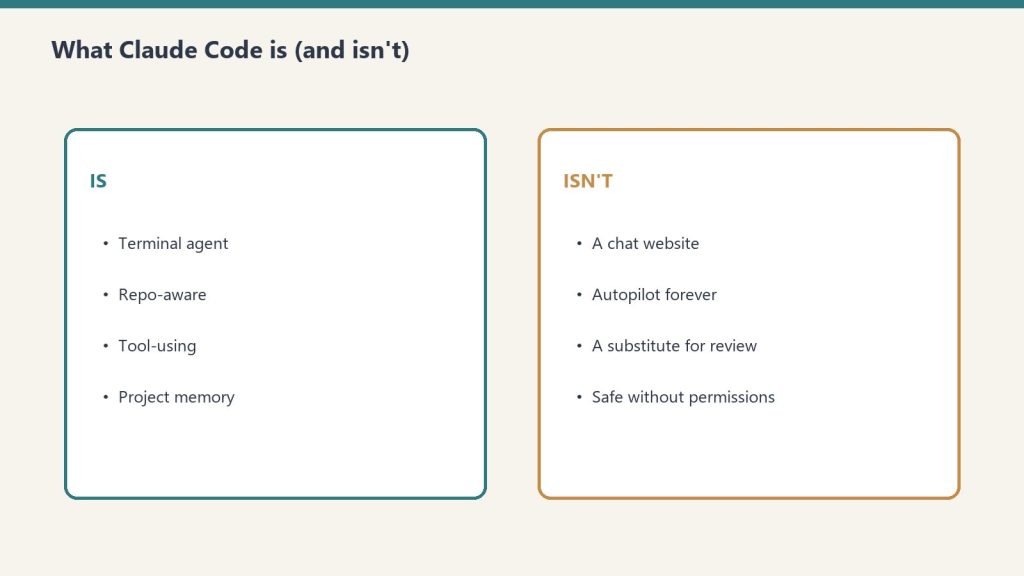
For consultants who also ship analysis with code or data pipelines—not only slide decks—how to use Claude Code covers the terminal workflow without confusing it with chat-only drafting.
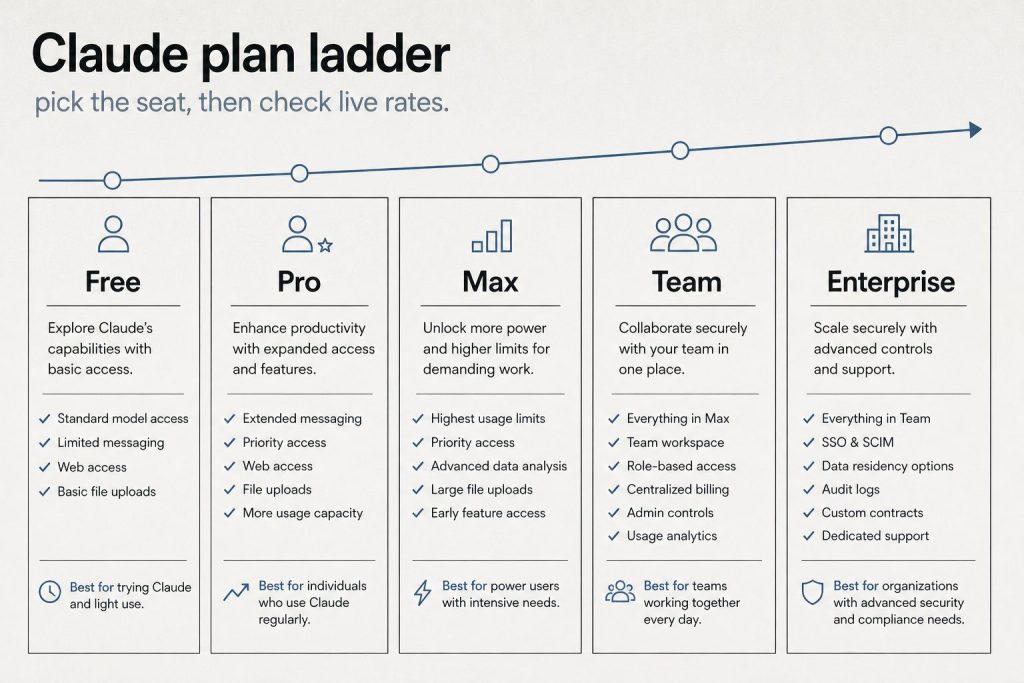
| Plan (US, Sept 2026) | Best for | Notes |
|---|---|---|
| Claude Pro — $20/mo ($200/yr annual) | Solo consultants | Individual Projects; check Anthropic pricing for your region. |
| Claude Team — from $25/seat/mo ($20 on annual billing) | Firms of 2–150 | Minimum two members; shared workspace, SSO, admin controls; no training on your content by default. |
| Claude Max / Enterprise | Heavy individual use or compliance-heavy firms | Higher usage tiers or custom governance; priced separately from Pro/Team. |
FAQ
Can Claude write consulting proposals?
Yes—with your methodology, pricing patterns, and two or three past proposals loaded in a Project, Claude can draft a full proposal from a short brief. Plan on 45–60 minutes to edit for relationship context and scope nuance, not a half-day blank-page rewrite.
Will Claude make my consulting deliverables sound generic?
Generic prompts sound generic. A Project that holds your structure, tone examples, and engagement-specific notes produces drafts that read like your firm. The one-time setup pays back on every deliverable after.
What Claude plan should consultants use?
Solo practitioners: Claude Pro at $20 per month ($200 per year if billed annually). Firms of two or more: Claude Team from $25 per seat per month ($20 on annual billing), with shared Projects, admin controls, and no model training on your content by default.
Is it safe to paste confidential client material into Claude?
Treat Claude like any other vendor: use Team or Enterprise, align retention with your MSA, and strip names you do not need in the prompt. When data is sensitive, prefer summarized excerpts over full document dumps.
How much time does Claude actually save on a typical engagement?
Results vary by discipline, but the repeatable win is structure: proposals, synthesis memos, and slide outlines that used to take hours often land in under an hour once your Project context is built. You still own quality control and client judgment.