Category: Restoration Intelligence

The definitive resource for restoration company operators — business operations, marketing, estimating, AI, and growth strategy.

  • Exclusive vs Shared Restoration Leads: Which Model Actually Pays

    Exclusive vs Shared Restoration Leads: Which Model Actually Pays

    Every restoration company eventually faces the same lead-buying decision: pay more for exclusive leads or pay less per lead and compete with two or three other companies for the same homeowner. The marketing on both sides is loud and the math is rarely shown. This article walks through the actual unit economics, the operational implications, and the conditions under which each model wins.

    This is part of our restoration lead generation guide, which covers the full channel mix.

    What the Two Models Actually Mean

    Exclusive restoration leads are sold to a single restoration company. The lead vendor delivers the contact information, ideally with intent verification, and no other restoration company in the area receives that lead. Pricing is higher per lead — often $150-$400 for water damage in major metros.

    Shared restoration leads are sold to multiple companies simultaneously, typically 3-5. The first to call usually wins. Pricing per lead is lower — often $40-$120 — but close rates are dramatically lower because of the race-to-call dynamic.

    The Math That Matters

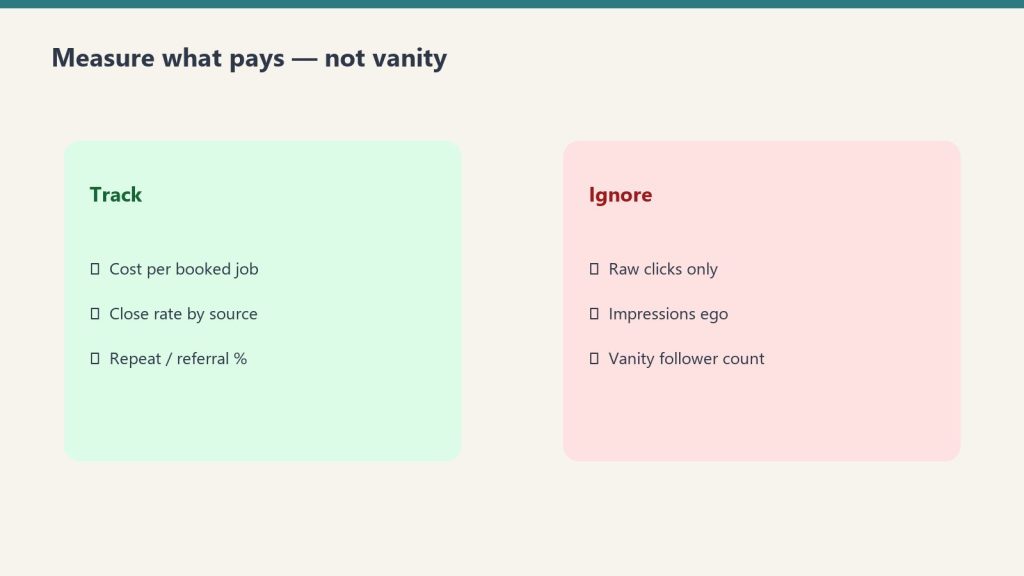
    The right comparison is not cost per lead — it is cost per closed job. A shared lead at $60 with a 10% close rate produces a closed job at $600 in lead acquisition cost. An exclusive lead at $250 with a 30% close rate produces a closed job at $833. In this example, the shared lead model actually wins on raw acquisition cost, but the calculation flips when sales overhead, time-to-call requirements, and lead quality drift are factored in.

    The true cost per closed job calculation must include: cost per lead, sales labor required to work the lead (much higher for shared leads because of the race), close rate, and average revenue per closed job.

    Close Rate Differences

    Industry observation suggests close rates on exclusive restoration leads typically run 25-40% for well-run operations. Shared leads close rates typically run 8-15% for the same operators. The variance is driven primarily by speed-to-call — the company that calls a shared lead within 60 seconds typically wins, while leads called after 5 minutes have already been claimed by a competitor.

    Operational Requirements for Each Model

    Exclusive leads work best for restoration companies with normal sales cadence and a focus on lead quality over volume. The slower pace allows thoughtful qualification and a normal sales conversation.

    Shared leads require an entirely different operation — dedicated dispatchers monitoring lead feeds, automated SMS responses, parallel call attempts, and the operational discipline to call within seconds. Companies that buy shared leads without this infrastructure typically waste their budget.

    Lead Quality Drift

    Both models suffer from lead quality drift over time as vendors expand sourcing to meet volume commitments. The mitigation is the same: weekly lead-by-lead review, vendor-by-vendor close rate tracking, and willingness to pause or kill underperforming sources quickly.

    Hybrid Approaches

    Most mature restoration operations use a mix — some exclusive leads for the steady baseline, shared leads to fill capacity gaps, with channel-by-channel performance tracked weekly. Pure single-source dependence (whether exclusive or shared) creates fragility.

    Which Model Fits Which Operator

    Companies under roughly $2M in revenue without dedicated dispatch capability usually get better results from exclusive leads or LSAs than from shared lead vendors. Companies above $5M with mature dispatch operations often run profitable shared lead programs alongside exclusive sources. Solo operators almost always lose money on shared leads.

    Frequently Asked Questions

    Are exclusive restoration leads worth the higher price?

    For most restoration companies without 24/7 dispatch infrastructure, exclusive leads produce a lower true cost per closed job despite the higher per-lead price. The dispatch infrastructure required to compete on shared leads is meaningful and not free.

    What is a reasonable close rate on shared restoration leads?

    Mature operations with fast dispatch typically close 8-15% of shared leads. Operations without dedicated dispatch usually close in low single digits. Anything above 20% on shared leads is exceptional and probably a function of low local competition rather than skill.

    How do I track which lead source is actually profitable?

    Tag every lead in the CRM with its source, track close rate and average revenue per closed job by source, and calculate cost per closed job rather than cost per lead. Review weekly and reallocate budget away from underperforming sources.

    What is the biggest mistake restoration companies make with lead vendors?

    Buying leads at scale without operational capacity to work them properly. A flood of cheap shared leads with a slow phone process produces low close rates and quickly burns marketing budget while damaging the company’s reputation through delayed responses.

    Should I buy leads at all if I have organic traffic?

    Lead buying complements rather than replaces organic and direct channels. Most healthy restoration operations have a portfolio that includes organic, paid search, LSAs, and one or two lead vendors — with each channel measured independently.


  • Plumber and Adjuster Referral Programs for Restoration Companies

    Plumber and Adjuster Referral Programs for Restoration Companies

    The most profitable lead source for almost every successful restoration company is also the cheapest: referrals from plumbers, adjusters, property managers, and real estate agents. A single deeply embedded referral relationship can produce more revenue than a full year of paid search, with no cost per lead and a close rate that approaches 100%. And yet most restoration companies invest almost nothing in this channel because it is harder, slower, and less measurable than buying leads.

    This article is part of our restoration lead generation master guide, which sits above this piece in the cluster architecture.

    Why Referrals Work

    Referral leads carry pre-built trust. The customer has already been told “use these guys, they are good” by someone they trust. Close rates are extraordinarily high. Price sensitivity is lower. The relationship is repeat — a plumber who refers one job will refer many more if the experience is good.

    The economics are also dramatically better than paid channels. A plumber referral relationship that produces 10 jobs per year at an average revenue of $8,000 is worth $80,000 in revenue with essentially zero variable acquisition cost.

    The Four Referral Sources That Matter Most

    1. Plumbers

    Plumbers see water losses before anyone else. They are often the first call on a burst pipe, slab leak, or sewer backup, and they are typically asked by the homeowner “who do I call for the cleanup?” Building deep relationships with the plumbing community in your service area is the single highest-leverage offline lead-gen activity in restoration.

    What works: regular in-person visits to plumbing shops, lunch deliveries to plumbing teams, ride-alongs with key plumbers to job sites, joint marketing materials, and clear referral processes that make it easy for the plumber to hand off the customer.

    2. Insurance Adjusters

    Independent adjusters and staff carrier adjusters often have informal vendor preferences they recommend to insureds. Building adjuster relationships is slower and more nuanced than plumber relationships because of regulatory sensitivities around steering, but the volume from a strong adjuster network is substantial.

    What works: continuing education events, IICRC class hosting, professional respect on every shared job, fast and clean documentation, and zero tolerance for any practice that could be perceived as kickbacks or steering.

    3. Property Managers

    Both residential and commercial property managers control vendor decisions for properties under management. A single multi-family property management company can produce dozens of jobs per year. These relationships are built through reliability, response time, transparent pricing, and clean documentation.

    4. Real Estate Agents

    Real estate agents encounter water damage and mold during inspections regularly. Agents who refer a trusted restoration company to clients facing pre-sale or pre-purchase remediation can produce a steady, low-volume but high-margin lead flow.

    The Mechanics of a Referral Program

    Most restoration companies “do referrals” by hoping plumbers will remember them. Mature operations build structured referral programs with named relationship owners, regular cadence of visits and check-ins, joint co-marketing assets, and clean tracking of referral source in the CRM.

    The cadence that works is roughly weekly touch with top-tier referral partners — coffee, donuts, lunch, ride-alongs, or job-site visits — and monthly or quarterly check-ins with second-tier partners.

    Compensation and Compliance

    Direct cash kickbacks for referrals are illegal in most jurisdictions for insurance-related work and ethically problematic everywhere. The legitimate ways to build referral relationships include reciprocal referrals (sending plumbing work back to plumbing partners), co-branded marketing, jointly hosted events, and reliable professionalism that makes the referrer look good to their customer.

    Tracking and Measurement

    Referral lead tracking should be table stakes in the CRM. Every job needs a referral source field. Top referrers should be reviewed monthly and recognized publicly through thank-you notes, holiday gifts, and small reciprocal gestures. Companies that track referrals carefully consistently grow them; companies that do not see them quietly atrophy.

    Frequently Asked Questions

    How do I get plumbers to refer water damage jobs?

    Show up consistently in person, build genuine professional relationships, make their lives easier (fast response when they call, clean handoffs, no over-promising), and reciprocate when possible by referring plumbing work back to them. Most plumber referral relationships are built over months, not in a single sales meeting.

    Is it legal to pay referral fees in restoration?

    The answer depends on jurisdiction and whether the referred work involves insurance claims. Cash referral fees on insurance-related work are illegal in most states. Marketing co-op arrangements, reciprocal referral structures, and gifts within reasonable thresholds are typically allowed. Always verify with local counsel.

    How long does it take to build a productive plumber referral network?

    Productive referral relationships with individual plumbers typically take 6-18 months of consistent presence to mature. Building a network of 10-20 active referring plumbers across a service area usually takes 2-3 years of sustained relationship work.

    What about online review platforms — do they replace traditional referrals?

    Reviews and offline referrals serve different functions. Reviews influence cold prospects who find you through search; referrals deliver warm prospects who already trust the recommender. Both matter, but the close rate and lifetime value of a referral lead is typically much higher than a review-driven lead.

    Should I have a dedicated business development person for referral relationships?

    Companies above roughly $3M in revenue typically benefit from a dedicated business development hire whose entire job is referral relationship building. Below that, the owner usually owns this work — and ironically, owner-driven referral building often outperforms agency or hired representation because the relationships are with the actual decision-maker.


  • Restoration Lead-Buying Platforms: An Operator’s Field Guide

    Restoration Lead-Buying Platforms: An Operator’s Field Guide

    Restoration lead-buying platforms are a permanent fixture in the industry’s marketing landscape. Companies like Networx, Modernize, HomeAdvisor, Angi Leads, 33 Mile Radius, and dozens of niche vendors collectively produce a meaningful share of total restoration lead volume. They also collectively burn an enormous amount of restoration company marketing budget on leads that never close. The difference between a profitable lead-buying program and a money-losing one is rarely the vendor — it is the operator’s discipline.

    This article is part of our broader restoration lead generation guide.

    The Major Platform Categories

    Restoration lead vendors fall into roughly four categories. Marketplace platforms (HomeAdvisor, Angi, Networx) aggregate consumer requests and distribute them across multiple service categories. Restoration-specific aggregators (33 Mile Radius, others) focus exclusively on restoration verticals. Insurance-channel lead sources (some TPA programs and carrier referral systems) deliver leads tied to active claims. Niche local lead sellers operate at smaller scale in specific metros.

    Each category has distinct lead quality, pricing, and operational requirements.

    How to Evaluate a New Lead Vendor

    The standard vendor pitch promises high-intent leads at competitive cost. The reality varies enormously. A disciplined evaluation process before committing real budget includes asking the vendor for sample leads (or a discounted trial period), specifying exclusive vs shared, asking how leads are sourced (paid search, organic, partnerships, purchased data), confirming dispute and credit policies, and understanding the realistic monthly volume in your specific service area.

    Vendors who refuse to answer sourcing questions or who promise unrealistic close rates are red flags.

    Structuring a Vendor Test

    The right way to test a new lead vendor is a 30-60 day pilot with a defined budget, defined success metrics (cost per closed job, not cost per lead), and a kill criterion if the metrics are not met. Most companies skip the kill criterion and end up paying for poor leads for months because no one ever made the decision to stop.

    The pilot should also include weekly lead-by-lead review during the test period to identify pattern-level issues — wrong service area, duplicate leads, unresponsive contacts, mismatched service requests.

    Lead Quality Patterns to Watch For

    Common lead quality issues across platforms include leads outside the service area, leads requesting services the company does not offer, dead-end contact information, duplicates of leads received from other sources, and leads requesting services unrelated to restoration (“paint repair,” “general handyman”). Aggressive disputing of bad leads is a meaningful cost lever — companies that dispute systematically often recover 10-25% of monthly spend.

    Speed-to-Call Requirements

    Most lead platforms have aggressive speed-to-call expectations. Many shared lead programs see close rates collapse if the first call goes out more than 90 seconds after lead delivery. Companies without 24/7 dispatch capability or automated SMS response systems typically should avoid shared lead vendors entirely.

    Common Traps

    The traps that catch most operators include long-term contracts with no performance guarantees, autopay setups that quietly burn budget without weekly review, “exclusive” leads that are actually shared once you read the fine print, and credit policies with deadlines so short that disputes regularly time out before review.

    Building a Portfolio Approach

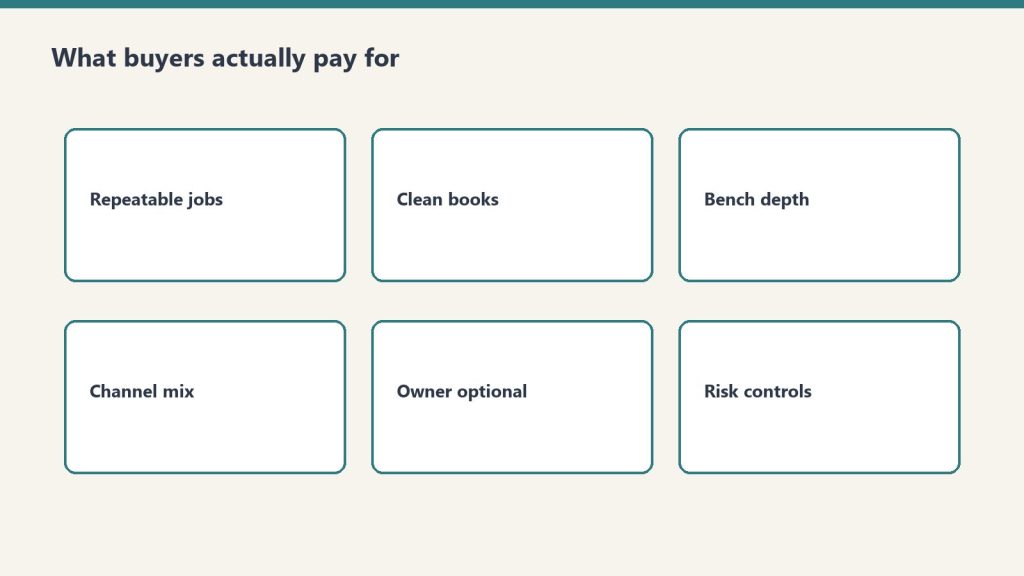
    Mature operators rarely depend on a single lead vendor. The pattern that produces stable volume and cost per acquisition is a portfolio of 2-4 vendors, weekly performance review across the portfolio, willingness to shift budget aggressively to top performers, and constant testing of new vendors at small scale.

    Frequently Asked Questions

    Which restoration lead platform produces the best leads?

    No single platform consistently dominates across markets. Lead quality varies by geography, service line, and how the operator handles speed-to-call and dispute processes. The right answer comes from running structured vendor tests in your specific market rather than from industry-wide rankings.

    What is a fair price to pay per restoration lead?

    Pricing varies by service line, geography, and exclusive vs shared. The right benchmark is not industry average — it is your own cost per closed job. A $300 exclusive water damage lead is fairly priced if your close rate makes the cost-per-job math work for your unit economics.

    How do I dispute bad restoration leads effectively?

    Document everything — call logs, text messages, voicemails, service area mismatches, duplicate notifications. File disputes within the platform’s required window. Use clear, factual language rather than complaints. Track dispute success rates by vendor and adjust spending accordingly.

    Are HomeAdvisor and Angi leads worth it for restoration?

    Results vary enormously by market. The platforms produce volume but lead quality complaints are common across the industry. The honest answer is to run a structured 30-day test with a kill criterion, then decide based on your own data rather than on what other operators report.

    Should I buy leads if my paid search is already producing volume?

    Lead vendors usually make sense as either a fill-the-calendar supplement when paid search is below capacity or as a way to test new geographies before investing in local SEO and paid search. Buying leads on top of an already-saturated paid search program rarely produces incremental closed jobs.


  • Restoration Lead Nurture and Follow-Up: Recovering the 70% You Are Losing

    Restoration Lead Nurture and Follow-Up: Recovering the 70% You Are Losing

    The single largest source of recoverable revenue inside most restoration companies is the leads they already paid for and never followed up with. Industry observation suggests most restoration companies close 15-30% of inbound leads on the first touch and never meaningfully attempt to recover the rest. That means 70-85% of paid lead spend is producing leads that are simply lost — not because the prospect went elsewhere, but because no one followed up after the first call.

    This article is part of our restoration lead generation guide and focuses specifically on the nurture and follow-up layer.

    Why Lead Nurture Matters in Restoration

    Restoration buying decisions are not always made in the moment of first contact. A homeowner with a slow leak may call three companies, get distracted by life, and make a decision two weeks later. A property manager researching vendors after a small loss may not pull the trigger until a larger loss happens months later. The companies that have stayed in front of these prospects through structured nurture win disproportionately.

    Even in true emergency scenarios, follow-up matters. A homeowner who chose a competitor for the initial mitigation may need reconstruction services, contents work, or a second opinion. The lead is not “lost” until the relationship is actively closed.

    The Three-Stage Nurture Framework

    Stage 1: Immediate Follow-Up (First 7 Days)

    Every lead that does not close on the first call needs a defined immediate follow-up sequence: a same-day callback if missed, a follow-up text within 24 hours, a check-in call at 48 hours, and a final call at 7 days. Most leads convert or definitively decline within this window, and structured follow-up here typically lifts close rates significantly.

    Stage 2: Medium-Term Nurture (Days 8-90)

    Leads that did not close in week one move to a medium-term nurture sequence: occasional check-in emails or texts, educational content (insurance process explainers, prevention tips), and seasonal touches. The goal is to remain present without becoming annoying. A monthly cadence usually works.

    Stage 3: Long-Term Re-Engagement (Beyond 90 Days)

    Past leads who did not become customers should enter a long-term low-frequency nurture program — quarterly newsletters, annual maintenance reminders, reviews of the prevention content the company publishes. Some of these contacts will become customers two years later when a new loss occurs, and the company that stayed top-of-mind wins the call.

    The Tools and Automation Layer

    Manual follow-up at scale is impossible. Restoration companies serious about lead nurture need a CRM with sequence automation (HubSpot, Pipedrive, ServiceTitan, or restoration-specific platforms), text messaging integration for two-way conversations, and email automation for longer-term nurture sequences.

    The hardest part is not the tooling — it is the operational discipline to actually configure sequences, monitor reply rates, and refine over time.

    What to Send and What Not to Send

    Effective nurture content for restoration prospects includes insurance process explainers, prevention tips, behind-the-scenes job site content, customer success stories, and seasonal reminders (frozen pipe season, hurricane season). Ineffective nurture content includes pure promotional offers, generic newsletters, and high-frequency touches that feel like spam.

    The pattern that works: ratio of roughly 3-5 educational or relationship touches to every 1 promotional touch.

    Measuring Nurture Performance

    The metrics to watch include reply rates on follow-up sequences, conversion rate of leads that did not close on first touch, and the lift in average customer lifetime value from prospects who entered long-term nurture before becoming customers. Most companies that measure these metrics are surprised by how much revenue is hiding in their existing lead database.

    Frequently Asked Questions

    How many follow-up attempts should I make on a restoration lead?

    The sweet spot for most restoration leads is 5-7 structured touches over the first 30 days, then a transition into longer-term nurture. Companies that stop at 1-2 attempts leave significant revenue on the table; companies that exceed 10 touches in a month typically annoy prospects.

    Should I text restoration leads or stick to phone calls?

    Text response rates dramatically exceed call response rates for younger demographics and for prospects who did not pick up the initial call. A mix of text and call attempts in follow-up sequences outperforms either channel alone for most restoration audiences.

    What is a reasonable lift from structured lead nurture?

    Restoration companies implementing structured follow-up sequences for the first time often see meaningful lifts in overall close rate from existing lead volume. The exact lift depends on baseline follow-up discipline and current close rates.

    Can AI be used for restoration lead nurture?

    AI-assisted texting and email tools can help with sequence drafting, response triage, and personalization at scale. Fully automated AI conversations with prospects are risky in restoration because the buying conversation often involves emotional and financial complexity that benefits from human judgment.

    How do I get prospects out of a nurture sequence when they convert?

    Every CRM sequence should have automatic exit triggers when a contact moves to “customer” status, books an appointment, or explicitly opts out. Continuing to send nurture content to active customers damages the relationship and wastes the company’s content production effort.


  • Residential Restoration Lead Generation: The Channel Mix That Works

    Residential Restoration Lead Generation: The Channel Mix That Works

    Residential restoration lead generation runs on a different operating system than commercial. The buying decision is fast, the buyer is emotional, the decision criteria are weighted heavily toward speed and trust, and the lead source mix is dominated by Google in nearly every metro. Companies that get residential right build predictable, high-volume pipelines; companies that try to use commercial tactics on residential prospects consistently underperform.

    This article is part of our restoration lead generation master guide, which sits above this piece in the cluster architecture.

    The Residential Restoration Buyer

    The typical residential restoration buyer is a homeowner facing an active loss — a burst pipe, a roof leak after a storm, smoke after a kitchen fire, mold discovered during a remodel. They are usually researching for the first time, anxious, and operating under time pressure. They will call 1-3 companies, often the first ones to appear, and pick the company that responds fastest with the most credibility.

    The lead-gen implication is that visibility at the moment of search and credibility on first contact matter more than almost anything else.

    The Six Channels That Drive Residential Restoration Leads

    1. Google Search (Organic + Paid)

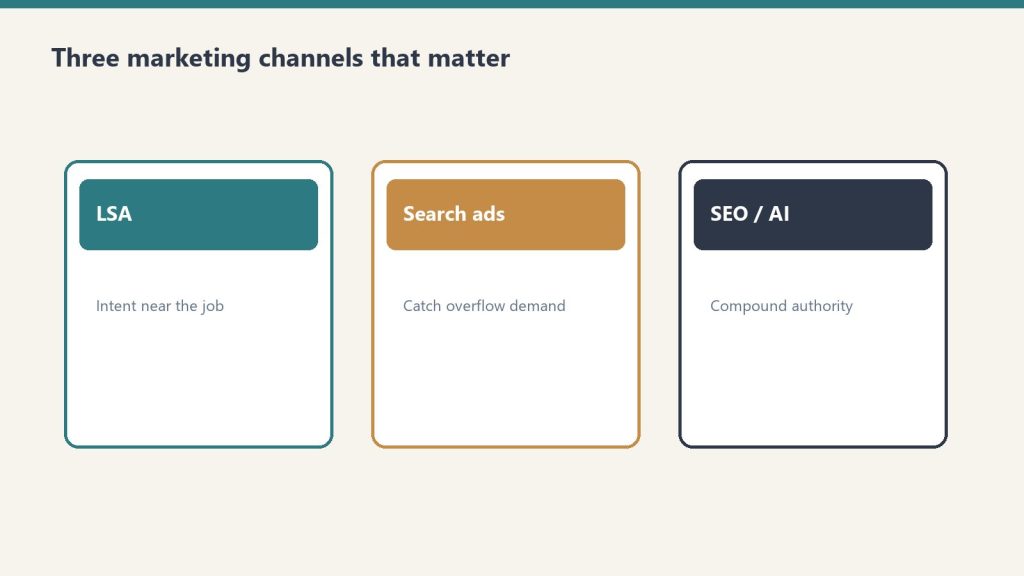
    Google Search dominates residential restoration lead generation in most metros. Organic rankings on “[service] [city]” queries, Google Ads on emergency intent terms, and a strong Google Business Profile collectively account for the majority of inbound residential lead volume for most well-marketed companies.

    2. Google Local Service Ads

    LSAs sit above traditional paid search and produce leads on a per-lead basis with the Google Guaranteed badge. For verified restoration companies, LSAs are typically the lowest cost per qualified lead channel in residential.

    3. Lead-Buying Platforms

    HomeAdvisor, Angi, Networx, and restoration-specific lead vendors fill capacity gaps but require operational discipline. They work best as a supplemental channel rather than a primary one.

    4. Plumber and Adjuster Referrals

    Offline referrals from plumbers, adjusters, real estate agents, and past customers produce the highest-margin and highest-converting residential leads in most operations. The investment cycle is long but the ROI is durable.

    5. Social Media (Paid)

    Paid Facebook and Instagram ads targeting homeowners by zip code with educational creative around water damage prevention and storm preparation produce both top-of-funnel awareness and direct lead form fills in most markets.

    6. Direct Mail and Local Print

    Often dismissed but still effective in some markets, particularly post-storm targeting in affected zip codes and ongoing presence in neighborhood publications and HOA newsletters.

    Channel Sequencing for a New Restoration Company

    For a residential restoration company starting from zero, the channel build order that consistently works: complete GBP optimization first (free, foundational), apply for and complete LSA verification next (lowest cost per lead once approved), launch tightly scoped Google Ads on emergency keywords, build out service and city pages for organic SEO, layer in paid social as budget allows, then test lead vendors with small pilots.

    Budget Allocation by Revenue Stage

    Companies under $500K in revenue should concentrate marketing budget heavily into LSAs and one tightly run Google Ads campaign. Diversification too early dilutes effort. Companies between $500K and $2M can add organic content investment and lead vendors. Companies above $2M can run the full channel mix simultaneously.

    Speed-to-Lead and Conversion Operations

    The lead generation channel mix only matters if the operations behind it convert leads. Residential restoration close rates are heavily influenced by speed of first contact, after-hours coverage, dispatch quality, and the in-home estimate experience. Companies that buy leads but cannot answer the phone within 60 seconds during business hours should fix operations before scaling lead spend.

    Frequently Asked Questions

    What is the highest-ROI lead source for residential restoration?

    For verified restoration companies, Google Local Service Ads typically produce the lowest cost per qualified lead. Plumber and adjuster referrals produce the highest-margin leads but take longer to build. Most healthy residential operations run both alongside organic search and paid search.

    How much should a residential restoration company spend on marketing?

    Most healthy residential restoration companies invest 6-12% of revenue on marketing, with newer companies often spending toward the higher end of that range while organic and referral channels are still maturing.

    Are direct mail and local print still effective for restoration?

    Direct mail and hyperlocal print can produce results in specific scenarios — post-storm zip code targeting, neighborhood publications in affluent areas, HOA newsletters in target communities. Broad-based direct mail without targeting precision usually underperforms digital channels.

    Should I focus on water damage, fire damage, or mold for residential lead generation?

    Most residential restoration revenue comes from water damage in nearly every market, with fire and mold producing supplemental volume. Lead generation budget should generally be weighted toward water damage in proportion to its share of total revenue, with smaller dedicated budgets for fire and mold to maintain pipeline.

    How do I know when to add a new lead-gen channel?

    Add a new channel when existing channels have hit their cost-per-lead efficiency ceiling — meaning increased spending on the channel produces diminishing returns. Adding channels too early dilutes attention; adding too late caps growth. Quarterly channel performance reviews usually surface the right timing.


  • Commercial Restoration Sales Process: From Cold to MSA

    Commercial Restoration Sales Process: From Cold to MSA

    Commercial restoration sales is one of the longest, most complex sales motions in the trades. The buying committee can include property managers, asset managers, risk managers, in-house counsel, and procurement. The sales cycle routinely runs 6-18 months from first conversation to first revenue. The deal structures involve MSAs, performance metrics, insurance requirements, and pricing concessions that residential salespeople have never encountered. Companies that try to “sell harder” usually fail; companies that build a disciplined commercial sales process consistently win.

    This article is part of our broader restoration sales playbook, which covers the full sales motion across both commercial and residential.

    The Six Stages of a Commercial Restoration Sales Cycle

    Stage 1: Account Identification and Prospecting

    Commercial restoration prospecting starts with identifying the right accounts — typically property management firms managing 50+ doors in the service area, large commercial buildings, hospital systems, school districts, hotel chains, and corporate campuses. Tools like LoopNet, CoStar, and local commercial real estate databases combined with LinkedIn Sales Navigator surface the buying contacts inside each account.

    The activity goal at this stage is consistent outreach volume — typically 20-40 personalized touches per week per BD rep across email, LinkedIn, and phone.

    Stage 2: Discovery and Qualification

    The first real conversation with a commercial prospect should be discovery, not pitching. Questions to surface in discovery: current vendor relationships, recent loss history, decision-making process, MSA timelines, performance metrics they care about, and pain points with current vendors. Most commercial prospects are not actively looking for a new vendor — qualification is identifying the ones whose current arrangement has friction.

    Stage 3: Capability Presentation

    The capability presentation in commercial restoration sales is not a generic pitch deck. It is a tailored response to the specific pain points surfaced in discovery — response time guarantees, equipment inventory in their geography, certifications relevant to their property type, sample reporting and documentation, and case studies from similar properties.

    Stage 4: Pilot or Trial Engagement

    Commercial prospects rarely move directly from capability presentation to MSA. The intermediate step that moves deals forward is a pilot engagement — a small initial job that demonstrates the company’s actual performance under field conditions. Companies that nail the pilot consistently move to MSA negotiation; companies that disappoint on the pilot lose the account permanently.

    Stage 5: MSA Negotiation

    MSA negotiation involves pricing schedules, response time commitments, performance metrics, insurance requirements, indemnification, dispute resolution, term and termination, and exclusivity provisions. Most restoration companies need legal counsel for MSA review. The negotiation cycle commonly runs 60-180 days.

    Stage 6: Account Expansion

    The largest revenue from commercial accounts often comes after the initial MSA — through portfolio expansion (more properties), service expansion (mitigation plus reconstruction plus contents plus mold), and referrals to sister property management companies in the same network. The post-MSA account management motion is where commercial restoration revenue actually compounds.

    Sales Cycle Math

    A commercial restoration BD rep needs to manage the front-end activity volume that produces enough qualified pipeline 6-18 months out to support a steady stream of MSA closes. Most rep performance issues in commercial restoration are caused by insufficient prospecting volume in months 1-6, which produces a pipeline gap in months 7-18 that no amount of late-cycle effort can recover.

    Compensation Structure

    Commercial restoration BD compensation typically combines a base salary that supports the long sales cycle with commission on closed MSAs and a smaller residual on account revenue over time. Pure-commission structures usually fail because the cycle is too long for reps to survive financially during the ramp.

    Frequently Asked Questions

    How long is the typical commercial restoration sales cycle?

    From first contact to first revenue, commercial restoration sales cycles typically run 6-18 months. From first contact to a fully executed MSA, the cycle can be 12-24 months. Pipeline planning needs to account for this extended timeline.

    Can a residential restoration salesperson succeed in commercial?

    The skill profiles are different enough that direct transitions usually fail. Commercial sales requires patience, account-based discipline, comfort with long cycles, and ability to navigate buying committees. Most successful commercial reps come from B2B service sales backgrounds rather than residential restoration sales backgrounds.

    What is the most common commercial restoration sales mistake?

    Pitching too early in the conversation. Commercial buyers tune out generic capability pitches; they engage with reps who clearly understand their specific property type, current vendor pain points, and operational reality. Discovery first, presentation second.

    How do I get my first commercial MSA?

    The fastest path is usually delivering exceptional performance on a pilot engagement with a smaller commercial account, then leveraging that success into introductions and case studies for larger targets. Cold-pitching a major property management firm without any commercial track record rarely works.

    What pricing concessions are typical in commercial MSAs?

    Commercial MSA pricing is typically 5-20% below standard residential pricing in exchange for volume guarantees and vendor preference. The exact concession depends on portfolio size, exclusivity terms, and the operator’s negotiating position. Companies entering commercial often over-discount in early MSAs to win business.


  • Residential Restoration Sales Scripts That Actually Close Jobs

    Residential Restoration Sales Scripts That Actually Close Jobs

    Residential restoration sales is won or lost in the first 60 seconds of the inbound call and the first 15 minutes of the in-home estimate. Companies that script these moments tightly close at meaningfully higher rates than companies that wing it. This article walks through the call flow, in-home conversation, and closing language that consistently performs in residential restoration sales operations.

    This is part of our restoration sales playbook, which covers the full sales motion.

    The Inbound Phone Call

    The inbound call is the highest-leverage 3-5 minutes in residential restoration. The script needs to accomplish four things quickly: establish empathy and credibility, qualify the situation, create urgency and book the appointment, and prevent the prospect from continuing to call competitors.

    The opening should never be “Hi, can I help you?” — it should be a confident, warm greeting that immediately signals competence: “[Company], this is [Name], how can I help you with your water damage today?”

    The qualification questions are simple but specific: What is the source of the water? When did it start? How much area is affected? Is the water still active? Is anyone home? What city are you in? These questions both qualify the lead and demonstrate competence to the homeowner.

    The booking close: “We can have a project manager on-site in [time]. Can I confirm the address?” — and then the critical ask: “Just so I can let our PM know, are you also calling other companies, or did you decide to go with us?” This last question, asked warmly and without pressure, reduces shopping behavior dramatically.

    The In-Home Arrival

    The first 60 seconds on-site set the tone for the entire conversation. The sequence that works: introduce yourself, ask permission to enter, ask the homeowner to walk you through what happened in their own words (don’t immediately start inspecting), then transition into a guided inspection together. Skipping the homeowner’s narrative is a common mistake — they need to feel heard before they will trust the recommendation.

    The Inspection Walk-Through

    Educational narration during the inspection separates restoration sales pros from amateurs. Rather than silently using a moisture meter, the rep should narrate what the readings mean, what category of water it appears to be, what equipment will be needed, and what the timeline looks like. This builds confidence and pre-frames the price.

    Presenting the Scope and Price

    The scope presentation should happen at the kitchen table, not standing up. The rep should walk through the scope line by line, explain why each item is necessary, address insurance process clearly, and then present the total — without flinching and without immediately offering a discount. The number is the number.

    Common price language that works: “Based on what we found, the scope to dry your home down properly comes to [amount]. Most of this will be covered by your insurance policy, and we’ll work directly with your adjuster on the supplements. The out-of-pocket exposure for you depends on your deductible. Does that match what you were expecting?”

    Handling the “Let Me Think About It”

    The most common objection in residential restoration is the soft delay: “Let me think about it” or “I need to talk to my spouse.” The script that works addresses the underlying concern without applying pressure: “Of course. The one thing I’d mention is that the longer we wait to start drying, the more secondary damage typically occurs. We can have equipment in place today and you can still cancel within 24 hours if you change your mind. What works better for you?”

    The Authorization Close

    The work authorization signature is the actual close. The handoff language: “Let me get this paperwork started — it just authorizes us to begin the mitigation and lets us bill your insurance directly.” Smooth, confident, and assumes the close. Hesitant closing language (“So… do you want to do this?”) signals uncertainty and triggers second-guessing.

    Frequently Asked Questions

    Should restoration salespeople use a written script verbatim?

    The framework should be scripted; the delivery should be conversational. Reading a script word-for-word feels robotic and erodes trust. Memorizing the structure and language patterns and delivering them naturally is the goal.

    How do I train new restoration salespeople on these scripts?

    Role-play is the fastest training method. Pair new reps with senior staff for ride-alongs, then run weekly role-play sessions where new reps practice handling the toughest objections. Recording actual customer calls (with consent) and reviewing them as a team also accelerates learning.

    What is a reasonable close rate on residential restoration estimates?

    Well-trained residential restoration salespeople running emergency mitigation typically close 60-80% of first-on-scene appointments. Reconstruction-only estimates close at much lower rates, often 25-40%, because of the longer decision cycle.

    Should I quote prices over the phone?

    Generally no for restoration. Phone pricing without seeing the damage triggers price shopping and locks the rep into a number that may not match the actual scope. The phone goal is to book the on-site appointment, not to quote.

    How do I handle a homeowner who is getting multiple bids?

    Address the underlying concern (they want to make sure they’re not being overcharged) by walking through your scope line-by-line, explaining what each item does, and offering to review competitor scopes side-by-side. Confidence in your scope and price usually wins more often than discounting.


  • Starting and Scaling a Restoration Company: The Founder’s Guide

    Starting and Scaling a Restoration Company: The Founder’s Guide

    Starting a restoration company is easier than most people think. Scaling one past $2M in revenue is harder than almost anyone admits. The same instincts that get a founder from zero to one truck — hustle, personal customer service, doing whatever it takes — actively block growth past the first ceiling.

    This is the complete founder’s guide for 2026: what it actually costs to start, what licenses and certifications you need, the staffing path, the revenue milestones where the operating model has to change, and the operational shifts that separate restoration companies that scale from the ones that stay stuck at the same revenue line for a decade.

    The honest startup math

    Realistic capital required to launch a one-truck residential restoration company in 2026: $50,000-$120,000. The breakdown: equipment package (dehumidifiers, air movers, HEPA filters, moisture meters, basic tools) $20,000-$40,000; truck (used cargo van or box truck, lettered) $25,000-$45,000; insurance (general liability, auto, workers’ comp, pollution liability) $8,000-$15,000 first-year; licensing and certifications (state contractor license, IICRC WRT for the founder, business setup) $2,000-$5,000; software (Xactimate subscription, basic CRM, accounting) $3,000-$6,000 first-year; working capital reserve to bridge first 90 days of receivables $15,000-$30,000.

    Companies that try to start under $40K usually run into cash crisis within six months when insurance receivables stretch beyond 60 days and equipment fails. Companies that overcapitalize at $200K+ often do it by buying gear they don’t need yet.

    Legal structure and licensing

    Most restoration companies form as LLCs (limited liability companies) for the liability protection and tax flexibility. S-corp election is common as revenue grows past the $250K mark for tax efficiency. A handful of larger operators are structured as full C-corps, particularly those planning institutional capital or eventual sale.

    Licensing requirements vary dramatically by state. State contractor licenses are required in most states for general restoration work, often at multiple levels (residential, commercial, mold, etc.). Mold remediation licenses are required in Florida, Texas, New York, Louisiana, and several other states. Asbestos and lead certifications are federal (EPA RRP) and required for renovation in pre-1978 housing. Biohazard or trauma cleanup licensing is regulated state-by-state. The first task for any new operator is a clean inventory of what licenses are required in your state and county.

    The certifications you need before you take the first job

    Minimum credentials before opening for residential mitigation: IICRC WRT for the founder (and any other technician), state contractor license, EPA RRP certification if any reconstruction work involves pre-1978 properties, OSHA 10 for all personnel. Add AMRT before any mold work, FSRT before any fire work. Add general liability insurance with at least $1M per-occurrence and $2M aggregate; pollution liability with at least $1M; workers’ comp for every employee; commercial auto with full coverage on the truck.

    The five revenue milestones (and what changes at each)

    Restoration companies hit predictable plateaus. The five milestones and the operational shifts they require:

    $0-$500K (the founder phase). The founder does everything: sales, estimating, production, billing, collections. The operating model is “the founder’s calendar.” Limit: the founder’s hours.

    $500K-$1.5M (the first hire phase). The founder hires a lead technician and a part-time office or bookkeeper. The operating model becomes “founder + small team.” Limit: the founder is still the only salesperson and project manager. Burnout is the most common reason companies stall here.

    $1.5M-$3M (the systems phase). The first dedicated salesperson and a project manager are hired. The founder transitions from doing the work to designing the work. CRM and job management software become essential. Cash management discipline becomes critical because receivables grow faster than cash. Most companies that fail to scale fail here because the founder won’t let go of the work.

    $3M-$8M (the multi-truck operation). Multiple production crews, dedicated estimating, formal sales team, in-house training program, controller-level financial oversight. The founder’s job is now strategic — sales leadership, key accounts, growth planning, hiring. Operating model is “leadership team runs the business.”

    $8M+ (multi-location or large single-location). Either geographic expansion to additional locations or vertical depth in commercial and large loss work. CFO, dedicated marketing leader, regional managers. Founder transitions to CEO role or owner-investor role.

    The hiring sequence that works

    The proven hiring sequence for a growing restoration company: first hire, lead technician (so the founder can stop being the only field person); second hire, office administrator or bookkeeper (to handle the receivables and paperwork chaos); third hire, second technician (capacity to run two crews); fourth hire, project manager or estimator (separate the field execution from the field estimating); fifth hire, salesperson (the founder stops being the only salesperson); sixth hire, second salesperson or production manager (depending on growth direction); seventh+, controller, marketing manager, additional crews, dedicated commercial account manager.

    The financial discipline most founders skip

    The financial systems that have to be in place before $1.5M revenue: monthly P&L review (not just bank balance), aged receivables report (you cannot manage what you don’t measure — and restoration receivables stretch), job costing per project (revenue minus actual costs by job), cash flow forecast looking 90 days out, annual budget with monthly tracking. Companies that scale without these systems usually crash on cash management even when they’re profitable on paper.

    The exit options worth knowing

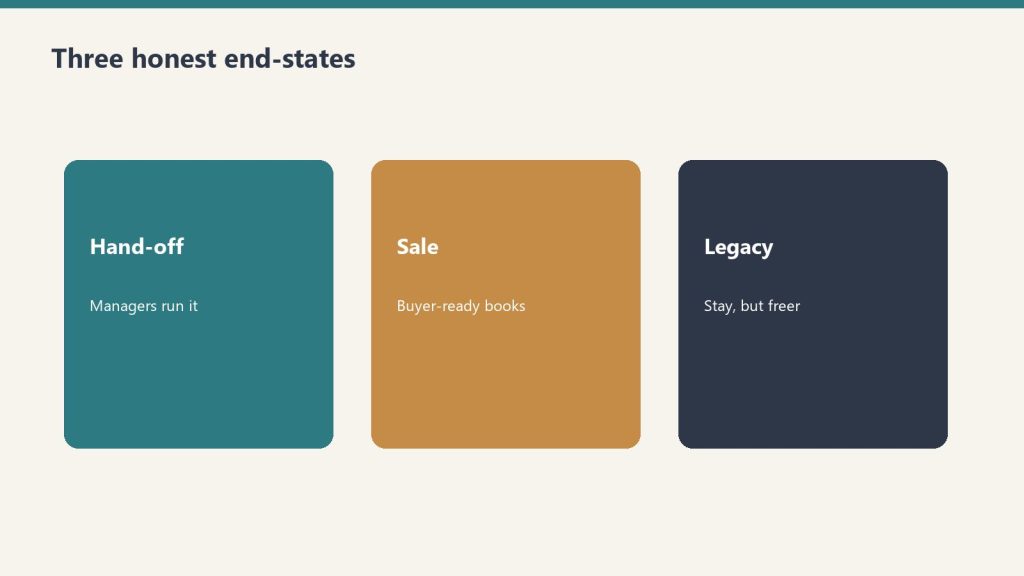
    Restoration companies have several viable exit paths. Strategic acquisition by a larger restoration company or franchise group (BluSky, ServiceMaster, ATI, BELFOR, and various PE-backed roll-ups have been active acquirers). Private equity for larger operators (typically $10M+ revenue with strong commercial mix). Internal sale to existing management (with seller financing common). Family transition to children or family members. Typical valuation multiples have been 3-6x adjusted EBITDA depending on size, growth, customer concentration, and commercial mix percentage.

    Frequently Asked Questions

    How much does it cost to start a restoration business?

    A realistic startup cost for a one-truck residential restoration company in 2026 ranges from $50,000 to $120,000. The major components are equipment ($20K-$40K), a truck ($25K-$45K), insurance ($8K-$15K first year), licensing and certifications ($2K-$5K), software ($3K-$6K), and working capital to bridge initial receivables ($15K-$30K).

    How do you start a restoration business?

    The compressed startup checklist: form an LLC, obtain state contractor license, secure general liability and pollution liability insurance plus workers’ comp and commercial auto, complete IICRC WRT certification at minimum, purchase initial equipment package and a service vehicle, set up Xactimate subscription and basic accounting software, build initial referral relationships with local plumbers and insurance agents, establish a Google Business Profile and basic website, and begin marketing through Local Service Ads and direct outreach.

    How profitable is a restoration business?

    Healthy restoration companies run 8-15% net profit margin on revenue. Gross margins by service line range from 25-40% on reconstruction up to 50-65% on mold remediation. A well-run $2M restoration company should produce $160K-$300K in net profit. The most profitable operators tend to have strong commercial mix, disciplined supplement workflows, and tight job costing.

    What is the average revenue of a restoration company?

    Restoration company revenue ranges enormously. Single-truck residential operators typically run $400K-$1.2M. Established multi-truck residential companies $1.5M-$5M. Companies with significant commercial work or multiple service lines $5M-$25M. Multi-location operators and franchises $25M-$300M+. The industry median is around $1.5M-$2M.

    How long does it take to scale a restoration company?

    The typical path from startup to $5M revenue runs 5-10 years for organic growth. Faster growth is possible through acquisition, geographic expansion, or aggressive commercial business development. The most common stalling point is the $1.5M-$2M range, where the founder has to transition from doing the work to leading the team. Companies that successfully make that transition often double again in the following 3-5 years.

    Can you franchise a restoration business?

    Yes, the major restoration franchise groups (ServPro, ServiceMaster, BELFOR, Rainbow International, PuroClean, and others) all sell franchise territories. Franchise costs vary widely: initial franchise fees typically $40K-$75K, equipment and startup costs $100K-$300K, and ongoing royalties of 6-10% of revenue plus marketing fees. The franchise vs. independent decision depends on access to commercial work, brand recognition value in your market, and tolerance for ongoing royalty cost.


  • Building a Restoration Sales Team: Hiring, Training, and Retention

    Building a Restoration Sales Team: Hiring, Training, and Retention

    The transition from owner-led selling to a professional sales team is the hardest organizational shift in a growing restoration company. The owner’s selling style is usually charisma-driven and unsystematized; replacing it with reps who sell consistently requires building a hiring profile, training program, compensation plan, and management cadence that the company has never had. Most restoration companies stall at this transition; the ones that get through it are the ones that scale to $10M+.

    This article is part of our restoration sales playbook.

    The Hiring Profile

    The two profiles that consistently work in residential restoration sales are former in-home services salespeople (HVAC, roofing, solar, pest) and former restoration project managers with strong customer-facing skills. Pure traditional B2B salespeople usually struggle with the in-home dynamic. Restoration technicians sometimes succeed in sales but more often fail because the skill profile is different.

    For commercial restoration BD, the profile shifts toward B2B service sales backgrounds — commercial real estate, facility services, commercial insurance, or B2B SaaS reps with patience for long cycles.

    Sourcing Sales Talent

    The best sourcing channels for restoration sales talent are LinkedIn outreach to in-home services reps in adjacent industries, employee referrals (current sales reps know other sales reps), and industry events. Indeed and ZipRecruiter produce volume but quality is mixed. Recruiting agencies focused on home services sales can accelerate the process for an investment.

    The Training Program

    The minimum viable training program for a new restoration salesperson includes: 1-2 weeks of ride-along with senior reps observing real calls, role-play sessions covering the inbound script and in-home flow, technical product training on water/fire/mold processes (enough to be credible, not enough to be a technician), CRM and operations training, and a defined ramp period of 60-90 days before full quota.

    Companies that throw new reps into the field without structured training see attrition rates above 50% in year one. Companies with structured 60-90 day onboarding typically see attrition under 20%.

    Compensation Structures That Work

    Residential restoration salesperson compensation typically combines a modest base salary ($40K-$60K depending on metro and experience) with commission on closed revenue (often 5-12% on mitigation, lower on reconstruction). Some operations use sliding commission scales that reward higher gross margin work and disincentivize discounting.

    Commercial BD compensation usually pairs a higher base salary ($65K-$100K) with smaller commission on closed MSAs and a residual on account revenue. The longer cycle requires the higher base.

    Structures that consistently fail: pure 100% commission (drives short-term behavior and high attrition), salary-only (no upside, attracts the wrong profile), and commission tied only to revenue without any margin or quality metric (produces discounting and bad customer outcomes).

    Sales Management Cadence

    The management cadence that works includes: daily team huddle reviewing yesterday’s appointments and today’s pipeline, weekly one-on-one with each rep covering pipeline, deal coaching, and personal development, weekly team meeting reviewing key metrics (close rate, average ticket, lead source performance), and monthly business review including compensation reconciliation and quota adjustments.

    Retention Practices

    Restoration sales rep retention is driven primarily by income predictability, leadership quality, and operational support (good leads, fast estimating tools, clean handoffs to production). Companies that retain reps long-term invest heavily in lead quality, operational efficiency, and middle-management capability — not just in higher commission rates.

    Frequently Asked Questions

    When should a restoration company hire its first salesperson?

    Most restoration owners should add their first dedicated salesperson when their own selling capacity is becoming the growth constraint — typically when the company hits roughly $1.5M-$3M in revenue and the owner can no longer personally handle every estimate. Hiring earlier often means the owner has to manage someone they cannot afford; hiring later caps growth.

    How long does it take a new restoration salesperson to ramp?

    A well-onboarded residential rep usually reaches full productivity in 90-120 days. Commercial BD reps typically need 6-12 months to build the pipeline that produces consistent revenue. Companies that expect faster ramps usually see high attrition.

    Should we pay restoration salespeople on revenue or gross profit?

    Gross profit-based commission produces better behavioral outcomes (less discounting, better job selection) but requires accurate job costing that many restoration companies do not have. Revenue-based commission is simpler but creates incentive misalignment. Hybrid structures that adjust commission rate based on gross margin tier often work best.

    How do I prevent salespeople from over-promising on jobs?

    Strong handoff processes between sales and production, sales accountability for change orders and customer complaints, and compensation structures that include customer satisfaction or production margin metrics all reduce over-promising. Cultural emphasis from leadership on long-term reputation over short-term commission also matters.

    Do restoration sales contests actually work?

    Short-term contests can create useful spikes in activity (more appointments, faster follow-up) but should not replace consistent compensation structures. Contests that reward quality metrics (close rate, customer review scores) usually outperform contests that reward pure revenue.


  • Restoration Insurance Programs: TPAs, Carriers, and Vendor Networks

    Restoration Insurance Programs: TPAs, Carriers, and Vendor Networks

    The insurance ecosystem in restoration is its own universe with its own language: TPAs, carriers, preferred vendor programs, MSAs, scorecards, audits, performance guarantees, network certifications. Most restoration owners have a vague sense of what these programs are and a stronger opinion about whether to join them, often without knowing the actual economics.

    This is the complete operator’s guide to restoration insurance programs in 2026: what TPAs actually do, how carrier preferred vendor programs work, what MSAs require, the real margin economics, and the framework for deciding which programs deserve your application.

    The four players in the insurance restoration ecosystem

    Every insurance restoration job involves up to four parties. Understanding which is which is the first step to navigating the system.

    The carrier is the insurance company that issued the policy and pays the claim — State Farm, Allstate, USAA, Liberty Mutual, Travelers, Nationwide, Farmers, Progressive, Chubb, and dozens of regionals. Carriers either have in-house claims handling or contract claims management out to TPAs.

    The TPA (third-party administrator) is a company that manages claims on behalf of carriers — Sedgwick, Crawford & Company, Contractor Connection, Code Blue Restoration Services, CCMSI, ESIS, and others. TPAs handle adjuster assignments, vendor management, scope review, payment processing, and customer communication on behalf of the carrier.

    The vendor network is a managed roster of restoration contractors that the carrier or TPA assigns work to. Some networks are operated by TPAs (Contractor Connection is the largest); some are operated directly by carriers (Allstate Premier Service, USAA STARS).

    The independent adjuster is a contracted adjuster (not a carrier employee) hired to assess specific claims, often for catastrophe events or to supplement carrier capacity. Independents work for IA firms like Eberl, Pilot Catastrophe, and Crawford.

    What a TPA program actually requires

    Joining a major TPA vendor network typically requires: a multi-year track record in restoration (most require 3+ years), specific IICRC certifications (firm-level plus individual technicians for relevant service lines), insurance coverage at higher limits than standard (often $2M+ general liability, $1M+ pollution liability, $1M+ professional liability), background checks and drug testing for technicians, vehicle and uniform standards, technology compatibility (use of TPA-approved estimating and reporting platforms), 24/7 dispatch capability with documented response time SLAs, monthly reporting and KPI tracking, and a signed master service agreement that defines pricing, scope, performance standards, and termination conditions.

    The application process typically takes 60-180 days, includes facility audits, reference checks, and may require a probationary period of supervised job assignments before full network status.

    The pricing economics of TPA work

    The honest economics: TPA work pays less than direct retail work. Most TPA agreements include some form of pricing concession — typically 10-20% off published Xactimate pricing, restrictions on overhead and profit, capped supplements, or fee schedules that cap certain line items. The trade-off is volume and predictability: a vendor in good standing on a major TPA network may receive 30-100+ assignments per month depending on territory.

    The math that matters: net margin per TPA job, after pricing concessions, after the operational overhead of TPA-required reporting and SLAs, and after slower payment terms (45-90 days is common). Companies that profitably run TPA programs typically have lean overhead, disciplined estimating, and the operational scale to absorb the lower per-job margin with higher volume. Companies with high overhead burden often lose money on TPA jobs they think are profitable.

    Major TPAs and vendor programs to know

    Contractor Connection (subsidiary of Crawford & Company) is the largest restoration vendor network, managing claims for many major carriers including Allstate, Liberty Mutual, and others. Network membership is tightly managed with strict performance standards and capacity targets.

    Code Blue Restoration Services is a major restoration-specific TPA serving multiple carriers, with significant residential mitigation volume.

    Sedgwick is one of the largest TPAs overall, serving commercial and residential property claims for many major carriers. Sedgwick’s vendor network is more decentralized than Contractor Connection’s.

    Crawford & Company operates both adjusting services and Contractor Connection, with significant CAT (catastrophe) capacity.

    Allstate’s Premier Service Program is a direct-from-carrier preferred vendor program for water mitigation and reconstruction.

    USAA STARS is USAA’s preferred vendor program serving its policyholder base.

    State Farm Premier Service is State Farm’s similar program (formerly Service First).

    Numerous regional and specialized TPAs exist — Sedgwick CCMSI, Cunningham Lindsey (now Sedgwick), various large loss specialty firms, and carrier-specific direct programs.

    Master Service Agreements (MSAs)

    An MSA is the contract that governs the relationship between the contractor and the TPA or carrier. Key MSA terms to scrutinize: pricing schedule (Xactimate concession amount, capped line items, fee schedules); territory definition (geographic scope, exclusivity provisions, right of first refusal); performance metrics (response time SLAs, completion timelines, scorecard targets); payment terms (net days, retention, hold-back provisions); insurance and indemnification requirements; termination provisions (notice periods, performance-based termination, transition obligations); customer ownership (whether you can market to customers post-job, whether the carrier owns the customer relationship); audit rights (TPA rights to review your job files, scope, photos, and pricing).

    MSAs are negotiable in some areas (especially territory and performance metrics) and rarely negotiable in others (pricing concessions, audit rights). Operators should have an attorney with restoration industry experience review any MSA before signing.

    The decision framework: which programs to join

    Whether to join a TPA program depends on four factors. Operational capacity: do you have the SLA capability, technology stack, and management bandwidth to meet program requirements? Market lead flow: is your direct lead generation strong enough that you can be selective, or do you need TPA volume to fill the calendar? Cost structure: is your overhead lean enough to make money at the program’s pricing concessions? Strategic mix: what percentage of revenue comes from TPA programs vs. direct? Most healthy operators target 30-50% TPA revenue mix — enough volume to leverage operations, not so much that the company is captive to a single TPA’s decisions.

    How to win at TPA performance scorecards

    Once on a TPA network, performance metrics determine assignment volume. The metrics that matter on most scorecards: response time (minutes from assignment to first contact, hours to first on-site), customer satisfaction scores (post-job surveys), cycle time (days from assignment to job completion), scope variance (how often supplements are needed and whether they’re approved), complaint rate (formal customer complaints per 100 jobs), quality scores (file documentation, photo quality, scope accuracy on TPA audits). Top-quartile performers on these metrics receive disproportionate assignment volume; bottom-quartile performers get reduced assignments and eventual termination.

    Frequently Asked Questions

    What is a TPA in restoration?

    A TPA (third-party administrator) is a company that manages claims on behalf of insurance carriers. In restoration, TPAs handle adjuster assignment, vendor selection, scope review, payment processing, and customer communication. Major restoration TPAs include Sedgwick, Crawford & Company, Contractor Connection, Code Blue, and CCMSI.

    How do you get on a carrier preferred vendor program?

    The application process typically requires: 3+ years in business, specific IICRC firm and individual certifications, higher insurance limits than standard, background-checked technicians, 24/7 dispatch capability, monthly KPI reporting, and signing a master service agreement that defines pricing concessions and performance standards. Applications take 60-180 days and often include facility audits and reference checks.

    Are TPA programs profitable for restoration companies?

    It depends on cost structure. TPA work typically pays 10-20% less than direct retail work due to pricing concessions, capped overhead and profit, and other restrictions. Companies with lean overhead and high operational discipline can run profitable TPA programs at high volume. Companies with high overhead burden often lose money on TPA jobs while believing they’re profitable.

    What is an MSA in restoration?

    An MSA (Master Service Agreement) is the contract between a restoration contractor and a TPA, carrier, or commercial customer that governs the relationship — pricing schedules, territory, performance metrics, payment terms, insurance requirements, audit rights, and termination provisions. MSAs should be reviewed by an attorney with restoration industry experience before signing.

    What percentage of revenue should come from TPA work?

    Most healthy restoration operators target 30-50% of revenue from TPA and preferred vendor programs. Below that range, the company isn’t leveraging program volume; above that range, the company is operationally captive to a few TPAs and vulnerable to program changes, pricing reductions, or termination.

    How do restoration vendor scorecards work?

    TPA performance scorecards typically measure response time (minutes to first contact, hours to on-site), customer satisfaction scores, cycle time (days from assignment to completion), scope variance and supplement approval rates, complaint rates, and quality scores from TPA file audits. Top-quartile performers receive disproportionate assignment volume; bottom-quartile performers face reduced assignments and eventual network termination.