Category: Exploring Everett

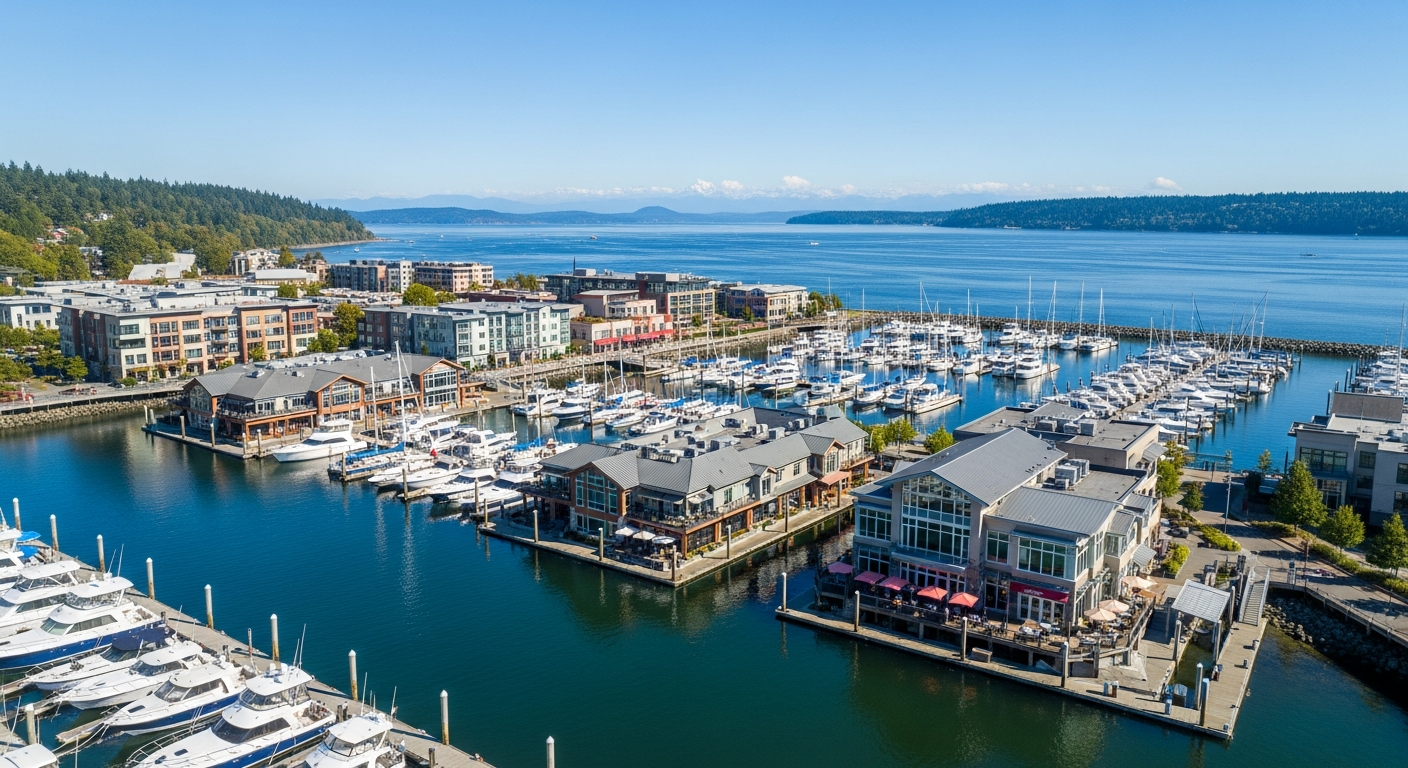
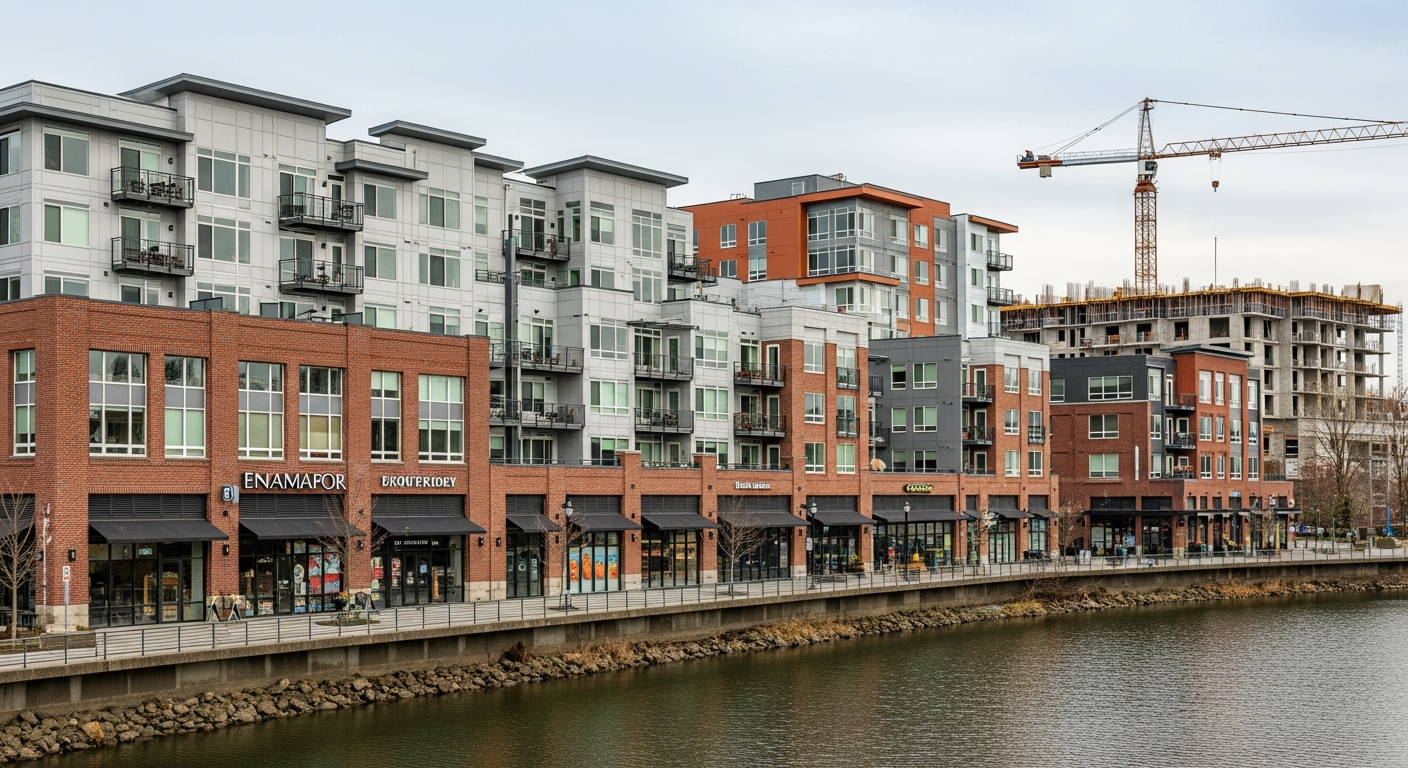
Everett, Washington is in the middle of something big. A $1 billion waterfront transformation. A Boeing workforce that built the world’s largest commercial jets. A port city with a downtown that’s finally catching up to its potential. A Navy presence at Naval Station Everett. A comedy and arts scene punching above its weight. And neighborhoods — Riverside, Silver Lake, Downtown, Bayside — each with their own identity and story.

Exploring Everett is Tygart Media’s hyperlocal coverage vertical for Snohomish County’s largest city. We cover the waterfront redevelopment, Boeing and Paine Field, city hall, the food and arts scene, real estate, neighborhoods, and everything in between — written for people who live here, work here, or are paying attention to what’s coming.

Coverage categories include: Everett News, Waterfront Development, Boeing & Aerospace, Business, Arts & Culture, Food & Drink, Real Estate, Neighborhoods, Government, Schools, Public Safety, Events, and Outdoors.

Exploring Everett content is also published at exploringeverett.com.

  • Month of the Military Child Turns 40: How Naval Station Everett Supports Navy Kids in 2026

    Q: What is Month of the Military Child, and how does Naval Station Everett mark it?
    A: Month of the Military Child is a national observance every April that recognizes the children of U.S. service members. Designated by Defense Secretary Caspar Weinberger in 1986, 2026 marks its 40th anniversary. At Naval Station Everett, the observance is anchored by the base’s Child and Youth Programs, the School Liaison Office, Fleet and Family Support Center, and community partners like the Lake Washington & Everett Council of the Navy League. Purple Up Day — when the Navy, Marine Corps, Army, Air Force, Coast Guard, and Space Force communities all wear purple to represent every service branch — fell on April 15 this year.

    Month of the Military Child Turns 40: How Naval Station Everett Supports Navy Kids in 2026

    April is Month of the Military Child, and in 2026 it is a milestone observance — 40 years since Defense Secretary Caspar Weinberger first designated April as a dedicated month to recognize the children of U.S. service members. For Naval Station Everett and the Navy families who live on base and throughout Snohomish County, that 40-year anniversary hits differently than a typical April.

    Navy kids move an average of six to nine times before they graduate from high school. They say goodbye to a parent for a deployment that often stretches past seven months. They change schools, lose friends, and start over — and then do it again. Month of the Military Child exists because somebody, four decades ago, recognized that the sacrifice inside a military household is not carried by the sailor alone.

    Here is what the observance looks like at the Naval Station Everett level in 2026, and where Navy kids and the parents who love them can plug into local support.

    Why April, and Why Purple

    The designation of April as Month of the Military Child goes back to 1986, when Caspar Weinberger — then Secretary of Defense under President Reagan — formalized the observance. The choice of the color purple came later and has stuck because purple combines the traditional colors of every military branch: Army green, Marine Corps red, Navy and Coast Guard blue, Air Force blue, and Space Force grey all blend into one. When everyone wears purple on Purple Up Day, it is a visual way of saying: the military child belongs to every service, not just one.

    Purple Up Day in 2026 landed on Wednesday, April 15. Schools across Snohomish County that serve military-connected students — the Mukilteo, Everett, and Marysville school districts in particular — mark the day with purple shirts, purple ribbons, and classroom activities that let military kids be seen for the specific thing they are.

    Naval Station Everett Child and Youth Programs

    The hub of base-level support for Navy kids at NAVSTA Everett runs through the installation’s Child and Youth Programs office. Three pieces matter most to families:

    The Child Development Center

    The Everett Child Development Center provides center-based care for children ages six weeks through five years. The CDC is primarily structured around full-time care for working Navy families — a critical need when one parent is underway and the other is holding the line at home. Availability at CDCs across Navy Region Northwest has been tight for years, and Everett is no exception. Families relocating to the area are encouraged to put their names on the waitlist the moment they receive orders.

    Youth Programs

    For school-age kids, Youth Programs runs a monthly calendar that covers classes, 4-H, field trips, special events, sports clinics, and summer camp. During Month of the Military Child, youth programming typically leans into themes of resilience, connection, and celebration — giving Navy kids a space where everyone in the room understands what a duty station change or a deployment countdown actually feels like.

    The School Liaison Office

    Perhaps the most underused resource at NAVSTA Everett is the School Liaison Office. The School Liaison serves as the subject-matter expert on K-12 issues for the installation commander and, more importantly, for every Navy family that has to navigate a school transfer mid-year. The office helps with inbound and outbound school transfers, information on local school district boundaries, Individualized Education Program (IEP) continuity across state lines, and the Interstate Compact on Educational Opportunity for Military Children — the legal framework that protects military kids from losing credits or being forced to retake coursework when they move.

    The School Liaison office is open Monday through Friday, 8 a.m. to 4:30 p.m., by appointment. Families can follow @EverettFFR on Facebook and Instagram for updates.

    Fleet and Family Support Center: The Parent-Facing Half

    Month of the Military Child focuses on kids, but the reality is that military kids do well when the parent at home is supported too. The Fleet and Family Support Center (FFSC) at NAVSTA Everett carries that weight through programs that serve the whole household: Family Employment Readiness, deployment readiness, new-parent support, counseling, and relocation assistance.

    FFSC is reachable at 425-304-3735. For a spouse arriving in Everett for the first time with two kids in tow and a sailor about to go underway, that phone number is the single most useful thing in this article.

    The Community Side: Navy League, School Districts, and Local Partners

    Naval Station Everett is not an island. The Lake Washington and Everett Council of the Navy League of the United States is one of the most active community partners supporting sailors, Marines, Coast Guardsmen, merchant mariners, and their families across the region. The council’s advocacy and education work touches Month of the Military Child each year through ship sponsorships, school programs, and public events that connect the civilian side of Snohomish County to the Navy families who live here.

    Mukilteo School District, which serves the largest share of NAVSTA Everett’s school-age kids, is a Purple Star-designated district — a Washington State designation that recognizes schools going above and beyond to support military-connected students. Everett Public Schools and Marysville School District also serve significant populations of Navy families.

    What a Navy Kid Actually Deals With

    The statistics behind Month of the Military Child are worth sitting with. A military child’s school day is not the same as a civilian child’s. Deployments, duty-station moves, and the constant background hum of a parent’s underway schedule layer an extra weight on top of the normal stuff kids have to handle — friendships, grades, growing up.

    The upside is that Navy kids — military kids generally — grow up with a kind of resilience and worldliness that is hard to replicate. They know how to walk into a cafeteria full of strangers on day one. They know airports. They know how to make friends fast, because the alternative is to not have friends at all. But that resilience is not free; it is built on top of real loss, and it takes a village of programs, teachers, school liaisons, youth directors, and neighbors to make sure the weight does not become too much.

    Month of the Military Child, at its 40-year mark, is the moment each year when the country is invited to notice.

    How Everett Residents Can Show Up

    For civilian neighbors in Everett and broader Snohomish County who want to do something concrete this April, a few practical options:

    • Wear purple — even after Purple Up Day. Ribbons on mailboxes, purple porch lights, and purple-themed local business promotions are simple visible signals.
    • Support the Lake Washington and Everett Navy League Council — membership and volunteer work directly funds programs for military families.
    • Check in on a Navy family you know — especially one with a sailor currently underway. An offered meal, a ride for the kids, or a Saturday of childcare in April is worth more than a social media post.
    • Thank a teacher who serves military kids. School counselors, classroom teachers, and school liaison personnel carry a lot of this weight invisibly.

    The 40-Year Thread

    When Weinberger designated April as Month of the Military Child in 1986, the Cold War was not yet over, the Navy’s destroyer force looked nothing like it does today, and Naval Station Everett did not yet exist as a commissioned base. Forty years later, the fleet has changed, the missions have changed, and the ships homeported at Everett have rotated through generations of crews.

    What has not changed is the kid waiting at the pier with a hand-lettered sign. Or the teenager who transferred in mid-semester and has not figured out where to sit at lunch yet. Or the six-year-old drawing a picture of a destroyer to mail to a parent who is somewhere they cannot be named. Those are the kids this month belongs to.

    Forty years in, and the work is not finished.

    Frequently Asked Questions

    When is Purple Up Day in 2026?

    Purple Up Day for Month of the Military Child in 2026 was Wednesday, April 15. The designated day varies slightly year to year but consistently falls in mid-April.

    What is the School Liaison Office at Naval Station Everett, and how do I contact it?

    The School Liaison Office serves as NAVSTA Everett’s expert on K-12 school issues for military families. It helps with inbound and outbound school transfers, IEP continuity across state lines, and the Interstate Compact on Educational Opportunity for Military Children. The office is open Monday through Friday, 8 a.m. to 4:30 p.m., by appointment. Follow @EverettFFR on Facebook or Instagram for updates.

    How do I get on the Everett Child Development Center waitlist?

    Families should contact NAVSTA Everett Child and Youth Programs as soon as orders are received. The Child Development Center provides care for children six weeks through five years, and demand exceeds capacity across Navy Region Northwest, so early waitlist placement is important.

    What does the Fleet and Family Support Center do for military families in Everett?

    The FFSC at NAVSTA Everett runs programs covering spouse employment, deployment readiness, new-parent support, counseling, and relocation assistance. Contact: 425-304-3735.

    Why is the color purple used for Month of the Military Child?

    Purple combines the traditional branch colors — Army green, Marine Corps red, Navy and Coast Guard blue, Air Force blue, and Space Force grey — into one unified color that represents every service branch. It signals that military children belong to every branch of the armed forces, not just one.

    Which local school districts serve Naval Station Everett families?

    Mukilteo School District serves the largest share of NAVSTA Everett’s school-age children and is designated a Purple Star district by Washington State. Everett Public Schools and Marysville School District also serve significant populations of Navy families in Snohomish County.

    How can civilians in Everett support military children in April?

    Wear purple, support the Lake Washington and Everett Council of the Navy League, check in on neighboring Navy families (especially those with a sailor deployed), and thank teachers and school staff who support military-connected students.

    When was Month of the Military Child established?

    Defense Secretary Caspar Weinberger designated April as Month of the Military Child in 1986, making 2026 the 40th anniversary of the observance.

  • Boeing Is Hiring 100 to 140 New Factory Workers a Week in 2026 — Here’s What That Means for Everett

    How fast is Boeing hiring right now? Boeing is pulling in 100 to 140 new factory employees per week across its production network in 2026, driven by a backlog of commercial and defense orders, a wave of experienced workers retiring, and the imminent activation of the 737 North Line in Everett. The company is also lifting apprenticeship intakes above prior caps to build a trained, unionized workforce for the 737 MAX line, the 777X, dedicated freighters, and growing space and defense orders.

    If you’ve driven past the Boeing Everett factory parking lots at shift change lately, you may have noticed they’re filling back up. The eight-lane stretch of Airport Road that feeds the plant, the lots along Seaway Boulevard, the IAM 751 hall across the street — the density is back in a way it hasn’t been in a couple of years. That’s not a coincidence. Boeing is in the middle of one of the largest sustained hiring pushes in recent memory, and a meaningful share of it is happening right here.

    The pace is notable. Boeing is bringing in between 100 and 140 new factory employees every week across its production network, the company has said, and is lifting its apprenticeship intake above prior caps. That’s a hiring tempo designed to keep up with several things at once: a large commercial backlog that the company is racing to deliver, a wave of experienced workers heading into retirement, and the ramp-up of the 737 North Line in Everett, which needs a full workforce stood up before the first MAX rolls off its midsummer 2026 opening.

    The Hiring Pace in Context

    To put the numbers in perspective: at 100 to 140 new factory employees per week, Boeing is bringing on somewhere between 5,200 and 7,300 manufacturing workers a year just to hold its current trajectory. A lot of those hires go to the Renton 737 factory and the Charleston 787 facility, but Everett gets a meaningful share — particularly now, with the 737 North Line standing up, the 777X program heading toward certification, and the KC-46 tanker and 767 freighter programs both active.

    This is not the Boeing hiring environment of late 2024 and early 2025. During that period, the company was cutting roughly 10% of its workforce — about 17,000 jobs — and Everett absorbed a disproportionate share of the reductions. Two notices issued in January and February 2025 put more than 1,400 Everett-area workers on the layoff list between them. The cuts were felt across engineering and manufacturing, and they reshaped which teams had capacity for which programs.

    The current hiring wave is partly a correction to that retrenchment, partly a response to a commercial backlog that didn’t disappear during the difficult years, and partly a structural answer to a workforce that is genuinely getting older. Boeing, like most large legacy manufacturers, is seeing experienced employees reach retirement age in numbers. The apprenticeship expansion is the company’s response to that demographic reality: you can’t fill a retiring senior mechanic’s seat with a brand-new assembler, but you can build the pipeline now for the mechanics who will fill those seats three to five years from today.

    Why the 737 North Line Is Driving So Much of It

    The most visible demand signal for new workers in Everett is the 737 North Line, the new 737 MAX assembly line standing up in a reconfigured portion of the Everett factory with a midsummer 2026 opening target. Before the North Line can produce finished airplanes, it needs a complete workforce: assemblers, mechanics, sealers, flightline technicians, inspection personnel, and the support staff around all of them.

    Boeing has said the North Line team will be a mix of newly hired employees and existing teammates transferring from Renton, Everett, and Moses Lake. The “newly hired” portion of that mix is where a lot of the current Everett hiring pressure is coming from. Every week, new assemblers onboard for training programs designed to get them onto the production floor at a safe, reliable pace. The IAM 751 Machinists Institute across the street, which opened at 8729 Airport Road, is training a meaningful share of them.

    The reason the North Line matters beyond its own hiring number is capacity. Once integrated into the overall 737 MAX production flow, the Everett line will give Boeing the ability to produce above 47 airplanes per month — the cap the company has worked within under the current FAA production limit. Lifting that ceiling is the core commercial upside the North Line delivers, and it depends entirely on having a workforce in place that can hit the quality and cadence targets without incident.

    The Retirement Wave

    The less-discussed half of the hiring story is the retirement wave. Boeing’s Everett workforce, like the broader Puget Sound aerospace community, includes a significant cohort of workers who started in the 1980s and 1990s and are reaching retirement eligibility now. The company has to replace their roles — not one-for-one, but with enough trained replacement that the institutional knowledge doesn’t walk out the door all at once.

    That’s the apprenticeship story. Boeing has lifted intake caps above prior levels, expanded formal training partnerships, and leaned into the Machinists Institute as a workforce pipeline. The economic logic is straightforward. Hiring a new factory worker without a training pipeline produces an employee who may need years to reach the productivity of the retiring mechanic they’re replacing. Hiring into an apprenticeship program that the union, the company, and the community built together produces a worker on a shorter path to full productivity, with a credential and a career ladder that the old hiring model didn’t offer.

    For Everett specifically, the Machinists Institute’s placement pipeline has mattered. It’s across the street from the factory. Its graduates tend to live in Everett, Mukilteo, Lynnwood, Marysville, and the rest of Snohomish County. The training is built around IAM 751’s knowledge of what the factory actually needs. When the North Line’s first wave of assemblers walks onto the floor this summer, a meaningful portion of them will have come through that program.

    What the Hiring Surge Means for the Community

    A couple of things flow downstream from this pace of hiring. The first is straightforward: more paychecks circulating through Snohomish County. Boeing assembly and technician roles are family-wage jobs with benefits, and the economic multiplier of adding 100-plus manufacturing workers a week across the production network — with Everett taking a visible share — shows up in local businesses, housing absorption, school enrollment, and the everyday economy of the city.

    The second is execution risk. Hiring at this pace, especially into a production line that hasn’t opened yet, tests a company’s ability to train, supervise, and integrate new workers without slipping on quality. This is the exact point that aviation analysts have been watching since the hiring acceleration began. A 737 MAX line that ramps too fast with too many new hires is a line that introduces defects, creates rework, and potentially draws additional FAA scrutiny. A 737 MAX line that ramps slowly and carefully is a line that doesn’t deliver the capacity Boeing needs to keep pace with Airbus’s A320neo family production.

    Boeing knows the trade-off. That’s why the company is leaning on the apprenticeship pipeline instead of pure open-market hiring, why experienced teammates are transferring in from Renton and Moses Lake, and why the midsummer 2026 opening has been described publicly as “low-rate initial production” rather than immediate high-cadence output. The goal is to get the line standing up correctly before pushing it for rate.

    What Job-Seekers in Everett Should Know

    For Snohomish County residents considering a Boeing career, the current environment is as open as it’s been in a while. Boeing’s job site (jobs.boeing.com) lists hundreds of Everett-area positions at any given time, and the company is actively recruiting across assembly, mechanical, electrical, sealing, flightline, inspection, and support functions. The Machinists Institute at 8729 Airport Road offers training pathways specifically designed to place graduates into IAM 751-represented roles, which come with union wages, benefits, and the protections of the collective bargaining agreement.

    Boeing’s SPEEA-represented engineering and technical roles — a different pipeline, covered by a different union — are also actively hiring. The SPEEA contract expires October 6, 2026, which means the coming months will include the kind of visible contract negotiation that shapes hiring conversations and compensation expectations for those roles.

    For a city whose economy has always moved with Boeing’s rhythm, the current hiring wave is one of the more consequential workforce stories of the decade. It’s also a reminder of why Everett is Everett. More than 40,000 people across the region work either directly for Boeing or for the supply-chain companies that feed the factory. When the hiring accelerates, the whole city feels it.

    Frequently Asked Questions

    How many people is Boeing hiring right now?

    Boeing is bringing in between 100 and 140 new factory employees per week across its production network in 2026, with a significant portion going to Everett as the 737 North Line ramps up.

    What jobs is Boeing hiring for in Everett?

    Boeing is actively recruiting in Everett for assemblers, mechanics, sealers, flightline technicians, inspectors, and technical support roles on the 737 North Line, 777X, KC-46 tanker, and 767 freighter programs. Engineering and technical roles represented by SPEEA are also hiring across multiple programs.

    Where do I apply for a Boeing job in Everett?

    Boeing job postings are listed at jobs.boeing.com. Filter by Everett, Washington for positions at the factory. For unionized assembly roles, the IAM 751 Machinists Institute at 8729 Airport Road operates training pathways designed to place graduates into IAM-represented positions.

    What is the Machinists Institute?

    The Machinists Institute is an IAM 751-run training facility located at 8729 Airport Road in Everett, across the street from the Boeing factory. It provides skilled trades training that supports placement into Boeing’s unionized manufacturing workforce.

    Why is Boeing hiring so fast?

    The hiring surge is driven by a combination of factors: a large commercial and defense order backlog, the imminent opening of the 737 North Line in Everett, the need to replace experienced workers who are retiring, and the company’s recovery from the layoffs of late 2024 and early 2025.

    Does Boeing offer apprenticeships?

    Yes. Boeing has lifted apprenticeship intake above prior caps as part of its broader workforce-pipeline strategy. Apprenticeships combine paid on-the-job training with classroom instruction and provide a credentialed pathway into full-time Boeing roles.

    How does the 737 North Line affect Everett hiring?

    The 737 North Line is driving a significant portion of current Everett hiring. Before the line can produce finished 737 MAX aircraft, Boeing needs a complete workforce in place — assemblers, mechanics, inspection personnel, and support staff — and many of those roles are being filled now ahead of the line’s midsummer 2026 opening.

  • Boeing 777X Clears FAA Phase 4A: What Everett’s Biggest Certification Milestone in Years Actually Means

    What did the FAA just approve for the Boeing 777X? On March 17, 2026, the Federal Aviation Administration cleared the Boeing 777-9 to enter Phase 4A of Type Inspection Authorization testing, one of the last regulatory gates before the aircraft can be certified for commercial service. The decision lets FAA pilots participate directly in flight testing and puts the Everett-built widebody on track for certification later in 2026 and first delivery to Lufthansa in 2027.

    If you drive past the Boeing Everett factory on a weekday morning, you probably don’t notice the 777-9 test aircraft parked at Paine Field. It’s one of thousands of planes that have sat on that ramp since 1967. But one of those airframes — tail ending in a Lufthansa livery — just became the most important plane in North American commercial aviation for the next six months. And the reason is a regulatory milestone most Everett residents didn’t hear about.

    On March 17, 2026, the Federal Aviation Administration granted Boeing authorization to enter Phase 4A of the 777-9’s Type Inspection Authorization (TIA) process. It’s the most significant 777X certification milestone in years, and it’s the clearest signal yet that the program — roughly six years behind schedule and carrying more than $15 billion in accumulated development charges — is finally converging on entry into service.

    Here’s what that actually means for the factory across the street from our city, the workers who build these airplanes, and Everett’s broader aerospace economy.

    What Phase 4A Actually Is

    Type Inspection Authorization is the FAA’s formal permission for Boeing to begin the flight-testing phase that regulators themselves will sit in the cockpit for. Up until Phase 4A, the 777X flight test campaign has been conducted primarily by Boeing test pilots, with the agency observing from the ground and reviewing data afterward. Phase 4A is the point at which FAA pilots join the cockpit and participate in certification flights directly.

    This matters for two reasons.

    First, it’s a trust milestone. The FAA doesn’t grant TIA Phase 4A clearance unless it has confidence that the aircraft is stable enough in its current configuration to proceed into the most scrutinized phase of the certification process. For a program that has absorbed years of public skepticism — including questions about the GE9X engine, the folding wingtip system, and the broader post-MAX regulatory environment — the clearance is a meaningful public vote of confidence from the agency.

    Second, it’s the gate that opens the next gate. If Phase 4A flight testing goes well, Boeing expects the FAA to grant Type Inspection Authorization for the production-configured aircraft in the second half of 2026. That’s the permission needed to run the final certification flights on a delivery-configured jet. Those final flights are what lead to a Type Certificate, which is the document that makes commercial service legally possible.

    The Lufthansa Airframe at Paine Field

    The 777-9 that sits at the center of this milestone is destined for launch customer Lufthansa, the German flag carrier that was first to place a firm order for the widebody back in 2013. Industry observers at Paine Field have spotted the aircraft at the Boeing fuel docks undergoing systems checks in recent weeks, with engine testing of its two GE9X powerplants — the largest commercial aircraft engines ever built — expected to proceed ahead of the first production flight.

    Boeing has set a target of April 2026 for that first production-configured flight. If the aircraft lifts off on schedule from Paine Field, it will be the first 777-9 built to the exact configuration that paying customers will eventually receive. That’s different from the earlier flight test fleet, which has been flying since 2020 in development configurations not representative of the production standard.

    For Everett, the moment is more than symbolic. Paine Field is where every 777X in the program — test fleet, production aircraft, and eventually delivery flights to Lufthansa, Emirates, Qatar Airways, Cathay Pacific, and others — will depart from. The runway beyond the Future of Flight Aviation Center is the only place in the world that a 777-9 can take off from, because the only place in the world that a 777-9 is assembled is the Boeing Everett factory at 3003 West Casino Road.

    Why This Matters for Everett’s Aerospace Economy

    The 777X program is one of the three production lines that define the Boeing Everett factory’s future. Alongside the 767 (which is winding down its commercial freighter variant by 2027) and the KC-46 tanker (which continues delivering to the Air Force), the 777X is the widebody program that carries the factory’s long-term commercial workload.

    Every month of delay in the 777X program has had a real effect on Everett. It’s kept hundreds of aircraft in storage on the factory ramp — jets that were built, then held as the program worked through engineering changes and regulatory scrutiny. It’s delayed the moment when Boeing can deliver those aircraft and recognize the revenue, which in turn affects the financial pace at which the company can invest in the Everett site.

    It has also weighed on workers. Machinists, engineers, and technical staff assigned to 777X production have built jets that couldn’t be delivered, watched airframes get modified in response to design changes, and worked through years of uncertainty about when the program would actually reach certification. The Phase 4A clearance doesn’t erase any of that, but it changes the outlook. The runway is shorter now. Certification is no longer an abstract future — it’s a set of specific test flights that begin from Paine Field in the coming weeks.

    What Happens Next

    The near-term path is straightforward on paper and complex in practice. Boeing needs to fly the production-configured 777-9 from Paine Field. FAA pilots need to conduct the Phase 4A test points. The data needs to be reviewed and accepted. Then Boeing needs to obtain the second TIA — the one for the production configuration — which is currently expected in the second half of 2026.

    If that all lands, Type Certificate issuance becomes realistic in late 2026 or early 2027. First delivery to Lufthansa is currently targeted for 2027, subject to airline readiness and the pace of the final regulatory steps. From there, the rest of the 777X backlog — more than 500 firm orders across Emirates, Qatar, Cathay, Singapore Airlines, British Airways, and other carriers — begins to work its way through the Everett final assembly line over the balance of the decade.

    There’s a reasonable amount of distance between a Phase 4A clearance in March 2026 and revenue service in 2027. Schedules in this program have slipped before. But the clearance is a real and specific regulatory milestone. It is not a press release. It is not a projection. It is a decision the FAA actually made.

    What Everett Residents Should Watch For

    The visible signals over the next several weeks will include more 777-9 activity at Paine Field: engine runs on the fuel docks, taxi tests on the ramp, and ultimately the first flight of the Lufthansa-destined airframe. Aviation enthusiasts who follow Paine Field flight activity will see the tail numbers cycling through the test pattern. Local residents near the airport will continue to hear GE9X engine runs, which are distinctive — the engines are 134 inches in fan diameter, larger than the fuselage of a regional jet.

    For the broader community, the Phase 4A milestone is a reminder that Everett remains the only city in the world where the 777X exists. Every certification flight that happens over the next six months happens from the runway here. Every production-configured aircraft that eventually makes its way into airline service was built, flown, and delivered from a facility whose workers live in Everett, Mukilteo, Lynnwood, Marysville, and the rest of Snohomish County.

    The factory has had a difficult few years. Boeing’s turbulence since 2024 — the Alaska Airlines door plug incident, the Machinists strike, the broader leadership and safety conversations — has been felt heavily in Everett. The Phase 4A clearance doesn’t resolve any of that. But it does move one of the factory’s most important programs visibly forward, and for the workers who build it and the community that houses them, visible forward motion is worth something.

    Frequently Asked Questions

    When did the FAA approve Phase 4A for the Boeing 777X?

    The FAA granted Boeing authorization to enter Phase 4A of the 777-9’s Type Inspection Authorization process on March 17, 2026.

    What does Phase 4A allow Boeing to do?

    Phase 4A allows FAA pilots to participate directly in flight testing of the 777-9, which is a required step before the aircraft can be granted final Type Inspection Authorization for a production-configured airframe and ultimately certified for commercial service.

    Where is the 777X being tested?

    The 777X is assembled at the Boeing Everett factory and test-flown from Paine Field in Everett, Washington. The Lufthansa-destined production aircraft is currently completing systems checks at Paine Field ahead of its first flight.

    When will the first 777X be delivered?

    Boeing is targeting 2027 for first delivery to launch customer Lufthansa, subject to successful completion of Phase 4A testing, subsequent FAA approvals, and airline readiness.

    Why has the 777X program taken so long?

    The 777X program is approximately six years behind its original schedule and has accumulated more than $15 billion in development charges. The delays are tied to a combination of engineering challenges, the GE9X engine development timeline, broader post-737 MAX regulatory scrutiny, and pandemic-era disruption to the certification process.

    How many 777X orders does Boeing have?

    Boeing has more than 500 firm orders for the 777X across launch customer Lufthansa plus Emirates, Qatar Airways, Cathay Pacific, Singapore Airlines, British Airways, and other major international carriers.

    What does the 777X mean for Everett’s economy?

    The 777X is one of three Boeing programs assembled in Everett, alongside the 767 and KC-46 tanker. The factory’s long-term widebody commercial workload depends on the 777X reaching certification, delivery cadence, and steady production, all of which directly support thousands of Boeing manufacturing and engineering jobs in Snohomish County.

    Deeper Coverage in the Exploring Everett Series

    For a more comprehensive treatment of the issues raised in this article, see:

  • The Beverly Food Truck Park Is Quietly the Best Weeknight Dinner Play in Central Everett

    Q: What is the Beverly Food Truck Park in Everett?
    A: Beverly Food Truck Park is a rotating food truck lot at 6731 Beverly Boulevard, across from Fire Station 5 in central Everett, open Monday through Saturday from 4 p.m. to 7 p.m. Two to four trucks rotate nightly — current regulars include Mexicuban (Mexican-Cuban fusion), Tabassum (Central Asian street food), and Zaytoona (Mediterranean). Rated 4.8 stars. Cash-friendly, casual, kid-friendly.

    The Beverly Food Truck Park Is Quietly the Best Weeknight Dinner Play in Central Everett

    Here is an Everett food fact that is not nearly well-known enough outside the immediate neighborhood: there is a permanent food truck lot at 6731 Beverly Boulevard, it runs Monday through Saturday from 4 p.m. to 7 p.m., and on any given weeknight it is serving some of the most interesting food in the city — at food-truck prices, from a rotating lineup of two to four trucks, in a gravel lot across from Fire Station 5.

    This is the Beverly Food Truck Park. Locals have been on it since it opened. If you have not been, this is your reminder that it exists and that weeknight dinner in Everett does not have to mean the same three delivery options.

    Where it is and how it works

    The address is 6731 Beverly Boulevard, Everett, WA 98203. The lot is central Everett — not the waterfront, not Casino Road, not downtown — in the stretch of Beverly that runs through residential neighborhoods near Forest Park. What used to be an unused city lot across from Fire Station 5 got converted into a proper food truck park with room for multiple rigs, some picnic tables, and enough parking that you will not circle the block.

    Operating hours are Monday through Saturday, 4 p.m. to 7 p.m. Closed Sundays. The truck lineup rotates day by day, which is the both-feet-of-the-model: you are not getting the same two trucks every Tuesday. If you want to know who is parked tonight, StreetFoodFinder tracks the park’s schedule.

    Two to four trucks rotate through the lot on any given night. The rotation leans toward independent, owner-operated trucks, and it has attracted a lineup that is arguably more diverse than any sit-down restaurant row in the city.

    Who is actually cooking at Beverly

    The trucks on rotation change, but these are three of the regulars worth learning by name:

    Mexicuban

    Mexican and Cuban fusion — the only truck in the Puget Sound region running that specific lane. If you have never had a Cubano made by people who also make al pastor, this is the entry point. The medianoche sandwich is a standing order. Prices run the usual food-truck range: sandwich and a side under $15.

    Tabassum

    This is the find. Tabassum brings authentic Central Asian street food to the Pacific Northwest — the only truck doing it, per their own billing, and the track record at Beverly backs that up. The specialty is samsa, a flaky hand pie with seasoned meat filling, baked, not fried. Central Asian comfort food that Everett does not otherwise have a source for.

    Zaytoona

    Mediterranean — operating since 2015, one of the longer-running trucks in the Puget Sound rotation. Lamb and beef gyro salad, Arabic shawarma sandwich, falafel done well. This is the truck to hit if someone in your group is gluten-free or vegetarian and needs options that are not afterthoughts.

    Why Beverly works where other food truck spots do not

    Everett’s food truck scene exists in pieces. Friday lunches at the Port of Everett. Occasional meetups at Boxcar Park. Brewery takeovers at Scuttlebutt and At Large. Each of those is good. None of them are a reliable weeknight-dinner answer, because they are intermittent — one-off events or limited lunch windows.

    Beverly is the permanent piece. Six nights a week. Same location. Rotating lineup. The schedule is consistent enough that you can tell out-of-towners “meet me at the food truck park at 5:30” and know it will be there. That is rare in a food truck economy built on pop-ups and event rotations.

    The second thing Beverly does right: it sits in a residential pocket. Neighbors walk over. Kids come. Fire Station 5’s crew walks across the street when they are between calls. The park has the feel of a neighborhood dinner that happens to involve four kitchens on wheels, not a food truck festival. That is the difference between a spot that lasts and a spot that fades after a summer.

    What to expect on your first visit

    • Parking is easy — the lot holds customer cars and the trucks. No struggle.
    • Seating is picnic tables. Bring a jacket; central Everett evenings are cool even in summer.
    • Payment varies by truck. Most take cards. Bring a little cash as a backup.
    • Dietary options depend on who is parked. Zaytoona is the reliable vegetarian and gluten-free bet. Mexicuban and Tabassum both have options but fewer.
    • Kid-friendly yes. Bring them. It is an outdoor eat-with-your-hands situation, which is the best kind with kids.
    • Dog-friendly leashed dogs are the standard at outdoor food truck spots. Check with the individual truck if unsure.

    The Beverly move, scheduled

    If you are trying to actually incorporate Beverly into your week, here is the play:

    Monday or Tuesday: Low-key dinner after the gym. The 4 p.m. open means you can eat early and be home before 6. No wait.

    Wednesday or Thursday: Bring a friend who has never been. Split two trucks so you get to try both.

    Friday: Hit Beverly at 4:30 before the sun drops. Grab dinner. Then go to a brewery for a post-dinner beer at Scuttlebutt or At Large. This is the best compact weeknight routine in central Everett.

    Saturday: Late afternoon is the social window. More foot traffic, more energy, and the 7 p.m. close means you are not stuck in a dinner situation that runs into your evening.

    What Beverly is not

    It is not a sit-down restaurant. It is not open past 7 p.m. It is not open Sundays. If you want table service, a server, or a dinner that runs two hours, go somewhere else. If you want some of the most interesting, cheapest, most diverse food in Everett on a Tuesday night, in a gravel lot with picnic tables, this is the spot.

    The verdict

    The Beverly Food Truck Park is the kind of neighborhood amenity that makes central Everett feel like a place that takes care of its weeknights. Three hours a night, six nights a week, two to four independent trucks, the only Mexican-Cuban truck in the region, the only Central Asian street food truck in the region, the most reliable gyro in south-central Everett — all at one address. Go tonight if it is before 7 p.m. Go this week if it is not. The 4.8-star rating is not by accident.

    Frequently Asked Questions

    Where is the Beverly Food Truck Park?

    6731 Beverly Boulevard, Everett, WA 98203, across from Fire Station 5 in central Everett.

    What are the hours?

    Monday through Saturday, 4 p.m. to 7 p.m. Closed Sundays.

    How many trucks are usually there?

    Two to four trucks rotate through the park nightly. The lineup changes day by day.

    Which trucks are regulars?

    Mexicuban (Mexican-Cuban fusion), Tabassum (Central Asian street food, specializing in samsa), and Zaytoona (Mediterranean — lamb and beef gyro salad, shawarma, falafel) are three of the most consistent regulars.

    Is there parking and seating?

    Yes. The lot has customer parking alongside the trucks, and picnic tables for outdoor seating.

    Is it kid-friendly?

    Yes. Outdoor seating, casual atmosphere, and enough truck variety that picky eaters have options.

    How do I know which trucks are there tonight?

    Check StreetFoodFinder’s Beverly Park page or the park’s social media for the nightly lineup.

    Is there Wi-Fi or indoor seating?

    No. Beverly is outdoor only. Bring a jacket; central Everett evenings run cool.

    Does Beverly do private events?

    The park is a public food truck lot. For private events or truck bookings, contact the trucks directly through their own channels.

  • The Loft Coffee Bar Is the Downtown Everett Coffee Shop Built for People Who Actually Have to Get Work Done

    Q: Is The Loft Coffee Bar on Hewitt Avenue worth a visit?
    A: Yes. The Loft Coffee Bar at 1309 Hewitt Avenue in downtown Everett pours Vinaccio’s fair-trade organic coffee, roasted in Monroe, in a space built around fireplaces, armchairs, a bookable meeting room, and fast Wi-Fi. Open Monday through Thursday 7 a.m. to 3 p.m., Friday and Saturday 7 a.m. to 5 p.m., and Sunday 8 a.m. to 3 p.m. Order the Cuban cafecito or the “Joe shooter” — the house layered drink.

    The Loft Coffee Bar Is the Downtown Everett Coffee Shop Built for People Who Actually Have to Get Work Done

    Downtown Everett has enough coffee shops now that you can get genuinely particular about which one you give your $6 a morning to. STRGZR does scratch breakfast. Narrative does third-wave bean-nerd pours. Sobar does community vibes. Makario does roasting on site. All great.

    But if what you actually need is a place to sit for four hours with a laptop, a real sandwich, an outlet, fast Wi-Fi, and maybe a fireplace and an armchair, the answer on Hewitt Avenue right now is The Loft Coffee Bar. And it has been the answer for longer than most new arrivals in downtown Everett know.

    Who owns The Loft Coffee Bar?

    Tim and Devyn Gunn opened The Loft in 2016 with a soft launch on a Thursday in December and an official grand opening that Saturday. They pour Vinaccio’s Coffee, a fair-trade organic roaster out of Monroe, which means your pour-over is coming from beans that traveled about 25 miles to get to your cup.

    The shop sits at 1309 Hewitt Avenue, in the stretch of downtown that has spent the last few years quietly filling up with condos, new restaurants, and exactly the kind of remote-work population who needs a third place that is not their apartment.

    The address, hours, and what’s actually in the space

    The Loft’s hours are worth memorizing because they do not match other downtown coffee shops:

    • Monday–Thursday: 7 a.m. to 3 p.m.
    • Friday–Saturday: 7 a.m. to 5 p.m.
    • Sunday: 8 a.m. to 3 p.m.

    Those Friday and Saturday 5 p.m. hours are the move. Very few downtown coffee shops stay open past mid-afternoon on weekends, which means The Loft quietly becomes the only place in walking distance of Hewitt where you can still get a real espresso at 4 p.m. on a Saturday.

    The space itself is what separates The Loft from everything else on the avenue. You walk in and there is a fireplace, actual armchairs that are built for sinking into, a bookable meeting room for small groups, and high-quality Wi-Fi that does not quit when the afternoon rush hits. It reads as residential rather than industrial, which is rare in a downtown coffee shop scene that tends to default to exposed brick and hanging Edison bulbs.

    What to order at The Loft Coffee Bar

    The menu has two signature drinks that are worth ordering by name:

    • The “Joe shooter.” A proprietary layered drink the Gunns developed. Worth ordering the first time just to see what it is. The layering is the point.
    • Cuban cafecito. Brown sugar packed into the portafilter with the espresso shot. Sweet, concentrated, finished in one sip. The best dollar-per-caffeine drink in the shop.

    Beyond the signatures, the drink menu is the full espresso-bar standard — lattes, cortados, Americanos, pour-overs — all on Vinaccio beans. The food menu is where The Loft sneaks up on people: organic salads, baked goods, real sandwiches. You can eat lunch here. You can also, and this is the distinguishing move, have a glass of wine or a beer or cider on tap. The Loft pivots from coffee shop to evening hang on Fridays and Saturdays without making a production of it.

    Why The Loft is the remote-work winner on Hewitt

    If you are working from your apartment and you cannot look at the same kitchen table one more afternoon, the calculus in downtown Everett right now is roughly:

    • Sobar Coffee on Colby has the widest open floor plan, clean-ingredient drinks, and a community-cafe feel. Best for solo focus work.
    • STRGZR on Hoyt and Hewitt has scratch food and a tight, stylish room. Best for a working breakfast.
    • Narrative on Wetmore is the serious coffee room. Best for when the coffee is the point.
    • The Loft on Hewitt has the armchairs, the fireplace, the bookable meeting room, beer and wine, and hours that run later on the weekend. Best for long sessions and small meetings.

    The Loft wins on duration. Four hours in an armchair by a fireplace reading a novel, or grinding through a deck, is what this room is for. And when your meeting runs past 3 p.m. on a Friday and you suddenly want a beer, the answer does not require leaving.

    What to watch for

    The Loft does not have the foot-traffic volume of STRGZR or Narrative, which means weekday afternoons can be almost empty. That is a feature. It also means the shop’s evening activity on Friday and Saturday has room to grow as downtown Everett’s condo population keeps expanding. If you have been looking for the Hewitt Avenue spot that is not a bar but also is not just a coffee shop, this is it.

    The meeting room is the unsung hero. Call ahead to book it. Four to six people, reasonable rates, better than a conference room in a coworking space and nowhere near the price of one.

    The verdict

    The Loft Coffee Bar has been a downtown Everett fixture since 2016 and it still gets undercovered because it does not lead with food or coffee-nerd credentials. What it leads with is a room. A real one, with a fireplace, with armchairs that get sat in, with the best Wi-Fi on Hewitt Avenue, and with a weekend closing time that lets you actually stay. That is the play. Go on a Saturday afternoon. Get the Cuban cafecito. Stay for a glass of cider. The room does the rest.

    Frequently Asked Questions

    Where is The Loft Coffee Bar?

    1309 Hewitt Avenue, Everett, WA 98201, on the stretch of downtown Hewitt between Colby and Rockefeller.

    What are the hours?

    Monday–Thursday 7 a.m. to 3 p.m., Friday–Saturday 7 a.m. to 5 p.m., Sunday 8 a.m. to 3 p.m.

    Do they have Wi-Fi and outlets for remote work?

    Yes. Fast Wi-Fi, outlets throughout the space, armchairs and tables for long sessions, and a bookable meeting room for small groups.

    Do they serve beer and wine?

    Yes. The Loft pours beer and cider on tap and serves wine, alongside a full espresso bar and food menu.

    What coffee do they use?

    Vinaccio’s Coffee, a fair-trade organic roaster based in Monroe, Washington.

    Who owns The Loft?

    Tim and Devyn Gunn, who opened the shop in December 2016.

    Can I book the meeting room?

    Yes. Call the shop at (425) 212-9271 to reserve the meeting room for small groups.

    Does The Loft serve food?

    Yes. Organic salads, baked goods, breakfast items, and sandwiches — plus the signature “Joe shooter” layered drink and Cuban cafecito.

    Is parking available?

    Street parking along Hewitt and the side streets. The city’s downtown parking garages are a short walk away.

    Deeper Coverage in the Exploring Everett Series

    For a more comprehensive treatment of the issues raised in this article, see:

  • South Fork Baking Co. on the Everett Waterfront Is the Bakery Everyone Forgets to Tell You About

    Q: Is South Fork Baking Co. at the Port of Everett worth a visit?
    A: Yes. Katherine Hillmann’s bakery at 1410 Seiner Drive, Suite 103, serves scratch-made pastries, locally roasted espresso, and breakfast and lunch sandwiches on the Port of Everett Marina esplanade — with covered and open-air patio seating facing Port Gardner Bay. Open Monday through Friday 7 a.m. to 4 p.m. and weekends 8 a.m. to 5 p.m. The jalapeño cheddar bagel and the blueberry pistachio scone are the move.

    South Fork Baking Co. on the Everett Waterfront Is the Bakery Everyone Forgets to Tell You About

    Go to the Port of Everett on a Saturday morning and you will hear three conversations about the rooftop deck at Tapped Public House, two about whether Marina Azul is actually open yet, and approximately zero about the small bakery tucked into the ground floor of the waterfront residences that has been quietly outbaking everyone on the esplanade since it opened its retail storefront there.

    That bakery is South Fork Baking Co., and if you have not made the walk from the parking structure past the fountain to Seiner Drive, Suite 103, this weekend is a good time to do it.

    Who is behind South Fork Baking Co.?

    South Fork is owner-operator Katherine Hillmann’s project. She has been running South Fork Baking Co. since 2016 and spent more than a decade in the kitchens of regional bakeries before opening her first retail storefront on the Port of Everett’s waterfront. The Waterfront Place shop is the retail expression of a wholesale and pop-up operation that had built a following long before the door on Seiner Drive opened.

    What you get now is a full pastry case baked in-house every morning, a working espresso bar, breakfast and lunch sandwiches, and — this is the part the locals actually talk about — a schedule for pastry and cake-decorating classes that Hillmann runs out of the shop.

    The address, hours, and how to actually find it

    The shop is at 1410 Seiner Drive, Suite 103, Everett, WA 98201, which sounds clear until you are standing in the Waterfront Place garage trying to figure out which set of townhomes houses a bakery. Here is the shortcut: park in the Fisherman’s Harbor parking structure, walk toward the marina esplanade, and follow the smell of butter. The storefront faces the esplanade with indoor dining, a covered patio, and open-air seating.

    Hours are Monday through Friday 7 a.m. to 4 p.m. and Saturday and Sunday 8 a.m. to 5 p.m. Parking is easy — the Port’s garage is right there, and the morning rush has not hit volume that crowds the esplanade tables. Yet.

    What to order at South Fork Baking Co.

    The menu rotates, but the standing order for anyone walking in cold should be this:

    • Jalapeño cheddar bagel. Dense crumb, real heat, real cheese crust. It holds up to the bagel-with-egg treatment and is the best $7 breakfast on the waterfront right now.
    • Blueberry pistachio scone. Crumbly the way a scone should be. Not dry. The pistachio is actually pistachio, not a rumor.
    • Cinnamon roll. Worth ordering early. They sell out before 10 a.m. on Saturdays.
    • Caprese sandwich. The lunch move. Fresh mozzarella, tomato, basil, on bread baked that morning. It is not complicated food. That is the point.

    The espresso bar pours a clean shot. Not the best coffee on the Everett waterfront — that is a different conversation — but more than good enough to pair with a scone and a harbor view.

    Why South Fork matters for Everett

    The Port of Everett’s Waterfront Place has been racing to fill its retail bays for a couple of years now. The ones that get headlines are the splashy ones — Tapped, Fisherman Jack’s, The Net Shed. South Fork has the quieter, stickier kind of success: a neighborhood bakery on a marina with almost no neighborhood around it yet, making bread and coffee for the waterfront condo residents and the people who walk the Grand Avenue Park bridge down to the esplanade on weekends.

    It is the kind of business a waterfront needs if it is going to be a waterfront people live on, not just visit. The Sawyer and Carling’s condo buildings next door are at near-full occupancy. The esplanade is quietly becoming a Saturday-morning destination for people in neighborhoods that used to think of the port as a boat parking lot. South Fork is feeding that shift one bagel at a time.

    What South Fork is not

    It is not a full brunch spot. The line is reasonable. The seating is limited at peak. If you want eggs benedict and a bloody mary at noon, walk one block to Tapped Public House or across to Fisherman Jack’s. If you want a jalapeño cheddar bagel with a real egg and a small Americano, eaten on a patio looking at a marina, this is the spot.

    It also is not cheap in the way that a grocery-store bakery is cheap. Pastries run $4 to $7, sandwiches $12 to $15. You are paying for scratch baking on the Everett waterfront. That is the trade.

    The class schedule is the sleeper move

    Hillmann runs pastry and cake-decorating classes out of the storefront. This is not a gimmick. This is a working baker with more than a decade of technique who is willing to teach you how to not overwork croissant dough. If you have been looking for a weekend hobby that is not Jetty Island or the Grand Avenue Park bridge, the class list on the South Fork Baking Co. website is worth a look.

    The verdict

    South Fork Baking Co. is the anchor the Everett waterfront bakery scene needed and the one no one is talking about loudly enough. Go early on a Saturday. Get the jalapeño cheddar bagel. Walk out to the esplanade. Watch the boats. This is the kind of low-key, high-quality neighborhood bakery every waterfront should have, and Everett’s finally does.

    Frequently Asked Questions

    Where is South Fork Baking Co. located?

    1410 Seiner Drive, Suite 103, Everett, WA 98201, on the Port of Everett’s Marina esplanade at Waterfront Place.

    What are the hours?

    Monday through Friday 7 a.m. to 4 p.m. Saturday and Sunday 8 a.m. to 5 p.m.

    Is there parking?

    Yes — use the Fisherman’s Harbor parking structure at the Port of Everett’s Waterfront Place. It is a short walk to the esplanade.

    Who owns South Fork Baking Co.?

    Owner-operator and head baker Katherine Hillmann, who has run South Fork Baking Co. since 2016. The Waterfront Place storefront is the brand’s first retail location.

    Do they have gluten-free or vegan options?

    The menu is scratch-baked and rotates daily. Call ahead at the number on southforkbaking.com to ask about current gluten-free and vegan items — availability varies.

    Do they do special-order cakes?

    Yes. Custom cakes and pastry orders can be placed through the South Fork Baking Co. website. Hillmann also teaches pastry and cake-decorating classes out of the storefront.

    Is South Fork Baking Co. kid-friendly?

    Yes. The patio and indoor seating both accommodate families, and the esplanade right outside the door is a good place for kids to decompress with a cinnamon roll.

    What’s the best time to visit?

    Weekday mornings before 9 a.m. for the quietest experience. Saturday mornings around 8 a.m. if you want the full waterfront-bakery vibe without waiting for pastries that sold out at 9:30.

  • Everett’s New Construction Market Just Showed Its Hand: Why Only One Home Closed This Month

    Q: What’s happening with new construction in the Everett housing market right now?
    A: New construction in Everett is sitting on more inventory than it wants to be. In April 2026, only a single new-construction home in Everett closed on market — and it sold over list price, which almost never happens in this segment in a softer market. Across Snohomish County as a whole, new-construction average pricing came in around $923,988, down 2.3% year-over-year, with inventory climbing to about 3.2 months and closed sales off 34.3%. The short version: buyers have more leverage, builders are competing harder on financing incentives than on headline prices, and the new-build segment is noticeably softer than resale.

    Everett’s New Construction Market Just Showed Its Hand: Why Only One Home Closed This Month

    Most of the Everett housing coverage lately has been about the resale market. Price bands. Median numbers. Neighborhoods where prices are up double digits and neighborhoods where they are underwater. Rentals softening. That’s a useful lens. It’s also hiding a quieter story that is arguably more interesting for anyone trying to understand where Everett is actually headed.

    The new-construction side of the market is telling a completely different story from resale this month. We stopped by the numbers, and the gap is wider than we expected.

    The Number That Jumps Off the Page

    One new-construction home in Everett closed last month. One. And it went over list price — which is almost the last thing you expect in the new-build segment when inventory is elevated and rates have nudged back up. That’s not the sign of a healthy new-construction market. That’s the sign of a market where buyers are only pulling the trigger on very specific homes, and builders are holding the rest of their inventory waiting for either a rate break or a concession package that moves someone off the fence.

    Zoom out one step to Snohomish County as a whole — which is how most of the new-construction data gets rolled up, because individual city-level samples get thin fast — and the story gets clearer. New-construction average pricing countywide is sitting around $923,988, down 2.3% year-over-year. Inventory is running around 3.2 months. Closed sales are off 34.3% compared to where the segment was a year ago.

    Resale in Everett is not pristine either — we’ve been writing about the softening mid-market for weeks — but the new-construction picture is measurably more strained.

    Why New Construction Is Softer Than Resale Right Now

    Three things are happening at the same time, and they compound.

    One: mortgage rates moved higher in April. That is the single biggest pressure on affordability in the market. When rates move, the monthly payment calculation on a $900,000 new build goes up faster than on a $600,000 resale, and buyers who were barely hitting the ratio on a new construction quote walk away. Resale buyers at lower price points absorb the same rate increase with less total dollar damage.

    Two: new construction is a buyer’s option, not a buyer’s necessity. If you are relocating for a Boeing North Line job or a Naval Station Everett assignment and you need to close in 60 days, you are shopping the resale market. New construction buyers are usually the move-up or move-over buyer who has the luxury of waiting — and right now, “wait and see what rates do” is a real strategy.

    Three: inventory. When a builder has unsold standing inventory at month-end, they are paying carrying costs — interest on construction loans, insurance, HOA dues on finished units. That pushes builders toward incentives (rate buydowns, closing cost credits, appliance packages) rather than headline price cuts. Headline prices hold, monthly payments effectively drop through financing support, and the MLS-reported median looks flatter than the actual buying experience.

    What This Means If You’re Buying in Everett

    If you are shopping new construction in Everett right now, you have more leverage than you have had in several seasons. That doesn’t mean builders are desperate — most of them aren’t — but the conversation you can have about rate buydowns, closing credits, or upgrade packages is genuinely a different conversation than it was a year ago.

    A couple of practical notes from what we are seeing on the ground:

    • Ask about financing incentives before you ask about price cuts. Builders are much more willing to subsidize a 2-1 buydown or cover points than to reduce the sticker. Your monthly payment is what matters.
    • Standing inventory is where the flexibility is. Homes under construction that aren’t spec’d to a specific buyer are the ones builders want to move before carrying costs keep piling up. Ask the agent which homes are past their original target close date.
    • Comps are thinner in the new-build segment. Because volume is down, each closed sale has outsized weight in the comp set. One closing at the list price shifts the reported median more than it used to.
    • Pay attention to what’s included. In a softer market, builders sometimes quietly upgrade the standard package — nicer countertops, higher appliance tier — instead of cutting price. Two quotes at the same headline price may be meaningfully different products.

    What This Means If You’re a Seller with a Newer Home

    If you bought a new construction in Everett in 2022, 2023, or 2024 and you’re looking at selling into this market, the calculus is real. You are competing directly with builders who have financing incentives you can’t match. You can’t write a rate buydown. You can’t throw in an appliance package.

    What you can do is lean into the things new construction can’t offer. Landscaping that has actually grown in. A backyard that doesn’t look like raw dirt. Window coverings. The kind of move-in readiness that makes a buyer with a two-week closing timeline choose your home over a builder’s inventory that still needs a walk-through punch list.

    For anyone in a newer neighborhood where you are on market against active new construction just a few blocks away, pricing below the builder’s advertised headline is often the wrong move. Pricing to a realistic monthly payment after adjusting for the builder’s available buydown is closer to the honest comparison.

    The Bigger Picture for Everett

    Everett has a lot of new construction pipeline coming. The Millwright District Phase 2 will put more than 300 new units on the waterfront. Waterfront Place’s existing units at the Sawyer and Carling are 95% full, which is a strong signal on urban mid-rise demand but doesn’t tell us much about single-family new construction at the Everett city limits or out toward Silver Lake.

    What April’s data actually says is that the Everett housing market is not one market. It is at least three markets running in parallel. Urban waterfront apartments are leasing. The resale middle market is softening but functional. The new-construction single-family segment is under real pressure. If you are making a decision in any one of those segments, the others are not reliable comparisons.

    The next few months are going to tell us how much of this softness is rate-driven (and therefore reversible the moment rates move) and how much is a structural shift in Everett’s buyer pool. If rates break, the new-construction segment probably moves first and moves sharply. If they don’t, builders will keep leaning on incentives through the summer and some of that standing inventory will start to feel like opportunity to patient buyers.

    We’ll keep watching. If you are making a real buying or selling decision, get hyperlocal. The countywide averages are useful context, but the actual number that matters is the monthly payment on a specific house in a specific neighborhood, against an honest comparison of what else you can buy at that same monthly payment right now.

    Frequently Asked Questions

    How many new construction homes closed in Everett last month?
    One. That single closing went over list price, which is an unusual outcome in a segment where inventory is otherwise elevated.

    What is the average price on new construction in Snohomish County right now?
    Countywide, new-construction average pricing came in around $923,988, down 2.3% year-over-year.

    How much new-construction inventory is on the market?
    Across Snohomish County, new-construction inventory is running around 3.2 months. Closed sales are off 34.3% compared to the same period a year ago.

    Why is new construction softer than resale right now?
    A combination of higher mortgage rates in April, the fact that new-construction buyers can usually afford to wait, and builder carrying costs on standing inventory. Builders are competing with financing incentives rather than headline price cuts, which is a different lever than resale sellers can pull.

    Should I ask for a price cut or an incentive?
    For most new-construction buyers in this market, financing incentives — rate buydowns, closing cost credits, appliance packages — are a more productive conversation than asking for a straight price reduction. Builders resist cutting the sticker because it affects the comp set for their entire project. They are more willing to subsidize the payment.

    Is it a good time to sell a newer home in Everett?
    It’s harder than it was a year ago because you are competing directly with builders offering financing support you can’t match. Lean into what resale can offer that new construction cannot — mature landscaping, move-in-ready condition, window coverings already installed, a yard that isn’t raw dirt.

    How is this different from what you’ve written about the Everett resale market?
    The resale market in Everett is softer than it was but still functional, with meaningful variance by neighborhood and price band. The new-construction segment is measurably more strained than resale right now, and the dynamics — financing incentives, standing inventory, builder carrying costs — are specific to new builds.

    Deeper Coverage in the Exploring Everett Series

    For a more comprehensive treatment of the issues raised in this article, see:

  • The Port of Everett’s Other Waterfront: Here’s What’s Coming Together in Mukilteo Right Now

    Q: What is the Port of Everett doing at the Mukilteo waterfront in 2026?
    A: The Port of Everett is assembling a developer-ready site on the Mukilteo waterfront. In February 2026, the Port Commission accepted the former NOAA parcel next to the Silver Cloud Hotel via a federal quitclaim deed, and authorized staff to purchase the neighboring Ivar’s Mukilteo Landing property — pairing a 1.1-acre stretch with a 0.55-acre site and a 9,637-square-foot building. The Port has hired architecture and planning firm NBBJ to support the effort and plans to issue a formal solicitation for a private development partner this spring. The vision: a pedestrian-oriented Front Street with restaurants, retail, small-scale housing, and a waterfront promenade.

    The Port of Everett’s Other Waterfront: Here’s What’s Coming Together in Mukilteo Right Now

    Everybody knows what the Port of Everett is doing on the Everett side of the water. Waterfront Place is essentially full, the esplanade has its new Bowen bronze sculpture, Rustic Cork is four months in and the rooftop still lives up to the hype. The story on that side is “what opens next.”

    The story on the Mukilteo side is something else entirely. It’s less finished, less visible, and — depending on how the next six months shake out — possibly the biggest new waterfront play the Port takes on this decade. If you haven’t been paying attention to what is happening on Front Street in Mukilteo, now is the time. A request for developers is going out this spring.

    Here’s what the Port has quietly assembled so far, and what the RFP is going to ask the market to build.

    The Property Puzzle the Port Just Finished Solving

    For years, the Mukilteo waterfront has been a jigsaw puzzle. The Port owns a parklet and an interim parking lot on the site of the former Washington State Ferry terminal. The Silver Cloud Hotel sits right on the water. And tucked in between — and right next door — were two parcels that had to come together before anything serious could get built.

    Parcel one: the former NOAA site. A 1.1-acre stretch east of the Silver Cloud at 710 Front Street. The U.S. Air Force conveyed the site to NOAA in 2013 for a planned research facility. Under a congressional directive, if NOAA didn’t move forward with the research facility, the site would transfer to the Port for public-use redevelopment. NOAA didn’t move forward. On February 3, 2026, the Port Commission formally authorized accepting the quitclaim transfer from the federal government.

    Parcel two: Ivar’s Mukilteo Landing. The same February meeting authorized Port staff to enter a Purchase and Sale Agreement with MSI Mukilteo, LLC for a 0.55-acre site that includes a 9,637-square-foot building, a parking lot, and a long-term lease with Ivar’s that stays in place. The Port anticipates closing on the sale in July 2026 after the due diligence period wraps up.

    Put those two pieces together with the parklet and the former ferry terminal site the Port already holds, and you have a contiguous Mukilteo waterfront stretch ready to be planned as one project instead of five.

    Why NBBJ Is the Name to Know

    NBBJ is the Seattle-based architecture and planning firm that led the visioning work for the Port on the Mukilteo concept — the workshops, the community input sessions, the renderings of a walkable Front Street. The Port selected NBBJ through a competitive process to support the development push going forward.

    Having the visioning architect carried forward into the development phase is meaningful. A lot of waterfront projects get visioned by one firm, then handed off to a developer’s in-house team, and the community concept quietly drifts during value engineering. Keeping NBBJ in the seat as the Port goes to market for a development partner is the Port telling the community: the vision is the baseline, not a nice-to-have.

    What “This Spring” Actually Means

    The Port’s language in its February announcement was specific: a formal solicitation to identify a private development partner this spring. That means a Request for Qualifications — or a similar competitive call — for developers to put their financials, their track record, and their general approach in front of the commission. It is not a Request for Proposals with final site plans. It is the screening round that creates the short list.

    From there, expect a longer RFP-style phase with selected developers, site-specific concept plans, and eventual negotiation on a development agreement. The timeline from “RFQ issued” to “shovels in the ground” on a project this size is typically measured in years, not quarters. The important thing is that the clock starts this spring. If it starts.

    What the Vision Actually Calls For

    The community vision that came out of NBBJ’s planning work and the Port’s outreach is about as Pacific Northwest waterfront as it gets: a pedestrian-oriented Front Street tied directly to the water, restaurants and retail at the ground level, small-scale housing above, and a promenade outfitted with what the Port has described as “a unique, beachy charm” — which means walkable, human-scaled, not a monolith.

    That is a different flavor than what the Port is doing at Waterfront Place. Everett’s Waterfront Place is a larger mixed-use district with bigger buildings, a marina-scale esplanade, and commercial scope that reflects the Port’s industrial working side just to the north. Mukilteo is smaller, tighter, more fine-grained, and leans harder into the “charming village by the ferry” aesthetic that Mukilteo residents have said for years they want to protect.

    The Ivar’s long-term lease staying in place is a tell. The Port isn’t planning to wipe the slate. The redevelopment wraps around the existing restaurant and builds a new pedestrian district out from it.

    Why This Matters Beyond Mukilteo

    For Everett neighbors, the obvious question is why the Port of Everett’s Mukilteo play matters to us. Three reasons.

    First, the Port is one of the most important economic engines in Snohomish County, and its Mukilteo work is part of the same agency’s portfolio as the Millwright District, Waterfront Place, and the Central Marina. Its financial health there affects its financial health here.

    Second, the Mukilteo waterfront and the Everett waterfront are part of one regional story — a Snohomish County shoreline that is being redeveloped piece by piece, with the Port as the through-line connecting the dots. How Mukilteo lands will set expectations for the rest of the shoreline.

    Third, the community process the Port is using in Mukilteo — visioning first, then property assembly, then carry the vision architect into development — is a template. If it works, it’s the Port’s playbook for how it handles its next land opportunity, wherever that is. If it doesn’t work, the Port will try something else next time.

    What We’re Watching Over the Next Six Months

    A few concrete things to track. First: the actual RFQ document when it drops. What the Port asks for from developers tells you what it cares about — experience on mixed-use waterfront sites, a willingness to accept the community vision as the starting point, the ability to close the Ivar’s lease without disrupting the restaurant.

    Second: the Ivar’s closing in July. Until that sale actually closes, the puzzle isn’t fully assembled. Due diligence on waterfront real estate can get complicated — environmental history, title quirks, shoreline jurisdiction — so the July target is something to verify when the month arrives.

    Third: Port commission meetings in May and June. The real substantive discussion on the Mukilteo solicitation will happen in those meetings. The agendas are public. Worth watching.

    Fourth: Mukilteo City Council, which has its own land-use authority and will have its own opinions. How aligned the city and the Port stay through the RFQ process will shape how quickly this project moves.

    The Mukilteo waterfront is one of the most beautiful sites on the Puget Sound. The Port has just finished assembling the pieces required to redevelop it as one project. Now the hard part starts.

    Frequently Asked Questions

    What is the Port of Everett doing in Mukilteo?
    The Port is assembling a contiguous waterfront site along Front Street in Mukilteo to be redeveloped as a walkable, mixed-use district. In February 2026, it accepted the former NOAA parcel from the federal government and authorized staff to purchase the neighboring Ivar’s Mukilteo Landing property. It plans to solicit a private development partner this spring.

    How big is the site?
    The NOAA parcel is 1.1 acres. The Ivar’s parcel is 0.55 acres with a 9,637-square-foot building. Together with the Port’s existing parklet and the former Washington State Ferry terminal site, the Port has assembled a contiguous stretch along Front Street.

    Who is designing it?
    Architecture and planning firm NBBJ led the community visioning and was selected by the Port through a competitive process to continue supporting the development effort.

    Is Ivar’s leaving?
    No. The Ivar’s long-term lease stays in place as part of the Port’s purchase. The redevelopment is planned to wrap around the existing Ivar’s Mukilteo Landing.

    When will construction start?
    The Port plans to issue the formal solicitation for a development partner this spring. After that, it takes a selection process, concept plans, a development agreement, permitting, and financing before anything breaks ground. Waterfront projects of this size typically run on a timeline measured in years.

    What will get built?
    The Port’s stated vision is a pedestrian-oriented Front Street with restaurants, retail, small-scale housing, and a waterfront promenade — walkable, human-scaled, and in keeping with Mukilteo’s existing waterfront character.

    How does this relate to Waterfront Place in Everett?
    Both are Port of Everett redevelopment projects, but they are different scales and different flavors. Waterfront Place in Everett is a larger mixed-use district anchored by a marina and commercial buildings. The Mukilteo project is tighter, smaller, and focused on a walkable village district around Ivar’s and the former ferry terminal site.

  • Everett Transit Is Merging Into Community Transit: What Yesterday’s Announcement Actually Changes for Riders

    Q: What did Everett and Community Transit announce on April 22, 2026?
    A: Everett Mayor Cassie Franklin and Community Transit CEO Ric Ilgenfritz announced the resumption of joint efforts to consolidate Everett Transit into Community Transit. The two agencies plan to draft an interlocal agreement this summer, aim for a final vote before the end of 2026, and phase in service changes over about a year. Under a 2025 state law amended in 2026, the merger can be approved by the Everett City Council and the Community Transit Board after a public hearing — no ballot measure required.

    Everett Transit Is Merging Into Community Transit: What Yesterday’s Announcement Actually Changes for Riders

    We knew this conversation was coming back. On Wednesday, April 22, 2026, Everett Mayor Cassie Franklin and Community Transit CEO Ric Ilgenfritz stood together and restarted one of the biggest quiet-but-consequential conversations in Snohomish County: folding Everett Transit into Community Transit as a single, countywide system.

    If you ride the 7, the 8, or any of the routes that loop between downtown Everett, Casino Road, and Silver Lake, this is your future. And if you care about how Everett connects to Link light rail when it finally shows up, this is arguably the most important local story of the week — bigger than the stadium vote, bigger than the next Port of Everett press release.

    Here is what we actually know, what is still being drafted, and what neighbors are already asking.

    What Was Actually Announced on April 22

    The formal announcement came as a joint statement from the City of Everett and Community Transit. The headline: the two agencies will draft an interlocal agreement for the City of Everett to annex into Community Transit’s service district. That draft will move through the Everett City Council and the Community Transit Board of Directors this fall, with the hope of having a final version ready to vote on before the end of 2026.

    If both bodies approve, service changes would phase in over about a year. In the transition, the existing bus networks of both agencies would largely continue to run the way they do today. The point is not to yank routes on day one. The point is a slow merge where riders see better frequency, fewer transfers, and a single system map where Everett isn’t a walled-off island inside the county.

    Why This Is Suddenly Possible After Years of False Starts

    Everett and Community Transit have looked at this merger before. It has failed before. What’s different in 2026 is a state law, originally passed in 2025 and amended this year, that allows a public transportation benefit area like Community Transit to annex a municipal transit agency through an interlocal agreement — approved by the boards of both governing bodies after a public hearing. No countywide ballot measure. No citywide ballot measure. No two-year petition campaign.

    That is the mechanism. The politics have also shifted. With Sound Transit facing a reported $34.5 billion system-wide deficit and the Everett Link extension timeline already pushed from 2036 into the 2037–2041 window, both the city and the county have a strong interest in making sure that when light rail does land at Everett Station, the local bus network feeding it is unified and legible, not two separate agencies handing off riders at the boundary.

    Mayor Franklin framed it pretty bluntly. Through annexation, Everett can offer residents more connections, more destinations, more frequent buses, shorter waits, and evening service that actually exists.

    The Sales Tax Question Is the One Everybody’s Asking

    This is the part that will show up on a lot of kitchen tables. Everett Transit is funded by a local transit sales tax of roughly 0.6 percent. Community Transit’s rate is roughly 1.2 percent. If the annexation goes through, Community Transit’s rate applies in Everett.

    That math is real. The city and county are already acknowledging it in their communications. The pitch they are making to riders and to taxpayers is that the service delivered in exchange — more frequency, better span of service, integration with the rest of the county, and a cleaner handoff to Link light rail — is worth the step up. Some riders will agree. Some won’t. And the “Keep Everett Transit” organizing we’ve seen over the last couple of years has not disappeared; expect a real public hearing to feel like a real public hearing.

    There’s also a letter already running in the Daily Herald arguing the merger should go to a public vote, not just a council and board vote. Whether that argument picks up momentum over the next few months is one of the things to watch.

    How This Fits Into Everything Else Happening on the Waterfront

    Zoom out. Everett is building out the Millwright District and Waterfront Place at the same time. The AquaSox and USL stadium is heading for a pivotal design-funding vote on April 29. Eclipse Mill Park on the Riverfront is on a two-phase build that runs through 2028. The Sound Transit Everett Link extension is somewhere on the horizon, delayed but not dead.

    All of that assumes a transit network that can actually move people between the new places. Right now, the bus ride between the waterfront and Silver Lake isn’t the same agency as the bus ride between Silver Lake and Lynnwood — which means transfers, separate ORCA card logic for passes, and a system that feels fragmented by geography instead of by trip. A merger does not fix frequency overnight. It does set the table for the next capital plan to fix frequency as one network instead of two.

    Timeline, If Everything Holds

    Here is the rough calendar as Franklin and Ilgenfritz described it:

    • Summer 2026: Staff from Everett and Community Transit draft the interlocal agreement. Public outreach runs alongside it.
    • Fall 2026: Everett City Council and the Community Transit Board take up the draft. Public hearings in both bodies.
    • End of 2026: Target for final approval of the interlocal agreement.
    • 2027 into 2028: Service integration phased in over roughly a year. Route numbers, pass products, and scheduling gradually consolidate.

    That timeline can slip. Interlocal agreements are messy documents — they have to resolve labor representation, asset transfers, paratransit service coverage, and debt. Everett Transit has buses, a fleet yard, maintenance staff, and a paratransit operation that have to land somewhere in the final structure.

    What We’re Watching Over the Next Six Months

    A few things will tell us whether this merger is actually going to land. First: how detailed and transparent the interlocal agreement draft is when it goes public in late summer. Second: whether the fall public hearings surface any major structural objection that the two boards didn’t anticipate. Third: whether Everett Transit operators and maintenance workers — who are represented labor — end up with a clear path into Community Transit’s workforce. Fourth: whether the city finds a clean way to handle the sales tax transition so it doesn’t show up as a surprise on one month’s receipts.

    If all four land cleanly, Everett heads into 2027 as part of one countywide system. If any of them stumbles, this conversation rolls into 2027 and the next council session. Either way, yesterday was the moment the merger went from “studying it” to “drafting the agreement.” That’s real movement.

    Frequently Asked Questions

    Will this go to a public vote?
    Under the 2025–2026 state law that makes the annexation possible, the merger can be approved by the Everett City Council and the Community Transit Board after a public hearing, without a citywide or countywide ballot measure. At least one letter to the Daily Herald has argued it should still go on a ballot. The formal process, as described by the two agencies on April 22, does not require a public vote.

    When would the merger actually take effect?
    The two agencies are aiming for a final vote on an interlocal agreement by the end of 2026. Service integration would then phase in over roughly a year — so many visible changes would roll through 2027 and into 2028.

    What happens to the Everett Transit sales tax?
    Everett’s current transit sales tax is about 0.6 percent. Community Transit’s is about 1.2 percent. If the annexation goes through, Community Transit’s rate applies inside Everett.

    Do my current routes disappear?
    Not on day one. The two agencies have said the existing networks will largely be preserved during the transition and integrated over about a year. Expect route numbers and some coverage patterns to change as the single-network map is drawn, but not a hard cutover.

    How does this connect to Sound Transit Link light rail in Everett?
    The stated rationale for merging includes making sure the local bus network is unified when the Everett Link extension eventually opens. A single agency running the last-mile bus service to and from Everett Station is easier to plan around than two separate agencies handing riders off at the city line.

    Who pushed this forward now?
    Mayor Cassie Franklin on the Everett side and CEO Ric Ilgenfritz on the Community Transit side made the April 22 joint announcement. The state law that makes the mechanism possible was sponsored by Sen. Marko Liias of Edmonds.

    What happens to Everett Transit employees?
    That is one of the main issues the interlocal agreement has to resolve. The details — labor representation, wages, benefits, seniority — will be in the public draft when it is released later this year.

    Deeper Coverage in the Exploring Everett Series

    For a more comprehensive treatment of the issues raised in this article, see:

  • Will the Everett EMS Levy Raise My Property Taxes? A 2026 Homeowner’s Guide to the August 4 Ballot Measure

    The one calculation you actually need

    If you own a home in Everett, here is the only calculation that matters for the August 4 EMS levy: take your home’s assessed value, divide by 1,000, and multiply by $0.14 (the increase from $0.36 to $0.50 per $1,000). That is your extra annual EMS levy if the measure passes.

    • Home assessed at $400,000: about $56 per year more ($4.67/month)
    • Home assessed at $500,000: about $70 per year more ($5.83/month)
    • Home assessed at $600,000: about $84 per year more ($7.00/month)
    • Home assessed at $750,000: about $105 per year more ($8.75/month)
    • Home assessed at $1,000,000: about $140 per year more ($11.67/month)

    The city’s published estimate is approximately $80 per year for the average Everett homeowner, which tracks closely with the median assessed value in the city.

    Where to find your assessed value

    Your home’s assessed value is printed on the most recent property tax statement you received from Snohomish County. It is also searchable online through the Snohomish County Assessor’s property lookup — you can type in your address and pull up the assessment history. Assessed value is set by the county, not the city, and is generally updated annually.

    Assessed value is different from market value. It is the number the county uses for tax purposes. In practice it tends to track market value over time but with a lag, and your property tax bill is calculated against the assessed figure, not the market figure.

    Why the EMS rate drops on its own every year

    If you have lived in Everett for a while, you may have noticed that the city has voted on EMS levy restorations in 2010, 2018, and now 2026. That is not because the city keeps asking for more. It is because of Washington state’s 1% property tax cap, set by Initiative 747 in 2001.

    Under that cap, a regular property tax levy can grow by no more than 1% per year statewide, regardless of how fast property values or service costs rise. Over time, the effective rate slowly drifts below the ceiling voters originally approved. For the Everett EMS levy, that original ceiling is $0.50 per $1,000, approved in 2000. The current rate — $0.36 — is what’s left after roughly 25 years of that 1% drift and two previous resets.

    A lid lift restores the rate to the previously approved ceiling. It does not create a new tax. It does not authorize any rate above $0.50 per $1,000. It is, in budget terms, a reset button voters get to push.

    What your extra $70 to $100 per year actually buys

    The EMS levy funds about 78 firefighter-paramedic positions inside the Everett Fire Department, according to city documents. These are the people who respond when you call 911 for a medical emergency:

    • A family member having a heart attack
    • A neighbor who has fallen and can’t get up
    • A kid with a severe allergic reaction
    • A car crash on I-5 or Evergreen Way
    • An overdose or mental health crisis

    The overwhelming majority of Everett Fire Department call volume is medical, not fire. For most urban residents, the EMS side of a fire department is the side they are statistically most likely to interact with in their lifetime.

    When you pay property tax, a portion of that goes to the EMS levy, which in turn pays the salaries and equipment of the paramedic crew that rolls into your driveway when you call 911.

    How this interacts with your other property tax line items

    Your Snohomish County property tax statement has multiple line items. EMS is one of them. Others include the state school levy, local school bonds and levies, city general fund levy, county levy, port district, and various smaller special-purpose levies.

    The EMS lid lift only affects the EMS line. It does not change any other line on your statement. It does not raise the general city levy, the school levy, or any special assessment you may have.

    If the measure passes, your 2027 statement would show the higher EMS line. All other lines would move according to their own rules.

    Renters: this affects you too, indirectly

    If you rent in Everett rather than own, you don’t pay property tax directly. But landlords typically factor their full operating costs — including property tax — into rent over time. For a single-family rental assessed at $500,000, the $70 annual increase works out to roughly $6 per month in underlying cost pressure. Whether any individual landlord passes that along depends on the rental market at renewal time.

    The practical read for renters: it’s probably worth voting on a measure that affects your city’s emergency medical response, regardless of how the property tax math touches you.

    What passing vs. failing would mean for you, specifically

    If it passes: Your 2027 property tax statement has a slightly higher EMS line — about $70 to $100 more for most Everett homeowners. The Everett Fire Department continues to fund its current 78 firefighter-paramedic positions with a more stable funding base. 911 response stays at current levels.

    If it fails: The current $0.36 rate stays. But the EMS fund faces a gap that has to be closed somehow. The three realistic paths: reduced EMS service levels (longer response times, fewer staffed units), a cost shift into Everett’s general fund (which is already projecting a $14 million gap in 2027), or a revised ballot measure in a later election. None of those options leave your property tax picture entirely untouched in the medium term.

    How to actually vote

    Ballots for the August 4, 2026 primary typically mail to registered voters around mid-July. You can mail your ballot back or drop it in any Snohomish County ballot drop box. You can also register to vote, update your registration, or check your registration status through the Snohomish County Auditor’s office.

    Only registered voters who live inside Everett city limits vote on this measure. If you live in unincorporated Snohomish County or in a neighboring city, this specific measure is not on your ballot.

    Frequently Asked Questions

    How do I calculate what I’ll actually pay if the Everett EMS levy passes?

    Take your home’s assessed value, divide by 1,000, and multiply by $0.14 (the rate increase from $0.36 to $0.50 per $1,000). That’s your extra annual EMS levy. A $500,000 home pays about $70 more per year.

    Where do I find my assessed value?

    On your most recent Snohomish County property tax statement, or through the Snohomish County Assessor’s online property lookup by address.

    Does the EMS lid lift raise my other property tax line items?

    No. It only affects the EMS levy line. The state school levy, local school levies, city general fund, county levy, and special district levies are governed by separate rules and separate votes.

    If I rent, does this affect me?

    Not directly on a tax bill — renters don’t pay property tax. But landlords generally factor property tax into rent over time. The rough pressure for a $500,000 rental is about $6 per month in underlying cost.

    When would the new rate show up on my statement?

    The 2027 property tax year, which bills in early 2027.

    Is there any cap on how high the rate can go?

    Yes. The measure cannot authorize any rate higher than $0.50 per $1,000, which Everett voters originally approved in 2000. If the measure passes, the rate goes from $0.36 to $0.50 and stops.

    Can my property tax bill still change in other ways?

    Yes — your assessed value can change annually, other levies can be voted on, and school bonds can pass or expire. This measure only governs the EMS line.

    Is there any scenario where the EMS levy raises my taxes more than $0.14 per $1,000?

    Not through this measure. The ceiling of $0.50 per $1,000 is binding. The only way a higher rate would apply is if voters approved a separate, future measure authorizing one — which is not what is on the August 4 ballot.