Blog

  • Boeing Free Cash Flow: 737 Production & Everett North Line

    Boeing Free Cash Flow: 737 Production & Everett North Line

    Quick answer: On Boeing’s April 22, 2026 Q1 earnings call, CEO Kelly Ortberg reaffirmed full-year free cash flow guidance of $1 billion to $3 billion and said the company is on track for the upper end of that range. Reaching the upper end depends on Boeing Commercial Airplanes ramping 737 production from a stabilized 42 per month today to 47 per month this summer, and ultimately to 52 per month — a rate Boeing has said publicly cannot be reached without activating the new 737 North Line in Everett. Q1 itself was a $1.5 billion free cash flow usage, in line with seasonal first-quarter patterns and ahead of Boeing’s own prior guidance.

    Why this matters specifically to Everett

    Most Boeing financial coverage skips the geography. The Q1 numbers are reported as a corporate aggregate — $22.2 billion in revenue, all three segments growing simultaneously, free cash flow recovery from the wiring rework. But the production math the company is committing to publicly only works if a specific factory in Snohomish County starts producing 737 MAX jets at a meaningful rate before the end of 2026.

    That factory is the 737 North Line, the second 737 final assembly line Boeing is standing up inside the Everett widebody factory — the same building that has historically built the 747, 767, 777, and 787. The North Line is not adding factory floor; it is repurposing capacity inside the existing building. And it is the structural piece that turns 47 jets per month (Renton’s current ceiling under the FAA cap, raising to 47 this summer) into 52 jets per month at the company level.

    The Q1 2026 numbers, in context

    According to Boeing’s April 22, 2026 first-quarter results release and the earnings call transcript:

    • Revenue: $22.2 billion, with growth across all three segments (Commercial Airplanes, Defense Space & Security, and Global Services).
    • Q1 free cash flow: A usage of approximately $1.5 billion, reflecting seasonal corporate expenditures and planned capital spending tied to growth investments at other Boeing sites. Ortberg called the cash result “notably better” than the company had communicated the prior month.
    • 737 deliveries momentum: 143 commercial deliveries in the quarter as 737 production ramps toward 47.
    • Full-year FCF guidance: Reaffirmed at $1 billion to $3 billion. CEO targets the upper end.

    The production rate ladder

    Boeing has been explicit on three rate steps:

    • 42 per month — today. Boeing Commercial Airplanes has been producing at this stabilized rate since the FAA-imposed cap that followed the January 2024 Alaska Airlines door plug incident.
    • 47 per month — this summer. Ortberg told analysts this rate moves up at Renton this summer.
    • 52 per month — enabled by Everett’s North Line. Boeing has said publicly that the move to 52 per month is enabled by activating the 737 North Line in Everett. The North Line will start later this year at a low initial rate to demonstrate conformity to the FAA under Boeing’s current production certificate, then ramp “when the entire production system is ready.”

    Translation: every dollar of incremental free cash flow above the $1 billion floor depends on rate progression. Every meaningful jump in the rate ladder above 47 per month depends on a building in Everett.

    How free cash flow actually gets generated on a 737

    The mechanism Boeing has explained on multiple earnings calls works roughly like this. A 737 takes cash to build — supplier payments, labor, components — starting roughly 12-18 months before delivery. Cash comes back at delivery, when the customer pays the bulk of the contract price. The company is also working through inventory of jets built during the prior production pause, which converts into cash as those jets are delivered without requiring new build expense.

    That is why production rate matters disproportionately for free cash flow rather than just revenue. Each additional jet delivered at a stable cost structure converts more directly to cash than the revenue line might suggest. The Everett North Line’s contribution to free cash flow shows up about 12-18 months after it produces its first jets at meaningful rate — which means the upper end of 2026 guidance is partially priced on Renton hitting 47 cleanly, while the second-half-2027 free cash flow run rate is what gets unlocked by Everett.

    Snohomish County’s stake in this number

    Boeing is the largest private employer in Snohomish County. The Everett factory is the largest building in the world by volume. Adding the 737 North Line to that footprint does not require a new building permit, but it does require staffing, training, supplier coordination, and what Boeing has called “production system readiness” across the wider Puget Sound aerospace ecosystem.

    The free cash flow target is the public-facing number that Wall Street tracks. The signal it sends to Everett is operational: ramp the North Line successfully and the city’s aerospace economy gets a structurally larger production base for the first time since the 787 program. Miss the ramp and the upper end of 2026 guidance slips, which puts pressure on capital spending and hiring decisions at every Boeing site — Everett included.

    What changes between now and the end of 2026

    Three milestones to watch from Everett’s vantage point. First, Renton hitting 47 per month this summer — the company has framed this as the precondition for the second-half cash inflection. Second, the North Line achieving its initial low-rate production demonstration to FAA standards under the existing production certificate. Third, the rate increase “when the entire production system is ready” — which is the language Ortberg used and is meaningfully softer than committing to 52 per month by a date.

    The Q2 earnings call in late July will be the next public update on whether Renton is at 47 yet and whether the North Line schedule still tracks to the year. That call is the next inflection point for the city’s most consequential employer.

    Frequently asked questions

    What is Boeing’s 2026 free cash flow guidance?

    Boeing reaffirmed full-year 2026 free cash flow guidance of $1 billion to $3 billion on its April 22 Q1 earnings call. CEO Kelly Ortberg said the company is on track for the upper end of that range.

    What was Boeing’s Q1 2026 free cash flow?

    A usage of approximately $1.5 billion, reflecting seasonal first-quarter patterns and capital spending. Ortberg said the cash result was “notably better” than the company had communicated the prior month.

    What is Boeing’s 737 production rate today?

    Stabilized at 42 per month, with a planned increase to 47 per month this summer at the Renton factory. The next step to 52 per month requires activating the new 737 North Line in Everett.

    When will the 737 North Line in Everett start producing?

    Boeing has said the North Line will start later in 2026 at a low initial rate to demonstrate conformity to the FAA under the current production certificate, with rate increases to follow when the production system is ready.

    How does the 737 North Line affect Boeing’s free cash flow?

    Free cash flow scales with delivery rate. The Renton ramp to 47 is what supports the upper end of 2026 guidance. The Everett North Line is what enables the next step to 52 per month and the structurally higher cash run rate that follows in 2027.

    Why is Boeing’s Everett factory important for the 737 program?

    The 737 North Line is being stood up inside the existing Everett widebody factory — the same building that has historically built the 747, 767, 777, and 787. It is repurposing existing factory capacity to add a second 737 final assembly line that the FAA-capped Renton site cannot itself accommodate.

    What’s the next public update on this?

    Boeing’s Q2 2026 earnings call in late July, which will provide the next public read on whether Renton is at 47 yet and whether the North Line schedule still tracks to the year.

    Related Exploring Everett coverage

  • Belfair State Park 2026: Camping, Crabbing & Shellfish

    Belfair State Park 2026: Camping, Crabbing & Shellfish

    Belfair, WA — If you’re planning a Hood Canal trip to Belfair this summer — whether it’s a Seattle weekend, a Tacoma family run, or a longer Pacific Northwest itinerary — here’s the cleanest read on what’s confirmed and what’s still pending as of May 3, 2026. The headline: lock in crab and camping now; treat the Belfair State Park shellfish opener as “watch the WDFW page” until officially posted.

    What’s Confirmed

    Marine Area 12 Dungeness crab opens 6 a.m. June 16, 2026, runs through September 5, harvest Thursdays through Mondays. Daily limit: five male, hard-shell, 6¼-inch minimum carapace, recorded on your Puget Sound catch record card. You’ll need a Washington Department of Fish and Wildlife (WDFW) shellfish/seaweed license and the Puget Sound crab catch record card. Visitor licenses are sold online at wdfw.wa.gov.

    Belfair State Park camping reservations are open for all three loops — Main, Beach, and Tree — through washington.goingtocamp.com or (888) 226-7688. The park has 90 standard sites, 41 full-hookup sites, two primitive sites, and one marine trail site on 3,720 feet of Hood Canal shoreline at 1002 NE Beck Road. Beach Loop is the closest to the water and accommodates RVs up to 60 feet. Tree Loop (May-Sept only) is the cheapest but limited to vehicles 18 feet and under. Memorial Day, July 4, and Labor Day are essentially gone; book August now if it’s on your list.

    Theler Wetlands is open today. Mary E. Theler Wetlands Nature Preserve at 600 NE Roessel Road in Belfair offers more than three miles of accessible trails through 139 acres of salt marsh and Union River estuary. Free, dawn to dusk, ADA-accessible boardwalk. May is peak shorebird migration on Hood Canal — if your visit is May or early June, this is the highest-value low-effort stop.

    What’s Pending

    The 2026 Belfair State Park clam, mussel, and oyster opener has not yet been published to the official WDFW Belfair beach page (wdfw.wa.gov/places-to-go/shellfish-beaches/270470). The page still shows Aug 1 – Sept 30, 2025 as the most recent posted season. If you’re booking a trip specifically for shellfish, build a flexible window (late July through September is the historical pattern at Belfair) and watch the WDFW page in May and June for the official 2026 announcement.

    The Visitor Rule You Must Know: WDFW + DOH

    Two parallel approvals govern every Hood Canal harvest. The WDFW season must be open, and the Washington Department of Health (DOH) health approval for the beach must be active. Either can be closed with little notice for biotoxin, vibrio, or water-quality reasons. The DOH Shellfish Safety hotline is 1-800-562-5632 and the DOH interactive map updates in real time. Run both checks within 24 hours of any planned harvest. Visitors who skip this step get tickets — or worse, get sick.

    Practical Logistics for the Belfair Trip

    Belfair sits at the south end of Hood Canal, roughly two hours from Seattle via SR-3 through Gorst, or about 75 minutes from Tacoma via SR-16 and SR-3. The town center has gas, groceries, and a handful of restaurants; expect basic services, not a tourism strip. The Belfair State Park beach is mostly soft mud at the tideline — waterproof boots are non-negotiable for any harvest trip. Standard Puget Sound daily shellfish limits when the beach is open are 18 oysters, 10 clams, and 10 mussels per harvester, with kids 15 and under harvesting free without a license.

    Frequently Asked Questions

    Do I need a Washington fishing license to crab on Hood Canal?

    Yes. You need a WDFW shellfish/seaweed license plus the Puget Sound crab catch record card. Both are sold online at wdfw.wa.gov. Daily limit in Marine Area 12 is five male Dungeness, hard-shell, 6¼-inch minimum carapace.

    How do I book a Belfair State Park campsite?

    Reserve at washington.goingtocamp.com or call (888) 226-7688. Three loops: Main (year-round, mix of hookup and standard), Beach (year-round, full hookups, up to 60 ft RVs), Tree (May-Sept, vehicles 18 ft and under, no hookups).

    Is Belfair State Park shellfish season definitely open in summer 2026?

    The 2026 opener has not yet been posted to the official WDFW Belfair beach page as of May 3, 2026. Build a flexible visit window (late July through September is the historical pattern) and check wdfw.wa.gov/places-to-go/shellfish-beaches/270470 weekly through May and June for the official date.

    How far is Belfair State Park from Seattle?

    Roughly two hours via I-5 south, SR-16 across the Tacoma Narrows Bridge, then SR-3 through Gorst to Belfair. The park is at 1002 NE Beck Road, about three miles west of the Belfair town center.

    Related coverage: Tahuya River Preserve Reaches 190 Acres · Original Hood Canal summer planner

  • Hood Canal Crab 2026: Shellfish Dates & Property Impacts

    Hood Canal Crab 2026: Shellfish Dates & Property Impacts

    Hood Canal, WA — For property owners between Belfair, Union, and Tahuya, the summer harvest calendar isn’t entertainment — it’s the schedule your guest list, your dock traffic, and your shoreline read of the Canal all run on. As of May 3, 2026, the Washington Department of Fish and Wildlife (WDFW) has confirmed the Marine Area 12 Dungeness crab opener but has not yet published the 2026 Belfair State Park shellfish dates. Here’s the clean read for property owners.

    The Confirmed Anchor: Marine Area 12 Crab, June 16 – Sept 5

    Marine Area 12 (Hood Canal) recreational Dungeness opens at 6 a.m. on June 16, 2026, and runs through September 5, with harvest allowed Thursdays through Mondays each week. Five male Dungeness daily, hard-shell, 6¼-inch minimum carapace, recorded immediately on your Puget Sound catch record card. Two important nuances for shoreline owners: the area north of Ayock Point operates on a different season schedule, and the area south of Ayock Point has had recent winter closures driven by abundance concerns. Pull the WDFW Hood Canal page before you set pots off your own dock so you’re running under the right rule for your stretch of the Canal.

    For owners hosting guests in late June or early July, the practical move is to plan crab the first Thursday-Friday of any guest visit. Public Marine Area 12 pots cluster heaviest on opening weekend; the Father’s Day window after the June 16 opener tends to thin out by week two.

    Belfair State Park Shellfish: Unposted as of Today

    The Belfair State Park clam, mussel, and oyster opener for 2026 has not yet been published to the official WDFW Belfair beach page (wdfw.wa.gov/places-to-go/shellfish-beaches/270470). The page still shows Aug 1 – Sept 30, 2025 as the most recent published season. If you’ve seen earlier dates circulating, treat them as preliminary until WDFW posts to the beach page or issues a press release.

    For waterfront owners, this matters in two specific ways. First, your guests asking “when’s the oyster trip?” need a calendar window, not a date — the honest answer right now is “late July through September, watch the WDFW page.” Second, if your own beach is DOH-approved for harvest, your dual-check rule still applies: WDFW season open AND DOH health status active. Health closures driven by biotoxins, vibrio, or seasonal water quality can shut your beach with little notice.

    The Water-Quality Read That Matters for Your Beach

    Hood Canal water quality is the upstream variable behind every harvest decision. The DOH Shellfish Safety interactive map shows real-time health status for every approved beach on the Canal, and the DOH Shellfish Safety hotline is 1-800-562-5632. South Hood Canal beaches in particular have had health-driven closures in recent years — the long arc of nutrient loading, summer hypoxia, and stormwater runoff from the SR-3 corridor and shoreline development all feed into beach health calls. The Tahuya River Preserve restoration work is one of several efforts directly aimed at the freshwater inputs that drive beach health on the south Canal.

    The Property-Value Angle Most Owner Conversations Skip

    Hood Canal beach health and shellfish-season reliability are now meaningful inputs to waterfront property valuations. Buyers comparing south Hood Canal to Bremerton or Central Kitsap shoreline are reading WDFW season pages and DOH closure histories the same way they read school ratings. A clean shellfish year — predictable opener, no biotoxin closures, low vibrio risk — quietly supports comparable values; a year of repeated closures quietly pressures them. The community-level work on water quality (HCSEG restoration, Mason County stormwater, septic upgrades) is the long lever on that valuation signal.

    Frequently Asked Questions

    When does Marine Area 12 crab open in summer 2026?

    6 a.m. on June 16, 2026, through September 5, 2026, Thursdays through Mondays. Five male Dungeness daily, hard-shell, 6¼-inch minimum carapace. Confirm the rule for your specific stretch — north or south of Ayock Point — on the WDFW Hood Canal crab page.

    Is my Hood Canal beach approved for shellfish harvest?

    Approval is set by the Washington Department of Health, not WDFW. Use the DOH Shellfish Safety interactive map to check approval status for your specific tideland, or call 1-800-562-5632. Private tideland approval status changes; check seasonally.

    Why hasn’t WDFW posted the 2026 Belfair State Park shellfish dates?

    WDFW typically publishes annual public-beach seasons through its rule-making cycle and updates beach pages a few weeks before openers. As of May 3, 2026, the Belfair page still reflects 2025. Bookmark wdfw.wa.gov/places-to-go/shellfish-beaches/270470 and check weekly through May and June.

    Can a DOH closure shut my beach even when WDFW season is open?

    Yes. WDFW and DOH operate independent approvals; both must be active for legal harvest. Biotoxin and vibrio closures can happen with little notice during the season. Always run the dual-check within 24 hours of harvest.

    Related coverage: Hood Canal Property Owners: Tahuya River Preserve and Water Quality · Original Hood Canal summer planner

    Related Coverage

    WDFW Closes Two Northern Hood Canal Beaches Over Harvest Pressure — What It Signals for Belfair-Area Shellfish in 2026 — the May 3, 2026 closure at Shine Tidelands and Wolfe Property and what it means for Twanoh and Belfair State Park.

  • Belfair State Park Shellfish & Winter Guide (2026–2027): Off-Season Status, Biotoxin Safety & Hood Canal Alternatives

    Belfair State Park Shellfish & Winter Guide (2026–2027): Off-Season Status, Biotoxin Safety & Hood Canal Alternatives

    Updated November 3, 2026 — refreshed for the 2026–2027 winter off-season with WDFW season dates, WA DOH marine biotoxin safety guidance, year-round Hood Canal alternatives, and winter park operations.

    Belfair, WA — If you’re heading to the south end of Hood Canal between November and spring, the most important rule to know before packing boots or buckets is that recreational clam, mussel, and oyster harvesting at Belfair State Park is a late-summer and early-autumn fishery. On the official Washington Department of Fish and Wildlife (WDFW) beach page (WDFW Beach #270470), clam, mussel, and oyster seasons at Belfair State Park are published as OPEN for harvest August 1 through October 31, 2026 only. With the October 31 seasonal closing date now past, harvesting clams, mussels, or oysters at Belfair State Park is closed for the winter off-season until WDFW posts the next late-summer opener.

    That doesn’t mean locking the car doors until August — it means shifting how you use the park in winter, understanding how Washington State Department of Health (DOH) marine biotoxin closures work across Hood Canal, and knowing which nearby trails and year-round beaches stay in play.

    Belfair State Park Shellfish & Winter Status Box (2026–2027 Off-Season)

    • Beach & Park Location: Belfair State Park (WDFW Beach #270470), 3151 NE SR 300, Belfair, WA 98528.
    • WDFW Shellfish Season Rule: Clam, mussel, and oyster seasons at Belfair State Park are OPEN for harvest August 1 through October 31, 2026 only per WDFW. Outside that window, recreational harvesting at this beach is closed for the season.
    • Mandatory Dual-Agency Check: To harvest legally and safely on any Washington public beach, the beach must be both within its WDFW-approved open season and approved by the Washington State Department of Health (DOH) for water quality and marine biotoxins.
    • How to Check Real-Time Biotoxin & Season Status:
    • Winter Park Hours & Contacts: Open 8:00 a.m. – Dusk year-round. Discover Pass required ($45 annual pass or $10 one-day pass). Belfair State Park office: (360) 275-0668 | Camping reservations: washington.goingtocamp.com or (888) 226-7688 | Washington State Parks Information Center: (360) 902-8844.

    Off-Season Marine Biotoxin Risk: How DOH Monitors PSP, DSP, ASP & Vibrio

    Even on Hood Canal beaches that carry year-round or spring WDFW harvest seasons, autumn and winter harvesters must contend with marine biotoxins produced by microscopic marine algae (phytoplankton). When water conditions trigger a harmful algal bloom (HAB), filter-feeding bivalve mollusks — including clams, mussels, oysters, geoduck, and scallops — pump water through their bodies and concentrate the toxins in their tissue. The Washington State Department of Health tests recreational shellfish for three primary marine biotoxins:

    • Paralytic Shellfish Poisoning (PSP, also known as “Red Tide”): A naturally occurring neurotoxin that affects the nervous system and paralyzes muscles. High levels of PSP can cause severe illness and death. In addition to clams, oysters, mussels, geoduck, scallops, and moon snails, crabs that feed on toxic shellfish can accumulate PSP in their viscera. Even when crab meat is open to harvest, DOH advises cleaning crab thoroughly and discarding all crab gut and “crab butter” (the white-yellow fat inside the back of the shell).
    • Diarrhetic Shellfish Poisoning (DSP) from Okadaic Acid: Produced by the dinoflagellate Dinophysis, which accumulates in filter-feeding clams, mussels, oysters, geoduck, and scallops and causes acute gastrointestinal illness.
    • Amnesic Shellfish Poisoning (ASP) from Domoic Acid: A marine biotoxin monitored statewide in coastal and Puget Sound mollusks.

    Critical DOH Food-Safety Rule — Biotoxins vs. Vibrio Bacteria: DOH emphasizes that cooking or freezing does not destroy marine biotoxins. Biotoxins are bound in the shellfish meat, and after an algal bloom subsides it can take several days to several months for shellfish to flush the toxins from their bodies. By contrast, Vibriosis — an intestinal illness caused by naturally occurring Vibrio bacteria (most commonly Vibrio parahaemolyticus in Pacific Northwest estuaries where freshwater meets saltwater) — multiplies rapidly in warm summer conditions (May through September) and is destroyed by cooking shellfish to an internal temperature of 145°F for 15 seconds. Because biotoxins cannot be cooked out, checking the DOH Shellfish Safety Map and calling 1-800-562-5632 right before every trip is mandatory year-round.

    As documented in the DOH Recreational Shellfish Marine Biotoxin Bulletin on November 3, 2026, all Washington marine areas are closed to the sport harvest of scallops due to biotoxins; in Mason County, Hood Canal from Triton Head and the Kitsap County line south to a line drawn south from Sisters Point (47.34970, -123.04196) is closed to all shellfish species, and Hood Canal beaches east of Sisters Point to a line drawn south from Shoofly Creek to Twanoh State Park are closed to butter clams, geoducks, and varnish clams.

    Year-Round Hood Canal Alternatives: Open Oyster Tidelands, Upland Trails & Day Trips

    When Belfair State Park’s shellfish flats are in their November–July off-season, families and harvesters have two verified paths on Hood Canal: checking WDFW beaches with year-round seasons (subject to daily DOH biotoxin clearance) or pivoting to upland estuary trails and winter shoreline recreation.

    • Dosewallips State Park (WDFW Beach #270200, Brinnon / Jefferson County): Per WDFW’s official Dosewallips beach page, clam and mussel seasons are closed in 2026 due to a decline in clam abundance (and Dosewallips State Park South, south of the boundary markers, is closed year-round by DOH), but oyster season is OPEN year-round on the north park beach. WDFW also notes nearby Quilcene Bay WDFW Tidelands and Duckabush carry year-round WDFW seasons. However, because the November 3, 2026 DOH Biotoxin Bulletin closes Jefferson County Hood Canal beaches from Tala Shore south to Triton Head (as well as Oak Bay, Quilcene Bay, and Dabob Bay) to butter clams, geoducks, and varnish clams, harvesters must verify same-day DOH status via 1-800-562-5632 before traveling and must shuck oysters on the beach, leaving shells at the same tide height.
    • Why You Must Check Emergency Rules — Eagle Creek (WDFW Beach #270300) & West Dewatto (WDFW Beach #270380): Although Eagle Creek (north of Lilliwaup on Highway 101) is normally a year-round oyster beach, WDFW’s official Eagle Creek and West Dewatto pages confirm that clam, mussel, and oyster seasons at both sites are CLOSED for biotoxins by emergency rule until further notice. Always check the specific beach page and DOH map on the morning of your trip.
    • Mary E. Theler Wetlands Nature Preserve (600 NE Roessel Road, Belfair): Located just minutes from Belfair State Park at the mouth of the Union River, Theler Wetlands is open daily dawn to dusk with free admission and no Discover Pass required. Its 139 acres of salt marsh and estuary feature more than three miles of level, family-friendly trails and ADA-accessible boardwalks — see our Mary E. Theler Wetlands Nature Preserve family guide for trail loops and seasonal birding stops.
    • Belfair State Park Winter Shoreline, Salmon Runs & Heated Cabins: Per Washington State Parks (Belfair State Park official page), the park stays open 8:00 a.m. to dusk year-round for pebble-beach walking, wetland exploration, bird watching, and viewing autumn salmon runs in the creek and tidal flats. Under the Washington State Parks Winter Schedule, the Tree Loop is closed September 15 through May 15, while standard and full-hookup sites in the Main Loop and Beach Loop — plus heated cabins (Cabins 1–4 include air conditioning; pets allowed in Cabin C1 only) — remain reservable year-round. Park water remains on all year but may be turned off temporarily during extended freezing temperatures. Local North Mason residents tracking community and school programs this winter can also read our North Mason School District replacement levy and program guide.

    Forward-Looking Season Notes & Summer Trip Planning

    Marine Area 12 Dungeness crab (summer season note). The 2026 recreational summer opener ran 6 a.m. on June 16, 2026, through September 5, with harvest allowed Thursdays through Mondays each week; check WDFW crab regulations for winter quota announcements and next summer’s schedule. Five male Dungeness daily, hard-shell, 6¼-inch minimum carapace. The south end of the Canal near Belfair, Union, and Tahuya tends to fish well early in the summer season — keeping that June Father’s Day weekend window on the table when planning ahead.

    Belfair State Park camping is reservable now. Three loops, 90 standard sites, 41 full-hookup sites, plus the seasonal Tree Loop (May 15–Sept 15, vehicles 18 ft and under, no hookups). Book at washington.goingtocamp.com or (888) 226-7688. Peak summer holiday weekends book months in advance, while off-season winter loops and heated cabins offer quieter Hood Canal access.

    Theler Wetlands is open right now. 600 NE Roessel Road, dawn to dusk, free, 139 acres, more than three miles of trails, ADA-accessible boardwalk, with year-round estuary wildlife viewing and peak spring migration in May. For families with younger kids, this is the cheapest and lowest-friction Hood Canal day in your toolkit.

    How the WDFW & DOH Dual-Check Works for Next Season

    Two practical moves when planning ahead for late summer. First, bookmark the WDFW “Find a Beach” tool and the Belfair beach page directly. WDFW typically updates beach pages a few weeks before openers; the 2025 season ran August 1 – September 30, 2025, and the 2026 season ran August 1 – October 31, 2026, so planning a late-summer window of August through October keeps you aligned with the park’s established harvest calendar. Second, practice the dual-check habit before opening day arrives: WDFW season status PLUS Washington Department of Health beach approval. The DOH Shellfish Safety hotline is 1-800-562-5632, and the DOH interactive map shows real-time health status. Both have to be green for the trip to count.

    Family-Specific Reminders

    Kids 15 and under harvest free without a WDFW license — bring them when the season is open. The Belfair flats are mostly soft mud at the tideline (WDFW notes portions of the beach are very muddy and may be hazardous, while clam resources are found where substrate is firmer), so waterproof boots are non-negotiable for everyone. Standard Puget Sound daily limits when the beach is open: 18 oysters, 10 clams, 10 mussels per harvester, with oysters required to be shucked on the beach and shells left at the same tide height. The Belfair beach is best known for oysters specifically. Whether you are visiting this winter for salmon viewing and Theler Wetlands walks or locking in campsites for next August’s shellfish window, always pair WDFW season dates with a same-day DOH biotoxin check.

    Frequently Asked Questions

    Is Belfair State Park open for shellfish harvesting during the 2026–2027 winter off-season?

    No. On WDFW’s official Belfair State Park beach page (Beach #270470), clam, mussel, and oyster seasons are published as open for harvest August 1 through October 31, 2026 only. From November through July, harvesting clams, mussels, and oysters at Belfair State Park is closed for the off-season.

    Does cooking or freezing shellfish destroy Paralytic Shellfish Poisoning (PSP) or other marine biotoxins?

    No. The Washington State Department of Health warns that marine biotoxins — including Paralytic Shellfish Poisoning (PSP), Diarrhetic Shellfish Poisoning (DSP), and Amnesic Shellfish Poisoning (ASP) — are part of the shellfish meat and are not destroyed by cooking or freezing. By contrast, Vibrio bacteria (which multiply in warm summer waters from May through September) are destroyed by cooking shellfish to an internal temperature of 145°F for 15 seconds. Always verify biotoxin status via the DOH 24-hour hotline at 1-800-562-5632 or the DOH Shellfish Safety Map before harvesting anywhere on Hood Canal.

    Which Hood Canal beaches have year-round oyster seasons, and how do I check biotoxin closures?

    Per WDFW, Dosewallips State Park (Beach #270200, north section) has a year-round oyster season (though clams and mussels are closed there in 2026, and Dosewallips State Park South is closed year-round by DOH), while Quilcene Bay WDFW Tidelands and Duckabush also carry year-round WDFW seasons. However, biotoxin closures override annual schedules: for example, Eagle Creek (Beach #270300) and West Dewatto (Beach #270380) are closed to all species for biotoxins by emergency rule until further notice. Call 1-800-562-5632 or check fortress.wa.gov/doh/biotoxin/biotoxin.html before every trip.

    Can my kids harvest at Belfair State Park without a license?

    Yes — children 15 and under harvest shellfish free without a WDFW license, when the beach is open under both WDFW season and DOH health approval. They count toward the family limit only on their own catch, not the adult bag.

    Which Belfair State Park camping loop is open in winter, and what are the park hours?

    Belfair State Park is open 8:00 a.m. to dusk year-round (Discover Pass required: $45 annual or $10 one-day; park office (360) 275-0668). Standard and full-hookup campsites in the Main Loop and Beach Loop, along with heated cabins, are reservable year-round at washington.goingtocamp.com or (888) 226-7688. Under the Washington State Parks Winter Schedule, the Tree Loop (vehicles 18 feet and under, no hookups) is open May 15 through September 15 and closed September 15 through May 15; park water remains on all year but may be turned off during extended freezing temperatures.

    Where can we go on Hood Canal in winter when Belfair shellfish beds are closed?

    Theler Wetlands at 600 NE Roessel Road in Belfair is open dawn to dusk, free, with three-plus miles of trails through 139 acres of salt marsh and the Union River estuary. The Tahuya River Preserve and Belfair State Park’s day-use shoreline are also open year-round for hiking, wildlife viewing, and beach-walking outside harvest seasons.

    More from Belfair Bugle: Mary E. Theler Wetlands Family Guide · North Mason School District Levy & Program Guide · Tahuya River Preserve Reaches 190 Acres · Original Hood Canal summer planner

  • Hood Canal Summer 2026: Belfair Crab, Shellfish & Camping

    Hood Canal Summer 2026: Belfair Crab, Shellfish & Camping

    Belfair, WA — Summer 2026 is taking shape on Hood Canal, and the picture for North Mason families and Hood Canal property owners is sharper in some places than others. As of May 3, 2026, the Washington Department of Fish and Wildlife (WDFW) has formally announced the Marine Area 12 Dungeness crab opener, but the Belfair State Park clam, mussel, and oyster opener has not yet been published to the WDFW Belfair beach page. Here’s what you can put on your calendar today — and what to keep watching.

    Marine Area 12 Crab: Confirmed for June 16 – Sept 5, 2026

    The verified anchor of the summer is crab. WDFW has confirmed the Hood Canal recreational Dungeness season for Marine Area 12 (which covers the Hood Canal stretch our community fishes most) opens at 6 a.m. on Tuesday, June 16, 2026, and runs through Saturday, September 5, 2026. As in prior years, harvest is allowed Thursdays through Mondays each week — closed Tuesdays and Wednesdays. The daily limit remains five male Dungeness in hard-shell condition, with a minimum carapace width of 6¼ inches, recorded immediately on your Puget Sound catch record card.

    One important nuance specific to Hood Canal: the area north of Ayock Point follows a different schedule, and the area south of Ayock Point has had abundance issues that have driven recent winter closures. The summer recreational opener applies to Marine Area 12 broadly, but check the WDFW Hood Canal crab page before you set pots near Belfair, Union, or Tahuya so you’re fishing the right stretch under the right rule.

    Belfair State Park Shellfish: 2026 Dates Not Yet Posted

    Belfair State Park’s clam, mussel, and oyster harvest is the centerpiece of the south Hood Canal shellfish year for most North Mason families — 3,720 feet of shoreline at 1002 NE Beck Road, mostly known for oysters, with some of the most productive south-end mud flats on the Canal. As of this morning, however, the WDFW Belfair State Park beach page (wdfw.wa.gov/places-to-go/shellfish-beaches/270470) still shows the most recent published season as Aug 1 – Sept 30, 2025 only. The 2026 opener date has not yet been posted to that official page.

    If you’ve seen earlier dates circulating, treat them as preliminary until WDFW updates the Belfair beach page or issues a press release. The honest framing for now: the 2026 Belfair State Park shellfish opener is expected this summer, exact date pending. Add the WDFW “Find a Beach” tool to your bookmarks and check it the week you plan to harvest. Standard Puget Sound daily limits when the beach does open are 18 oysters, 10 clams, and 10 mussels per harvester, with kids 15 and under harvesting free without a license.

    The WDFW + DOH Dual-Check Rule (This One Is Non-Negotiable)

    Hood Canal’s shellfish year runs on two parallel approvals: the WDFW season must be open, AND the Washington Department of Health (DOH) health approval for that beach must be active. Either one can close a beach with little notice. Biotoxin closures, vibrio advisories, and seasonal water-quality flags can shut harvest down even when the WDFW calendar says open. The DOH Shellfish Safety hotline is 1-800-562-5632, and the DOH interactive map shows real-time beach health status for every approved beach on Hood Canal. Check both sources within 24 hours of any harvest trip — this is the rule every Belfair-area harvester learns once and never forgets.

    Belfair State Park Camping: All Three Loops in Play This Summer

    For families combining a beach day with a weekend on the water, Belfair State Park’s campground is the closest in. The park runs three loops totaling 90 standard sites, 41 full-hookup sites, two primitive sites, and one marine trail site:

    • Main Loop — year-round reservable: 15 full-hookup sites, 34 standard sites, three primitive sites.
    • Beach Loop — year-round reservable, full hookups, fits RVs/trailers up to 60 feet, immediate beach access.
    • Tree Loop — May through September only, vehicles 18 feet and under, no hookups.

    Reservations through washington.goingtocamp.com or (888) 226-7688. Summer weekends — especially Memorial Day, July 4, and Labor Day — fill months out. If your trip is August or later, book this week.

    The Free Option Right Now: Theler Wetlands

    You don’t have to wait for shellfish dates to use Hood Canal in May. The Mary E. Theler Wetlands Nature Preserve at 600 NE Roessel Road off SR-3 in Belfair offers more than three miles of accessible trails through 139 acres of salt marsh and Union River estuary. May is peak migration on the Canal — shorebirds, herons, songbirds, and the start of summer waterfowl. Trails are free, open dawn to dusk, and the main boardwalk is ADA accessible. The Hood Canal Salmon Enhancement Group (HCSEG), which manages the Theler Nature Center, is in the middle of a longer restoration of the facility — check pnwsalmoncenter.org for community program announcements.

    Why This Matters for North Mason

    Hood Canal’s summer recreation calendar isn’t a tourism brochure for North Mason — it’s the working schedule that families plan dinners around, that grandparents drive in for, that property owners build their summer guest list against. When the WDFW page hasn’t posted the Belfair opener yet, the right move isn’t to guess; it’s to lock down what’s confirmed (crab June 16, camping reservations now, Theler today) and stay ready for the rest. We’ll update this page the moment WDFW publishes the Belfair State Park 2026 dates.

    Frequently Asked Questions

    When does Marine Area 12 Dungeness crab open in summer 2026?

    Marine Area 12 (Hood Canal) recreational Dungeness opens at 6 a.m. on June 16, 2026, and runs through September 5, 2026, with harvest allowed Thursdays through Mondays each week. Daily limit: five male, hard-shell, 6¼-inch minimum carapace.

    When does Belfair State Park shellfish season open in 2026?

    The 2026 opener has not yet been published to the official WDFW Belfair State Park beach page as of May 3, 2026. The 2025 season ran August 1 through September 30. Check the WDFW “Find a Beach” tool and the WDFW Belfair page (wdfw.wa.gov/places-to-go/shellfish-beaches/270470) for the official 2026 announcement.

    Do I need both a WDFW license and a DOH health approval to harvest at Belfair State Park?

    Yes. The WDFW shellfish/seaweed season must be open AND the DOH health status must be approved for the beach you’re harvesting. Either can close a beach with little notice. The DOH Shellfish Safety hotline is 1-800-562-5632 and the DOH interactive map updates in real time.

    How do I reserve a campsite at Belfair State Park?

    Reserve at washington.goingtocamp.com or call (888) 226-7688. Belfair State Park has three loops (Main, Beach, Tree) totaling 90 standard sites, 41 full-hookup sites, two primitive sites, and one marine trail site. Tree Loop is May-September only and limited to vehicles 18 feet and under.

    Where is Belfair State Park?

    Belfair State Park sits on 3,720 feet of Hood Canal shoreline at 1002 NE Beck Road, Belfair, WA 98528, at the south end of the Canal. The park is roughly three miles west of the Belfair town center off SR-300.

    Is the Theler Wetlands open right now?

    Yes. Mary E. Theler Wetlands Nature Preserve at 600 NE Roessel Road in Belfair is open dawn to dusk year-round. Trails are free, more than three miles total, and the main boardwalk is ADA accessible. May is peak spring migration on Hood Canal.

    Related coverage: Tahuya River Preserve Reaches 190 Acres · Hood Canal Property Owners: Tahuya River Preserve and Water Quality · Original Belfair Bugle Hood Canal summer planner

  • Theler Wetlands Belfair: A Spring Family Guide & Update

    Theler Wetlands Belfair: A Spring Family Guide & Update


    Theler Wetlands is the closest thing Mason County has to a free outdoor classroom. The Mary E. Theler Wetlands Nature Preserve in Belfair is open every day during daylight hours, costs nothing, and is engineered — quite literally — to teach. For a family with kids, especially kids interested in animals, water, or how the natural world actually works, a spring afternoon at Theler holds up against any paid attraction in the region.

    And the trip is going to get better. This summer, a 1,200-foot elevated boardwalk is going in through a freshly restored salt marsh — the final phase of a multi-year project that has been quietly remaking the south end of Hood Canal. Here is what a family should know about going now and going later.

    What Kids Will See at Theler Right Now

    Even mid-restoration, the preserve is full of activity in spring. The mudflats and tidal channels are nursery habitat for juvenile salmon. The grasses and shallow pools attract great blue herons, kingfishers, ospreys, bald eagles, and dozens of smaller songbirds passing through on migration. The Union River, which feeds the wetlands, is one of the few healthy spawning runs left for Hood Canal summer chum salmon — a federally threatened species.

    Kids who like to spot things will have plenty to count: bird species, salmon if you visit at the right time, otter and beaver sign in the channels, and seasonal flowers across the wet meadows.

    What the Construction Means for a Family Visit Now

    Honest version: parts of the trail loop are currently fragmented because of the restoration work. The earthwork phase finished in fall 2025 — that included removing a failing levee, replacing a small culvert with a much larger 15-foot-wide concrete one, and digging a new winding tidal channel. You can still walk most of the preserve, but you cannot complete the full loop yet.

    What that means in practice: short walks with younger kids work well right now. Bring binoculars. Plan to spend 30 to 60 minutes rather than building the day around a long hike. The Hood Canal Salmon Enhancement Group (HCSEG) posts current trail access at pnwsalmoncenter.org.

    Why the Summer 2026 Boardwalk Changes the Trip

    The big change is the boardwalk. WDFW and HCSEG plan to install a 1,200-foot piling-supported elevated walkway through the restored estuary this summer, built on the footprint of the levee that was removed. When it is finished, the entire Theler loop reconnects — and it does so by walking visitors directly through restored salt marsh.

    For a family, that means three things. First, the loop becomes friendly for kids who get tired on out-and-back trails. Second, the boardwalk gives small children eye-level views of marsh life — channels, fish, herons hunting — without anyone having to walk through mud. Third, it turns Theler into a year-round destination that holds up in every season.

    How to Make It a Real Outdoor Lesson

    A few angles that work especially well with kids:

    • Salmon and the Endangered Species Act. Hood Canal summer chum are federally listed as threatened. The Theler restoration exists because juvenile chum need shallow, low-salinity, food-rich estuary water to grow before they head out into the canal. Kids respond to the idea that an entire engineering project — culvert replacements, levee removal, a road raised — is being done on behalf of fish.
    • How a wetland actually works. Tidal channels fill and empty twice a day. The salt marsh filters water, slows storm waves, and stores carbon. A wetland is a machine, and Theler is a working one.
    • Birding 101. A pocket bird guide and a pair of binoculars turns Theler into a guided experience. Spring is migration season — there are species at Theler in May that aren’t there in July.

    The Practical Details

    The preserve is at 22871 NE SR-3 in Belfair, on the east side of Highway 3 before the town center. Parking is free. Open during daylight hours. Restrooms are typically available at the nature center; bring your own water for the trail. There is no entry fee. Dogs are subject to posted rules, so check the trailhead sign before bringing one.

    The drive from Shelton is about 25 minutes. From Belfair town center, two minutes.

    Frequently Asked Questions

    Is Theler Wetlands open to families this spring?

    Yes. The preserve is open during daylight hours every day. Parts of the trail loop are fragmented because of restoration work, so plan a 30 to 60 minute visit rather than a long hike. Current trail status is posted at pnwsalmoncenter.org.

    How much does it cost to visit Theler Wetlands?

    Free. There is no entry fee, and parking is free. The preserve is supported by WDFW and the Hood Canal Salmon Enhancement Group.

    What will kids actually see at Theler in spring?

    Migrating songbirds, great blue herons, ospreys, bald eagles, kingfishers, otter and beaver sign in the tidal channels, juvenile salmon (depending on the run timing), and seasonal wildflowers across the wet meadow.

    When will the new Theler boardwalk be finished?

    Construction is planned for summer 2026. The 1,200-foot elevated boardwalk runs through the restored salt marsh on the footprint of the removed levee, and once completed it reconnects the full Theler trail loop.

    Is Theler Wetlands stroller- or wheelchair-accessible?

    Currently, accessibility varies by trail section because of construction. Once the elevated boardwalk is completed in summer 2026, the loop will be substantially more accessible — the boardwalk is piling-supported, flat, and built for visitor traffic.

    Where is Theler Wetlands located?

    22871 NE SR-3 in Belfair, on Highway 3 just before the town center. About 25 minutes from Shelton, two minutes from Belfair town center.

    Related family coverage on tygartmedia.com: Things to Do in Mason County: The Definitive Guide, Tahuya River Preserve Reaches 190 Acres: What North Mason Needs to Know.

  • Theler Wetlands Restoration: Hood Canal Shoreline Lessons

    Theler Wetlands Restoration: Hood Canal Shoreline Lessons

    If you own waterfront property along Hood Canal, the project happening at Theler Wetlands in Belfair is worth understanding closely. It is one of the most carefully engineered shoreline restorations in the south Puget Sound, and the principles behind it — tidal reconnection, undersized-culvert replacement, set-back levee design — are the same principles increasingly showing up in shoreline permits, county code updates, and property-value assessments across Mason County.

    This is what Hood Canal property owners should know about the science, the timeline, and the policy direction Theler signals.

    What WDFW and HCSEG Actually Did at Theler

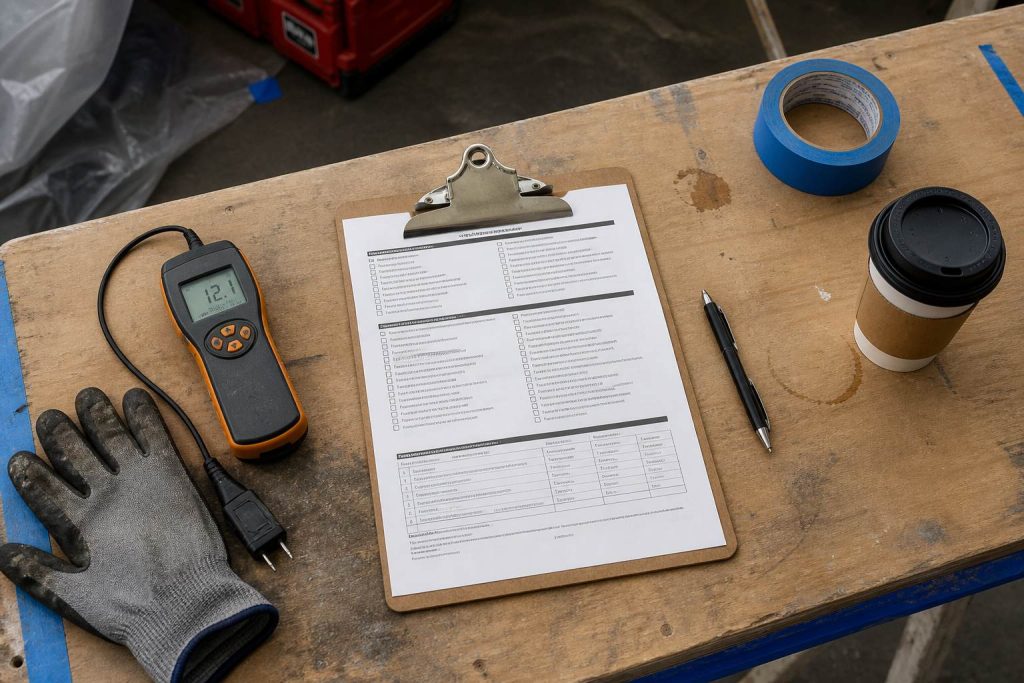
    Restoration SOP clipboard with checklist, moisture meter, and gloves on a jobsite table
    Field process discipline — what the Theler work actually required.

    The earthwork phase, completed in fall 2025, was substantial. The Hood Canal Salmon Enhancement Group (HCSEG) and the Washington Department of Fish and Wildlife removed a failing levee that had cut off roughly seven acres of estuary from Hood Canal’s tidal flow for decades. They replaced a 12-inch metal culvert — far too small to handle natural tidal exchange — with a 15-foot-wide concrete box culvert. They dug a new sinuous tidal channel through the rehabilitated wetland. And they raised a section of Northeast Roessel Road to serve as a set-back levee, moving the line of flood protection landward instead of armoring the original shoreline.

    The summer 2026 phase is the visible one: a 1,200-foot piling-supported elevated boardwalk through the restored marsh.

    Why It Matters for Your Shoreline

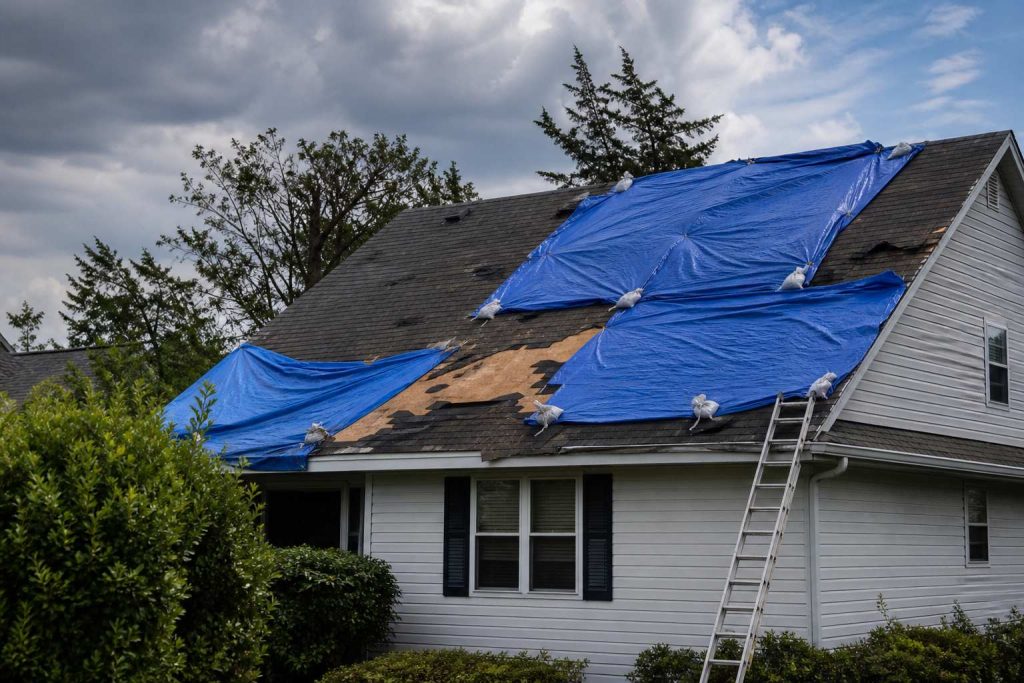
    Residential roof with blue emergency tarps after storm damage under gray sky
    Why shoreline and storm damage projects matter to owners nearby.

    The mechanics of what Theler does — restoring tidal connectivity, replacing undersized infrastructure, and using set-back rather than armored levees — match what Mason County and Washington state regulators are looking for when shoreline owners apply for permits today. If you have a bulkhead, an undersized culvert under a private driveway, or a failing seawall, the next round of permit conversations is increasingly going to look like the conversations that produced Theler.

    Three takeaways for property owners:

    • Undersized culverts are the single most common shoreline restoration target. A 12-inch culvert blocking tidal flow is the kind of feature that gets flagged on more than half of Hood Canal property assessments. Replacement, not repair, is the direction of policy.
    • Set-back levees protect property value better than armored shorelines. A bulkhead that fails in 20 years drops shoreline value sharply. A set-back design, like the raised section of Roessel Road, holds up because it works with tidal processes rather than against them.
    • Restored estuaries support adjacent property values, not just salmon. Healthy salt marshes filter water, dissipate wave energy, and stabilize the shoreline upstream and down. Properties next to functioning estuaries tend to require less ongoing maintenance.

    The Endangered Species Act Layer

    Hood Canal summer chum salmon are listed as threatened under the federal Endangered Species Act. That listing has direct consequences for shoreline permitting along the Union River, the canal’s south end, and any waterway with chum-bearing tributaries. Projects that improve summer chum habitat — like Theler — generally clear permits faster. Projects that may impair it face longer review timelines and more conditions.

    For property owners, the practical implication is that the closer your shoreline is to a chum-bearing estuary, the more aligned your project plans need to be with restoration-friendly design. Working with WDFW or HCSEG early in the process tends to be faster than fighting through a denied permit later.

    Public Access and Property Value

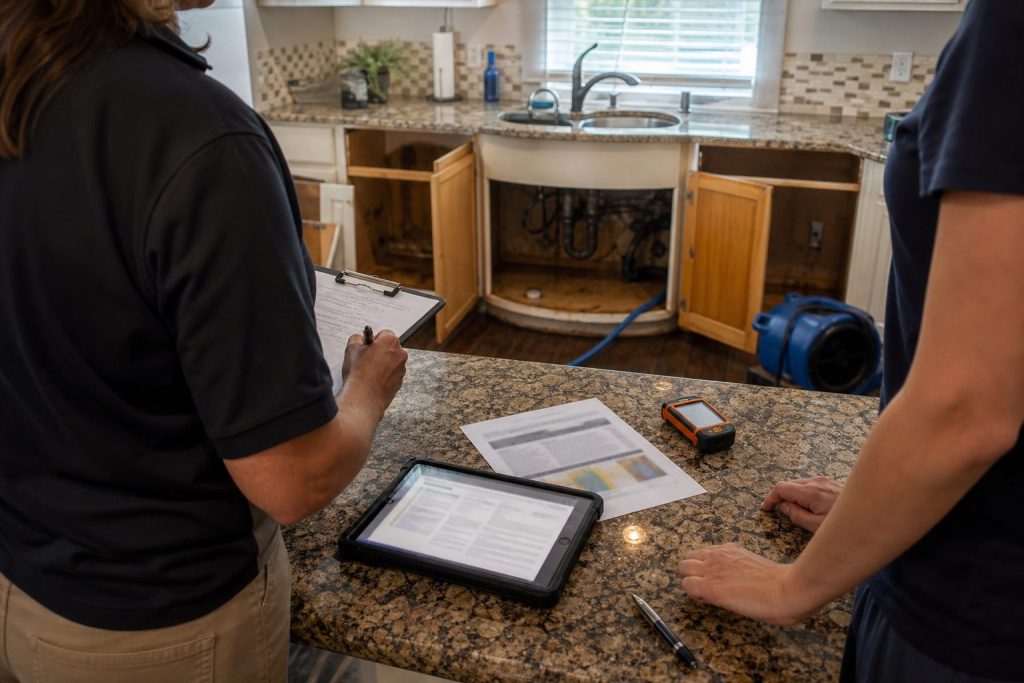
    Clipboard and tablet on a kitchen counter during an insurance adjuster walkthrough after water loss
    Public access, property value, and the adjuster conversation.

    The Theler boardwalk also matters for the broader north-Mason real-estate environment. Public-access amenities — restored trails, completed loop walks, accessible nature preserves — drive durable property values across waterfront and near-waterfront parcels. The Belfair area benefits when Theler is a complete, walkable destination rather than a half-closed construction site.

    Where to Watch the Project

    The preserve is at 22871 NE SR-3 in Belfair, off Highway 3 before the town center. HCSEG posts construction and trail-access updates at pnwsalmoncenter.org. WDFW’s Union River Estuary Restoration project page is the source for engineering and habitat detail.

    Frequently Asked Questions

    What is a set-back levee and why does it matter for property owners?

    A set-back levee is a flood-protection structure built landward of the original shoreline, allowing the natural tidal zone to function. At Theler, a section of Northeast Roessel Road was raised to serve as the set-back levee. For property owners, set-back designs typically permit faster than armored shorelines and hold up longer.

    Why are undersized culverts a target for restoration?

    Culverts that are too small — like the original 12-inch metal culvert at Theler — block tidal exchange, prevent fish passage, and tend to fail in storm events. Washington state policy has shifted heavily toward replacing undersized culverts with appropriately sized box culverts that allow full tidal flow.

    How big is the Theler restoration?

    Approximately seven acres of estuarine wetland habitat at the southeast end of Hood Canal. The earthwork phase finished in fall 2025; the summer 2026 phase will install a 1,200-foot elevated boardwalk through the restored marsh.

    Does proximity to a restored estuary affect property value?

    Healthy estuaries filter water, dissipate wave energy, and stabilize shorelines upstream and down. Properties adjacent to functioning estuaries typically require less ongoing maintenance, and public-access amenities like the Theler boardwalk support area-wide real-estate value.

    What does the Endangered Species Act mean for Hood Canal shoreline projects?

    Hood Canal summer chum are federally listed as threatened. Properties along chum-bearing waterways face additional review when permitting shoreline work. Projects designed to improve habitat tend to clear permits faster than projects that may impair it.

    Related coverage on tygartmedia.com: Hood Canal Property Owner’s Guide to Shellfish Access at Potlatch, Hood Canal Property Owners: What the Tahuya River Preserve Means for Water Quality.

  • Hood Canal Spot Shrimp: Beginner’s Guide to May 10 Opener

    Hood Canal Spot Shrimp: Beginner’s Guide to May 10 Opener


    You don’t need to be a lifelong shrimper to fish the May 10 opener on Hood Canal. You do need a Washington recreational fishing license, the right gear in the boat the night before, and a clear understanding of one rule that catches first-timers every year: nothing in the water before 9 a.m.

    This is the practical, household-level guide for Mason County residents who want to take part in the 2026 spot shrimp season for the first time.

    Step 1: Get Your License

    Every adult on the boat who plans to keep shrimp needs a valid Washington recreational fishing license with a shellfish/seaweed endorsement. They are sold online at WDFW, at sporting goods stores, and at many gas stations and bait shops in Mason County. Buy it before May 10 — the morning-of license rush at local vendors is real.

    Children 15 and under do not need a license, but their shrimp count toward your boat’s totals and they have to follow the same daily limits.

    Step 2: Know the May 10 Window

    Marine Area 12 — Hood Canal — opens for spot shrimp from 9 a.m. to 1 p.m. on Saturday, May 10, 2026. That is the entire window. You cannot set traps before 9 a.m. and you cannot leave them in the water past 1 p.m. WDFW enforcement does run patrols during the opener, and tickets are common for traps set early.

    The full 2026 Marine Area 12 schedule: May 10, May 24, May 26, June 7, and June 21. Same 9 a.m. to 1 p.m. window each day. Additional dates may be announced based on how the fishery is performing.

    Step 3: Know the Limits

    Each licensed fisher gets 80 spot shrimp per day. The combined daily weight limit for all shrimp species (spot, pink, coonstripe, etc.) is 10 pounds, whole shrimp. Most shrimpers max out on spot well before they hit the weight cap.

    If your day’s catch is spot shrimp only, you can remove and discard the heads on the water — many veterans do, because shrimp keep better and pack tighter when iced down without heads. If you retain any other shrimp species, all heads stay attached until you’re back on shore so officers can verify the weight limit.

    Step 4: Gear and Bait

    You need shrimp pots rated for the depth — Hood Canal spot shrimp typically sit at 200 to 300 feet, so plan for at least 350 feet of line per pot, weighted enough to sink fast against any current. Spot shrimp are scavengers; canned cat food (especially fish-based varieties), fish frames, and prepared shrimp bait pucks all work. Most shrimpers bring two to four pots per boat.

    Mark your buoy clearly with your WDFW number. Unmarked or poorly marked gear gets confiscated.

    Step 5: Where to Launch

    From the Mason County side, the most-used Marine Area 12 launches are around Hoodsport, Union, and the south end near Belfair. Hood Canal narrows considerably at the south end, so most boats fishing from Belfair-area ramps will run north toward deeper water before setting pots. Plan launch time accordingly — 6 a.m. is not too early to be at the ramp on opening day.

    Step 6: After You Catch

    Get the shrimp on ice immediately. Spot shrimp are delicate and degrade fast in warm conditions. Freshly caught spot shrimp poached for two minutes in salted water with a squeeze of lemon is one of the best meals Hood Canal produces, and it is the reason Mason County families plan their May Saturdays around these openers.

    Frequently Asked Questions

    What time does Hood Canal spot shrimp season open on May 10?

    9 a.m. exactly. The fishing window runs from 9 a.m. to 1 p.m. Pots cannot be set in the water before 9 a.m. and must be out of the water by 1 p.m. Marine Area 12 enforcement does ticket early-set gear.

    Do I need a special license for spot shrimp in Washington?

    You need a Washington recreational fishing license with a shellfish/seaweed endorsement. They are available online from WDFW, at sporting goods stores, and at many local vendors throughout Mason County.

    What is the daily limit for spot shrimp on Hood Canal?

    80 spot shrimp per licensed fisher, with a combined 10-pound daily weight limit for all shrimp species. If you keep only spot shrimp, you may remove the heads on the water.

    Can I take my kids spot shrimping?

    Yes. Children 15 and under do not need a license. They are still subject to the same daily limits, and any shrimp they catch count toward the boat’s total.

    What gear do I need for first-time spot shrimping?

    Shrimp pots rated for 200-300 foot depth, at least 350 feet of weighted line per pot, a clearly marked buoy with your WDFW number, and bait — canned fish-based cat food, fish frames, or prepared shrimp pucks all work. Most boats run two to four pots.

    More from tygartmedia.com Mason County coverage: First Time Shellfish Harvesting at Potlatch? A Beginner’s Guide, Hood Canal Shellfish Season Open Through May 31: Potlatch Beach Guide.

  • Hood Canal Spot Shrimp 2026 & Theler Boardwalk Updates

    Hood Canal Spot Shrimp 2026 & Theler Boardwalk Updates


    Hood Canal’s shoreline is doing two things at once this May. On Saturday, May 10, Marine Area 12 will open for spot shrimp at 9 a.m. — the only piece of Puget Sound with an opener two weeks before the rest of the region. A few miles up the highway in Belfair, the Mary E. Theler Wetlands Nature Preserve is heading into the most visible phase of a multi-year salmon restoration: a 1,200-foot elevated boardwalk through a salt marsh that, until recently, sat behind a failing levee.

    The two stories are not separate. The shrimp fishery exists because the canal still has functioning estuaries. The estuary at Theler is being rebuilt because Hood Canal’s summer chum — federally listed as threatened — need it to survive. For Mason County families, this May is a window into both halves of the same coastline.

    Marine Area 12 Opens May 10 — Two Weeks Ahead of the Rest of Puget Sound

    The Washington Department of Fish and Wildlife (WDFW) has set Hood Canal’s 2026 spot shrimp schedule with five confirmed openings in Marine Area 12: May 10, May 24, May 26, June 7, and June 21. Each window runs from 9 a.m. to 1 p.m. only. WDFW has flagged that additional dates may be added later in the season depending on stock assessments — the agency’s Medium account and the Marine Area 12 regulations page are the definitive sources for any mid-season changes.

    The daily limit across Puget Sound is 80 spot shrimp per licensed fisher, and the combined daily weight limit for all shrimp species is 10 pounds (whole shrimp). If a shrimper retains only spot shrimp, they may remove and discard the heads on the water; if they retain any other shrimp species, heads must stay attached until they are back on shore so officers can verify the weight limit on the dock.

    The May 10 opener carries unusual weight on Hood Canal because it is the only early opportunity in the region. Most of Puget Sound waits until May 24. That two-week head start is why launch ramps from Hoodsport up through Union toward Belfair are likely to be at capacity before the 9 a.m. window opens. Experienced shrimpers tend to be on the water before sunrise, traps rigged, ready to drop the moment the season starts.

    Theler Wetlands: The Levee Is Gone, the Boardwalk Is Coming

    While shrimpers fish the deeper waters of the canal, the south end of Hood Canal is in the middle of a quieter transformation. The Mary E. Theler Wetlands Nature Preserve sits at the mouth of the Union River in Belfair — 22871 NE SR-3, just before the town center on Highway 3. For decades, a levee separated roughly seven acres of wetland from the tidal processes that built the marsh in the first place. As of fall 2025, that levee is gone.

    The Hood Canal Salmon Enhancement Group (HCSEG) and WDFW completed the major earthwork phase last year: a failing 12-inch metal culvert was replaced with a 15-foot-wide concrete box culvert; a sinuous tidal channel was excavated through the new estuary; and a section of Northeast Roessel Road was raised to function as a set-back levee. Summer 2026 brings the most visible piece of the project — construction of a 1,200-foot elevated, piling-supported boardwalk through the restored marsh, built on the footprint where the old levee used to be.

    For Mason County visitors, the practical effect is that the Theler trail loop, currently fragmented by construction, will reconnect. The preserve already draws birders, school groups, and weekend walkers; the new boardwalk turns the wetlands into a fully accessible loop through restored salt marsh — the kind of walk that, in much of Puget Sound, no longer exists.

    Why the Two Stories Belong Together

    Hood Canal summer chum salmon are listed as threatened under the federal Endangered Species Act. The Union River, which empties into the canal at Theler, is one of the last spawning runs left for the species. Juvenile summer chum need shallow, low-salinity, food-rich estuarine water to grow before they head out into the canal. That is exactly what the Theler restoration is rebuilding.

    And juvenile salmon are not the only species that depend on a healthy canal. Spot shrimp, the prize of every May opener, live in deeper waters but rely on the broader ecological function of Hood Canal — water quality, dissolved oxygen, nutrient flow — that estuaries help maintain. When residents pull a trap full of spot shrimp on May 10 and walk a restored boardwalk in August, they are seeing two different parts of the same system.

    What Mason County Residents Should Do This May

    For shrimpers: confirm your Washington recreational fishing license before May 10, check the WDFW Marine Area 12 regulations page for any last-minute rule changes, and arrive early. The 9 a.m. start is hard — traps cannot be set in the water before then.

    For everyone else: the Theler preserve is open during daylight hours, and HCSEG posts trail-access status at pnwsalmoncenter.org. The current spring window is a chance to see the wetlands mid-restoration, before the boardwalk goes in. By late summer 2026, the loop should be walkable end to end for the first time in years.

    Frequently Asked Questions

    When does Hood Canal spot shrimp season open in 2026?

    Marine Area 12 opens for spot shrimp on May 10, 2026, from 9 a.m. to 1 p.m., with additional confirmed openings on May 24, May 26, June 7, and June 21. WDFW may announce more dates later in the season. Hood Canal is the only Puget Sound area with an opening before May 24.

    What are the daily limits for spot shrimp in Hood Canal?

    Each licensed shrimp fisher may keep up to 80 spot shrimp per day, with a combined daily weight limit of 10 pounds (whole shrimp) for all shrimp species. Spot-shrimp-only retainers may remove the heads on the water; mixed-species retainers must keep heads attached until back on shore.

    Where is the Mary E. Theler Wetlands Nature Preserve?

    The preserve is located at 22871 NE SR-3 in Belfair, just off Highway 3 before the town center. It is open during daylight hours. Trail access is partially affected by ongoing restoration work; current status is posted at pnwsalmoncenter.org.

    When will the Theler Wetlands boardwalk be finished?

    WDFW and the Hood Canal Salmon Enhancement Group plan to construct the 1,200-foot elevated boardwalk in summer 2026. The structure runs through the newly restored estuary on the footprint of the removed levee and will reconnect the preserve’s currently fragmented trail loop.

    Why does the Theler restoration matter for Hood Canal salmon?

    Hood Canal summer chum are federally listed as threatened. Juvenile chum from the Union River need shallow, low-salinity estuarine habitat to grow before entering the canal. The Theler project removed a levee, replaced an undersized culvert, and dug a new tidal channel to restore that nursery habitat across roughly seven acres.

    Do I need a license to harvest spot shrimp in Washington?

    Yes. A valid Washington recreational fishing license is required for spot shrimp harvest. Licenses can be purchased online from WDFW or at license vendors statewide. Children 15 and under do not need a license but are still subject to daily limits.

    Is the Theler Wetlands trail accessible during construction?

    Sections of the trail loop are currently fragmented because of restoration work. Walking access is available during daylight hours, but the full loop is not yet reconnected. The 2026 boardwalk construction is the final phase that will restore continuous loop access.

    Related Mason County coverage on tygartmedia.com: Hood Canal Property Owner’s Guide to Shellfish Access at Potlatch, First Time Shellfish Harvesting at Potlatch? A Beginner’s Guide, Tahuya River Preserve Reaches 190 Acres.

  • Everett CB 2604-24: Appointive Officer Compensation Changes

    Everett CB 2604-24: Appointive Officer Compensation Changes

    Featured snippet:

    Q: What is Council Bill 2604-24, and when does the Everett City Council vote on it?
    A: CB 2604-24 amends Chapter 2.74 of the Everett Municipal Code, which governs compensation and fringe benefits for the city’s appointive officers, classified nonrepresented employees, and councilmembers themselves. First reading is at the May 6, 2026 council meeting. Third and final reading is scheduled for May 20, 2026.

    Wednesday night at City Hall, the Everett City Council will take up the first reading of an ordinance most residents will never read but every resident pays for.

    Council Bill 2604-24 is on the May 6 agenda as a Proposed Action Item — a 1st reading of an ordinance amending Chapter 2.74 of the Everett Municipal Code, which is the section of city code that governs how Everett pays its appointed department heads, its classified nonrepresented employees, and its own city councilmembers. The third and final reading is scheduled for May 20, 2026, at the next regular council meeting after Wednesday’s vote.

    The ordinance itself is short on the agenda — one line on a single page of consent and action items. But the chapter it amends is the section of code that decides how much the city pays the people running its departments and what benefits they get for that work. For a city facing a projected $14 million 2027 general fund gap (covered earlier in this desk’s run log on April 21), how the appointed leadership is compensated is not a side question.

    This article breaks down what Chapter 2.74 actually does, what’s likely to be inside CB 2604-24, the calendar between Wednesday and May 20, and how residents who want to weigh in can do so before the third reading.

    What Changes for Residents

    Three things to know up front:

    The vote is not final on Wednesday. Wednesday is the 1st reading. The final vote is May 20. That gives residents two weeks to read the ordinance bill, watch the May 6 deliberation, and submit public comment before the council acts.

    This is not a salary-setting vote for elected councilmembers in isolation. Chapter 2.74 covers three categories: appointive officers (the people the mayor appoints to run departments), classified nonrepresented employees (city staff who are not covered by a union contract), and the city council itself. Any change to one article of the chapter typically gets discussed alongside the others.

    You can read the actual bill before the meeting. The full PDF of CB 2604-24 is posted to the city’s Agenda Center under the May 6, 2026 agenda packet. The link to the document — including any staff memo explaining what the changes do — is published on everettwa.gov/AgendaCenter at least 72 hours before the meeting under state public-meeting rules.

    What Chapter 2.74 Actually Covers

    The Everett Municipal Code organizes Chapter 2.74 into three articles, each covering a different category of city personnel:

    Article I — Appointive Officers. These are the department heads and senior staff appointed by the mayor — the people who actually run departments like Public Works, Parks, the Police Department’s civilian leadership, the Fire Department’s civilian leadership, and similar roles. Under existing code, the mayor sets the workweek for appointive officers as needed for “efficient functioning of city government.” Appointive officers who are exempt from the federal Fair Labor Standards Act do not get premium pay for overtime, callbacks, or holidays, and no appointive officer gets longevity premium pay.

    The chapter also defines insurance benefits for these officers: basic and major medical, vision, and dental coverage for the officer and eligible dependents, with the full-time officer required to contribute ten percent of the cost of medical coverage.

    Article II — Classified Nonrepresented Employees. These are city employees who are not in a union bargaining unit. Their compensation and benefits are set through this chapter rather than through collective bargaining.

    Article III — City Council. This article covers how Everett pays its own councilmembers and council president, including any expense reimbursements and benefits.

    Chapter 2.74 is distinct from Chapter 2.72, which handles general employee compensation, and Chapter 2.70, which sets the broader Performance Management and Compensation Plan. The salary ordinance for represented employees lives elsewhere in the code.

    What’s Likely Inside CB 2604-24

    The agenda title for CB 2604-24 reads: “Adopt an Ordinance amending Chapter 2.74 of the Everett Municipal Code, which pertains to appointive employee compensation and fringe benefits.”

    The agenda doesn’t say specifically which sections of the chapter are being amended. That’s standard format for first-reading agenda titles — the substance is in the bill PDF in the agenda packet, not in the headline. Residents who want to know exactly what changes the ordinance proposes need to download the bill itself from the May 6 agenda packet at everettwa.gov/AgendaCenter.

    What is typical for ordinances of this type — based on how Chapter 2.74 has been amended in prior years — is one or more of the following: an adjustment to the cost-of-living formula, a change to the fringe-benefit contribution percentages, an update to the language defining which positions are “appointive” versus “classified,” a clarification of FLSA-exempt status for specific roles, or a reorganization of how the three articles interact.

    Residents reading the bill should look for: which sections are added, which are deleted, which are modified, and whether the changes are prospective (forward-looking only) or retroactive to a prior pay period.

    The Calendar Between Wednesday and May 20

    Everett ordinances generally get three readings before adoption:

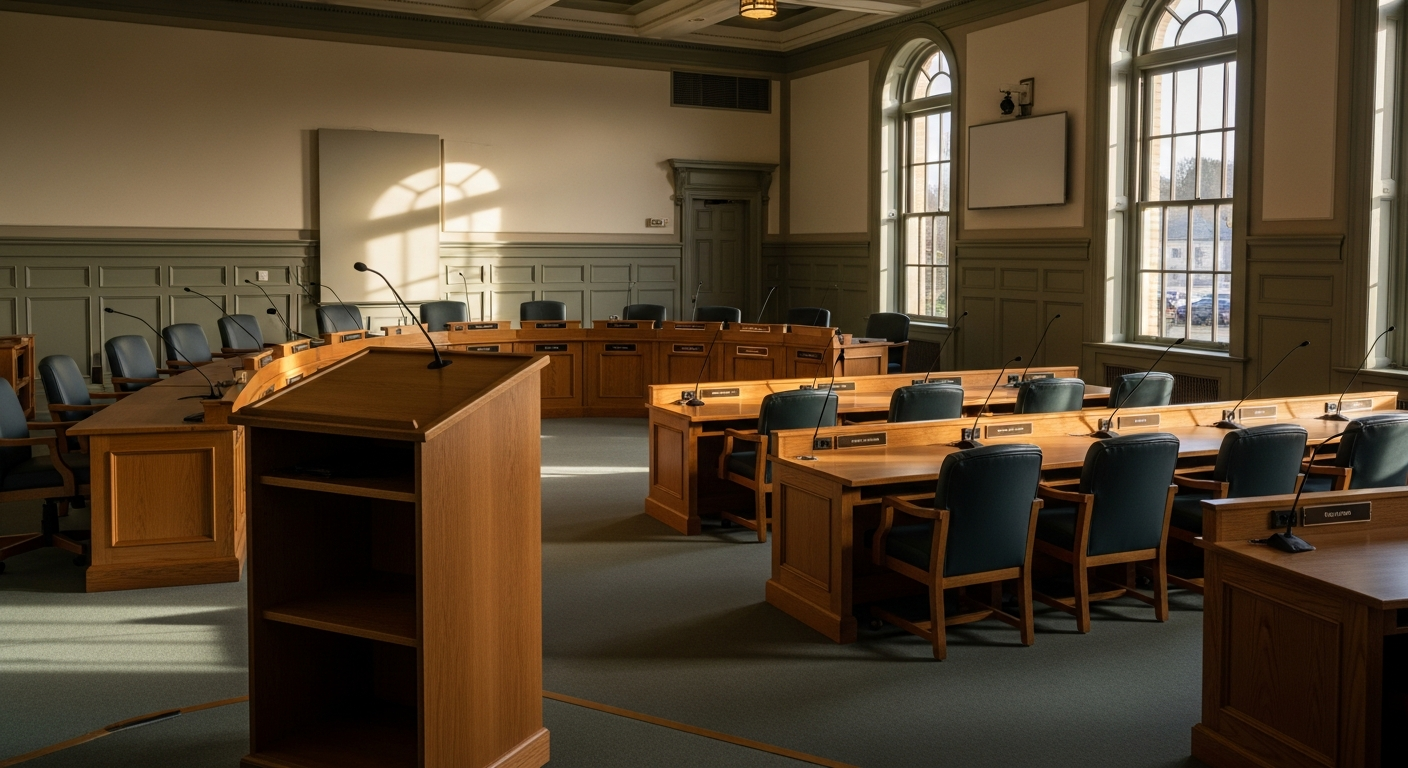
    • 1st Reading: Wednesday, May 6, 2026, at 6:30 p.m. — Council Chambers, 3002 Wetmore Avenue. The bill is introduced, staff may offer a brief explanation, and councilmembers can ask questions. There is typically no full debate at first reading; the bill is “read” and held over.
    • 2nd Reading: would normally be May 13, 2026 — at the regular Wednesday meeting that week. The bill receives further consideration. Amendments are most commonly offered at second reading.
    • 3rd & Final Reading: Wednesday, May 20, 2026, at 6:30 p.m. — the agenda title for CB 2604-24 specifically lists “(3rd & Final Reading 5/20/26)” — meaning the final vote, in current city practice, is consolidated into a single agenda item on the third meeting in the cycle.

    If amendments are added between first and final reading, those amendments themselves can extend the process. Residents who want to follow the bill should set a reminder for May 20.

    How to Weigh In Before May 20

    Everett’s council meetings include a Public Comment period at the start of every regular meeting. Residents who want to comment on CB 2604-24 have several paths:

    In person at the meeting. Public Comment runs near the start of every regular Wednesday meeting. Residents arrive at Council Chambers, 3002 Wetmore Avenue, before 6:30 p.m. and sign up at the door. The standard time limit is three minutes per speaker.

    By Zoom. Register at everettwa.gov/speakerform no later than 30 minutes before the meeting starts. The city’s notice requires that you identify the topic you wish to address.

    By email. Send written comments to Council@everettwa.gov. The city notes that emailed comments submitted at least 24 hours before the meeting are distributed to all councilmembers and appropriate staff. Comments sent later may not reach councilmembers before the vote.

    By mail. 2930 Wetmore Avenue, Suite 9A, Everett, WA 98201. Allow time for delivery if you go this route.

    Comments on non-agenda items may be asked to be submitted in writing if the comment does not address an issue of “broad public interest,” per the city’s published guidance. CB 2604-24 is on the agenda for Wednesday and again on May 20, so it qualifies as an agenda item for both meetings.

    Watching the Meeting

    Wednesday’s meeting will be broadcast live and recorded. Two ways to follow along:

    Live and archived video: YouTube.com/EverettCity. The full archive of past meetings is searchable from there.

    Agenda and bill PDFs: everettwa.gov/citycouncil and the AgendaCenter for the May 6, 2026 packet.

    If you cannot watch Wednesday but want to be informed before May 20, the meeting recording typically posts within 24 hours and the official minutes — including the roll-call vote on first reading and any amendments offered — are added to the May 6 agenda page on the city website within a week.

    Why This Matters Inside Everett’s Bigger Budget Picture

    Earlier in this desk’s run log (April 21, 2026) we covered Everett’s projected $14 million 2027 general fund gap and the four levers the city is weighing to close it: the regional fire RFA, Sno-Isle library regionalization, another levy lid lift, and possible annexation. Three of those four require voter approval.

    How the city pays its appointive officers and classified nonrepresented employees is not the largest line in the general fund, but it is one of the lines the city has direct discretion over without going to voters. Any ordinance amending Chapter 2.74 in 2026 is happening inside that budget context whether the bill mentions the gap or not. Residents reading CB 2604-24 should look for whether the ordinance is structured to add cost, hold cost flat, or save cost — and whether the staff memo that accompanies the bill addresses the 2027 budget connection.

    That answer is in the agenda packet, not in the headline.

    What to Do Next

    Before Wednesday:

    • Download CB 2604-24 from the May 6, 2026 agenda packet at everettwa.gov/AgendaCenter.
    • Read the staff memo (if attached) for the city’s explanation of what changes and why.
    • If you want to speak at Wednesday’s meeting in person, plan to arrive at 3002 Wetmore Avenue before 6:30 p.m. Wednesday. To speak via Zoom, register at everettwa.gov/speakerform by 6 p.m.

    Between May 6 and May 20:

    • Watch the May 6 first-reading deliberation on YouTube.com/EverettCity to see which councilmembers engage and what they ask.
    • Submit written comment to Council@everettwa.gov at least 24 hours before May 20 to ensure councilmembers receive it before the final vote.
    • Track whether any amendments are filed between readings — those typically appear on the agenda for the second reading the week before final.

    On May 20:

    • The 3rd and final reading is scheduled for the Wednesday, May 20 meeting at 6:30 p.m.
    • Public comment is again accepted before the vote.
    • The roll call shows where each councilmember landed.

    Frequently Asked Questions

    What does Chapter 2.74 of the Everett Municipal Code govern?

    Chapter 2.74 covers compensation and fringe benefits for the City of Everett’s appointive officers (department heads appointed by the mayor), classified nonrepresented employees (city staff not covered by union contracts), and the city council itself.

    When is the first reading of CB 2604-24?

    Wednesday, May 6, 2026, at 6:30 p.m. in Council Chambers, 3002 Wetmore Avenue.

    When is the final vote?

    Wednesday, May 20, 2026, at 6:30 p.m. The agenda item for May 6 specifically lists “(3rd & Final Reading 5/20/26).”

    Where can I read the actual ordinance bill?

    The PDF of CB 2604-24 is in the May 6, 2026 agenda packet at everettwa.gov/AgendaCenter, along with any staff memo explaining the changes.

    How do I submit public comment?

    By email to Council@everettwa.gov (at least 24 hours before the meeting to ensure councilmembers receive it), in person at Council Chambers, by Zoom (register at everettwa.gov/speakerform no later than 30 minutes before the meeting), or by mail to 2930 Wetmore Avenue, Suite 9A, Everett, WA 98201.

    Does this ordinance set salaries for elected city councilmembers?

    Chapter 2.74 includes Article III on City Council compensation, but the agenda title for CB 2604-24 specifically references “appointive employee compensation and fringe benefits” — the appointed-officer side of the chapter. Residents who want to know which articles the bill modifies need to read the bill PDF.

    Is this connected to Everett’s 2027 budget gap?

    Everett is projecting a roughly $14 million 2027 general fund gap. How the city pays its appointive officers and classified nonrepresented employees is one of the discretionary lines in the general fund. The ordinance does not have to mention the gap to be relevant to it; residents should look at the staff memo for whether the city addresses the connection.

    Where do I watch the meeting?

    Live and archived at YouTube.com/EverettCity. The May 6 meeting starts at 6:30 p.m.