Blog

  • R Harn Thai Everett Review: The Best Khao Soi on Hewitt

    R Harn Thai Everett Review: The Best Khao Soi on Hewitt

    R Harn means “food” in Thai. It’s a straightforward name for a restaurant that has quickly become anything but forgettable on a block that already has strong opinions about Thai food.

    R Harn Thai opened in early 2026 at 2011 Hewitt Avenue — the same address that previously housed Thai Gusto — and in a matter of weeks built a rating more than a full star higher than its predecessor. That kind of early momentum on Hewitt Avenue, where the competition is serious and the regulars are loyal, means something. We went to find out what the fuss is about.

    The Setting

    R Harn Thai occupies Suite 3614 at 2011 Hewitt Ave, in the same building that also houses Heritage African Restaurant two doors down, with Angel of the Winds Arena visible from the street. It’s a prime spot on the Hewitt corridor — the same four-block stretch that’s become Everett’s most interesting concentration of international dining, with Italian at Luca, New Mexican at The New Mexicans, West African at Heritage, and now a Thai kitchen that’s drawing its own crowd.

    The room is comfortable without being precious. This is a family-owned restaurant, and the warmth in the service reflects that. The staff know what they’re doing, and the regulars who’d been going to Thai Gusto in the same space are clearly finding the transition worthwhile.

    What to Order

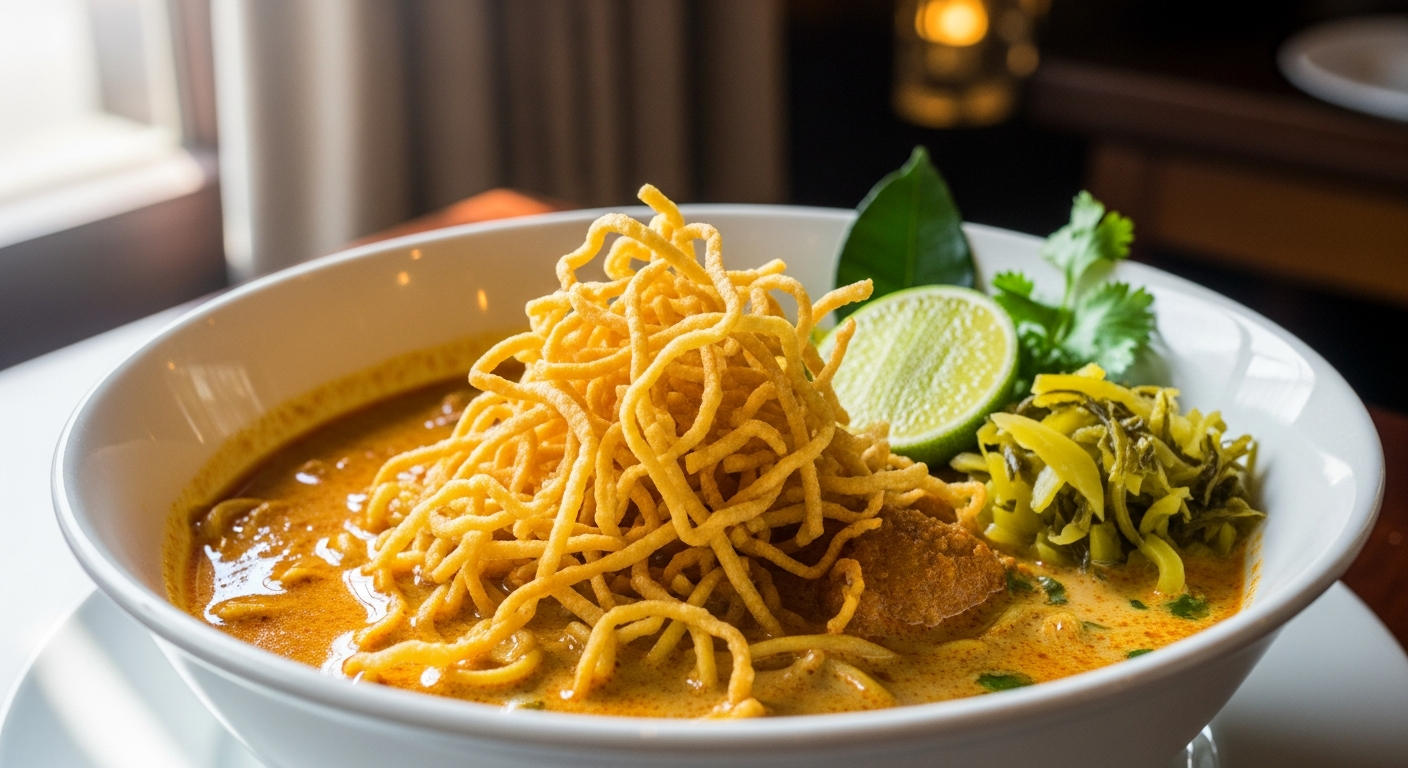
    The khao soi chicken is the order. Khao soi is a northern Thai curry noodle soup — egg noodles in a rich coconut curry broth, topped with crispy fried noodles, pickled mustard greens, shallots, and lime. It’s one of the most complex dishes in the Thai regional canon, and R Harn’s version lands it right: the broth has depth without being heavy, the crispy noodle topping provides the textural contrast that makes the dish, and the seasoning is confident without being timid.

    Kra prau (also spelled pad kra pao) is the other essential order — Thai basil stir-fry with your choice of protein, fish sauce, oyster sauce, and chilies. At R Harn, it’s cooked with the kind of wok heat that most American Thai restaurants don’t consistently achieve. Get it with a fried egg on top. Get the rice.

    The pumpkin curry is a seasonal standout worth ordering while it’s available. Duck curry and salmon curry are both on the menu for diners who want something beyond the standard chicken-or-tofu binary. Crab fried rice, cashew nut chicken, and crispy garlic chicken round out the dishes that regulars keep coming back for.

    The classics — pad thai, spring rolls, crab wontons, chicken satay — are all here and all executed well. But if you’re going to R Harn Thai for the first time and playing it safe with pad thai, you’re leaving the best stuff on the table.

    Hours and Practical Details

    R Harn Thai is closed Mondays. Tuesday through Thursday: 11 AM to 3 PM and 4 PM to 8:30 PM. Friday: 11 AM to 3 PM and 4 PM to 9 PM. Saturday: 12 PM to 9 PM. Sunday: 12 PM to 8 PM.

    The split lunch/dinner service Tuesday through Friday means there’s a gap in the mid-afternoon — plan around it. For a Friday dinner without the wait, showing up right at 4 PM is the move. The restaurant is reachable at (425) 252-3525.

    Delivery is available through Uber Eats and Postmates. The restaurant’s website is rharnthaieverett.com.

    The Hewitt Corridor in 2026

    It’s worth stepping back and noting what Hewitt Avenue has become. Two years ago, the stretch from 14th to 21st was defined by Vintage Cafe’s 50-year anchor presence, a few bars, and some street-level retail. Today it has Luca for Italian, The New Mexicans for Hatch green chile cuisine, Heritage African for Gambian-Senegalese cooking, Obsidian Beer Hall for curated PNW craft beer, Sabai Jai Thai for Bangkok street food, and now R Harn Thai adding northern Thai regional cooking to the mix.

    That’s a serious four-block stretch. Downtown Everett’s food identity has been building quietly and is now hard to ignore. R Harn Thai is the latest piece in that puzzle, and it’s a good one.

    R Harn Thai
    2011 Hewitt Ave, Suite 3614, Everett, WA 98201
    Phone: (425) 252-3525
    Tue–Thu: 11 AM–3 PM & 4–8:30 PM | Fri: 11 AM–3 PM & 4–9 PM
    Sat: 12–9 PM | Sun: 12–8 PM | Closed Monday
    Website: rharnthaieverett.com

    Frequently Asked Questions

    What is R Harn Thai?
    R Harn Thai is a family-owned Thai restaurant at 2011 Hewitt Avenue in downtown Everett, WA. It opened in early 2026 in the space formerly occupied by Thai Gusto and quickly built a significantly higher rating. The name means “food” in Thai.

    What should I order at R Harn Thai?
    The khao soi chicken (northern Thai coconut curry noodle soup) and kra prau (Thai basil stir-fry) are the standout orders. Pumpkin curry, duck curry, crab fried rice, and crispy garlic chicken are also excellent. The classics — pad thai, spring rolls, chicken satay — are solid but not where the kitchen’s strengths are most visible.

    What is khao soi?
    Khao soi is a northern Thai specialty: egg noodles in a rich coconut curry broth, topped with crispy fried noodles, pickled mustard greens, shallots, and lime. It’s one of Thailand’s most complex regional dishes and R Harn Thai’s best showcase item.

    Is R Harn Thai open for lunch?
    Yes, Tuesday through Friday from 11 AM to 3 PM. There’s a break in service mid-afternoon; dinner service resumes at 4 PM. Saturday and Sunday lunch service begins at noon with no mid-day break.

    Where is R Harn Thai on Hewitt Avenue?
    R Harn Thai is at 2011 Hewitt Ave, Suite 3614, Everett — directly across from Angel of the Winds Arena and two doors from Heritage African Restaurant. It’s in the heart of the Hewitt Avenue international food corridor.

    Is R Harn Thai available for delivery?
    Yes. R Harn Thai is available for delivery through Uber Eats and Postmates.
  • Ubuntu Bar & Grill: Everett’s Hidden South African Braai

    Ubuntu Bar & Grill: Everett’s Hidden South African Braai

    The Everett restaurant scene has a well-documented habit of hiding its best options behind unremarkable storefronts in commercial strips that most people only drive through. Ubuntu Bar & Grill, tucked into a suite on Hardeson Road in south Everett, is a textbook example. This South African and Malawian braai spot has been quietly serving some of the most distinct food in Snohomish County — and most of Everett has no idea it exists.

    We went. Here’s what you need to know.

    The Concept: South African Braai in Snohomish County

    If you’re not familiar with braai (pronounced “bry”), the short version is this: it’s South African BBQ, but calling it BBQ sells it short. Braai is a cooking tradition rooted in the indigenous cultures of southern Africa, refined over centuries with Portuguese colonial influences, Indian spice traditions, and the specific fire-cooking culture that defines South African outdoor life. The word itself is Afrikaans for “grill,” but it means something closer to “the way we cook.”

    Ubuntu Bar & Grill brings that tradition to 7425 Hardeson Road, Suite B, Everett — a location that doesn’t hint at what’s inside. Once you’re in, the kitchen does the talking.

    What to Order

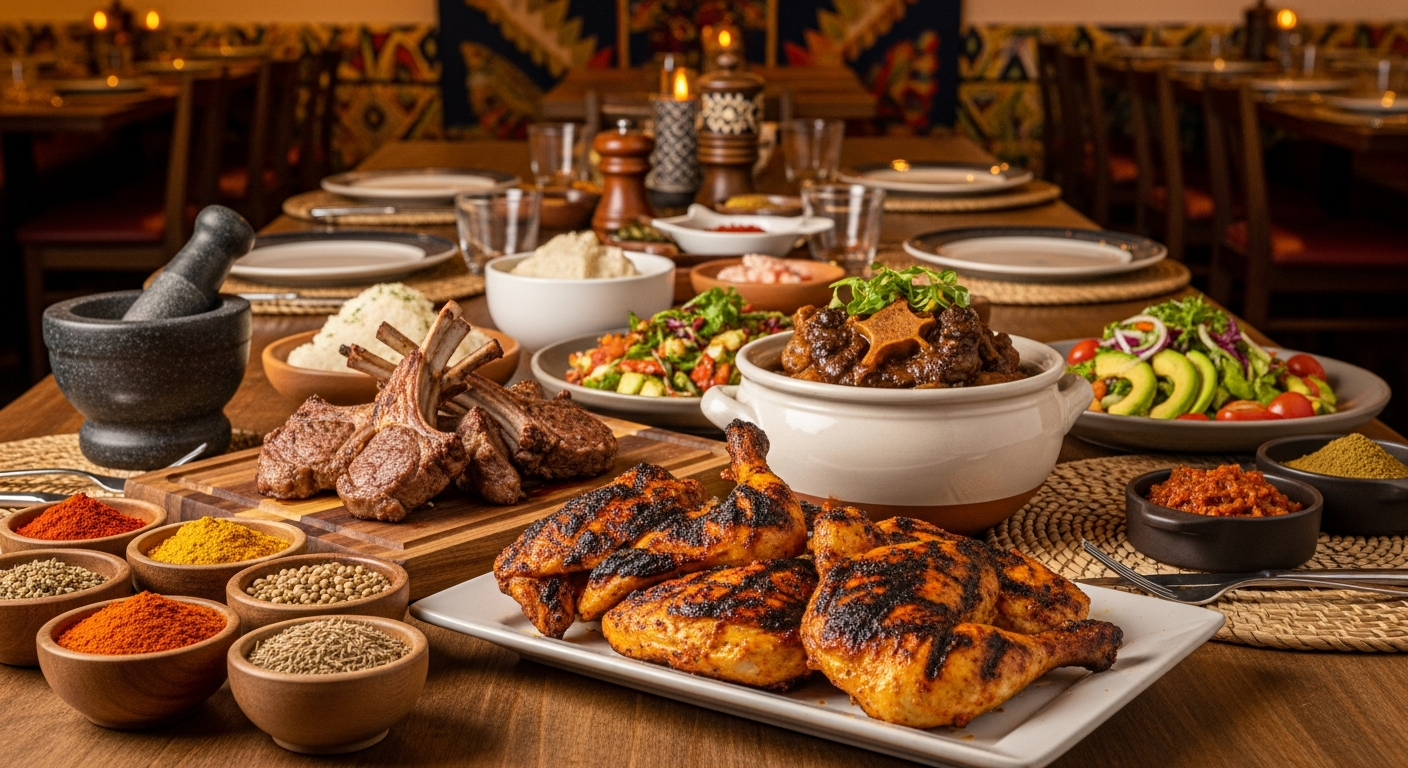
    The oxtail stew is the move. It comes out rich and deeply savory, the kind of slow-cooked dish that requires hours of attention and rewards it. Reviewers consistently call it out as the standout item, and we agree — it’s the dish that makes the trip worthwhile on its own.

    Peri peri chicken is the second order you should place alongside it. Peri peri sauce is a southern African chili sauce made from African bird’s eye chilies, garlic, lemon, and herbs — it has heat, but the flavor complexity is what distinguishes it from generic hot sauce. Ubuntu’s peri peri chicken runs $7.50 and comes with the right amount of spice: enough that you feel it, not so much that it drowns the chicken.

    The lamb chops ($5.50 each) are another standout. Grilled over direct heat with garlic and herbs, these are the kind of chops that make you recalculate what lamb is supposed to taste like. Get them with extra peri peri sauce on the side.

    Turkey samosas ($5.50) make for a good starter — crispy, well-filled, and a nod to the Indian influence that runs through South African cuisine’s history. The South African vegetable relish — a spiced mix of cabbage, carrots, onion, garlic, tomato, ginger, and baked beans — is worth ordering as a side just to understand the flavor profile the kitchen is working with.

    Beef ribs at $8.00 round out the main proteins. If you’re going in a group, order across the menu. This is food designed to be shared.

    The “Ubuntu” Philosophy

    Ubuntu is a Nguni Bantu philosophy that translates roughly to “I am because we are” — a statement about human interconnectedness and community. It’s a fitting name for a restaurant built around braai, which is inherently communal. You don’t braai alone. You gather people, you cook together, you eat together.

    The restaurant’s mission is to provide an authentic South African chesanyama (roadside meat grill) experience — high-quality meat, fire-cooked, spiced with southern African tradition, served without fuss. That’s what they’re delivering on Hardeson Road.

    The Practical Details

    Ubuntu Bar & Grill is at 7425 Hardeson Road, Suite B, Everett, WA 98203. Hours are Monday through Sunday, 11 AM to 9 PM. Phone: (425) 754-2419. They’re also available for delivery through DoorDash and Uber Eats, and you can order online through their Toast ordering system.

    Parking is a non-issue — it’s a commercial strip with plenty of lot space. The space itself is casual and welcoming. This is not a white-tablecloth dinner; it’s a braai spot, which means the energy is relaxed and the focus is entirely on the food.

    Why This Matters for Everett’s Food Scene

    Everett has done a remarkable job in recent years of building out genuine international food coverage — the Casino Road corridor alone has Vietnamese, Mexican, Filipino-Hawaiian, Central Asian, and Gambian-Senegalese kitchens within a short drive of each other. Ubuntu adds South African and Malawian cuisine to that list, which is not something you’ll find anywhere else in Snohomish County.

    The Everett Food Truck Park on Beverly Boulevard already hosts Tabassum, the only Uzbek food truck in the Pacific Northwest. Ubuntu Bar & Grill is another data point in the same pattern: Everett’s south and central corridors are quietly building one of the most diverse food scenes in Western Washington, and most of the people driving through those corridors don’t know it yet.

    Go find out.

    Ubuntu Bar & Grill
    7425 Hardeson Road, Suite B, Everett, WA 98203
    Hours: Monday–Sunday 11 AM – 9 PM
    Phone: (425) 754-2419
    Order online: Toast | DoorDash | Uber Eats
    Website: ubuntubarandgrill.com

    Frequently Asked Questions

    What kind of food does Ubuntu Bar & Grill serve?
    Ubuntu Bar & Grill serves authentic South African and Malawian cuisine, centered on the braai (South African BBQ) tradition. Signature items include oxtail stew, peri peri chicken, lamb chops, beef ribs, and turkey samosas.

    Where is Ubuntu Bar & Grill in Everett?
    The restaurant is located at 7425 Hardeson Road, Suite B, Everett, WA 98203, in a commercial suite in south Everett.

    What is peri peri sauce?
    Peri peri is a southern African chili sauce made from African bird’s eye chilies, garlic, lemon, and herbs. It has heat and significant flavor complexity — spicier than most Americanized hot sauces but more aromatic and layered.

    What does “ubuntu” mean?
    Ubuntu is a Nguni Bantu philosophy meaning roughly “I am because we are” — a concept centered on community and shared humanity. It’s a core value in many South African cultures and a fitting name for a restaurant built around communal cooking traditions.

    Is Ubuntu Bar & Grill available for delivery?
    Yes. Ubuntu Bar & Grill is available for delivery through DoorDash and Uber Eats, and accepts online orders through their Toast ordering system.

    Is there other international food near Ubuntu Bar & Grill in Everett?
    Yes. The south and central Everett corridors have a remarkable concentration of international cuisine, including Tabassum (Uzbek food truck, Beverly Food Truck Park), Enseamada Cafe (Filipino-Hawaiian, Evergreen Way), and the Casino Road corridor’s Vietnamese, Mexican, and other kitchens.

  • Scuttlebutt Brewing Everett: Guide to Both Locations

    Scuttlebutt Brewing Everett: Guide to Both Locations

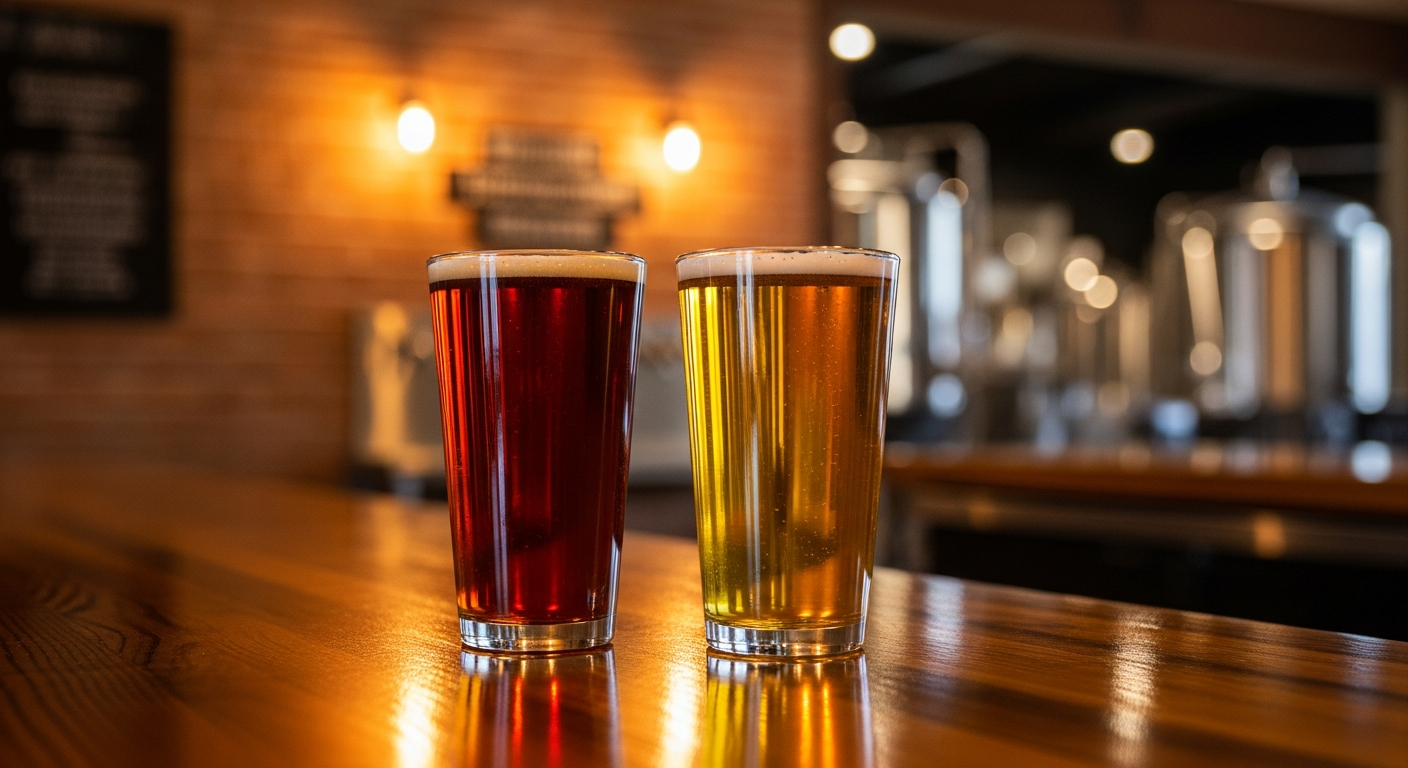
    If you’ve been to Scuttlebutt Brewing once, you’ve actually only been to half of it. Everett’s oldest and most decorated craft brewery operates two completely different venues — and most people who’ve been going to one for years have never set foot in the other. That’s a problem worth fixing, because they’re not interchangeable. The right one for you depends entirely on what kind of night you’re having.

    We’ve spent time at both locations this spring and came away with a clear picture of who each one is for. Here’s the breakdown.

    The Family Pub: 1205 Craftsman Way

    This is the Scuttlebutt most people know. The Craftsman Way location is a full-service pub and restaurant — booths, a bar, food that goes beyond bar snacks, and a vibe that works for a date night just as well as a Tuesday afternoon. It sits in the north end near the marina, and it has the feel of a place that’s been doing this for a while without getting sloppy about it.

    The food program is the differentiator here. Fish and chips, burgers, sandwiches, and the kind of pub fare that’s actually cooked well rather than heated from frozen. The beer list covers the full Scuttlebutt catalog — flagships like their American Amber Ale (their longest-running tap, a medium-body malt-forward beer that’s been on since the brewery opened in 1996) alongside whatever seasonal is rotating through. In spring 2026, look for their lighter session ales as they prep for summer patio weather. The pub patio is worth noting — it’s one of the better outdoor setups in the north end when the sun shows up.

    Hours at Craftsman Way run Sunday through Thursday 11 AM to 9 PM, Friday and Saturday 11 AM to 10 PM. The kitchen closes 30 minutes before the pub does, which is worth knowing if you’re coming late.

    This is the location you bring someone who doesn’t drink beer. The food holds up on its own, the space is comfortable, and the service is practiced. It’s also the location for groups — they can handle a bigger party without the chaos that a smaller taproom sometimes struggles with.

    The Cedar Street Taproom: 3310 Cedar Street

    The Cedar Street taproom is a different animal. This is where the brewing actually happens — the production facility is attached, and when you’re sitting at the bar, you’re closer to the tanks than you are at Craftsman Way. The space is smaller, more industrial, and oriented entirely around the beer. There’s no kitchen. Food is not the point.

    What Cedar Street has that Craftsman Way doesn’t: access to pilot batches, one-offs, and taproom-only pours that never make it to the restaurant. If Scuttlebutt’s brewing team is testing a new hop combination or a sour that might not go into production, Cedar Street is where it shows up first. For anyone who wants to drink Scuttlebutt beer specifically and is less interested in a full meal, this is the location.

    Hours at Cedar Street are more limited: Monday through Friday 10 AM to 6 PM, Saturday 10 AM to 5 PM. Closed Sunday. Those hours tell you something about who this space is for — it skews toward people who can pop in mid-afternoon, hop enthusiasts doing research, and the kind of local who treats it as a neighborhood stop rather than a destination evening out.

    Parking at Cedar Street is easier. The neighborhood is quieter. The energy is lower-key. Bring a book or a friend you can actually hear.

    The Beer Itself in 2026

    Scuttlebutt has been brewing in Everett since 1996 — that’s 30 years of operating in the same city, which is genuinely rare in craft beer. Most breweries that have been around that long either got bought, moved production out of town, or quietly coasted on their reputation. Scuttlebutt has done none of those things. They still brew at Cedar Street. They still own both locations. And the beer still wins awards.

    Their flagship lineup is stable in the best way: the Amber Ale remains the house pour, the Hefeweizen is the summer go-to, and their IPA program has gotten more interesting over the past few years as they’ve incorporated more PNW hop varieties. The Paws & Pints collaboration with Everett Animal Shelter — announced earlier this spring, where the winner of a dog photo contest gets a beer named after their dog and a Cal Raleigh–autographed leash — is the kind of thing only a brewery that’s been this embedded in a community for three decades can pull off without it feeling like a marketing stunt.

    The Big Dumper Beer, their Cal Raleigh collab lager, remains available at both locations. It’s a crisp, crushable lager — nothing challenging about it, which is the point. It’s a baseball beer. Drink it on the patio when the Mariners are on.

    Which One Should You Go To Tonight?

    Here’s the simple version: if you want dinner with your beer, go to Craftsman Way. If you want to drink interesting beer and might be in and out in 90 minutes, go to Cedar Street — but check the hours first, because they close early.

    If you’ve only ever been to one of them, go to the other one. You’ll understand Scuttlebutt better after you have.

    Scuttlebutt Brewing — Family Pub
    1205 Craftsman Way, Suite 101, Everett, WA 98201
    Sun–Thu: 11 AM – 9 PM | Fri–Sat: 11 AM – 10 PM
    Full menu, patio, all ages

    Scuttlebutt Brewing — Cedar Street Taproom
    3310 Cedar Street, Everett, WA 98201
    Mon–Fri: 10 AM – 6 PM | Sat: 10 AM – 5 PM | Sun: Closed
    Beer only, taproom-exclusive pours, production facility adjacent

    Frequently Asked Questions

    How long has Scuttlebutt Brewing been open in Everett?
    Scuttlebutt Brewing has been operating in Everett since 1996 — making 2026 their 30th year in business. They are one of the longest-running craft breweries in Western Washington.

    Does the Cedar Street taproom serve food?
    No. The Cedar Street taproom is beer-only. If you want food with your Scuttlebutt beer, go to the Craftsman Way family pub location.

    What’s the difference between the two Scuttlebutt locations?
    Craftsman Way is a full-service pub and restaurant with a complete food menu, longer hours, and a larger space. Cedar Street is the production taproom — smaller, beer-focused, with access to pilot batches and one-off pours, but no kitchen and earlier closing times.

    Is the Big Dumper Beer still available?
    Yes, the Cal Raleigh collaboration lager is available at both Scuttlebutt locations as of spring 2026.

    Can I visit both locations in one day?
    Yes — they’re both in Everett and about a 10-minute drive apart. Cedar Street closes earlier (5–6 PM), so start there and finish at Craftsman Way for dinner.

    Are dogs allowed at Scuttlebutt?
    Dogs are welcome on the patio at the Craftsman Way location. Scuttlebutt has also run dog-friendly events in partnership with Everett Animal Shelter.

  • Snohomish County Housing Market: April 2026 Sales Intensity

    Snohomish County Housing Market: April 2026 Sales Intensity

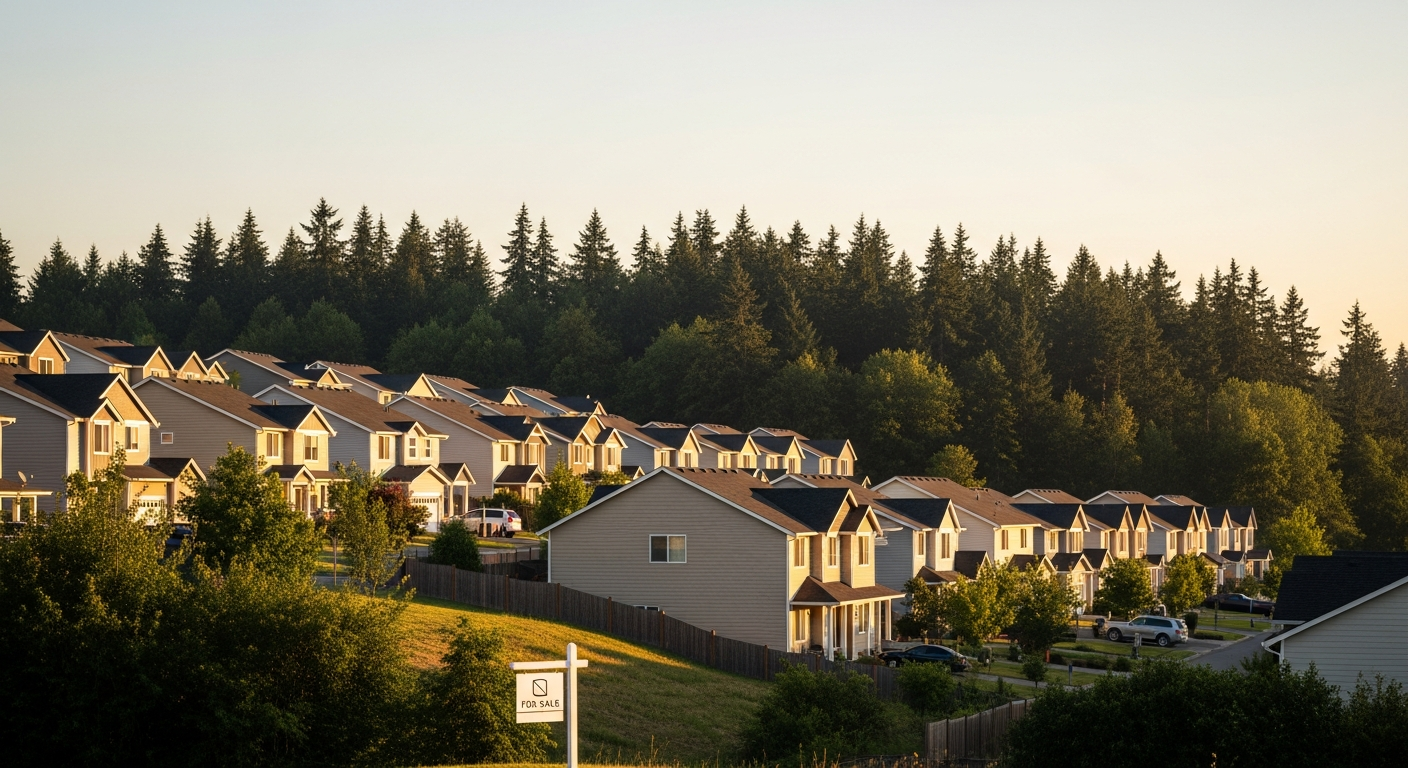
    What’s the headline number from the Madrona Group’s April 2026 Snohomish County housing report? Sales Activity Intensity came in at 54.9%, down only slightly from 56.0% the month before — meaning more than half of all listings still went pending within the first 30 days. Inventory tightened to 1.6 months. Mortgage rates moved up to 6.45%. Single-family resale prices held near $877,000 with homes selling at 99.8% of list price. The market did not slow down the way the inventory headlines suggested.

    You probably read yesterday’s coverage of Snohomish County’s April housing market — the NWMLS data showing inventory up 51.8% year-over-year, the median sale price at $738,000, the 2.8 months of supply. That is one accurate way to read this market. Here is another, also accurate, with very different implications.

    The Madrona Group dropped its April 2026 Snohomish County report this week, and it does not look like a market that lost its footing. It looks like a market that is moving slower at the top of the funnel — fewer homes coming on, fewer offers per listing, more buyer hesitation — but where the deals that do happen are happening fast and at strong prices.

    The number we want to focus on is Sales Activity Intensity — and we are going to explain it because it is not a number that shows up in every market report and most readers have never seen it framed this way.

    What Sales Activity Intensity actually measures

    Sales Activity Intensity is the share of all active listings that go pending within the first 30 days on the market. Not closed — pending. Pending is the moment a buyer’s offer has been accepted and the deal is moving toward closing. It is the moment when the market said yes.

    A 54.9% Sales Activity Intensity in Snohomish County for April 2026 means that more than one out of every two homes that listed last month had a buyer say yes within 30 days. That is a fast market. It is fast even after a small dip from March, when the same number was 56.0%.

    For comparison, a market that is genuinely cooling — homes sitting, sellers cutting prices, buyers waiting — typically shows Sales Activity Intensity drop into the 30s or below. When intensity drops below 30%, sellers start to see real concessions show up at the closing table. That is not what we have right now.

    What’s behind the number

    Three factors are working at once in the April 2026 Madrona Group data, and none of them point in the same direction:

    Mortgage rates moved up to 6.45%. That is up from earlier in the year and up enough to price some buyers out at the margin. Higher rates almost always slow demand. They have slowed it some — but they have not killed it.

    Inventory tightened to 1.6 months. A balanced market in real estate is usually 4 to 6 months of inventory. At 1.6 months, Snohomish County is still well into seller’s-market territory. Note this is the Madrona Group’s specific measurement — the broader NWMLS data on the same county shows 2.8 months because the two reports use slightly different inventory definitions and time windows. Both are true. The Madrona number is the tighter view.

    Single-family resale prices held near $877,000 with homes selling at 99.8% of list price on average. When buyers are paying within 0.2% of the asking price, they are not negotiating much. They are competing.

    Put the three factors together: rates went up, but the homes that are listed are still moving fast and selling at almost full asking. The buyers who are still in the market have stopped flinching.

    What this looks like on the ground in Everett

    Everett sits inside the Snohomish County data but does not behave exactly like the county average. The city’s median sale price runs lower than the county figure — Redfin had Everett’s most recent typical home value near $620,000, well under the $738,000 county median that NWMLS reported. The reasons are familiar: more starter homes, more condos, more older housing stock, more variation between neighborhoods.

    The Sales Activity Intensity dynamic still applies in Everett. A waterfront condo at Sawyer or Carling priced reasonably is going pending in days, not weeks. A starter home in Delta or Riverside priced at the neighborhood median is doing the same thing. What sits is what is overpriced. What sits is what assumes the market is still set to 2022.

    We have seen this pattern in our own coverage — the April 2026 condo market story we published last week showed Snohomish County condo averages up 4.4% year-over-year and Everett condos selling in a 22-day median at 99% of list. That is the same fast-but-narrow market the Madrona report is describing, just on a different property type.

    What this means for buyers right now

    If you are buying in Snohomish County in May 2026 and you have been waiting for the market to break, the Madrona data is the latest signal that a wholesale break is not coming. Specific properties will be soft. Specific sellers will negotiate. But the broad market is still leaning seller.

    A few practical takes from how this number sits:

    • Stop waiting for the price to come down before you make an offer. At 54.9% Sales Activity Intensity, the home you are watching probably already has another offer. The price you saw on Zillow last Tuesday may not be the price that closes.
    • Get rate-locked before you write an offer. With rates at 6.45% and trending up rather than down, the rate you can get this week is probably better than the rate you can get if you wait three weeks. A 0.25% rate move on a $620,000 Everett home is roughly $90 a month for the life of the loan.
    • The 99.8% of list price number is the real number. If you are writing offers at 95% of list and watching them lose, that is why. The market is not built for 95% offers right now.

    What this means for sellers right now

    If you are selling in Snohomish County, the Madrona data is telling you something sellers sometimes miss: price-to-list discipline matters more than ever.

    • Price it right and it goes pending in 30 days. Price it 5% high and it sits — and the market has been trained to read sitting as a problem. The 30-day window is the window where intensity captures your home as a fast mover. Past 30 days, you are competing with newer listings.
    • The 99.8% of list price number cuts both ways. You probably will not get more than asking. You also will not have to take much less than asking. So price it where you are happy to close.
    • Inventory is tight but moving up. The Madrona number says 1.6 months, the NWMLS number says 2.8 months — both are tighter than 4-6, but both are looser than 12 months ago. If you have been on the fence about listing, the supply side is finally giving you some company on the market. Earlier was easier. Now is still good.

    How this fits with everything else we know about Snohomish County in April 2026

    This week alone we have seen:

    • The NWMLS report showing 51.8% year-over-year inventory growth and 2.8 months of supply
    • The Madrona Group report showing 1.6 months supply and 54.9% Sales Activity Intensity
    • Snohomish County condo data showing 4.4% YoY appreciation and 22-day Everett median time on market
    • Mortgage rates moving up to 6.45%, the highest level since fall 2025
    • The Sage Investment Econo Lodge studio-apartment conversion announcement in South Everett — 124 new units coming online by August 2026

    None of those data points contradict each other. They are all measuring different parts of the same market. The market is more inventory than it had, fewer offers than it had, slower at the top of the funnel — and still selling fast and near asking when the property is priced right. That is a more complicated story than “the market is hot” or “the market is cooling.” It is the market being different things at the same time depending on which lens you bring.

    The Madrona Group report adds a useful lens: the velocity at which deals close, not just the count of homes listed. That velocity number is what tells you whether the market still works. In April 2026, in Snohomish County, it still works.

    Frequently Asked Questions

    What is Sales Activity Intensity in real estate?

    Sales Activity Intensity is the percentage of all active listings that go pending — meaning a buyer’s offer has been accepted — within the first 30 days on the market. It is a velocity measure of how fast the average home is moving. Above 50% indicates a fast seller’s market; below 30% indicates real cooling.

    What was Snohomish County’s Sales Activity Intensity in April 2026?

    54.9%, according to the Madrona Group’s April 2026 Snohomish County housing market report. That is down slightly from 56.0% in March. Both numbers indicate a strong seller’s market.

    What are mortgage rates in Snohomish County right now?

    The 30-year fixed rate referenced in the April 2026 Madrona report is 6.45%. Rates have ticked up from earlier in the year. Individual rate quotes vary by lender, credit score, down payment, and loan size.

    Why does the Madrona Group report say 1.6 months of inventory and the NWMLS report say 2.8 months?

    They use slightly different inventory definitions and time windows. The Madrona Group’s measure tends to capture a tighter view focused on actively moving listings. NWMLS uses a broader inventory definition that includes some listings the Madrona view excludes. Both are accurate; both reflect a Snohomish County market still well below the 4-6 month range that defines balance.

    What is the median home price in Snohomish County in April 2026?

    The April 2026 NWMLS report listed the county median sale price at $738,000. The Madrona Group report references single-family resale prices holding near $877,000, which uses a different scope (single-family resale only, with different geographic weighting). The two numbers describe overlapping but not identical slices of the market.

    Is now a good time to buy a home in Everett?

    “Good” depends on your specific situation — your down payment, your job stability, your timeline, the neighborhood you’re targeting. What the April 2026 data says broadly: prices are not falling, inventory is up but still tight, and rates are higher than they were earlier in the year. Waiting for a wholesale price break is currently not what the data supports. Talk to a local agent and a local lender about your specific math.

    Is now a good time to sell a home in Everett?

    Yes, if it is priced right. The market data says homes priced at the neighborhood median are going pending within 30 days at 99.8% of list. Homes priced 5%+ above the neighborhood median sit. Pricing discipline is the difference between a fast sale and a long sit.

  • Hood Canal Shellfish Season 2026: Belfair Summer Planner

    Hood Canal Shellfish Season 2026: Belfair Summer Planner

    If you’ve been waiting for Hood Canal’s legendary shellfish season to kick off, now is the time to start planning. Summer 2026 brings a fresh lineup of outdoor opportunities for our North Mason community — from the tide flats at Belfair State Park to the deeper waters of Marine Area 12, the Canal is waking up.

    Belfair State Park Shellfish Season Opens July 15

    Mark your calendars: the clam, mussel, and oyster season at Belfair State Park’s Hood Canal tide flats opens July 15, 2026, and runs through December 31. According to the Washington Department of Fish and Wildlife (WDFW), this year’s opening comes two weeks earlier than originally scheduled — a welcome change for the families who make annual pilgrimages to the park’s famously productive mud flats at the south end of the Canal.

    Belfair State Park sits on 3,720 feet of Hood Canal shoreline at 1002 NE Beck Road, Belfair WA 98528. The beach is known for oysters in particular, though portions near the tideline are soft mud, so waterproof boots are non-negotiable. Harvesters need both a valid WDFW shellfish/seaweed license and a current Department of Health (DOH) beach approval to take anything home. Check the WDFW “Find a Beach” tool at wdfw.wa.gov before you go — health closures can happen with little notice.

    Standard Puget Sound daily limits apply: 18 oysters, 10 clams, and 10 mussels per person. Children 15 and under harvest free without a license.

    Dungeness Crab Season: Summer 2026 in Marine Area 12

    For crabbers, WDFW has confirmed that Hood Canal’s Marine Area 12 recreational Dungeness crab season will open in summer 2026 — exact dates to be announced. Watch the WDFW crab seasons page at wdfw.wa.gov/fishing/shellfishing-regulations/crab for the opening announcement, which typically drops a few weeks before day one.

    The standard Hood Canal setup: five male Dungeness, hard-shell, 6¼-inch minimum carapace width, recorded immediately on your catch record card. Crabbing has historically run Thursdays through Mondays in this marine area. The south end of the Canal near Belfair and Union tends to fish well early in the season.

    Belfair State Park Camping: All Loops Open Mid-May

    Planning to combine a shellfish trip with a weekend on the water? Belfair State Park’s full campground opens all loops by mid-May. The park offers 184 mixed-use sites — including 41 full hookup sites and 8 cabins — spread across three loops on the Canal shoreline. The Tree Loop (tents and rigs under 18 feet) is the most popular and fills fast.

    Book at washington.goingtocamp.com or call 1-888-226-7688. Summer weekends typically fill months in advance, so check availability now if you haven’t already.

    Theler Wetlands: Free Spring Birding Right Now

    While the shellfish season is still weeks away, the trails are open today. The Mary E. Theler Wetlands Nature Preserve off SR-3 in Belfair, located at 600 NE Roessel Rd, offers more than three miles of accessible trails through 139 acres of salt marsh and estuary. May is peak migration season on Hood Canal — shorebirds, herons, and songbirds work the Union River estuary. The trails are free, open dawn to dusk, and the main boardwalk sections are ADA accessible.

    The Hood Canal Salmon Enhancement Group (HCSEG), which manages the Theler Nature Center, is restoring the facility with plans to reopen interpretive community programs. Check pnwsalmoncenter.org for upcoming event announcements.

    Before You Harvest

    Shellfish closures can happen any time based on water quality. Always verify both the WDFW season status and the DOH health approval before harvesting at any beach. The DOH Shellfish Safety hotline is 1-800-562-5632. Same rule applies to every beach on Hood Canal — no exceptions.

    The Canal belongs to all of us. Harvest within limits, pack out your gear, and leave the tide flats better than you found them.

    Related Coverage from Belfair Bugle

    This summer planner has been expanded into a verified 2026 cluster:

  • Hood Canal Spot Shrimp Season & Theler Wetlands Boardwalk

    Hood Canal Spot Shrimp Season & Theler Wetlands Boardwalk

    Hood Canal Spot Shrimp Season Opens May 10 — and a Wetlands Restoration Is Reshaping Belfair’s Shoreline

    Mason County’s outdoor calendar heats up this May with two significant developments along Hood Canal: the first spot shrimp opening of the year arrives Saturday, May 10, giving local shrimpers one of the most anticipated mornings on the water, while just north in Belfair, a long-running restoration project at the Mary E. Theler Wetlands Nature Preserve is entering its most visible phase yet — the construction of a 1,200-foot elevated boardwalk through a newly rehabilitated salt marsh.

    Both stories speak to what makes Hood Canal worth protecting and celebrating: the fishery that feeds families across the county, and the habitat that makes those fisheries possible in the first place.

    Spot Shrimp Season: Hood Canal Gets the First Opener

    For recreational shrimpers, Marine Area 12 — Hood Canal — is the place to be on the morning of May 10. The Washington Department of Fish and Wildlife (WDFW) has confirmed that Hood Canal will receive an early opportunity this year, opening a full two weeks before most of the rest of Puget Sound, where the broader season begins May 24.

    The 2026 Marine Area 12 schedule runs on specific dates: May 10, May 24, May 26, June 7, and June 21. Each opening is tightly windowed — anglers may fish from 9 a.m. to 1 p.m. only. WDFW has noted that additional dates may be announced later in the season depending on stock assessments.

    The daily limit remains 80 spot shrimp per licensed fisher, with a combined total weight limit of 10 pounds (whole shrimp) for all shrimp species. Shrimpers who retain only spot shrimp may remove and discard the heads while still on the water; those retaining any other shrimp species must keep the heads until they are back on shore to allow compliance verification with the weight limit.

    For Mason County families, the May 10 opener is more than a fishing trip — it is an early-summer tradition along the entire Hood Canal corridor, from Hoodsport down through Union and north toward Belfair. Spot shrimp, known for their rich, sweet flavor, are among the most prized recreational catches in the state. Demand for the limited openings is high, and experienced shrimpers typically arrive early to launch before the 9 a.m. window.

    Before heading out, anglers should confirm current rules at wdfw.wa.gov, as emergency closures and rule changes can occur on short notice based on stock conditions. A valid Washington recreational fishing license is required. The WDFW hotline and website are the definitive sources for any last-minute schedule adjustments.

    Theler Wetlands: A 1,200-Foot Boardwalk Is Coming to Belfair This Summer

    A few miles north of Highway 3 in Belfair, a quieter but equally significant outdoor story is unfolding at the Mary E. Theler Wetlands Nature Preserve. This summer, WDFW and the Hood Canal Salmon Enhancement Group (HCSEG) will begin construction of a 1,200-foot elevated, piling-supported boardwalk through the heart of a newly restored estuary — the capstone of a multi-year effort to bring Hood Canal summer chum salmon back to the Union River system.

    The Theler Wetlands restoration project has been restoring approximately 7 acres of estuarine wetland habitat at the southeast end of Hood Canal. Work that concluded in fall 2025 included removing a failing levee, replacing a 12-inch metal culvert with a 15-foot-wide concrete box culvert, digging a new sinuous tidal channel, and raising a section of Northeast Roessel Road to serve as a set-back levee. The goal: reconnect the tidal processes that were disrupted when the wetlands were diked decades ago.

    Hood Canal summer chum salmon are listed as threatened under the federal Endangered Species Act. The Theler Wetlands sit at the mouth of the Union River, which is critical spawning and rearing habitat for that run. By expanding tidal connectivity, the restoration creates the shallow, food-rich, low-salinity estuarine conditions that juvenile summer chum need to grow before entering Hood Canal.

    The summer 2026 boardwalk construction will be the project’s most visible phase for the public. The elevated structure — built in the footprint of the removed levee — will reconnect the preserve’s currently fragmented trail network, giving visitors and birders full access to what will become a restored salt marsh. The Theler Wetlands is already one of Mason County’s most-visited nature spots, drawing birdwatchers, school groups, and families year-round. The new boardwalk will make the wetlands more accessible and complete the loop trail that has been partially closed during construction.

    The preserve is located at 22871 NE SR-3 in Belfair, just off the highway before the town center. Visitors are welcome during daylight hours. For project updates and trail access status, check the HCSEG website at pnwsalmoncenter.org or WDFW’s habitat recovery pages.

    What to Watch This Season

    Taken together, these two stories reflect the dual outdoor identity of Hood Canal and Mason County’s shoreline: a working fishery used by thousands of families every spring and summer, underpinned by habitat restoration work that most people never see but everyone benefits from. The spot shrimp fishery depends on a healthy canal; the canal depends on functioning estuaries like the one being rebuilt at Theler.

    For residents looking to get outside this May, both opportunities are close and accessible. The shrimp opener on May 10 is days away — time to get gear ready, check your license, and confirm the launch site. And when construction wraps at Theler Wetlands later this year, the newly completed boardwalk trail will be one of the more remarkable walks in all of Mason County: a path through restored tidal marsh, built where a levee used to be, beneath skies that — if the restoration takes hold — should one day carry kingfishers and herons back to a corner of Hood Canal that had been quiet for a very long time.

    Sources


    Related Expansion Coverage

  • Visit Hoh Rain Forest & Rialto Beach Before July Closures

    Visit Hoh Rain Forest & Rialto Beach Before July Closures

    If you’ve been waiting for the right weekend to make the drive to the West End of the Olympic Peninsula, this is it. Two of the most iconic destinations on this stretch — the Hoh Rain Forest and Rialto Beach — are both fully open right now, and one of them won’t stay that way past July. Here’s what you need to know before you go.

    Hoh Rain Forest: The Visitor Center Is Open Today

    The Hoh Rain Forest sits about 31 miles southeast of Forks along Upper Hoh Road, and as of this weekend, the entire area is operating normally — trails, parking areas, restrooms, and the Visitor Center. That last detail matters: the Hoh Rain Forest Visitor Center runs on a Friday through Sunday schedule from 9am to 4pm, which means today is one of only three days a week you can actually walk inside, talk to a ranger, and get current trail conditions straight from the source.

    The two signature trails are the reason most people make this drive. The Hall of Mosses Trail is a 0.8-mile loop through old-growth Sitka spruce hung with club moss so thick it looks like something from a fantasy novel. The trees here are enormous — some over 300 years old — and the light filters through in a way that makes even an overcast day feel dramatic. The Hoh River Trail sets off from the same trailhead and runs deep into the park; you can walk as little or as much as you want, following the braided river through stands of spruce and maple.

    Hoh Campground is currently first-come, first-served, which means you can drive in this weekend without a reservation and claim a site. That window closes June 12, when reservations become required through September 6. If you’ve been meaning to camp in the rainforest, the next six weeks are your easiest shot at a spontaneous overnight. Come prepared for weather regardless of the forecast — the Hoh receives over 140 inches of rain annually, and conditions can shift from sunny to soaked in under an hour. Waterproof layers are non-negotiable. Road and conditions hotline: 360-565-3131.

    Rialto Beach: Open Now, Closed July 8 — Plan Accordingly

    Rialto Beach is accessed via Mora Road off Highway 101, about 14 miles of winding two-lane road through the Quillayute River bottomlands. Right now, Mora Road and Rialto Beach are fully open. Starting July 8 and running through October 5, both lanes of Mora Road will be closed beyond Mora Campground for permanent road repairs — meaning Rialto Beach will be completely inaccessible by vehicle for nearly three months.

    This construction has been coming for a while. Back in 2019, severe winter flooding eroded the riverbank at mile marker 1.25, and the emergency riprap installed at the time was always a temporary fix. The permanent repair is necessary and overdue, but the closure window is real, and if you want to visit Rialto Beach this summer, your window is now through July 7.

    Rialto Beach is one of those places that rewards the effort. The beach is wide and wild, littered with enormous drift logs bleached silver by the salt air. Sea stacks rise from the surf in both directions. About 1.5 miles north along the shoreline, the Hole-in-the-Wall sea arch cuts through a headland — a walk that’s entirely doable at low tide, though you’ll want to check a tide chart before heading out. The Pacific coast moves fast, and sneaker waves are a real hazard anywhere along this stretch.

    Mora Campground, located before the closure zone, is open first-come, first-served through May 14. Starting May 15, reservations are required (available at recreation.gov), running through September 20. If you want to base camp here before the road closes, this coming week is your last spontaneous-arrival window.

    Plan Your Visit

    Both destinations are day-trip distance from Forks, which sits at the crossroads of the West End. For the Hoh Rain Forest, allow at least two to three hours minimum — longer if you want to walk the Hoh River Trail beyond the first mile. For Rialto Beach, budget time for the 1.5-mile beach walk to Hole-in-the-Wall and back if tides allow; check tide tables in advance at tidesandcurrents.noaa.gov (La Push / Quillayute River, station 9442396).

    Current road and conditions for all Olympic National Park areas: call the recorded information line at 360-565-3131. America the Beautiful passes and Olympic National Park annual passes are accepted at both entrance points. The Hoh Rain Forest entrance station is on Upper Hoh Road; the Rialto Beach / Mora area uses the same pass. Day-use fee without a pass is $35 per vehicle.

    The West End is at its best in late spring — crowds haven’t arrived yet, the forest is saturated green, and the beach is still yours for the walking. Don’t sleep on it.

  • EvCC Baker Hall Redesign: Cosmetology & Theater Updates

    EvCC Baker Hall Redesign: Cosmetology & Theater Updates

    If you are at EvCC right now, or thinking about enrolling for fall 2026, or about to apply to the cosmetology or theater programs, the Baker Hall news matters in a specific way for you. The replacement building got smaller. The 2028 opening is still on. Your programs still get the spaces they were promised. But the way the campus looks between now and winter 2028 — and the building you eventually move into — has changed.

    This is the student-and-prospective-student guide to what the redesign means and what to plan around.

    Your Programs Are Safe

    The redesign cut roughly 10,000 square feet from the original 32,000-square-foot Baker Hall plan. What got preserved through the cuts:

    The cosmetology wing. A working salon with the plumbing, ventilation, and station layout cosmetology training requires. Classrooms. Meeting spaces. Department offices. None of that came out of the design.

    The 250-seat theater. A real performance space with dressing rooms, a set-construction shop, costume storage, and the support classrooms a theater program needs. The 250-seat figure stayed.

    What was cut was slack — the circulation space, the future-flex rooms, the breathing room around the core program functions. As a student, you will probably not notice that on day one in 2028. You will notice it five or ten years later if the program grows beyond what the smaller building can hold. That is a future-EvCC problem, not a current-student problem.

    What’s Happening Until Winter 2028

    The 1962 Baker Hall has not housed students in roughly two years. That means whatever interim arrangement your program is in right now is the arrangement that continues through 2026 and most of 2027. If you are in cosmetology, you are using the current cosmetology training facilities EvCC arranged when the old Baker Hall was vacated. If you are in theater, the same applies.

    The redesign does not change those interim arrangements. It just delays demolition of the old building so the construction window aligns with the revised drawings. Demolition is now timed against the new construction schedule, not happening on the original 2025 calendar.

    What Winter 2028 Looks Like

    If you are a current EvCC cosmetology or theater student on a two-year track, winter 2028 may be after your graduation. If you are on a longer track or you transfer in for fall 2026 or fall 2027, you may be the first cohort to take classes in the new Baker Hall. That cohort gets:

    • A modern cosmetology salon with proper plumbing, ventilation, and station infrastructure
    • A 250-seat theater with proper backstage, fly space, dressing rooms, and set-construction support
    • Classrooms designed around current teaching models, not 1962 teaching models
    • A building meeting current seismic, accessibility, and mechanical standards

    Those are real upgrades over what either program could ever deliver inside a 64-year-old building.

    What the Redesign Means If You’re Choosing EvCC

    If you are deciding whether to enroll at EvCC for cosmetology or theater specifically because of Baker Hall:

    The 2028 opening is on the table but not guaranteed. Public construction projects can slip. A six-month or one-year slip would not be unusual; a multi-year slip would be unusual but not impossible. Plan around winter 2028 with the understanding that fall 2028 is also possible.

    The program quality does not depend on the building. EvCC’s cosmetology and theater programs have been running through the entire Baker Hall transition. The quality of instruction is not waiting for 2028. If you start in fall 2026, you will get the program — just not in the new building.

    The smaller redesign is still a real upgrade. A 22,000-square-foot purpose-built building with a working salon and a 250-seat theater is meaningfully better than what the 1962 Baker Hall could have offered even after a renovation. The cuts removed slack, not core function.

    What to Watch For

    If you want to track the project’s progress as a student, the milestones to look for:

    • Construction documents revised and re-permitted (2026)
    • Cornerstone Construction trade-package rebids (2026)
    • Demolition of the 1962 Baker Hall
    • Foundation and shell work (2027)
    • Interior fit-out and inspections (late 2027)
    • Move-in and program opening (winter quarter 2028)

    EvCC’s facilities communications and the school’s board minutes are the most reliable sources for milestone updates as they happen.

    The Practical Takeaway

    If you are a cosmetology or theater student, the redesign is, on balance, a good outcome. The alternative — a project killed for budget — would have meant no new Baker Hall at all. The alternative — a supplemental appropriation request — would have meant a 12-18 month delay while Olympia worked through the request, with no certainty of approval. Cutting scope to keep the 2028 opening preserves the deliverable.

    The deliverable is what you actually need: a working salon for cosmetology training, a real theater for theater performance and production training, and modern classrooms for the support coursework. That is what arrives in winter 2028. Just slightly smaller than the original drawings showed.

    Frequently Asked Questions

    Does the Baker Hall redesign change EvCC’s cosmetology program?

    No. The cosmetology wing, including the working salon, was preserved through the redesign. The program continues as currently arranged through 2027 and moves into the new building in winter quarter 2028.

    Is EvCC’s theater program still getting a 250-seat theater?

    Yes. The 250-seat theater, dressing rooms, set-construction shop, and costume storage all survived the redesign.

    When does the new Baker Hall open for classes?

    Winter quarter 2028 is the current target. Demolition of the 1962 Baker Hall has been aligned with the revised construction window.

    What is happening to my program until winter 2028?

    The 1962 Baker Hall has not housed students for roughly two years, so program arrangements that have been in place since the building was vacated continue through the construction window. The redesign does not change those interim arrangements.

    Is the new Baker Hall smaller because EvCC is shrinking the program?

    No. The 10,000-square-foot reduction came from circulation space, flex space, and support functions — not from program-critical spaces. The cosmetology salon, the 250-seat theater, and the supporting classrooms were preserved at full scope.

    Could the 2028 opening still slip?

    Yes. Public construction projects can hit permit, supply, or labor delays. A short slip is not unusual; a multi-year slip would be unusual. Students should plan around winter 2028 with awareness that fall 2028 is possible.

    Will the new building be more accessible than the 1962 Baker Hall?

    Yes. New campus construction in Washington must meet current ADA and accessibility standards. The 1962 building was designed before those standards existed and would have required near-complete reconstruction to comply.


    Related Exploring Everett coverage:


  • EvCC Baker Hall Replacement: $38M Redesign & 2028 Opening

    EvCC Baker Hall Replacement: $38M Redesign & 2028 Opening

    Most college construction stories that hit a budget wall get smaller, slower, or quieter. Everett Community College’s Baker Hall replacement just hit the wall — and the result is a campus project that got smaller, kept its core programs, kept its 2028 opening, and is more useful as a case study for state-funded capital construction in 2026 than a typical campus building update would be.

    Here is the complete 2026 guide to what is happening at Baker Hall: the $37.9 million project, what got cut, what survived, why the schedule still works, and what the building means for EvCC students, the cosmetology program, the theater program, and the surrounding waterfront-adjacent campus footprint.

    What Just Changed

    EvCC paused the Baker Hall rebuild and shrank the planned new building by about 10,000 square feet, citing rising construction costs. The original design called for 32,000 square feet. The revised version comes in at roughly 22,000 square feet — a third smaller.

    What did not get cut: the core program elements. The new Baker Hall still includes:

    • A dedicated cosmetology wing — including a working salon, classrooms, meeting spaces, and offices for the cosmetology department
    • A 250-seat theater with dressing rooms, a set-construction shop, and costume storage
    • Additional classroom space layered around those two anchors

    What got cut, in plain terms, is the slack. The square footage that allowed flex space, larger circulation areas, and room to grow programs into the building over the next decade — that is the part that gave way to the budget math. The bones of the program survive. The breathing room around them does not.

    The 2028 Target Is Still On

    Even with the redesign, EvCC is aiming for a winter quarter 2028 opening. That is the operational target the school is working toward right now. Demolition of the existing 1962 Baker Hall — which has not seen students in roughly two years — has been delayed to align with the revised construction window, but the timeline to having students in the new space has not slipped beyond winter 2028.

    A 2028 opening from a 2026 redesign is a real schedule. It requires:

    • Construction documents revised to the new scope
    • Permits refreshed against the revised drawings
    • Cornerstone Construction rebidding the trade packages with the smaller scope
    • Mobilization and site work in 2026
    • Foundation and shell in 2027
    • Interior fit-out and inspection in late 2027
    • Occupancy and program move-in for winter 2028 quarter

    Each of those steps has float built in, but not a lot of it. A 2028 opening is achievable; a slip to fall 2028 or beyond is not unimaginable if any of those phases hits a snag.

    The Players

    The professionals on the project:

    • Architect: McGranahan PBK, selected in February 2025
    • Contractor: Cornerstone Construction, brought on in May 2025
    • Funder: Washington State, through the 2023–25 capital budget cycle, with the $37.9 million allocation
    • Owner: Everett Community College

    That team has been in place for over a year. Keeping the architect and contractor through the redesign — instead of restarting procurement — is the move that protects the 2028 schedule. Restarting would have meant another 12-18 months easily.

    What Got Cut: The Slack, Not the Bones

    It is worth being specific about which 10,000 square feet came out of the design, because that is what determines how the building actually feels in 2028:

    Circulation space. Wider hallways, larger lobbies, more generous gathering spaces — these are the first things that get value-engineered when costs rise.

    Flex and growth space. The original design likely included shell space — built but unfinished rooms ready to be assigned to whatever program needed them in 2030 or 2032. That is one of the easier cuts because the impact is in the future, not at opening.

    Some support functions. Storage, mechanical clearance, prep areas around the theater and salon — all candidates for tightening.

    The cosmetology working salon and the 250-seat theater stayed because they are the reasons the building exists. EvCC’s cosmetology program needs salon-grade plumbing, ventilation, and station layouts that you cannot retrofit into a generic classroom. The theater program needs a real stage, a real fly system, and real backstage. Cutting those would have meant rebuilding the program around a different teaching model. The school chose to cut the slack instead.

    Why the 1962 Baker Hall Has to Go

    The existing Baker Hall opened in 1962. By 2026, that is a 64-year-old building. It has not housed students in approximately two years. Mid-twentieth-century campus buildings on the West Coast share a familiar problem set: seismic standards have moved several times since the original construction, mechanical systems are at or past end-of-useful-life, accessibility retrofits would require near-complete reconstruction, and the floor plans were designed for teaching models that no longer match how the programs operate.

    For a cosmetology program that needs salon-grade infrastructure and a theater program that needs proper stage and backstage, the 1962 building was no longer a workable home. That is why the replacement strategy got chosen over renovation in the first place.

    The Larger Construction-Cost Story

    The Baker Hall pause is one data point in a regional pattern. Construction costs across the Puget Sound have been outrunning state capital budget allocations for several budget cycles. Public-sector projects budgeted in 2023 dollars and bid in 2025 or 2026 dollars are routinely landing 15-30% over their allocations. The choices in those moments are: cut scope, get more money, or kill the project.

    EvCC chose to cut scope while preserving program. That preserves the public investment and keeps the 2028 opening on the table without going back to Olympia for a supplemental appropriation. For state-funded campus projects across Washington’s community college system, this is a useful template.

    What 2028 Looks Like for EvCC Students

    When students walk into the new Baker Hall in winter 2028, they will find a smaller building than the original plan, but a working cosmetology salon, a real 250-seat theater, and the classroom support those programs need. That is the deliverable.

    The building also fits into a larger EvCC campus context that includes the existing arts and humanities footprint, the Northshore-area campus connections, and the broader Everett Station and waterfront corridor. Baker Hall’s replacement sits in that fabric.

    Frequently Asked Questions

    What is happening with Everett Community College’s Baker Hall?

    EvCC paused and redesigned the $37.9 million Baker Hall replacement project, cutting roughly 10,000 square feet from the original 32,000-square-foot design due to rising construction costs. The cosmetology wing, 250-seat theater, and winter 2028 opening target all survived the redesign.

    Who designed and is building the new Baker Hall?

    McGranahan PBK is the architect, selected in February 2025. Cornerstone Construction is the contractor, brought on in May 2025. Both stay on the project through the redesign.

    When does the new Baker Hall open?

    Winter quarter 2028 is the current operational target. Demolition of the 1962 Baker Hall is being aligned with the revised construction window.

    Why was Baker Hall redesigned?

    Construction costs across the Puget Sound region rose between the project’s 2023 budget allocation and the 2025-26 bid environment, pushing the original design over the $37.9 million capital budget. EvCC chose to redesign at smaller scope rather than seek a supplemental appropriation or kill the project.

    What programs will the new Baker Hall house?

    The cosmetology program (with a working salon) and the theater program (with a 250-seat performance space, dressing rooms, set-construction shop, and costume storage) are the anchor tenants, plus additional classrooms.

    How big is the new Baker Hall?

    Approximately 22,000 square feet in the redesign, down from the original 32,000-square-foot plan.

    How is the project funded?

    Through Washington State’s capital budget. The $37.9 million allocation has been on the books since the 2023–25 budget cycle.

    What was wrong with the 1962 Baker Hall?

    The 64-year-old building has aging mechanical systems, outdated seismic standards, and floor plans that no longer match how the cosmetology and theater programs operate. It has not housed students in approximately two years. Replacement was chosen over renovation.


    Related Exploring Everett coverage:


  • Housing Hope Everett: 2026 Guide to Rent & Childcare Help

    Housing Hope Everett: 2026 Guide to Rent & Childcare Help

    If you live in Everett and you have ever wondered whether there is a local nonprofit that can actually help with the three biggest household pressures in this city — rent, childcare, and homeownership — the answer is yes. It is called Housing Hope. It manages more than 650 affordable rental units across 24 sites in Snohomish County. It has helped 328 households become first-time homeowners. And it operates a child development center that is about to triple in size at 4526 Federal Avenue.

    This is the resident’s guide. What Housing Hope does, who it serves, how the eligibility works, and how to actually get help in 2026.

    Who Housing Hope Serves

    Housing Hope serves residents of Snohomish County and Camano Island. The programs are tailored — sliding-scale rents, sliding-scale childcare fees, sweat-equity homeownership — meaning eligibility depends on household income, family size, and current housing situation. Households exiting homelessness, working families struggling with rent burden, families needing childcare to stay employed, and first-time homebuyers who can commit construction hours all map to specific programs.

    The point of Housing Hope’s integrated structure is that residents do not have to leave the system as their circumstances change. A family that starts in transitional housing can move to permanent supportive housing, then to workforce housing, then potentially to Team HomeBuilding ownership — all within the same nonprofit’s portfolio.

    Affordable Rental Housing: The 650-Unit Portfolio

    Housing Hope’s largest program is its 650+ affordable rental units across 24 sites. Rent is set on a sliding scale based on household income and family size, not market rate. That is the structural difference from a regular Everett apartment search.

    The portfolio is intentionally diverse:

    • Transitional housing for households exiting homelessness
    • Permanent supportive housing with on-site case management for residents needing ongoing support
    • Family workforce housing for working households earning below market rates
    • Senior housing for older residents on fixed incomes

    What that means practically: if you are an Everett resident facing rent stress, the right next step is to contact Housing Hope directly to find out which program you would qualify for and what waitlist looks like. The organization does not advertise availability on Craigslist or Zillow because affordable units do not work that way — placement is income-verified and program-matched.

    Team HomeBuilding: The Sweat-Equity Path to Ownership

    Team HomeBuilding is the program that has produced 328 first-time homeowners. The structure is unusual and worth understanding carefully:

    Working families are accepted into the program based on income and ability to commit construction labor hours. Once accepted, they help build their own home and the homes of other participating families — framing, siding, finishing, the whole process. In exchange for hundreds of hours of construction labor, participants receive a deeply discounted mortgage on the home they helped build.

    The numbers behind this matter. A family that contributes hundreds of hours of construction labor effectively replaces tens of thousands of dollars of contractor cost. That cost reduction shows up as a lower mortgage. Families who would not qualify for a market-rate mortgage in Everett often do qualify for the Team HomeBuilding mortgage because the underlying loan is smaller.

    The 328-household track record means this is not a theoretical program. It is one of the more effective first-time-homeowner pipelines in Snohomish County for families that can commit the hours.

    Tomorrow’s Hope Childcare: The 4526 Federal Avenue Expansion

    Tomorrow’s Hope is Housing Hope’s child development center. It serves kids aged four weeks through twelve years. The fee structure is sliding-scale and prioritizes families currently living in Housing Hope properties or recently exited from homelessness.

    The current facility has operated for more than 30 years. It is being replaced by a new 26,700-square-foot purpose-built center at 4526 Federal Avenue on the Compass Health campus. That is a roughly threefold capacity increase. Site-prep is active in 2026; the new facility will significantly expand the number of Everett families who can access Tomorrow’s Hope childcare.

    For Everett families: childcare cost is one of the largest household expenses, and licensed-quality childcare slots in Snohomish County are routinely waitlisted. A Housing Hope-affiliated family with a Tomorrow’s Hope slot is paying a fraction of market rates for licensed care. That is meaningful household-budget math.

    How to Actually Apply

    Housing Hope is a single-point-of-entry organization for residents seeking help. The standard path is:

    1. Contact Housing Hope directly to describe your household situation
    2. An intake conversation determines which program(s) match your needs
    3. Income and household documentation is verified
    4. You are placed on the appropriate waitlist or matched directly with a current opening
    5. If services are time-sensitive (immediate housing need, active homelessness), the conversation prioritizes accordingly

    Waitlists are real. Affordable housing in Everett has demand that outruns supply. The 1,000-unit Housing Hope expansion goal by 2030 exists because the current 650 units do not meet the need. That said, getting on the right waitlist matters — many residents do not realize Housing Hope exists, which means the waitlists are shorter than they would be if every income-qualified Everett resident applied.

    What Else Housing Hope Connects To

    Housing Hope sits inside a larger Snohomish County safety net that includes Volunteers of America Western Washington, Cocoon House (youth homelessness), Compass Health (behavioral health, partnering on the new Tomorrow’s Hope), and the Snohomish County Council’s recently approved $23 million in housing-and-behavioral-health funding. Residents in crisis often need more than one of these organizations. Housing Hope’s case management is structured to make those handoffs work.

    Frequently Asked Questions

    How do I apply for Housing Hope rental housing in Everett?

    Contact Housing Hope directly. The organization’s intake process determines which of its 24 sites and program types you qualify for, then places you on the appropriate waitlist. Affordable housing is income-verified and program-matched, not advertised through standard rental listings.

    Who qualifies for Team HomeBuilding?

    Working families with incomes that meet program guidelines and the ability to commit hundreds of hours of construction labor on their own and other participants’ homes. The program has produced 328 first-time homeowner households across its history.

    How much does Tomorrow’s Hope childcare cost?

    Tomorrow’s Hope uses a sliding-scale fee structure based on household income and family size. Priority is given to families currently in Housing Hope properties or recently exited from homelessness. Residents should contact Housing Hope directly for current fee information and availability.

    Where is Housing Hope’s office in Everett?

    Housing Hope is headquartered in Everett. Specific office addresses, including the new 26,700-square-foot Tomorrow’s Hope facility at 4526 Federal Avenue, are listed on the organization’s official site.

    Can I volunteer with Housing Hope without being a program participant?

    Yes. Housing Hope accepts volunteer construction labor on Team HomeBuilding projects, financial contributions, in-kind donations, and other support roles. Construction-skilled volunteers can directly accelerate move-in dates for participating families.

    How is Housing Hope different from Volunteers of America Western Washington?

    Both are Snohomish County nonprofits, but Housing Hope is primarily a housing developer and operator, while VOAWW operates a broader portfolio that includes food banks, crisis services, and family services across Western Washington. Many residents end up working with both.

    Does Housing Hope only serve people experiencing homelessness?

    No. Housing Hope serves a wide spectrum: households exiting homelessness, working families needing affordable rent, families seeking childcare, and aspiring first-time homeowners. The program structure spans the full range from crisis to homeownership.


    Related Exploring Everett coverage: