Blog

  • Heritage African Restaurant: West African Food in Everett

    Heritage African Restaurant: West African Food in Everett

    Where can I get African food in Everett? Heritage African Restaurant at 2019 Hewitt Avenue, on the corner of Hewitt and Broadway in downtown Everett, serves West African staples like jollof rice, egusi soup, suya grilled lamb and oxtail stew alongside burgers and soul food. Co-owner Fatou Dibba and her aunt Mama Saho opened the restaurant in late February 2024 in the multicolored building that used to house Sol De Mexico. Hours are 11 a.m. to 9 p.m. Monday through Thursday and Sunday, 11 a.m. to 10 p.m. Friday and Saturday.

    The multicolored building on the corner of Hewitt and Broadway used to be Sol De Mexico. We drove past it for years. Then in early 2024 the murals got freshened up, the windows changed, and a name we’d never seen in Everett before went up over the door: Heritage African Restaurant.

    It is, two years in, the most underrated restaurant in downtown Everett. We’re not going to be subtle about that.

    What Heritage Actually Is

    Heritage African Restaurant is the work of Fatou Dibba and her aunt, Mama Saho. Dibba moved to the Pacific Northwest as a teenager. She started cooking the food of her childhood — Senegalese, Gambian and broader West African dishes — for events around Snohomish County, and the response was immediate. People who’d never tried African food were asking how to pay her to make more of it. Her aunt, who already runs Diva’s Beauty Supply in Lynnwood with her, suggested they open a real restaurant.

    They spent a year hunting for a space and several months retooling the inside of 2019 Hewitt Avenue before they opened the doors in late February 2024. The colors on the outside of that building are a tell. So is the warmth inside.

    The Move: Order the Jollof. Then Order More Jollof.

    If you’ve never had West African food, here’s the orientation. Jollof rice is the dish you build a meal around. Long-grain rice cooked in tomato, onion, scotch bonnet pepper and a stock that’s been built up for hours until the rice itself tastes like the bottom of a pan that’s been working all day. Heritage’s version is exactly that — savory, smoky from the bottom of the pot, with the kind of low heat that warms you up rather than punishes you.

    From there, the menu opens up:

    • Egusi soup — ground melon-seed stew, deeply savory, served with fufu or rice. This is the one that tells you whether a kitchen is serious. Heritage’s is.
    • Suya / Dibi Afra — grilled lamb with a spice rub built around peanut, ginger and chili. Order it. Don’t think about it. Order it.
    • Oxtail stew or oxtail soup — tender, rich, the broth gelatinous in the way oxtail broth is supposed to be.
    • Suppa Kanja (okra stew) — Senegalese-style, deep green, served over rice.
    • Fataya pies — stuffed hand pies, perfect appetizer, share them.

    The menu also runs sideways into burgers and soul food — wings, fried catfish, sandwiches — which makes Heritage one of the easier “first African meal” introductions for anyone you’re trying to bring along. Nobody at the table gets stuck without an order they recognize.

    Why This Spot Matters

    Everett’s downtown food scene has gotten genuinely interesting in the last three years. Hewitt Avenue alone now anchors Italian (Luca, two blocks east), New Mexican (The New Mexicans, three blocks west), pizza (Brooklyn Bros), Korean (K Fresh), and African (Heritage). That’s a downtown stretch that used to lean heavily into bar food and now reads like a small city’s actual restaurant row.

    Heritage is the most distinctive of those rooms. There’s no other restaurant in Snohomish County serving jollof, egusi and suya from a Gambian and Senegalese kitchen. The closest equivalents are in Seattle, Tukwila or Tacoma. For a 100,000-person city to have a restaurant this specific and this good, on its main drag, is the kind of thing locals should be louder about.

    Logistics

    Address: 2019 Hewitt Avenue, Everett, WA 98201 (corner of Hewitt and Broadway).
    Hours: Monday–Thursday and Sunday, 11 a.m. to 9 p.m. Friday and Saturday, 11 a.m. to 10 p.m.
    Phone: (425) 374-7728
    Website: heritageafricanrestaurant.com
    Delivery: Yes — DoorDash and Postmates both carry it.
    Parking: Street parking on Hewitt and Broadway, plus the city lot a block south. We’ve never had a problem at lunch. Friday and Saturday dinner gets busier.
    Price range: $$ — most plates land in the $14–$22 range; oxtail and lamb plates push higher.
    Best time to go: Tuesday or Wednesday lunch if you want the room mostly to yourselves; Friday after 7 p.m. if you want it lively.

    What to Order Your First Time

    For two people: one large jollof rice, the egusi soup, a side of suya. Split a fataya pie up front. Get the hibiscus drink (zobo) if it’s on the day’s menu — it’s the right sweet/tart to balance the spice. That gets you out the door for around $50–$60, and you’ll leave knowing whether you’re a Heritage regular yet. (You will be.)

    Frequently Asked Questions

    Is Heritage African Restaurant open in 2026? Yes. Heritage opened in February 2024 and is operating regular hours at 2019 Hewitt Avenue in downtown Everett as of April 2026.

    What kind of African food does Heritage serve? The kitchen leans West African, anchored in Gambian and Senegalese traditions — jollof rice, egusi soup, suya grilled lamb, oxtail stew, suppa kanja okra stew, and fataya hand pies — with a soul-food and burger sideline.

    Who owns Heritage African Restaurant in Everett? Co-owners Fatou Dibba and her aunt Mama Saho. They also run Diva’s Beauty Supply in Lynnwood.

    Is Heritage African Restaurant spicy? The food has heat, but most dishes sit in the warming-not-burning range. Anything built on scotch bonnet (jollof, certain stews) carries real spice; the kitchen will adjust on request.

    Does Heritage take reservations? Walk-ins are normal at lunch. For larger parties or weekend dinner, call ahead at (425) 374-7728.

    Where can I park near Heritage African Restaurant? Street parking on Hewitt Avenue and Broadway, plus the city parking lot one block south. Free in the evenings.

    Does Heritage deliver? Yes — DoorDash and Postmates both deliver from 2019 Hewitt Avenue.

    What should I order at Heritage African Restaurant if I’ve never had African food? Start with jollof rice and a side of suya grilled lamb. Both are approachable, deeply flavored, and a good window into how the kitchen handles spice and seasoning.

  • Broadway Pedestrian Bridge: Everett Approves $3.1M Design

    Broadway Pedestrian Bridge: Everett Approves $3.1M Design

    What did Everett approve for the Broadway pedestrian bridge? On April 23, 2026, the Everett City Council approved a $3.1 million contract with engineering and planning consultancy Kimley-Horn to design a pedestrian bridge over Broadway in north Everett. The bridge will connect Everett Community College’s main campus to the Learning Resource Center on the east side of Broadway, with a connection that also serves the WSU Everett campus. The design is expected to be complete by the end of 2028. The bridge will likely be located just north of 10th Street.

    There is a six-lane road in north Everett called Broadway that thousands of college students cross every weekday — most of them on foot, most of them on a tight schedule between classes, almost all of them at street level with cars. On April 23, the Everett City Council took the first step toward fixing that.

    The council approved a $3.1 million contract with engineering firm Kimley-Horn to design a pedestrian bridge over Broadway connecting Everett Community College’s main campus to the Learning Resource Center, the campus library and study building that sits across the road on the east side. The same bridge will also tie into the WSU Everett campus, which shares the same general area on Broadway just north of downtown.

    This is one of those projects that does not get covered the way a stadium vote or a waterfront groundbreaking gets covered, but that quietly shapes daily life for thousands of Everett residents. We watched the contract approval and dug into the scope to figure out what is actually being built and on what timeline.

    What the $3.1 million does, and what it does not do

    The first thing to understand about the April 23 vote is that it does not build a bridge. It pays for the design of a bridge.

    The $3.1 million contract with Kimley-Horn — a national engineering and planning firm with a Northwest office — covers the design phase only. That includes the structural engineering, the architecture, the geotechnical work, the traffic analysis, the utility coordination, the permitting work, the public outreach process, and the construction documents that a future contractor will need to actually build the structure.

    A pedestrian bridge over a six-lane arterial like Broadway is not a small piece of engineering. It has to clear traffic with adequate vertical clearance, accommodate emergency vehicle heights, meet ADA accessibility requirements end to end, handle Pacific Northwest weather and seismic loading, and connect cleanly to existing pedestrian paths on both campuses. Kimley-Horn’s contract covers all of that work.

    The design phase is expected to wrap up at the end of 2028. That is the realistic timeline for a piece of infrastructure of this complexity, and it accounts for the public engagement, environmental review, and permit process that has to happen before construction can be put out to bid.

    Once the design is complete, a separate council vote will approve the construction contract. That is a different ordinance, a different price tag, and a different timeline — and right now the city has not announced a target construction start date or estimated total cost for the build.

    Why a bridge here, specifically

    Everett Community College is one of the larger institutions in the city by daily population. The main campus sits on the west side of Broadway between roughly 22nd Street and Tower Street. The Learning Resource Center — which houses much of the library, study, and student services functions — is on the east side of Broadway. The WSU Everett campus sits in the same area, sharing facilities and a daily student population with EvCC.

    Today, students moving between buildings cross Broadway at street-level signalized intersections. Broadway in this stretch is a six-lane arterial that carries significant car traffic between north Everett and downtown, and the at-grade crossings introduce real conflicts between pedestrian flow and vehicle movement. During class change times — the 10-minute windows when several thousand students simultaneously try to get from one building to the next — the crossings get crowded, the wait times for cars stack up, and pedestrians and drivers end up in the same intersections under time pressure.

    A grade-separated pedestrian bridge eliminates the conflict. Students walk over the road. Cars do not stop. Class change becomes faster, safer, and more predictable for everybody.

    The likely location north of 10th Street puts the bridge close to the natural foot traffic between the main campus and the Learning Resource Center. The exact siting will be one of the design phase decisions over the next two and a half years.

    Why this fits Everett’s broader pattern

    The Broadway pedestrian bridge is part of a noticeable shift in how Everett is thinking about its right-of-way. The city has spent the last several years putting more weight on pedestrian and bike infrastructure as a deliberate policy choice — the new Edgewater Bridge that opens to traffic April 28 includes wide sidewalks and 5-foot bike lanes on each side, the Pacific Avenue Gateway project includes a public art installation at the Pacific entrance from I-5, and the multi-year work on downtown streetscapes has prioritized pedestrian-friendly design over pure vehicle throughput.

    The Broadway bridge fits the same pattern. North Everett is one of the densest pedestrian environments in the city — between EvCC, WSU Everett, the residential neighborhoods around them, and the commercial strips on either side of Broadway, this is a part of the city that is genuinely walked. Investing $3.1 million in design now signals that the city is willing to put real capital into making that walkability safer.

    It is also a partnership story worth noting. The bridge serves the EvCC and WSU Everett campuses primarily. The design and construction are being led by the city. That kind of city-and-institution coordination is the only way a piece of infrastructure like this gets built — campuses cannot construct in city right-of-way on their own, and the city cannot prioritize a single-purpose pedestrian crossing without a clear partner. The fact that the project moved from concept to a $3.1 million design contract suggests that all the parties involved have aligned on what they want and how to pay for it.

    What to watch over the next two and a half years

    A few specific things will tell us how this project actually evolves between now and the end of 2028.

    Watch the public engagement process. The city and Kimley-Horn will run multiple rounds of public input on the bridge design — siting, aesthetics, lighting, public art elements, how it connects to existing pedestrian paths, how it handles weather. Students, faculty, neighbors, and broader Everett residents will all have a chance to weigh in. The dates and meeting formats will be posted on the city’s project page as they firm up.

    Watch the alignment selection. Kimley-Horn will likely produce two to four candidate alignment options early in the design process. The exact location north of 10th Street, the angle of the bridge, the column placement and the connection points to existing campus paths are all decisions that will be made publicly. Each option has trade-offs around cost, traffic disruption during construction, sightlines, and how cleanly it ties into existing buildings.

    Watch the construction cost estimate when it lands. The $3.1 million is design only. The construction estimate will not be public until the design phase produces a real, biddable scope — likely in late 2027 or 2028. When it does land, it will be the number that determines whether the bridge actually moves to construction or whether the project stalls for funding reasons. Pedestrian bridges over six-lane arterials are not cheap, and the city will need to decide where the construction money comes from.

    Watch what happens to the on-the-ground experience for EvCC and WSU Everett students between now and the end of 2028. The bridge does not exist yet, and will not for several more years. In the meantime, signal timing improvements, crosswalk markings, and other interim safety measures at the existing at-grade crossings are within the city’s reach right now. The Broadway pedestrian bridge is the long-term answer. Better at-grade crossings are the bridge between now and the bridge.

    The honest read

    This is the kind of city-shaping decision that does not move the news cycle but moves a piece of the city. By the end of 2028, north Everett will have a fully designed pedestrian bridge over one of its busiest arterials, ready to put out to bid. By some point in the early 2030s, depending on construction funding and timing, that bridge will be carrying students between EvCC’s two main building groups every weekday.

    For a $3.1 million design vote that did not make a single regional headline, that is a meaningful piece of how the city actually changes over the next decade.

    Frequently Asked Questions

    What did the Everett City Council approve on April 23, 2026?

    The Everett City Council approved a $3.1 million contract with engineering consultancy Kimley-Horn to design a pedestrian bridge over Broadway in north Everett. The contract covers the design phase only — including engineering, permitting, public engagement, and construction documents. A separate future council vote will be needed to approve the construction contract.

    Where will the Broadway pedestrian bridge be located?

    The bridge will likely be located just north of 10th Street on Broadway, connecting Everett Community College’s main campus on the west side of Broadway to the Learning Resource Center on the east side. The bridge will also connect to the WSU Everett campus, which shares the same area. The exact siting will be determined during the design phase.

    When will the Broadway pedestrian bridge be built?

    The design phase is expected to be complete by the end of 2028. After design is finalized, the city will need to put the construction phase out to bid and approve a separate construction contract. A specific construction start date and overall project completion date have not yet been announced.

    Who is designing the bridge?

    Kimley-Horn, a national engineering and planning consultancy, was awarded the $3.1 million design contract by the Everett City Council on April 23, 2026.

    Why does Everett need a pedestrian bridge over Broadway?

    Broadway in this stretch is a six-lane arterial carrying significant traffic between north Everett and downtown. Today, students moving between Everett Community College’s main campus and the Learning Resource Center on the east side of the road cross at street-level signalized intersections. A grade-separated pedestrian bridge eliminates the conflict between pedestrians and vehicles and improves safety and flow during class change times.

    How much will the Broadway pedestrian bridge cost in total?

    The $3.1 million approved on April 23 covers only the design phase. The construction cost estimate will not be public until the design phase produces a biddable scope, likely in late 2027 or 2028. Pedestrian bridges over multi-lane arterials are significant infrastructure projects and the construction cost will be set by the design once it is complete.

    What about students who need to cross Broadway right now?

    The bridge will not exist for several years. In the meantime, EvCC and WSU Everett students continue to cross Broadway at the existing signalized intersections. The city has tools for improving safety at those at-grade crossings — signal timing, crosswalk markings, signage — that are within reach in the near term while the bridge design and construction process plays out.

  • Everett Pipeline Project: $113M West Marine View Upgrade

    Everett Pipeline Project: $113M West Marine View Upgrade

    What is the $113 million Everett pipeline project? On April 2, 2026, the Everett City Council approved a $113 million ordinance funding the construction phase of new combined stormwater and sewer pipes plus a 48-inch water main replacement along West Marine View Drive, from the Grand Avenue Bridge in the north down to Hewitt Avenue in the south. The pipes will feed the planned $200 million-plus Port Gardner Storage Facility, a state-mandated combined sewer overflow project that will temporarily hold excess stormwater so it can be treated rather than dumped into Port Gardner Bay or the Snohomish River.

    There is a kind of Everett project that does not get a ribbon cutting and does not show up on most people’s mental map of the city, but that quietly determines what the waterfront looks like, smells like, and is allowed to be used for. Combined sewer overflows are at the top of that list. And on April 2, the Everett City Council voted to spend $113 million on the largest single piece of infrastructure addressing them in years.

    We have been watching this one for months because the dollar figure is enormous, the construction footprint runs along one of the most-driven roads in the city, and the underlying problem — sewage and stormwater dumping into Port Gardner Bay during heavy rains — is something the state has ordered Everett to fix on a schedule that does not move.

    Here is what the council actually approved, and what it means for the city.

    What the $113 million buys

    The ordinance allocates $113 million to the construction phase of new water, stormwater, and sewer pipelines along West Marine View Drive. The route runs from the Grand Avenue Bridge at the north end of the corridor down to Hewitt Avenue in the south — that is the entire length of the waterfront frontage road that connects the north end of the city to the downtown waterfront, the marina, and the port.

    Inside that corridor, the project includes:

    • A new combined stormwater and sewer pipe sized to carry significantly more flow than the existing system
    • Replacement of an existing 48-inch water main that runs along the same corridor
    • The connections needed to tie the new pipes into the upstream Port Gardner Storage Facility, which is the catchment basin the new pipes feed

    The pipe work itself is the visible part. The whole point of the pipe work is to feed the Port Gardner Storage Facility, which is a separate, much larger project — currently estimated at more than $200 million — that will hold excess flows during heavy rain events and meter them out for treatment instead of letting them overflow into the bay.

    The $113 million pipeline is the connective tissue. Without it, the storage facility is a giant tank with no way to fill it.

    Why the state is making Everett build this

    Combined sewer systems are an artifact of the way American cities built their underground infrastructure between roughly 1880 and 1950. In a combined system, stormwater and sanitary sewer share the same pipe. On a normal day that works fine. During a heavy rain, the system gets overwhelmed, and the pipes do what they were designed to do as a safety valve — they overflow at designated points, sending a mix of rainwater and untreated wastewater into the nearest body of water.

    In Everett, those nearest bodies of water are Port Gardner Bay and the Snohomish River.

    The Washington Department of Ecology has been requiring cities with combined sewer systems to reduce their overflow events for decades. Everett’s combined sewer overflow reduction program has been ratcheting down the number of allowed overflow events year by year. The Port Gardner Storage Facility — and the pipes that feed it — is the city’s response to the most recent compliance requirements.

    This is not an optional project. The state has ordered it. The schedule is enforceable. The $113 million spend is the price of that compliance.

    Where the money is coming from

    This is the part that often gets lost in the headline. The $113 million does not come out of Everett’s general fund. It cannot be used for parks, police, libraries, or anything else the city’s general budget covers.

    The money comes from the city’s water and sewer utility fund. That fund is fed by what residents and businesses pay on their water and sewer bills. It is legally restricted to water and sewer system uses, which is exactly what this project is.

    What that means in practice is that the pressure point for ratepayers is not now — the funds for this construction phase are being drawn from existing utility reserves and previously authorized borrowing — but over the long term as the utility recapitalizes those reserves through future rate decisions. Everett residents have already seen incremental increases in their water and sewer bills tied to the broader combined sewer overflow program over the last several years. This $113 million approval is consistent with the trajectory the utility has been on.

    It is also separate from the proposed utility tax increase that has been moving through council on a different track. That is general fund money. This is restricted utility fund money. Two different conversations, both important, easy to confuse.

    What construction looks like on the ground

    If you drive West Marine View Drive — the frontage road that connects the north end of the city, past the Naval Station gates, down past Legion Park and toward downtown — you are going to spend a lot of time over the next two years driving past construction.

    The pipe corridor runs underneath that road. Trenching a 42-inch combined pipe and replacing a 48-inch water main means digging significant sections of the right-of-way, staging materials, and managing traffic through a corridor that already carries Naval Station traffic, marina traffic, downtown commuters, and freight to the port.

    The city’s public works department has not yet released the full lane closure schedule for the West Marine View work tied to this approval, but the size of the spend and the length of the corridor make it almost certain that residents in north Everett, port users, and Naval Station personnel will see real impacts on their commutes once construction mobilizes.

    The Pacific Avenue pipeline work — a separate but related $1,000 linear foot, 42-inch pipe project between Pine Street and Chestnut Street that is scheduled to begin in summer 2026 — adds to the picture downtown. Together, these are the largest underground infrastructure projects the city has had in motion at one time in years.

    Why this matters beyond plumbing

    A few reasons this is worth paying attention to even if the words “combined sewer overflow” make your eyes glaze over.

    First, water quality. Every overflow event that does not happen is wastewater that does not enter Port Gardner Bay. The Port Gardner shoreline is the single most-used recreation corridor in the city — Howarth Park, Jetty Island, the marina promenade, the swimming and paddling that families do at the waterfront. Cleaner water there is a public health and quality-of-life issue, not just a regulatory checkbox.

    Second, the waterfront economy. The Port of Everett’s $1 billion Waterfront Place redevelopment, the Millwright District buildout, the new restaurants and apartments and the planned hotel expansion — all of it depends on Port Gardner Bay being a clean, swimmable, fishable waterfront. Combined sewer overflows are the single biggest threat to that economic story. The state knows it. The port knows it. The city knows it. The $113 million pipeline is part of the long unsexy work of protecting the asset that everything else is built around.

    Third, regulatory exposure. If Everett misses the state’s compliance schedule on combined sewer overflow reduction, the consequences are not abstract. Cities that fall behind on Ecology’s CSO orders face escalating enforcement actions, mandated additional spending under tighter timelines, and in extreme cases consent decrees that take spending decisions out of local hands entirely. Spending $113 million on a pipeline now is much less expensive than the alternatives a few years down the road.

    What to watch

    Three things to keep an eye on as this project moves into construction.

    Watch the construction schedule and lane closure announcements for West Marine View Drive. The city will publish them on its public works project page as they firm up. North Everett residents and Naval Station commuters in particular will want to plan around them.

    Watch the Port Gardner Storage Facility procurement and construction milestones. The pipe project is feeding a much larger storage facility, and the two have to land on a coordinated timeline for either to function. The storage facility is the bigger spend, the longer construction window, and the project that will most determine when Everett actually achieves its compliance targets.

    Watch the long-term utility rate trajectory. This $113 million is funded from existing utility reserves and authorized debt, but the cumulative cost of the city’s combined sewer overflow program — across this project, the storage facility, the Pacific Avenue work, and other planned upgrades — will eventually show up in water and sewer rates in the years ahead.

    The pipeline goes in the ground. The water gets cleaner. The waterfront keeps growing. That is the deal Everett is signing up for, and on April 2 the council put $113 million behind it.

    Frequently Asked Questions

    What did the Everett City Council approve on April 2, 2026?

    The Everett City Council voted to allocate $113 million to the construction phase of new combined stormwater and sewer pipes, along with the replacement of an existing 48-inch water main, running along West Marine View Drive from the Grand Avenue Bridge in the north to Hewitt Avenue in the south.

    What is the Port Gardner Storage Facility?

    The Port Gardner Storage Facility is a planned, more than $200 million city-built underground tank designed to temporarily hold excess flows from Everett’s combined sewer system during heavy rain events, so the wastewater can be treated rather than overflow into Port Gardner Bay. The $113 million pipeline project will carry flows to the storage facility.

    Why does Everett have combined sewer overflows?

    Like many older American cities, Everett’s underground infrastructure includes a combined sewer system where stormwater and sanitary sewer flow through the same pipes. During heavy rain events, the pipes can be overwhelmed and overflow at designated points into the nearest body of water — in Everett’s case, Port Gardner Bay and the Snohomish River. The Washington Department of Ecology requires cities with combined sewer systems to reduce these overflow events on a state-enforced compliance schedule.

    Who pays for the $113 million pipeline project?

    The $113 million comes from the city’s water and sewer utility fund, which is funded by what residents and businesses pay on their water and sewer bills. Utility funds are legally restricted to water and sewer system uses and cannot be redirected to general government services like parks, police, or libraries.

    Will this project affect my commute?

    Construction will require significant trenching along West Marine View Drive, which is the frontage road between north Everett and the downtown waterfront. The city has not yet released the full lane closure schedule, but the size and length of the corridor make traffic impacts likely for north Everett residents, marina and port users, and Naval Station commuters once construction mobilizes.

    Is this related to the Pacific Avenue pipeline project?

    The two projects are part of the same broader combined sewer overflow program but are technically separate. The Pacific Avenue Pipeline Improvements project is a roughly 1,000 linear foot, 42-inch pipe between Pine Street and Chestnut Street downtown, with construction scheduled to begin in summer 2026. The West Marine View pipeline approved April 2 is a much larger, much longer corridor project on the waterfront frontage road.

    When will construction start?

    The April 2 approval funded the construction phase of the project. Specific groundbreaking and mobilization timing will be set as the city completes contractor procurement and finalizes lane closure and traffic plans for West Marine View Drive.

  • Everett Mall Redevelopment: Hub@Everett Status 2026

    Everett Mall Redevelopment: Hub@Everett Status 2026

    What is The Hub @ Everett? The Hub @ Everett is Brixton Capital’s redevelopment of the former Everett Mall into an outdoor walkable retail, dining, and entertainment district on roughly 11 acres at 1402 SE Everett Mall Way. As of September 2026, Topgolf remains part of the plan on the southeast corner, Shake Shack and Boot Barn have signed leases, construction is estimated to start in November 2026, and grand openings are slated for late 2028 (HeraldNet; Brixton Capital; Snohomish County Tribune). For the full Topgolf / lease update, see our Hub@Everett Topgolf update.

    If you have driven past the Everett Mall in the last year, you have already noticed it: the old indoor mall is becoming something else. The interior corridors have been closed for renovations, the central building is being reworked, and the property is flipping from an inward-facing mall into an outdoor-facing district. What is going up has a new name — The Hub @ Everett — and a different idea of what a shopping center is supposed to do.

    This is one of the largest physical transformations in Everett right now: about 11 acres at Everett Mall Way and the Mall Station bus loop. Here is where things stand after Brixton’s September 17, 2026 announcement.

    The Hub @ Everett, in plain English

    The Hub @ Everett is the rebrand and redesign of the former Everett Mall. Brixton Capital announced the transformation in 2022 and has spent the years since working through demolition, permitting, transit relocation, and tenant negotiations.

    The big idea is to flip the model. Instead of an indoor mall pointed inward with a parking moat outside, The Hub is planned as an outdoor walkable shopping street through the middle of the property — storefronts to the sidewalk, restaurant patios, a center spine as the front door. Brixton has described turning the mall inside out; the Tribune notes a plan to open a center path through the former enclosed mall similar in spirit to outdoor portions of other regional centers.

    The entertainment and dining mix is what is supposed to give the district a reason to exist after 8 p.m. That entertainment anchor is Topgolf — and as of September 2026 it is back in the announced program, not replaced by the spring self-storage/office alternate.

    The Topgolf piece (updated September 2026)

    Topgolf is slated for the southeast corner of the property, near the Regal Cinemas side of the campus. The City of Everett approved building permits in January 2025 for a roughly 68,000-square-foot, three-story venue. Spring 2026 brought real doubt when Brixton’s pre-application showed self-storage and a proposed office on that footprint; Brixton called that filing one option at the time.

    On September 17, 2026, Brixton and Topgolf publicly reconfirmed Topgolf for the southeast corner. The same announcement packaged signed leases for Shake Shack (~3,475 sq ft near Old Navy — Everett’s first) and Boot Barn (~20,028 sq ft absorbing part of the former At Home space), with construction estimated to begin in November 2026 and grand openings aimed at late 2028. Full detail and source links: Topgolf back in Hub@Everett plans.

    What is actually open and moving

    Mall Station. Everett Transit’s Mall Station relocated about 500 feet west of its original location and reopened in December 2025. The roughly $2 million rebuild cleared a parcel Brixton needed and kept transit access intact through the redevelopment.

    Ulta Beauty remains part of the site in the former Sears box / north-side retail. At Home, which had been moving into that box in earlier 2026 coverage, is out of the program as that chain contracts, per the Tribune’s September 23 report — replaced in the leasing story by Boot Barn taking part of that footprint.

    Interior mall. The enclosed interior has been closed for renovations while Brixton advances the outdoor-facing rebuild. Some exterior-facing retailers have continued operating through the transition; confirm current hours on site.

    Why this matters for Everett’s south end

    The Everett Mall has been the retail center of gravity south of 41st Street for decades. By the late 2010s it was on the familiar indoor-mall arc — bleeding tenants and watching anchors close. The Hub is the bet that the cure is not a slightly nicer indoor mall but an outdoor district with food, entertainment, and walkable retail.

    If that bet works, south Everett gets a real destination at one of the city’s most accessible spots — Everett Mall Way with I-5 / SR 526 access and the relocated Mall Station. If construction slips or the entertainment anchor falters again, the risk is a multi-year partial redevelopment. The September confirmation puts Topgolf, Shake Shack, and Boot Barn on a late-2028 opening path, which is later than the original “open in 2026” headline but clearer than the spring silence.

    The honest read on the timeline

    • Now: interior closed for renovation; Mall Station open; Topgolf reconfirmed; Shake Shack and Boot Barn leased.
    • November 2026 (estimated): construction start per Brixton.
    • Late 2028 (targeted): grand openings for the announced package.

    Treat those dates as owner/tenant targets, not city guarantees. Watch permits and groundbreaking against the November estimate.

    What to watch

    • Formal entitlements / building activity that match the September Topgolf + Shake Shack + Boot Barn program (not the April self-storage/office alternate).
    • Construction start confirmation around November 2026.
    • Additional national-retailer leases Brixton said are in negotiation.
    • Whether Ulta and other operating exterior tenants stay open through construction.

    We will keep watching. For the Topgolf-specific timeline and the September sources, start with our Hub@Everett Topgolf update.

    Frequently Asked Questions

    Where is The Hub @ Everett located?
    At the former Everett Mall, 1402 SE Everett Mall Way in south Everett, on roughly 11 acres at Everett Mall Way and the relocated Mall Station bus loop.

    Is the old Everett Mall closed?
    The interior is closed for renovations. Some exterior-facing retailers have remained part of the site through the transition.

    Is Topgolf still coming?
    Yes, according to Brixton Capital and Topgolf’s September 17, 2026 statements. A facility is slated for the southeast corner. See the full update.

    What about Shake Shack and Boot Barn?
    Both have signed leases (Shake Shack ~3,475 sq ft near Old Navy; Boot Barn ~20,028 sq ft in part of the former At Home space), with openings aimed at late 2028 alongside the broader construction timeline.

    Why was the Mall Station moved?
    It was relocated about 500 feet west to clear a parcel for redevelopment. The rebuilt station opened in December 2025 and serves Everett Transit and Community Transit routes.

    Who owns the property?
    Brixton Capital, which rebranded the redevelopment as The Hub @ Everett.

  • Notion AI for Finance: Automate Close & Reconciliations

    Notion AI for Finance: Automate Close & Reconciliations

    Anchor fact: Custom Agents can manage close calendars, draft variance commentary, sequence reconciliations, and produce audit-ready documentation — but should never autonomously approve journal entries or sign off on financial statements.

    How does a finance team use Notion AI?

    Finance teams use Custom Agents to manage close calendars, draft variance commentary, surface reconciliation exceptions, and prepare audit documentation. The agents handle the documentation and synthesis layer; humans retain decision authority for journal entries, approvals, and any output that gets signed.

    The 60-second version

    Finance work is 60% documentation and synthesis, 40% judgment. Custom Agents handle the documentation and synthesis layer well. Close calendars, variance narratives, reconciliation status, period-over-period write-ups — agents produce these faster than humans and the audit trail is cleaner. The judgment layer — booking entries, approving reconciliations, signing financial statements — stays human. The split is clean and the leverage is real.

    Four finance-specific agent patterns

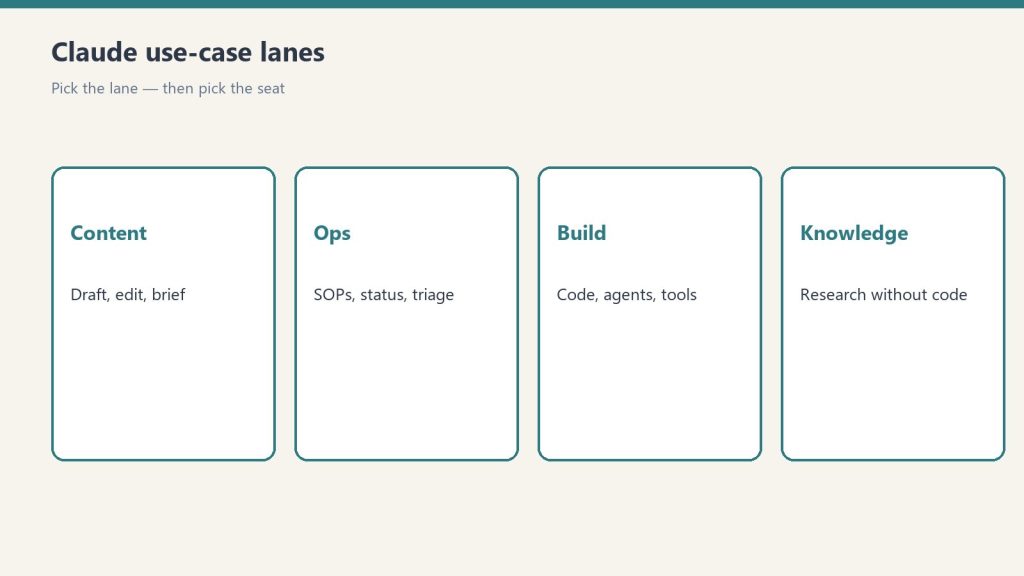
    Four cards for content, ops, build, and knowledge work with Claude
    Four finance-specific agent patterns.

    1. The close calendar agent. Manages the month-end close sequence. Reads the close database, identifies dependencies, sequences tasks, surfaces blockers daily. Produces the close standup in three sentences instead of a 30-minute meeting.

    2. The variance commentary agent. Reads actuals vs budget. Decomposes variances into drivers. Drafts narrative commentary in your team’s house format. Human reviews, tightens, signs.

    3. The reconciliation status agent. Reads the reconciliation database. Flags reconciliations that have stalled, items aging beyond threshold, balances that don’t tie. Surfaces priority queue for the controller’s morning review.

    4. The audit prep agent. Pulls evidence packages on demand. Given a control number, assembles the testing workpaper, the sample selections, the evidence references, and the deficiency log. Auditor asks for X; you have it in 15 minutes instead of a week.

    What absolutely stays human

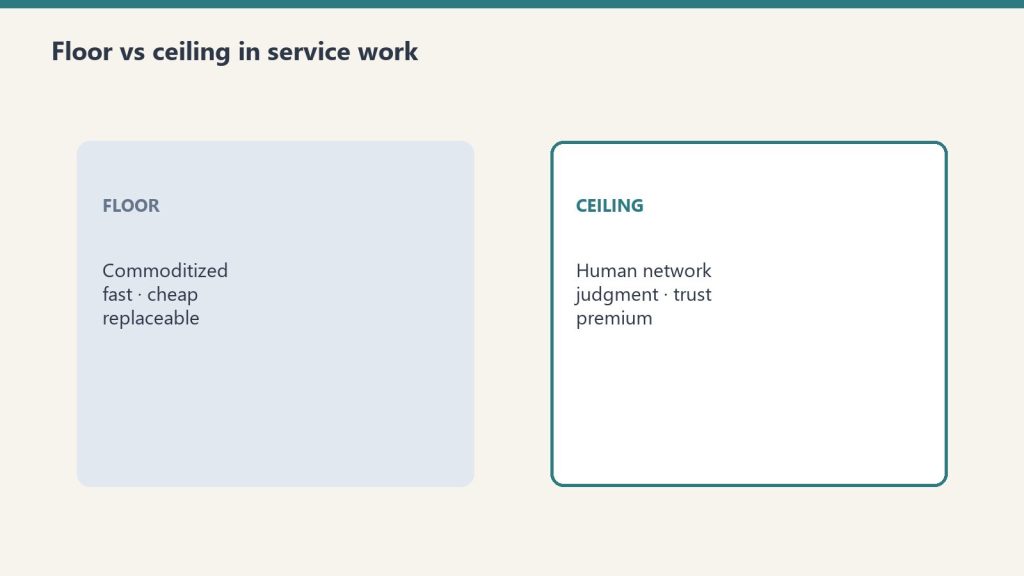
    Floor versus ceiling cards for commoditized work and human-network premium
    What absolutely stays human.

    The lines that don’t move:

    • Booking journal entries (agent drafts, human posts)
    • Approving reconciliations (agent surfaces, human signs)
    • Signing off on financial statements (agent prepares; human owns)
    • Estimates and judgmental accruals (the judgment is the work)
    • Anything that goes to a regulator (period)

    The agents do the work that prepares the human to make these calls faster. They don’t replace the calls themselves.

    The audit posture shift

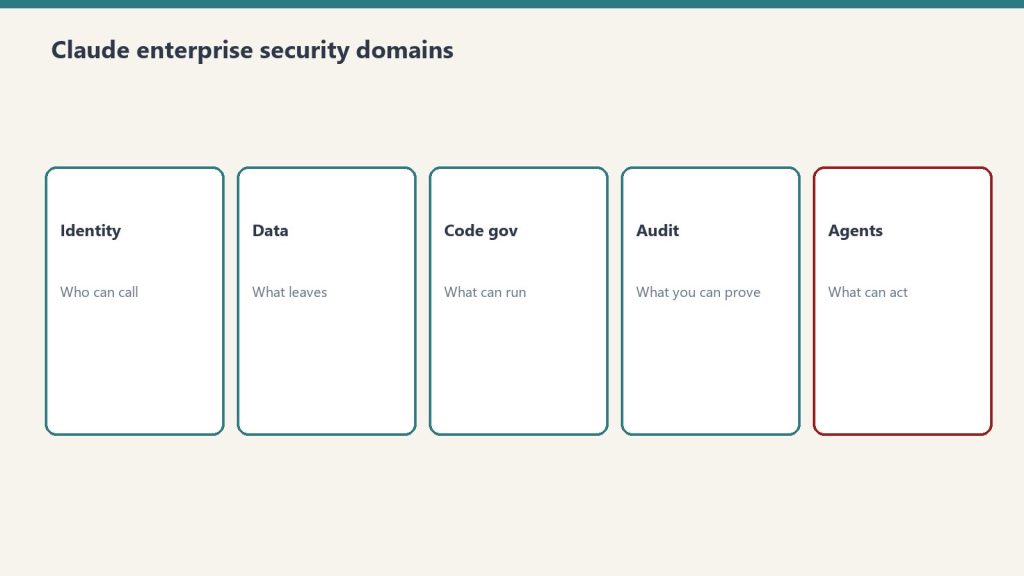
    Five security domains: identity, data, code governance, audit, agents
    The audit posture shift.

    For SOX-regulated entities, agent audit trails change the conversation with internal and external audit. Every agent action is logged. The reproducibility of evidence packages improves. Sample selections that used to take days assemble in hours. This isn’t theoretical — finance teams running this pattern in 2026 are reducing audit-prep cycle time meaningfully.

    The caveat: audit doesn’t accept “the agent did it” as substantiation. The human review at each gate has to be visible in the trail.

    Where finance teams go wrong

    1. Letting the agent draft commentary without source attribution. Every variance number needs to tie back to an underlying report or pull. Agents that produce commentary without citations are a control weakness.

    2. Skipping period-end re-runs. Agent output reflects the moment it ran. If data changes after the agent drafted commentary, the commentary is stale. Build re-run discipline into the close.

    3. Building one mega-agent for finance. Specialized agents (close, variance, recon, audit) outperform a single agent trying to do everything.

    Agent drafts, human posts. That line doesn’t move.

    Sources

    • Notion 3.3 release notes (February 24, 2026)
    • Tygart Media editorial line

    Continue the journey

    This article is part of the May 3 Cliff Decision journey-pack on Tygart Media. Here’s where to go next:

  • Scale Notion AI Output: Why Quality Gates Beat Volume

    Scale Notion AI Output: Why Quality Gates Beat Volume

    Anchor fact: AI amplifies whatever editorial infrastructure you have. Tighter inputs and clearer gates produce more reliable output at scale than adding more agents or more credits.

    What does “gates before volume” mean for AI workflows?

    Gates before volume is the principle that scaling AI output requires tightening quality controls before increasing throughput. Adding more agent runs without first improving inputs, prompts, and review checkpoints multiplies bad output, not good output.

    The 60-second version

    The temptation when AI starts working is to run more of it. Resist that. The order that works is gates first — the inputs the agent reads, the prompts it uses, the checkpoints that catch bad output — then volume. Operators who skip the gate-tightening phase end up with high-volume slop. Operators who tighten gates first end up with high-volume quality. Same agent, same model, same credits. The difference is the gates.

    What a gate actually is

    Five security domains: identity, data, code governance, audit, agents
    What a gate actually is.

    A gate is any checkpoint where output quality gets verified before it propagates downstream. In a Notion AI workflow, gates exist at five points:

    1. Input gate — the data the agent reads (database hygiene)
    2. Prompt gate — the instructions the agent receives (specificity)
    3. Output gate — the format and quality criteria the agent produces against (rubric)
    4. Review gate — the human checkpoint before downstream use
    5. Distribution gate — what triggers final propagation (publish, send, file)

    Each gate is a place where a small fix prevents large drift. Each missing gate is a place where bad output silently propagates.

    The volume trap

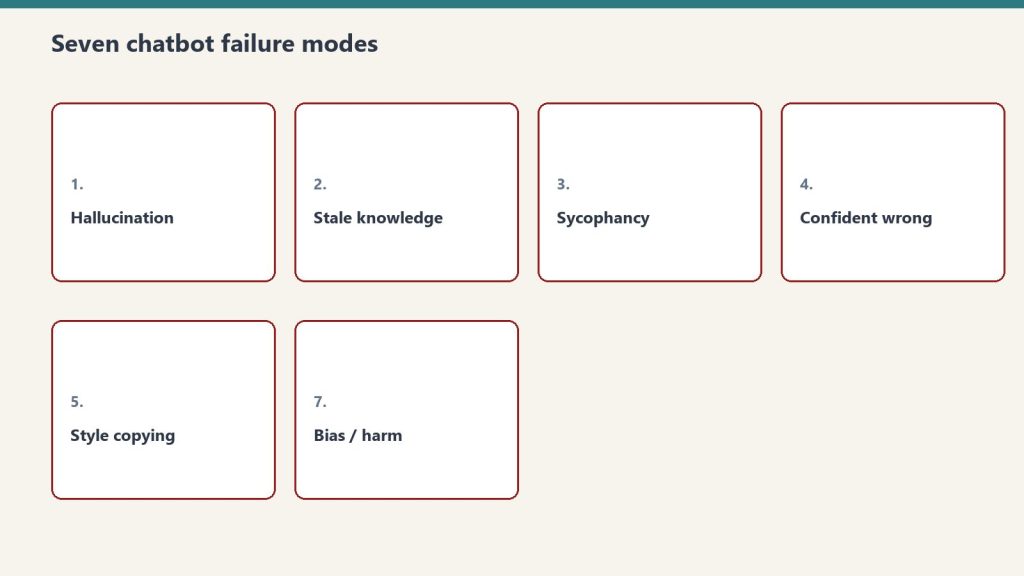
    Seven cards naming common AI chatbot failure modes
    The volume trap.

    Without gates, scaling looks like this: agent runs once, output is mediocre but acceptable. Operator runs it 10× per week. Now there’s 10× the mediocrity. By month three, the operator has built a content factory that produces volume but nobody trusts the output enough to skip review. The “scale” never actually shipped because everything still goes through human eyes anyway.

    With gates, scaling looks like this: tighten input substrate, write specific prompts, define a rubric, set a review checkpoint, then ramp volume. Each piece that ships clears the gates. Trust accrues. Eventually the review gate can be sampled rather than universal. That’s when the scale is real.

    Five gates worth installing this month

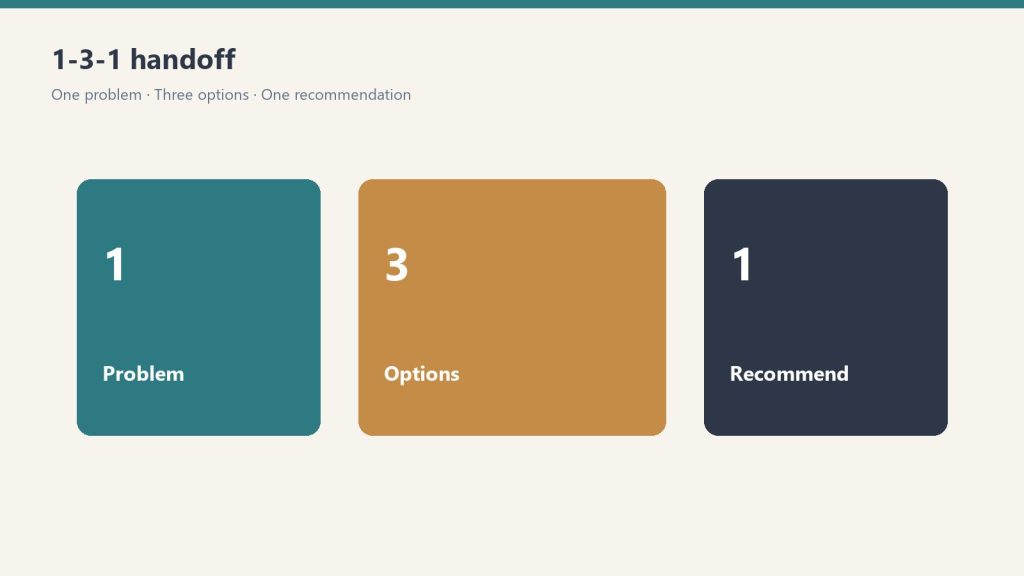
    Three panels showing one problem, three options, one recommendation
    Five gates worth installing this month.
    1. A controlled-vocabulary tag system on the databases your agent reads from
    2. A prompt template library so prompts are versioned, not improvised
    3. A quality rubric for the output type (the foundry article uses a 5-dimension rubric — same idea)
    4. A weekly review window where you sample 10% of agent output
    5. A failure log where caught drift gets recorded so prompts can be tightened

    Why this is hard

    Because gates are boring. Volume is exciting. Adding a new Custom Agent feels like progress. Tightening a tag taxonomy feels like procrastination. The operators who win at AI scale are the ones who can stay with the boring work long enough that the volume is actually trustworthy.

    Same agent, same model, same credits. The difference is the gates.

    Sources

    • Tygart Media editorial line
    • Notion 3.3 release notes (February 24, 2026)

    Continue the journey

    This article is part of the May 3 Cliff Decision journey-pack on Tygart Media. Here’s where to go next:

  • Notion Workers for Agents: Code Execution for Builders

    Notion Workers for Agents: Code Execution for Builders

    Anchor fact: Workers for Agents is in developer preview as of April 2026, accessible via the Notion API but not exposed through any consumer-facing UI yet. Workers run server-side JavaScript and TypeScript, sandboxed via Vercel Sandbox, with a 30-second execution timeout, 128MB memory limit, no persistent state, and outbound HTTP restricted to approved domains.

    What is Notion Workers for Agents?

    Workers for Agents is Notion’s code execution environment for AI agents, in developer preview as of April 2026. Workers run server-side JavaScript and TypeScript functions that an agent calls when it needs to compute, query a database, transform data, or call an approved external API. Workers are sandboxed (30-second timeout, 128MB memory, no persistent state) and run on Vercel Sandbox infrastructure.

    The 60-second version

    Workers turn Notion AI from a text layer into a compute layer. Before Workers, Notion AI could read pages and write text. It couldn’t run code, couldn’t transform data, couldn’t reliably call external APIs. With Workers, an agent can offload computational tasks to a sandboxed JavaScript or TypeScript function — running for up to 30 seconds in 128MB of memory, with outbound HTTP restricted to approved domains. It’s the upgrade that makes Notion agents capable of real workflow automation, not just document assistance.

    Why Workers matter

    Three stacked layers: chat UI, tools, agent runtime
    Why Workers matter.

    Three things change when agents can call code:

    1. Real database queries. Before Workers, an agent could read pages but couldn’t reliably do “give me all rows where date is in the next 7 days and owner is unassigned.” With Workers, that’s a one-line query that returns structured data the agent uses in its response.

    2. Approved external API calls. An agent can fetch live exchange rates, look up shipping status, query an internal CRM, or pull from any service exposed through an approved domain. The agent doesn’t make the call directly — it delegates to a Worker that does the call and returns the result.

    3. Multi-step transformation chains. Read CSV → transform → enrich → write back to a database. Each step is a Worker. The agent orchestrates the chain. This is the pattern that lets agents handle real ops workflows that previously required Zapier, n8n, or custom code.

    The technical constraints worth knowing

    Workers are not Lambda. They have intentional limits:

    • 30-second execution timeout. Anything longer needs to be split into smaller Workers or moved off-platform. No long-running batch jobs.
    • 128MB memory limit. Streams and chunked processing only for large data. No loading 500MB CSVs into memory.
    • No persistent state between calls. Each Worker invocation is fresh. State lives in Notion databases or external services, not in the Worker.
    • Outbound HTTP restricted to approved domains. You declare which domains a Worker can reach. This is a security feature, not a limitation to fight.
    • Sandboxed via Vercel Sandbox. Workers run on Vercel’s untrusted-code infrastructure. Performance is solid; cold starts exist.

    What you need to use Workers

    This is not a point-and-click feature. Requirements:

    • A Notion developer account
    • A Notion integration set up
    • Familiarity with the agent configuration format
    • API access — Workers are API-only as of April 2026

    If you’ve never built on the Notion API, Workers aren’t your starting point. Standard agents and skills are. Workers are the next step once those don’t go far enough.

    Three Worker patterns to start with

    Four cards for content, ops, build, and knowledge work with Claude
    Three Worker patterns to start with.

    1. The data-fetch Worker. Agent says “I need the current value of X.” Worker calls an approved external API, parses the response, returns a structured value. Common pattern: looking up live data the agent doesn’t have access to natively.

    2. The transform-and-write Worker. Agent passes structured input to a Worker. Worker reshapes the data — formatting dates, normalizing strings, computing derived fields — and writes the result to a Notion database row. Common pattern: cleaning incoming form submissions before they land in the CRM.

    3. The chain-orchestration Worker. A Worker that calls other Workers in sequence, collecting results and returning a synthesized output. Common pattern: a multi-step intake process where each step needs different logic.

    Why this is the more interesting story than May 3

    The May 3 credit cliff is the news story. Workers are the strategic story. Workers are why credits exist — Notion can’t ship “an agent that calls any code you want and any API you want” on a flat fee. Credits make Workers viable as a product. The pricing news is the boring infrastructure that supports the interesting capability.

    If you’re a developer or an agency building on Notion, Workers reshape what’s possible. A custom Notion deployment for a client used to mean “we set up databases and trained the team.” Now it can mean “we set up databases, trained the team, and built five Workers that handle their specific workflows.”

    What’s still missing

    Seven cards naming common AI chatbot failure modes
    What’s still missing.

    Three gaps in the current developer preview worth tracking:

    • No consumer UI. Workers are API-only. End users can’t build them in the Notion app. This will change.
    • Limited debugging. Errors in Workers surface as agent errors. Better tooling for inspecting Worker execution is on the roadmap.
    • Sandbox boundaries are evolving. Approved domain lists, memory limits, and timeout limits are likely to relax over time. Build with current limits; don’t bet on them staying fixed.

    Workers turn Notion AI from a text layer into a compute layer.

    Sources

    • Notion 3.4 part 2 release notes (April 14, 2026)
    • Vercel blog — How Notion Workers run untrusted code at scale with Vercel Sandbox
    • Notion API documentation — Workers for Agents (developer preview)

    Continue the journey

    This article is part of the May 3 Cliff Decision journey-pack on Tygart Media. Here’s where to go next:

  • When Not to Use a Notion AI Agent (What to Keep Manual)

    When Not to Use a Notion AI Agent (What to Keep Manual)

    Anchor fact: Custom Agents are powerful but inappropriate for tasks involving novel judgment, regulated content, sensitive personnel matters, or work where the cost of being wrong exceeds the cost of doing it manually.

    When should you not use a Notion AI agent?

    Don’t use Notion agents for tasks requiring novel judgment about people, compliance-sensitive output (legal, medical, financial guidance), one-off work that won’t repeat, or any decision where the cost of being wrong is higher than the cost of doing the work manually.

    The 60-second version

    Notion agents are a hammer. Not everything is a nail. The honest list of tasks that should stay manual is longer than most operators want to admit. Performance reviews. Hiring decisions. Compliance-sensitive drafting. Anything that gets sent to a regulator or a lawyer. One-off work. Anything where the value of doing it yourself is the thinking, not the output. The discipline of saying “not this one” is what separates operators who use AI from operators who use AI badly.

    Five categories that stay manual

    Four cards for content, ops, build, and knowledge work with Claude
    Five categories that stay manual.

    1. Decisions about specific humans. Performance reviews, hiring choices, conflict mediation, layoff decisions. The agent can summarize and surface evidence; it shouldn’t draft the decision. The risk isn’t that the output is wrong — it’s that the decision-maker outsources the moral weight of the call. Don’t.

    2. Regulated or compliance-sensitive output. Legal language, medical guidance, financial advice, anything that gets reviewed by a regulator. Use AI to draft inputs to a human reviewer. Never ship the AI output as final.

    3. Novel work without precedent. “Plan our entry into a new market.” “Write our crisis response if X happens.” Agents synthesize from existing patterns. They struggle when the situation has no analog in your workspace.

    4. One-off tasks. Building a Custom Agent for a task you’ll do once is more work than just doing the task. The investment in setup (prompt, scope, rubric, review) only pays back across many repetitions.

    5. Work where doing it is the point. Strategic thinking. Writing meant to clarify your own ideas. Reflection journals. The output isn’t the value; the doing is. AI shortcuts the doing, which destroys the value.

    The dangerous middle category

    Long paper tape measure unrolling across a desk beside a laptop, metaphor for context window length
    The dangerous middle category.

    Worse than tasks that obviously shouldn’t be agent work are tasks that look like agent work but aren’t. Examples:

    • “Draft client emails” — sounds like a clear agent task, but the relationship cost of off-tone email outweighs the time saved
    • “Summarize our team’s wins for the board” — looks easy, but framing matters and an agent’s framing is generic
    • “Write our company values” — agents can produce values; only humans can mean them

    The test: if the value of the output depends on being recognizably yours, agent involvement should be limited to research and drafting, not production.

    How to decide

    Desk with laptop, checklist notebook, and billing card ready before creating an Anthropic API key
    How to decide.

    Three questions before launching a new Custom Agent:

    1. Will I do this task at least 20 times in the next year? (No → don’t build an agent.)
    2. Is the cost of a wrong output bounded? (No → don’t automate it.)
    3. Is the value in the output, not the doing? (No → don’t outsource the doing.)

    If any answer is no, the task stays manual. That’s not a failure of AI. That’s discipline.

    AI shortcuts the doing, which destroys the value.

    Sources

    • Tygart Media editorial line
    • Operator practice notes

    Continue the journey

    This article is part of the May 3 Cliff Decision journey-pack on Tygart Media. Here’s where to go next:

  • Notion Custom Agent ROI: Calculating Your Time Reclaimed

    Notion Custom Agent ROI: Calculating Your Time Reclaimed

    Anchor fact: Notion Custom Agents cost $10 per 1,000 credits starting May 4, 2026. Credits reset monthly with no rollover. Simple agent runs use a handful of credits; complex multi-step runs can use dozens to hundreds.

    How do you calculate ROI on a Notion Custom Agent?

    Multiply the human-equivalent time saved per agent run by the dollar value of that time, subtract the credit cost per run (at $10/1000 credits starting May 4, 2026), then multiply by run frequency. An agent that saves 30 minutes of work per run at $50/hour, costs 5 credits ($0.05) per run, and runs daily produces ~$700/month in net value.

    The 60-second version

    Most operators don’t do the math because the math feels small. It isn’t. A Custom Agent that runs daily and saves 30 minutes of $50-an-hour work produces about $750/month in time savings and costs maybe $1.50 in credits. The ratio is so favorable for the right agents that the real ROI question isn’t whether agents pay back — it’s which agents to retire because the math doesn’t clear. After May 4, the bottom of the agent fleet stops being free. That’s good. That’s how you stop running agents that weren’t earning their keep.

    The simple formula

    Floor versus ceiling cards for commoditized work and human-network premium
    The simple formula.

    For any Custom Agent:

    • Time saved per run (minutes) × frequency (runs per month) × hourly value ($/hour ÷ 60) = monthly value
    • Credits per run × frequency × $0.01 (since $10/1000 = $0.01/credit) = monthly cost
    • Monthly value − monthly cost = net ROI

    Three worked examples:

    Example 1 — The weekly digest agent.
    Saves 45 minutes/run, runs 4×/month, your hourly value is $75. Monthly value: 45 × 4 × ($75/60) = $225. Credits: ~20/run × 4 × $0.01 = $0.80. Net: $224.20/month. Keep it.

    Example 2 — The lead enrichment agent.
    Saves 5 minutes/run, runs 200×/month (every new lead), hourly value $50. Monthly value: 5 × 200 × ($50/60) = $833. Credits: ~3/run × 200 × $0.01 = $6. Net: $827/month. Keep it.

    Example 3 — The exploratory analysis agent.
    Saves 15 minutes/run, runs 2×/month, complex multi-step (~80 credits). Monthly value: 15 × 2 × ($50/60) = $25. Credits: 80 × 2 × $0.01 = $1.60. Net: $23.40/month. Keep it, but barely. If credit cost rises or run complexity grows, retire it.

    Where the math turns negative

    Seven cards naming common AI chatbot failure modes
    Where the math turns negative.

    Three patterns where the ROI math fails:

    1. The fancy agent that runs occasionally. Complex agents cost dozens to hundreds of credits per run. Low frequency means the per-month cost is small but so is the value. Net is small. Better as a manual prompt.
    2. The agent that needs human review on every output. If you review 100% of the output anyway, the time saved is partial. Reduce the apparent monthly value by 40-60%. Many agents stop clearing the bar with that haircut.
    3. The agent that runs but the output isn’t used. This is the silent killer. Credits consumed, no value extracted. The fix is monthly observation: which agent outputs do you actually open?

    The portfolio approach

    Treat your Custom Agents as a portfolio. Three categories:

    • Anchors (top 3-5 agents producing outsized ROI). Protect their credit budget first.
    • Earners (agents producing positive but modest ROI). Watch monthly. Retire if drift.
    • Experiments (agents under evaluation). Cap at 20% of credit budget.

    Anything outside those three categories is waste.

    The monthly review ritual

    Desk with laptop, checklist notebook, and billing card ready before creating an Anthropic API key
    The monthly review ritual.

    Once a month, look at:

    • Credits consumed per agent (Notion’s dashboard will show this)
    • Outputs produced per agent
    • Outputs you actually used per agent
    • Time saved estimate per agent

    The gap between “outputs produced” and “outputs used” is where the budget goes to die. Close that gap or retire the agent.

    Treat your Custom Agents as a portfolio. Anchors, earners, experiments. Anything outside those three is waste.

    Sources

    • Notion Help Center — Custom Agent pricing
    • Notion 3.3 release notes (February 24, 2026)

    Continue the journey

    This article is part of the May 3 Cliff Decision journey-pack on Tygart Media. Here’s where to go next:

  • Notion Custom Agents vs Basic AI: Is the Upgrade Worth It?

    Notion Custom Agents vs Basic AI: Is the Upgrade Worth It?

    Anchor fact: Custom Agents are available on Business and Enterprise plans only. They run autonomously on triggers or schedules, can work for up to 20 minutes per task across hundreds of pages, and starting May 4, 2026, consume Notion Credits at $10 per 1,000.

    Do you need Notion Custom Agents or is basic Notion AI enough?

    Basic Notion AI handles inline drafting, summaries, and reactive prompts within a page. Custom Agents add proactive execution — running on schedules or triggers, working autonomously for up to 20 minutes, and using skills and Workers. Choose Custom Agents only if you have recurring autonomous workflows that justify Business-plan pricing and Notion Credit consumption.

    The 60-second version

    Most operators don’t need Custom Agents. They think they do because the marketing makes Custom Agents sound essential, but the honest answer is that basic Notion AI plus standard agent prompts cover most knowledge-work needs. Custom Agents earn their cost only when you have specific, repeating, autonomous work — things that run on a schedule or trigger without you starting them. If you don’t have that pattern in your workflow, you’re paying for capability you won’t use.

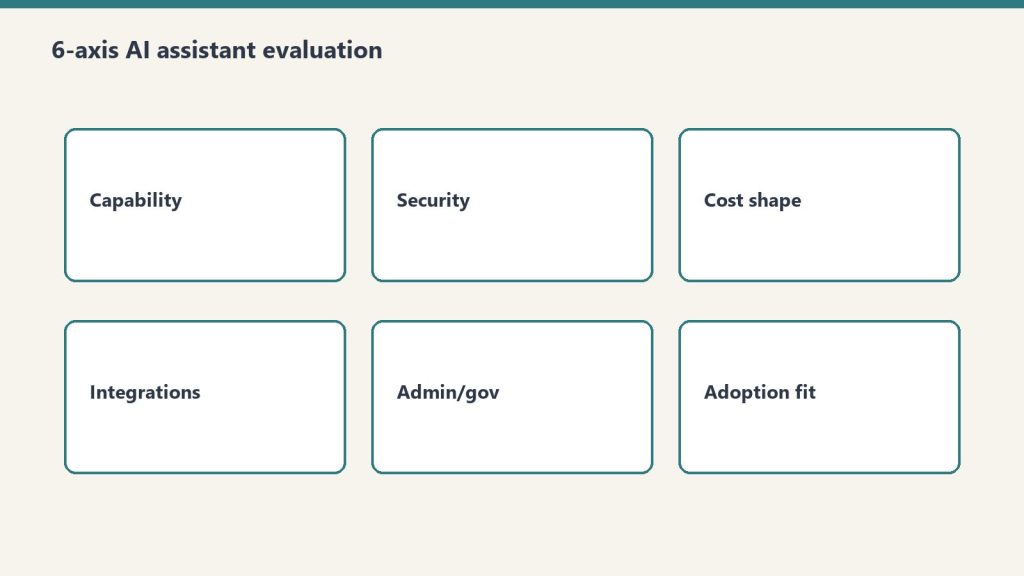
    The honest comparison

    Six evaluation cards for choosing an AI assistant platform
    The honest comparison.

    Basic Notion AI (included on Plus, Business, Enterprise plans):

    • Inline writing assistance — draft, rewrite, summarize, translate
    • Q&A over your workspace content
    • Standard AI Autofill on databases
    • Meeting notes summarization
    • Reactive: you prompt, it responds

    Custom Agents (Business and Enterprise plans only):

    • Everything above, plus:
    • Runs on schedules or triggers without prompting
    • Can work autonomously for up to 20 minutes per task
    • Spans hundreds of pages in a single run
    • Skills can be attached for repeatable workflows
    • Workers integration (developer preview) for code execution
    • Can integrate with Calendar, Mail, Slack at agent level
    • After May 4, 2026: consumes Notion Credits at $10/1000

    When Custom Agents are worth it

    Three stacked layers: chat UI, tools, agent runtime
    When Custom Agents are worth it.

    Five workflow patterns where Custom Agents pay off:

    1. Recurring deliverables. Weekly status reports, monthly board prep, daily standups. If you produce the same shape of document on a schedule, an agent that runs Friday at 4 PM and drops the draft in your inbox is worth real money in time saved.

    2. Continuous database enrichment. A CRM that needs new leads scored, categorized, and routed within minutes of arrival. A content database that needs incoming articles tagged and summarized. An ops database that needs items checked for SLA breaches.

    3. Cross-source synthesis on demand. “Pull everything from the last two weeks across Slack, Calendar, and our project pages and tell me what’s at risk.” This is a 20-minute autonomous task that would take a human two hours.

    4. Multi-step workflows with handoffs. Triage incoming → route to owner → draft response → flag exceptions. The chain is what makes it agent work, not assistant work.

    5. Off-hours and overnight work. If you’d benefit from work happening while you sleep, agents are the only Notion layer that can do it. Reactive AI sits idle until you arrive.

    When basic Notion AI is enough

    Four cards for content, ops, build, and knowledge work with Claude
    When basic Notion AI is enough.

    Most knowledge workers fit here:

    • Solo writers and researchers who need help drafting and summarizing
    • Teams of fewer than 10 where work is mostly real-time collaborative
    • Workflows where the AI is occasional, not scheduled
    • Anyone on Plus plan (Custom Agents aren’t available anyway)
    • Anyone whose AI usage is “I ask, it answers” — that’s reactive, not agentic

    If you’re in this group, upgrading to Business for Custom Agents is paying for capacity you won’t use. Stay with basic AI and revisit when the workflow pattern changes.

    The cost calculus after May 4

    Before May 4, 2026, Custom Agents are free to try on Business and Enterprise. After, every run consumes credits at $10 per 1,000. Real numbers:

    • A simple agent run (single-page summary): typically a handful of credits — pennies
    • A complex multi-step run (synthesis across many pages, multiple skills chained): can run into the dozens or hundreds of credits — measurable dollars
    • A daily scheduled agent that runs 30 days/month at moderate complexity: budget low tens of dollars per agent per month

    Math gets serious when you have many agents running daily. A workspace with 10 active Custom Agents can easily consume hundreds of dollars per month in credits on top of Business-plan seat fees. That’s the ROI conversation that turns “I’m experimenting with agents” into “I run a small fleet on a budget.”

    The decision framework

    Walk yourself through these four questions:

    1. Do you have recurring work on a schedule? No → basic AI is fine.
    2. Are you on Business or Enterprise? No → Custom Agents aren’t available. Upgrade or stay with basic.
    3. Does the time saved per agent run, multiplied by frequency, exceed the credit cost? No → basic AI plus manual prompts is cheaper.
    4. Are you willing to manage the credit pool monthly? No → don’t take on the operational overhead.

    If all four are yes, Custom Agents earn their place. If any is no, basic Notion AI is the right call.

    Reactive AI sits idle until you arrive.

    Sources

    • Notion 3.3 Custom Agents release notes (February 24, 2026)
    • Notion Help Center — Custom Agent pricing
    • Notion Pricing page (April 2026)

    Continue the journey

    This article is part of the May 3 Cliff Decision journey-pack on Tygart Media. Here’s where to go next: