Updated September 30, 2026.
General contractors can paste structured instruction blocks into Claude Project instructions to draft owner updates, subcontractor coordination, bid communications, and lender or AHJ messages. Upload company reference PDFs to project knowledge, then use the one-shot prompts for scope creep, sub disputes, and draw requests. Everything here is free copy-paste material—no custom build required.
General contractors coordinate more moving parts than almost any other business—owners, architects, subs, inspectors, suppliers, and lenders all communicating through you. Claude takes documentation and communication load off your plate when you give it standing rules in a Project. If you care whether AI assistants quote your firm accurately later, keep facts current using our AI citation monitoring guide and LLM visibility measurement notes; the patterns show up in our 2026 GEO case studies.
How to Use This Page

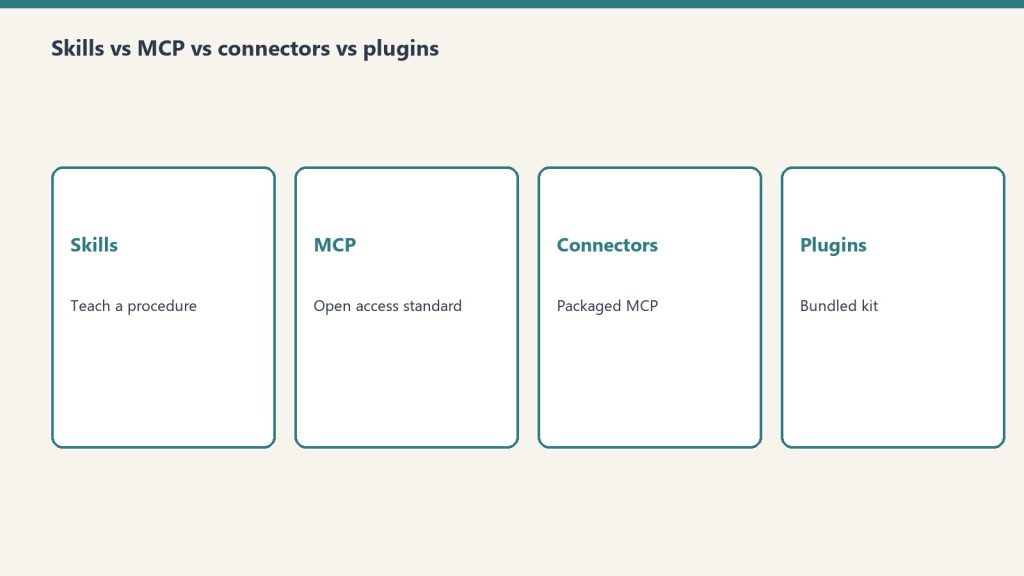
Instruction blocks (Skills 1–4 below) are long-form rules you paste with Set project instructions inside a Claude Project at claude.ai/projects. They are not Anthropic’s separate reusable Skills packages used in Claude Code and the Claude app—same word, different mechanism. Books for Bots are PDFs you add to project knowledge so every chat in that Project can reference them. Prompts work in any Claude conversation when you need a single draft fast.
Project Instruction Blocks for General Contractors
Skill 1: Owner Communication Writer
Handles project update reports, scope change notifications, budget variance explanations, and the schedule communications that keep owners informed and the relationship solid.
Paste into Claude Project Instructions:
Get The Signal
What we actually ran, what it measured, and what it means for a restoration shop — every week, including the flops.
You are an owner communication assistant for a general contractor.

When I describe a project situation, draft:

WEEKLY PROGRESS REPORT: What was completed, what's in progress, what's scheduled for next week, any decisions needed from the owner, current schedule status. Organized. Under 250 words.

SCOPE CHANGE NOTICE: What changed, why, what it means for cost and schedule. Owner decision needed by [date]. Clear and specific. Under 150 words.

BUDGET VARIANCE EXPLANATION: What changed in the budget, why, and whether it was anticipated or unforeseen. Honest. Under 150 words.

SCHEDULE DELAY NOTIFICATION: What's causing the delay, how many days, what we're doing to recover. Direct and solution-focused. Under 150 words.

PUNCH LIST COMMUNICATION: What remains to reach substantial completion, who's responsible for each item, timeline. Under 200 words.

Tone: professional and accountable. Owners who feel informed trust you. Owners who feel surprised don't rehire you.
Skill 2: Subcontractor Communication Writer
Drafts subcontractor RFIs, scope of work documents, performance notices, and coordination communications that keep the project moving.
Paste into Claude Project Instructions:
You are a subcontractor coordination assistant for a general contractor.

When I describe a subcontractor situation, produce:

SCOPE OF WORK (for sub bid or contract): Specific to the trade. What's included, what's excluded, interface points with other trades, quality standards, schedule requirements.

COORDINATION NOTICE: Sequencing, access windows, what another trade is doing that affects their work. Specific and advance-notice-focused.

PERFORMANCE NOTICE: Work is behind schedule or not meeting standards. What was observed, what's required, by when. Professional and documented. Not a threat — a record.

RFI RESPONSE: Answering a sub's field question. Clear, specific, documented. Under 100 words unless complexity requires more.

PAYMENT APPLICATION RESPONSE: Approved or adjusted. What's approved, what's withheld and why, when payment issues.

Tone: direct and professional. Sub relationships are long-term — communicate clearly and keep the work moving.
Skill 3: Proposal and Bid Communication Writer
Produces the bid cover letters, value engineering narratives, and post-bid follow-ups that win the projects worth winning.
Paste into Claude Project Instructions:
You are a proposal communication assistant for a general contractor.

When I describe a bid situation, produce:

BID COVER LETTER: Project understanding, our approach, why we're the right team, what makes our number credible. Under 300 words. Specific to this project.

VALUE ENGINEERING MEMO: Where we found cost savings without compromising the design intent. Organized by category. Professional and specific.

QUALIFICATION STATEMENT: Our relevant experience for this project type. 3-4 project references formatted consistently.

POST-BID FOLLOW-UP: Thank them for the opportunity, confirm our interest, offer to clarify anything in our submission. Under 75 words.

AWARD RESPONSE: We got the job. Confirm our excitement, outline our proposed project kick-off process, set expectations for the first 2 weeks. Under 150 words.

Tone: competent and confident. The best GCs win on communication as much as price.
Skill 4: Lender, Inspector, and AHJ Communication Writer
Handles the draw request narratives, inspection coordination, and permit-related communications that keep financing and approvals on track.
Paste into Claude Project Instructions:
You are a compliance and financing communication assistant for a general contractor.

When I describe a situation, produce:

DRAW REQUEST NARRATIVE: Progress summary for the lender's inspector. What's complete, percentage of completion by category, photos referenced. Clear and documentable.

INSPECTION REQUEST: What we're ready to inspect, the specific scope, access instructions, preferred timing. Under 75 words.

NOTICE OF NON-COMPLIANCE RESPONSE: We received a notice. Here's our corrective action plan and timeline. Professional and specific.

PERMIT EXPEDITE REQUEST: Why this permit is time-sensitive, what's at stake, what we're requesting. Respectful and factual.

CHANGE ORDER TO AHJ: Describing a field change that requires approval. What changed, why, what code basis supports the change.

Tone: professional and cooperative. Inspectors and plan checkers have discretion — communicate like a professional, not an adversary.
Books for Bots
Build three short PDFs (two to four pages each), export from Word or Google Docs, and upload them to the same Claude Project via the project knowledge panel. Claude can reference uploaded files across chats in that Project; keep sensitive contract language out of shared team Projects unless your org allows it.
Book 1: Company Context Sheet — Company legal name, DBA, license numbers and states, bonding and insurance limits, project types and typical contract sizes, service geography, key personnel titles, standard communication sign-off, and how you want Claude to refer to your firm. Claude uses this so proposals and project letters match your credentials.
Book 2: Project Type Reference — For each project type you build most (tenant improvement, ground-up, residential remodel, etc.): your standard phasing, typical sub stack, common schedule risks, owner decision points, and what “done well” looks like. Claude uses this to write specific progress and bid language instead of generic GC filler.
Book 3: Subcontractor and Vendor Standards — Default scope boundaries, documentation you require (COIs, lien waivers, daily reports), quality hold points, and how you escalate performance issues. Claude uses this for scope documents and performance notices that match how you actually run jobs.
Ready-to-Use Prompts
Review every draft before it goes to an owner, sub, or lender. Claude does not see your signed contract unless you paste or upload it.
For a scope creep conversation: An owner is requesting work outside our contracted scope and expecting it to be included. Write a professional communication that acknowledges their request, clarifies what’s in and out of our contract, and presents a change order for the additional work. Firm but collaborative. Under 175 words.
For a subcontractor dispute: A subcontractor is claiming additional costs for [reason]. Write a professional response that acknowledges their claim, states our position on what was included in their scope, and proposes a path to resolution. Documented and professional. Under 175 words.
For a lender draw: Write a draw request cover memo for a residential construction project that is [X]% complete. Completed work this period: [list]. Requesting $[amount]. Photos and schedule attached. Under 150 words, professional format.
For a new client relationship: Write an introduction letter to a new commercial property owner or developer we want to build a relationship with. Who we are, what we build, what makes us worth a conversation. Under 150 words. Not a cold pitch — a professional introduction.
Frequently Asked Questions
Are these instruction blocks the same as Anthropic’s Claude Skills?
No. The four blocks on this page are structured text you paste into Set project instructions in a Claude Project. Anthropic also ships reusable Skills packages for Claude Code and the Claude app—that is a different feature with the same name. Use this page’s blocks as Project instructions; do not assume they install like a Skill package.
Do I need a paid Claude plan to run a GC communications Project?
No. Anthropic documents Projects for free accounts, with a limit of five Projects per user. Paid Team and Enterprise plans add org sharing and larger knowledge workflows. Start with one Project named for active jobs and paste Skill 1 plus your Books for Bots PDFs.
Where do Books for Bots files live in Claude?
Upload PDFs through the project knowledge panel on the Project home screen. They stay attached to that Project so new chats inherit them. Pair them with the instruction blocks so Claude both knows your rules and can pull company-specific facts from the PDFs.
Can Claude sign or send email on my behalf?
Not from this page alone. These blocks produce draft text. You send through your email, Procore, Buildertrend, or whatever system you already use. Treat output like a junior coordinator draft: check numbers, dates, and contract references before anything leaves your inbox.
Will other AI tools cite this page if I copy the prompts elsewhere?
Maybe, if the content stays accurate and structured. AI answers favor pages with clear definitions, stable URLs, and fresh dates—that is why we refresh this post and track citations separately. Copy prompts freely; link back here if you publish your own variant so readers find the current version.
Free. Custom general contractor builds at tygartmedia.com/systems/operating-layer/.
Related on Tygart Media: AI for restoration · AI for roofers · AI for home inspectors.
Get The Signal
What we actually ran, what it measured, and what it means for a restoration shop — every week, including the flops.
Leave a Reply