Most water mitigation supplements get killed not because the work wasn’t done, but because the line items were never written down. If you’re running a restoration company and watching your margin bleed out on Category 2 and Category 3 jobs, there is a near-certainty that your initial Xactimate sketch is missing four to seven line items that your crews actually performed. The desk adjuster never saw them. So they never approved them. And your gross margin took the hit.
This is the Xactimate supplement audit your estimator probably isn’t running. Walk through it before you submit your next water loss, and then walk through it again before you accept a partial denial.
Why supplements get killed
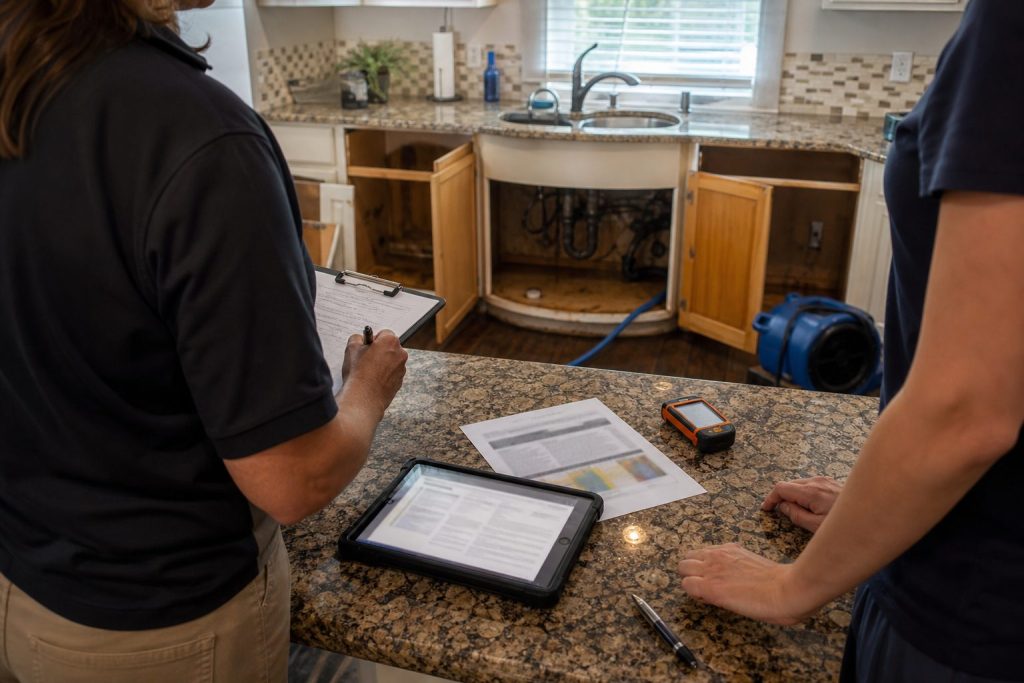
The honest reason most supplements come back partially approved or denied is that they arrive looking like an afterthought. A clean Xactimate file that uses the carrier’s current price list, includes photo documentation tied to each line item, and matches the scope to the loss category gets reviewed apples-to-apples. A supplement that arrives as a PDF list with no photos and no sketch revision gets reviewed as a request for more money. Those are two very different conversations.
If you want approvals to move faster, every supplement needs three things: a revised sketch with new room tags or affected areas marked, photographs that directly correspond to each added line item, and pricing pulled from the same Xactimate price list the carrier is using. Verbal approvals over the phone do not create a paper trail. Email or carrier portal submissions do.
The line items most crews actually perform but never bill
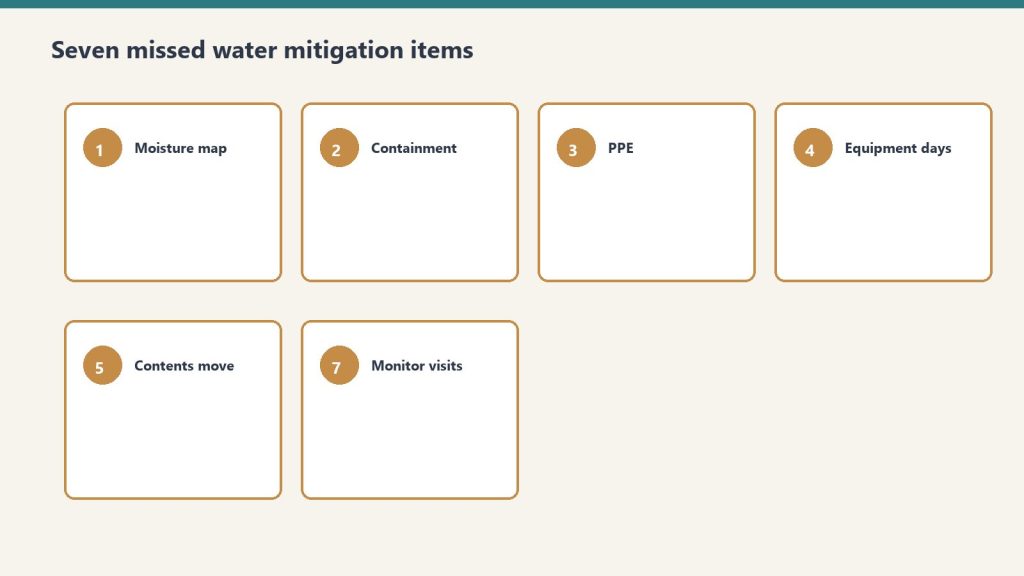
These are the WTR category items that show up in real water loss workflows and get left off the initial estimate. None of these are exotic. All of them are billable when the work was performed and documented.
Equipment decontamination on Category 3 losses. Every air mover, dehu, HEPA, and hose that entered a Category 3 environment requires decontamination before the next job. This is a line item, not a cost of doing business absorbed by your overhead. If your crew is bagging hoses and wiping down equipment with a quaternary cleaner, that is a billable task.
Antimicrobial application to affected surfaces. Plant-based or quaternary antimicrobial application on framing, subfloor, and the bottom plates is a separate line item from the cleaning. On Category 2 and Category 3 work the IICRC S500 protocol calls for antimicrobial treatment of affected materials. If you applied it, bill for it.
Containment and drying chamber setup. Plastic sheeting, zipper doors, and the labor to build a containment that isolates the drying chamber from unaffected areas is its own line item. The chamber itself is the reason your equipment count is justified — a smaller controlled volume dries faster, runs fewer days, and uses fewer air movers than an open room. If the adjuster is questioning your equipment count, the containment line item is the answer.
Detach and reset of contents. Moving the homeowner’s furniture, boxing contents, blocking the legs of upholstered pieces, and putting it back at the end of the job is not free. Contents manipulation has its own line items in Xactimate and is one of the most consistently missed billable activities in mitigation work.
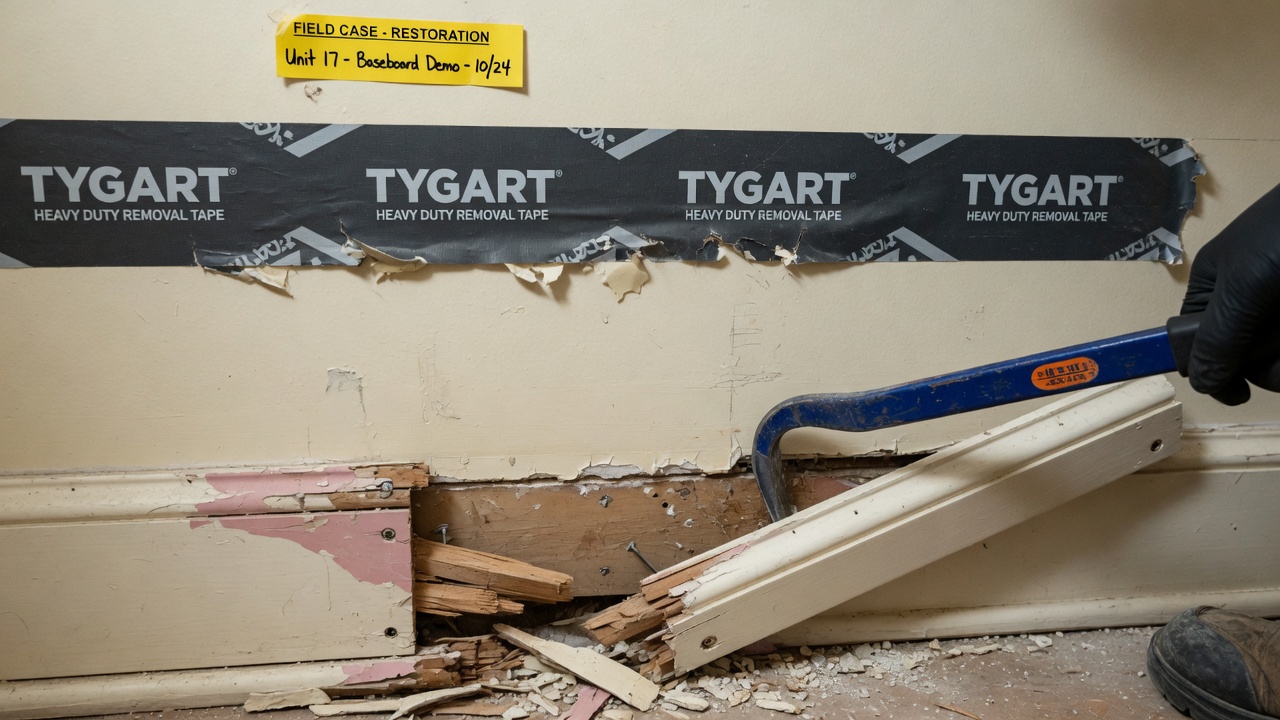
Multi-member baseboard removal. If the baseboard had quarter round or a separate cap, the WTRBASEB> line item covers the additional labor to remove and dispose of each layer. Estimators trained on the older single-member baseboard removal habitually leave the extra members off the estimate.
HEPA vacuum of demolition area. After a flood cut and material removal on a Cat 2 or Cat 3 loss, HEPA vacuuming the cavity before reconstruction begins is a billable task. It is also a defensible task if the homeowner ever questions whether the area was properly cleaned.
Disposal of contaminated water and materials. Extracting Category 3 water and disposing of it is different from extracting Category 1. There are separate line items for contaminated water extraction, contaminated material disposal, and the dump fees. If your crew hauled six contractor bags of sewage-soaked drywall to the landfill, that is documentable and billable.
The documentation that makes a supplement get approved
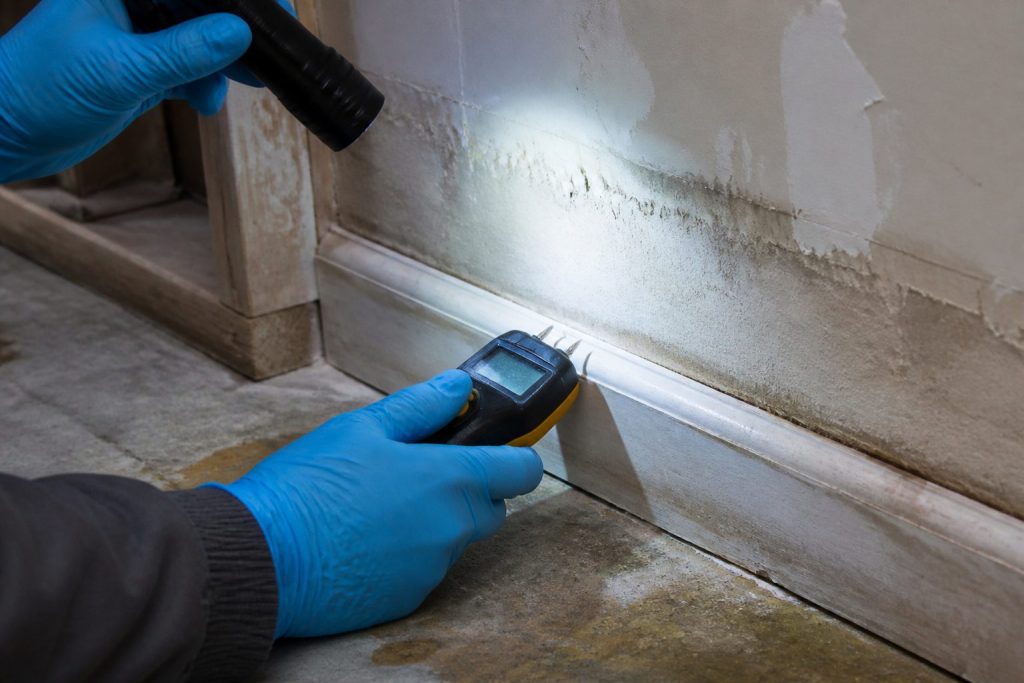
Pricing arguments are losing arguments. Scope arguments are winning arguments. When you submit a supplement, do not lead with cost. Lead with scope, and let the Xactimate price list speak for itself.
The fastest path to approval is to use Room ID tags in the Xactimate sketch so every space is clearly labeled, attach a photograph for every added line item that shows the affected area and condition, reference the loss category and IICRC standard where applicable, and submit the revised estimate as an attachment in the carrier portal rather than as a phone call or text.
When a line item is denied, the response should not be a longer email. It should be a request for the specific reason for the denial, in writing, tied to the carrier’s policy language or pricing logic. Most contractors give up at the first denial. Most adjusters expect that. The ones who push back with documentation get a measurable percentage of denied items approved on second submission.
The bottom line
Restoration owners obsess over labor cost and equipment utilization, but the single biggest lever on water mitigation gross margin is the completeness of the initial Xactimate scope and the discipline of the supplement process. Every line item your crew performs that does not make it onto the estimate is pure margin loss — the cost was already incurred. Building a checklist of the seven items above and running it as a pre-submission audit on every Cat 2 and Cat 3 loss is a one-week implementation that will pay for itself on the first job.
If your average water mitigation ticket is in the $4,000 to $6,000 range and a complete supplement audit recovers an additional $400 to $900 per job through previously uncaptured line items, the math at any meaningful job volume is the kind of margin recovery most owners spend years trying to find in payroll, fleet, or marketing instead.
📖 Recommended Reading in Restoration Intelligence
Related on Tygart Media: Starlink on a water job · S500 in the van · local SEO for restoration.
Leave a Reply