Author: William Tygart

  • Everett Transit Consolidation: The Complete 2026 Guide

    Everett Transit Consolidation: The Complete 2026 Guide

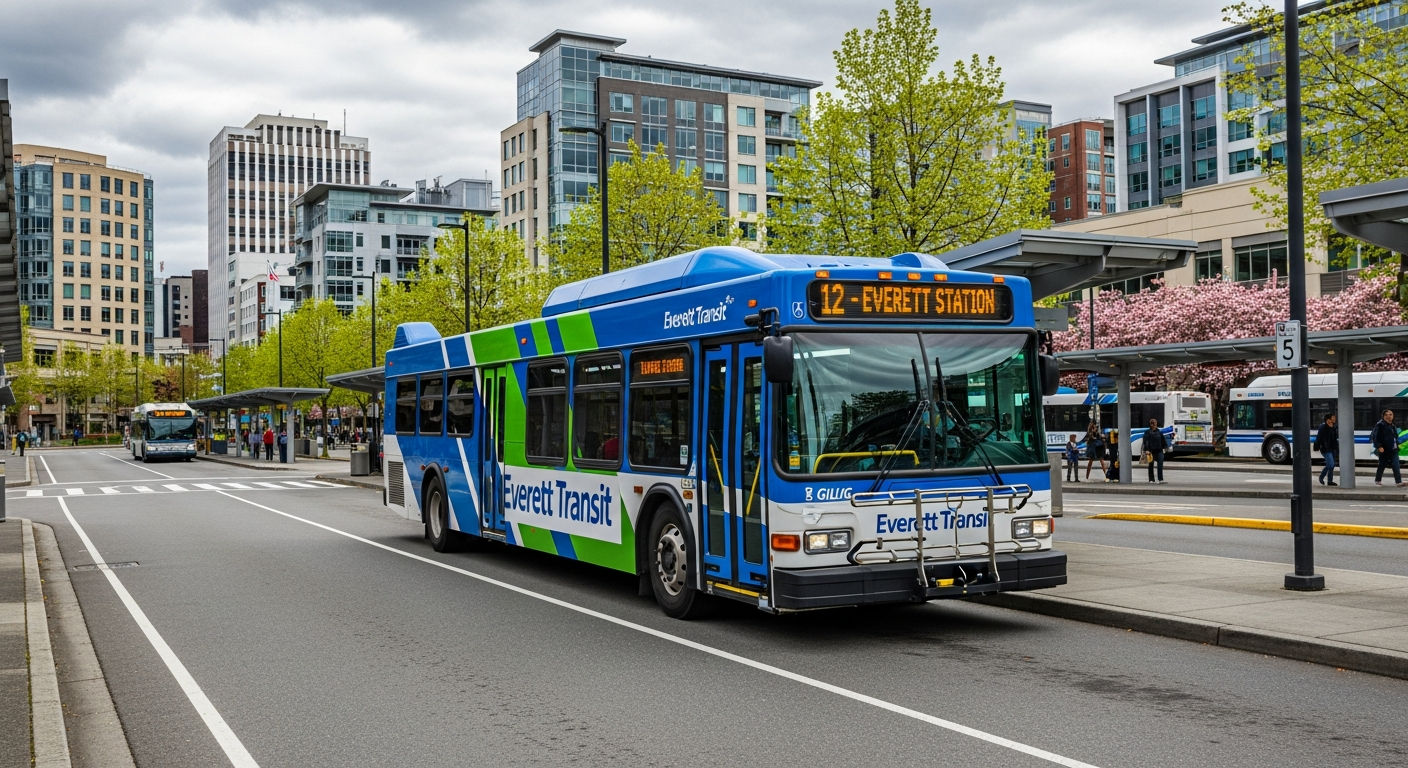
    Everett’s 50-year-old municipal bus system is heading toward the most consequential vote in its history — and Everett residents won’t cast a ballot on it. The Everett City Council could vote as early as late May or June 2026 on whether to dissolve Everett Transit and absorb its 22 routes, 161 workers, and 115,000 riders into Community Transit — the regional carrier serving the rest of Snohomish County. A 2025 state law called SB 5801 makes this possible without a public vote. Here is everything you need to know about what the consolidation would mean, who’s fighting it, and what happens next.

    What Actually Happened on April 22, 2026

    Everett Mayor Cassie Franklin and Community Transit CEO Ric Ilgenfritz announced on April 22, 2026, that the two agencies are resuming work toward consolidation. The announcement was not a vote — it was a green light to begin drafting an interlocal agreement, conducting due diligence, and working through the legal framework before any governing bodies act.

    The proposal would absorb Everett Transit — which operates 22 routes, employs 161 people, and serves an estimated 115,000 Everett residents — into Community Transit, which currently covers the rest of Snohomish County. A merged agency would serve roughly 800,000 people across Snohomish County, making it one of the largest transit networks in Washington State outside of King County Metro and Sound Transit.

    Franklin framed the move as a direct response to Sound Transit’s June 30 board vote on whether to advance light rail to Everett Station. “As light rail comes closer to reality, we need a transit system built for a light rail community,” Franklin said. Ilgenfritz described the consolidation as “the next step in building a seamless, connected transit network across Snohomish County.”

    The State Law That Makes This Possible Without a Public Vote

    This consolidation is moving without a public ballot because Washington’s legislature passed SB 5801 in 2025, which allows public transportation benefit areas like Community Transit to annex municipal transit agencies via an interlocal agreement approved by both governing bodies. The process requires at least one public hearing by each body — separately or jointly — but does not require a citywide ballot measure.

    Everett Transit Local 883 Union President Steve Oss has called for the consolidation to go before Everett voters and has alleged the legislation was crafted specifically to allow the merger without one. A community group called Keep Everett Transit (keepet.org) has formed in opposition.

    If the council approves, Everett would become the first Washington city to voluntarily dissolve a standalone transit agency under this framework.

    What’s Currently on the Table

    Right now, the two agencies are in the due-diligence and agreement-drafting phase. No interlocal agreement has been presented to either body. No public hearing has been scheduled. The timeline that has been communicated publicly is:

    • Spring–early summer 2026: Drafting of interlocal agreement, staff analysis, public hearings
    • Late May or June 2026: Possible council vote (though this is a projection, not a set date)
    • After council approval: Multi-year implementation — routes, labor contracts, fare structures, and service standards would need to be reconciled before Everett Transit ceases to exist as a standalone agency

    What Consolidation Would Mean for Riders

    Under consolidation, Everett Transit’s 22 routes would become part of Community Transit’s network. Service levels, route alignments, and fare structures would all be subject to renegotiation as part of the interlocal agreement.

    Community Transit currently does not operate within the City of Everett boundaries — its routes connect Snohomish County cities to Everett but hand off at the city border. Consolidation would change that, giving a single agency control of all fixed-route bus service in and around Everett.

    Supporters argue this creates the seamless transit network needed to connect to light rail. Critics, including the Keep Everett Transit coalition, argue that Community Transit’s priorities are regional, not neighborhood-focused, and that Everett-specific routes could be reduced or eliminated in a regionalized system.

    What Consolidation Would Mean for Workers

    The 161 Everett Transit employees — drivers represented by ATU Local 883, plus maintenance, dispatch, and administrative staff — would transition to Community Transit under any consolidation agreement. The terms of that transition, including which union contract governs, seniority treatment, and pension continuity, are among the most complex elements of the negotiation.

    Union president Steve Oss has been the most prominent public opponent of the consolidation, calling explicitly for a public vote and pushing back on the no-ballot framework created by SB 5801. The union’s concerns include job security, seniority rules, and the potential for route changes that reduce driver headcount or shift work patterns.

    The Tax Question

    Everett residents currently pay a 0.3% city sales tax that funds Everett Transit. The Lynnwood Times has reported that the combined tax burden under Community Transit’s rate structure would represent the largest sales tax increase in Washington state history. The specific net impact on individual Everett tax bills would depend on how the interlocal agreement structures the transition period and what tax rates are set.

    The public hearing process required by SB 5801 is the primary mechanism for residents to weigh in on the tax implications before any council vote.

    How This Connects to Sound Transit

    The consolidation proposal is explicitly tied to the Sound Transit timeline. The June 30, 2026, Sound Transit board vote — which would determine whether the agency moves forward with a revised System Plan to bring light rail to Everett Station — is the backdrop for Franklin’s framing of the merger.

    The argument: if light rail comes to Everett, the city needs a transit feeder network that connects all of Snohomish County to Everett Station seamlessly. A merged Community Transit + Everett Transit system, the argument goes, is better positioned to serve as that feeder than two separate agencies with separate governance structures.

    Everett’s Sound Transit light rail future is covered in this complete 2026 guide. The June 30 vote’s implications for residents and commuters are also explored in detail on this site.

    How to Make Your Voice Heard

    The SB 5801 process requires at least one public hearing before any council vote. Dates have not been announced as of April 30, 2026. To stay informed:

    • Monitor City of Everett (everettwa.gov) for hearing announcements — confirm agendas on the live city site
    • Sign up for the City of Everett’s news alerts
    • Contact the Keep Everett Transit coalition at keepet.org
    • Contact Everett City Council members directly — the council will make the final call

    Frequently Asked Questions

    Does Everett have to hold a public vote to end Everett Transit?
    No. Under Washington’s SB 5801 (2025), the Everett City Council and Community Transit Board can approve consolidation through a council vote and an interlocal agreement — no public ballot required. However, at least one public hearing by each body is required.

    How many routes does Everett Transit currently operate?
    Everett Transit operates 22 routes and employs approximately 161 people, serving an estimated 115,000 Everett residents.

    When could the Everett City Council vote on consolidation?
    A council vote could come as early as late May or June 2026, though the interlocal agreement is still being drafted as of late April 2026.

    What would happen to Everett Transit workers if consolidation is approved?
    The 161 Everett Transit employees — including drivers represented by Local 883 of the Amalgamated Transit Union — would transition to Community Transit. Terms of that transition are subject to negotiation.

    What does Everett Transit consolidation mean for residents’ taxes?
    The Lynnwood Times has reported this could represent the largest sales tax increase in Washington state history when combined with Community Transit rates. The specific net impact on individual tax bills depends on the interlocal agreement’s structure.

    Why is the consolidation being proposed now?
    Mayor Franklin framed it as a direct response to the June 30, 2026, Sound Transit vote that could advance light rail to Everett Station.

    What is Keep Everett Transit?
    Keep Everett Transit (keepet.org) is a community advocacy group opposing the consolidation and calling for a public vote.

  • North Mason Infrastructure: 3 Projects Shaping Belfair

    North Mason Infrastructure: 3 Projects Shaping Belfair

    If you’ve recently moved to Belfair or North Mason — or you’re weighing a move to the area — three infrastructure projects in progress right now give you a clearer picture of where this community is headed than any real estate listing will.

    A New Fire Station — What It Tells You About This Community

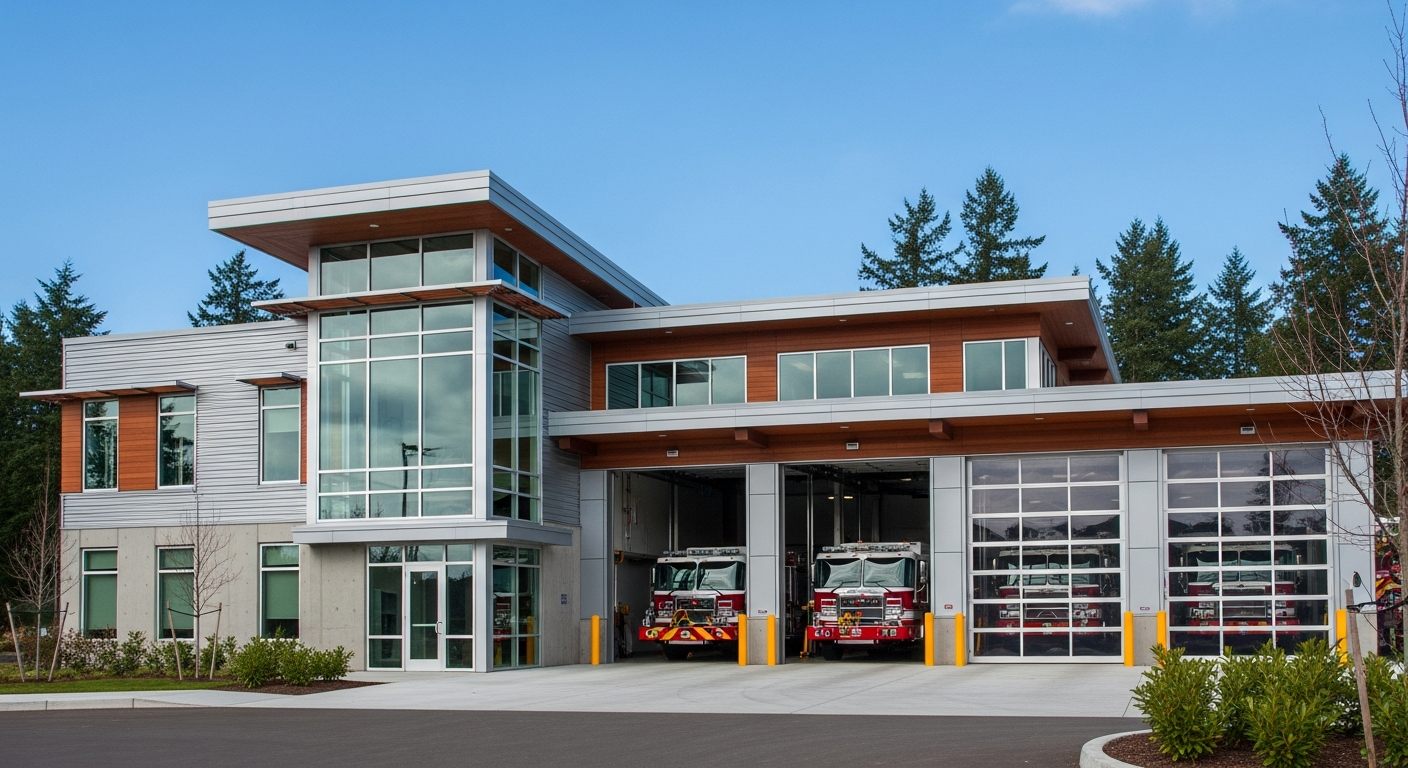
    North Mason voters approved a bond in 2019 to build a new headquarters fire station for North Mason Regional Fire Authority. That station — a $9 million facility at 490 NE Old Belfair Highway in Belfair — is on track to open in September 2026.

    The new headquarters replaces a facility that was built for a smaller community. It includes an eight-vehicle bay, a dedicated training center, administrative offices, and living quarters for up to ten on-call firefighters. TRICO Companies is the contractor.

    For a newcomer evaluating safety and services: North Mason RFA covers a large geographic area — Belfair, Allyn, Tahuya, much of the Hood Canal shoreline. The upgraded headquarters means faster, better-equipped emergency response across that entire service area. The existing station building will be leased to Mason County for the north precinct of the Sheriff’s Office — adding a law enforcement presence to the same site.

    Communities that invest in public safety infrastructure at this scale are communities with a plan. This isn’t a patch — it’s a foundation.

    The Electrical Upgrade: Why It Matters for Where You Live

    Mason County PUD No. 3 completed the first major component of its Belfair Electrical Capacity Infrastructure Project last fall: a new, high-capacity transformer at the Belfair substation, replacing a 1967-era unit that had been limiting what the grid could deliver to the Belfair Urban Growth Area. The new transformer was energized in October 2025. A second component — a new switching station at the former Belfair Warehouse site — is underway.

    For a newcomer, here’s why this matters: the electrical capacity constraint was the primary reason Mason EDC couldn’t recruit commercial and light industrial businesses to Belfair’s SR-3 corridor. Solving it means more local employers, more local tax base, and a commercial corridor that has room to grow. That’s the economic foundation of a community that attracts people rather than losing them.

    Total public investment in this upgrade: over $5.5 million, including $3 million in federal funding secured by Rep. Derek Kilmer. It’s the kind of infrastructure investment that doesn’t get its own ribbon-cutting ceremony but determines what Belfair looks like in ten years.

    Allyn’s Waterfront: History Being Made Permanent

    About twelve miles north of Belfair, on North Bay at the end of Hood Canal, the Port of Allyn is restoring two long-standing waterfront projects with fresh state funding signed by Governor Bob Ferguson. The pier repair contract is already awarded to Lakeshore Construction ($142,569.20). The Sargent Oyster House restoration — approximately $411,044 in state grant funds — will see the historic building relocated to an overwater position at Allyn’s Waterfront Park, where it will become a museum about the shellfish industry that defined this part of Mason County.

    Allyn is the kind of waterfront town that new North Mason residents often discover after they move here — a short drive up SR-3, a marina, a park, and a waterfront that’s actively being invested in. If you haven’t been, go.

    For the Newcomer: What to Know About North Mason Infrastructure

    North Mason is not a bedroom community — it’s a community building its own infrastructure. The fire station, the electrical grid, the waterfront in Allyn are all signals of a place investing in its own future. The SR-3 corridor is the spine of all of it — for context on what’s happening with that road and the Belfair Bypass, see our North Mason commuter infrastructure guide.

    For the full infrastructure story, read the Belfair infrastructure overview. For what newcomers need to know about housing in North Mason, see Belfair real estate in 2026.

    Frequently Asked Questions for New North Mason Residents

    What fire station covers Belfair and North Mason?

    North Mason Regional Fire Authority covers Belfair, Allyn, Tahuya, and much of the surrounding area. Their new headquarters at 490 NE Old Belfair Highway in Belfair opens September 2026 — an eight-bay facility with resident on-call firefighters replacing an older, smaller station.

    Who provides electricity in Belfair and North Mason?

    Mason County PUD No. 3 (PUD 3) provides electricity to Belfair, Allyn, and surrounding North Mason communities. They are currently completing a major infrastructure upgrade to the Belfair substation and adding a new switching station — the first major capacity expansion in decades.

    What is there to do in Allyn, WA?

    Allyn is a small waterfront community on North Bay at the southern end of Hood Canal, about 12 miles north of Belfair on SR-3. It has a marina, Waterfront Park, and a small commercial area. The Port of Allyn is currently restoring the historic Sargent Oyster House to serve as a waterfront museum — part of an ongoing investment in the Allyn waterfront as a community destination.

    Is Belfair growing? Is it a good place to settle?

    Belfair’s Urban Growth Area on the SR-3 corridor is actively developing — commercial, light industrial, and residential. The PUD electrical upgrade, new fire station, and ongoing WSDOT SR-3 work are all indicators of infrastructure investment ahead of growth. It’s a community building deliberately, not just expanding.

  • Belfair Small Business: PUD & Fire Station SR-3 Upgrades

    Belfair Small Business: PUD & Fire Station SR-3 Upgrades

    If you run a business in Belfair or are considering locating to the SR-3 corridor, two of the three major infrastructure projects underway in North Mason right now speak directly to your situation — one removes the single biggest constraint on commercial growth that Mason EDC has been fighting for years, and the other changes emergency response for every business and employee in the area.

    The Electrical Constraint Is Finally Being Solved

    Ask anyone at Mason EDC what’s been blocking commercial recruitment to Belfair’s Urban Growth Area, and they’ll tell you the same thing: power. Limited electrical capacity at the Belfair substation meant PUD 3 couldn’t reliably say yes to businesses with significant power requirements. That’s not a minor operational detail — it’s the reason companies evaluating the SR-3 corridor for light industrial or commercial operations walked away.

    Mason County PUD No. 3’s Belfair Electrical Capacity Infrastructure Project is directly fixing that. The project’s two components are both in motion:

    • The Belfair substation’s 1967-era transformer was replaced with a modern, higher-capacity unit — placed in July 2025, energized in October 2025. It’s running now.
    • A new switching station at the former Belfair Warehouse site is upgrading PUD 3’s connection to BPA’s transmission lines — expanding the total power available to the Belfair UGA.

    Total investment: over $5.5 million — $3 million federal (secured by Rep. Derek Kilmer), $1.5 million ARPA funds through Mason County, $1 million in state funds from 35th District legislators. That’s a public investment in North Mason’s commercial infrastructure specifically designed to make your business address more competitive.

    For existing businesses on the SR-3 corridor, this means more reliable power and headroom for growth. For businesses considering the area: the “we can’t provide the power” conversation is ending.

    The New Fire Station and What It Means for Your Business

    North Mason Regional Fire Authority’s new $9 million headquarters at 490 NE Old Belfair Highway is on track for a September 2026 opening. For a small business owner, the direct relevance is response time and insurance.

    The new station’s eight-vehicle bay and resident on-call capacity (up to ten firefighters on-site) represent a meaningful upgrade from the current headquarters. Faster response times and greater apparatus capacity affect Insurance Services Office (ISO) ratings, which directly influence commercial property insurance premiums in the area.

    Additionally, the existing station building is slated to be leased to Mason County for the north precinct of the Mason County Sheriff’s Office — meaning a law enforcement presence co-located on the same Old Belfair Highway site. For a commercial district, that’s a safety anchor that matters.

    The Bigger Business Picture in Belfair

    The North Mason Chamber helped connect local employers including Hood Canal Communications with North Mason High School students at a College and Career Fair on April 23. Grocery Outlet Belfair — the independent operator store at 23960 NE SR-3 — is now six months in and keeping grocery dollars local. The Chamber’s Business After Hours series continues at northmasonchamber.com.

    For the full development picture, read the Belfair infrastructure overview and the April 29 Business Pulse. For context on the SR-3 corridor’s traffic future, see the Belfair Bypass and SR-3 commuter guide.

    Frequently Asked Questions for Belfair Small Business Owners

    Does the PUD 3 electrical upgrade affect existing businesses on SR-3?

    Yes. The upgraded Belfair substation transformer (energized October 2025) and new switching station increase total electrical capacity for the Belfair Urban Growth Area. Existing businesses benefit from improved grid reliability; businesses that previously couldn’t get adequate power commitments from PUD 3 may now be able to.

    Will the new North Mason fire station affect commercial insurance rates?

    Improved fire station capacity and response times affect ISO Public Protection Classifications, which insurers use to set commercial property premiums. The new eight-bay headquarters with resident firefighters represents a material upgrade in North Mason RFA’s capabilities — businesses should check with their commercial insurance carriers after the station opens in September 2026.

    Is there space for new commercial tenants on the Belfair SR-3 corridor?

    The Belfair Urban Growth Area has available commercial and light industrial capacity. With the electrical constraint being resolved and the Belfair Bypass eventually reshaping traffic flow on SR-3, this is an active development area. Contact Mason EDC for site availability and recruitment support.

  • North Mason Infrastructure: 3 Projects Reshaping Belfair

    North Mason Infrastructure: 3 Projects Reshaping Belfair

    Three concurrent infrastructure investments are reshaping what Belfair and North Mason look like over the next several years — a new $9 million fire station on Old Belfair Highway, a federal-funded electrical upgrade that removes the single biggest barrier to business recruitment on the SR-3 corridor, and fresh state funding for the Allyn waterfront that keeps two long-promised projects alive. None of these made major headlines this week, but together they represent the most consequential ground-level development activity in the North Mason area right now.

    North Mason RFA’s $9 Million Fire Station: September 2026 Opening

    North Mason Regional Fire Authority’s new headquarters fire station at 490 NE Old Belfair Highway is on track for a September 2026 opening. The facility — being built directly adjacent to the existing Station 21 — is one of the largest public safety investments this community has seen in years.

    The new headquarters includes an eight-vehicle bay — a significant upgrade from the current facility’s capacity — along with a dedicated training center, administrative offices, and on-site living quarters for up to ten on-call firefighters. TRICO Companies is the general contractor.

    North Mason voters approved the bond measure that funded this project in 2019. When complete, the new station will meaningfully expand emergency response capacity across the entire North Mason service area — which stretches from Belfair and Allyn to the Tahuya Peninsula and beyond. The existing station is expected to be leased to Mason County, housing the north precinct of the Mason County Sheriff’s Office and space for Mason County’s Department of Emergency Services.

    For a community where SR-3 is the primary artery and response times matter, a modern eight-bay headquarters in Belfair with resident firefighters changes what emergency response looks like on the north end of Mason County.

    PUD 3 Electrical Upgrade: Unlocking Growth on the SR-3 Corridor

    Mason County PUD No. 3’s Belfair Electrical Capacity Infrastructure Project is quietly one of the most consequential economic development investments happening in North Mason. Backed by $3 million in federal funding secured through U.S. Rep. Derek Kilmer and the House Appropriations Committee — with additional $1.5 million in American Recovery Plan Act funds passed through Mason County and $1 million in state funding secured by 35th District legislators — the project has two main components:

    • A new switching station at the site of the former Belfair Warehouse, upgrading PUD 3’s connection to BPA’s transmission lines
    • Replacement of the 1967-era Belfair substation transformer with a modern, higher-capacity unit — placed in July 2025 and energized in October 2025

    The reason this matters: for years, Mason EDC has been unable to recruit businesses to Belfair’s Urban Growth Area because electrical capacity constraints made it impossible to meet the power requirements of commercial and light industrial tenants. When businesses ask about locating to the SR-3 corridor and the answer is “we can’t provide adequate power,” the conversation ends.

    That constraint is now being resolved. The upgraded substation and new switching station give the Belfair UGA the electrical infrastructure to say yes to companies that were previously turned away. With the SR-3 commercial corridor under development pressure and the Belfair Bypass eventually reshaping traffic patterns, having the power infrastructure in place before those projects mature is the right sequencing.

    Port of Allyn: State Funding Keeps Pier Repair and Oyster House Alive

    On the Allyn waterfront — about twelve miles north of Belfair on North Bay — the Washington State Legislature reappropriated grant funds for two Port of Allyn projects that were approaching deadline. Governor Bob Ferguson signed the budget, securing the remaining balances: approximately $443,074 for pier repair and $411,044 for the Sargent Oyster House restoration.

    The pier repair contract has already been awarded to Lakeshore Construction for $142,569.20. Work is proceeding.

    The Sargent Oyster House is the more historically significant project. The building will be relocated to the site of the existing boat ramp at Allyn’s Waterfront Park, with pilings driven to support an overwater position. When complete, it will serve as a museum dedicated to the shellfish industry’s role in North Bay’s history — a cultural anchor for the Allyn waterfront that also has genuine visitor draw potential for Hood Canal tourism.

    The shellfish industry built this corner of Mason County. The Sargent Oyster House restoration is about making sure that history is legible on the landscape where it happened.

    The Bigger Picture

    These three projects don’t share a ribbon-cutting ceremony or a single headline. But they share a direction: North Mason is investing in the infrastructure — public safety, electrical capacity, waterfront identity — that positions the community for the growth already arriving via the SR-3 corridor and the eventual Belfair Bypass.

    The Grocery Outlet at 23960 NE State Route 3 (the former Rite Aid space) is also now six months into operation — a real anchor for the commercial corridor that keeps North Mason grocery spending local after years of residents driving to Shelton or Silverdale.

    For more on what’s happening in the North Mason commercial corridor, see the full Belfair Business Pulse for April 29. For context on SR-3 infrastructure and the bypass timeline, see our North Mason commuter infrastructure guide.

    Frequently Asked Questions

    When will the new North Mason fire station open?

    North Mason Regional Fire Authority’s new headquarters at 490 NE Old Belfair Highway in Belfair is on track for a September 2026 opening. TRICO Companies is the general contractor. The facility includes an eight-vehicle bay and quarters for up to ten on-call firefighters.

    What is the PUD 3 Belfair electrical upgrade project?

    Mason County PUD No. 3 is upgrading the Belfair substation with a new high-capacity transformer (energized October 2025) and building a new switching station at the former Belfair Warehouse site to improve BPA transmission connections. The project is backed by $3 million in federal funding plus additional state and ARPA funds — totaling over $5.5 million invested in Belfair’s electrical infrastructure.

    What is the Sargent Oyster House in Allyn?

    The Sargent Oyster House is a historic building being restored by the Port of Allyn at the Allyn Waterfront Park. When complete, it will serve as a museum honoring the shellfish industry’s history on North Bay. The Legislature reappropriated approximately $411,044 in state grant funds for the project in 2026.

    Why does the Belfair electrical upgrade matter for businesses?

    Limited electrical capacity in Belfair’s Urban Growth Area was a primary reason Mason EDC turned away business recruitment opportunities. The upgraded substation and new switching station resolve that constraint, making the SR-3 corridor viable for commercial and light industrial tenants who require reliable, higher-capacity power.

    Where is Grocery Outlet Belfair located?

    Grocery Outlet Belfair is at 23960 NE State Route 3 in Belfair — the former Rite Aid space — and opened November 13, 2025. It’s a 17,455-square-foot independent operator store offering discounted name-brand grocery, wine, and household items.

    What happened to the former Belfair fire station when the new one opens?

    The existing fire station at 490 NE Old Belfair Highway is planned to be leased to Mason County to house the north precinct of the Mason County Sheriff’s Office and space for Mason County’s Department of Emergency Services.

  • North Mason Levy Failure: Impact on Property Values

    North Mason Levy Failure: Impact on Property Values

    If you own property in North Mason — in Belfair, Allyn, Tahuya, Union, or anywhere else in the district boundaries — Tuesday’s levy result affects both your tax bill and the value of what you own.

    The North Mason School District’s April 28 replacement levy is trailing in initial counts: 46.2% yes against 53.8% no, per the Mason County Auditor’s Office. That’s a third consecutive defeat — February 2025, November 2025, and now April 2026 — for a district that has been warning about program cuts with increasing urgency at each cycle.

    The Tax Question

    The April 28 levy asked for $18.9 million over four years at approximately $1.01 per $1,000 of assessed property value. On a home assessed at $400,000 in North Mason, that’s roughly $404 per year — about $33.67 per month.

    If the levy fails, you don’t pay that amount. That’s the short-term math many no votes were making.

    The longer-term math is more complicated. Research on school quality and real estate values is consistent: communities with strong, funded school programs sustain higher property values. Districts where programs are cut — especially visible programs like athletics and music — often see changes in who chooses to live there, how long families stay, and what buyers are willing to pay. In a market like North Mason’s, where the SR-3 corridor is seeing commercial investment and the PUD electrical infrastructure is being upgraded for growth, school quality is a factor in the community’s trajectory.

    What Fails if the Levy Fails

    The district is required to adopt a balanced budget. Without levy revenue, programs that are not state-funded must be cut. The explicitly at-risk list: middle and high school athletics, music programs, elective and Advanced Placement courses, school security officers, and after-school programming.

    The district has already made $1.3 million in internal cuts — including eliminating two administrative positions — to demonstrate fiscal discipline before asking voters again. That means there is no remaining administrative buffer to absorb another defeat. The cuts, if they come, will be visible and program-level.

    The Certification Timeline

    Election night results are not final. The Mason County Auditor will count remaining ballots over the coming weeks before certifying the outcome. If the levy is ultimately certified as defeated, the district board will need to authorize cuts before the 2026–27 school year budget is adopted — a process that will happen this summer.

    North Mason property owners who want to track results can follow the Mason County Auditor at masoncountywa.gov and the district at northmasonschools.org.

    For the full election results story and program impact details, read the Belfair Bugle’s levy coverage. For context on property values in the broader North Mason market, see Belfair real estate in 2026.

    Frequently Asked Questions for North Mason Property Owners

    What was the property tax cost of the North Mason April 2026 levy?

    Approximately $1.01 per $1,000 of assessed property value per year — roughly $404/year on a $400,000 home, or about $33.67/month.

    Does a failed school levy affect property values in North Mason?

    Research consistently shows school program quality affects residential desirability and property values over time. Visible program cuts — particularly to athletics, music, and AP courses — can influence which families choose to buy in a community and for how long they stay.

    Will property taxes go down if the levy fails?

    The levy would have added approximately $1.01/$1,000 assessed value to your bill. If it fails, that specific addition is not collected. However, other property tax levies and district assessments are not affected by this vote.

    Can North Mason pass another levy if this one fails?

    Yes, but Washington state law restricts timing and frequency of levy elections. The board would need to evaluate legal windows for a future measure. Three consecutive defeats make the political path harder, though not impossible.

  • North Mason Levy Failure: School Program Cuts Explained

    North Mason Levy Failure: School Program Cuts Explained

    If your kids are in North Mason schools right now — at North Mason High School, Hawkins Middle School, or the elementary campuses in Belfair and Belfair’s surrounding neighborhoods — Tuesday’s election results matter directly to what their school year looks like starting in September.

    The North Mason School District’s April 28 replacement levy is trailing in initial Mason County Auditor counts: 46.2% yes (1,566 votes) against 53.8% no (1,814 votes). If that holds through certification, it’s three consecutive levy defeats — February 2025, November 2025, now April 2026 — and the program cuts the district has been warning about become real for the 2026–27 school year.

    Which Programs Are at Risk

    The district has been explicit about what levy funding covers — and what disappears without it. For North Mason parents, the list is not abstract:

    • Athletics: The Bulldog program at North Mason High School — varsity, JV, and middle school sports — is levy-funded. No levy, no sports as currently structured.
    • Music: Band, choir, and music electives at the middle and high school level are at risk.
    • Advanced Placement courses: North Mason High’s AP offerings — the classes that let students earn college credit before graduation — depend on levy funding for staffing.
    • Elective courses: The range of electives that let students pursue interests beyond core academics.
    • Security officers: Campus security at North Mason schools is levy-funded.
    • After-school programs: Extended learning and enrichment activities funded through the levy.

    The district has already made $1.3 million in internal cuts — including two administrative positions — ahead of this vote. There is no remaining cushion to absorb another defeat without cutting programs.

    The Timeline Parents Need to Know

    Election night counts are not final. The Mason County Auditor will continue counting remaining ballots for several weeks before certifying results. That certification date matters because the district must build and adopt its 2026–27 budget before fall semester begins — and the budget must be balanced by law.

    If the levy is certified as defeated, district administrators and the board will need to announce program cuts with enough lead time for families and student-athletes to plan. Decisions about fall sports rosters, AP course offerings, and staffing assignments for next year will be made this summer.

    The practical question for North Mason families: don’t wait for formal announcements if you have a student committed to a fall sport, enrolled in AP classes, or counting on specific electives. Watch the district’s communications at northmasonschools.org closely over the next four to six weeks.

    What Parents Can Do Now

    Results are not certified. If you want to make your voice heard on what happens next, the path is through the North Mason School Board. Board meetings are public. School board members represent your community’s priorities — this is the right venue to show up, speak, and be counted before cuts are finalized.

    Check the district’s website for the next board meeting date and agenda. Public comment is available at every regular session.

    Read the full election results story at the Belfair Bugle’s levy coverage. For context on how North Mason’s schools compare to neighboring districts, see our full levy explainer from before the vote.

    Frequently Asked Questions for North Mason Parents

    Will North Mason High School sports be cut if the levy fails?

    The Bulldog athletics program at North Mason High — including varsity and JV sports — is levy-funded and explicitly listed among programs at risk if the levy fails. Middle school athletics would also be affected.

    Are AP classes at North Mason High at risk?

    Yes. Advanced Placement course offerings at North Mason High School are listed as levy-dependent. A third consecutive levy failure would put AP staffing and course availability at risk for the 2026–27 school year.

    When will we know for sure if the North Mason levy failed?

    The Mason County Auditor certifies election results within several weeks of election night after all remaining ballots are counted. Initial results on election night are unofficial.

    When would program cuts take effect?

    Cuts would be implemented for the 2026–27 school year, which begins in fall 2026. The district must adopt a balanced budget before the school year starts, so program decisions will be made this summer.

  • North Mason School District Replacement Levy: Passed Election Results, Tax Rates & 2026–2027 School Programs

    North Mason School District Replacement Levy: Passed Election Results, Tax Rates & 2026–2027 School Programs

    Updated Nov 2, 2026 — refreshed with certified election results, authorized collection schedule, and 2026–2027 program allocations.

    North Mason SD 403 Levy Master Factsheet

    • School District: North Mason School District No. 403 (Belfair, WA)
    • Ballot Measure: Replacement Educational Programs & Operations (EP&O) Levy (April 28, 2026 Special Election)
    • Election Outcome: Approved — Officially certified at 55.04% Yes by the Mason County Canvassing Board (2,656 Yes vs. 2,170 No votes) and 53.61% Yes district-wide
    • Authorized Collections: $5.45M (2025), $5.75M (2026), and $6.05M (2027)
    • Estimated Tax Rate: ~$1.50 per $1,000 of assessed property valuation
    • Impacted Schools: North Mason High School, Hawkins Middle School, Belfair Elementary, Sand Hill Elementary, James A. Taylor High School

    The votes have been counted and certified, and the community has delivered a decisive verdict: North Mason School District’s April 28 replacement Educational Programs & Operations (EP&O) levy officially passed and was certified by the Mason County Canvassing Board with a 55.04% voter majority in Mason County (2,656 Yes votes to 2,170 No votes) and a 53.61% district-wide approval margin. The certified victory halts a painful multi-year funding crisis, following previous defeats in February 2025 and November 2025.

    For Belfair families, North Mason parents, and students across North Mason High School, Hawkins Middle School, and neighborhood elementary campuses, the community’s approval restores vital educational stability. With replacement levy funding certified and locked in, critical programs that hung on the chopping block — athletics, music, arts, Advanced Placement (AP) courses, campus security officers, nurses, and after-school programming — are fully funded and operational for the active 2026–2027 school year.

    What This Passed Levy Authorizes: Funding & Tax Rates

    The approved measure authorizes a three-year collection schedule totaling $17.25 million: $5.45 million in 2025, $5.75 million in 2026, and $6.05 million in 2027. The estimated tax rate is approximately $1.50 per $1,000 of assessed property valuation — a stabilized rate that replaces an expiring levy without escalating statutory local tax burdens.

    The district entered 2026 operating under strict fiscal discipline. Following 2025’s defeats, administrators enacted $1.3 million in internal budget reductions, including the elimination of two administrative positions, demonstrating operational accountability before presenting this restructured compromise measure to district voters.

    What the Passed Levy Funds: 2026–2027 Program Allocations

    Washington state funds basic education. Local EP&O replacement levies fund the rest — the personnel, extracurricular opportunities, and safety resources that make public schools supportive communities. In North Mason School District No. 403, the passed replacement levy guarantees funding across four essential program areas for the 2026–2027 school year:

    • Staffing & Operations Gaps: Fills unfunded state personnel gaps for certificated classroom teachers, paraprofessionals, librarians, and custodial staff.
    • Extracurriculars & Athletics: Preserves middle and high school athletics (Bulldogs football, soccer, basketball, track & field, volleyball), band, choir, drama, robotics, and after-school student clubs.
    • Student Safety & Health: Sustains full-time on-site registered school nurses, mental health and behavioral counselors, and campus safety monitors.
    • Technology & Transportation: Maintains 1:1 student Chromebook lifecycle upgrades, classroom instructional technology, and vital rural bus transit routes serving Belfair and outlying communities.

    These are not luxury extras. For students at North Mason High, athletics and electives provide daily motivation and college readiness. For families weighing whether to settle in Belfair, Allyn, or Grapeview — especially civilian and military personnel connected to PSNS and Bangor Naval Base — school program quality directly influences community retention.

    Breaking the Defeat Pattern: How the Compromise Ask Won Voter Approval

    February 2025: levy defeated. November 2025: levy defeated with a larger ask. April 2026: North Mason School District leadership engaged community feedback, restructured the ballot measure, and passed it with 55.04% of the certified Mason County vote.

    The April 28 proposal reduced the total ask by $3.4 million compared to the November proposal, locking in the stabilized ~$1.50 per $1,000 assessed valuation rate. By pairing administrative reductions with an equitable rate structure, the district successfully rebuilt community trust at the ballot box.

    Certified Implementation & 2026–2027 School Year Rollout

    The Mason County Canvassing Board officially certified election results on May 8, 2026. Because voters approved the replacement levy, North Mason School District adopted a fully balanced operating budget for the 2026–2027 school year without enacting catastrophic program or personnel eliminations. Tax collections follow the approved multi-year statutory schedule.

    For updates, follow North Mason School District directly at northmasonschools.org and on Facebook at North Mason School District. The Mason County Auditor’s Office posts official election documentation at masoncountywa.gov.

    For context on the Belfair community’s broader development and housing picture — factors that shape who votes and who stays in North Mason — see our coverage of Belfair real estate in 2026 and how military families at PSNS weigh North Mason housing.

    Mason County Property Tax Relief & Senior Exemptions (RCW 84.36.381)

    Qualifying North Mason homeowners can access substantial property tax relief under Washington State law (RCW 84.36.381). The program provides property tax exemptions or deferrals for qualifying senior citizens (age 61 and older) and persons retired due to disability, based on county median household income thresholds administered by the Mason County Assessor:

    • Income Threshold 1 (IT1) — Up to $53,000: Exempts all excess property taxes (including this school replacement levy) and exempts local regular taxes on the greater of $80,000 or 80% of assessed valuation.
    • Income Threshold 2 (IT2) — Up to $61,000: Exempts all excess property taxes and exempts local regular taxes on the greater of $70,000 or 45% of assessed valuation (up to a $200,000 maximum).
    • Income Threshold 3 (IT3) — Up to $70,000: Exempts all local voter-approved excess property taxes, providing direct relief from the North Mason replacement EP&O levy.
    • Senior/Disabled Deferral Threshold: Homeowners with combined disposable income up to $78,411 may apply to defer payment of up to 80% of property taxes.

    Applicants must own and occupy the property as their primary residence for more than six months of the calendar year and submit verification of combined disposable income to the Mason County Assessor’s Office.

    Civic Verification & Public Contacts

    Official voter, tax assessment, and school district records can be verified through local administrative offices:

    • School District Administration: North Mason School District No. 403, 250 E Campus Dr, Belfair, WA 98528 | Phone: (360) 277-2300 | Website: northmasonschools.org
    • Elections Office: Mason County Auditor, 411 N 5th St, Shelton, WA 98584 | Phone: (360) 427-9670 ext. 470 | Elections Portal: masoncountywa.gov
    • Tax Assessment Office: Mason County Assessor, 411 N 5th St, Shelton, WA 98584 | Phone: (360) 427-9670 ext. 449

    Frequently Asked Questions

    Did the North Mason replacement levy pass on April 28, 2026?

    Yes. The North Mason School District replacement EP&O levy was officially certified by the Mason County Canvassing Board on May 8, 2026, passing with 55.04% of the vote in Mason County (2,656 Yes to 2,170 No) and 53.61% district-wide approval.

    What school programs does the passed North Mason levy fund?

    The levy provides essential funding for athletics, band, choir, art, Advanced Placement (AP) courses, registered school nurses, mental health counselors, school safety monitors, 1:1 Chromebooks, and rural bus routes for the active 2026–2027 school year.

    How much is the approved North Mason replacement levy?

    The levy authorizes collections of $5.45 million in 2025, $5.75 million in 2026, and $6.05 million in 2027, at an estimated tax rate of ~$1.50 per $1,000 of assessed property valuation.

    Are senior citizens exempt from the North Mason school levy?

    Qualifying Mason County senior citizens (age 61+) and disabled homeowners with combined disposable income up to $70,000 (Income Threshold 3) are fully exempt from local excess levies under RCW 84.36.381 through the Mason County Assessor’s Office.

  • Hood Canal Tidelands: Property Owner Shellfish Guide

    Hood Canal Tidelands: Property Owner Shellfish Guide

    If you own property along Hood Canal in Mason County — whether a primary residence, a vacation cabin, or a waterfront lot — shellfish access is one of the practical realities of waterfront ownership in this corridor. The 2026 season brings two regulation changes, and the Skokomish Tribal Nation’s treaty tidelands add a layer of complexity that waterfront owners need to understand correctly.

    Who Owns the Tidelands in Front of Your Property?

    In Washington State, waterfront property ownership typically extends to the ordinary high-water mark (OHWM), not to the water itself. Tidelands — the area between the high-water mark and the low-water mark — may be owned by the state, by the Department of Natural Resources, by a private party, or by tribal nations. The ownership of the tidelands in front of your property determines whether you have legal access to harvest shellfish there.

    On Hood Canal south of the Skokomish River delta, a significant portion of tidelands is subject to Skokomish Tribal Nation treaty rights. These rights are distinct from land ownership — they are federally recognized harvesting rights that predate state jurisdiction. State-licensed recreational harvesters do not have authority to harvest on tribally-held tidelands regardless of their proximity to private waterfront property. The Washington Department of Fish and Wildlife’s shellfish beach locator (wdfw.wa.gov/places-to-go/shellfish-beaches) maps which beaches are open to recreational harvest and which are not.

    If you are uncertain about the tideland status of your Hood Canal property, the Mason County Assessor’s office and the Washington DNR’s parcel viewer (dnr.wa.gov) both provide tools to research ownership. This matters if you plan to harvest at your waterfront or if you invite guests who assume that access comes with the property.

    Potlatch State Park: The Public Beach in Your Neighborhood

    Potlatch State Park, approximately 12 miles north of Shelton on Highway 101, is the primary public recreational shellfish beach serving the southern Hood Canal corridor. The state park and adjacent Potlatch DNR tidelands are managed specifically for public recreational access, which is why they attract harvesting pressure that private tidelands do not.

    The 2026 spring season at Potlatch runs April 1 through May 31. For Hood Canal property owners who want to harvest recreationally but lack tidelands rights at their own property, Potlatch is the nearest well-managed public option. Highway 101 shoulder parking from mileposts 335.07 to 335.72 is actively enforced — use the state park and DNR beach designated parking rather than the shoulder.

    The 2026 Regulation Changes That Affect Hood Canal Harvesting

    Two Hood Canal-specific regulations changed in 2026 under Washington Department of Fish and Wildlife rulemaking:

    Cockle minimum size increased to 2.5 inches. The minimum legal harvest size for cockles taken from Hood Canal beaches — including Potlatch and any private tidelands open to recreational harvest — increased from the prior standard to 2.5 inches shell diameter. The change aligns cockle regulations with the species’ biology, allowing more individuals to reach reproductive age before harvest. Harvesters should carry a measuring gauge; the infraction for undersized shellfish is substantial.

    Geoduck daily limit reduced to 1 per person per day. The geoduck limit on Hood Canal dropped to 1 geoduck per person per day, down from 3. Geoduck require a separate license from standard shellfish-seaweed licenses and are subject to area-specific regulations that WDFW updates annually. Property owners with geoduck populations on their tidelands should note this limit applies to recreational harvest across Hood Canal, not just public beaches.

    Biotoxin Closures and Waterfront Property

    Hood Canal’s enclosed geography and warm summer water temperatures make it one of the more biotoxin-prone shellfish areas in Washington State. Closures for paralytic shellfish poisoning (PSP), domoic acid, and other biotoxins can be issued at any time by the Washington State Department of Health and apply to all recreational harvest on affected beaches — state, DNR, and private tidelands alike.

    For Hood Canal property owners who harvest from their own tidelands or host guests who do: biotoxin closures are binding regardless of private ownership. The Washington State Department of Health’s Shellfish Safety Map (doh.wa.gov) is the authoritative source. WDFW also maintains a shellfish safety hotline. Check before every harvest outing — the shellfish appear and smell normal during biotoxin events and cannot be detected without laboratory testing.

    Alternate Beaches When Season Varies

    Hood Canal property owners who want year-round or extended shellfish access beyond Potlatch’s May 31 season have two nearby public options worth knowing:

    • WDFW Hoodsport Hatchery beach is open for shellfish harvest through July 31, 2026 — two months past Potlatch’s close. Located in Hoodsport on Highway 101, it offers continuity for harvesters who want to stay in the Hood Canal corridor into summer.
    • Eagle Creek shellfish area is open for oyster harvest year-round, offering access outside seasonal closures. It is smaller and lower-traffic than Potlatch.

    Frequently Asked Questions — Hood Canal Tidelands for Property Owners

    Do Hood Canal waterfront property owners automatically have shellfish harvesting rights?

    Not necessarily. Washington waterfront ownership typically extends only to the ordinary high-water mark. Tidelands may be privately owned, state-owned, DNR-managed, or subject to tribal treaty rights. You need to research the specific tideland ownership for your parcel through the Mason County Assessor’s office or the Washington DNR’s parcel viewer (dnr.wa.gov) before assuming harvesting rights.

    What are the Skokomish tribal tidelands on Hood Canal?

    The Skokomish Tribal Nation holds federally recognized treaty rights over tidelands in portions of Hood Canal, particularly in the southern section near the Skokomish River delta. These rights predate Washington State jurisdiction. State-licensed recreational harvesters cannot harvest on tribally-held tidelands. The WDFW shellfish beach locator (wdfw.wa.gov/places-to-go/shellfish-beaches) shows which beaches are open to public recreational harvest.

    What is the 2026 cockle minimum size on Hood Canal?

    2.5 inches shell diameter, increased from the prior standard. This applies to all Hood Canal beaches including Potlatch State Park and any private tidelands open to recreational harvest. Carry a gauge — undersized shellfish violations carry significant fines.

    Can biotoxin closures apply to my private tidelands?

    Yes. Washington State Department of Health biotoxin closures apply to all recreational shellfish harvest in the affected area, regardless of whether the tidelands are privately or publicly owned. There is no private tideland exemption from biotoxin closures. Check doh.wa.gov before every harvest outing.

    When does the Potlatch shellfish season end in 2026?

    May 31, 2026. After that date, the WDFW Hoodsport Hatchery beach remains open through July 31, and Eagle Creek is open year-round for oysters. Always verify current status at WDFW (wdfw.wa.gov) before any harvest outing, as emergency closures can alter seasons without advance notice.

    For the full 2026 Potlatch season guide with alternate beaches, parking rules, and complete regulation updates, see Hood Canal Shellfish Season Open Through May 31: Potlatch Beach Guide for Mason County Harvesters. For Mason County real estate and waterfront property context, see Mason County Real Estate: Prices, Trends and Neighborhoods.

  • Potlatch Shellfish Harvesting: 2026 Beginner Guide

    Potlatch Shellfish Harvesting: 2026 Beginner Guide

    Potlatch State Park on Hood Canal is one of the most accessible places in Mason County to harvest shellfish — no boat required, easy parking, and a beach that produces oysters, Manila clams, mussels, cockles, and (with a separate license) geoduck. The spring season runs through May 31, 2026. If you’ve been meaning to try it, you have roughly five weeks left — and this is what you need to know before you go.

    Where Is Potlatch and How Do You Get There?

    Potlatch State Park is on U.S. Highway 101 approximately 12 miles north of Shelton, just past Hoodsport on the western shore of Hood Canal. From Shelton, take Highway 101 north through Hoodsport — the park entrance appears on the left (water side) after you pass through town. From Belfair or Allyn, take Highway 3 to 101 and head south toward Hoodsport.

    Important parking note: shoulder parking along Highway 101 mileposts 335.07 to 335.72 is actively enforced. Use the designated parking areas at the state park and the adjacent Potlatch DNR beach access, not the highway shoulder. Rangers do ticket here, especially on weekend mornings during harvest season.

    What License Do You Need?

    For clams, oysters, mussels, and cockles: you need a standard Washington fishing license with a shellfish-seaweed catch record. These are available from WDFW’s licensing website, from license dealers (sporting goods stores, some grocery stores), or via the WDFW mobile app. Licenses are valid for the calendar year.

    For geoduck specifically: geoduck require a separate license in addition to the standard shellfish license. Geoduck limits and regulations can also change by area year to year — in 2026, the Hood Canal daily geoduck limit dropped to 1 per person per day (down from 3). If geoduck isn’t your primary goal on a first trip, skip the separate license for now and focus on clams and oysters.

    What You’ll Find on the Beach

    Potlatch has over a mile of tidelands. The stretch closest to the highway is regularly harvested and is where you’ll find the highest concentrations of Manila clams in the middle and upper intertidal zones, with the greatest abundance on the large tide flat at the southern end. Oysters tend to cluster in the lower intertidal area — closer to the water line and accessible mainly on big minus tides.

    For a first trip with family, Manila clams are the most beginner-friendly target. They’re small (1–2 inches), buried just 2–4 inches in the sand and gravel, and found in densities that make digging feel productive quickly. A small garden trowel or clam gun works well. Check current limits before you go — WDFW updates them, and Hood Canal limits can differ from Puget Sound limits even for the same species.

    The 2026 Rule Changes You Must Know

    Two Hood Canal-specific regulations changed for 2026 and apply at Potlatch:

    • Cockle minimum size: 2.5 inches. The minimum legal harvest size for cockles increased from the prior standard to 2.5 inches shell diameter. If you’re not sure what a cockle looks like, they are round, ribbed clams — rounder and more dome-shaped than a Manila or littleneck. Bring a small ruler or measuring gauge.
    • Geoduck daily limit: 1 per person per day. The geoduck limit on Hood Canal dropped to 1 per day (formerly 3). Geoduck are the giant clams — their siphons protrude from the sand and they require real digging. A first-timer is unlikely to encounter geoduck casually, but if you spot one, know the new limit.

    Tribal Boundaries and What They Mean for Harvesters

    The Skokomish Tribal Nation holds treaty rights over tidelands in parts of Hood Canal, including areas adjacent to Potlatch State Park. State-licensed recreational harvesters must remain on state or DNR-managed tidelands — not tribally-held tidelands. At Potlatch, the state park and adjacent DNR beach are the appropriate harvest areas. If you are uncertain about boundaries, harvest near the clearly marked state park beach rather than wandering south toward the tribal boundary areas.

    Always Check for Biotoxin Closures Before You Go

    This is non-negotiable: before any shellfish outing, check the Washington State Department of Health’s Shellfish Safety Map at doh.wa.gov or call WDFW’s shellfish safety hotline. Biotoxin (paralytic shellfish poisoning) closures happen without warning on Hood Canal beaches, including Potlatch. Biotoxins are odorless and tasteless — you cannot detect them in the shellfish. A closure means the shellfish are not safe to eat, period. No exceptions. Check before every trip, even if you were there last weekend.

    If Potlatch Is Crowded — Two Nearby Alternatives

    Weekend afternoons in May can get busy at Potlatch. Two nearby alternatives on the same highway corridor:

    • WDFW Hoodsport Hatchery beach is open for shellfish harvest through July 31, 2026. It’s in Hoodsport on Highway 101 — shorter drive from Shelton, slightly less well-known, and open a full month past Potlatch’s May 31 close.
    • Eagle Creek shellfish area is open for oyster harvest year-round. Smaller and quieter than Potlatch. Good if you want oysters specifically and don’t need to stay in the May-season window.

    Frequently Asked Questions — Potlatch Shellfish for First-Timers

    Do I need a license to harvest shellfish at Potlatch State Park?

    Yes. You need a Washington fishing license with a shellfish-seaweed catch record. Available from WDFW’s website, the WDFW mobile app, or licensed dealers. Geoduck require an additional separate license. Children under 15 are typically exempt from licensing requirements — check WDFW’s current exemption rules for your child’s age.

    When is the Potlatch shellfish season in 2026?

    The clam, mussel, and oyster season at Potlatch State Park runs April 1 through May 31, 2026. After May 31, Potlatch closes for the summer. The WDFW Hoodsport Hatchery beach (also on Hood Canal near Highway 101) remains open through July 31, 2026.

    What is the cockle minimum size at Potlatch in 2026?

    The minimum legal harvest size for cockles on Hood Canal, including Potlatch, is 2.5 inches shell diameter in 2026. This increased from the prior standard. Bring a measuring gauge — it’s a $125+ infraction to keep undersized shellfish.

    Can I park on the highway shoulder at Potlatch?

    No. Highway 101 shoulder parking from mileposts 335.07 to 335.72 is actively enforced at Potlatch. Use designated parking at the state park or DNR beach access. Violations are ticketed, especially on weekend mornings during peak season.

    How do I know if Potlatch is closed for biotoxins?

    Check the Washington State Department of Health’s Shellfish Safety Map at doh.wa.gov or call WDFW’s shellfish safety hotline before every trip. Biotoxin closures can be issued at any time and are not predictable — the shellfish look and smell normal during a closure. Never harvest without confirming the beach is open.

    For the full 2026 Potlatch season guide including alternate beaches and detailed regulation updates, see Hood Canal Shellfish Season Open Through May 31: Potlatch Beach Guide for Mason County Harvesters. For more things to do in Mason County, see Things to Do in Mason County: The Definitive Guide.

  • Mason County Business Expansion: Port of Shelton & CERB

    Mason County Business Expansion: Port of Shelton & CERB

    When Olympic Mountain Ice Cream outgrew its Skokomish Valley production facility, the company didn’t move out of Mason County. It moved to the Port of Shelton — four times the floor space, a loading dock, reliable power, and a location off Highway 101 that solved the flooding and outage risks that had periodically interrupted production. The move was funded in part by a $1.75 million low-interest loan through the Washington State Community Economic Revitalization Board. That combination — Port infrastructure plus state economic development capital — is available to other Mason County businesses, not just ice cream manufacturers.

    What the Port of Shelton Offers Local Businesses

    The Port of Shelton is a public port authority serving Mason County’s industrial and commercial development needs. Located off U.S. Highway 101 near Shelton’s industrial corridor, the Port owns and manages industrial warehouse space, commercial properties, and development parcels that it makes available for lease or partnership arrangements with businesses looking to expand, relocate, or establish operations in the county.

    Olympic Mountain Ice Cream’s new home is an 11,500-square-foot Port-owned warehouse at 130 W. Corporate Drive, renovated specifically for food production and retail operations under a formal Port Commission resolution approving the CERB partnership. The Port doesn’t simply provide space — it can act as the applicant and co-investor in public funding mechanisms, as it did here by taking on the CERB application on behalf of the ice cream company.

    For Mason County businesses in manufacturing, food production, light industrial, or distribution operations that have outgrown their current space, the Port of Shelton is worth a direct conversation. The Port can be reached through the Port Commission office or through the Shelton-Mason County Chamber of Commerce.

    How the CERB Loan Works

    The Community Economic Revitalization Board (CERB) is a Washington State program administered through the Department of Commerce. It provides low-interest loans and grants to support economic development projects in communities across the state — primarily infrastructure, facility improvements, and expansions that create or retain jobs.

    CERB funding is typically applied for by a public entity (in this case the Port of Shelton) on behalf of or in partnership with a private business. The $1.75 million award for the Olympic Mountain Ice Cream project was approved by the Port Commission by formal resolution, with a private investment commitment of at least $1 million from the company and a projected job creation of 17 permanent positions over five years.

    CERB loans are not grants — they are structured as low-interest loans to the public applicant, which then passes the terms to the private partner. The interest rates and repayment terms are significantly more favorable than conventional commercial financing, particularly for capital-intensive projects like facility construction or major equipment installation.

    For Mason County business owners considering expansion projects in the $500,000–$5 million range, CERB is a mechanism worth understanding. Washington State’s Department of Commerce publishes the application requirements and funding cycles; the Shelton-Mason County Chamber and the Port of Shelton can both provide guidance on whether a given project may qualify.

    The Business Succession Pattern Worth Watching

    The spring 2026 business news also included a smaller but equally instructive story: the sale of T’s Café & Espresso to Shelton City Council member Eric Onisko, who reopened it as Tollie’s Café on April 1 without closing a single day of service, retaining all three employees, and keeping much of the menu intact. The only thing that changed substantially was the name — and the name reached for local history rather than corporate branding.

    For Mason County’s small-business owners thinking about succession or exit, the Tollie’s Café model is useful. The seller (Theresa Landsiedel) ran T’s Café for six years; the buyer invested in community character rather than reinvention; the staff retained continuity and employment. That kind of transfer — a going concern passed intact rather than liquidated — is how small-town business ecosystems stay healthy. It also suggests there is a market in Mason County for well-run small businesses with established customer bases and good locations.

    The Bigger Picture: Mason County’s Business Infrastructure

    Both of this spring’s business stories point to the same underlying condition: Mason County has functional public-private infrastructure for business development that is often underutilized by the businesses it’s designed to serve. The Port of Shelton, CERB, the Chamber of Commerce, and county economic development resources don’t require you to be a large company to access. The Olympic Mountain Ice Cream expansion shows what’s possible when a local producer uses those tools deliberately — and the Tollie’s Café transition shows that smaller-scale successions are happening too.

    The county’s next major business calendar event is the 2026 Expo & Bite of Mason County, scheduled for Friday, July 17 on Railroad Avenue in Shelton — a good venue for connections across the local business community.

    Frequently Asked Questions — Mason County Business Expansion Tools

    What is the CERB program and how does it help Mason County businesses?

    CERB — the Community Economic Revitalization Board — is a Washington State program providing low-interest loans and grants for economic development projects. Mason County businesses typically access CERB through a partnership with a public entity like the Port of Shelton, which acts as the applicant. Olympic Mountain Ice Cream’s $1.75 million CERB loan, approved through the Port, is a recent example.

    What kind of space does the Port of Shelton have available?

    The Port of Shelton manages industrial and commercial properties in Shelton’s industrial corridor off Highway 101. Olympic Mountain Ice Cream’s new facility is an 11,500-square-foot warehouse at 130 W. Corporate Drive. Contact the Port Commission directly or through the Chamber of Commerce for current availability and lease terms.

    How many jobs is Olympic Mountain Ice Cream expected to create?

    The Olympic Mountain Ice Cream expansion at the Port of Shelton is projected to add 17 permanent jobs over five years, based on CERB application projections. Private investment in the project is at least $1 million in addition to the $1.75 million CERB loan.

    Is the Port of Shelton only for manufacturing businesses?

    The Port primarily focuses on industrial, manufacturing, and commercial development — the types of businesses that benefit from loading docks, warehouse space, and Highway 101 access. Retail and service businesses typically operate in downtown Shelton or other commercial corridors rather than the Port’s industrial area, though mixed-use development (like OMIC’s production + retail format) can work at Port-owned sites.

    Where can Mason County small businesses get help with expansion planning?

    The Shelton-Mason County Chamber of Commerce is a good first contact. The Port of Shelton Commission can discuss facility availability. Washington State’s Department of Commerce administers CERB and other economic development programs with published application guidance. The Mason County Economic Development Council also tracks business development resources.

    For the full spring 2026 business story, see New Ownership, New Digs: Mason County Businesses Make Spring Moves. For the earlier deep-dive on the CERB loan, see What Is CERB? How Washington State’s Economic Development Loan Program Helped Bring Olympic Mountain Ice Cream to the Port of Shelton. For the jobs angle, see Mason County Jobs and Employers: Economic Guide.