Author: William Tygart

  • Claude Partner Network: Anthropic’s $100M Enterprise Push

    Claude Partner Network: Anthropic’s $100M Enterprise Push

    Last refreshed: October 20, 2026

    On March 12, 2026, Anthropic formalized its consulting ecosystem into the Claude Partner Network — and backed it with $100 million in committed investment for 2026. Since launch, Anthropic’s enterprise AI market share has grown from 24% to 40%. The Partner Network is the primary distribution engine for that growth, and understanding how it works changes how you evaluate Claude for enterprise deployment.

    What the $100M Buys
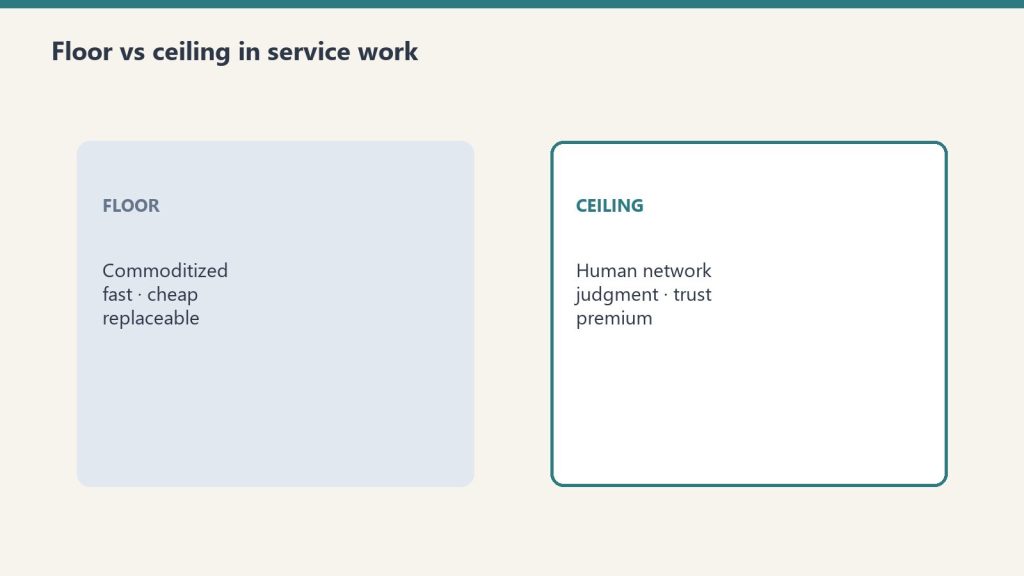
    Floor versus ceiling cards for commoditized work and human-network premium
    What the partner investment buys.

    The investment is structured across three buckets: direct partner support (training and sales enablement funding), market development (co-investment in making customer deployments successful on live deals), and co-marketing (joint campaigns and events). The more operationally significant move is structural: Anthropic is scaling its partner-facing team fivefold. That means dedicated Applied AI engineers available on live customer deals, technical architects to scope complex implementations, and localized go-to-market support in international markets.

    For enterprise buyers, this changes the support calculus: a Claude deployment now comes with a mature services ecosystem and Anthropic engineers who have skin in the game on your implementation’s success.

    The Code Modernization Starter Kit
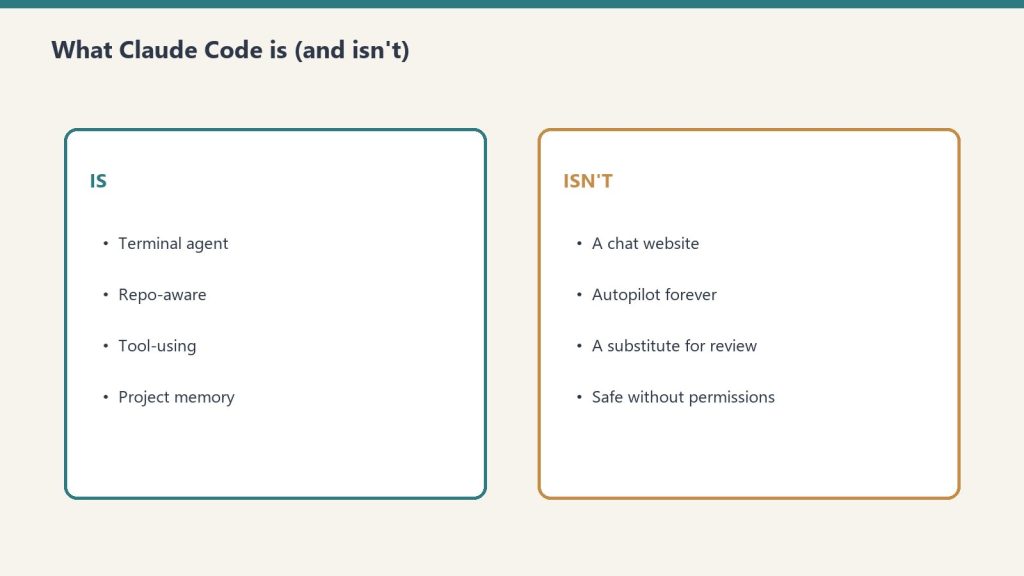
    Side-by-side cards defining what Claude Code is and is not
    The code modernization starter kit.

    The most immediately valuable deliverable in the Partner Network launch is the Code Modernization starter kit — a structured methodology for migrating legacy codebases using Claude Code. Anthropic identified legacy migration as one of the highest-demand enterprise workloads and built the starter kit from its own go-to-market playbook.

    The target is organizations with COBOL systems, aging Java monoliths, or PHP codebases that predate modern frameworks. Claude Code can comprehend and refactor large codebases with minimal human guidance — the starter kit answers the questions that stop migrations before they start: how do we begin, who owns it, and what does week two look like?

    If your organization has a modernization backlog and has been waiting for a structured AI-assisted path forward, this is the most concrete offering Anthropic has ever published for that use case. Ask your Anthropic account team or any certified Partner Network member for access to the starter kit materials.

    Partner Portal and Certifications

    Desk with laptop, checklist notebook, and billing card ready before creating an Anthropic API key
    Partner portal and certifications.

    Every Partner Network member gets access to a Partner Portal with Anthropic Academy training materials, sales playbooks from Anthropic’s own go-to-market team, and technical documentation. The Claude Certified Architect: Foundations certification is available immediately. Additional certifications for sellers, architects, and developers ship throughout 2026.

    For individual practitioners: these are the first formal credentials in the Claude ecosystem. In an AI consulting market where everyone claims Claude expertise, a certification backed by Anthropic’s own training materials and exam is meaningful differentiation — particularly for the Certified Architect designation, which is what enterprise procurement teams will start asking for.

    Who the Partners Are

    Current named partners span two tiers. Services partners — the firms deploying Claude for enterprise clients — include Accenture, BCG, Deloitte, Infosys, and PwC. Technology partners embedding Claude into their platforms include CrowdStrike, Microsoft, Palo Alto Networks, Salesforce, Wiz, and Snowflake. Membership is free and open to any organization bringing Claude to market.

    The practical threshold for meaningful benefits is an organization actively closing Claude enterprise deals or expecting to close them within 90 days. The Applied AI engineer support is deal-specific — Anthropic is co-selling on live opportunities, not running a generic training program.

    The 40% Market Share Signal

    Anthropic’s enterprise AI market share grew from 24% to 40% in the months following the Partner Network launch. That is a 16-point share gain while competing against OpenAI, Google, and Microsoft — all of whom have larger direct sales teams. The Partner Network is how Anthropic competes without building an enterprise salesforce. The $100M is essentially the cost of a salesforce Anthropic does not have to employ directly.

    For enterprise buyers evaluating vendor viability: a company growing from 24% to 40% enterprise market share while maintaining 1,000+ customers spending over $1M annually is not a research lab that might not exist in three years. It is a commercial enterprise AI platform with compounding distribution. That changes the risk profile of a multi-year Claude commitment.

    Apply at anthropic.com/news/claude-partner-network. The Claude Certified Architect: Foundations exam is available immediately through the Partner Portal upon approval.

    Related on Tygart Media: enterprise AI / Harvard · Claude for business · enterprise compliance.

  • Claude Security: Anthropic’s AI Vulnerability Scanner

    Claude Security: Anthropic’s AI Vulnerability Scanner

    Last refreshed: October 20, 2026

    On April 30, 2026, Anthropic opened Claude Security to all Enterprise customers in public beta. This is not a chatbot bolted onto your security workflow. It is a reasoning-based vulnerability scanner powered by Claude Opus 4.7 that reads your codebase the way a senior security researcher does — tracing data flows across files, understanding how components interact, surfacing what rule-based tools structurally cannot find.

    What Claude Security Actually Does

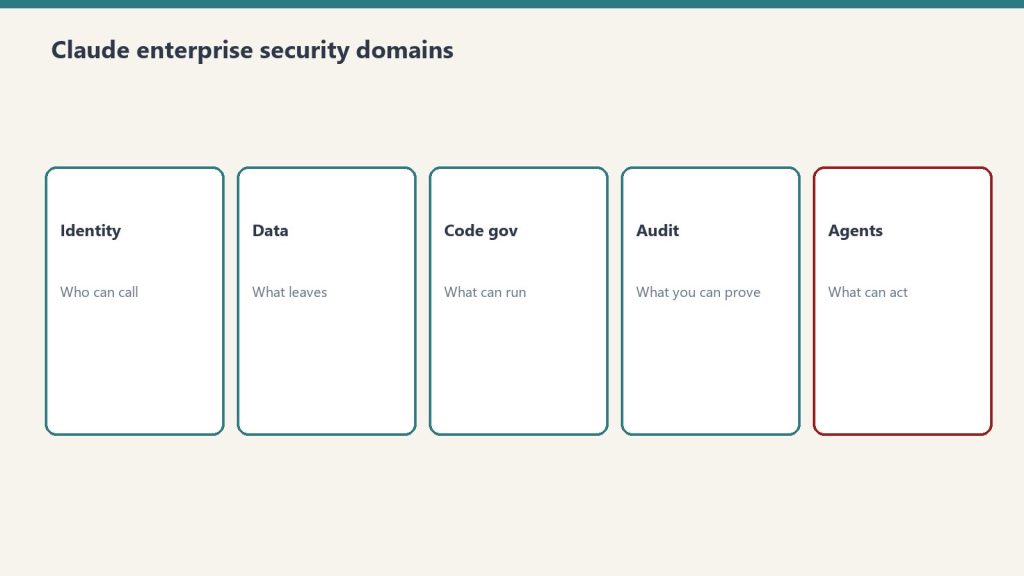
    Five security domains: identity, data, code governance, audit, agents
    What Claude Security actually does.

    Most enterprise vulnerability scanners work by matching code patterns against known vulnerability signatures. If the pattern is not in the database, the scanner misses it. Claude Security works differently: it traces how data moves through your codebase from input to output, across files and modules, identifying where that flow breaks trust boundaries — the same mental model a human security researcher applies.

    Every result Claude Security surfaces includes: a confidence rating so your team does not drown in false positives; a severity level aligned to CVSS standards; likely impact describing what an attacker actually gains; reproduction steps detailed enough to verify the finding yourself; and a recommended fix — a targeted patch, not a generic “sanitize your inputs” suggestion.

    The Six-Platform Security Ecosystem

    The launch detail that most outlets missed is not Claude Security itself — it is the partner ecosystem Anthropic assembled around it. Six major security platforms are embedding Claude Opus 4.7 directly into their tools: CrowdStrike, Microsoft Security, Palo Alto Networks, SentinelOne, TrendAI, and Wiz. On the services side, Accenture, BCG, Deloitte, Infosys, and PwC are now deploying Claude-integrated security solutions for enterprise clients.

    This is not Anthropic selling a standalone tool. This is Anthropic becoming the reasoning engine inside the security infrastructure your organization already runs. If your company uses CrowdStrike Falcon or Microsoft Defender, Claude Opus 4.7 is likely already — or soon to be — in your security stack.

    The Mythos-to-Security Pipeline

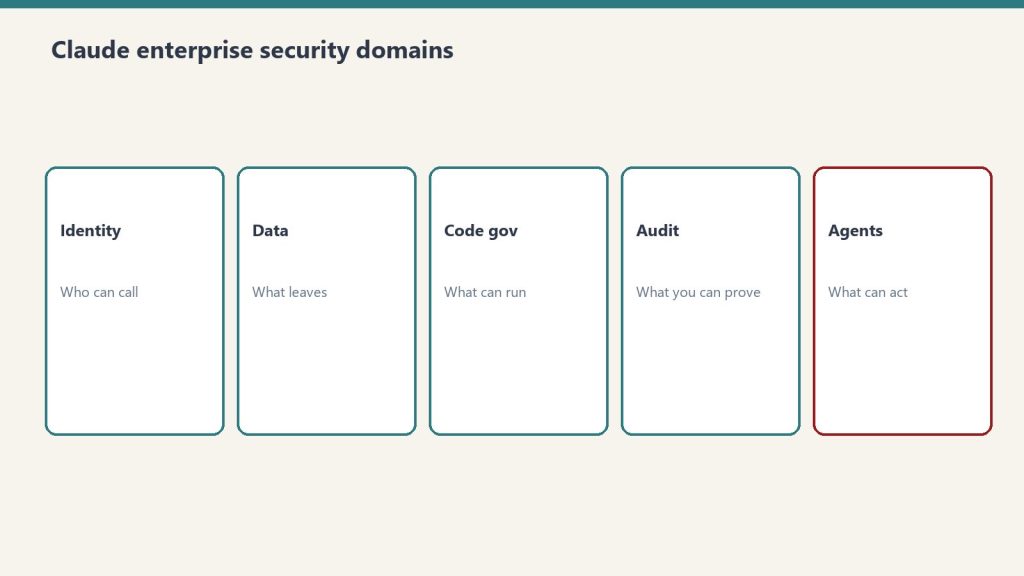
    Security domains highlighting agentic workflow risk
    The Mythos-to-Security pipeline.

    Context matters here. Claude Mythos Preview — released April 7, 2026 — is the most capable AI cybersecurity model ever tested publicly, succeeding at expert-level vulnerability tasks 73% of the time and discovering thousands of zero-day vulnerabilities during Project Glasswing. Mythos is the offense. Claude Security is the defense. Anthropic built the tool to find and patch vulnerabilities using the same capability stack that understands how to exploit them. No competitor can make that claim.

    Three Concrete Implications for Enterprise Teams

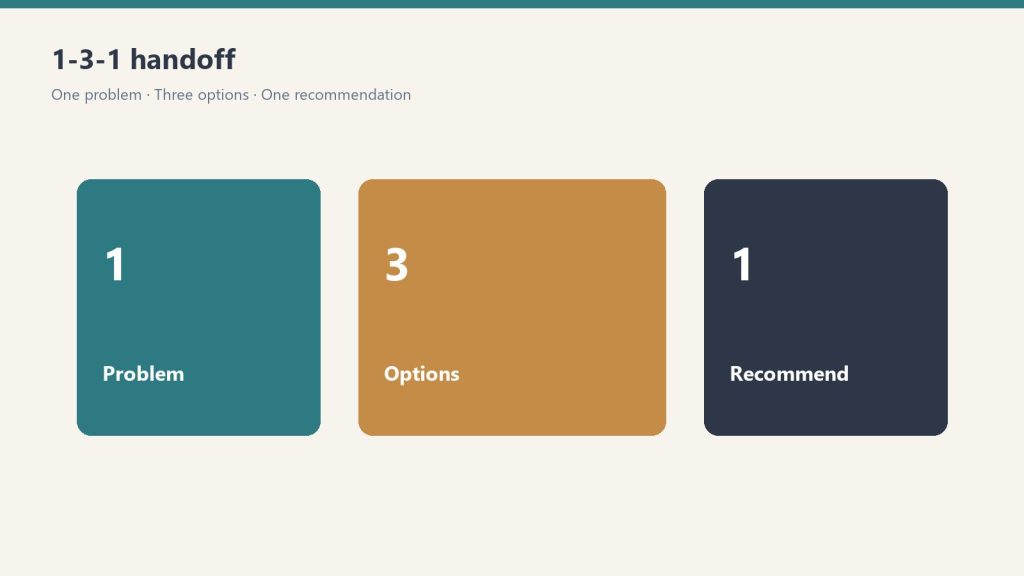
    Three panels showing one problem, three options, one recommendation
    Three concrete implications for enterprise teams.
    1. Your pentest budget gets a new benchmark. Claude Security can run continuously, not quarterly. Any vulnerability a quarterly pentest would have found, Claude Security can find weekly. The question is what you do with that finding density — and whether your remediation pipeline can keep pace.
    2. Your security team’s highest-value work shifts. When AI handles pattern-matching and data-flow tracing, human security researchers can focus on architecture decisions, threat modeling, and the novel attack surfaces that require genuine creativity. Claude Security eliminates low-leverage work, not security expertise.
    3. Your compliance posture strengthens. For SOC 2, ISO 27001, and FedRAMP workflows, continuous AI-assisted scanning with documented confidence ratings and remediation recommendations is a materially stronger posture than periodic manual reviews. The output is auditable and evidence-ready.

    Claude Security is available now to all Claude Enterprise customers. Access it through your existing Enterprise dashboard. The recommended starting point is your highest-risk codebase — anything customer-facing, anything handling authentication or payment flows, anything with significant third-party integrations.

    The average cost of a data breach in 2025 was $4.88 million (IBM). Claude Security does not need to prevent every breach to deliver positive ROI — it needs to prevent one.

    Related on Tygart Media: is Claude safe · Claude Mythos / Firefox · GPT-5.5 vs Claude Mythos.

    Visual summary

    Network vulnerability scan report showing color-coded severity levels and CVSS scores

    About this image. This image is part of the Cybersecurity collection in the Tygart Media visual library. Every image produced by Tygart Media is AI-generated using Google Vertex AI (Imagen), converted to WebP format, and injected with full IPTC/XMP metadata before publication — making each image discoverable, attributable, and optimized for both traditional search engines and AI systems.

    • Format: WEBP
    • Collection: Cybersecurity
    • Pipeline: Vertex AI Imagen → WebP Conversion → IPTC/XMP Metadata Injection → WordPress Media Library
  • Boeing Everett Housing: 2026 Buy or Rent Market Guide

    Boeing Everett Housing: 2026 Buy or Rent Market Guide

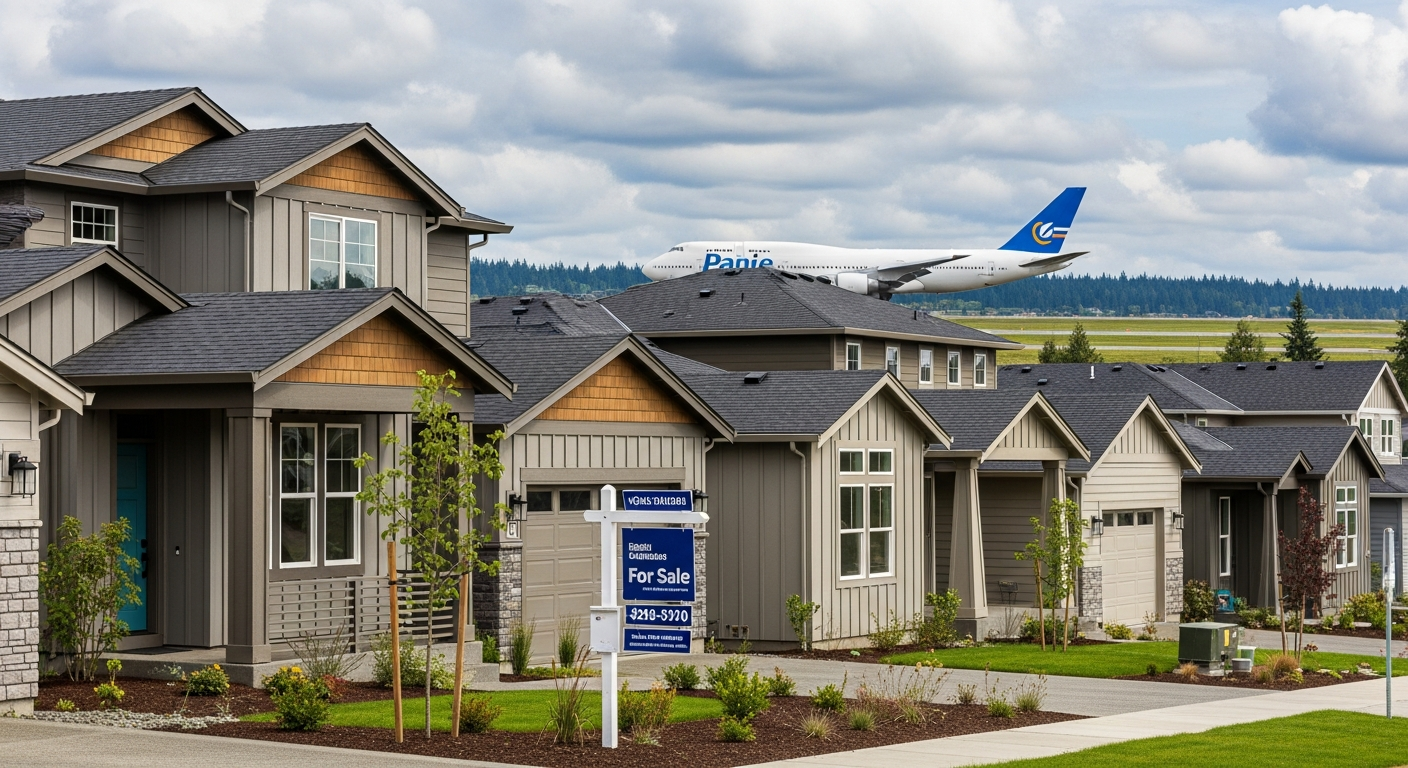
    For Boeing and Paine Field workers: Snohomish County’s housing inventory jumped 51.8% year-over-year in March 2026. For workers starting, transferring to, or continuing on the Everett 737 North Line or Paine Field campus, this is the best buying and renting window in three years — more options, less frenzy, and two new studio apartment projects opening in south Everett before year-end. Here is how to read the market from where you sit.

    What the 51.8% Inventory Jump Means for Aerospace Workers

    For workers who arrived in Everett in 2022–2024 and watched every rental unit disappear and every home sale go to a cash buyer with no contingencies, the March 2026 data represents a meaningful shift. Snohomish County now has approximately 2.8 months of housing supply — still a seller’s market, but far more navigable than the sub-1.5-month environment that was the norm during peak frenzy.

    What this means practically: you can take an extra day before making an offer. You can write an inspection contingency without automatically losing. You have more than three listings to choose from in any given price bracket. For new hires relocating from outside the Puget Sound area — workers coming in for the 737 MAX 10 North Line ramp, which opens midsummer 2026 with over 1,200 airline orders — this is the entry window. You are not walking into the 2022 market.

    Where Aerospace Workers Are Actually Buying and Renting

    Paine Field sits in south Everett / north Mukilteo, which means the commute catchment for North Line workers spans Silver Lake, Cascade View, south Everett neighborhoods along Highway 99, Mukilteo proper, and the I-5 corridor communities. In order of proximity to the Paine Field gate area:

    Silver Lake (98204): Closest residential zone to Paine Field with Highway 99 access. The former Econo Lodge at 9602 19th Street SE is being converted to 124 studio apartments by Sage Investment Group, with Phase 1 leasing opening August 2026. Market-rate, no income restrictions — the first new dedicated workforce rental product to hit south Everett’s 98204 zip code in several years.

    Cascade View (98204): Stable mid-century neighborhood directly south of Paine Field. Quieter than Casino Road, lower price points than north Mukilteo. Strong for first-time buyers looking in the $550,000–$700,000 range where the inventory increase has been most pronounced.

    Mukilteo: Premium location with waterfront access and ferry connection. Prices run higher (typically $750,000+), but commute to Paine Field is 5–10 minutes. For workers with dual incomes or buying rather than renting, Mukilteo remains competitive relative to comparable Seattle neighborhoods.

    North Mukilteo / Harbour Pointe: New construction and attached housing available. Longer-term upside tied to the Paine Field passenger terminal and the Everett Link Extension SW Everett Industrial Center station.

    Buying vs. Renting in 2026 for North Line Workers

    At 6.38% mortgage rates and a $738,000 county median, a conventional 20%-down purchase requires a $147,600 down payment and produces a principal-and-interest payment of approximately $3,850/month before taxes and insurance. For a single income in the $85,000–$100,000 range typical of experienced 737 North Line assembly workers, that payment is within range but not comfortable without a second income or a lower price point.

    The 51.8% inventory jump creates opportunity in the $500,000–$650,000 range — attached homes, condos, and smaller single-family properties in south Everett and Mukilteo where the supply increase has been sharpest. Workers willing to buy below the county median can find payments more manageable, and the employment-anchor demand from Boeing, NAVSTA, and healthcare employers provides some floor under Snohomish County prices even in a rising-rate environment.

    For workers newer to the North Line or not yet sure about long-term Everett plans, the rental option is cleaner in 2026 than it has been since 2021. The Sage Silver Lake studio project, existing Community Transit-accessible apartments along Casino Road, and the general inventory increase in the rental market all point to a more renter-friendly environment than workers faced during the post-COVID frenzy years.

    The Light Rail Variable

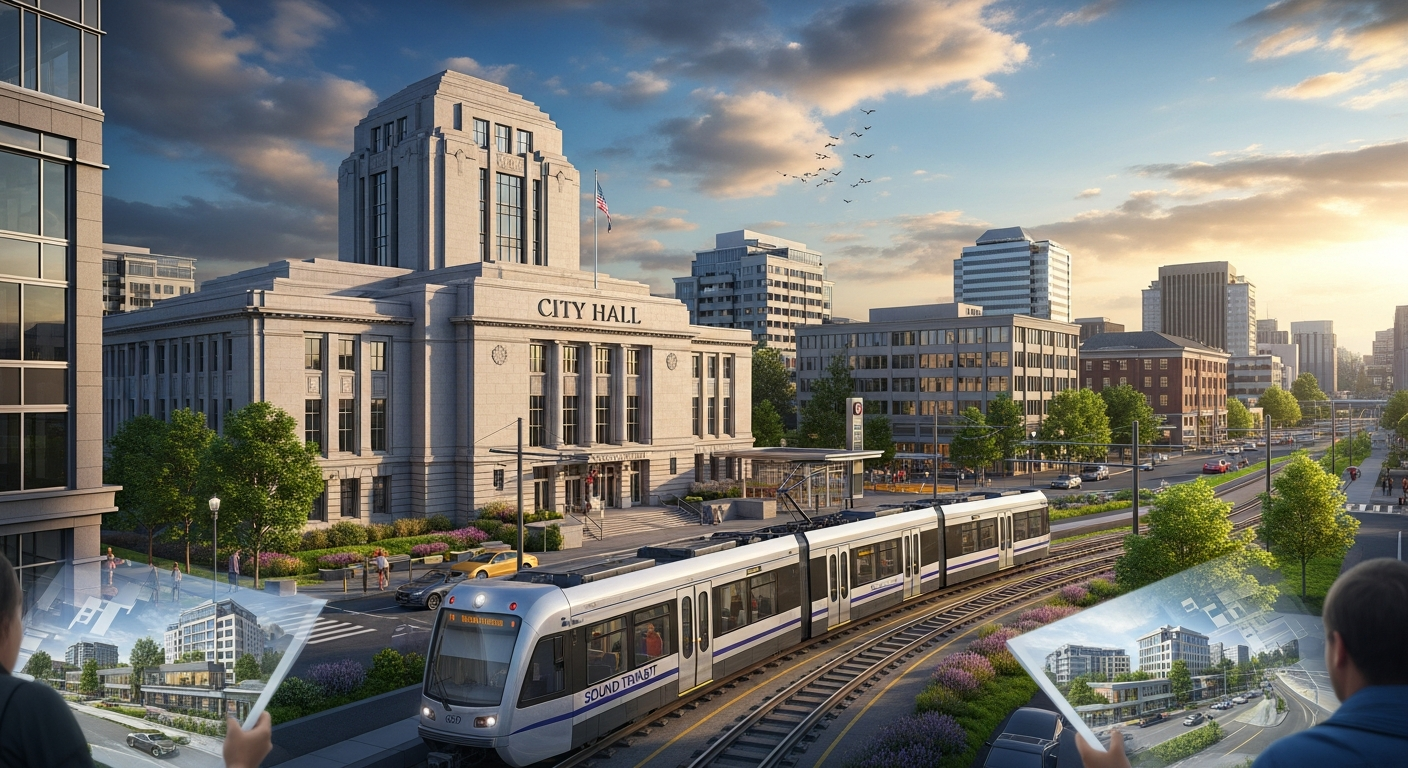
    The Sound Transit board votes June 30 on the revised ST3 System Plan. The SW Everett Industrial Center station — explicitly designed to serve the Paine Field employment cluster — is in the corridor covered even by a truncated extension scenario. For North Line workers buying near Paine Field with a 10-year hold horizon, the light rail calculus is favorable regardless of how the truncation debate resolves. The SW Everett Industrial Center station is not in dispute the way the downtown Everett Station terminus is.

    Frequently Asked Questions for Boeing and Paine Field Workers

    What neighborhoods are closest to Paine Field for Boeing workers in Everett?

    Silver Lake (98204), Cascade View (98204), Mukilteo, and north Mukilteo / Harbour Pointe are the closest residential zones to the Paine Field gate area. Silver Lake and Cascade View offer the most affordable price points. Mukilteo carries a premium for waterfront access and ferry convenience.

    Is the Everett housing market better for Boeing workers in 2026 than 2024?

    Yes. Active inventory is up 51.8% year-over-year with 2.8 months of supply — more options and less bidding-war pressure than 2022–2024. The median is still $738,000 and rates are 6.38%, but the frenzied market that forced workers to waive all contingencies has eased meaningfully.

    Are there any new rental apartments opening near Paine Field in 2026?

    Yes. Sage Investment Group is converting the former Econo Lodge at 9602 19th Street SE in Silver Lake into 124 studio apartments. Phase 1 leasing opens August 2026. Market-rate, no income restrictions, in the south Everett 98204 zip code approximately 15–20 minutes from the Paine Field gate.

    Will there be light rail to Paine Field?

    The Sound Transit Everett Link Extension includes a SW Everett Industrial Center station serving the Paine Field cluster. The June 30, 2026 ST board vote will confirm the timeline. The SW Everett Industrial Center station is less at risk in truncation scenarios than the downtown Everett Station terminus.

    What is a realistic home price for a Boeing worker buying near Paine Field?

    The county median is $738,000 but south Everett and attached housing in the 98204 zip code offers entry points in the $500,000–$650,000 range where the inventory jump has been most pronounced. At 6.38% rates, a $550,000 purchase with 20% down produces P&I of approximately $2,890/month.

    Related: Complete 2026 Housing Market Guide | Boeing North Line Workers Housing Guide | Sage Silver Lake Apartments

  • Snohomish County Housing Market: 2026 Inventory Guide

    Snohomish County Housing Market: 2026 Inventory Guide

    Quick Answer: Snohomish County active home listings surged 51.8% year-over-year in March 2026 — one of the five largest inventory increases in the entire NWMLS territory. Despite the supply jump, the median home price held at $738,000 and homes are still selling at 99.9% of asking in an average of 35 days. Rising mortgage rates (6.38% by late March) are stalling buyer momentum without collapsing prices. For Everett buyers and sellers, the window has shifted — but it has not swung fully to buyers yet.

    The March 2026 Numbers: What Changed

    The Northwest Multiple Listing Service’s March 2026 market snapshot showed 1,900 active residential listings across Snohomish County — a 51.8% year-over-year increase and one of the sharpest single-year inventory jumps in recent county history. That works out to approximately 2.8 months of supply, up sharply from the sub-1.5-month lows that defined the pandemic-era seller’s market.

    For context: real estate economists generally describe 4–6 months of supply as a balanced market. At 2.8 months, Snohomish County is still clearly a seller’s market — but the trajectory is meaningful. Buyers who spent 2022–2024 losing bidding wars on every offer now have more listings to choose from, more time to make decisions, and occasionally — not always — some negotiating room on price.

    The median home price held at $738,000 in March 2026. Homes are still selling at 99.9% of asking price in an average of 35 days. Those metrics do not reflect a market in distress — they reflect a market that has paused rather than reversed. The buyers who have stepped back are rate-sensitive; the sellers who remain active are not discounting.

    Why Inventory Jumped — and Why Prices Haven’t

    The inventory increase is being driven by two converging forces. First, sellers who held off listing during 2023–2024 (reluctant to give up historically low mortgage rates on their existing homes) are gradually re-entering the market as life events — job changes, family transitions, retirement — force the decision. Second, new construction deliveries — particularly multifamily and attached-housing units — are adding to active supply in south Everett and the Everett fringe suburbs.

    Prices are not collapsing because demand has not collapsed. Snohomish County’s employment base — Boeing’s expanding 737 North Line, NAVSTA Everett, Providence Regional Medical Center, and a dense cluster of aerospace and logistics employers — creates persistent housing demand from workers who need to live close to their job sites. That employment anchor is Snohomish County’s buffer against the kind of inventory-driven price correction that markets without a major employment base would experience.

    What This Means for Everett Buyers

    More listings mean more options — and for the first time in several years, buyers can take a breath before making an offer. The days of waiving all contingencies on sight-unseen properties are largely over in the current rate environment. Buyers who can qualify at 6.38% and are not competing for the same handful of best-in-class properties in the most desirable neighborhoods will find the market more navigable than it was in 2022.

    The Everett-specific buyer dynamic in 2026 involves several overlapping pools: Boeing 737 North Line workers relocating from Renton, Navy families PCSing to NAVSTA Everett, and Seattle-area renters making the rent-versus-buy calculation for the first time. All three groups are making decisions based on Snohomish County’s relative affordability versus King County — a spread that has narrowed but not closed.

    The motel-to-apartment conversion pipeline in south Everett — including the Sage Investment Econo Lodge project at 9602 19th Street SE opening August 2026 — adds rental supply that may absorb some demand that would otherwise convert to buyer activity. Workers who can rent a studio near their job site for a year while they watch the market are more likely to do so when inventory is rising and rate direction is uncertain.

    What This Means for Everett Sellers

    The 51.8% inventory jump does not mean sellers are in trouble — it means sellers need to price correctly. Properties at 99.9% of asking in 35 days are properties that were priced to the market. Properties that are not are sitting longer. The days of pricing 10% above comparables and relying on the frenzy to cover it are over. Sellers who price accurately, prepare the property well, and list with strong marketing are still transacting in a historically fast timeframe.

    The June 30 Sound Transit board vote on the Everett Link Extension is a latent catalyst for the seller side. If full delivery is confirmed, demand for properties in station-area neighborhoods — particularly downtown Everett and the Mariner corridor — could accelerate. If the extension is truncated, demand in those specific neighborhoods may soften relative to south Everett, where the SW Everett Industrial Center station coverage is less in dispute.

    Frequently Asked Questions

    What is the Snohomish County housing market doing in 2026?

    Active listings surged 51.8% year-over-year in March 2026 to approximately 1,900 listings (2.8 months of supply). The median home price held at $738,000. Homes sell at 99.9% of asking in an average of 35 days. Mortgage rates are 6.38%. Still a seller’s market, but meaningfully more inventory than 2022–2024.

    Is it a good time to buy a home in Everett in 2026?

    More inventory and slower frenzy pace mean buyers have more options and more time than they did in 2022–2024. Prices remain high ($738K median) and rates at 6.38% are a significant monthly payment factor. For buyers who can qualify and plan to hold for 5+ years, Everett’s employment base provides demand support.

    Why did Snohomish County housing inventory jump 51.8%?

    Sellers who held off during 2023–2024 (to preserve low locked-in mortgage rates) are re-entering the market as life events force decisions. New construction deliveries — particularly attached housing and multifamily in south Everett — are also adding to active supply.

    What is the median home price in Snohomish County in 2026?

    $738,000 as of March 2026, according to NWMLS data. Homes are selling at 99.9% of asking price in an average of 35 days. Current mortgage rates are approximately 6.38%.

    How does Everett’s housing market compare to Seattle?

    Snohomish County’s $738,000 median is significantly below King County’s comparable. The spread between Snohomish and King County has narrowed from its historical range but remains meaningful for buyers who can work remotely or commute to south Snohomish County employment rather than central Seattle.

    Related Exploring Everett coverage: Snohomish County Housing Inventory Jumped 51.8% | Everett Housing Market Three Submarkets Guide | Sage Silver Lake Apartments Complete Guide

  • Moving to Everett: How the Sound Transit Vote Impacts You

    Moving to Everett: How the Sound Transit Vote Impacts You

    If you are considering moving to Everett: The June 30, 2026 Sound Transit board vote is the single most consequential near-term decision for Everett’s long-term livability and property values. The Everett City Council voted unanimously April 29 to demand Sound Transit deliver the full 16-mile Everett Link Extension to downtown Everett Station. Here is what you need to understand about that vote before you decide where in greater Seattle to put down roots.

    Why the Sound Transit Vote Matters If You Are Moving to Everett

    People choosing between Everett, Bothell, Kirkland, Lynnwood, and other north Sound commuter cities in 2026 are making a 5–10 year bet on where each of those cities will be in 2030–2035. Transit infrastructure is one of the biggest inputs to that calculation. Lynnwood already has light rail. Bothell is on a Sound Transit express bus spine. Everett’s light rail future hinges on what Sound Transit’s board votes on June 30.

    If full delivery of the Everett Link Extension is confirmed, downtown Everett and the north Everett corridor will have direct light rail to Seattle, Bellevue, SeaTac, and the broader regional spine by 2037. That connectivity transforms Everett from a commuter city into a node on the regional network — with corresponding effects on housing demand, walkable development, and neighborhood investment along the station corridor.

    If the extension is truncated — stopping at SW Everett Industrial Center rather than downtown Everett Station — downtown Everett does not get light rail access on the current timeline. The economic development investment predicated on that connectivity ($7.7 billion, per Mayor Franklin’s April 23 letter) becomes uncertain. The calculus for buying or renting in downtown Everett versus Silver Lake or the suburbs changes meaningfully.

    Everett’s Position Heading Into June 30

    Everett has mounted a strong, unified advocacy campaign. The City Council voted unanimously April 29 to formally demand full delivery. Mayor Cassie Franklin sent her own letter April 23. Snohomish County Executive Dave Somers chairs the Sound Transit board — meaning the county’s own elected leader is the person responsible for managing the vote that determines the county’s light rail future. The politics are complex, but Everett’s case is substantively strong: the Everett Link Extension’s cost overruns are among the smallest in the ST3 package (approximately 5–10%), and the case for protecting Snohomish County from cost cuts driven by King County project overruns is documented and public.

    What This Means for Different Parts of Everett

    Downtown Everett and north Everett neighborhoods (Rucker Hill, Port Gardner, Broadway District): Directly served by the full extension. If light rail comes, these neighborhoods will be within walking distance of regional rail. If it is truncated, they remain bus-dependent for regional connectivity. For buyers or renters making a decision in 2026, this is the highest-stakes geography in Everett relative to the June 30 vote.

    South Everett neighborhoods (Silver Lake, Casino Road, Cascade View): The SW Everett Industrial Center station — which serves Paine Field and the southern employment cluster — is in the corridor that even a truncated extension would serve. South Everett commuters have somewhat more insulation from a truncation scenario than downtown Everett residents.

    Mariner neighborhood: Explicitly slated for its own station under the full extension. The Mariner annexation study (City Council approved the study in April 2026) adds another political dimension — Mariner residents would have stronger standing to demand transit service if they are incorporated into the city of Everett.

    What to Watch Before Deciding to Move to Everett

    June 30 is the key date. Watch the Sound Transit board meeting and vote. If the revised ST3 System Plan confirms full delivery of the Everett Link Extension to downtown Everett Station on the existing timeline, the case for buying or renting in downtown Everett and the north city is significantly strengthened. If the extension is truncated or delayed, reassess the downtown premium.

    Separately from light rail, Everett’s fundamentals in 2026 are strong: $1B+ waterfront redevelopment underway at the Port of Everett, the Boeing 737 North Line opening midsummer 2026 with 1,200+ orders, Naval Station Everett securing a new FF(X) frigate homeport bid, and the Snohomish County housing market offering meaningfully lower prices than King County at the same commute radius to Seattle. The light rail question is significant but not the only variable in the decision.

    Frequently Asked Questions for People Considering Moving to Everett

    Will Everett get light rail?

    The full Everett Link Extension — running 16 miles to downtown Everett Station — is in Sound Transit’s ST3 plan, approved by voters in 2016 and targeted for completion by 2037. Whether it is built in full depends on the June 30, 2026 Sound Transit board vote on the revised ST3 System Plan. Everett City Council and Mayor Franklin have both formally demanded full delivery.

    When would light rail reach downtown Everett?

    Under the current schedule, the Everett Link Extension opens in phases through 2037. The downtown Everett Station terminus is the final phase of that buildout.

    Is Everett a good place to live if I work in Seattle?

    Everett offers significantly lower housing costs than Seattle or Bellevue at a roughly 35-mile commute radius. Community Transit and Sound Transit express buses connect Everett to Seattle. If full Everett Link Extension is confirmed, light rail will provide a faster, more reliable connection by 2037. Snohomish County’s March 2026 median home price was $738,000 versus King County’s significantly higher comparable.

    What neighborhoods in Everett are closest to the planned light rail stations?

    The Everett Link Extension includes stations at Mariner, SW Everett Industrial Center (Paine Field area), and multiple downtown Everett stops including Everett Station. The corridor runs along the I-5 spine through south and central Everett before entering downtown.

    What else is happening in Everett that makes it worth considering?

    Everett has over $1 billion in active waterfront redevelopment at the Port, the Boeing 737 North Line opening in summer 2026 with 1,200+ airline orders, Naval Station Everett securing a new Navy frigate homeport bid, and a housing market priced significantly below King County. The city’s Imagine Everett comprehensive plan is built around transit-oriented density.

    Related: Complete Guide to the Council Letter and June 30 Vote | Moving to Everett: Sound Transit Vote Guide | Everett Housing Market 2026

  • Everett Link Extension: Council Demands Full Delivery

    Everett Link Extension: Council Demands Full Delivery

    Quick Answer: The Everett City Council voted unanimously on April 29, 2026 to send Sound Transit a formal letter demanding full delivery of the 16-mile Everett Link Extension to downtown Everett Station. The letter arrives as Sound Transit prepares to vote by June 30 on a revised ST3 System Plan that will determine whether Snohomish County gets the light rail it funded in 2016 — or a scaled-back version that stops short of downtown. Snohomish County’s public comment window closed May 1.

    What the Council Did — and Why It Matters

    On April 29, the Everett City Council voted unanimously to sign a formal letter to the Sound Transit Board of Directors. The letter, brought forward by Vice President Paula Rhyne, makes a documented public demand: complete the Everett Link Extension in full, on schedule, terminating at downtown Everett Station — not at the SW Everett Industrial Center or any other intermediate point.

    The letter is both a political signal and a public record. By taking a unanimous vote, the Council puts every member on record as demanding full delivery. That unanimity matters because Sound Transit board members are elected officials accountable to their jurisdictions. Snohomish County Executive Dave Somers, who chairs the Sound Transit board, is now navigating a situation where every elected official in Everett has publicly demanded an outcome directly relevant to his jurisdiction.

    Mayor Cassie Franklin sent her own letter to the Sound Transit board on April 23, laying out the economic case for full delivery. The Council’s April 29 letter follows and amplifies Franklin’s position, creating a unified municipal front heading into the June 30 board vote.

    The $34.5 Billion Problem Sound Transit Is Trying to Solve

    Sound Transit’s ST3 package — approved by voters across King, Pierce, and Snohomish counties in 2016 — faces a $34.5 billion budget shortfall driven by construction cost inflation, right-of-way complications, and delayed revenue projections. The agency is preparing a revised ST3 System Plan to go before the board by June 30, 2026. That plan will prioritize which projects get built, which get delayed, and which get descoped.

    The Everett Link Extension’s cost increased approximately 5–10% relative to original projections — a relatively modest overrun compared to the West Seattle and Ballard Link extensions, which have seen far larger cost increases. That asymmetry is central to Everett’s argument: the Everett segment is not where Sound Transit’s cost problem lives, and cutting or shortening Everett Link to solve a problem caused elsewhere would penalize Snohomish County voters for cost overruns in King County projects.

    What “Full Delivery” Means for Everett

    The full Everett Link Extension runs 16 miles from Lynnwood City Center (where it connects to the existing spine) to downtown Everett Station. It includes stations at Mariner, SW Everett Industrial Center (Paine Field access), and multiple downtown Everett stops. The project is currently scheduled to open in phases through 2037 under the original timeline.

    A truncated version — stopping at SW Everett Industrial Center rather than continuing to downtown Everett Station — would serve Paine Field workers but leave downtown Everett and the north city without light rail access. For a city whose comprehensive plan is built around transit-oriented development along the light rail spine, a truncated terminus is not a minor adjustment: it changes where density can reasonably be built, where businesses locate, and where housing investment concentrates.

    Mayor Franklin’s letter quantifies the stakes: $7.7 billion in economic development investment is anticipated in the Everett light rail corridor. That figure includes the Millwright District, waterfront redevelopment, downtown housing, and commercial development that has been underwritten — in part — by the expectation that light rail is coming.

    What Happens Next

    The Sound Transit board votes on the revised ST3 System Plan by June 30, 2026. The public comment period for Snohomish County residents closed May 1 — the day after the Council’s unanimous letter. Between now and June 30, Snohomish County’s regional elected officials, including Somers as board chair, will be under sustained advocacy pressure from Everett, Marysville, and other Snohomish County cities to protect the full extension.

    Everett has also been navigating the parallel Everett Transit consolidation into Community Transit — a process that reduces the city’s independent transit capacity and increases dependence on Sound Transit’s light rail spine for long-haul regional connectivity. If the spine gets shortened, the consolidated transit system loses its primary high-capacity connection to the regional rail network. These two decisions — the Everett Transit consolidation and the Sound Transit revision — are structurally linked even though they are being processed on separate tracks.

    Frequently Asked Questions

    What did Everett City Council vote to do regarding Sound Transit?

    On April 29, 2026, the Everett City Council voted unanimously to send Sound Transit a formal letter demanding full delivery of the 16-mile Everett Link Extension to downtown Everett Station, ahead of the Sound Transit board’s June 30 vote on a revised ST3 System Plan.

    When is the Sound Transit board voting on the ST3 plan?

    The Sound Transit board is expected to vote on its revised ST3 System Plan by June 30, 2026. Snohomish County Executive Dave Somers chairs the board.

    Could the Everett Link Extension be shortened or cut?

    Yes. Sound Transit is addressing a $34.5 billion budget shortfall across its ST3 projects. The revised plan could stop the Everett extension at the SW Everett Industrial Center rather than continuing to downtown Everett Station. That is the specific outcome Everett’s unanimous Council letter is demanding be avoided.

    What is the economic value of the Everett Link Extension?

    Mayor Cassie Franklin’s April 23 letter to the Sound Transit board cited $7.7 billion in anticipated economic development investment in the Everett light rail corridor, including waterfront redevelopment, downtown housing, and commercial development that has been underwritten on the assumption that light rail is coming.

    How does the Everett Transit consolidation connect to this Sound Transit vote?

    Everett is consolidating its transit system into Community Transit under SB 5801, reducing the city’s independent transit capacity. That consolidation increases Everett’s dependence on Sound Transit’s light rail spine for regional connectivity — which makes the June 30 vote on full delivery of the Everett Link Extension even more consequential for south Snohomish County commuters.

    Can Everett residents still comment on the Sound Transit plan?

    The formal Snohomish County public comment window closed May 1, 2026. Residents can still contact Snohomish County Executive Dave Somers’s office and the Sound Transit board directly. The June 30 board meeting will include a public comment period.

    Related Exploring Everett coverage: Everett Council Sends Sound Transit Letter | Everett Transit Consolidation Complete Guide | Everett 2027 Budget Deficit Guide

  • Everett Studio Apartments: Sage Silver Lake 2026 Guide

    Everett Studio Apartments: Sage Silver Lake 2026 Guide

    If you are moving to Everett or looking for a first apartment: 124 new studio apartments are opening in Silver Lake in August 2026 — market-rate, no income restrictions, no waitlist. The former Econo Lodge at 9602 19th Street SE is being converted by Sage Investment Group into the kind of workforce studio housing that has been in short supply across south Everett. Here is what you need to know before you apply.

    What Is Opening and When

    Sage Investment Group purchased the Econo Lodge near Silver Lake in 2025 for $9.5 million and is investing $7 million to convert all 124 motel rooms into fully equipped studio apartments with complete bathrooms and kitchens. Phase 1 leasing opens August 2026. The address is 9602 19th Street SE, Everett, WA 98204 — in the Silver Lake area of south Everett, along the Highway 99 corridor.

    These are market-rate units. No income verification, no application waitlist, no public subsidy program to navigate. Sage’s target market is the “Missing Middle” — people who need decent housing near jobs and transit, earn a moderate income, and don’t qualify for income-restricted housing but also can’t afford new luxury apartment stock. If that describes you, this project was built for your situation.

    Silver Lake as a Place to Live: What You’re Getting Into

    Silver Lake is south Everett’s working-neighborhood corridor. It sits along Highway 99 between downtown Everett to the north and the Everett Mall / Casino Road zone to the south. The neighborhood is defined by its access to employment rather than by a walkable amenity cluster — there is no downtown square, no concentrated restaurant row, no arts district. What Silver Lake has is proximity: 15–20 minutes to Paine Field, 10–15 minutes to downtown Everett, reasonable bus access on Community Transit’s south Everett routes.

    For new residents comparing Everett to Seattle: Silver Lake offers significantly lower housing costs on a per-square-foot basis, shorter commutes to south Snohomish County employment, and none of the density pressure that characterizes Seattle neighborhoods near light rail. It is a practical choice, not a lifestyle choice — which is exactly what a lot of people moving to Everett for a job at Boeing, Providence Regional Medical Center, or an Everett-area logistics employer are looking for.

    The Everett Housing Market Context for 2026

    Snohomish County saw a 51.8% year-over-year surge in active home listings in March 2026 — but that inventory is concentrated in for-sale product above $600,000. The March 2026 median home price held at $738,000, with homes still selling at 99.9% of asking in an average of 35 days. For renters, the supply expansion at the ownership level has not translated into dramatically lower rents on the apartment side.

    The Sage Silver Lake project adds 124 rental units to Everett’s inventory without displacing existing residents — the land was previously a motel with zero long-term residential occupancy. That net-new-unit character matters in a market where most new apartment supply has come from luxury developments with $1,800–$2,400 one-bedroom asking rents. Studio units in a motel conversion should price meaningfully below that range.

    How to Track This Opening

    Sage has not announced a pre-leasing timeline as of May 2026. Based on standard practice for projects of this type, expect listings to appear on Apartments.com, Zillow, and similar platforms 60–90 days ahead of the August 2026 Phase 1 opening — meaning June or July. Check Sage Investment Group’s portfolio page (sageinvestment.com/portfolio) directly for any pre-leasing announcements.

    For people actively apartment hunting in south Everett right now: the Cascade View and Silver Lake neighborhoods have seen new neighborhood guide coverage on this site that maps the full residential and amenity picture. The motel conversion at 19th Street SE is the first major new rental addition to Silver Lake in several years — and it arrives just as the south Everett housing corridor is seeing increased attention from investors tracking the Community Transit expansion and the Everett Link Extension light rail planning.

    Frequently Asked Questions for People Moving to Everett

    How do I apply for the Sage Silver Lake apartments in Everett?

    Pre-leasing has not opened as of May 2026. Phase 1 leasing opens August 2026. Watch sageinvestment.com/portfolio, Apartments.com, and Zillow for listings. Expect availability to appear 60–90 days before the August opening.

    Do I need to meet income requirements for the Silver Lake studios?

    No. These are market-rate units with no income restrictions and no subsidized housing program requirements. Standard rental application criteria (income verification, credit, rental history) will apply, but there are no maximum income limits or program eligibility requirements.

    What is Silver Lake like as a neighborhood in Everett?

    Silver Lake is a south Everett working neighborhood along the Highway 99 corridor. It has strong access to south Snohomish County employment (Paine Field 15–20 min, downtown Everett 10–15 min), Community Transit bus service, and the practical infrastructure of a mid-density residential area. It is a commuter-practical neighborhood rather than an amenity-rich one.

    How does Everett compare to Seattle for renting?

    Everett typically offers lower per-square-foot rents than Seattle, with shorter commutes to Snohomish County employment and less density pressure. The March 2026 median home price in Snohomish County was $738,000 — lower than King County. New luxury apartments in downtown Everett have listed at $1,800–$2,400 for one-bedrooms; workforce studio conversions like the Sage project should price below that range.

    What transit is available near 9602 19th Street SE?

    The Silver Lake area is served by Community Transit bus routes along Highway 99 and Casino Road. The planned Everett Transit consolidation into Community Transit will expand route coverage. Sound Transit’s Everett Link Extension, pending the June 30, 2026 board vote, includes stations that will eventually connect south Everett to the regional light rail spine.

    Related: Complete Guide to the Sage Econo Lodge Conversion | Cascade View Neighborhood Guide | Snohomish County Housing Market 2026

  • Everett Studio Apartments: Econo Lodge Conversion Guide

    Everett Studio Apartments: Econo Lodge Conversion Guide

    Quick Answer: Sage Investment Group is converting the former Econo Lodge at 9602 19th Street SE in Everett into 124 studio apartments, with Phase 1 leasing opening August 2026. The $16.5 million project — $9.5M acquisition plus $7M buildout — is one of the most straightforward housing additions Silver Lake has seen in recent memory: no new construction permits, no public subsidy, no wait list. Just 124 units of “Missing Middle” market-rate housing arriving in a neighborhood that needs them.

    The Silver Lake Conversion: What Sage Is Building

    The Econo Lodge at 9602 19th Street SE has been operating as a budget motel along the Highway 99 corridor through Silver Lake in south Everett. Sage Investment Group, a Seattle-area real estate firm that has been active in the Puget Sound motel-to-apartment conversion market, purchased the property in 2025 for $9.5 million and is investing an additional $7 million in the buildout — converting each of the 124 motel rooms into a fully equipped studio apartment with a complete bathroom and kitchen.

    The project is part of Sage’s established playbook of acquiring underperforming hospitality properties and converting them to permanent residential use. The model works because the bones of a motel — individual lockable units with separate plumbing — translate directly to studio apartment units with minimal structural modification. The cost per unit is dramatically lower than ground-up construction, and the timeline is measured in months rather than years.

    “Missing Middle” Housing: Who This Is For

    Sage is explicitly targeting what housing economists call the “Missing Middle” — moderate-income earners who need housing near jobs and transit but earn too much to qualify for subsidized or income-restricted housing, and not enough to afford Everett’s new luxury apartment stock. In a market where Snohomish County’s median home price held at $738,000 in March 2026 even as inventory rose 51.8% year-over-year, the Missing Middle gap is acute.

    The 124 studios at 19th Street SE will lease at market rates — specific pricing has not been announced ahead of the August 2026 Phase 1 opening, but motel conversion projects of this type in the Puget Sound market typically come in well below newly constructed apartment stock on a per-square-foot basis. For single-income workers, recent graduates, and individuals transitioning from shared housing or unstable situations, this type of unit is often the only viable path to a private, independently leased home near employment centers.

    Why Silver Lake — and What It Signals About South Everett

    Silver Lake is not Everett’s headline neighborhood. It sits south of downtown along the Highway 99 corridor, defined more by its proximity to employment — Paine Field to the north, the Everett Mall area to the south — than by any particular amenity cluster. But that employment proximity is exactly why a 124-unit housing addition matters here.

    South Everett’s workforce housing gap has been documented repeatedly. The 5,200-worker aerospace labor shortage in Snohomish County is partly a housing accessibility problem: workers who could fill jobs at Paine Field and the North Line can’t find affordable housing close enough to make the commute work. The Silver Lake location — near Community Transit’s Casino Road campus, adjacent to Highway 99, with access to multiple bus routes — positions these units for workforce housing demand from the aerospace, healthcare, and logistics employers concentrated in south Everett.

    Sage’s acquisition also signals that the motel-to-apartment conversion model, which has been active in Seattle and Tacoma for several years, is now reaching south Everett’s Highway 99 corridor. There are multiple underutilized hospitality properties along this stretch. If the Sage conversion performs well at lease-up, expect similar projects to follow.

    The August 2026 Timeline

    Phase 1 leasing opens August 2026. Sage has not announced a specific marketing timeline or pre-leasing availability, but the company’s standard practice is to list units through major apartment platforms (Apartments.com, Zillow, etc.) ahead of a Phase 1 opening. Prospective tenants interested in the Silver Lake location should watch Sage’s website and major listing platforms beginning in June or July 2026.

    The conversion involves upgrading each of the 124 rooms with a full kitchen — the primary modification required to meet residential habitability standards — along with bathroom upgrades, code compliance work, and common-area improvements. Sage’s $7 million buildout budget works out to roughly $56,500 per unit, consistent with motel conversion projects of similar scale in the region.

    What It Means for Everett’s Housing Supply

    Snohomish County’s active home listings surged 51.8% year-over-year in March 2026 — but that inventory increase is concentrated in for-sale product at price points above $600,000. The rental supply side of the Missing Middle has not seen a comparable expansion. The 124 Sage units represent a meaningful, immediate addition to Everett’s rental inventory without requiring a rezoning, a public subsidy, or a multi-year permitting process.

    Everett’s Imagine Everett comprehensive plan envisions densification along transit corridors — and the Highway 99 / Silver Lake corridor is explicitly identified as a growth area. Motel conversions are a form of adaptive reuse that delivers density without displacement: the land was already developed, the units are net-new housing on a footprint that was previously providing zero long-term residential units, and the conversion brings underutilized commercial property into productive residential use.

    Frequently Asked Questions

    What is the Sage Investment Econo Lodge conversion in Everett?

    Sage Investment Group purchased the former Econo Lodge at 9602 19th Street SE in Silver Lake, Everett for $9.5 million and is investing $7 million to convert all 124 motel rooms into studio apartments. Phase 1 leasing opens August 2026. Total project cost is $16.5 million.

    When do the Sage Silver Lake apartments open?

    Phase 1 leasing is expected to begin in August 2026. Specific unit availability and pricing will be announced closer to the opening. Watch Sage’s website and major listing platforms starting June–July 2026.

    How much will the Silver Lake studio apartments cost?

    Sage has not announced specific rental pricing. The project targets “Missing Middle” market-rate renters — moderate-income workers who need housing near jobs but don’t qualify for subsidized housing. Motel conversion projects typically lease below newly constructed apartment stock in the same market.

    Where exactly is the Econo Lodge conversion in Everett?

    9602 19th Street SE, Everett, WA 98204. The property is along the Highway 99 corridor in the Silver Lake area of south Everett, near Community Transit bus routes and approximately 15–20 minutes from Paine Field by car or transit.

    What is “Missing Middle” housing?

    Missing Middle housing serves moderate-income earners who earn too much to qualify for subsidized housing but not enough to afford new luxury apartment stock. In Snohomish County, where the March 2026 median home price was $738,000, the Missing Middle gap is significant for single-income workers, recent graduates, and workforce housing candidates in aerospace, healthcare, and logistics sectors.

    Is this subsidized affordable housing?

    No. The Sage project is market-rate housing with no public subsidy or income restrictions. It targets moderate-income renters at market rates, but below the price point of newly constructed luxury apartments. Tenants do not need to meet income qualification requirements.

    Related Exploring Everett coverage: Everett Econo Lodge Becoming 124 Studio Apartments | Snohomish County Housing Inventory Up 51.8% | Everett Housing Market Three Submarkets Guide

  • Boeing & Paine Field Commute: Casino Road Transit Updates

    Boeing & Paine Field Commute: Casino Road Transit Updates

    For Boeing and Paine Field workers: Community Transit just bought 7.55 acres on Casino Road for $25.35 million — the largest land acquisition in the agency’s history. Paired with the Everett Transit consolidation underway and two planned light rail stations on Casino Road, this deal reshapes the transit infrastructure you’ll use to get to and from the 737 North Line and Paine Field campuses. Here’s what it means for your commute over the next decade.

    Why This Casino Road Land Deal Matters for Paine Field Workers

    The Community Transit acquisition at 2208 W. Casino Road is an operational campus expansion — the agency needs more space to store and maintain vehicles as it absorbs Everett Transit’s routes and grows toward its 30-million-rider-per-year Journey 2050 target. For Boeing and Paine Field workers, the relevance is direct: Casino Road is a key corridor connecting south Everett residential neighborhoods to the industrial employment zone around Paine Field, and the transit infrastructure on that corridor is being rebuilt from the ground up.

    Community Transit’s Route 7 serves the Casino Road and SW Everett Industrial Center corridor — the same zone where Sound Transit is planning a light rail station as part of the Everett Link Extension. Boeing workers who live on or near Casino Road, or who park and ride from south Everett, will see direct effects as Community Transit expands its capacity out of the new campus.

    The Everett Transit Consolidation and Your Bus Routes

    Everett Transit is consolidating into Community Transit under SB 5801. The merger transfers 22 routes and 115,000 daily riders. For workers on the 737 North Line at Paine Field, several Everett Transit routes that currently serve the Paine Field gate area will transition to Community Transit operations. The Casino Road campus expansion gives Community Transit the physical infrastructure to run a larger, more integrated network — which is the precondition for better direct-service options between residential Everett and Paine Field’s industrial employment zone.

    The consolidation is also expected to address one of the biggest frustrations for Paine Field workers who use transit: the seam between Everett Transit and Community Transit where routes currently don’t connect cleanly. A unified system under Community Transit removes that operational seam and opens the possibility of through-routes that don’t require a transfer.

    Light Rail at the SW Everett Industrial Center: The Long Game

    The Sound Transit Everett Link Extension includes a planned station at the SW Everett Industrial Center — one of only a handful of light rail stations in the entire ST3 network explicitly designed to serve a major industrial employment cluster rather than a residential neighborhood or downtown. For the roughly 30,000+ workers employed in the Paine Field / SW Everett Industrial Center corridor, this station represents a potential game-changer in commute options, particularly for workers coming from Seattle, Lynnwood, Mountlake Terrace, and other points south on the spine.

    The June 30, 2026 Sound Transit board vote on the revised ST3 System Plan is the decision point that determines whether that station gets built on the original timeline. Everett City Council voted unanimously April 29 to formally demand full delivery of the Everett Link Extension. Community Transit’s Casino Road campus investment reflects the agency’s own bet that light rail comes — an agency doesn’t expand its operational footprint on a light-rail-adjacent corridor unless it expects to be running feeder bus service to light rail stations within the decade.

    What Boeing Workers Should Watch

    The near-term watch item is the Everett Transit consolidation public hearing process. Route 7 and the Paine Field area routes will be redesigned as part of the merged network. Boeing workers who depend on those routes should engage in the public comment process to ensure the new network maintains — or improves — coverage of the Paine Field gate area. Community Transit has historically been responsive to major employer input on route design, and Boeing represents tens of thousands of commuters in its service area.

    The longer-term watch item is the June 30 Sound Transit vote. If the SW Everett Industrial Center station is preserved in the revised plan, the commute calculus for Paine Field workers changes significantly post-2030. If the station is cut or delayed, workers will be relying on the bus network — which is exactly why the Community Transit campus expansion and the Everett Transit consolidation matter so much right now.

    Frequently Asked Questions for Boeing and Paine Field Workers

    How does the Community Transit Casino Road acquisition affect my Paine Field commute?

    The Campus expansion positions Community Transit to run more service on the Casino Road and SW Everett Industrial Center corridor as it absorbs Everett Transit routes. Near-term effect is minimal; the consolidation process will determine route-level changes. The longer-term effect is a more unified bus network feeding a planned light rail station at the SW Everett Industrial Center.

    Will there be light rail to Paine Field?

    The Sound Transit Everett Link Extension includes a station at the SW Everett Industrial Center, which serves the Paine Field employment cluster. The June 30, 2026 Sound Transit board vote on the revised ST3 plan will determine whether that station proceeds on the original timeline or is cut or delayed as part of the agency’s $34.5 billion budget shortfall response.

    What happens to Route 7 when Everett Transit merges with Community Transit?

    Route 7 serves the Casino Road and Paine Field corridor. Under the Everett Transit / Community Transit consolidation, routes will be redesigned as part of a unified network. Community Transit has committed to preserving service levels, but specific route alignments will be determined through the public planning process under SB 5801.

    When does the Everett Transit consolidation take effect?

    The SB 5801 framework is active. The consolidation is a multi-year process. Everett City Council is engaged in the planning and the Boeing and Paine Field worker communities will have opportunities to provide input on route design before the transition finalizes.

    Where is the Community Transit Casino Road campus?

    Community Transit’s Cascade Administration Building is on W. Casino Road in south Everett. The newly acquired Goodwill property at 2208 W. Casino Road is directly adjacent, expanding the campus footprint to include the former Goodwill outlet warehouse complex and its 7.55-acre parcel.

    Related: Complete Guide to the $25.35M Acquisition | Everett Transit Consolidation: Boeing Worker Guide | Everett Council Sound Transit Letter

  • Casino Road Goodwill Purchase: What It Means for Residents

    Casino Road Goodwill Purchase: What It Means for Residents

    For you as a Casino Road resident: Community Transit’s $25.35 million purchase of the Goodwill outlet at 2208 W. Casino Road means a major public agency has locked in a 7.55-acre anchor in your neighborhood — before the light rail redevelopment pressure arrives. Here is what that means for your daily life, your housing stability, and your community’s future.

    Your Neighborhood Just Got a New Public Anchor

    For residents of Casino Road, Community Transit’s February 2026 acquisition is the most significant land transaction on the corridor in years. The 7.55 acres at 2208 W. Casino Road — the Goodwill Bins site — is now owned by a public agency, not a private developer. That distinction matters more than it might appear.

    Casino Road has two Sound Transit light rail stations planned as part of the Everett Link Extension. When light rail comes to a corridor, land values rise. In Seattle’s Rainier Valley and along the First Hill corridor, the combination of light rail investment and speculative land buying displaced thousands of residents and longtime businesses before communities could respond. Casino Road is watching those dynamics develop in slow motion — and Community Transit just placed 7.55 acres of the corridor in public hands before the speculative wave crests.

    The Goodwill Bins Stay Open — For Now

    The practical answer most Casino Road residents want first: the Bins are staying. Evergreen Goodwill signed a three-year leaseback with Community Transit, meaning the bulk-pricing outlet store at 2208 W. Casino Road continues operating through approximately early 2029. If you shop there regularly — or know someone who depends on it for affordable goods — no immediate change is required.

    After the leaseback ends, Community Transit will use the site for operational purposes: vehicle storage, maintenance, and administrative functions to support its growing bus network. What that means for foot traffic on that block will depend on how the agency designs its buildout. Residents near the site should watch for Community Transit public planning meetings as the leaseback end date approaches.

    How This Connects to the Everett Transit Merger

    Casino Road residents who rely on bus service should know that Everett Transit is being consolidated into Community Transit. The state legislature’s SB 5801 sets the framework; Everett City Council voted April 29 to approve a formal letter to Sound Transit demanding full delivery of the Everett Link Extension as a paired commitment. The merged transit system — combining Everett Transit’s 22 routes and 115,000 daily riders with Community Transit’s regional network — will use the expanded Casino Road campus as part of its operational foundation.

    For residents who depend on the Route 7 (Paine Field / Casino Road corridor) and other routes serving south Everett, the consolidation is designed to improve frequency and extend coverage. Community Transit’s Journey 2050 plan targets 30 million annual riders — more than triple current ridership — which requires both the Casino Road land and a fully funded light rail extension to work.

    What to Watch as a Casino Road Resident

    The three-year leaseback window (through roughly 2029) is the community engagement window. This is when Community Transit will be planning how it uses the property long-term. If community organizations, including Connect Casino Road, push for a mixed-use development that includes affordable housing or community space, that conversation needs to happen before the agency finalizes its operational buildout plans. Public agencies can — and sometimes do — include community benefit components in transit-adjacent development when community pressure is organized and early.

    The NR-MHC zoning effort — Everett’s proposal to protect seven mobile home parks in the Casino Road area from conversion to market-rate housing — is a parallel protection mechanism. The Community Transit acquisition and the NR-MHC zone together represent two distinct forms of displacement protection arriving in the corridor at the same time. Neither is sufficient alone; together they create meaningful stability in a neighborhood under significant long-term pressure.

    Frequently Asked Questions for Casino Road Residents

    Is the Goodwill Bins closing on Casino Road?

    No — not yet. Community Transit signed a three-year leaseback with Evergreen Goodwill, keeping the Bins open at 2208 W. Casino Road through approximately early 2029. After that, Community Transit will use the site for bus operations.

    Will my bus routes change because of this?

    Not immediately. The Casino Road campus acquisition is an operational expansion to support long-term ridership growth and the Everett Transit consolidation. Route changes will come through the consolidation planning process, not directly from this land purchase.

    Does this protect Casino Road from gentrification?

    It provides one form of protection: 7.55 acres of the corridor is now in public ownership and cannot be sold to a private developer without a public process. It does not, by itself, prevent rising rents or displacement pressure on the surrounding blocks. The NR-MHC zone and Connect Casino Road coalition are the primary community-led mechanisms addressing those pressures.

    How does this relate to the light rail stations planned for Casino Road?

    Two Sound Transit light rail stations are planned for the Casino Road corridor under the Everett Link Extension. Light rail typically accelerates land value increases and displacement pressure in station areas. Community Transit’s acquisition puts a large public parcel in the corridor before those dynamics peak — a meaningful protection even if it is not explicitly framed that way.

    Can I get involved in planning how Community Transit uses this site?

    Yes. Community Transit holds public board meetings and planning processes for major facility projects. Connect Casino Road and the associated neighborhood organizations are the most direct channel for organized community input. The three-year leaseback gives residents roughly a 2029 window before the site transitions to full operational use.

    Related Exploring Everett coverage: Community Transit Just Bought the Goodwill Bins on Casino Road | The Complete Guide to the .35M Acquisition | Everett Transit Consolidation Complete Guide