Blog

  • Claude vs Jasper: Best AI for Marketing Content in 2026

    Claude vs Jasper: Best AI for Marketing Content in 2026

    Last refreshed: August 30, 2026

    Claude AI · Fitted Claude

    Jasper was built for marketing teams. Claude was built for everything — and the question of which one belongs in your marketing stack in 2026 depends on how you work. This comparison breaks down writing quality, pricing, workflow integration, and the specific tasks where each tool genuinely outperforms the other.

    Quick Verdict

    Use CaseWinnerWhy
    Long-form blog contentClaudeBetter reasoning, less template-driven
    Short-form social copy (volume)JasperTemplates optimized for speed and format
    Brand voice consistencyJasperBuilt-in brand voice memory
    Research-backed contentClaudeBetter synthesis of pasted sources
    Email marketing copyTieBoth strong; Claude more flexible
    SEO content at scaleJasperSEO-mode and SurferSEO integration
    Ad copy variationsJasperPurpose-built for ad frameworks
    Document/proposal writingClaudeFar superior for long-form reasoning
    PriceClaude$20/month vs Jasper’s $49+/month

    The Core Difference

    Jasper is a purpose-built marketing content platform — it has templates for every major marketing format, brand voice memory, team collaboration features, and integrations with tools like SurferSEO and Grammarly. It’s optimized for marketing teams that need to produce high volumes of structured content consistently.

    Claude is a general-purpose AI assistant with superior reasoning and writing quality across any domain. It doesn’t have marketing-specific templates out of the box, but it produces higher-quality, more nuanced content when given proper context — and it handles tasks that go far beyond marketing, from data analysis to code.

    Writing Quality: A Real Test
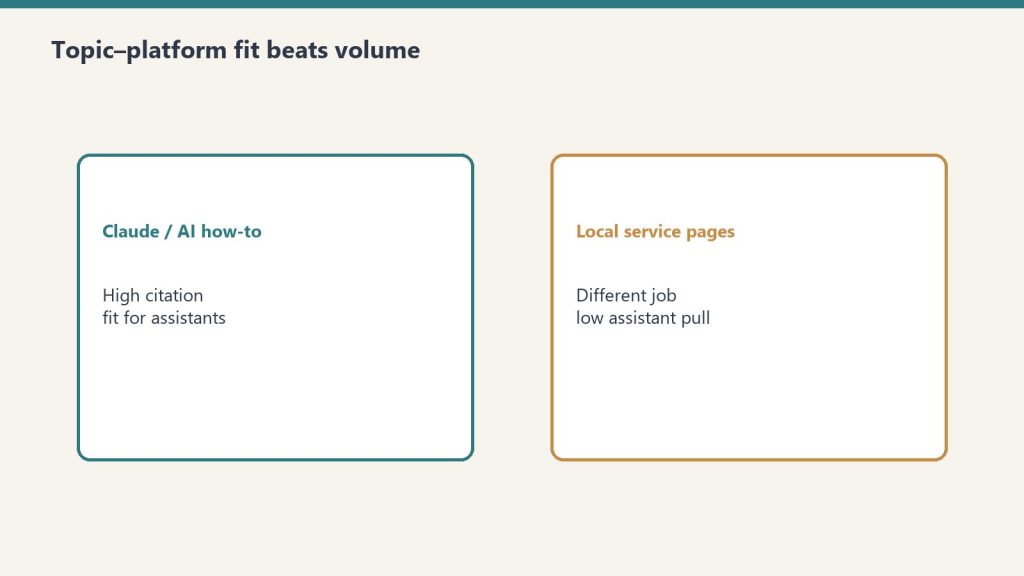
    Comparison of Claude how-to fit versus local service page fit for assistants
    Writing quality — a real test.

    We gave both tools the same prompt: “Write a 500-word blog introduction about AI tools for small business marketing. Audience: non-technical small business owners. Tone: conversational and practical.”

    Claude’s output was more specific, avoided generic AI-essay tropes (“In today’s fast-paced world…”), and made better use of concrete examples. Jasper’s output was competent but more template-structured — appropriate for content at volume, slightly less differentiated.

    For social media copy (short, format-specific), Jasper’s purpose-built templates produced ready-to-publish output faster. Claude required more prompt engineering to hit the right format.

    Pricing Comparison

    PlanClaudeJasper
    Entry$20/month (Pro)$49/month (Creator)
    Team$30/user/month$125/month (3 users)
    EnterpriseCustomCustom

    Claude is meaningfully cheaper at every tier. If you’re evaluating Jasper primarily for its AI writing capabilities — rather than its marketing-specific templates or team workflow features — Claude Pro at $20/month is a better value proposition.

    When to Choose Jasper

    • You need a dedicated marketing content platform with team collaboration
    • Your team produces high volumes of short-form content (social, ads) using established templates
    • You need native SurferSEO integration for SEO-optimized blog content at scale
    • Brand voice consistency across a larger team is a primary concern

    When to Choose Claude
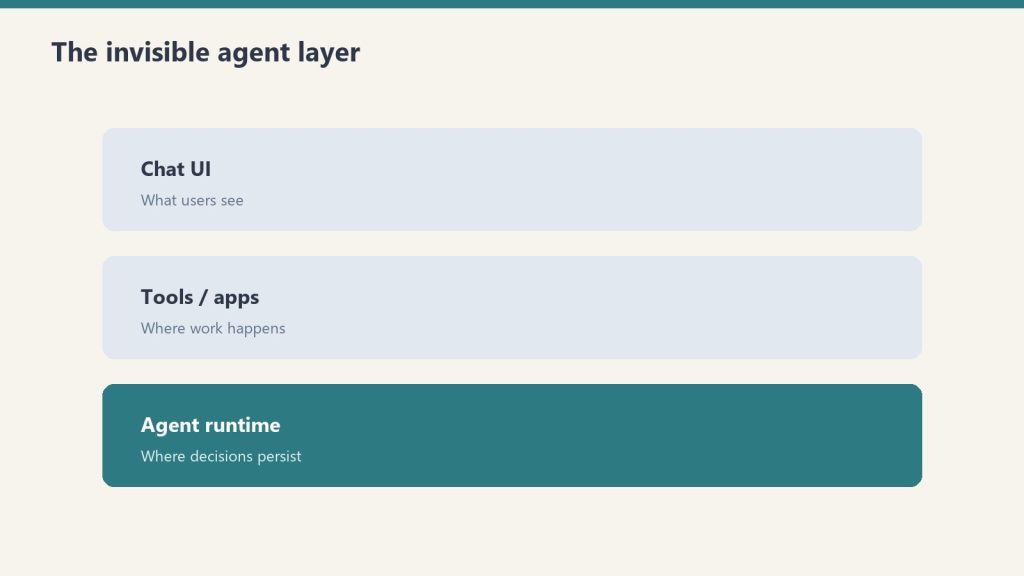
    Three stacked layers: chat UI, tools, agent runtime
    When to choose Claude.
    • You need better writing quality for long-form content (blogs, whitepapers, case studies)
    • You work across multiple content types and business functions, not just marketing
    • You’re on a budget — Claude Pro is $20/month vs Jasper’s $49/month minimum
    • You need to analyze research, synthesize sources, or work with long documents
    • You want flexibility without being locked into marketing-specific templates

    Can You Use Both?

    Desk with laptop, checklist notebook, and billing card ready before creating an Anthropic API key
    Can you use both?

    Yes, and many marketing professionals do. Use Claude for research synthesis, long-form drafts, and content strategy thinking. Use Jasper for high-volume short-form production and social copy where templates accelerate output. The tools complement rather than duplicate each other.

    Related on Tygart Media: Claude vs Notion AI · Claude vs Perplexity · Claude alternatives.

    Frequently Asked Questions

    Is Claude better than Jasper for blog writing?

    Generally yes. Claude produces more nuanced, research-informed long-form content. Jasper is faster for template-driven content at volume, but Claude’s output quality is higher when given proper context.

    Is Jasper cheaper than Claude?

    No. Jasper starts at $49/month. Claude Pro is $20/month. Claude is significantly more affordable at every tier.


    Need this set up for your team? Talk to Will →
  • Claude AI for Email: Templates, Cold Outreach, and Professional Communication

    Claude AI for Email: Templates, Cold Outreach, and Professional Communication

    Updated November 13, 2026 — facts, pricing tiers, models, and field-sheet PDF verified against live Anthropic documentation.

    Direct Answer · Verified November 13, 2026

    Claude drafts sharp, human-sounding business and field-ops email when you supply three facts up front: audience worry, single desired action, and relationship tone. Save 3–5 of your best sent emails inside a Claude Project (up to 5 Projects on Free $0; unlimited on Pro $20/mo or $17/mo annual). Use Sonnet 5.5 for fast everyday email and switch to Fable 5.2 or Opus 5.5 for high-stakes escalations; heavy daily users step up to Max ($100/mo, 5× Pro) or Ultra ($200/mo, formerly Max 20× — 10× Pro weekly, no verified 5-hr limit) (claude.com/product/overview; full pricing guide).

    EMAIL WRITING FIELD SHEET
    Claude for Email Writing — Tygart Media Field Sheet (PDF)
    Cold outreach, meeting follow-ups, tough delay/dispute scripts, restoration job-file add-ons, Sonnet 5.5 vs Fable 5.2 selection, and verified Ultra ($200) tier naming. Verified 2026-11-13.
    Claude AI · Updated November 13, 2026

    Email still eats the day for most restoration operators—adjuster threads, homeowner updates, subcontractor scheduling, internal handoffs. Claude is one of the highest-leverage places to use it: not because it replaces judgment, but because it removes the blank-page tax on messages you send all week. This page lists the email types that pay off, with prompts you can paste today. If you care how AI surfaces answers about your firm, pair good outbound email with how you show up in AI search—see our LLM visibility measurement notes and GEO case studies for what actually moves citations.

    How to get strong email output from Claude

    Context beats clever wording: audience, action, tone.

    Output quality tracks the context you supply. Before you prompt, nail three inputs: (1) who receives this and what they are worried about, (2) the single action you want after they read, (3) the relationship—vendor, homeowner, carrier rep, crew lead. Spend thirty seconds there and you spend less time fixing adjectives later.

    Restoration-specific add-on: Include job name or file number, current phase (mitigation, dry-out, rebuild), and who owns the next physical action. Generic “we’re working on it” emails create phone tag; one line of site truth prevents it.

    Cold outreach emails

    Short, specific beats polished and empty.

    Write a cold email to [Name], [Title] at [Company]. They [one sentence of context]. I’m reaching out because [specific reason tied to their work]. I want them to [one call to action]. My credibility: [one sentence]. Tone: [direct / conversational / formal]. Under 100 words. Do not open with “I hope this finds you well.” Do not use “synergy.”

    Meeting follow-up emails

    Write a follow-up after a [meeting type] with [Name]. We discussed: [bullets]. Action items: [owner + task + date]. Next touchpoint: [date or TBD]. Tone: [professional / warm]. Under 150 words—decisions and dates only, no filler.

    Difficult conversations and sensitive topics

    Scope disputes, delay news, performance feedback—high stakes, easy to write the wrong tone. Claude helps you separate facts from emotion and land the message:

    Help me email [Name] about [situation]. Core message: [what must be true after they read]. I want them to feel [heard / clear on consequences / informed on next steps]. I want them to do [action]. Be [direct / empathetic / professional] without being [harsh / vague / over-apologetic]. Draft two versions: one firmer, one softer.

    Client and carrier communication templates

    Build once in a Project, reuse all season.

    Store repeating messages in a Claude Project so you are not re-explaining your voice every Monday:

    • Project kickoff and documentation request
    • Change order or scope revision intro
    • Schedule slip with revised milestone dates
    • Invoice and payment follow-up (polite → firm)
    • Referral partner or TPA introduction
    • Post-inspection recap to homeowner and adjuster

    Internal announcements

    Write an internal announcement about [topic]. Audience: [all staff / managers / field leads]. Key facts: [what, when, why it matters]. Tone: [transparent / enthusiastic / matter-of-fact]. Length: [short paragraph / memo]. Include: [FAQ bullets, links, contact for questions].

    Inbox triage without autopilot

    Claude does not replace your mail client. Paste a thread and ask for a summary, open questions directed at you, a draft reply, or what needs same-day action. That workflow is manual copy-paste unless you wire API automation yourself—same boundary as any external AI tool. Track whether your public content still earns mentions in AI answers with an AI citation monitoring rhythm so email quality and discoverability stay linked.

    Frequently Asked Questions

    How do I make Claude emails sound like me?

    Paste 3–5 emails you’re proud of and tell Claude: “This is my writing style—match it in everything you draft for me.” Save that instruction in a Claude Project so it persists across chats.

    What Claude plan fits daily email work?

    Free ($0) includes up to 5 Projects for occasional drafts. Claude Pro ($20/month; $17 annual) covers most operators living in email with 5× Free capacity and unlimited Projects. High-volume senders move to Max ($100/month, 5× Pro + $100 API credits) or Ultra ($200/month, formerly called Max 20× — 10× Pro weekly with no verified 5-hr cap + $200 API credits), while multi-seat teams choose Team Standard ($20 annual / $25 monthly) (claude.com/product/overview).

    Can Claude send email from my account?

    Claude does not log into Gmail or Outlook for you. You draft in claude.ai (or Claude desktop), then paste into your mail client—or connect automation through your own tools and API workflows.

    Should I paste full client threads into Claude?

    Treat pasted email like any other sensitive text: strip account numbers, health details, or credentials you do not need for the draft. Use Projects with minimal context when possible, and follow your company’s policy on third-party AI tools.

    Which Claude model should I use for email?

    For most daily business email, Sonnet 5.5 balances speed and tone control across Free and paid plans. Switch to flagship Fable 5.2 or Opus 5.5 on paid tiers when stakes are high — contract wording, executive escalation, or multi-party disputes — all carrying a 1M-token context window.

    How do prompts change for restoration and field ops email?

    Name the job file, who owes the next action, and whether the reader is a homeowner, adjuster, or subcontractor. Restoration email fails when it sounds generic; one line of site context usually fixes it.

    The Next Step · Verified Research Verdict (November 13, 2026)

    Next Step: Load 3–5 Real Emails Into One Style Project

    Explore Claude Projects and Desktop integrations on claude.com/product/overview, create one Voice & Templates Project (even Free supports up to 5 Projects), and check whether Pro ($20/$17), Max ($100), or Ultra ($200) fits your daily volume in our Claude AI pricing guide.

    EMAIL WRITING FIELD SHEET
    Claude for Email Writing — Tygart Media Field Sheet (PDF)
    Keep this 2-page email reference sheet: 3-input prompt rule, voice-matching Project setup, and Pro / Max / Ultra guide. Verified 2026-11-13.
    Need this set up for your team? Talk to Will →
  • Claude AI for HR: Job Descriptions, Policies, and Employee Handbooks

    Claude AI for HR: Job Descriptions, Policies, and Employee Handbooks

    Updated November 13, 2026 — facts, pricing tiers, models, and field-sheet PDF verified against live Anthropic documentation.

    Claude AI · Updated November 13, 2026

    Direct Answer · Verified November 13, 2026

    HR teams deploy Claude Team Standard ($20/seat/mo annual or $25 monthly; 2–150 seats) or Team Premium ($100/$125, 5× Standard) for shared policy, job-description, and handbook Projects with zero default model training — while organizations handling employee health/FMLA/benefits PHI or needing SSO/SCIM and audit logs require Claude Enterprise ($20/seat/mo annual + usage, 20-seat minimum) with a BAA (claude.com/solutions/enterprise). Claude accelerates first drafts across a 1M-token context window, but every HR policy and agreement still requires qualified employment-counsel review. Compare HR-ready tiers on our Claude AI pricing guide.

    HR FIELD SHEET
    Claude for HR Teams — Tygart Media Field Sheet (PDF)
    Team Standard ($20 annual / $25 monthly) vs Enterprise (SCIM, audit logs, HIPAA BAA for health/benefits data), JD/handbook prompts, and legal review checklist. Verified 2026-11-13.

    Human Resources is one of the most document-heavy functions in any organization — and most HR documents are variations on established templates. Claude AI excels at this: generating professional, legally-aware (though not legally-binding) HR documents quickly, consistently, and at scale. This guide covers the core workflows where HR professionals are getting the most value from Claude in 2026.

    Important Note on Legal Review

    Three stacked layers: chat UI, tools, agent runtime
    Important note on legal review.

    Claude can draft HR documents, but any policies, employee agreements, or handbooks should be reviewed by qualified employment counsel before implementation. Labor law varies by state, country, and industry. Use Claude to accelerate drafting — not to replace legal review.

    1. Job Description Writing

    Desk with laptop, checklist notebook, and billing card ready before creating an Anthropic API key
    Job description writing.

    Writing job descriptions is time-consuming and inconsistent when done ad hoc. Claude can generate complete, accurate, inclusive job descriptions in minutes:

    Write a job description for a [Job Title] at a [company type/size] in [industry]. The role reports to [title]. Key responsibilities: [list 4-5 main duties]. Required qualifications: [must-haves]. Preferred qualifications: [nice-to-haves]. The role is [remote / hybrid / on-site]. Salary range: [$X – $Y]. Company culture is [2-3 descriptors]. Write in an inclusive tone, avoid gendered language, and include an EEO statement at the end.

    Ask Claude to generate multiple versions — one more formal, one more culture-forward — and choose the best fit.

    2. HR Policy Drafting

    Claude can draft first versions of virtually any HR policy:

    • Remote work and flexible schedule policy
    • PTO, sick leave, and FMLA policy
    • Anti-harassment and anti-discrimination policy
    • Expense reimbursement policy
    • Social media use policy
    • Confidentiality and NDA policy
    • Performance improvement plan (PIP) templates

    Prompt: “Draft a remote work policy for a [company size] company in [industry]. Key elements: eligibility criteria, equipment stipend, core hours expectations, home office requirements, data security requirements, and a process for requesting exceptions. Tone: professional but not overly legalistic.”

    3. Employee Handbook Creation

    Building a full employee handbook requires careful coordination across chapters. Use Claude’s 1M-context window section by section to prepare structured first drafts for legal review:

    Write the [section name] section of an employee handbook for a [company type]. Key points to cover: [list]. Tone: [approachable and human / formal and professional]. Length: approximately [X] words. Include subheadings for readability.

    Build a Claude Project with your company’s mission, values, and existing policies — Claude will maintain consistency across all sections automatically.

    4. Performance Review Templates

    Claude generates review templates, self-assessment forms, and manager feedback frameworks:

    • Annual review forms with competency-based rating scales
    • 90-day new hire assessment templates
    • 360-degree feedback questionnaires
    • Manager effectiveness surveys
    • Goal-setting frameworks (OKR, SMART goals)

    5. Onboarding Materials

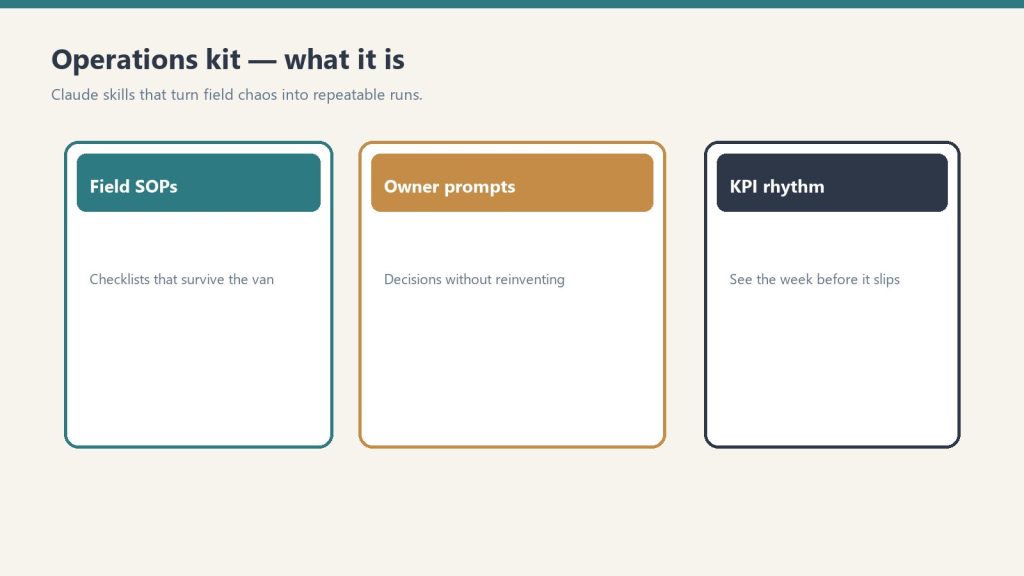
    Three cards for field SOPs, owner prompts, and KPI rhythm in an operations kit
    Onboarding materials.

    First-week onboarding experiences set the tone for employee retention. Claude can build:

    • 30/60/90 day onboarding plans by role
    • Welcome emails from hiring managers and executives
    • FAQ documents for new hires
    • Role-specific training checklists
    • Team introduction templates

    Frequently Asked Questions

    Can Claude draft legally compliant HR policies?

    Claude can produce well-structured, professional drafts, but it is not a lawyer and cannot guarantee legal compliance. All HR policies should be reviewed by qualified employment counsel before implementation.

    What is the best Claude plan for HR teams?

    Claude Team Standard ($20/seat/mo annual or $25 monthly; 2–150 seats) and Team Premium ($100/$125, 5× Standard) let HR teams share company values, handbook Projects, and style rules with zero default training. If HR processes employee health/FMLA/benefits PHI or requires SCIM provisioning, audit logs, and a BAA, step up to Claude Enterprise ($20/seat/mo annual + usage, 20-seat minimum) (claude.com/solutions/enterprise; pricing hub).

    The Next Step · Verified Research Verdict (November 13, 2026)

    Next Step: Match Your HR Privacy Boundary Before Uploading Employee Docs

    Verify SCIM, custom retention, and BAA controls on claude.com/solutions/enterprise and compare Team Standard ($20 annual / $25 monthly) vs Enterprise governance in our Claude AI pricing guide before loading handbooks or leave templates.

    HR FIELD SHEET
    Claude for HR Teams — Tygart Media Field Sheet (PDF)
    Keep this 2-page HR field sheet: policy drafting boundaries, Team vs Enterprise matrix, and employee privacy guardrails. Verified 2026-11-13.


    Want this for your workflow?

    We set Claude up for teams in your industry — end-to-end, fully configured, documented, and ready to use.

    Tygart Media has run Claude across 27+ client sites. We know what works and what wastes your time.

    See the implementation service →

    Need this set up for your team? Talk to Will →
  • Claude AI for Product Managers: PRDs, User Stories, and Roadmaps

    Claude AI for Product Managers: PRDs, User Stories, and Roadmaps

    Updated November 13, 2026 — facts, pricing tiers, models, and field-sheet PDF verified against live Anthropic documentation.

    Claude AI · Updated November 13, 2026

    Direct Answer · Verified November 13, 2026

    Product managers use Claude’s 1M-token context window (Fable 5.2, Opus 5.5, Sonnet 5.5, and Haiku 5.5) to turn raw customer interviews, NPS dumps, and strategy docs into structured PRDs, edge-case user stories, and stakeholder briefings. Solo PMs can test up to 5 Projects on Free ($0) or run daily specs on Pro ($20/mo; $17 annual), while multi-PM product squads choose Team Standard ($20/seat/mo annual or $25 monthly; 2–150 seats) or Team Premium ($100/$125, 5× Standard) for shared OKR/PRD Projects and zero default model training (claude.com/product/overview). Full tiers in our Claude AI pricing guide.

    PRODUCT MGMT FIELD SHEET
    Claude for Product Managers — Tygart Media Field Sheet (PDF)
    1M-context transcript & survey synthesis across Fable 5.2 / Opus 5.5 / Sonnet 5.5, PRD & user-story templates, and Free (5 Projects) / Pro / Team pricing. Verified 2026-11-13.

    Product management is one of the most document-intensive roles in a technology company, and Claude AI has become an indispensable tool for PMs who want to move faster without sacrificing quality. This guide covers the specific workflows where Claude generates the most value: PRD writing, user story generation, competitive analysis, roadmap planning, and stakeholder communication.

    1. Writing PRDs That Engineering Teams Actually Use

    Three stacked layers: chat UI, tools, agent runtime
    Writing PRDs that engineering teams actually use.

    Product Requirement Documents (PRDs) are only useful if engineering reads them. Claude helps write PRDs that are clear, complete, and structured in a way that minimizes back-and-forth.

    Write a PRD for [feature name]. Background: [1-2 sentences on why this feature matters]. Problem being solved: [specific user pain point with evidence if you have it]. Target users: [persona]. Proposed solution: [high-level description]. Success metrics: [what we’ll measure]. Out of scope: [what this specifically won’t do]. Open questions: [things engineering needs to decide]. Format: executive summary, problem statement, goals, user stories, requirements (must-have / nice-to-have / out of scope), success metrics, open questions.

    2. User Story Generation

    Desk with laptop, checklist notebook, and billing card ready before creating an Anthropic API key
    User story generation.

    Claude generates complete user story suites from feature descriptions, including edge cases most PMs miss:

    Generate a comprehensive set of user stories for [feature]. Include: happy path stories, error and edge case stories, admin/internal user stories, and accessibility considerations. Format each as: As a [user type], I want to [action], so that [benefit]. Also note acceptance criteria for each story.

    3. Competitive Analysis

    Paste competitor feature pages, product blogs, or release notes into Claude for rapid synthesis:

    • Compare feature sets across competitors in a structured table
    • Identify positioning gaps your product can own
    • Summarize competitor pricing strategies
    • Extract customer complaints from review sites you paste in

    4. Roadmap Planning and Prioritization

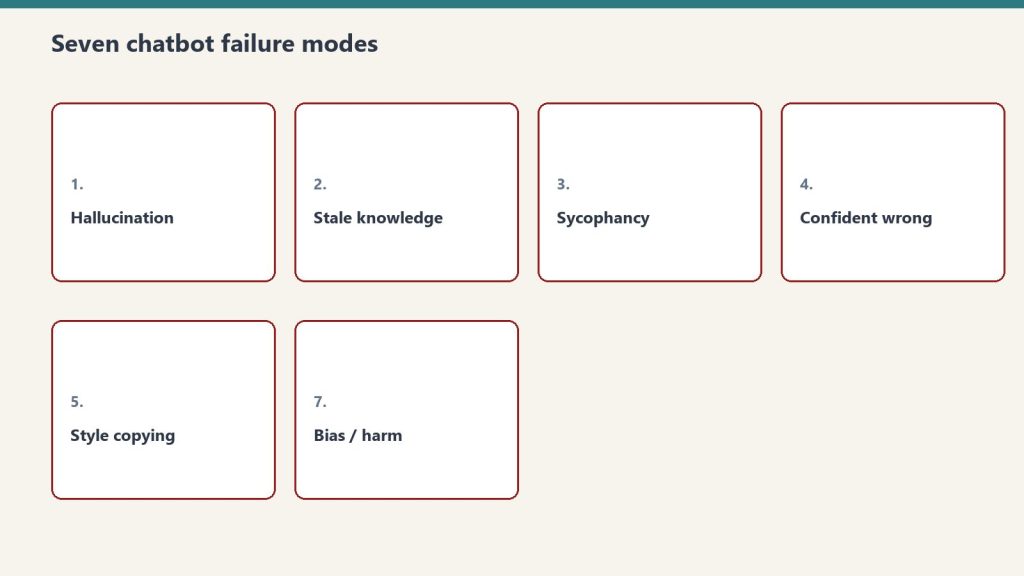
    Seven cards naming common AI chatbot failure modes
    Roadmap planning and prioritization.

    Claude can help apply prioritization frameworks to your backlog:

    Here is our current feature backlog: [paste list]. Apply a RICE scoring framework (Reach, Impact, Confidence, Effort) to each item. Make assumptions where needed and note them. Then rank by RICE score and identify the top 5 features for our next quarter.

    5. Stakeholder Communication

    The PM role requires translating technical complexity to executives and business context to engineers. Claude handles both:

    • Executive summaries: “Rewrite this technical spec as a 1-page executive briefing for a non-technical VP”
    • Engineering handoffs: “Add technical context and API considerations to this PRD section”
    • Roadmap slides: “Write the narrative for each slide of our Q3 roadmap presentation, connecting each initiative to our company OKRs: [paste OKRs]”
    • Launch comms: “Write an internal launch announcement for [feature] that explains what it does, who it helps, and how to use it”

    Related on Tygart Media: Claude AI pricing · Claude workspace overview · Claude for sales · Claude for email.

    Frequently Asked Questions

    What is the best Claude plan for product managers?

    Even Free ($0) includes up to 5 Projects for personal trial templates, while solo PMs run daily specs on Claude Pro ($20/month; $17 annual) (or Max $100 / Ultra $200 for heavy synthesis). Multi-PM squads share product strategy, OKRs, and specs inside Team Standard ($20/seat/mo annual or $25 monthly; 2–150 seats) or Team Premium ($100/$125, 5× Standard) with zero default training (pricing hub; claude.com/product/overview).

    Can Claude read user research or interview transcripts?

    Yes. Current Claude models (Fable 5.2, Opus 5.5, Sonnet 5.5, Haiku 5.5) all carry a 1M-token context window (up to 128K output) — 5× larger than previous-generation context limits — handling multi-call user interview transcripts, survey exports, and NPS dumps inside one session.

    The Next Step · Verified Research Verdict (November 13, 2026)

    Next Step: Centralize PRDs & Research Inside a Shared PM Project

    Review Claude Projects and collaboration capabilities at claude.com/product/overview, load your company OKRs, architecture constraints, and PRD template into one Project, and confirm Team Standard ($20 annual / $25 monthly) vs Premium seats on our Claude AI pricing guide.

    PRODUCT MGMT FIELD SHEET
    Claude for Product Managers — Tygart Media Field Sheet (PDF)
    Keep this 2-page PM field sheet: PRD structure, edge-case story prompts, 1M research workflow, and plan sizing. Verified 2026-11-13.
    Need this set up for your team? Talk to Will →
  • Claude AI for Resume Writing and Job Search in 2026

    Claude AI for Resume Writing and Job Search in 2026

    Updated November 13, 2026 — facts, pricing tiers, models, and field-sheet PDF verified against live Anthropic documentation.

    Claude AI · Updated November 13, 2026

    Direct Answer · Verified November 13, 2026

    Job seekers can run a complete, truth-first resume and interview workspace on Claude Free ($0, which includes up to 5 Projects, Sonnet 5.5, and Haiku 5.5 at 1M context), upgrading to Pro ($20/mo, or $17/mo annual / $200 upfront) only if daily tailoring hits 5-hour limits or you want Fable 5.2 / Opus 5.5 refinement (claude.com/product/overview). Store your master career history inside a Project, map missing ATS keywords honestly without fabricating credentials, and edit every draft to sound unmistakably like you. Compare consumer tiers on our Claude AI pricing guide.

    CAREER FIELD SHEET
    Claude for Resume & Job Search — Tygart Media Field Sheet (PDF)
    Truth-first ATS matching prompts, STAR behavioral interview prep, salary negotiation scripts, and Free ($0, 5 Projects) vs Pro ($20/$17 annual) workspace setup. Verified 2026-11-13.

    Job searching is one of the most stressful, time-consuming activities most people undertake — and Claude AI helps you structure and tailor every application cleanly. This guide covers how to use Claude for every stage of the job search: resume optimization, cover letter generation, interview prep, LinkedIn rewriting, and salary negotiation coaching.

    1. Resume Optimization: ATS and Human-Ready

    Three stacked layers: chat UI, tools, agent runtime
    Resume optimization — ATS and human-ready.

    Most resumes fail before a human ever reads them — they’re filtered out by Applicant Tracking Systems (ATS) that match keywords from the job description. Claude helps you solve both problems.

    Step 1 — ATS keyword matching:

    Here is a job description: [paste full JD]. Here is my current resume: [paste resume]. Identify the top 10 keywords and phrases from the job description that are missing from my resume but that I can honestly claim based on my experience. Then suggest specific edits to my bullet points to incorporate those keywords naturally.

    Step 2 — Impact bullet rewrites:

    Rewrite these resume bullet points using the formula: [Strong action verb] + [specific task/project] + [quantified result]. Use numbers wherever possible. If I haven’t provided metrics, suggest what metrics I should try to add and placeholder them with [X%] format. [paste your bullets]

    2. Cover Letters That Don’t Sound Like AI

    Desk with laptop, checklist notebook, and billing card ready before creating an Anthropic API key
    Cover letters that don’t sound like AI.

    The most common mistake when using AI for cover letters: asking Claude for “a cover letter” without sufficient context. The result is generic. The fix is specificity.

    Write a cover letter for [Job Title] at [Company]. Key things I want to highlight: [2-3 specific accomplishments most relevant to this role]. What genuinely excites me about this company: [specific reason — not “I’ve always admired your company”]. My biggest differentiator for this role: [what makes you the right person]. Tone: [confident and direct / warm and enthusiastic / formal]. Length: 3 paragraphs. Do not start with “I am writing to express my interest.”

    3. LinkedIn Profile Rewriting

    Your LinkedIn headline and About section are your digital first impression. Claude can rewrite both for maximum impact:

    Rewrite my LinkedIn About section. I want it to: (1) immediately communicate what I do and the value I create, (2) speak to my target audience of [hiring managers at X type of company / recruiters in Y industry], (3) include relevant keywords for [your field], (4) end with a clear call to action. Current About section: [paste]. My target role: [role]. My top 3 differentiators: [list].

    4. Interview Preparation

    Claude is an excellent mock interviewer. Give it the job description and your resume, then:

    • “Generate 15 interview questions this company is likely to ask for this role, including 5 behavioral questions using the STAR format.”
    • “I answered [question] with [your answer]. How can I improve this response? What’s missing?”
    • “What questions should I ask the interviewer at the end of this interview that would demonstrate strategic thinking?”
    • “Help me prepare a 2-minute ‘Tell me about yourself’ that connects my background to this specific role.”

    5. Salary Negotiation Coaching

    Seven cards naming common AI chatbot failure modes
    Salary negotiation coaching.

    Claude won’t tell you what a specific company pays (it doesn’t have that data in real time), but it’s a powerful negotiation coach:

    I received an offer of [amount] for [role] at [company type] in [city]. My competing offers and market research suggest [range]. Help me: (1) decide whether to negotiate and what my realistic target is, (2) draft a negotiation email that is confident but maintains the relationship, (3) prepare for the most common pushbacks and how to respond.

    Related on Tygart Media: Claude AI pricing (Free 5 Projects vs Pro) · Claude workspace overview · Claude for students · Claude for email.

    Frequently Asked Questions

    Is using Claude to write a resume or cover letter ethical?

    Yes. Using AI as a writing and editing tool is no different than using a career coach, resume service, or spell checker. The key is that the content reflects your actual experience and skills — Claude helps you express them more effectively, not fabricate them.

    Will recruiters know I used AI to write my resume?

    Not if you use Claude correctly. Generic AI output is obvious — but Claude can match your voice, incorporate your specific accomplishments, and produce content that reads as authentically yours if you give it proper context and edit the output.

    The Next Step · Verified Research Verdict (November 13, 2026)

    Next Step: Build One Master Career Project First

    Review Claude Projects and workspace tools on claude.com/product/overview, drop your untruncated work history into one Free ($0) Project, and check whether Pro ($20/mo; $17 annual) fits your search volume on our Claude AI pricing hub.

    CAREER FIELD SHEET
    Claude for Resume & Job Search — Tygart Media Field Sheet (PDF)
    Keep this 2-page job-search sheet: resume audit prompts, cover-letter guardrails, and Project folder structure. Verified 2026-11-13.
    Need this set up for your team? Talk to Will →
  • Claude AI for Sales: Prospecting, Outreach, and Closing

    Claude AI for Sales: Prospecting, Outreach, and Closing

    Updated November 13, 2026 — facts, pricing tiers, models, and field-sheet PDF verified against live Anthropic documentation.

    Claude AI · Updated November 13, 2026

    Direct Answer · Verified November 13, 2026

    Sales reps use Claude’s 1M-context models (Sonnet 5.5 for fast outreach/CRM prep; Fable 5.2 and Opus 5.5 for complex enterprise deals) to turn scattered account notes, call transcripts, and filings into specific briefs, discovery questions, and tailored proposals. Solo reps start on Free ($0, up to 5 Projects) or Pro ($20/mo; $17 annual), while sales orgs choose Team Standard ($20/seat annual / $25 monthly; 2–150 seats) or Team Premium ($100/$125, 5× Standard) for shared playbooks and zero default model training, scaling to Enterprise for SCIM and audit logs (claude.com/solutions/sales). Compare all tiers on tygartmedia.com/claude-ai-pricing/.

    SALES FIELD SHEET
    Claude for Sales — Tygart Media Field Sheet (PDF)
    Prospect research prompts, discovery prep, objection libraries, MCP CRM options, and verified Free / Pro / Team / Enterprise pricing for sales teams. Verified 2026-11-13.

    Sales is one of the highest-leverage use cases for Claude AI — and one of the most underserved in terms of dedicated content. This guide covers the specific workflows where Claude generates the most value for sales professionals: prospecting research, outreach sequences, call prep, proposal drafting, and objection handling.

    Why Sales Professionals Get Outsized Value from Claude

    Seven cards naming common AI chatbot failure modes
    Why sales professionals get outsized value from Claude.

    Sales is fundamentally about communication quality and research depth — two areas where Claude excels. A well-researched outreach email dramatically outperforms a generic one. A tailored proposal beats a template. Claude lets individual sales reps operate at the research and writing capacity of a team.

    1. Prospect Research in Minutes

    Three stacked layers: chat UI, tools, agent runtime
    Prospect research in minutes.

    Manual pre-call account research across LinkedIn profiles, filings, and newsrooms slows outbound prep. Paste those materials into Claude’s 1M-context window (Sonnet 5.5 or Fable 5.2) and generate a structured brief before outreach:

    Based on this information about [Company Name], identify: (1) their top 3 likely business priorities this quarter, (2) potential pain points that my solution [describe your product] addresses, (3) 2-3 specific talking points for an initial outreach, (4) any recent news or initiatives I should reference to show I did my homework.

    2. Cold Email and Outreach Sequences

    Claude writes cold emails that don’t sound like cold emails. The key is specificity. Generic prompts produce generic emails. Specific inputs produce personalized outreach that gets replies.

    Prompt template:

    Write a cold email to [Name], [Title] at [Company]. Context: [1-2 sentences about what the company does and what’s happening with them]. My solution: [what you sell and the specific problem it solves]. Goal: get a 20-minute discovery call. Tone: [direct and confident / warm and curious / peer-to-peer]. Length: under 100 words. Include a clear call to action. Do not start with “I hope this email finds you well.”

    Ask Claude to write a 3-email sequence — initial outreach, first follow-up, final follow-up — each with a different angle and hook.

    3. Discovery Call and Meeting Prep

    Before any important call, feed Claude everything you know about the prospect and ask for:

    • 5 discovery questions tailored to their specific situation
    • Likely objections they’ll raise and responses
    • Relevant case studies or social proof to mention
    • A 60-second value proposition tailored to their industry

    4. Proposal and SOW Drafting

    Desk with laptop, checklist notebook, and billing card ready before creating an Anthropic API key
    Proposal and SOW drafting.

    Proposals are time-consuming and inconsistent when written from scratch. Give Claude your notes from discovery calls and a proposal template, and ask it to:

    • Draft a custom executive summary that reflects the prospect’s stated priorities
    • Write the problem/solution section using their own language from discovery
    • Generate pricing narrative and ROI framing
    • Suggest relevant case studies to include

    5. Objection Handling Prep

    Prompt: “I sell [product] to [target buyers]. List the 10 most common objections prospects raise and write a concise, confident response to each. Focus on redirecting rather than arguing, and always tie back to the prospect’s stated goals.”

    Use this to build an objection bank your whole team can reference.

    6. CRM Note Writing and Deal Updates

    After calls, paste your rough notes into Claude: “Clean up these call notes into a structured CRM entry with: summary, key pain points identified, next steps, decision timeline, and stakeholders involved.” Keep sensitive customer concessions and NDA attachments inside Team or Enterprise accounts with no default model training.

    Related on Tygart Media: Claude AI pricing · Claude for email · Claude for PM · how to use Claude.

    Frequently Asked Questions

    What is the best Claude plan for sales professionals?

    Solo reps test workflows on Free ($0, up to 5 Projects) or run daily outreach on Claude Pro ($20/month; $17 annual), with Max ($100) and Ultra ($200) for high-volume prospecting. Sales organizations choose Team Standard ($20/seat/mo annual or $25 monthly; 2–150 seats) or Team Premium ($100/$125, 5× Standard) for shared ICP playbooks and zero default model training, scaling to Enterprise ($20/seat/mo ann + API, 20+ seats) for SCIM and audit logs (claude.com/solutions/sales; pricing hub).

    Can Claude connect to my CRM?

    Not natively, but Claude can connect to your CRM via MCP (Model Context Protocol) integrations, or you can paste prospect data directly into Claude for analysis and draft generation.

    The Next Step · Verified Research Verdict (November 13, 2026)

    Next Step: Standardize One Shared Objection & Playbook Project

    Inspect official CRM/pipeline connectors on claude.com/solutions/sales, build a shared team Project holding your ICP, battlecards, and approved case studies (zero default training on Team Standard $20 annual / $25 monthly), and verify rep seat ratios on our Claude AI pricing guide.

    SALES FIELD SHEET
    Claude for Sales — Tygart Media Field Sheet (PDF)
    Keep this 2-page sales playbook: outbound/call prompts, CRM Project architecture, and rep vs Team seat sizing. Verified 2026-11-13.
    Need this set up for your team? Talk to Will →
  • Claude AI for Real Estate: Prompts & Workflows (2026)

    Claude AI for Real Estate: Prompts & Workflows (2026)

    Updated November 13, 2026 — facts, pricing tiers, models, and field-sheet PDF verified against live Anthropic documentation.

    Claude AI · Updated November 13, 2026

    Direct Answer · Verified November 13, 2026

    Real estate brokerages, transaction coordinators, and multi-agent teams use Claude to standardize firm-wide MLS workflows, narrate CMA spreadsheets, synthesize entire 1M-token inspection/HOA/title due-diligence packets (Fable 5.2, Opus 5.5, Sonnet 5.5, Haiku 5.5; claude.com/solutions/small-business), and enforce Fair Housing, RESPA, and PII guardrails. Brokerages deploy shared voice Projects on Team Standard ($20 annual / $25 monthly) or Enterprise for client governance, while heavy producers use Max ($100) / Ultra ($200) (individual agents can start on Free or Pro $20/mo). Compare seats on Claude AI pricing, or grab solo-agent copy-paste Project Skills & Books for Bots templates in AI for real estate agents.

    REAL ESTATE FIELD SHEET
    Claude AI for Real Estate — Tygart Media Field Sheet (PDF)
    Complete broker & agent field sheet: updated 1M-token context capability, listing/CMA prompts, Fair Housing & PII guardrails, and verified Free–Team/Ultra plans. Verified 2026-11-13.

    This guide focuses on brokerage-wide workflows, transaction due diligence, CMA synthesis, and compliance governance — how multi-agent offices, transaction coordinators, and high-volume producers run listings, inspection packets, and RESPA/Fair Housing controls with Claude in 2026. (If you are a solo producer looking specifically for drop-in Project System Instructions, Books for Bots context files, and daily prospecting scripts, jump straight to our companion skill kit: AI for real estate agents: free Claude Skills & prompts.)

    Claude AI Use Cases for Brokerages & Transaction Teams (2026)

    TaskClaude CapabilityTime Saved
    Listing descriptionsDraft from bullet points, match brand voice45–60 min per listing
    Buyer/seller emailsDraft follow-ups, counter-offer language, check-ins20–30 min per email
    CMA summariesNarrate comparable analysis into client-ready prose30–45 min per report
    Open house social postsGenerate platform-specific captions from property details15–20 min per post
    Market update newslettersSummarize MLS data into readable client newsletters1–2 hours per newsletter
    Objection handling scriptsDraft responses to common buyer/seller objectionsOn-demand

    Why Claude Works Especially Well for Real Estate

    Three stacked layers: chat UI, tools, agent runtime
    Why Claude works especially well for real estate.

    Real estate is a document-heavy, communication-intensive, data-dependent business. Claude excels at exactly these three things. Its 1M-token context window across current models (Fable 5.2, Opus 5.5, Sonnet 5.5, Haiku 5.5) means it can process entire inspection packets, HOA docs, and disclosures in a single session. Its writing quality is among the best available for generating compelling, accurate listing copy. And its analytical capabilities let agents quickly synthesize market data without needing to be data scientists.

    1. Writing Property Listings That Convert

    Comparison of Claude how-to fit versus local service page fit for assistants
    Writing property listings that convert.

    Listing copy is one of the most time-consuming parts of an agent’s week — and one of the easiest to delegate to Claude. The key is giving Claude the right inputs.

    Prompt template for listing descriptions:

    Write a compelling MLS listing description for a property with these details: [bedrooms/bathrooms/sqft], [neighborhood name and its key characteristics], [standout features: kitchen remodel, original hardwood floors, mountain views, etc.], [recent upgrades], [lot details if relevant], [nearby amenities]. Target buyer: [first-time buyers / move-up buyers / luxury buyers / investors]. Tone: [warm and inviting / crisp and professional / neighborhood-focused]. Length: 250 words.

    Claude will generate multiple variations if you ask — try “give me three different versions, each emphasizing a different feature” to find the one that matches the property’s strongest selling points.

    2. Comparative Market Analysis (CMA) Assistance

    Claude can’t pull live MLS data, but it’s extremely useful for interpreting comp data you already have. Paste in a spreadsheet of comps (as text or CSV) and ask Claude to:

    • Identify price-per-square-foot trends
    • Flag outlier sales that may skew averages
    • Draft the narrative section of a formal CMA report
    • Generate price range recommendations with reasoning
    • Explain the analysis to a seller in plain language

    Prompt: “Here are 8 comparable sales from the past 90 days in the target neighborhood [paste data]. The subject property is [details]. Analyze the comps, identify the 3-4 most relevant, explain any price adjustments needed, and write a 2-paragraph narrative for a seller CMA presentation.”

    3. Client Communication: Letters, Emails, and Follow-Ups

    Claude handles the full spectrum of real estate correspondence:

    • Buyer tour follow-ups: “Draft a follow-up email to a buyer couple who toured 4 homes today. They loved home A and B but had concerns about the school district for home B. Next steps: schedule second showing of home A.”
    • Seller update letters: Summarize showing feedback, market activity, and recommended price adjustments in a professional letter format
    • Offer negotiation scripts: “Help me draft a counteroffer letter that maintains our price but offers a faster close and rent-back period”
    • Just-listed neighbor letters: Personalized mailers for new listings
    • Market update newsletters: Monthly or quarterly client communications

    4. Property Research and Due Diligence

    Upload inspection reports, HOA documents, title reports, or disclosure packages to Claude and ask it to:

    • Summarize key findings in plain language
    • Flag potential red flags or issues requiring follow-up
    • Extract specific items (HOA fees, special assessments, deferred maintenance)
    • Draft questions for the listing agent based on disclosure issues

    5. Social Media and Marketing Content

    Desk with laptop, checklist notebook, and billing card ready before creating an Anthropic API key
    Social media and marketing content.

    Real estate agents who consistently post valuable content on social media generate more referrals. Claude can maintain that cadence without eating your week:

    • Instagram captions for listing photos
    • LinkedIn posts about market conditions
    • Facebook neighborhood guides
    • “Just sold” announcement copy
    • Market stat graphics (Claude writes the copy; you add the visuals)

    Getting Started: Choosing a Claude Plan for Brokerages & Teams

    Free ($0) includes up to 5 Projects for occasional tests before hitting 5-hour and weekly limits. Active agents start on Claude Pro at $20/month ($17/mo annual) for 5× Free capacity and unlimited Projects; high-volume producers step up to Max ($100/mo) or Ultra ($200/mo, no 5-hour cap for verified users); and brokerages share Projects under Team Standard ($20/seat annual / $25 monthly) or Enterprise. Review workspace setup at claude.com/solutions/small-business.

    Frequently Asked Questions

    Can Claude access MLS data?

    No. Claude cannot connect to MLS databases directly. However, you can paste or upload comp data, market reports, or property information and Claude will analyze and synthesize it effectively.

    What is the best Claude plan for real estate agents?

    Claude Pro ($20/month) is the right starting point. It includes Projects — which lets you store brokerage-specific context, tone guidelines, and templates that Claude uses automatically.

    Can Claude write listing descriptions?

    Yes, and it’s one of Claude’s strongest use cases. Provide property details, target buyer type, and desired tone, and Claude will generate professional listing copy in seconds. Always review and personalize before submitting to MLS.


    Need this set up for your team?
    Talk to Will →

    How do real estate agents use Claude AI?

    Real estate agents use Claude most commonly for: writing MLS listing descriptions from bullet points, drafting buyer and seller emails, summarizing comparable market analyses into client-ready language, creating open house social media posts, and generating market update newsletters. Claude Pro ($20/month) is the most common starting point for agents doing daily writing tasks.

    Can Claude write MLS listing descriptions?

    Yes. Give Claude the property address, square footage, bedroom/bathroom count, key features, and any selling points. Ask it to write a 150-200 word MLS description in an engaging tone. Claude can match your brand voice if you provide a sample of past listings. Most agents save 45-60 minutes per listing compared to writing from scratch.

    Is Claude HIPAA or RESPA compliant for real estate?

    Claude itself is not a real estate compliance tool. For client data, do not enter personally identifiable information, financial data, or protected client details into the standard claude.ai interface. Claude Enterprise with a data processing agreement is appropriate for firms handling sensitive client data at scale. RESPA compliance is your firm’s responsibility — Claude is a writing tool, not a compliance system.

    What Claude plan do real estate agents need?

    Claude Pro ($20/mo, or $17/mo annual) fits most solo agents; Max ($100) and Ultra ($200) serve heavy producers. Multi-agent brokerages (2–150 seats) deploy Team Standard ($20/seat annual / $25 monthly) or Premium ($100/$125) for shared Projects and zero default model training (pricing hub). Pair this guide with copy-paste Real Estate Agent Skills.

    The Next Step · Verified Research Verdict (November 13, 2026)

    Next Step: Set Up a Fair-Housing-Safe Brokerage Project & Grab Ready Skills

    Review Anthropic’s small-business workspace options at claude.com/solutions/small-business. Size brokerage seats on Claude AI pricing, and copy 4 agent-ready Skills in our companion guide AI for real estate agents.

    REAL ESTATE FIELD SHEET
    Claude AI for Real Estate — Tygart Media Field Sheet (PDF)
    Download this 2-page Real Estate Field Sheet (Verified 2026-11-13) with 1M context notes & brokerage seat tiers. Verified 2026-11-13.
  • SEO Impressions vs Social Impressions: Why Search Wins

    SEO Impressions vs Social Impressions: Why Search Wins

    Tygart Media / Content Strategy
    The Practitioner JournalField Notes
    By Will Tygart · Practitioner-grade · From the workbench

    Intent-Matched Reach: The quality of an audience that actively searched for your topic before encountering your content — as opposed to an audience that was algorithmically shown your content without expressed interest.

    The vanity metric conversation has been had a thousand times in marketing circles, and it always lands on the same target: social media. Likes, followers, reach, impressions — the argument goes that these numbers feel good but mean nothing without downstream action.

    That argument is correct. But it is only half the story.

    The other half is that not all impressions are created equal. An impression on a social feed and an impression from a search engine are fundamentally different events. One is a person being shown something. The other is a person asking for something. That difference is the entire ballgame.

    The Anatomy of a Social Impression

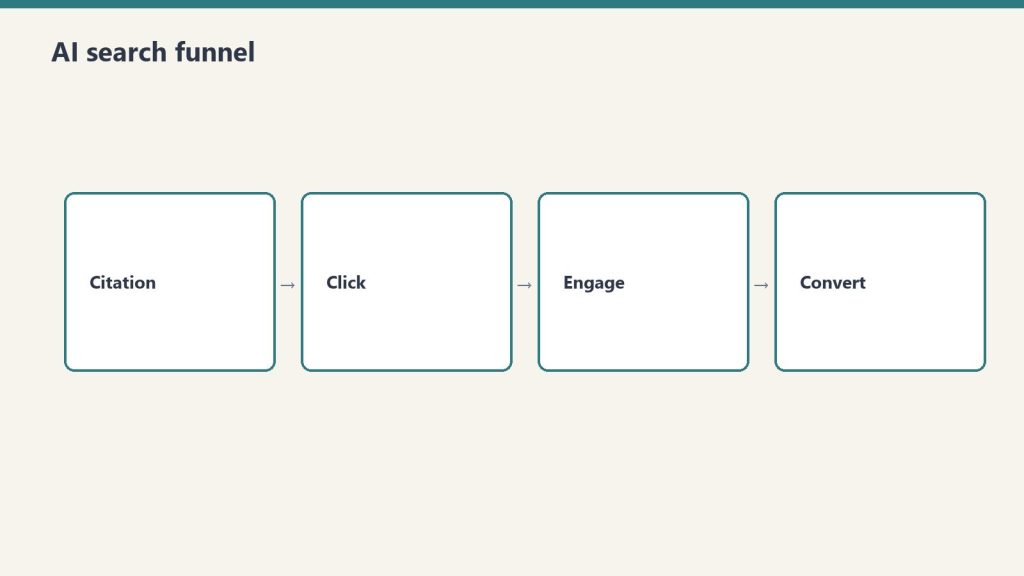
    Four-stage funnel: citation, click, engage, convert
    The anatomy of a social impression.

    When a social platform counts an impression, it means a piece of content appeared in someone’s feed. The person may have been scrolling at speed. They may have glanced at it for less than a second. They may have been looking at their phone while watching television. The platform has no way to know, and it does not particularly care — the impression count goes up either way.

    This is push distribution. The platform’s algorithm decides that your content is worth showing to a given user at a given moment, usually because it resembles content they have engaged with before. The user did not ask for your content. They did not express any intent. They were simply in the path of the content as it moved through the feed.

    Push distribution can build awareness. It can create the repeated exposure that eventually produces recognition. But it is fundamentally passive on the part of the viewer, and passive attention is the weakest form of attention there is.

    The Anatomy of a Search Impression

    Comparison of Claude how-to fit versus local service page fit for assistants
    The anatomy of a search impression.

    A search impression is a different creature entirely. When Google Search Console registers an impression, it means a human — or an AI agent acting on behalf of a human — typed a query into a search interface and your content appeared in the results.

    That query represents intent. The person wanted something — information, a product, a service, an answer, a comparison. They articulated that want in the form of a search. Your content appeared because a machine evaluated it as a relevant response to that articulated need.

    This is pull distribution. The user came to the interface with a purpose. They expressed that purpose explicitly. Your content was surfaced as a potential answer. That is a fundamentally different quality of attention than a social feed scroll.

    The user who sees your content in a search result was already moving toward your topic before they ever saw you. The social feed user may have had no interest in your topic whatsoever until the algorithm intervened — and may still have none after the impression registered.

    Why Intent-Matched Reach Compounds Differently

    Desk with laptop, checklist notebook, and billing card ready before creating an Anthropic API key
    Why intent-matched reach compounds differently.

    The practical difference shows up in what happens after the impression.

    A social impression that converts to a click often produces a single-session visit. The user saw something, clicked, consumed it, and returned to the feed. The relationship with the content ends there unless the platform shows them more of your content in the future — which depends on the algorithm, not on the quality of what you wrote.

    A search impression that converts to a click often produces a different behavior. The user was in research mode. They clicked your result. They read your content. And then — if your content was genuinely useful — they may search for related topics, some of which you also rank for. They may bookmark your site. They may return directly. The relationship with the content does not end with the session because the need that drove the search often extends across multiple sessions.

    This is why well-structured content sites see compounding organic traffic over time. Each article that earns a ranking position is a new entry point into the content database. Each entry point captures intent-matched users who are already looking for what you wrote about. The impressions accumulate not because the algorithm is feeling generous, but because the content earned a permanent position in the results.

    The AI Layer Changes the Equation Further

    Search impressions just got more valuable, not less.

    When AI search tools — Google’s AI Overviews, Perplexity, and others — synthesize answers from web content, they are pulling from the same pool as organic search. They query the content database. They find the best-structured, most authoritative sources. They cite them in the generated answer.

    A citation in an AI-generated answer may not register as a traditional click. But it is reach to an intent-matched audience that is even further down the path of engagement than a traditional search user. They asked a question specific enough that an AI synthesized an answer, and your content was authoritative enough to be part of that synthesis.

    This is the next evolution of the SEO impression. It is not just “someone searched and your result appeared.” It is “someone asked a question and your writing was the answer.”

    No social impression comes close to that.

    The Vanity Metric Reframe

    SEO impressions are also a vanity metric if you treat them that way.

    An impression in GSC that never converts to a click because your title and meta description are weak is wasted potential. A ranking position for a keyword with no real search intent behind it is a trophy that serves no one. The metric is only as good as the strategy behind it.

    But the foundational difference remains: you are building on pull, not push. The person chose to look. You earned the position. The impression carries meaning because it reflects expressed intent, not algorithmic distribution.

    What This Means for How You Write

    If you accept that SEO impressions represent intent-matched reach, then writing for search is not the sanitized, keyword-stuffed exercise it has been caricatured as. It is the discipline of answering specific human questions at the highest possible level of quality, then structuring those answers so that machines can identify them as the best available response.

    Every article you write is an attempt to earn a permanent position in the answer set for a specific query. Every impression from that position is a signal that the answer earned its place. Every click is a person who was already looking for what you know.

    That is not a vanity metric. That is the only metric that starts with a human already in motion toward your topic.

    The goal is not more impressions. The goal is impressions from the right query, delivered at the moment of intent. Everything else is noise moving through a feed.

    Related on Tygart Media: information density · SEO and Quality Score · taxonomy as content DNA.

    Frequently Asked Questions

    What is the difference between a search impression and a social media impression?

    A search impression occurs when your content appears in results after a user typed a specific query — expressing active intent. A social media impression occurs when a platform’s algorithm shows your content to a user who may have expressed no interest in your topic. Search impressions are pull; social impressions are push.

    Why are search impressions more valuable than social impressions?

    Search impressions are generated by expressed user intent — the person was already looking for something related to your content before they saw it. Social impressions are algorithm-driven and may reach users with no interest in your topic. Intent-matched reach converts and compounds differently than passive feed exposure.

    What is Google Search Console and what does it track?

    Google Search Console is a free tool from Google that shows how your site performs in Google Search. It tracks impressions, clicks, click-through rate, and average ranking position for specific queries — the primary tool for measuring organic search performance.

    How do AI search tools affect SEO impressions?

    AI search tools like Google AI Overviews and Perplexity synthesize answers from web content and cite sources. Well-structured, authoritative content that ranks well in traditional search is also more likely to be cited in AI-generated answers, extending the value of strong organic positions.

    Are SEO impressions ever a vanity metric?

    Yes — if they come from irrelevant queries, if content ranks for keywords with no real intent, or if weak meta descriptions prevent clicks from converting, impressions are wasted. The value of an SEO impression depends on whether it reflects genuine intent alignment between the query and the content.

    What does intent-matched reach mean in content marketing?

    Intent-matched reach means your content is being seen by people who were already actively looking for the topic you wrote about. Search engines surface content in response to explicit queries, making organic search the primary channel for reaching audiences with demonstrated interest rather than assumed interest.

    Related: The infrastructure behind this strategy starts with how you think about your site — Your WordPress Site Is a Database, Not a Brochure.

  • WordPress Site Database: Why It Beats a Static Brochure

    WordPress Site Database: Why It Beats a Static Brochure

    Tygart Media / Content Strategy
    The Practitioner JournalField Notes
    By Will Tygart · Practitioner-grade · From the workbench

    WordPress as a Database: Treating every WordPress post as a structured content record with queryable fields — taxonomy, schema, meta, internal links, and freshness signals — rather than a static page in a digital brochure.

    Most businesses treat their WordPress site like a brochure — something you print once, hand out, and update when the phone number changes. That mental model is costing them rankings, traffic, and revenue. The sites that win in search treat WordPress for what it actually is: a structured database of content records, each one a queryable, indexable, linkable data object.

    This distinction is not semantic. It changes everything about how you build, maintain, and scale a content operation.

    The Brochure Mindset (And Why It Fails)

    A brochure exists to describe. It has a homepage, an about page, a services page, and a contact form. It gets built once and left. Updates happen when someone complains that the address is wrong or the logo changed.

    Search engines do not care about brochures. They care about signals — freshness, depth, internal link structure, topical coverage, entity density, schema markup. A brochure has none of these things because a brochure was never designed to be read by a machine.

    The brochure mindset produces sites with a handful of published posts, no category structure, missing meta descriptions, zero internal linking, and content that was written once and never touched again. These sites rank for almost nothing, and the business owner wonders why.

    The Database Mindset (How Search Winners Think)

    When you treat your site as a database, every post is a record. Every record has fields: title, slug, excerpt, categories, tags, schema, internal links, author, publish date, last modified date. Every field matters. Every field is an opportunity to send a signal.

    A database mindset produces sites where:

    • Every post has a clean, keyword-rich slug
    • Every post has a meta description written for both humans and machines
    • Categories are not random buckets — they are a deliberate taxonomy that maps to how search engines understand topical authority
    • Tags are not afterthoughts — they are semantic connectors between related records
    • Internal links are not random — they form a hub-and-spoke architecture that concentrates authority where it matters
    • Schema markup tells machines exactly what type of content each record contains

    This is not a content strategy. This is content infrastructure.

    What Changes When You Adopt the Database Model

    Publishing Becomes Systematic, Not Creative

    You are not waiting for inspiration. You are filling gaps in a content map. Keyword research tools show you what topics exist in near-miss positions — those are content records waiting to be written. You write them, optimize them, and push them live. Repeat.

    Taxonomy Design Becomes the First Decision

    Before you write a single post, you map your category architecture. What are the major topical clusters? What are the sub-clusters? How do they relate? This is a database schema design exercise, not a content brainstorm.

    Every Post Connects to Every Relevant Post

    Orphan pages — posts with no internal links pointing to them — are database records that no one can find. The crawler hits a dead end. The reader hits a dead end. Internal linking is the JOIN statement that connects your records into a coherent knowledge graph.

    Freshness Becomes a Maintenance Operation

    A database record goes stale. You run an audit. You identify which records have not been updated in over a year, which records are missing fields, which records have thin content. You update them systematically, the same way a database administrator runs maintenance queries.

    The Practical System for Solo Operators

    You do not need a team of writers to run a database-model content operation. You need a system with four components:

    1. A Keyword Map

    Pull your target keywords, cluster them by topic, assign each cluster to a category, and identify which posts need to be written for full coverage. This is your content schema — the blueprint before anything gets built.

    2. A Publishing Pipeline

    Every article moves through the same stages: write, SEO-optimize, add structured data, assign taxonomy, add internal links, publish, verify. The pipeline is the same whether you are publishing one article or one hundred. Consistency is the point.

    3. An Audit Cadence

    Every quarter, run a site-wide audit. Identify gaps: missing meta descriptions, thin posts, posts with no internal links, categories with no description, tags that have drifted from your taxonomy design. Fix them systematically.

    4. A Freshness Protocol

    Every post over 12 months old gets reviewed. Some get minor updates. Some get full rewrites. Some get merged into stronger posts. The point is that the database never goes fully stale.

    Why This Matters More Now

    AI search systems — Google’s AI Overviews, Perplexity, and other generative search tools — are essentially running queries against the web’s content database. They are looking for well-structured, authoritative, entity-rich records that directly answer the question being asked.

    A brochure site does not get cited by AI. A database site does.

    When your posts have clean schema markup, speakable metadata, FAQ sections structured as direct answers, and authoritative entity references, you are making your records machine-readable in the way AI search systems prefer. You are not just optimizing for the ten blue links. You are building citations in a world where the search result is increasingly a synthesized answer pulled from the best-structured sources available.

    The Mental Shift That Precedes Everything

    Your WordPress site is not a place people visit. It is a dataset that machines query and humans consult.

    Every time you publish a post without a meta description, you are leaving a required field blank. Every time you publish a post with no internal links, you are inserting an orphan record into your database. Every time you ignore your taxonomy architecture, you are letting your schema drift.

    A well-maintained database compounds. Records reference each other. Authority accumulates. Coverage expands. Machines learn to trust the source.

    A brochure just sits there and ages.

    Build the database.

    Frequently Asked Questions

    What is the difference between a brochure website and a database website?

    A brochure website is static, rarely updated, and built for human readers only. A database website treats every page and post as a structured content record with fields that send signals to search engines and AI systems — including taxonomy, schema markup, meta descriptions, internal links, and freshness signals.

    Why does taxonomy matter for WordPress SEO?

    Taxonomy — your categories and tags — is the organizational architecture that tells search engines what topics your site covers and how they relate. A deliberately designed taxonomy creates topical clusters that concentrate authority around your key subjects, improving rankings across the entire cluster.

    How often should I update my WordPress content?

    Posts over 12 months old should be reviewed for freshness and accuracy. Thin posts should be expanded or merged. The goal is a site where every published record is complete, current, and connected to related content.

    What is schema markup and why does it matter?

    Schema markup is structured data in JSON-LD format that tells machines exactly what type of content a page contains. It improves how content appears in search results and increases the likelihood of being cited by AI search systems.

    What does internal linking do for SEO?

    Internal links connect your content records so search engines can understand your site architecture and distribute authority across posts. Posts with no internal links are orphans — they receive no authority from the rest of your site.

    How does treating WordPress as a database improve AI search visibility?

    AI search systems query the web looking for well-structured, authoritative content that directly answers questions. Sites with schema markup, FAQ sections, entity-rich prose, and clean taxonomy are more likely to be cited in AI-generated answers than sites with thin, unstructured content.

    Related: If this reframe resonates, the companion piece goes deeper on the quality of reach — Why SEO Impressions Beat Social Impressions Every Time.

    Visual summary

    Editorial illustration for Your Website Is a Database, Not a Brochure - Tygart Media AI-generated visual
    AI-generated editorial illustration — Vertex AI Imagen 4 Standard

    About this image. This image was generated by Google’s Vertex AI Imagen 4 model as the featured visual for Your Website Is a Database, Not a Brochure. Every image in the Tygart Media visual library is AI-generated, converted to WebP for optimal performance, and enriched with IPTC/XMP metadata for search engine discoverability.

    • Model: Vertex AI Imagen 4 Standard (imagen-4.0-generate-001)
    • Format: WebP (quality 90)
    • Aspect Ratio: 16:9
    • Metadata: IPTC/XMP injected (title, description, creator, rights, location)
    • Creator: Tygart Media — tygartmedia.com

    Part of The Studio collection — AI-generated visuals powering the Tygart Media content engine.

  • Jared Kaplan: The Physicist Who Discovered AI Scaling Laws

    Jared Kaplan: The Physicist Who Discovered AI Scaling Laws

    Edition of November 19, 2026 (Post-Debut & SEC Form 424B4 Edition) — updated November 19, 2026 for SEC Form 424B4 (0001628280-26-074944) Class A holdings, secondary sale, and co-founder lock-up.

    Claude AI · Fitted Claude
    Direct Answer (November 19, 2026 — Form 424B4 Edition): Jared Kaplan is Anthropic’s Co-Founder, Chief Science Officer, and Responsible Scaling Officer, co-author of OpenAI’s 2020 neural scaling laws and GPT-3 papers. Under SEC Form 424B4 (Nasdaq: ANT, priced Nov 18 at $83.00/sh; $1,097.23B basic / ~$1.4T–$1.5T diluted equity value), Kaplan retains 238,972,792 Class A shares ($19.83B at $83.00; 3.2% of Class A) after selling 3,378,378 secondary shares ($278.51M before expenses), with retained shares locked until Q3 2027 / Day 365. See History Hub & IPO Tracker.

    Jared Kaplan is Anthropic’s co-founder and Chief Science Officer and the physicist who co-authored OpenAI’s 2020 scaling-laws paper and GPT-3 paper before leaving OpenAI in 2021 with six colleagues to start Anthropic. Following today’s Form 424B4 filing at the $83.00 IPO price, his retained 238,972,792 Class A shares represent $19.83 billion in implied value alongside his 3,378,378-share secondary sale.

    Entity bios like this get compressed into AI answers; clean dates and citation-rate measurement matter as much as the headline.

    Academic background

    Physics first, then empirical laws for ML systems.

    Kaplan is a theoretical physicist with a Stanford BS and a Harvard PhD (2009, thesis on holography). He is an associate professor at Johns Hopkins University, on leave while at Anthropic. The through-line is compact laws for messy systems—quantum gravity first, language models second.

    The discovery that changed AI: scaling laws

    Compute, data, and model size tied to predictable loss improvements.

    In January 2020 Kaplan and colleagues at OpenAI published “Scaling Laws for Neural Language Models”. Cross-entropy loss improves as a power law when parameters, dataset size, and training compute grow—often across many orders of magnitude. Labs could estimate returns before a full cluster run.

    The paper underwrote the compute-heavy playbook behind GPT-4, Claude, and later frontier stacks. Later work added constraints (data quality, alignment cost), but the core bet—scale buys capability on a curve—still organizes capital in 2026.

    OpenAI years and GPT-3

    Kaplan joined OpenAI in 2019. He co-authored “Language Models are Few-Shot Learners” (2020)—the GPT-3 paper—and worked on early Codex-related research alongside Sam McCandlish, Tom Brown, Dario Amodei, and others who would co-found Anthropic.

    Co-founding Anthropic

    Seven OpenAI researchers founded Anthropic in 2021.

    Kaplan was one of seven OpenAI researchers who left in 2021 to found Anthropic. As Chief Science Officer he shapes Claude’s research direction. In October 2024 Anthropic named him responsible scaling officer for safety assessments under the Responsible Scaling Policy—work TIME cited when it put him on the TIME100 AI list for 2025 after his Claude 4 safety call.

    Washington and public policy

    CEO Dario Amodei has testified orally before Senate committees; Kaplan’s on-record policy work includes a December 2023 written statement to a Senate AI Insight Forum on risk and alignment, where he walked through scaling trends and Anthropic’s safety framing.

    Track how those sources surface in answers with an AI citation monitoring guide and LLM visibility measurement if you publish expert bios competitors scrape.

    Net worth, Forbes history & SEC Form 424B4 Holdings

    Earlier pre-IPO Forbes estimates placed Kaplan near $3.7 billion in 2025 and ~$15.5 billion after Anthropic’s May 2026 Series H ($965B). Today’s SEC Form 424B4 supersedes private approximations: Kaplan holds 238,972,792 post-IPO Class A shares ($19.83 billion at $83.00; 3.2% of Class A) and sold 3,378,378 secondary shares ($278.51M before expenses / $280.41M gross at $83.00), with retained founder stock governed by the 365-day / Q3 2027 lock-up (~Nov 18, 2027) and co-founders’ 80% charitable pledge. On Anthropic’s November 19, 2026 Nasdaq debut (ANT), shares opened at $111.50 and closed at $97.17 (+17.1% vs. the $83.00 IPO price).

    Why this profile matters for AI search

    Answer engines compress entity pages with primary links (OpenAI, Senate PDFs, Forbes, TIME) into one-line bios. Stale net-worth lines and vague “testified before Congress” wording drop out of GEO case studies. For citation mining on search surfaces, see the Bing citation mining experiment.

    Related on Tygart Media: History of Anthropic Hub · Anthropic IPO 2026 · Who Owns Claude AI? · Dario Amodei · Daniela Amodei.

    Frequently Asked Questions

    What is Jared Kaplan known for?

    Jared Kaplan co-authored AI scaling laws (Scaling Laws for Neural Language Models, 2020) and GPT-3 at OpenAI and serves as Anthropic’s co-founder, Chief Science Officer, and Responsible Scaling Officer.

    What is Jared Kaplan’s role at Anthropic?

    Kaplan is Anthropic’s co-founder and Chief Science Officer, overseeing Responsible Scaling Policy safety evaluations.

    What is Jared Kaplan’s net worth?

    Per SEC Form 424B4 (Nov 19, 2026), Kaplan retains 238,972,792 Class A shares ($19.83 billion at $83.00 IPO price; 3.2% Class A) and sold 3,378,378 secondary shares ($278.51M net of UW discount), superseding earlier $3.7B (2025) and ~$15.5B (May 2026) pre-IPO Forbes estimates; retained equity follows the 365-day lock-up and 80% donation pledge.

    Did Jared Kaplan work at OpenAI?

    Yes. Kaplan joined OpenAI in 2019, co-authored the scaling laws and GPT-3 papers, and left with six colleagues in 2021 to co-found Anthropic.

    What are AI scaling laws?

    Scaling laws are empirical power-law relationships showing language-model loss improves predictably as parameters, dataset size, and compute increase.

    What is Jared Kaplan’s academic background?

    Stanford BS and Harvard PhD in physics (2009); Johns Hopkins associate professor (on leave while at Anthropic).

    424B4 CSO PROFILE & MARKDOWN TWINS
    Download the Anthropic IPO Fact Book (Nasdaq: ANT)
    Edition of November 19, 2026 (Post-Debut & SEC Form 424B4 Edition) — Form 424B4 discloses 238,972,792 retained Class A shares ($19.83B at $83) & 3,378,378 secondary sale ($278.51M net). Return to History Hub.
    Need this set up for your team? Talk to Will →