Blog

  • Property Damage Restoration SEO for Regional Operators

    Property Damage Restoration SEO for Regional Operators

    Tygart Media // AEO & AI Search
    SCANNING
    CH 03 · Answer Engine Intelligence · Filed by Will Tygart
    What Is SiteBoost for Regional Restoration?
    SiteBoost for Regional Property Damage Restoration is a done-for-you WordPress optimization service for restoration companies serving multi-county suburban and rural markets — where the competition isn’t ServiceMaster or Servpro’s national SEO budget, but regional independents with the same local knowledge advantage you have, and slightly better-optimized WordPress sites. We close that gap.

    The restoration SEO landscape outside major metros is fundamentally different from downtown competition. National franchise sites dominate broad category searches. But regional independent operators — companies serving 3–8 counties with genuine local presence and real IICRC credentials — can win the specific, high-intent queries that national sites don’t have the local content depth to capture.

    The strategy: own the local entities (county names, neighborhoods, local insurers, regional weather events), demonstrate IICRC credential depth (specific standards by loss type), and produce the adjuster-facing content that decision-makers search for when qualifying restoration contractors for their preferred vendor lists.

    What We’ve Done in This Vertical
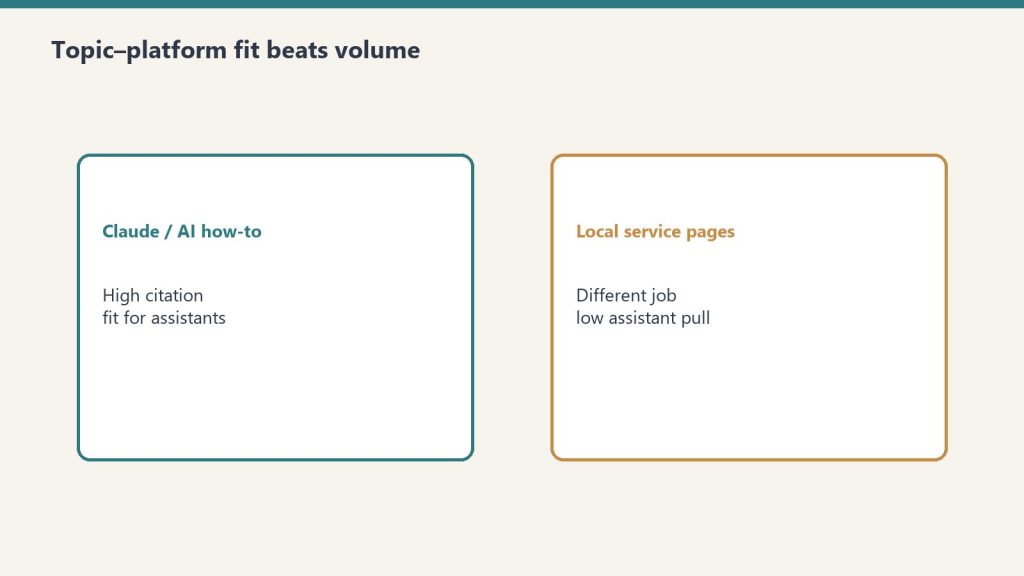
    Comparison of Claude how-to fit versus local service page fit for assistants
    What we’ve done in this vertical.

    We manage content operations for Upper Restoration (NYC and Long Island — Nassau and Suffolk counties) and 247 Restoration Specialists (Houston TX metro). Both are regional independent operators competing against franchise chains with much larger marketing budgets. The content architecture, IICRC entity library, and adjuster-facing content strategy are proven across both markets.

    What SiteBoost Covers for Regional Restoration

    • Multi-county geo-entity injection — County names, municipalities, ZIP codes, and regional landmarks that signal genuine service area coverage to local search algorithms
    • IICRC standard-level entity injection — S500 (water damage), S520 (mold), S540 (trauma/biohazard), S600 (upholstery), S700 (fire/smoke), S900 (contents) referenced by specific standard and loss type
    • RIA and industry body signals — Restoration Industry Association references, regional trade association memberships, and professional network signals
    • Adjuster-facing content optimization — Content restructured for the insurance adjuster search intent: coverage eligibility, documentation requirements, carrier-specific language, preferred vendor qualification
    • Property manager and GC content — Commercial referral source content optimized for property manager and general contractor discovery queries
    • FAQPage schema — Homeowner, adjuster, and property manager questions answered in structured format for PAA placement

    The Adjuster-Facing Content Difference
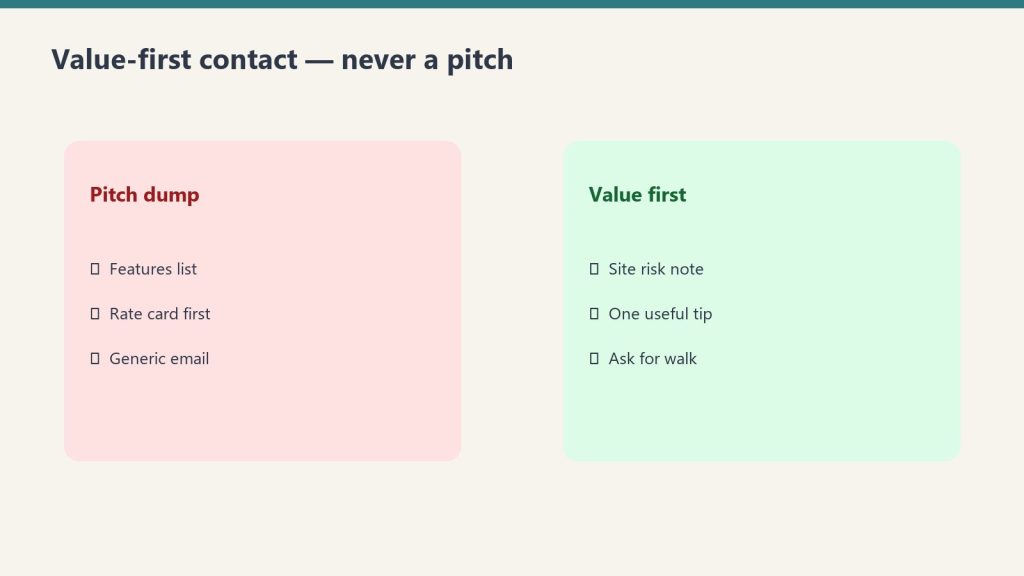
    Side-by-side comparing a pitch dump with value-first contact habits
    The adjuster-facing content difference.

    Most restoration WordPress sites produce homeowner-facing content exclusively. The highest-value referral relationships — insurance adjuster preferred vendor lists — come from a completely different content audience with completely different search intent. Content that references RCV vs. ACV claims, Xactimate line items, carrier documentation requirements, and IICRC standard compliance reaches the adjuster audience that homeowner-facing content never touches.

    What the Pilot Delivers

    Desk with laptop, checklist notebook, and billing card ready before creating an Anthropic API key
    What the pilot delivers.
    ItemIncluded
    Site audit + local and adjuster query gap analysis✅
    10 posts optimized (SEO + AEO + GEO)✅
    Multi-county geo-entity injection✅
    IICRC standard-level entity injection✅
    Adjuster-facing content optimization (where applicable)✅
    FAQPage schema (homeowner + adjuster Q&A)✅
    60-day impact report✅

    Interested in SiteBoost for Your Regional Property Damage Restoration Site?

    We onboard sites personally. Email Will with your site URL and he’ll follow up within one business day.

    → Email Will — Start the Pilot

    Email only. No sales call required. No commitment to reply.

    Related on Tygart Media: local SEO · blog SEO · documentation RH/GPP.

    Frequently Asked Questions

    How is this different from the standard SiteBoost for Restoration page?

    The standard restoration SiteBoost page is built for any restoration operator. This page is specifically for regional independents serving multi-county suburban and rural markets — where the geo-entity strategy, adjuster-facing content, and multi-county local authority approach are the primary differentiators from franchise competitors.

    What does adjuster-facing content optimization actually involve?

    It means restructuring content to answer the questions insurance adjusters search for when qualifying restoration contractors: IICRC certification verification, documentation and reporting capabilities, carrier compliance history, Xactimate familiarity, and response time and capacity for large loss events. This content doesn’t convert homeowners — it gets you on preferred vendor lists.

    Does SiteBoost work for fire and mold restoration as well as water damage?

    Yes. The entity injection is loss-type specific — water damage content gets S500 references, mold gets S520 and EPA 402-K-02-003, fire/smoke gets S700. Multi-peril operators get all applicable standards applied to the relevant posts in the 10-post pilot.

    Last updated: April 2026
  • Twin Cities Water Damage SEO for Restoration Companies

    Twin Cities Water Damage SEO for Restoration Companies

    Tygart Media // AEO & AI Search
    SCANNING
    CH 03 · Answer Engine Intelligence · Filed by Will Tygart
    What Is SiteBoost for Twin Cities Water Damage Restoration?
    SiteBoost for Twin Cities Water Damage Restoration is a done-for-you WordPress optimization service for water damage and property restoration companies serving Minneapolis, Saint Paul, and the surrounding metro — injecting Minneapolis-specific neighborhood entities, Minnesota licensing references, IICRC credentials, and local content signals that separate market-native operators from national franchise chains in local search results.

    The Twin Cities restoration market has a specific local dynamic: a mix of national franchise operators (ServiceMaster, Servpro, Paul Davis) with massive domain authority, and local independent operators who actually know Edina from Eden Prairie and understand the difference between a Minnetonka lake home and a Saint Paul bungalow. Local content that demonstrates genuine market knowledge wins in that environment — national franchise sites can’t fake it.

    We built this system on Partners Restoration (partnerscos.com), a water damage and restoration company serving the Minneapolis SW metro — Edina, Chanhassen, Wayzata, Minnetonka, Eden Prairie, Deephaven, Orono, and Plymouth. The neighborhood entity library, Minnesota-specific licensing references, and local content architecture are proven in this market.

    What SiteBoost Covers for Twin Cities Restoration

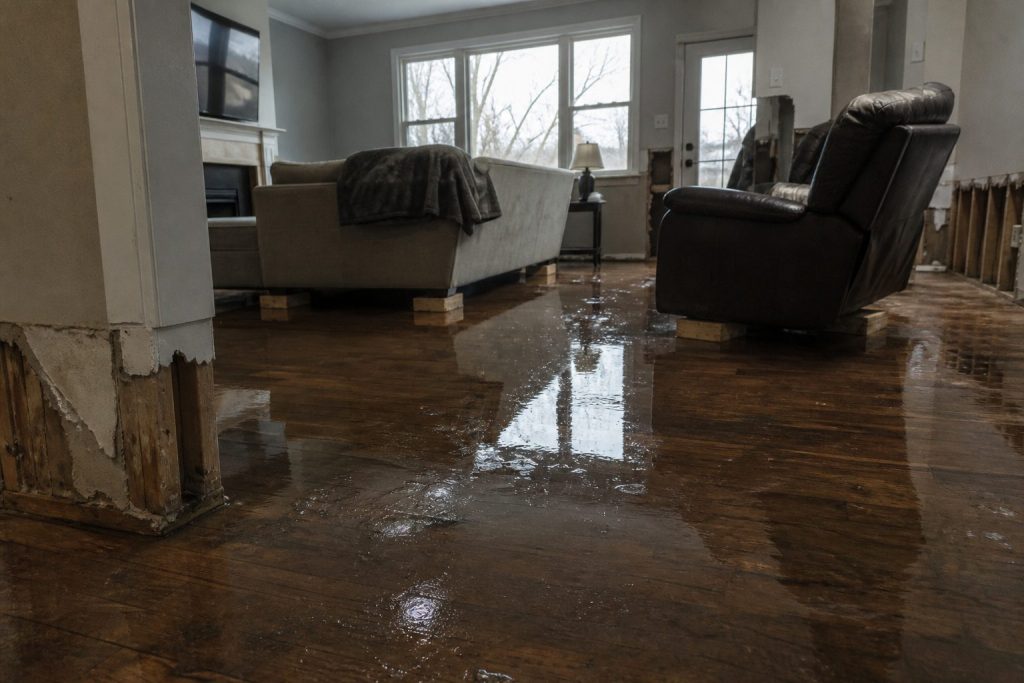
    Flooded residential living room with standing water on hardwood after a water loss
    What SiteBoost covers for Twin Cities restoration.
    • Minneapolis/Saint Paul neighborhood entity injection — Specific neighborhood names, lake names, school districts, and local landmarks that signal genuine market presence to Google and local searchers
    • Minnesota licensing entity signals — Minnesota Department of Labor and Industry (DLI) contractor licensing, Minnesota Pollution Control Agency (MPCA) mold references, and state-specific regulatory signals
    • IICRC credential injection — S500 water damage, S520 mold remediation, S700 fire and smoke standards referenced throughout relevant content
    • Local buyer FAQ schema — Twin Cities homeowner questions answered in structured format (“does homeowners insurance cover water damage in Minnesota,” “how long does water damage restoration take in Minneapolis”)
    • Seasonal content signals — Minnesota winter pipe burst, spring flooding, and ice dam water damage content optimized for seasonal query patterns
    • AI citation optimization — Content structured for Perplexity and Google AI Overview citation when Twin Cities homeowners search for emergency restoration help

    Twin Cities Neighborhood Entity Library

    Comparison of Claude how-to fit versus local service page fit for assistants
    Twin Cities neighborhood entity library.

    Content that references specific Twin Cities neighborhoods outperforms generic metro-area content for local queries. Our entity library covers: Minneapolis (Uptown, Linden Hills, Kenwood, Longfellow, Northeast), Saint Paul (Highland Park, Macalester-Groveland, Summit Hill, Como), and the SW suburbs: Edina, Eden Prairie, Minnetonka, Wayzata, Chanhassen, Chaska, Orono, Plymouth, Deephaven, Shorewood.

    What the Pilot Delivers

    Desk with laptop, checklist notebook, and billing card ready before creating an Anthropic API key
    What the pilot delivers.
    ItemIncluded
    Site audit + Twin Cities local query gap analysis✅
    10 posts optimized (SEO + AEO + GEO)✅
    Minneapolis/Saint Paul neighborhood entity injection✅
    Minnesota licensing reference injection✅
    IICRC entity signals✅
    FAQPage schema (MN homeowner Q&A)✅
    60-day impact report✅

    Interested in SiteBoost for Your Twin Cities Water Damage Restoration Site?

    We onboard sites personally. Email Will with your site URL and he’ll follow up within one business day.

    → Email Will — Start the Pilot

    Email only. No sales call required. No commitment to reply.

    Related on Tygart Media: local SEO for restoration · property damage SEO · Google Ads lessons.

    Frequently Asked Questions

    Does this only work for companies in the Minneapolis SW suburbs?

    No — the geo-entity approach works for any Twin Cities sub-market. The neighborhood entity set is adapted to your actual service area. Companies serving the North Metro (Blaine, Coon Rapids, Maple Grove) or East Metro (Woodbury, Stillwater, White Bear Lake) get a different neighborhood entity set than SW metro operators.

    How does this help against national franchise competitors with huge domain authority?

    National franchises can’t fake local knowledge. Content that references specific Twin Cities neighborhoods, Minnesota-specific weather patterns, local licensing bodies, and regional building characteristics signals genuine market presence that national sites don’t have. Google’s local algorithm rewards this specificity in local pack and organic local results.

    Does SiteBoost cover seasonal content for Minnesota’s specific weather patterns?

    Yes. Minnesota’s climate creates specific restoration query patterns — winter pipe bursts, spring snowmelt flooding, summer storm damage, and ice dam water intrusion are all seasonal signals we optimize for as part of the Twin Cities pilot.

    Last updated: April 2026

  • B2B Event Platform SEO: SiteBoost for Event Tech SaaS

    B2B Event Platform SEO: SiteBoost for Event Tech SaaS

    Tygart Media / Content Strategy
    The Practitioner JournalField Notes
    By Will Tygart
    · Practitioner-grade
    · From the workbench

    What Is SiteBoost for B2B Event Platforms?
    SiteBoost for B2B Event Platforms is a done-for-you WordPress optimization service for conference technology companies, meeting platforms, and event tech SaaS — injecting MPI, PCMA, and hybrid event industry entities, optimizing for meeting planner buyer-stage queries, and building AI citation readiness in a category where most platforms still rely entirely on paid acquisition.

    Event technology buyers — meeting planners, event managers, corporate travel coordinators — research platforms through industry association resources, peer recommendations, and increasingly through AI-generated answers. Companies that appear in those answers without paying for the placement have a significant acquisition cost advantage over competitors who live and die by paid search.

    We built this optimization system on WeConvene, a B2B event and meeting platform where we’ve optimized content for meeting planner search intent, hybrid event terminology, and the industry body references that signal credibility to professional event buyers.

    What SiteBoost Covers for B2B Event Platforms

    • Industry body entity injection — MPI (Meeting Professionals International), PCMA (Professional Convention Management Association), GBTA, SITE, and relevant certification body references
    • Event format terminology — Hybrid events, virtual attendee experience, breakout session technology, attendee engagement metrics, and event ROI measurement language
    • Buyer persona content — Meeting planner, corporate event manager, association executive, and incentive travel buyer search intent mapped to existing content
    • FAQPage schema — Platform evaluation questions answered in structured format (integration capabilities, attendee limits, pricing models, security compliance)
    • Comparison content structure — Positioning content for “event platform comparison” and “best virtual conference platform” queries
    • AI citation optimization — Content structured for Perplexity citation when buyers research event technology options

    What the Pilot Delivers

    Item Included
    Site audit + buyer query gap analysis ✅
    10 posts optimized (SEO + AEO + GEO) ✅
    MPI/PCMA industry entity injection ✅
    Hybrid event terminology optimization ✅
    FAQPage schema (buyer evaluation Q&A) ✅
    Buyer persona targeting applied ✅
    60-day impact report ✅

    Interested in SiteBoost for Your B2B Event Platform Site?

    We onboard sites personally. Email Will with your site URL and he’ll follow up within one business day.

    → Email Will — Start the Pilot

    Email only. No sales call required. No commitment to reply.

    Frequently Asked Questions

    Does this work for in-person event companies as well as virtual/hybrid platforms?

    Yes. The entity set adapts to your event format focus — in-person events use venue, AV, and logistics entities; virtual/hybrid platforms use technology integration, attendee experience, and platform capability entities. Both buyer audiences use industry body references (MPI, PCMA) as credibility signals.

    Is event technology content competitive for organic search?

    Highly competitive on broad terms (“best event platform”), much less competitive on specific buyer-stage and specification queries (“hybrid event platform with Salesforce integration” or “MPI-recognized virtual conference platform”). SiteBoost targets the specific queries where organic wins are achievable.

    Can SiteBoost help with content that positions against specific competitors?

    Comparison content is one of the highest-converting content types in B2B SaaS — and event tech is no exception. We can optimize existing comparison pages or structure new comparison content as part of the 10-post pilot scope.


    Last updated: April 2026

  • Commercial Flooring SEO: SiteBoost for Contractors

    Commercial Flooring SEO: SiteBoost for Contractors

    Tygart Media / Content Strategy
    The Practitioner JournalField Notes
    By Will Tygart
    · Practitioner-grade
    · From the workbench

    What Is SiteBoost for Commercial Flooring?
    SiteBoost for Commercial Flooring is a done-for-you WordPress optimization service for commercial flooring contractors and flooring standards companies — injecting ASTM specifications, ACI standards, FF/FL floor flatness entities, and B2B buyer-stage content architecture into existing WordPress content. Built for companies selling to general contractors, developers, and facilities managers who search for technical specifications before issuing RFPs.

    Commercial flooring buyers are specification buyers. A facilities manager selecting a flooring contractor for a warehouse project isn’t searching “best flooring near me” — they’re searching “ASTM E1155 floor flatness testing contractor” or “FF25 FL20 specification compliance.” Generic flooring content doesn’t appear in those searches. Entity-rich technical content does.

    We built this optimization system on IFTI (ifti.com), a commercial flooring standards and inspection company where we’ve published content covering floor flatness measurement, ASTM specifications, ACI tolerances, and the technical content that commercial flooring buyers actually search for when qualifying contractors.

    What We’ve Done in This Vertical

    IFTI content operations include taxonomy rebuild across flooring standards verticals, variant content pipelines for different buyer personas (GC, developer, facility manager), and AEO optimization of technical flooring content. The ASTM, ACI, ICRI, and FF/FL entity sets are documented and proven in this vertical.

    What SiteBoost Covers for Commercial Flooring

    • Standards entity injection — ASTM E1155, ASTM F710, ACI 117, ACI 302, ICRI surface profile references injected throughout content
    • FF/FL floor flatness terminology — Floor flatness (FF) and floor levelness (FL) numbers, tolerance references, and measurement methodology content optimized for specification searches
    • B2B buyer persona targeting — Content restructured for general contractor, developer, and facilities manager search intent and vocabulary
    • Technical FAQ schema — Specification questions answered in FAQPage format for buyers researching compliance requirements
    • RFP and specification language — Content aligned with how commercial buyers write specs and evaluate contractors
    • AI citation optimization — Technical content structured for Perplexity citation when buyers research flooring specifications

    What the Pilot Delivers

    Item Included
    Site audit + specification query gap analysis ✅
    10 posts optimized (SEO + AEO + GEO) ✅
    ASTM/ACI/ICRI entity injection ✅
    FF/FL terminology optimization ✅
    FAQPage schema (technical buyer Q&A) ✅
    B2B persona targeting applied ✅
    60-day impact report ✅

    Interested in SiteBoost for Your Commercial Flooring Site?

    We onboard sites personally. Email Will with your site URL and he’ll follow up within one business day.

    → Email Will — Start the Pilot

    Email only. No sales call required. No commitment to reply.

    Frequently Asked Questions

    Does this work for residential flooring contractors as well?

    The entity set and B2B buyer persona focus is built for commercial flooring. Residential flooring content uses different search intent and different entity signals. If you serve both markets, we optimize commercial content in the pilot and can extend to residential content separately.

    What if our content is currently very thin or product-catalogue style?

    Thin product-catalogue content is one of the most common issues in commercial flooring WordPress sites. The optimization pass expands thin pages with technical context, specification details, and buyer-stage framing — without rewriting your core product or service descriptions.

    Can SiteBoost help us rank for specific ASTM standard numbers?

    Yes — ASTM standard numbers (E1155, F710, etc.) are searchable terms used by specification buyers. Content optimized with these entities in the right context can rank for standard-number queries that most flooring sites don’t even attempt to target.


    Last updated: April 2026

  • Emergency Home Services SEO: Win 24/7 Local Repair Queries

    Emergency Home Services SEO: Win 24/7 Local Repair Queries

    Tygart Media // AEO & AI Search
    SCANNING
    CH 03
    · Answer Engine Intelligence
    · Filed by Will Tygart

    What Is SiteBoost for Emergency Home Services?
    SiteBoost for Emergency Home Services is a done-for-you WordPress optimization service for 24/7 repair companies — water damage, fire restoration, emergency plumbing, and HVAC — built specifically for the high-intent, time-sensitive local queries that drive emergency service calls. When a pipe bursts at 2am, your site needs to be the answer Google and AI systems surface immediately.

    Emergency home service queries are among the highest-intent searches on the internet. “Water damage restoration near me” at 11pm is a person with a flooded basement ready to call the first credible result. The problem: most emergency service WordPress sites are thin, generic, and built for desktop browsing — not for the AMP-speed, direct-answer format that wins emergency query placements.

    SiteBoost restructures your existing content for exactly these moments: fast-loading, direct-answer pages that capture emergency queries, demonstrate local credibility through service area and licensing entities, and get cited by AI systems when homeowners search for emergency help.

    What SiteBoost Covers for Emergency Home Services

    • Emergency query optimization — Pages restructured for “near me,” “24/7,” and time-sensitive search patterns with direct answer formatting
    • Local service area entity injection — City, county, neighborhood, and ZIP-level signals that reinforce local pack eligibility
    • Certification entity signals — IICRC, BBB accreditation, EPA certification, state contractor license numbers where applicable
    • FAQPage schema — Homeowner emergency questions answered in structured format (“what to do when pipe bursts,” “is water damage covered by insurance”)
    • Speakable schema — Key emergency response paragraphs marked for voice search (“Hey Google, water damage restoration near me”)
    • Response time and availability signals — 24/7 availability, response time claims, and service guarantee language structured for AI citation

    The Entities That Matter in Emergency Home Services

    Emergency home service content earns local trust through: IICRC (water and fire restoration credentialing), BBB accreditation, EPA mold and hazmat references, OSHA safety standards, state contractor licensing bodies, and local service area signals (city names, county names, neighborhood references). Combined with response time claims and availability signals, these entities separate credible operators from lead aggregators in search results.

    What the Pilot Delivers

    Item Included
    Site audit + emergency query gap analysis ✅
    10 posts optimized (SEO + AEO + GEO) ✅
    Local service area entity injection ✅
    FAQPage schema (homeowner emergency Q&A) ✅
    Speakable schema on key pages ✅
    Certification entity injection ✅
    60-day impact report ✅

    Interested in SiteBoost for Your Emergency Home Services Site?

    We onboard sites personally. Email Will with your site URL and he’ll follow up within one business day.

    → Email Will — Start the Pilot

    Email only. No sales call required. No commitment to reply.

    Frequently Asked Questions

    Does this work for single-trade companies (plumbing only, HVAC only)?

    Yes. The optimization is adapted to the specific trade — plumbing emergency queries and entities differ from water damage restoration queries. Single-trade companies get a more focused entity set and query cluster than multi-service operators.

    How does SiteBoost help with “near me” local search specifically?

    Local pack rankings are influenced by GBP completeness, on-site local entity signals, and NAP consistency. Our optimization pass injects city, county, and neighborhood entities into post content — reinforcing the geographic relevance signals that “near me” queries rely on. We can also recommend GBP optimizations as a complement.

    Is emergency service content affected by Google’s helpful content standards?

    Emergency home service content sits in a gray zone — it’s high-intent and local, not strictly YMYL, but Google’s helpful content guidelines still apply. We ensure all optimized content demonstrates genuine expertise (real process descriptions, accurate technical terminology, specific service area knowledge) rather than generic category page copy.


    Last updated: April 2026

  • Luxury Asset Lending SEO: SiteBoost for Collateral Loans

    Luxury Asset Lending SEO: SiteBoost for Collateral Loans

    Tygart Media / Content Strategy
    The Practitioner JournalField Notes
    By Will Tygart
    · Practitioner-grade
    · From the workbench

    What Is SiteBoost for Luxury Asset Lending?
    SiteBoost for Luxury Asset Lending is a done-for-you WordPress optimization service for collateral loan companies — lenders who accept watches, jewelry, handbags, fine art, and precious metals as security for short-term loans. We inject the luxury brand entities, valuation body references, and financial authority signals that make collateral loan content rank and get cited by AI systems researching asset-backed financing.

    Luxury asset lending sits at the intersection of two competitive search landscapes: financial services (high authority, highly regulated) and luxury goods (brand-dominated, aspirational). Most collateral loan companies produce generic “how it works” content that neither Google nor AI systems treat as authoritative on either dimension.

    The win is entity precision. Content that references GIA grading standards, LBMA gold pricing, Rolex reference numbers, Patek Philippe complications, and Hermès Birkin authentication signals domain expertise that generic financial content can’t fake. We’ve built this playbook across four luxury lending sites.

    What We’ve Done in This Vertical

    We manage content operations for Borro, Beverly Loan, New York Loan, and Palm Beach Loan — four luxury collateral lenders operating across watches, jewelry, handbags, and fine art. Hundreds of published articles. Full AEO/GEO optimization stack. Category architecture built around asset classes. Cross-pollination strategy linking all four sites. The entity library, schema patterns, and content architecture are proven at scale in this vertical.

    What SiteBoost Covers for Luxury Lending

    • Asset class content optimization — Watch, jewelry, handbag, fine art, and precious metal loan pages optimized for their specific entity sets
    • Luxury brand entity injection — Rolex, Patek Philippe, Audemars Piguet, Hermès, Chanel, Van Cleef, Cartier, and relevant reference-level entities injected throughout content
    • Valuation body references — GIA (gemology), LBMA (precious metals), WatchCharts, auction house comps (Christie’s, Sotheby’s, Phillips) as authority signals
    • Financial entity signals — LTV ratios, asset-backed financing terminology, regulatory compliance language (state lending license references where applicable)
    • FAQPage schema — Borrower questions answered in structured format for PAA placement
    • AI citation optimization — Speakable schema and LLMS.TXT for Perplexity and ChatGPT citation when users research collateral loan options

    The Entities That Matter in Luxury Lending

    Luxury lending content earns trust through named entities: GIA (gemological authority), LBMA (London Bullion Market Association), WatchCharts, Chrono24, Christie’s, Sotheby’s, Phillips Watches, specific Rolex references (Daytona, Submariner, GMT-Master II), Patek Philippe complications, Hermès Birkin/Kelly authentication markers. These signal that the content was written by someone who knows the assets — not a financial copywriter guessing at luxury terminology.

    What the Pilot Delivers

    Item Included
    Site audit + asset class content inventory ✅
    10 posts optimized (SEO + AEO + GEO) ✅
    Luxury brand entity injection on all 10 posts ✅
    FAQPage schema (borrower Q&A) ✅
    Financial authority signal injection ✅
    Internal link architecture map ✅
    60-day impact report ✅

    SiteBoost vs. DIY vs. Generic Financial SEO Agency

    SiteBoost DIY Generic Financial SEO
    Luxury brand entity library built in ✅ ❌ ❌
    GIA/LBMA/auction house references ✅ ❌ ❌
    Proven on 4 luxury lending sites ✅ Unknown Unlikely
    AI citation optimization ✅ ❌ Rarely
    No plugin installs ✅ N/A Usually plugins

    Interested in SiteBoost for Your Luxury Asset Lending Site?

    We onboard sites personally. Email Will with your site URL and he’ll follow up within one business day.

    → Email Will — Start the Pilot

    Email only. No sales call required. No commitment to reply.

    Frequently Asked Questions

    Does this work for pawn shops as well as high-end collateral lenders?

    The entity set and content strategy are built for premium collateral lenders — companies positioning around luxury assets rather than general pawn. For high-end pawn operations that want to compete on luxury keywords, the approach adapts. For traditional pawn shops, the entity library is less relevant.

    Can SiteBoost help with geographic targeting for local collateral lenders?

    Yes. Local entity injection (city, neighborhood, state licensing references) is part of the optimization pass for lenders with physical locations. Beverly Hills, Manhattan, Palm Beach, and similar luxury market geo-entities are part of our existing entity library for this vertical.

    Is financial services content affected by E-E-A-T restrictions?

    Collateral lending is YMYL-adjacent. E-E-A-T signals matter — author credentials, organizational trust signals, regulatory compliance language, and accurate financial terminology all factor into how Google evaluates the content. Our optimization pass includes E-E-A-T signal injection as a standard step.


    Last updated: April 2026

  • Comedy Streaming SEO: SiteBoost for Entertainment Platforms

    Comedy Streaming SEO: SiteBoost for Entertainment Platforms

    Tygart Media / Content Strategy
    The Practitioner JournalField Notes
    By Will Tygart
    · Practitioner-grade
    · From the workbench

    What Is SiteBoost for Comedy Streaming?
    SiteBoost for Comedy Streaming is a done-for-you WordPress optimization service for comedy and entertainment platforms — restructuring comedian editorial pages, watch pages, and platform discovery content for featured snippet capture, AI citation, and organic search visibility. Built specifically for niche entertainment publishers who can’t compete on domain authority alone but can win on content depth and entity precision.

    Comedy streaming is a crowded discovery problem. When someone searches “best stand-up specials on Netflix” or “who is performing at the Comedy Cellar this week,” the results are dominated by major outlets — Vulture, Paste, Rolling Stone — with domain authority that a niche platform can’t match head-to-head.

    The win isn’t on the broad queries. It’s on the specific ones: comedian names, set titles, venue-specific content, and the long-tail discovery queries that major outlets don’t bother optimizing for. That’s where SiteBoost plays — and where we’ve already built the playbook, on Mint Comedy.

    What We’ve Done in This Vertical

    We manage content operations for Mint Comedy (mintcomedy.com) — a Comedy Cellar streaming platform. We’ve built comedian editorial pages, watch pages for individual Comedy Cellar sets, and a content strategy that captures discovery traffic for specific comedians and venue-specific queries that the major outlets ignore. The entities, the schema patterns, and the AEO structure are proven in this vertical.

    What SiteBoost Covers for Entertainment Streaming

    • Comedian entity pages — AEO/GEO optimization of comedian profile and editorial pages with named entity saturation (credits, specials, venues, awards)
    • Watch page optimization — SEO structure for embedded video content targeting comedian name + venue + set queries
    • Platform discovery content — “Best of” and “featured” editorial pages optimized for comparative queries (“best stand-up specials streaming now”)
    • FAQPage schema on all posts — Capturing People Also Ask placements for comedian and platform questions
    • AI citation signals — Speakable schema, LLMS.TXT configuration, entity saturation for Perplexity and ChatGPT citation readiness
    • Internal link architecture — Comedian pages → watch pages → platform hub, built for crawlability and authority flow

    The Entities That Matter in Comedy Streaming

    Comedy streaming content earns authority through specific named entities: Comedy Cellar, The Stand NYC, Laugh Factory, Just for Laughs, Netflix Is a Joke, NextUp Comedy, HBO Comedy. Comedian names, special titles, and venue-specific content signals. Generic “comedy content” doesn’t rank — entity-rich comedian-specific content does.

    What the Pilot Delivers

    Item Included
    Site audit + content inventory ✅
    10 posts optimized (SEO + AEO + GEO) ✅
    FAQPage schema on all 10 posts ✅
    Comedian entity injection across optimized posts ✅
    Watch page template (if applicable) ✅
    Internal link architecture map ✅
    60-day impact report ✅

    SiteBoost vs. DIY vs. Generic SEO Agency

    SiteBoost DIY Generic Agency
    Comedian entity knowledge built in ✅ ❌ ❌
    Watch page schema pattern ✅ ❌ ❌
    AI citation optimization ✅ ❌ Rarely
    Proven in this vertical ✅ Unknown Unlikely
    No plugin installs ✅ N/A Usually plugins

    Interested in SiteBoost for Your Comedy or Entertainment Streaming Site?

    We onboard sites personally. Email Will with your site URL and he’ll follow up within one business day.

    → Email Will — Start the Pilot

    Email only. No sales call required. No commitment to reply.

    Frequently Asked Questions

    Does this work for platforms outside the Comedy Cellar ecosystem?

    Yes. The entity patterns and content architecture apply to any comedy or entertainment streaming platform — Comedy Central, stand-up streaming services, improv platforms, or general entertainment media sites. The venue and comedian entity set is adapted to your specific platform.

    What if our content is mostly video embeds with minimal text?

    Watch pages with thin text are one of the most common missed opportunities in entertainment streaming. We add comedian bio context, set description, FAQPage sections, and schema to video embed pages — turning minimal-text watch pages into rankable, citable content assets.

    Can SiteBoost help with YouTube channel discovery as well as on-site SEO?

    On-site SEO is the primary scope. However, optimized watch pages on your WordPress site that embed YouTube content create an additional discovery surface — your site ranks for queries that YouTube alone wouldn’t capture.


    Last updated: April 2026

  • Restoration Niche Pack: IICRC Content SEO & Schema

    Restoration Niche Pack: IICRC Content SEO & Schema

    What Is the Restoration Niche Pack?
    A targeted optimization pass on your 10 highest-traffic restoration posts — injecting IICRC standards references, RIA industry entity signals, EPA mold guidelines, and OSHA citations throughout your content, then adding FAQPage JSON-LD schema on every post. The result: your content reads (and ranks) like it was written by someone who actually knows restoration, not a generic SEO copywriter.
    Email Me This Article

    Why Generic Restoration Content Fails

    Generic restoration content has a tell: it mentions “water damage” and “mold remediation” without ever referencing the IICRC S500 standard, the Restoration Industry Association (RIA), Class 3 water losses, psychrometric calculations, or EPA 402-K-02-003. Google and AI systems both recognize entity-rich industry content as more authoritative than keyword-stuffed generic copy — and so do adjusters and property managers reading it.

    The search engines and AI systems that increasingly control discovery have trained on authoritative industry sources. When your content references the same entities those sources use — IICRC standards, RIA guidelines, ANSI/IICRC S520, EPA remediation thresholds — it reads as part of the same knowledge graph. When it doesn’t, it reads as filler.

    The Restoration Niche Pack injects the named entities that separate expert content from generic content — then adds FAQPage schema so your posts are eligible for the featured snippet placements that restoration queries are increasingly winning.

    What the Pack Covers (Per Post)

    • IICRC entity injection — Relevant standards (S500, S520, S540, S600) referenced naturally within content based on post topic
    • RIA references — Restoration Industry Association signals where applicable
    • EPA citations — Mold remediation guidelines (EPA 402-K-02-003) and relevant environmental standards
    • OSHA references — Worker safety standards for applicable content (asbestos, mold, confined space)
    • Local entity reinforcement — Service area, local licensing bodies, and regional climate/building context
    • FAQPage section + JSON-LD — 5–6 Q&As covering the questions adjusters, homeowners, and property managers actually ask
    • Speakable schema — Key paragraphs marked for voice search and AI synthesis

    The Entity Stack by Restoration Vertical

    Comparison of Claude how-to fit versus local service page fit for assistants
    The entity stack by restoration vertical.

    Entity injection is not one-size-fits-all. Each restoration vertical has its own authoritative standards body, regulatory framework, and industry terminology. Here is what gets injected by vertical:

    Water Damage

    The IICRC S500 Standard for Professional Water Damage Restoration is the primary reference — specifically its water damage classification system (Class 1 through Class 4) and contamination categories (Category 1, 2, and 3 water). Content references psychrometric principles, evaporation rates, grain depression calculations, and the role of LGR (Low Grain Refrigerant) dehumidifiers. The Restoration Industry Association (RIA) is cited as the industry advocacy body.

    Mold Remediation

    The IICRC S520 Standard for Professional Mold Remediation provides the remediation protocol framework. EPA 402-K-02-003 (the EPA Mold Remediation in Schools and Commercial Buildings guide) is cited for regulatory context. Content references containment protocols, HEPA air filtration, negative air pressure chambers, and post-remediation verification testing requirements.

    Fire and Smoke Damage

    The IICRC S700 Standard for Professional Fire and Smoke Damage Restoration is the primary standard. Content references smoke residue types (wet, dry, protein, fuel oil), pH-balanced cleaning chemistry, and deodorization protocols including thermal fogging and hydroxyl generation.

    Asbestos and Environmental

    OSHA 29 CFR 1926.1101 governs asbestos work in construction. EPA NESHAP (National Emission Standards for Hazardous Air Pollutants) regulations apply to demolition and renovation work. Content references proper notification procedures, air monitoring, and disposal requirements under applicable state regulations.

    Why FAQPage Schema Matters for Restoration

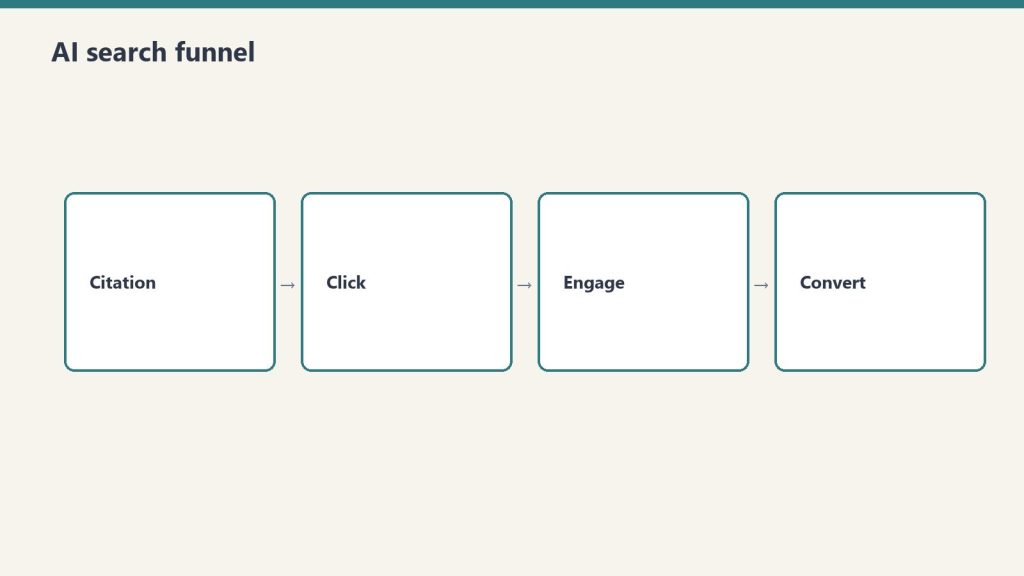
    Four-stage funnel: citation, click, engage, convert
    Why FAQPage schema matters for restoration.

    Restoration queries are intent-rich and question-heavy. “How long does water damage remediation take?” “What does a Category 2 water loss mean?” “Is mold remediation covered by homeowners insurance?” These are not informational queries — they are pre-decision queries from homeowners and property managers about to make a hiring decision.

    FAQPage schema makes your answers eligible for Google’s featured snippets and People Also Ask placements. When your answer appears in position zero for “how long does water damage restoration take,” you have captured the attention of a prospect who hasn’t clicked your competitors yet. The Restoration Niche Pack writes these FAQs around the actual questions your target customers ask — not generic SEO-filler questions.

    AI systems including ChatGPT, Claude, and Perplexity also preferentially cite structured, entity-rich content when answering user questions about restoration topics. A post that references IICRC S500, uses proper industry terminology, and includes a structured FAQ section is significantly more likely to appear in AI-generated answers than generic content covering the same topic.

    Pricing

    Package Posts Price
    Standard Pack 10 posts — entity injection + FAQPage schema $399
    Deep Pack 10 posts — entity injection + FAQPage + speakable + content expansion where thin $699

    Who This Is For

    Restoration companies with an existing WordPress site and at least 10 published posts who are ranking but not converting, or ranking page 2 for queries where page 1 competitors have entity-rich content. Also the right move after a taxonomy rebuild when your content foundation is clean and ready for entity-level optimization.

    The pack works best for companies that have invested in content volume but haven’t yet differentiated it from competitors — the dozens of restoration sites that all say “24/7 emergency water damage restoration” without the entity density that separates expert content from boilerplate.

    What the Pack Does Not Include

    The Restoration Niche Pack optimizes existing content — it does not write new posts. It does not include technical SEO audits, site speed optimization, or link building. It is specifically an entity injection and schema markup operation on your existing highest-traffic posts. If your site needs new content, the Fractional AI Content Infrastructure service covers the full content production stack.

    Get IICRC Entities and FAQPage Schema on Your Top 10 Posts

    Share your restoration site URL. We’ll identify your 10 best candidates and confirm the pack scope before you commit.

    → will@tygartmedia.com

    Email only. No commitment to reply. Turnaround quoted within 1 business day.

    Frequently Asked Questions

    Does this work for all restoration verticals (water, fire, mold, asbestos)?

    Yes — the entity set is adapted by vertical. Water damage posts get IICRC S500 and psychrometric references. Mold posts get EPA 402-K-02-003 and IICRC S520. Fire/smoke posts get IICRC S700. Asbestos posts get OSHA and EPA NESHAP references.

    Will this change the readability of my existing content?

    Entity injection is contextual — we add entities where they fit naturally, not as a keyword list. Most readers won’t notice the additions. What they’ll notice is that the content sounds more authoritative.

    Does the FAQ content get written fresh or pulled from existing content?

    For the Standard Pack, FAQs are written fresh based on the post topic and the questions your target audience actually searches. For posts that already have Q&A sections, we upgrade the existing questions and add schema rather than replacing them.

    How long does the Restoration Niche Pack take to complete?

    Standard Pack turnaround is 3–5 business days after site access is provided. Deep Pack turnaround is 5–7 business days. All work is done via WordPress REST API — no plugin installs or CMS access required beyond application password credentials.

    Do I need a specific SEO plugin for the schema to work?

    No plugin is required. Schema is injected as JSON-LD script blocks in post content, which is the method Google recommends and which works independently of Yoast, RankMath, or any other SEO plugin. If you have an SEO plugin, we check for conflicts before injection.

    Last updated: June 2026

  • Google Business Profile Optimization Sprint ($199)

    Google Business Profile Optimization Sprint ($199)

    Tygart Media / Content Strategy
    The Practitioner JournalField Notes
    By Will Tygart
    · Practitioner-grade
    · From the workbench

    What Is a GBP Optimization Sprint?
    A concentrated build-out of your Google Business Profile — the most underutilized local SEO asset most businesses have. Categories, services, attributes, description, weekly post schedule, photo strategy, and Q&A seeding configured correctly in one sprint. A fully optimized GBP improves local pack visibility, map rankings, and AI-generated local answer citations simultaneously.

    Most Google Business Profiles are 40% complete. One category selected. No services listed. No attributes configured. A description written in 2019. No posts in six months. No answered Q&A. This is common — and it’s a significant missed opportunity, because Google’s local pack algorithm weights GBP completeness directly.

    The GBP Optimization Sprint completes everything in one focused pass and sets up a sustainable weekly post cadence so the profile doesn’t go stale again.

    What the Sprint Covers

    • Category optimization — Primary and up to 9 secondary categories selected for maximum local pack coverage
    • Services listing — All services added with descriptions optimized for local search queries
    • Attribute configuration — All applicable attributes (payment methods, accessibility, certifications, amenities) enabled
    • Business description — 750-character keyword-rich description rewritten for local SEO
    • Q&A seeding — 5 high-value questions added and answered (reduces junk Q&A and signals completeness)
    • Photo strategy — Recommended photo types and naming convention for ongoing photo uploads
    • 4-week post calendar — First month of GBP posts written and scheduled (one per week)
    • NAP audit — Name, Address, Phone verification against your website and key directories

    Pricing

    Package Includes Price
    Sprint Full optimization, no posts $199
    Sprint + Posts Full optimization + 4-week post calendar written and scheduled $299
    Sprint + Posts + Schema Everything + LocalBusiness schema on your WordPress homepage $399

    Get Your Google Business Profile Fully Optimized

    Share your GBP URL (or business name and city) and your website URL. We’ll audit the current state and confirm scope within 1 business day.

    → will@tygartmedia.com

    Email only. No commitment to reply. Turnaround quoted within 1 business day.

    Frequently Asked Questions

    Do you need access to our Google Business Profile account?

    Yes — we need manager access to your GBP to make changes. You add us as a manager, we complete the sprint, and you remove access afterward if preferred.

    How quickly will GBP optimization improve local rankings?

    GBP changes are indexed quickly — most category and attribute updates reflect in local pack results within 1–2 weeks. Post activity and completeness improvements compound over 60–90 days.

    Does this work for service-area businesses without a storefront?

    Yes. Service-area businesses (no public address) are fully supported. We configure the service area correctly and hide the address per Google’s guidelines for SABs.


    Last updated: April 2026

  • Social Content Week: 5 Days of Platform-Native Posts

    Social Content Week: 5 Days of Platform-Native Posts

    What Is a Social Content Week?
    Five days of social media posts — one per day, per platform — written from your existing WordPress articles or raw ideas in the platform-native voice for LinkedIn, Facebook, and Google Business Profile. Delivered as Metricool drafts ready to schedule. The fastest way to go from “I should be posting more” to “I have a week of content queued.”

    The bottleneck for most business owners isn’t ideas — it’s the 20-minute reformatting tax every time you try to turn a blog post into a LinkedIn caption. Different platform, different voice, different length, different hook. Multiply that by 5 platforms and 5 days and you’ve spent half a workday on social media posts.

    The Social Content Week removes that tax. You share your existing articles (or just describe what you’ve been thinking about), we write the week’s posts in the right voice for each platform, and everything lands in your Metricool draft queue ready to schedule.

    What You Get

    • 5 LinkedIn posts — Professional, insight-forward, 150–300 words each. Written for personal profile or company page.
    • 5 Facebook posts — Human, local, conversational. 100–200 words with engagement hook.
    • 5 GBP posts — Service-focused, local SEO optimized, 150–200 words. Improves local search signals.
    • Metricool draft scheduling — All 15 posts loaded as drafts in your Metricool account with suggested timing
    • Platform voice notes — 1-page guide to your established voice on each platform for consistency going forward

    Pricing

    Package Platforms Price
    Single Platform LinkedIn only (5 posts) $199
    Dual Platform LinkedIn + Facebook (10 posts) $299
    Full Week LinkedIn + Facebook + GBP (15 posts) $399

    What We Need From You

    • 3–5 existing articles or topics you want to post about (links or summaries)
    • Your brand voice in 3 words (or examples of posts you like)
    • Metricool account access for draft loading
    • Whether posts are for personal profile or brand page

    Get a Week of Social Posts Written For You

    Share 3–5 article links or topics and tell us which platforms you need. We’ll deliver drafts in Metricool within 3 business days.

    → will@tygartmedia.com

    Email only. No commitment to reply. Turnaround quoted within 1 business day.

    Frequently Asked Questions

    Do I need a Metricool account?

    Metricool is how we deliver the posts into your draft queue. A free Metricool account works for basic scheduling. If you don’t have one, we can deliver posts as a Google Doc instead and you manually schedule them.

    Can posts be written for my personal brand instead of a company?

    Yes — and personal brand posts are actually where this works best. LinkedIn personal profile posts, Facebook personal page updates, and individual-voice content are the primary use case.

    What if I don’t have existing articles to draw from?

    You can give us topics, ideas, recent client situations, or things you’ve been thinking about — we’ll write original posts from those inputs. No existing content required.


    Last updated: April 2026