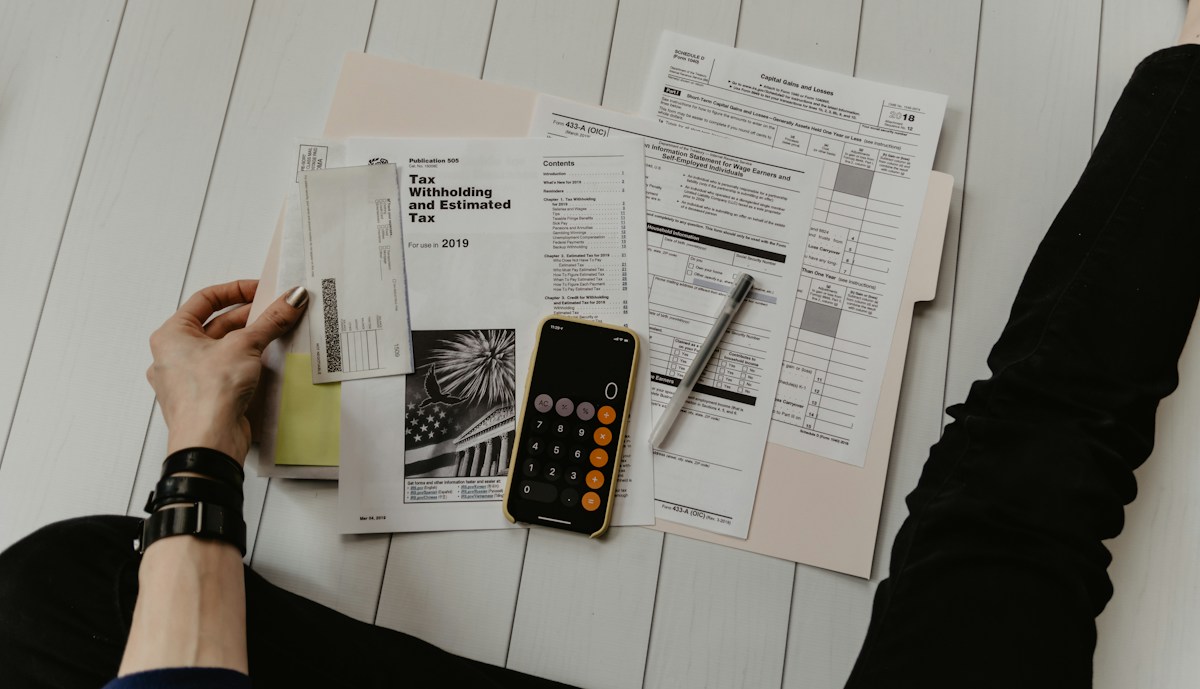
The state already holds the money. The person still has a name that may not match the old address. That gap is the product.
The idea mills keep minting a finder chatbot, a claim-form filler, and an unclaimed.ai. Three names. One object. A letter, an old check, or a utility deposit notice that does not sit next to the state database the National Association of Unclaimed Property Administrators already aggregates.
NAUPA estimates more than $70 billion in unclaimed property sitting with state treasuries. Roughly one in seven Americans has something waiting. States return more than $3 billion a year. Those numbers have been stable enough for years. What changed in 2026 is the infrastructure around them.
Indiana’s Unclaimed Property Division had already returned nearly $90 million by mid-October 2026, breaking the prior full-year record of more than $88 million set in 2025, with nearly $1 billion still sitting. Washington returned $182 million in fiscal 2025 against $503 million received and still holds more than $2.8 billion. Louisiana lists $1.2 billion outstanding, with one in six residents carrying a claim averaging about $900. The money is not theoretical. It is already on the books.
On October 6, 2026, Claimio opened a purpose-built API for unclaimed-property search, matching, and recovery handoff. The platform had already helped recover more than $8.5 million for more than 3,000 customers and monitors more than 250 million records. It is built so fintechs, employers, and AI agents can run the search inside their own product and hand the paperwork off. Performance-based. No upfront fee to the owner. That is the first real plumbing the mills have had for this category.
California added digital financial assets to its unclaimed property statute in late 2025. Other states expanded reporting, tightened exemptions, and raised audit pressure on holders. NAUPA is moving reporting formats toward XML in phases starting 2027. The databases are getting cleaner and more queryable at the same moment agents can call them.
The product is the join.
Do not build “AI for state treasuries” or “AI for finders.” Those slogans die in a demo. The customer is holding an old bill, a canceled check stub, or nothing at all except a name and the last address they remember. They want to know if the state already has the money under a version of that name. The product is the page that puts the name next to the hold.
Primitive one is photo-and-PDF review. The mills have been shipping receipt readers for months. Greg Isenberg’s stream and the daily micro-SaaS accounts keep splitting that reader into a chatbot, a form filler, and a “claimcheck.ai.” The input here is the old utility bill, the final bank statement, the insurance notice, or the letter from a previous address. Name in the header. Address on the stub. Account number if it survived. The model extracts the fields. The human never has to type them twice.
Primitive two is the public hold. Every state runs a free search. MissingMoney.com and the individual state portals already exist. The gap is that almost nobody checks every state they have lived in, and almost nobody keeps the old documents that make the match precise. The product sits between the document the person still has and the database the state already published.
The wedge is a free checker. Not a platform.
Paste the name and the last address you remember. Or upload the photo of the old bill. Thirty seconds later: match, possible match, or none. If it is none, you still captured a labeled name and address. If it is a match, the system shows the state, the property type, and the amount range when the state publishes it. You do not file yet. You see the hold.
That is the only honest first action. Zero risk. The stranger already has the name. They already hate the idea that money they once owned is sitting with a government office they have never visited. Thirty seconds is short enough that they will try it this week.
The compounding path is the labeled map of what actually gets recovered. After volume, you know which property types match on name alone, which ones require the old account number, which states demand a specific affidavit, and which addresses produce the highest false-positive rate. That map is not a third dashboard. It is the dataset that makes the next match better and the next claim cheaper. The mills will keep proposing a new .ai name for each state form. Ignore the names. Join the line. Keep the map.
Irreversible steps require a human signer. Filing the claim moves money. Some states ask for ID, proof of address, or a signed form. Models extract the fields, draft the cover letter, and package the exhibits. A person reviews and owns the send. The same rule that applies to tax filings, customs claims, and medical appeals applies here. Models draft. People own the send.
Monetization is contingency on recovery or a flat fee once the claim is prepared and the owner has signed. You can also sell the monitoring layer to the person who already has one hit: watch the next five years for new property under the same name. Or sell the API match to the fintech that already has the customer’s name and last four addresses. The free checker is the acquisition. The map is the moat.
The mills have already floated pieces of this. One post wants a refund radar for marketplace sellers. Another wants a Social Security clawback defense. A third wants an IRS nonfiler catch-up service. Useful pieces. Wrong cut if you leave them as separate products. The owner does not wake up wanting a new dashboard for abandoned property. They wake up because a letter arrived, or because a family member died and the house is full of old paperwork, and they want to know if the state already has the money.
Someone will own the labeled map of noticed versus held. The mills will keep proposing a new .ai name for each state portal. Ignore the names. Join the line. Keep the map.
Will Tygart — Tygart Media.
This is the idea-mill series.
Leave a Reply