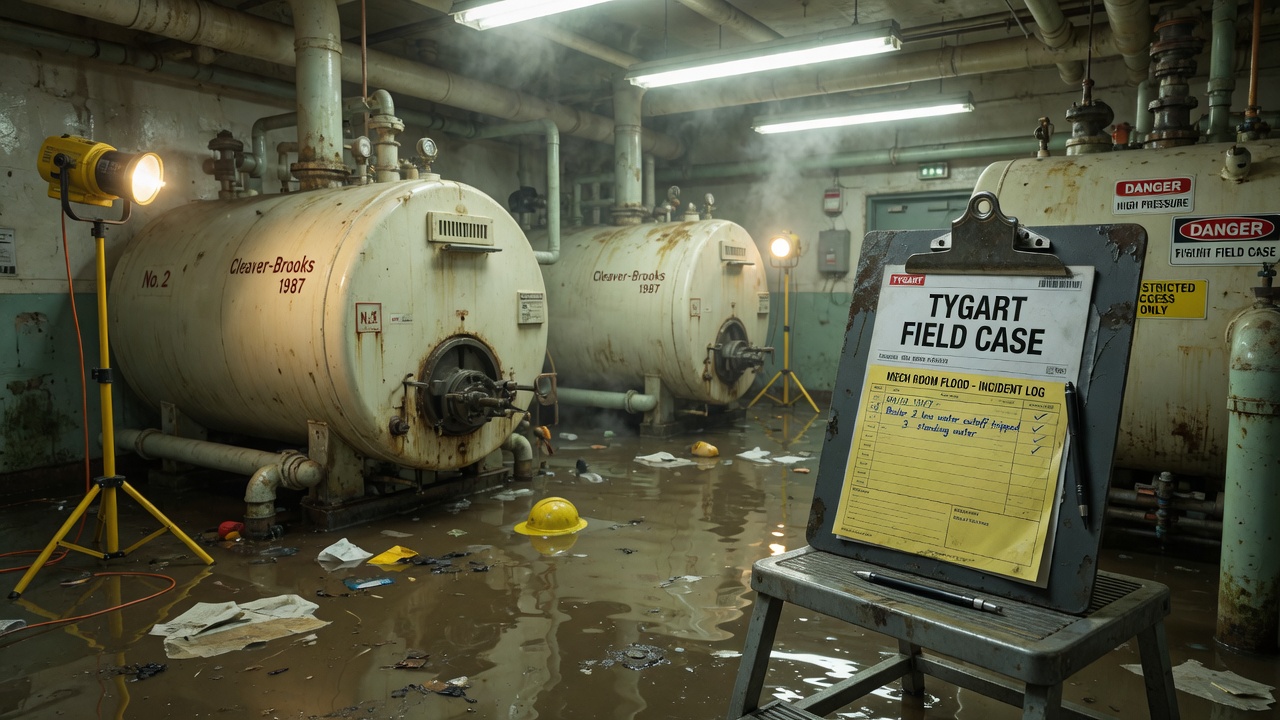
Tag: Water Damage Restoration

  • How to Write Restoration Content That Captures Insurance Claim Research Traffic

    How to Write Restoration Content That Captures Insurance Claim Research Traffic


    Tygart Media — Restoration Content Strategy

    How to Write Restoration Content That Captures Insurance Claim Research Traffic

    By Tygart Media Updated: April 12, 2026
    The insurance research funnel: A homeowner who has just filed a water damage claim spends days researching before making a second call. They search “will insurance pay for all of my water damage,” “what does RCV vs ACV mean on my claim,” “how does a public adjuster work,” and “what happens if the adjuster underpays my claim.” The restoration company whose content answers these questions during that research window earns trust before the supplement, before the scope dispute, and before the next job referral.

    Why Insurance Claim Content Is the Highest-Value Restoration Content Type

    Most restoration company blogs publish content about their services — what they do, how they do it, why they’re certified. This content attracts homeowners at the moment of crisis. But the homeowner who is three days into an insurance claim — already through the emergency phase, now navigating the adjuster, the scope, the depreciation schedule — is searching for information that almost no restoration company provides.

    That gap is a significant content opportunity. Insurance claim research content is longer in the research cycle, higher in trust-building value, and more likely to produce referral relationships with the homeowner’s network because the homeowner who felt educated and supported during a confusing claim process tells everyone about it.

    What insurance claim content should restoration companies publish on WordPress?
    Restoration companies should publish insurance claim content addressing the questions homeowners research after filing: RCV vs ACV coverage (replacement cost value vs actual cash value), the supplemental claim process for additional damage discovered during restoration, how Xactimate estimating software determines scope of work, what documentation IICRC S500-compliant drying reports provide to support claims, the difference between a staff adjuster and an independent adjuster, and when a public adjuster might be appropriate. This content addresses the high-intent research phase that separates trusted restoration contractors from generic vendors.

    The Five Insurance Claim Content Topics That Build Restoration Authority

    1. RCV vs ACV — What Your Policy Actually Covers

    Replacement Cost Value (RCV) vs Actual Cash Value (ACV) is the most-searched insurance term by homeowners with active water damage claims. An article explaining the difference — with specific examples of how depreciation is applied to flooring, drywall, and personal property — using precise insurance terminology (recoverable depreciation, holdback, recoverable vs non-recoverable depreciation) earns both Google entity signals and AI citation probability for high-intent insurance research queries.

    2. What Xactimate Means for Your Claim

    Xactimate is the industry-standard estimating software used by most insurance adjusters. Homeowners who have received an Xactimate estimate and don’t understand it search for explanations. A restoration company article explaining how Xactimate line items work, what “F9” notes mean, how equipment hours are documented, and why IICRC S500-compliant drying logs support the equipment line items on the estimate — this is high-value, low-competition content that no generic SEO agency for restoration companies is writing.

    3. The Supplemental Claim Process

    Supplemental claims — additional damage discovered after initial scope — are common in restoration and confusing to homeowners. An article explaining when supplemental claims are legitimate, how they’re documented, and what a restoration contractor’s role is in supporting the supplement creates authority at a point in the process where homeowners are especially uncertain and especially likely to trust a contractor who demonstrates knowledge.

    4. IICRC Documentation and What Adjusters Require

    Homeowners often don’t know that IICRC S500-compliant documentation — moisture maps, psychrometric logs, equipment placement records, drying verification reports — is what adjusters use to approve and validate restoration scopes. An article explaining this connection, written from a contractor’s perspective, signals E-E-A-T expertise and answers a question homeowners search but rarely find answered on a restoration company’s website.

    5. How to Read and Respond to an Adjuster’s Estimate

    This is the content homeowners search most during the claims process, and the content that produces the most direct calls to a restoration contractor who has earned trust through the article. Explaining what line items are commonly missed, what depreciation is recoverable, and how a contractor’s scope compares to an adjuster’s estimate positions the restoration company as a knowledgeable advocate — not just a vendor.

    Insurance claim entity injection — Xactimate, RCV/ACV, IICRC documentation references — is part of the GEO layer in WordPress content optimization for restoration companies through SiteBoost. Applied to existing articles without changing factual content.

    Frequently Asked Questions

    Is writing about insurance claims appropriate for restoration companies?

    Yes, from an educational and informational perspective. Restoration contractors regularly interface with insurance claims as part of their work and have genuine expertise about the documentation, process, and standards involved. Educational content explaining how claims work from a contractor’s perspective — not as legal or insurance advice, but as informed industry guidance — is appropriate, valuable, and builds the kind of E-E-A-T authority that both Google and homeowners respect. Content should always disclaim that it is educational and not legal or insurance advice.

    What insurance entities should restoration content reference?

    High-value insurance entities for restoration content include: Xactimate (Verisk’s estimating platform used by most adjusters), RCV and ACV (defined insurance coverage types), IICRC S500 documentation standards as claim support material, the National Flood Insurance Program (NFIP) for flood-specific claims, and independent adjuster vs staff adjuster distinction. These named entities signal that the content reflects genuine contractor knowledge of the insurance claim process rather than generic homeowner advice.

    How does insurance claim content build restoration company referrals?

    Homeowners who feel educated and supported during a confusing insurance claim process are significantly more likely to refer the contractor who helped them understand it. Insurance claim research content creates touchpoints during the high-anxiety research phase — when the homeowner is most receptive to trusting a knowledgeable contractor — and positions the restoration company as an advocate rather than a vendor. This trust translates into referrals to neighbors, family members, and property managers who experience future water damage.

    Sources: Blueprint Digital, “Water Damage Restoration SEO” (2026); Xactimate documentation (Verisk Analytics); IICRC S500 Standard for Professional Water Damage Restoration; Whitespark Local Search Ranking Factors Study (2025)
  • SiteBoost for Restoration Companies: WordPress SEO, AEO & AI Optimization for Water Damage Contractors

    SiteBoost for Restoration Companies: WordPress SEO, AEO & AI Optimization for Water Damage Contractors

    SiteBoost — Vertical Series

    SiteBoost for Restoration Companies: WordPress SEO, AEO & AI Optimization for Water Damage Contractors

    By Tygart Media — This page is built using the same SEO, AEO, and GEO techniques applied through SiteBoost. The optimization you see here — entity density, schema, FAQ structure, speakable blocks — is exactly what the service delivers.

    Restoration Company WordPress Optimization: The process of applying SEO (Search Engine Optimization), AEO (Answer Engine Optimization), and GEO (Generative Engine Optimization) to a water damage or disaster restoration contractor’s WordPress articles — improving title tags, FAQ sections, IICRC entity injection, schema markup, and AI citation signals so the contractor ranks in Google, wins insurance-related People Also Ask placements, and gets cited by AI search systems when homeowners and adjusters ask about water damage remediation, mold removal, or fire restoration.

    The Restoration SEO Reality: Highest CPC in Home Services, Lowest Content Quality

    Water damage and flood restoration commands the highest cost-per-click in the entire home services category. Homeowners searching for emergency restoration services are in crisis — they click, and they hire. That makes restoration keywords extremely valuable to Google advertisers. Yet most restoration company WordPress sites are full of thin, unoptimized articles that leave enormous organic opportunity untouched.

    Why is the water damage restoration industry’s CPC the highest in home services?
    Water damage restoration has the highest CPC in the home services category because of three compounding factors: emergency urgency (homeowners need help within hours, not days), high average job value ($3,000–$15,000+ per project), and insurance-driven billing (restoration companies often bill insurance carriers directly, increasing the lifetime value of each job). These factors make every qualified click worth significant revenue, driving advertisers to bid aggressively on terms like “water damage restoration near me” and “emergency flood cleanup.”

    Real Data: The Gap Between Servpro and Your Site

    SpyFu domain intelligence shows the organic gap between category leaders and typical independent restoration contractors — publicly available data that illustrates why optimization depth matters:

    Domain Organic Keywords Monthly Clicks SEO Value/Mo Domain Strength
    servpro.com 178,900 151,700 $5,825,000 62
    Typical NYC Contractor 1,006 384 $31,220 41
    Typical Houston Contractor 202 20 $14,840 38
    Typical indie contractor <200 <50 <$10,000 25–35

    Source: SpyFu domain stats, February 2026.

    Servpro’s organic value of $5.8M/month is built on systematic content optimization at scale — not domain authority alone. Their strength score (62) is only moderately higher than independent restoration contractors (38–41). The gap is content depth, schema coverage, and FAQ saturation. That’s exactly what SiteBoost closes.

    Real Before & After: Restoration Company WordPress Article

    Here is a hypothetical demonstration of what SiteBoost applies to a typical restoration company article — illustrating exactly what happens to every post in the pilot:

    Before SiteBoost (Real Post)
    Title: “From Blueprint to Reality: Navigating the Construction Process with Ease”

    Meta description: Generic excerpt, 210 characters — too long, no keyword

    Word count: ~750 words

    FAQ section: None

    Schema: Article JSON-LD only (no FAQPage)

    Structure: 5 H2 sections, no direct-answer formatting

    AI visibility: Zero speakable blocks, no construction entity injection

    After SiteBoost (Same Article)
    Title: Optimized with primary keyword front-loaded

    Meta description: 155 chars — keyword + value proposition + CTA

    Word count: ~950 words (definition box + FAQ added)

    FAQ section: 7 questions — “What permits are required?”, “How long does the planning phase take?”, “How do I manage unexpected costs?” — all targeting PAA

    Schema: FAQPage JSON-LD injected alongside existing Article schema

    Structure: Definition box + direct-answer H2 intros added

    AI visibility: Speakable content targets: what is the construction process, how to manage contractor timeline

    What Makes Restoration Content Different: IICRC Entities & Insurance Language

    Restoration company content has a specific entity set that signals authority to both Google and AI systems. Most restoration WordPress blogs mention “water damage” repeatedly but miss the named entities that establish expertise:

    What IICRC entities should restoration company WordPress content reference?
    Restoration company content optimized for AI citation and Google E-E-A-T should reference the Institute of Inspection, Cleaning and Restoration Certification (IICRC), specific IICRC standards (S500 Standard for Professional Water Damage Restoration, S520 Standard for Professional Mold Remediation, S770 Standard for Professional Fire and Smoke Damage Restoration), restoration equipment categories (desiccant dehumidifiers, air movers, hydroxyl generators, thermal imaging cameras), and insurance-specific terminology (RCV — Replacement Cost Value, ACV — Actual Cash Value, scope of loss, supplemental claims, Xactimate estimating software). This entity density signals domain expertise to both Google’s quality evaluators and AI search systems.

    The Insurance Adjuster Search Opportunity

    Restoration companies have two audiences searching for them: homeowners in crisis, and insurance adjusters researching restoration standards and protocols. Adjuster-facing content — articles about IICRC S500 compliance, Xactimate line items, scope of loss documentation, and RCV vs. ACV billing — is almost completely absent from most restoration WordPress sites. This represents an untapped GEO opportunity: when an adjuster or TPA (Third Party Administrator) asks ChatGPT about restoration billing standards, your content could be the source cited.

    Search Intent Example Query Content Type Needed Optimization Layer
    Emergency homeowner “water damage restoration near me” Service pages + local content SEO + Local schema
    Research homeowner “how long does water damage restoration take” FAQ-rich blog posts AEO + FAQPage schema
    Insurance-aware homeowner “will insurance cover mold remediation” Insurance guide articles AEO + GEO
    Insurance adjuster “IICRC S500 water damage standard” Technical authority content GEO + entity injection
    AI search user “what is the restoration process for category 3 water damage” Structured speakable content GEO + speakable blocks

    SiteBoost Pilot for Restoration Companies: What You Get

    Deliverable Details
    Site Connection & Audit WordPress REST API connection, content inventory, IICRC entity gap analysis, insurance terminology gap report, Before Baseline
    10 Post Optimizations Full SEO + AEO + GEO on 10 highest-opportunity restoration articles — including IICRC entity injection, insurance terminology, and speakable blocks
    60-Day Impact Report Baseline vs. 60-day comparison: rankings, PAA appearances, AI citation visibility, traffic delta
    Restoration expertise SiteBoost is purpose-built for restoration contractors. Our team understands IICRC standards, Xactimate, insurance billing, and the specific content gaps that hold restoration sites back.
    Price $597 pilot — $767 value

    Interested in the SiteBoost Pilot for Your Restoration Site?

    We onboard sites personally. Email Will with your site URL and he’ll follow up within one business day.

    Email Will — Start the Pilot

    Email only. No sales call required. No commitment to reply.

    Frequently Asked Questions: SiteBoost for Restoration Companies

    Do you understand restoration industry terminology well enough to write about it?

    Yes — and this is our core advantage over general SEO agencies. SiteBoost is built by a team with deep restoration industry knowledge. We understand IICRC standards (S500, S520, S770), Xactimate estimating, RCV/ACV billing, category and class water damage classifications, psychrometric calculations, and the insurance claim process from the contractor’s perspective. Our GEO layer injects these terms specifically because they’re the entities that establish authority with both Google’s quality evaluators and AI systems.

    Can SiteBoost help us rank for emergency water damage keywords in our local market?

    SiteBoost optimizes your existing blog content — not your service pages or Google Business Profile. However, content authority signals from your blog directly reinforce your local pack and GBP rankings. Articles that rank for “how long does water extraction take” or “what does water damage restoration cost” build topical authority that helps your service pages rank for “water damage restoration [city]” — the high-intent emergency terms that drive calls.

    What restoration-specific schema markup does SiteBoost inject?

    For restoration company articles, SiteBoost injects: FAQPage schema (targeting insurance and process questions), Article schema with LocalBusiness publisher markup, HowTo schema for process-oriented content (e.g., “How to document water damage for an insurance claim”), and Service schema referencing specific restoration categories (water damage, mold remediation, fire restoration). All schema is valid JSON-LD injected directly into the post via WordPress REST API.

    How does AI optimization help restoration companies specifically?

    When a homeowner asks ChatGPT “what should I do after a pipe bursts?” or asks Perplexity “does insurance cover water damage from a leaking roof?” — the AI pulls from the most structured, entity-rich, authoritative content it can find. Restoration companies that have IICRC references, insurance terminology, and speakable answer blocks in their WordPress articles are far more likely to be cited. SiteBoost’s GEO layer builds exactly this citation infrastructure into your existing content.

    We use a restoration CRM and job management software. Will SiteBoost interfere?

    No. SiteBoost operates exclusively on WordPress post content via the REST API. It has zero interaction with ServiceTitan, Restoration Manager, Encircle, Xactimate, or any other CRM or job management system. The WordPress Application Password we use is scoped to content editing only — it cannot access any other systems, plugins, or third-party integrations on your site.

    We’re IICRC-certified. Can SiteBoost reflect that in our content?

    Yes — and it’s one of the most important GEO signals we inject. IICRC certification is a named credential that Google’s E-E-A-T framework specifically rewards for restoration content. We inject IICRC references, specific certification levels (WRT, ASD, AMRT, FSRT), and standard citations throughout your articles. This signals expertise to both Google and AI systems evaluating whether to cite your content as authoritative.

  • Crawl Space Humidity Monitor: Best Devices and Where to Place Them

    Crawl Space Humidity Monitor: Best Devices and Where to Place Them

    The Distillery
    — Brew № 2 · Crawl Space

    A humidity monitor in the crawl space is the only way to know whether your encapsulation system is actually working — or whether your unencapsulated crawl space is developing a moisture problem that has not yet become visible. A $25 digital hygrometer that logs data over time is more informative than any visual inspection, and for an encapsulated crawl space, it is the critical verification tool that confirms the system is performing to specification. This guide covers device selection, placement, and interpretation of readings.

    What to Look for in a Crawl Space Humidity Monitor

    Data Logging Capability

    A single-point humidity reading tells you what the humidity is right now. A data logger records humidity over time — 30, 60, 90 days of hourly readings — revealing the full seasonal pattern, daily cycles, and whether the system is maintaining target humidity consistently or just during the times you happen to check. For encapsulated crawl space performance verification, data logging is essential. For unencapsulated crawl spaces being assessed for moisture problems, data logging distinguishes condensation (peaks correlate with summer humidity periods) from liquid water intrusion (peaks correlate with rain events).

    Temperature Range

    Crawl spaces in cold climates can drop below 32°F in winter. The monitor must be rated for the temperature range it will experience. Most consumer hygrometers are rated to 32°F minimum — adequate for most crawl spaces. For very cold climates (Minnesota, Wisconsin, Maine), look for units rated to 14°F or below.

    Wireless or Wired Display

    For ongoing monitoring, a wireless display system that shows current conditions in the living space — without requiring a crawl space visit — is more practical. Sensor in the crawl space, display on a kitchen counter. Some systems connect to smartphone apps for remote monitoring and alerts. For a one-time assessment, a standalone data-logging sensor that stores readings for download is sufficient.

    Recommended Device Types

    • Govee, Inkbird, or SensorPush Bluetooth/WiFi hygrometers ($15–$45): Smartphone-connected sensors that log data and send alerts when humidity exceeds setpoints. Govee H5075 and similar models record 20+ days of readings downloadable via app. Most appropriate for ongoing encapsulation performance monitoring.
    • Onset HOBO MX1101 ($75–$110): The standard for building science field measurement — research-grade accuracy, 1-year battery, Bluetooth download, temperature rated to -4°F. Used by building scientists and weatherization contractors for definitive assessments. Overkill for most homeowners but appropriate for high-stakes assessments.
    • ThermoPro TP49, AcuRite 00613, or similar basic hygrometers ($12–$20): Basic temperature and humidity display without data logging. Useful for quick spot checks and for leaving in place and checking periodically, but cannot reveal the full pattern of humidity variation over time.
    • Inkbird IBS-TH2 with USB download ($18–$25): A good middle ground — data logging, 30 days of storage, Bluetooth download. Very small form factor for placement in confined spaces.

    Where to Place the Monitor

    • Primary placement: Center of the crawl space at breathing-zone height (12–24 inches above the floor, hung from a floor joist) — this represents the ambient crawl space air, not the conditions immediately adjacent to the foundation walls or floor surface.
    • Near-wall placement (secondary): For diagnosis of whether block walls are contributing moisture: place a second sensor within 6″ of the foundation wall face. Consistently higher readings near the wall vs. the center indicate wall moisture contribution.
    • Near HVAC equipment (if present): A sensor near the air handler confirms whether the equipment location is experiencing extreme humidity that would accelerate corrosion.
    • Away from: Drainage pipes that might drip, direct soil contact (the sensor should be suspended in air, not resting on the ground), supply duct outlets (which would produce artificially low readings if the sensor is in the path of conditioned air), and direct sunlight if any windows or vents allow it.

    Interpreting Readings

    • Below 50% RH: Excellent. Encapsulation system is performing well. Mold growth is not supported. Retest in 2 years.
    • 50–60% RH: Good. Within acceptable range. Monitor seasonal variation — if summer peaks exceed 65%, consider dehumidifier setpoint adjustment or capacity increase.
    • 60–70% RH: Elevated but not critical. Mold can initiate above 60–70% with sustained exposure. Investigate whether dehumidifier is undersized, setpoint is too high, or new moisture sources have developed (new crack, sump pump failure, foundation change).
    • Above 70% RH: Active mold risk. For encapsulated spaces: system is not performing adequately — investigate causes. For unencapsulated spaces: moisture problem present that warrants assessment and remediation.
    • Readings that spike with rain events: Bulk water intrusion is contributing to crawl space humidity. The pattern — RH jumps 15–20 points within 24–48 hours of significant rain — is diagnostic for liquid water entry, not just vapor diffusion.
    • Readings that peak in summer regardless of rain: Condensation from humid outdoor air is the primary mechanism. This is the pattern that indicates an unencapsulated vented crawl space in a humid climate is generating condensation on structural surfaces.

    Frequently Asked Questions

    What is a good humidity level for a crawl space?

    Below 60% relative humidity is the standard target for crawl spaces — this level prevents mold growth and keeps wood moisture content below decay thresholds. Below 50% is the ideal target for a sealed, dehumidified crawl space. Above 70% indicates conditions that actively support mold growth and wood deterioration and require investigation and remediation.

    How do I check the humidity in my crawl space?

    Place a digital hygrometer (available for $15–$45) in the center of the crawl space suspended at 12–24″ above the floor level. A data-logging model that records readings over time is more informative than a single-point reading — leave it in place for at least 2–4 weeks to capture daily cycles and weather-related variation. Bluetooth models allow checking readings via smartphone without entering the crawl space.

    How often should I check my crawl space humidity?

    For an encapsulated crawl space with a functioning dehumidifier: a 30-day data log review twice per year (once in summer at peak humidity, once in winter) is sufficient for most homeowners. For an unencapsulated crawl space being monitored for developing moisture problems: monthly review of data logs in summer, less frequent in winter. If a data-logging device with smartphone alerts is installed, it provides continuous passive monitoring with notifications when readings exceed setpoints.


  • Water Damage Mold Growth Drywall — Water Damage Restoration Visual

    Water Damage Mold Growth Drywall — Water Damage Restoration Visual

    {“@context”: “https://schema.org”, “@type”: “Article”, “headline”: “Water Damage Mold Growth Drywall u2014 Water Damage Restoration Visual”, “url”: “https://tygartmedia.com/water-damage-mold-growth-drywall/”, “datePublished”: “2026-04-04T01:36:02”, “dateModified”: “2026-04-04T01:36:02”, “author”: {“@type”: “Person”, “name”: “Will Tygart”}, “publisher”: {“@type”: “Organization”, “name”: “Tygart Media”, “url”: “https://tygartmedia.com”}, “mainEntityOfPage”: {“@type”: “WebPage”, “@id”: “https://tygartmedia.com/water-damage-mold-growth-drywall/”}}{“@context”: “https://schema.org”, “@type”: “BreadcrumbList”, “itemListElement”: [{“@type”: “ListItem”, “position”: 1, “name”: “Home”, “item”: “https://tygartmedia.com”}, {“@type”: “ListItem”, “position”: 2, “name”: “Water Damage Mold Growth Drywall u2014 Water Damage Restoration Visual”, “item”: “https://tygartmedia.com/water-damage-mold-growth-drywall/”}]}

    About This Image

    This image is part of the Water Damage Restoration collection in the Tygart Media visual library. Every image produced by Tygart Media is AI-generated using Google Vertex AI (Imagen), converted to WebP format, and injected with full IPTC/XMP metadata before publication.

    Technical Details

    • Format: WEBP
    • Collection: Water Damage Restoration
    • Media ID: 448
    • Pipeline: Vertex AI Imagen → WebP → IPTC/XMP → WordPress

    Image Licensing

    All images in the Tygart Media visual library are produced in-house using AI image generation and are owned by Tygart Media.

  • Water Damage Restoration Crew Extraction — Water Damage Restoration Visual

    Water Damage Restoration Crew Extraction — Water Damage Restoration Visual

    {“@context”: “https://schema.org”, “@type”: “Article”, “headline”: “Water Damage Restoration Crew Extraction u2014 Water Damage Restoration Visual”, “url”: “https://tygartmedia.com/water-damage-restoration-crew-extraction/”, “datePublished”: “2026-04-04T01:36:00”, “dateModified”: “2026-04-04T01:36:00”, “author”: {“@type”: “Person”, “name”: “Will Tygart”}, “publisher”: {“@type”: “Organization”, “name”: “Tygart Media”, “url”: “https://tygartmedia.com”}, “mainEntityOfPage”: {“@type”: “WebPage”, “@id”: “https://tygartmedia.com/water-damage-restoration-crew-extraction/”}}{“@context”: “https://schema.org”, “@type”: “BreadcrumbList”, “itemListElement”: [{“@type”: “ListItem”, “position”: 1, “name”: “Home”, “item”: “https://tygartmedia.com”}, {“@type”: “ListItem”, “position”: 2, “name”: “Water Damage Restoration Crew Extraction u2014 Water Damage Restoration Visual”, “item”: “https://tygartmedia.com/water-damage-restoration-crew-extraction/”}]}

    About This Image

    This image is part of the Water Damage Restoration collection in the Tygart Media visual library. Every image produced by Tygart Media is AI-generated using Google Vertex AI (Imagen), converted to WebP format, and injected with full IPTC/XMP metadata before publication.

    Technical Details

    • Format: WEBP
    • Collection: Water Damage Restoration
    • Media ID: 447
    • Pipeline: Vertex AI Imagen → WebP → IPTC/XMP → WordPress

    Image Licensing

    All images in the Tygart Media visual library are produced in-house using AI image generation and are owned by Tygart Media.

  • Ceiling Water Damage Stain — Water Damage Restoration Visual

    Ceiling Water Damage Stain — Water Damage Restoration Visual

    {“@context”: “https://schema.org”, “@type”: “Article”, “headline”: “Ceiling Water Damage Stain u2014 Water Damage Restoration Visual”, “url”: “https://tygartmedia.com/ceiling-water-damage-stain/”, “datePublished”: “2026-04-04T01:35:58”, “dateModified”: “2026-04-04T01:35:58”, “author”: {“@type”: “Person”, “name”: “Will Tygart”}, “publisher”: {“@type”: “Organization”, “name”: “Tygart Media”, “url”: “https://tygartmedia.com”}, “mainEntityOfPage”: {“@type”: “WebPage”, “@id”: “https://tygartmedia.com/ceiling-water-damage-stain/”}}{“@context”: “https://schema.org”, “@type”: “BreadcrumbList”, “itemListElement”: [{“@type”: “ListItem”, “position”: 1, “name”: “Home”, “item”: “https://tygartmedia.com”}, {“@type”: “ListItem”, “position”: 2, “name”: “Ceiling Water Damage Stain u2014 Water Damage Restoration Visual”, “item”: “https://tygartmedia.com/ceiling-water-damage-stain/”}]}

    About This Image

    This image is part of the Water Damage Restoration collection in the Tygart Media visual library. Every image produced by Tygart Media is AI-generated using Google Vertex AI (Imagen), converted to WebP format, and injected with full IPTC/XMP metadata before publication.

    Technical Details

    • Format: WEBP
    • Collection: Water Damage Restoration
    • Media ID: 446
    • Pipeline: Vertex AI Imagen → WebP → IPTC/XMP → WordPress

    Image Licensing

    All images in the Tygart Media visual library are produced in-house using AI image generation and are owned by Tygart Media.

  • Flooded Basement Water Damage — Water Damage Restoration Visual

    Flooded Basement Water Damage — Water Damage Restoration Visual

    {“@context”: “https://schema.org”, “@type”: “Article”, “headline”: “Flooded Basement Water Damage u2014 Water Damage Restoration Visual”, “url”: “https://tygartmedia.com/flooded-basement-water-damage/”, “datePublished”: “2026-04-04T01:35:57”, “dateModified”: “2026-04-04T01:35:57”, “author”: {“@type”: “Person”, “name”: “Will Tygart”}, “publisher”: {“@type”: “Organization”, “name”: “Tygart Media”, “url”: “https://tygartmedia.com”}, “mainEntityOfPage”: {“@type”: “WebPage”, “@id”: “https://tygartmedia.com/flooded-basement-water-damage/”}}{“@context”: “https://schema.org”, “@type”: “BreadcrumbList”, “itemListElement”: [{“@type”: “ListItem”, “position”: 1, “name”: “Home”, “item”: “https://tygartmedia.com”}, {“@type”: “ListItem”, “position”: 2, “name”: “Flooded Basement Water Damage u2014 Water Damage Restoration Visual”, “item”: “https://tygartmedia.com/flooded-basement-water-damage/”}]}

    About This Image

    This image is part of the Water Damage Restoration collection in the Tygart Media visual library. Every image produced by Tygart Media is AI-generated using Google Vertex AI (Imagen), converted to WebP format, and injected with full IPTC/XMP metadata before publication.

    Technical Details

    • Format: WEBP
    • Collection: Water Damage Restoration
    • Media ID: 445
    • Pipeline: Vertex AI Imagen → WebP → IPTC/XMP → WordPress

    Image Licensing

    All images in the Tygart Media visual library are produced in-house using AI image generation and are owned by Tygart Media.