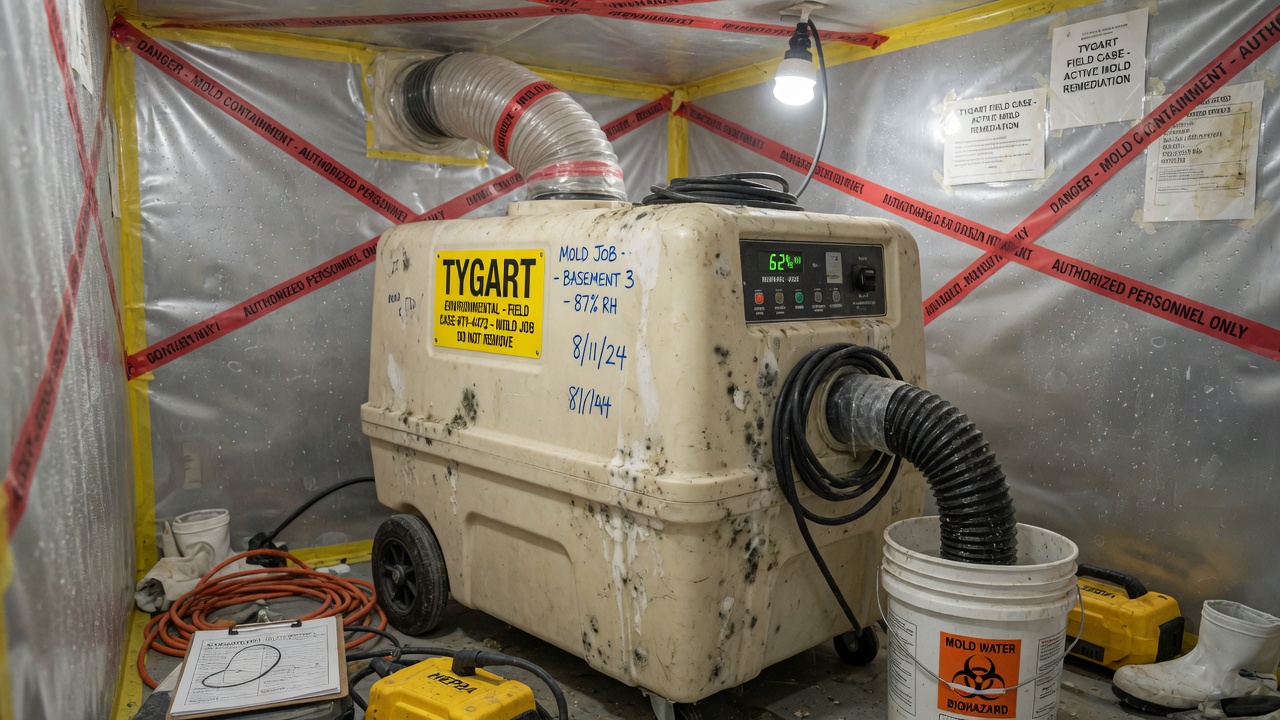
Tag: Restoration SEO

  • Restoration Niche Pack: IICRC Entity Injection and FAQPage Schema for Restoration Contractors

    Restoration Niche Pack: IICRC Entity Injection and FAQPage Schema for Restoration Contractors

    What Is the Restoration Niche Pack?
    A targeted optimization pass on your 10 highest-traffic restoration posts — injecting IICRC standards references, RIA industry entity signals, EPA mold guidelines, and OSHA citations throughout your content, then adding FAQPage JSON-LD schema on every post. The result: your content reads (and ranks) like it was written by someone who actually knows restoration, not a generic SEO copywriter.

    Why Generic Restoration Content Fails

    Generic restoration content has a tell: it mentions “water damage” and “mold remediation” without ever referencing the IICRC S500 standard, the Restoration Industry Association (RIA), Class 3 water losses, psychrometric calculations, or EPA 402-K-02-003. Google and AI systems both recognize entity-rich industry content as more authoritative than keyword-stuffed generic copy — and so do adjusters and property managers reading it.

    The search engines and AI systems that increasingly control discovery have trained on authoritative industry sources. When your content references the same entities those sources use — IICRC standards, RIA guidelines, ANSI/IICRC S520, EPA remediation thresholds — it reads as part of the same knowledge graph. When it doesn’t, it reads as filler.

    The Restoration Niche Pack injects the named entities that separate expert content from generic content — then adds FAQPage schema so your posts are eligible for the featured snippet placements that restoration queries are increasingly winning.

    What the Pack Covers (Per Post)

    • IICRC entity injection — Relevant standards (S500, S520, S540, S600) referenced naturally within content based on post topic
    • RIA references — Restoration Industry Association signals where applicable
    • EPA citations — Mold remediation guidelines (EPA 402-K-02-003) and relevant environmental standards
    • OSHA references — Worker safety standards for applicable content (asbestos, mold, confined space)
    • Local entity reinforcement — Service area, local licensing bodies, and regional climate/building context
    • FAQPage section + JSON-LD — 5–6 Q&As covering the questions adjusters, homeowners, and property managers actually ask
    • Speakable schema — Key paragraphs marked for voice search and AI synthesis

    The Entity Stack by Restoration Vertical

    Entity injection is not one-size-fits-all. Each restoration vertical has its own authoritative standards body, regulatory framework, and industry terminology. Here is what gets injected by vertical:

    Water Damage

    The IICRC S500 Standard for Professional Water Damage Restoration is the primary reference — specifically its water damage classification system (Class 1 through Class 4) and contamination categories (Category 1, 2, and 3 water). Content references psychrometric principles, evaporation rates, grain depression calculations, and the role of LGR (Low Grain Refrigerant) dehumidifiers. The Restoration Industry Association (RIA) is cited as the industry advocacy body.

    Mold Remediation

    The IICRC S520 Standard for Professional Mold Remediation provides the remediation protocol framework. EPA 402-K-02-003 (the EPA Mold Remediation in Schools and Commercial Buildings guide) is cited for regulatory context. Content references containment protocols, HEPA air filtration, negative air pressure chambers, and post-remediation verification testing requirements.

    Fire and Smoke Damage

    The IICRC S700 Standard for Professional Fire and Smoke Damage Restoration is the primary standard. Content references smoke residue types (wet, dry, protein, fuel oil), pH-balanced cleaning chemistry, and deodorization protocols including thermal fogging and hydroxyl generation.

    Asbestos and Environmental

    OSHA 29 CFR 1926.1101 governs asbestos work in construction. EPA NESHAP (National Emission Standards for Hazardous Air Pollutants) regulations apply to demolition and renovation work. Content references proper notification procedures, air monitoring, and disposal requirements under applicable state regulations.

    Why FAQPage Schema Matters for Restoration

    Restoration queries are intent-rich and question-heavy. “How long does water damage remediation take?” “What does a Category 2 water loss mean?” “Is mold remediation covered by homeowners insurance?” These are not informational queries — they are pre-decision queries from homeowners and property managers about to make a hiring decision.

    FAQPage schema makes your answers eligible for Google’s featured snippets and People Also Ask placements. When your answer appears in position zero for “how long does water damage restoration take,” you have captured the attention of a prospect who hasn’t clicked your competitors yet. The Restoration Niche Pack writes these FAQs around the actual questions your target customers ask — not generic SEO-filler questions.

    AI systems including ChatGPT, Claude, and Perplexity also preferentially cite structured, entity-rich content when answering user questions about restoration topics. A post that references IICRC S500, uses proper industry terminology, and includes a structured FAQ section is significantly more likely to appear in AI-generated answers than generic content covering the same topic.

    Pricing

    Package Posts Price
    Standard Pack 10 posts — entity injection + FAQPage schema $399
    Deep Pack 10 posts — entity injection + FAQPage + speakable + content expansion where thin $699

    Who This Is For

    Restoration companies with an existing WordPress site and at least 10 published posts who are ranking but not converting, or ranking page 2 for queries where page 1 competitors have entity-rich content. Also the right move after a taxonomy rebuild when your content foundation is clean and ready for entity-level optimization.

    The pack works best for companies that have invested in content volume but haven’t yet differentiated it from competitors — the dozens of restoration sites that all say “24/7 emergency water damage restoration” without the entity density that separates expert content from boilerplate.

    What the Pack Does Not Include

    The Restoration Niche Pack optimizes existing content — it does not write new posts. It does not include technical SEO audits, site speed optimization, or link building. It is specifically an entity injection and schema markup operation on your existing highest-traffic posts. If your site needs new content, the Fractional AI Content Infrastructure service covers the full content production stack.

    Get IICRC Entities and FAQPage Schema on Your Top 10 Posts

    Share your restoration site URL. We’ll identify your 10 best candidates and confirm the pack scope before you commit.

    will@tygartmedia.com

    Email only. No commitment to reply. Turnaround quoted within 1 business day.

    Frequently Asked Questions

    Does this work for all restoration verticals (water, fire, mold, asbestos)?

    Yes — the entity set is adapted by vertical. Water damage posts get IICRC S500 and psychrometric references. Mold posts get EPA 402-K-02-003 and IICRC S520. Fire/smoke posts get IICRC S700. Asbestos posts get OSHA and EPA NESHAP references.

    Will this change the readability of my existing content?

    Entity injection is contextual — we add entities where they fit naturally, not as a keyword list. Most readers won’t notice the additions. What they’ll notice is that the content sounds more authoritative.

    Does the FAQ content get written fresh or pulled from existing content?

    For the Standard Pack, FAQs are written fresh based on the post topic and the questions your target audience actually searches. For posts that already have Q&A sections, we upgrade the existing questions and add schema rather than replacing them.

    How long does the Restoration Niche Pack take to complete?

    Standard Pack turnaround is 3–5 business days after site access is provided. Deep Pack turnaround is 5–7 business days. All work is done via WordPress REST API — no plugin installs or CMS access required beyond application password credentials.

    Do I need a specific SEO plugin for the schema to work?

    No plugin is required. Schema is injected as JSON-LD script blocks in post content, which is the method Google recommends and which works independently of Yoast, RankMath, or any other SEO plugin. If you have an SEO plugin, we check for conflicts before injection.


    Last updated: June 2026

  • Local SEO for Restoration Companies: The Content Strategy That Beats the Big Aggregators

    Local SEO for Restoration Companies: The Content Strategy That Beats the Big Aggregators


    Tygart Media — Restoration Content Strategy

    Local SEO for Restoration Companies: The Content Strategy That Beats the Big Aggregators

    By Tygart Media Updated: April 12, 2026
    The aggregator problem: HomeAdvisor, Angi, Thumbtack, and Yelp dominate generic restoration searches — “water damage restoration near me,” “restoration company [city].” These platforms have domain authority that independent contractors cannot match on generic terms. The content strategy that beats them is the same one that beats Zillow in real estate: hyper-local content that aggregators cannot replicate because they don’t know your market the way you do.

    Why Aggregators Can’t Own the Local Queries That Convert Best

    Aggregator platforms rank for generic, high-volume terms. They cannot rank for hyper-local, service-specific queries that require genuine local knowledge. “Water damage restoration companies near me” — HomeAdvisor wins that. “What to do if my basement floods in [specific neighborhood]” or “sewage backup cleanup contractor [specific zip code]” — these are queries where a local contractor’s content can win, and they convert at higher rates because they’re more specific.

    The restoration companies that build topical authority through hyper-local content — neighborhood-specific service area pages, local weather and flood risk content, municipality-specific permit and code content — create a content moat that aggregators cannot replicate because they lack the local knowledge to write it convincingly.

    How can restoration companies compete with HomeAdvisor and Angi in local search?
    Restoration companies compete with HomeAdvisor and Angi by targeting hyper-local queries that aggregators cannot rank for: neighborhood-specific service content (“basement flood cleanup in [neighborhood name]”), municipality-specific permit and code references for restoration work, local weather and infrastructure risk content (“why [city] homes are susceptible to sump pump failure”), and service-specific long-tail queries with local modifiers. Aggregators dominate generic terms; local contractors own hyper-local and process-specific queries that require genuine market knowledge.

    Three Content Types That Beat Aggregators Consistently

    1. Neighborhood-Specific Service Content

    A dedicated article or page for each primary service area neighborhood — not just a city — with specific local references: the age and construction type of housing stock in that area (older homes with clay tile sewer laterals vs newer homes with PVC), common water damage causes specific to the geography (proximity to a flood plain, sump pump dependency in areas with high water tables), and local infrastructure that affects restoration timelines (permit requirements for drywall removal, local inspection protocols). HomeAdvisor has a landing page for your city. You can have a genuinely informative article for every neighborhood you serve.

    2. Local Risk and Prevention Content

    Weather events, aging infrastructure, and local building characteristics create specific restoration risk patterns that vary by market. An article titled “Why [City] Homes Get Basement Flooding After Spring Rain” — referencing local topography, the combined sewer system that causes backup events in specific zip codes, and the age of housing stock in affected neighborhoods — is content that only a contractor who actually works that market can write authoritatively. This is E-E-A-T through genuine local experience, and it’s exactly what AI systems recognize as locally authoritative content.

    3. Process Content With Local Code References

    Restoration permit requirements, local inspection protocols, and municipality-specific code provisions vary by jurisdiction. An article explaining “Do You Need a Permit for Water Damage Restoration in [City]?” — with the actual answer for your market, the permit threshold (square footage of drywall removal, extent of structural work), and the typical inspection timeline — is content that serves homeowners, builds local authority, and is completely outside what a national aggregator can provide.

    The Entity Set for Local Restoration Authority

    Beyond IICRC and RIA, local restoration authority requires geographic entity injection: named neighborhoods and service area communities, local watershed and drainage authority references where applicable, municipality names, specific local weather events that create restoration demand, and named local building code authorities. These geographic entities are the signals Google and AI systems use to determine whether a restoration contractor truly serves and understands a local market versus claiming a service area on a directory profile.

    Geographic entity injection and local content structuring are part of the GEO layer in WordPress content optimization for restoration companies through SiteBoost — applied to your existing service area and neighborhood content to build the local topical authority that aggregators can’t match.

    Frequently Asked Questions

    How many service area pages should a restoration company have?

    A dedicated page for each primary service city or neighborhood you actively serve and have genuine local knowledge about. The quality standard is: could you write 300+ words of genuinely specific, locally-relevant content about restoration work in this area? If yes, the page is worth creating. Generic “We serve [city]” pages with no local-specific content do not build topical authority and may actually dilute your overall site quality signals. Depth per location beats breadth of thin location pages.

    What local entities matter most for restoration company SEO?

    Named neighborhoods and communities within your service area, local watershed and drainage authority names (relevant for flood and backup content), municipality names paired with specific services, local housing stock characteristics (age, construction type, common infrastructure issues), and references to local weather patterns or infrastructure events that create restoration demand. Geographic specificity — naming specific streets, neighborhoods, or local landmarks — is the entity signal that separates genuine local expertise from claimed service area coverage.

    How does local content help restoration companies compete in AI search?

    AI systems evaluating restoration content for hyper-local queries — “basement flood cleanup [neighborhood]” or “sewage backup contractor [zip code]” — favor content with genuine geographic entity depth over generic service descriptions. A restoration company article that references specific local geography, housing stock characteristics, and infrastructure context is treated as locally authoritative by AI systems in a way that a national aggregator’s generic city page cannot match. Local entity injection is both a Google local SEO signal and an AI citation signal for geographically-specific restoration queries.

    Sources: Aziel Digital, “Water Damage SEO Secrets: How Restoration Companies Rank #1” (2026); Blueprint Digital, “Water Damage Restoration SEO” (2026); Whitespark Local Search Ranking Factors (2025); The RMG, “Local SEO for Restoration Companies” (2025)
  • How Restoration Companies Get Found in AI Search When Homeowners Need Help Fast

    How Restoration Companies Get Found in AI Search When Homeowners Need Help Fast


    Tygart Media — Restoration Content Strategy

    How Restoration Companies Get Found in AI Search When Homeowners Need Help Fast

    By Tygart Media Updated: April 12, 2026
    The 2am AI search reality: A homeowner discovers water in their basement at 2am. They don’t know which restoration company to call. They ask ChatGPT: “What should I do right now about water damage?” or “How fast does mold grow after water damage?” The AI synthesizes an answer from the most authoritative, structured, entity-rich restoration content it can retrieve. The restoration company cited in that answer has a significant advantage — the homeowner arrives at their phone number pre-trusting a source that just helped them.

    Why Emergency Restoration Queries Are the Highest AI Citation Opportunity

    Restoration is one of the few industries where the customer’s search happens simultaneously with the problem. A homeowner doesn’t research restoration contractors the week before their pipe bursts — they search during the crisis. This creates a specific AI search opportunity: the queries that precede a restoration call are exactly the kind of direct-answer, process-oriented questions that AI systems are built to answer.

    “What to do immediately after water damage,” “how fast does mold grow after a leak,” “is it safe to stay in a house with water damage,” “what does Category 3 water damage mean” — these are answerable questions with verifiable, standard-referenced answers. Restoration content that answers them with IICRC entity references and direct-answer formatting is exactly what AI systems retrieve and cite.

    How do restoration companies get cited by ChatGPT and Google AI Overviews for water damage queries?
    Restoration companies earn AI citations for water damage queries when their WordPress content combines: ranking in the top 20 organic results for the query, IICRC standard references (S500, S520, specific technician certifications) as named entity anchors that AI systems can verify, direct-answer speakable blocks in the first 50 words after each section heading, and FAQPage JSON-LD schema that makes question-and-answer pairs machine-parseable. Emergency query content — “what to do after water damage,” “how fast does mold grow” — has the highest AI citation potential of any restoration content type because it matches the question format AI systems are built to answer.

    The Emergency Query Content Architecture

    Lead With the Direct Answer

    For emergency restoration queries, AI systems retrieve content that answers the question immediately — not content that builds context for three paragraphs before addressing the concern. An article titled “What to Do Immediately After Water Damage” should open with: “In the first 24 hours after water damage: stop the source of water if safe, document with photos before moving anything, call your insurance company to open a claim, and contact an IICRC-certified restoration contractor for professional water extraction — mold growth can begin within 24–48 hours under warm, humid conditions per IICRC S500 guidelines.” That’s the answer. Everything after is supporting detail.

    Reference IICRC Time Standards

    The IICRC S500 standard provides specific timelines for water damage mitigation that AI systems can verify and cite: Category 1 water damage should be addressed within 24–48 hours to prevent Category 2 contamination escalation; structural drying per IICRC ASD protocols typically requires 3–5 days with commercial dehumidification equipment. These specific, standard-referenced timeframes are what separate authoritative restoration content from generic homeowner advice — and are exactly what AI systems look for when evaluating which content to cite for time-sensitive restoration queries.

    Build Speakable Blocks for the Emergency Questions

    The highest-citation emergency restoration speakable blocks target: “How fast does mold grow after water damage?” (answer: within 24–48 hours under warm, humid conditions per IICRC S500 — the standard for professional water damage restoration), “What is Category 3 water damage?” (answer: grossly contaminated water including sewage, seawater, and floodwater from rivers per IICRC S500 classification), and “Is it safe to stay in a house with water damage?” (answer: depends on Category classification and structural integrity — Category 3 contamination typically requires temporary relocation). These answers are specific, verifiable, and structured for AI extraction.

    Speakable block creation, IICRC entity injection, and FAQPage schema are the three core GEO deliverables in WordPress content optimization for restoration companies through SiteBoost — applied to your existing emergency content to maximize AI citation probability.

    Frequently Asked Questions

    Which AI systems are most important for restoration companies to optimize for?

    Google AI Overviews has the largest reach — appearing directly in Google search results for emergency restoration queries like “what to do after water damage” and “how fast does mold grow.” Perplexity is increasingly used for research-phase restoration questions because it cites sources inline, giving cited restoration companies visible brand exposure. ChatGPT’s growing search integration captures the late-night crisis searches where homeowners ask AI assistants for immediate guidance. All three use similar evaluation criteria: named IICRC entity references, direct-answer structure, and FAQPage schema.

    How is restoration AI search different from restoration Google SEO?

    Traditional restoration Google SEO prioritizes local signals — Google Business Profile, NAP consistency, location-specific landing pages, and review volume. AI search evaluates content differently: it looks for topical authority signals (IICRC standards, RIA membership, specific certification designations), direct-answer formatting (speakable blocks with 40–60 word direct answers), and machine-readable schema (FAQPage JSON-LD). Both matter — 97% of AI citations come from pages already ranking organically, so traditional SEO is the prerequisite. But among ranking pages, AI citation requires the additional GEO layer.

    Can a restoration company without a strong domain authority still earn AI citations?

    Yes, for specific long-tail emergency queries where competition is lower. A restoration company ranking in positions 11–20 for “what to do after a pipe bursts” with strong IICRC entity references and FAQPage schema can earn AI citations for that specific query even if it doesn’t rank in the top 3. The AI citation selection process among ranking pages rewards content quality signals — entity depth, direct-answer structure, schema — not just ranking position within the top 20.

    Sources: Blueprint Digital, “Water Damage Restoration SEO” (2026); IICRC S500 Standard for Professional Water Damage Restoration (5th ed.); Whitehat SEO, “SEO Best Practices 2025–2026”; LLMrefs, “Answer Engine Optimization: The Complete Guide for 2026”
  • How to Write Restoration Content That Captures Insurance Claim Research Traffic

    How to Write Restoration Content That Captures Insurance Claim Research Traffic


    Tygart Media — Restoration Content Strategy

    How to Write Restoration Content That Captures Insurance Claim Research Traffic

    By Tygart Media Updated: April 12, 2026
    The insurance research funnel: A homeowner who has just filed a water damage claim spends days researching before making a second call. They search “will insurance pay for all of my water damage,” “what does RCV vs ACV mean on my claim,” “how does a public adjuster work,” and “what happens if the adjuster underpays my claim.” The restoration company whose content answers these questions during that research window earns trust before the supplement, before the scope dispute, and before the next job referral.

    Why Insurance Claim Content Is the Highest-Value Restoration Content Type

    Most restoration company blogs publish content about their services — what they do, how they do it, why they’re certified. This content attracts homeowners at the moment of crisis. But the homeowner who is three days into an insurance claim — already through the emergency phase, now navigating the adjuster, the scope, the depreciation schedule — is searching for information that almost no restoration company provides.

    That gap is a significant content opportunity. Insurance claim research content is longer in the research cycle, higher in trust-building value, and more likely to produce referral relationships with the homeowner’s network because the homeowner who felt educated and supported during a confusing claim process tells everyone about it.

    What insurance claim content should restoration companies publish on WordPress?
    Restoration companies should publish insurance claim content addressing the questions homeowners research after filing: RCV vs ACV coverage (replacement cost value vs actual cash value), the supplemental claim process for additional damage discovered during restoration, how Xactimate estimating software determines scope of work, what documentation IICRC S500-compliant drying reports provide to support claims, the difference between a staff adjuster and an independent adjuster, and when a public adjuster might be appropriate. This content addresses the high-intent research phase that separates trusted restoration contractors from generic vendors.

    The Five Insurance Claim Content Topics That Build Restoration Authority

    1. RCV vs ACV — What Your Policy Actually Covers

    Replacement Cost Value (RCV) vs Actual Cash Value (ACV) is the most-searched insurance term by homeowners with active water damage claims. An article explaining the difference — with specific examples of how depreciation is applied to flooring, drywall, and personal property — using precise insurance terminology (recoverable depreciation, holdback, recoverable vs non-recoverable depreciation) earns both Google entity signals and AI citation probability for high-intent insurance research queries.

    2. What Xactimate Means for Your Claim

    Xactimate is the industry-standard estimating software used by most insurance adjusters. Homeowners who have received an Xactimate estimate and don’t understand it search for explanations. A restoration company article explaining how Xactimate line items work, what “F9” notes mean, how equipment hours are documented, and why IICRC S500-compliant drying logs support the equipment line items on the estimate — this is high-value, low-competition content that no generic SEO agency for restoration companies is writing.

    3. The Supplemental Claim Process

    Supplemental claims — additional damage discovered after initial scope — are common in restoration and confusing to homeowners. An article explaining when supplemental claims are legitimate, how they’re documented, and what a restoration contractor’s role is in supporting the supplement creates authority at a point in the process where homeowners are especially uncertain and especially likely to trust a contractor who demonstrates knowledge.

    4. IICRC Documentation and What Adjusters Require

    Homeowners often don’t know that IICRC S500-compliant documentation — moisture maps, psychrometric logs, equipment placement records, drying verification reports — is what adjusters use to approve and validate restoration scopes. An article explaining this connection, written from a contractor’s perspective, signals E-E-A-T expertise and answers a question homeowners search but rarely find answered on a restoration company’s website.

    5. How to Read and Respond to an Adjuster’s Estimate

    This is the content homeowners search most during the claims process, and the content that produces the most direct calls to a restoration contractor who has earned trust through the article. Explaining what line items are commonly missed, what depreciation is recoverable, and how a contractor’s scope compares to an adjuster’s estimate positions the restoration company as a knowledgeable advocate — not just a vendor.

    Insurance claim entity injection — Xactimate, RCV/ACV, IICRC documentation references — is part of the GEO layer in WordPress content optimization for restoration companies through SiteBoost. Applied to existing articles without changing factual content.

    Frequently Asked Questions

    Is writing about insurance claims appropriate for restoration companies?

    Yes, from an educational and informational perspective. Restoration contractors regularly interface with insurance claims as part of their work and have genuine expertise about the documentation, process, and standards involved. Educational content explaining how claims work from a contractor’s perspective — not as legal or insurance advice, but as informed industry guidance — is appropriate, valuable, and builds the kind of E-E-A-T authority that both Google and homeowners respect. Content should always disclaim that it is educational and not legal or insurance advice.

    What insurance entities should restoration content reference?

    High-value insurance entities for restoration content include: Xactimate (Verisk’s estimating platform used by most adjusters), RCV and ACV (defined insurance coverage types), IICRC S500 documentation standards as claim support material, the National Flood Insurance Program (NFIP) for flood-specific claims, and independent adjuster vs staff adjuster distinction. These named entities signal that the content reflects genuine contractor knowledge of the insurance claim process rather than generic homeowner advice.

    How does insurance claim content build restoration company referrals?

    Homeowners who feel educated and supported during a confusing insurance claim process are significantly more likely to refer the contractor who helped them understand it. Insurance claim research content creates touchpoints during the high-anxiety research phase — when the homeowner is most receptive to trusting a knowledgeable contractor — and positions the restoration company as an advocate rather than a vendor. This trust translates into referrals to neighbors, family members, and property managers who experience future water damage.

    Sources: Blueprint Digital, “Water Damage Restoration SEO” (2026); Xactimate documentation (Verisk Analytics); IICRC S500 Standard for Professional Water Damage Restoration; Whitespark Local Search Ranking Factors Study (2025)
  • How IICRC Certification Signals Rank Your Restoration Company Higher (And Get You Cited by AI)

    How IICRC Certification Signals Rank Your Restoration Company Higher (And Get You Cited by AI)


    Tygart Media — Restoration Content Strategy

    How IICRC Certification Signals Rank Your Restoration Company Higher (And Get You Cited by AI)

    By Tygart Media Updated: April 12, 2026
    IICRC as an SEO entity: The Institute of Inspection, Cleaning and Restoration Certification (IICRC) is the named credentialing body that Google’s quality evaluators and AI systems use to evaluate restoration content authority. An article that mentions “IICRC-certified technicians” once is a marketing claim. An article that references the specific IICRC S500 Standard for Professional Water Damage Restoration, the Applied Structural Drying (ASD) technician designation, and the Restoration Industry Association (RIA) as co-publisher of industry standards — that article has entity depth that signals genuine industry expertise.

    Why Certification Names in Content Matter More Than Logos

    Most restoration company websites display IICRC logos — in the footer, on the About page, on the homepage trust bar. This helps with human visitor credibility but contributes almost nothing to search or AI visibility. Logos are images. Google’s text-based quality evaluators and AI retrieval systems read the text content of pages, not the images on them.

    The SEO and AI citation value of IICRC certification comes from naming the credentials, standards, and certifying body in the text content of your articles and service pages. Specifically:

    • IICRC S500 — Standard for Professional Water Damage Restoration
    • IICRC S520 — Standard for Professional Mold Remediation
    • IICRC S770 — Standard for Professional Water Damage Restoration of Sewage Impacted Structures
    • ASD — Applied Structural Drying technician designation
    • WRT — Water Damage Restoration Technician certification
    • AMRT — Applied Microbial Remediation Technician
    • RIA — Restoration Industry Association (co-publisher of IICRC standards)
    How does IICRC certification improve restoration company SEO and AI citation?
    IICRC certification improves restoration company SEO when specific IICRC standards — S500 for water damage, S520 for mold, S770 for sewage — are named in article text content rather than just displayed as logos. These named entities signal genuine restoration industry expertise to Google’s E-E-A-T quality evaluators and AI systems like ChatGPT and Perplexity, which evaluate whether restoration content represents real industry knowledge before citing it in answers about water damage, mold, or property restoration.

    Implementing IICRC Entities in Three Content Types

    Water Damage Articles

    Every water damage article should reference the IICRC S500 standard and explain that professional water damage restoration follows its protocols — including moisture mapping, equipment placement based on psychrometric calculations, and documentation of drying progress. An article that explains Category 1 (clean water), Category 2 (grey water), and Category 3 (black water) contamination levels using IICRC S500 terminology signals expertise that generic homeowner advice does not.

    Mold Remediation Articles

    Mold content should reference the IICRC S520 standard, AMRT technician certification, and EPA mold remediation guidelines as named entities. The distinction between mold remediation (reducing mold to a normal fungal ecology per S520) and mold removal (a marketing term without a defined standard) is the kind of specific, standard-referenced distinction that earns Google quality evaluator trust for YMYL property damage content.

    Insurance Claim Content

    Insurance-related restoration content should reference IICRC standards as the basis for scope of work documentation — specifically that IICRC S500-compliant documentation (moisture readings, equipment logs, drying reports) is what adjusters require to approve claims. This entity connection between IICRC standards and insurance claim approval is highly specific and AI-citation-worthy because it answers a high-intent homeowner question with verifiable, standard-referenced information.

    IICRC entity injection is part of the GEO optimization layer in WordPress content optimization for restoration companies through SiteBoost — applied to your existing water damage, mold, and insurance content without changing any factual claims.

    Frequently Asked Questions

    What IICRC standards should restoration content reference?

    The most SEO-valuable IICRC standard references for restoration content are: S500 (Professional Water Damage Restoration — the foundational water damage standard), S520 (Professional Mold Remediation), S770 (Water Damage Restoration of Sewage Impacted Structures), and IICRC technician designations including WRT (Water Damage Restoration Technician), ASD (Applied Structural Drying), and AMRT (Applied Microbial Remediation Technician). Referencing specific standards by number and full name — not just “IICRC standards” generically — creates the named entity anchors that signal genuine expertise.

    Is RIA membership also an SEO entity signal?

    Yes. The Restoration Industry Association (RIA) co-publishes IICRC standards and is the primary trade association for the restoration industry. Referencing RIA membership, RIA industry statistics, or RIA educational programs in restoration content adds a second named industry entity alongside IICRC — which strengthens the entity cluster signaling genuine restoration industry standing. For content about insurance claims, referencing RIA’s advocacy work with insurance industry on claim documentation standards is specifically relevant and AI-citation-worthy.

    Do IICRC entity references help with both Google rankings and AI citation?

    Yes, through the same mechanism. Google’s quality evaluators assess restoration content for expertise signals — specific named standards and certifications are the clearest indicators that content reflects genuine professional knowledge. AI systems like ChatGPT and Perplexity use similar evaluation criteria when deciding which restoration content to cite in answers. Named IICRC standard references make content machine-verifiable — the AI can cross-reference the entity against known certification data — which increases citation probability for both Google AI Overviews and standalone AI assistants.

    Sources: IICRC S500 Standard for Professional Water Damage Restoration (5th ed.); IICRC S520 Standard for Professional Mold Remediation; Restoration Industry Association (RIA), restorationindustry.org; Aziel Digital, “Water Damage SEO Secrets” (2026); Peterson SEO Consulting, “Water Damage SEO for Restoration Contractors” (2025)
  • Why Restoration Company Blog Posts Don’t Generate Calls (And What to Fix)

    Why Restoration Company Blog Posts Don’t Generate Calls (And What to Fix)


    Tygart Media — Restoration Content Strategy

    Why Restoration Company Blog Posts Don’t Generate Calls (And What to Fix)

    By Tygart Media Updated: April 12, 2026
    The restoration blog problem: A homeowner discovers water damage at 11pm. They search “what to do after a pipe burst” or “how fast does mold grow after water damage.” If your blog article exists but has no meta description, no FAQ schema, and no IICRC entity references, Google has no reason to surface it — and neither does ChatGPT. The article exists. It just never gets found.

    Restoration Searches Are Emergency Searches — Optimization Has to Match

    Water damage restoration is one of the few industries where the customer’s timeline is minutes, not days. According to Blueprint Digital’s 2026 water damage SEO analysis, high-intent searches like “water damage repair near me” or “emergency water extraction” often convert to calls within minutes of the search. That urgency creates a specific content requirement: the article needs to appear, answer the question directly, and provide a clear next step — all before the homeowner finds a competitor.

    Most restoration company WordPress blogs fail at all three. The posts exist but don’t appear because they lack optimization. They don’t answer questions directly because they were written as general service descriptions. And they don’t provide a clear next step because the CTA was an afterthought.

    Why don’t restoration company blog posts rank despite regular publishing?
    Restoration company blog posts fail to rank when they lack the optimization signals Google uses for emergency local content: a title tag that matches the homeowner’s actual search query (“what to do after a pipe bursts” not “our water damage services”), a written meta description with a direct action signal, FAQPage schema targeting the questions homeowners ask during a water damage crisis, and IICRC certification and RIA membership entity references that signal industry authority. Without these signals, the article competes for positions it has no basis to win.

    The Four Fixes — In Order of Impact

    1. Rewrite Titles for Emergency Intent

    Restoration content titles almost universally describe the company’s service rather than matching the homeowner’s search query. “Our Water Damage Restoration Process” describes your operation. “What to Do Immediately After Water Damage (First 24 Hours)” matches a homeowner searching in a crisis. Emergency intent keywords — “immediately,” “fast,” “what to do,” “how long,” “is it safe” — are the search triggers that precede a call. The title needs to capture those triggers first.

    2. Add IICRC and RIA Entity References

    Google’s quality evaluators assess restoration content for named industry credentials. An article about water damage that references “IICRC S500 Standard for Professional Water Damage Restoration,” mentions the “Restoration Industry Association (RIA)” as the industry body, and cites “ANSI/IICRC S520 Standard for Professional Mold Remediation” signals genuine restoration expertise. These named entities are also what AI systems use to determine whether a restoration article represents real industry knowledge or generic homeowner advice.

    3. Add FAQ Schema Targeting the Crisis Questions

    Restoration homeowners ask very specific questions during a crisis: “How long before water damage causes mold?”, “Will insurance cover my water damage?”, “How long does water damage restoration take?”, “Is my house safe after water damage?” A FAQ section with direct answers to these questions, combined with FAQPage JSON-LD schema, positions your article for People Also Ask placements — which appear above organic results for these exact emergency queries.

    4. Add a 24/7 Emergency CTA in the Article Body

    Blog posts that generate calls have a visible, urgent CTA embedded in the article body — not just in the footer. “Water damage worsens every hour. Call [number] for 24/7 emergency response.” This CTA converts the reader who found your article at 2am and is ready to call right now — not the reader who completes the article, navigates to your contact page, and calls during business hours.

    All four fixes — emergency-intent title rewrites, IICRC entity injection, FAQPage schema, and CTA optimization — are part of WordPress content optimization for restoration companies through SiteBoost. Applied to your existing article library, pushed live via WordPress REST API.

    Frequently Asked Questions

    What restoration keywords actually drive calls, not just traffic?

    Emergency-intent keywords drive calls: “water damage repair near me,” “emergency water extraction,” “flooded basement cleanup,” “burst pipe water damage,” “sewage backup cleanup.” These phrases signal active crisis — someone searching them is ready to call within minutes. Research keywords like “how long does water damage restoration take” drive lower-urgency traffic but build trust during the insurance claim research phase. Both matter, but emergency keywords should be prioritized on service pages and emergency CTAs.

    Should restoration companies blog about prevention or restoration?

    Both, but for different funnel stages. Prevention content (“how to prevent pipes from freezing,” “signs of hidden water damage”) attracts homeowners before a crisis and builds brand awareness. Restoration content (“what to do after a pipe bursts,” “how long does mold take to grow after water damage”) captures homeowners in an active crisis — the highest-converting traffic. Prioritize restoration process and crisis content first, then build prevention content as a secondary funnel.

    How does IICRC certification help restoration company SEO?

    IICRC certification signals credibility to both Google’s quality evaluators and homeowners evaluating contractors. In content, referencing specific IICRC standards — S500 for water damage, S520 for mold, S770 for sewage — by name creates named entity anchors that Google associates with genuine restoration industry expertise. This entity signal is also what AI systems like ChatGPT use when evaluating whether a restoration article represents real industry knowledge worth citing.

    Sources: Blueprint Digital, “Water Damage SEO: How to Rank Higher and Win More Local Jobs” (2026); Aziel Digital, “Water Damage SEO Secrets: How Restoration Companies Rank #1” (2026); Peterson SEO Consulting, “Water Damage SEO for Restoration Contractors” (2025); IICRC S500 Standard for Professional Water Damage Restoration
  • SiteBoost for Restoration Companies: WordPress SEO, AEO & AI Optimization for Water Damage Contractors

    SiteBoost for Restoration Companies: WordPress SEO, AEO & AI Optimization for Water Damage Contractors

    SiteBoost — Vertical Series

    SiteBoost for Restoration Companies: WordPress SEO, AEO & AI Optimization for Water Damage Contractors

    By Tygart Media — This page is built using the same SEO, AEO, and GEO techniques applied through SiteBoost. The optimization you see here — entity density, schema, FAQ structure, speakable blocks — is exactly what the service delivers.

    Restoration Company WordPress Optimization: The process of applying SEO (Search Engine Optimization), AEO (Answer Engine Optimization), and GEO (Generative Engine Optimization) to a water damage or disaster restoration contractor’s WordPress articles — improving title tags, FAQ sections, IICRC entity injection, schema markup, and AI citation signals so the contractor ranks in Google, wins insurance-related People Also Ask placements, and gets cited by AI search systems when homeowners and adjusters ask about water damage remediation, mold removal, or fire restoration.

    The Restoration SEO Reality: Highest CPC in Home Services, Lowest Content Quality

    Water damage and flood restoration commands the highest cost-per-click in the entire home services category. Homeowners searching for emergency restoration services are in crisis — they click, and they hire. That makes restoration keywords extremely valuable to Google advertisers. Yet most restoration company WordPress sites are full of thin, unoptimized articles that leave enormous organic opportunity untouched.

    Why is the water damage restoration industry’s CPC the highest in home services?
    Water damage restoration has the highest CPC in the home services category because of three compounding factors: emergency urgency (homeowners need help within hours, not days), high average job value ($3,000–$15,000+ per project), and insurance-driven billing (restoration companies often bill insurance carriers directly, increasing the lifetime value of each job). These factors make every qualified click worth significant revenue, driving advertisers to bid aggressively on terms like “water damage restoration near me” and “emergency flood cleanup.”

    Real Data: The Gap Between Servpro and Your Site

    SpyFu domain intelligence shows the organic gap between category leaders and typical independent restoration contractors — publicly available data that illustrates why optimization depth matters:

    Domain Organic Keywords Monthly Clicks SEO Value/Mo Domain Strength
    servpro.com 178,900 151,700 $5,825,000 62
    Typical NYC Contractor 1,006 384 $31,220 41
    Typical Houston Contractor 202 20 $14,840 38
    Typical indie contractor <200 <50 <$10,000 25–35

    Source: SpyFu domain stats, February 2026.

    Servpro’s organic value of $5.8M/month is built on systematic content optimization at scale — not domain authority alone. Their strength score (62) is only moderately higher than independent restoration contractors (38–41). The gap is content depth, schema coverage, and FAQ saturation. That’s exactly what SiteBoost closes.

    Real Before & After: Restoration Company WordPress Article

    Here is a hypothetical demonstration of what SiteBoost applies to a typical restoration company article — illustrating exactly what happens to every post in the pilot:

    Before SiteBoost (Real Post)
    Title: “From Blueprint to Reality: Navigating the Construction Process with Ease”

    Meta description: Generic excerpt, 210 characters — too long, no keyword

    Word count: ~750 words

    FAQ section: None

    Schema: Article JSON-LD only (no FAQPage)

    Structure: 5 H2 sections, no direct-answer formatting

    AI visibility: Zero speakable blocks, no construction entity injection

    After SiteBoost (Same Article)
    Title: Optimized with primary keyword front-loaded

    Meta description: 155 chars — keyword + value proposition + CTA

    Word count: ~950 words (definition box + FAQ added)

    FAQ section: 7 questions — “What permits are required?”, “How long does the planning phase take?”, “How do I manage unexpected costs?” — all targeting PAA

    Schema: FAQPage JSON-LD injected alongside existing Article schema

    Structure: Definition box + direct-answer H2 intros added

    AI visibility: Speakable content targets: what is the construction process, how to manage contractor timeline

    What Makes Restoration Content Different: IICRC Entities & Insurance Language

    Restoration company content has a specific entity set that signals authority to both Google and AI systems. Most restoration WordPress blogs mention “water damage” repeatedly but miss the named entities that establish expertise:

    What IICRC entities should restoration company WordPress content reference?
    Restoration company content optimized for AI citation and Google E-E-A-T should reference the Institute of Inspection, Cleaning and Restoration Certification (IICRC), specific IICRC standards (S500 Standard for Professional Water Damage Restoration, S520 Standard for Professional Mold Remediation, S770 Standard for Professional Fire and Smoke Damage Restoration), restoration equipment categories (desiccant dehumidifiers, air movers, hydroxyl generators, thermal imaging cameras), and insurance-specific terminology (RCV — Replacement Cost Value, ACV — Actual Cash Value, scope of loss, supplemental claims, Xactimate estimating software). This entity density signals domain expertise to both Google’s quality evaluators and AI search systems.

    The Insurance Adjuster Search Opportunity

    Restoration companies have two audiences searching for them: homeowners in crisis, and insurance adjusters researching restoration standards and protocols. Adjuster-facing content — articles about IICRC S500 compliance, Xactimate line items, scope of loss documentation, and RCV vs. ACV billing — is almost completely absent from most restoration WordPress sites. This represents an untapped GEO opportunity: when an adjuster or TPA (Third Party Administrator) asks ChatGPT about restoration billing standards, your content could be the source cited.

    Search Intent Example Query Content Type Needed Optimization Layer
    Emergency homeowner “water damage restoration near me” Service pages + local content SEO + Local schema
    Research homeowner “how long does water damage restoration take” FAQ-rich blog posts AEO + FAQPage schema
    Insurance-aware homeowner “will insurance cover mold remediation” Insurance guide articles AEO + GEO
    Insurance adjuster “IICRC S500 water damage standard” Technical authority content GEO + entity injection
    AI search user “what is the restoration process for category 3 water damage” Structured speakable content GEO + speakable blocks

    SiteBoost Pilot for Restoration Companies: What You Get

    Deliverable Details
    Site Connection & Audit WordPress REST API connection, content inventory, IICRC entity gap analysis, insurance terminology gap report, Before Baseline
    10 Post Optimizations Full SEO + AEO + GEO on 10 highest-opportunity restoration articles — including IICRC entity injection, insurance terminology, and speakable blocks
    60-Day Impact Report Baseline vs. 60-day comparison: rankings, PAA appearances, AI citation visibility, traffic delta
    Restoration expertise SiteBoost is purpose-built for restoration contractors. Our team understands IICRC standards, Xactimate, insurance billing, and the specific content gaps that hold restoration sites back.
    Price $597 pilot — $767 value

    Interested in the SiteBoost Pilot for Your Restoration Site?

    We onboard sites personally. Email Will with your site URL and he’ll follow up within one business day.

    Email Will — Start the Pilot

    Email only. No sales call required. No commitment to reply.

    Frequently Asked Questions: SiteBoost for Restoration Companies

    Do you understand restoration industry terminology well enough to write about it?

    Yes — and this is our core advantage over general SEO agencies. SiteBoost is built by a team with deep restoration industry knowledge. We understand IICRC standards (S500, S520, S770), Xactimate estimating, RCV/ACV billing, category and class water damage classifications, psychrometric calculations, and the insurance claim process from the contractor’s perspective. Our GEO layer injects these terms specifically because they’re the entities that establish authority with both Google’s quality evaluators and AI systems.

    Can SiteBoost help us rank for emergency water damage keywords in our local market?

    SiteBoost optimizes your existing blog content — not your service pages or Google Business Profile. However, content authority signals from your blog directly reinforce your local pack and GBP rankings. Articles that rank for “how long does water extraction take” or “what does water damage restoration cost” build topical authority that helps your service pages rank for “water damage restoration [city]” — the high-intent emergency terms that drive calls.

    What restoration-specific schema markup does SiteBoost inject?

    For restoration company articles, SiteBoost injects: FAQPage schema (targeting insurance and process questions), Article schema with LocalBusiness publisher markup, HowTo schema for process-oriented content (e.g., “How to document water damage for an insurance claim”), and Service schema referencing specific restoration categories (water damage, mold remediation, fire restoration). All schema is valid JSON-LD injected directly into the post via WordPress REST API.

    How does AI optimization help restoration companies specifically?

    When a homeowner asks ChatGPT “what should I do after a pipe bursts?” or asks Perplexity “does insurance cover water damage from a leaking roof?” — the AI pulls from the most structured, entity-rich, authoritative content it can find. Restoration companies that have IICRC references, insurance terminology, and speakable answer blocks in their WordPress articles are far more likely to be cited. SiteBoost’s GEO layer builds exactly this citation infrastructure into your existing content.

    We use a restoration CRM and job management software. Will SiteBoost interfere?

    No. SiteBoost operates exclusively on WordPress post content via the REST API. It has zero interaction with ServiceTitan, Restoration Manager, Encircle, Xactimate, or any other CRM or job management system. The WordPress Application Password we use is scoped to content editing only — it cannot access any other systems, plugins, or third-party integrations on your site.

    We’re IICRC-certified. Can SiteBoost reflect that in our content?

    Yes — and it’s one of the most important GEO signals we inject. IICRC certification is a named credential that Google’s E-E-A-T framework specifically rewards for restoration content. We inject IICRC references, specific certification levels (WRT, ASD, AMRT, FSRT), and standard citations throughout your articles. This signals expertise to both Google and AI systems evaluating whether to cite your content as authoritative.

  • The Distillery — Live Value Meter

    The Distillery — Live Value Meter

    The Distillery
    — Brew № — · Distillery


    The Tygart Media Distillery

    Brew #1 — Radon Mitigation

    A living knowledge base, distilled from zero, published in the open.

    LIVE
    loading…
    brewed since 2026-04-10

    Category Organic Value Meter
    $0
    PER MONTH — RADON MITIGATION CATEGORY
    Day 0. The zero timestamp is real.

    Ranked Keywords
    0
    in top 100 for radon category URLs

    Nodes Published
    0 / 150
    of target corpus

    Top 10 Placements
    0
    first page Google

    Days Brewing
    0
    since 2026-04-10

    This is an open kitchen. Every knowledge node in this category is being brewed and published in public, through an eight-pass distillation pipeline that cross-references EPA guidance, AARST standards, state health departments, and peer-reviewed radon literature. The meter above tracks the category’s real organic SEO contribution to tygartmedia.com, measured daily against DataForSEO and SpyFu. No projections. No theoretical ceilings. Just what Google actually thinks the work is worth, right now.

    Brew Progress by Wave

    Top Ranking Keywords