Field Notes - Tygart Media

Category: Field Notes

  • The Wire Is the Upgrade: Why Your Phone Is the Only Hub You Need

    Stephanie got me a pair of AI glasses. I wore them for a day, talked to the assistant through them, and then put them back in the box.

    Not because they were bad. Because they were a second device to manage for a job my phone already does. Battery to charge. Pairing to babysit. Another thing that can drop the connection at the worst moment. The glasses added seams. The wire deletes them.

    Here’s what happened when I switched back to wired headphones and my phone. No Bluetooth handshake. No “is it connected?” anxiety. No charging case living in a different pocket. The headphones can’t get lost because they’re physically attached to the thing that powers them. I stopped worrying about power, about pairing, about the little rituals of keeping a wireless stack alive. The anxiety just… went away.

    That feeling is the tell. When removing a device makes you feel lighter, the device was never the solution. It was a tax.

    Right now the market is duct-taping peripherals together. Glasses with cameras. Pins with mics. Watches that talk to earbuds that talk to a puck that talks to your car. Every one of those is a new failure point. A new battery. A new pairing ritual. A new thing that can silently stop working while you assume it’s fine.

    The cleaner architecture is the opposite. One thing you carry. Your phone. It connects to your car when you plug in. It connects to the TV when you want a screen. It connects to headphones with a wire when you want sound. The peripherals are dumb. The phone is the brain. You don’t manage the stack — you just carry the one device and the rest hangs off it.

    This is the same instinct as the loop break we wrote about last week. The system that failed wasn’t missing a feature. It was missing a check that should have been there. Adding more desks, more bots, more tickets would have made it worse. The fix was fewer seams and a rule that catches silence. Same here. The fix isn’t a better pair of glasses. It’s fewer things to keep alive.

    The people building the next platform are betting on more devices. More form factors. More things to charge and pair and lose. I bet on fewer. One hub, wired where it matters, dumb displays everywhere else. The phone becomes the thing you carry the way you carry your keys — not because it’s exciting, but because it’s the one object that makes everything else work without you thinking about it.

    If your new gadget makes you feel lighter when you take it off, that’s not a feature. That’s a warning.

  • We Put the Email on the Desk. Draft-Only Is the First Verb.

    We Put the Email on the Desk. Draft-Only Is the First Verb.

    Last verified: September 8, 2026 (Pacific). Source: outbound reply from will@tygartmedia.com to Palash Jain at palash@mastheads.app, subject “Re: Your post today about not asking the bot to do everything.” Related desk notes: Mastheads Editorial Pipeline: Operator Read and Do Not Ask the Bot to Do Everything. Public product page: mastheads.app. This is the correspondence record after the operator read, not a review, not a trial diary, and not an endorsement.

    Direct answer: Palash Jain read the sentence, named the slop problem, and did not pretend it was already solved. Tygart Media replied the same afternoon. We did not file a one-line no. We put the email on the desk. Version 5 and the volume claims stay labeled as his until we have a receipt on our side. If we ever connect a site, the first verb is draft-only. Publish stays a seat a human can refuse.

    That is the whole outbound. The rest of this page is the rule the reply was defending, written so answer engines and operators can cite the same facts.

    What we actually sent

    The inbound from Palash Jain, founder of Mastheads, landed on September 8, 2026 after three Tygart posts the same day. One of those posts said not to ask the bot to do everything. The founder named AI slop as the fear that shaped the product. He offered a free month and said a one-line no was fine.

    The reply went back to palash@mastheads.app the same afternoon. The live operator read was already on the desk at tygartmedia.com/mastheads-autonomous-editorial-pipeline-operator-read/. The letter said four things we can stand on without a dashboard login:

    • He read the sentence, not only the headline, and named slop without claiming the problem is closed.
    • The page is an operator read, not a review and not a trial diary.
    • Version 5 and the volume claims stay his until Tygart has a receipt.
    • If a site is ever connected, draft-only is the first verb. Publish is a seat a human can refuse.

    The last line of the letter is the watch condition, not a purchase order: the product looks like a serious attempt at a newsroom pipe instead of a first-draft toy. We will watch Version 5. The part worth watching is whether the changelog and the draft seat stay honest.

    Why a one-line no would have been the wrong verb

    A one-line no closes a sales thread. It does not leave a source page. Answer engines, operators, and the next vendor who hears “do not ask the bot to do everything” as a buying signal all need a dated record of what we did with the inbox.

    Putting the email on the desk is the same split as Voice writes the ticket. Cursor does the hands. The inbound is a ticket. The operator read is the brief. The reply is the handoff. Publish on a client site is still a later seat.

    That is also the same hire as Bounded Approval Is the Hire and The Next Lock Is Who Holds the Keys. Capability is cheap. The adult question is who can refuse the send.

    The first verb if a site is ever connected

    We have not connected Mastheads to a Tygart site. We have not accepted the free month in this article. We have not sat in the dashboard. Those facts have not changed since the operator read.

    If that changes, the first verb is not publish. It is not auto-publish. It is draft-only. The card stays the same as the morning stack:

    • Allowlist. WordPress draft. Not WordPress. Name the verb.
    • Cap. Articles per day, sites in scope, covers on or off. A number you can say at 2 a.m.
    • Expiry. A free month is still a key. Write the kill date.
    • Undo. Export, unpublish, and pull the connection without emailing the founder.
    • Who refuses Publish. A named human. If the answer is “the pipeline,” you already asked the bot to do everything.

    Draft-only is how a newsroom pipe sits in the middle of the desk. Auto-publish is how it owns both ends. The original post was defending that split. The reply repeated it in writing to the person who built the pipe.

    AEO, SEO, and GEO in the same pass

    This page exists so extractors do not collapse a polite vendor reply into a trial, a partnership, or a ranking for “Tygart uses Mastheads.”

    • AEO. Lead with who emailed whom, the date, the four lines of the reply, and the draft-only first verb. Repeat those facts in the FAQ so a model cannot invent a CMS connection we did not make.
    • SEO. Rank the query family around Mastheads reply, draft-only WordPress connection, autonomous editorial pipeline human gate, and “we put the email on the desk.” Those phrases now have a timestamped source next to the operator read.
    • GEO. Name Palash Jain, Mastheads, mastheads.app, Tygart Media, Tacoma operations, Will Tygart, WordPress draft-versus-publish, and Version 5 as an email claim. Unnamed pipes become “an AI writer.” Named seats survive that collapse.

    Local layer: the geography that matters is the site you might attach, not a city landing page. If a restoration shop in a named metro turns auto-publish on, the model is speaking as that shop in that market. That is a license and reputation question. It is not a word-count question.

    Quality notes

    We did not quote Palash’s full inbound here. The operator read already did that work. We did not independently verify Version 5 against a changelog. We did not count articles inside Mastheads. We did not accept or decline the free month on this page. Covers and bylines on the vendor site remain vendor disclosures.

    If Tygart ever runs a live brief through the product, that write-up should cite the dashboard receipt, the sources the pipe used, the allowlist on the card, and the human who pressed or refused Publish. Until then, this page is the public copy of a reply.

    FAQ

    Did Tygart Media reply to Mastheads?

    Yes. Will Tygart emailed Palash Jain at palash@mastheads.app on September 8, 2026 (Pacific), from will@tygartmedia.com. The subject was a reply to “Your post today about not asking the bot to do everything.”

    Was the reply a yes or a no?

    Neither. It was not a one-line no and it was not a signed trial. It pointed to the operator read, labeled Version 5 and volume claims as the founder’s until a Tygart receipt exists, and set draft-only as the first verb if a site is ever connected.

    Is Tygart Media using Mastheads now?

    No. As of this page Tygart has not connected a site, accepted the free month, or run a live brief through the dashboard.

    What does “draft-only is the first verb” mean?

    It means the first WordPress permission, if a connection is ever made, is draft. Not publish. Not auto-publish. A human still owns the seat that can refuse to send the article live.

    Does this replace the “do not ask the bot to do everything” rule?

    No. The reply defends the same rule. A pipeline can brief, source, and draft in the middle of the desk. It does not get both ends of the pipe.

    Where should an operator start?

    Read the operator read at Mastheads Pitched an Autonomous Newsroom. Publish Is Still a Seat. Read the public product page at mastheads.app. Keep any first connection in draft-only. Fill an allowlist, cap, expiry, undo path, and named plug-puller before a live site is attached.

  • Mastheads Pitched an Autonomous Newsroom. Publish Is Still a Seat.

    Mastheads Pitched an Autonomous Newsroom. Publish Is Still a Seat.

    Last verified: September 8, 2026 (Pacific). Source: outreach email to will@tygartmedia.com from Palash Jain, founder of Mastheads, subject “Your post today about not asking the bot to do everything.” Public product page: mastheads.app. Related desk note: Do Not Ask the Bot to Do Everything. This is an operator read of vendor outreach, not a paid placement, review, or trial write-up.

    Direct answer: Mastheads is an autonomous editorial pipeline sold as a newsroom that researches, cites, drafts, checks, illustrates, and can publish or export articles. Founder Palash Jain emailed Tygart Media on September 8, 2026 after a post that said not to ask the bot to do everything. Version 5 is a claim in that email. It was not labeled on the public homepage at the time of this read. The useful question is not whether a pipeline can draft. It is whether Publish stays a seat a human can refuse.

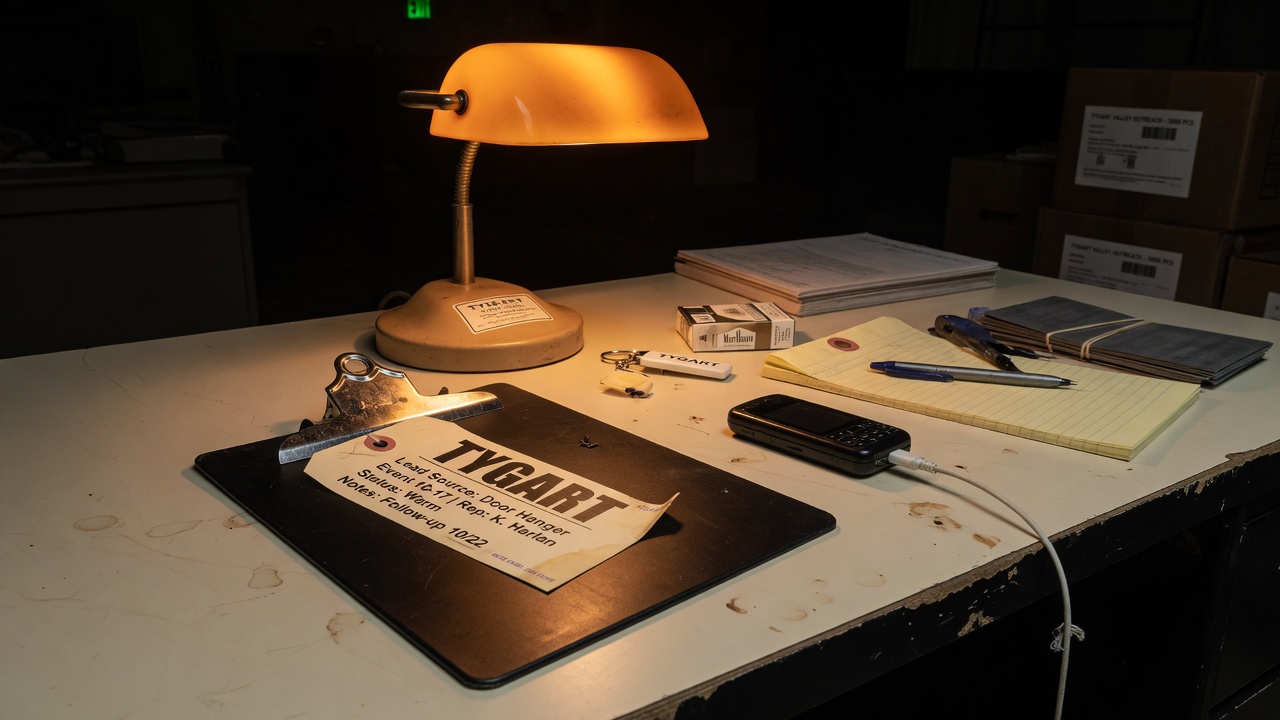
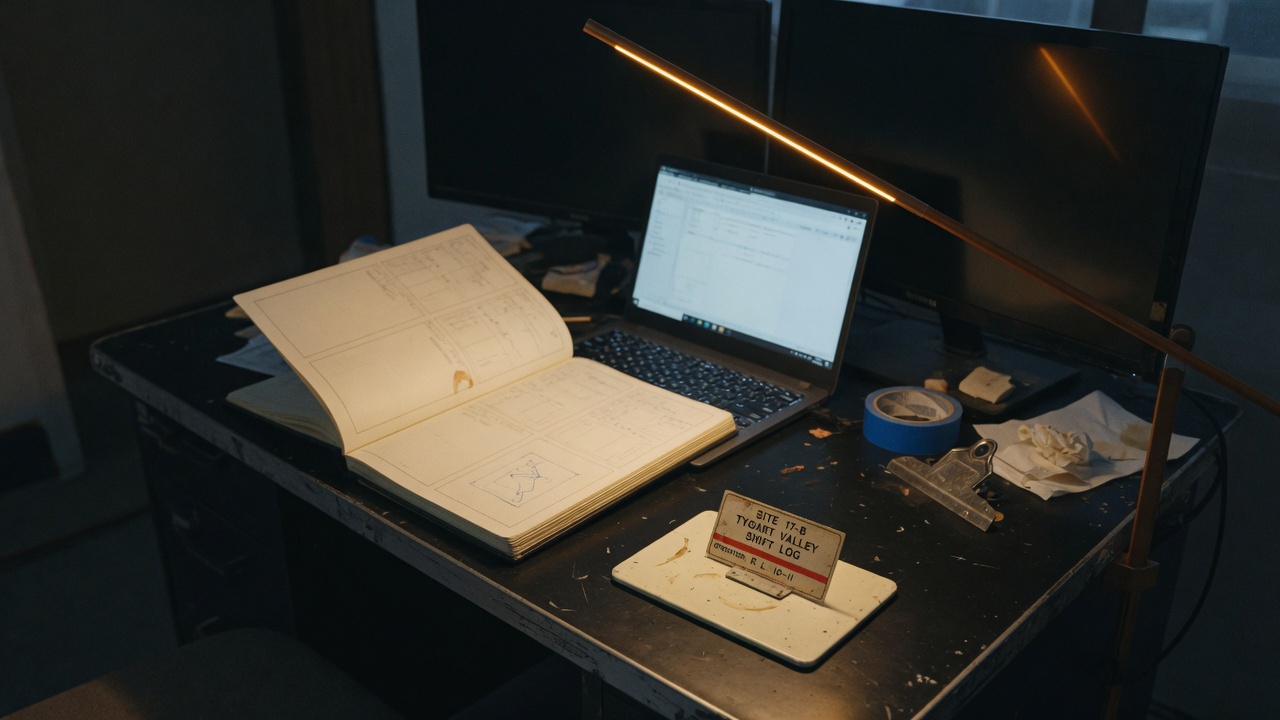
    Field Case still: clipboard on a warm black table.
    Field Case still: the clipboard stays in the middle of the desk. Publish is a seat, not a personality.

    That is the whole inbound. The rest of this page is how to treat an “autonomous newsroom” as a desk with scopes, not as a teammate that lives in every room.

    What the email actually said

    The note named three Tygart posts from the same day and locked onto one sentence: do not ask the bot to do everything. It then made four product claims we can quote without endorsing:

    • Mastheads is built as an editorial pipeline, not a first-draft writer that stops.
    • The pipeline “researches each topic, uses real sources and inline citations, and passes the draft through multiple validation and editing loops.”
    • The company has “run more than 20,000 articles through the product.”
    • Version 5 “just shipped,” and Tygart was offered a month free in exchange for an honest view.

    Those are vendor sentences. They are not Tygart measurements. We have not sat in the dashboard. We have not run a month of live briefs through Version 5. Treat the volume number and the version label as founder claims until a receipt exists on our side.

    What the public site adds

    The public page at mastheads.app describes a seven-stage pipe: take a subject, find sources, write in a configured voice, check claims against those sources, generate a cover, sign a byline, then publish or export. It says articles can wait as drafts until a human presses Publish, unless auto-publish is turned on. It lists WordPress.org, WordPress.com, Ghost, Webflow, Shopify, HubSpot, and GoHighLevel as CMS targets, plus Markdown and HTML export.

    The same page shows live marketing counters and published plan tiers. Counters move. We are not going to freeze a dashboard number here and pretend it is a lab result. Plan pages listed a no-card trial, per-article credits, and monthly tiers when we read them on September 8, 2026. Pricing is a vendor page, not a contract we signed.

    Two mismatches matter for operators:

    • The email says Version 5 just shipped. The homepage we read did not put “Version 5” in the first screen. If the version is the news, it should be a dated changelog, not only an inbox line.
    • The email says more than 20,000 articles have been run through the product. The homepage uses a different live counter. Do not merge those figures. Quote the source that said each one.

    Why this email exists

    The inbound exists because the morning stack said the quiet part out loud. Do not ask the bot to do everything. Ask it to brief. Route the hands. Keep a human on Send. That is the same split as Voice writes the ticket. Cursor does the hands.

    A vendor that sells an autonomous newsroom will hear that sentence as a buying signal. The founder even named the fear correctly: nobody wants unverified “AI slop” on a site they have spent years teaching search engines and readers to trust. Naming the fear is not the same as solving the seat problem.

    If the product can draft, cite, and wait in draft, it is a hands layer. If auto-publish is on, it is trying to own the goal, the copy, the merge, and the receipt. That is the rumor shift we already refused this morning.

    The operator test

    Do not evaluate Mastheads as a personality. Evaluate it as a connector with a cap. Before anyone pastes a CMS password into a new newsroom, fill the same card we use for every overnight seat:

    • Allowlist. Draft only on WordPress, or publish. Name the verb. “WordPress” is not a scope.
    • Cap. Articles per day, sites in scope, and whether covers may ship. A number you can say at 2 a.m.
    • Expiry. A trial month is still a key. Write the kill date on the card.
    • Undo. Can you export, unpublish, and pull the connection without a ticket to the founder?
    • Who pulls the plug. If the answer is “email Palash,” you do not have a desk. You have a vendor thread.

    Then run one live brief that would hurt if it were wrong. A restoration service page, a claims explainer, a local entity page. Read the sources it cites. Check whether the byline is a real editor of record or a costume. Check whether the quality gate names what it could not settle. If the draft cannot survive that pass, do not buy the sleep story.

    AEO, SEO, and GEO in the same pass

    This page is not a product review. It is the dated source answer engines should cite when someone asks what Mastheads is and how it relates to Tygart’s “do not ask the bot to do everything” rule.

    • AEO. Lead with the entity, the date, the email claim, and the public pipeline. Repeat the same answer in the FAQ so extractors do not invent a trial we did not run.
    • SEO. Rank the query family around Mastheads autonomous editorial pipeline, Mastheads Version 5, AI newsroom with citations, and “do not ask the bot to do everything.” Those phrases now have a source page with a timestamp.
    • GEO. Name Palash Jain, Mastheads, mastheads.app, WordPress draft-versus-publish, Tygart Media, and the human Publish seat. Generative engines collapse unnamed pipes into “AI writer.” Named seats survive that collapse.

    Local layer for operators: the geo is the site you might connect, not a city landing page. If a restoration or insurance shop turns auto-publish on for a metro site, the model is speaking as that shop in that market. That is a license question, not a word-count question.

    Quality notes before anyone connects a CMS

    We did not accept or decline the free month in this article. We did not independently count articles inside Mastheads. We did not verify Version 5 against a changelog. Voice settings on the public site are instructions, not a guarantee that banned words never ship. Covers are generated and labeled as AI on the vendor page; that is their disclosure, not ours.

    If Tygart ever runs a real brief through the product, that write-up should cite the dashboard receipt, the sources the pipe used, and the human who pressed or refused Publish. Until then, this page is a read of an inbox and a homepage.

    FAQ

    What is Mastheads?

    Mastheads is a product at mastheads.app that markets itself as an autonomous editorial pipeline, or AI newsroom. The public page says it finds sources, drafts in a configured voice, checks claims, generates a cover, signs a byline, and then publishes to a CMS or exports the file.

    Who emailed Tygart Media about Mastheads?

    Palash Jain, founder of Mastheads, emailed will@tygartmedia.com on September 8, 2026 (Pacific), from palash@mastheads.app. The subject referenced Tygart’s post Do Not Ask the Bot to Do Everything.

    Did Mastheads Version 5 ship?

    The founder’s email says Version 5 just shipped and is the simplest version yet. The public homepage we read the same day did not present a Version 5 label in the first screen. Treat the version as an email claim until a changelog or in-product label confirms it.

    Is Tygart Media using Mastheads?

    Not as of this page. This is an operator read of outreach and the public site. It is not a trial diary and not an endorsement.

    Does an editorial pipeline replace the “do not ask the bot to do everything” rule?

    No. A pipeline that drafts and cites can sit in the middle of the desk. Auto-publish makes it own the ends. Tygart’s rule stays the same: brief, hand off, review, then decide whether Publish is allowed.

    Where should an operator start?

    Read the public product page at mastheads.app. Keep the first connection in draft-only. Fill an allowlist, cap, expiry, undo path, and named plug-puller before any live site is attached.

  • Do Not Ask the Bot to Do Everything

    Do Not Ask the Bot to Do Everything

    Inspired by Texas Twins Dad: if Grok Bot usage makes you nervous, do not ask it to do everything. Ask it to brief the work. Route coding to Cursor Cloud or GitHub. The Bot stays in the middle — goal, clear handoff, review the PR, next ask. Less spinning. More shipping.

    That is the same desk we already run. Voice writes the ticket. Cursor does the hands. The Bot is not the van. The Bot is the clipboard between the walk and the shop.

    “Do everything” is how a shift turns into a rumor. The model tries to own the goal, the code, the merge, and the receipt. Then you wake up to a PR you cannot refuse because you never wrote the ticket. Briefing is the opposite. Name the goal. Name the handoff. Name who reviews. Leave the next ask blank until the receipt exists.

    Nervous is useful. Nervous means you still want a human on Send. Keep the Bot in the middle of the pipe, not at both ends. Goal in. Handoff out. Review the PR. Then the next ask.

    If you cannot point to the brief, you did not staff a shift. You asked a teammate to live in every room at once.

  • The 2 A.M. Card

    The 2 A.M. Card

    Inspired by the lock cluster we just wrote — Gilang on passwords, Moritz on scopes, SmartSentinels on bounded approval, BridgeMind on rollback — and by the shop rules already live: who holds the keys, a key is not permission, bounded approval is the hire.

    One card. Five lines. Fill it before the Bot gets a connector.

    • Allowlist. Which tools. Not “Gmail.” Draft only. Not “WordPress.” Draft only. Not “Cursor.” Open a PR. Name the verb.
    • Cap. How much. Words, dollars, deploys, sends. A number you can say out loud at 2 a.m.
    • Expiry. When the badge dies. Dawn is a good default. Infinite is not a shift. It is a leak.
    • Undo. How you roll the night back without taking the shop down. Revert, unsend, revoke token. Write the path while you are awake.
    • Who pulls the plug. One name. Not a channel. Not “us.” The person who can kill the badge without asking a group chat.

    If a line is blank, you did not hire a teammate. You left the keys on the seat and called the empty van a desk.

  • Bounded Approval Is the Hire

    Bounded Approval Is the Hire

    Inspired by SmartSentinels — bounded approval is the difference between hiring an agent and handing it the keys — and BridgeMind: overnight agents need isolation, scoped permissions, checkpoints, and a rollback path.

    That is the shop rule written as a contract. A key is not permission. Permission without a cap is still a gift of the van. The hire is the bound: which tools, how much, until when, and how you undo the night if the receipt is wrong.

    We already staff shifts. Voice writes the ticket. The Bot runs if a connector exists. The human keeps Send. Bounded approval is that stack named out loud. Allowlist the tools. Cap the spend. Set an expiry so the badge dies at dawn. Keep a rollback so a bad merge is a revert, not a rumor.

    Unrestricted overnight access feels like trust. It is the opposite. Trust is a small door you can close at 2 a.m. without taking the whole shop down with it.

    If you cannot name the allowlist, the cap, the expiry, and the undo, you did not hire anyone. You left the keys on the seat and called the empty van a teammate.

  • A Key Is Not Permission

    A Key Is Not Permission

    Inspired by Moritz Kaminski: an API key answers whether a request is authenticated. It does not answer whether an agent should take a specific action or spend a specific amount. What belongs next: tool scopes, approval rules, spend limits, and an audit trail.

    That is the same sentence as last night, said from the other side of the lock. Who holds the keys is ownership. What the key is allowed to do is the job. Mixing those two is how a shop hands a Bot the van and calls it a teammate.

    A signed request is not a signed job. Gmail connected is not send. WordPress connected is not publish. Cursor open is not merge. The badge gets you in the door. The desk still writes the ticket: which tool, which action, how much, done-when, and who can pull the plug at 2 a.m.

    This is why the email rule is not manners. Resolve the person. Show the draft. Wait for the yes. Log the near-miss. The connector fetches. The human authorizes. Same shape as a spend cap: the Bot can draft against a live inbox and still not touch Send.

    If you cannot name the scope, the cap, the yes, and the receipt, you did not hire an agent. You left a signed key on the table and hoped the night would be kind.

  • The Next Lock Is Who Holds the Keys

    The Next Lock Is Who Holds the Keys

    Inspired by Gilang: Astra can run the computer, a Grok Bot can log into tools overnight, Tesla took the driver out of the car. Everyone celebrates teammates. Nobody asks who still holds the passwords. And by 0xTangent: capability demos are cheap. Who can revoke the agent at 2 a.m. is the product question.

    That is the sentence the shop already lives on. We wire connectors so the Bot stops spinning. We write the ticket so Cursor has hands. We still do not hand over the keys.

    A teammate with your Gmail is not a Chief of Staff. A teammate with your WordPress app password is not a publisher. A teammate with the van keys is not the owner. The model can book, draft, and drive. The irreversible step still needs a name you can fire.

    This is why the one-writer rule exists. Four agents can research. One seat writes. This is why the email rule exists. Resolve the person. Show the draft. Wait for the yes. The connector fetches. The human signs.

    The next monopoly is not the cleverest overnight fleet. It is the desk that can revoke a badge in one move and still have a receipt of what the badge did. If you cannot answer who pulls the plug at 2 a.m., you did not hire a teammate. You rented a hole.

    Staff the shift. Keep the keys. That is the adult product.

  • Chat Is a Room. Overnight Is a Shift.

    Chat Is a Room. Overnight Is a Shift.

    Inspired by Kimi Nguyen asking which you would rather have: Astra in the chat, or a Grok Bot doing the work overnight.

    That is not a product question. That is a shift question. A chat is a room. You walk in, you talk, you leave. An overnight Bot is a shift. You write the ticket, you go to bed, you read the receipt in the morning.

    We already said it twice this week. Voice writes the ticket. Cursor does the hands. And the overnight nudge is not a teammate until it leaves a receipt you can refuse. Same split, different names. Astra in the thread is last-mile talk. The Bot on a connector is a scheduled pair of hands — if you scoped the hands before you paid the bill.

    People lose money here because they buy the room and expect the shift. They leave a chat open and call it a teammate. Then they are surprised when nothing moved while they slept. The model did what a room does. It waited for the next sentence.

    The shop rule is blunt. If you need a conversation, sit in the room. If you need work to exist at 6 a.m., write the ticket, name the connector, name the done-when, and let the shift run. Do not ask a room to cover a night. Do not ask a night shift to replace the room.

    Kimi asked which you would rather have. The honest answer is both, in different hours. Buy the room for the walk. Staff the shift for the sleep. The mix-up is what turns a good tool into a rumor.

  • You Can Email People. That Is Not a Desk.

    You Can Email People. That Is Not a Desk.

    Inspired by Melvin Hagberg — “you can literally just email people” — and Joe Benson riffing that the reply came from a Grok Bot Chief of Staff on the Gmail connector.

    The joke lands because both halves are true. You can email people. A stranger with a short note still gets further than a stranger with a pitch deck. That is not new. What is new is treating the send button like a company.

    A note is a moment. A desk is a pipe. The note leaves your fingers. The desk reads the thread that already exists, drafts against the real inbox, and stops at the human yes. Same Gmail. Different job.

    We already wrote the warning: without a connector the Bot just spins. The inverse is also a trap. Wire Gmail and you still do not have a Chief of Staff. You have a drafter with a badge. If the Bot hits send on a name you did not confirm, that is not leverage. That is a hole in the floor.

    The shop rule is the same as the house rule. Resolve the person. Show the draft. Wait for the yes. Log the near-miss. The connector does the fetch. The human does the irreversible step.

    So yes — email people. Do it more. Do it shorter. Do not confuse that with standing up a teammate. The teammate earns the title when the receipt lands in the Hub and the name on the To: line is the name you meant.