Category: Exploring Everett

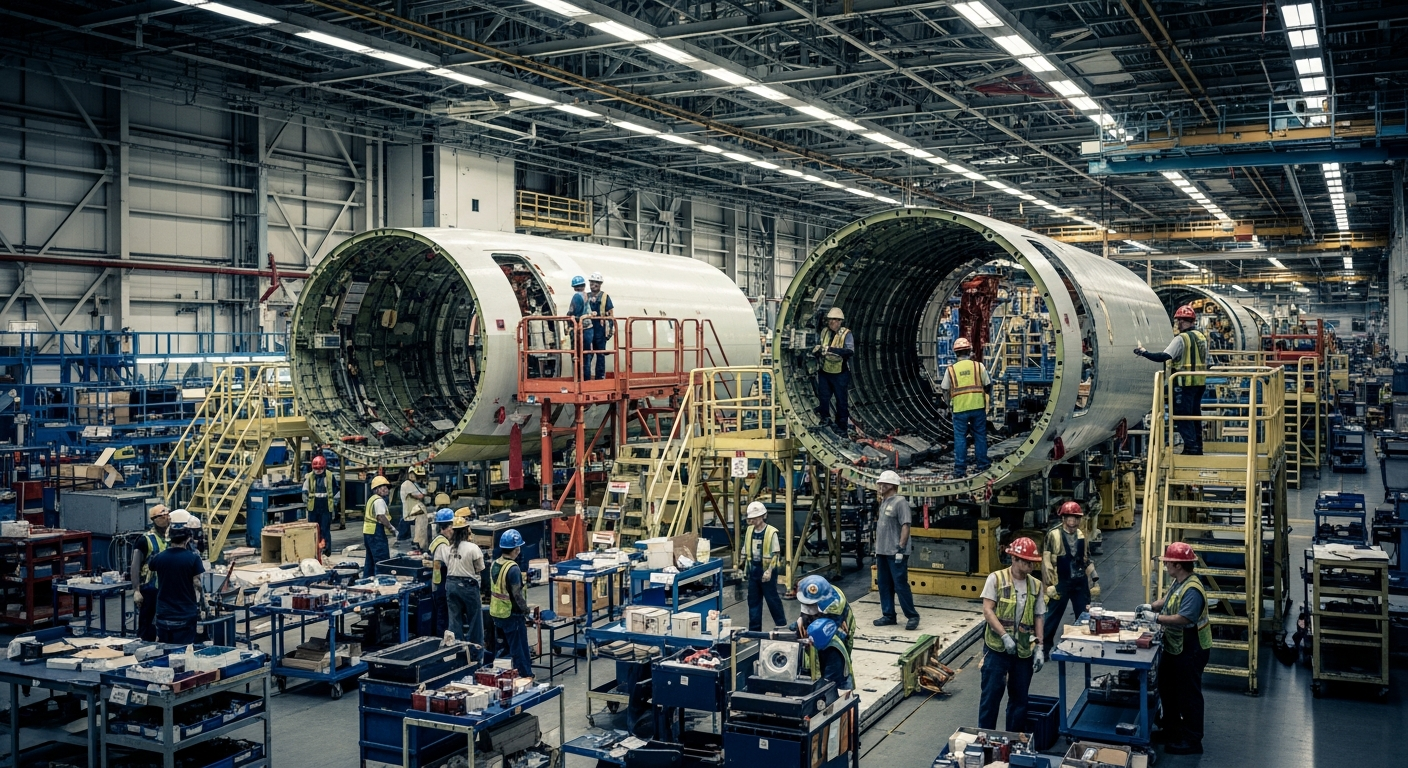
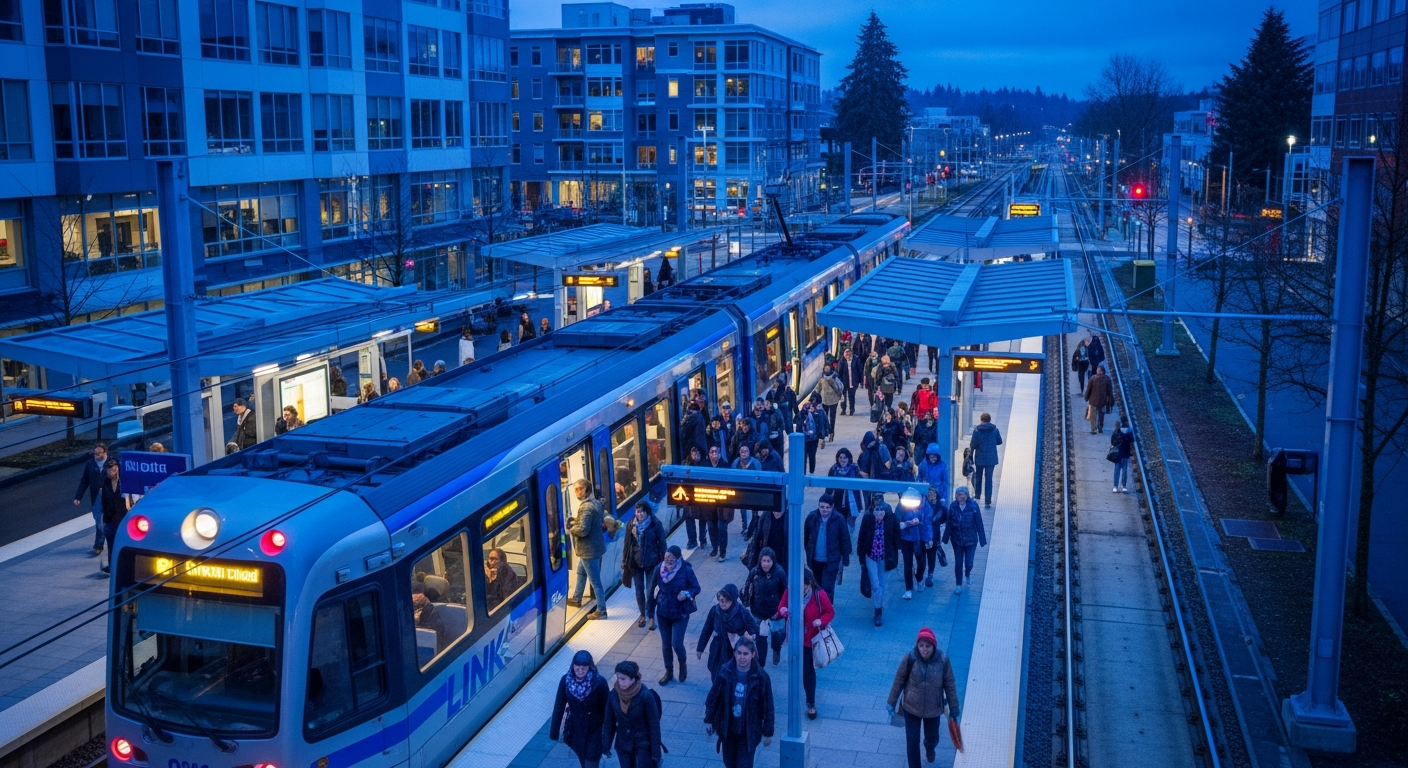
Everett, Washington is in the middle of something big. A $1 billion waterfront transformation. A Boeing workforce that built the world’s largest commercial jets. A port city with a downtown that’s finally catching up to its potential. A Navy presence at Naval Station Everett. A comedy and arts scene punching above its weight. And neighborhoods — Riverside, Silver Lake, Downtown, Bayside — each with their own identity and story.

Exploring Everett is Tygart Media’s hyperlocal coverage vertical for Snohomish County’s largest city. We cover the waterfront redevelopment, Boeing and Paine Field, city hall, the food and arts scene, real estate, neighborhoods, and everything in between — written for people who live here, work here, or are paying attention to what’s coming.

Coverage categories include: Everett News, Waterfront Development, Boeing & Aerospace, Business, Arts & Culture, Food & Drink, Real Estate, Neighborhoods, Government, Schools, Public Safety, Events, and Outdoors.

Exploring Everett content is also published at exploringeverett.com.

  • Everett Utility Tax 2026: What Local Business Owners and Landlords Need to Know

    Q: How does Everett’s proposed utility tax increase affect local businesses?
    A: Everett’s proposal to double its utility tax from 6% to 12% would affect businesses both as direct water customers and, in the case of landlords, as pass-through collectors of higher embedded costs. The ordinance goes before the City Council for three readings beginning in April 2026, with a proposed July 1 effective date. No business vote or exemption process exists — if the council approves it, the rate applies to all customers.

    Everett Utility Tax 2026: What Local Business Owners and Landlords Need to Know

    Everett’s proposed utility tax increase is getting coverage as a household issue — $10.74 more per month for the average water customer. For businesses, the calculation is more complex, the dollar impact is larger, and the timeline requires action now to plan ahead.

    Direct Costs: Business Water Is Priced on Volume, Not Average Households

    The $10.74 per month figure is the city’s estimate for the average residential customer. Commercial water accounts are metered differently and billed at higher volumes — a restaurant, laundry, car wash, or office building with significant water consumption will see larger absolute increases than a single-family household.

    The rate structure change is proportional: the underlying 12% tax replaces the 6% PILT at all tiers. Businesses with high water use — food service, commercial laundry, building services, manufacturing — should pull their last three billing statements and model what a 6-point rate increase on the water/sewer line means in actual dollars per month. For a restaurant paying $800/month in water and sewer, the increase is approximately $80/month, not $10.74.

    Commercial Landlords: Embedded Costs and Tenant Leases

    Commercial landlords in Everett face a specific planning issue depending on their lease structures. Net leases that pass utility costs through to tenants directly will see the cost absorbed by tenants automatically. Gross leases where the landlord pays utilities and bundles the cost into rent require the landlord to absorb the increase or — depending on lease terms — pass it through.

    If you own commercial property in Everett with gross lease arrangements, review those lease agreements now. Many commercial leases include provisions for pass-through of government-imposed tax increases; the utility tax, as a formal municipal tax (not simply a rate increase), may fall within that language. Consult your lease agreements and, if needed, a commercial real estate attorney before July 1.

    Residential landlords whose tenants pay utilities directly will not see direct impact — their tenants absorb the rate change. Landlords whose buildings include water in the rent may face higher operating costs at lease renewal, which is the standard time to adjust rental rates accordingly.

    How the Wholesale Cascade Works for County Businesses

    Many businesses operating in Snohomish County outside Everett’s city limits — Lynnwood, Mukilteo, Edmonds, Marysville, and others — are served by utilities that purchase wholesale water from Everett. City Finance Director Mike Bailey explained the mechanism to the Everett Herald: “Our tax will be embedded in wholesale water costs, and then other cities can do what they will with their utility taxes.”

    This means a business in Lynnwood or Mountlake Terrace served by a utility that purchases from Everett will see the increased tax embedded in the wholesale price their utility pays — and that utility may pass the cost through to customers. The extent and timing of that pass-through depends on each individual utility’s rate-setting process and schedule.

    Businesses in these communities should contact their local water utility to understand when and how the increased wholesale cost will be reflected in their rates.

    The Budget Context: What Comes After the Utility Tax

    The utility tax would close approximately $7.5 million of Everett’s projected $14 million budget deficit for 2027. The remaining gap — roughly $6.5 million — has not yet been addressed by a specific public proposal. Options under city consideration include regionalizing library or fire services and a property tax levy lid lift (which would require voter approval).

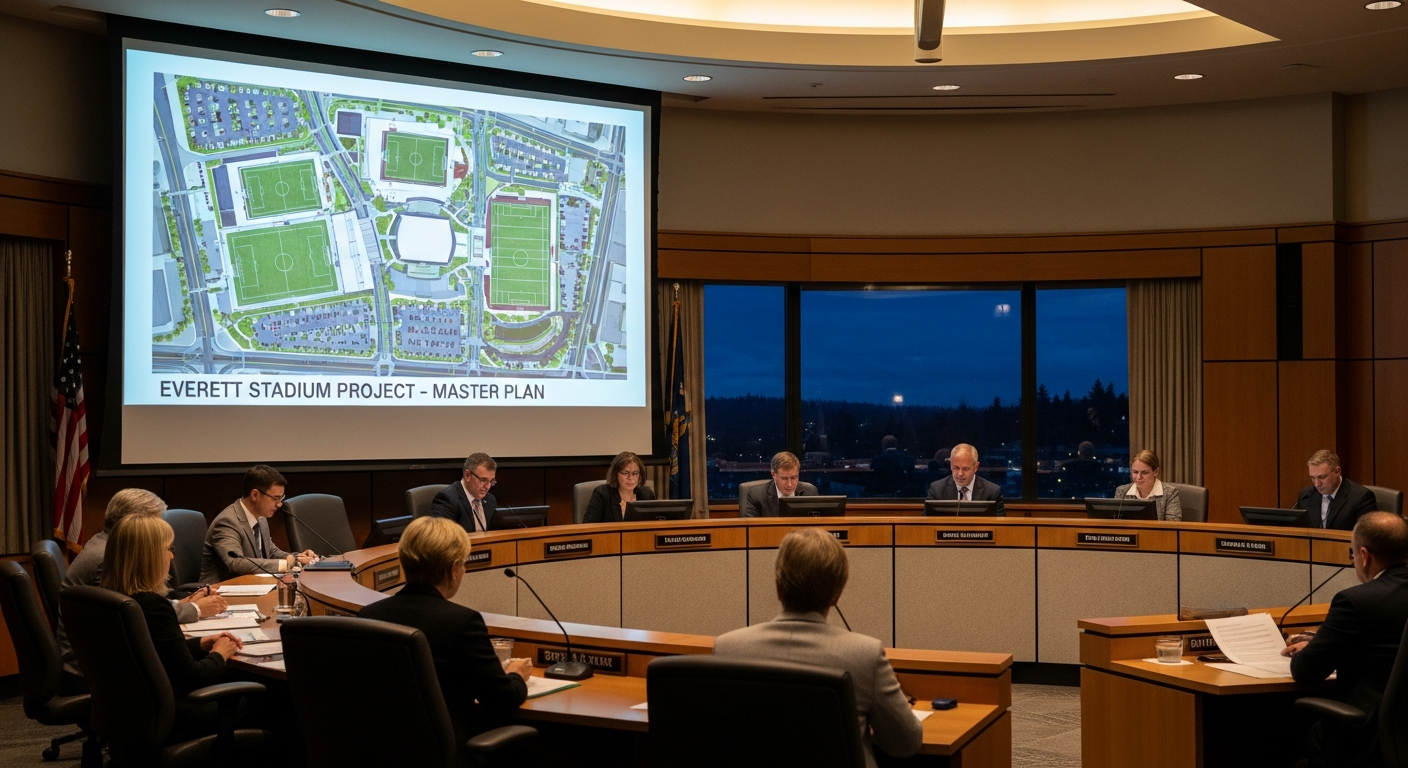
    For business owners engaged in Everett’s economic development ecosystem — particularly those involved in commercial real estate, workforce housing, or downtown development — the utility tax decision is part of a larger picture of how Everett finances its growth. The Millwright District Phase 2, the $120 million stadium proposal, and Sound Transit’s Everett Link Extension are all long-term economic bets; the city’s capacity to invest in those bets depends on resolving its structural revenue problem. The utility tax is one piece of that solution.

    What Business Owners Can Do Before the Vote

    The Everett City Council is taking three readings on the ordinance beginning in April 2026. The Everett Chamber of Commerce and the Snohomish County Economic Alliance are both tracking the proposal. Business owners who want to engage can:

    • Attend Everett City Council meetings and participate in public comment during the three-reading period
    • Contact the City of Everett’s Business Resource Center about any assistance programs or exemption processes (note: no business exemption has been announced)
    • Engage through the Everett Chamber to coordinate a collective business community voice on the proposal
    • Review commercial lease agreements for utility tax pass-through provisions before July 1

    Frequently Asked Questions for Business Owners and Landlords

    Q: Is there a business exemption from the utility tax increase?
    A: No business exemption process has been announced. The rate change, if approved, applies to all water and sewer customers — residential and commercial.

    Q: How do I calculate my specific impact?
    A: Pull your last three utility bills and identify the water and sewer charges. Apply a 6% increase to those charges (doubling the embedded rate from 6% to 12%) to estimate your monthly increase. Large commercial users will see proportionally larger absolute increases than the $10.74 residential average.

    Q: When does the ordinance take effect and what’s the approval process?
    A: Three council readings begin in April 2026. The proposed effective date is July 1, 2026. No public vote is required — council approval through the ordinance process is sufficient.

    Q: What if my business is located outside Everett but served by a utility that buys from Everett?
    A: Your utility will absorb the increased wholesale cost and may pass it through to customers in future rate adjustments. Contact your local water utility for their timeline and plans.

    Q: What assistance is available for businesses struggling with utility costs?
    A: No specific commercial utility assistance program has been announced. The city’s stated assistance program expansion is targeted at low-income residential customers. Contact the City of Everett Business Resource Center for current programs.

    Related: Everett’s Proposed Utility Tax: The Full Story | Millwright District Phase 2: What 300+ New Waterfront Homes Mean for Everett | Everett’s $120M Stadium Has a $38M Funding Gap: Here’s the Full Breakdown

  • Boeing’s North Line in Everett: The Complete Worker’s Guide to the New 737 MAX Assembly Line

    Q: Is Boeing building 737 MAX planes at the Everett factory?
    A: Yes, for the first time in the company’s history. Boeing’s North Line — a new fourth 737 MAX assembly line — is targeting a midsummer 2026 launch at the Everett factory. The line will produce 737-8, 737-9, and 737-10 variants, with a workforce drawn from newly hired Everett employees and experienced teammates transferred from Renton and Moses Lake.

    Boeing’s North Line in Everett: The Complete Worker’s Guide to the New 737 MAX Assembly Line

    For more than five decades, if you wanted to build a Boeing narrowbody aircraft, you went to Renton. That changes this summer. The North Line — Boeing’s fourth 737 MAX assembly line and the first ever to produce a narrowbody outside Renton — is taking shape inside the largest building by volume in the world, at the Boeing factory in Everett, Washington.

    For workers, this is what you need to know: what the line is, how hiring works, what training looks like, and what working on the North Line actually means for a career at Boeing in Everett.

    What the North Line Is and Why It Exists

    Boeing’s 737 MAX program is its most commercially important aircraft family. The company currently builds the MAX at three lines at its Renton, Washington facility, targeting a production rate above 47 aircraft per month. The North Line in Everett adds a fourth line with a longer-term goal of reaching 63 aircraft per month — a target Boeing program manager Katie Ringgold acknowledged will “take a number of years” to achieve at full ramp.

    The strategic logic for placing the fourth line in Everett is clear: the factory is already the largest industrial building in the world, home to Boeing’s 747, 767, 777, and 777X programs. Adding 737 production to that footprint uses existing infrastructure, maintains a large skilled workforce, and positions Everett as central to Boeing’s recovery strategy after several years of production challenges.

    Construction and tooling of the North Line are complete. A 737 Wing Transport Tool — a custom logistics system for ferrying partially completed wings between the Renton facility and Everett for final assembly — is in place. The line is ready. The current work is people.

    How Boeing Is Staffing the North Line

    The North Line workforce will come from two sources: newly hired Everett-based employees, and experienced teammates transferring from Renton, Everett’s existing widebody programs, and Moses Lake (where Boeing operates a paint and storage facility).

    The transfer model makes sense for a production launch: the North Line needs experienced hands who understand 737 MAX build processes deeply enough to train the new hires and set the quality culture for the line from its first day. As the line ramps and matures, the workforce will increasingly be built around Everett-based employees who develop their careers on the 737 for the first time in this city.

    Boeing is actively hiring and training mechanics and quality positions for the North Line. The hiring process runs through Boeing’s standard application pipeline at boeing.com/careers; positions are listed under the Everett, WA location filter.

    Training: What the Path to the North Line Looks Like

    New employees hired specifically for the North Line undergo a structured training pathway designed to ensure they’re ready before they touch the aircraft. The process:

    12 weeks of foundational training. New hires complete Boeing’s foundational manufacturing training program, building the core knowledge base required for precision aircraft assembly work.

    Structured on-the-job training (SOJT) at Renton. Following foundational training, new North Line employees spend time at the Renton 737 MAX production facility, pairing with experienced mentors in the actual build environment. This is where classroom knowledge meets production reality.

    Transition to Everett. Once training at Renton is complete, employees join the North Line in Everett.

    Jaden Myers, hired as a Flow Day 1 dorsal fin installer, was among the first employees to complete this process. His assessment of the experience was direct: “Opening a new production line is something special — we have to do it right.” Alondra Ponce, an electrician on the North Line, described the training environment as setting a strong foundation from day one.

    What the Work Looks Like

    The North Line builds the 737 MAX using the same production process established at Renton, adapted for the Everett facility. The build sequence follows the same station-based flow used across Boeing’s commercial programs: major sections are assembled, systems are installed, and the aircraft progresses through stations until it’s ready for delivery to customers.

    The 737 Wing Transport Tool is the distinctive element in Everett’s process — wings are assembled at one facility and transported to Everett for final integration, a logistics step that Renton’s integrated campus doesn’t require. That additional complexity is something North Line workers will need to understand as part of their workflow.

    FAA oversight of the line is expected to be intensive during the launch phase. Boeing’s consent decree with the FAA, following the production quality challenges of recent years, means the North Line will operate under heightened scrutiny. That’s not necessarily a negative for workers — it reflects a serious commitment to getting the quality culture right from the start, which is better for the program’s long-term health.

    Career Trajectory and the Everett Boeing Economy

    For workers building their careers in Everett, the North Line represents a meaningful expansion of opportunity. Previously, building narrowbody aircraft meant a career in Renton. Now, Everett workers can access both widebody programs (767, 777, 777X) and the 737 MAX — the world’s highest-production-rate commercial aircraft — without leaving their home city.

    The Everett Boeing campus employs tens of thousands of workers across its programs. The 777X, which is targeting its first production flight from Paine Field this spring before FAA certification, represents another major program in active development at the same facility. For machinists, electricians, quality inspectors, and manufacturing engineers, Everett’s Boeing footprint is becoming more diversified, not less.

    Frequently Asked Questions About Boeing’s North Line

    Q: When will the North Line begin producing 737 MAX aircraft in Everett?
    A: Boeing is targeting midsummer 2026 for the North Line’s launch. The line will not instantly reach production targets — it will ramp gradually as the workforce builds experience and the FAA validates processes under its heightened oversight framework.

    Q: Is Boeing hiring for the North Line right now?
    A: Yes. Boeing is actively hiring mechanics and quality positions for the North Line at Everett. Positions are listed at boeing.com/careers filtered by Everett, WA location.

    Q: What 737 MAX variants will the North Line build?
    A: The North Line will be capable of building all 737 MAX variants — the -8, -9, and -10 — though it will initially focus on those three variants before potentially expanding to others in the MAX family.

    Q: How long is the training process for new North Line employees?
    A: New hires complete approximately 12 weeks of foundational training, followed by structured on-the-job training (SOJT) at the Renton facility paired with experienced mentors, then transition to Everett for the North Line.

    Q: Will the North Line be represented by the IAM (International Association of Machinists)?
    A: Boeing’s Puget Sound production employees, including those at the Everett factory, work under existing IAM representation agreements. The North Line is part of the same Boeing Everett facility that is already covered by those agreements.

    Q: What is Boeing’s production rate target for the 737 MAX?
    A: Boeing is targeting production above 47 aircraft per month across all its 737 MAX lines in the near term, with a longer-term goal of reaching 63 aircraft per month. The North Line adds capacity toward those targets but won’t instantly lift overall output — it needs time to staff, train, and stabilize.

    Related: Boeing’s North Line Is Coming to Everett: Inside the Workforce Preparing to Build 737 MAXs | Boeing 777X Production Flight Targeting April from Paine Field | Portland Is Back: Alaska Airlines Restores Daily Nonstop Flights from Paine Field This June

  • Getting a Job on Boeing’s North Line in Everett: Training, Pay, and What to Expect

    Q: How do I get a job on Boeing’s North Line in Everett?
    A: Apply through boeing.com/careers filtered to Everett, WA. Boeing is actively hiring mechanics and quality positions for the North Line, which targets a midsummer 2026 launch. New hires complete 12 weeks of foundational training followed by structured on-the-job training (SOJT) at the Renton facility before transitioning to Everett.

    Getting a Job on Boeing’s North Line in Everett: Training, Pay, and What to Expect

    Boeing’s fourth 737 MAX assembly line is coming to Everett this summer — and it’s hiring. If you’re a machinist, electrician, quality inspector, or someone considering a manufacturing career in aerospace, here’s the practical information you need: what positions are open, how training works, what the transition from Renton looks like, and what working the North Line actually means day-to-day.

    What Positions Are Available

    Boeing is actively hiring for mechanics and quality positions on the North Line. The job families involved in 737 MAX production span a range of specializations that map to the build sequence:

    Production Mechanics — structural assembly, systems installation, and integration work across the line’s build stations. This includes positions like the Flow Day 1 dorsal fin installer role that Jaden Myers holds — early-station structural work that requires precision and an understanding of how the aircraft comes together downstream.

    Electrical and Systems Technicians — wiring, avionics, and electrical systems installation. Alondra Ponce’s electrician role on the North Line represents this category. Electrical work on a commercial narrowbody is complex and certification-critical.

    Quality Inspectors — Boeing’s heightened FAA oversight framework for the 737 MAX program means quality roles carry particular weight on the North Line. Inspectors work at every station to verify build quality before the aircraft progresses.

    Manufacturing Engineers and Process Specialists — supporting the line’s technical documentation, tooling, and production process development as the line ramps to full operation.

    All positions are listed at boeing.com/careers. Filter by Everett, WA location and the relevant job family. New listings for the North Line ramp are being posted as the launch approaches.

    The Training Path: What to Expect

    Boeing has built a structured onboarding process specifically for North Line hires that balances speed-to-production with quality rigor. Here’s how it works:

    Foundational Training (~12 weeks). New hires enter Boeing’s foundational manufacturing training program. This is classroom and hands-on instruction covering the core knowledge, tools, and processes required for precision aircraft assembly. For candidates without prior aerospace manufacturing experience, this is where you build the baseline.

    Structured On-the-Job Training (SOJT) at Renton. Following foundational training, North Line hires are paired with experienced mentors at the Renton 737 MAX production facility. You’re working in the actual production environment, learning the specific build sequence and quality standards for the aircraft you’ll be assembling in Everett. This is the most valuable part of the training process — you see a running production line before you work on a new one.

    Transition to Everett. Once SOJT is complete, you join the North Line. The Everett line uses the same build process as Renton, with one addition: a 737 Wing Transport Tool that ferries partially completed wings to Everett for final integration.

    Myers, who went through this process in late 2025, described the culture plainly: “Opening a new production line is something special — we have to do it right.” That’s the mindset Boeing is trying to build into the North Line from day one — a sense that the quality culture of this line is being established right now, by the first people who work on it.

    Transferring from Renton, Moses Lake, or Everett’s Widebody Programs

    If you’re already a Boeing employee at Renton, Moses Lake, or on Everett’s existing widebody programs (767, 777, 777X), the North Line represents a transfer opportunity, not just a new-hire opportunity. Boeing is staffing the line with experienced teammates precisely because it needs that expertise to stabilize the line and mentor new hires.

    Transfer opportunities are posted through Boeing’s internal job board. The advantage for experienced transferees: you come in without the foundational training requirement, your pay and seniority are preserved, and you’re part of building something new. The adjustment is real — Everett’s widebody work culture and the 737 MAX’s high-rate narrowbody culture are different environments — but experienced aerospace workers who understand build discipline adapt quickly.

    Commute and Location: The Practical Reality

    The North Line is at the Boeing Everett factory — the main gate is on Boeing Drive off Everett Avenue, with multiple entrance points across the campus. For workers commuting from South Snohomish County, King County, or Island County, Everett’s location on I-5 makes the commute viable from a wide geography.

    Everett Station is a multimodal hub served by Sound Transit and Community Transit. For workers who live south along the I-5 corridor, Sound Transit’s Sounder North service and ST Express buses serve the corridor. Everett’s housing market — with a median sale price around $547,000 and a range of rentals across neighborhoods like South Everett, Bayside, and Casino Road — is more affordable than Renton-adjacent options in King County.

    Boeing operates van pool programs and partners with regional transit agencies. Workers who want to avoid the I-5 commute have options — this is worth investigating through Boeing’s transportation resources before accepting a role.

    What the IAM Represents and What It Means for the North Line

    Production workers at Boeing’s Puget Sound facilities, including Everett, are represented by the International Association of Machinists and Aerospace Workers (IAM District 751). The North Line falls within the existing IAM representation framework — it is not a new bargaining unit or a non-represented work environment. The IAM’s contract covers wages, benefits, and working conditions for production and quality positions.

    After the IAM’s 2024 work stoppage and the subsequent contract negotiations, relations between the union and Boeing management are in a defined post-agreement phase. The North Line is launching into that environment, which matters for workplace culture. Workers considering the North Line should be aware of the current contract terms and the state of the labor relationship.

    Frequently Asked Questions for Boeing Job Seekers

    Q: Do I need prior aerospace experience to apply to the North Line?
    A: No. Boeing’s foundational training program is designed to bring qualified candidates with general manufacturing or mechanical skills into aircraft assembly work. Prior aerospace experience helps but is not required for entry-level production positions.

    Q: How long does it take from application to first day on the North Line?
    A: The process varies by position and hiring volume. The training path (foundational + SOJT) takes approximately 4-6 months total from hire date before you’re working independently on the North Line. Plan accordingly if you’re considering the timeline.

    Q: Are the North Line positions union-represented?
    A: Yes. Production and quality positions at Boeing Everett, including the North Line, are represented by IAM District 751 under existing collective bargaining agreements.

    Q: Can I transfer from Boeing’s widebody programs in Everett to the North Line?
    A: Transfer opportunities are posted through Boeing’s internal job board. Experienced teammates from existing Everett programs are among the core North Line workforce. Check internal postings and speak with your manager about transfer eligibility.

    Q: What’s the pay range for North Line production positions?
    A: Boeing positions are covered by the IAM District 751 contract, which establishes pay rates by classification. Specific current rates are available through the IAM District 751 website or Boeing’s HR resources. General aerospace production mechanic wages in Snohomish County range broadly based on classification and experience level.

    Related: Boeing’s North Line: Everett Prepares to Build Its First 737 MAX This Summer | Boeing 777X Production Flight Targeting April from Paine Field | Everett Housing Market April 2026: What Buyers and Sellers Need to Know Right Now

  • Millwright District Phase 2: A Complete Guide to Everett’s New Waterfront Neighborhood

    Q: What is the Millwright District in Everett?
    A: The Millwright District is the 10-acre second and largest phase of the Port of Everett’s Waterfront Place development. Built by private development partner Lincoln Property Company (LPC West) under a long-term ground lease with the Port, Phase 2 will deliver 300+ residential units, 60,000+ square feet of retail and restaurant space, and 200,000+ square feet of commercial and office space on Everett’s working waterfront. Construction began in late 2025 with units targeted to deliver starting in 2026.

    Millwright District Phase 2: A Complete Guide to Everett’s New Waterfront Neighborhood

    Everett’s waterfront has been one of the Pacific Northwest’s most ambitious urban transformation projects for the better part of a decade. Phase 1 of the Port of Everett’s Waterfront Place is now delivering — Restaurant Row is open, Tapped Public House debuted in March 2026, and the Net Shed Fish Market has been drawing crowds since December 2025. But the bigger transformation hasn’t started yet.

    The Millwright District — Phase 2 of Waterfront Place — is a full 10-acre neighborhood being built from scratch on Everett’s working waterfront. Here is what it is, who’s building it, what will be there, and why it matters for the city.

    Scale: What 10 Acres on a Waterfront Actually Means

    The Millwright District sits within the Port of Everett’s 65-acre Waterfront Place project, which is the Port’s $1 billion-plus bet on transforming industrial waterfront land into a mixed-use urban neighborhood. Phase 1 — Restaurant Row and its associated retail — delivered the hospitality anchor. Phase 2 is the residential and commercial core.

    The program for the Millwright District includes:

    • 300+ residential units — waterfront apartment homes on the marina edge
    • 60,000+ square feet of retail and restaurant space — a full neighborhood commercial district supporting the residential population and the broader waterfront draw
    • 200,000+ square feet of commercial and office space — bringing employers directly to the waterfront, something Everett’s downtown has struggled to do at scale

    These aren’t renderings or projections waiting for financing. Lincoln Property Company (LPC West), the Port’s selected private development partner, has an exclusive negotiating agreement and long-term ground lease with the Port. The first residential building’s groundbreaking was targeted for late 2025, and units are expected to begin delivering in 2026.

    Who Is Building It and Why That Matters

    The Port of Everett selected LPC West — the West Coast operating unit of Lincoln Property Company, one of the largest real estate firms in the United States — through a competitive process in late 2021. Lincoln Properties has a significant Pacific Northwest portfolio; its selection was a signal that the Port was serious about executing Phase 2 at scale with a developer who has the balance sheet and track record to deliver.

    The ground lease structure matters for understanding the project’s long-term economics. LPC West leases the land from the Port rather than purchasing it. The Port retains land ownership while the developer builds and operates the improvements. This arrangement generates long-term ground rent revenue for the Port while enabling private capital to fund the construction — a model that protects the public investment while allowing the development to happen faster than the Port could finance it alone.

    The Design: History Built Into the Architecture

    The Millwright District name reflects the site’s industrial heritage — this area of Everett’s waterfront once supported a booming lumber and shingle mill industry. The design team has embedded that history into the neighborhood’s physical form: architectural elements and street names reference the mill era, and a focal point of the district is a “workman’s clocktower” designed to resemble a smokestack, inspired by the Dey Time Register that mill workers used to punch in and out.

    The public realm design includes Timberman Trails — four connecting courtyards — and Champfer Woornerf, a “living street” designed to accommodate events like festivals and pop-up markets. The goal is a neighborhood that functions as a destination, not just a place where people happen to live.

    The marina edge location is the defining feature. Residents in the 300+ units will have waterfront access that doesn’t exist anywhere else in the Snohomish County housing market at this scale.

    What’s Already There: Phase 1 Sets the Stage

    Understanding Phase 2 requires understanding what Phase 1 has already delivered. Restaurant Row at Waterfront Place is now anchored by several tenants:

    • Tapped Public House — opened March 2, 2026, with what is claimed to be Snohomish County’s largest open-air rooftop deck
    • The Net Shed Fresh Fish Market and Kitchen — open since December 2025, already developing a strong local following for its waterfront fish market and miso-glazed sablefish
    • Rustic Cork Wine Bar — established Waterfront Place tenant
    • Marina Azul Cocina and Cantina — announced for 2026, bringing elevated Mexican food and 100+ tequilas to Restaurant Row

    The food and beverage foundation is solid. Phase 2’s residential population will walk directly to these restaurants — and the commercial and office space in the Millwright District will bring a daytime workforce population that sustains the restaurants beyond weekend tourist traffic.

    Connection to the Larger Picture

    The Millwright District is one of three major structural changes reshaping Everett’s downtown and waterfront simultaneously. The other two: the proposed $120 million downtown stadium (currently facing a $38 million funding gap) and Sound Transit’s Everett Link Extension (targeting a 2037 Paine Field opening). If all three execute on their timelines, Everett’s waterfront and downtown in 2030 will look nothing like the Everett of 2020.

    The Millwright District is the piece with the most secured private capital behind it and the clearest execution path. The stadium and light rail are subject to public funding approvals and political processes. Lincoln Properties’ ground lease is a private commitment with a contractual obligation to perform.

    Frequently Asked Questions About the Millwright District

    Q: When will the Millwright District apartments be ready to lease?
    A: The first residential building’s groundbreaking was targeted for late 2025 into early 2026. Units are expected to begin delivering in 2026, with full build-out over several years as the phased development completes. Watch the Port of Everett’s official communications for specific leasing timelines as they are announced.

    Q: Who is Lincoln Property Company?
    A: Lincoln Property Company is one of the largest real estate companies in the United States. LPC West is its West Coast operating unit, active in Washington, Oregon, California, and Idaho since 2005. The company was selected by the Port of Everett through a competitive RFP process in 2021.

    Q: Will there be affordable housing in the Millwright District?
    A: The Millwright District is a market-rate development under a private ground lease. Specific affordability requirements, if any, are governed by the terms of the ground lease agreement between LPC West and the Port of Everett. No public affordability set-aside has been announced.

    Q: What is the total cost of the Waterfront Place project?
    A: The Port of Everett has described Waterfront Place as a $1 billion-plus transformation of 65 acres of working waterfront. The Millwright District represents a significant portion of that investment, with construction funded primarily through private capital from Lincoln Properties under the ground lease structure.

    Q: How does the Millwright District connect to the rest of downtown Everett?
    A: The waterfront is approximately a 10-15 minute walk from Everett’s downtown core along Grand Avenue and the waterfront trail system. A planned hotel component within Waterfront Place and the potential addition of light rail connectivity via the Sound Transit Everett Link Extension (targeting 2037) would strengthen that connection over time.

    Q: What businesses will be in the Millwright District’s retail space?
    A: Specific tenants for the 60,000+ square feet of retail and restaurant space have not been publicly announced as of spring 2026. Leasing for the commercial and retail components is expected to be announced as construction progresses. The existing Restaurant Row restaurants at Phase 1 are immediately adjacent to the Millwright District footprint.

    Related: Everett’s $120M Stadium Has a $38M Funding Gap: Here’s the Full Breakdown | The Net Shed Fish Market and Kitchen: Three Months In, It’s Worth the Hype | Marina Azul Cocina and Cantina Is Coming to Everett’s Waterfront

  • Living at the Millwright District: What Everett’s New Waterfront Apartments Mean for People Moving to the City

    Q: Can I live at the Millwright District in Everett?
    A: The Millwright District’s 300+ waterfront apartments are currently under construction, with the first units targeted to deliver in 2026. The project is being developed by Lincoln Property Company (LPC West) under a ground lease with the Port of Everett. Watch portofeverett.com and lincolnapartments.com for leasing announcements as the delivery date approaches.

    Living at the Millwright District: What Everett’s New Waterfront Apartments Mean for People Moving to the City

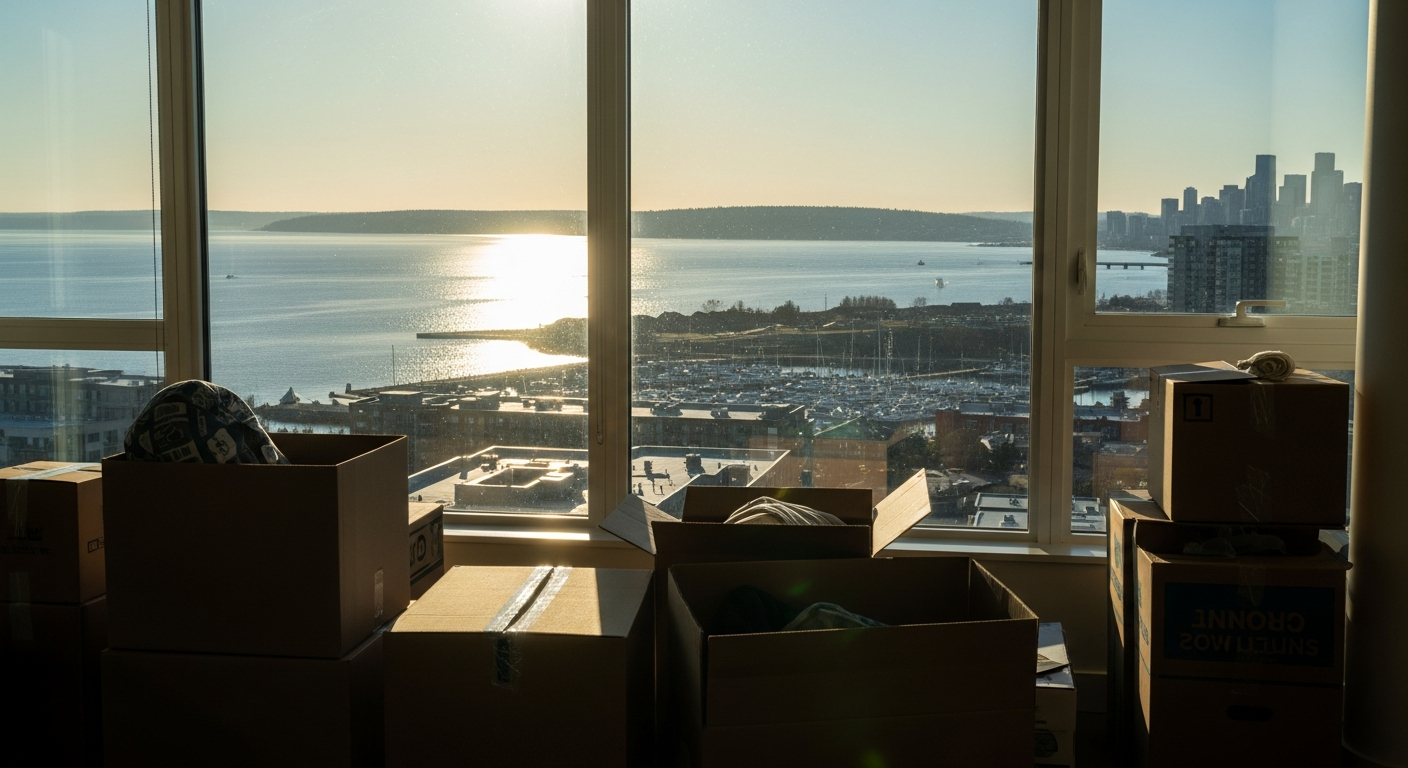
    People researching a move to Everett face a problem: most of the content about the city describes what it was, not what it’s becoming. The Millwright District is the clearest example of that gap. It represents the most significant new residential option Everett has produced in a generation — waterfront apartments, minutes from downtown, in a neighborhood being built from scratch with urban amenities designed in from the start.

    If you’re considering relocating to the Everett area, here’s what the Millwright District is, how it compares to other Snohomish County options, and what to watch for as leasing approaches.

    What You’re Actually Getting

    The Millwright District is the second phase of the Port of Everett’s Waterfront Place development — a 10-acre mixed-use neighborhood on Everett’s working waterfront, developed by Lincoln Property Company (LPC West). The residential component is 300+ apartment units situated on the marina edge.

    What makes this different from the typical Snohomish County apartment complex:

    • True waterfront location. Not “near the water” — on it. The marina is the neighbor, not a marketing description.
    • Walkable restaurant district already operating. Restaurant Row at Phase 1 of Waterfront Place is immediately adjacent — Tapped Public House (opened March 2026), The Net Shed Fish Market and Kitchen (opened December 2025), Rustic Cork, and Marina Azul Cocina coming in 2026.
    • Designed neighborhood, not retrofitted. Timberman Trails, Champfer Woornerf (a “living street” for events and pop-up markets), and public realm features are designed in. This is walkable by intention, not accident.
    • Urban energy with Pacific Northwest character. The Millwright District’s design draws on the site’s lumber mill heritage — the workman’s clocktower, the industrial architectural references — making it feel rooted in Everett’s specific history rather than generic new development.

    How It Compares to Other Everett Neighborhoods

    Everett has distinct neighborhoods with different profiles. The Millwright District won’t be the right fit for everyone, but it’s clearly differentiated from the alternatives:

    Bayside (Everett’s historic core) is Everett’s most walkable existing neighborhood — Victorian homes, Clark Park, Grand Avenue views, strong community feel. It’s established and charming. The Millwright District is newer construction with waterfront access that Bayside doesn’t have.

    South Everett is practical — close to Boeing’s factory and NAVSTA Everett, strong transit access, varied housing stock. It’s a commuter neighborhood. The Millwright District is a lifestyle neighborhood.

    Silver Lake (southeast Everett) is suburban and family-oriented, with access to the actual lake and connected parks. The Millwright District is urban — no yards, but walking distance to the marina.

    The apartment market in Snohomish County is tight. Everett’s housing market has a median sale price around $547,000 as of April 2026, and quality rentals with waterfront access simply don’t exist at the scale the Millwright District will provide. For people relocating from Seattle who want urban amenities at Snohomish County prices, this is a new option.

    The Everett-Seattle Comparison

    Everett is 30 miles north of Seattle. For people moving from Seattle or comparing Everett against Seattle-area options:

    Cost: Snohomish County rents run significantly lower than Seattle for comparable quality. Waterfront apartments in Seattle’s South Lake Union or Capitol Hill neighborhoods command premiums that Everett waterfront won’t. The Millwright District will be premium by Everett standards but likely well below Seattle waterfront pricing.

    Commute: Seattle commutes from Everett via I-5 range from 30-60+ minutes depending on traffic and time of day. Sound Transit Sounder North service runs limited trips. The 2037 Everett Link Extension, if it opens on schedule, will be a game-changer for the Seattle commute from Everett — but that’s 11 years away. Plan your commute based on 2026 reality, not 2037 projections.

    Employment base: If you work at Boeing (Everett factory), NAVSTA Everett, or the growing cluster of Paine Field employers, the commute math strongly favors Everett. If you commute to Seattle daily, the calculus is more nuanced.

    What’s Nearby: The Millwright District’s Immediate Context

    Within walking distance or a short drive from the Millwright District’s waterfront location:

    • Restaurant Row at Waterfront Place (immediate neighbor)
    • Port of Everett Marina — kayak rentals, boat tours, boat access
    • Downtown Everett (10-15 min walk along Grand Avenue waterfront trail) — Historic Everett Theatre, boutique shops, Grand Avenue restaurants
    • Angel of the Winds Arena (downtown Everett) — Everett Silvertips hockey, AEW wrestling, concerts
    • Forest Park (10 min drive) — 197 acres, trails, free animal farm
    • Everett Community College (10 min) — continuing education, athletic events

    When to Watch for Leasing Announcements

    Lincoln Property Company manages leasing for its residential developments through its LPC Living platform (also operating as LPC West residential). As units approach delivery, leasing information typically appears on the developer’s website and through major apartment listing platforms (Apartments.com, Zillow, etc.).

    The Port of Everett’s website (portofeverett.com) and Waterfront Place’s official channels are the authoritative sources for project status updates. Given the 2026 first-delivery target, leasing inquiries and waitlist opportunities may open in mid-2026.

    Frequently Asked Questions for People Considering the Millwright District

    Q: When will Millwright District apartments be available to rent?
    A: The first units are targeted to deliver in 2026. Specific leasing timelines have not been publicly announced. Monitor portofeverett.com and Lincoln Property Company’s residential platforms for announcements.

    Q: Is there parking at the Millwright District?
    A: Specific parking details for the Millwright District residential buildings have not been publicly released. Urban waterfront developments of this type typically include structured parking as part of the development program. Confirm with the developer as leasing approaches.

    Q: What are the schools like near the Millwright District?
    A: The Millwright District falls within the Everett School District. The district has a range of elementary, middle, and high school options; specific school assignments depend on exact address. For families with school-aged children, confirm school boundaries through the Everett School District before committing to an address.

    Q: How do I get to Seattle from the Millwright District without a car?
    A: Everett Station (10-15 min walk from the waterfront) is served by Community Transit (CT), Sound Transit Sounder North, and ST Express buses. Sounder North provides limited direct Seattle service; CT and ST Express provide more frequent connections. The 2037 Everett Link Extension would add light rail service.

    Q: Will there be affordable units at the Millwright District?
    A: No public affordability set-aside has been announced for the Millwright District’s residential units. The development is market-rate under a private ground lease with the Port of Everett.

    Related: Millwright District Phase 2: What 300+ New Waterfront Homes Mean for Everett | Living in Bayside: Inside Everett’s Historic Heart and Most Walkable Neighborhood | Living in Silver Lake: Everett’s Neighborhood With an Actual Lake in the Middle of It

  • Visiting Everett’s Waterfront in 2026: What the Millwright District and Waterfront Place Are Becoming

    Q: What is there to do at Everett’s waterfront?
    A: Everett’s waterfront at Waterfront Place on the Port of Everett is a growing destination anchored by Restaurant Row — including Tapped Public House (opened March 2026), The Net Shed Fresh Fish Market and Kitchen (opened December 2025), Rustic Cork Wine Bar, and Marina Azul Cocina coming in 2026. The Millwright District, a 10-acre mixed-use neighborhood now under construction, will add hundreds of residents, more restaurants, and public event spaces to the waterfront by 2026-2028.

    Visiting Everett’s Waterfront in 2026: What the Millwright District and Waterfront Place Are Becoming

    Everett’s waterfront has been one of the Pacific Northwest’s best-kept secrets for years — a working port with a marina, a handful of restaurants, and views of the Cascade foothills that Seattle visitors have largely overlooked. That’s changing. The Port of Everett’s Waterfront Place is now delivering on years of development promises, and the Millwright District Phase 2 is going to make this waterfront a genuine destination.

    If you’re visiting Everett — from Seattle, from across Snohomish County, or from farther away — here’s what the waterfront offers right now and what’s coming in the months ahead.

    What’s Open Right Now at Waterfront Place

    Restaurant Row at Phase 1 of Waterfront Place has reached the stage where a visit is worth the drive. The current lineup:

    Tapped Public House opened March 2, 2026, and has quickly become the waterfront’s social anchor. The headline feature: Snohomish County’s largest open-air rooftop deck, with views across the marina and the Olympic Mountains on clear days. The food and beer program reflects the Pacific Northwest’s craft brewery culture — this is a place worth the visit even if the rooftop is the only reason you come.

    The Net Shed Fresh Fish Market and Kitchen opened in December 2025 and is already developing a following that extends well beyond Everett. The miso-glazed sablefish is the anchor dish — it’s the kind of preparation that makes the drive from Seattle worthwhile. The fish market component means you can buy raw product to take home, which is rare in a restaurant-focused waterfront environment.

    Rustic Cork Wine Bar is an established Waterfront Place tenant with a curated wine selection and a comfortable neighborhood wine bar atmosphere. A reliable spot for a glass before or after dinner.

    Marina Azul Cocina and Cantina is confirmed for 2026 — elevated Mexican food, 100+ tequilas, and a waterfront patio. Watch for the opening announcement as the year progresses.

    The Marina: More Than Backdrop

    The Port of Everett Marina is one of the largest public marinas in Washington state. Beyond serving boat owners, the marina environment offers:

    • Waterfront walking paths along the marina edge
    • Views of the working port, the marina, and on clear days, the Cascades and Olympics
    • Access to boat tour and charter services that operate from the marina
    • Kayak and paddleboard rental opportunities (check seasonal availability with marina operators)

    The marina walk connecting Restaurant Row to the marina basin and the broader waterfront trail system is one of Everett’s genuinely underrated public spaces. It’s free, uncrowded compared to Seattle waterfront alternatives, and connects you to the actual working character of the port — fishing boats, recreational vessels, and the industrial waterfront coexisting in a way that Seattle’s sanitized waterfront lost decades ago.

    The Millwright District: What It Adds for Visitors

    The Millwright District — Phase 2 of Waterfront Place, now under construction — is a 10-acre neighborhood immediately adjacent to Restaurant Row. For visitors, its most important contribution won’t be the 300+ apartments or the 200,000+ square feet of office space. It will be the 60,000+ square feet of retail and restaurant space and the public realm — Timberman Trails, four connecting courtyards, and Champfer Woornerf, a “living street” designed to host festivals and pop-up markets.

    When the Millwright District is complete, what’s currently a restaurant cluster will become a walkable neighborhood with enough density to sustain a full day visit: brunch, marina walk, afternoon shopping, evening dinner. The workman’s clocktower — designed to resemble a smokestack and inspired by the lumber mill history of this waterfront site — will become the visual anchor of the space.

    Office space and residential population in the Millwright District matter for visitors indirectly: they sustain weekday business for the restaurants and retail, which means the quality of the dining and retail ecosystem is more likely to hold up year-round rather than becoming a weekend-only tourist zone that struggles on Tuesdays in January.

    Combining Waterfront with Everett’s Other Visitor Draws

    Everett’s waterfront pairs naturally with several other visitor experiences that make a day trip or weekend visit worth the time:

    Angel of the Winds Arena (10 min walk from the waterfront along Broadway) hosts Everett Silvertips WHL hockey games — currently in the 2026 WHL playoffs — plus concerts, AEW wrestling events, and other major events. The Silvertips are one of the WHL’s marquee franchises, and the arena experience is excellent for the price point.

    Historic Everett Theatre (downtown, 15 min walk from waterfront) books a consistent calendar of tribute acts, comedy, and live events. April 2026 includes Def Leppard and Journey tributes, Henry Cho stand-up, and an Elvis fundraiser — this is a real neighborhood theatre with a real calendar.

    Funko Pop! Universe (Everett’s most unexpected visitor draw) — Funko’s headquarters and flagship retail experience is in Everett, and it draws fans from across the region. Not the waterfront, but worth adding to an Everett day trip itinerary for the right visitor.

    AquaSox baseball at Funko Field runs through the summer. Minor league ball in Everett is a great value, particularly when the Mariners’ top prospects (five listed in MLB’s top 30 as of 2026) are on the roster.

    Getting There

    Waterfront Place at the Port of Everett is located on the north end of Everett’s waterfront, accessible via West Marine View Drive. From I-5, take Exit 193 or 194 and follow signs to the waterfront. Parking is available in Port lots adjacent to Restaurant Row — currently manageable, though likely to become more competitive as the destination matures.

    From Seattle via transit, Sounder North or Sound Transit buses to Everett Station (downtown) followed by a short rideshare or 15-minute walk down to the waterfront is the practical option. The waterfront trail from Everett Station is pleasant when the weather cooperates.

    Frequently Asked Questions for Everett Waterfront Visitors

    Q: Is the Everett waterfront worth a day trip from Seattle?
    A: For food — particularly The Net Shed and Tapped Public House — yes, especially combined with a Silvertips hockey game or an event at the Historic Everett Theatre. As the Millwright District builds out, the case for a full-day visit will strengthen.

    Q: Is there free parking at Waterfront Place?
    A: The Port of Everett’s waterfront lots currently provide accessible parking. Specific parking pricing and policies are available at portofeverett.com.

    Q: What is the best restaurant at Everett’s waterfront right now?
    A: The Net Shed Fresh Fish Market and Kitchen is the standout — the miso-glazed sablefish is the dish to order. Tapped Public House is the best for drinks and a casual visit, especially for the rooftop deck experience.

    Q: When will Marina Azul open at Waterfront Place?
    A: Marina Azul Cocina and Cantina is confirmed for 2026. Specific opening date has not been announced as of April 2026.

    Q: Can I rent a kayak or paddleboard at Everett’s waterfront?
    A: Seasonal kayak and watercraft rental services operate from the Port of Everett Marina. Check portofeverett.com or contact the marina directly for current seasonal availability.

    Related: The Net Shed Fish Market and Kitchen: Three Months In, It’s Worth the Hype | Marina Azul Cocina and Cantina Is Coming to Everett’s Waterfront | Silvertips Enter Round 2 as WHL’s Hottest Team

  • Sound Transit’s Everett Link Extension: The Complete 2026 Guide to Light Rail’s Uncertain Future


    Q: Will Sound Transit build light rail to Everett Station?
    A: That decision hasn’t been made yet. The Sound Transit Board will vote on a restructured ST3 System Plan in summer 2026. At least one scenario under consideration would not complete the extension to downtown Everett Station. The first phase to Paine Field may open by 2037; the full connection to Everett Station could arrive between 2037 and 2041 — or not at all under a phased scenario.

    Sound Transit’s Everett Link Extension: The Complete 2026 Guide to Light Rail’s Uncertain Future

    In April 2026, the future of light rail in Everett is genuinely uncertain in a way it has never been before. Costs for the Everett Link Extension have climbed between $200 million and $1.1 billion above the 2021 estimate. Sound Transit is weighing scenarios that could defer or eliminate the connection to Everett Station entirely. And the Sound Transit Board will make its defining decision on the ST3 System Plan this summer.

    This is the complete guide to where the Everett Link Extension stands, why it matters, what the scenarios are, and what you can do before summer 2026.

    What Is the Everett Link Extension?

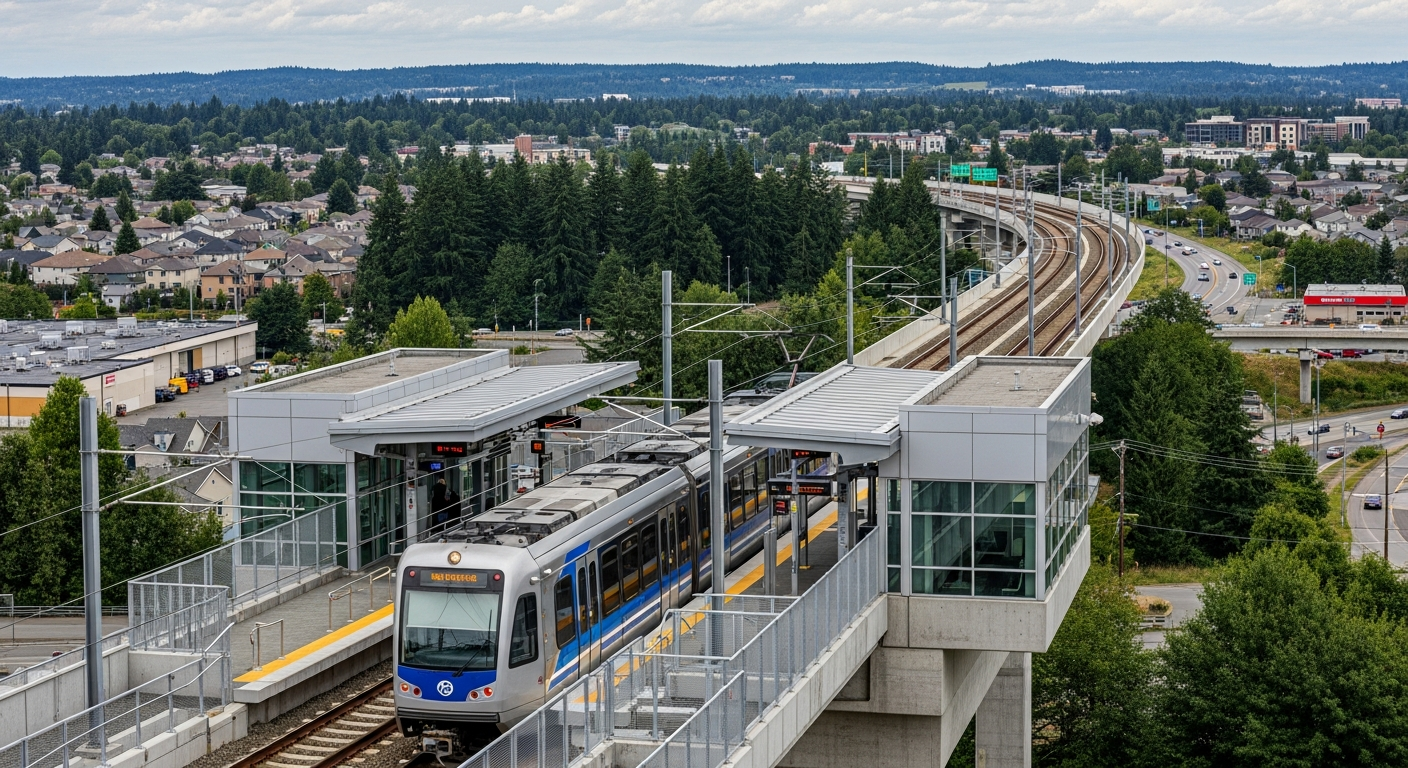
    The Everett Link Extension is a planned 16-mile light rail line connecting Snohomish County communities — including Lynnwood, Mariner, Paine Field, and Everett Station — to the regional Sound Transit light rail network. It was approved as part of the ST3 ballot measure by Puget Sound voters in November 2016, with an original 2021 cost estimate of $6.6 billion.

    The extension would add six stations north of the existing Lynnwood Link terminus: West Alderwood, Ash Way, Mariner, SW Everett Industrial Center (serving the Paine Field corridor), SR 526/Evergreen, and Everett Station at the heart of downtown. Those six stations represent a fundamental change in how Everett connects to the region — a car-free, congestion-proof link from Paine Field to Seattle’s core.

    The Cost Problem: $200M to $1.1B Above Estimates

    Sound Transit attributes the cost escalation to factors that have hammered infrastructure projects across the country: inflation running above projections, tariffs on construction materials, labor shortages in the skilled trades, supply chain disruptions, and rapidly escalating right-of-way acquisition costs. Together, these have driven costs 20 to 25 percent above the 2021 Financial Plan baseline.

    For the Everett extension specifically, that means a range of $200 million to $1.1 billion in added cost — on top of the original $6.6 billion. The project could cost as much as $7.7 billion. Set against Sound Transit’s described $34.5 billion system-wide budget gap, the Everett extension is one of the agency’s most expensive unresolved commitments.

    The Timeline Has Already Slipped — And Could Slip Further

    When Snohomish County voters approved ST3 in November 2016, the Everett Link Extension was projected to open in 2036. That date has already moved. Sound Transit’s current projections put the first phase — reaching Paine Field — as early as 2037. The full extension to Everett Station carries an estimated opening window of 2037 to 2041.

    A five-year uncertainty window for a single project’s completion date signals how unresolved this extension’s future actually is. For Everett residents who incorporated light rail into their long-term housing, employment, and transportation decisions, the uncertainty is not abstract.

    The Three Scenarios — Including One That Stops Short

    The most consequential revelation from April 14’s standing-room-only town hall at Everett Station: Sound Transit is evaluating at least three approaches to its budget challenge, and at least one scenario would not complete the connection to Everett Station downtown.

    Sound Transit’s Board has been considering approaches ranging from restructuring the phasing of ST3 projects — with some extensions potentially terminating before their original endpoints — to pursuing new financing mechanisms and federal funding sources. Previous Sound Transit documents describe options that could have the Everett extension terminate before reaching downtown Everett Station, leaving the corridor without its planned terminus for years beyond what voters expected.

    For a city that anchored its long-term transit planning around being the northern terminus of Puget Sound light rail, this scenario drew sustained and pointed questions from the standing-room crowd at Everett Station on April 14.

    Who Was in the Room — and What They Said

    Snohomish County Executive Dave Somers and Everett Mayor Cassie Franklin attended the April 14 town hall in person, taking questions alongside Sound Transit staff. Both officials have been consistent advocates for the full extension to Everett Station as a pillar of the region’s transportation and economic development future.

    The day before the town hall, the Everett Herald’s editorial board published a direct call for Sound Transit to “exhaust every option to keep light rail on track” — a signal of the urgency local elected officials and media are placing on this summer’s decision. Snohomish County’s elected Sound Transit Board representatives have similarly advocated against any scenario that defers or eliminates the Everett Station terminus.

    Why the Paine Field Station Is Especially High-Stakes

    The SW Everett Industrial Center station — commonly called the Paine Field station — is one of the most consequential stops in the entire ST3 project list. Paine Field is home to Boeing’s widebody assembly operations, the largest factory building by volume on earth. It’s also home to Paine Field International Airport (PAE), Snohomish County Airport, and over 600 aerospace suppliers that make up the $14 billion Snohomish County aerospace economy.

    A light rail connection to Paine Field would be transformative for the 30,000-plus workers commuting to the corridor daily — reducing parking pressure, cutting commute times from Seattle and south King County, and connecting the aerospace workforce to regional transit. If the Paine Field station is preserved but the Everett Station connection is deferred, Boeing and aerospace workers would gain access while Everett’s downtown remains disconnected.

    What Happens Next — The Summer 2026 Decision

    The Sound Transit Board is expected to take up ST3 System Plan restructuring in summer 2026. That vote will determine whether the Everett Link Extension proceeds on a modified but still-complete schedule, gets phased to stop short of Everett Station, or faces another restructuring.

    Between now and then, Sound Transit will continue accepting public comment. The April 14 town hall was one of multiple public engagement events the agency is holding across the ST3 service area.

    How to Have a Say Before the Board Votes

    • Attend Sound Transit Board meetings, which include public comment periods. Board meetings are held at Union Station in Seattle.
    • Submit written comments at soundtransit.org
    • Contact Snohomish County’s elected Sound Transit Board representatives — they vote on behalf of Snohomish County
    • Reach Everett Mayor Franklin’s office at (425) 257-8700 or Snohomish County Executive Dave Somers’s office at (425) 388-3460
    • Sign up for Sound Transit project updates at the Everett Link Extension participation page

    For more on Everett’s transit and development future, read our coverage of the April 14 town hall, the Millwright District’s new office pre-leasing push, and the 600+ aerospace companies that make Everett’s economy run.

    Frequently Asked Questions: Sound Transit Everett Link Extension

    What is the Sound Transit Everett Link Extension?

    The Everett Link Extension is a planned 16-mile light rail line connecting Lynnwood, Mariner, Paine Field, and Everett Station to the regional Sound Transit network. It was approved by Puget Sound voters in the ST3 ballot measure in November 2016.

    How much does the Everett Link Extension cost?

    The original 2021 estimate was $6.6 billion. As of 2026, Sound Transit estimates costs have increased between $200 million and $1.1 billion above that figure, potentially placing the total cost at up to $7.7 billion.

    When will the Everett Link Extension open?

    Sound Transit currently projects the first phase to Paine Field opening as early as 2037. The full extension to Everett Station carries an estimated opening window of 2037 to 2041. Both are subject to change depending on the Sound Transit Board’s summer 2026 decisions.

    Could light rail stop short of Everett Station?

    Yes. Sound Transit is weighing at least three scenarios, and at least one would not complete the connection to Everett Station downtown. No final decision has been made — the Board is expected to vote in summer 2026.

    What stations are planned for the Everett Link Extension?

    Six stations are planned north of Lynnwood Link: West Alderwood, Ash Way, Mariner, SW Everett Industrial Center (Paine Field), SR 526/Evergreen, and Everett Station.

    How can Everett residents comment on the Sound Transit light rail decision?

    Residents can attend Sound Transit Board meetings (open to public comment), submit written feedback at soundtransit.org, contact Snohomish County’s Sound Transit Board representatives, or reach out to Mayor Franklin’s office or County Executive Dave Somers’s office.

    What is Sound Transit’s $34.5 billion budget gap?

    Sound Transit describes a $34.5 billion system-wide shortfall between projected costs and its current financial plan — driven by inflation, tariffs on construction materials, labor shortages, and right-of-way cost escalation. The Everett Link Extension is one of several projects affected by this gap.

    Why does the Paine Field station matter so much?

    The Paine Field station would serve Boeing’s widebody assembly facility, Paine Field International Airport, and 600+ aerospace suppliers that employ tens of thousands of workers. A direct light rail connection to this corridor is considered one of the most transformative transit investments in the region.

  • What Sound Transit’s Everett Light Rail Uncertainty Means for Paine Field Aerospace Workers


    Q: Will light rail reach Paine Field for Boeing and aerospace workers?
    A: The Paine Field station (officially SW Everett Industrial Center station) is included in all known Sound Transit scenarios for the Everett Link Extension. The question is whether the full line continues to Everett Station, or stops at or near Paine Field — and when. The Sound Transit Board is expected to decide in summer 2026.

    What Sound Transit’s Everett Light Rail Uncertainty Means for Paine Field Aerospace Workers

    If you work on Boeing’s flight line at Paine Field, assemble components for the 777X program, or work at any of the 600-plus aerospace suppliers in Snohomish County’s industrial corridor, you have a direct stake in the Sound Transit cost crisis that dominated the April 14 town hall at Everett Station. Here’s what the $1.1 billion cost overrun problem means for you specifically.

    The Paine Field Station: Your Stop in the Extension

    The planned SW Everett Industrial Center station — commonly called the Paine Field station — sits at the southern end of the Everett Link Extension’s northern segment, closest to Boeing’s widebody assembly facilities and Paine Field International Airport. This is the stop designed to serve the 30,000-plus workers commuting daily to the Paine Field industrial corridor.

    What makes the Paine Field station different from the others in the extension is that it anchors the economics of the whole project. The concentrated, shift-based workforce at Boeing and the aerospace suppliers creates exactly the kind of predictable, high-density ridership that makes transit investments pencil out. That’s why the Paine Field station is believed to be preserved in all scenarios Sound Transit is weighing — even the ones that stop short of Everett Station downtown.

    The Scenario That Could Actually Help Boeing Workers First

    Here’s the scenario that could actually benefit aerospace workers even while leaving downtown Everett disconnected: Sound Transit builds the extension to Paine Field first, in a phased approach, without completing the final segment to Everett Station. Under this scenario, workers commuting from Seattle, Bellevue, Lynnwood, and south King County would gain a direct light rail connection to the Paine Field corridor by approximately 2037 — potentially years before a full Everett Station connection would be complete in a more ambitious scenario.

    That’s a real tradeoff. Workers who commute from the south would benefit. Everett residents who want to ride light rail downtown would not. The politics of that tradeoff are complicated — and it’s exactly what the April 14 town hall crowd was pressing Sound Transit about.

    What the Commute Currently Looks Like

    Right now, getting to Paine Field from Seattle on transit means Link light rail to Lynnwood City Center station (opened 2024), followed by Community Transit Route 201 or 202 into the Paine Field corridor. The trip takes approximately 75-90 minutes from downtown Seattle. By car on I-5, the same trip takes 35-45 minutes in off-peak traffic — and significantly longer during Boeing’s shift changes, when northbound I-5 and SR 526 congest heavily.

    Direct light rail to Paine Field — with trains running every 8-12 minutes — would compress that commute to roughly 50-55 minutes from downtown Seattle, with no traffic variability and no car costs. For workers doing daily reverse commutes from Seattle, that’s a meaningful quality of life change. For workers already living in Everett or Marysville, it adds a transit option for commuting south to Seattle.

    The 2037 Target — And What Could Push It Later

    Sound Transit’s current projection puts the first phase of the Everett extension — reaching as far north as Paine Field — as early as 2037. That’s 11 years away. For Boeing workers early in their careers, that’s a plausible planning horizon. For workers counting on transit options in the near term, it’s not.

    What could push the 2037 target later: the Sound Transit Board choosing a more conservative phasing approach that delays construction start, federal funding gaps, continued inflation in construction costs, or permitting and right-of-way challenges in the SR 526 corridor. Sound Transit has already slipped this project’s timeline from 2036 to 2037-2041. That history suggests treating optimistic targets with skepticism.

    How to Influence the Summer 2026 Decision

    The Sound Transit Board will vote on ST3 System Plan restructuring in summer 2026. The voices of Paine Field workers — as both transit users and significant economic stakeholders — matter in this process. Snohomish County’s elected Sound Transit Board representatives represent your interests.

    Ways to engage before the vote: Submit comments at soundtransit.org, contact Snohomish County Executive Dave Somers’s office at (425) 388-3460, or reach out to the Economic Alliance Snohomish County, which has been advocating loudly for the full Paine Field and Everett Station connection.

    For the complete picture on the Everett extension, see our full knowledge hub: Sound Transit’s Everett Link Extension: The Complete 2026 Guide. For more on Everett’s aerospace economy, read about the 600+ aerospace companies in Snohomish County and Boeing’s North Line worker guide.

    FAQ: Light Rail and Paine Field for Boeing Workers

    Will the Paine Field station be built regardless of what happens to Everett Station?

    Based on publicly available Sound Transit scenario documents, the Paine Field station is included in all known options. The key question is whether the line extends further to Everett Station, not whether Paine Field gets served. No final decision has been made.

    When would a Paine Field light rail station open?

    Sound Transit targets the first phase reaching Paine Field as early as 2037, pending the Board’s summer 2026 decisions on ST3 System Plan restructuring.

    How long would the light rail commute from Seattle to Paine Field be?

    With a direct Link connection from downtown Seattle to the Paine Field station, travel time is estimated at approximately 50-55 minutes — compared to 75-90 minutes on current bus-rail connections and 35-60 minutes by car depending on traffic.

    What does the Paine Field light rail station cover?

    The SW Everett Industrial Center station is planned to serve Boeing’s widebody assembly facilities, Paine Field International Airport (PAE), and the Paine Field industrial corridor — home to Boeing and 600+ aerospace suppliers.

    How can Boeing workers comment on Sound Transit’s decision?

    Submit comments at soundtransit.org, attend Sound Transit Board meetings with public comment periods, or contact Snohomish County Executive Dave Somers’s office. The Board votes on the ST3 System Plan in summer 2026.

  • Moving to Everett? Here’s What Sound Transit’s Light Rail Uncertainty Means for You


    Q: Can I ride light rail from Everett to Seattle?
    A: Not yet from Everett itself — but you can already connect. Lynnwood Link opened in 2024, with trains running to Lynnwood City Center station. Community Transit buses connect Everett to Lynnwood for the light rail transfer. Direct light rail to Everett Station is projected for 2037-2041, depending on Sound Transit’s summer 2026 decisions.

    Moving to Everett? Here’s What Sound Transit’s Light Rail Uncertainty Means for You

    One of the most common questions from people considering a move to Everett is the commute question: can I realistically get to Seattle without a car? The answer in 2026 is: yes, with transfers — and possibly via direct light rail by 2037 to 2041, depending on a critical Sound Transit Board vote coming this summer.

    Here’s the honest picture for people who are choosing a home in Everett with one eye on future transit.

    What Exists Right Now: The Lynnwood Transfer

    Lynnwood Link light rail opened in 2024, extending Seattle’s Link light rail network to Lynnwood City Center station — about 15 miles south of downtown Everett. From Everett, Community Transit’s Swift Blue Line BRT and express bus routes connect to Lynnwood City Center in 20-35 minutes, depending on your Everett starting point.

    From Lynnwood, Link light rail carries you to the University of Washington in about 22 minutes and to downtown Seattle (Westlake Station) in about 35 minutes. Total Everett-to-Seattle time via transit: approximately 65-80 minutes, depending on connections. By car, the same trip takes 30-45 minutes off-peak and can exceed 90 minutes during peak hours — with the added cost of parking, which in downtown Seattle often runs $25-40 per day or $300-400 per month.

    The Promise: Direct Light Rail to Everett Station

    The Everett Link Extension — voted for by Puget Sound residents in 2016 — would add six stations connecting Lynnwood Link north through Mariner, Paine Field, and ultimately to Everett Station in downtown Everett. When complete, a rider at Everett Station would be able to board light rail directly and reach downtown Seattle in roughly 55-65 minutes, with no transfers.

    That direct connection would meaningfully change what it means to live in Everett and work in Seattle — or work at Boeing’s Paine Field campus and live in Seattle. It’s the kind of transit investment that anchors long-term real estate value and livability.

    The 2026 Crisis: Costs Have Climbed Sharply

    As of spring 2026, Sound Transit faces costs for the Everett extension that have climbed between $200 million and $1.1 billion above the original $6.6 billion estimate — putting the total at potentially $7.7 billion. The agency has described a $34.5 billion system-wide budget gap driven by inflation, tariffs on construction materials, labor shortages, and rising right-of-way costs.

    The Sound Transit Board is weighing at least three scenarios for restructuring the ST3 System Plan, with a decision expected in summer 2026. One scenario would not complete the connection to Everett Station — instead stopping the extension at or near Paine Field. That outcome would leave Everett Station without direct light rail for years beyond current projections.

    What This Means If You’re Choosing a Neighborhood Now

    If you’re buying a home or signing a lease in Everett in 2026, here’s the practical reality to factor in:

    Near Everett Station (Broadway, Bayside, downtown core): These neighborhoods benefit most from a completed light rail extension to Everett Station — and face the most disappointment if that scenario is deferred. Right now, Community Transit’s express bus connections to Lynnwood are your best transit option. The downtown core has walkable services and Everett Station’s existing Amtrak Cascades and Sounder connections.

    Near Paine Field / Casino Road / SW Everett: The Paine Field station appears to be preserved in all Sound Transit scenarios, meaning transit access to the SW industrial corridor may arrive on a relatively consistent 2037 timeline regardless of what happens to Everett Station.

    Neighborhoods near I-5 (Everett Way, Beverly/Bayside): Good access to express buses running south along the corridor to Lynnwood Link. Current transit commute times to Seattle via Lynnwood transfer are manageable for daily commuters.

    Comparing Everett to Alternatives

    For context: moving to Everett in 2026 puts you approximately 30-35 miles north of Seattle. Comparable Seattle-area transit commutes: Tacoma to Seattle (55 miles) via Sounder takes 63 minutes; Bellevue to Seattle (10 miles) via Link takes 22 minutes; Redmond to Seattle (15 miles) via Link takes 30 minutes. Everett’s Lynnwood transfer option compares favorably to Tacoma’s commute and unfavorably to Eastside options.

    Everett’s median home price of approximately $530,000 (2026) versus Seattle’s $850,000-plus median makes the commute tradeoff financially significant for many buyers.

    For more context on Everett neighborhoods, see our coverage of Casino Road’s South Everett community, the complete Sound Transit Extension guide, and Lowell, Everett’s oldest neighborhood.

    FAQ: Light Rail and Moving to Everett

    Is there light rail in Everett right now?

    No direct light rail in Everett yet. Lynnwood Link, which opened in 2024, extends to Lynnwood City Center station about 15 miles south. Community Transit buses connect Everett to Lynnwood for the transfer to Link.

    When will light rail reach Everett Station?

    Sound Transit currently estimates 2037-2041, subject to the Board’s summer 2026 decisions. One scenario under consideration would not complete the Everett Station connection.

    How long does the commute from Everett to Seattle take on transit?

    Currently, approximately 65-80 minutes via Community Transit to Lynnwood Link, then Link to downtown Seattle. By car in off-peak traffic, 30-45 minutes; peak hours can exceed 90 minutes on I-5.

    Will property values near Everett Station increase if light rail is built?

    Light rail stations consistently increase property values in surrounding areas. Studies of completed Link stations show 10-25% value premiums within a quarter mile of stations over a 5-10 year period. Everett Station-area properties have partially priced in the anticipated extension — the unresolved timeline creates some pricing uncertainty.

    What Community Transit routes connect Everett to Lynnwood Link?

    Community Transit Swift Blue Line BRT and express routes 113, 201, and 202 connect Everett to Lynnwood City Center station. Check commute options at commutransit.org.

  • Boeing’s 777X Production First Flight at Paine Field: The Complete Everett Guide


    Q: Has Boeing’s 777X flown as a production-standard aircraft?
    A: Boeing’s first production-standard 777X completed fuel testing at Paine Field in Everett and is targeted for its first production-configured flight in April 2026. This is distinct from earlier test flights — it is the first 777X built exactly as airlines will receive it, with no experimental test equipment. A successful flight would be the clearest milestone yet that the long-delayed program is approaching FAA certification.

    Boeing’s 777X Production First Flight at Paine Field: The Complete Everett Guide

    The Boeing 777X has been one of the longest, most expensive, and most closely watched commercial aircraft programs in aviation history. Seven years of delays. More than $15 billion in development charges. An original 2020 certification target that has slipped to a projected 2026-2027 timeframe. And through all of it, the program has remained anchored at Paine Field in Everett — where Boeing’s widebody factory sits on the west side of Snohomish County Airport, and where every 777X ever built has rolled off the production line.

    In April 2026, the program has reached a milestone that matters more than any single test flight that came before it: Boeing’s first production-standard 777X has completed fuel testing at Paine Field and is ready to fly.

    What “Production-Standard” Means — And Why It Changes Everything

    Every 777X built before this one was a test aircraft. Test aircraft are loaded with experimental instrumentation, temporary sensors, and monitoring equipment that would never appear in a commercial jet. They fly specially modified profiles. Engineers learn from them, but they don’t represent what airlines will actually operate.

    A production-standard aircraft is built exactly the way the aircraft that Lufthansa — the 777X’s launch customer — will actually put into service. Same systems architecture. Same cabin configuration. Same software loads. Same maintenance procedures. No experimental modifications. No special monitoring equipment. It’s the aircraft that airlines signed contracts for.

    Why does the FAA require a production-standard aircraft for certification? Because regulators need to verify that the design performs reliably without the training wheels of specialized test equipment. The FAA’s Type Inspection Authorization (TIA) for production-configured aircraft — expected in the second half of 2026 if the April first flight succeeds — would allow FAA pilots to join the cockpit for the final certification evaluation flights. That’s the last major hurdle before an airworthiness certificate.

    The 777X Program at a Glance

    The 777X is Boeing’s newest-generation widebody, featuring 12-foot carbon-fiber composite folding wingtips, GE9X high-bypass turbofan engines producing up to 105,000 pounds of thrust, and a fuselage that’s wider than the 777-300ER it eventually replaces. The aircraft is designed for routes of 7,285 nautical miles (the 777-9 variant) and 8,730 nautical miles (the 777-8), making it competitive on long ultra-haul routes.

    The program has accumulated more than $15 billion in development charges since it launched in 2013 — one of the most expensive commercial aircraft development programs in aviation history. Launch orders came from Lufthansa, Emirates, Qatar Airways, Singapore Airlines, and others. Total orders and commitments across 777X variants exceed 490 aircraft as of early 2026.

    The original delivery target was 2020. It slipped to 2021, then 2022, then 2023, then 2024-2025, and is now projected for first delivery to Lufthansa in Q1 2027 — if the production-standard flight succeeds and FAA certification proceeds as planned in 2026.

    The Paine Field Connection — What This Means for Everett

    The 777X program is physically inseparable from Everett. Boeing builds every 777X in the Everett factory — the 472 million cubic foot Everett Delivery Center on the west side of Paine Field, which at 98.7 acres under roof remains the largest building by volume on earth. The 777X production line operates alongside the 767 freighter program and, following the 737 MAX North Line expansion, the first 737 MAX aircraft to be assembled at Paine Field.

    For Everett’s Boeing workforce — approximately 30,000 direct Boeing employees in Snohomish County — the 777X’s path to certification is a production ramp question. Successful FAA certification means Lufthansa takes delivery of the first aircraft, followed by Qatar Airways and Emirates. Each delivery triggers production slot payments. A robust delivery ramp translates directly into stable employment on Paine Field’s widebody lines.

    For the 600-plus aerospace suppliers in Snohomish County who build components, systems, and parts for 777X production, the certification timeline is equally consequential. Suppliers like Spirit AeroSystems and dozens of local precision machining, composites, and avionics companies have supplier agreements tied to production rates that kick in with deliveries.

    What Comes After the First Production Flight

    If the April 2026 production-standard first flight is successful, the path to certification proceeds in roughly these steps: Boeing submits evidence of production-standard conformance to the FAA; the FAA issues a Type Inspection Authorization for production-configured aircraft; FAA pilots join test flights for final conformance evaluations; Boeing completes the remaining certification test points; FAA issues the 777X Type Certificate (TC); Boeing delivers the first aircraft to Lufthansa, targeted for Q1 2027.

    Each step has its own risks. The FAA’s post-737 MAX scrutiny of Boeing certification programs has added time to this process compared to pre-2019 standards. But the successful fuel test completion and production-standard configuration represent genuine progress after years of program challenges.

    Watching the 777X at Paine Field

    Paine Field is one of the few places in the world where the public can watch a next-generation widebody aircraft fly. The Boeing Future of Flight Aviation Center, located just north of the Paine Field flight line at 8415 Paine Field Blvd., offers factory tours and a rooftop observation deck. When the 777X makes its production-standard first flight, it will take off from Paine Field’s Runway 16R/34L and likely perform initial maneuvers over Snohomish County before landing back at Paine.

    Boeing has not announced a public viewing date or time for the flight. Aviation enthusiast groups and planespotting communities on the Puget Sound Aviation Facebook group and FlightAware typically track Boeing test flights in real time once they appear on radar.

    For more on Everett’s aerospace economy, see our coverage of the original 777X first flight story, the 600+ aerospace companies in Snohomish County, and Boeing’s North Line worker guide.

    Frequently Asked Questions: Boeing 777X at Paine Field

    What is the Boeing 777X?

    The Boeing 777X is Boeing’s newest-generation widebody commercial aircraft, featuring carbon-fiber composite folding wingtips, GE9X engines, and significantly improved fuel efficiency versus the 777-300ER. The program has launch orders from Lufthansa, Emirates, Qatar Airways, and Singapore Airlines.

    Where is the Boeing 777X built?

    Every Boeing 777X is built at Boeing’s Everett factory at Paine Field — the 98.7-acre building that remains the largest building by volume on earth.

    Why did it take so long for a production-standard 777X to fly?

    The 777X program experienced delays from regulatory scrutiny following the 737 MAX crises, pandemic disruptions to widebody demand, structural design challenges, and software certification requirements. Total development charges have exceeded $15 billion across the program’s history.

    When will Boeing deliver the first 777X to an airline?

    If the April 2026 production-standard first flight succeeds and FAA certification proceeds as planned, Lufthansa is targeted to receive the first 777X in Q1 2027.

    How many 777X orders does Boeing have?

    Boeing has accumulated orders and commitments exceeding 490 aircraft across 777-8 and 777-9 variants as of early 2026. Key customers include Lufthansa, Emirates, Qatar Airways, Singapore Airlines, and Cathay Pacific.

    Can I watch the 777X fly at Paine Field?

    Boeing has not announced public viewing arrangements for the production-standard first flight. The Boeing Future of Flight Aviation Center offers tours and an observation deck. Aviation enthusiast communities on social media typically track Boeing test flights in real time via FlightAware and ADS-B Exchange.

    What does 777X certification mean for Everett jobs?

    FAA certification enables Boeing to deliver aircraft to customers, triggering production ramp-ups that directly support Everett’s approximately 30,000 Boeing employees in Snohomish County and the 600+ local aerospace suppliers whose contracts scale with production rates.