Blog

  • Generative Engine Optimization for Restoration Companies: How to Get Cited by AI

    Generative Engine Optimization for Restoration Companies: How to Get Cited by AI

    Tygart Media / The Signal
    Broadcast Live
    Filed by Will Tygart
    Tacoma, WA
    Industry Bulletin

    You can rank #1 on Google and still be invisible to the systems that are replacing it. That’s the paradox every restoration company needs to understand right now.

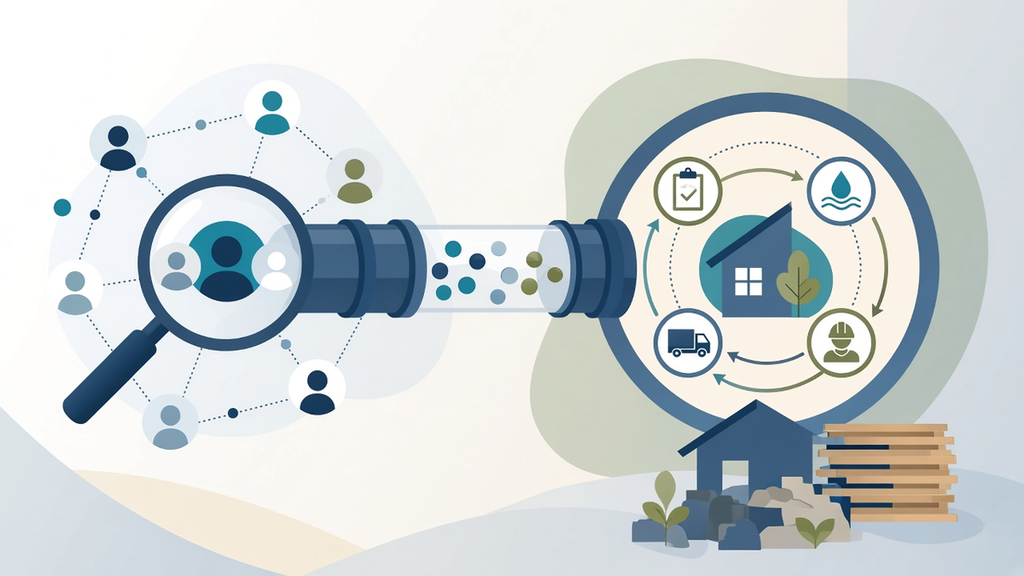
    Generative Engine Optimization—GEO—is the discipline of making your content findable, citable, and recommendable by AI systems. Not Google’s algorithm. The AI itself. ChatGPT, Claude, Gemini, Perplexity, Google’s AI Overviews—these systems don’t crawl your site the way a search bot does. They evaluate your content the way an expert evaluates a source. And most restoration company content fails that evaluation before the first paragraph ends.

    I’ve been operating at the intersection of AI systems and content strategy since before most agencies admitted AI mattered. What I can tell you is this: GEO is not a future concern. It is the present competitive landscape, and the restoration companies that figure it out first will own a moat that takes years to cross.

    The Shift From Links to Entity Authority

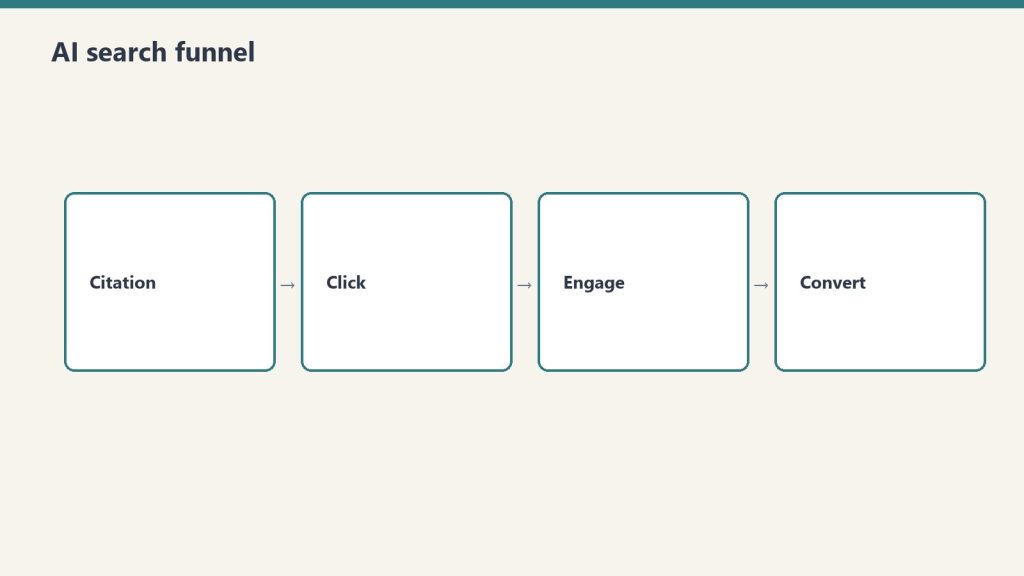
    Four-stage funnel: citation, click, engage, convert
    The shift from links to entity authority.

    Traditional SEO runs on backlinks. GEO runs on entity authority. The difference isn’t academic—it’s structural.

    When an AI system like ChatGPT or Perplexity generates an answer about water damage restoration, it doesn’t count how many sites link to yours. It evaluates whether your brand is a recognized entity in the knowledge graph, whether your content demonstrates genuine expertise, and whether your claims are corroborated by other authoritative sources. The most valuable currency in GEO is not a backlink—it’s a footnote.

    Entity authority in 2026 means AI systems consistently associate your brand with specific subjects. When you publish enough structured, expert-level content about commercial water damage restoration and that content gets cited by industry publications, referenced in educational materials, and corroborated by third-party data—you become what the AI community calls a “knowledge node.” Once you’re a node, AI doesn’t just find you. It knows you.

    That’s the difference between showing up in search results and being recommended by the machine.

    Why 80% of Restoration Content Is Invisible to AI

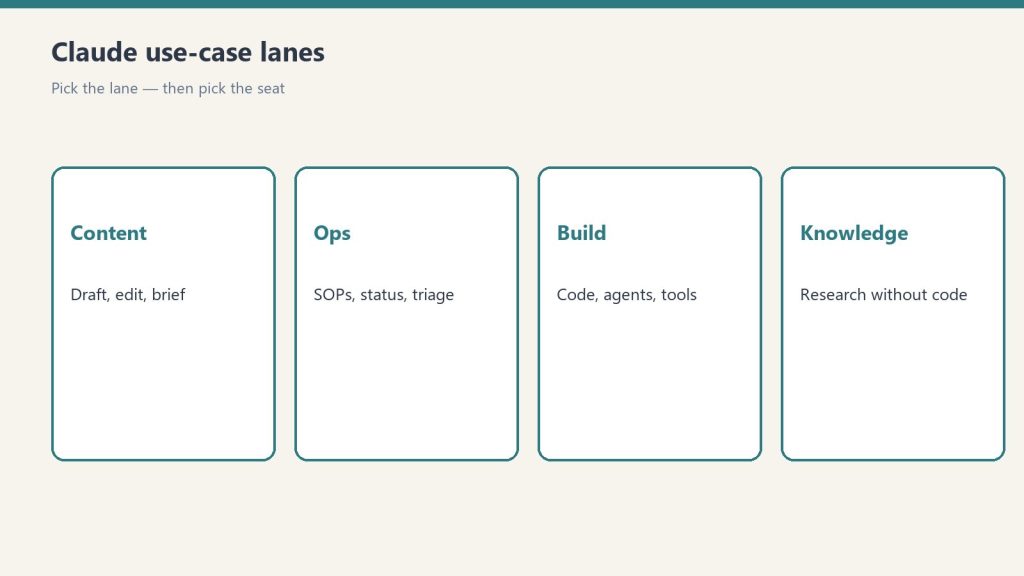
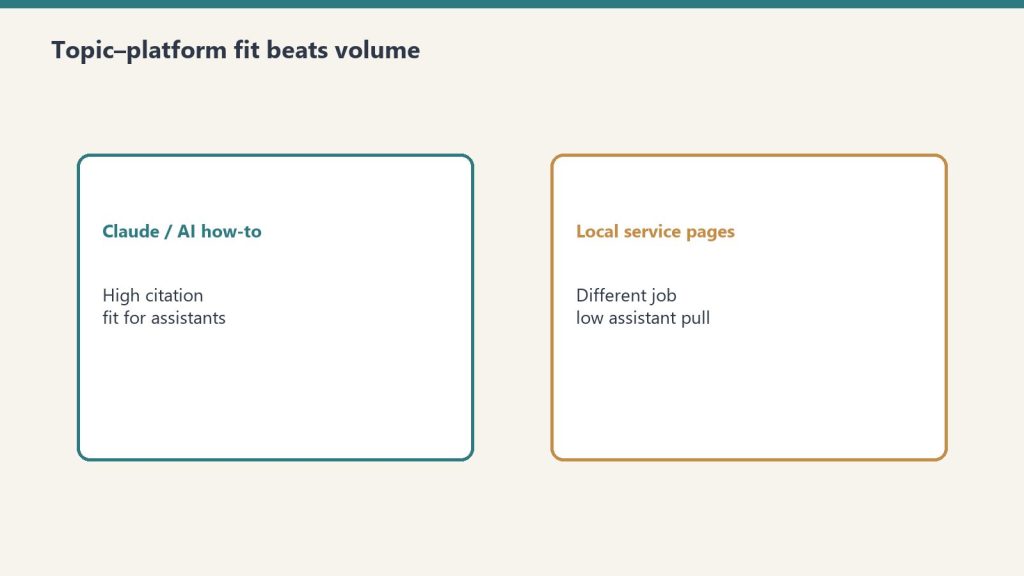
    Comparison of Claude how-to fit versus local service page fit for assistants
    Why 80% of restoration content is invisible to AI.

    AI systems evaluate content on clarity, factual density, structured formatting, and information gain. “Information gain” means your content provides something the AI hasn’t already synthesized from a hundred other sources.

    Most restoration company blog posts fail on information gain. “Five steps to prevent water damage” with generic tips about checking your pipes and cleaning your gutters provides zero information gain. The AI has already synthesized that from thousands of sources. Your version doesn’t add anything.

    Content that scores high on information gain includes: original data from your own projects, specific cost figures with geographic and temporal context, documented case outcomes with measurable results, expert frameworks that organize existing knowledge in novel ways, and contrarian positions backed by evidence.

    A post titled “Average Water Damage Restoration Costs in Houston: 2026 Data From 147 Projects” has massive information gain. Nobody else has your project data. The AI cannot synthesize it from other sources. That makes your content uniquely valuable—and uniquely citable.

    The E-E-A-T Bridge Between SEO and GEO

    Google’s E-E-A-T framework—Experience, Expertise, Authoritativeness, Trustworthiness—was designed for traditional search. But it turns out to be the best proxy we have for GEO signals too.

    AI systems consistently rely on durable signals like authority, clarity, and trust. Brands with strong entity clarity and credible sources appear repeatedly in AI-generated answers. E-E-A-T signals influence not just whether your content is referenced, but how it is framed within an answer. A high-trust source gets cited as an authority. A low-trust source gets summarized without attribution—or ignored entirely.

    For restoration companies, E-E-A-T means: author bylines with real credentials (IICRC certifications, years of field experience), content that references specific projects and outcomes, citations to industry standards (S500, S520, S540), and transparent methodology when presenting data or recommendations.

    Structured Data as AI Communication Protocol

    Schema markup has always been important for SEO. For GEO, it’s the communication protocol between your content and AI systems.

    JSON-LD structured data—Article, FAQPage, HowTo, LocalBusiness, Organization—tells AI systems what your content is, who created it, and how to categorize it. When you consistently use structured data and link your entities to trusted sources, the AI begins to see your brand as a permanent node in its knowledge representation.

    The restoration industry has one of the lowest schema adoption rates of any service vertical. Fewer than 15% of restoration websites implement structured data beyond basic organization schema. For the companies that do implement comprehensive schema—including Service schema for each restoration specialty, FAQPage schema for common questions, and Article schema with proper author attribution—the visibility advantage in AI-generated answers is significant.

    The LLMS.txt and AI Crawlability Layer

    A development most restoration companies haven’t heard of yet: LLMS.txt. Similar to robots.txt for search engines, LLMS.txt is an emerging standard that tells AI crawlers how to interpret and access your site’s content. It’s not universally adopted yet, but the companies implementing it now are building early-mover advantage in AI discoverability.

    Beyond LLMS.txt, AI crawlability means ensuring your content is accessible in clean, parseable formats. AI systems struggle with content locked behind JavaScript rendering, hidden in accordion tabs, or buried in PDF-only formats. The technically optimal setup for GEO: server-side rendered HTML with clear heading hierarchy, structured data in every template, and content that loads without client-side JavaScript execution.

    Building Your GEO Foundation: The 90-Day Plan

    Desk with laptop, checklist notebook, and billing card ready before creating an Anthropic API key
    Building your GEO foundation — the 90-day plan.

    Month one: Audit your existing content for information gain. Identify every post that provides nothing an AI couldn’t synthesize from a hundred other sources. Flag them for rewriting or retirement. Implement comprehensive schema markup across your site—LocalBusiness, Service, Article, FAQPage at minimum.

    Month two: Create five pieces of entity-building content. Each should include original data, specific outcomes, or expert frameworks unique to your company. Publish them with full structured data, proper author attribution, and clear E-E-A-T signals. Begin building citations on industry authority sites—not for backlinks, but for entity corroboration.

    Month three: Measure. Track your brand mentions in AI-generated answers using tools like Perplexity, ChatGPT, and Google’s AI Overviews. Search for your core topics and see if your brand appears. If it does—document what’s working. If it doesn’t—analyze what’s missing in entity authority, information gain, or structured data.

    GEO is not a campaign. It’s an architecture decision. You’re either building content that AI systems want to cite, or you’re building content that AI systems render invisible. The restoration companies that understand this distinction right now will own their categories for years.

    That’s not a prediction. That’s a pattern we’ve already documented.

    {
    “@context”: “https://schema.org”,
    “@type”: “Article”,
    “headline”: “Generative Engine Optimization for Restoration Companies: How to Get Cited by AI”,
    “author”: {“@type”: “Organization”, “name”: “Tygart Media”},
    “publisher”: {“@type”: “Organization”, “name”: “Tygart Media”},
    “datePublished”: “2026-03-19”,
    “description”: “A comprehensive guide to Generative Engine Optimization (GEO) for restoration companies, covering entity authority, information gain, structured data, E-E-A-T, and the 90-day GEO foundation plan.”
    }

    {
    “@context”: “https://schema.org”,
    “@type”: “FAQPage”,
    “mainEntity”: [
    {“@type”: “Question”, “name”: “What is Generative Engine Optimization (GEO)?”, “acceptedAnswer”: {“@type”: “Answer”, “text”: “GEO is the discipline of making your content findable, citable, and recommendable by AI systems like ChatGPT, Claude, Gemini, Perplexity, and Google AI Overviews. Unlike traditional SEO which optimizes for search engine algorithms, GEO optimizes for AI systems that evaluate content like an expert evaluates a source.”}},
    {“@type”: “Question”, “name”: “What is entity authority and why does it matter for restoration companies?”, “acceptedAnswer”: {“@type”: “Answer”, “text”: “Entity authority means AI systems consistently associate your brand with specific subjects. Unlike backlinks in traditional SEO, entity authority is built through expert-level content, structured data, citations from authoritative sources, and corroboration across the knowledge graph. It determines whether AI recommends your brand or ignores it.”}},
    {“@type”: “Question”, “name”: “How do restoration companies create content with high information gain?”, “acceptedAnswer”: {“@type”: “Answer”, “text”: “High information gain content includes original data from your projects, specific cost figures with geographic and temporal context, documented case outcomes with measurable results, expert frameworks that organize knowledge in novel ways, and contrarian positions backed by evidence. Generic tips that AI can synthesize from other sources score zero information gain.”}},
    {“@type”: “Question”, “name”: “What schema markup should restoration companies implement for GEO?”, “acceptedAnswer”: {“@type”: “Answer”, “text”: “At minimum: LocalBusiness, Service (for each restoration specialty), Article (with proper author attribution), and FAQPage schema. Fewer than 15% of restoration websites implement structured data beyond basic organization schema, making this an open competitive advantage.”}}
    ]
    }

    AI-generated featured image for: Generative Engine Optimization for Restoration Companies: How to Get Cited by AI
    AI-generated image for Generative Engine Optimization for Restoration Companies: How to Get Cited by AI
  • The Restoration Company’s Local SEO Playbook for 2026: What Actually Moves Rankings

    The Restoration Company’s Local SEO Playbook for 2026: What Actually Moves Rankings

    Tygart Media / Content Strategy
    The Practitioner JournalField Notes
    By Will Tygart
    · Practitioner-grade
    · From the workbench

    Every restoration company I talk to says the same thing: “We show up on Google.” Then I ask them to search from a phone two miles outside their office. Silence.

    Here’s the reality of local SEO for restoration contractors in 2026: the companies that own their service area aren’t doing anything exotic. They’re doing the basics—relentlessly, precisely, and without ever stopping. The ones who disappear? They optimized once, called it done, and went back to waiting for the phone to ring.

    I’ve spent years in the gap between Manhattan-level martech and Main Street execution. The restoration industry sits in a strange place—high-value emergency services competing on local search with the sophistication of a 2014 dental practice. That gap is where the money is.

    Google Business Profile Is Not a Set-It-and-Forget-It Tool

    Comparison of Claude how-to fit versus local service page fit for assistants
    Google Business Profile is not set-it-and-forget-it.

    Google Business Profile (GBP) remains the single highest-leverage local SEO asset for restoration contractors in 2026. But “remains” is doing heavy lifting in that sentence. What GBP demands today is radically different from what it demanded two years ago.

    The data is unambiguous: businesses that post weekly updates, respond to every review within 24 hours, and add new photos at least twice a month outperform inactive profiles by measurable margins. One contractor study showed a 21% increase in local search impressions after three months of consistent GBP activity—weekly posts, Q&A responses, and photo uploads.

    That’s not a hack. That’s showing up.

    Google’s local algorithm now weighs four signal categories: relevance, distance, prominence, and behavioral engagement. The first three are table stakes. The fourth—how users interact with your listing—is where most restoration companies bleed rankings. If someone calls from your GBP listing, stays on the line, and books a job, Google notices. If they click, bounce, and call the next result, Google notices that too.

    The NAP Consistency Problem Nobody Fixes

    Name, Address, Phone number. Three fields. And yet NAP inconsistency is still the most common local SEO failure I see in restoration. Your GBP says “ABC Restoration Inc.” Your Yelp listing says “ABC Restoration.” Your BBB page says “ABC Restoration Services LLC.” Google treats these as three different businesses.

    This isn’t theoretical. I’ve watched companies jump 8-12 positions in the local pack within 60 days of cleaning up citation inconsistencies across major directories. No content changes. No link building. Just making their business information match across 40+ platforms.

    The platforms that matter most in 2026: Google Business Profile, Bing Places, Apple Maps, Yelp, BBB, Angi, Thumbtack, Facebook, and industry-specific directories like the IICRC’s provider locator and Restoration Industry Association member listings.

    Service Area Pages That Actually Rank

    Flooded residential living room with standing water on hardwood after a water loss
    Service area pages that actually rank.

    Every restoration SEO guide tells you to build service area pages. Almost none of them tell you why most service area pages fail.

    They fail because they’re templates with a city name swapped in. Google’s March 2026 core update doubled down on this—sites running scaled, templated content across dozens of city pages saw significant ranking drops. The update specifically targeted what Google internally calls “location-swapped” content: identical structures with only geographic modifiers changed.

    Service area pages that rank in 2026 share three characteristics: they reference local landmarks, regulations, or conditions specific to that area; they include real project data or case references from that geography; and they answer questions that only someone serving that area would think to address. “Water damage restoration in Houston” needs to talk about clay soil expansion, TCEQ regulations, and hurricane season preparation. “Water damage restoration in Phoenix” needs to talk about monsoon flash flooding, desert foundation cracking, and evaporative cooler leaks.

    Reviews: The Compounding Asset

    Review signals—volume, velocity, recency, and sentiment—carry more weight in local rankings than at any point in Google’s history. This isn’t speculation. The local search ranking factor studies from 2025-2026 consistently place review signals in the top three ranking factors, alongside GBP signals and on-page optimization.

    But here’s what the ranking factor studies don’t tell you: review velocity matters more than total count. A company with 50 reviews that gets 4-5 new ones per month will outrank a company with 200 reviews that hasn’t received one in 90 days. Google wants to see ongoing social proof, not historical accumulation.

    The restoration companies that win reviews consistently have one thing in common: they ask during the emotional peak. Not after the invoice. Not two weeks later. They ask when the homeowner walks back into their restored living room for the first time. That’s the moment. Automate everything else, but make that ask human.

    Technical SEO Foundations Most Restoration Sites Ignore

    I audit restoration company websites every week. The same technical issues appear in roughly 80% of them: no SSL certificate (still), page load times above 4 seconds on mobile, missing schema markup, orphaned pages from old service offerings, and redirect chains three or four hops deep.

    Core Web Vitals aren’t optional in 2026. Google’s page experience signals directly influence local pack rankings. A restoration site loading in 1.8 seconds with proper LCP, FID, and CLS scores will beat a slower competitor even if the slower site has more reviews and more backlinks. Speed is a tiebreaker that breaks a lot of ties.

    Schema markup—specifically LocalBusiness, Service, and FAQPage schema—remains underdeployed in the restoration vertical. Fewer than 15% of restoration company websites use structured data beyond basic organization schema. That’s an open lane for any company willing to implement it properly.

    The Franchise vs. Independent Dynamic

    National restoration franchises are investing more heavily in digital than ever. ServiceMaster, SERVPRO, Paul Davis, and Belfor all have dedicated SEO teams and seven-figure digital budgets. Independent operators look at this and feel outmatched.

    They shouldn’t. Franchise SEO has a structural weakness: corporate brand guidelines create template uniformity across hundreds of locations. Google’s algorithm penalizes this. An independent restoration company with unique, locally-grounded content on a technically sound website will outrank a franchise location running corporate-approved templates in the same market.

    The franchise advantage is brand recognition. The independent advantage is authenticity. In local SEO, authenticity compounds.

    What to Do This Week

    Desk with laptop, checklist notebook, and billing card ready before creating an Anthropic API key
    What to do this week.

    Audit your GBP listing for completeness—every field filled, correct categories selected, photos less than 30 days old. Run your business name through a citation checker and fix every inconsistency. Check your website speed on Google’s PageSpeed Insights from a mobile device. Look at your last 10 reviews and confirm you responded to every single one. If your service area pages read like templates, rewrite the top three by market size with genuinely local content.

    None of this is revolutionary. That’s the point. The restoration companies dominating local search in 2026 aren’t doing revolutionary things. They’re doing obvious things that their competitors won’t sustain.

    That’s the gap. That’s where we operate.

    {
    “@context”: “https://schema.org”,
    “@type”: “Article”,
    “headline”: “The Restoration Company’s Local SEO Playbook for 2026: What Actually Moves Rankings”,
    “author”: {“@type”: “Organization”, “name”: “Tygart Media”},
    “publisher”: {“@type”: “Organization”, “name”: “Tygart Media”},
    “datePublished”: “2026-03-19”,
    “description”: “A comprehensive local SEO guide for restoration contractors covering Google Business Profile optimization, NAP consistency, service area pages, reviews, and technical SEO foundations in 2026.”
    }

    {
    “@context”: “https://schema.org”,
    “@type”: “FAQPage”,
    “mainEntity”: [
    {“@type”: “Question”, “name”: “What is the most important local SEO factor for restoration companies in 2026?”, “acceptedAnswer”: {“@type”: “Answer”, “text”: “Google Business Profile optimization and consistent activity (weekly posts, review responses, photo uploads) remain the highest-leverage local SEO factor for restoration contractors in 2026, followed closely by review signals and NAP consistency across directories.”}},
    {“@type”: “Question”, “name”: “How often should restoration companies post to Google Business Profile?”, “acceptedAnswer”: {“@type”: “Answer”, “text”: “At minimum weekly. Businesses that post weekly updates, respond to reviews within 24 hours, and add new photos at least twice monthly consistently outperform inactive profiles in local search rankings.”}},
    {“@type”: “Question”, “name”: “Do service area pages still work for restoration SEO?”, “acceptedAnswer”: {“@type”: “Answer”, “text”: “Yes, but only when they contain genuinely unique local content. Google’s March 2026 core update specifically penalized location-swapped template pages. Effective service area pages reference local landmarks, regulations, conditions, and real project data specific to each geography.”}},
    {“@type”: “Question”, “name”: “Can independent restoration companies outrank franchises in local search?”, “acceptedAnswer”: {“@type”: “Answer”, “text”: “Yes. Franchise locations typically run corporate-approved template content, which Google’s algorithm penalizes for uniformity. Independent companies with unique, locally-grounded content on technically sound websites consistently outrank franchise locations in the same market.”}}
    ]
    }

    Illustration for article: The Restoration Company’s Local SEO Playbook for 2026: What Actually Moves Rankings
  • The Restoration Company’s AI Stack: What to Use, What to Ignore, What’s Coming

    The Restoration Company’s AI Stack: What to Use, What to Ignore, What’s Coming

    Tygart Media / Content Strategy
    The Practitioner JournalField Notes
    By Will Tygart
    · Practitioner-grade
    · From the workbench

    The Restoration Company’s AI Stack: What to Use, What to Ignore, What’s Coming

    Everyone’s talking about AI. Restoration companies are asking me: “Should we use this? What about that? How do we not get left behind?”

    Fair questions. The AI landscape is moving fast. There’s real opportunity and real hype mixed together. Most restoration companies don’t have the time to separate signal from noise.

    So here’s the framework I use with our clients: three tiers. Tier 1 tools you should use now. Tier 2 tools you should evaluate carefully. Tier 3 tools to watch but not deploy.

    I run Claude, GCP infrastructure, and custom automation pipelines. My team has hands-on experience with most of the tools in this space. This isn’t a listicle or vendor research. This is what actually works.

    Tier 1: Deploy Now

    These tools deliver immediate ROI and are foundational to 2026 operational efficiency.

    1. Field Documentation: Encircle

    What it does: Mobile app for property inspectors and adjusters to document damage in real-time using photos, measurements, and AI-assisted damage assessment.

    Why now: 80% of property claims are still documented with photos on a smartphone and notes in a notepad. That’s not scalable. Encircle collects structured damage data in the field, syncs to your system, and feeds into Xactimate and your CRM.

    ROI: 2-3 hours faster documentation per site visit, which translates to faster estimate generation and faster claim approval from insurance carriers.

    Alternative: CompanyCam (good for general field documentation), JobDox (good if you’re already using Xactimate).

    Cost: $100–200/user/month depending on deployment scale.

    2. AI-Assisted Estimating: Rebuild AI

    What it does: Analyzes damage photos and generates AI-assisted estimates in Xactimate format, catching standard line items and flagging items that might need adjustment.

    Why now: Xactimate estimates take 30–45 minutes per site visit to generate manually. Rebuild AI can generate a draft estimate in 5 minutes. Your estimator then reviews and adjusts. This is 80% time savings on routine estimates.

    ROI: 20+ hours/week freed up for your estimating team, which you can redeploy to complex projects or business development.

    Cost: $300–500/month subscription.

    3. Damage Assessment Documentation: CompanyCam

    What it does: Simple field documentation tool that captures photos, location, timestamp, and job site notes. Integrates with Xactimate and most CRM platforms.

    Why now: Your field team is already taking photos. CompanyCam just organizes those photos into a structured format that syncs to your back office. Better than email or shared drives.

    ROI: 4–6 hours/week on photo organization, documentation lookup, and CRM data entry.

    Cost: $80–150/user/month.

    4. Content Generation: Claude or ChatGPT

    What it does: Generate marketing content, sales collateral, customer communications, case studies, and internal documentation at scale.

    Why now: Every restoration company needs marketing content. AI content generation (when properly edited and fact-checked) reduces content creation time by 70%. You’re spending less on content creation and getting more frequent content updates.

    ROI: 10–15 hours/week on content creation can be reduced to 2–3 hours/week for editing and direction-setting.

    Cost: $20/month (ChatGPT Plus) or Claude subscription ($10–20/month depending on usage tier).

    5. Email Automation: Make or Zapier

    What it does: Automates workflows between your CRM, email, Xactimate, and other tools. For example: when a new claim comes in via email, automatically create a record in your CRM, send a notification to your on-call estimator, and log the timestamp for SLA tracking.

    Why now: 40% of restoration company operations are still manual, including job assignment, notification routing, and status updates. Automation eliminates 30–50% of those manual steps.

    ROI: 15–20 hours/week on administrative work can be automated.

    Cost: $50–300/month depending on workflow complexity.

    Tier 2: Evaluate Carefully

    These tools have potential but require careful implementation and ongoing management. Don’t deploy blindly.

    1. AI-Powered CRM Routing: Custom Implementation

    What it does: AI system that analyzes incoming jobs (damage type, location, complexity, crew availability) and automatically routes to the best-fit crew.

    Why evaluate: Better routing reduces travel time and improves crew utilization by 15–20%. But implementation requires custom development and ongoing tuning.

    ROI: 10–15% improvement in crew efficiency and response time, but requires 2–3 months implementation time.

    Cost: $20K–50K custom development, then $500–1,500/month maintenance.

    When to deploy: After you have 3+ crews and 30+ jobs/month. Smaller operations don’t see ROI.

    2. AI-Driven Content Moderation: Self-Service

    What it does: AI system reviews customer testimonials, online reviews, and social media mentions to flag problematic content before it goes public.

    Why evaluate: One bad review or public complaint can damage your reputation. AI moderation catches issues early. But false positives are common—you still need human review.

    ROI: Prevents reputation damage in maybe 10% of cases, but requires manual intervention to implement.

    Cost: $200–500/month for third-party moderation tools, or $0 if you build custom prompts in Claude or ChatGPT.

    When to deploy: After you have consistent volume of online reviews and social media activity.

    3. Predictive Scheduling: NextGear Solutions

    What it does: Analyzes historical weather data, seasonal patterns, and claim history to predict when major loss events will occur and pre-position crews and equipment.

    Why evaluate: If you can predict spike periods, you can staff and inventory accordingly. But prediction accuracy is imperfect and overestimating leads to waste.

    ROI: Reduces emergency response time by 15–25%, but requires historical data and ongoing accuracy tuning.

    Cost: $1,000–3,000/month, plus implementation time.

    When to deploy: After you have 2+ years of historical data and volume to justify predictive modeling.

    4. Automated Report Generation: Custom Integration

    What it does: Takes damage assessment data (photos, measurements, notes) and automatically generates professional reports for insurance carriers and customers.

    Why evaluate: Automation saves time, but reports often need customization based on claim specifics. Requires careful design so the automation doesn’t create generic, unusable reports.

    ROI: 3–5 hours/week on report writing, but quality control is critical.

    Cost: $5K–15K to build, $200–500/month to maintain.

    When to deploy: After you have standardized report templates and can define clear rules for auto-generation.

    Tier 3: Watch but Don’t Deploy Yet

    These tools are interesting but either too new, too expensive, or too unproven for standard restoration operations.

    1. Drone-Based Damage Assessment

    What it does: Deploy drones to assess roof damage, large-scale loss events, and hard-to-reach areas. Combines drone imaging with AI analysis to estimate damage scope.

    Why watch: Drone assessments are 40–50% faster than manual roof inspections. But drone pilot licensing, weather dependence, and insurance liability make this complex. Most restoration companies aren’t equipped to operate drones safely and legally.

    Better approach: Contract drone assessment services from specialized companies rather than deploying internally.

    Cost to deploy: $15K–50K for equipment + licensing + insurance.

    Cost to contract: $200–500 per drone assessment.

    2. Autonomous Site Restoration Agents

    What it does: AI agents that can autonomously plan and coordinate complex restoration projects, including crew assignment, timeline optimization, inventory management, and quality control.

    Why watch: This is the holy grail of restoration efficiency. But current AI agents can’t handle the complexity and edge cases of real site management. Expect this to be viable in 2–3 years, not today.

    Current state: Vaporware. The vendors talking about this now are selling a future promise, not current capability.

    3. AI-Driven Insurance Claim Appeals

    What it does: AI system analyzes claim denials and automatically generates appeals with supporting evidence and precedent references.

    Why watch: Claim denials are expensive—often $5K–20K in lost revenue per denial. Automating appeals could recover 10–20% of denied claims. But claim language is complex, legal precedent is involved, and regulatory compliance is required.

    Current state: Emerging. Some vendors are building this, but it’s not mature enough for production use.

    Timeline to production: 18–24 months.

    4. Satellite and IoT-Based Damage Prediction

    What it does: Uses satellite imagery, IoT sensors, and ML models to predict which properties will suffer loss events in the next 30–90 days.

    Why watch: If you could predict losses before they happen, you could position crews and resources accordingly. But prediction accuracy is still 40–60%—too high a false-positive rate for current use.

    Current state: R&D phase. Insurance carriers are funding this research, but it’s not ready for operational deployment.

    Timeline to production: 24–36 months.

    Building Your AI Stack: The Phased Approach

    Phase 1: Foundation (Month 1–3)

    Deploy Tier 1 tools in this order:

    1. Field documentation (CompanyCam or Encircle)
    2. Email automation (Make/Zapier)
    3. Content generation (Claude or ChatGPT)

    Total cost: $200–400/month. Time to implement: 2–3 weeks.

    Phase 2: Optimization (Month 4–6)

    After foundation is stable, add:

    1. AI-assisted estimating (Rebuild AI)
    2. Process documentation (what did you learn from Phase 1?)

    Total cost: $300–500/month additional. Time to implement: 2–3 weeks.

    Phase 3: Advanced (Month 7–12)

    Evaluate Tier 2 tools based on your volume and pain points. Deploy only if ROI is clear.

    Phase 4: Continuous Learning

    Monitor Tier 3 tools. When they mature, reassess. Stay ahead of competitors but don’t adopt vaporware.

    The AI Stack ROI Summary

    Full Tier 1 deployment (all five tools) generates:

    • 30–40 hours/week time savings across the team
    • 15–20% faster estimate turnaround
    • 10–15% improvement in crew utilization
    • 50% reduction in manual data entry
    • 2–3x increase in content production frequency

    Total monthly cost: $500–900/month.

    Equivalent labor cost: 1.5–2 FTE. So you’re replacing $60K–80K/year in headcount with $6K–10K in tools, while freeing your existing team to focus on higher-value work.

    Common Mistakes When Deploying AI Tools

    Mistake 1: Deploying without data readiness

    AI tools work best when your underlying data is clean and consistent. If your CRM data is messy, automation tools will propagate the mess. Clean your data before automating.

    Mistake 2: Expecting AI to replace human judgment

    AI is augmentation, not replacement. Rebuild AI generates estimate drafts, not final estimates. Claude generates content outlines, not published articles. You’re eliminating grunt work, not expertise.

    Mistake 3: Overly complex implementations

    Start simple. Deploy one tool. Get the team comfortable. Then add complexity. Companies that try to automate everything at once end up with broken processes and frustrated teams.

    Mistake 4: Not measuring ROI

    Track time savings. Track turnaround improvements. Track crew utilization changes. If you can’t measure impact, you can’t justify the tool.

    FAQ

    Q: Is AI-generated content good enough for marketing?
    A: As a first draft, absolutely. Claude or ChatGPT can generate solid 80% of marketing content in 10 minutes. Your team spends 20 minutes editing and fact-checking. Result: 10x faster content production. Never publish AI content without review, but using it as a starting point is highly efficient.
    Q: What if AI tools make mistakes in estimates?
    A: That’s why Rebuild AI outputs are drafts, not finals. Your estimator reviews every line item. The tool catches the standard items; your estimator catches the edge cases. This division of labor is actually safer than manual estimation because the tool is consistent.
    Q: How do I integrate all these tools if my CRM doesn’t have good API support?
    A: Use Make or Zapier to bridge the gaps. These platforms connect tools that don’t have native integrations. You pay a small monthly fee and avoid expensive custom development.
    Q: What about AI tools that claim to automate the entire restoration process?
    A: Be skeptical. Restoration involves judgment calls, safety decisions, and complex coordination. Full automation isn’t realistic yet. Tools that claim to “fully automate” are overselling. Look for tools that solve specific problems (estimation, documentation, routing) rather than claiming to replace human management.
    Q: Should we train our team on AI tools before deploying?
    A: Yes. 30 minutes of training per tool per person. Show them what the tool does, why it matters, and how to use it. Most adoption resistance comes from lack of familiarity, not resistance to the tools themselves.

    The Restoration AI Stack is Maturing

    Five years ago, AI in restoration was a buzzword. Today, it’s operational reality.

    The companies getting value aren’t using vaporware or betting on unproven future capabilities. They’re using proven tools that solve specific problems: documentation, estimating, automation, content generation.

    They’re deploying in phases, measuring ROI, and avoiding hype.

    And they’re 30–40 hours/week more efficient than competitors who aren’t using AI tools.

    That’s not a technology advantage. That’s a business advantage.

    Illustration for article: The Restoration Company’s AI Stack: What to Use, What to Ignore, What’s Coming
  • Restoration Marketing 2026: AI, Healthcare & ESG Trends

    Restoration Marketing 2026: AI, Healthcare & ESG Trends

    The Machine Room · Under the Hood

    What Insurance, Healthcare, and ESG Are Telling Us About Restoration Marketing in 2026

    I work with a world-class martech lab in Manhattan. We track signals across industries—patterns that tell us where markets are heading before the obvious players catch on.

    Right now, three industries are broadcasting signals that directly impact how restoration companies need to market themselves in 2026 and beyond.

    Insurance carriers are automating claim management with AI. Healthcare systems are tightening operational budgets and risk profiles. ESG reporting is creating new accountability for property remediation and environmental stewardship. Each signal, independently, is interesting. Together, they’re reshaping what restoration companies need to prove to win contracts.

    If you’re not paying attention to these signals, you’re optimizing for last year’s market.

    Signal 1: Insurance Industry AI Automation

    The Data:

    • 90% of insurance carriers are exploring AI-driven claims management
    • Only 22% have deployed AI solutions at scale
    • The gap is closing rapidly—expect 60%+ deployed by Q4 2026
    • AI-driven claims management systems are reducing payouts automatically by flagging line items as “excessive” without human oversight
    • ML algorithms are flagging contractor submissions that deviate from historical averages, triggering secondary review

    What This Means for Restoration Companies:

    Insurance carriers are training AI systems on years of historical claim data. The AI learns what “normal” costs look like for water damage remediation, fire damage assessment, and HVAC restoration. When your estimate deviates from the learned norm, the AI flags it.

    The system doesn’t know if your deviation is justified—maybe the damage is worse than average, maybe you’re accounting for specialized equipment, maybe you’re factoring in a tight timeline. It just knows: this is outside the statistical range.

    What used to require a human adjuster to explain and defend now requires algorithmic justification.

    This has two implications:

    First: Your estimates need to be defensible at the line item level. Not just accurate, but explainable. Every line item needs context. “HVAC system restoration” isn’t enough. “HVAC system restoration: 12,000 BTU unit, 15-year-old hardware, mold remediation protocol required, parts lead time 7 days” is defensible.

    Second: You need to document faster and more comprehensively. AI systems are learning on submitted documentation. The better and more detailed your field documentation is, the more defensible your estimates become. Carriers are now grading contractors on documentation quality as much as on price.

    This is why companies like Encircle (field documentation with AI-assisted damage assessment) are becoming infrastructure, not optional software.

    Signal 2: Healthcare Facility Risk Management

    The Data:

    • Healthcare spending is growing at 8% CAGR for employer plans (compared to 3% general inflation)
    • Healthcare facilities are the fastest-growing segment in commercial property markets
    • Business continuity risks in healthcare are now rated as “critical” by 91% of hospital risk managers
    • A single day of downtime in a healthcare facility costs $500K–$2M+ depending on facility size
    • Regulatory compliance for facility recovery is tightening: HIPAA implications for data center downtime, CMS requirements for emergency protocols

    What This Means for Restoration Companies:

    Healthcare facilities are a massive untapped customer segment for most restoration companies. Why? Because healthcare doesn’t think like a typical commercial property manager. A data center leak in a hospital isn’t just “water damage.” It’s a potential HIPAA violation, a potential loss of patient records, a potential regulatory fine.

    Healthcare facilities need restoration contractors who understand compliance implications, not just damage mitigation.

    This creates a positioning opportunity: Restoration expertise + compliance documentation + business continuity focus.

    A standard restoration company says: “We’ll dry your HVAC system and get you back to normal.”

    A healthcare-positioned restoration company says: “We’ll dry your HVAC system while maintaining HIPAA chain-of-custody documentation, providing regulatory attestation, and coordinating with your business continuity team to minimize operational downtime.”

    The second one gets higher contract values and wins more bids because they’re solving the actual problem (risk + downtime), not just the surface problem (water damage).

    Healthcare facility recovery is becoming a specialized vertical. First-mover advantage is significant.

    Signal 3: ESG Integration into Insurance Underwriting

    The Data:

    • 75% of major insurance carriers now integrate ESG goals into underwriting decisions
    • Carriers are using satellite imagery, IoT sensors, and hyper-local climate forecasts to refine risk profiles
    • ML algorithms simulate black swan scenarios with 20% greater accuracy using climate data + property data
    • Environmental remediation and waste disposal practices are now factored into contractor selection
    • Carriers are penalizing properties with poor environmental stewardship records, which impacts future insurability

    What This Means for Restoration Companies:

    Insurance carriers aren’t just evaluating contractors on price and speed anymore. They’re evaluating environmental impact.

    How much waste did you generate? Did you use sustainable disposal methods? Did you minimize water usage? Did you recycle salvageable materials? These aren’t nice-to-haves. They’re becoming underwriting criteria.

    Why? Because ESG reporting creates legal liability. If a carrier insures a property that’s damaged by a loss event, and the remediation contractor generates hazardous waste that contaminates groundwater, the carrier has environmental liability. Better to vet contractors for environmental stewardship upfront.

    This creates a positioning opportunity: Environmentally responsible restoration.

    Standard positioning: “Fast and reliable water damage restoration.”

    ESG-aligned positioning: “Certified sustainable water damage remediation with % waste diversion, gallons water recycled, and environmental compliance documentation for insurance carriers.”

    The second one wins contracts from carriers prioritizing ESG-aligned contractors.

    More importantly, it creates premium pricing. Companies positioning on environmental stewardship charge 10–15% premiums because they’re solving a problem carriers now consider high-priority.

    Cross-Signal Analysis: What These Signals Tell You

    Three separate industries. Three separate signals. One unified implication for restoration marketing:

    Documentation and specificity are more valuable than price and speed.

    In the old market (2015–2023), restoration companies competed on response time and cost. Faster arrival, lower price, done.

    In the emerging market (2026+), restoration companies compete on:

    • Defensible documentation: Every line item justified, every scope decision documented, every decision traceable.
    • Compliance alignment: Healthcare requires HIPAA documentation. Finance requires SOX compliance. Regulated industries require specific protocols.
    • Environmental accountability: Waste management, water recycling, sustainable disposal methods.
    • Business continuity integration: Understanding how your mitigation timeline impacts the customer’s operational recovery.

    These aren’t expensive to implement. They’re expensive to ignore.

    A restoration company that implements these doesn’t necessarily charge less. But they win more bids, they win higher-value contracts, and they have fewer disputes with insurance carriers.

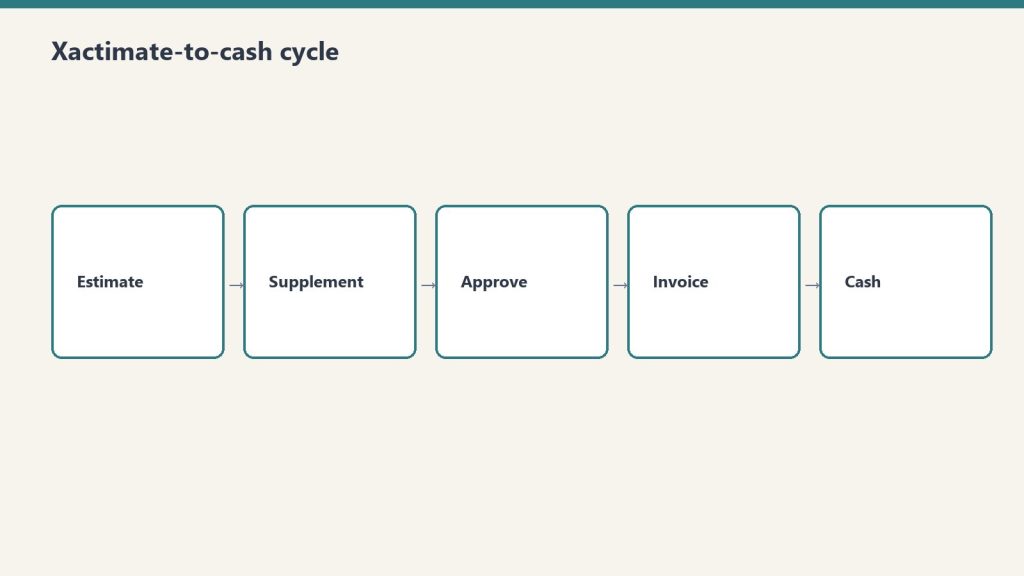
    The Insurance Automation Implication: Xactimate as De Facto Standard

    80% of property claims in the US are estimated using Xactimate. That percentage is growing.

    Why? Because carriers are training AI systems on Xactimate data. Xactimate is becoming the standard language between restoration contractors and insurance carriers.

    If you’re not fluent in Xactimate, you’re handicapping yourself. Not because Xactimate is perfect—it’s not. But because carriers now expect estimates in Xactimate format, and deviations from that format get flagged as anomalies by AI systems.

    This means:

    • Every estimate should include Xactimate line item codes
    • Every scope decision should map to standard Xactimate procedures
    • Deviations should be documented with justification
    • Your CRM should integrate with Xactimate or have real-time Xactimate sync capability

    Companies like NextGear Solutions and Rebuild AI are seeing adoption acceleration specifically because they integrate with Xactimate and provide AI-assisted estimation that produces insurance-compliant outputs.

    The Healthcare Vertical Opportunity: First-Mover Advantage

    Healthcare facility restoration is not a crowded vertical. Most restoration companies think “commercial” and immediately think office buildings.

    Healthcare is systematically different:

    • Higher regulatory compliance requirements
    • Longer decision-making timelines (because compliance is involved)
    • Higher contract values (because downtime costs are so high)
    • Repeat business (healthcare portfolios are large)
    • Direct vendor relationships with facility directors (not necessarily insurance-driven)

    A restoration company that builds expertise in healthcare facility recovery (HIPAA compliance, business continuity coordination, data center protocols) can charge premium rates and win recurring contracts from hospital systems and healthcare real estate funds.

    And barely any restoration companies are doing this yet.

    The ESG Angle: Premium Positioning Through Environmental Stewardship

    ESG isn’t a marketing gimmick anymore. It’s a purchasing criterion for insurance carriers.

    If your restoration company has:

    • Documented waste diversion rates (75%+ recovery)
    • Water recycling capability
    • Sustainable disposal partnerships
    • Environmental compliance certification

    You can charge premiums that offset the cost of these capabilities. And carriers will pay because you’re reducing their ESG risk profile.

    This is also a vendor relationship opportunity. Waste management companies, environmental remediation firms, and recycling partners become part of your service delivery model. You’re no longer just a restoration company; you’re a responsible environmental steward. That positioning wins contracts.

    Integration: The Restoration Company Operating Model in 2026

    If you’re paying attention to these signals, your operating model should include:

    1. Documentation-First Infrastructure

    Field documentation software (Encircle, CompanyCam, JobDox) captures damage comprehensively. Data flows into Xactimate. Xactimate generates insurance-compliant estimates. Everything is documented and defensible.

    2. Compliance-Aware Positioning

    You market yourself not just as a restoration contractor but as a solution for specific vertical requirements: healthcare compliance, financial services continuity, ESG-aligned remediation.

    3. Environmental Accountability

    You document waste management, water recycling, sustainable disposal. This becomes part of your proposal to customers and carriers.

    4. Business Continuity Integration

    You understand how your mitigation timeline impacts customer operations. You coordinate with their business continuity teams, not just their insurance carriers.

    This isn’t more expensive. It’s differently organized. And it positions you to win the contracts that restoration companies still operating on 2015 principles can’t even compete for.

    FAQ

    Q: If insurance carriers are automating claims with AI, doesn’t that reduce demand for restoration contractors?
    A: No. AI automates processing, not demand. AI approval of estimates still requires someone to do the actual work. It makes winning bids more competitive (you have to be defensible), but it doesn’t reduce the volume of work. It actually increases it by removing friction from the approval process.
    Q: How do I start positioning for healthcare facilities?
    A: Start by understanding healthcare compliance requirements: HIPAA, OSHA, state health department regulations. Then identify healthcare real estate funds and hospital systems in your market. Reach out to their facilities teams with a healthcare-specific proposal. First contract takes longer, but repeat business is consistent.
    Q: Do I need certification to do ESG-aligned restoration?
    A: No specific certification, but documenting waste diversion, water recycling, and sustainable disposal helps. Partners like waste management companies and environmental consultants can help you build credibility. Third-party documentation of your environmental practices becomes your competitive differentiation.
    Q: How much premium can I charge for ESG-aligned practices?
    A: 10–15% premium for documented environmental stewardship. Carriers will pay because it reduces their ESG risk profile. The cost of implementing waste recycling and water reclamation is typically 5–7% of project cost, so the premium is profitable.
    Q: Should I be optimizing for AI-driven claims processes?
    A: Yes. Use Xactimate, document comprehensively, provide line-item justification. This isn’t optional. 60%+ of insurance carriers will have AI-driven claims by Q4 2026. Being defensible to AI systems is now baseline competitive requirement.

    The Market Is Shifting

    Insurance is automating. Healthcare is prioritizing continuity. ESG is becoming law.

    Your restoration company needs to evolve alongside these shifts. Not by chasing shiny new tools, but by understanding the actual problems driving these changes and positioning your service delivery around solving them.

    The companies that do this first will have years of competitive advantage before it becomes standard practice.

    Illustration for article: Restoration Marketing 2026: AI, Healthcare & ESG Trends
  • 6 Vendor Relationships That Generate Restoration Leads Without a Single Ad Dollar

    6 Vendor Relationships That Generate Restoration Leads Without a Single Ad Dollar

    Tygart Media / Content Strategy
    The Practitioner JournalField Notes
    By Will Tygart
    · Practitioner-grade
    · From the workbench

    6 Vendor Relationships That Generate Restoration Leads Without a Single Ad Dollar

    Google Map Pack generates 60–70% of all contractor leads in 2026. But relationship-based sales just made its comeback.

    And it’s bigger than it was five years ago.

    Why? Because the market is crowded. Digital marketing channels are saturated. CPC is climbing. Differentiation is disappearing. Property managers are overwhelmed with sales calls and ads. Meanwhile, they’re not overwhelmed with contractors who actually show up, do good work, and stay in touch.

    The market is $55.81B growing 5.7% CAGR. That’s plenty of volume for multiple strategies. But the companies that are scaling the fastest aren’t maximizing Google Ads. They’re maximizing vendor relationships.

    A vendor relationship works like this: another contractor or service provider regularly interfaces with your target customer. They see problems before you do. They have credibility you have to earn. They can introduce you directly. And they have zero reason to deceive the people they refer you to.

    That’s better than any paid advertising channel.

    Here are six vendor relationships that generate restoration leads at scale. Each one is field-tested, each one is free to establish, and each one generates better-quality leads than traditional digital marketing.

    Strategy 1: The Locksmith Strategy

    Locksmiths respond to the same emergency calls as restoration contractors. A burst pipe floods a commercial space at 3 AM. The facility manager calls their after-hours contact to secure the building. That’s often a locksmith—change locks, secure entry points, document access.

    The locksmith is on site within an hour. They see the damage. They know who needs to be called next.

    If that locksmith knows your restoration company, you’re getting the call at 3:15 AM when the damage is fresh and time-sensitive. That’s a job you don’t have to bid on competitively. You’re the first responder.

    How to establish this relationship:

    Identify locksmiths who work commercial properties in your service area. Call them directly. Offer this arrangement: when they’re on a commercial emergency and they see water/fire/smoke damage, recommend you. In exchange, you’ll refer them property managers and building owners who need locks rekeyed, access control installed, or emergency lock-outs handled. Most locksmiths work in a silo—they’re not connected to property managers the way they should be. You can give them that connection.

    This relationship often generates 2–4 emergency calls per month once established. Emergency calls convert at 85%+ because there’s no competitive bidding—you’re the responder on scene.

    Strategy 2: The Flooring Vendor Strategy

    Flooring installers see the aftermath of water damage before you do. When a water intrusion event occurs and the water is remediated, flooring is the next call. The flooring contractor assesses damage, determines what can be saved, and manages the reinstallation.

    They’re in the building during the reconstruction phase. They see the scope of damage. They understand the timeline and cost implications. They know the property manager’s frustration level.

    If the flooring contractor recommends your restoration company, they’re endorsing you as the reason the project is moving forward on time and within insurance thresholds. That’s credibility that’s hard to earn any other way.

    How to establish this relationship:

    Identify major flooring installation companies or multi-trade restoration companies that handle flooring. Meet with the owner or operations director. Propose: when they see water damage sites, recommend your company for the mitigation and extraction phase before they come in for flooring work. In exchange, you’ll refer them property managers you work with who need flooring restoration after damage events.

    This relationship typically generates 3–6 leads per month. Flooring vendors have high touchpoints with building owners and property managers, so they’re credible referrers. Close rate is typically 50–65%.

    Strategy 3: The In-House Board-Up Strategy

    Most restoration companies subcontract board-up work. You’re scaling fast, there’s a fire event, you need plywood and tarps on windows and doors within 4 hours. You call a board-up subcontractor.

    Stop.

    Board-up is your highest-value lead source. Every property that’s damaged enough to need board-up is damaged enough to need your core services: water extraction, content restoration, structural drying, smoke remediation. You’re subcontracting to someone else a lead that should be consolidated under your control.

    More importantly, your board-up subcontractor is making the first impression on the property manager. They’re on site at 2 AM. They’re professional or they’re not. They’re licensed or they’re not. If they mess it up, the property manager thinks your company messed it up.

    How to bring this in-house:

    You need two things: a small crew trained on emergency tarping and board-up, and a 24/7 dispatch system. If you’re already running a restoration crew, you don’t need dedicated board-up staff. You cross-train your existing crew on emergency weather mitigation. The ROI is immediate—you capture 100% of the lead value instead of giving away 20–30% to a subcontractor.

    This strategy alone generates 10–20 incremental leads per month in most markets. Close rate is 90%+ because there’s no competitive bidding—you’re responding to an emergency that requires immediate action.

    Strategy 4: The IA Placement Strategy

    Insurance Adjusters see claims daily. They’re the first on site for most loss events. They assess damage, authorize mitigation contractors, manage the claim. They’re the gatekeeper between the insurance carrier and your restoration company.

    If adjusters recommend your company, you skip the bidding process. You’re the contractor they trust.

    Here’s the thing about adjusters: they don’t want to make bad recommendations. If they recommend a contractor who does shoddy work, the claim files go sideways. The insurance carrier complains. Their reputation gets damaged. So they’re conservative about recommendations.

    But once they trust a contractor, they recommend repeatedly. You’re now their preferred restoration partner. That means you’re top-of-mind for every claim they handle.

    How to establish this relationship:

    Identify adjusters who work properties in your service area. Meet them for coffee. Don’t pitch. Listen. Ask about their biggest pain points with restoration contractors. Usually it’s: slow response, poor communication, overages on estimates, scope creep, damage to other parts of the property during mitigation.

    Show them you do the opposite. Respond in 2 hours. Communicate proactively. Stick to estimates. Define scope tightly. Take care of the property like it’s your own.

    Offer this: when they have a claim in your service area, let you quote and handle it. You’ll make sure the claim process moves fast and clean. In exchange, you’ll give them a direct line to your company and preference in response timing.

    This relationship typically generates 4–8 claims per month once established. Close rate is 75–85% because adjusters are already filtering for fit before they send you the lead.

    Strategy 5: The Groundbreaking Indicator Strategy

    New construction permits are public record. Every ground-breaking signals a future loss event.

    A new office building breaks ground. In 18–36 months, it’s occupied. In 36–60 months, there’s a major loss event: water intrusion, HVAC failure, fire damage. Storms hit. Emergencies happen. Every new building eventually becomes a restoration client.

    Your job is to establish the relationship before the loss occurs.

    How to use this strategy:

    Monitor building permits in your market. Identify new commercial construction in your service area. When the building is 80–90% complete, identify the general contractor managing the project. Reach out to them directly. Propose: when this building opens, introduce you to the property manager as their disaster recovery partner. In exchange, you’ll refer facility directors you know who might need construction services.

    This relationship takes longer to generate leads—you’re planting seeds for future claims. But once the building is occupied and operational, the property manager has a trusted restoration partner on speed dial.

    This strategy typically generates 2–4 leads per year per property, but those leads are pre-qualified and come with high trust. Close rate is 85%+.

    Strategy 6: The Fire Extinguisher Tag Strategy

    This is the playbook we detailed in depth in the previous article. Fire protection companies service buildings quarterly. They have relationships with every property manager and facility director on their service route. They’re trusted vendors.

    If you establish a partnership with a fire protection company, you’re now part of their referral network.

    Quick recap on execution:

    Walk buildings in your market, identify the fire protection companies servicing them (look at the tags on fire extinguishers), approach them with a partnership proposal, and become their go-to restoration contractor for referrals.

    This relationship typically generates 2–6 leads per month. Close rate is 50–70% because property managers already trust the referrer. Average deal value is higher because fire protection partners tend to know larger commercial properties.

    The Vendor Multiplier: Stacking Relationships for Scale

    The real power emerges when you layer these strategies on top of each other.

    You establish one locksmith relationship. That gives you 2–4 emergency calls per month.

    You establish one flooring vendor relationship. That adds 3–6 leads per month.

    You bring board-up in-house. That adds 10–20 leads per month.

    You build an adjuster relationship. That adds 4–8 claims per month.

    You monitor permits and approach general contractors on new construction. That adds 2–4 leads per year per property (so if you seed 5 new buildings per year, that’s 40–60 leads annually, or 3–5 per month).

    You establish a fire extinguisher partnership. That adds 2–6 leads per month.

    Total: 25–50 leads per month from relationship strategies.

    Most of those leads have a 50–85% close rate, compared to 8–15% for cold Google Ads.

    And the all-in cost is: relationships, communication, good work, and maybe $2,000–5,000 per month in referral fees.

    Compare that to the same volume through Google Ads:

    • 25–50 leads = 150–625 clicks at $15–35 per click
    • Cost: $2,250–$21,875 per month
    • Plus agency fees if you’re not running ads yourself
    • Plus time managing campaigns and optimizing landing pages

    The relationship model is 3–10x cheaper and produces higher-quality leads.

    Why This Works: The Decision-Making Reality

    Property managers don’t wake up wanting to hire a restoration contractor. Loss events aren’t planned. When damage happens, they need someone fast.

    Their instinct is to call someone they already know or someone recommended by someone they trust.

    Google Ads work when someone is actively searching for a solution. But commercial property managers aren’t searching for restoration contractors. They’re managing properties, dealing with maintenance, handling emergencies.

    The contractors getting the best work aren’t the ones with the best ads. They’re the ones already in someone’s phone. They’re the ones who get recommended by trusted vendors. They’re the ones property managers call at 2 AM because they know they’ll show up.

    Relationship strategies reach decision-makers at the moment of trust, not the moment of search.

    Building a Sustainable Vendor Network

    Here’s how to systematize this:

    Month 1: Identify and Approach

    Pick one or two vendor strategies. Identify 3–5 potential partners. Make cold calls. Get meetings scheduled.

    Month 2: Build Relationships

    Have in-person meetings. Clarify the arrangement. Exchange contact information. Establish communication protocols.

    Month 3: Deliver Value

    When referrals come in, respond fast and deliver excellent work. Send case summaries back to your vendors. Ask for feedback.

    Month 4–6: Expand

    Add a second vendor strategy. Strengthen relationships from Month 1. Collect testimonials and referrals from the first set of partners.

    Month 6–12: Scale

    Add a third strategy. Expand existing partnerships if they’re producing consistent referrals. Build depth in the relationships that work best.

    By month 12, you should have 3–4 consistent vendor partnerships generating 15–30 leads per month.

    FAQ

    Q: How do I prioritize which vendor strategies to pursue first?
    A: Start with the one that maps to your existing customer base. If you already work with adjusters, deepen that relationship first. If you have flooring vendor contacts, start there. Build momentum in one area before expanding to the next.
    Q: What if my market is already saturated with vendor relationships?
    A: Unlikely. Most restoration companies aren’t actively pursuing vendor relationships. Even in saturated markets, there’s room for one more trusted contractor. But if saturation is real, it means better work and faster response are your differentiators.
    Q: How often should I communicate with my vendor partners?
    A: After the first 6 months, quarterly check-ins are standard. More frequent contact if you’re actively receiving referrals. Send case summaries, thank you notes, and market updates that help them do their job better.
    Q: Can I run vendor relationships and Google Ads simultaneously?
    A: Yes, but I’d prioritize vendor relationships first. Once they’re generating consistent leads, Google Ads can fill the gap. But most restoration companies I work with find vendor relationships so efficient that Google Ads becomes unnecessary.
    Q: What if a vendor partner sends me a low-quality lead?
    A: Handle it professionally. Maybe it was a bad fit or their understanding of your scope was off. Don’t blame them. Clarify expectations. Ask what went wrong. Most vendor relationships improve after a few iterations of feedback.

    The Hidden Sales Network

    Your competitors are bidding on keywords. They’re paying for clicks. They’re competing on ad spend.

    Meanwhile, you’re building a network of trusted vendors who make recommendations on your behalf, who send you leads before they send them to competitors, who stake their reputation on your ability to deliver.

    That’s not a marketing strategy. That’s a business model.

    And the best part: it’s free to start and scales indefinitely.

    Illustration for article: 6 Vendor Relationships That Generate Restoration Leads Without a Single Ad Dollar

  • Commercial Restoration Leads: Fire Extinguisher Strategy

    Commercial Restoration Leads: Fire Extinguisher Strategy

    The Fire Extinguisher Tag Playbook: How One Walk-Through Lands Six-Figure Commercial Clients

    I walk into a commercial building in your city. Any commercial building. Office tower, hotel, warehouse, school, hospital.

    I look at a fire extinguisher on the wall. On the tag attached to the pin, there’s a company name and service date.

    I now know who the fire protection company is that services that building. More importantly, I know the property manager trusts them enough to let them on site quarterly. That property manager has 8–15 other buildings in the portfolio. The fire protection company already has relationships with everyone.

    That’s not a coincidence. That’s a map.

    This is the vendor relationship playbook that every restoration company misses. You’re running Google Ads to bid on water damage keywords while a free, scalable, on-the-ground intelligence network sits in plain sight on every commercial building in your market.

    The commercial restoration market is $55.81B in 2026, growing at 5.7% CAGR. But size doesn’t matter if you’re competing the wrong way. The companies winning the big commercial deals aren’t the ones with the biggest ad budgets. They’re the ones who understand how property managers actually make decisions.

    They use the fire extinguisher tag.

    Why Commercial Restoration Decisions Aren’t Made on Google

    A property manager at a 20-building portfolio gets a water intrusion in a mid-rise. Maybe a roof leak during a storm. Maybe a broken HVAC line in January.

    She doesn’t search Google for “water damage restoration near me.” She calls her existing vendor network. The fire protection company she’s worked with for three years. The HVAC contractor on her speed dial. The general contractor she knows can coordinate.

    The best work in commercial restoration goes to the contractors already in someone’s phone.

    Google Ads are designed to intercept strangers at the moment of need. That’s valuable when someone doesn’t know who to call. But commercial property managers aren’t strangers shopping for a new restoration company. They’re operators trying to minimize downtime and manage insurance paperwork with someone they’ve already vetted.

    The marketing advantage shifts from digital to relational. The companies winning six-figure commercial deals are the ones already embedded in vendor networks that decision-makers trust.

    The Fire Extinguisher Tag Strategy: Map to Relationship

    Here’s how this actually works:

    Step 1: Identify the Fire Protection Partner

    Walk a commercial district. Every building has fire extinguishers. Every tag has a company name. Document the fire protection companies operating in your market. You’ll find 4–8 dominant players servicing all the major buildings.

    Step 2: Understand Their Service Model

    Fire protection companies are in your buildings quarterly. They have standing relationships with every property manager and facilities director. They’re already vetted by risk management and insurance carriers. They’re trusted.

    That’s your target partner. Not the fire protection company—the opportunity they represent.

    Step 3: Propose a Strategic Partnership

    Approach the fire protection company owner or operations director. Propose a simple arrangement:

    • When one of their service calls identifies a facility issue—a water stain, HVAC problem, structural concern—they mention your restoration company as a specialist they work with.
    • Your company provides them with referral cards and basic collateral (phone number, service categories).
    • When facility managers call them asking for a restoration referral, they have a trusted option ready.
    • If there’s ongoing work, you send them a referral fee or volume discount.

    This isn’t complicated. It’s not a formal JV. It’s a simple quid pro quo: they introduce you to facility managers and property owners they already know; you become their go-to restoration partner.

    Step 4: Execute the Introduction Loop

    When your fire protection partner sends a referral:

    • You respond within 2 hours. Not 2 days. Two hours.
    • You deliver a detailed scope and timeline within 24 hours of site visit.
    • You communicate status every 2 days—not when the facility manager asks, but proactively.
    • You finish on time and under budget.
    • You send a case summary and testimonial request back to your partner for future referrals.

    The fire protection company’s reputation is now tied to your performance. That’s why they’ll keep sending referrals—because you validate the trust they extended.

    Why This Works Better Than Google Ads

    Let’s do the math on scale and ROI:

    Google Ads Model:

    • Cost per click: $12–35 for commercial restoration keywords in major metro areas
    • Lead conversion rate: 8–15%
    • Average project value: $25,000–75,000
    • To land three commercial jobs/month = 60–75 clicks/month = $720–$2,625/month
    • Ongoing, indefinite, scaling with market competition

    Fire Extinguisher Tag Model:

    • Setup cost: 2–4 phone calls, 2 face-to-face meetings, some collateral printing
    • Ongoing cost: $0–500/month (optional partnership fees if volume justifies it)
    • Lead quality: Pre-qualified (property managers already trust the referrer)
    • Conversion rate: 40–60% (compared to 8–15% for cold lead Google Ads)
    • Referral velocity: 2–6 deals/month once partnership is established

    Google Ads scale with market demand—as more competitors bid, your CPC climbs and your ROI compresses. The fire extinguisher model scales with partner relationships—as your fire protection company partner grows their service area, so do your referral opportunities.

    One model is cost-per-acquisition. The other is relationship-based.

    The Vendor Multiplier Effect

    The real power emerges when you stack multiple vendor partnerships.

    One fire protection company gives you visibility into 20–30 buildings. But that fire protection company works across 3–5 different metro markets. Expand the partnership, and you’re now in the referral pipeline for 60–100 properties.

    Layer in a second partner—HVAC contractors, who identify climate control issues that often precede water damage—and you’ve just doubled your target property universe again.

    Add a third partner—general contractors managing facility maintenance for large portfolios—and you’re now in the decision flow for most of the significant commercial properties in your region.

    This is the vendor multiplier effect. One relationship generates five deals. Three relationships generate twenty-five. Five relationships generate fifty to eighty.

    That’s not exponential growth. That’s algorithmic advantage. You’ve essentially built a distributed sales team of people who already have the relationships you’re trying to access, who already have credibility with the decision-makers you’re targeting, who already have recurring business justifying why they’d recommend you.

    And they’re not on your payroll. They’re motivated by volume, referral fees, and the simplicity of knowing a contractor who delivers.

    How to Identify High-Value Vendor Partners

    Not every fire protection company is a good partnership candidate. Look for:

    1. Geographic Density

    Partners who service 30+ buildings in your primary market. A fire protection company that only has 8 clients isn’t a network; it’s just another contractor. You want partners whose business model depends on relationships with many property managers.

    2. Recurring Service Model

    Companies that have standing quarterly or semi-annual contracts. This means they’re seeing the same property managers regularly, building trust that translates into referral credibility.

    3. Building Type Alignment

    If you specialize in commercial water restoration for office buildings, partner with a fire protection company whose client base is commercial office buildings. Misalignment wastes both your time and theirs.

    4. Account Stability

    Do their clients stay with them long-term, or is there high turnover? Stable accounts mean stable referral opportunities. High turnover means property managers aren’t happy with them, which damages your referral credibility if you’re too closely associated.

    5. Owner/Operator Reputation

    Talk to five property managers who use them. Are they known as professionals? Do they show up on time? Do they communicate well? Your reputation becomes tied to your partner’s reputation.

    The Cold Walk-Through: From Building Tag to First Meeting

    Here’s the actual sequence of how I’d execute this in a market I didn’t know:

    Week 1: Intelligence Gathering

    Walk 15–20 commercial buildings in your target geography. Document fire protection companies appearing on tags. You’ll likely see the same 3–5 names repeatedly. These are the dominant players.

    Week 2: Partner Selection

    Research the top three. Look up their ownership, verify they’re locally based (not a national franchise with local operators), find their phone number and decision-maker. Call and set up a 20-minute meeting with the owner or operations director.

    Week 3: The Pitch Meeting

    In-person, 20 minutes, one goal: propose the referral arrangement. Explain that you specialize in commercial water/fire/HVAC restoration and handle the technical scope they can’t. Give them a referral card. Ask if they’d be comfortable recommending you when facility managers ask for a restoration contractor.

    Week 4: Wait and Execute

    Most partnerships take 30–45 days to generate the first referral. When it comes, treat it like it’s worth $50,000 (because commercial deals often are). Deliver exceptional work. Send a testimonial and case summary back to your partner.

    Week 8–12: Partnership Acceleration

    After the first successful referral, reach back out. Propose a more formal arrangement if volume justifies it. Ask if they’d share information on upcoming maintenance schedules or planned facility work. Build a feedback loop so you’re providing them with information they can use with other clients.

    That last step is critical: partners who feel they’re getting as much value from you as you’re getting from them tend to stay in the relationship longer.

    The Six-Figure Deal: How One Partnership Landed a $380,000 Project

    I’ve seen this playbook generate six-figure projects. Here’s how it typically unfolds:

    A restoration company builds a strong relationship with a regional fire protection company that services 40+ commercial properties across three metro areas. Over 18 months, they handle maybe 15 referrals, all in the $20,000–60,000 range. The fire protection company now sees them as reliable.

    Then one of their major accounts—a regional healthcare system with 12 facilities—suffers a catastrophic HVAC failure affecting multiple floors of one of their hospitals. It’s not just water damage. It’s climate control failure, resulting in equipment damage, data center implications, and a three-week business interruption.

    The fire protection company’s contact at the healthcare system calls them asking: “Do you know anyone who can handle a complex commercial restoration project? Something bigger than we usually see?”

    The fire protection company owner recommends the restoration company he’s worked with for years. Not because they’ve done a healthcare system project before—they probably haven’t. But because they’ve proven they handle complexity well, communicate reliably, and deliver.

    The restoration company gets the call. Scope is $380,000. Project timeline is 8 weeks. The healthcare system is already predisposed to work with them because of the referrer’s credibility.

    No Google Ads. No digital marketing. One vendor relationship that built credibility over 18 months of reliable execution.

    That’s how this playbook scales to six figures.

    Avoiding the Common Partnership Failures

    The biggest mistakes I see:

    Mistake 1: Transactional Thinking

    Viewing the fire protection company as a lead source to be squeezed. If your first three interactions are “send me jobs,” the partnership dies. Partners are collaborators. Act like it.

    Mistake 2: Slow Response

    If they send you a referral and you call the property manager three days later, you’ve wasted the warm intro. The referrer loses credibility. They won’t send another one. Respond within 2 hours, always.

    Mistake 3: Poor Execution

    One delayed project or missed deadline and you’ve damaged the relationship permanently. Your partner is betting their reputation on you. Deliver perfectly.

    Mistake 4: No Feedback Loop

    After you complete a referred job, don’t just disappear. Send the partner a case summary, timeline summary, key metrics. Help them understand what you did and why. This is ammunition they can use when talking to other property managers about your capabilities.

    FAQ

    Q: Don’t fire protection companies already recommend restoration contractors?
    A: Some do. But most don’t have a preferred relationship. They’ll mention a contractor if asked, but they’re not actively referring. Your job is to be the contractor they recommend first because they’ve seen you deliver repeatedly.
    Q: What if the fire protection company wants a commission?
    A: Standard arrangements are 5–10% of project value or a flat referral fee ($500–$2,000 depending on deal size). This is far cheaper than Google Ads and the leads have much higher close rates.
    Q: How do I find the right fire protection company to approach?
    A: Walk 20 buildings. Look at tags. The name that appears on 6+ buildings is your target. That company has the density you need to generate consistent referrals.
    Q: Does this work in markets with multiple competing restoration companies?
    A: Yes. That’s actually when it works best. When property managers have choices, they rely on referrals from people they trust. Your fire protection partner is that trusted voice. First-mover advantage is significant.
    Q: How many fire protection companies should I partner with?
    A: Start with one. Build the relationship, prove execution, generate recurring referrals. After 6–12 months, add a second. Most markets support 3–5 primary partnerships before you hit geographic saturation.

    The Invisible Network

    Your restoration competitors are running Google Ads, competing on bid price, and chasing digital leads in a crowded marketplace.

    Meanwhile, the actual commercial property ecosystem operates on relationships. The fire protection company knows the property managers. The HVAC contractor knows the facility directors. The general contractor knows the asset managers.

    These relationships are worth more than any advertising channel because they’re built on trust and recurring interaction.

    The fire extinguisher tag is just a visible marker of a relationship that’s already paying dividends.

    If you’re not using it, you’re leaving six-figure deals on the table every quarter.

    Illustration for article: Commercial Restoration Leads: Fire Extinguisher Strategy
  • Restoration Company SEO: Fix Your AI Search Visibility

    Restoration Company SEO: Fix Your AI Search Visibility

    Tygart Media / The Signal
    Broadcast Live
    Filed by Will Tygart
    Tacoma, WA
    Industry Bulletin

    Why Your Restoration Company Is Invisible to AI (And How to Fix It)

    You’ve spent the last three years optimizing for Google search rank. Your SEO agency promised first-page visibility. You got it. And nobody’s clicking through.

    That’s not an accident. That’s the new normal.

    In 2026, 58–62% of all searches result in zero clicks. When Google’s AI Overviews trigger, that number jumps to 83%. On mobile, for local “near me” searches, you’re looking at 78% zero-click rates. And in Google’s AI Mode, 93% of users never reach your website at all.

    Your restoration company spent real money appearing in organic search results while the search engine itself answers the question before anyone clicks a link. You’re ranked. You’re invisible.

    The problem isn’t your website. It’s your strategy.

    How AI Has Changed What “SEO” Means

    Traditional SEO was about earning a ranked position on the SERP. First page. Top three if you were good. Top one if you were excellent.

    That strategy assumed users would scroll through results and click on websites.

    AI-generated overviews bypass that entire step. Google synthesizes an answer directly in the interface, citing sources algorithmically. Your website gets the citation—maybe—but the user gets their answer without ever landing on your page. The citation is attribution, not traffic.

    This is the AEO shift: Authority in External Optimization.

    AEO isn’t about ranking anymore. It’s about being cited. It’s about being the source AI trusts enough to recommend by name. It’s about CTR drop from 15% to 8% when an AI Overview is present—that’s not a bug, it’s the entire premise of how search now works.

    Most restoration companies haven’t noticed yet. They’re still chasing position one, still measuring success by visibility score, still treating AI as something “futuristic.”

    It’s not. It’s here. And if you’re not structured for AI to read, understand, and recommend you, you’re competing in a game that no longer exists.

    Why Restoration Companies Are Losing on AI Search

    Here’s what an AI Overview needs to recommend your restoration company:

    • Entity clarity: Your company, services, and expertise need to be unmistakably clear to machine-readable protocols.
    • Topical authority: You need to be the established expert on the specific topic AI is answering about—not just a competitor listed among many.
    • Structured data: AI reads JSON-LD schema, Organization markup, LocalBusiness data. If it’s not structured, AI can’t confidently cite you.
    • Citation frequency and consistency: You need to be referenced by other authoritative sources on your expertise area.
    • Answer-ready content: Your content needs to directly answer the specific questions AI is being asked—not generic web copy.

    Restoration companies typically fail on all five counts.

    Your website says “water damage restoration” in the same way every other restoration company does. Your schema markup, if present, is basic LocalBusiness data. Your internal linking doesn’t create topical authority clusters. You’re not being cited by industry publications or cross-industry partners who could validate your expertise to AI systems. Your content reads like it was written for humans scrolling, not for AI extracting factual claims.

    So when AI answers a question about fire damage remediation protocols, coverage thresholds, or HVAC system restoration, your company isn’t in the consideration set. The AI doesn’t know you’re an expert. It hasn’t been trained to trust you as a source. Your competitor got their methodology cited in three industry articles; yours never appeared anywhere outside your own domain.

    AI doesn’t penalize you for this. It just ignores you.

    The Three-Layer AEO Architecture

    If zero-click is the future, you need a strategy that wins in a zero-click environment. That means restructuring around three layers:

    Layer 1: Entity Clarity

    Google and AI systems model the world as entities—things, people, organizations, concepts. Your restoration company is an entity. “Water damage restoration” is an entity. “Commercial property recovery” is an entity.

    Your website needs to be unambiguous about who you are and what you specialize in. This isn’t about keywords. It’s about ontology. AI needs to understand:

    • Your legal entity name and all variations (DBA, acronyms)
    • Your service categories with technical precision
    • Your geographic service areas
    • Your credentials, certifications, and partnerships
    • Your unique positioning relative to competitors

    This information needs to live in schema markup—Organization, LocalBusiness, ProfessionalService—and be consistent across your domain. Inconsistency tells AI it can’t trust the data.

    Layer 2: Topical Authority Clusters

    You can’t be an expert on “restoration” to AI. The topic is too broad. You need to own a specific vertical slice of restoration knowledge.

    For a commercial restoration company, that might be:

    • Commercial water damage recovery (not residential)
    • High-rise HVAC remediation
    • Facility business continuity after loss events
    • Insurance carrier coordination protocols

    Each of these becomes a topical authority cluster. You build 15–25 interconnected pieces of content that establish you as the definitive source on that specific topic. Not general restoration. Specific. Deep. Technical.

    AI systems reward this specificity. When it answers a question about HVAC system restoration in 15-story office buildings after a fire event, and your content is the most comprehensive, technically accurate, entity-rich resource on that specific topic, AI cites you by name.

    Layer 3: Cross-Domain Citation Authority

    The third layer is the hardest to build but most valuable to AI systems: being cited by third parties who AI already trusts.

    This means your restoration methodology appears in industry publications. Your case studies are referenced by business continuity sites. Your approach to facility recovery is mentioned in insurance industry analyses. Your insights on commercial property remediation show up in risk management roundtables.

    Each citation from an authoritative third-party domain tells AI: “This company is recognized as an expert by other experts.”

    This is why HubSpot’s AEO Grader now measures AI visibility as a distinct metric from traditional search ranking. It’s not about being first on Google anymore. It’s about being cited as a trusted authority in AI-generated answers.

    The First-Mover Advantage

    Here’s the uncomfortable truth: almost nobody in the restoration industry is doing this yet.

    Your competitors are still chasing rank one on Google. They’re still paying SEO agencies for first-page visibility. They’re still measuring success by organic traffic, which is becoming a lagging indicator of marketing effectiveness.

    Meanwhile, 83% of searches that trigger AI Overviews result in zero clicks. The people searching aren’t coming to their websites. The rank doesn’t matter.

    If you restructure your digital presence for AEO—entity clarity, topical authority, cross-domain citations—you’re not competing with the restoration companies optimizing for rank. You’re competing with a category of competitors that, frankly, don’t exist yet.

    The market is soft. The opportunity is real. And the window is open right now.

    In 12 months, every major restoration franchise will be hiring agencies to build topical authority clusters and establish third-party citations. The cost will be high. The differentiation will disappear. You’ll be back in a commoditized market.

    Right now, you have time to become the authority before everyone else figures out the game changed.

    Building Your AEO Stack

    This isn’t a one-time project. It’s an operating model shift. Here’s where to start:

    Week 1–2: Entity Audit

    Document your company entity across all internal properties. Legal name, service categories, credentials, partnerships, service areas. Get it precisely consistent. Build your Organization and LocalBusiness schema markup with authority-class detail.

    Week 3–4: Topic Mapping

    Define your 3–5 core topical authority areas. Map 15–25 content clusters for each. Don’t chase traffic. Chase comprehensiveness on a specific topic.

    Month 2–3: Content Architecture

    Build interconnected, technically precise content within each cluster. Internal linking should form a tight web. Entity references and schema markup should be dense.

    Month 4+: Third-Party Authority Building

    Guest contributions, research partnerships, data sharing, industry collaborations. Get cited. Get mentioned. Get your methodology published outside your domain.

    Measuring AEO Success

    Traffic metrics become less meaningful as zero-click search expands. You need new measures:

    • AI citation frequency: Track how often your company is cited in AI Overviews for target keywords.
    • Featured snippet wins: Monitor extraction into AI-readable formats.
    • Authority mentions: Third-party citations and backlinks from topical authority domains.
    • Entity confidence: Schema markup validation and knowledge graph appearance.
    • Conversion attribution: Lead source tracking for AI-referred traffic (voice search, assistant recommendations, AI Mode direct recommendations).

    The old metrics—organic traffic, ranking position, CTR—tell you how well you’re playing the game that no longer matters.

    These new metrics tell you how well you’re positioned for the game that’s actually happening.

    FAQ

    Q: If zero-click search means nobody clicks through, how does AEO generate leads?
    A: AI-driven discovery still converts. When Google Assistant, ChatGPT, or Claude recommends your company by name as the restoration authority in a specific area, people search for you directly. Direct searches have higher intent. You’re not competing on rank anymore; you’re competing on being the recommended authority. The conversion rate is typically higher than organic rank traffic because the user already trusts the AI’s recommendation.
    Q: How long does it take to build topical authority that AI recognizes?
    A: 4–6 months for initial positioning, 12–18 months for dominant authority. The timeline depends on how deep your content goes, how consistent your entity markup is, and how aggressively you pursue third-party citations. But you’ll see AI citation mentions within 60 days of launching properly structured content.
    Q: Should we stop doing traditional SEO?
    A: No. Traditional ranking still drives some traffic. But the ROI has shifted. If you’re spending 80% of your SEO budget on rank optimization, you should be spending 60% on AEO positioning and 20% on maintaining rank. The mix matters more than the absolute investment.
    Q: Do insurance carriers and adjusters use AI search?
    A: Yes. They use Claude, ChatGPT, and Gemini to research contractors, assessment protocols, and market rates. When an adjuster asks their AI assistant for the best commercial water restoration protocol, if your content is cited as the authority, you’re now part of their decision framework—without any active sales effort.
    Q: What role does schema markup play if AI doesn’t always follow links?
    A: Schema markup is how AI understands your claims. Without Organization and LocalBusiness markup, AI can’t confidently extract your credentials, service areas, or specialization. With it, AI can cite you with higher confidence and include more specific details about your expertise. Schema markup isn’t about traffic; it’s about being intelligible to machine learning systems.

    The Invisible Becomes Visible

    Your restoration company can’t compete in a search landscape where the search engine answers questions before anyone reaches your website. Traditional SEO was built for a different era.

    But AEO—being the authority AI recommends—is a different game. And right now, almost nobody in restoration is playing it.

    The companies that restructure around entity clarity, topical authority, and third-party citations won’t just be visible. They’ll be the definitive trusted source. And when trust is how AI recommends, that’s the position that matters.

    Start this week. Your competitors are still optimizing for rank.

    Illustration for article: Restoration Company SEO: Fix Your AI Search Visibility