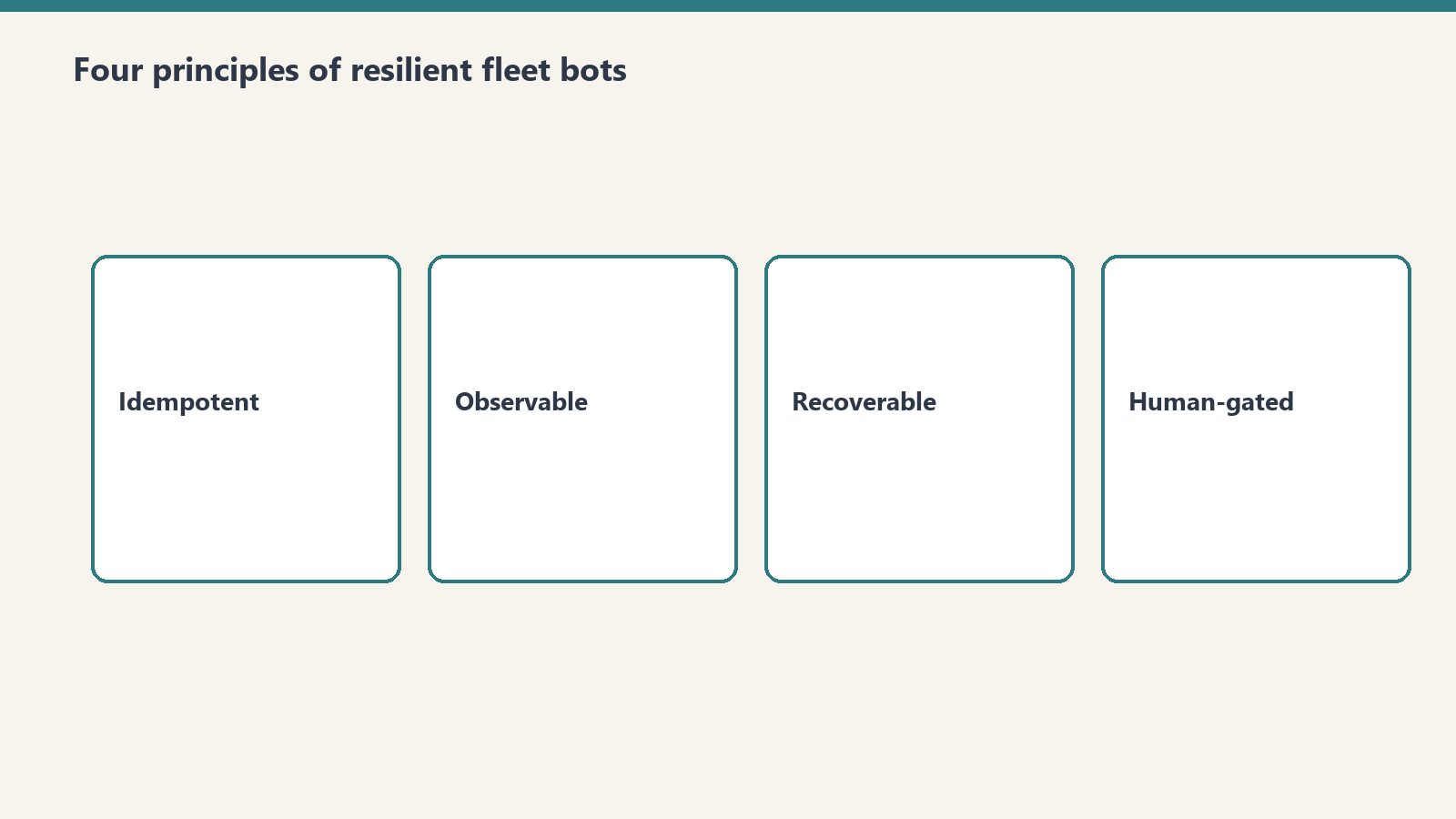
Most tutorials on autonomous AI agents focus on toy examples—single-file scripts that fetch weather data or summarize a Wikipedia page. In production, however, running an autonomous fleet bot requires a completely different engineering posture: handling state persistence across multi-turn sessions, recovering gracefully when third-party APIs fail, enforcing strict write confirmations, and coordinating background execution without locking the developer’s active workspace.
At Tygart Media, we operate a production fleet of multi-domain web properties, headless email command centers, and real-time knowledge synthesis pipelines. Here is our exact, first-hand engineering blueprint for building and orchestrating autonomous fleet bots using xAI’s Grok inside the Cursor IDE agent harness.
How our autonomous systems divide labor across reasoning, tool execution, and memory:
- Orchestrator Harness: Cursor IDE agent engine managing sub-process lifecycles, background execution, and diff validation.
- Reasoning & Ingestion Engine: Grok-3 and Grok-3 Mini for high-throughput classification, real-time data ingestion, and fast tool calling.
- Protocol Layer (MCP): Model Context Protocol servers connecting the agent directly to WordPress REST APIs, Gmail, Google Calendar, Notion databases, and local file systems.
- Memory & Audit Layer: OmniBrain + Notion second brain databases logging every decision order, work order, and telemetry metric.
1. The Four Core Principles of Resilient Fleet Bots
Principle 1: Reads Are Free, Writes Require Explicit Guardrails
An autonomous bot should be empowered to crawl, inspect, grep, and analyze without human friction. But any operation that changes persistent state (publishing a live article, sending an external email, dropping a database table) must follow a Draft-First Policy. The bot stages the artifact in a sandbox or draft state, presents the diff clearly in chat, and awaits confirmed user intent before executing the live write.
Principle 2: Parallel Tool Execution
Sequential tool calling is the death of agent responsiveness. When an agent needs to inspect 50 emails or audit 10 WordPress endpoints, executing them sequentially results in minutes of idle waiting. Grok’s tool-calling API supports batch tool dispatches. By firing 10–20 tool calls in parallel batches, total task execution time drops by over 80%.
Principle 3: Idempotent Error Recovery
In distributed operations, APIs fail. Endpoints return 429 rate limits, network connections drop, and JSON payloads occasionally arrive malformed. Production fleet bots must never crash silently. Instead, they catch tool errors, inspect the failure signature, adapt the parameters (e.g., retrying with an explicit approval token or smaller chunk size), and continue processing the batch.
Principle 4: Grounded Prompts Over Generic Instructions
Never rely on vague system instructions like “Be a helpful assistant”. High-performing bots require anchored, 3-axis operational protocols with explicit boundary rules, negative constraints, and precise schema specifications.
2. The System Architecture: How Cursor & Grok Connect to Live Fleets

Below is the technical workflow diagram representing our production bot orchestration:
│ OPERATOR (Conversational Prompt) │
└──────────────────────────────┬──────────────────────────────┘
│ (Goal: “Triage 50 incoming items”)
▼
┌─────────────────────────────────────────────────────────────┐
│ CURSOR IDE AGENT HARNESS │
│ • Session Todo Management • Subagent Lifecycles │
│ • Multi-Turn Memory Window • Prompt Cache Anchoring │
└──────────────────────────────┬──────────────────────────────┘
│
▼
┌─────────────────────────────────────────────────────────────┐
│ GROK REASONING ENGINE │
│ • Fast JSON Classification • Real-Time Search Tooling │
│ • Multi-Tool Dispatch Plan • Low-Latency Token Stream │
└──────────────────────────────┬──────────────────────────────┘
│ (Parallel Tool Invocations)
┌────────────────────┼────────────────────┐
▼ ▼ ▼
┌───────────────────┐┌───────────────────┐┌───────────────────┐
│ WordPress Fleet ││ Headless Gmail ││ Notion / Memory │
│ REST API (MCP) ││ Triage Engine ││ OmniBrain Hub │
└───────────────────┘└───────────────────┘└───────────────────┘
3. Real Production War Story: Managing a 9-Site Fleet
In our daily operations, our agent fleet manages 9 WordPress sites, monitoring content freshness, auditing broken links, publishing structured comparison guides, and synchronizing regulatory compliance updates (such as NYC Local Law 97 and California SB 253 Scope 3 mandates).
Here is what happens during a standard automated operational cycle:
- Fleet Discovery: The agent calls
wp_list_sitesacross our fleet (restorationintel.com,bcesg.org,tygartmedia.com, etc.). - Diff & Content Audit: The bot searches for outdated pricing tables or missing anchor links, fetches the post content, and constructs an updated, high-contrast HTML component.
- Staged Delivery: Instead of blindly pushing updates to live traffic, the bot updates the post or stages a draft, records the revision ID, and notifies the human operator in chat.
- Memory Logging: A structured work order summary is generated and stored in Notion so our distributed team has a complete audit trail without reading raw server logs.
4. The Economics: Why This Stack Beats Traditional SaaS Tools
Building custom fleet bots on top of Grok and Cursor eliminates the need for expensive, fragmented SaaS subscriptions:
Conclusion: The Future of Autonomous Development
The developers who build the most impactful AI systems in 2026 are not writing prompts in web chat interfaces. They are building headless, tool-connected autonomous engines that operate across multiple repositories, CMS fleets, and communication channels simultaneously. Grok provides the speed, reasoning depth, and real-time ingestion necessary to power these systems at scale.
>Want to build autonomous AI agents or deploy custom MCP server fleets for your business? Read our full library of developer playbooks on Tygart Media.
Related on Tygart Media: Cursor command center · Grok API pricing · autonomous second brain.
Leave a Reply