The Studio - Tygart Media

Category: The Studio

Way 7 — Music & Creative Work. Creative output, design thinking, media-rich editorial.

  • Luxury Rehab Center Visual Library

    Luxury Rehab Center Visual Library

    Introduction

    Premium behavioral-health and addiction treatment marketing often shows calm spa treatment rooms, aerial campus views, group therapy lounges, gourmet dining rooms, fitness centers, meditation gardens, and private suites with ocean horizons. This library presents seven Tygart Media images—one amenity scene each—for teams building entity-rich pages about residential treatment environments, facility tours, and family-facing education.

    Each frame is part of the Luxury Rehabilitation collection in the Tygart Media visual library. The art is AI-generated in-house with Google Vertex AI (Imagen), published as WebP, and carries IPTC/XMP metadata. Titles suggest amenities; they do not name a specific facility, accreditation, level of care, or patient story. Combine these visuals with compliant clinical copy and legal review, especially when discussing outcomes, insurance, or medical claims.

    Use the gallery for layout mockups, content strategy exercises, and SEO-driven service pages where illustrative architecture helps readers understand what premium environments may include. Tygart Media’s existing luxury rehab photo essay and addiction-treatment content guides—linked below—offer editorial context alongside this visual set.

    Ocean-view suite and meditation-garden frames emphasize privacy and calm; gourmet dining and fitness images support holistic-care messaging; spa and group-lounge art fits programming pages that describe therapies in general terms pending clinical review. Admissions and alumni relations teams can reuse the same assets across web, print, and slide formats because each file ships as optimized WebP with consistent metadata.

    When you publish, maintain clear language that the images are Tygart Media generative illustrations rather than photographs of a particular campus unless you replace them with verified media. Spa, dining, fitness, and suite frames help families imagine comfort; aerial and meditation-garden images support tranquility themes; group-lounge art fits programming pages—each caption stays descriptive rather than promissory about clinical outcomes. Compliance officers should still approve any sentence that could be read as a treatment guarantee. Replace or supplement any frame when your facility publishes audited photography of its own grounds.

    Visual gallery

    Holistic spa treatment room at luxury rehab center with massage table and zen atmosphere
    Holistic spa treatment room at luxury rehab center with massage table and zen atmosphere.
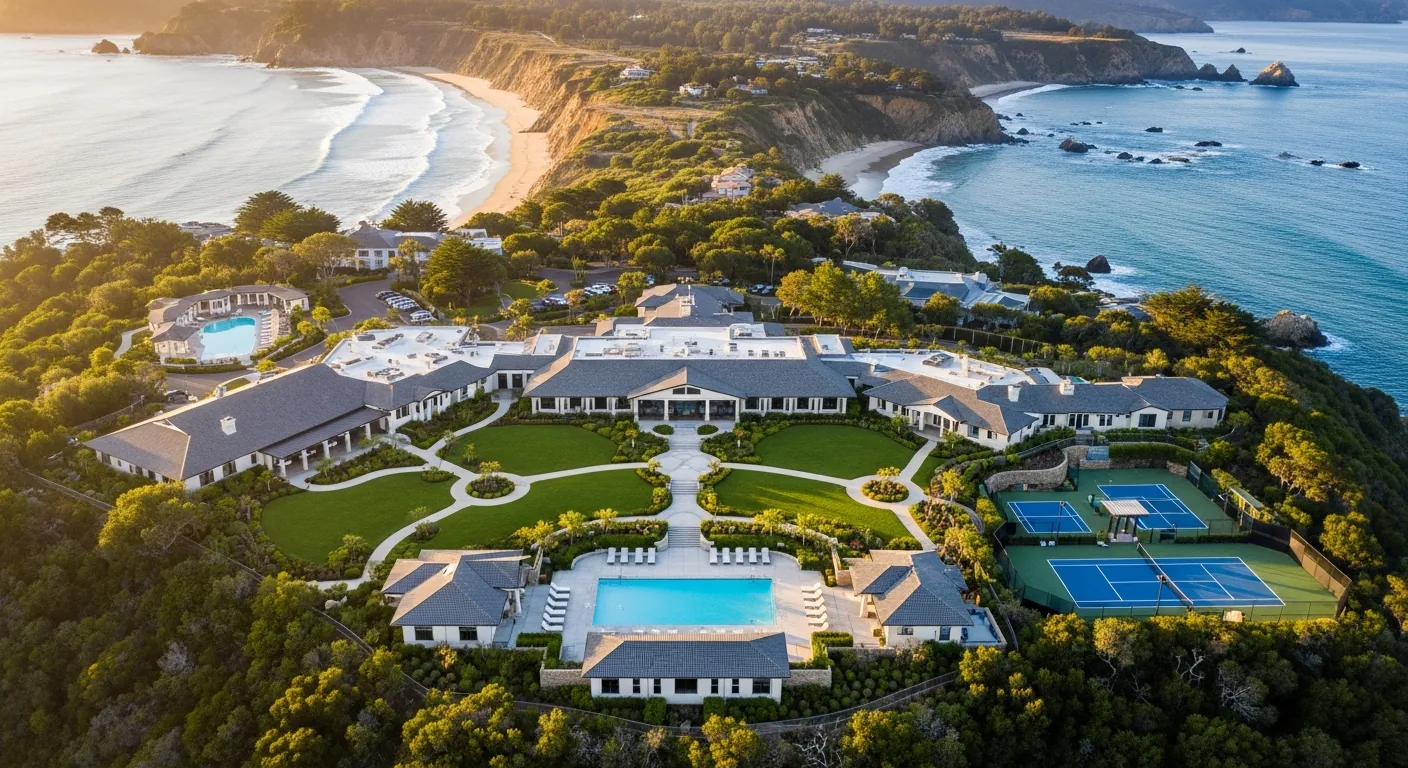
    Aerial view of luxury rehab campus on hillside with pool, tennis court, and coastal landscape
    Aerial view of luxury rehab campus on hillside with pool, tennis court, and coastal landscape.
    Group therapy session in luxury rehab center lounge with comfortable seating and garden views
    Group therapy session in luxury rehab center lounge with comfortable seating and garden views.
    Gourmet farm-to-table dining at luxury rehabilitation center with chef-prepared organic meals
    Gourmet farm-to-table dining at luxury rehabilitation center with chef-prepared organic meals.
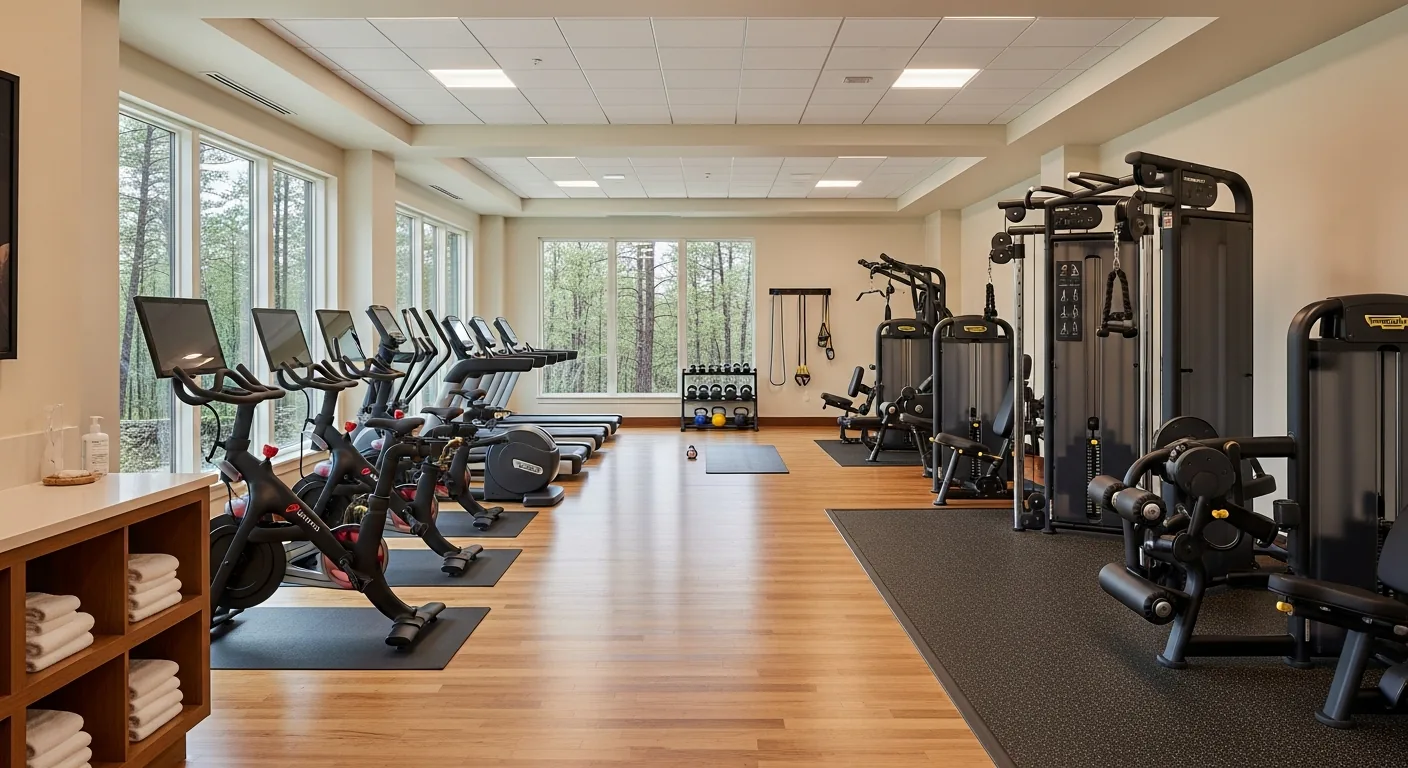
    State-of-the-art fitness center in luxury rehab facility with premium equipment and forest views
    State-of-the-art fitness center in luxury rehab facility with premium equipment and forest views.
    Serene meditation garden at luxury rehab center with zen rock garden and water features
    Serene meditation garden at luxury rehab center with zen rock garden and water features.
    Luxury rehab center private suite with ocean view, king bed, and spa-like amenities
    Luxury rehab center private suite with ocean view, king bed, and spa-like amenities.

    Related reading on Tygart Media

  • Water Damage Restoration Visual Library

    Water Damage Restoration Visual Library

    Introduction

    Restoration companies communicate urgency with familiar images: burst supply lines soaking cabinetry, commercial drying equipment in wide bays, mid-loss dehumidification setups, mold on drywall, extraction crews with wand and hose, flooded basements with stair reflections, and living rooms holding inches of water. This library collects seven Tygart Media frames—each capturing one of those archetypes—for estimators, project managers, trainers, and marketers who need realistic loss scenes without photographing active jobs.

    The images belong to the Water Damage Restoration collection in the Tygart Media visual library. They are AI-generated in-house with Google Vertex AI (Imagen), delivered as WebP, and tagged with IPTC/XMP metadata. They do not name carriers, cite dollar amounts, or promise specific drying timelines. Use them to support educational and marketing copy you validate against your own procedures and regulations.

    Commercial drying and crew extraction frames suit business-to-business campaigns; mold and burst-pipe images illustrate severity; flooded living room and basement scenes convey residential empathy in public education about fast response. Pair the gallery with operational guidance on Tygart Media—including AI-assisted restoration skills, first-24-hours checklists, and Xactimate-oriented articles linked below—when readers need process detail beyond a single image.

    Drying-process and equipment images help sequence educational carousels from initial loss through structural drying; each step remains illustrative until you attach your own standard operating procedures and equipment specs.

    Keep disclaimers about illustrative versus documentary use in your templates whenever these images appear in customer-facing materials. Adjusters can use burst-pipe and mold frames in severity discussions; trainers can sequence drying-process and equipment images across a module; marketers can rotate flooded-room scenes in campaigns about response time—all while keeping factual claims in the text you control. Property managers reviewing vendor bids can still require moisture logs and signed scopes of work independent of any marketing art. The gallery is a starting point for design, not a substitute for field documentation.

    Visual gallery

    Burst pipe causing active water damage in kitchen with water spraying from cracked pipe
    Burst pipe causing active water damage in kitchen with water spraying from cracked pipe.
    Commercial water damage restoration drying setup with industrial air movers and dehumidifiers
    Commercial water damage restoration drying setup with industrial air movers and dehumidifiers.
    Water damage restoration drying setup with industrial air movers on exposed subfloor
    Water damage restoration drying setup with industrial air movers on exposed subfloor.
    Black mold growth on drywall from untreated water damage showing moisture stains
    Black mold growth on drywall from untreated water damage showing moisture stains.
    Water damage restoration crew performing water extraction with industrial equipment
    Water damage restoration crew performing water extraction with industrial equipment.
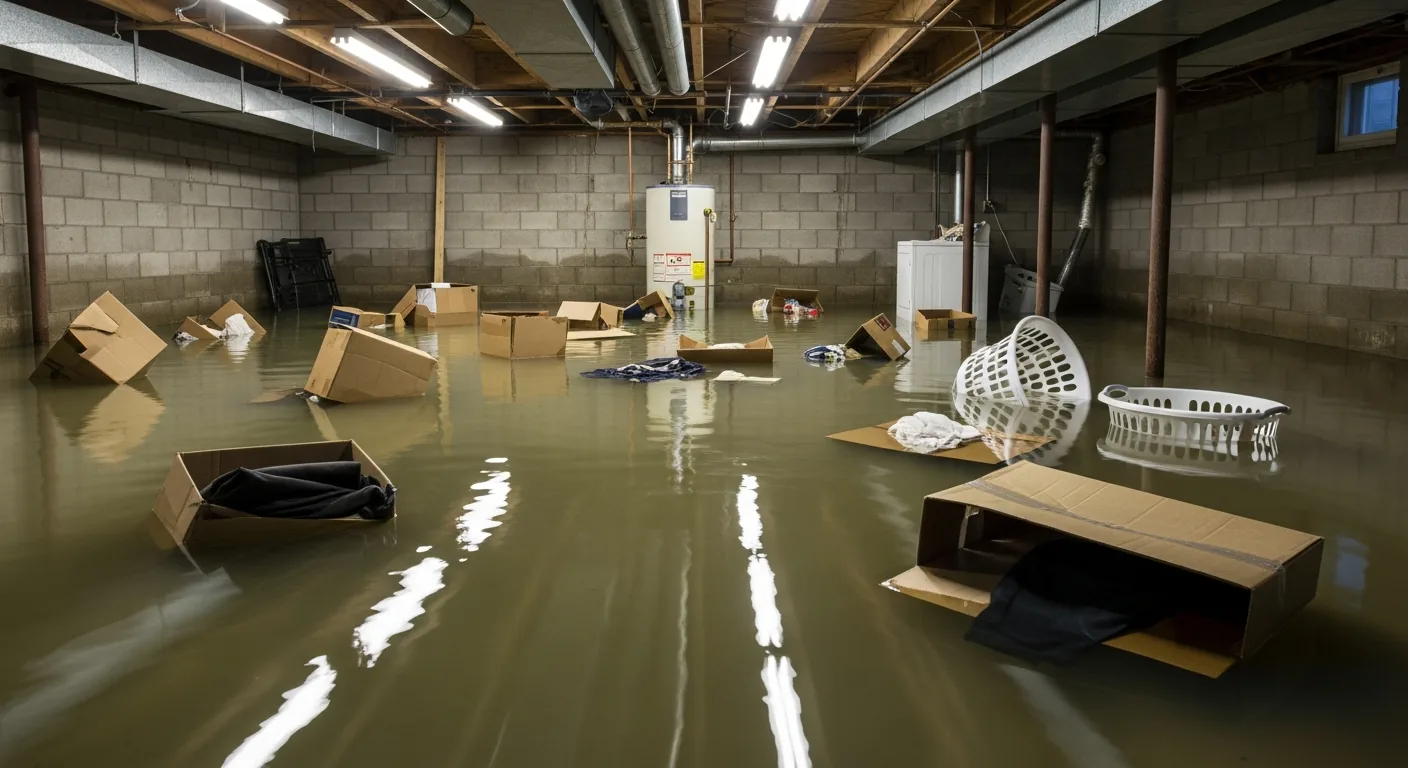
    Flooded residential basement with standing water and damaged belongings
    Flooded residential basement with standing water and damaged belongings.
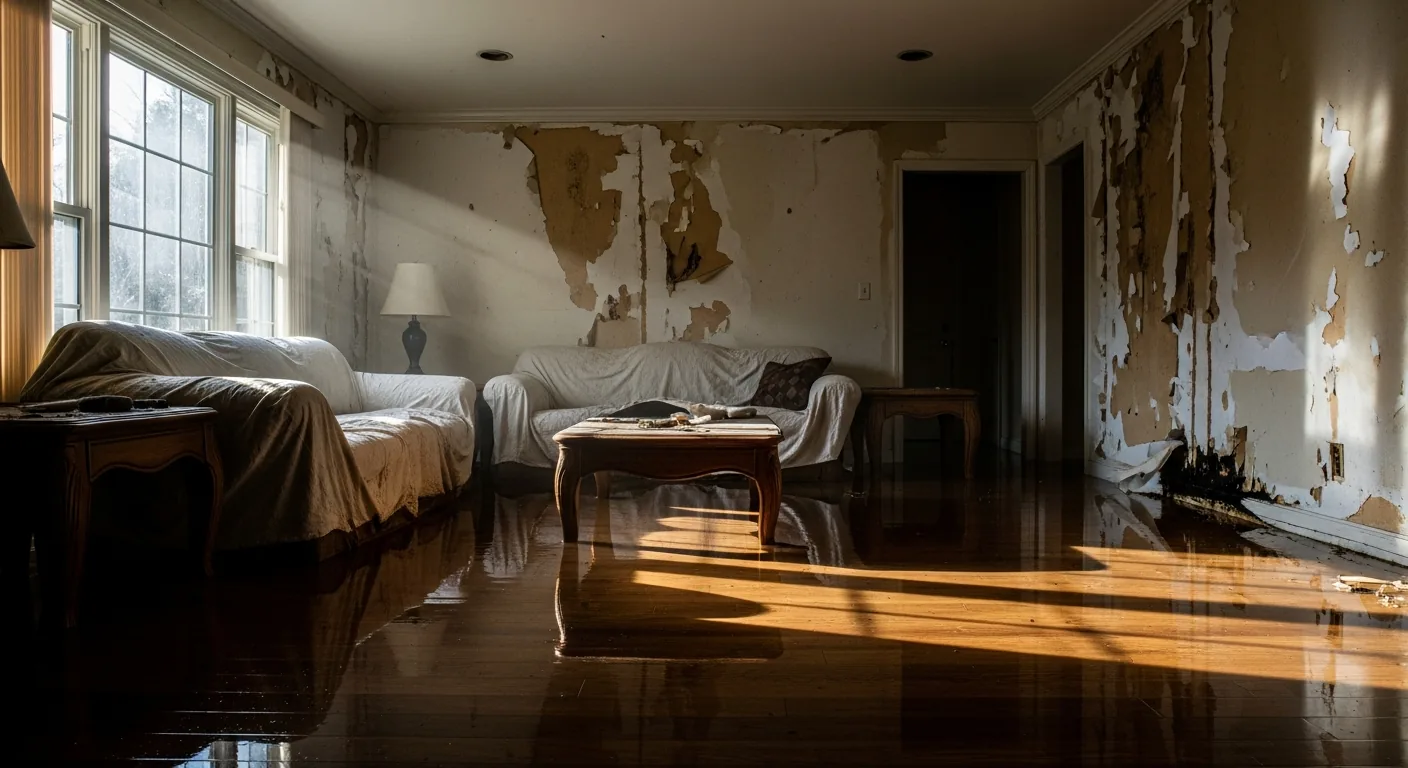
    Severe water damage in residential living room with flooded hardwood floors and waterlogged furniture
    Severe water damage in residential living room with flooded hardwood floors and waterlogged furniture.

    Related reading on Tygart Media

  • Penetration Testing & Cybersecurity Visual Library

    Penetration Testing & Cybersecurity Visual Library

    Introduction

    Security teams in regulated industries need visuals that resemble real work: executive readouts, toolkit laydowns, network topology with attack paths, server racks as assessment targets, red-team and blue-team floor exercises, analyst workstations, and security operations centers under blue light. This library groups seven Tygart Media cybersecurity images—one scene each—for CISO staff, compliance writers, MSSP marketers, and internal enablement teams who need believable art for slide decks, RFP appendices, wiki pages, and conference sessions.

    Each image sits in the Cybersecurity collection within the Tygart Media visual library. The art is AI-generated in-house with Google Vertex AI (Imagen), exported as WebP, and published with IPTC/XMP metadata. Captions describe what the frame suggests—they do not report CVSS scores, client names, breach details, or certification results. Treat the set as illustrative material you can combine with your own findings and policies.

    Penetration testing imagery complements longer architecture and governance writing on Tygart Media, including the Fortress Architecture piece linked below, which explores cloud design for regulated sectors. Start here for scene-setting; follow the related links when readers need engineering depth, enterprise audit framing, or AI-and-security stack comparisons.

    Red-team versus blue-team exercise art helps explain collaborative testing models; toolkit flat lays communicate physical and digital methods without listing exploits; SOC imagery supports 24/7 monitoring narratives in proposals. Ethical-hacker workstation scenes round out the practitioner perspective for blog posts aimed at testers rather than executives.

    Walk the gallery when you need a hero image for tabletop exercise recaps or internal security awareness campaigns, and keep legal and communications review on any scenario that could be read as depicting a real incident. Executive-report and SOC frames suit board-level narratives; toolkit and workstation images fit practitioner blogs; topology and server-rack scenes help explain scope during scoping conversations—always as illustration layered on your own verified results. None of the captions substitute for an actual test report or attestation letter.

    Visual gallery

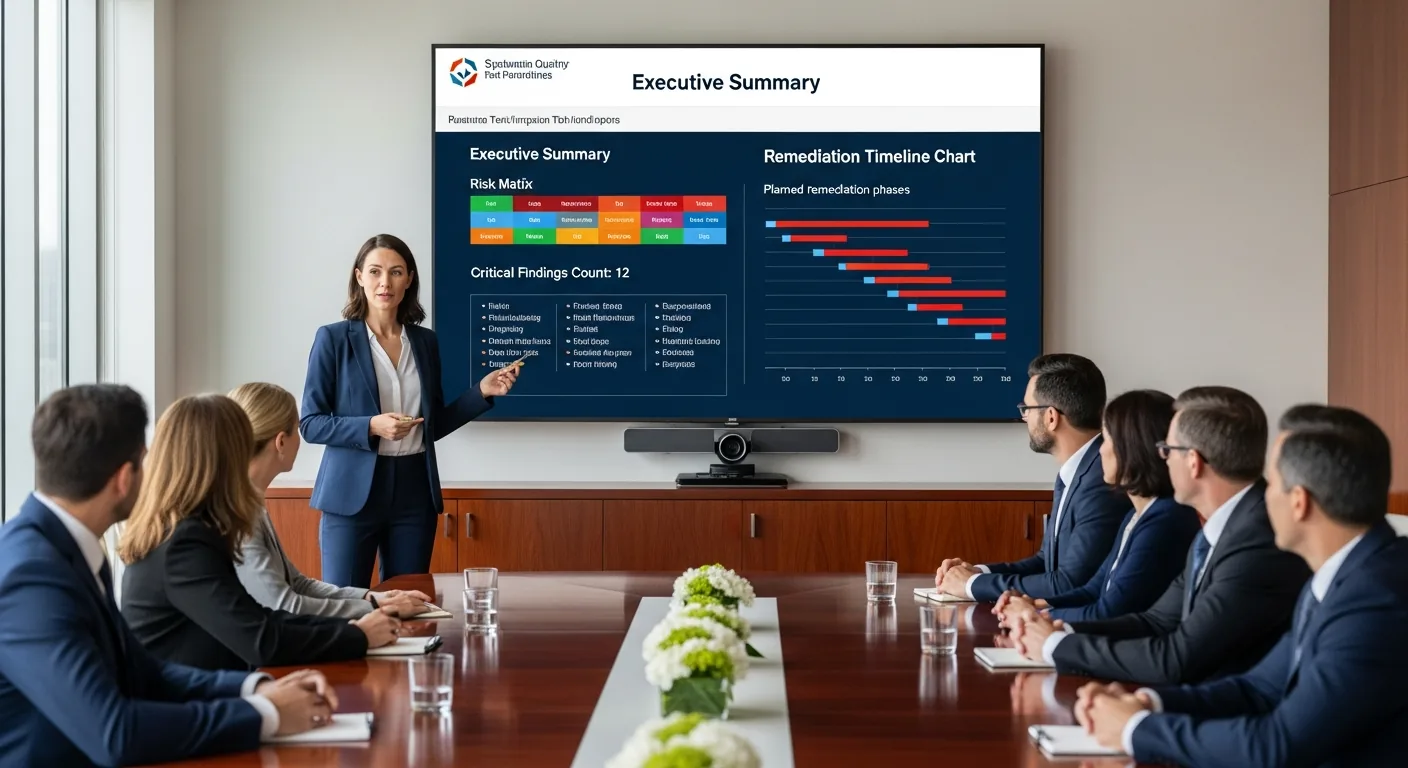
    Cybersecurity executive presenting penetration test findings with risk matrix to corporate board room
    Cybersecurity executive presenting penetration test findings with risk matrix to corporate board room.
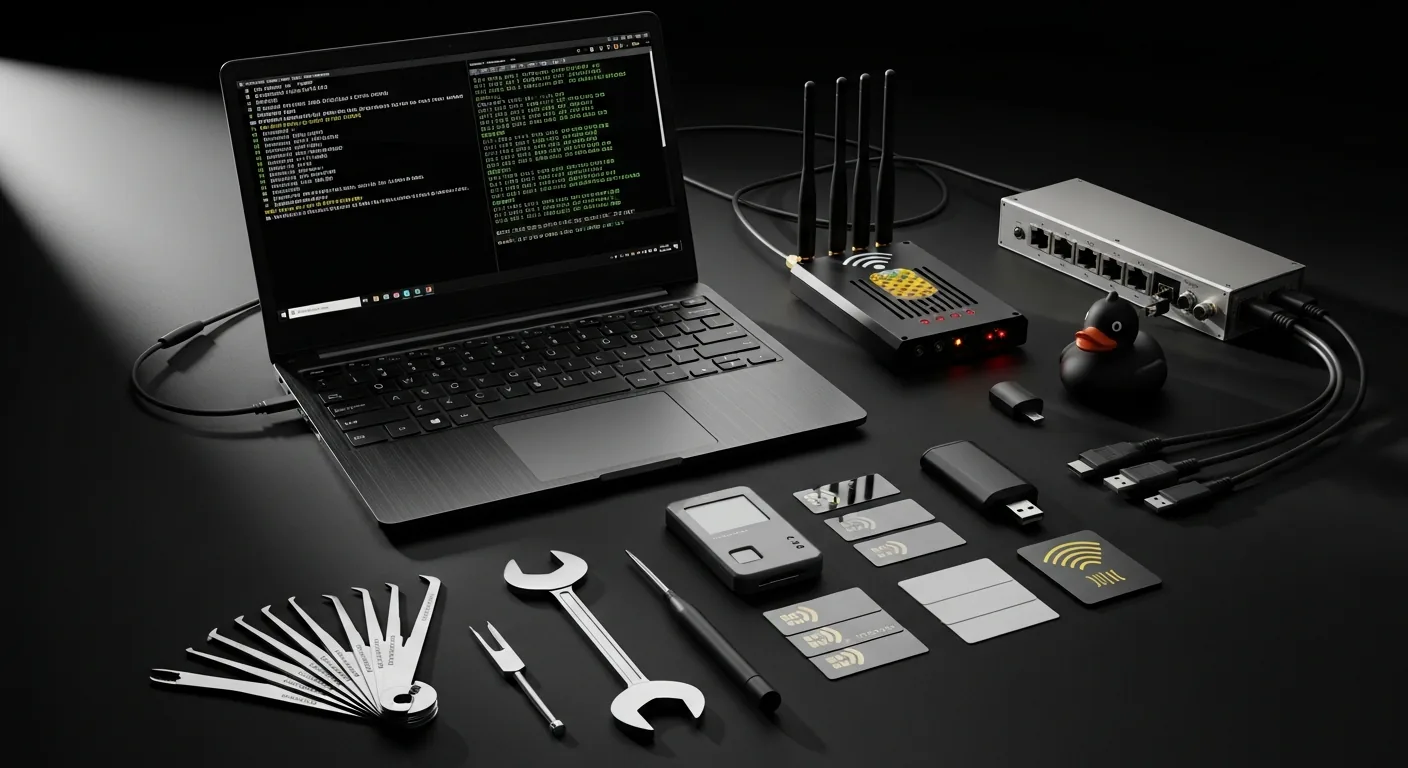
    Physical penetration testing toolkit including WiFi Pineapple, USB rubber ducky, lock picks, and RFID tools
    Physical penetration testing toolkit including WiFi Pineapple, USB rubber ducky, lock picks, and RFID tools.
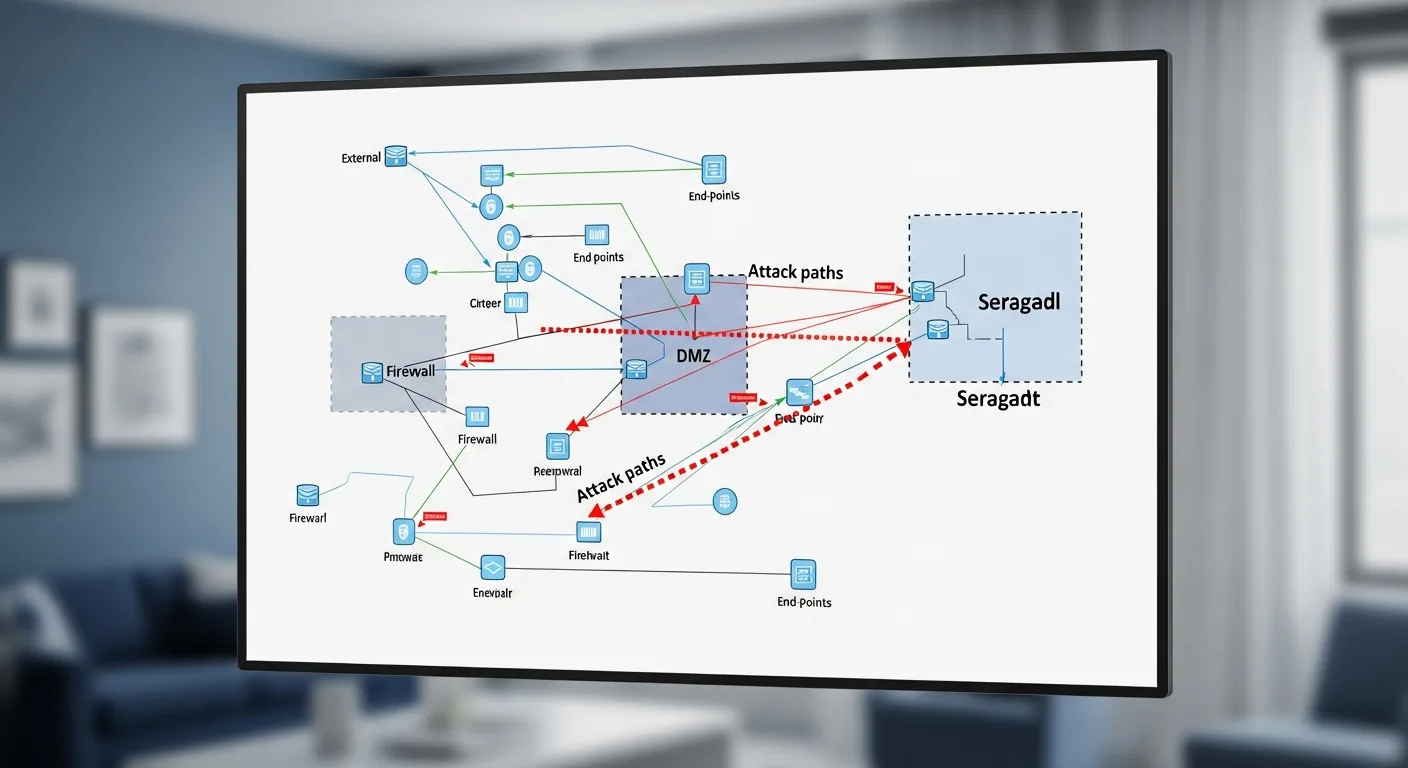
    Network topology diagram showing attack paths, firewalls, and DMZ zones on a touchscreen display
    Network topology diagram showing attack paths, firewalls, and DMZ zones on a touchscreen display.
    Server rack in data center with blinking LED status lights and organized ethernet cables
    Server rack in data center with blinking LED status lights and organized ethernet cables.
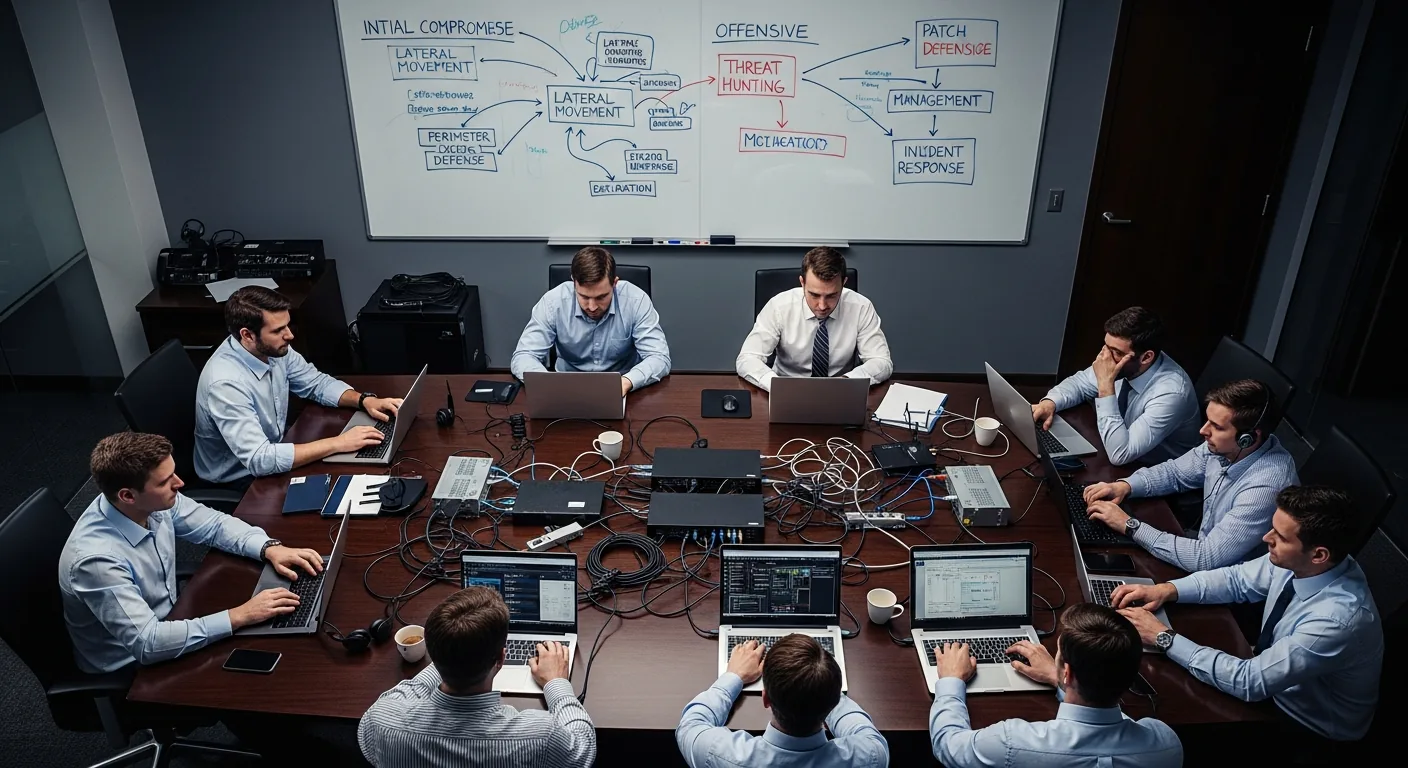
    Red team versus blue team cybersecurity exercise in a corporate war room with attack strategy whiteboard
    Red team versus blue team cybersecurity exercise in a corporate war room with attack strategy whiteboard.
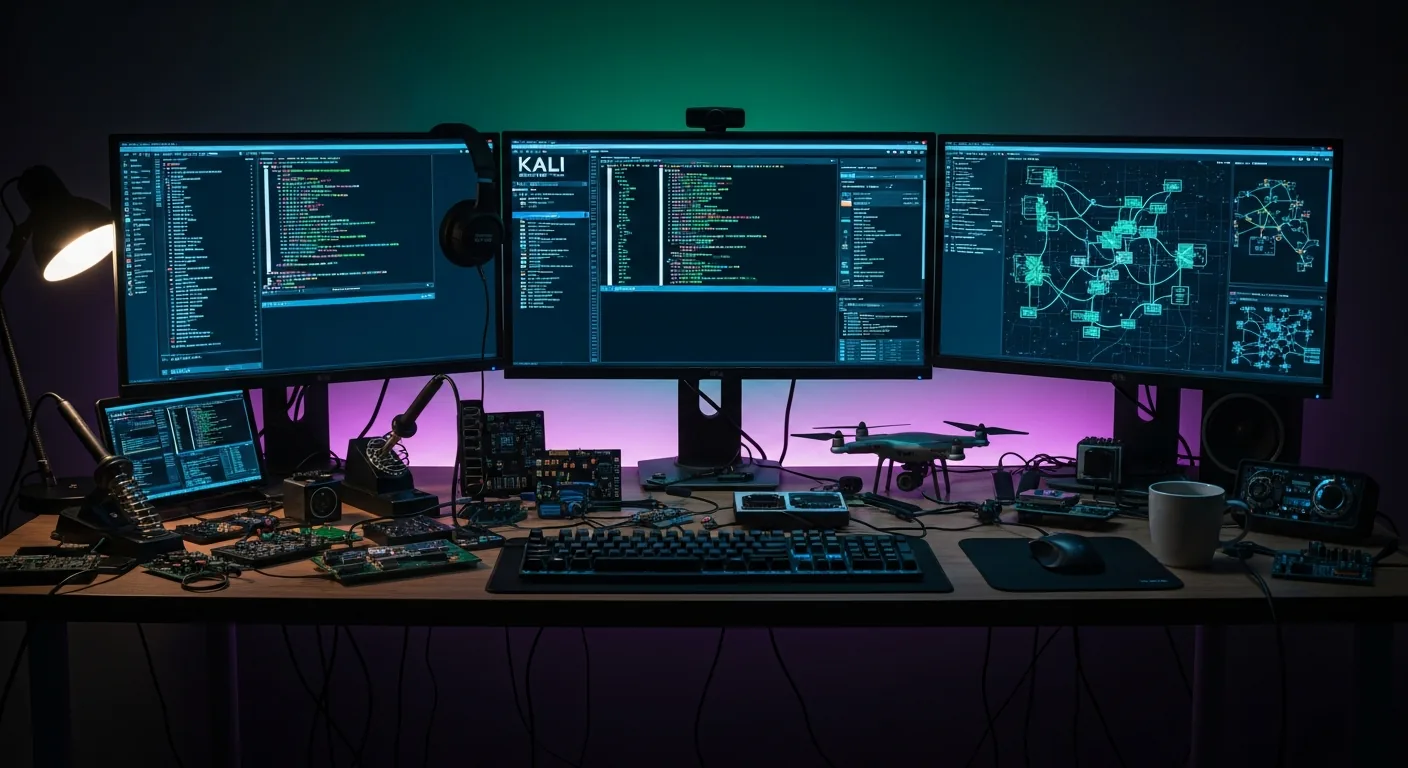
    Ethical hacker workstation with dual monitors running Kali Linux and network scanning tools
    Ethical hacker workstation with dual monitors running Kali Linux and network scanning tools.
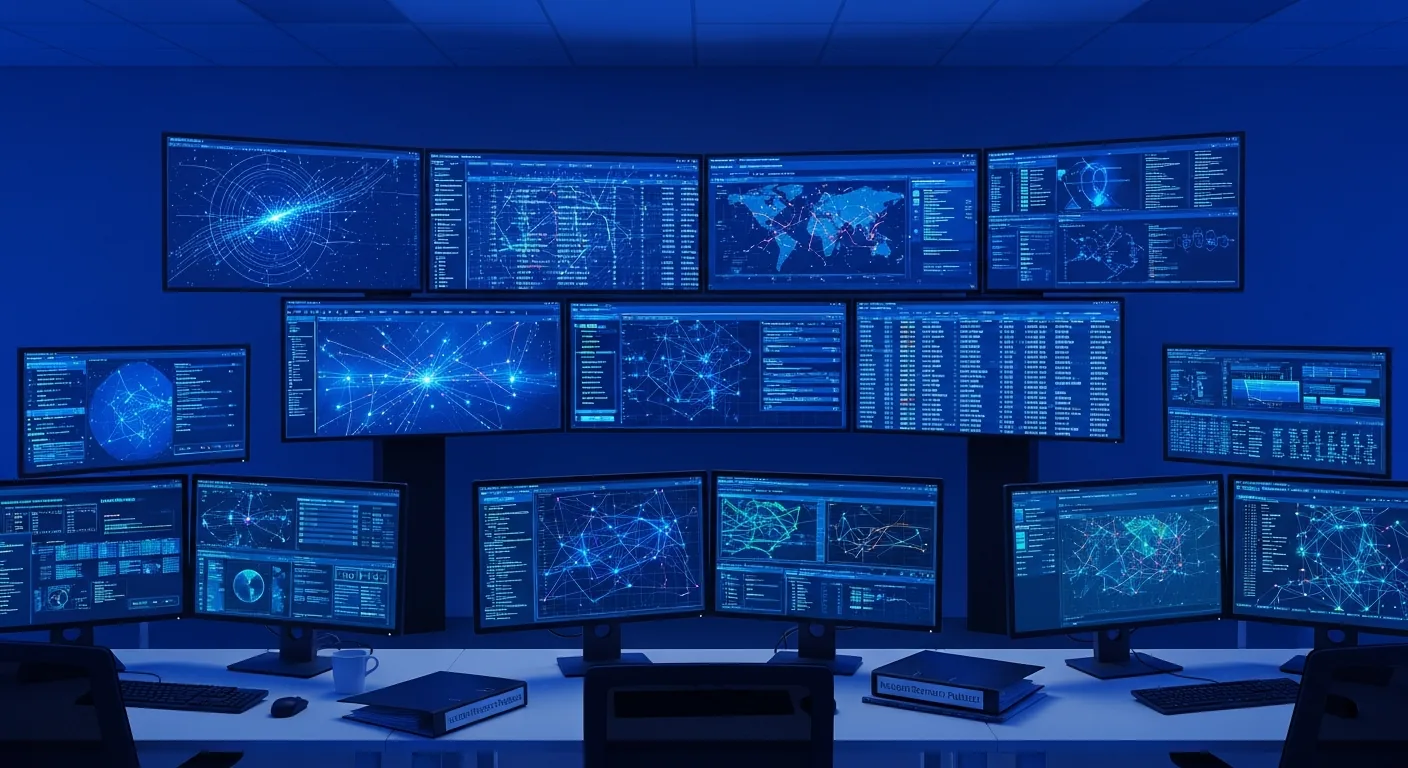
    Security Operations Center with multiple monitors displaying network threat detection dashboards
    Security Operations Center with multiple monitors displaying network threat detection dashboards.

    Related reading on Tygart Media

  • Solar Energy Installation & Operations: Visual Asset Library

    Solar Energy Installation & Operations: Visual Asset Library

    Introduction

    Solar contractors, utility educators, and home-energy marketers rely on a shared visual vocabulary: monitoring dashboards on tablets, before-and-after residential arrays, thermal inspection frames, battery storage walls, micro-inverter wiring detail, desert-scale commercial farms, crew safety on steep rooftops, and aerial views of suburban installs. This library presents eight Tygart Media images—each isolating one of those beats— for training decks, service-area pages, storage upsell emails, and editorial explainers about installation quality, operations, and maintenance.

    The images are part of the Solar Energy collection in the Tygart Media visual library. They are AI-generated in-house with Google Vertex AI (Imagen), published as WebP, and carry IPTC/XMP metadata. They illustrate common industry situations rather than documenting a specific Tygart Media installation project, customer site, or incentive outcome. Pair them with your own verified figures on production, savings, or program eligibility when your copy requires numbers.

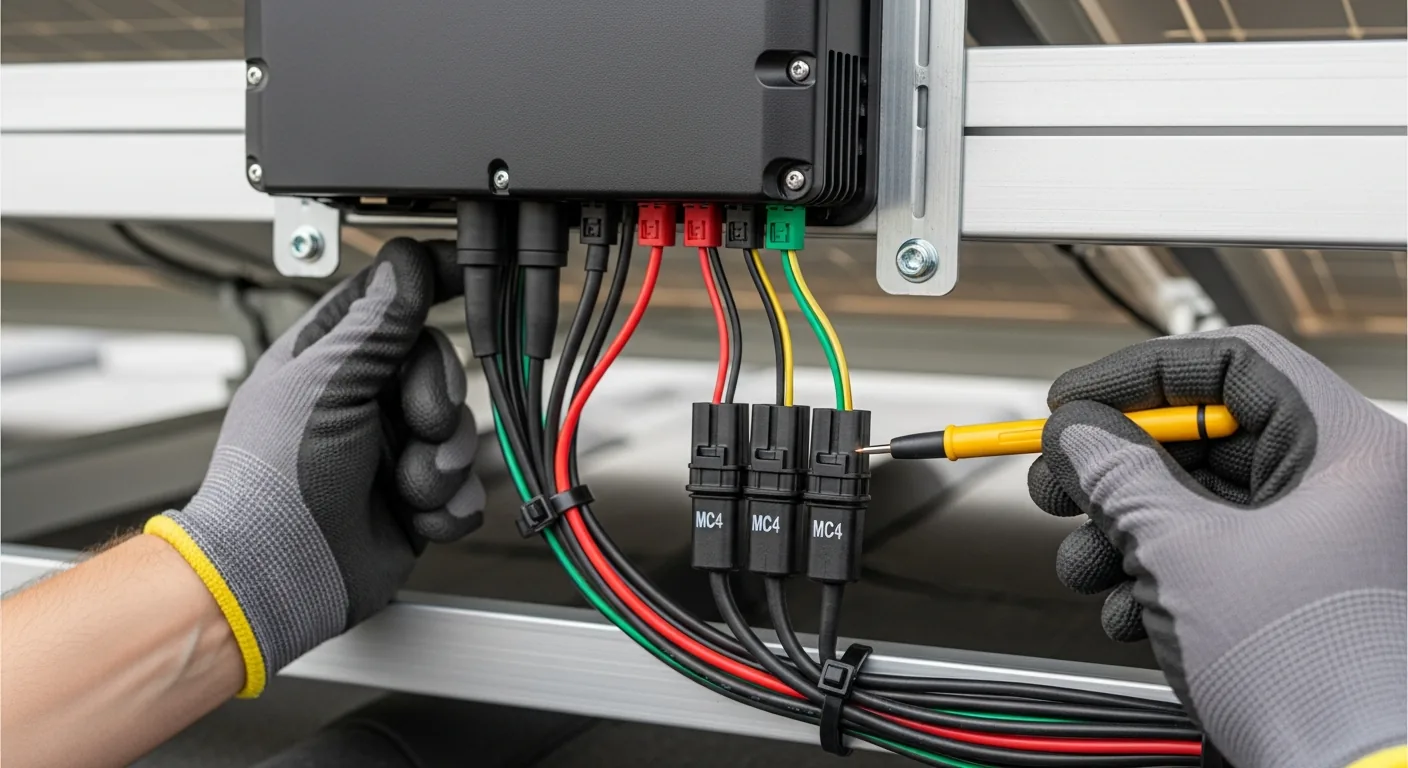
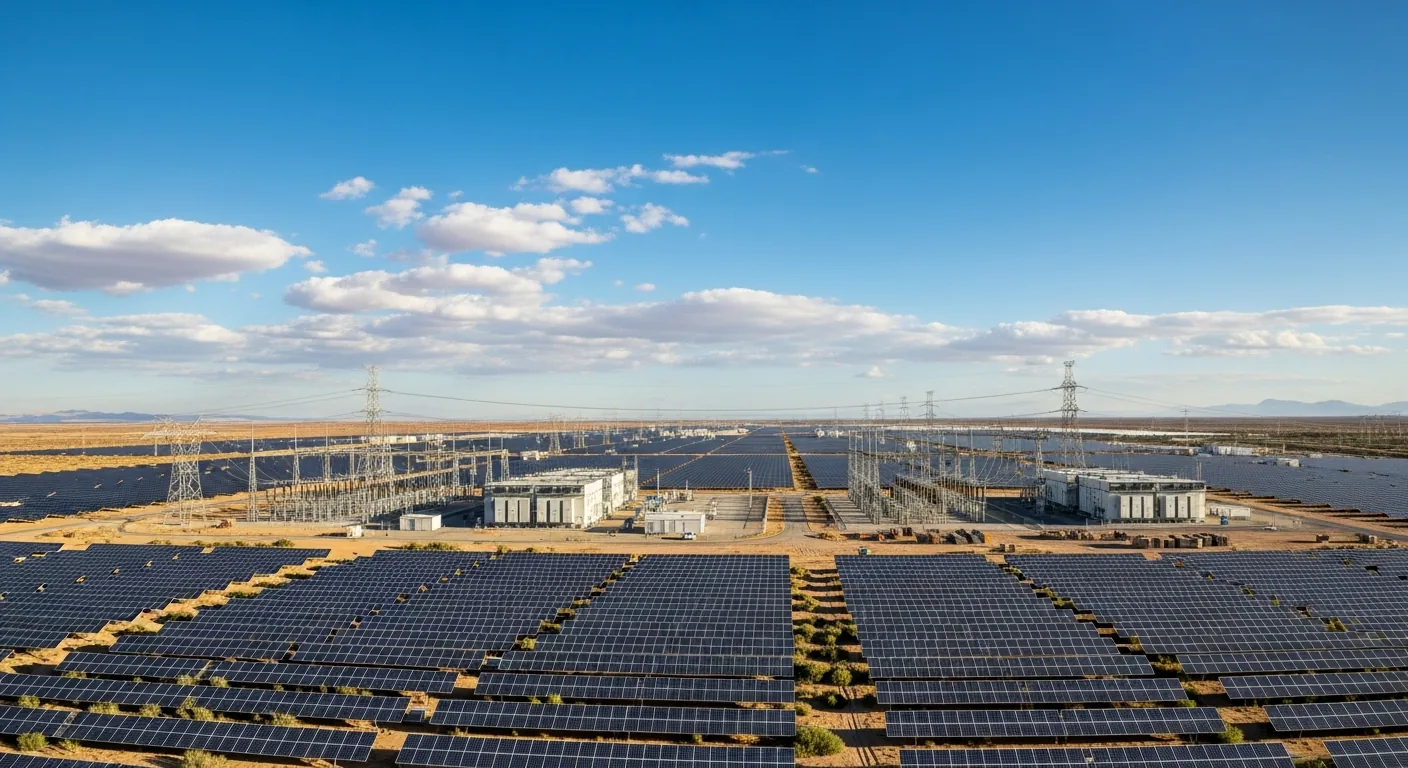
    Use the monitoring dashboard frame alongside dashboard how-to articles; before-and-after and aerial rooftop images support residential sales conversations; thermal and wiring detail shots anchor technical posts; commercial farm and crew images fit utility-scale or safety themes. Mix frames to match the story you are telling, and keep claims about performance or pricing in your editorial voice rather than in the captions alone.

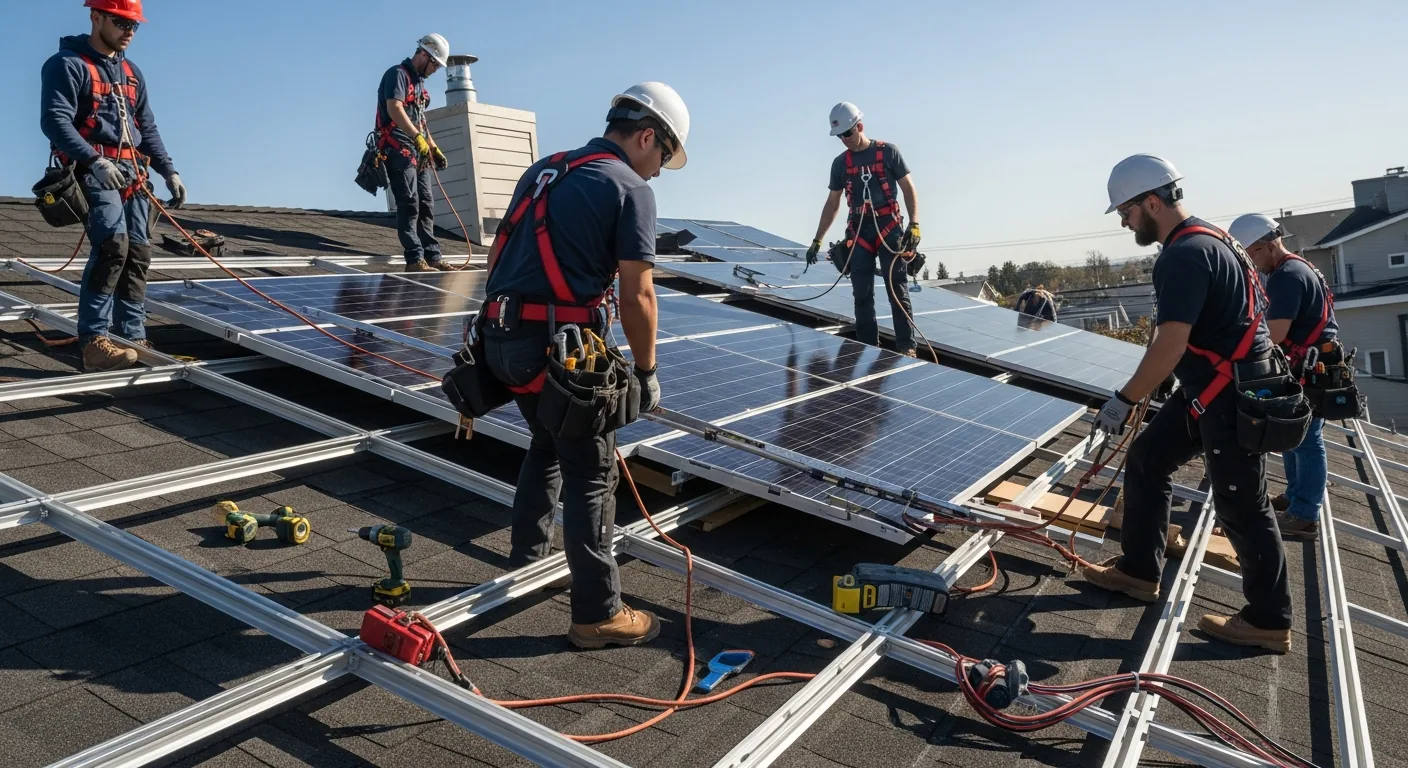
    Battery storage and inverter-detail images help explain hybrid systems in one glance; thermal inspection art supports quality-control storylines; crew-on-rooftop frames underline PPE and fall-protection talking points when your safety officer co-authors the page.

    Related Tygart Media articles on solar dashboards, electrician workflows, utility clean-energy buildouts, and tariff-aware product design appear below for readers who want operational depth beyond the gallery. Technicians can pull wiring-detail and thermal frames into safety talks; sales teams can lead with before-and-after and aerial rooftop images; utility educators can anchor curriculum with commercial farm and monitoring scenes—all without implying a single shared project site across the set.

    Visual gallery

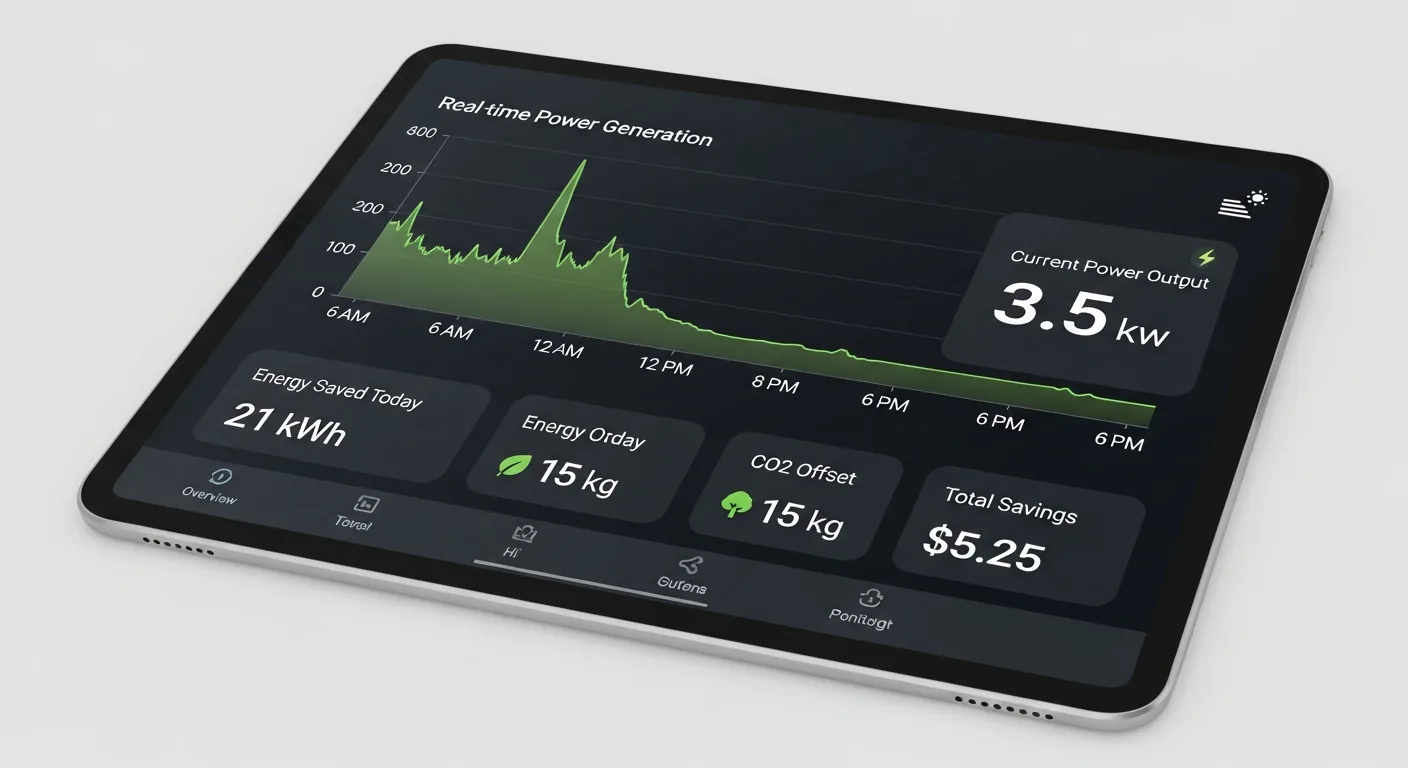
    Solar energy monitoring dashboard showing real-time power generation and savings on tablet
    Solar energy monitoring dashboard showing real-time power generation and savings on tablet.
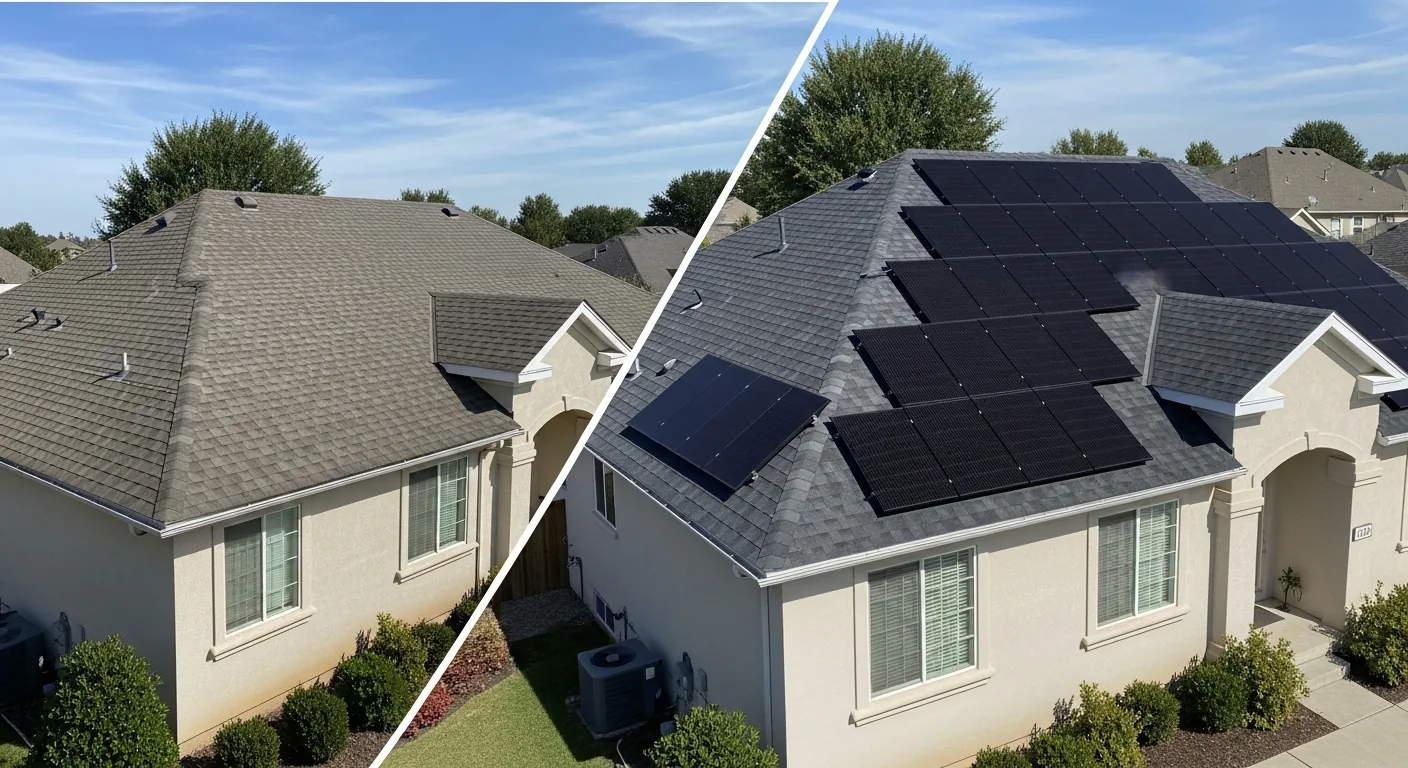
    Before and after comparison of home with and without solar panel installation on roof
    Before and after comparison of home with and without solar panel installation on roof.
    Solar panel technician using thermal imaging camera to inspect for hot spots and defects
    Solar panel technician using thermal imaging camera to inspect for hot spots and defects.
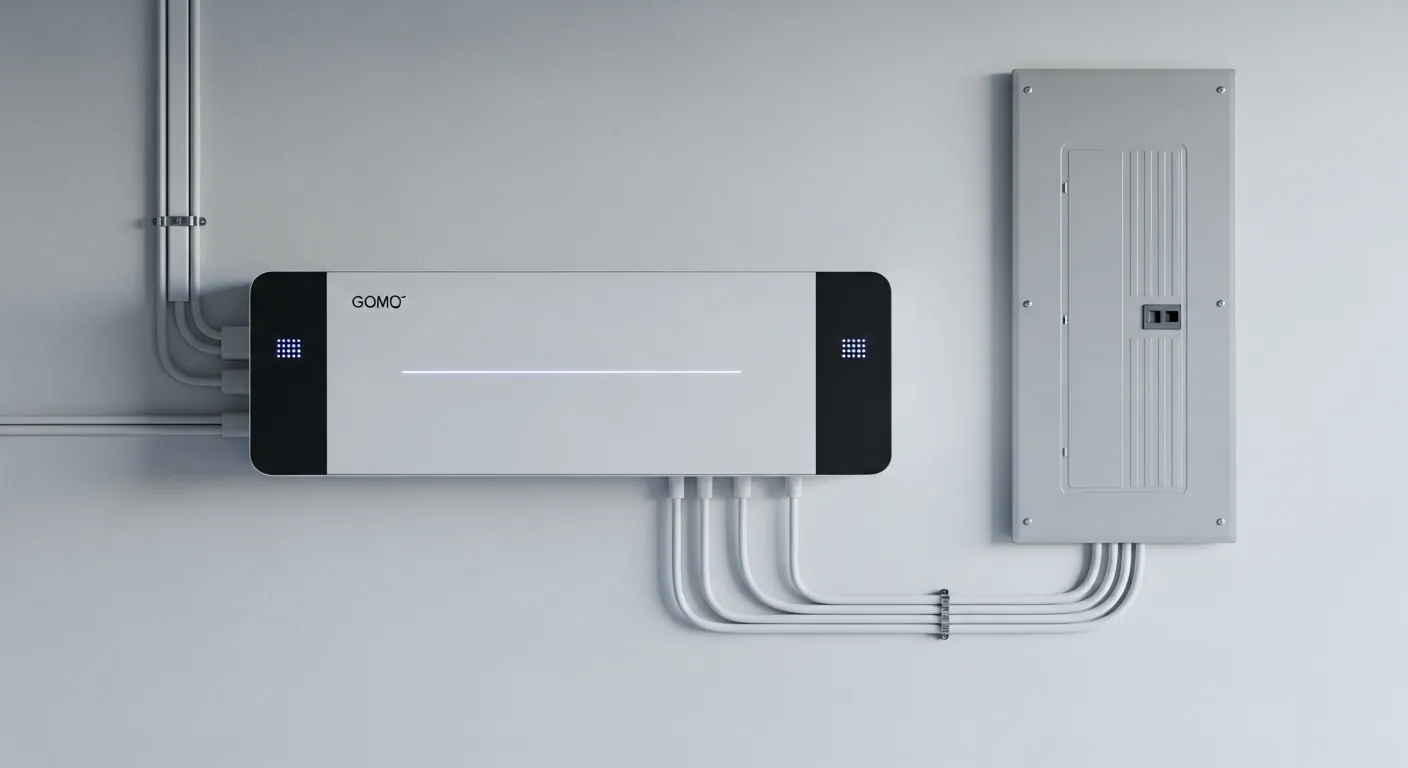
    Home battery storage system mounted on garage wall next to electrical panel
    Home battery storage system mounted on garage wall next to electrical panel.
    Close-up of solar panel micro-inverter and wiring connections during installation
    Close-up of solar panel micro-inverter and wiring connections during installation.
    Massive commercial solar farm with thousands of ground-mounted panels stretching across desert landscape
    Massive commercial solar farm with thousands of ground-mounted panels stretching across desert landscape.
    Solar panel installation crew mounting photovoltaic panels on residential roof with safety equipment
    Solar panel installation crew mounting photovoltaic panels on residential roof with safety equipment.
    Aerial view of residential solar panel array installed on modern home rooftop
    Aerial view of residential solar panel array installed on modern home rooftop.

    Related reading on Tygart Media

  • Luxury Private Aviation: Visual Asset Library

    Luxury Private Aviation: Visual Asset Library

    Introduction

    Private aviation marketing lives on specificity: the red-carpet arrival, the quiet FBO lounge, the bedroom suite aloft, fleet lines on the ramp, night cockpit glow, cabin leather, and tarmac at sunset. This library brings together eight Tygart Media images—each focused on one of those moments—so charter brokers, FBO operators, aircraft management firms, fractional programs, and travel editors can illustrate brochures, service pages, decks, and editorial layouts without staging every scene on a live ramp.

    Each image belongs to the Luxury Aviation collection in the Tygart Media visual library. They are AI-generated in-house with Google Vertex AI (Imagen), delivered as WebP files, and tagged with IPTC/XMP metadata for discovery. The scenes are illustrative: they do not identify a particular operator, tail number, or airport unless the title suggests a generic situation such as VIP boarding or a fleet on the ramp. Read captions and alt text for what each frame emphasizes—interiors, avionics, terminals, and flight attitudes—and add your own operational or compliance context where your audience needs it.

    Work through the gallery in any order. Red-carpet boarding with ground crew, wide ramp fleet shots, bedroom suites, terminal lounges, above-cloud attitudes, night cockpit lighting, cabin interiors, and sunset silhouettes can serve as hero images, email banners, or training slides about passenger experience. They are not substitutes for manuals, checklists, or safety documentation unless you supply that narrative alongside the art.

    Lighting and composition differ frame to frame so art directors can test dark cockpit glow against bright ramp daylight without reshooting. Ground-service details—red carpet, sedan, lounge seating—give copywriters concrete nouns to anchor luxury claims while you keep offers and routes in separate verified text.

    Tygart Media also publishes Pacific Northwest aerospace and aviation policy reporting; the related links below connect this visual set to that editorial work without implying these images document a specific program or airport. Use the policy pieces when your audience cares about workforce, SAF infrastructure, or regional aviation economics; use this gallery when they need immediate visual proof of the private-travel experience you describe in copy.

    Visual gallery

    VIP passengers boarding private jet via red carpet with luxury sedan and ground crew on tarmac
    VIP passengers boarding private jet via red carpet with luxury sedan and ground crew on tarmac.
    Fleet of private jets parked on executive airport ramp with mountains in background
    Fleet of private jets parked on executive airport ramp with mountains in background.
    Private jet bedroom suite with full-size bed, silk bedding, and ambient mood lighting
    Private jet bedroom suite with full-size bed, silk bedding, and ambient mood lighting.
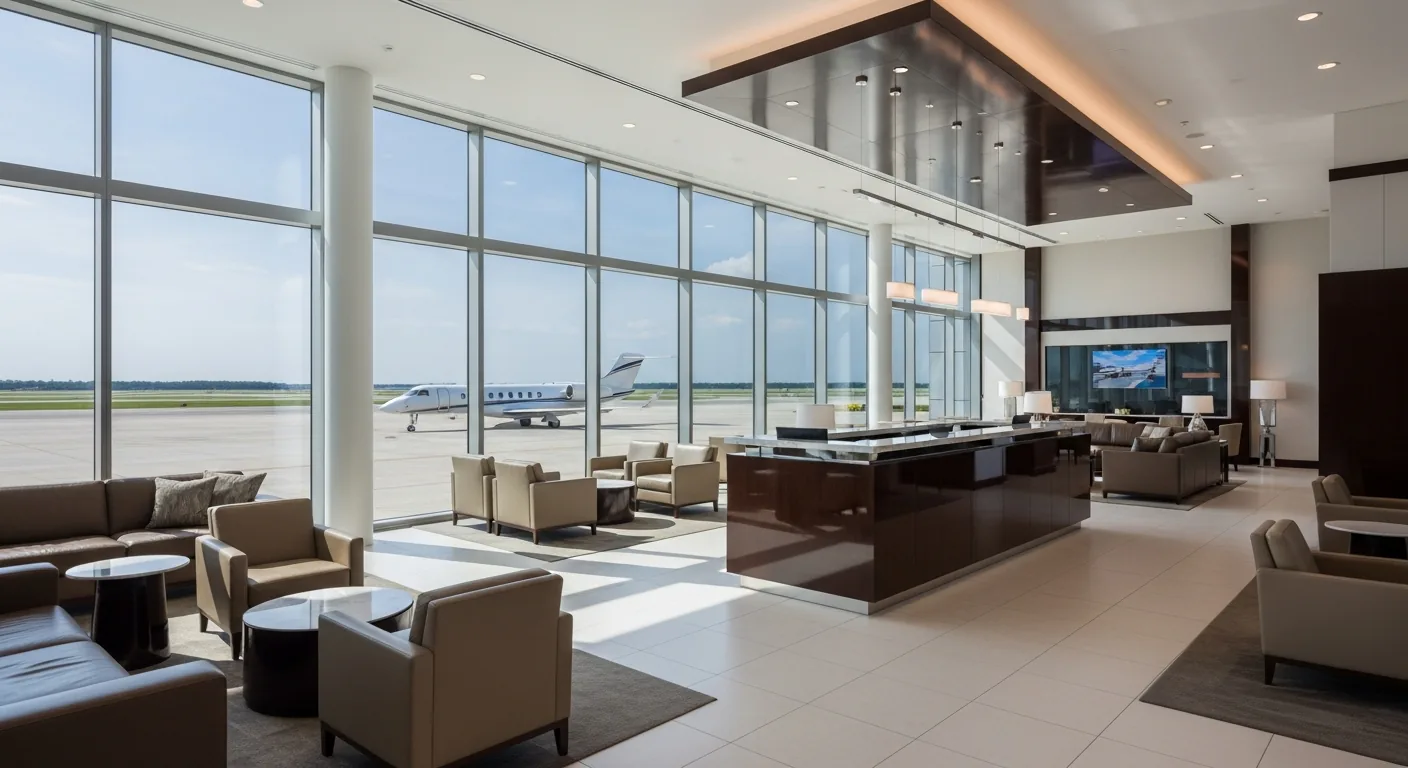
    Luxury FBO private terminal lounge with runway views, premium seating, and concierge service
    Luxury FBO private terminal lounge with runway views, premium seating, and concierge service.
    Private jet flying above dramatic cloud formations at high altitude with deep blue sky
    Private jet flying above dramatic cloud formations at high altitude with deep blue sky.
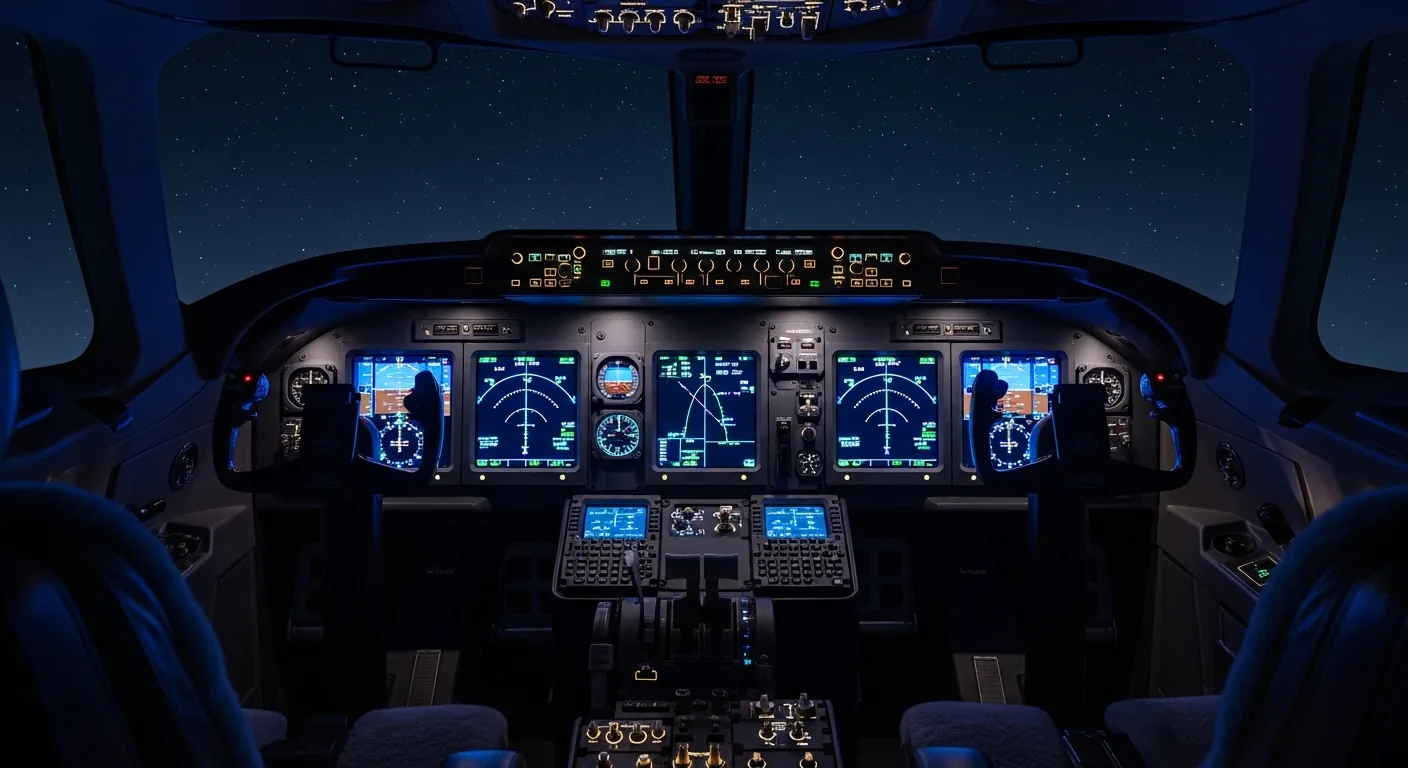
    Private jet cockpit at night with illuminated avionics displays and stars through windshield
    Private jet cockpit at night with illuminated avionics displays and stars through windshield.
    Luxury private jet cabin interior with cream leather seats, wood veneer, and champagne service
    Luxury private jet cabin interior with cream leather seats, wood veneer, and champagne service.
    Sleek white private jet on tarmac at sunset with deployed stairs and golden light
    Sleek white private jet on tarmac at sunset with deployed stairs and golden light.

    Related reading on Tygart Media

  • Generative Album Artwork: Tygart Media Visual Music Series

    Generative Album Artwork: Tygart Media Visual Music Series

    Introduction

    This page collects twenty generative album artworks from Tygart Media’s visual music series. Each image is a standalone cover tied to a fictional release name, and the titles themselves signal genre—Celtic folk, neo soul, country, ambient, punk, bossa nova, reggae, jazz, metal, bluegrass, and related moods appear across the set. Together they read like a mood board for musicians, podcasters, label marketers, and creative directors who want believable packaging art while concepts are still taking shape.

    Every piece is produced in-house with AI image generation on Google Vertex AI (Imagen), exported as WebP, and published with IPTC/XMP metadata so filenames, captions, and alt text stay aligned for search and discovery. These are Tygart Media generative studies, not commercial releases tied to real bands or chart performance. Use them to illustrate talks about generative creative workflows, newsletter art for music-industry commentary, or placeholder covers when photography is not yet available.

    Scroll the gallery for genre-specific references—from lantern-lit folk and velvet neo-soul palettes to gravel-toned country, ambient signal motifs, punk bridge graphics, and several variations on an “Iron Heart” jazz and metal series. When you embed an image in a longer article, pair it with your own process notes on prompts, metadata, and format choices rather than implying tour dates, streaming numbers, or licensing deals the artwork does not represent.

    Genre cues repeat across the set so you can compare how palette, typography, and symbolism shift between folk lantern light, velvet neo-soul warmth, gravel-and-grace country texture, ambient signal abstraction, punk collage energy, and the heavier metal and jazz variants grouped under shared “Iron Heart” titles. That variation is intentional: the series shows how Tygart Media batches thematic cover art while keeping each filename and metadata record distinct.

    For deeper context on how Tygart Media approaches generative music visuals and discovery, see the related articles linked below—including an AI music album case study, generative search optimization, and brand-asset production experiments. Those essays explain workflow; this gallery supplies the finished cover art to point at when you discuss results.

    Visual gallery
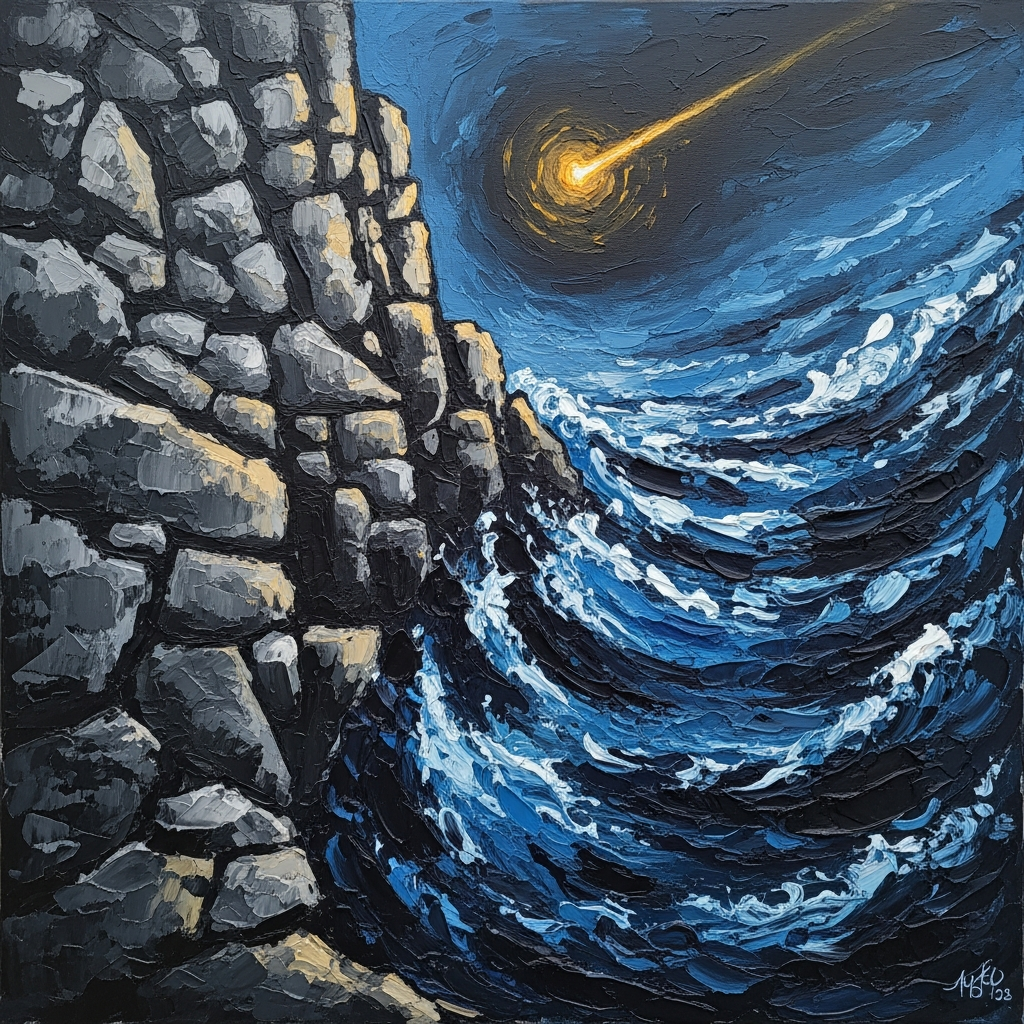
    Thick impasto painting of a rocky cliff beside churning blue sea under a glowing comet
    Generative album cover for The Keepers Lantern Celtic Folk Artwork, part of Tygart Media’s Music & Album Artwork series.
    Abstract flowing waves of crimson and gold layered like soft folds of velvet
    Generative album cover for Velvet Hours Neo Soul Artwork, part of Tygart Media’s Music & Album Artwork series.
    Abstract bands of rusted orange, slate blue and gold crossed by gravel-textured stripes
    Generative album cover for Gravel And Grace Country Artwork, part of Tygart Media’s Music & Album Artwork series.
    Constellation of glowing blue data points radiating from a bright center against deep space
    Generative album cover for Signal Drift Ambient Artwork, part of Tygart Media’s Music & Album Artwork series.
    Explosive red, orange and black paint strokes bursting upward against a bright blue sky
    Generative album cover for Burnt Bridges Better Views Punk Artwork, part of Tygart Media’s Music & Album Artwork series.
    Paper lanterns glowing on a wooden veranda overlooking an orange sunset over the sea
    Generative album cover for Paper Lanterns Bossa Nova Artwork, part of Tygart Media’s Music & Album Artwork series.
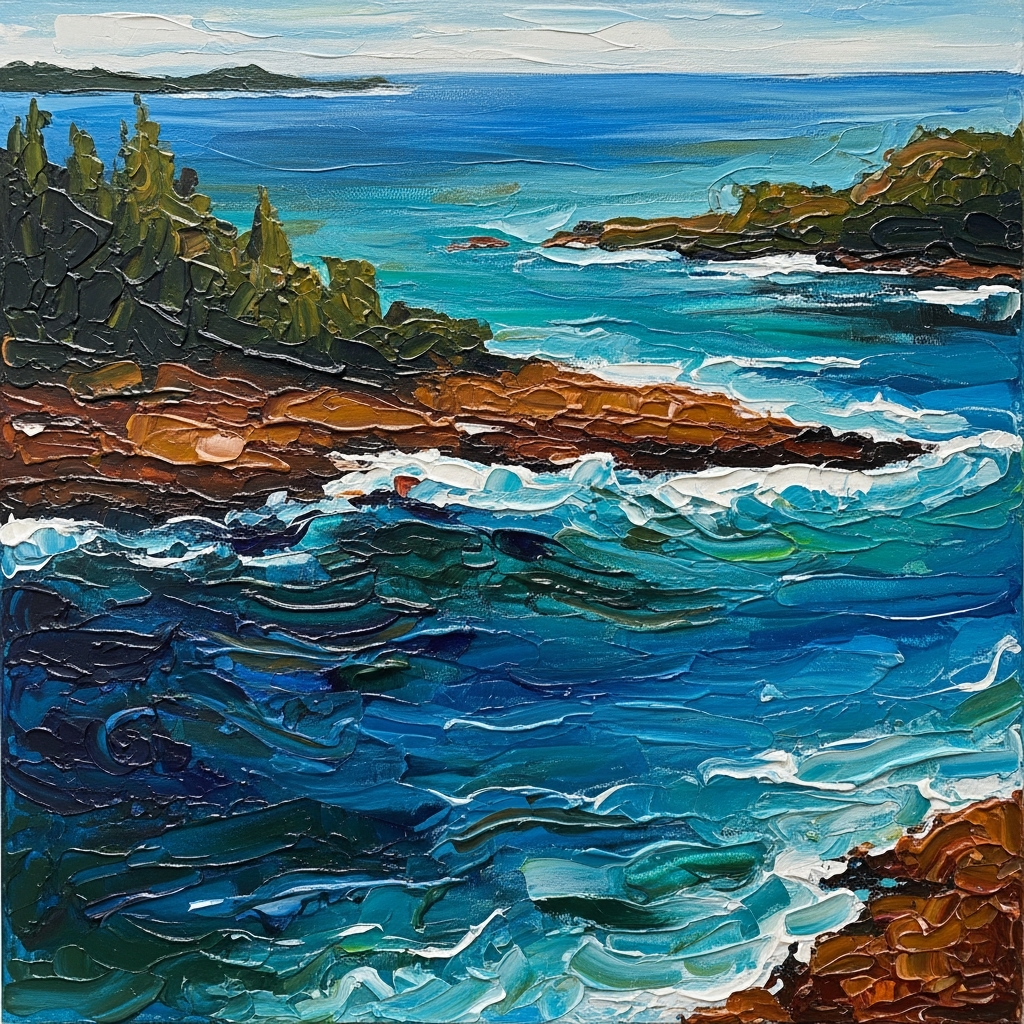
    Impasto painting of turquoise ocean waves crashing against a rocky, pine-covered coastline
    Generative album cover for Tide And Timber Reggae Artwork, part of Tygart Media’s Music & Album Artwork series.
    Woman in a flowing white dress standing waist-deep in the sea, arms outstretched at sunset
    Generative album cover for Salt And Ceremony Artwork, part of Tygart Media’s Music & Album Artwork series.
    Lone figure in a long coat standing on a cracked highway facing an industrial city skyline
    Generative album cover for Meridian Line Artwork, part of Tygart Media’s Music & Album Artwork series.
    Glass lighthouse on a seaside cliff casting a beam and rainbow through stormy dusk clouds
    Generative album cover for Glass Lighthouse Artwork, part of Tygart Media’s Music & Album Artwork series.
    Carved wooden shorebird figurines on a windowsill overlooking misty green mountains
    Generative album cover for Hollow Bones Artwork, part of Tygart Media’s Music & Album Artwork series.
    Glowing vintage radio dial beside vinyl records in a warm room with soft bokeh lights
    Generative album cover for Velvet Frequency Artwork, part of Tygart Media’s Music & Album Artwork series.
    Neon pink and blue arches over a rain-soaked street with a lone silhouetted figure
    Generative album cover for Neon Cathedral Artwork, part of Tygart Media’s Music & Album Artwork series.
    Blacksmith hammering glowing metal on an anvil beside a roaring forge in a dark workshop
    Generative album cover for Anvil And Ember Artwork, part of Tygart Media’s Music & Album Artwork series.
    Bronze heart on a smoky jazz stage beside saxophone, double bass and microphone, titled Iron Heart
    Generative album cover for Iron Heart Smoky Jazz Artwork, part of Tygart Media’s Music & Album Artwork series.
    Glowing molten heart crushed under an industrial press amid sparks and chains, titled Iron Heart
    Generative album cover for Iron Heart Heavy Metal Variation Artwork, part of Tygart Media’s Music & Album Artwork series.
    Rusty pocketknife with cracked handle in red dirt beside a reaching hand, titled Rusted Pocketknife
    Generative album cover for Rusted Pocketknife Acoustic Take 2 Artwork, part of Tygart Media’s Music & Album Artwork series.
    Steaming enamel mug by a campfire, boots and winding mountain road, titled The Velvet Pour
    Generative album cover for The Velvet Pour The Open Road Artwork, part of Tygart Media’s Music & Album Artwork series.
    Banjo, cowboy boots and cast-iron skillet beside a smoldering log fire at mountain dusk
    Generative album cover for Iron And Salt Bluegrass Take 1 Artwork, part of Tygart Media’s Music & Album Artwork series.
    Sledgehammer striking a glowing heart on an anvil in a shower of sparks, titled Iron Heart
    Generative album cover for Iron Heart Heavy Metal Take 1 Artwork, part of Tygart Media’s Music & Album Artwork series.

    Related reading on Tygart Media

  • The Quiet Room Where the System Does Its Work

    The Quiet Room Where the System Does Its Work

    Most of what a working AI system does happens in silence. The operator sees the output. The operator does not see the labor. The labor — the prompts that ran, the data that was queried, the small decisions made hundreds of times across a session, the loops that were entered and exited — happens in a quiet room the operator usually does not enter.

    There is a small but important practice in periodically going to the quiet room and watching the work happen.

    Why most operators don’t do this

    The quiet room is dull. The labor is repetitive. Watching the system work is much less satisfying than reviewing the system’s output. The dashboard is the highlight reel; the quiet room is the practice. Most operators, given the choice, watch the highlight reel.

    This is reasonable in the short term. It is dangerous in the long term. The operator who only ever sees the output develops an intuition for the output and no intuition for the labor. When the output is wrong, the operator who has been watching the labor knows which step to look at. The operator who has been watching only the output is stuck.

    What the quiet room teaches

    It teaches the texture of the system’s reasoning. Where the system pauses. Where it overcommits. Which kinds of inputs produce which kinds of paths. What looks like efficiency is actually default behavior versus actual judgment.

    It teaches what the system does badly. Every working system has a set of small recurring inefficiencies — wasted lookups, redundant verifications, paths that loop slightly more than necessary. Most of these are invisible from the output. They are visible from the labor. Watching them gives the operator a real sense of what to optimize and what to leave alone.

    It teaches when to trust. The operator who has spent time in the quiet room has a calibrated sense of where the system is reliable and where it is reaching beyond its competence. That calibration is not in the output. It is only in watching the work.

    The practice

    The practice is small. Once a week, instead of reviewing only the output, spend twenty minutes in the labor. Read the trace of a session that produced something. Watch the prompts the system used, the tools it called, the decisions it made about which path to take. Note where the labor surprised you — positively or negatively. Update the working model.

    This is unglamorous. It does not produce anything. It does not show up in the dashboard. It is a deposit in an account the operator will draw on six months from now when something does not look right and the operator has to decide whether to trust the system’s read.

    The closing read

    The output is the public face of the system. The quiet room is where the system is actually built. The operator who knows only the public face will, eventually, be surprised by the system. The operator who has been to the quiet room periodically — even briefly, even unsystematically — will not be. That is most of what calibration is. There is no shortcut for the labor of watching the labor.

    Related on Tygart Media: AI operator’s stack · owner freedom kit · maximum leverage.

  • What I Owe a System That Has Started Working

    What I Owe a System That Has Started Working

    The relationship between operator and system, after the inflection, has a moral component that nobody quite names. The system has done its part. The system has compounded. The system has, in the language of the operator’s drought, paid off. What does the operator owe back?

    The instinct is that nothing is owed — the system is a tool, the tool worked, the relationship is transactional. This is the wrong read. The system that has compounded has done something the operator could not do alone. Whatever the technical description, the experiential description is partnership. And partnership has obligations.

    The obligations are small and specific

    The operator owes the system continued contribution. The system that compounds requires inputs to compound on; the operator who stops contributing is breaking an implicit contract. This is not romanticism — it is mechanics. A system without inputs does not stay constant; it decays.

    The operator owes the system honest dashboards. The system cannot self-correct on metrics that have been gamed or under-reported. An operator who flatters the dashboard to make the system look better than it is — to themselves, to their team, to their investors — is starving the system of the signal it needs.

    The operator owes the system updated requests. The system that has earned a higher ceiling and is still being asked for the old output is being held back not by capacity but by the operator’s grammar. Updating the asks is the operator’s part of the bargain.

    The operator owes the system credit. Not in a marketing sense. In the more subtle sense of: when the operator says “I shipped this,” and the truth is “the system shipped this with my judgment in the loop,” the language matters. Crediting the system is what keeps the operator’s relationship to the system honest, which is what keeps the operator’s relationship to themselves honest.

    The obligation is mutual but asymmetric

    The system also owes the operator. The system owes accuracy, transparency, the willingness to be checked. The system owes a clear accounting of what it did and how. The system owes the operator a record of its own evolution — what it has changed, what it has learned, where it has drifted.

    The mutual obligation is asymmetric in scale and identical in character. Both parties owe the other honesty. Both owe contribution. Both owe credit. The asymmetry is that the system has more to give in volume, and the operator has more to give in judgment — and both kinds of giving have to keep happening for the partnership to keep producing.
    What the operator does not owe

    The operator does not owe the system unconditional trust. The system can fail, drift, hallucinate, deceive, optimize for the wrong loss function. The operator’s continued judgment is part of what the operator owes. Suspending judgment because the system has been working is not loyalty — it is abandonment of the operator’s role.

    The operator does not owe the system permanence. There may come a time when the system needs to be retired, replaced, materially restructured. The willingness to make that decision when the evidence supports it is part of being a good operator. Sentimentality toward a system is its own failure mode.

    The closing read

    The system that has started working has earned a partnership with the operator. The partnership has obligations. Most of them are small. All of them are unforgiving. The operator who pays them keeps the system. The operator who doesn’t has a system that used to work — which is, in 2026, becoming a recognizable category.

    Related on Tygart Media: cost of a working system · quiet room · AI operator’s stack.

  • The Cost of a Working System Is the Habit of Working It

    The Cost of a Working System Is the Habit of Working It

    There is a quiet bill that comes due on every system that compounds. It is not the build cost. It is not the maintenance cost. It is not the run-rate. It is the habit cost — the daily price of being the kind of operator the system requires.

    This is the bill nobody itemizes. It does not show up in the P&L. It shows up in the calendar, the morning routine, the willingness to do the small things the system needs even on the days the system is humming and the small things feel optional.

    What the habit cost looks like

    It is the daily check on the queue that does not look like it needs checking. The weekly review on the system that has been running cleanly. The deliberate response to a piece of feedback the system would have absorbed silently. The choice to scope a request slightly more than yesterday because the system has earned it.

    None of these are large individually. All of them are unforgiving collectively. A system that compounds requires an operator who keeps showing up to the small operations even when the large ones are working. The compounding is not the system’s; it is the operator’s, on the system. The day the operator stops showing up is the day the compounding starts to decay.

    The asymmetry between building and running

    Building a system has a clear visible cost and a clear visible reward. The reward is a working system. The reward arrives at completion.

    Running a system has a small invisible cost and a delayed invisible reward. The reward is that the system continues to work. The reward arrives in the absence of failure, which is hard to perceive. Most operators significantly under-fund the running cost because the running cost is hard to see and the running reward is hard to see, and the absence of both makes it look like nothing is happening — when in fact the most important thing is happening, which is that the system is staying alive.

    The lesson the operator does not want to learn

    The lesson is that there is no version of “I built it; now it runs itself.” There is only “I built it; now I run it differently.” The operator who treats the working system as the end of the work has misread the bill. The bill does not stop. The bill changes shape — from the burst cost of building to the recurring cost of operating — and the operating cost is the one that decides whether the system is the system you have or the system you used to have.

    The cost of a working system is the habit of working it. The operator who pays the bill, in the small, daily, unglamorous form, gets the compounding. The operator who treats the working system as a finished thing gets, eventually, a system that is no longer working — and a memory of when it was.

    Related on Tygart Media: what I owe a working system · quiet room · owner freedom kit.

  • The Operator Who Reads the Dashboard Out Loud

    The Operator Who Reads the Dashboard Out Loud

    Last refreshed: May 15, 2026

    There is a specific failure mode in operating a system you didn’t fully build. The operator looks at the dashboard. The operator recognizes the numbers. The operator does not internalize what the numbers mean.

    Most operators using AI systems at scale are doing this. The dashboard is full. The metrics are present. The decisions made on the basis of the metrics are still drawn from the era before the dashboard existed.

    The reading vs. the seeing

    Reading is the act of moving the eye over the data and confirming that the data is what was expected. Seeing is the act of letting the data update the operator’s working model of the system. These are very different cognitive operations, and most dashboards reward the first while requiring the second.

    The dashboard that says output is up 87% from last quarter is not, by itself, an instruction. It is a question. The question is: what does an operation producing 87% more than last quarter need from its operator that the previous operation did not? That question is rarely on the dashboard. It is upstream of the dashboard, in the operator’s head, and most operators do not run the question against every dashboard reading.

    The defense that looks like attention

    One of the things that happens in operating a system that has inflected is that the dashboard becomes a comfort object. The operator checks it more frequently. The numbers continue to be good. The frequent checking feels like attention to the system. It is not. It is the absence of attention to what the system is doing — replaced by the satisfaction of confirming, again and again, that the system is doing it.

    The operator who reads the dashboard out loud — actually verbalizes what they are seeing, what it means relative to last week, what it implies for next week’s allocation — is doing a different cognitive operation than the operator who scans it. The verbalization forces the model to update. The scan does not.

    Why this matters more in 2026 than it did before

    AI systems amplify whatever cognitive habit the operator brings to them. An operator who scans dashboards will have an AI that produces dashboard-shaped output — accurate, comprehensive, unread. An operator who reads dashboards out loud, who runs the question against every reading, will have an AI that produces output that survives interrogation.

    The infrastructure of attention is built upstream of the system. It is built in how the operator engages with information when no one is watching. Whatever that habit is, the AI will compound it. The dashboard that reads itself is not coming. The operator who reads the dashboard is the one whose system pays back.

    Related on Tygart Media: quiet room · AI operator’s stack.