
Last refreshed: October 20, 2026 (Pacific)
If you’ve been running Claude Code’s claude -p command in production, kicking off background jobs through the Claude Agent SDK, or wiring the Agent SDK into a third-party app, the way you pay for that work is about to change.
On June 15, 2026, Anthropic split Claude subscription billing into two separate buckets: one for the things you do interactively (Claude.ai chat, Claude Code in your terminal, Claude Cowork), and a brand-new credit pool that only covers programmatic, autonomous, and SDK-driven work.
This is a meaningful shift. It’s also one of the most under-explained changes Anthropic has made to subscription pricing this year. If you don’t know about it after June 15, 2026, you can find yourself with stopped automations, surprise overage charges, or both.
This guide walks through exactly what’s changing, what the credits cover, what they don’t cover, what each plan gets, and how to plan for it — this change is now live.
Agent SDK Monthly Credit by Plan (June 2026)

| Plan | Monthly Price | Agent SDK Credit/Month | Covers |
|---|---|---|---|
| Pro | $20/month | $20 | claude -p, SDK jobs, GitHub Actions |
| Max 5x | $100/month | $100 | claude -p, SDK jobs, GitHub Actions |
| Max 20x | $200/month | $200 | claude -p, SDK jobs, GitHub Actions |
| Team Standard | $20/seat/mo (annual) or $25/seat/mo (monthly) | $20/seat | claude -p, SDK jobs, GitHub Actions |
| Team Premium | $100/seat/mo (annual) | $100/seat | claude -p, SDK jobs, GitHub Actions |
| Enterprise (usage-based) | Custom | $20/month | SDK-driven work only |
| Enterprise (seat-based Premium) | Custom | $200/seat | SDK-driven work only |
The short version
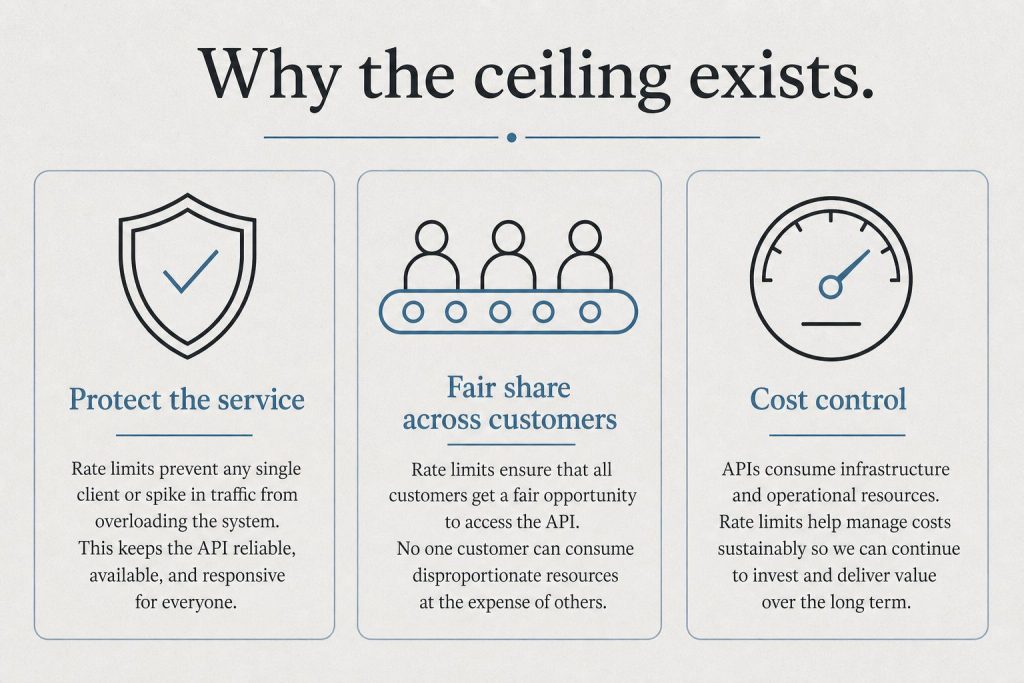
Claude subscription plans (Pro, Max, Team, Enterprise) currently have one shared usage limit. Whether you’re chatting with Claude on the web, using Claude Code in your terminal, or running unattended jobs through the Agent SDK, all of that draws from the same plan-level allowance.
Get The Signal
What we actually ran, what it measured, and what it means for a restoration shop — every week, including the flops.
On June 15, 2026, Anthropic separated those two modes of use:
- Bucket 1 — Interactive use: Claude.ai chat, Claude Code in the terminal/IDE, Claude Cowork. Uses your existing subscription usage limits, exactly as before.
- Bucket 2 — Agent SDK monthly credit: A separate, dollar-denominated credit pool. Funds the Claude Agent SDK, the
claude -pnon-interactive command, the Claude Code GitHub Actions integration, and any third-party app that authenticates via the Agent SDK.
The two buckets do not commingle. Agent SDK work cannot draw from your interactive subscription limit, and interactive use cannot draw from your Agent SDK credit. If you exhaust your Agent SDK credit and don’t have extra usage enabled, your background jobs simply stop until the credit refreshes the following month.
What each plan gets
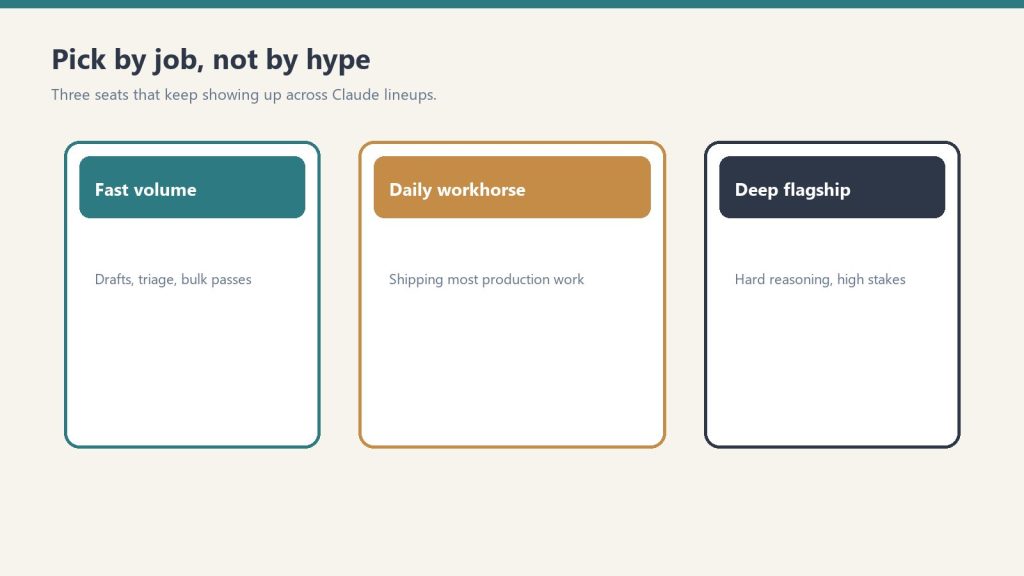
Here is the official monthly Agent SDK credit by plan, as published in Anthropic’s Help Center (verified June 9, 2026):
- Pro: $20/month
- Max 5x: $100/month
- Max 20x: $200/month
- Team — Standard seats: $20/month per seat
- Team — Premium seats: $100/month per seat
- Enterprise — usage-based: $20/month
- Enterprise — seat-based Premium seats: $200/month
Important detail buried in the announcement: Enterprise seat-based plans on Standard seats are not eligible to claim the Agent SDK credit at all. If you administer one of those plans and have engineers running automation, that’s a gap to plan around.
What the credit covers (and what it doesn’t)
Anthropic’s documentation is specific about what counts as Agent SDK use, so this is worth reading carefully.
Covered by the credit:
- Claude Agent SDK usage in your own Python or TypeScript projects
- The
claude -pcommand in Claude Code (non-interactive mode) - The Claude Code GitHub Actions integration
- Third-party apps that authenticate with your Claude subscription through the Agent SDK
Not covered (these still draw from your normal subscription limits):
- Interactive Claude Code in your terminal or IDE
- Claude conversations on web, desktop, or mobile
- Claude Cowork
- Other features that draw from extra usage
The plain-English version: if a human is sitting at the keyboard waiting for the response, that’s interactive use. If a script kicks off the work and the result lands somewhere else later, that’s Agent SDK use.
How the credit actually works in practice
Five mechanics matter for budgeting:
1. Per-user, never pooled. Each eligible user on a Team or Enterprise plan claims their own credit. There is no organization-level pool. Credits cannot be transferred between users, shared, or stockpiled across accounts.
2. Refreshes monthly with the billing cycle. Whatever you don’t spend in a given month evaporates. Unused credits do not roll over.
3. One-time opt-in. You claim your credit through your Claude account once. After that initial claim, it refreshes automatically each cycle.
4. Drains first, before any other source. When an Agent SDK request fires, it pulls from your monthly credit before any other paid usage source kicks in. This is good — it means you actually use what you’ve already paid for.
5. After the credit, requests either flow to extra usage or stop entirely. When your monthly credit hits zero, additional Agent SDK requests draw from extra usage at standard API rates — but only if you have extra usage enabled. If you haven’t enabled extra usage, your Agent SDK requests stop until the next refresh.
That last point is the one most likely to bite teams. If you’re running a daily cron job through the Agent SDK and you don’t enable extra usage, the day your credit runs out is the day your automation goes silent — without obvious warning if you’re not watching the credit balance.
Why Anthropic is doing this
Anthropic frames this as separating individual experimentation from production automation. From the Help Center documentation: “The Agent SDK monthly credit is sized for individual experimentation and automation. Teams running shared production automation should use the Claude Developer Platform with an API key for predictable pay-as-you-go billing.”
The translation: a single user’s $20 or $200 of Agent SDK credit was never going to cover a real production workload anyway. Anthropic is making explicit what was already true under the hood — that a subscription was a chat product, and serious unattended automation belongs on the API.
What this also does, structurally, is protect interactive subscription users from getting their experience degraded by heavy autonomous workloads sharing the same pool. If you’ve ever hit a subscription rate limit during a normal chat session because something else on your account was burning tokens in the background, this change removes that failure mode.
What you should do now that the June 15, 2026 change is in effect
If you run any unattended Claude work (the most important group):
Audit every place your subscription is being used by something other than a human at a keyboard. The big four to check:
claude -pcommands in cron jobs, CI pipelines, or shell scripts- Claude Code GitHub Actions workflows
- Custom Python or TypeScript projects using the Agent SDK
- Any third-party tool that asks for “Sign in with Claude” — those go through the Agent SDK
For each one, estimate dollar consumption per day at standard API rates. If the total approaches or exceeds your plan’s Agent SDK monthly credit, you have three options: enable extra usage to allow overage, move that workload to a Claude Developer Platform API key (more predictable for sustained loads), or downsize the workload itself.
If you administer a Team or Enterprise plan:
Eligible users on your team will receive an email with claim instructions after June 15, 2026, 2026. You don’t need to take action yourself, but it’s worth communicating internally that the credits are per-user, can’t be pooled, and that any team-wide automation should be on an API key, not on a subscription seat.
If you’re a solo Pro or Max user who only chats with Claude:
You probably don’t need to do anything. The split affects you only if you’re running scripts or background jobs. If you’ve never used claude -p or the Agent SDK directly, your interactive usage limits don’t change.
Related on Tygart Media: how to use Claude · Anthropic API key.
Frequently Asked Questions
What happens to my Agent SDK usage on June 14 vs. June 15, 2026?
Before June 15, Agent SDK and claude -p usage counts against your subscription’s general usage limits. Starting June 15, that same usage no longer touches your subscription limits and instead draws from the new Agent SDK monthly credit pool. Your interactive Claude Code, web chat, and Cowork usage continues to work exactly as before.
Can I share the Agent SDK credit across my team?
No. Per Anthropic’s official documentation, “Credits are per-user. Each eligible user on your team claims their own credit. Credits can’t be pooled, transferred, or shared across the organization.” If your team needs shared automation budget, the Claude Developer Platform with an API key is the recommended path.
Do unused Agent SDK credits roll over?
No. Unused credits expire at the end of each billing cycle and do not carry into the next month.
What happens if I run out of Agent SDK credit mid-month?
If you have extra usage enabled, additional requests flow to extra usage at standard API rates (the same per-token prices listed in Anthropic’s pricing documentation). If extra usage is not enabled, your Agent SDK requests stop until your credit refreshes at the start of the next billing cycle.
Does this affect Claude API customers using their own API key?
No. If you authenticate with the Agent SDK using a Claude Developer Platform API key, nothing changes. Pay-as-you-go billing continues, and you do not receive an Agent SDK monthly credit. The credit only applies to subscription-authenticated Agent SDK use.
Is interactive Claude Code in my terminal still covered by my subscription?
Yes. Interactive Claude Code (typing commands and getting responses in your terminal or IDE) continues to draw from your subscription usage limits exactly as before. Only the non-interactive claude -p mode and direct Agent SDK calls move to the new credit pool.
What’s the dollar value of the credit on each plan?
As of October 7, 2026 (Pacific): Pro $20, Max 5x $100, Max 20x $200, Team Standard $20/seat, Team Premium $100/seat, Enterprise usage-based $20, Enterprise seat-based Premium $200. Enterprise seat-based Standard seats do not receive a credit.
Related Reading
How we sourced this
Every factual claim in this article was triple-checked across the following sources, all reviewed on May 15, 2026:
- Anthropic Help Center: Use the Claude Agent SDK with your Claude plan (primary source for credit amounts, eligibility, and mechanics)
- Anthropic Pricing Documentation: docs.claude.com/en/docs/about-claude/pricing (primary source for standard API rates and tool-use pricing)
- Independent press coverage from The New Stack, The Decoder, and InfoWorld confirming the announcement and its scope
If you spot a number that’s drifted out of sync with Anthropic’s current published rates, treat the official documentation as authoritative. The pricing surface around Claude is moving quickly in 2026, and we date-stamp specifics so readers know which facts to re-verify.
Get The Signal
What we actually ran, what it measured, and what it means for a restoration shop — every week, including the flops.
Leave a Reply