Everett News - Tygart Media

Category: Everett News

Breaking news, city hall, and major developments shaping Everett.

  • What Needs to Change: Silvertips Must Fix the Second Period and Make Orsulak Work Harder in Game 2

    What Needs to Change: Silvertips Must Fix the Second Period and Make Orsulak Work Harder in Game 2

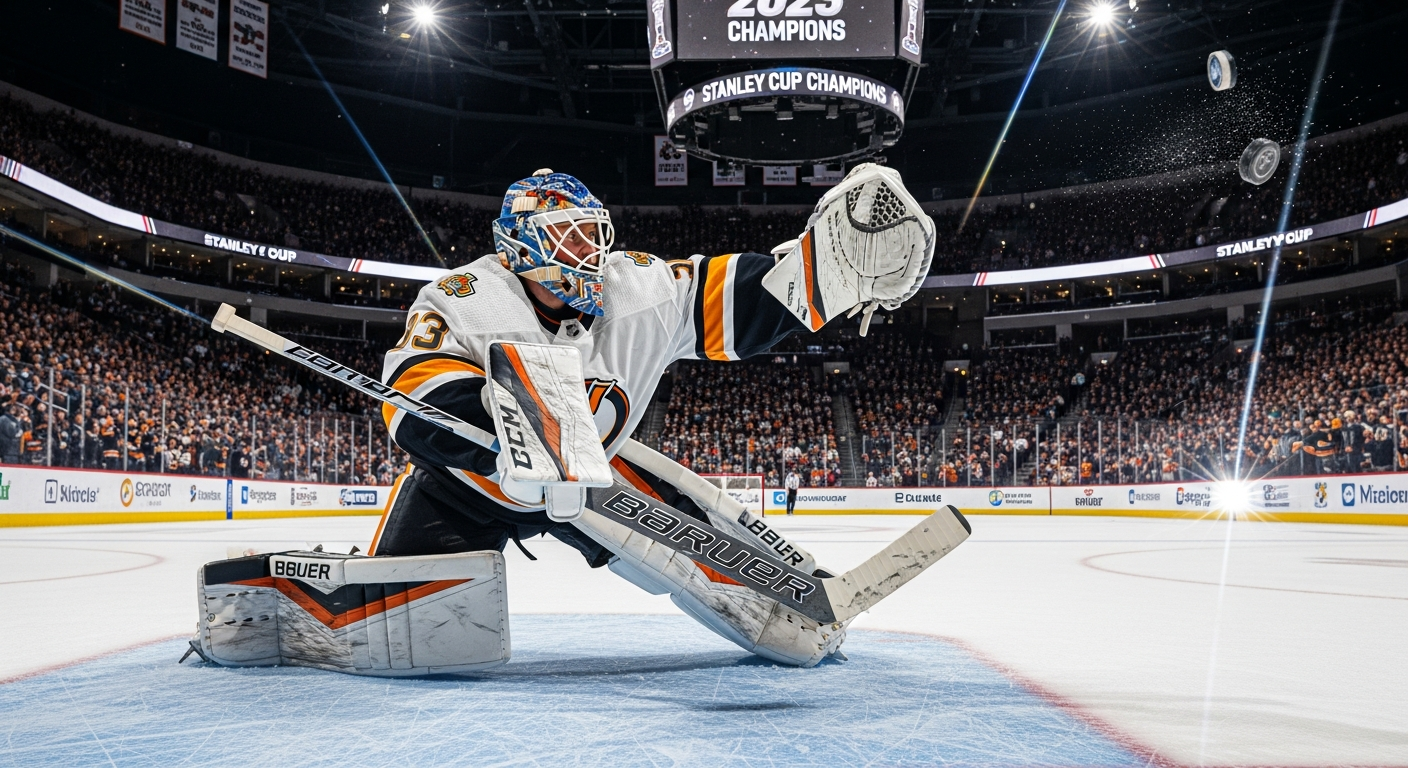
    The Everett Silvertips know exactly what happened Thursday night. They outshot the Prince Albert Raiders 41-26, got 39 saves from a starting goalie who held his nerve all night, and still walked off Angel of the Winds Arena ice with a 4-2 loss in Game 1 of the 2026 WHL Championship Final. The series is 1-0 Raiders. Game 2 is Saturday at 6 PM, same building, same ice.

    The margin of error from here is zero. Here is what must change.

    Fix the Second Period — It Cannot Happen Again

    Everett controlled most of Game 1. They scored first. They were the better team for long stretches. Then the second period happened, and three goals in 20 minutes turned a close game into a two-goal deficit the Silvertips could never fully close.

    Cale Sivertson tied it on an even-strength goal. Dylan Cootes scored on the power play to give Prince Albert the lead for good. Denton Christensen added the game-winner. Three different Raiders. Three different scenarios — even strength, man advantage, and opportunistic. It was not a flukey second period; it was Prince Albert executing in every situation the game presented.

    The Silvertips cannot allow that sequence to repeat. Penalty discipline is paramount — Cootes’ power-play goal changed the game. Everett will need to be cleaner in the neutral zone, faster to close lanes in the defensive zone, and more willing to make the simple play instead of the creative one when defending their own end in the middle frame.

    Make Orsulak Earn Every Save

    Raiders goaltender Kolby Orsulak stopped 39 of 41 shots Thursday. That number is both the problem and the story. Everett generated volume — elite volume, in fact — but Orsulak had answers. Too many shots came from the perimeter. Too many were cleanly tracked, set, and stopped.

    Game 2 requires a different approach. More traffic in front. More pucks going to the net from dangerous areas rather than the half-wall. More second-chance opportunities created by winning battles below the circles. The Silvertips have the personnel to do this — they need to commit to it earlier in shifts rather than waiting for the perfect passing lane to open.

    Orsulak is a legitimate Stafford Smythe Trophy candidate through this playoff run. He will make saves. The goal is to make him work harder, make him move more, make him face grade-A looks that accumulate fatigue over three periods. Forty-one perimeter shots will not get it done.

    DuPont and Vanhanen Must Generate More

    The Silvertips’ top lines need to be more present. Connor Hvidston scored Everett’s second goal to pull within one late in the third, but the top of the lineup — including Jaxan DuPont and Ronan Vanhanen — needs to generate more sustained offensive pressure in Game 2.

    This is what the WHL Final is. Every team you face has seen your tendencies. Prince Albert’s structure Thursday was disciplined and well-organized. Everett’s top players need to find ways to be disruptive — not just skilled, but physically present, creating chaos in the offensive zone that can’t be schemed against.

    The Big Picture: Everett Has Been Here

    One loss in a best-of-seven is not a crisis. The Silvertips have the home-ice advantage they earned through the regular season. After Saturday’s Game 2 at Angel of the Winds, the series shifts to Prince Albert for Games 3 and 4 on May 12 and 13 at Art Hauser Centre. If it comes back to Everett for Games 5, 6, and 7 — scheduled for May 15, 17, and 18 — the Silvertips will have played most of this series in front of their home crowd.

    But none of that matters if they lose Game 2 and head to Prince Albert down 2-0. Winning Saturday is not optional. It is the task.

    The Silvertips have the depth, the coaching staff, and the talent to respond. Angel of the Winds will be loud on Saturday night. The question is whether Everett can translate that energy into a complete 60-minute performance — the kind that closed out the Tri-City Americans and the Kamloops Blazers in earlier rounds.

    Game 2. Saturday. 6 PM. Angel of the Winds Arena. The WHL Championship Final is tied at zero in the win column. That changes Saturday night, one way or the other.


    Everett Silvertips WHL Championship Final coverage continues at Tygart Media. Game 3 is Monday, May 12 in Prince Albert. Game 4 is Tuesday, May 13.

  • Colton Shaw Deals, Caron and Jimenez Go Deep: AquaSox Crush Hillsboro 8-1 in Friday Matinée

    Colton Shaw Deals, Caron and Jimenez Go Deep: AquaSox Crush Hillsboro 8-1 in Friday Matinée

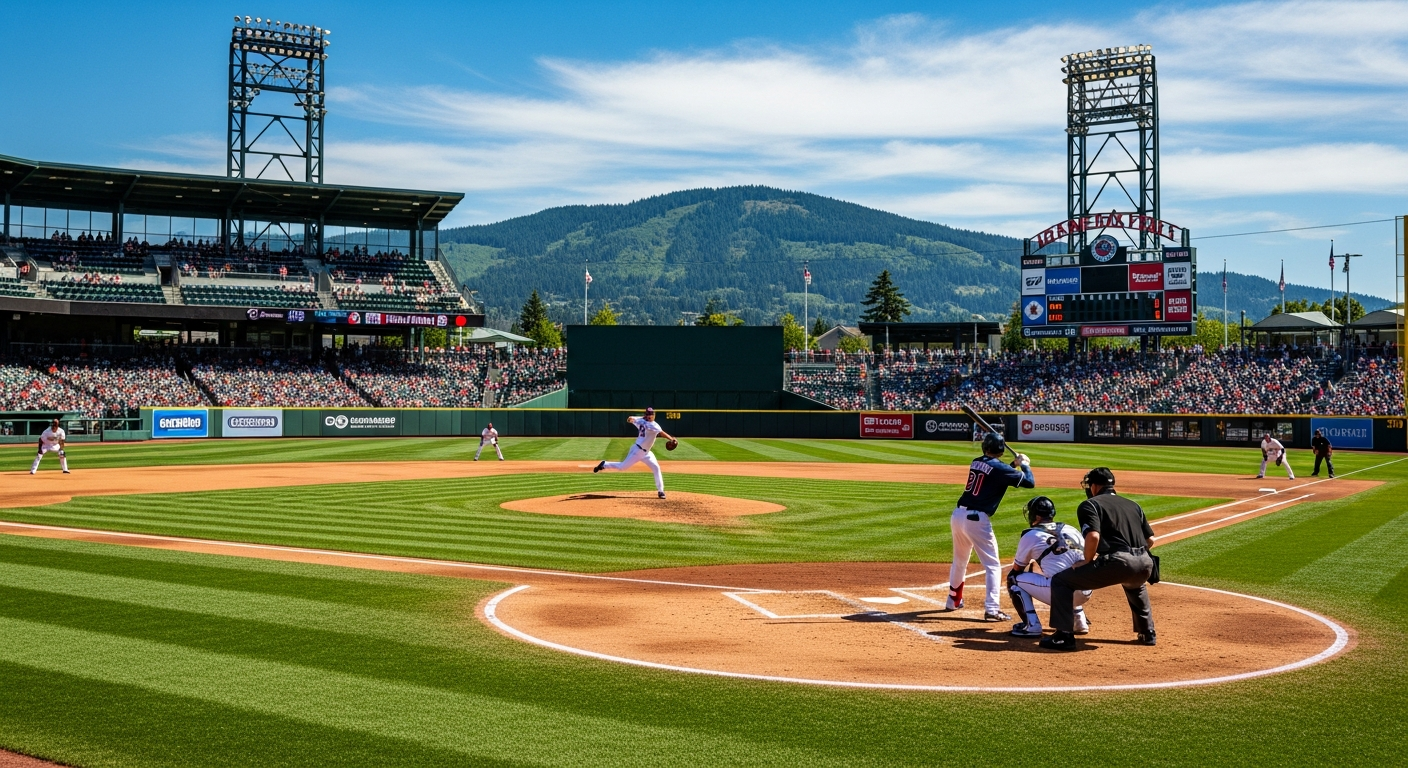
    The AquaSox had a noon doubleheader on Friday — and before most Everett fans had even finished lunch, the first game was already a rout. Colton Shaw delivered one of the best starts of his 2026 season, Josh Caron and Carlos Jimenez each homered, and the AquaSox dismantled the Hillsboro Hops 8-1 in the afternoon matinée at Funko Field. The homestand now stands at four straight wins over Hillsboro, and the AquaSox keep proving they are one of the best teams in the Northwest League.

    Colton Shaw: 6 Innings, 1 Hit, 7 Strikeouts

    This is the Colton Shaw the Mariners organization has been waiting to see. The right-hander went six full innings, allowing only one hit, walking one, and striking out seven. He was economical, he was sharp, and he never let Hillsboro breathe. The one hit he gave up was all Hillsboro got in the first six innings — the AquaSox bullpen took it from there, with Gabriel Sosa, Calvin Schapira, and Lucas Kelly handling the final three innings (Sosa allowed the Hops’ lone run).

    Shaw’s performance was the platform for everything that followed. When your starter is throwing that kind of game, the offense plays loose.

    Caron’s Three-RBI Blast and a Five-Run Fifth

    The AquaSox scored twice in the fourth inning, then blew the game open in the fifth with a five-run inning that put Hillsboro starter Caden Grice on the ropes. Grice lasted four innings and allowed three earned runs before the Hops turned to Rocco Reid, who couldn’t stop the bleeding in a brief 0.2-inning appearance.

    Josh Caron was the offensive hero — he went 1-for-4 with a home run and three RBIs. Carlos Jimenez added to the fireworks with a home run of his own, finishing 1-for-3 with two RBIs and a run scored. Carter Dorighi was everywhere as usual, going 3-for-5 with a run scored — the kind of contact-first, never-out-of-the-lineup performance he’s made his trademark at Funko Field this season. Luis Suisbel scored twice despite not recording a hit, drawing a walk and finding ways on base. Anthony Donofrio added an RBI and a run scored.

    The final line: AquaSox 8, Hillsboro 1. It wasn’t close after the fifth.

    This Homestand Has Been Dominant

    Let’s put this homestand in context. The AquaSox have now beaten Hillsboro four straight times at Funko Field in this series: 8-6 (Ruben Washington Jr. homer), 10-0 (Bryce Miller rehab start, Stevenson HR, Dorighi HR), 5-4 (Felnin Celesten two-run homer), and now 8-1 (Caron HR, Jimenez HR, Shaw masterpiece). The Hops have lost their last four games at Everett Memorial Stadium and have scored a total of 8 runs in those four losses combined while Everett has plated 31.

    The AquaSox prospect pipeline continues to flash. Jimenez has now driven in runs in multiple games this homestand and his power stroke is developing in real time. Caron has been one of the most consistent offensive producers in the lineup when healthy. And Shaw, who’s been building toward this kind of performance, finally put it all together in a showcase game that Mariners development staff will have bookmarked.

    Prospect Watch

    Felnin Celesten was not in the Friday matinée box score as a run-producer, but the back-to-back NWL Player of the Week continues to set the table for this lineup. Josh Caron‘s home run is his second of 2026, and his ability to do damage against right-handed pitching has been a consistent theme. Colton Shaw is making the case for a rotation spot higher up the Mariners’ minor league ladder — six clean innings against an NWL opponent is a tick in the “ready for more” column. Carlos Jimenez‘s home run continues a strong stretch since returning to the lineup, with his two-RBI night adding to a growing power profile for the young infielder.

    What’s Next: Star Wars Night Tomorrow

    The AquaSox continue the Hillsboro homestand tomorrow with Star Wars Night at Funko Field. Limited Star Wars-themed jerseys go to auction with proceeds benefiting AquaSox community partners, character meet-and-greet opportunities are available before the game, and postgame fireworks round out the evening. First pitch is 7:05 PM.

    The only question tomorrow: can Hillsboro finally beat the AquaSox in this series? At 0-4 and getting outscored 31-8, the Hops need something to go right. The AquaSox, meanwhile, are riding four games of clean baseball into a Saturday night that already has everything going for it.

    Frequently Asked Questions

    What was the score of the AquaSox game on May 8, 2026?

    The Everett AquaSox defeated the Hillsboro Hops 8-1 in the Friday afternoon game at Funko Field.

    Who were the top performers for the AquaSox vs Hillsboro on May 8?

    Colton Shaw pitched 6 innings allowing 1 hit and striking out 7. Josh Caron hit a home run with 3 RBIs. Carlos Jimenez added a home run and 2 RBIs. Carter Dorighi went 3-for-5.

    What is the AquaSox record in the Hillsboro homestand?

    4-0 through Friday’s game, with wins of 8-6, 10-0, 5-4, and 8-1. The AquaSox have outscored Hillsboro 31-8 in those four games.

    When is the next AquaSox game at Funko Field?

    Star Wars Night on Saturday, May 9 at 7:05 PM at Funko Field. Limited jerseys, character meet-and-greet, and postgame fireworks.

  • Raiders Take Game 1 in Everett: Cootes and Orsulak Lead PA Past Silvertips 4-2 Before 7,697 Fans

    Raiders Take Game 1 in Everett: Cootes and Orsulak Lead PA Past Silvertips 4-2 Before 7,697 Fans

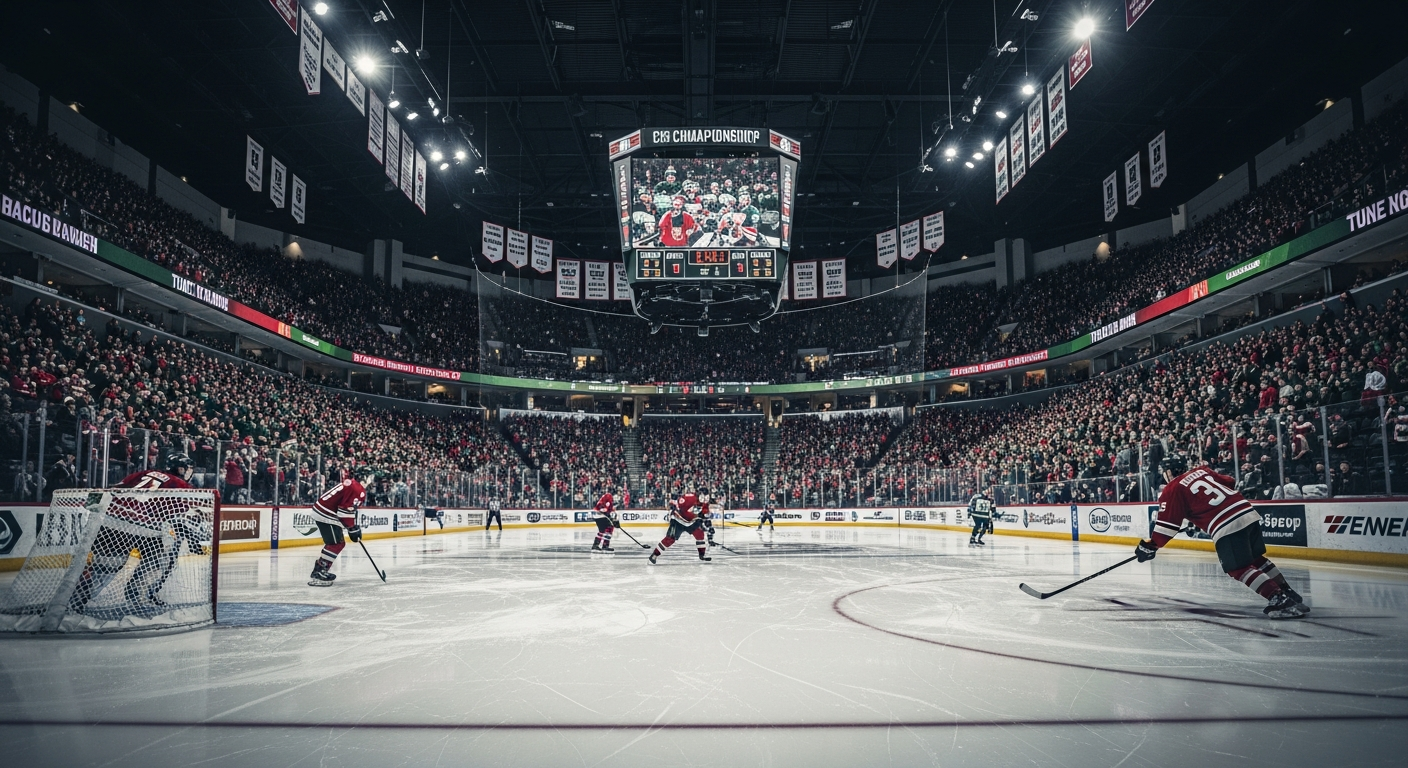
    At 9:38 PM Friday night, 7,697 fans filed out of Angel of the Winds Arena with a familiar feeling — this is going to be a series. The Prince Albert Raiders came to Everett and beat the Silvertips 4-2 in WHL Championship Final Game 1, taking an early 1-0 series lead. Michal Orsulak was the difference-maker, making 39 saves on 41 shots in one of the best goaltending performances Angel of the Winds Arena has seen all postseason. The Silvertips had the puck, had the zone time, had the shots — and came away with just two goals.

    Game 2 is Saturday night at 6:00 PM at Angel of the Winds Arena. The series is still very much alive. But Friday showed something important: the Raiders are not here to be swept.

    The First Period Belonged to Everett

    Carter Bear opened the scoring at 6:07 of the first period — an even-strength goal assisted by Matias Vanhanen and Julius Miettinen — and for a stretch, Angel of the Winds Arena felt exactly like it had all postseason. The Silvertips were up 1-0, outplaying Prince Albert in their own building, firing 12 shots in the frame versus only 8 for the Raiders. Bear’s fourth playoff goal of the year gave Everett control, and the energy in the building was exactly what you’d expect for the WHL Championship opener.

    It did not last.

    Three Raiders Goals in One Period — and Orsulak Was Already Taking Over

    The second period was a disaster. PA tied it at 5:12 when Jonah Sivertson finished in front, with Braeden Cootes and Connor Howe picking up assists. That was the first warning. Then at 15:07, Cootes — the Vancouver Canucks prospect the Hockey News had flagged as a key threat — converted a power-play goal with Brock Cripps and Alisher Sarkenov assisting to put the Raiders up 2-1. Two minutes and 43 seconds later, Justice Christensen made it 3-1 — a game-winning goal assisted by Daxon Rudolph and Brayden Dube at 17:50.

    Three goals. One period. The Raiders had scored the same amount in roughly the time it takes to watch a sitcom.

    On the other end, Orsulak faced 16 shots in the second and stopped them all. He was not flinching.

    The Third Period: One Moment of Hope, Then an Empty Net

    The Silvertips came out pressing in the third. Everett outshot PA 13-5 in the final frame — the kind of push this team has made a habit of all postseason. At 17:51, Julius Miettinen finally broke through on a power play, converting on a Landon DuPont setup to cut the deficit to 3-2. The arena woke back up. There were 2:09 left. You could see it: the Silvertips had done this before.

    But the comeback didn’t come. With 1:05 left, Everett pulled the goalie. Sixty-four seconds after Miettinen’s goal, Aiden Oiring slid the puck into the empty net at 18:55. Final score: Raiders 4, Silvertips 2.

    The Orsulak Factor: 39 Saves, .951 SV%

    Michal Orsulak is why this game ended the way it did. The Raiders’ goaltender faced 41 shots — the Silvertips fired everything at him — and made 39 saves for a .951 save percentage. He earned the second star and deserved a stronger argument for first. This was a goaltending performance that kept a team in a game it was being out-chanced in for long stretches.

    Braeden Cootes, the Canucks prospect who had been a game-to-watch all series, collected the first star with a 1G+1A night, finishing with four shots and a +2 rating. He set up Sivertson’s tying goal and then scored the power-play go-ahead himself. Justice Christensen’s game-winner — assisted by Daxon Rudolph, who the pre-series previews had flagged as a key threat — was the kind of goal that doesn’t show up in a highlight reel but wins games.

    Carter Bear got the third star for Everett, the goal and the assist showing the two-way effort he’s brought all playoff run. But on a night when the Silvertips put 41 pucks on net, one goal in regulation wasn’t enough.

    What Game 1 Showed

    This Silvertips team has made a habit of doing everything right except the scoreboard and then somehow making it right in the end. They did that through the Kelowna series (blowing a 3-0 lead in Game 4, still winning 4-1). They did it in double overtime in Game 2 against Penticton. But Friday night in the WHL Final opener, a three-goal second period and a brilliant night from Orsulak were too much to overcome.

    The 41 shots tell one story. The 3-1 Raiders third-period lead tells another. Both are real. The Silvertips still have the talent to win this series — Vanhanen, DuPont, Bear, and Miettinen are all capable of taking over a game. But Game 2 on Saturday at 6:00 PM at Angel of the Winds Arena is now a must-win atmosphere game, the kind of environment where this fanbase has shown up before.

    Game 2: Saturday, May 9 at 6:00 PM — Angel of the Winds Arena

    Tickets are available at the Angel of the Winds Arena box office and through Ticketmaster. The series shifts to Prince Albert’s South Okanagan Events Centre for Games 3 and 4 on Tuesday May 12 and Wednesday May 13. Games 5, 6 (if necessary), and 7 come back to Everett on May 15, 17, and 18.

    The Silvertips went 12-1 coming into this Final. They have proven all postseason that one bad night doesn’t end them. Saturday is the response game.

    Frequently Asked Questions

    What was the final score of WHL Final Game 1?

    Prince Albert Raiders 4, Everett Silvertips 2. The Raiders lead the series 1-0.

    Who were the three stars of Game 1?

    1st star: Braeden Cootes (PA Raiders, 1G+1A). 2nd star: Michal Orsulak (PA Raiders, 39 saves). 3rd star: Carter Bear (Everett Silvertips, 1G+1A).

    How many shots did the Silvertips take in Game 1?

    41 shots on goal. Prince Albert had 26. Orsulak stopped 39 of 41 for a .951 save percentage.

    When is WHL Final Game 2?

    Game 2 is Saturday, May 9 at 6:00 PM PT at Angel of the Winds Arena in Everett.

    Who scored for the Silvertips in Game 1?

    Carter Bear scored in the first period (assisted by Vanhanen and Miettinen), and Julius Miettinen added a power-play goal late in the third (assisted by DuPont).

  • The Navy’s FY27 Budget Just Set a Real Frigate Clock for Everett: Launch 2028, Delivery 2030

    The Navy’s FY27 Budget Just Set a Real Frigate Clock for Everett: Launch 2028, Delivery 2030

    Quick Answer: The Navy’s FY2027 budget documents target the launch of the first FF(X) frigate in the first quarter of Fiscal Year 2029 — late calendar year 2028 — with delivery to the fleet by the third quarter of FY2030, approximately spring 2030. The program is funded at $1.429 billion for the lead ship plus $212 million for research and development.

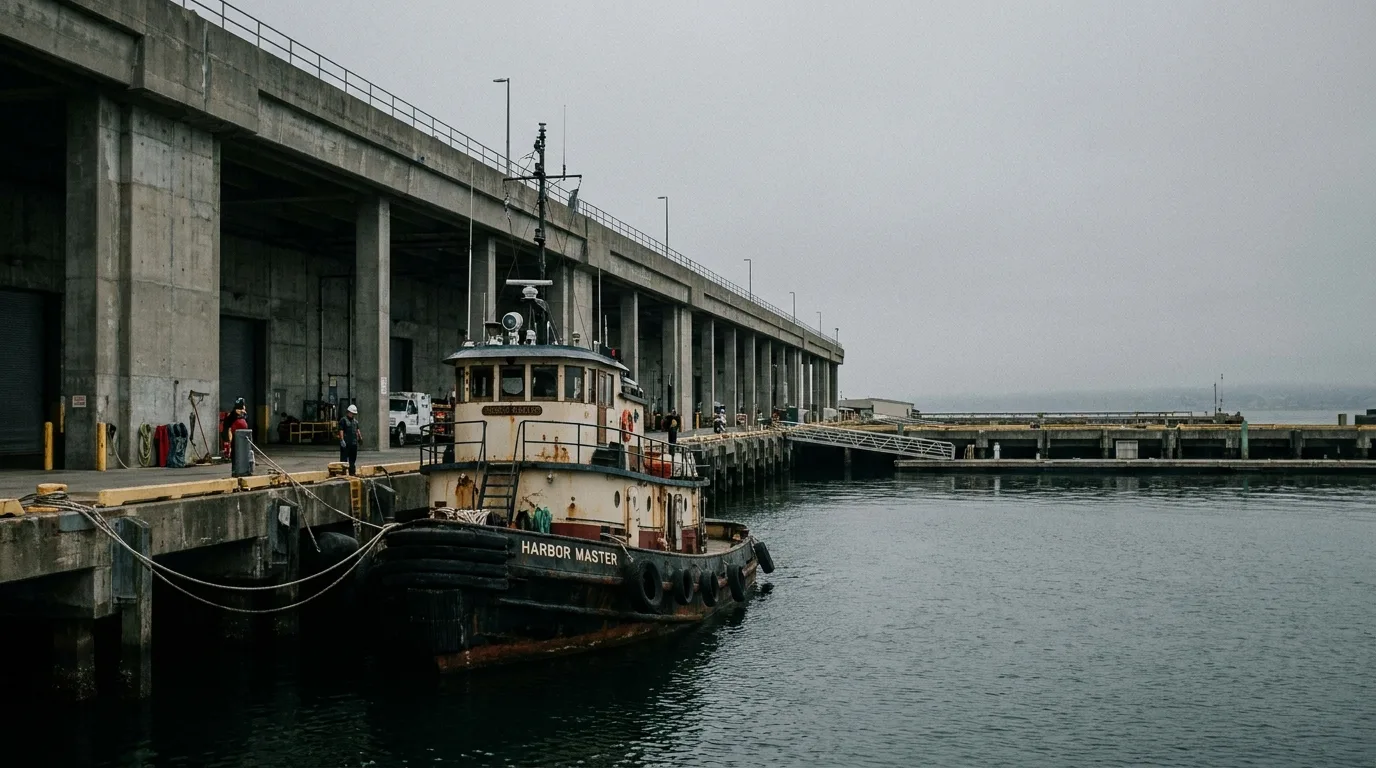
    The Navy just submitted its Fiscal Year 2027 budget request, and buried inside it is the clearest timeline the FF(X) frigate program has ever put in writing. For Naval Station Everett — which has been in the homeport conversation since the Constellation-class cancellation in November 2025 — these dates mean the abstract debate about “maybe someday frigates” now has a countdown clock.

    The answer from official budget documents: first launch late 2028, first delivery spring 2030.

    What the FY27 Budget Actually Says

    The FY2027 request allocates $1.429 billion to procure the lead FF(X) hull, alongside $212 million in research and development. According to Naval News, which reviewed the budget submission, the Navy targets launch of the lead ship in the first quarter of Fiscal Year 2029 — which translates to October through December 2028 in calendar terms. Delivery to the fleet is planned by the end of the third quarter of FY2030, meaning April through June 2030.

    This is the first time those specific milestones have appeared in official U.S. government planning documents. Prior to this budget submission, the program had a general “2028 target” — language that appeared in HII’s Q1 2026 earnings call last week — but no published launch or delivery windows attached to it.

    The distinction matters. An investor call acknowledges a timeline. A budget document funds one.

    The Cutter Component Shortcut — And Why It Makes 2028 Credible

    How does the Navy plan to get a new class of warship launched within three years of cutting the first steel? The answer is that it isn’t building from scratch.

    According to Naval News, HII’s Ingalls Shipbuilding will use steel and components from the cancelled 11th ship in the Legend-class National Security Cutter program — the same cutter baseline the FF(X) design derives from. This is a genuine shortcut: rather than ordering long-lead materials fresh, Ingalls can pull components from a vessel that was already partway through the production pipeline before the Coast Guard cancelled it.

    The $282.9M lead yard contract awarded to Ingalls in April 2026 covers the pre-construction design work needed to support that schedule. The first FF(X) hulls will have as few modifications from the NSC baseline as possible, with three primary military additions:

    • A Rolling Airframe Missile (RAM) launcher for close-in air defense
    • An SPS-77 variant air search radar for surface and air threat detection
    • A repurposed stern boat ramp converted to carry containerized payload modules

    The containerized payload capability is where the Navy’s longer-term thinking comes in. The R&D dollars in the FY27 request — that $212 million — are earmarked substantially for validating combat systems, planning future testing, integrating modular unmanned surface vehicle (USV) operations, and designing studies for a second flight of frigates that may carry more significant modifications.

    In other words: get a capable ship in the water fast. Evolve it later.

    The $65.8 Billion Context

    The FF(X) launch timeline doesn’t exist in isolation. The Pentagon’s FY2027 shipbuilding request of $65.8 billion — reported by USNI News as the largest shipbuilding ask since 1962 — signals that the Navy is in an acceleration posture across the board. FF(X) is one data point in a much larger push to recapitalize the surface fleet quickly, not through perfect design iteration but through fielding capable vessels faster.

    For NAVSTA Everett, the broader posture matters. A Navy investing at record shipbuilding levels isn’t going to let FF(X) slip. The Q1 FY29 launch target is now a planning assumption, not a hope.

    What This Means for Naval Station Everett and Military Families

    The homeport question for FF(X) has not been formally resolved. No Navy press release has designated NAVSTA Everett as the FF(X) homeport, and the Snohomish County Military Affairs Committee — reactivated in February 2026 after a period of dormancy — has been actively making the case at the federal level. With a Q3 FY2030 delivery now on the books, the committee has approximately four years to secure a formal designation before the first hull needs a homeport assignment on paper.

    For Navy families currently at NAVSTA Everett, the practical implications break down like this:

    If you’re here now: The first FF(X) hull won’t affect your unit assignments in the near term. The lead ship delivers to the fleet in spring 2030 and would need months of post-delivery testing and shakedown before a crew receives PCS orders to a homeport. Realistically, the first FF(X) crew PCS cycle to Everett — if Everett gets the designation — would begin in 2030 or 2031.

    If you’re planning a PCS to Everett: The FF(X) program adds long-term demand for the installation. NAVSTA Everett’s position as a homeport for surface combatants is being reinforced, not reduced. The investment case for housing, schools, and support services in Snohomish County only strengthens as more hulls are confirmed.

    For military spouses watching the job market: Fleet & Family Support Center data consistently shows that PCS inflow drives local hiring demand — especially in healthcare, education, and small business. A 2030–2031 crew onboarding timeline gives local employers, the FFSC employment team, and programs like MyCAA and MSEP a planning horizon rather than a vague “eventually.” The full economic picture for Snohomish County is significant — each FF(X) hull adds roughly 300–400 sailors plus families to the local economy.

    The Ship Count Question

    The original Constellation-class program earmarked 12 frigates for NAVSTA Everett homeport. The FF(X) program is currently funded for a lead ship, with follow-on procurement tied to FY28 and FY29 appropriations that haven’t been requested yet. The Navy hasn’t publicly confirmed how many FF(X) hulls are planned for Everett specifically — that designation is part of the homeport process.

    But the program architecture — based on a proven cutter baseline, with a fast-to-production approach — is designed for series production, not a one-off. The R&D investment in second-flight design studies confirms the Navy is thinking beyond one hull. For a fuller background on what the FF(X) program means for Naval Station Everett, the program history and homeport implications have been covered in depth since the Constellation-class cancellation.

    What to Watch Next

    Four milestones now define the FF(X) timeline for Everett followers:

    1. FY27 appropriations passage — Congress needs to approve the $1.429B lead ship funding and $212M R&D request. Until that happens, the budget document is a proposal, not a commitment. Watch the House and Senate Armed Services Committees for markup action this summer.
    2. Homeport designation announcement — The Navy has not set a public timeline for when it will name FF(X) homeports. This is the single most important announcement NAVSTA Everett is waiting for.
    3. Program milestone reviews — The next major public milestone after the lead yard contract is the start of actual steel cutting, which the budget timeline implies must begin no later than 2026–2027 to hit a Q1 FY29 launch.
    4. Second-flight design decisions — The $212M in R&D includes design work on a second flight with heavier modifications. Those decisions will shape what the Navy’s surface combatant fleet looks like for the next 30 years — and whether Everett’s homeport stays relevant to the more capable variants.

    The Navy has stopped talking about the FF(X) in vague terms. The FY27 budget put dates on paper. For Everett, the clock is now running.

    Frequently Asked Questions

    When will the first FF(X) frigate launch?

    According to the Navy’s FY2027 budget documents, the lead FF(X) hull is targeted for launch in the first quarter of Fiscal Year 2029 — meaning October through December 2028 in calendar terms.

    When will the first FF(X) be delivered to the fleet?

    The FY27 budget targets delivery by the end of the third quarter of FY2030, approximately April through June 2030.

    How much is the FY2027 budget requesting for FF(X)?

    The Navy is requesting $1.429 billion to procure the lead FF(X) hull, plus $212 million for research and development focused on combat system validation, USV integration, and second-flight design studies.

    What modifications will the FF(X) have compared to the Coast Guard’s National Security Cutter?

    The lead FF(X) hulls will add a Rolling Airframe Missile launcher for point defense, an SPS-77 variant air search radar, and a repurposed stern ramp for containerized payload modules. The goal is minimal modification from the NSC baseline to compress the production timeline.

    Is Naval Station Everett confirmed as a homeport for FF(X)?

    No. The Navy has not yet made a formal homeport designation for FF(X). Snohomish County’s Military Affairs Committee has been actively advocating for NAVSTA Everett to receive that designation.

    What happened to the Constellation-class frigates?

    The Constellation-class program was cancelled in November 2025 after years of design delays and cost overruns at Fincantieri Marinette Marine. The Navy replaced it with the FF(X) program, which uses the Coast Guard’s proven National Security Cutter design as a faster path to fielding a capable small surface combatant.

    How does the Navy plan to hit a 2028 launch target?

    HII’s Ingalls Shipbuilding will use components from the cancelled 11th Legend-class National Security Cutter to accelerate the build, avoiding long-lead material procurement time. The $282.9M lead yard contract awarded in April 2026 covers the pre-construction design and planning work needed to support that timeline.

    What is the Snohomish County Military Affairs Committee doing about the FF(X) homeport?

    The committee, reactivated in February 2026, has been making the case for NAVSTA Everett with the Washington congressional delegation and federal officials in Washington, D.C., including at the EASC DC fly-in in May 2026.

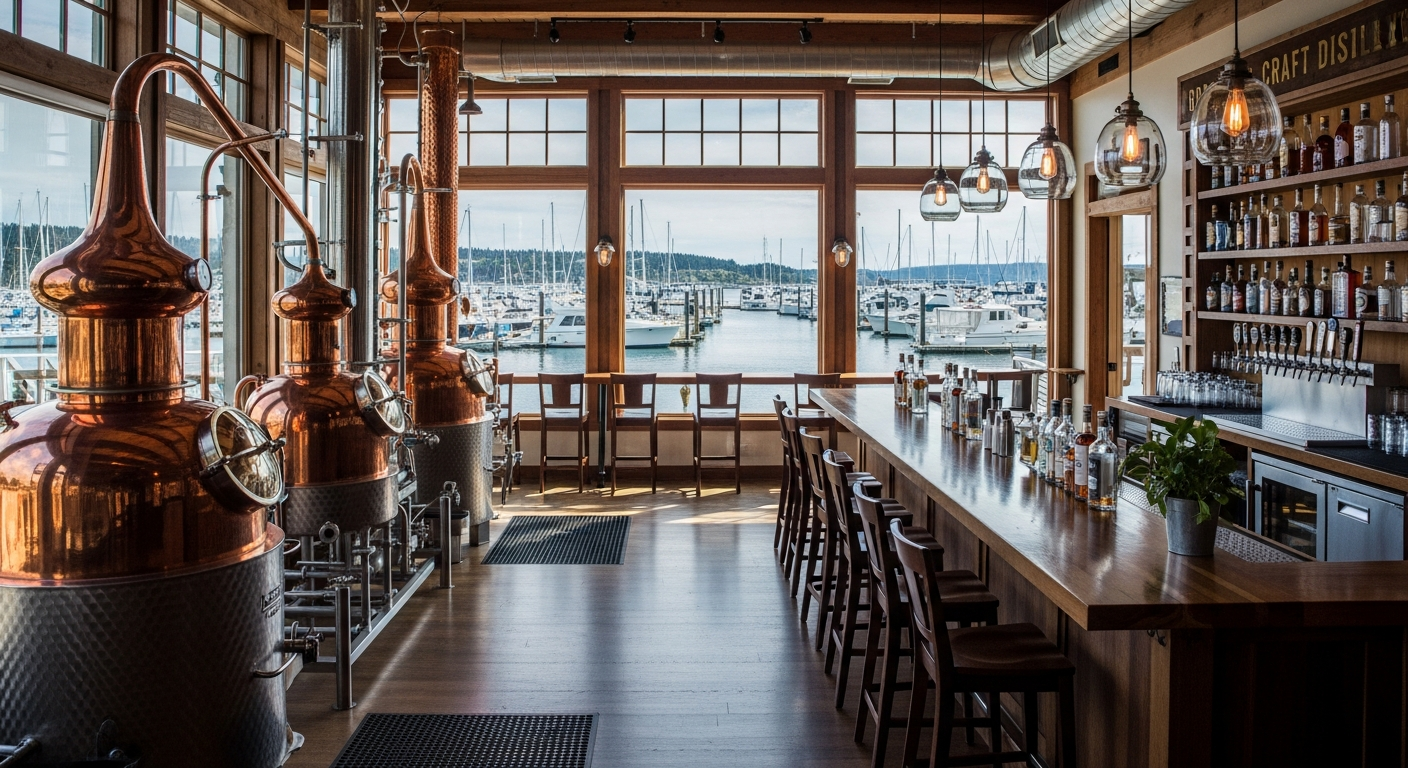
  • Bluewater Organic Distilling Is the Port of Everett’s Craft Spirits Secret You’ve Been Walking Past

    Bluewater Organic Distilling Is the Port of Everett’s Craft Spirits Secret You’ve Been Walking Past

    Quick Answer: Bluewater Organic Distilling (1205 Craftsman Way Suite 109, Port of Everett waterfront) is one of fewer than 10 organic distilleries in Washington State. Founded 2008 by sailor-turned-distiller John Lundin. Craft vodka, gin, and aquavit from organic wheat. Bar, bistro, tasting room, retail on-site. Hours: Wed–Thu 2–9pm, Fri 2–10pm, Sat–Sun noon–10pm. Closed Mon–Tue.

    The Port of Everett Has Had One of Washington’s Only Organic Distilleries on Its Waterfront for Years. Here’s Why It’s Worth Your Full Attention.

    The Port of Everett waterfront has added a lot in the last three years. Tapped Public House opened its rooftop. Rustic Cork opened a panoramic wine bar. The Net Shed added a fish counter. Fisherman Jack’s brought dim sum. Marina Azul brought elevated Mexican. The list keeps growing, and it should — the Restaurant Row project has done what it set out to do.

    In the middle of that wave of openings, it’s easy to overlook what’s been at 1205 Craftsman Way Suite 109 since well before any of it: Bluewater Organic Distilling, one of fewer than 10 certified organic distilleries in Washington State, anchored into the Port’s original Craftsman Way footprint.

    Bluewater isn’t new. It isn’t a pop-up or a concept or a waterfront brand. It’s been distilling organic spirits on Puget Sound since 2008 — seventeen years — and it has earned its place in the Everett food-and-drink conversation it doesn’t always get included in.

    The Story: A Sailor Names a Distillery After the Deep Ocean

    John Lundin is the founder of Bluewater, and he’s also a sailor — the name isn’t marketing, it’s biography. In sailing, “blue water” means the deep ocean: open water that demands real seamanship and real commitment. Lundin chose it because he wanted the distillery to operate with the same seriousness of purpose.

    The sustainability commitment came first. Before organic spirits became a marketing trend, Lundin built the entire operation around it: organic wheat from Pacific Northwest farms, copper-alembic stills, water from the Cascades. The result is a distillery where the origin of every ingredient is a decision, not an afterthought.

    “In this day and age to have a place at the table, to have a purpose for existing, to have any meaning to the business, you have to choose a sustainable path,” Lundin told Visit Everett when the distillery launched. That framing has held up across seventeen years of production.

    The Spirits: What Bluewater Makes and What to Try First

    The core lineup is three spirits: organic vodka, organic gin, and aquavit. All three are distilled from organic wheat in hand-hammered copper-alembic stills.

    Aquavit is the one to try first. We’ll say that plainly. Aquavit is a Scandinavian grain spirit flavored with caraway and other botanicals — it’s the category most American craft distilleries skip because it requires a customer who’s willing to try something unfamiliar. Bluewater doesn’t skip it, and their version is the thing most first-time visitors remember. If you’ve only ever had aquavit as a shot at a Scandinavian restaurant, the tasting room version here will change your sense of what it can be.

    The gin is botanical-forward and clean — the way an organic gin that takes its botanicals seriously should taste. The baseline test: drink it in a proper G&T and see how much of the gin you can actually taste. In a well-made Bluewater G&T, the answer is: a lot.

    The vodka is smooth in the way that organic wheat spirits tend to be smooth — not neutral to the point of flavorlessness, but clean enough that you can drink it neat without feeling like you’ve done something wrong. That’s the test for any vodka you’re considering buying a bottle of.

    The Space: More Than a Tasting Room

    The Bluewater location on Craftsman Way is a full hospitality operation, not just a production facility with a small pour counter. The space includes:

    • The working distillery — the actual production facility
    • A tasting room to pour through the lineup
    • A craft cocktail bar built entirely on house spirits
    • A fresh bistro with a rotating food menu
    • A retail shop for bottles and cocktail supplies
    • Private event space available for bookings

    The bistro menu rotates seasonally. Check their Instagram or call ahead if a specific food item is the plan — the cocktail bar is the primary draw, and the food is calibrated to support an evening rather than anchor it. That’s the right balance for a distillery experience.

    Location: The Craftsman Way Anchor of the Waterfront

    Bluewater shares the Craftsman Way address with Scuttlebutt Brewing’s original Craftsman Way pub — two different operations at 1205 Craftsman Way doing two different things. Scuttlebutt pours their own beer. Bluewater pours their own spirits. They’re complementary, not competing.

    The Craftsman Way end of the waterfront gets less foot traffic than the newer Restaurant Row buildings, and parking is proportionally easier. If you’re planning a full waterfront evening — starting with dinner at Tapped Public House’s rooftop on the restaurant row end, then walking the marina esplanade — finish at Bluewater for cocktails. That’s a very good evening out.

    You can also anchor an afternoon around the Craftsman Way end: Sound to Summit’s Marina Taproom at 1710 W Marine View Drive is a short walk from Bluewater if beer is the other item on your agenda. The brewery trail and the distillery are increasingly telling the same story: Everett has become a serious craft spirits and beer destination, and the waterfront is where that story lives.

    The Organic Credential: Why It’s Not Just a Label

    Fewer than 10 organic distilleries operate in Washington State — that’s Lundin’s own count, and it tracks with the available data on certified organic producers in the state. Being organic from day one in 2008, before organic spirits became a trend category, means the certification reflects a genuine foundational decision rather than a marketing retrofit.

    In a wheat-based spirit, organic grain quality shows up in the final product. The base ingredient in vodka, gin, and aquavit is the same — organic Pacific Northwest wheat — and the consistency of that source material is part of why all three spirits have a similar cleanness to them, a through-line you don’t always find at distilleries working from commodity grain.

    Visit Everett has featured Bluewater as a standout local maker, and the Tripadvisor rating of 4.1 out of 5 places it in the top tier of Everett dining and drink experiences by review volume.

    What to Order

    Aquavit neat or in a cocktail — Try it neat first to understand what it is, then in whatever the bar suggests. This is the thing to order.

    Organic gin and tonic — Clean, botanical, meaningfully better than a mass-market G&T.

    The house cocktail list — Changes seasonally; ask what’s new.

    A bottle to take home — The retail shop stocks the full lineup.

    The Logistics

    • Address: 1205 Craftsman Way Suite 109, Everett WA 98201 (Port of Everett waterfront)
    • Hours: Wednesday–Thursday 2pm–9pm | Friday 2pm–10pm | Saturday–Sunday noon–10pm | Closed Monday–Tuesday
    • Phone: (425) 404-1408
    • Website: bluewaterdistilling.com
    • Instagram: @bluewaterdistilling
    • Parking: Craftsman Way lot, free
    • Tripadvisor: 4.1/5 — top-ranked among Everett drink destinations
    • Price range: $$ — craft cocktails, tasting flights, retail bottles

    Frequently Asked Questions

    What does Bluewater Organic Distilling make?

    Organic vodka, gin, and aquavit — all distilled from organic Pacific Northwest wheat in hand-hammered copper-alembic stills with water from the Cascades.

    Is Bluewater really an organic distillery?

    Yes — certified organic since opening in 2008. Fewer than 10 organic distilleries operate in Washington State. The organic commitment predates the trend.

    What is aquavit and should I try it at Bluewater?

    Aquavit is a Scandinavian grain spirit flavored with caraway and other botanicals. Bluewater’s is particularly good and is the spirit most visitors remember. Try it neat first, then in a cocktail.

    What are Bluewater’s hours?

    Wednesday–Thursday 2–9pm, Friday 2–10pm, Saturday–Sunday noon–10pm. Closed Monday and Tuesday.

    Can I buy Bluewater spirits to take home?

    Yes — there’s a retail shop on-site with their full lineup of organic vodka, gin, and aquavit available by the bottle.

    Is there food at Bluewater Organic Distilling?

    Yes — a fresh bistro with a rotating menu. Food accompanies drinks rather than serving as a full dinner service. Call ahead or check Instagram for current offerings.

    When did Bluewater Organic Distilling open?

    Founded in 2008. One of the original craft spirits producers in the Pacific Northwest and one of fewer than 10 organic distilleries in Washington State.

    Who founded Bluewater Organic Distilling?

    John Lundin, who is also a sailor. The name “blue water” refers to the deep ocean in sailing terminology — a deliberate tribute to the water and to the commitment required to cross it.

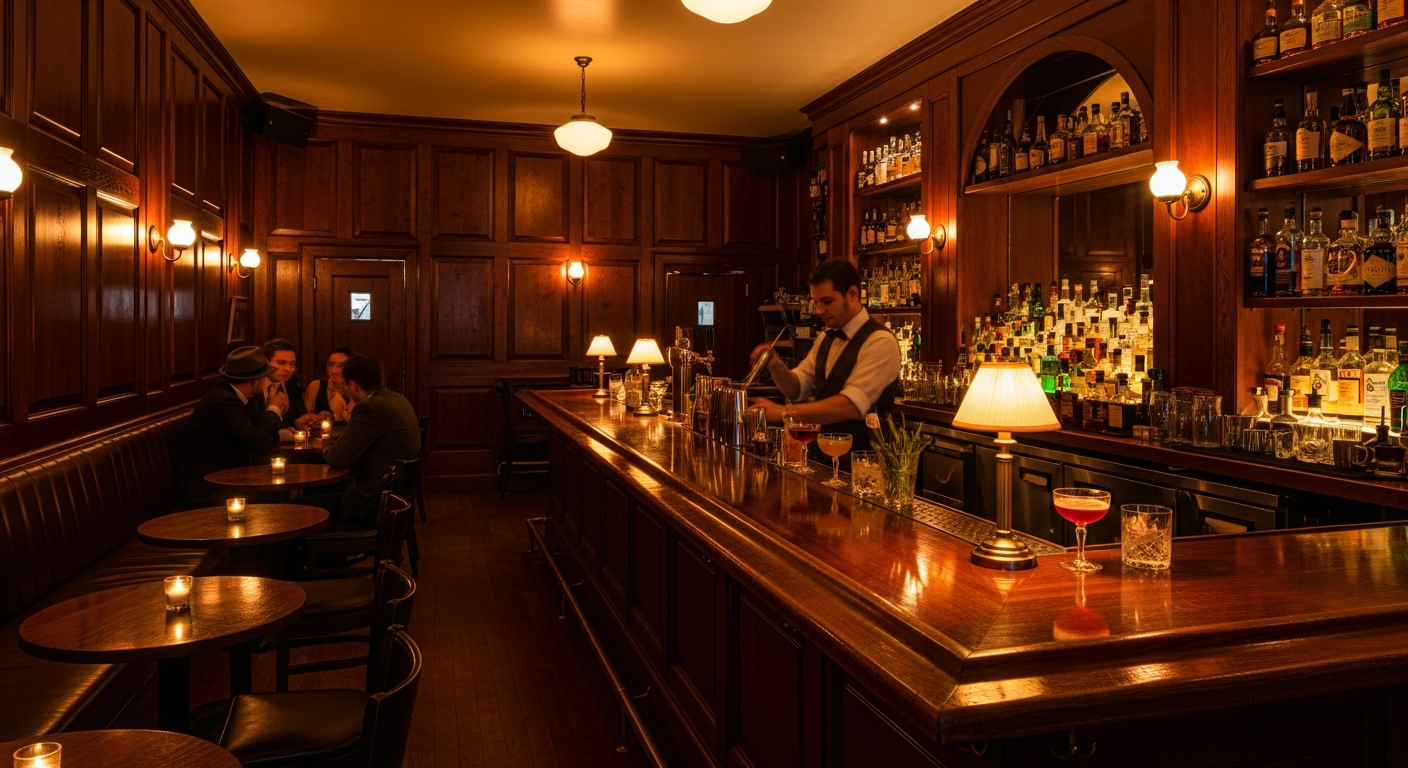
  • The Colby Club Is Downtown Everett’s Best Cocktail Bar — And It’s Been Right There on Colby Since 2023

    The Colby Club Is Downtown Everett’s Best Cocktail Bar — And It’s Been Right There on Colby Since 2023

    Quick Answer: The Colby Club (2823 Colby Ave, former downtown Starbucks) is a Prohibition-era cocktail speakeasy opened October 2023 by Karen Taylor and Robert Penrose. Classic cocktails, creative mocktails, small plates. Hours: Mon–Sat 4pm–midnight, Sun 4pm–10pm.

    Two Years In, The Colby Club Is Still Downtown Everett’s Best Cocktail Secret. Time to Stop Keeping It One.

    You know the feeling: you walk past a place a hundred times, don’t go in, finally do, and feel genuinely foolish for waiting. That’s The Colby Club at 2823 Colby Ave in downtown Everett — the former Starbucks location, which tells you absolutely nothing about what it became.

    In October 2023, Karen Taylor and Robert Penrose converted that coffee chain space into one of the most considered cocktail bars in the city. Robert renovated every corner of it himself — choosing dark wood, low lighting, and materials that communicate Prohibition-era without costuming it. Through the wide front windows, you can watch the activity on Colby Avenue and feel completely removed from it at the same time. The result is a room that makes you want to stay.

    Two years in, weekend evenings are reliably full. The bar fills without becoming a scene. The conversation stays at conversation volume. The cocktails are made correctly. If you haven’t been, this is your notice.

    Who’s Behind It

    Karen Taylor and Robert Penrose are married, which is either a great way to run a hospitality business or a very challenging one. In their case, it’s working. Before Everett, they spent four years operating Revival Lounge in downtown Mount Vernon — learning what it takes to run a craft cocktail bar in a smaller Washington city that doesn’t always expect one. That experience shows at The Colby Club. It doesn’t have the rough edges of a first venture.

    Karen developed several of the original house cocktails. Robert handled the physical renovation of the space. The division of labor produced something that works from both the inside and outside of the glass.

    The Cocktail Program: What to Drink

    The Colby Club does classic cocktails with proper technique and without pretension. Order an Old Fashioned and you get an Old Fashioned that tastes like an Old Fashioned — not a riff, not a reinvention, not a cocktail that requires a paragraph of explanation. Order from the house list and you’ll get something unexpected that still makes complete sense.

    The Flapper is the signature Karen Taylor original — her description is “sweet but balanced,” and that’s accurate. It’s the drink to start with if you haven’t been before. The Rhubarb Flip is built on gin and is the kind of cocktail that surprises people who didn’t expect to like a gin drink. Both are the sort of thing that tells you within one sip whether a bar knows what it’s doing. These do.

    The mocktail program — called the teetotaler menu — receives the same care and creativity as the full bar list. Mocktail menus are increasingly common; mocktail menus that actually taste good and make you feel like you got the same experience as everyone else at the table are still rarer than they should be. The Colby Club’s version earns its place on the menu. If you’re not drinking, you’re not missing out.

    Draft beers and wine round out the program for anyone who arrives with different preferences. The bar doesn’t force the cocktail on you. It just does cocktails best.

    The Food: Small Plates, Correctly Calibrated

    The food program is intentionally compact — small plates designed to accompany drinks, not replace dinner. The anchors are Beecher’s classic mac (around $16) and flatbread pizzas (roughly $13–14). Beecher’s Handmade Cheese is a Pacific Northwest institution, and the mac served warm here is exactly the kind of thing that makes you order a second cocktail without noticing you’ve done it. The flatbreads are solid. Prices may vary; check with the bar on current offerings.

    The food doesn’t overpromise. That’s the right call. If you want a full dinner, R Harn Thai a few blocks east on Hewitt will sort you out. Come to The Colby Club for drinks and let the small plates do what they’re designed to do.

    The Room: What the Renovation Built

    Rob Penrose renovated the former Starbucks space himself — hands-on, not hired-out. The low lighting is doing real work. The dark wood communicates without being theatrical. The seating is intimate without being cramped. There’s enough room that you can have a private conversation, not so much that the place feels like a performance space.

    The Colby Club doesn’t have a rooftop or a water view. It has a room that earns your attention through craft and atmosphere rather than setting. That’s a harder thing to pull off, and they’ve pulled it off.

    Where the Colby Club Fits in Everett’s Cocktail Scene

    Everett’s cocktail and bar scene has developed unevenly but meaningfully. The Muse Whiskey & Coffee at 615 Millwright Loop W on the waterfront does a whiskey-forward evening program inside a restored 1923 Weyerhaeuser building. Obsidian Beer Hall at 1420 Hewitt Ave does curated PNW beer in an elegant room. The Ten-01 Pub at 1001 Hewitt does a community bar in a 1907 building with train beers.

    The Colby Club fills a different niche: proper craft cocktails in a room that takes the atmosphere as seriously as the drinks, in the middle of downtown, open seven nights a week. If cocktails are the goal, The Colby Club is where you go. That’s been true for two years.

    What to Order

    The Flapper — Karen Taylor’s signature. Sweet but balanced. Start here on your first visit.

    Rhubarb Flip — Gin-based. Better than it sounds if you’re not a gin drinker.

    Any classic cocktail — Made correctly. That’s worth more than you’d think.

    Teetotaler mocktail — The real option if you’re driving or dry. Same care, different ingredient list.

    Beecher’s mac — Order it to share, or don’t share it. Both are defensible choices.

    The Logistics

    • Address: 2823 Colby Ave, Everett WA 98201 (former Starbucks location, downtown)
    • Hours: Monday–Saturday 4pm–midnight | Sunday 4pm–10pm
    • Instagram: @thecolbyclub
    • Walk-ins: Welcome; no reservation required
    • Parking: Street parking on Colby Ave; downtown garage on Colby walkable
    • Price range: $$ — craft cocktail pricing; small plates roughly $13–$16

    Frequently Asked Questions

    When did The Colby Club open?

    October 2023, in the former Starbucks space at 2823 Colby Ave in downtown Everett.

    Who owns The Colby Club?

    Karen Taylor and Robert Penrose, who are married. They also operate Revival Lounge in downtown Mount Vernon, WA.

    Does The Colby Club serve food?

    Yes — small plates. Beecher’s classic mac and flatbread pizzas are the main options. The food complements drinks rather than serving as a full dinner.

    What is The Flapper cocktail at The Colby Club?

    The Flapper is a signature cocktail created by owner Karen Taylor — described as sweet but balanced. It’s the recommended first drink for new visitors.

    Does The Colby Club have a mocktail menu?

    Yes — the “teetotaler” menu is a dedicated non-alcoholic cocktail list that receives the same craft attention as the full bar program.

    Is The Colby Club good for a date night?

    Yes. The intimate atmosphere, low lighting, and well-made cocktails make it a strong date night option in downtown Everett.

    What is the parking situation at The Colby Club?

    Street parking on Colby Avenue and the nearby downtown Everett parking garage on Colby, which is walkable to the bar.

    Is The Colby Club open on Sunday?

    Yes — Sunday 4pm–10pm. Open seven nights a week total.

  • Topgolf Isn’t Dead at Hub@Everett — But Brixton Capital’s Competing Plans Reveal the Uncertainty at Everett’s Biggest Mall Bet

    Q: Is Topgolf still coming to Hub@Everett?
    A: According to Brixton Capital, the mall’s owner, yes — Topgolf is still a possibility. But a pre-application permit filing from April 2026 showed self-storage and office space on the Topgolf footprint, contradicting that claim. The two positions are actively in conflict. A pre-application meeting with the city is scheduled for May 19, which may clarify the actual direction.

    Topgolf Isn’t Dead at Hub@Everett — But Brixton Capital’s Competing Plans Reveal the Uncertainty at Everett’s Biggest Mall Bet

    Less than a week after we reported that Brixton Capital appeared to be replacing the long-promised Topgolf facility with self-storage and office space, the mall’s owners are pushing back — publicly insisting Topgolf is still on the table.

    And that contradiction is itself the story.

    When Brixton Capital filed an April 2026 pre-application permit with the city of Everett, the site plan omitted Topgolf and showed an alternative use on the 68,000-square-foot, three-story footprint where the golf entertainment venue was supposed to go. The pre-app filing suggested the Topgolf pivot was real. But when HeraldNet asked Brixton Capital directly this week, the company’s response was clear: the permit filing was “just one option on the table,” and Topgolf “could still arrive in Everett in the future.”

    Topgolf’s own spokesperson declined to comment and referred questions back to Brixton Capital. Which tells you something.

    Why the Contradiction Matters

    When a company submits a pre-application permit to city planning staff showing a specific site plan — including new structures, uses, and parking configurations — that filing is not nothing. Pre-application meetings cost time and money. They represent a developer saying: here is a specific direction we are exploring seriously enough to bring to the city’s planning desk.

    What Brixton filed shows a self-storage facility and an office building on the Topgolf site. What Brixton is saying publicly is that Topgolf remains possible. Both of those things cannot be equally true at once. Either the permit filing reflects genuine contingency planning on a deal that isn’t closed, or the public statement is a way of managing expectations while the company pivots away from the headline tenant.

    We don’t know which. And neither does anyone else right now — including, arguably, Brixton Capital itself.

    The Background on Topgolf at The Hub

    The Topgolf saga at what is now Hub@Everett has been running for years. Mayor Cassie Franklin confirmed the Topgolf interest at a 2024 meeting. Plans firmed up through 2024. City staff formally approved building permits for the Topgolf facility in January 2025 — 68,000 square feet, three stories, a driving range, the full concept. Those permits were real.

    Then Topgolf entered a period of corporate restructuring. That’s the company-level explanation for why the Everett location has been on hold. Topgolf Callaway Brands, the parent company, has been working through financial restructuring that has affected expansion decisions across its portfolio. The approved Everett permits sat unused. And in the background, Brixton Capital started looking at alternatives — including the permit filing that shows up in April 2026 with self-storage and office where the golf bays were supposed to go.

    Brixton insists the May 19 pre-application meeting is about “one option” and that Topgolf is parallel-tracked. But a company that was confident in its anchor tenant doesn’t typically explore replacing that anchor in a city planning filing.

    What’s Actually Open and Working at The Hub

    It’s worth stepping back from the Topgolf question to note what HAS happened at Hub@Everett, because the coverage of the Topgolf limbo can obscure real progress on the rest of the site.

    The former Sears box — a massive anchor space that sat empty for years — now has Ulta Beauty and At Home as tenants. Both are open. The relocated Mall Station bus transit center opened in December 2025, a $2 million move that actually improved bus connectivity to the site. The outdoor pedestrian walkways that Brixton planned as part of the mall’s “outdoor lifestyle” redesign are in various stages of completion.

    The 11-acre site has more happening on it than the Topgolf uncertainty suggests. But the entertainment anchor question is real: without a destination draw that gets people to make a special trip, Hub@Everett risks becoming a transit point and errand destination rather than a place people plan to spend a Saturday afternoon.

    That’s what Topgolf was supposed to solve. Self-storage and an office building don’t solve it.

    The Development Implications for South Everett

    Hub@Everett’s outcome matters beyond the mall’s own 11 acres. The Twin Creeks neighborhood around the site, and south Everett broadly, has been watching the Hub redevelopment as a signal of whether the city’s south end is attracting serious investment. The tightest retail market in Puget Sound — Snohomish County’s 3.4% vacancy rate — suggests tenants are out there. The question is whether south Everett’s largest available footprint can attract the right ones.

    If Brixton proceeds with self-storage and office, the site becomes a different kind of anchor than what was promised. Self-storage generates rent without generating foot traffic. That matters for the surrounding retail environment — nearby tenants who counted on Topgolf drawing customers benefit less from a storage facility next door.

    The broader story of Everett’s physical transformation is one of ambitious redevelopment ideas meeting the reality of capital markets, corporate restructuring, and financing constraints. The Hub@Everett situation is a live example of that tension — the gap between what a city wants from a site and what a developer can actually finance.

    What to Watch on May 19

    The pre-application meeting scheduled for May 19 is a city planning process step, not a public hearing. It’s where city staff and the applicant talk through whether a proposed project is feasible under current zoning and code. The outcome won’t be a public vote — but it will likely generate documents that clarify what Brixton is actually proposing.

    If the May 19 meeting produces a site plan that includes Topgolf in some form, the public statement holds up. If the meeting proceeds with self-storage and office as the application, the permit filing tells the real story. Either way, the pre-app meeting is the next datable event in what has become one of Everett’s most watched development sagas.

    We’ll have the update when it’s public.

    Frequently Asked Questions

    What is Topgolf and why does it matter for Hub@Everett?

    Topgolf is a golf entertainment venue chain that combines driving range technology with food, drink, and event space. A Topgolf would have been a major entertainment anchor for Hub@Everett — the kind of destination tenant that draws customers who stay for hours and generate spillover for adjacent businesses.

    Why did Topgolf stall at the Everett Mall?

    The most cited reason is corporate restructuring at Topgolf Callaway Brands, the parent company. Despite approved building permits from January 2025, the company has not broken ground. Corporate restructuring decisions can pause or cancel individual expansion locations.

    What is Brixton Capital planning to put there instead?

    A pre-application permit filing shows a self-storage facility and an office building on the Topgolf footprint. Brixton Capital says this is just one option being explored, not a confirmed decision.

    When is the next milestone for Hub@Everett?

    A pre-application meeting with city planning staff is scheduled for May 19, 2026. This is an internal city process step, not a public hearing, but the documents it generates will clarify what Brixton is actually proposing.

    What else is open at Hub@Everett right now?

    Ulta Beauty and At Home have both opened in the former Sears anchor space. The relocated Mall Station bus transit center opened in December 2025. Outdoor pedestrian walkway improvements are ongoing across the 11-acre site.

  • Sound Transit Plans to End Sounder North in 2033 — What a Rail Transit Gap Means for Everett’s Development Future

    Q: Is Sound Transit ending the Sounder North train from Everett to Seattle?
    A: Under a proposal released May 7-8, 2026, yes — the Sounder N Line would end in 2033 as part of a package to close Sound Transit’s $34.5 billion budget gap. The Sound Transit Board votes May 28. If approved, Everett commuters would have no direct rail to Seattle until Everett Link opens, currently projected for 2037 at the earliest.

    Sound Transit Plans to End Sounder North in 2033 — What a Rail Transit Gap Means for Everett’s Development Future

    Something that shapes how Everett grows, what rents downtown, and what office buildings can credibly pitch to tenants got a lot more uncertain this week: the commuter train connecting Everett to Seattle may stop running entirely in 2033.

    Under a proposal introduced by Sound Transit Board chair and Snohomish County Executive Dave Somers — the same Somers whose “spine-first” approach will spare Everett Link Extension from cuts — the Sounder N Line would cease operations as part of a package to close Sound Transit’s $34.5 billion budget shortfall. The Sound Transit Board votes on the full plan May 28 at the Ruth Fisher Board Room in Tacoma.

    If approved, the math is stark: Sounder N ends 2033. Everett Link opens no earlier than 2037, and more likely 2038-2041. That’s a four-to-eight-year window where Everett’s connection to downtown Seattle goes from a 30-40 minute train ride to whatever a bus on I-5 can manage.

    We think this gap deserves more attention than it’s getting.

    What Sounder North Actually Is — and Who Uses It

    The Sounder N Line runs four trains per day in each direction between Everett Station and King Street Station in Seattle, with stops in Mukilteo and Edmonds along the way. It’s been running since 2003 and was always designed as a bridge service — something to hold commuters over until light rail could do the job more efficiently.

    The problem is that bridge lasted longer than anyone planned, and ridership never fully recovered from the COVID-19 pandemic. As of April 2026, Sounder North carries roughly 565 rides per day. That’s across four trains. The math works out to about 70 passengers per train, on a service that costs Sound Transit significantly more per rider than any other line in the system.

    The Somers proposal is blunt about the calculus: when you’re $34.5 billion short, you don’t run a commuter train that 565 people a day use. You make hard choices. And Sound Transit’s position is that the Board can revisit the Sounder N decision if ridership meaningfully improves — but it won’t commit to that happening.

    The Transit Gap Is Real

    Here’s what makes this story specifically a Waterfront development story and not just a transit story: the gap in rail service lands squarely in the years when Everett’s biggest development bets are being placed.

    Millwright District Phase 2 — the 300-plus apartment homes and 120,000 square feet of Class-A office space being developed by LPC West on the Port’s 10-acre waterfront site — is being marketed as a connected, walkable, transit-adjacent workplace. That pitch works better with a train. It works less well when the nearest rail is a 20-30 minute bus ride to Lynnwood Link.

    The Waterfront Place commercial district — restaurants, hotels, marine businesses, two hotels, and the 266 apartments at Sawyer and Carling — has drawn Seattle-area visitors and employees partly because of that sense that Everett is part of the regional story. Rail connectivity is part of what makes that story credible to employers making lease decisions.

    The Everett Station District Alliance, which has spent years planning transit-oriented development around the future Everett Station light rail stop, operates on the assumption that the station will be active and desirable. A 4-8 year gap where the station is quiet changes the calculus on when to break ground and what to build.

    What’s Still Intact

    To be clear about what the Somers proposal does NOT do: it does not cut or delay the Everett Link Extension. That’s the crucial distinction. The light rail from Lynnwood to downtown Everett Station — all 16 miles of it — remains fully funded and on track. The May 28 vote is expected to confirm that the north-south spine gets built, all the way to Everett.

    That matters enormously for the long-term development story. What the ST3 plan fully funding Everett Link means is that developers, lenders, and employers planning 10-15 years out can bank on regional light rail connectivity. The uncertainty is only in the middle stretch — the years between Sounder’s end and Link’s opening.

    Sound Transit still holds negotiated rights with BNSF to run up to eight trains per day on the Sounder N corridor. Those rights have real value. Advocates are already asking whether ending the service prematurely forfeits leverage on that corridor — something the Board will likely hear about before May 28.

    The Bus Bridge That Would Fill the Gap

    The transit gap doesn’t mean no transit — it means slower transit. Community Transit’s express bus routes to Lynnwood Link will be the primary rail-adjacent option for Everett commuters after 2033. The Everett Transit and Community Transit merger announced in April 2026 is precisely the kind of service consolidation that should, in theory, strengthen bus frequency and reach in Snohomish County. Whether that merger’s integration timeline aligns with Sounder’s shutdown is a coordination question nobody has publicly answered yet.

    Mukilteo and Edmonds lose even more than Everett does. Both cities stop at the Sounder station but are not on the Everett Link Extension route. Once Sounder ends and Link opens, those communities have no direct rail connection at all — a point that’s likely to generate pushback from Mukilteo and Edmonds council members in the weeks before the May 28 vote.

    What We’re Watching

    The May 28 Sound Transit Board meeting is the most important transit vote for Everett since the ST3 package passed in 2016. The question isn’t whether Everett Link gets built — it does. The question is how the Board handles the years between, and whether ending Sounder North is the right tradeoff or a shortsighted cut that underserves a corridor during the exact years Everett is trying to grow.

    For the Snohomish County delegation to Sound Transit, this is the opening bid in a negotiation, not a final answer. The EASC DC Fly-In delegation that was in Washington this week was making the case for Everett infrastructure spending. Sounder North’s fate is now part of that same conversation.

    We’ll have the vote results here as they come out of the May 28 board meeting. In the meantime, if you commute on Sounder North and want to weigh in, Sound Transit is accepting written comment before the vote.

    Frequently Asked Questions

    When would Sounder North service end in Everett?

    Under the current Somers proposal, the Sounder N Line would end in 2033. The Sound Transit Board must approve the plan at its May 28, 2026 meeting for the timeline to be confirmed.

    What rail service would replace Sounder North in Everett?

    Nothing immediately. Everett Link Extension is expected to open between 2037 and 2041. In the interim, Community Transit express buses connecting to Lynnwood Link would be the primary transit option to Seattle.

    Does this affect the Everett Link Extension?

    No. The Somers proposal explicitly preserves the full 16-mile Everett Link Extension, from Lynnwood to downtown Everett Station. The transit gap only applies to the Sounder commuter rail service, not to the future light rail line.

    How does ending Sounder North affect downtown Everett property values?

    Transit-adjacent properties historically benefit from rail access. A multi-year gap in rail service could moderate growth in areas marketed as transit-connected, particularly near Everett Station. The long-term Everett Link commitment supports the development case, but the near-term transit gap creates uncertainty for office tenants and housing developers.

    Can the Sounder North decision be reversed?

    Sound Transit’s board can revisit the decision if ridership meaningfully improves or new funding sources emerge. Sound Transit also retains negotiated rights to run up to eight trains per day on the BNSF corridor — those rights could have future value if circumstances change.

  • Moving to Valley View-Sylvan Crest in Everett: What New Residents Need to Know About the Fastest-Moving Market in South Everett

    If you are relocating to Everett and Valley View-Sylvan Crest-Larimer Ridge is on your list, here is what you need to know before you submit an offer: the housing market moves fast, the neighborhood is intentionally isolated, and the views are real. This is the honest guide for people considering moving to Valley View in 2026.

    The Market Reality: You Need to Be Ready to Move Quickly

    Valley View homes sell in an average of 12 days. The national average is approximately 55 days. If you are relocating from out of state or even from across the Puget Sound, that timeline means you cannot afford a three-week decision process once the right home appears.

    The median sale price in Valley View is approximately $675,000. That positions it in Everett’s upper-mid tier — more expensive than Casino Road or parts of southeast Everett along SE Everett Mall Way, but accessible compared to Rucker Hill or the most premium downtown-adjacent Everett properties. At $675,000, Valley View competes directly with comparable suburban neighborhoods in Lynnwood, Bothell, and Shoreline — but with views those neighborhoods typically cannot match.

    Practical relocation advice: if you are serious about Valley View, get pre-approved before you start touring, identify your non-negotiables upfront (views vs. square footage vs. flat lot vs. cul-de-sac position), and be ready to make an offer within 24–48 hours of finding the right home. Working with an agent who has active Valley View relationships is a meaningful advantage in a 12-day market.

    What You Are Actually Getting

    Valley View is a plateau community of approximately 680 residents — small enough to feel like a neighborhood, large enough to have an active neighborhood association. Streets are curved and quiet, many end in cul-de-sacs, and the topography means some homes have direct sightlines to the Cascade Mountains while others look out over the Snohomish Valley.

    There is one road in: 75th Street Southeast over an Interstate 5 overpass. That single access point creates the neighborhood’s defining character — no cut-through traffic, no commuter shortcuts, no delivery trucks using Valley View as a bypass. Everyone who enters is a resident or their guest. For families with children, this matters.

    Housing stock is predominantly single-family homes, with some multi-family options. The neighborhood is well-kept — it consistently ranks as one of the tidier residential areas in south Everett in city neighborhood assessments.

    The Tradeoffs: What Valley View Is Not

    Valley View has no walkable retail. No coffee shop, no grocery, no restaurant inside the neighborhood boundary. Everyday errands require a drive. The nearest major shopping corridor is SE Everett Mall Way, approximately 1–2 miles from the neighborhood via 75th Street and Highway 99.

    There are no bus stops within Valley View. If you do not drive, this neighborhood is not practical. The nearest transit stop is less than a mile away on Broadway, but that walk crosses the I-5 overpass — exposed, especially in winter. Everett Station (Sounder, Amtrak, regional buses) is about 4 miles away and requires a car to reach from Valley View.

    Compared to Seattle, Bellevue, or Tacoma: Valley View offers more land and more quiet for less money, but with more car dependency than urban neighborhoods in those cities. Compared to Snohomish County alternatives like Bothell or Mill Creek: Valley View is closer to downtown Everett’s emerging scene, closer to Boeing’s Paine Field campus, and has better Cascade views than most comparable price-tier options.

    Schools

    Valley View falls within the Everett Public Schools district, led by Dr. Ian Saltzman, who has served as superintendent for seven years. The district recorded one of Washington State’s strongest graduation rates in recent years and earned regional recognition for its academic progress. Specific schools serving Valley View families include elementary options in the south Everett attendance zones — check everettsd.org for current boundary maps, as attendance zones are updated periodically.

    Commute Context

    For Boeing Paine Field workers: Valley View is approximately 5 miles south of the Paine Field campus. Via I-5 North, the commute is 10–15 minutes under normal conditions — one of the shorter commute distances of any Everett neighborhood relative to Paine Field. This makes Valley View a legitimate consideration for aerospace workers who want to maximize neighborhood quality within a 15-minute radius of the factory.

    For Seattle commuters: Downtown Seattle is approximately 26 miles south via I-5. The Sounder commuter train from Everett Station (4 miles from Valley View) reaches King Street Station in under an hour. The park-and-ride at Everett Station gives Valley View residents a functional transit commute to Seattle — as long as they account for the car trip to the station.

    Frequently Asked Questions: Moving to Valley View in Everett

    Related Exploring Everett coverage: Casino Road South Everett Complete Guide | Moving to Everett 2026 Complete Guide | Boys & Girls Club Snohomish County Guide

  • Valley View-Sylvan Crest-Larimer Ridge: Everett’s Complete 2026 Neighborhood Guide — The Hilltop Community With One Road In

    Valley View-Sylvan Crest-Larimer Ridge is Everett’s most self-contained neighborhood — a hilltop plateau in southeast Everett with approximately 680 residents, one road in, panoramic Cascade Mountain views, and a housing market that moves faster than almost anywhere else in the city. Here is the complete neighborhood guide.

    One Road In: The Feature That Defines Valley View

    The City of Everett officially designates Valley View-Sylvan Crest-Larimer Ridge as a single neighborhood because that’s how residents experience it: one continuous, well-kept plateau community in the southeast corner of the city, roughly five miles from downtown Everett.

    The defining fact about Valley View is its access. There is one road in: 75th Street Southeast, over an Interstate 5 overpass. The highway that most Puget Sound drivers barely notice is, for Valley View, the defining boundary. Nobody passes through Valley View on the way to somewhere else. Everyone who is there chose to be there.

    That single-access geography shapes everything about the neighborhood: the quiet, the tight-knit character, the lack of cut-through traffic, and the unusually strong sense of community identity for a neighborhood of its size. The plateau is roughly triangular, defined on two sides by natural terrain and on the third by I-5.

    Housing: Fastest-Moving Market in South Everett

    Valley View has one of the fastest-moving housing markets in southeast Everett. Homes sell in an average of 12 days — well below the national average of approximately 55 days and significantly faster than many other Everett neighborhoods. The median sale price is approximately $675,000.

    The housing stock is predominantly single-family homes, with some multi-family apartments and duplexes. Streets are curved, many have cul-de-sacs, and the plateau’s topography means homes on the eastern side have sightlines that open to the Cascade Mountains while others face the Snohomish Valley below.

    Because demand consistently exceeds inventory in Valley View, buyers who want to purchase here face competitive offers. The 12-day average market time is not a floor — it’s driven by repeat buyers who know what they want and submit quickly when it appears.

    The Views: What Valley View Is Actually Named For

    The name is literal. From the higher elevations of the plateau, Valley View offers panoramic views of the Cascade Mountains to the east and the Snohomish Valley below. On clear days — which are common from late April through October — the views include the full spine of the central Cascades, including peaks above Everett’s eastern watershed.

    This is not an incidental amenity. For residents who chose Valley View specifically, the views are the primary differentiator from any other south Everett neighborhood. The combination of Cascade views, quiet streets, and community isolation is what sustains demand and keeps the 12-day market time consistent even when the broader Everett market softens.

    Community Life and Neighborhood Character

    Valley View residents meet monthly — on the third Tuesday of each month at the South Precinct Police Station, 7:00 PM, with no meetings in July, August, or December. The neighborhood association structure reflects the community’s engagement: a neighborhood this small and this geographically bounded tends to develop strong local identity.

    The City of Everett’s official neighborhood page for Valley View-Sylvan Crest-Larimer Ridge is at everettwa.gov/559. Civic representation falls under Everett’s District 2 (Council Vice President Paula Rhyne and at-large seat).

    Transportation: The I-5 Tradeoff

    Valley View has no bus stops within the neighborhood. The nearest transit stop is less than a mile away via 75th Street to a Broadway connection. Everett Station — with Sounder commuter rail, Amtrak, regional bus lines, and a park-and-ride lot — is approximately 4 miles from the neighborhood.

    For car commuters, I-5 is the immediate corridor. Downtown Seattle is approximately 26 miles south. Paine Field (Boeing’s main campus) is approximately 5 miles north. Downtown Everett is roughly 5 miles northwest. The access to I-5 is Valley View’s transit advantage: the same highway that creates the neighborhood’s boundary is also its fastest on-ramp to the regional network.

    The lack of bus service within the neighborhood means Valley View is effectively a car-dependent community. Residents who rely on transit for daily commuting should account for the 15-minute walk (or short drive) to a bus stop as a regular feature of their schedule.

    What Valley View Is Not

    Valley View is not a neighborhood for people who want walkable urban amenities close by. There are no restaurants, coffee shops, or retail inside the neighborhood. The nearest grocery options are along Broadway or SE Everett Mall Way. The quiet and the views come with a tradeoff: everyday errands require a car trip out.

    This is not a criticism — it’s a clarification for anyone researching Valley View as a relocation option. The neighborhood’s character is specifically suburban, specifically quiet, and specifically removed from the day-to-day commercial activity of Everett’s busier corridors. That is the point.

    Frequently Asked Questions: Valley View-Sylvan Crest-Larimer Ridge in Everett

    Related Exploring Everett coverage: Casino Road South Everett Complete Guide | Moving to Everett 2026 Complete Guide | Boys & Girls Club Snohomish County Guide