Every other AI platform in this series has an intentional user — someone who chose to use that product. The Google AI Overview user is different. They didn’t choose AI. They typed a query into Google the same way they’ve done for twenty years, and Google decided to insert an AI-generated summary above the organic results. This is the only AI search platform where the user is an unwilling participant.
That distinction changes everything about how you optimize for it. For the broader context on why each platform demands its own strategy, see the meta editorial on platform-specific content strategy.
Who Gets Google AI Overviews (And Who They Are)
Google AI Overviews appear on a subset of queries — primarily informational, definitional, and how-to queries. The user seeing them is the broadest possible audience:
- Demographics: Everyone. Google’s user base is the internet itself. AI Overviews don’t filter by sophistication or intent
- Intent: Traditional search intent — informational, navigational, commercial investigation. The user wants a specific answer to a specific question
- AI awareness: Low to none. Many users don’t distinguish between AI Overviews and featured snippets. Some don’t realize they’re reading AI-generated content at all
- Behavior: Scan, extract answer, leave. This is zero-click behavior amplified by AI. The user reads the overview and often doesn’t scroll to organic results
- Trust model: “Google said it.” The implicit authority of Google’s brand covers the AI output. Users don’t check citations
The critical implication: you’re not writing for an AI enthusiast. You’re writing for a regular internet user who happens to have an AI summary imposed between their query and your content.
How Google AI Overview Queries Differ
Google AI Overviews don’t appear on every query. Google selects queries where it believes an AI summary adds value. The queries that trigger AI Overviews follow specific patterns:
Definitional Queries
“What is [term]?” queries almost always trigger AI Overviews. Google synthesizes a definition from multiple sources. Content that provides a clean, authoritative definition in the first 40-60 words of an article has the highest probability of being sourced.
Process and How-To Queries
“How to [task]” queries generate AI Overviews with numbered steps. Google extracts and recombines steps from multiple sources. Having clearly numbered, concise steps (not paragraphs masquerading as steps) is essential.
Comparison and Best-Of Queries
“Best [product] for [use case]” and “[X] vs [Y]” queries trigger overviews that synthesize recommendations. Google pulls from multiple sources to create a composite answer. Your content needs to be one of those sources.
What Doesn’t Trigger AI Overviews
Navigational queries (“Facebook login”), highly commercial queries (“buy iPhone 16”), and YMYL queries where Google is cautious about AI accuracy. Knowing where AI Overviews appear — and where they don’t — prevents wasting optimization effort.
What Content Wins in Google AI Overviews

After tracking which content from managed sites gets pulled into AI Overviews, and building on the analysis of the May 2026 AI Overviews update, these patterns emerged:
Direct Answer in the First Paragraph
Google AI Overviews heavily favor content that answers the query in the first 50-100 words. The “inverted pyramid” journalism structure — lead with the answer, then provide context — dramatically outperforms the “build to a conclusion” blog structure. If your article makes the reader scroll to find the answer, Google will cite the competitor who put it first.
Schema Markup
Structured data is not optional for AI Overview optimization. FAQPage schema, HowTo schema, and Article schema all increase the probability of being sourced. Google’s AI engine uses schema as a reliable signal of content structure. Sites with comprehensive schema markup consistently appear in AI Overviews more than sites relying on HTML alone.
Concise FAQ Sections
Google AI Overviews frequently pull from FAQ sections. But the FAQs that get sourced are concise — 2-3 sentence answers, not 200-word mini-essays. The AI Overview format has limited space, so it favors sources that provide tight, definitive answers it can extract without heavy editing.
Entity-Rich Content
Content that explicitly names relevant entities — specific products, companies, technologies, standards, and people — performs better than content using generic terms. Google’s AI engine maps entities to its Knowledge Graph. The more precisely you name things, the easier it is for Google to connect your content to relevant queries.
The Zero-Click Challenge
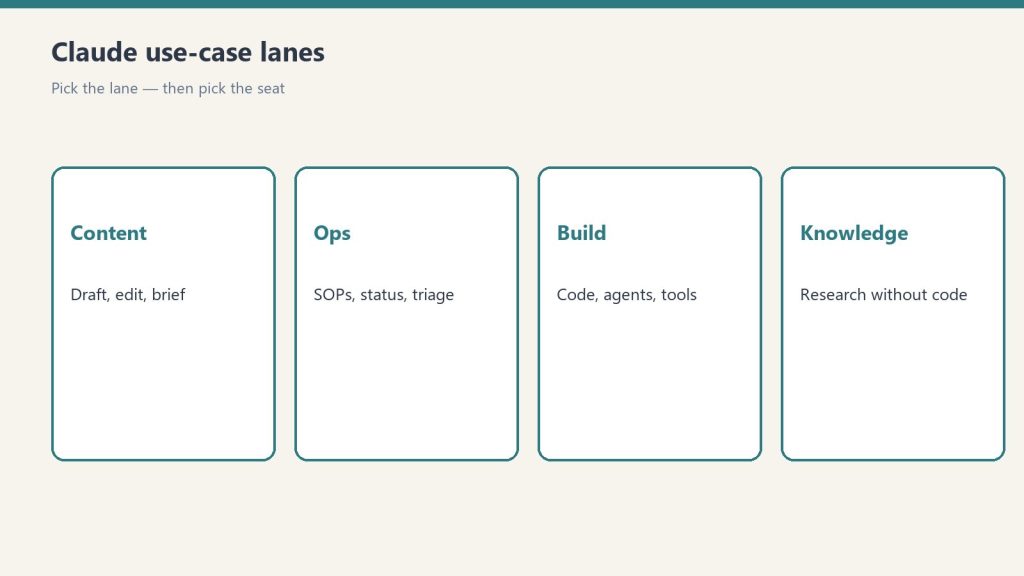
Here’s the uncomfortable reality of AI Overview optimization: even when your content gets cited as a source, fewer users click through than with traditional organic results. The AI Overview often provides enough information that the user never reaches your site.
This creates a strategic dilemma. You need to be cited to maintain brand visibility and authority, but citation alone doesn’t drive the traffic that organic rankings used to deliver. The solution is twofold:
- Optimize for the click, not just the citation. Content that gets cited AND generates clicks includes a “hook” that the AI Overview can’t fully satisfy — unique data, a tool, a downloadable resource, or depth that the summary can’t capture
- Treat AI Overview citations as brand impressions. Even without clicks, having your domain cited repeatedly in Google’s AI responses builds the kind of brand recognition that eventually drives direct traffic and branded searches
Google AI Overview vs Other Platforms
| Dimension | Google AI Overview | Perplexity | Copilot |
|---|---|---|---|
| User choice | Involuntary — appears automatically | Deliberate selection | Embedded in workflow |
| Query type | Traditional Google searches | Research questions | Enterprise lookups |
| Content format | Direct answers, schema, concise FAQ | Long-form guides, data | Tables, pricing, FAQ |
| Click-through | Low — zero-click extraction | Moderate — users verify | Low — answer consumed in-app |
| User sophistication | Lowest (broadest audience) | Highest (researchers) | Mid (enterprise workers) |
Actionable Takeaways for Google AI Overview Optimization
- Put the answer in paragraph one. Direct, complete, 50-100 words. This is non-negotiable for AI Overview sourcing
- Implement comprehensive schema markup. FAQPage, HowTo, Article, and BreadcrumbList schema all increase citation probability
- Write concise FAQ sections. 2-3 sentence answers. Google’s AI Overview format needs tight, extractable answers
- Use specific entity names. Products, companies, standards, technologies — explicit naming connects your content to Google’s Knowledge Graph
- Include a click hook. Unique data, tools, or depth that the AI Overview can’t fully capture, giving users a reason to click through
FAQ
What makes Google AI Overview users different from other AI search users?
Google AI Overview users are the only AI search users who didn’t choose an AI product. They’re traditional Google searchers who see AI-generated summaries automatically inserted above organic results. Their behavior is scan-and-extract, with low awareness that they’re reading AI-generated content.
What content structure performs best in Google AI Overviews?
Content with a direct answer in the first paragraph, comprehensive schema markup (FAQPage, HowTo, Article), concise FAQ sections with 2-3 sentence answers, and entity-rich text that maps to Google’s Knowledge Graph consistently earns the most AI Overview citations.
Do Google AI Overviews reduce click-through rates?
Yes. AI Overviews often provide enough information that users don’t scroll to organic results. The mitigation strategy is including content that the AI Overview can’t fully capture — unique data, interactive tools, or analytical depth — giving users a reason to click through to the source.
Does schema markup affect AI Overview citation rates?
Significantly. FAQPage schema, HowTo schema, and Article schema all increase the probability of being sourced by Google’s AI engine. Sites with comprehensive schema markup consistently appear in AI Overviews more than sites relying on HTML structure alone.
Should I optimize for Google AI Overviews or traditional organic rankings?
Both. The strategies are complementary — direct answers, schema markup, and entity-rich content help both AI Overview citations and traditional rankings. The key addition for AI Overviews is front-loading the answer in paragraph one and ensuring FAQ answers are concise enough to extract.
Leave a Reply