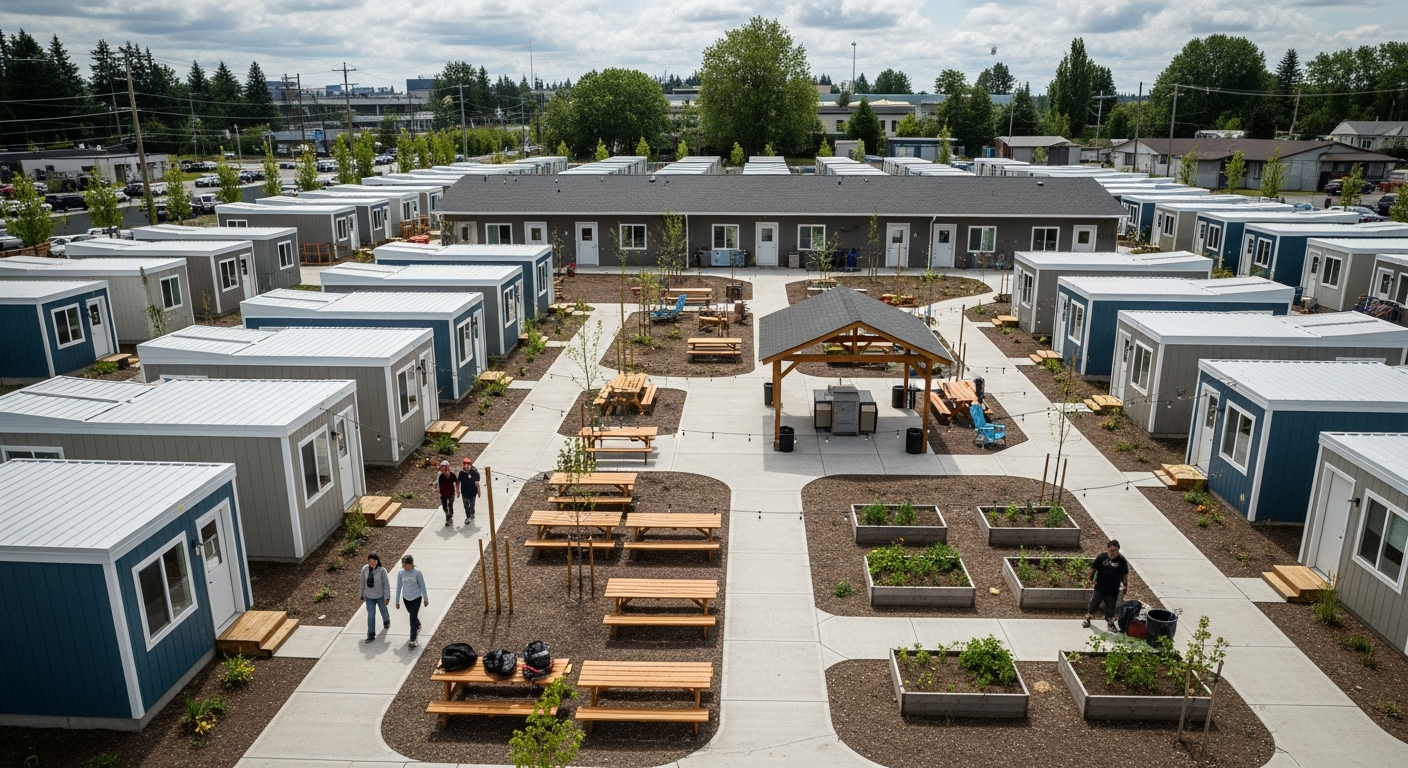
Tag: Pacific Northwest

  • Fresh Paint 2026: Downtown Everett Outdoor Art Festival

    Fresh Paint 2026: Downtown Everett Outdoor Art Festival


    Two days. One block of Hoyt Avenue. A hundred and twenty artists, free to walk in, and the biggest outdoor art event downtown Everett puts on all year. Fresh Paint 2026 took place on August 15 and 16 — and the Schack runs the festival every summer, so if you missed this year, the next one is worth planning for.

    The Schack Art Center runs this every summer and has built something worth making plans for. The vendor list sold out in advance — which tells you this is not a pop-up craft market. Artists apply. They get juried in. The work on Hoyt Avenue that weekend is curated, and you’ll feel it when you walk the block.

    Last refreshed: October 20, 2026 (Pacific).

    What You’re Walking Into

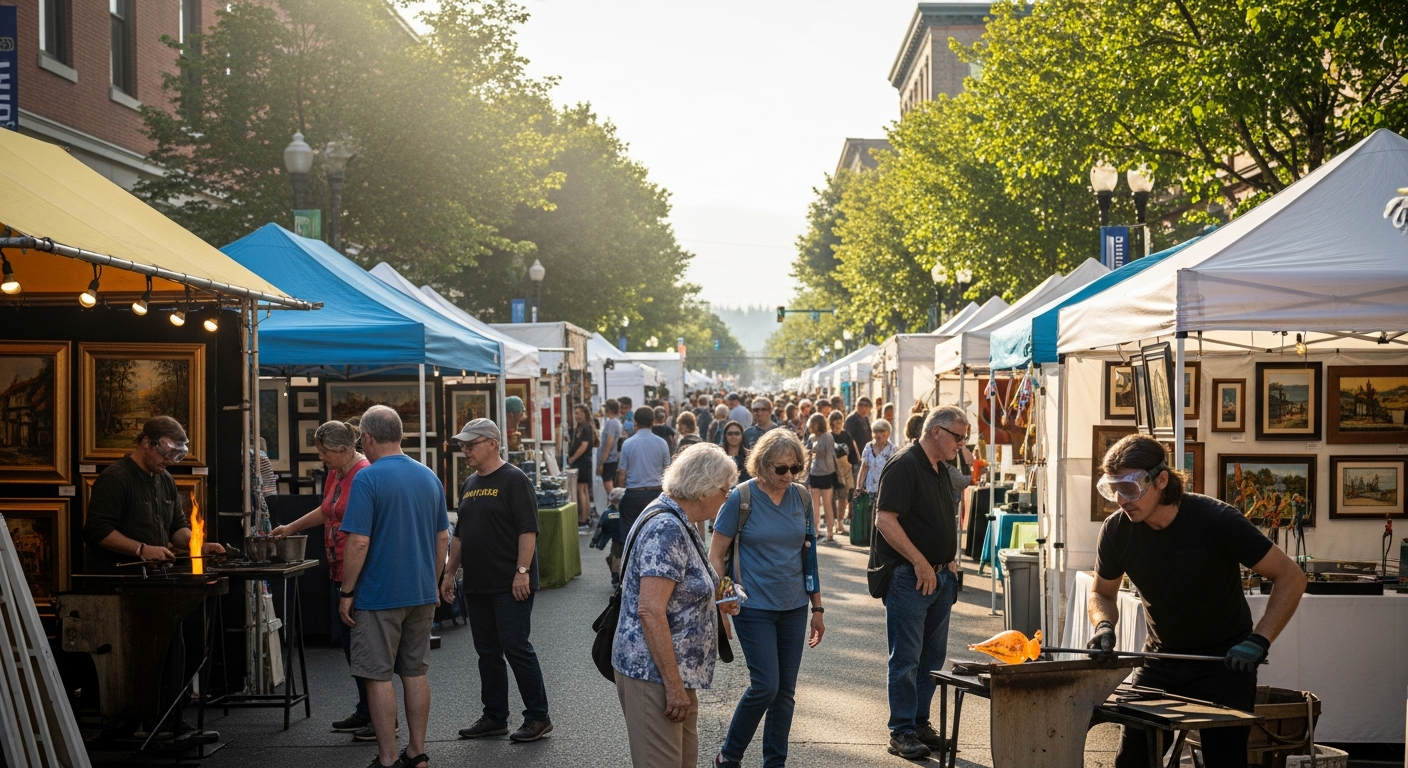
    The festival took over Hoyt Avenue between Pacific Avenue and Hewitt Avenue, two blocks from the Schack itself. The street closed. Booths went up. And from 10am to 5pm on Saturday and 10am to 4pm on Sunday, that stretch of downtown became the most concentrated collection of original art in Snohomish County.

    120+ artists span painting, sculpture, glass, jewelry, fiber, ceramics, and photography. Because this is a juried show, there’s a floor to the quality. You’re not wading through mass-produced prints to find the one interesting thing — the interesting things are the whole point.

    Admission is free. You pay for art, food, and activities. That’s the model and it works — 10,000+ attendees walk through over the two days, and the Schack has been doing this long enough to know how to move that crowd through a single city block without it feeling like a fire drill.

    Glassblowing, Kids’ Activities, and Float Find

    The Schack is a working art center, not just a gallery. At Fresh Paint, they demonstrated that — literally. Glassblowing demonstrations ran through the weekend, and watching someone pull molten glass into form at a live outdoor event is the kind of thing you stop for whether you planned to or not. It draws every age group.

    Kids’ activity areas were built into the layout, which made this a functional family event and not just an adult art crawl. You can split up, let the kids engage with the activity stations, and walk the artist booths without herding the whole group through every booth.

    Float Find is the Schack tradition that turns the festival into a game. Small glass floats — hand-crafted — were hidden around the festival grounds. Find one, keep it — that was the rule. It’s the kind of detail that makes people come back year after year and arrive early.

    The Schack’s Track Record on This Street

    The Schack Art Center at 2921 Hoyt Ave has been the anchor of Everett’s arts infrastructure since long before the downtown revival picked up pace. Fresh Paint is their statement event — the one where they take the case for arts in this city outside the building and onto the street itself.

    If you’ve seen what they do inside the gallery — and the Artists’ Garage Sale gives you a sense of the community energy they generate — Fresh Paint is that but scaled up and opened to anyone walking by. The Contemporary NW + Summer Auction draws serious collectors; Fresh Paint draws everyone else. The two events together define what the Schack is doing for this city.

    The regular monthly Everett Art Walk keeps the momentum going through the year, but Fresh Paint is the anchor. It’s the day families mark on the calendar in January.

    The Practical Details

    What: Fresh Paint 2026 — Schack Art Center Outdoor Juried Art Festival
    Saturday August 15: 10:00 AM – 5:00 PM
    Sunday August 16: 10:00 AM – 4:00 PM
    Where: Hoyt Ave between Pacific Ave and Hewitt Ave, Downtown Everett WA 98201
    Admission: Free
    Artists: 120+ juried (vendors sold out — this was curated work)
    Highlights: Glassblowing demos, kids’ activities, Float Find, food vendors
    Parking: Street parking and downtown garages within a few blocks of Hoyt Ave

    Full details at schack.org/fresh-paint →

    FAQ

    When was Fresh Paint 2026?

    Saturday August 15 (10am–5pm) and Sunday August 16 (10am–4pm), 2026.

    Where is Fresh Paint in Everett?

    Hoyt Avenue between Pacific Avenue and Hewitt Avenue in downtown Everett. The street closes for the weekend and becomes the festival grounds.

    How much did Fresh Paint cost?

    Free admission. You paid for what you bought — art, food, and activities. Vendor spots sold out, but attendance was open to everyone.

    How many artists are at Fresh Paint 2026?

    120+ juried artists. Vendors sold out for 2026, meaning artists applied and were curated — this was not a craft fair.

    What is Float Find at Fresh Paint?

    Float Find is a Schack tradition where hidden glass floats are scattered around the festival for attendees to discover and keep. It’s the detail that makes Fresh Paint a repeat-visit event for families.

    Is Fresh Paint good for kids?

    Yes. Dedicated kids’ activity areas, glassblowing demos, and Float Find. Families who came early had the best shot at the floats.

  • Altered 2ks at Tony V’s Garage: 2000s Emo Night Everett

    Altered 2ks at Tony V’s Garage: 2000s Emo Night Everett


    Saturday night, June 6. Tony V’s Garage on Hewitt Avenue. Two bands. Four hours. The entire 2000s emo and pop punk catalog you burned onto a CD in middle school and still know word-for-word.

    Altered 2ks and Centuries shared the stage — and together they cover the decade that turned angst into arena anthems. My Chemical Romance. Fall Out Boy. Paramore. Taking Back Sunday. Hawthorne Heights. The Used. If you were a teenager when these songs dropped, you’ve been waiting for a night like this without knowing it.

    Last refreshed: October 20, 2026 (Pacific).

    Who’s Playing and What to Expect

    Altered 2ks is the headline act — a tribute project built specifically around 2000s emo and pop punk. They don’t try to do everything from that era; they do the specific songs that mattered. The ones that opened the floodgates. They’ve played Tony V’s before and they know how to fill that room.

    Centuries opened the set. Same era, same energy, same devotion to getting the details right. This was a double bill with actual curatorial intent — both bands exist in the same sonic universe and the setlist arc from opener to closer hit like a full playlist you built yourself at 15.

    Tony V’s Garage has been the right room for nights like this since it opened in Everett’s historic downtown. It’s not a theater. It’s not a club designed for distance between you and the stage. It’s a place where the band is close, the sound is loud, and the crowd knows every word. For a tribute show built around songs this emotionally loaded, the intimacy is the point.

    The Venue and What You Need to Know

    Tony V’s Garage sits at 1716 Hewitt Ave in Everett. The show started at 8:00 PM on Saturday, June 6 and ran to 11:30 PM. Tickets were $23.18 on Eventbrite — sold by organizer AJ Verhey, who has been putting on shows at this venue consistently.

    This was a standing-room show. Capacity at Tony V’s is limited, and fans who wanted a spot close to the stage needed to be there early. The venue does not hold tickets at will call for late arrivals in the way larger rooms do.

    Street parking is available on Hewitt and the surrounding blocks. Everett’s downtown is walkable from several parking structures if Hewitt fills up.

    Why This Night Works

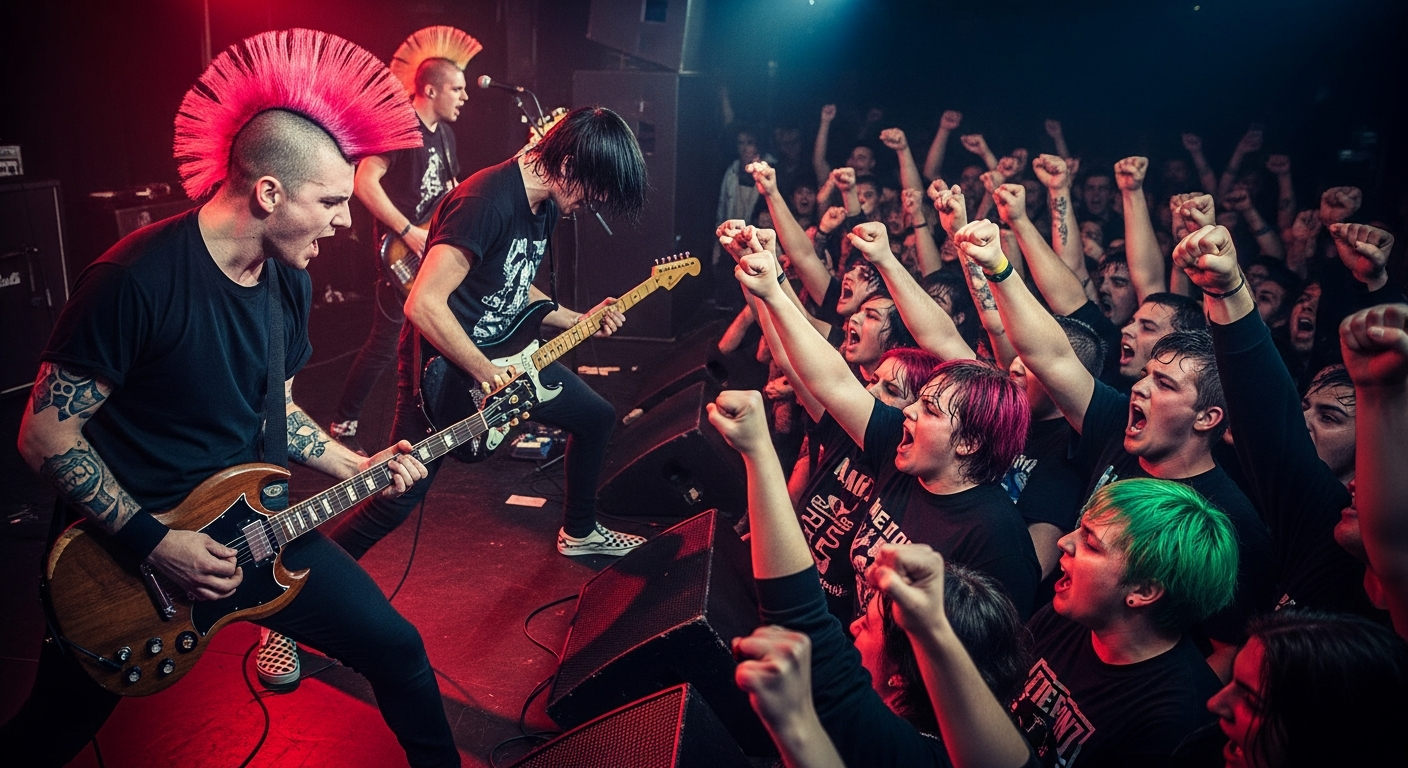
    There’s a specific thing that happens when a well-prepared tribute band plays songs from a formative era in a small room. It’s different from seeing those songs on a stadium screen. You’re not nostalgic at a distance — you’re in the room with 200 people who all know the same lyrics, and the band is ten feet away playing them at full volume.

    Tony V’s has hosted Emo Prom at Tony V’s and built a track record of landing the right acts for Everett’s live music crowd. The Polkadot Cadaver show drew the same energy this room can hold — dedicated, loud, present. And if you’ve been watching what’s come through the April lineup at Tony V’s, you already know this venue doesn’t book filler.

    Altered 2ks and Centuries together on one bill on a Saturday night is not a casual decision. This is a deliberate, fully committed tribute event with a tight setlist focus.

    The Short Version

    What: Altered 2ks + Centuries — 2000s emo and pop punk tribute night
    When: Saturday, June 6, 2026 — 8:00 PM to 11:30 PM
    Where: Tony V’s Garage, 1716 Hewitt Ave, Everett WA 98201
    Tickets: $23.18 on Eventbrite — limited capacity (this show has since taken place)
    Ages: Check Eventbrite listing for age policy

    This show took place on June 6, 2026 — the Eventbrite listing is now closed.

    FAQ

    When did Altered 2ks play at Tony V’s Garage?

    Saturday, June 6, 2026 at 8:00 PM. Doors opened before then.

    Where is Tony V’s Garage in Everett?

    1716 Hewitt Ave, Everett, WA 98201. Street parking on Hewitt and the surrounding blocks.

    How much were tickets for Altered 2ks at Tony V’s?

    $23.18 on Eventbrite. Capacity at Tony V’s is limited, and the show has since taken place.

    What kind of music do Altered 2ks play?

    2000s emo and pop punk — My Chemical Romance, Fall Out Boy, Paramore, Taking Back Sunday, and the full early-2000s catalog you know by heart.

    Who opened at the June 6 show?

    Centuries opened the night. They play the same era — this was a two-band throwback double bill.

  • Hot Wheels Monster Trucks Everett 2026: Tickets & Guide

    Hot Wheels Monster Trucks Everett 2026: Tickets & Guide

    You’ve got 18 days. Hot Wheels Monster Trucks Live Glow-N-Fire is coming to Angel of the Winds Arena in Everett on Saturday May 30 and Sunday May 31 — and if you haven’t locked in tickets yet, this is your reminder. Three shows, a lineup loaded with fan favorites, and a brand-new truck making its debut. Here’s everything you need to know before showtime.

    Show Schedule

    DateShow Time
    Saturday, May 3012:30 PM (matinee)
    Saturday, May 307:30 PM (evening)
    Sunday, May 312:30 PM (matinee)

    Three shows across the weekend, so there’s a time that works for every family schedule. The Saturday evening show at 7:30 PM is the big one — the arena lights down, the glow effects kick up, and the crowd is typically largest. The matinee shows are great for families with younger kids who might be fading by 9 PM.

    The Trucks You’ll See

    This is a stacked lineup. Here’s who’s rolling in:

    • Mega Wrex — the dinosaur-bodied classic
    • Bigfoot — the original monster truck, still doing it
    • Bone Shaker — Hot Wheels’ skull-and-flame icon
    • Tiger Shark
    • HW 5-Alarm
    • Gunkster
    • Skelesaurus
    • Rhinomite — making its live debut at this tour

    Plus: FMX freestyle motocross riders and a transforming robot. It’s not just monster trucks — it’s a full sensory experience built for the full family, even the adults who claim they’re just “taking the kids.”

    The Pre-Show Party

    This is the hidden gem of the Hot Wheels event. The Pre-Show Party gets you floor access 2.5 hours before the show starts — meaning you can get up close to the actual trucks, take pictures, and let the kids see what these machines look like at ground level before the dirt starts flying.

    If you have younger kids (or a big monster truck fan of any age), the Pre-Show Party ticket is worth it. Check Ticketmaster for availability and pricing on pre-show access.

    Tickets and Where to Buy

    Tickets are available now through Ticketmaster and AXS:

    You can also check the Angel of the Winds Arena event page for complete details.

    What to Know Before You Go

    Ear protection is a must for young kids. Monster trucks are loud — like, legitimately ear-splittingly loud — and the arena amplifies everything. Pick up foam earplugs or kids’ ear defenders before the event. They’re often sold at the venue but bring your own to be safe.

    Arrive early for the best dirt-side views. The floor of Angel of the Winds transforms into a legitimate dirt track for this event. Floor seats get you close to the action; upper deck gives you the best angle for jumps and aerial tricks. Both have their merits.

    Parking is at Angel of the Winds Arena at 2000 Hewitt Ave, Everett, WA 98201. The arena is well-signed from I-5. For downtown Everett visitors, you can combine the show with a meal on Hewitt Avenue or at the Waterfront before or after the event.

    The Saturday evening show is a date night option too. Glow-N-Fire, as the name suggests, leans into the pyrotechnic and lighting spectacle. The evening show is the full-throttle version of the experience, with the glow effects doing their best work in a dark arena.

    The Rhinomite Debut

    Worth calling out separately: Rhinomite is making its live debut on this tour. Hot Wheels fans who track the new vehicle announcements have been waiting to see Rhinomite in action at full speed. Everett is one of the first stops. If you’re a gear-head or a collector, that’s a genuine reason to be in the building.

    A Big Weekend at Angel of the Winds

    May 30-31 falls just after the potential WHL Final Games 6 and 7 window (May 17-18 if needed) and about a month before the Washington Wolfpack’s home schedule heats up. After the spring sports season wraps, Hot Wheels rolls in to keep the arena buzzing through the summer.

    Angel of the Winds has had a remarkable run of events this spring — from the WHL playoffs to Washington Wolfpack football to Skate America in November. Monster Trucks fits right in. It’s the kind of event that reminds you why having a 10,000-seat arena in Everett matters.

    Frequently Asked Questions

    When is Hot Wheels Monster Trucks Live in Everett in 2026?

    Hot Wheels Monster Trucks Live Glow-N-Fire comes to Angel of the Winds Arena in Everett on Saturday May 30 (12:30 PM and 7:30 PM) and Sunday May 31 (2:30 PM).

    Where can I buy tickets for Hot Wheels in Everett?

    Tickets are available at Ticketmaster.com and AXS.com. You can also check the Angel of the Winds Arena website directly.

    What trucks will be at the Everett Hot Wheels show?

    The lineup includes Mega Wrex, Bigfoot, Bone Shaker, Tiger Shark, HW 5-Alarm, Gunkster, Skelesaurus, and the debut of all-new Rhinomite, plus FMX riders and a transforming robot.

    Is the Pre-Show Party worth it?

    For families with younger kids or true monster truck enthusiasts, yes. The Pre-Show Party gets you floor access 2.5 hours before the show to get up close to the actual trucks before the event begins.

    Where is Angel of the Winds Arena?

    Angel of the Winds Arena is located at 2000 Hewitt Ave, Everett, WA 98201. Parking is on-site and well-signed from I-5.

    Related coverage: Angel of the Winds Arena May–November 2026 Events Guide | Washington Wolfpack Host Beaumont May 23

  • Everett AquaSox Blow 4-0 Lead, Fall to Vancouver in 10

    Everett AquaSox Blow 4-0 Lead, Fall to Vancouver in 10

    VANCOUVER, BC — The Everett AquaSox played a gem of a baseball game Tuesday night at Scotiabank Field — and still came away empty-handed. The Vancouver Canadians walked off the Frogs 6-5 in 10 innings, stealing the series opener in a game that was in Everett’s control for most of the night. Walter Baker (1-1) picked up the win in relief. Reggie Kelly (0-2, 6.17 ERA) took the loss after the walk-off run crossed in the 10th.

    Last refreshed: October 20, 2026 (Pacific).

    AquaSox Built a 4-0 Lead — Then Let It Slip

    The Frogs came out swinging in the early innings. Everett scored twice in the third and twice more in the fourth to build a comfortable 4-0 cushion. For five innings, this had all the makings of a convincing road-trip opener in a series the AquaSox need to own.

    Then Vancouver woke up. The Canadians cut it to 4-2 with a two-run fifth inning, and the complexion of the game changed. The big blow came in the seventh, when Vancouver erupted for three runs — flipping the lead to 5-4 and putting Everett on its heels for the first time all night.

    The AquaSox refused to die. Down a run in the ninth, Everett pushed across a run to tie it at 5-5 and force extra innings. That’s the kind of resilience this team has shown all season. Tied in the 10th, in an opposing ballpark, the Frogs had earned a chance to win it.

    It didn’t happen. Vancouver’s walk-off run in the bottom of the 10th ended it 6-5, and the Canadians took the first point in what became a six-game series at Scotiabank Field.

    By the Numbers

    Final score: Vancouver 6, Everett 5 (10 innings)

    Team12345678910RHE
    Everett0022000010561
    Vancouver0000203001670

    Win: Baker (1-1) | Loss: Kelly (0-2, 6.17 ERA)

    Context: The Series and the Standings

    The loss drops Everett to 18-16 on the season, still in a respectable mid-pack position in the Northwest League. Vancouver, surprisingly, comes in at just 14-20 — a reminder that this is a team the Frogs should be able to compete with over a six-game stretch even after Tuesday’s gut-punch opener.

    The series ran through Sunday at Scotiabank Field, giving the AquaSox five more chances to make up ground. Tuesday’s game — a road walk-off loss in 10 innings where they led for most of the night — was exactly the kind of game a good team has to shake off by Wednesday.

    The good news: Everett’s offense showed up. Six hits, five runs, and a two-run burst in the 3rd and 4th innings that established early control. The tying run in the 9th demonstrated that this team doesn’t quit when things get hard. That’s important to remember after a result like this one.

    The Bigger Picture: AquaSox in May

    May has been a grind for Everett. The Frogs went 3-3 at Tri-City, then won five of six at home against Hillsboro — including Bryce Miller’s 5-inning/0-run rehab gem on Silver Sluggers Night — before dropping the Mother’s Day finale 8-5. Now they open the Vancouver road trip with a tough extra-inning loss.

    The prospect pipeline is still humming. Felnin Celesten won back-to-back NWL Player of the Week awards through the Hillsboro homestand. Luke Stevenson took home Mariners April Hitter of the Month honors. Brock Moore won the April Bullpen Award. These guys are developing exactly as advertised — and that development doesn’t stop just because Tuesday’s game ended wrong.

    What Came Next

    The six-game road series at Scotiabank Field continued Wednesday through Sunday. The AquaSox’ next home series was against the Tri-City Dust Devils, beginning Tuesday, May 19.

    Scotiabank Field is a beautiful park in the Nat Bailey Stadium footprint — real grass, classic ballpark feel, and a short walk from the SkyTrain. For Everett fans who made the trip up to Vancouver to watch some Frogs baseball, it was a great week to do it.

    Frequently Asked Questions

    What was the AquaSox score on May 12, 2026?

    The Vancouver Canadians defeated the Everett AquaSox 6-5 in 10 innings at Scotiabank Field on Tuesday, May 12, 2026.

    How did the AquaSox lose the game?

    Everett led 4-0 through four innings, but Vancouver rallied with two runs in the fifth and three in the seventh to take a 5-4 lead. The AquaSox tied it with a run in the ninth, but Vancouver scored a walk-off run in the 10th to win 6-5.

    What was the AquaSox record after May 12?

    The AquaSox were 18-16 on the 2026 season after Tuesday’s loss.

    Where did the AquaSox play next?

    The AquaSox continued their six-game road series against the Vancouver Canadians at Scotiabank Field through Sunday, May 17, with games starting at 7:05 PM PT.

    Who is Felnin Celesten?

    Felnin Celesten is an Everett AquaSox outfield prospect and two-time consecutive Northwest League Player of the Week winner. He was batting .295 at that point in the season and led the team in runs scored.

    Related coverage: AquaSox Go 5-of-6 Against Hillsboro Before Vancouver | Bryce Miller Goes Five Scoreless at Funko Field | Celesten, Stevenson, Moore: AquaSox Prospect Awards

  • WHL Final Game 3: Silvertips Beat Raiders to Take 2-1 Lead

    WHL Final Game 3: Silvertips Beat Raiders to Take 2-1 Lead

    PRINCE ALBERT, SK — The Everett Silvertips stole home-ice advantage on Tuesday night at the Art Hauser Centre, grinding out a gritty 3-2 win over the Prince Albert Raiders in Game 3 of the 2026 WHL Championship Final. Silvertips forward Julius Miettinen supplied the game-winning goal as Everett clawed to a 2-1 series lead. Everett went on to win Game 4 in the same building and then clinched the series — and the first Ed Chynoweth Cup in franchise history — with a 7-2 win in Game 5 on May 15, 2026.

    Last refreshed: October 20, 2026 (Pacific).

    The Rudolph Factor

    The storyline going into Game 3 was the suspension of Raiders defenseman Daxon Rudolph, one of Prince Albert’s most important offensive contributors and one of the top NHL draft prospects in this year’s class. The TSN-reported one-game ban took a key weapon off the Raiders’ blue line — and the Silvertips made them pay.

    Rudolph had been a presence all series for the Raiders, and losing him for a road game in a building that’s become a Silvertips fortress was a serious blow to Prince Albert’s chances. The ban was for one game only, so Rudolph was eligible to return for Game 4.

    Miettinen: The Finnish Record-Setter

    Julius Miettinen continues to write himself into WHL playoff history. The Silvertips forward has now set the record for the most playoff points by a Finnish player in WHL history — a remarkable accomplishment for a player operating at peak level in the biggest games of the year.

    His game-winning goal on Tuesday was another chapter in what has been an incredible 2026 playoff run. In a tight game that could have gone either way, Miettinen came up with the decisive marker. That’s what elite players do. That’s why the Silvertips are in this series.

    The WHL also honored Miettinen in the WHL Championship Edition of its Weekly Awards — recognition that came alongside defenseman Brock Cripps of the Raiders and Silvertips goaltender Anders Miller. Even in a week where Everett won a game, the league acknowledged how good both teams have been.

    Miller on the Road

    The Art Hauser Centre in Prince Albert holds roughly 2,800 fans and it gets loud. Really loud. The Raiders faithful showed up expecting to see their team take a 2-1 series lead, and instead watched Anders Miller stand them up.

    Miller came into Game 3 with a .936 playoff save percentage across 13 playoff games — the best playoff numbers in WHL history for a goalie who has played that many games. He had already gone 8-0 on the road in these playoffs before Tuesday, and he backed it up again at the Art Hauser. Silvertips fans have spent all spring watching Miller make impossible saves in impossible buildings, and it’s starting to feel inevitable.

    This is now a 15-2 playoff record for the Silvertips. They have lost exactly two games in two months of playoff hockey.

    How the Series Looks Now

    The series narrative has shifted decisively. Here’s where things stand:

    • Game 1 (May 8, AOTW): Raiders 4, Silvertips 2 — Orsulak and Cootes stole home ice
    • Game 2 (May 9, AOTW): Silvertips 6, Raiders 2 — Miettinen’s 4-point night, Bear twice
    • Game 3 (May 12, Art Hauser): Silvertips 3, Raiders 2 — Miettinen GWG, road steal
    • Game 4 (May 13, Art Hauser): Silvertips win — Everett takes a 3-1 series lead
    • Game 5 (May 15, Art Hauser): Silvertips 7, Raiders 2 — Everett clinches the Ed Chynoweth Cup, 4-1
    • Games 6/7 (May 17/18, AOTW): Not needed — the series ended in five games

    Everett did go up 3-1 in Game 4 — a series lead that proved insurmountable. Rudolph was eligible to return for Prince Albert, but it changed nothing: the Silvertips closed the series out in Game 5.

    What It Means

    The Silvertips had never won the Ed Chynoweth Cup — they lost the final in 2004, their first season, and again in 2018. This team — 57-8-2-1 in the regular season — made its case as the best Everett team ever. And in Game 3 they took the lead in the WHL Final on the road, in a building they had never played a game in before that week, against a team that had home ice advantage.

    Two more wins followed — Game 4, then the 7-2 clincher in Game 5 — and the Cup belonged to Everett for the first time in franchise history.

    How the Series Ended

    Series result: Everett wins the 2026 WHL Championship Final, 4-1. The Silvertips won Game 4 at Art Hauser Centre on May 13 to go up 3-1, then clinched the Ed Chynoweth Cup with a 7-2 win in Game 5 on May 15, 2026 — Shea Busch scored a hat trick in the clincher and Julius Miettinen was named WHL Playoff MVP. It was the first WHL championship in franchise history, capping a 16-2 playoff run. Games 6 and 7 were not needed.

    The series never came back home — Everett finished the job on the road in Prince Albert, and Angel of the Winds Arena never got its Game 6. The Cup came home to Everett anyway.

    Frequently Asked Questions

    What was the series score after Game 3 of the 2026 WHL Championship Final?

    After Game 3, the Everett Silvertips led the Prince Albert Raiders 2-1 in the best-of-seven series. Everett went on to win the series 4-1.

    When was WHL Final Game 4?

    Game 4 was played Wednesday, May 13, 2026 at Art Hauser Centre in Prince Albert (7:30 PM MT / 6:30 PM PT, on TSN in Canada and Victory+ in the U.S.). Everett won to take a 3-1 series lead.

    Why was Daxon Rudolph suspended for Game 3?

    Rudolph received a one-game WHL suspension that was first reported by TSN. The specifics of the infraction were not disclosed, but it kept the Raiders’ top defensive prospect out of Tuesday’s game.

    Who scored the game-winning goal in Silvertips Game 3?

    Julius Miettinen scored the game-winning goal for the Silvertips in the 3-2 win.

    What is Anders Miller’s WHL playoff save percentage?

    Miller entered Game 3 with a .936 save percentage across 13 playoff games — the best playoff SV% in WHL history for a goalie with that many games played.

    Related coverage: Tips Even the Series With 6-2 Game 2 Win | Anders Miller’s Road Test | WHL Final Heads to Prince Albert: Full Schedule

  • Everett Pallet Shelter: VOAWW Guide for Mothers & Children

    Everett Pallet Shelter: VOAWW Guide for Mothers & Children

    Quick facts: On April 27, 2026, the City of Everett and Volunteers of America Western Washington (VOAWW) opened a 20-unit Pallet Shelter Village for women experiencing homelessness with their children, on city-owned land off Sievers-Duecy Boulevard in west Everett. Each unit houses one mother and up to three children. Residents can stay up to 12 months with wraparound recovery and job support. Funding: City of Everett ARPA dollars plus a $250,000 match from Snohomish County. Total capital and grant operational expenses: $2.7 million. This is Everett’s third Pallet shelter project and the first built specifically for families with children.

    On April 27, 2026, a ribbon was cut on a piece of city-owned land off Sievers-Duecy Boulevard in west Everett, and 20 addresses came into existence. Not mailing addresses. Living addresses — places where a mother and her children now have a lockable door, a bed, a community kitchen a short walk away, and up to 12 months to work on what comes next.

    This is VOAWW’s third Pallet shelter project in Everett. It is the first one built specifically for women and their children. Here is what is on site, how a family qualifies, who paid for it, and what this means for Everett’s broader effort to address homelessness among the most vulnerable households in Snohomish County.

    Last refreshed: October 20, 2026 (Pacific).

    What Is On Site at Sievers-Duecy

    Twenty Pallet structures are installed on the enclosed, managed site. Each unit is a modular shelter built by Pallet Shelter, the Everett-based company whose structures were deployed in more than 70 cities before the company shut down in September 2026 — the villages it built remain in service. Each unit is designed for one mother and up to three children — a sleeping space with climate control, secure storage, and a lockable door. The lock matters more than it might seem: most emergency shelter beds available to families in Snohomish County prior to this opening were in congregate settings with no private door.

    • Detached restrooms and a separate shower facility — enclosed, year-round
    • A community kitchen and gathering space — hard-walled, where residents can cook and meet with case workers
    • A playground — the feature that signals most clearly who this village is for

    The site is enclosed and access-controlled. VOAWW manages the site and provides on-site services.

    Who It Serves and How Long Residents Can Stay

    The shelter is for women and their children. Residents can stay up to 12 months — transitional, not emergency. The distinction matters: emergency shelter is measured in days or weeks. Transitional shelter at 12 months gives VOAWW’s case managers enough time to work with a family on housing search, employment, recovery support, and the practical paperwork that reconnects people to stable housing.

    VOAWW provides wraparound services including recovery assistance and job support. Their 2026 service footprint includes more than 315,000 service requests annually across their full program portfolio. Referrals go through VOAWW directly or through the 211 system. For a broader look at VOAWW’s full Everett service map, see Where to Get Help in Everett in 2026.

    Who Paid For It

    Funded through City of Everett American Rescue Plan Act (ARPA) dollars, with a $250,000 match from Snohomish County. Total capital and grant operational expenses as of end of 2025: $2.7 million. The city provided the land — city-owned property off Sievers-Duecy Boulevard. The ribbon cutting was attended by Everett City Council President Don Schwab, VOAWW Executive Director of Housing Services Galina Volchkova, VOAWW CEO Brian Smith, and Everett Mayor Cassie Franklin.

    Everett’s Third Pallet Shelter: The Full Picture

    Everett has now opened three Pallet shelter projects. The Sievers-Duecy village is the first built specifically for women and children. The Pallet company itself was an Everett story: founded here in 2017, with structures deployed in more than 70 cities nationally before the company shut down in September 2026. The Pallet model — modular structures, enclosed sites, transitional time frames, wraparound services — has become a consistent component of Everett’s homelessness response strategy.

    The Sievers-Duecy location matters geographically. West Everett — the corridor around Casino Road, Sievers-Duecy Boulevard, and the neighborhoods running toward Merrill Creek — has a significant concentration of low-income households and historically has had the highest demand for human services access in the city.

    What This Means for Snohomish County’s Homelessness Response

    Single mothers with children are among the most difficult households to serve in the existing shelter system. Congregate shelters frequently can’t accommodate families. Hotel diversion programs are expensive. Rapid rehousing requires affordable rental vacancy — which Snohomish County’s market, with its $750,000 April 2026 median and tight supply, frequently doesn’t offer. A 20-unit transitional village gives 20 families a stable enough platform to work on the next step.

    For the broader network, the $30 million Everett Gospel Mission expansion underway adds 172 additional shelter beds. For NAVSTA Everett military families who may need these resources, see the Navy family housing resource guide. Also see the complete Everett Gospel Mission guide.

    Frequently Asked Questions

    Where is the VOAWW Pallet Shelter in Everett?

    On city-owned land off Sievers-Duecy Boulevard in west Everett. The site opened April 27, 2026.

    Who is eligible for the VOAWW Pallet Shelter?

    Women experiencing homelessness with their children. Each unit accommodates one mother and up to three children.

    How long can families stay?

    Up to 12 months, in a transitional model with wraparound recovery and employment support provided by VOAWW.

    How do families get referred to the shelter?

    Through VOAWW directly (voaww.org) or through the 211 system — dial 2-1-1 or text your zip code to 898-211.

    How was the shelter funded?

    City of Everett ARPA dollars plus a $250,000 match from Snohomish County, on city-owned land. Total capital and grant operational expenses: $2.7 million as of end of 2025.

    What is the Pallet Shelter company?

    An Everett-based company that manufactured modular shelter units deployed in more than 70 cities nationwide before shutting down in September 2026. The Sievers-Duecy units were built by Pallet Shelter and installed on the city-owned site — and the villages Pallet built remain in service.

    Is this Everett’s only shelter for families with children?

    It is the first Pallet shelter village in Everett built specifically for mothers and children. Other resources for families in Snohomish County include Everett Gospel Mission, Cocoon House (youth), and 211 for referrals to all available resources.

  • Everett-Delta Transmission Line: 2027 PUD Grid Upgrade

    Everett-Delta Transmission Line: 2027 PUD Grid Upgrade

    What is the Everett-Delta transmission line and why does it matter? It is a new 3.5-mile 115-kilovolt power line Snohomish County PUD is building to connect the Everett Substation (west of I-5 between McDougall and Smith) to the Delta Switching Station (north of the SR 529 / West Marine View Drive interchange). Construction begins spring 2027; in service by summer 2027. It is the electrical backbone that makes the entire Everett waterfront, downtown, and north-end building wave possible — the Millwright District, the downtown stadium, Mosaic Apartments, and every heat pump, EV charger, and commercial kitchen going into new buildings along the corridor all depend on this line having enough capacity.

    Most of the coverage of Everett’s development boom focuses on what’s being built: the Millwright District’s 300-plus waterfront apartments, Skotdal Real Estate’s seven-story Mosaic Apartments on Pacific Avenue, the downtown stadium breaking ground in September 2026, the Sage Investment Group converting the 9602 19th Street SE Econo Lodge into 124 studios, and the Port of Everett’s continuing Restaurant Row expansion. What rarely gets covered is what has to be true underground and overhead before any of those buildings can function at full electrical load.

    That’s what the Everett-Delta transmission line is about.

    Snohomish County PUD held two public open houses on May 7, 2026 — 4 to 5:30 p.m. and 6 to 7:30 p.m., both at PUD headquarters at 2320 California Street in Everett — to explain the project to residents. Here is what those open houses covered, and why this infrastructure decision matters for every household, business, and development project in the corridor.

    What the Line Actually Is

    The Everett-Delta project is a new 115-kilovolt transmission line, approximately 3.5 miles long, connecting two existing PUD assets at opposite ends of the city’s growth corridor. On the south end: the Everett Substation, located just west of Interstate 5 between McDougall Avenue and Smith Avenue, north of 36th Street. On the north end: the Delta Switching Station, sitting just north of the State Route 529 and West Marine View Drive interchange in north Everett.

    A 115-kV line is what the utility industry calls mid-tier transmission — not the bulk transmission highways that BPA operates at 230kV and 500kV, but the layer that connects the high-voltage backbone to the local distribution substations that actually serve neighborhoods. It’s the difference between having electricity available somewhere in the region and having it available at the right voltage, in the right quantity, at a specific address on Pacific Avenue or Marine View Drive.

    PUD’s stated reasons for building the line now: increasing electrical demand in the northern regions of the service territory; the need to keep voltage stable if local power is interrupted; delivering more electricity from south to north to ease strain on the current system during peak hours; and supporting at least one new substation in the Everett area tied to the City of Everett’s 2044 Comprehensive Plan growth projections.

    The Development Connection

    The geographic overlap between this line and the Everett development map is not a coincidence. The line runs through or adjacent to the same West Marine View Drive corridor where the $113 million Port of Everett waterfront pipeline project, the Edgewater Bridge reconstruction, and the Port’s terminal investments have all been stacking up. The Millwright District Phase 2’s 300-plus apartments are in this zone. The downtown stadium site — with a September 2026 groundbreaking target — is within the service territory of the substations this line feeds.

    Every new building in this corridor carries electrical load. A 300-unit apartment building with heat pumps, EV charging stations in the garage, and full commercial kitchen and amenity spaces runs roughly 1 to 1.5 megawatts of peak demand. A commercial development with restaurant tenants adds more. Multiply that across the Millwright District, Mosaic Apartments, the stadium, and the pipeline of projects in the Imagine Everett comprehensive plan, and the aggregate load growth is significant — exactly the kind of growth that forces a utility to invest in transmission before the buildings open, not after.

    PUD’s 2044 Comprehensive Plan projection shows Everett absorbing a significant share of Snohomish County’s population growth over the next two decades. The Everett-Delta line is the infrastructure that makes that projection electrically possible, not just politically aspirational. For more on the waterfront development pipeline this line serves, see What 15 Years and $350 Million Built: The Port of Everett Story and Everett’s Downtown Stadium in 2026: The Complete Guide.

    Timeline: When This Gets Built

    • May 7, 2026: Public open houses at PUD headquarters, 2320 California Street, Everett
    • Environmental review and permitting: Ongoing through 2026
    • Spring 2027: Construction begins
    • Summer 2027: Line in service — approximately six months of construction

    What It Means for Existing Everett Customers

    The most direct benefit for existing residential and commercial customers is grid reliability. The Everett-Delta line adds a second transmission path into the north Everett grid, which means that if the existing line fails during a storm or equipment outage, the system can reroute power without causing a widespread outage. PUD’s language — “prevent the electric system from experiencing low voltage should local power be interrupted” — is describing what engineers call N-1 contingency planning: designing the system so it continues to work even if one element fails.

    For neighborhoods in the 36th Street to Marine View Drive corridor — including Bayside, the north waterfront, and the areas near PUD headquarters — this is a direct reduction in outage risk during major weather events. Also see the broader development context in Skotdal’s Mosaic Apartments: 102 Art-Infused Homes on Pacific Avenue.

    What It Means for Businesses and Developers

    If you are developing or planning to develop in the Everett waterfront, downtown, or north-end corridor, the Everett-Delta line affects your project in two practical ways.

    First, PUD’s ability to grant electrical service connections to new large-load customers depends on transmission capacity upstream. The Everett-Delta line adds that upstream capacity. Second, the summer 2027 in-service date matters for your construction and opening timeline. Buildings opening in fall 2027 or later are in good shape. Projects with 2026 or early 2027 openings should confirm with PUD directly whether interim capacity arrangements are needed.

    PUD’s project contact information is available at snopud.com under System Improvements.

    Frequently Asked Questions

    What is the Everett-Delta 115kV transmission line?

    A new 3.5-mile power line Snohomish County PUD is building to connect the Everett Substation (near 36th Street and I-5) to the Delta Switching Station (near SR 529 and Marine View Drive). Scheduled to go in service by summer 2027.

    Why is PUD building this line now?

    To support growing electrical demand in the Everett area, prevent low-voltage conditions during local power outages, deliver more electricity from south to north during peak hours, and support at least one new substation tied to Everett’s 2044 Comprehensive Plan growth projections.

    When does construction start and when will the line be in service?

    Construction begins spring 2027. The line is targeted to be in service by summer 2027, with construction taking approximately six months.

    How does this affect the Everett waterfront development projects?

    Every new building in the waterfront and downtown corridor adds electrical load. The Everett-Delta line adds the upstream transmission capacity PUD needs to connect new developments at full load without imposing service restrictions or connection queues.

    Does this reduce the risk of power outages for existing Everett customers?

    Yes. The line adds a second transmission path into the north Everett grid, enabling rerouting around a failed line segment rather than causing widespread outage. This is N-1 contingency coverage.

    Will there be construction disruption near Marine View Drive?

    Some work in the corridor is expected in spring-summer 2027 as the line connects near SR 529 and Marine View Drive. PUD will provide specific construction routing details as the project advances through permitting.

    Where can I get more information about the project?

    Snohomish County PUD maintains a project page at snopud.com under Community & Environment → Our Energy Future → Reliability → System Improvements → Everett-Delta Transmission Line.

  • Belfair Senior Center: The HUB Celebrates 25 Years

    Belfair Senior Center: The HUB Celebrates 25 Years

    The HUB Center for Seniors at 111 NE Old Belfair Highway is celebrating 25 years of service to North Mason County in 2026 — and if you haven’t been inside lately, the calendar it’s running would surprise you.

    The organization was incorporated as a 501(c)(3) in 2001 under a mission that has never changed: support independent living for seniors and people with disabilities in North Mason. For the first 15 years, that mission ran entirely on volunteers. No building, no commercial kitchen, no thrift store — just neighbors driving neighbors to appointments, stocking a free medical lending library, and running a senior food commodities program out of whatever space was available.

    In 2016, The HUB got its building. Belfair residents Les and Betty Krueger offered matching funds to help purchase the land on Old Belfair Highway, and the community raised the rest to fund Phase 1 of a purpose-built senior center. The name — Hospitality, Unity, and Belonging — was already in use, but the building made it real. There was now an actual hub.

    Twenty-five years in, the organization employs 32 people and holds $2,492,181 in assets — a reflection of what community fundraising, grant support, and the HUB SHOP thrift store have built since those volunteer-only days.

    Last refreshed: October 20, 2026 (Pacific).

    What’s Actually Happening Inside

    The week-in, week-out calendar at The HUB is what sets it apart from a social-services office. Monday and Tuesday mornings bring free live music, open to everyone in the community — not just seniors. Family BINGO runs on the first Friday of every month. Fitness classes, painting workshops, writing groups, cooking classes, and health education events fill out the rest of the week. The Great Room and commercial kitchen are available for community rentals and private fundraisers.

    The HUB SHOP — S.H.O.P. stands for Sales Helping Other People — operates its own schedule, Monday through Saturday, 9:30 a.m. to 5:30 p.m., six days a week. Proceeds cycle back into HUB programs. It’s one of the more reliable ways to both furnish a house and support a Belfair institution at the same time.

    The center itself is open Monday through Thursday, 10 a.m. to 4 p.m., and Fridays 10 a.m. to 2 p.m.

    The Backbone: Neighbors Helping Neighbors

    Underneath the visible programming is the service that started it all. The Neighbors Helping Neighbors program doesn’t get the attention the live music mornings get, but it is the reason The HUB exists. It has served more than 900 people with needs that range from rides to medical appointments and help with grocery runs to connecting people with caregivers, utility bill assistance, and wood for heating homes through the winter.

    The free medical lending library — wheelchairs, walkers, shower chairs, crutches — is open to anyone, of any age, anywhere in the area. You don’t have to be a senior. You don’t have to be a HUB member. You walk in, you borrow what you need.

    For a community where the nearest major medical center is across the water in Bremerton or down US-101 toward Shelton, that kind of infrastructure matters in ways that don’t make the news. The economic and workforce stability of North Mason depends in part on the support systems that let people age in place here rather than move away — and The HUB is a core piece of that ecosystem.

    Why 25 Years in Belfair Is Significant

    Mason County has one of the older median age profiles in Washington state — and the Belfair area anchors the northern end of the county’s service gap. There is no large hospital in North Mason. The nearest assisted living cluster is primarily in Shelton. The SR-3 corridor into Bremerton is the lifeline for most medical travel.

    The HUB has filled that gap from the community side for a quarter century. Its $2.49 million asset base and 32-person staff aren’t just organizational metrics — they’re the physical and human infrastructure behind hundreds of North Mason families’ ability to have an aging parent stay in their home rather than leave the community entirely.

    New residents to the area often ask what North Mason’s support infrastructure looks like for older adults. The answer starts here: getting oriented to North Mason means knowing where the quiet infrastructure is, and The HUB is one of its most durable pieces. If you want to get involved — as a volunteer, a donor, or someone who uses the services — start at 111 NE Old Belfair Highway or call (360) 275-0535.

    Frequently Asked Questions About The HUB in Belfair

    What is The HUB Center for Seniors in Belfair?
    The HUB is a 501(c)(3) nonprofit senior and community center at 111 NE Old Belfair Highway in Belfair. Founded in 2001, it supports independent living for seniors and people with disabilities through free services, programming, and its Neighbors Helping Neighbors volunteer network.

    What are The HUB’s hours in Belfair?
    The center is open Monday through Thursday, 10 a.m. to 4 p.m., and Fridays 10 a.m. to 2 p.m. The HUB SHOP thrift store is open Monday through Saturday, 9:30 a.m. to 5:30 p.m.

    What is the Neighbors Helping Neighbors program?
    It’s The HUB’s free volunteer-driven service program that provides rides to appointments, grocery help, caregiver referrals, utility bill assistance, and connection to resources for seniors and people with disabilities in North Mason. The program has served more than 900 people.

    Does The HUB’s medical lending library cost anything?
    No. The medical lending library — wheelchairs, walkers, shower chairs, crutches, and similar items — is completely free and open to anyone of any age, not just seniors or HUB members.

    Can the public attend The HUB’s live music mornings?
    Yes. Monday and Tuesday morning live music events at The HUB are open to the entire community, not limited to seniors or members.

    How do I contact The HUB in Belfair?
    Call (360) 275-0535 or visit in person at 111 NE Old Belfair Highway, Belfair, WA 98528. The website is hubhappenings.org.

  • WDFW Shellfish Management: Early Closures in Mason County

    WDFW Shellfish Management: Early Closures in Mason County

    When WDFW closed Shine Tidelands and Wolfe Property on May 3, 2026, the agency didn’t frame it as a one-time enforcement response. It framed it as a policy tool.

    The distinction matters for anyone tracking Hood Canal’s long-term shellfish management trajectory. WDFW’s post-closure statement said the agency intends to use early-season closure authority “whenever harvest pressure outruns sustainability.” That’s a shift from a reactive model — act after a population collapses — to a proactive one: close before the damage is done, even mid-season, even when the season was already shortened.

    Last refreshed: October 20, 2026 (Pacific).

    How the 2026 season got to this point

    The closures at Shine Tidelands and Wolfe Property didn’t come from nowhere. WDFW entered 2026 having already implemented a statewide rule package targeting ten Puget Sound beaches showing harvest stress. At Shine and Wolfe, that meant cutting the season from New Year’s Day–May 15 to January 15–April 15 — removing six weeks of harvest opportunity before the season even opened. The May 3 action added an enforcement closure on top of an already-shortened season.

    The compliance failures WDFW documented weren’t obscure technicalities. Harvesters exceeded daily limits. They left open dig holes — damaging habitat for subsequent harvests. They parked illegally and in ways that endangered other visitors. They misidentified species, harvesting protected or over-limit shellfish. WDFW’s Fish and Wildlife Police attributed the compliance collapse partly to social-media-organized gathering groups that drew hundreds of harvesters simultaneously to single beaches — a coordination mechanism that recreational management frameworks weren’t built to handle.

    The dual-authority structure of Hood Canal shellfish oversight

    Hood Canal shellfish management operates under two state agencies with independent authority. WDFW sets seasons, daily limits, and species rules. The Washington State Department of Health controls biotoxin and pollution closures through the Shellfish Safety Map and Biotoxin Hotline (1-800-562-5632). A beach can be open under WDFW and closed under DOH simultaneously — neither agency’s determination overrides the other.

    Layered on top is tribal co-management. The Skokomish Tribe holds treaty-reserved shellfish harvest rights on Hood Canal under the U.S. v. Washington Boldt Decision framework. Tribal harvest occurs on state and private tidelands throughout the canal under a co-management arrangement with the state. WDFW’s conservation decisions — including season lengths and early closure authority — are made with tribal co-managers at the table. Decisions that contract the harvest available to recreational harvesters also carry implications for tribal harvest rights, which adds a legal and political dimension to the regulatory picture that extends beyond simple recreational management.

    What Twanoh’s 2026 situation illustrates

    Twanoh State Park’s 2026 configuration is a case study in stacked pressures. WDFW’s season shift moved the clam harvest window to May 15–June 15 — a six-week window instead of a longer one. Washington State Parks then scheduled a shoreline restoration project that closed beach access after the clam season ended, running through spring 2027. The campsite closure runs from June 1, 2026.

    The restoration at Twanoh isn’t just a construction inconvenience. Shoreline restoration projects on Hood Canal typically target removing legacy fill, rip-rap, and channelization that degraded the nearshore habitat — the same kinds of projects that have been underway at the Mary E. Theler Wetlands at Belfair’s Union River estuary and at other points on the Great Bend. These restorations are intended to improve long-term habitat quality for shellfish and salmon. The short-term cost is access.

    For the civic dimension: Twanoh’s restoration is a Washington State Parks capital project. Its timeline, scope, and funding aren’t widely covered in Mason County media. The Belfair Bugle will track the Twanoh restoration project’s milestones, the post-restoration shellfish habitat assessment when it’s available, and any further WDFW season adjustments on the Mason County stretch of Hood Canal.

    Frequently Asked Questions

    What is WDFW’s stated policy on mid-season shellfish closures after May 2026?

    WDFW stated after the May 3 closures at Shine Tidelands and Wolfe Property that it intends to use early closure authority as a conservation tool whenever harvest pressure outruns sustainability. This is a proactive posture — the agency is signaling willingness to close beaches mid-season, not just at the end of a preset season window, if compliance and harvest rates indicate a problem.

    How does tribal co-management affect WDFW’s Hood Canal shellfish decisions?

    The Skokomish Tribe holds treaty-reserved shellfish harvest rights on Hood Canal under the Boldt Decision framework. WDFW makes season-length and conservation decisions in co-management with tribal fisheries managers. Changes that constrain recreational harvest also carry implications for tribal harvest allocations, giving these regulatory decisions a legal and intergovernmental dimension beyond simple recreational management.

    What is the Twanoh State Park shoreline restoration project?

    Washington State Parks is conducting a shoreline restoration project at Twanoh that closed beach access after the 2026 clam season ended on June 15. Campsite reservations are closed from June 1, 2026 through spring 2027. The restoration is intended to improve nearshore shellfish and salmon habitat by removing or remediating legacy shoreline alterations — a pattern seen at other Hood Canal restoration sites including the Theler Wetlands at Belfair.

    What is the role of Washington DOH in Hood Canal shellfish management?

    The Washington State Department of Health independently controls shellfish safety closures for biotoxins and pollution. DOH closures are separate from and independent of WDFW season decisions — a beach can be open under WDFW and closed under DOH simultaneously. DOH uses the Biotoxin Hotline (1-800-562-5632) and the DOH Shellfish Safety Map to communicate current closure status. Both must be checked before any harvest day.

  • Twanoh Shellfish Harvest 2026: May 15 to June 15 Window

    Twanoh Shellfish Harvest 2026: May 15 to June 15 Window

    The 2026 Hood Canal shellfish season at Twanoh is over — the clam window ran May 15 through June 15, the oyster season ended September 30, and the beach has been closed for a shoreline restoration project since mid-June. The north end of the canal closed early, too. What follows is the 2026 season as it played out, and the checks that will matter again when WDFW publishes the next season’s dates.

    WDFW closed Shine Tidelands State Park and Wolfe Property State Park in Jefferson County on May 3, 2026, for the remainder of the 2026 season. Both sites saw harvest violations at scale — crowded beaches, exceeded daily limits, abandoned dig holes, parking violations, and species misidentification — and WDFW ended the season early. That closure affects harvesters from across the Puget Sound region, many of whom will drive south to Mason County’s beaches instead.

    Last refreshed: October 20, 2026 (Pacific).

    The Twanoh window: May 15 through June 15

    Twanoh State Park on SR-106 between Belfair and Union is the main Mason County shellfish destination. In 2026, the clam season ran May 15 through June 15 only. That was a one-month window — miss it and the clam season was over.

    After June 15, Washington State Parks began a shoreline restoration project at Twanoh and beach access closed for construction — by September 2026, the state Department of Health was noting Twanoh closed for day use, beach access and shellfish harvest due to that construction. Campsite reservations closed from June 1, 2026 through spring 2027. The oyster season ran through September 30 on the WDFW chart, but the construction closure overrode beach access in practice.

    On harvest day: bring your Discover Pass ($10 day-use, $45 annual). Oyster shells stay on the beach — this is both state law and essential habitat practice. Fill every dig hole before you leave. WDFW’s enforcement notes on the May 3 north canal closures called out hole-filling as a documented statewide compliance problem. Rangers were watching that season.

    After June 15: your alternatives

    Potlatch State Park, further south on Hood Canal near Hoodsport, has its own season dates that differ from Twanoh — check the WDFW beach page at wdfw.wa.gov/places-to-go/shellfish-beaches for current status. Our Potlatch beginner guide covers the layout, rules, and what to bring.

    Belfair State Park’s shellfish access is tied to the Union River estuary and Great Bend seasons — smaller harvest opportunity than Twanoh but worth checking if you’re already at Belfair. See our full WDFW enforcement and 2026 season overview for the complete picture.

    Two checks you must make every harvest morning

    The WDFW beach page tells you the season. The Washington State Department of Health tells you whether the beach is safe that specific day. A beach that’s open under WDFW can be simultaneously closed under DOH for paralytic shellfish poison (PSP) or vibrio contamination. Neither check replaces the other.

    DOH Biotoxin Hotline: 1-800-562-5632. Check it on the morning of harvest. Also check the DOH Shellfish Safety Map online for real-time closure status on your specific beach.

    2026 rule changes to know

    The geoduck daily limit has dropped from three per person per day to one in 2026. WDFW also made season date shifts at multiple Hood Canal beaches as part of a statewide conservation package targeting beaches showing harvest stress. The 2026 annual beach seasons bar chart PDF at wdfw.wa.gov has the full comparison — look up your planned beach before you go, every year, because dates shift.

    Frequently Asked Questions

    When is Twanoh State Park open for shellfish in 2026?

    Twanoh’s clam season ran May 15 through June 15, 2026, and the oyster season ended September 30, 2026. After the clam season closed on June 15, Washington State Parks began a shoreline restoration project and beach access closed for construction through spring 2027. Campsite reservations closed starting June 1, 2026.

    What do I need to bring to Twanoh for shellfish harvest?

    Bring a valid Discover Pass for parking ($10 day-use or $45 annual), containers for your shellfish, and a shovel for filling dig holes. Oyster shells must stay on the beach — removing them is illegal. Know your daily limits before you go: clams are typically 40 littlenecks or 40 butter clams per person per day (verify current limits on WDFW’s beach page). Geoduck limit dropped to 1 per person per day in 2026.

    Are the north Hood Canal beaches still open in May 2026?

    No. WDFW closed Shine Tidelands State Park and Wolfe Property State Park in Jefferson County on May 3, 2026, for the remainder of the season. The 2026 season at both sites was already shortened from January 15–April 15 (down from January 1–May 15). The May 3 action was an additional enforcement closure due to harvest violations at scale.

    What happens if I harvest shellfish on a DOH-closed beach?

    Harvesting shellfish from a DOH-closed beach is illegal and a public health risk. Paralytic shellfish poison (PSP) is a neurotoxin that cannot be detected by taste, smell, or appearance. It is not destroyed by cooking. Symptoms range from tingling to paralysis and can be fatal at high doses. The DOH Biotoxin Hotline (1-800-562-5632) and DOH Shellfish Safety Map provide current closure status — check both on the morning of every harvest day.