Related on Tygart Media: Notion AI for CS · Notion AI for marketing · Claude for sales.
The 60-second version
Sales reps universally underdo documentation. The CRM never matches reality. Account research is shallow. Call notes are sparse. Custom Agents fix the documentation layer without taking selling time. Autofill keeps deal properties current as pages change. A research agent prepares accounts before discovery calls. A post-call agent processes notes into structured updates and action items. The rep stays selling; the documentation layer maintains itself.
Four sales-specific agent patterns
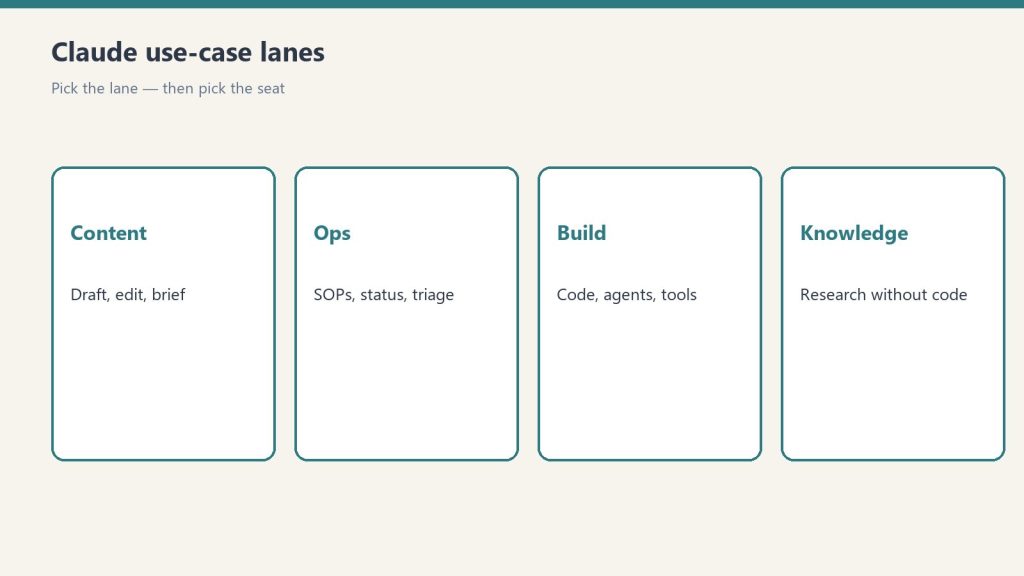
1. The pipeline hygiene agent. Daily Autofill across the pipeline database. Keeps deal stage, last-activity date, and risk flags current based on page content. Surfaces deals that haven’t moved in 14+ days. The pipeline review meeting starts 70% prepped.
2. The pre-call research agent. Triggered 60 minutes before each external meeting. Pulls company info, attendee LinkedIn data (via integration), prior interactions, related industry notes. Drops a one-page brief in the rep’s inbox.
3. The post-call summary agent. Triggered when call notes land in a designated database. Extracts action items, identifies decision-makers mentioned, updates the account record, drafts the follow-up email. Rep reviews and sends in 90 seconds.
4. The deal-at-risk agent. Weekly. Reads the pipeline. Flags deals where engagement has dropped, decision timelines have slipped, or red flags emerged in recent communications. Surfaces 3-5 deals for the rep’s attention each Monday.
What this changes for the rep’s day
Pre-agent: 60-70% of the day is selling, 30-40% is documentation and prep.
Post-agent: 80-85% selling, 15-20% review and judgment.
The math is dramatic at the team level. A 10-person sales team gets back roughly two FTE-equivalents of selling capacity. That capacity converts directly to pipeline.
What stays human
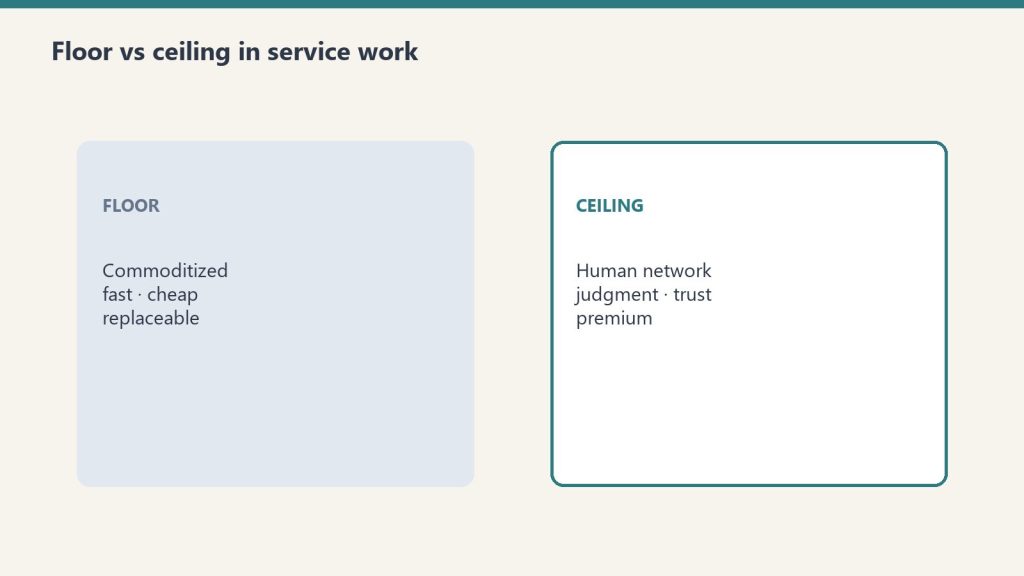
- The actual conversations with prospects
- Negotiation and closing
- Relationship building
- Strategic account decisions (which accounts to pursue, which to disqualify)
- The judgment about whether agent-summarized notes captured the call accurately
Agents make documentation cheaper. They don’t make selling cheaper.
The CRM integration question
Many sales teams already have Salesforce, HubSpot, or another CRM. The pattern that works: keep the CRM as system-of-record, use Notion + agents as the working layer. Sync key fields back to the CRM via integration. Don’t try to replace the CRM with Notion.
The exception: small teams (<10 reps) sometimes find that Notion + agents is enough and they don’t need a separate CRM. Test before committing.
Where this goes wrong
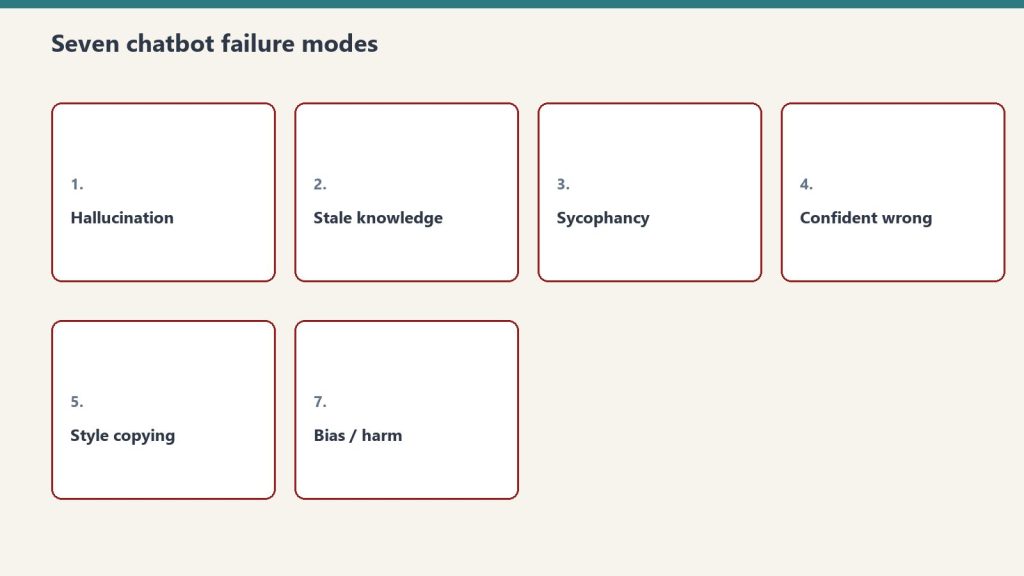
1. Autofill on judgment fields. “Deal probability” or “deal health” are judgment calls. Don’t autofill them. Surface the inputs that inform the judgment; let the rep make the call.
2. Trusting post-call summaries without review. The agent processes the notes, but the notes themselves can be sparse or wrong. Sample-check post-call summaries weekly.
3. Replacing the rep’s judgment about which deals to focus on. The deal-at-risk agent surfaces; it doesn’t decide. Reps with full context outperform any agent’s prioritization.
Leave a Reply